Experience fit
- Best use
- More margin, fewer stops
- Car need
- Depends on activity
- Guide need
- Ice, rivers, remote
- Wildlife
- Possible, not promised
- Main check
- Roads and weather
Summer in Iceland gives travelers more daylight, broader access, and more activity choices, but it also rewards restraint. Compare hiking, Highlands, wildlife, boats, glacier options, geothermal bathing, city culture, and flexible scenic stops before turning a bright day into an overloaded one.
Experience fit
Summer makes Iceland feel more flexible, but it does not make distance, weather, road access, wildlife uncertainty, or advance booking disappear.
The best summer plan usually starts with one main activity. That can be a hike, a Highland day, a whale or puffin trip, a glacier choice, a river or horseback adventure, a hot-water stop, or a city day built around food, pools, and culture.
Use the extra daylight to soften the day around that choice: slower meals, fewer rushed viewpoints, a weather change, a longer walk, or a safer return to base. If the long light only helps you add another distant activity, the summer advantage can turn into a tiring plan.
Use this for official summer activity context, then make the fit decision from your route and group.
Photo guide
1 / 9
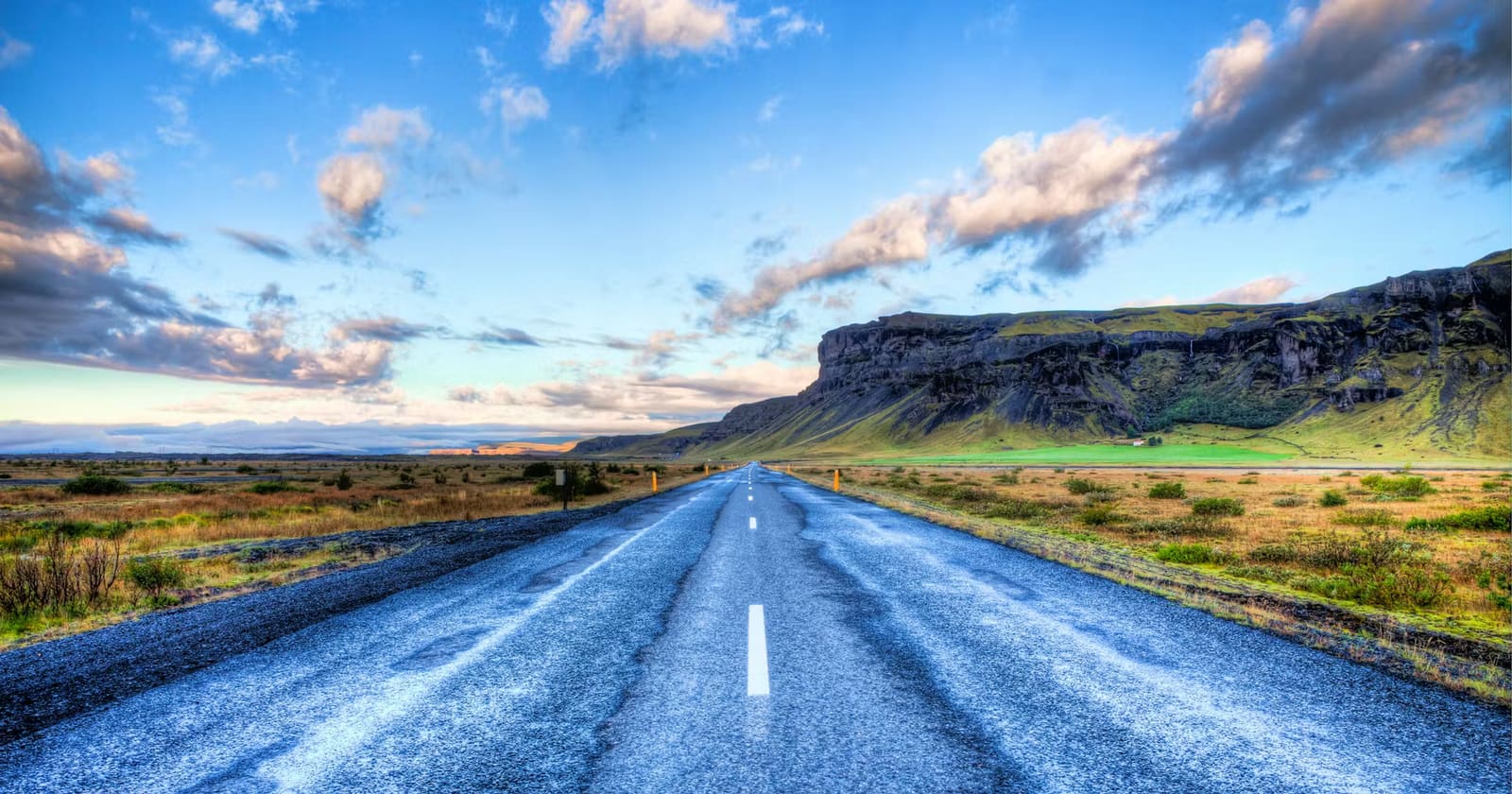
Long summer light is useful when it protects one good activity and the return drive, not when it turns every day into two days.
Good to know
Pick the version by extra preparation first. Summer activities differ less by fame than by how much they ask from your car, group, weather window, and booking plan.
| Summer choice | Best fit | Skip or downgrade if | Car/no-car | Main extra preparation |
|---|---|---|---|---|
| City, harbor, pools, food, culture | Arrival days, short trips, no-car plans | You want remote landscapes all day | No-car easiest | Choosing real priorities |
| Hiking and scenic walks | Active groups and long-light days | Footwear, weather, or ability is weak | Car helps outside city | Effort and exposure |
| Highlands and remote access | Returning visitors and careful self-drivers | Vehicle, time, or checks are uncertain | Car or guided transport | Roads and river crossings |
| Wildlife and boat trips | Whales, puffins, islands, coastal bases | You need guaranteed sightings | No-car possible from some harbors | Weather and wildlife luck |
| Glacier or lagoon activity | South Coast and southeast routes | You need a warm, low-effort day | Self-drive or guided pickup | Guide need and weather |
| River, kayak, riding, specialist adventure | One strong booked main activity | The route cannot absorb delay | Usually guided | Equipment and booking |
If you are still choosing the trip shape, open Ring Road versus South Coast before spreading summer activities across too much of the map. If the trip is short, how many days in Iceland matters more than adding another seasonal idea.
Long daylight is most useful when it makes a good plan calmer.
Summer light can make a later walk, a slower picnic, or a more relaxed photo stop feel possible. It can also hide fatigue until the next morning. For mixed groups, families, and first trips, the better move is often to stretch one activity gently rather than add a second main activity.
Summer choice improves when the base does useful work instead of just holding the night.
Reykjavik is strongest for no-car harbor trips, culture, pools, food, and guided departures. South Iceland and the southeast are stronger for waterfalls, black sand coast, glacier lagoons, Skaftafell, and longer daylight around scenic stops. North Iceland works well when whales, horses, Mývatn, or the Diamond Circle already fit the trip.
The Westfjords, Westman Islands, and Highlands can make summer feel more distinctive, but they ask for more time, transport judgment, or ferry and access checks. Use where to stay in Iceland when the activity choice is really a base decision.
Highland access is one of the clearest summer advantages, but it is not a normal-road sightseeing add-on.
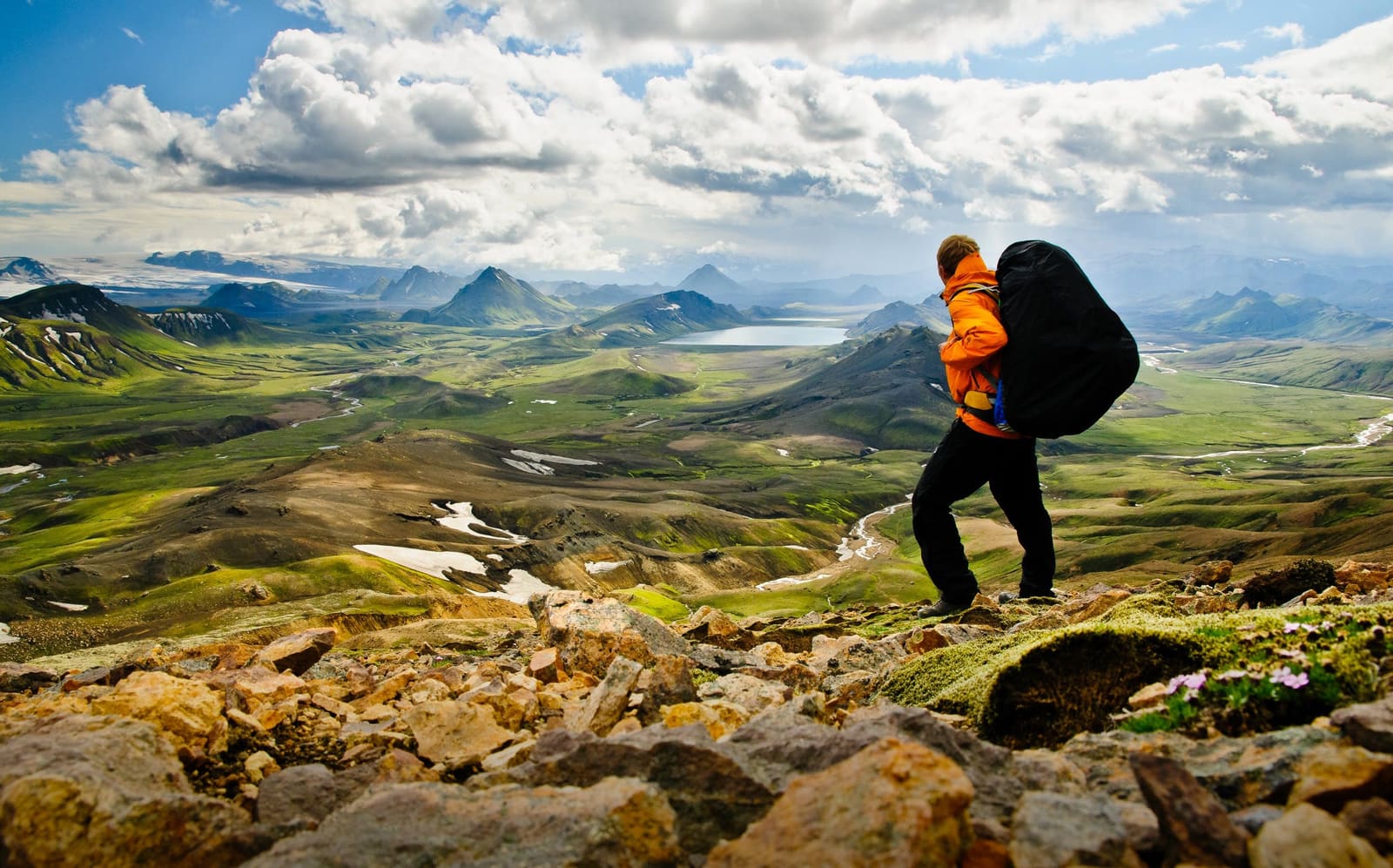
Landmannalaugar, Thorsmork, Askja, Kerlingarfjoll, and other remote summer choices can be the strongest part of a trip when the vehicle, route, weather, and group fit are honest. They are weaker when squeezed into a short itinerary because the map looks open.
Open Highlands road-trip planning before treating remote access as simple. For a hiking-led version, compare Iceland hiking choices and named places such as Landmannalaugar or Hornstrandir only after the access question is clear.
Use this before choosing F-road, river-crossing, or remote summer activity plans.
Use the official road source before committing to access-dependent summer choices.
Long light makes it tempting to collect stops. A stronger summer day gives its best hours to one hike, paddle, wildlife outing, or guided adventure, then uses scenic stops as easy additions.
A waterfall, beach, canyon, lighthouse, or geothermal viewpoint can be ideal when it sits close to the activity you already chose. It becomes weaker when it adds a long out-and-back drive after a hike, boat trip, or guided departure.
The guided version is not automatically better, but it is often the practical choice when the activity involves ice, rivers, boats, remote terrain, or specialist equipment.
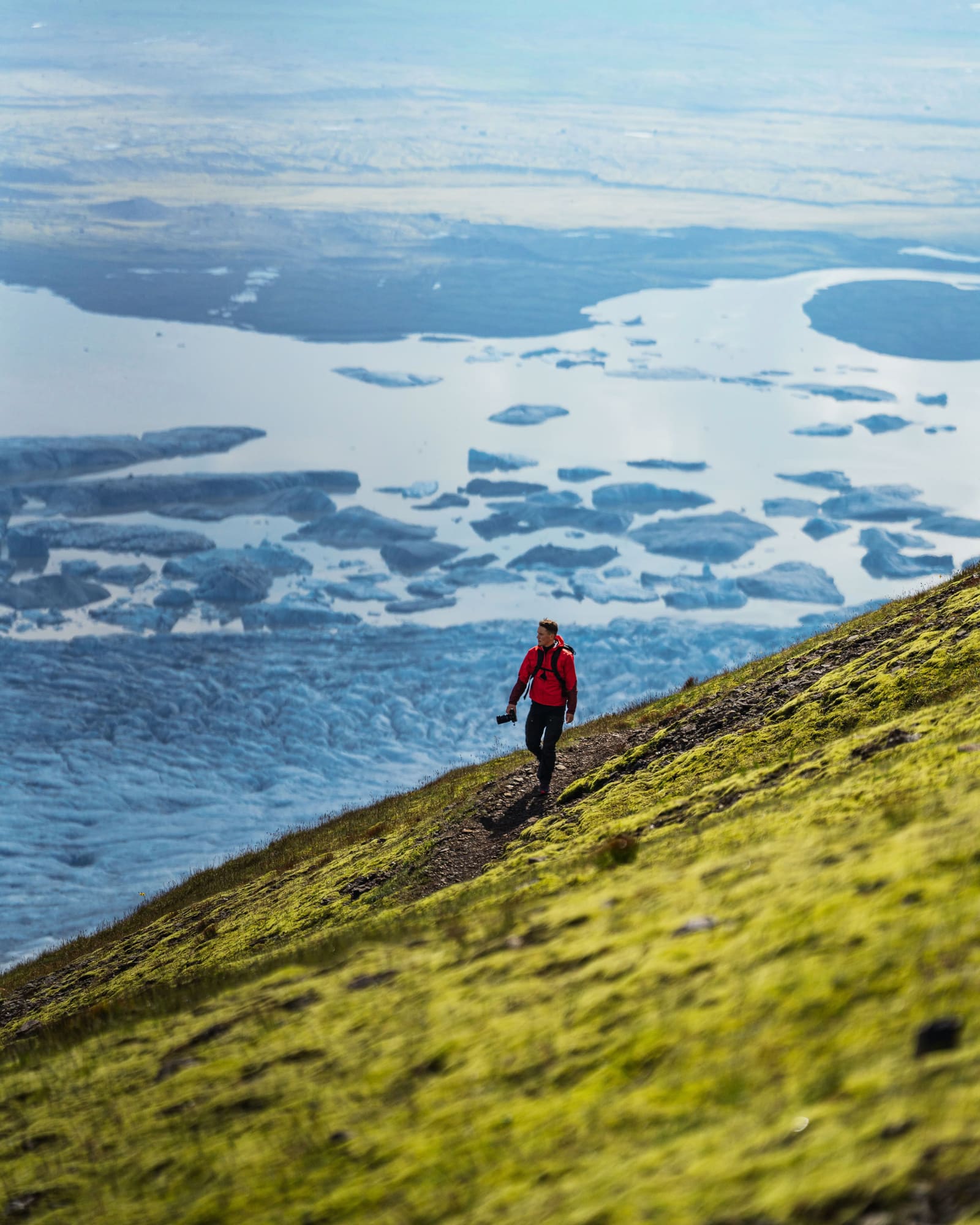
For glaciers, the useful summer choice may be a guided hike, a lagoon boat, a kayak, or a viewpoint. Open glacier activity choices before assuming that standing on ice is better than seeing the glacier from water or a trail.
For rafting, kayaking, snorkeling or diving, horseback riding, and remote hikes, guide need depends on the activity, not the season. The right question is whether the guide solves safety, equipment, access, interpretation, or transport. If the guide only helps you force an already-overloaded day, downgrade the plan. For permits, imported tackle, and water-specific choices, use the fishing in Iceland guide before choosing independent or guided.
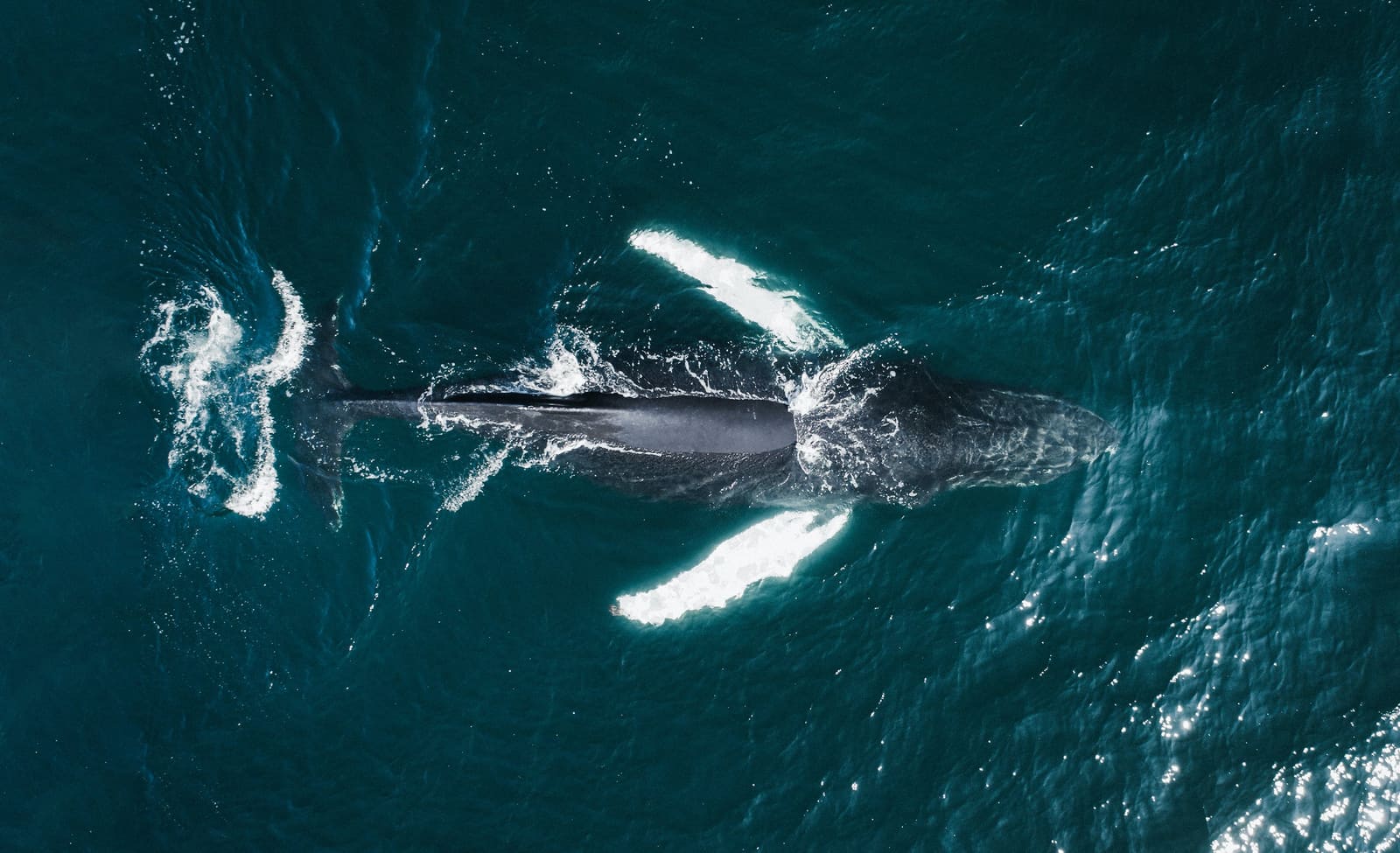
Summer improves many wildlife choices, but it does not turn puffins, whales, seabirds, or seals into fixed attractions.
Choose wildlife when the base already fits: Reykjavik Harbour for an easy no-car boat option, North Iceland for a stronger whale-watching focus, Westman Islands, Latrabjarg, Dyrholaey, or East/North island contexts for puffins and seabirds. Use the wildlife experiences guide to compare boat, coast, and season tradeoffs. Then keep the language and plan honest: weather can affect boats, animals move, and respectful distance matters.
If whales are the main activity, use whale-watching base choice before deciding on Reykjavik, Husavik, Akureyri, or another harbor. If puffins shape the day, use attraction pages such as Latrabjarg, Dyrholaey, or Westman Islands as place-specific handoffs.
Use this for official whale-watching context without treating sightings as guaranteed.
Use this for official island and birdlife context before choosing ferry or coastal plans.
A pool, geothermal bath, Reykjavík afternoon, or short accessible outing can rescue the day when the group is tired or the weather turns. Summer does not need to be outdoors from breakfast to midnight.
A managed lagoon, town pool, or simple hot-water stop can make a long daylight day feel less mechanical. This is especially useful after hiking, windy coast time, boat trips, or a driving-heavy route.
Use Blue Lagoon or Sky Lagoon when the bathing choice should be easy to place near Reykjavik or Reykjanes. Use local pools when the goal is less logistical effort and a more everyday Icelandic rhythm.
A city-based summer day can be the smartest choice when transport, weather, arrival fatigue, or group comfort matters.
Reykjavik works for harbor trips, pools, museums, food, late walks, and easy culture without requiring every traveler to drive. It is especially useful for first and last days, short breaks, families, and no-car trips.
Pair Reykjavik Harbour, food and drink experiences, city pools, or a managed bathing choice such as Sky Lagoon with one bigger route day instead of treating the city as dead time.
The best summer activity for a mixed group is often the one with the fewest ways to fail.
Choose easy walks, pools, wildlife from a comfortable boat, museums, food stops, or managed lagoons when the group includes children, tired travelers, nervous drivers, or mixed fitness levels. Save exposed hikes, remote roads, and specialist water or glacier activities for days when everyone has the right gear and energy.
If one person in the group is uncertain about boats, heights, rough roads, or cold wind, build the day around the easier choice and make the harder activity optional.
Daylight does not remove wind, fatigue, difficult roads, wildlife uncertainty, or the need to return. Drop the weakest stop when the plan only works if every condition cooperates.
Skip or downgrade a summer activity when the real cost is a weaker trip: a rushed return after a long hike, a nervous driver on remote roads, a child who will be cold on a boat, or a guided slot that breaks the route. The alternative is not doing nothing; it is choosing a closer pool, city evening, short walk, food stop, or scenic pullout that keeps the day intact.
This is also where winter activities can be useful as contrast. Summer is better for access and daylight, while winter can be better for aurora, ice caves, and slower cold-season choices.
Most weak summer plans fail from optimism, not lack of options.
Use this before exposed hiking, boat, beach, cliff, and Highland plans.
Choose the activity that best fits your route and group: hiking for active long-light days, wildlife when the harbor or coast already fits, Highlands when access is realistic, and Reykjavik or hot water when comfort matters.
Yes, especially from Reykjavik, where harbor trips, pools, food, museums, city walks, and guided departures can work well. Remote Highlands, many wildlife places, and scattered scenic stops are easier with a car or arranged transport.
No. Summer can be a strong wildlife period, but animals move and weather affects boat trips. Plan wildlife as a high-potential activity with a backup, not as a fixed sighting.
Not automatically. Summer improves access, but F-roads, vehicle suitability, river crossings, weather, and distance still matter. Check official road and safety sources before making a Highland activity central.
Use this for local city, harbor, event, and easy summer context.
By ThorPublished Updated
Where to do it
Use these activity, attraction, and planning pages after you decide whether the summer day should be active, remote, wildlife-led, city-based, or flexible.
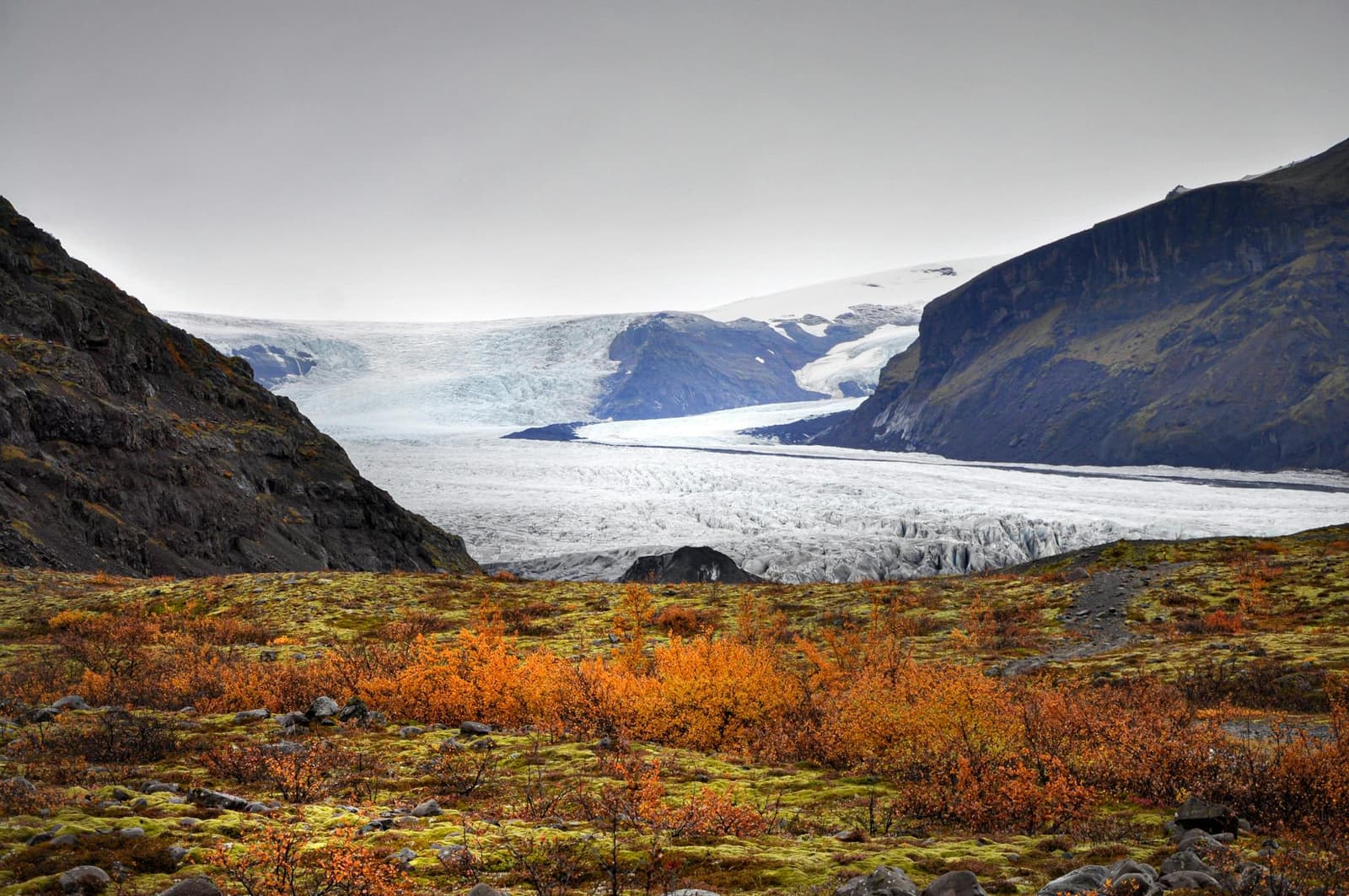
Skaftafell is a hiking area within Vatnajökull National Park, not one single sight. Trails lead from its visitor centre through birch-covered slopes to Svartifoss, glacier viewpoints and longer mountain routes.
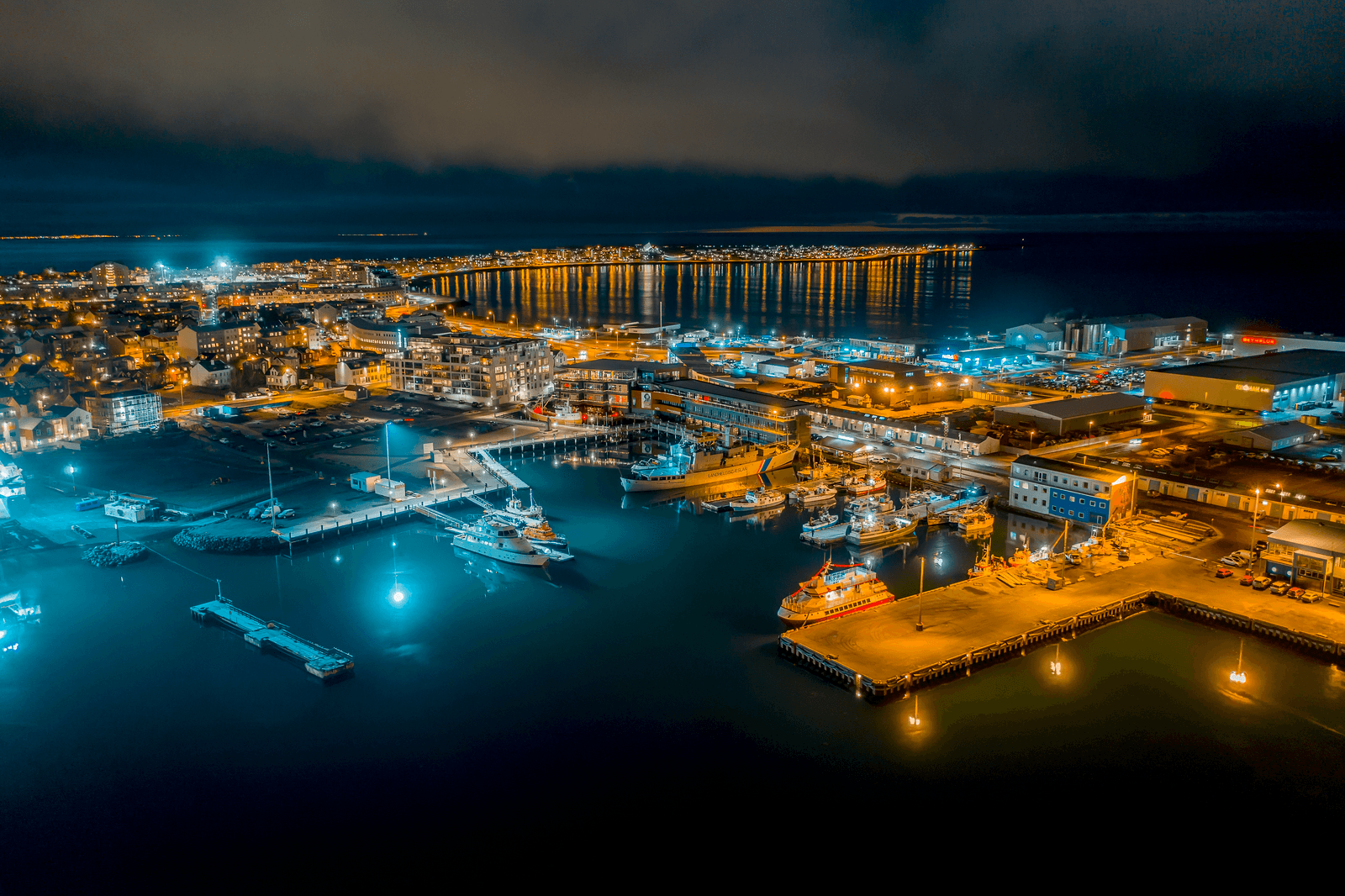
Reykjavík Old Harbour is the capital’s historic working waterfront, worth adding when you want a low-pressure city walk, boat-pier atmosphere, Grandi museums, and a practical way to connect downtown with the bay.
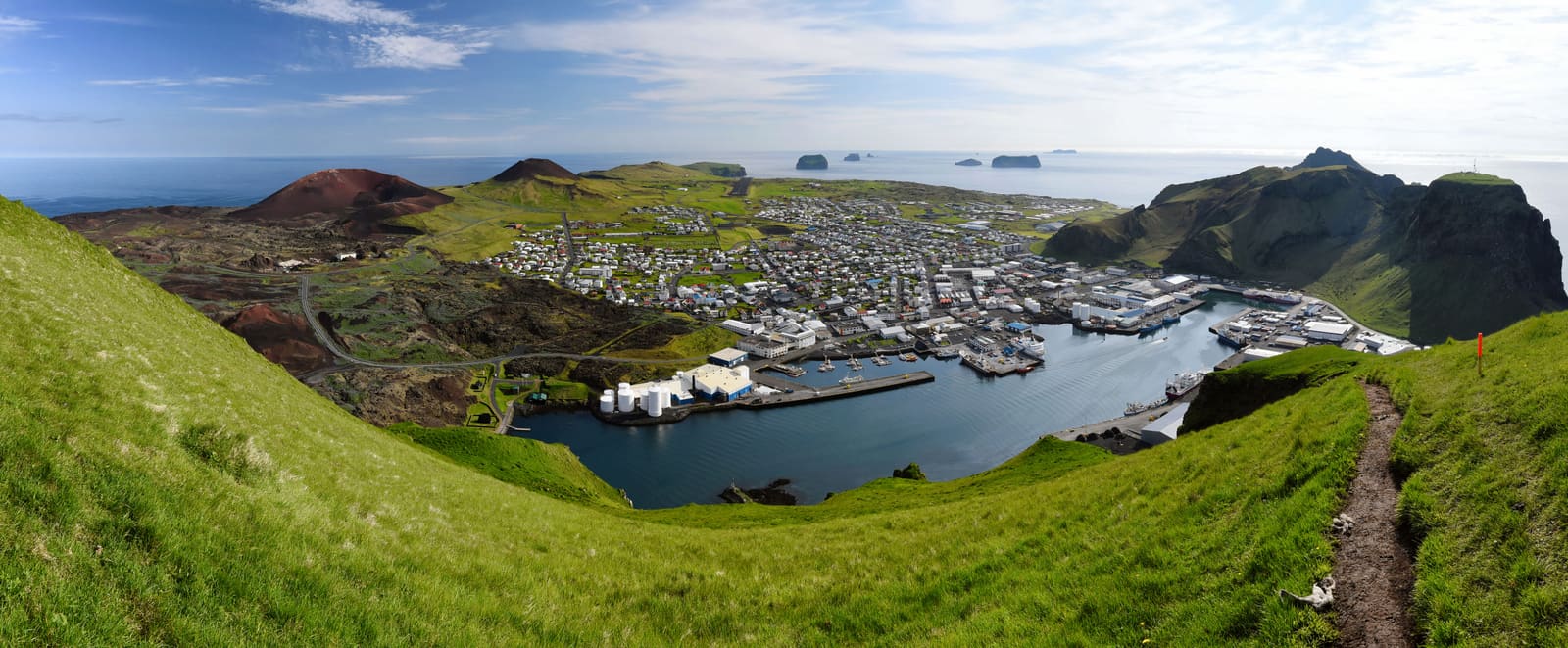
Vestmannaeyjar, the Westman Islands, is a distinctive ferry-based South Coast detour for travelers who want Heimaey harbor, puffins, Eldfell volcano history, sea cliffs, and a slower island day.
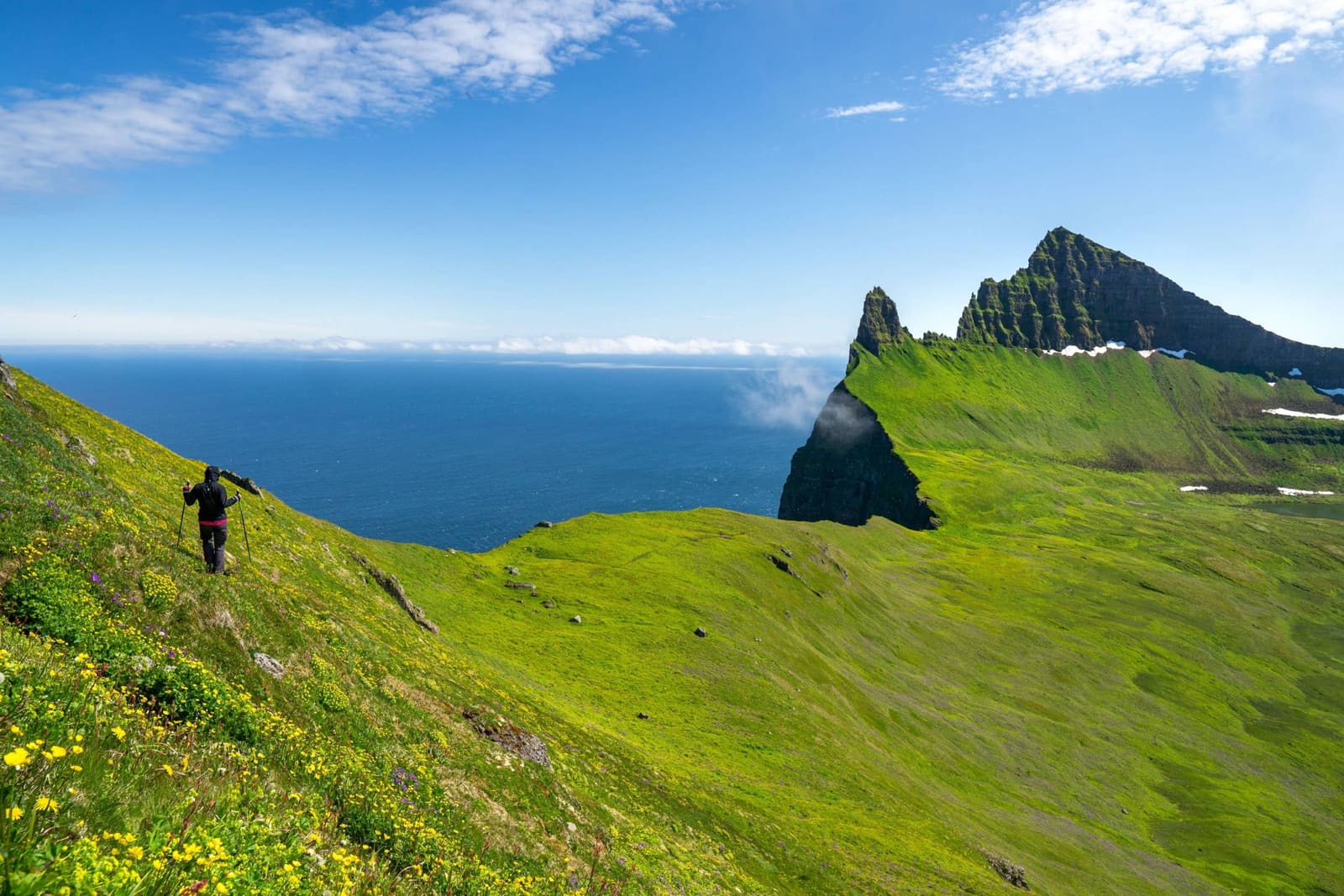
Hornstrandir Nature Reserve is a roadless wilderness in the northern Westfjords, reached most commonly by scheduled or chartered boat. A guided landing can fill one long outing; independent hikers need navigation, shelter, food, designated campsites, and spare time for weather or pickup changes.
Regions
See which part of Iceland is most convenient for this experience and what else you can visit nearby.
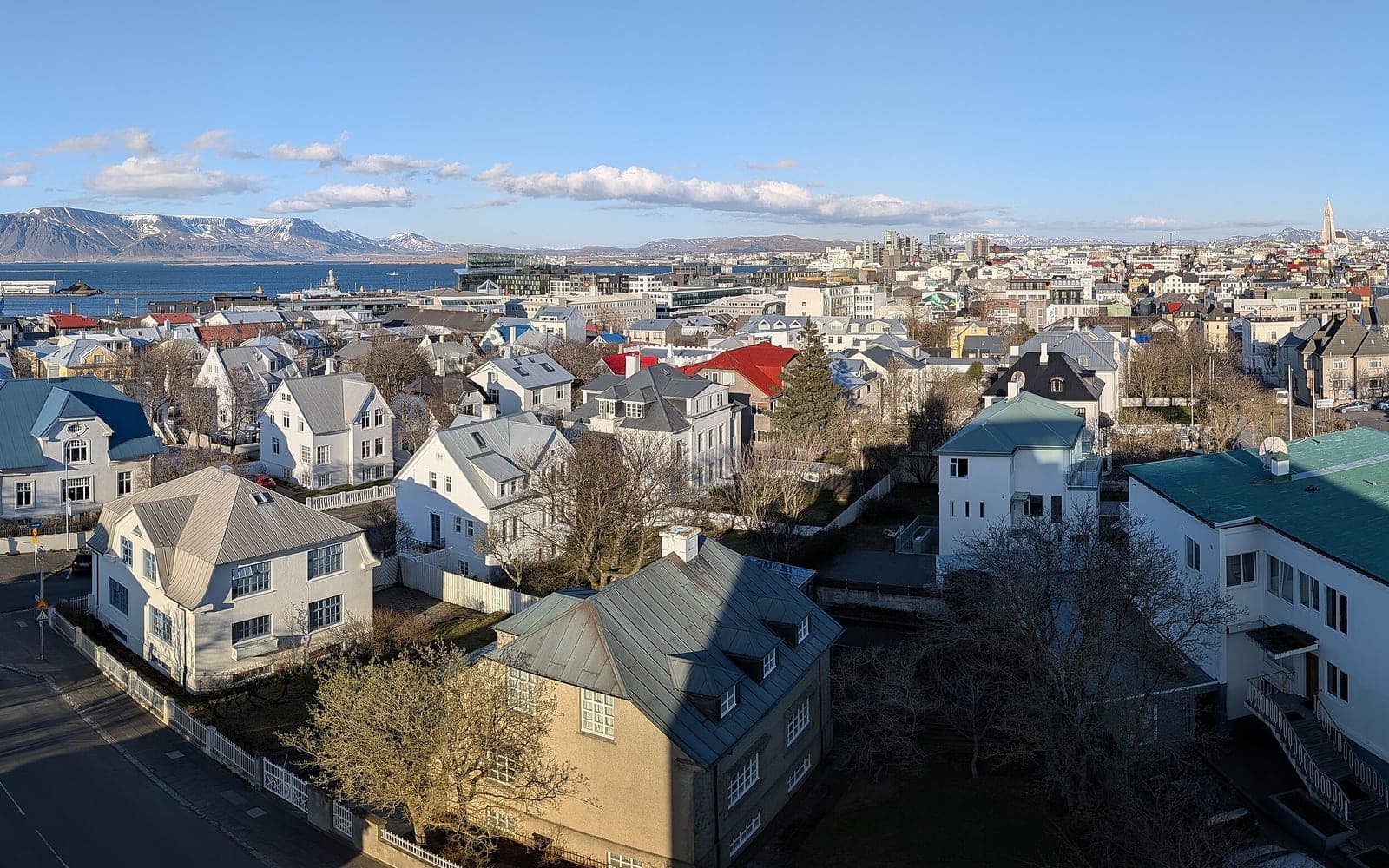
Choose Reykjavík for one or two car-free city days, a short break or a weather buffer—not as the default base for every long day trip.
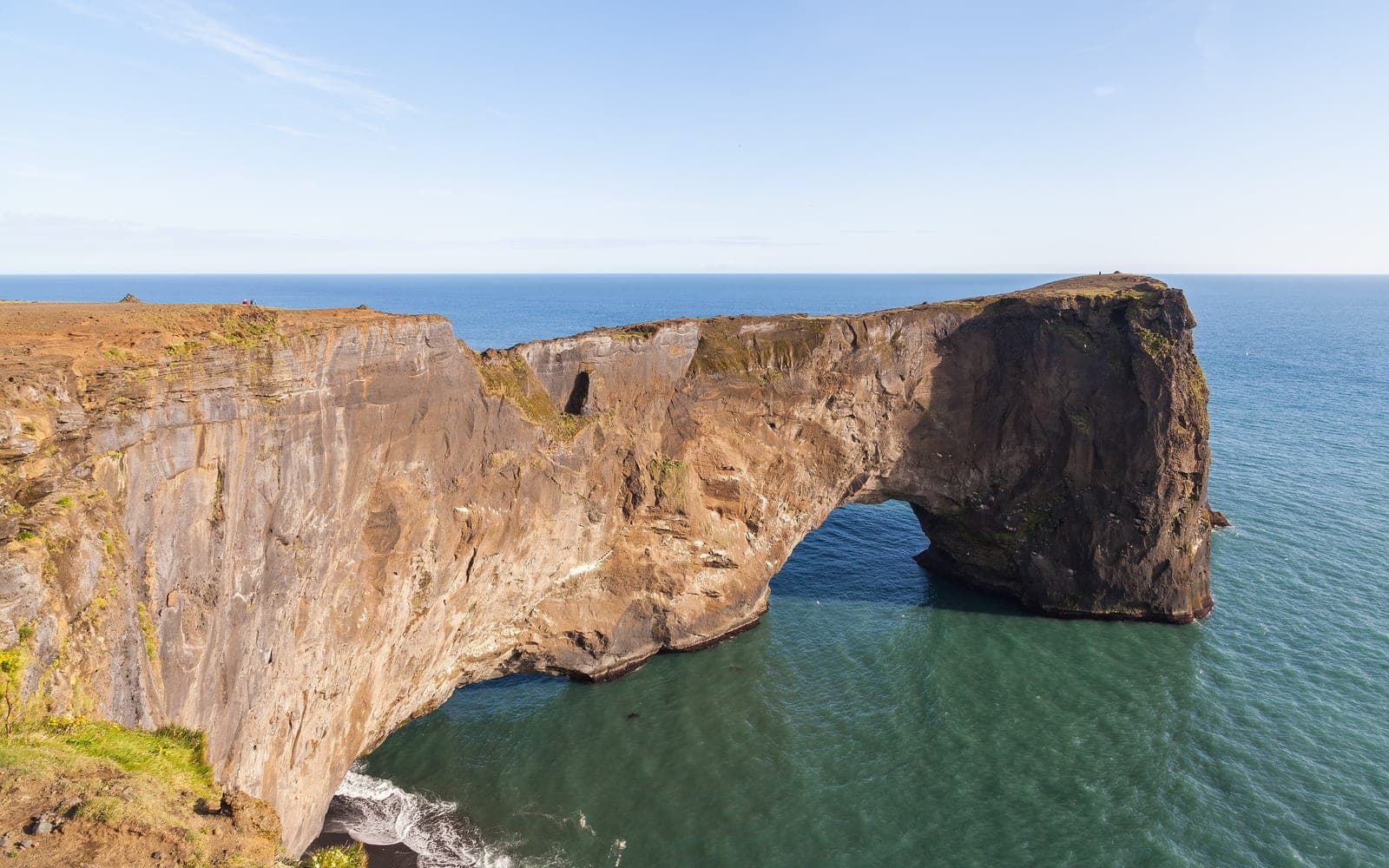
Build a first-trip route around waterfalls, black-sand coast and glacier country, but allow two to four days if Jökulsárlón is part of the plan.
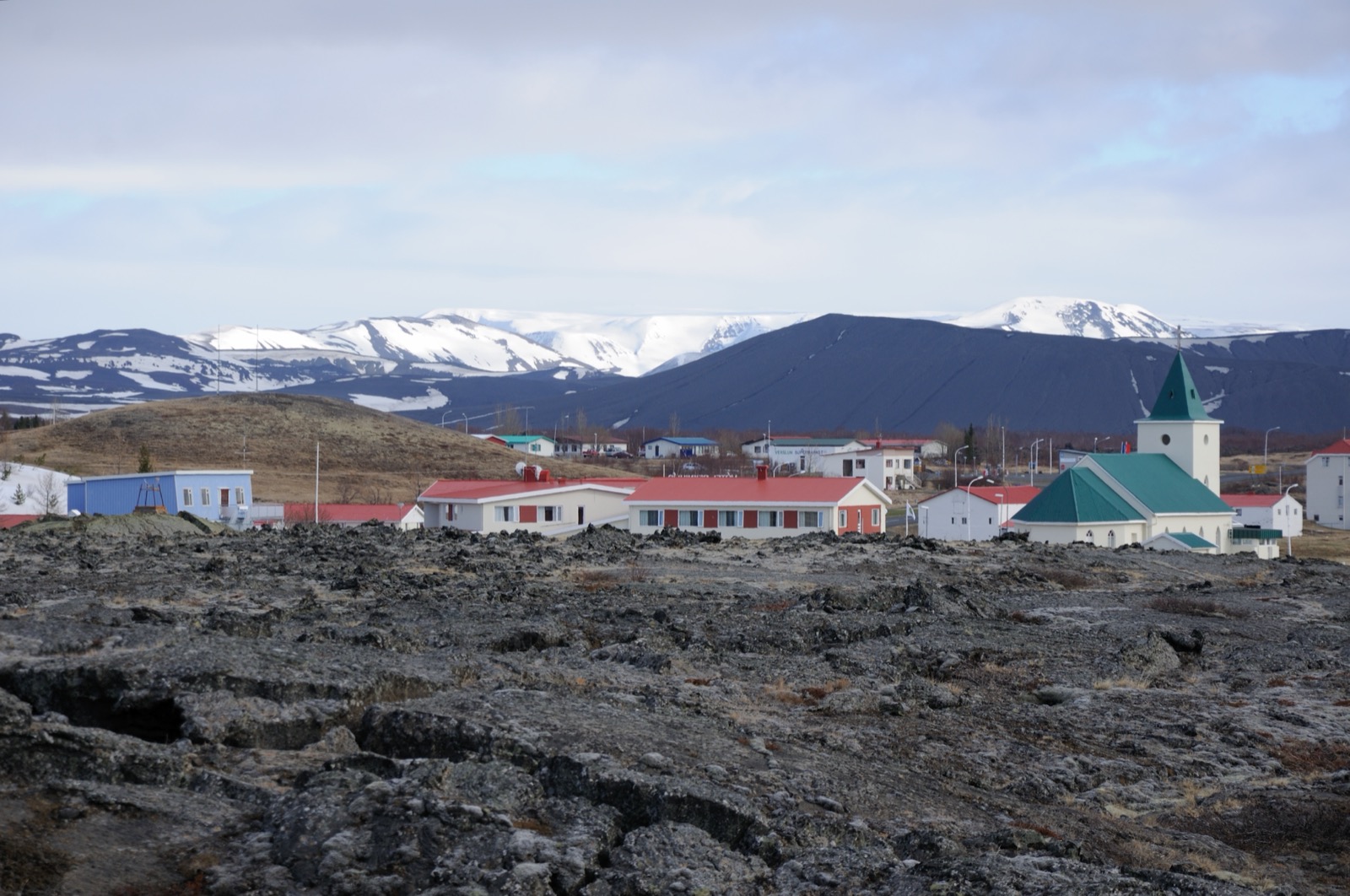
Choose North Iceland when you can spare several days for Akureyri, Mývatn, Húsavík, and canyon country; one rushed overnight barely reaches the region.
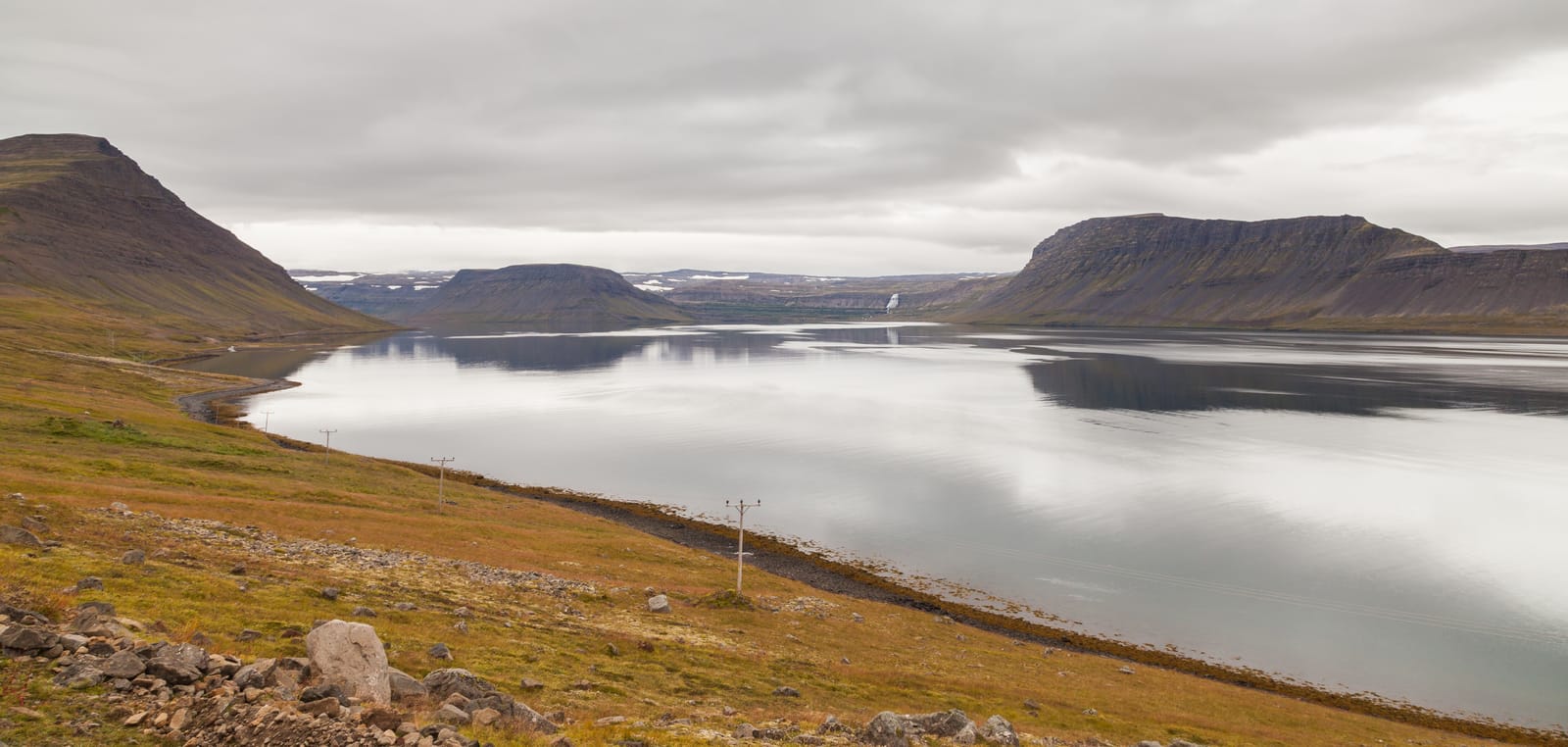
A separate multi-day commitment for travelers who value cliff roads, remote villages, and long scenic links enough to leave the Ring Road and keep weather slack.
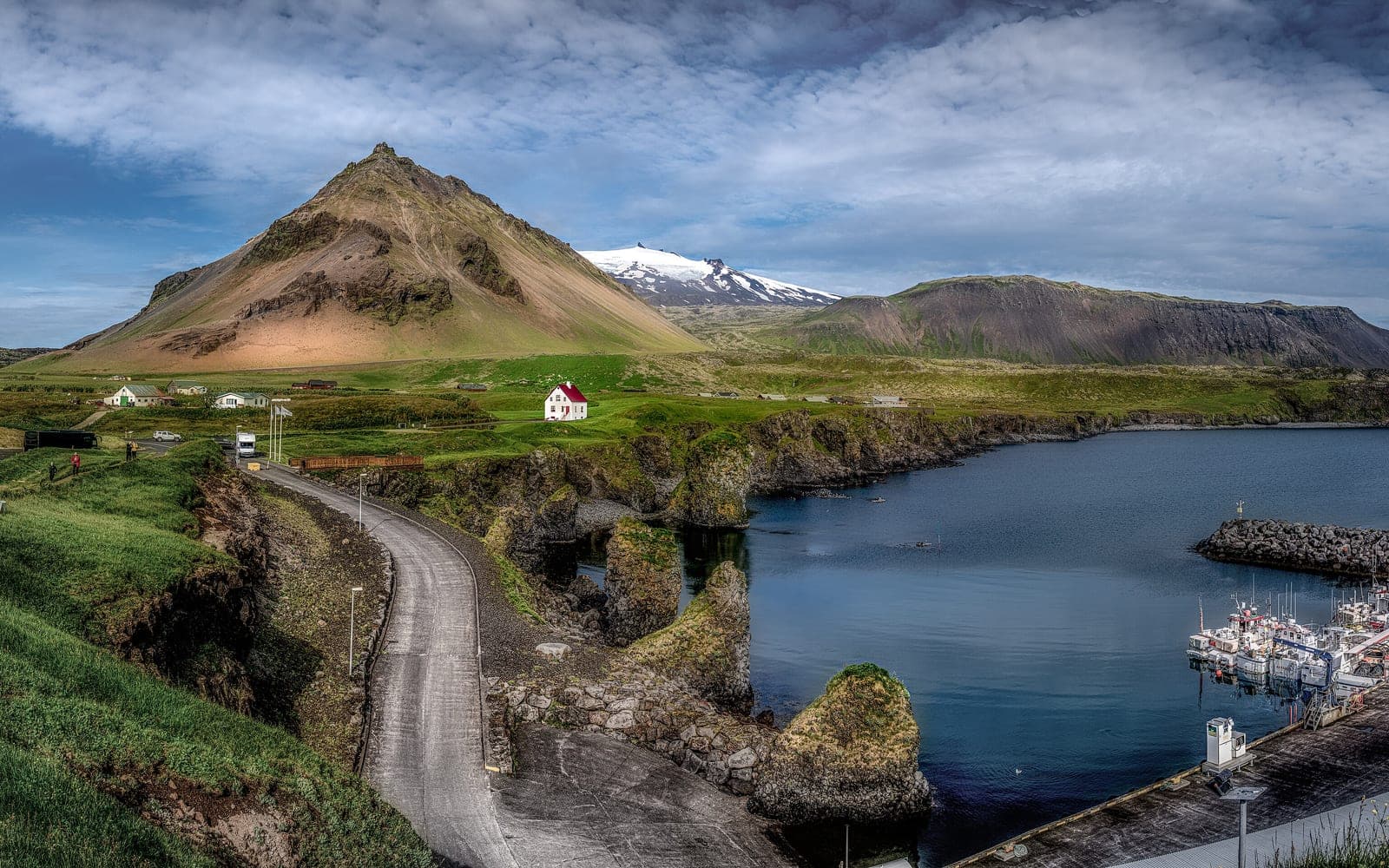
Choose the Snæfellsnes Peninsula for a compact West Iceland glacier-and-coast loop that rewards an overnight; a Reykjavík day trip needs firm cuts.
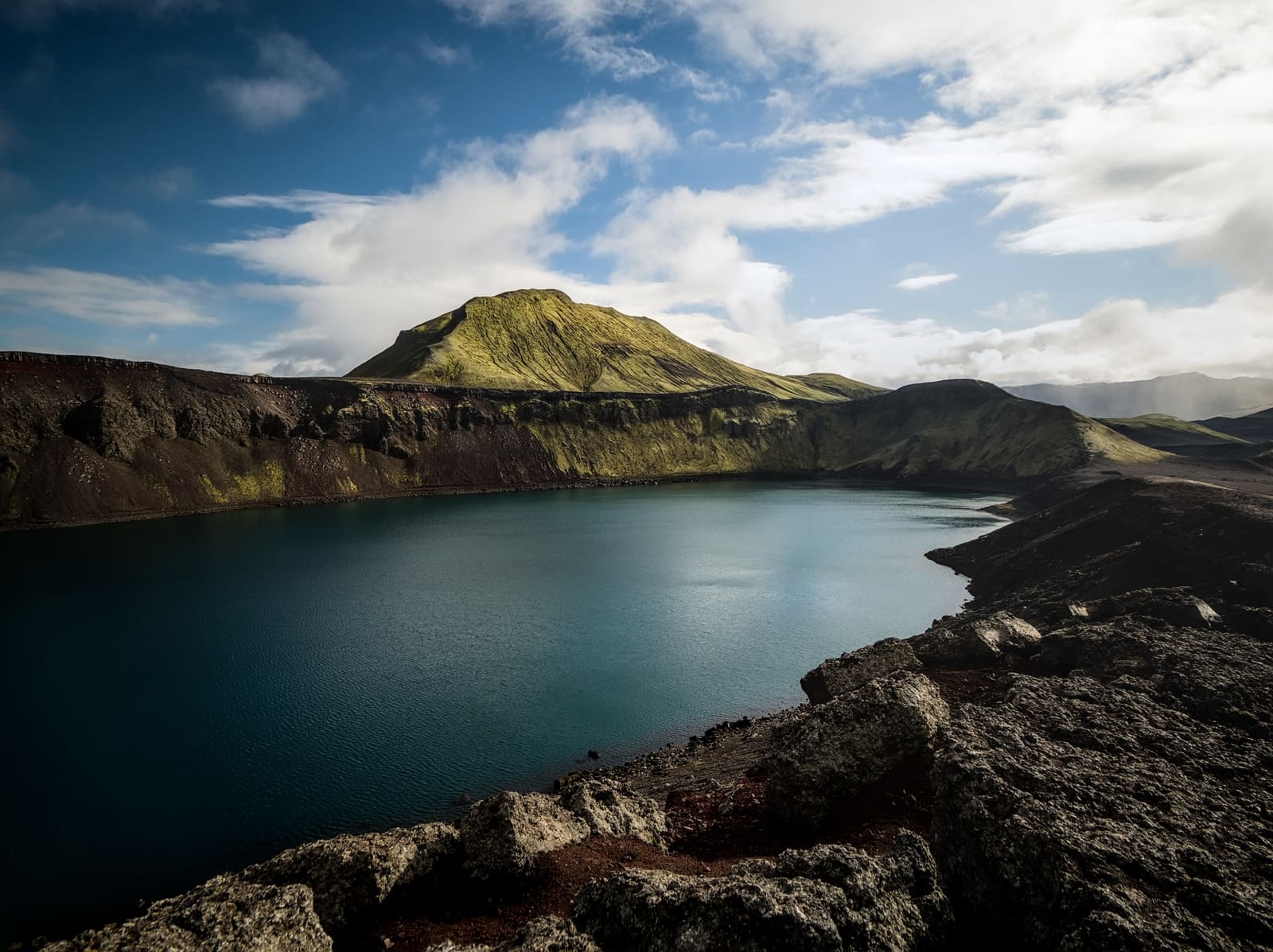
A seasonal interior choice for flexible travelers who can select one corridor, match transport to that route, and replace the plan when access or weather changes.
Road trips and itineraries
See where this experience fits into a road trip or day-by-day itinerary.
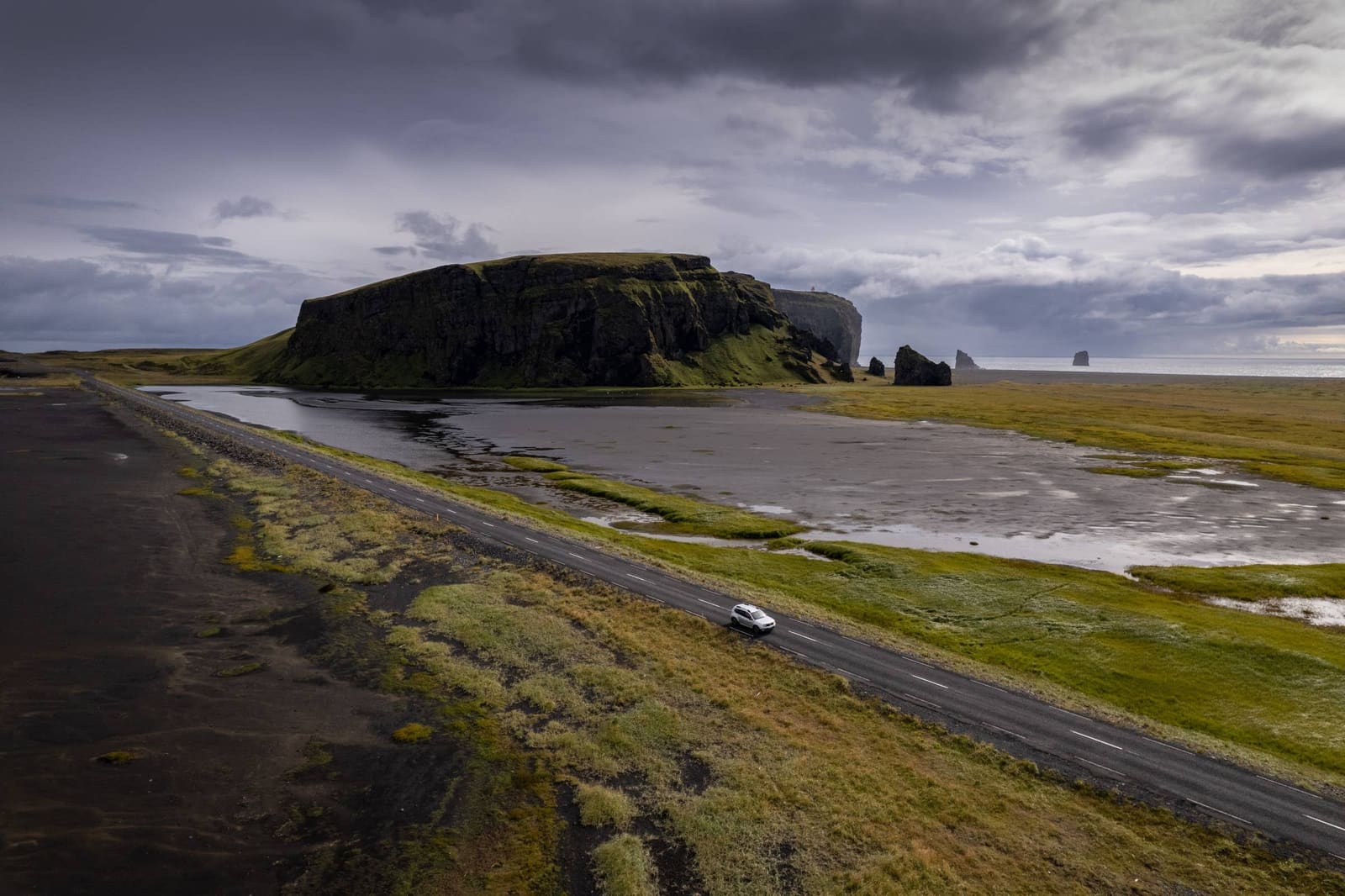
A realistic first-trip route through Reykjavík, the Golden Circle, and the South Coast, built for five calendar days without turning the final day into a race to the airport.
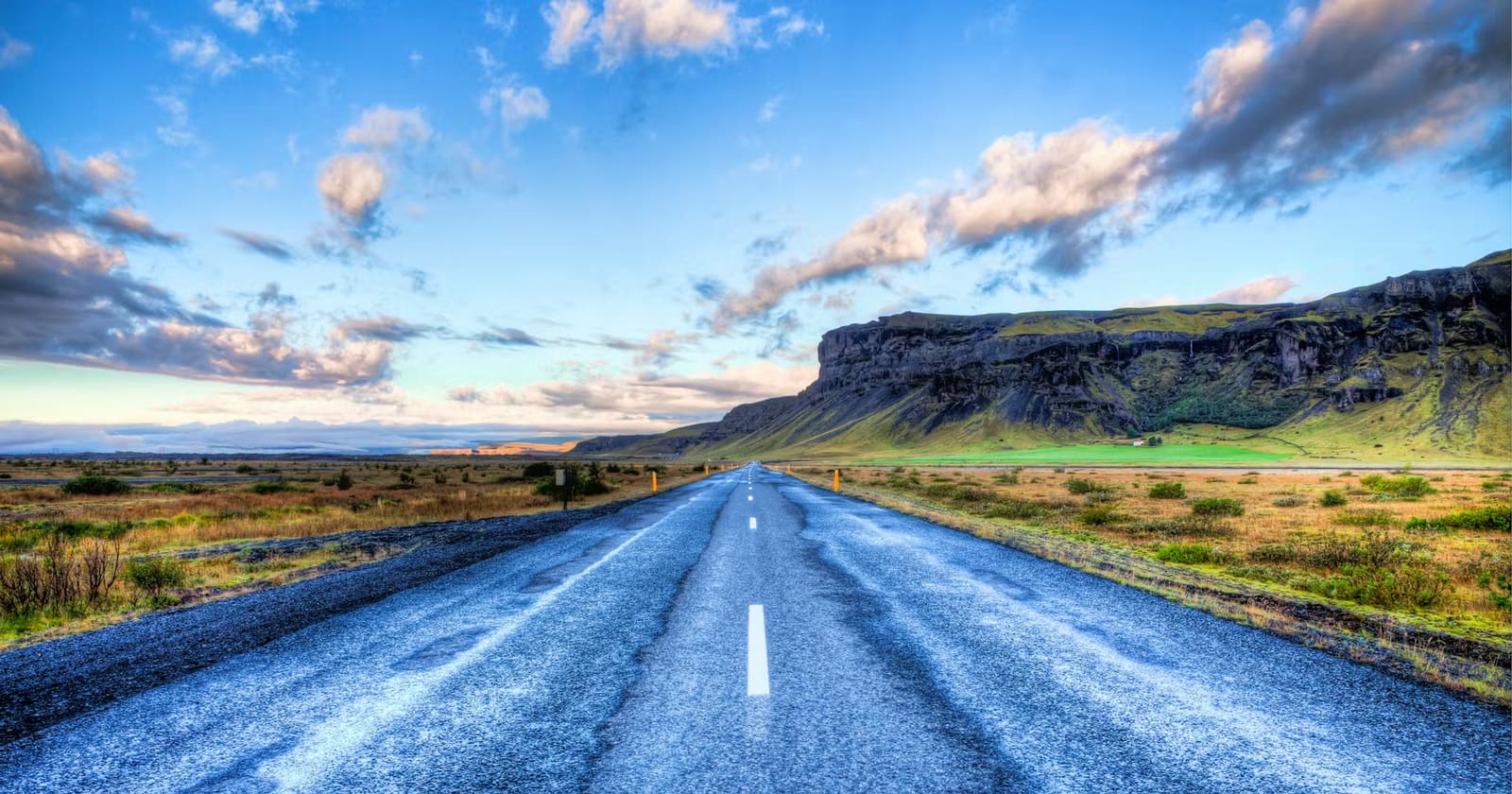
A route-choice guide for deciding whether your Iceland trip should become a full Ring Road loop or a slower South Coast route.
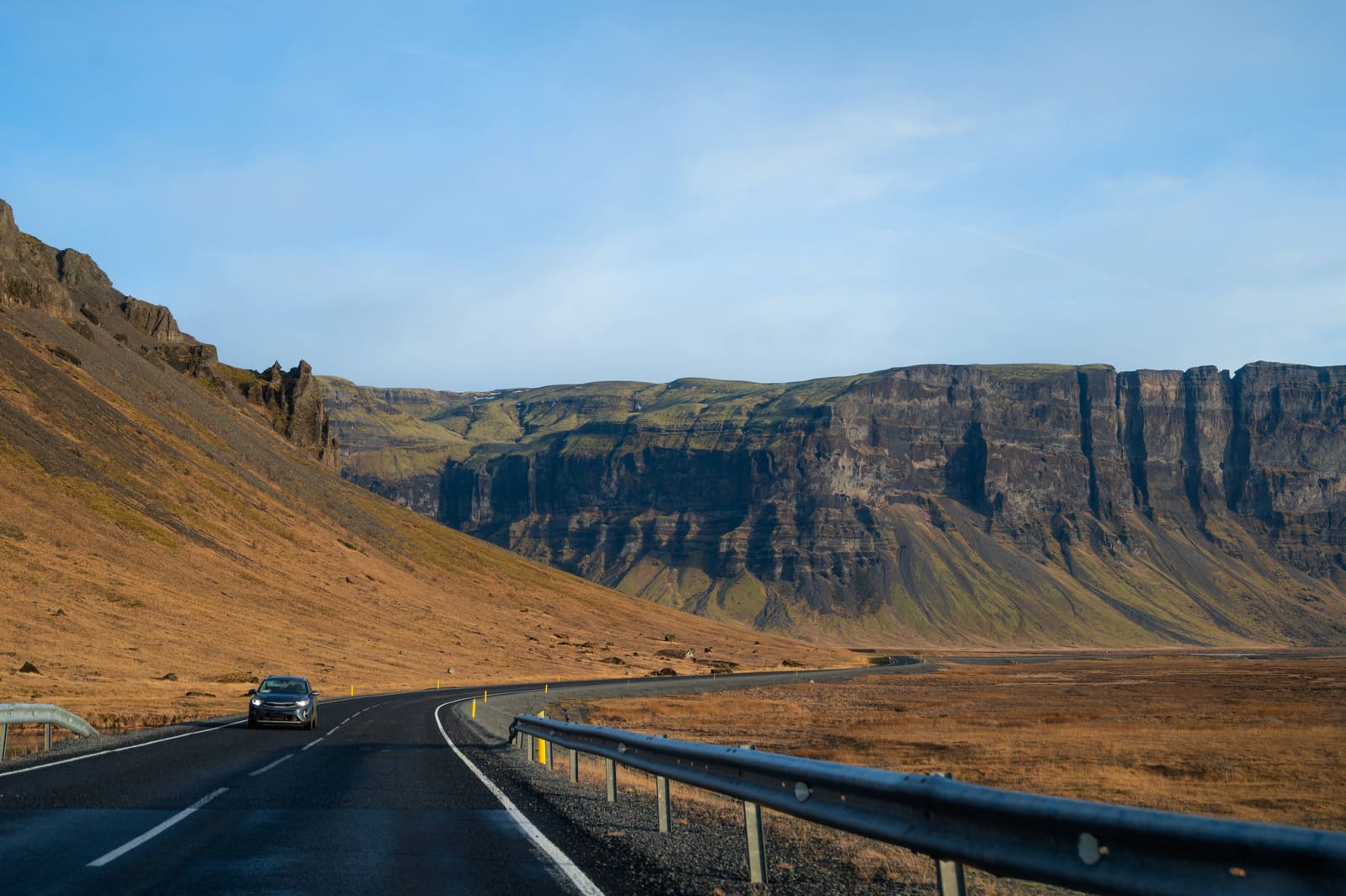
A route-first guide to deciding whether Iceland’s South Coast works as a day trip, one-night drive, or slower two-night route.
More things to do
See other activities that may suit the same day, season, or part of Iceland.
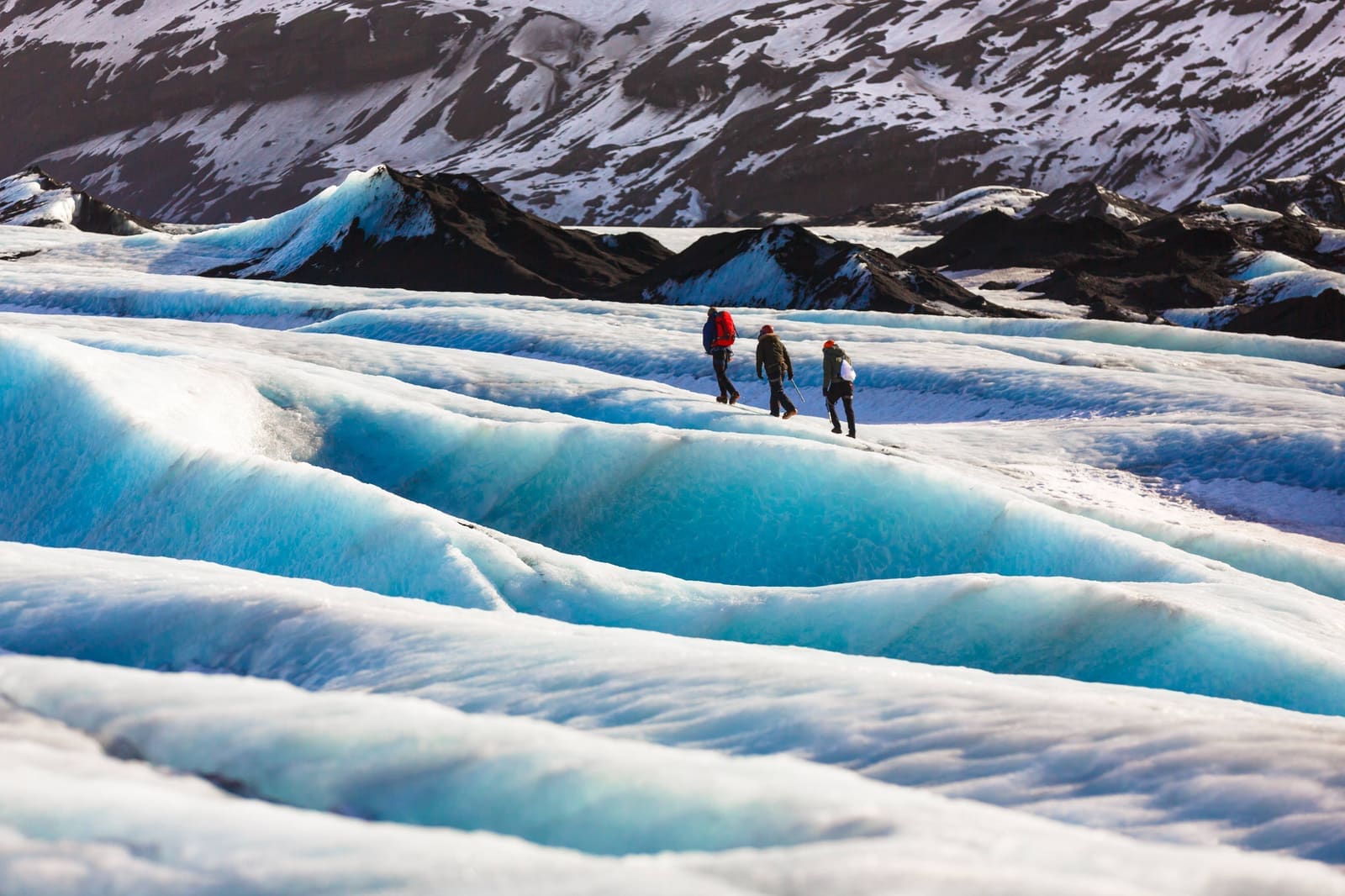
Glacier activities work best when you choose the right version first: guided ice walking, cave or tunnel access, snowmobiles, lagoon boats, kayaking, or a lower-effort viewpoint. Use the route, season, guide need, and comfort tradeoffs before booking anything.
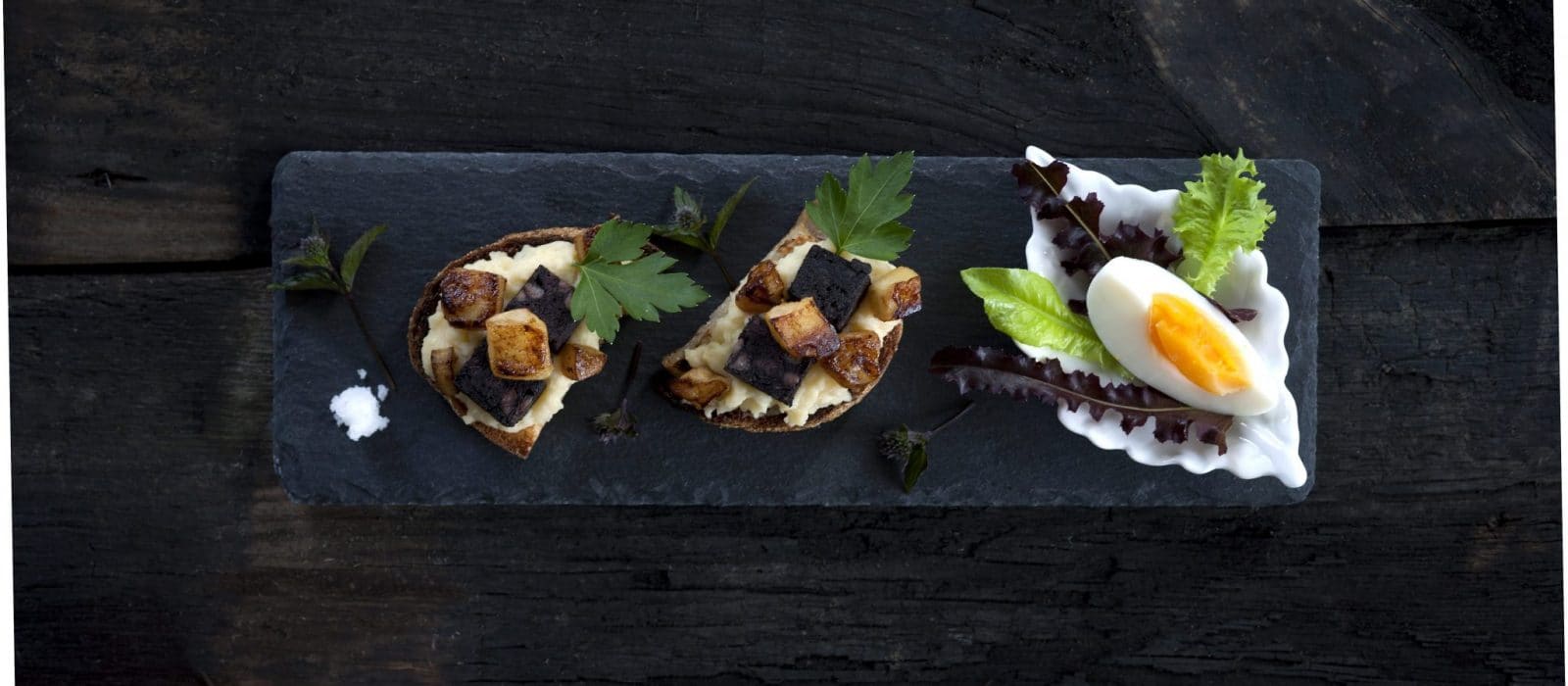
Icelandic food can shape the day in several very different ways: a Reykjavík food walk, self-guided food hall stop, bakery break, greenhouse meal, seafood lunch, or simple casual plan that does not distort the route.
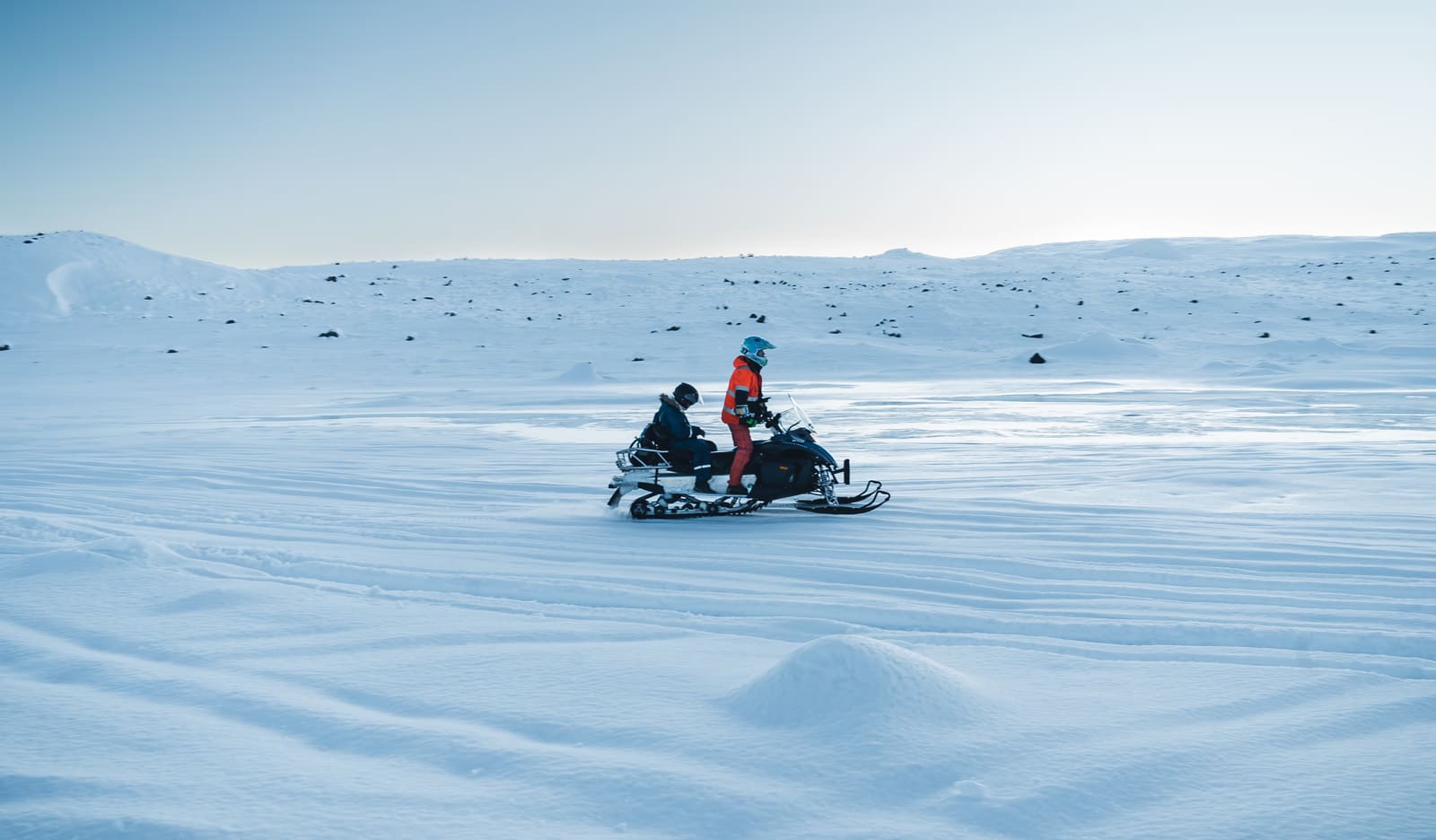
Choose one strong winter experience, then keep a flexible backup for weather, roads, daylight, or comfort. Compare guided ice, aurora, hot water, wildlife, city options, and conservative sightseeing before locking the day.
Travel advice
Read more about driving, weather, safety, and other details that may affect your trip.
Choose a realistic Iceland trip length by counting usable route days, then match your pace, transport, season, and overnight moves to the right scope.
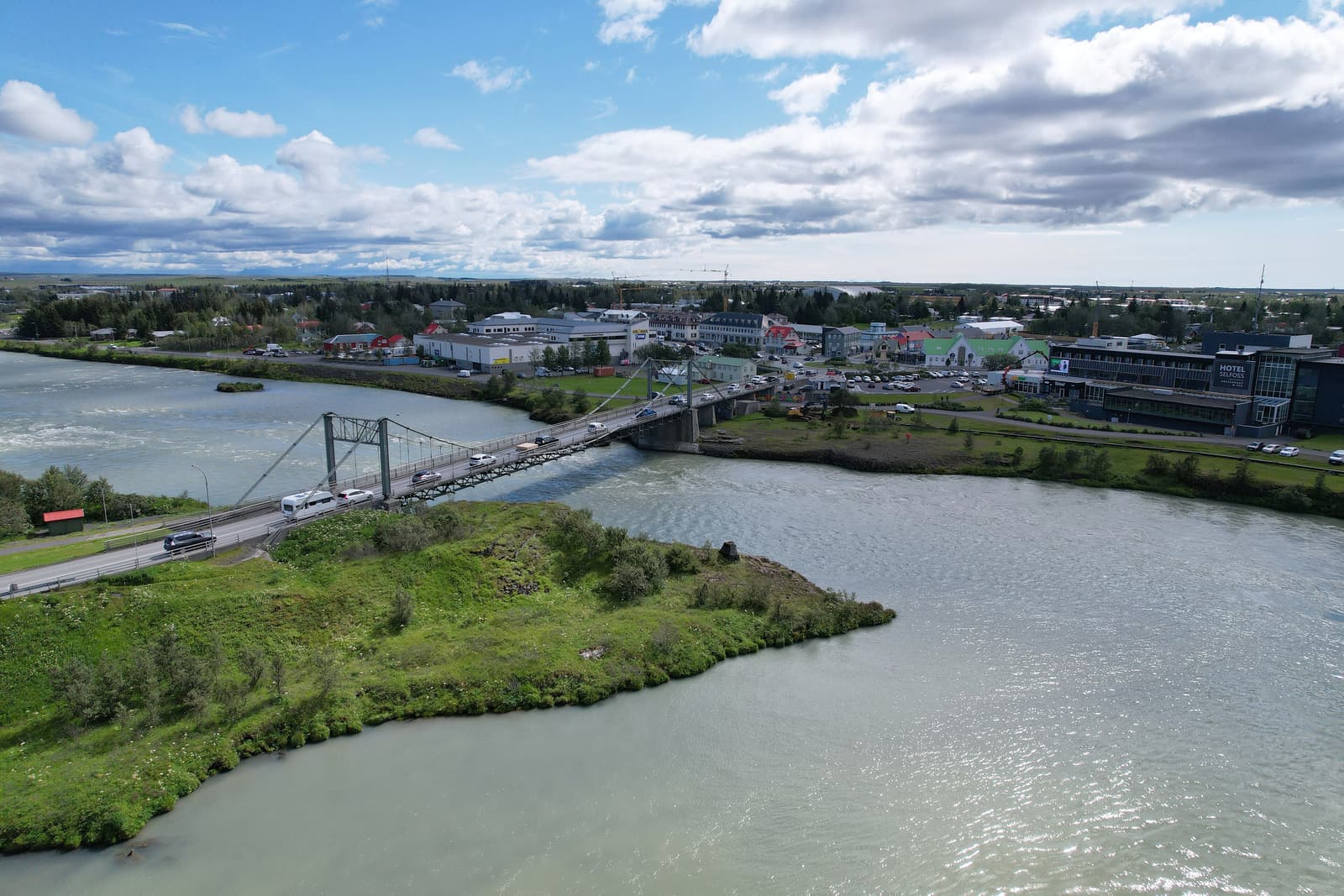
A practical base-choice guide for deciding where to stay in Iceland before booking hotels, day trips, or a self-drive route.
Next summer decision
A good summer plan usually needs one activity page, one place or base page, and one official check before it becomes fixed.