Experience fit
- Best first hike
- Short marked trail
- Hardest fit
- Remote Highlands
- Car reality
- Easiest near Reykjavik
- Guide use
- Remote or winter
- Main check
- Weather and access
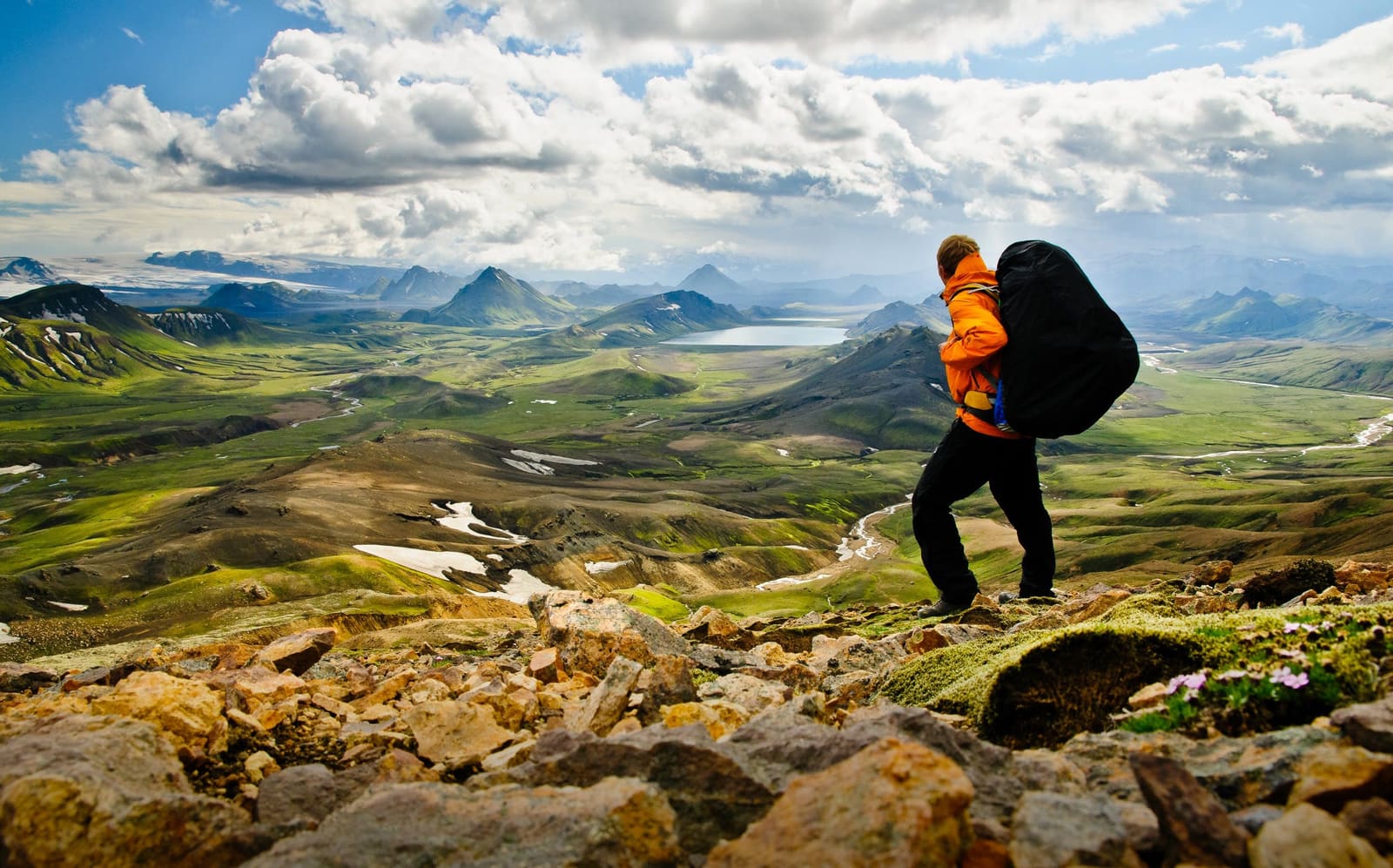
Choose the kind of hiking day before the famous trail name. Compare easy walks, waterfall paths, national-park hikes, Highlands routes, multi-day treks, and guided options by effort, access, season, and weather tolerance.
Experience fit
The first Iceland hiking decision is not the trail name. It is whether hiking should be an easy route add-on, the main day, a remote access plan, or a guided activity.
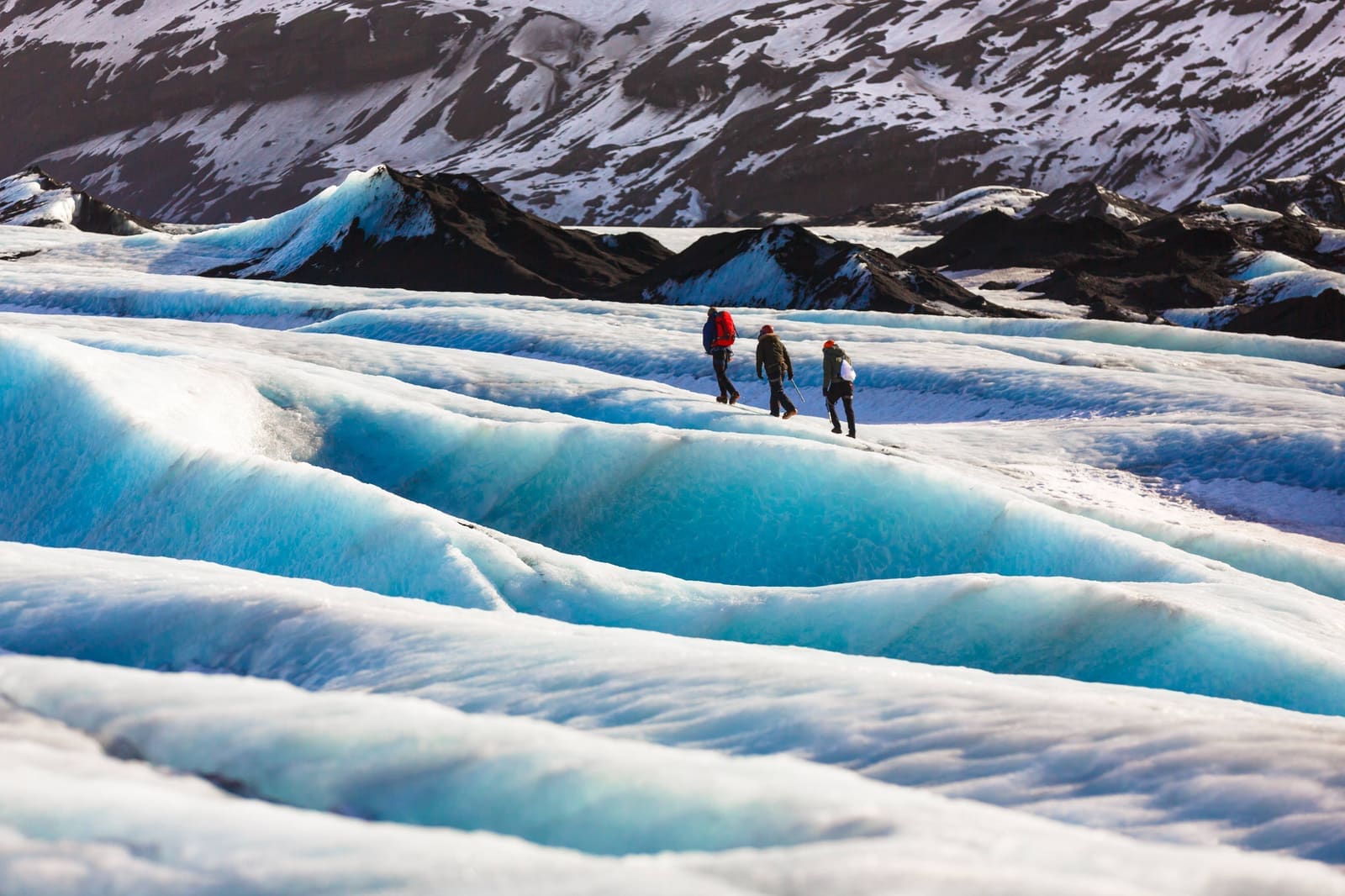
A short marked path near a waterfall asks very little from the day. A Highlands hike, winter mountain route, or hut-to-hut trek asks for weather margin, access planning, better equipment, and a group that is honest about effort. Choose the category first, then open the named trail or place page.
| Hike choice | Best fit | Use it when |
|---|---|---|
| Easy scenic walk | Lowest friction | Choose this for arrival days, families, mixed ability, and short stops where a marked path is enough. |
| Waterfall path | Best route add-on | Choose this when the hike should support a South Coast or Ring Road day without taking over the schedule. |
| Reykjavik-area hike | Best base fit | Choose this when you want a hiking day without committing the whole trip to a remote trailhead. |
| National-park day hike | Best first upgrade | Choose this when you can spend real time in one area and want marked choices with official visitor information. |
| Highlands day hike | Access-dependent | Choose this when roads, weather, daylight, and the vehicle plan all support a more remote hiking day. |
| Trek or guided hike | Highest planning load | Choose this for hut-to-hut routes, unfamiliar terrain, winter exposure, or groups that need transport and local judgment. |
Photo guide
1 / 7
Base-area walking routes are useful when the hiking day should stay low-friction and close to town.
Good to know
Many Iceland hikes look simple on a map and become awkward because the access, base, or return plan does not fit the trip.
For short trips, start near the base. Esjan gives Reykjavik-based travelers a mountain choice without turning the day into a long drive. Þingvellir, Skogafoss, Seljalandsfoss, and Svartifoss work well when a short walk supports a place-led day and still leaves room for the main stop.
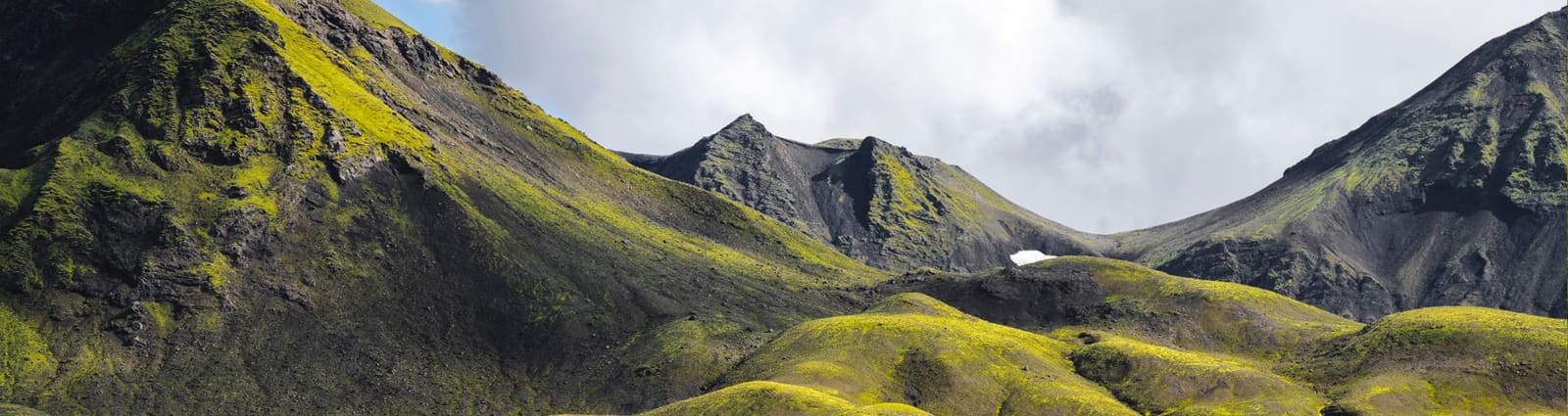
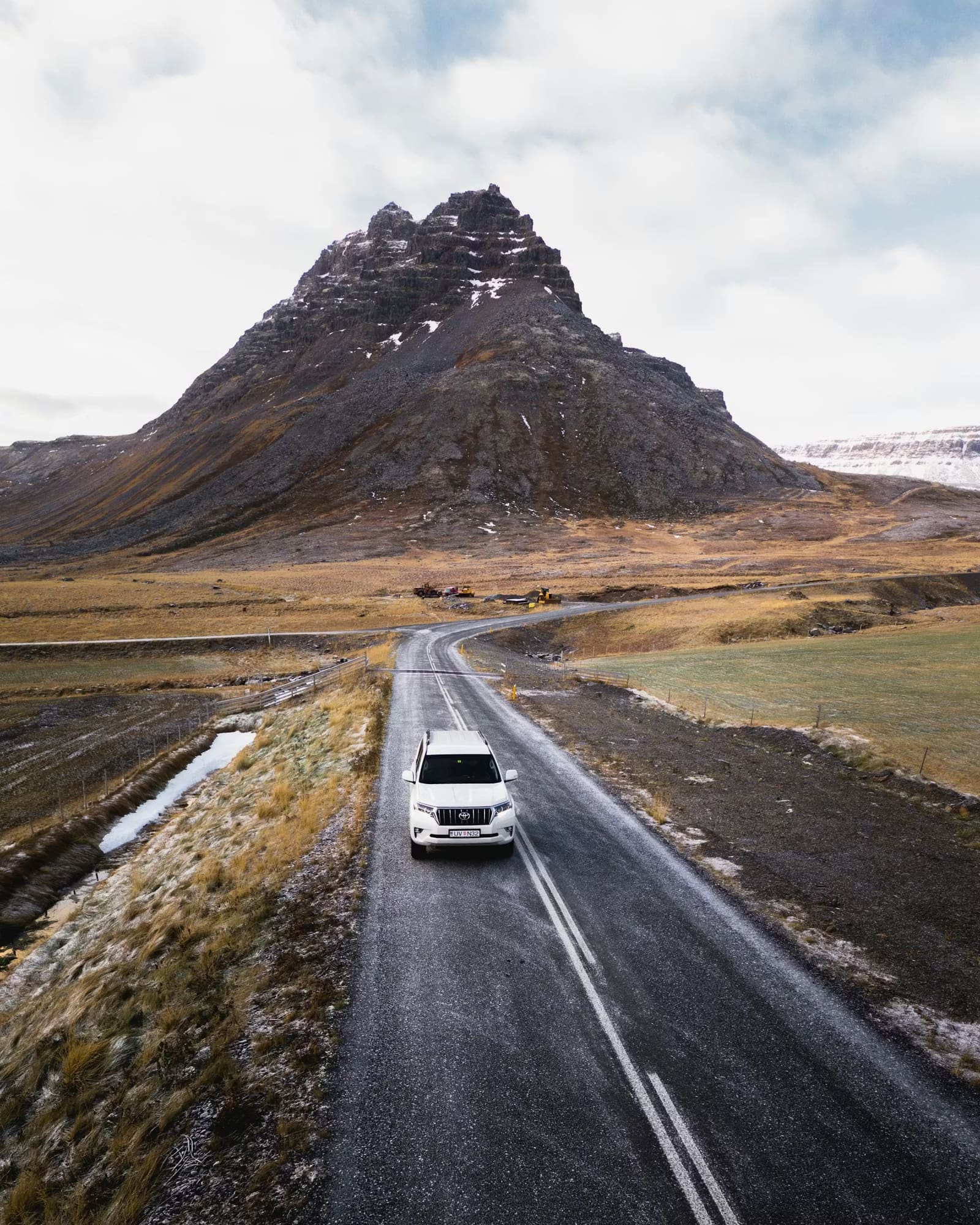
Remote routes are different. Landmannalaugar, Kerlingarfjöll, and Þórsmörk can be excellent hiking choices, but they should be treated as access-dependent plans. Pair them with Highlands road-trip planning or a guided transport option instead of squeezing them into a normal sightseeing day. 5 September 2026 safety update: SafeTravel advises against hiking Fimmvörðuháls because of dangerous trail conditions. Do not add that crossing while the advisory applies; check the dated alert in the Fimmvörðuháls guide.
If the forecast, wind, visibility, surface, or daylight makes the original hike depend on luck, downgrade the hike before the day fails.
A downgrade is not a failed hiking day. It can mean choosing a shorter marked path, staying lower, avoiding exposed ridges, skipping a river-crossing or snow-prone route, or moving the hike to a place with better official visitor information. This matters even in summer, because mountain weather and snow patches can still change the feel of a trail.
The same hiker can make a different choice depending on where the rest of the trip already points.
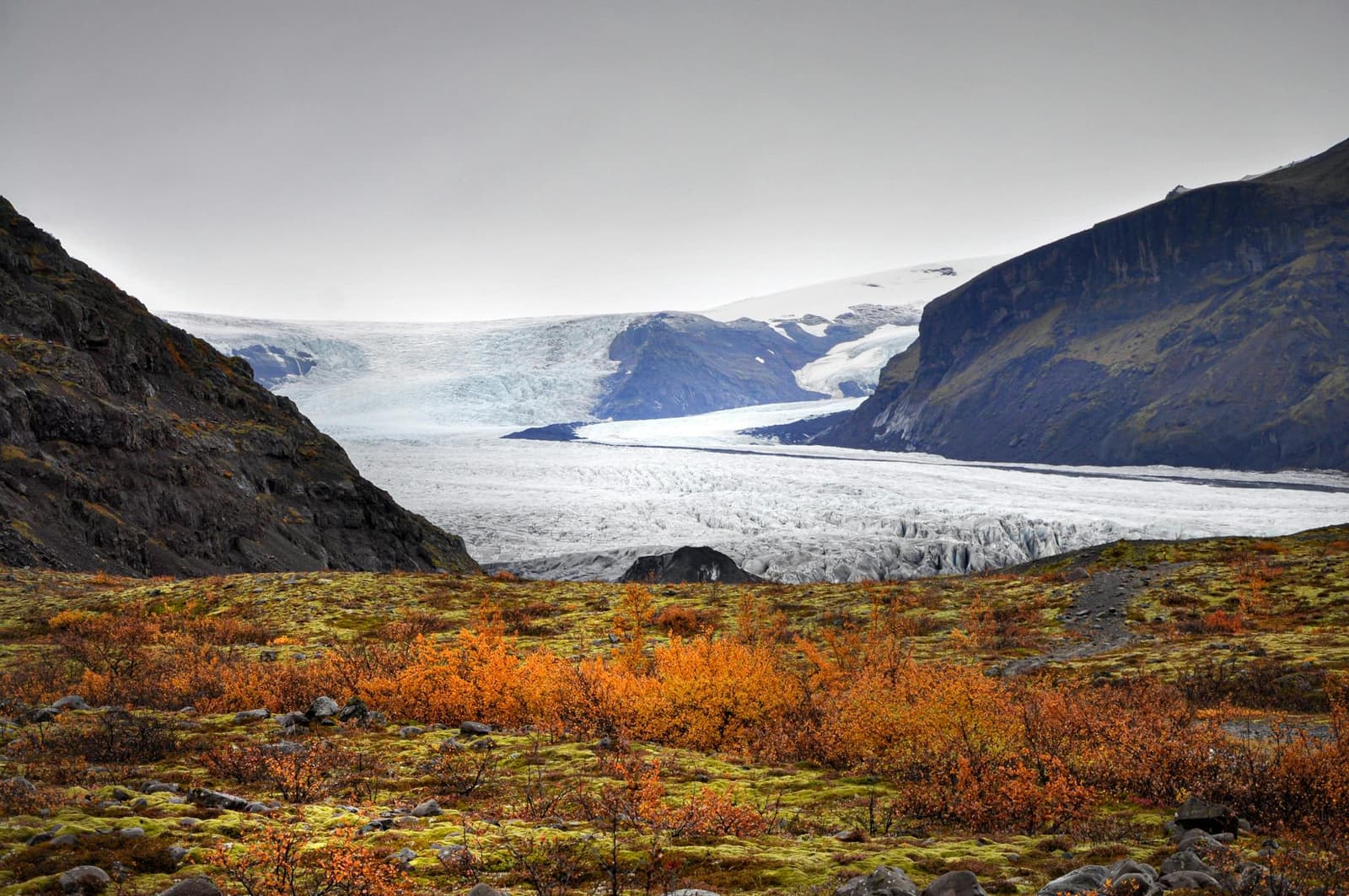
Choose Reykjavik-area hiking when you want outdoor time without rebuilding the trip around a trailhead; Móskarðshnjúkar is the more demanding mountain choice when weather, fitness, and a full hiking block support it. Choose Skaftafell when the South Coast or southeast already has room for a national-park hiking block. Choose Reykjadalur when the walk and warm-river finish are both part of the appeal.
Choose the Highlands when hiking is a primary reason for the trip, not a casual add-on. In North Iceland, Súlur works only when an Akureyri base can give the demanding climb a substantial weather-dependent block. Choose East Iceland or the Westfjords when you already have a slower regional plan and are not forcing a long detour from the main route.
If hiking is only one possible anchor in a long-light trip, use the summer activities guide to compare it with wildlife, water, glacier, and city choices before committing the day.
Self-guided hiking is normal on many marked paths, but it is not the right answer for every Iceland trail or every group.
Go self-guided when the route is marked, the terrain is within the group’s ability, the access is straightforward, and you have current weather and safety checks. Choose a guide when the value is local judgment, transport, winter decision-making, glacier-adjacent terrain, remote navigation, or confidence for a group that does not know Icelandic conditions.
Skip or replace the hike when the only reason to continue is that the trail is famous. Laugavegur Hiking Trail and Fimmvörðuháls deserve more respect than a spare afternoon. If the trip is already tight, a shorter path near Skaftafell, Þingvellir, or the South Coast may produce a better day.
By ThorPublished Updated
Use official and regional sources for the details that can change. The page can help you choose the hiking style, but these sources should decide current weather, road access, safety, and trail-specific context.
Use this before access-dependent trailheads, especially where the road or season affects the hike.
Use this for capital-area hiking context before making a Reykjavik hiking day.
Open the official forecast before exposed hiking or long days outside.
Use SafeTravel for alerts, travel plans, and the 112 app before remote or higher-risk hiking.
Use this local hiking source for preparation and highland hiking cautions.
Use this for South Iceland trail examples and difficulty categories.
Use this before making Skaftafell the hiking base for the day.
Use this when East Iceland hiking belongs to a slower regional trip.
These are the questions that decide whether hiking improves the trip or becomes the part that breaks the day.
Yes, many marked paths and easier trails are self-guided when conditions and group ability fit. Use a guide for winter exposure, remote terrain, glacier-adjacent routes, difficult navigation, or when transport and local judgment are part of the value.
Start with a short marked trail, waterfall path, Reykjavik-area hike, or national-park day hike. Save remote Highlands routes and multi-day treks for trips with more time, preparation, and access margin.
It can be, but it should usually be low, short, flexible, or guided. Winter hiking becomes a poor fit when the plan depends on exposed terrain, uncertain roads, limited daylight, or equipment the group does not have.
Yes. Reykjavik-area choices such as Esjan can work when you want a hiking day close to the city. Check practical access before the day, because public transport and pickup options are not the same as having a car.
Where to do it
Use these trail, attraction, route, and planning pages once you know whether the hike should be easy, route-friendly, remote, or guided.
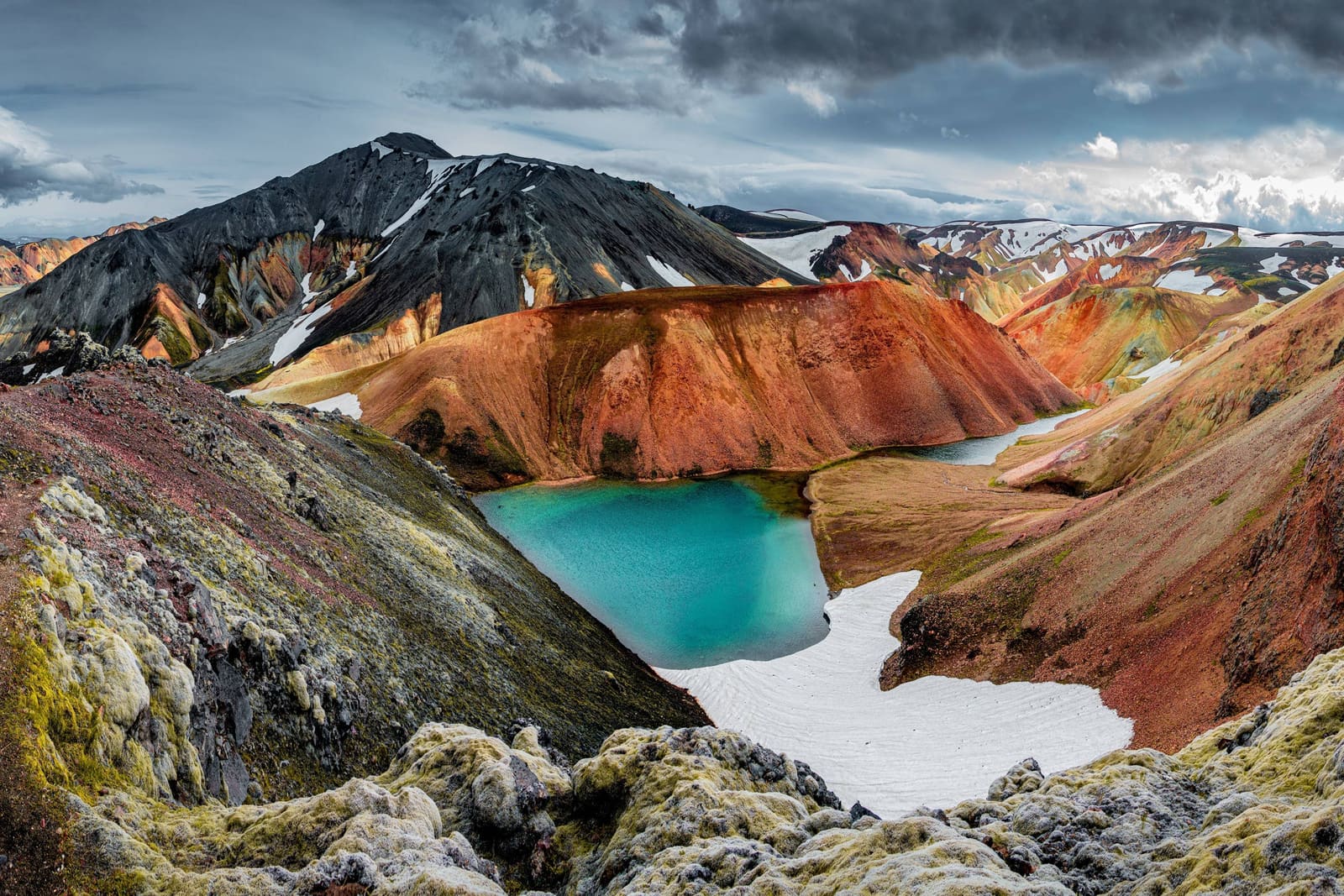
Laugavegur links Landmannalaugar and Þórsmörk through rhyolite mountains, dark volcanic plains and river valleys. Allow several hiking days, book each overnight and leave room for changes in Highland weather.
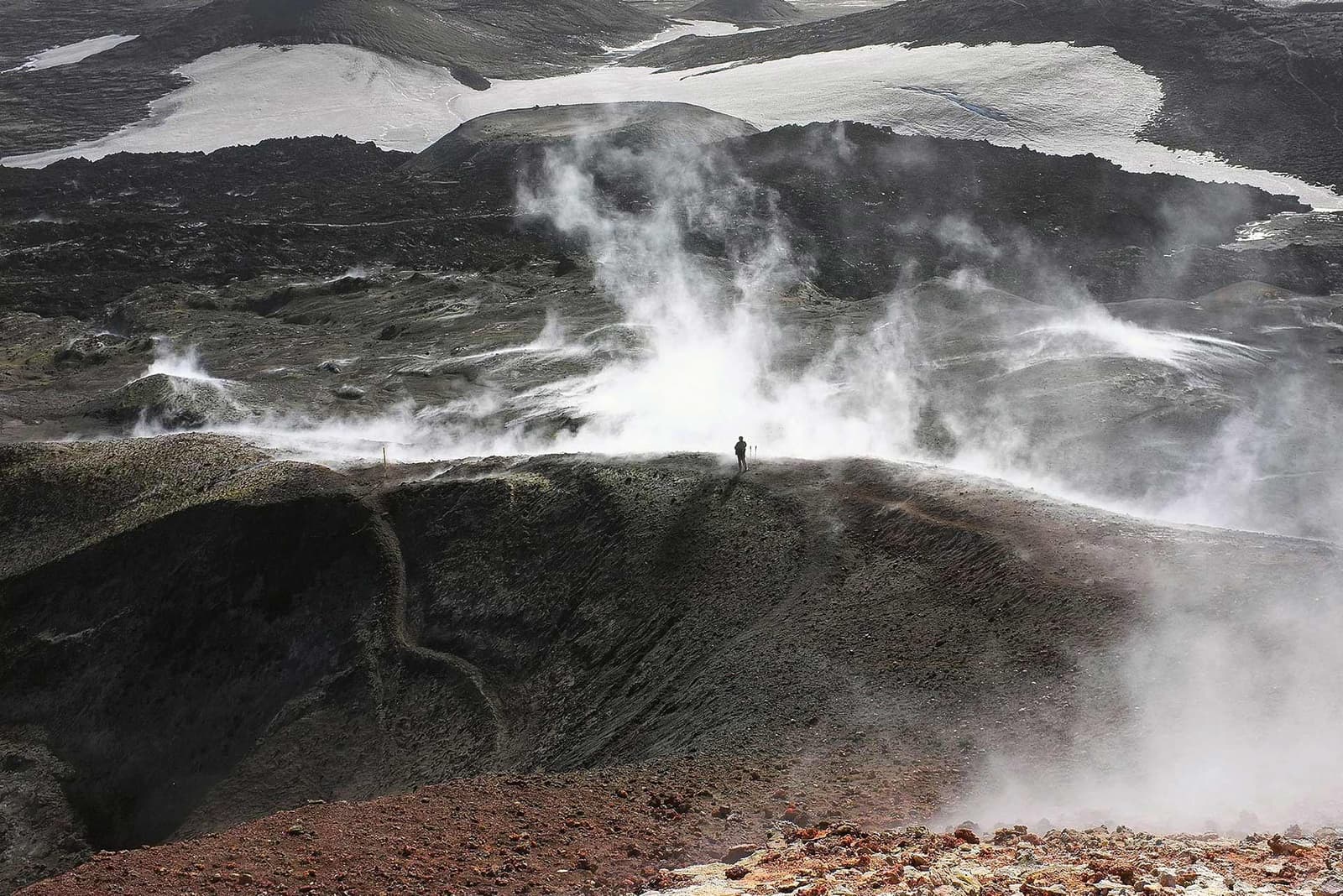
Fimmvörðuháls is the mountain crossing between Skógafoss and Þórsmörk. SafeTravel advises against hiking the trail because of dangerous conditions. Read the dated warning before considering this exposed route, its transport arrangements or an overnight plan.
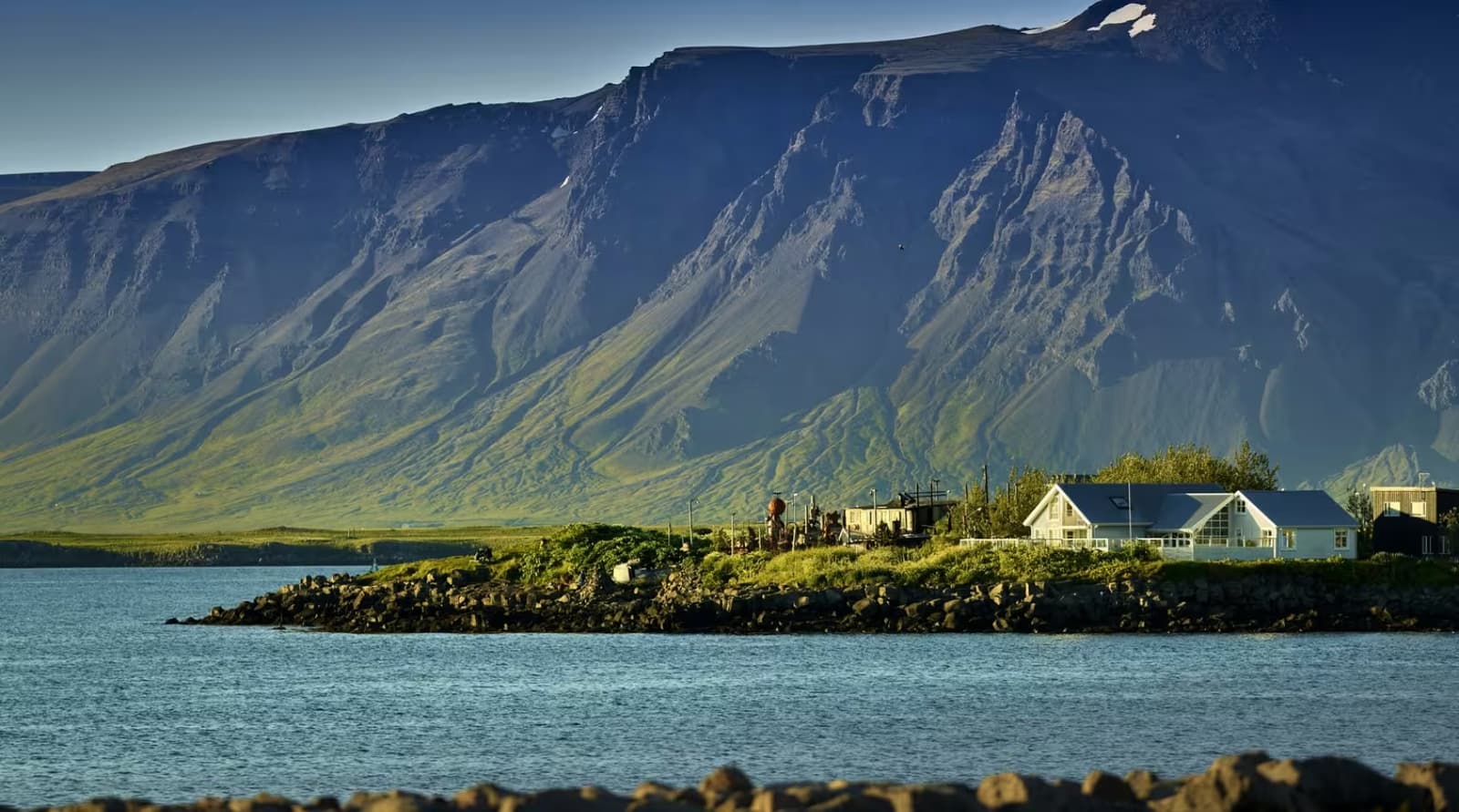
Esjan is the mountain range that forms Reykjavík's northern horizon. Its best-known walk climbs from Mógilsá to Steinn, a marked 6.6-kilometre route with about 600 metres of ascent and broad views over the capital and Faxaflói Bay.
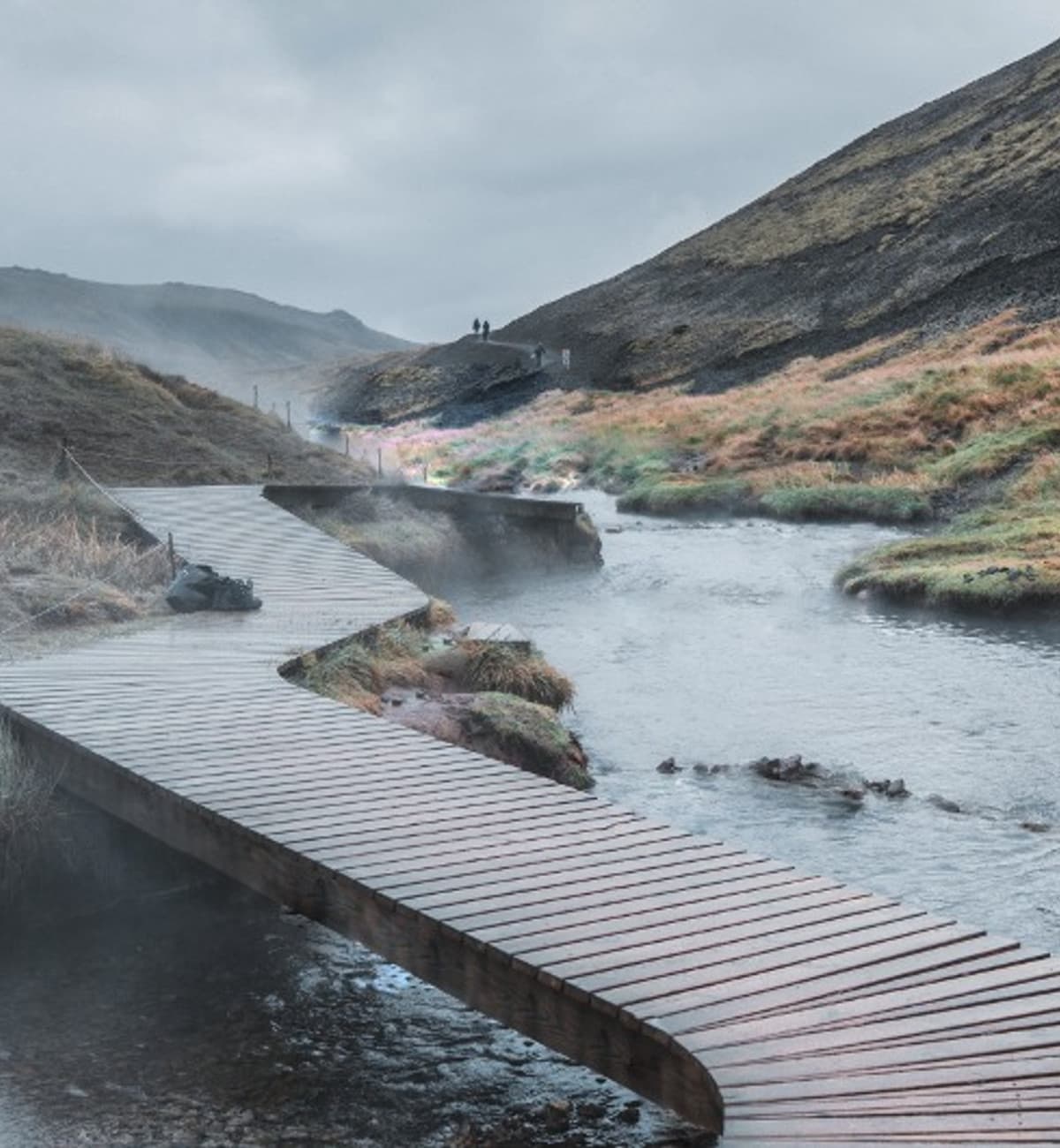
Reykjadalur is a geothermal valley above Hveragerði where a 3.5-kilometer uphill trail leads to a naturally warm river. Plan for the walk itself and check for changing weather or trail closures before leaving.
Regions
See which part of Iceland is most convenient for this experience and what else you can visit nearby.
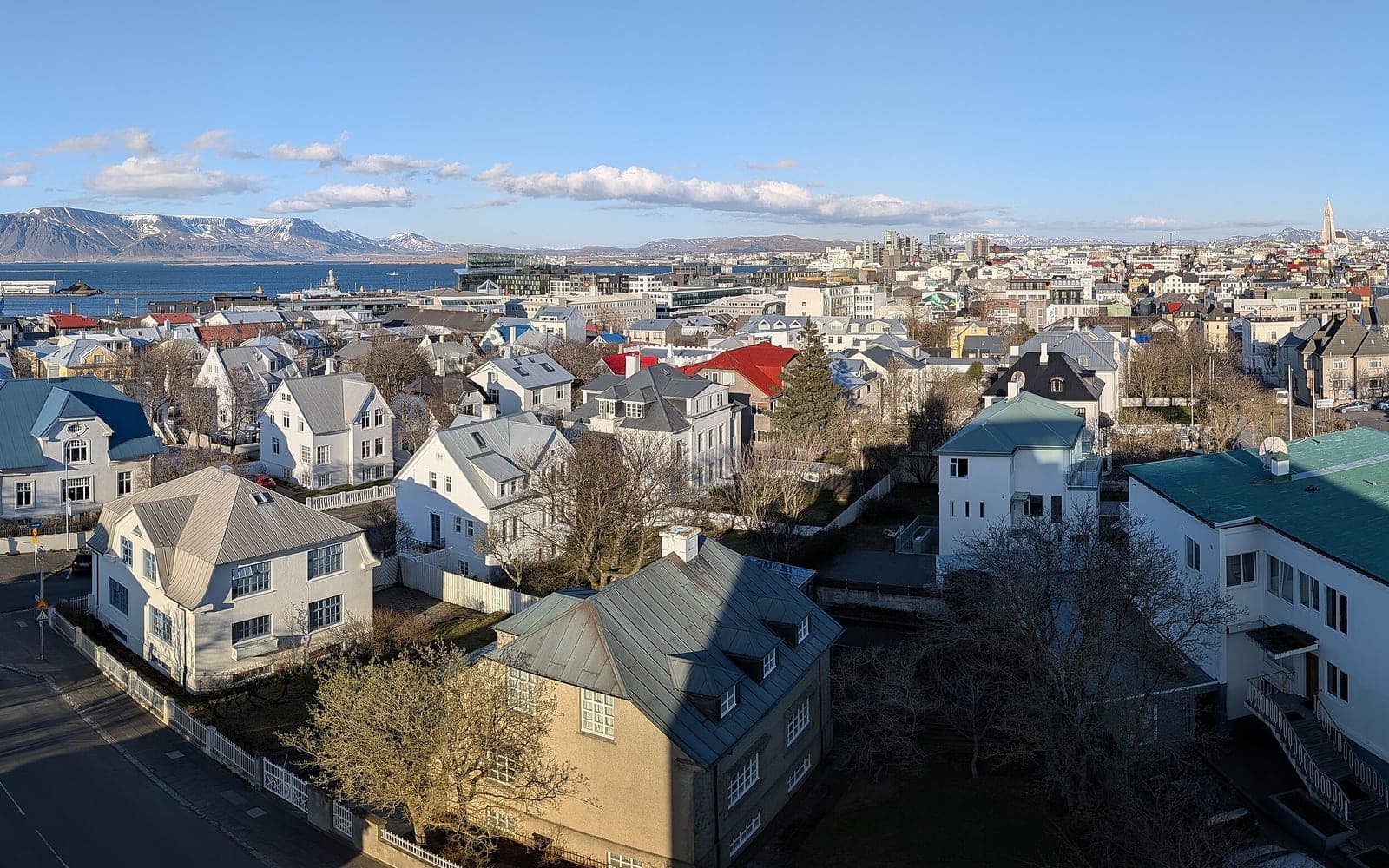
Choose Reykjavík for one or two car-free city days, a short break or a weather buffer—not as the default base for every long day trip.
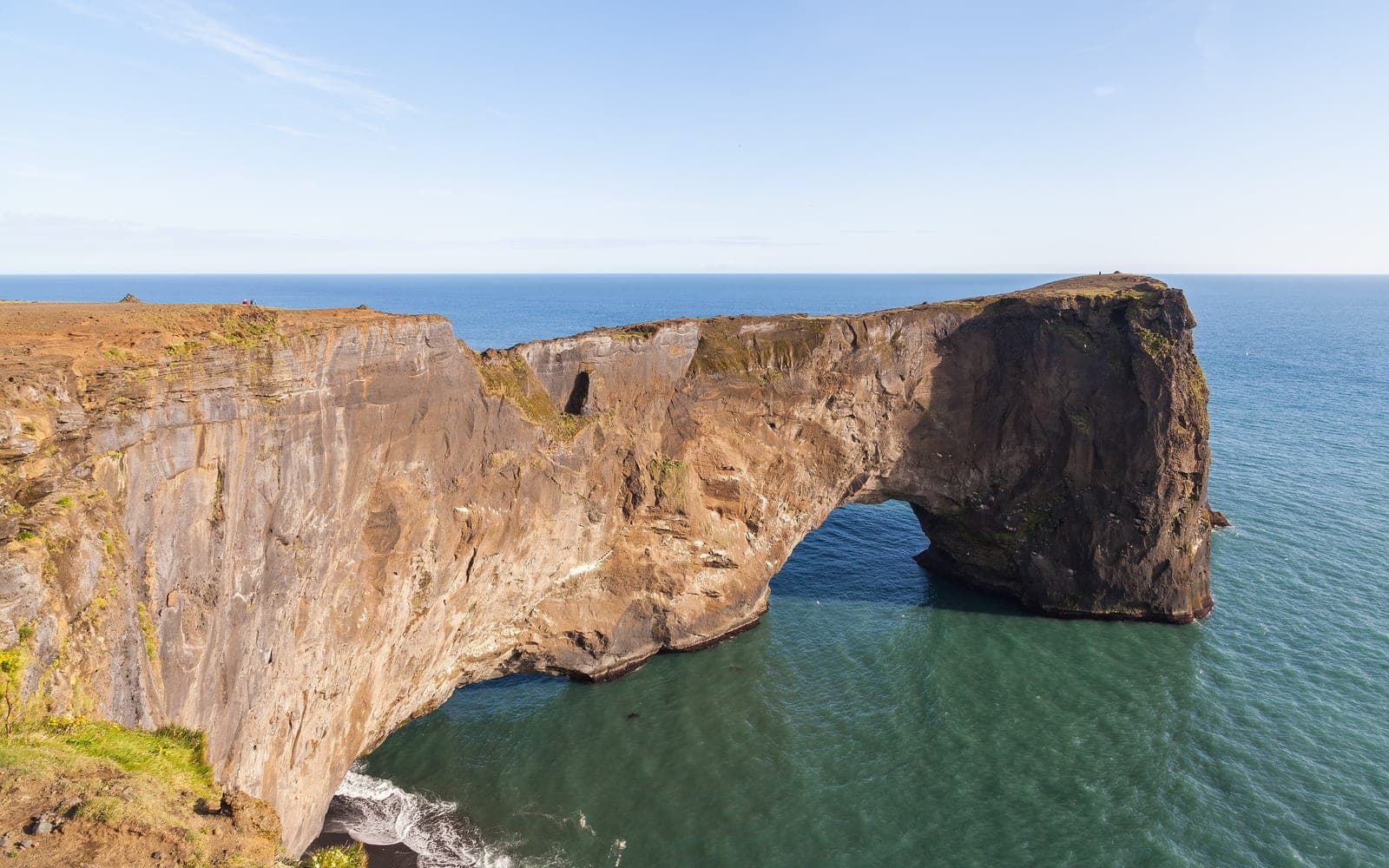
Build a first-trip route around waterfalls, black-sand coast and glacier country, but allow two to four days if Jökulsárlón is part of the plan.
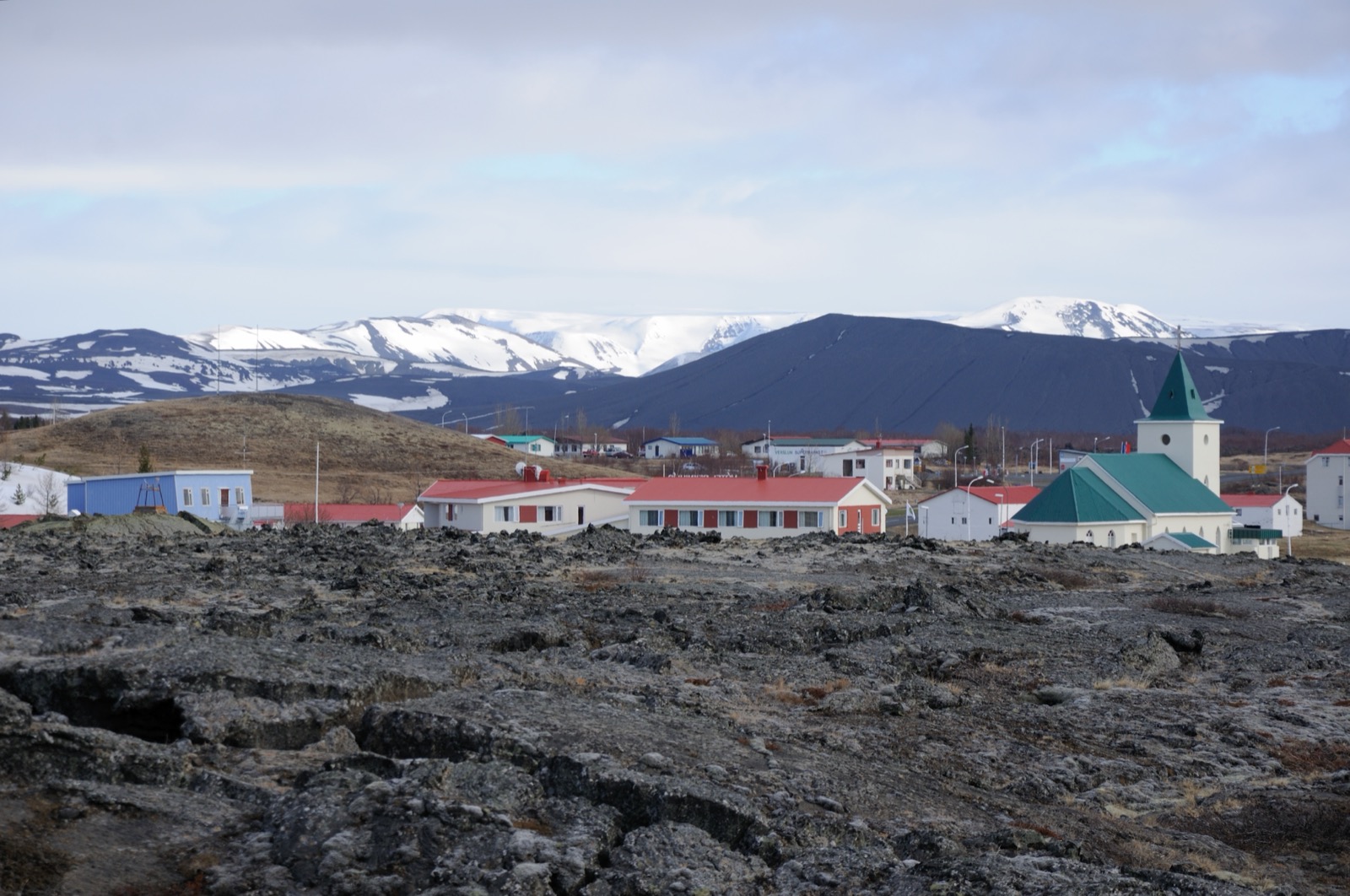
Choose North Iceland when you can spare several days for Akureyri, Mývatn, Húsavík, and canyon country; one rushed overnight barely reaches the region.
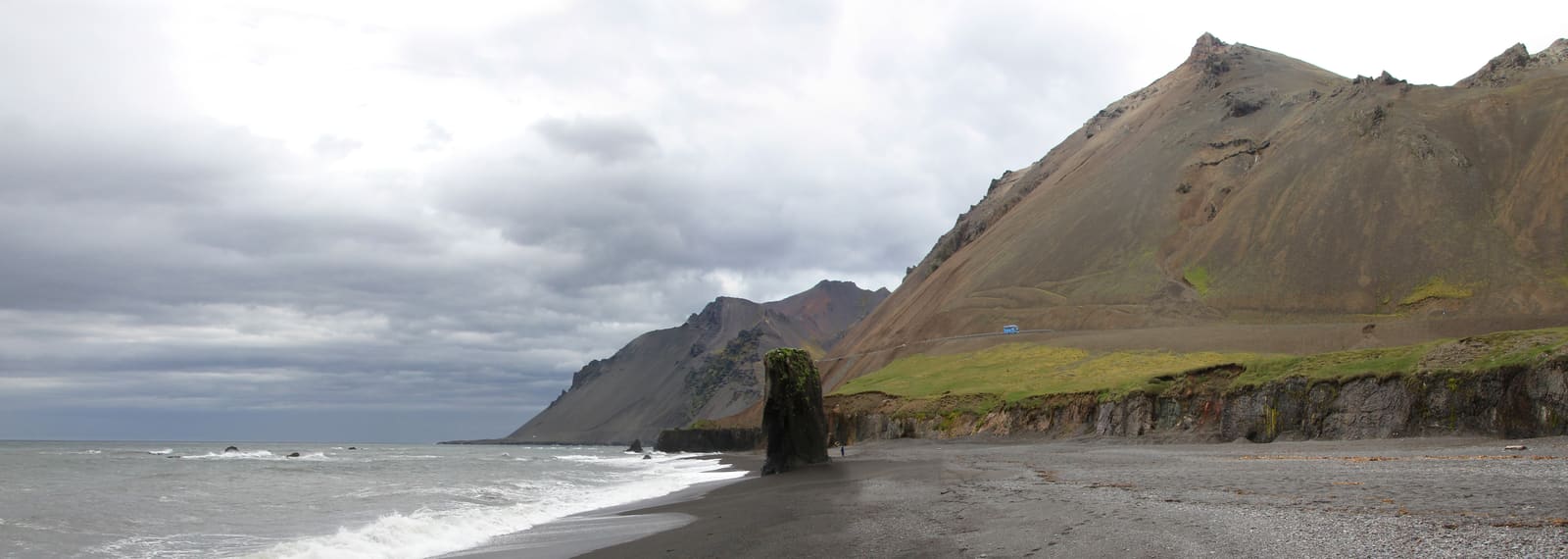
A Ring Road region for travelers who will trade headline density for fjord villages, hiking bases, and inland detours—and can protect at least two nights.
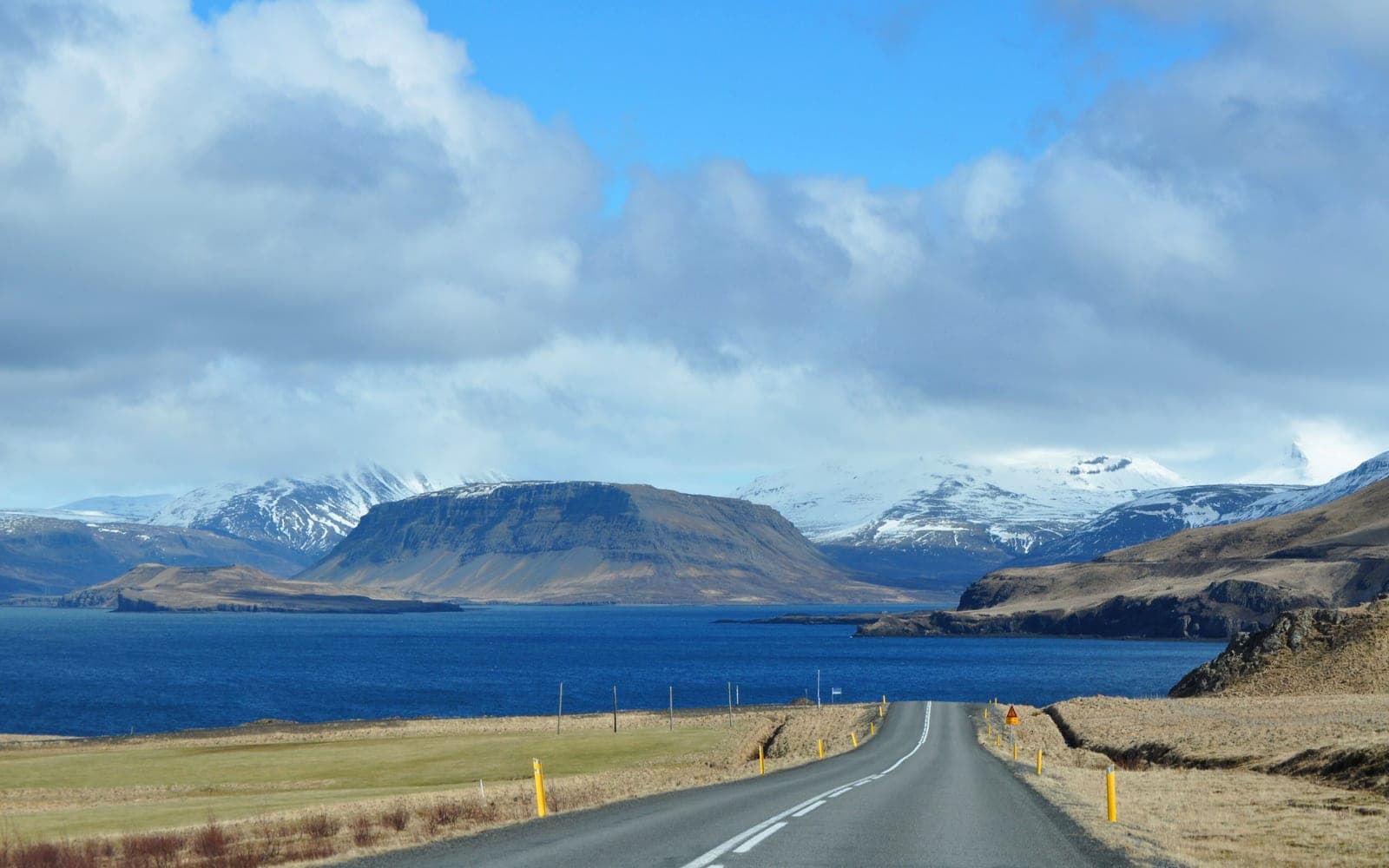
Choose West Iceland for a Borgarnes-based mix of waterfalls, geothermal stops, and caves; skip it if Snæfellsnes already fills your spare westbound day.
Road trips and itineraries
See where this experience fits into a road trip or day-by-day itinerary.
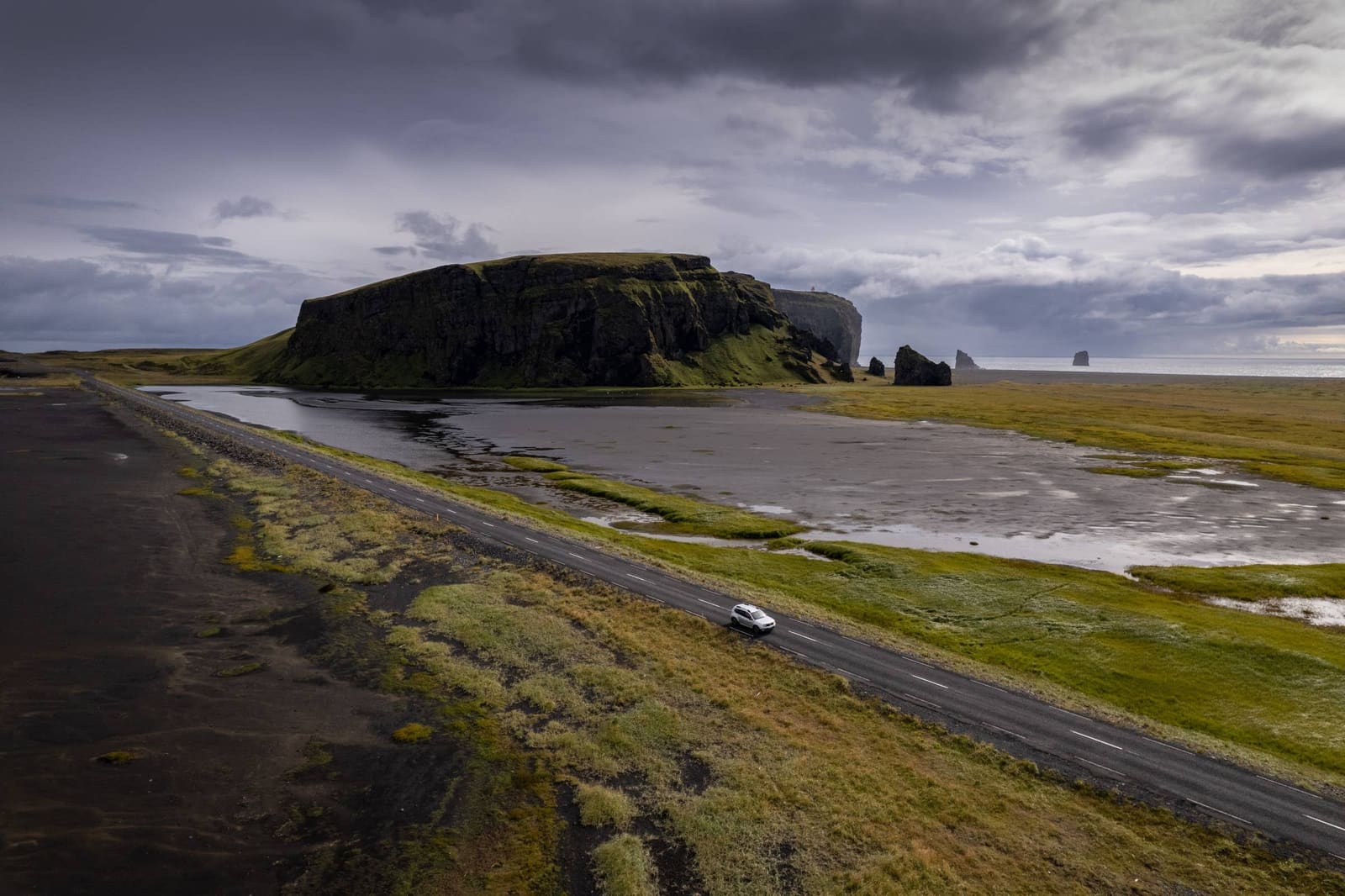
A realistic first-trip route through Reykjavík, the Golden Circle, and the South Coast, built for five calendar days without turning the final day into a race to the airport.
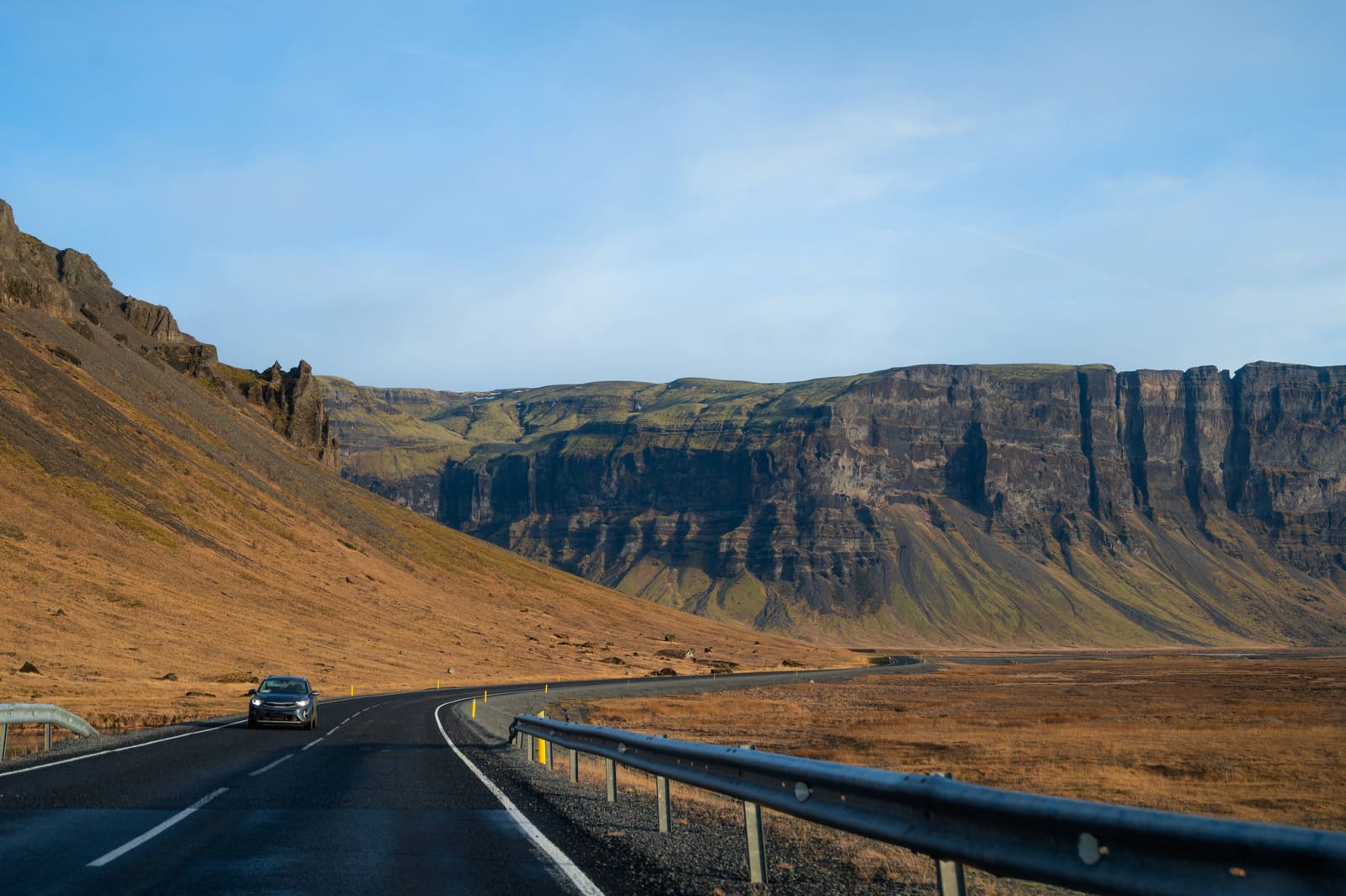
A route-first guide to deciding whether Iceland’s South Coast works as a day trip, one-night drive, or slower two-night route.
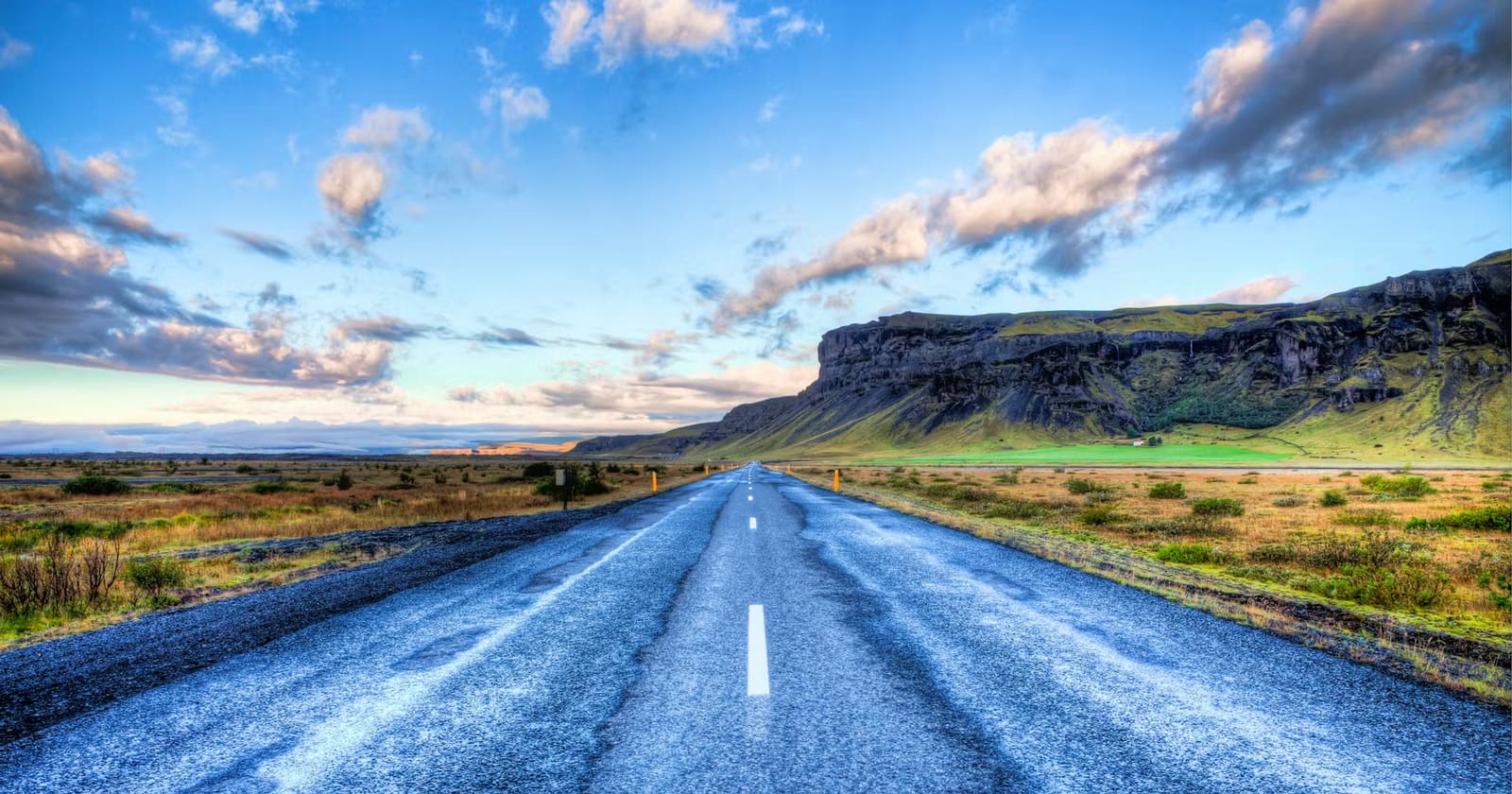
A route-choice guide for deciding whether your Iceland trip should become a full Ring Road loop or a slower South Coast route.
More things to do
See other activities that may suit the same day, season, or part of Iceland.
Travel advice
Read more about driving, weather, safety, and other details that may affect your trip.
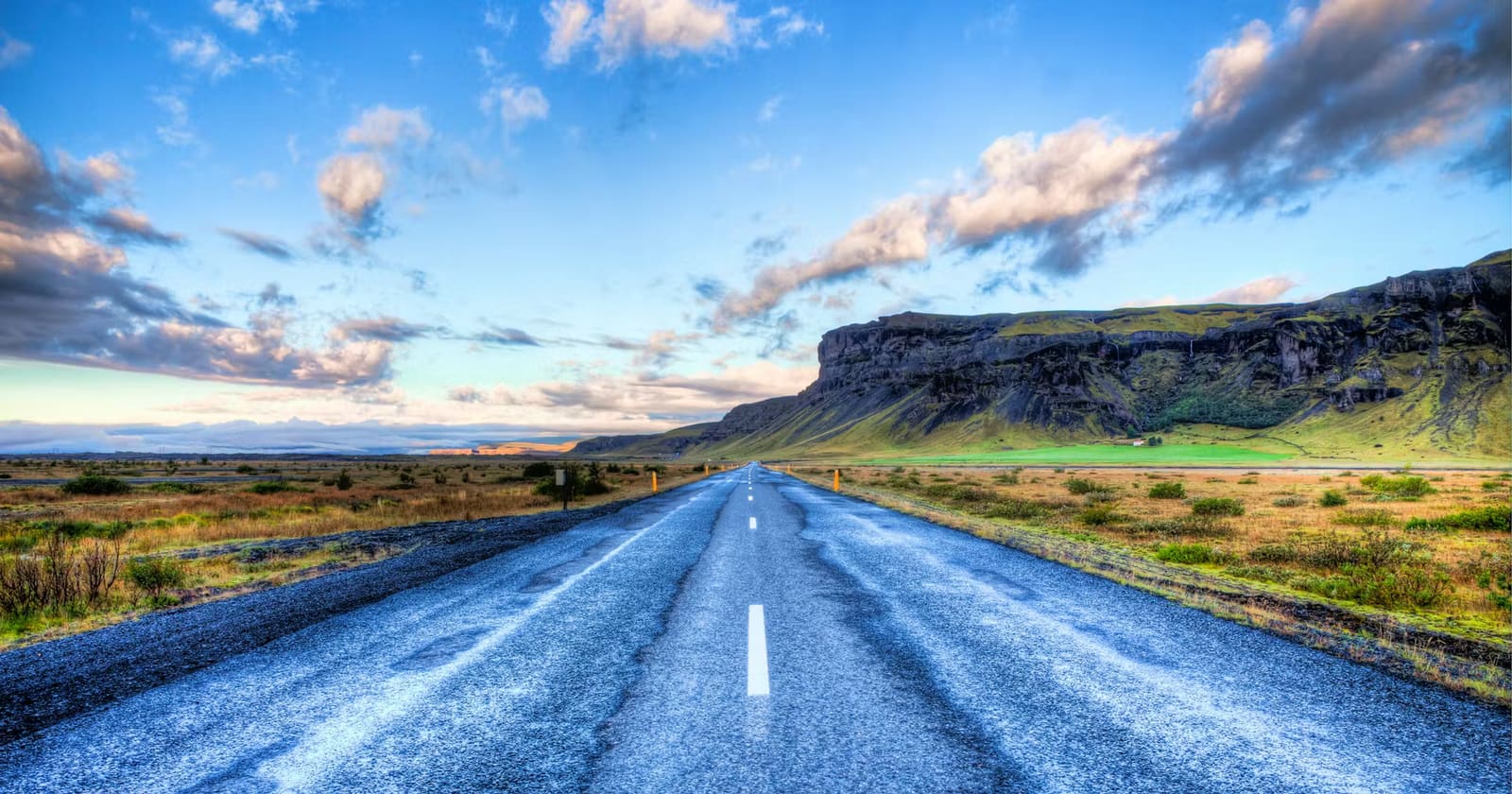
Choose a realistic Iceland trip length by counting usable route days, then match your pace, transport, season, and overnight moves to the right scope.
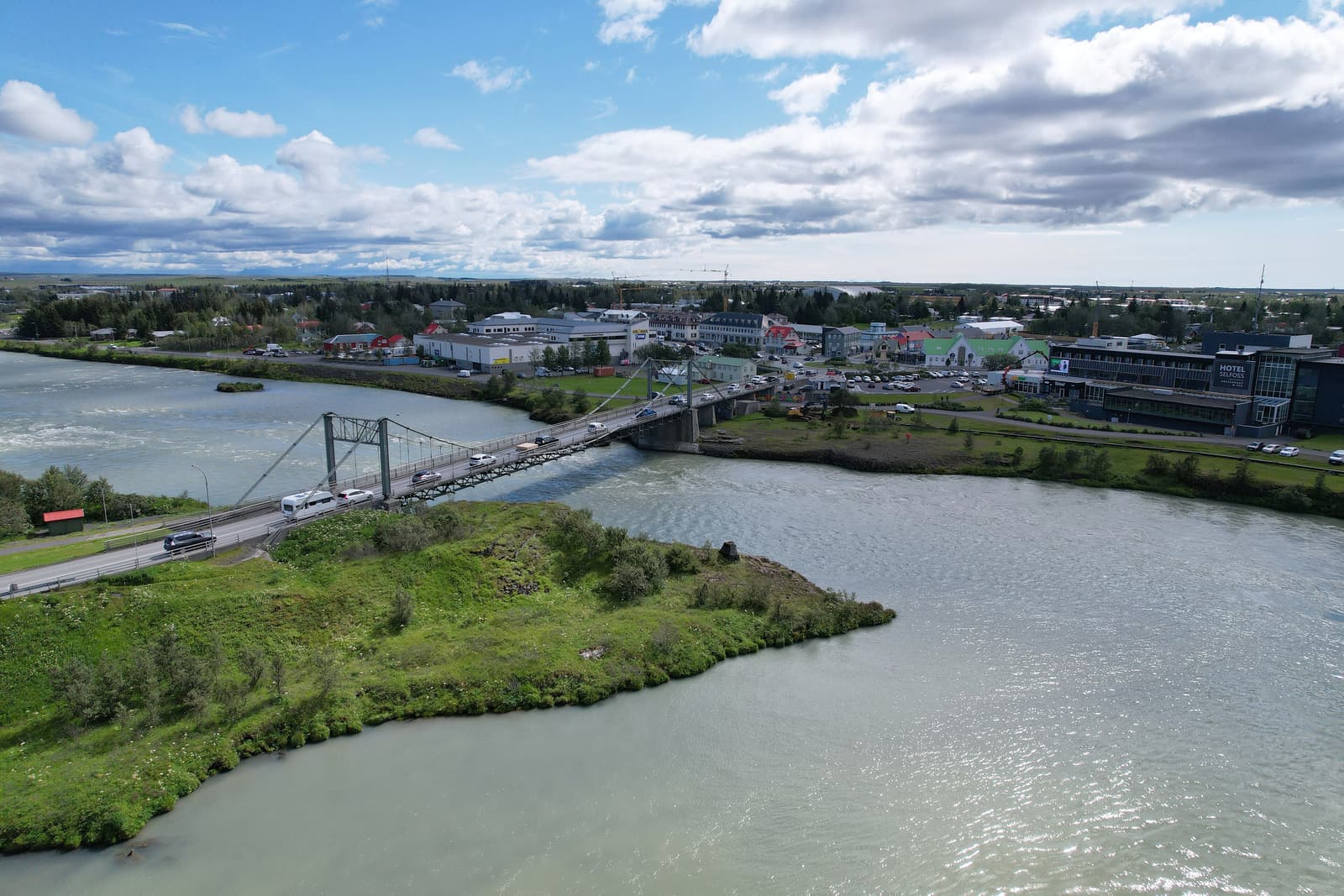
A practical base-choice guide for deciding where to stay in Iceland before booking hotels, day trips, or a self-drive route.
Next hiking decision
A good hiking plan needs a trail or place page, a route guide, and one current official conditions check.