Experience fit
- Start with
- Youngest child and next two hours
- Short window
- One active or indoor anchor
- Wet-day reset
- Public pool or indoor exhibit
- Age limits
- Check the exact operator
- Drive rule
- Correct child seat first
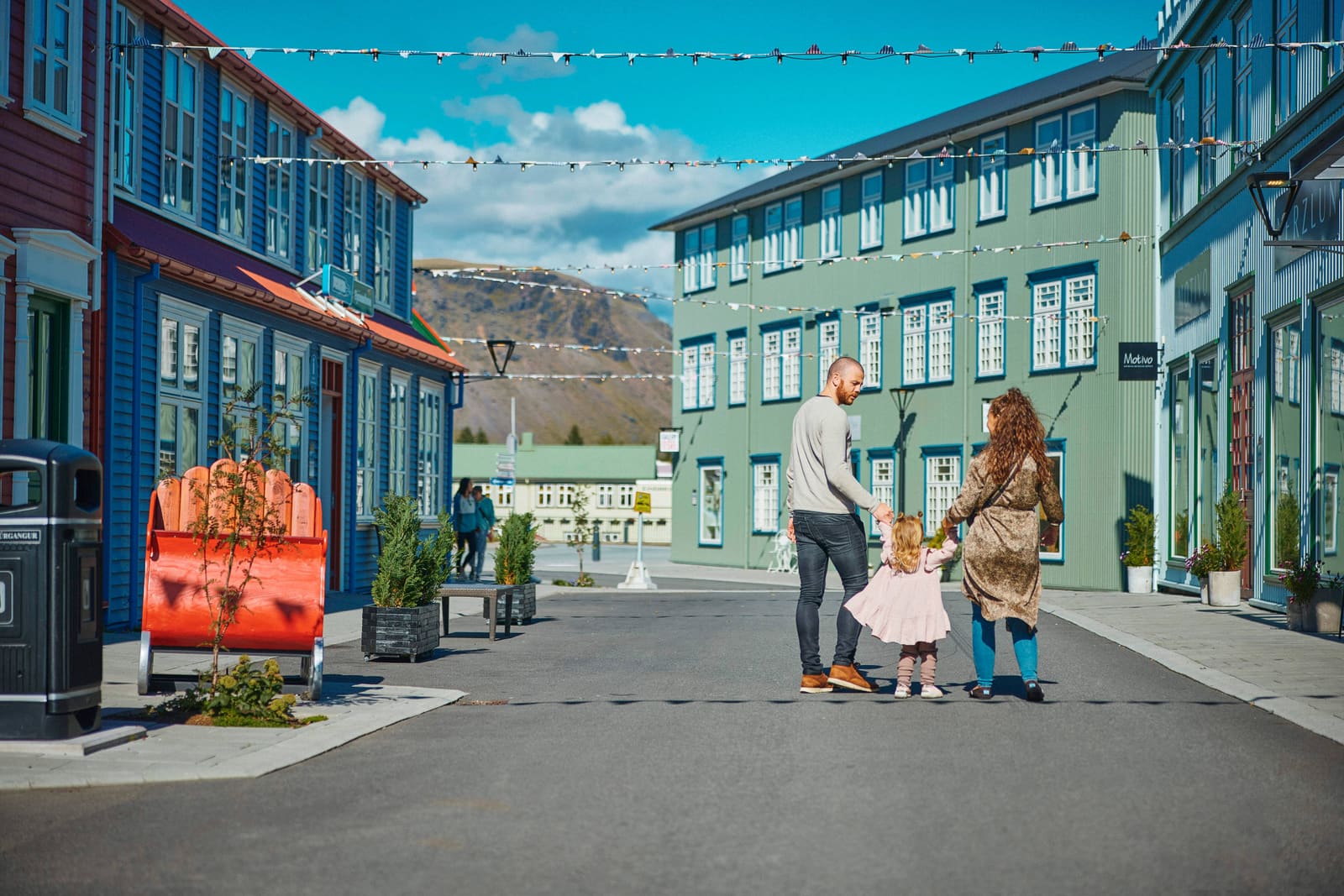
The best family activity is the one your youngest traveler can still enjoy in the weather and time you actually have. Use this age, forecast, and duration selector to choose between pools, wildlife, easy outdoor stops, caves, guided ice, and indoor exhibits without overloading the day.
Experience fit
An activity can be family-friendly on paper and still be wrong for this particular morning.
Start with the child most likely to become cold, hungry, seasick, or bored first. If they have two good hours left, plan for two and leave part of the adult sightseeing list unfinished around naps and snacks. A calm morning can support a boat or horse ride; wind-driven rain may turn the same booking into an endurance test.
The selector below is not an age rule. It is a fast way to choose the first format. Exact minimum ages, heights, equipment, swimming supervision, and mobility requirements belong to the venue or operator you are considering.
| Group pace | Dry, calm window | Wet or windy window | Time to protect |
|---|---|---|---|
| Preschool or nap-led | Farm animals, a short waterfall, or playground | Public pool or hands-on museum | One 60-90 minute anchor |
| Primary-school | Whale boat, horse ride, or easy cave | Pool, nature museum, or live lava show | One half-day adventure |
| Teen-led | Guided ice, a longer cave, or hike | Science museum plus pool or food | One major activity, not three |
| Mixed ages | Easy outdoor stop with a warm reset | Self-paced indoor venue or pool | Youngest child sets the cutoff |
Photo guide
1 / 8
Letting a child choose one meaningful activity can work better than stacking several smaller stops.
Good to know
Young children often enjoy Iceland most in short, physical pieces: spray, steam, animals, water, snow, and room to move.
A nearby playground, farm animal stop, shallow pool area, or compact museum may hold more attention than a famous view after a long drive. Keep the first outing close to food, toilets, and a warm indoor space, then decide whether the next stop still makes sense.
In Reykjavík, the Family Park and Zoo and Laugardalslaug are separate choices in the same wider district: one gives children room to look and move; the other turns the warm-water break into the activity itself. Check the exact venue before travel because facilities and access details can change.
This is the stage when many families can move beyond sightseeing, provided the activity is sized for a first attempt.
Ask the child which subject sounds best: whales, horses, a lava tunnel, geothermal water, or a short walk. Ownership helps, but it does not replace the operator's participant rules or the parent's judgment about cold, darkness, motion, and attention.
A whale-watching trip asks for warm layers, comfort on a boat, and patience with wild animals. A first horse ride adds instructions, an unfamiliar animal, and outdoor weather. A managed lava-cave visit can be easier to predict, but the floor, stairs, darkness, and cold still vary between caves.
Older children may qualify for glacier walks, longer caves, snow activities, and harder trails, but age is only the first gate.
Ask about confidence on uneven ground, cold tolerance, walking pace, motion sickness, and whether the teenager actually wants a guided activity. The adult who booked the highlight may be more committed to it than the person expected to wear the crampons.
For ice, start with the format comparison in glacier activities. A guided walk on the ice, a cave, a viewpoint, and an indoor glacier exhibit are different days. If the group wants a trail instead, the hiking guide separates easy walks from routes that need more time, footing, or local knowledge.
A municipal pool, museum, or hands-on indoor stop gives children room to reset without making the day feel abandoned. Keep one close to the route when weather or energy is uncertain.
Public pools are not miniature destination lagoons. Families change and shower before entering, adults keep children in sight, and non-swimmers need approved flotation. In Reykjavík pools, children under 10 must be accompanied by someone aged 15 or older; parents and guardians remain responsible in the water.
The geothermal bathing guide explains the difference between public pools, managed lagoons, hike-in water, and geothermal areas meant only for looking. That distinction matters more with children than the fame of the place.
The best indoor stops still feel connected to Iceland instead of serving as a waiting room for better weather.
Perlan lets a family move between glacier, volcano, water, bird, and planetarium material, while Whales of Iceland keeps the subject narrow and the scale easy to see indoors. A live show asks everyone to sit and focus for one fixed presentation.
Choose self-paced exhibits when different ages need different speeds, a fixed show when a clear beginning and end helps, and a pool when children need movement more than information. Keep one indoor option unbooked when possible so it stays a genuine weather swap without becoming a second obligation.
The four most tempting family adventures ask for very different kinds of patience and confidence.
Boat trips add cold, motion, waiting, and wildlife uncertainty. Horse riding adds instructions, animal confidence, and a fixed pace. Caves add darkness, cold, stairs, or rough ground. Guided ice adds technical equipment, exposed weather, and a firm safety boundary.
Do not transfer an age limit from one operator to the whole activity. A broad sightseeing boat and a fast rigid inflatable are not the same; a lit cave walkway and a rough lava tube are not the same; a glacier viewpoint and a guided ice walk are not the same.
Both options avoid a long drive and outdoor exposure, but they ask for different attention and movement.
Compare whether your group wants to move between several nature exhibits or sit for one focused live-lava presentation.
Perlan
Best forMixed ages that benefit from changing subject and moving between exhibits at their own pace.
Keep in mindThe indoor ice cave is cold, and a broad museum visit can expand beyond a short weather stop.
Check firstConfirm the ticket inclusions, planetarium arrangement, accessibility, and any child-specific visit details.
Lava Show
Best forFamilies wanting one seated, single-subject indoor anchor with a clear beginning and end.
Keep in mindThe live lava brings strong heat, sound, and a fixed presentation that may not suit every sensory preference.
Check firstConfirm the classic showtime, child ticket rules, seating, and accessibility for your group.
Children usually remember the horse, pool, whale, or cave—not how many pins the adults managed to reach. Keep the road short enough for food, toilets, weather changes, and an unhurried return.
Official Icelandic guidance requires children under 135 cm to use a child seat suited to their height and weight. Arrange the correct equipment before collecting the vehicle, and do not let a missing or unsuitable seat become an airport-car-park decision.
Read driving in Iceland before choosing a self-drive activity day. For a classic first outing, the Golden Circle road trip keeps route order visible; the South Coast road trip needs a firmer turnaround because the appealing stops continue east.
Short daylight, cold hands, slippery ground, and slower roads reduce the useful outdoor window before anyone reaches their personal limit.
Put the most important outdoor stop near the middle of the available light and keep the evening simple. A pool, museum, early meal, or quiet accommodation night may serve the family better than waiting outside for an aurora that might not appear.
The winter activities guide compares guided ice, aurora, hot water, wildlife, and city options by exposure and backup value. If driving is part of the plan, check the weather and roads again before departure and drop the activity instead of chasing it into poor conditions.
Use the source that controls the exact rule or live condition, then keep the activity smaller when the answer is unclear.
Child-seat rules, pool supervision, weather, roads, and local facilities change different parts of the plan. These links are more useful than a single generic family checklist.
By ThorPublished
Check the exact family activity, forecast, roads, and safety guidance before the day becomes fixed, especially in winter or on exposed coast.
Check child-seat height, fit, and safety guidance before vehicle pickup.
Read the supervision, shower, flotation, and changing-room rules before a city pool visit.
Open the exact pool listing for facilities and visit details.
Check alerts and adapt exposed outdoor plans before leaving.
Compare the forecast with the activity's wind, rain, cold, and visibility exposure.
Check the complete drive, not only conditions at the attraction.
Use the official national overview for further family activity ideas and preparation.
Where to do it
Move from the family selector into the exact pool, wildlife, city, ice, or winter decision without rebuilding the whole day.
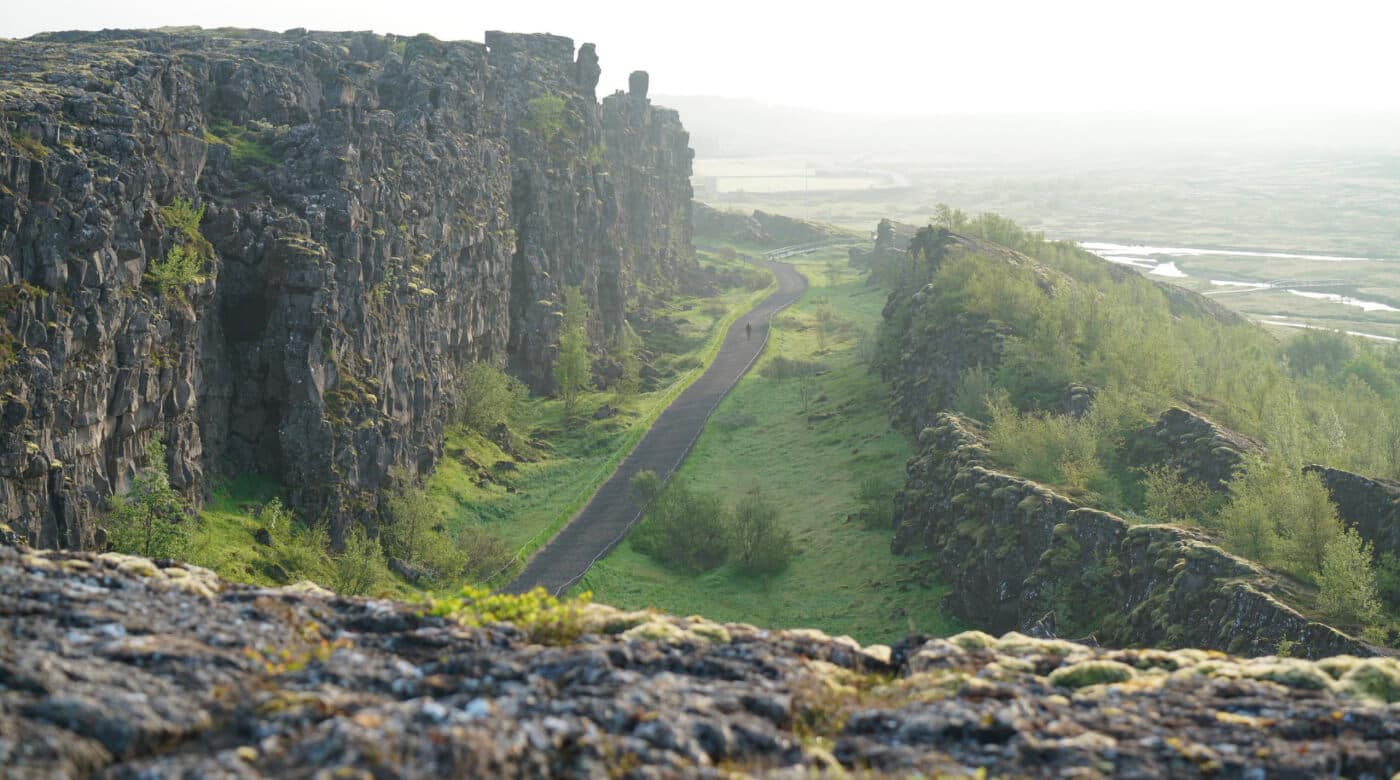
Þingvellir brings Iceland's Alþing history and a living rift landscape into the same national park. Walk through Almannagjá to reach the old assembly site rather than stopping at the first viewpoint.
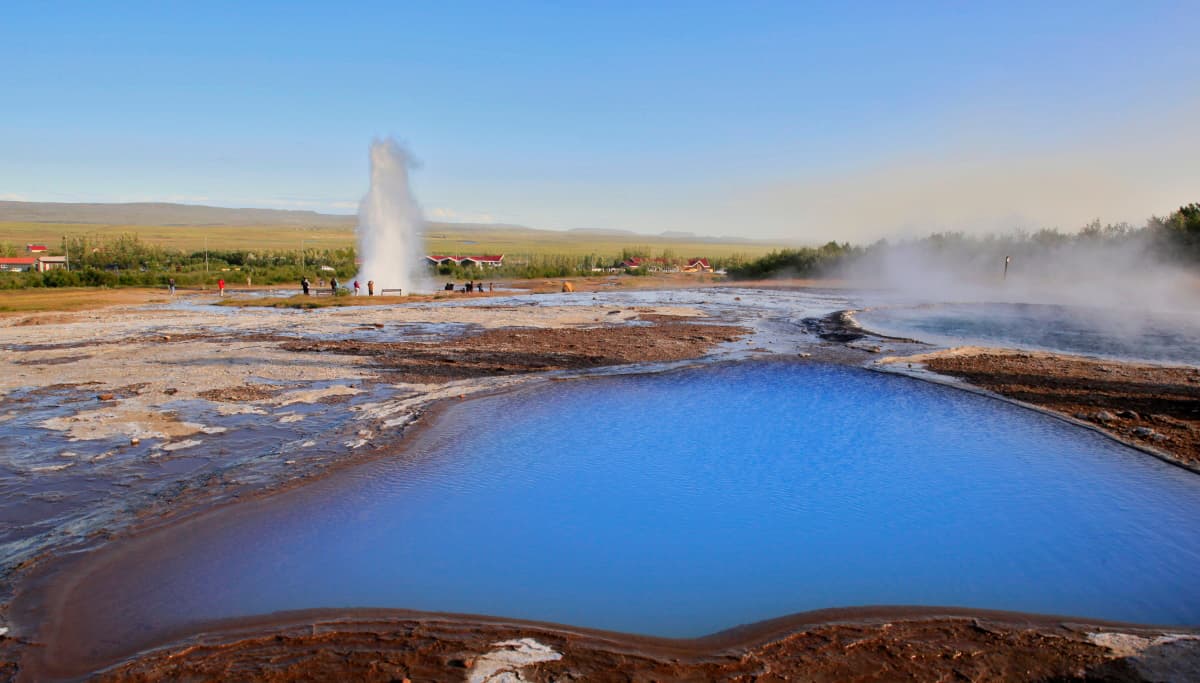
Geysir is a protected geothermal area in Haukadalur where the historic Great Geysir, active Strokkur, hot pools and mineral ground reveal different parts of the same volcanic system.
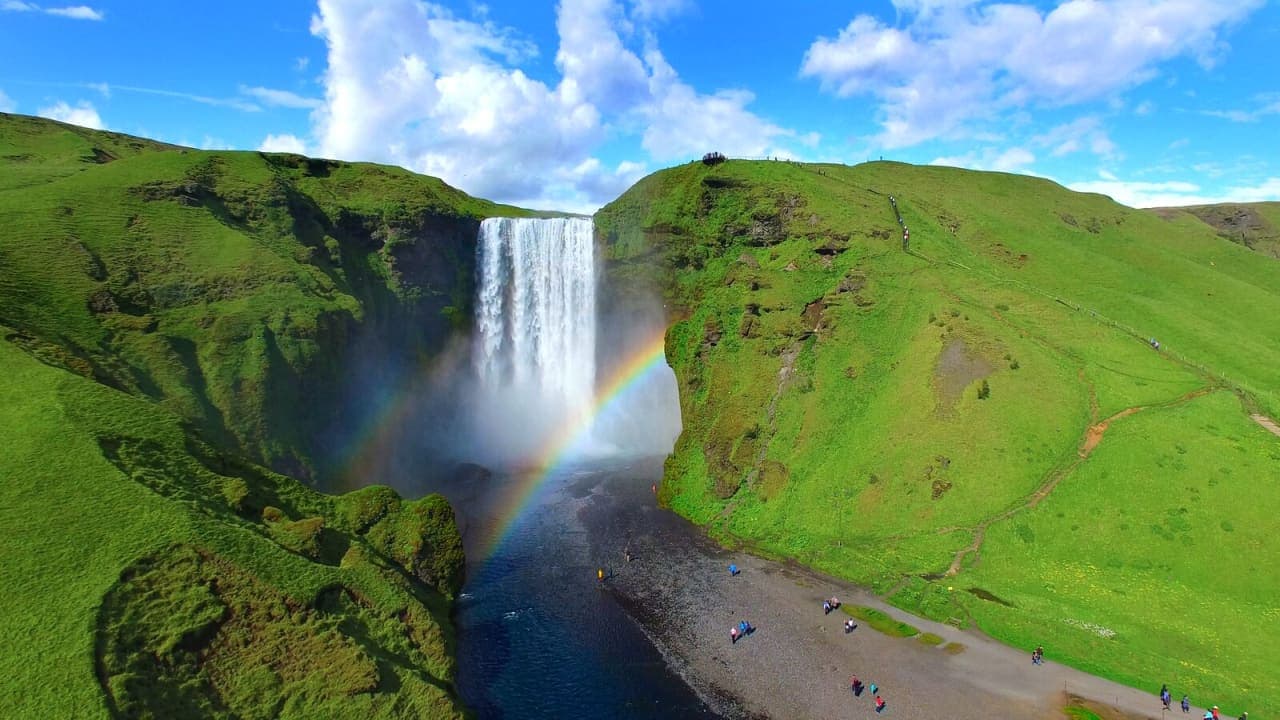
Skógafoss is a 60-meter waterfall on the South Coast, with a powerful base view, a stairway to the top and a protected series of smaller falls continuing above it.
Regions
See which part of Iceland is most convenient for this experience and what else you can visit nearby.
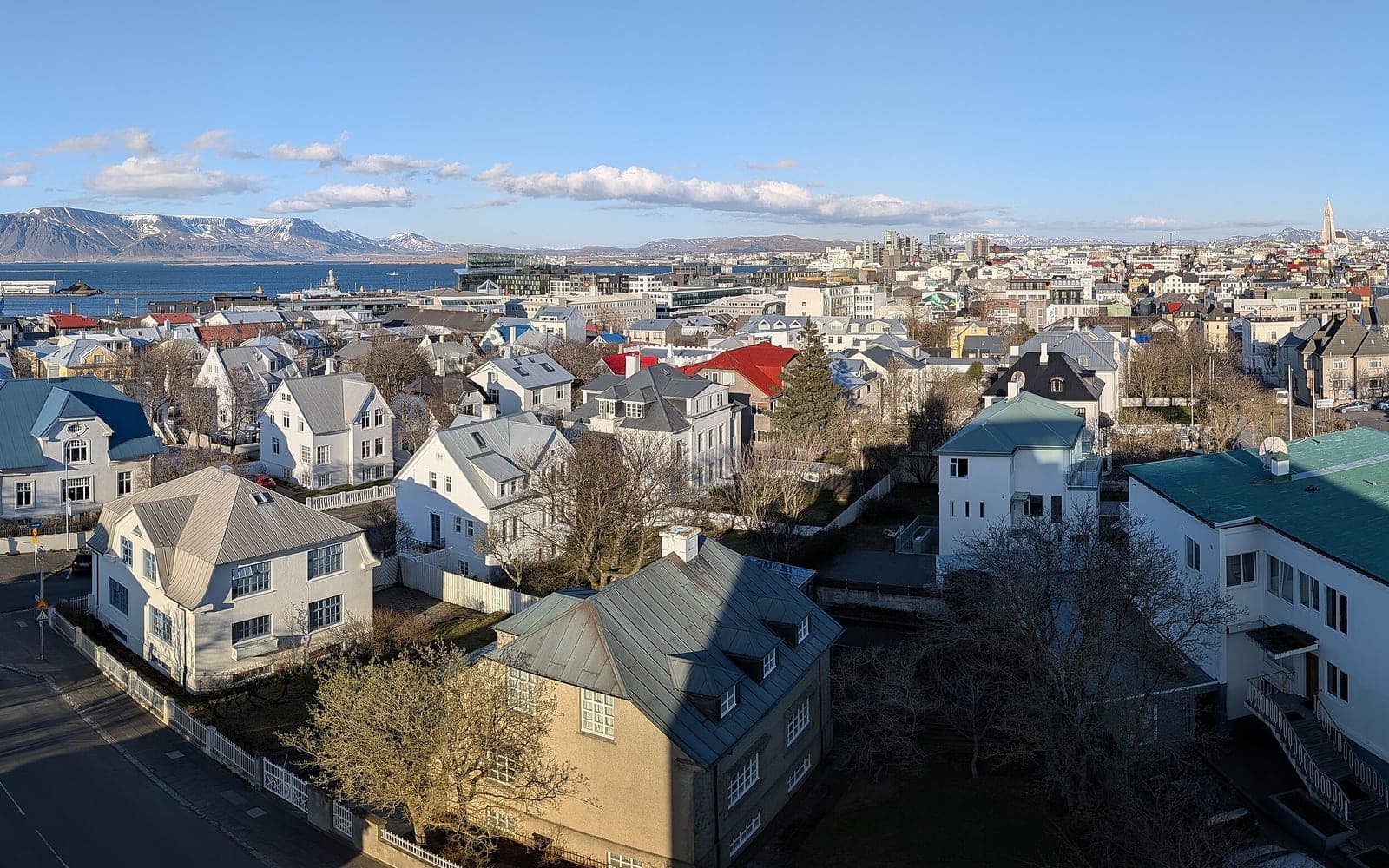
Choose Reykjavík for one or two car-free city days, a short break or a weather buffer—not as the default base for every long day trip.
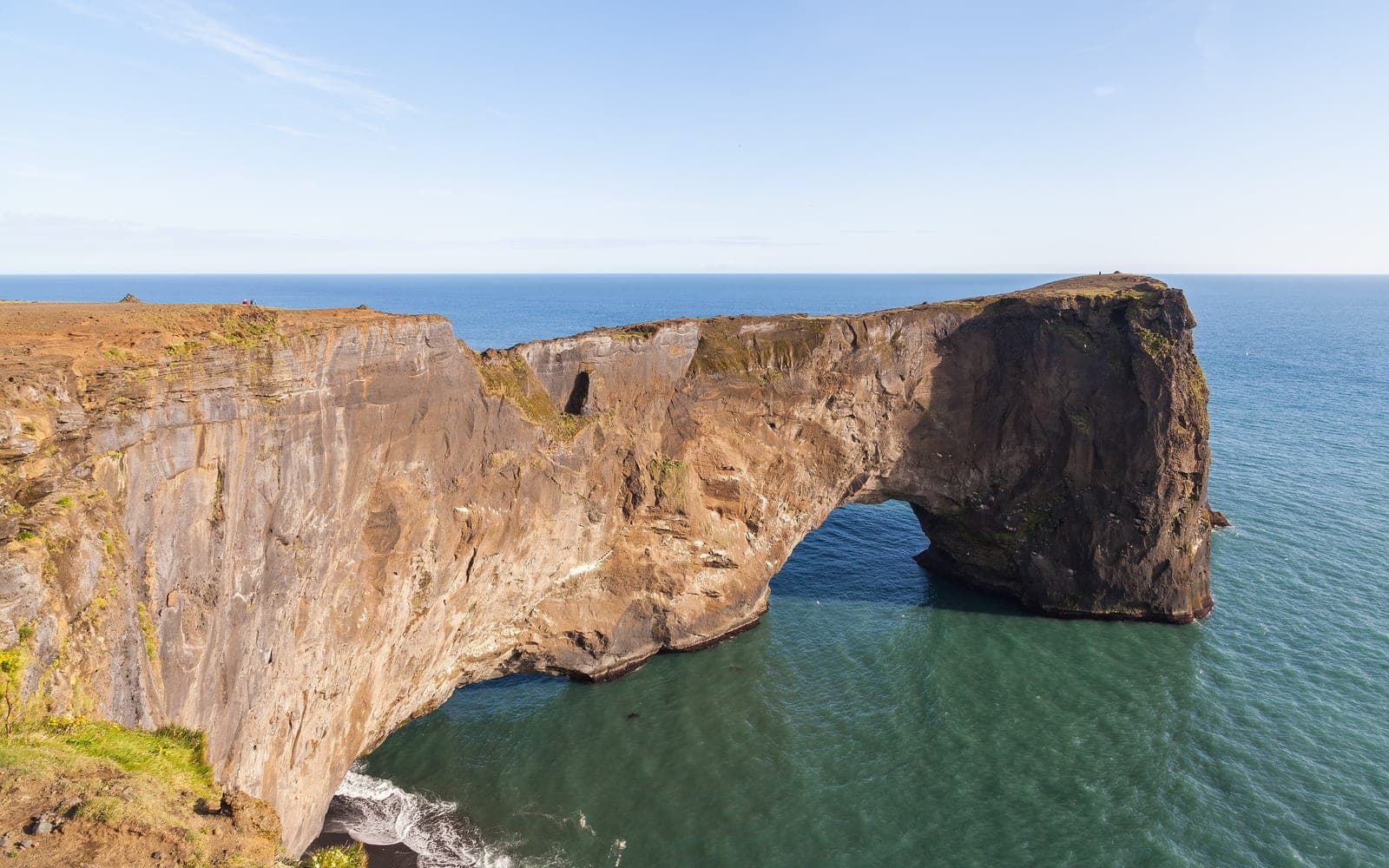
Build a first-trip route around waterfalls, black-sand coast and glacier country, but allow two to four days if Jökulsárlón is part of the plan.
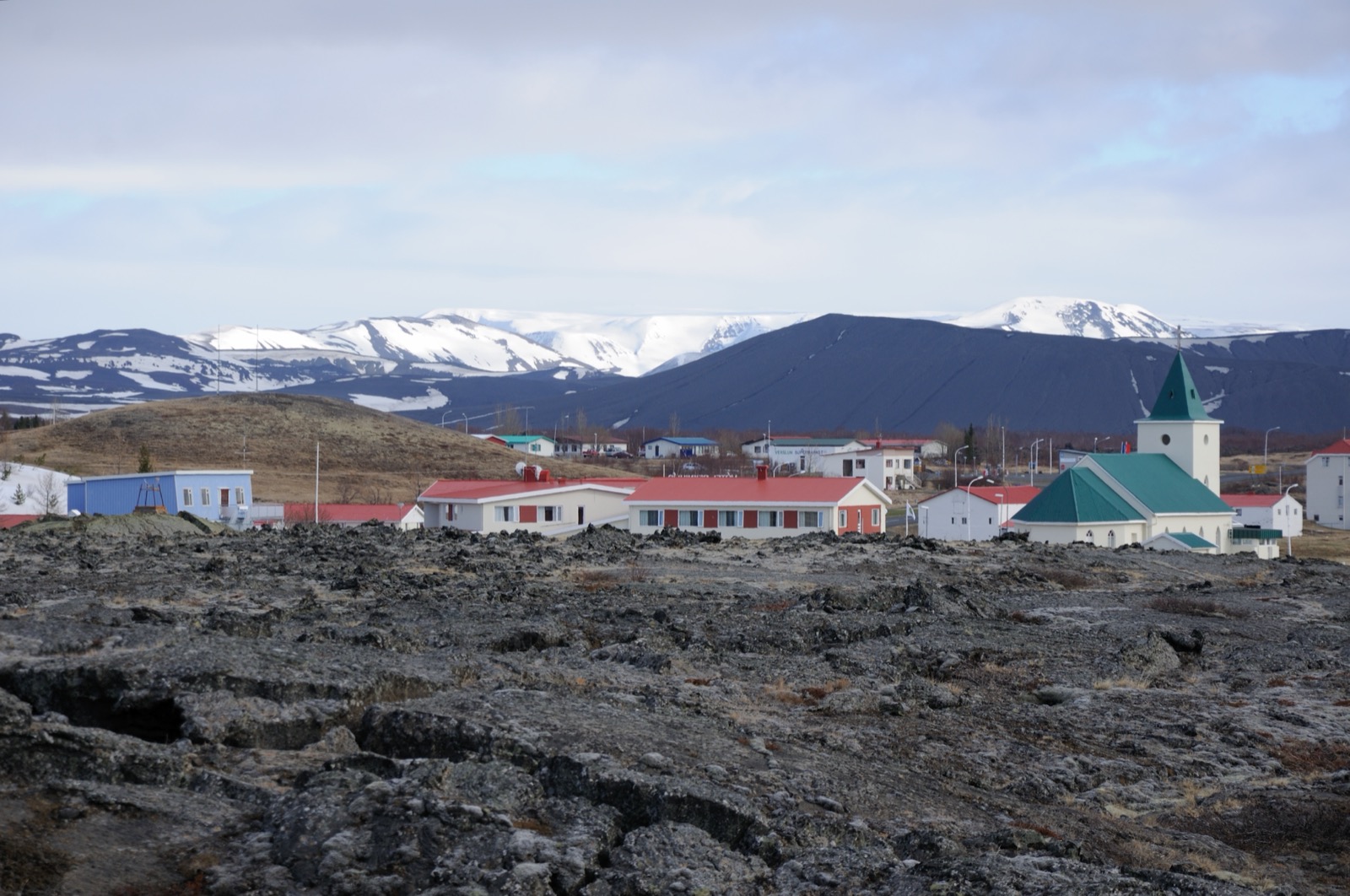
Choose North Iceland when you can spare several days for Akureyri, Mývatn, Húsavík, and canyon country; one rushed overnight barely reaches the region.
More things to do
See other activities that may suit the same day, season, or part of Iceland.
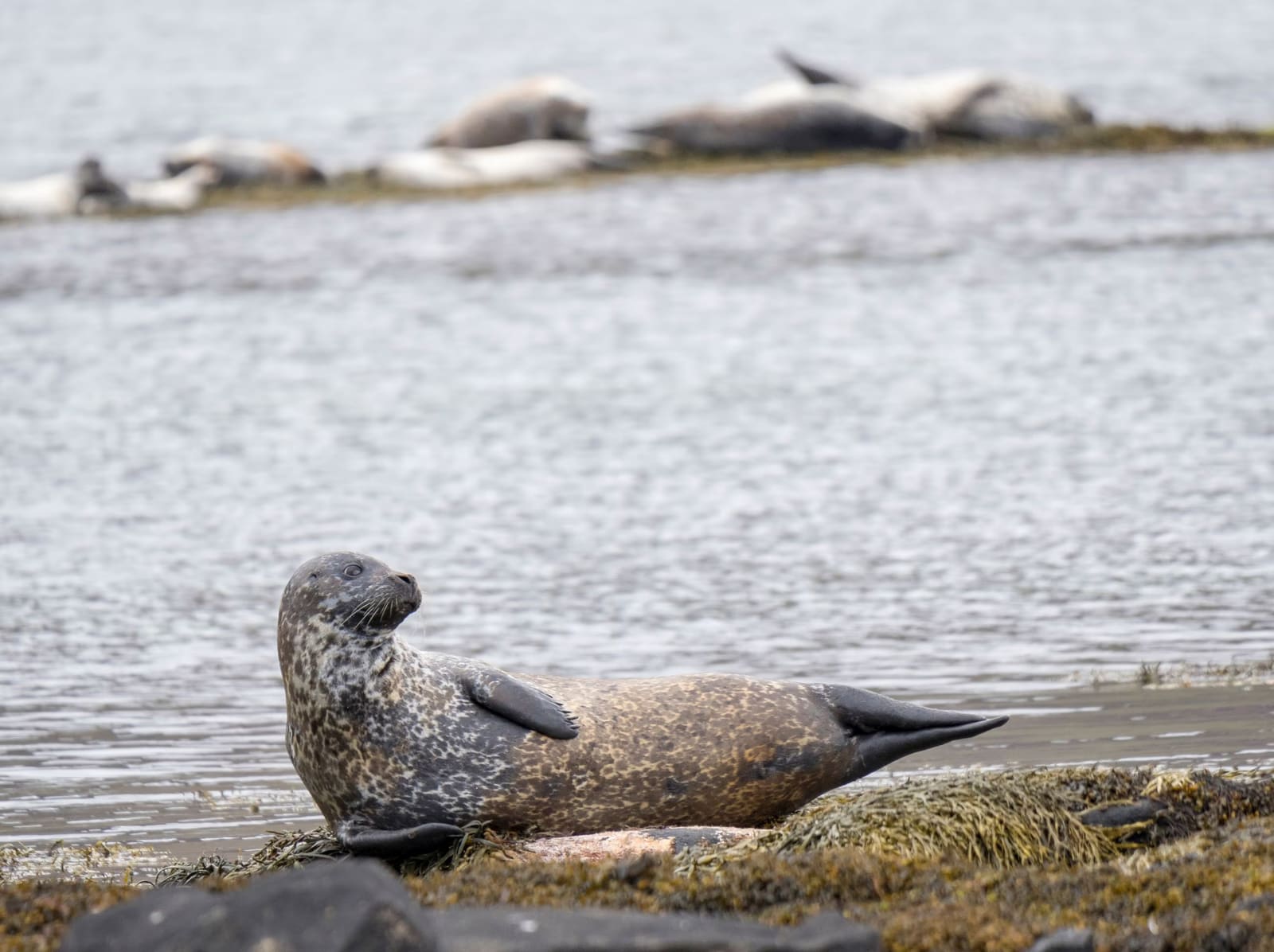
Choose Iceland wildlife experiences by fit, not animal fame. Compare whales, puffins, seals, Arctic fox interest, reindeer, Icelandic horses, bird cliffs, and indoor nature stops by season, route, patience, comfort, and viewing ethics.
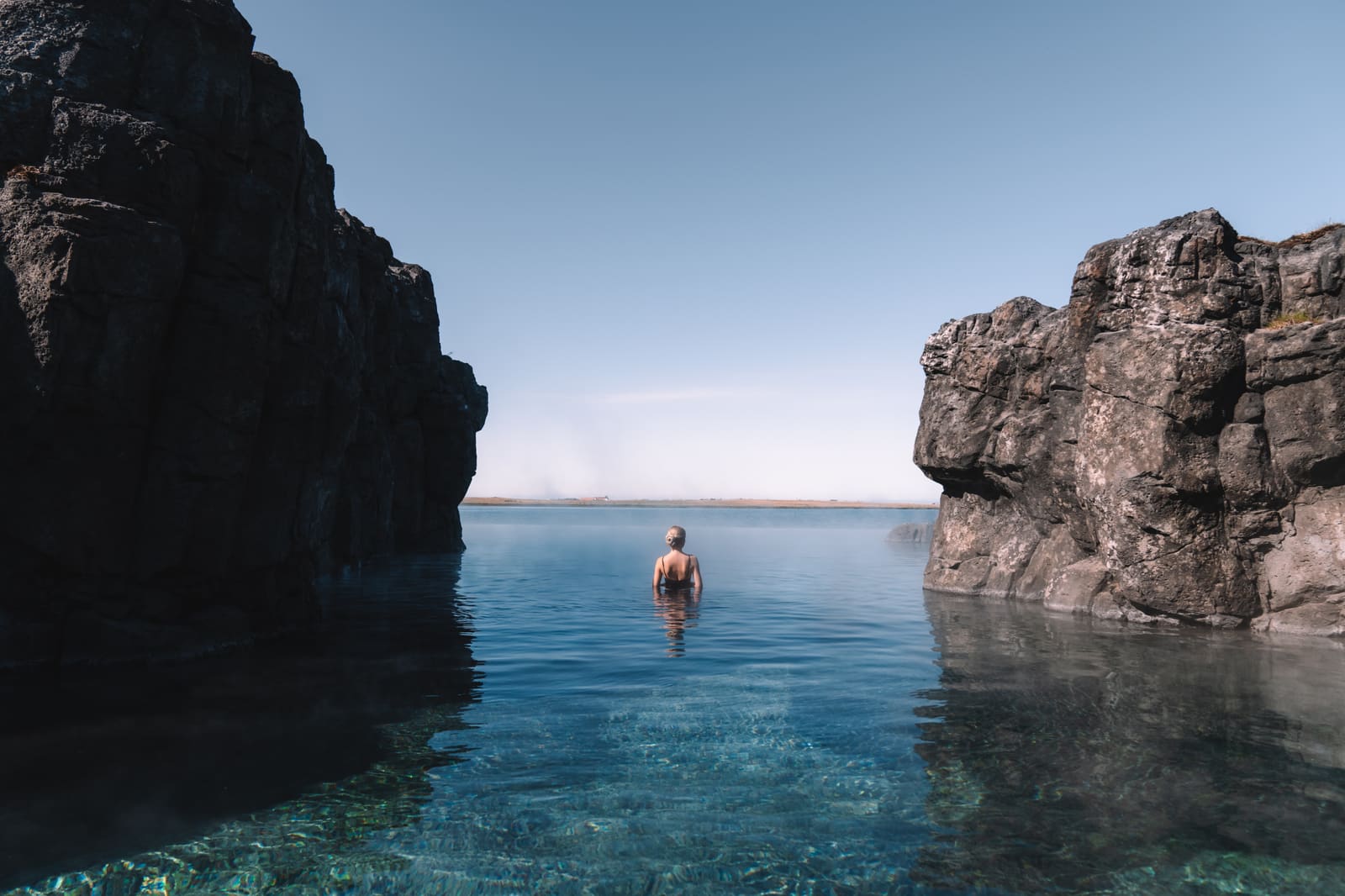
Iceland hot springs work best when you choose the bathing format first: premium lagoon, local public pool, rustic pool, hike-in hot river, remote hot pot, or geothermal area you only admire from the path, then fit it to the day.
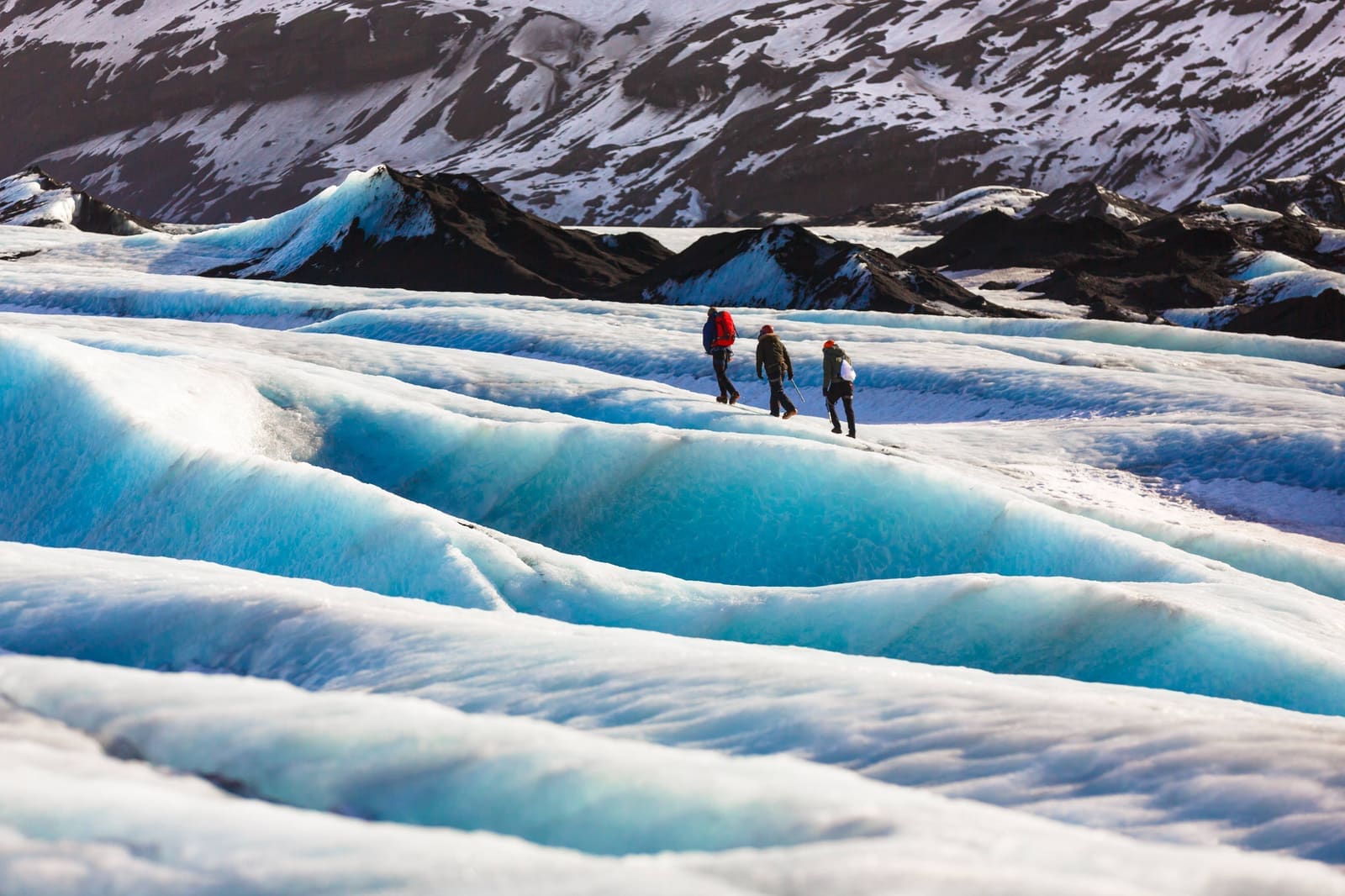
Glacier activities work best when you choose the right version first: guided ice walking, cave or tunnel access, snowmobiles, lagoon boats, kayaking, or a lower-effort viewpoint. Use the route, season, guide need, and comfort tradeoffs before booking anything.
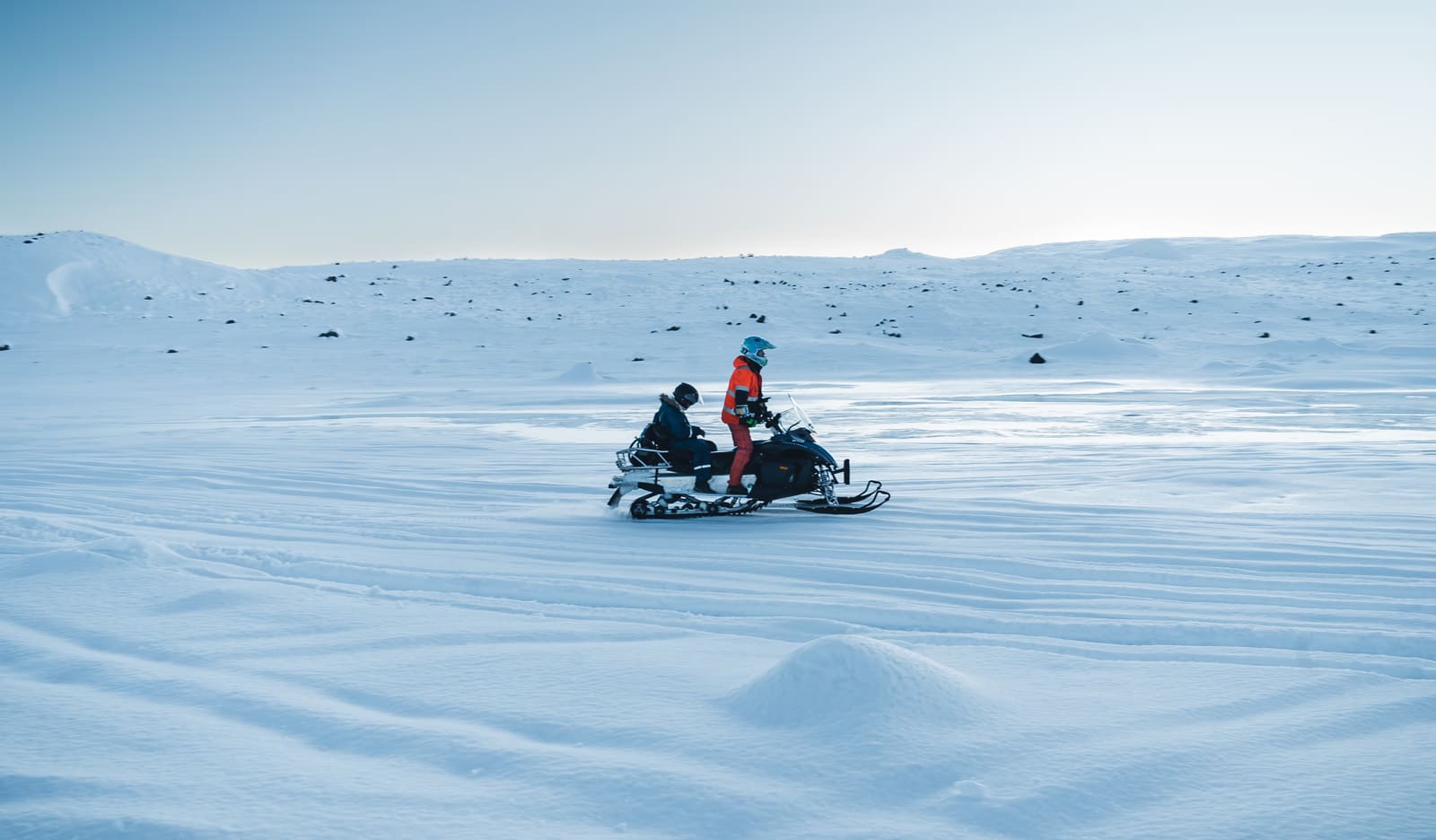
Choose one strong winter experience, then keep a flexible backup for weather, roads, daylight, or comfort. Compare guided ice, aurora, hot water, wildlife, city options, and conservative sightseeing before locking the day.
Travel advice
Read more about driving, weather, safety, and other details that may affect your trip.
Make the next family decision
Use the city, itinerary, or driving guide according to the constraint that now matters most.