Experience fit
- Best first pick
- Whales or puffins
- Easiest animal time
- Horses or museum
- Route fit
- Let region decide
- Main risk
- Chasing sightings
- Ethics rule
- Keep distance
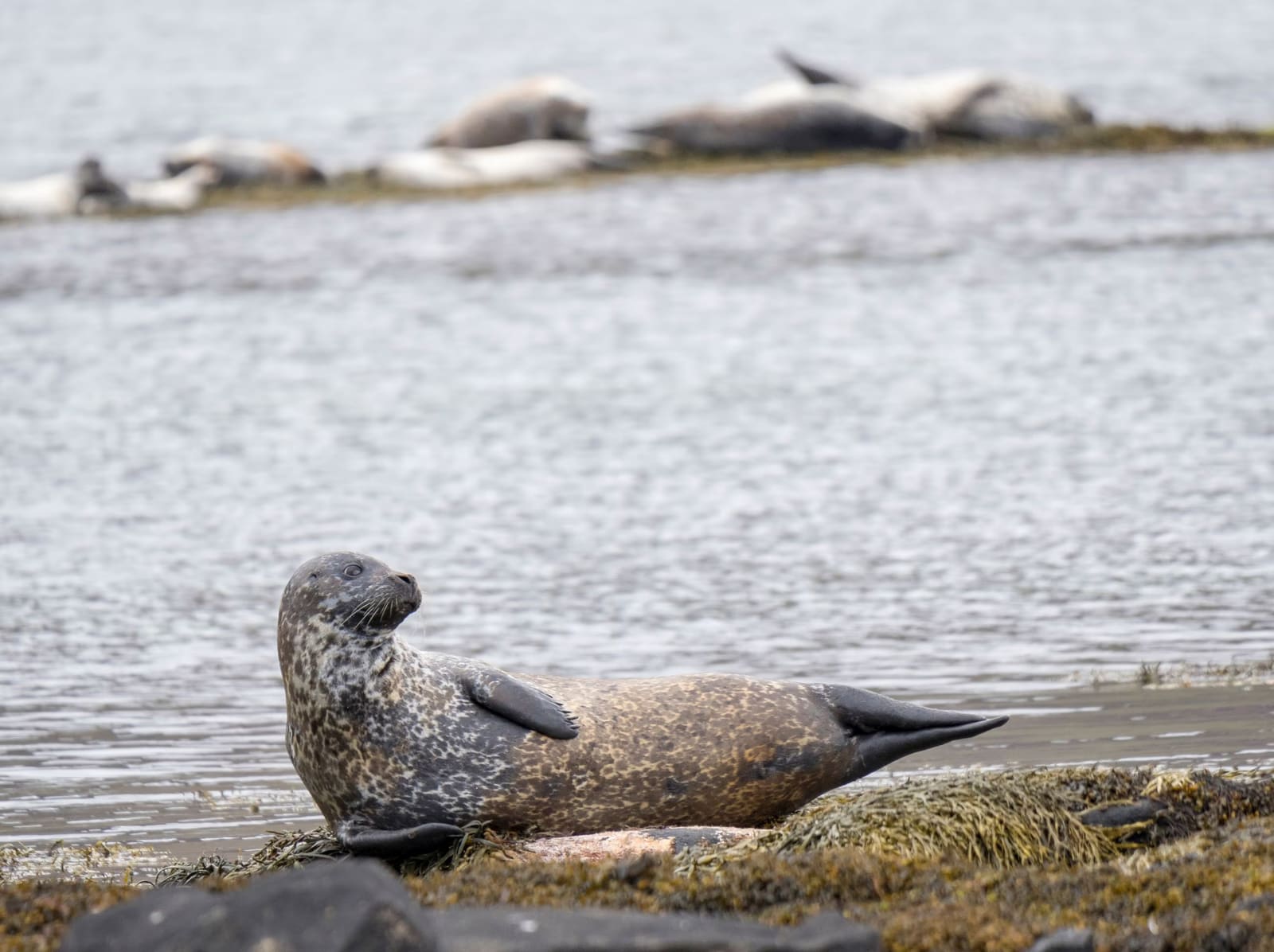
Choose Iceland wildlife experiences by fit, not animal fame. Compare whales, puffins, seals, Arctic fox interest, reindeer, Icelandic horses, bird cliffs, and indoor nature stops by season, route, patience, comfort, and viewing ethics.
Experience fit
The best Iceland wildlife plan starts with expectation control. Whales, puffins, seals, Arctic foxes, reindeer, Icelandic horses, bird cliffs, and indoor nature exhibits do not ask for the same amount of time, luck, comfort, or travel.
For many travelers, whale watching and seasonal puffin watching are the easiest wild-animal experiences to build around because there are clear viewing formats: boats, cliffs, islands, platforms, and local guidance. The Visit Iceland whale watching overview is the better source to open before turning whales into a headline plan, while the Natural Science Institute mammal context is useful for animal background without sighting promises.
Seals, Arctic foxes, reindeer, and general birdlife need more humility. They can be excellent, but they work best when the route already supports the habitat. A seal near Ytri Tunga Beach or Jökulsárlón is a fine bonus; a long detour that only feels worthwhile if a seal lifts its head on cue is weaker planning.
| Wildlife choice | Best fit | Honest tradeoff |
|---|---|---|
| Whale watching | Guided boat outing from Reykjavík, Húsavík, Akureyri, or another coastal base | Sea conditions, patience, and wild animal behavior decide the day |
| Puffin watching | Summer routes with cliffs, islands, boats, or managed viewing areas | Weak when the season is wrong or the cliff detour is rushed |
| Seal watching | Slower shore stops, peninsula routes, and quiet families | Often a bonus sighting rather than a fixed centerpiece |
| Arctic fox interest | Westfjords travelers who understand remoteness and protected-area rules | Not a quick roadside wildlife stop |
| Reindeer | East Iceland routes where a sighting would enrich the drive | Too unpredictable to reshape most first trips |
| Icelandic horses | Reliable animal, culture, and countryside time | Farm or riding context, not wild wildlife watching |
| Bird cliffs | Patient walkers and photographers respecting paths and edges | Wind, exposure, and nesting sensitivity matter |
| Indoor nature context | Families and rough-weather days | Less wild, but far more dependable |
Photo guide
1 / 7
Puffins are strongest as a planned wildlife choice when the season and route already bring you near a real bird habitat.
Good to know
The exact harbor, colony, shore, or reserve changes what responsible viewing looks like. Use local and protected-area guidance before turning a broad wildlife idea into a fixed stop.
Use for background on Icelandic mammals without treating sightings as promises.
Use before making whale watching a headline wildlife plan.
Use before choosing a seasonal puffin stop.
Use these before shore viewing, Westfjords wildlife plans, or protected-area visits.
Use when planning low-impact seal watching from shore.
Use before treating Hornstrandir or Arctic fox interest as a casual wildlife stop.
Use before route-dependent wildlife detours.
Choose by viewing style first. A boat trip, cliff stop, shore pause, remote reserve, horse ride, and museum visit are different kinds of days, even when they sit under the same wildlife idea.
Whale watching suits travelers who are happy to give the sea a few hours and accept cold air, motion, and uncertainty. Reykjavík is the easy city option; North Iceland usually feels stronger when the trip already reaches Húsavík, Akureyri, Skjálfandi, or Eyjafjörður.
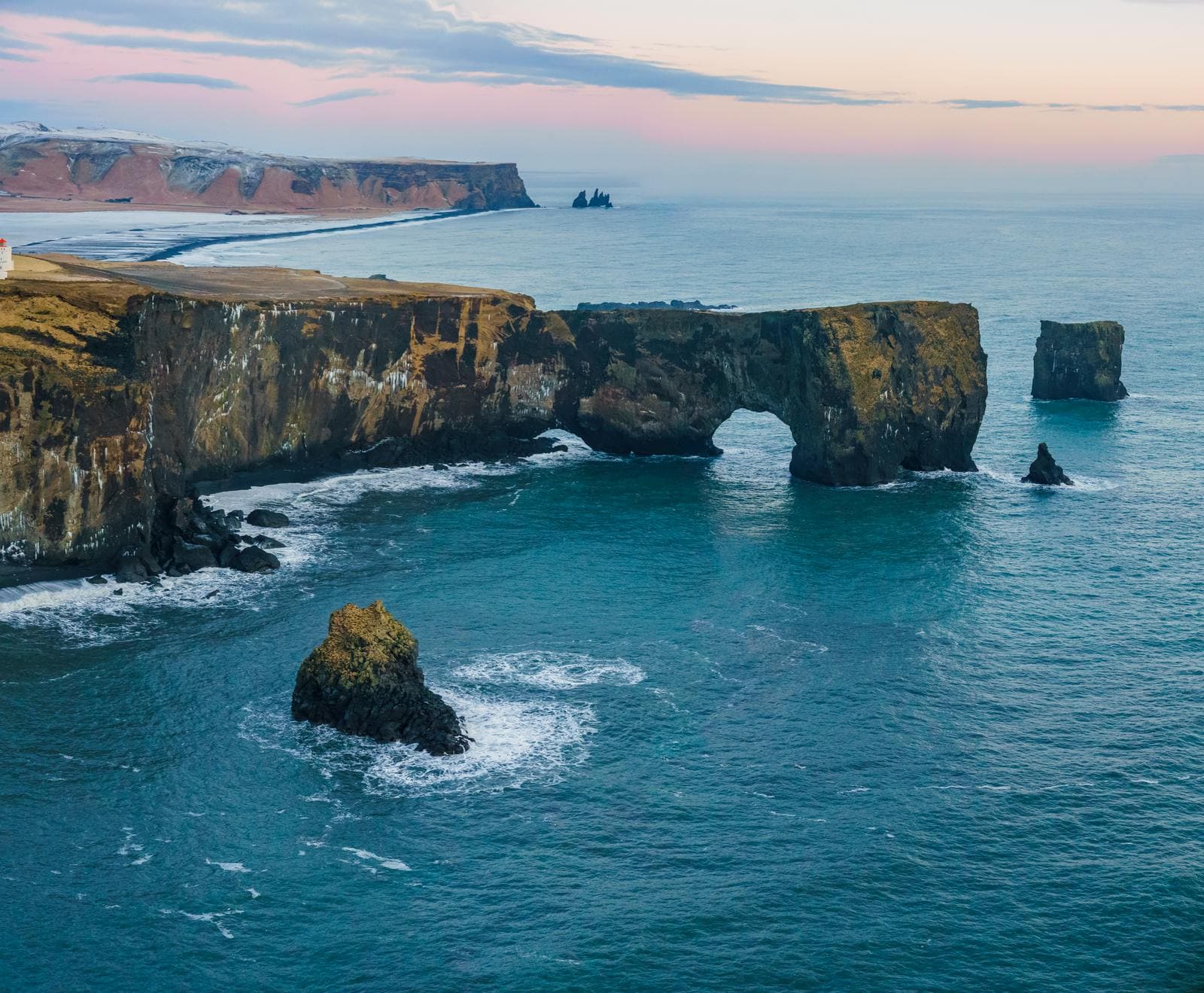
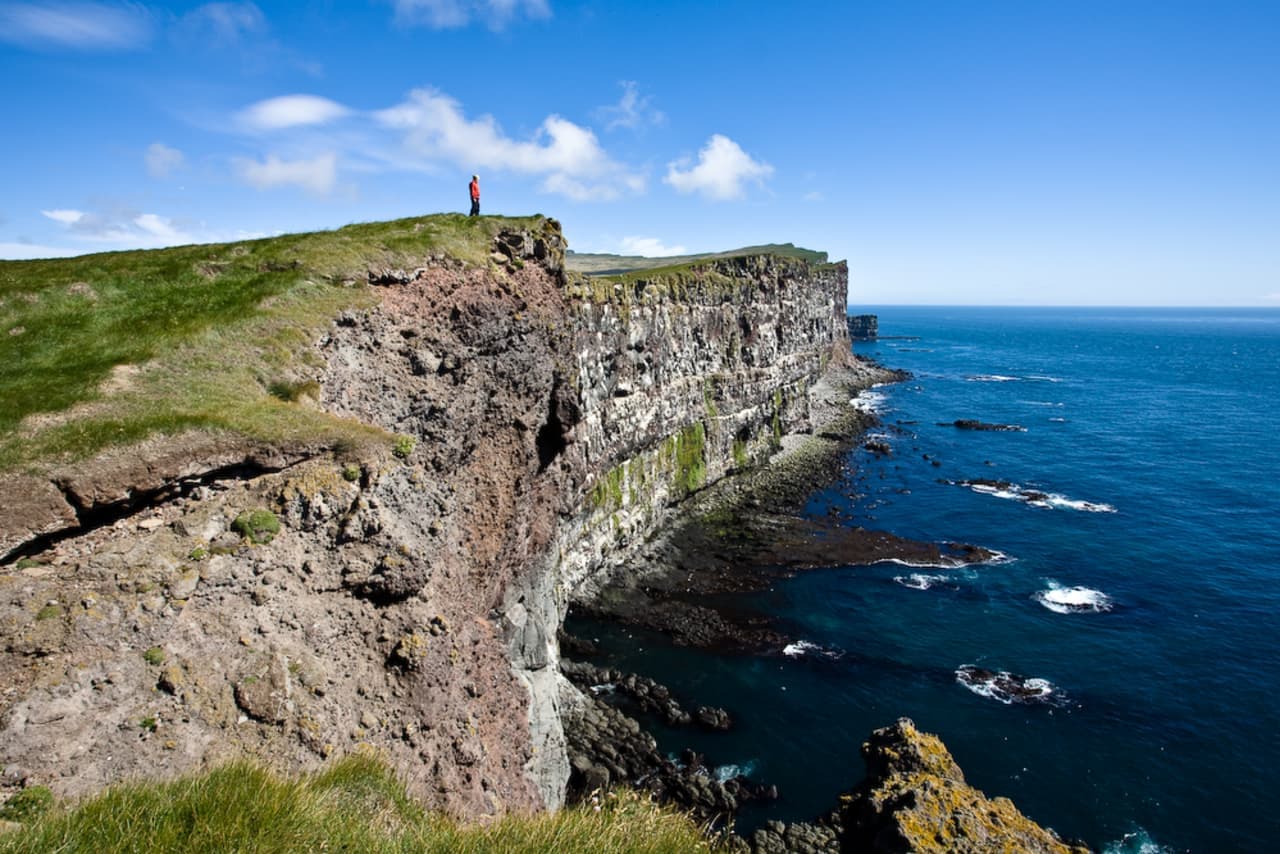
Puffins suit summer routes with cliffs, islands, or short boat access; use Visit Iceland puffin guidance before choosing a seasonal bird stop. Dyrhólaey can work as a South Coast seasonal bonus, Látrabjarg is a major Westfjords journey, and Akurey or Lundey can make sense from Reykjavík when a short boat outing fits.
Seals are quieter. They can be wonderful at shore places, but they are usually better as part of a broader coastal day; use the Icelandic Seal Center seal-watching guidance before planning shore viewing. Arctic foxes are more demanding still: Hornstrandir belongs to travelers who want a remote nature trip, not a quick animal stop.
Wildlife gets easier when it belongs to the route you are already taking. The same animal idea can be a smart half day in one region and an awkward detour in another.
North Iceland is the natural region for travelers who want whale watching to be a headline activity. Húsavík, Akureyri, Skjálfandi, and Eyjafjörður give the experience a stronger base than forcing a northern detour from a short South Coast trip.
The Westfjords reward wildlife patience, especially for bird cliffs, seals, and Arctic fox interest. The tradeoff is distance, weather exposure, slower roads, and a need for more self-sufficiency; check Iceland road conditions before treating a wildlife detour as easy. Látrabjarg and Hornstrandir are not interchangeable with a quick viewpoint stop.
South Iceland and Reykjavík are better for accessible add-ons. Dyrhólaey can add seasonal birdlife to a South Coast day, while Reykjavík boat trips, Whales of Iceland, and harbor time can give short-break travelers wildlife context without rebuilding the whole route. East Iceland is the place to keep reindeer in mind, but usually as a possible sighting during a route that already belongs there. If your group wants reliable animal context rather than a promised wild sighting, Reindeer Park near Egilsstaðir is the deliberate alternative.
The short answer is: less close than your camera wants. Good wildlife watching in Iceland often means using distance, platforms, boats, marked paths, and local guidance as part of the experience.
Puffin cliffs, seal haul-out sites, and Arctic fox dens are not photo studios. Stay on paths, avoid burrows and nests, keep noise down near animals, and leave if your presence changes what the animal is doing. A bird that stops feeding, a seal that slides into the sea, or a fox that cannot move freely has already paid for your photo.
Hornstrandir deserves special respect because it combines remoteness, fragile paths, sudden weather, and protected wildlife. The Environment Agency Hornstrandir guidance and SafeTravel guidance are not extra reading for nervous hikers; they are part of deciding whether the experience fits your group.
Independent wildlife stops are not always better. Sometimes the more responsible choice is a boat with trained crew, a local guide, a farm experience, or an indoor nature exhibit when the outdoor plan is too fragile.
Use a boat or guided operator when sea conditions, animal approach, equipment, or local knowledge shape the experience. Check the Icelandic Met Office forecast before fragile boat, cliff, or remote-area plans; the point is choosing the format that reduces guesswork and keeps animals from becoming targets.
Use a farm or riding experience when your group wants reliable animal time. Horseback riding can suit families, beginners, and countryside-focused travelers, but it still needs honest checks on age, comfort, clothing, weather, and operator requirements.
Use museums and indoor nature stops when the trip needs predictability. Whales of Iceland, Perlan, maritime museums, and local exhibitions cannot replace a wild sighting, but they can save a windy city day and give children or first-time visitors better context before a boat, cliff, or coast stop.
By ThorPublished Updated
Use these before exposed boat, cliff, road, or remote-area wildlife plans.
Use before exposed, remote, or weather-sensitive wildlife plans.
Use for weather-sensitive boat, cliff, and remote-area decisions.
Prioritize wildlife if your season, route, and patience all point in the same direction. Keep it optional if the route is already full, the animal is unlikely for your dates, or the group needs predictable timing.
A summer family with Reykjavík time might choose a puffin boat, a whale outing, a horse ride, or Whales of Iceland depending on weather and energy. A Ring Road traveler in North Iceland can make whale watching a main activity. A Westfjords traveler with time can give bird cliffs, seals, and fox interest the space they deserve.
A short winter trip should be more cautious. Wildlife can still appear, and some guided experiences may run when conditions allow, but the strongest winter activities usually protect daylight, roads, warm backups, and weather flexibility first.
Use these answers to keep the animal plan realistic before you commit time, route distance, or a booking.
No. Whales, puffins, seals, foxes, reindeer, and wild birds are not controlled attractions. Good timing, local knowledge, and respectful viewing improve the experience, but they do not turn animals into scheduled stops.
For most first trips, whale watching, seasonal puffin watching, or an Icelandic horse experience are the easiest to plan. Seals, foxes, reindeer, and remote bird cliffs are better when the route already supports them.
Yes, if the format matches the child. Boats, horses, museums, short shore stops, and managed viewing areas usually work better than long waits on windy cliffs or remote hikes with strict behavior needs.
Book or use a guide when boats, animal approach, local rules, or terrain matter. Self-drive wildlife stops are better when the place itself is worth visiting and animals can remain a bonus.
The biggest mistake is building a day around one hoped-for sighting. A stronger plan gives wildlife room to happen while still making the coast, harbor, cliff, museum, or countryside stop worthwhile.
Where to do it
Use these pages when wildlife depends on a boat base, seasonal timing, remote terrain, or a specific coastal place.
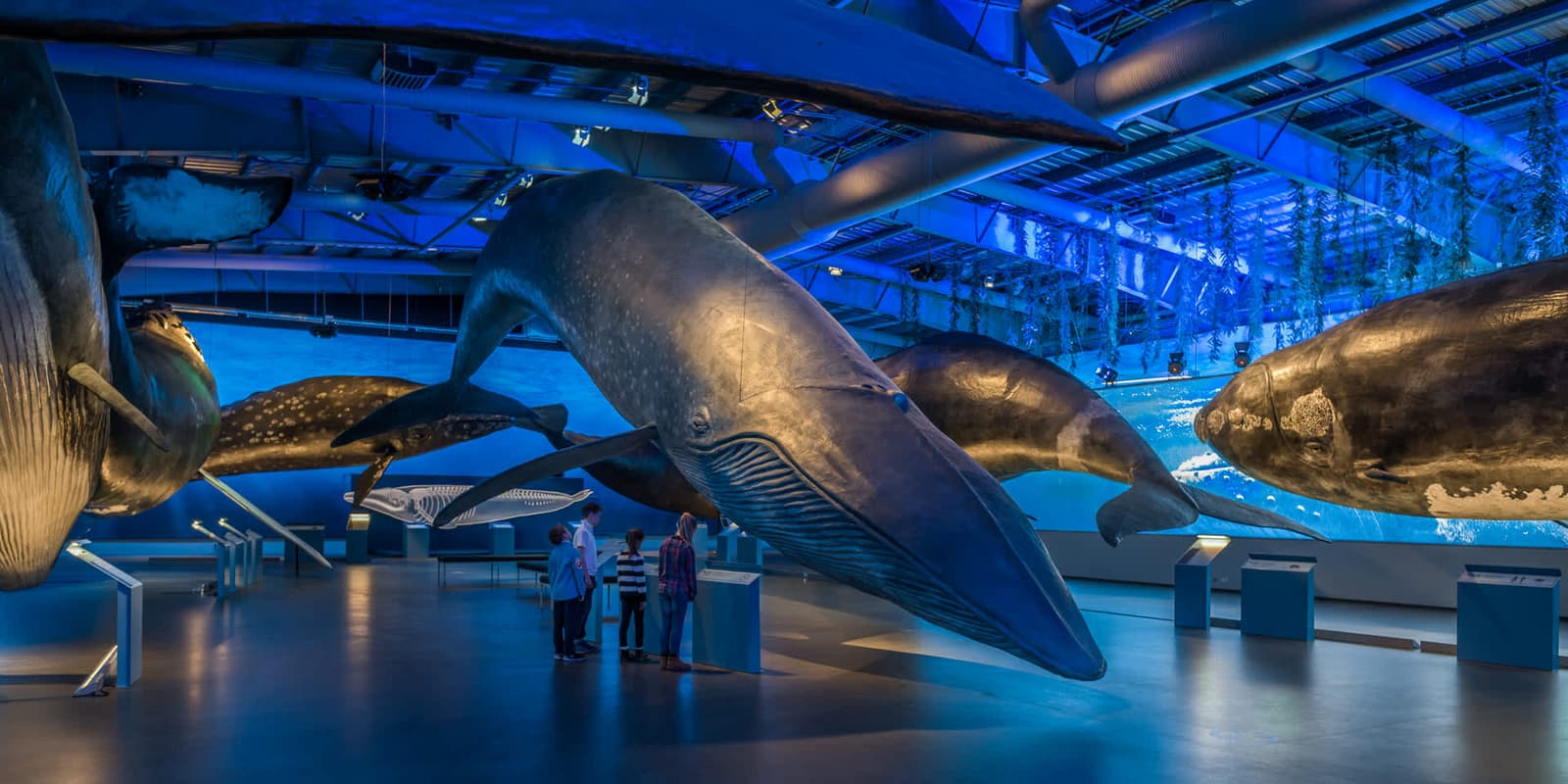
Whales of Iceland is a paid indoor whale exhibition in Reykjavík’s Grandi area, best for families, wildlife-curious travelers, and rainy city time, but less useful if you only want a live whale-watching encounter.

The Icelandic Seal Center is a Hvammstangi museum, research, and visitor-information stop, best for travelers who want seal context before deciding how much of Vatnsnes belongs in a North Iceland route.
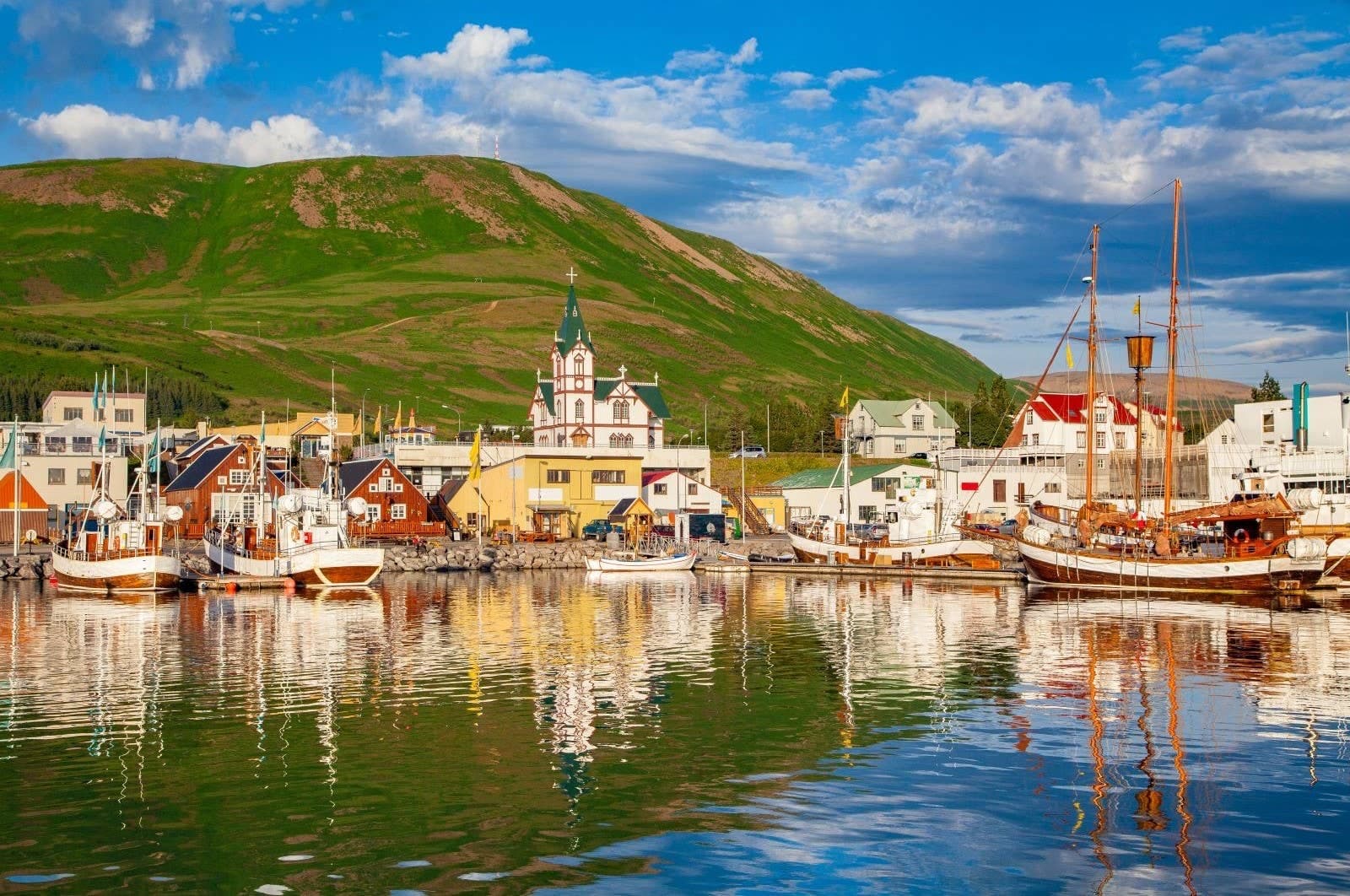
Húsavík is a North Iceland harbor town best known for whale watching on Skjálfandi Bay, but it also works as a Diamond Circle pause with a compact center, church, museums, sea baths, and nearby coastal viewpoints.
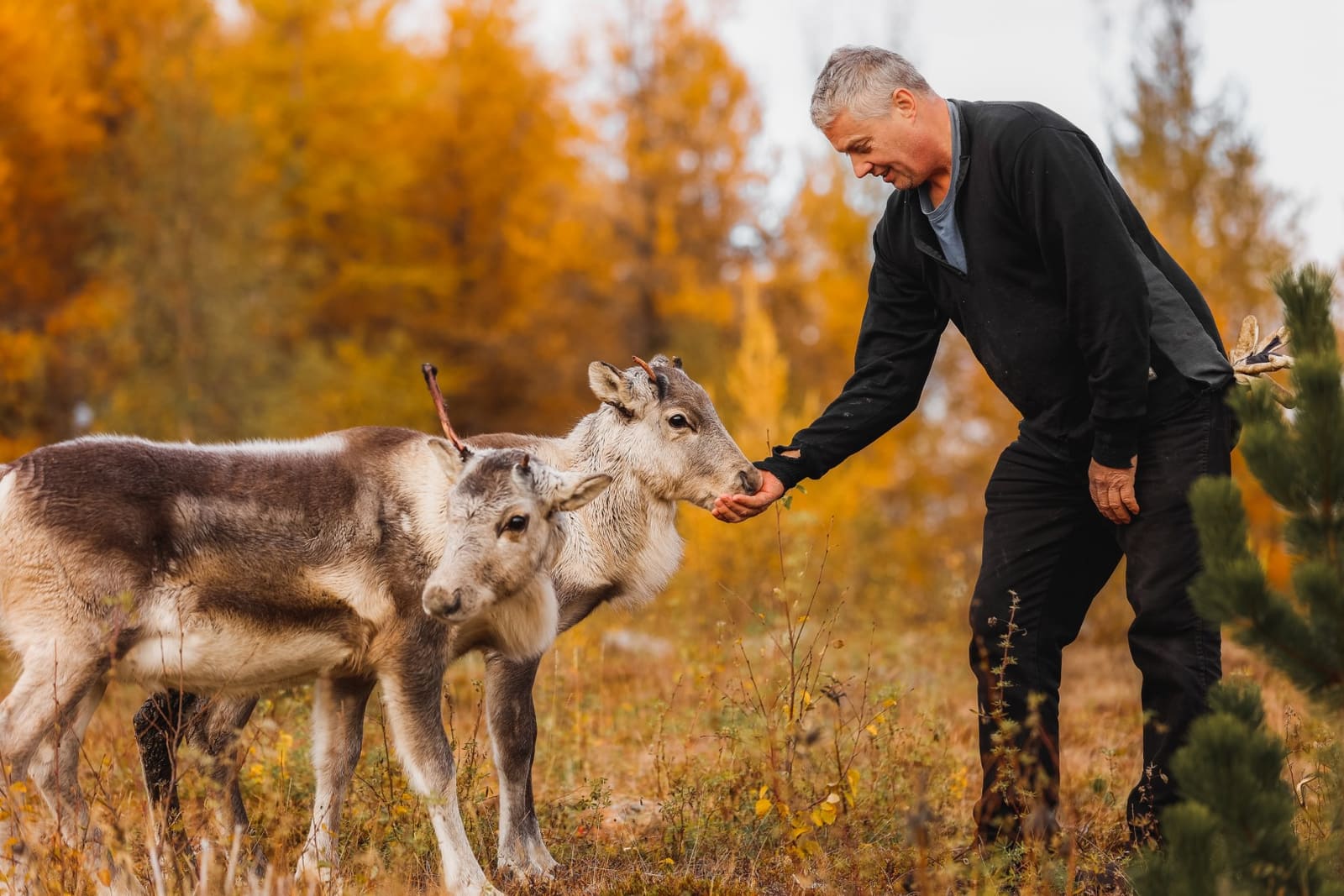
Reindeer Park at Vínland in Fellabær, beside Egilsstaðir, is a small home for rescued reindeer. Meet the animals with their caretakers during visitor sessions; confirm seasonal opening before making it a fixed stop.
Regions
See which part of Iceland is most convenient for this experience and what else you can visit nearby.
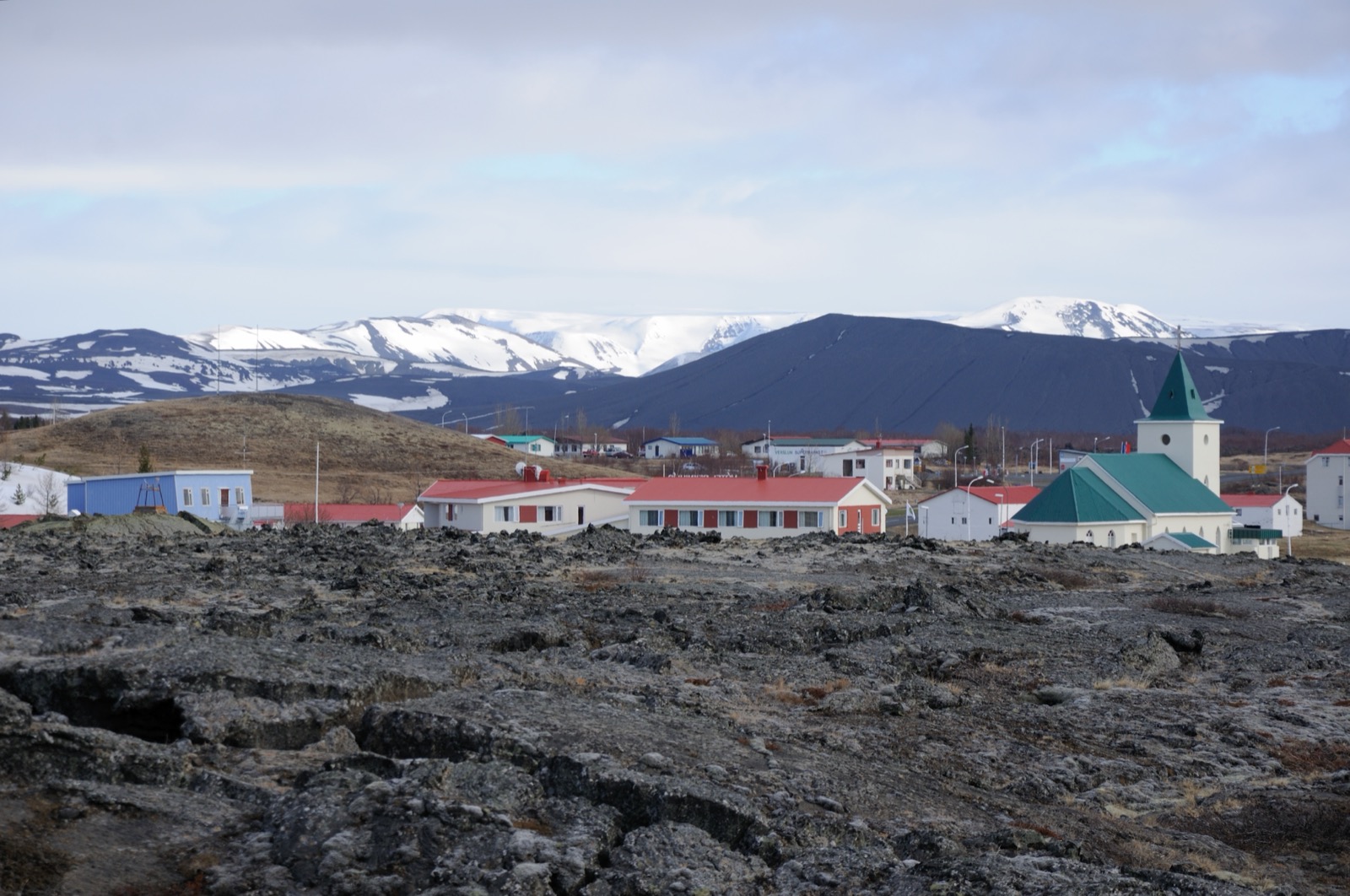
Choose North Iceland when you can spare several days for Akureyri, Mývatn, Húsavík, and canyon country; one rushed overnight barely reaches the region.
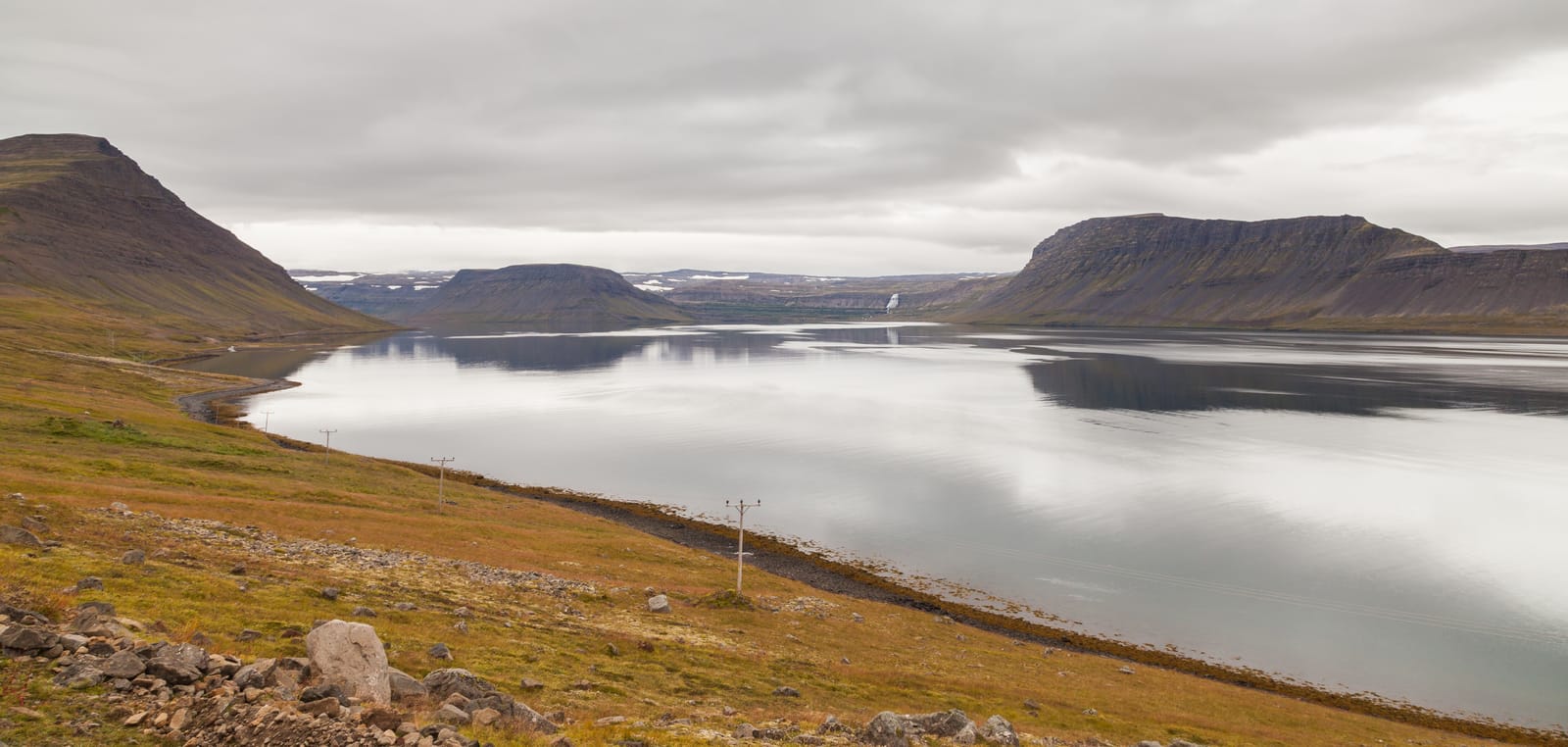
A separate multi-day commitment for travelers who value cliff roads, remote villages, and long scenic links enough to leave the Ring Road and keep weather slack.
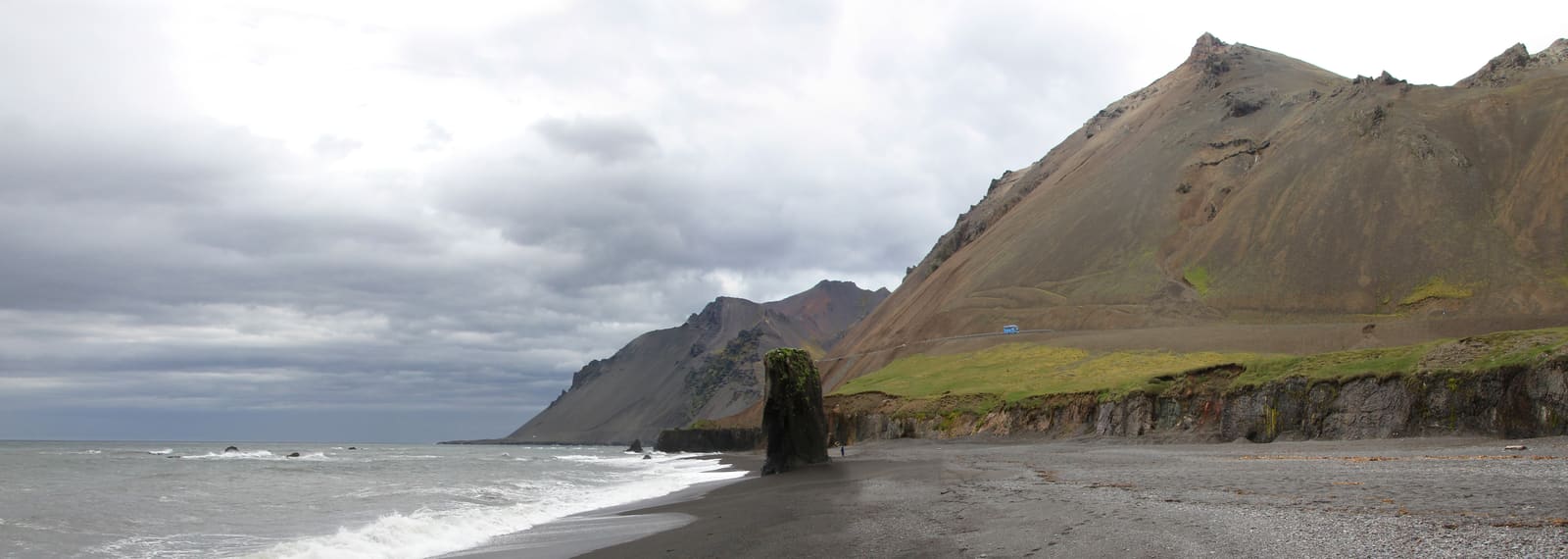
A Ring Road region for travelers who will trade headline density for fjord villages, hiking bases, and inland detours—and can protect at least two nights.

Choose Reykjavík for one or two car-free city days, a short break or a weather buffer—not as the default base for every long day trip.
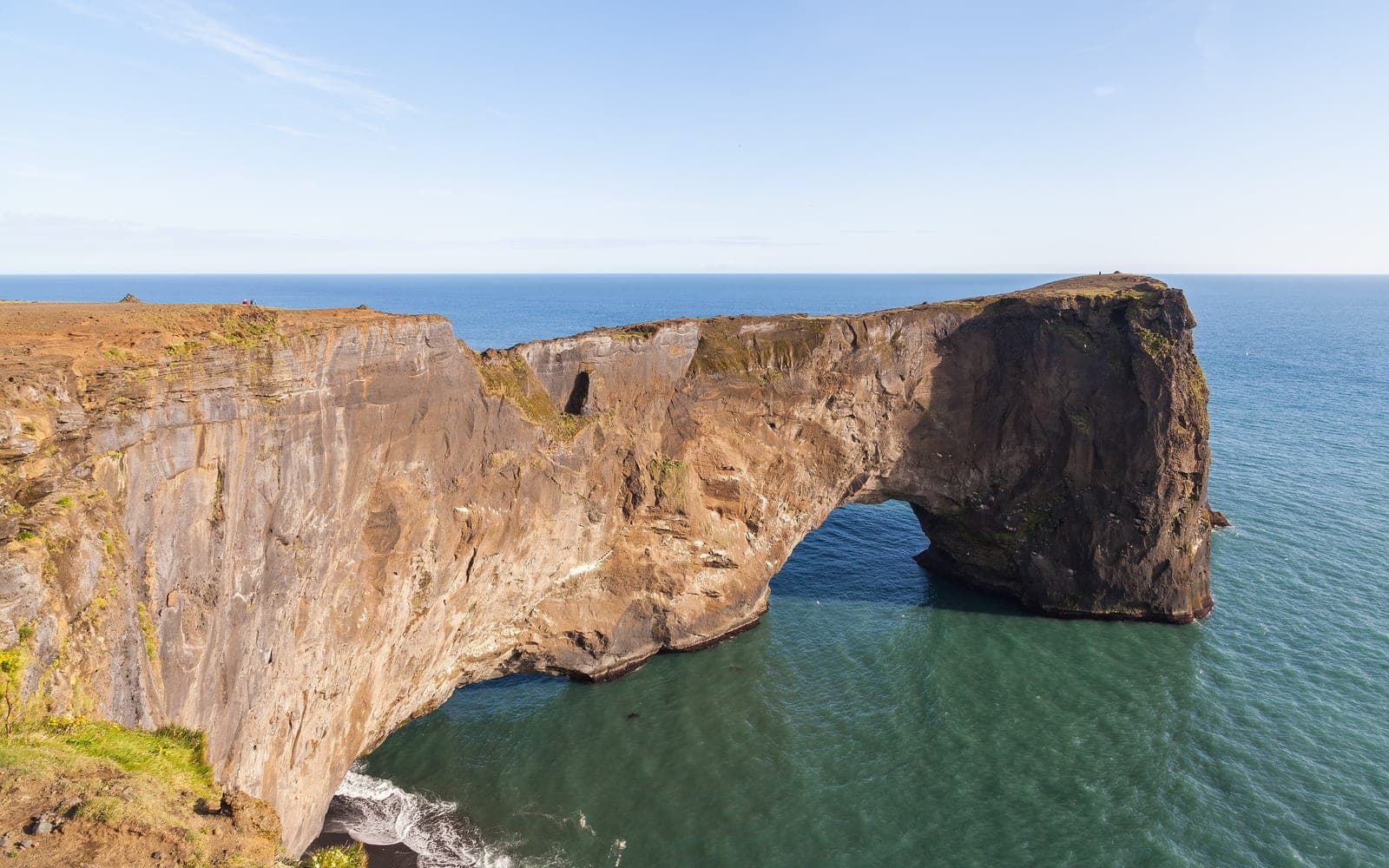
Build a first-trip route around waterfalls, black-sand coast and glacier country, but allow two to four days if Jökulsárlón is part of the plan.
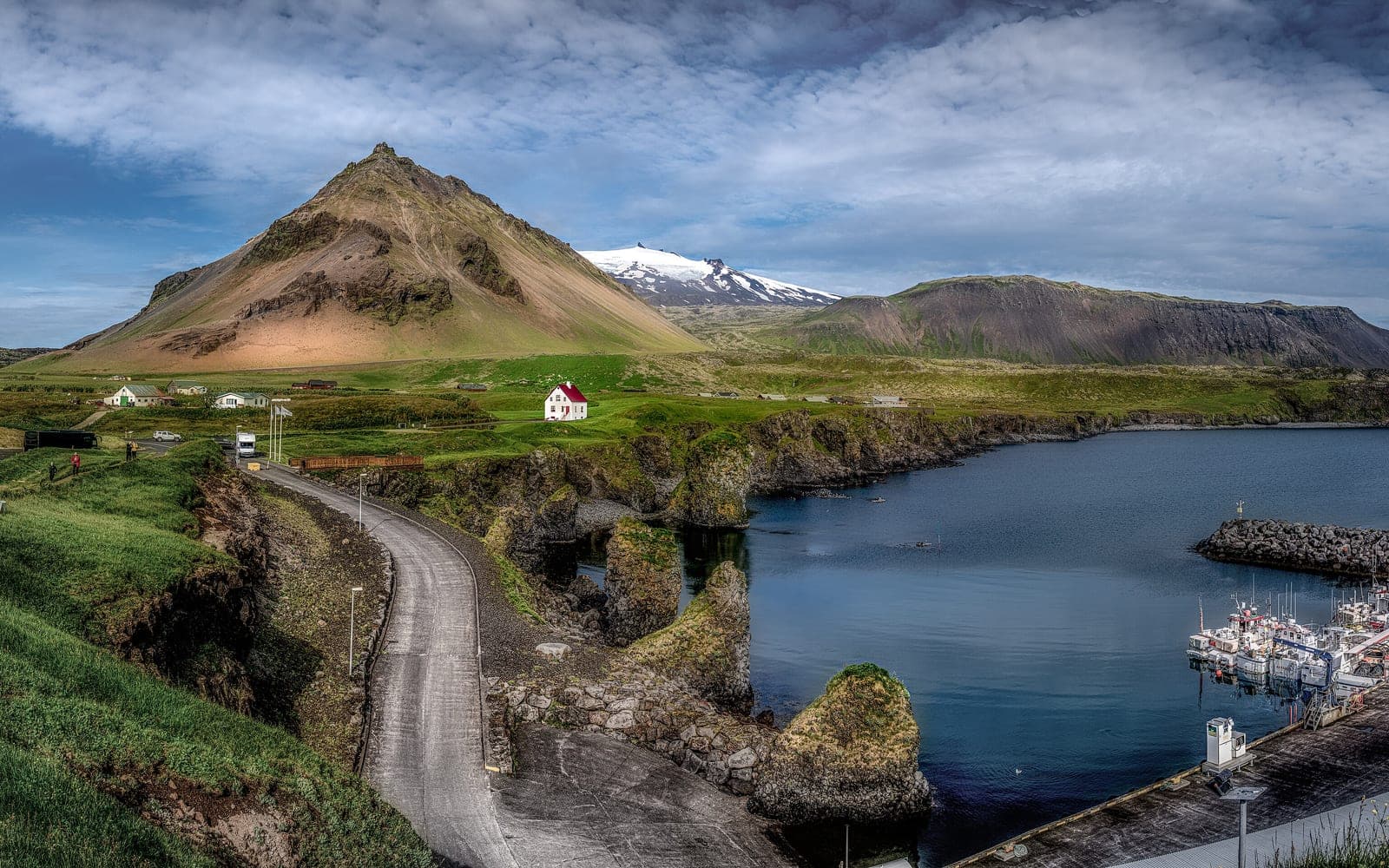
Choose the Snæfellsnes Peninsula for a compact West Iceland glacier-and-coast loop that rewards an overnight; a Reykjavík day trip needs firm cuts.
More things to do
See other activities that may suit the same day, season, or part of Iceland.
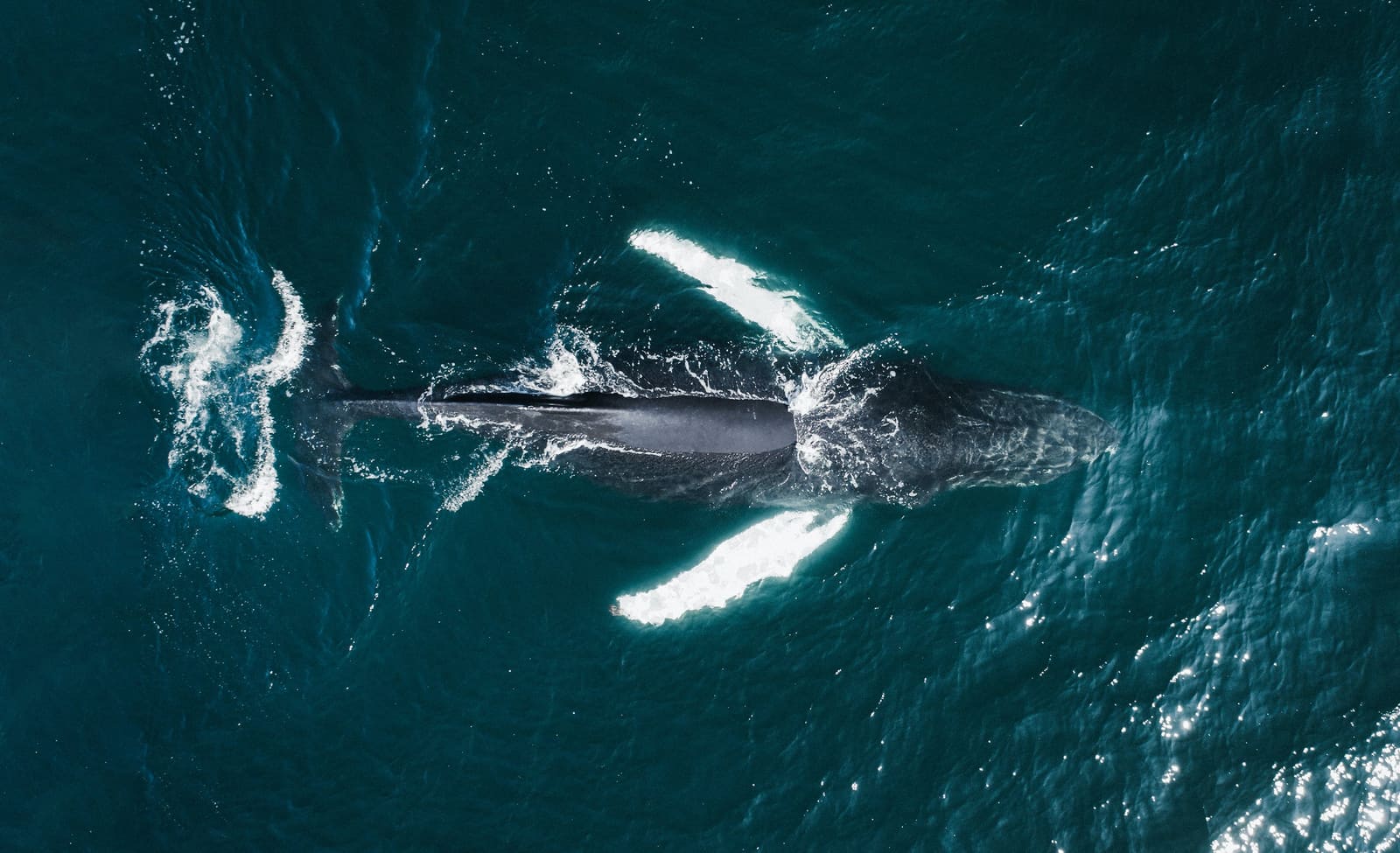
Whale watching works best when the departure base already fits your route. Use this guide to compare Reykjavik convenience, North Iceland wildlife focus, boat comfort, family fit, and the checks that matter before you commit.
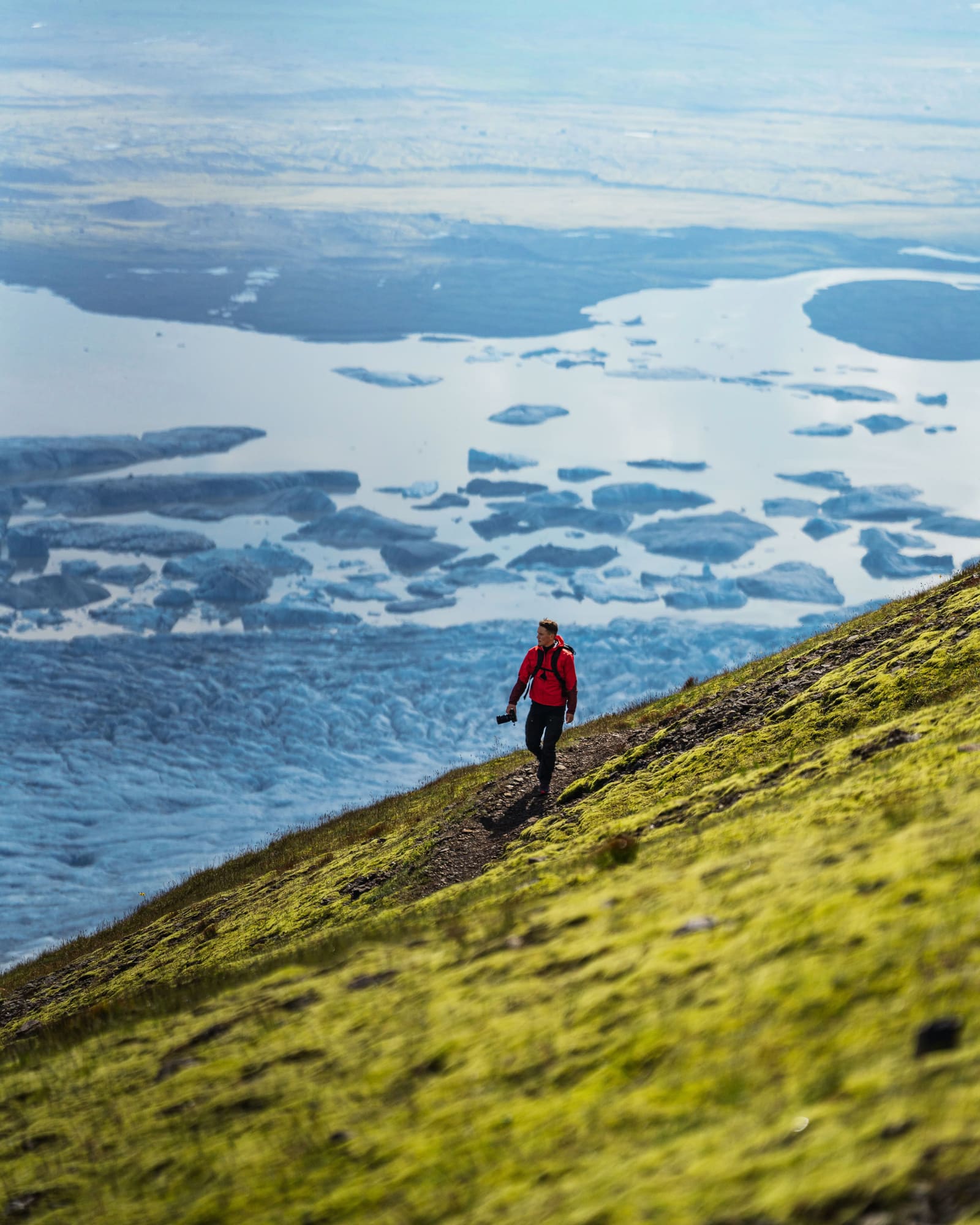
Summer in Iceland gives travelers more daylight, broader access, and more activity choices, but it also rewards restraint. Compare hiking, Highlands, wildlife, boats, glacier options, geothermal bathing, city culture, and flexible scenic stops before turning a bright day into an overloaded one.
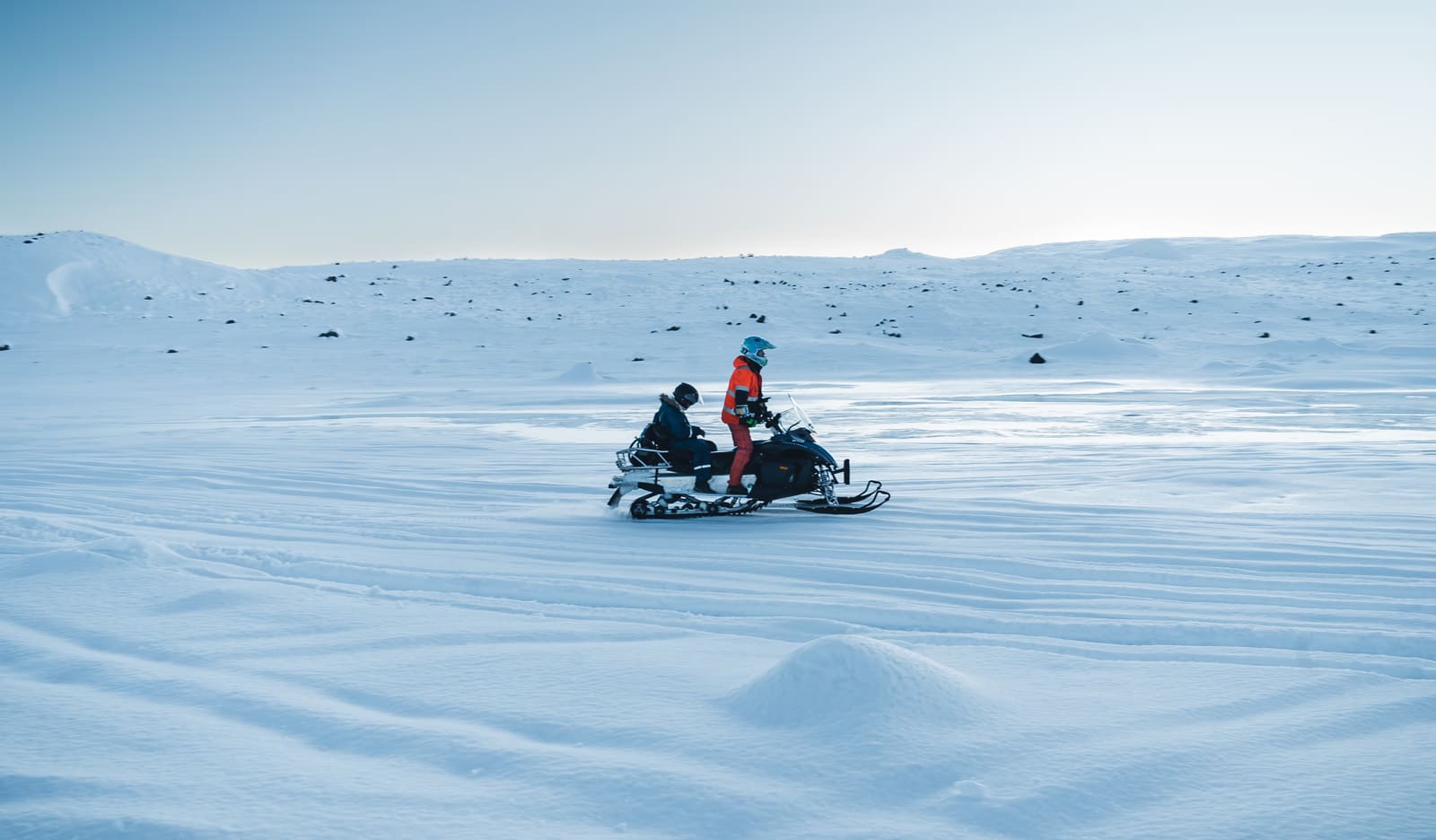
Choose one strong winter experience, then keep a flexible backup for weather, roads, daylight, or comfort. Compare guided ice, aurora, hot water, wildlife, city options, and conservative sightseeing before locking the day.
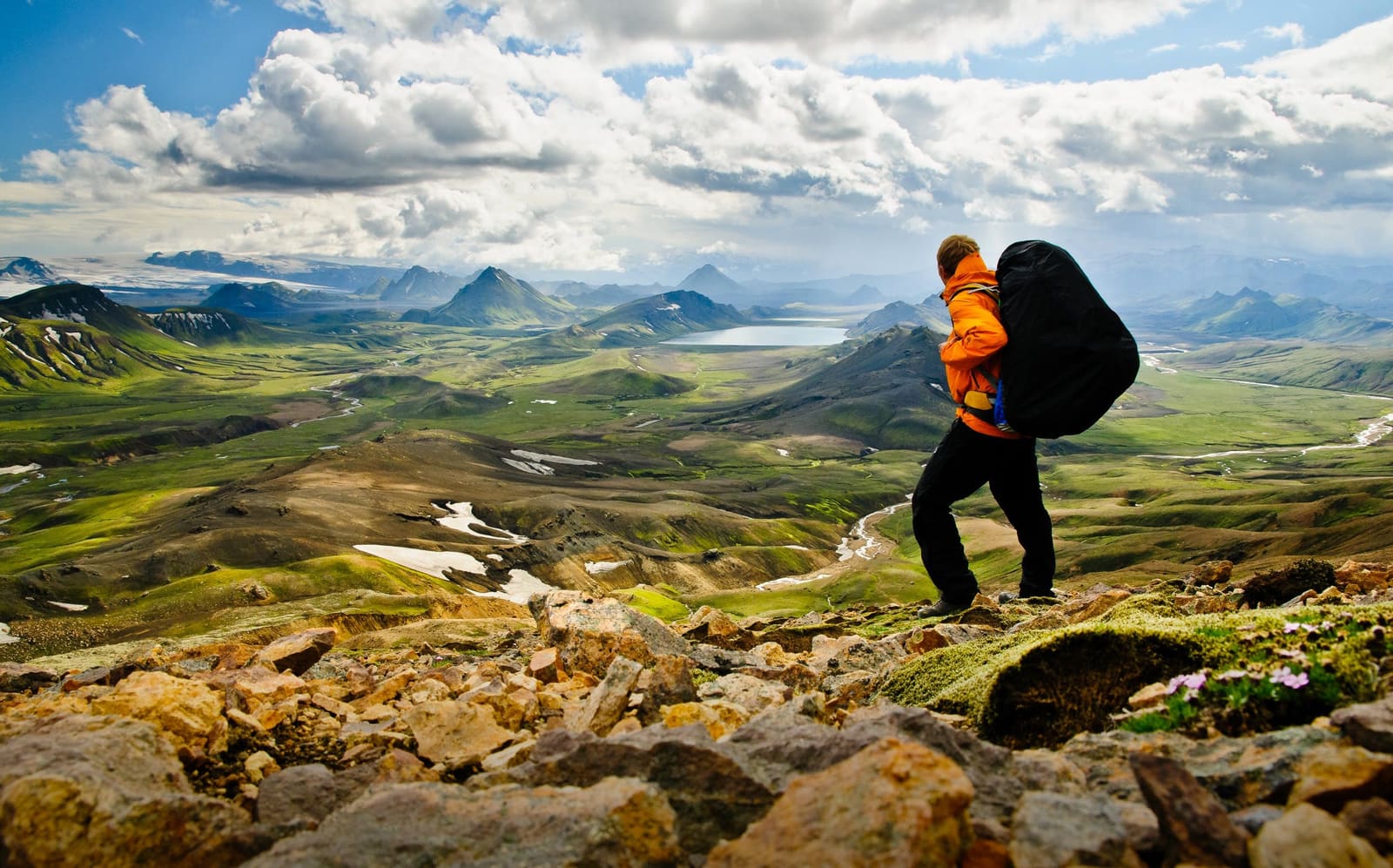
Choose the kind of hiking day before the famous trail name. Compare easy walks, waterfall paths, national-park hikes, Highlands routes, multi-day treks, and guided options by effort, access, season, and weather tolerance.
Travel advice
Read more about driving, weather, safety, and other details that may affect your trip.
Next wildlife decision
Once you know whether wildlife should lead or stay optional, use the exact place page to judge terrain, route fit, and nearby context.