Experience fit
- Main choice
- Water type and skill
- Beginner route
- Guided sheltered water
- Cold-water gear
- Set by exact trip
- Main variable
- Wind at launch time
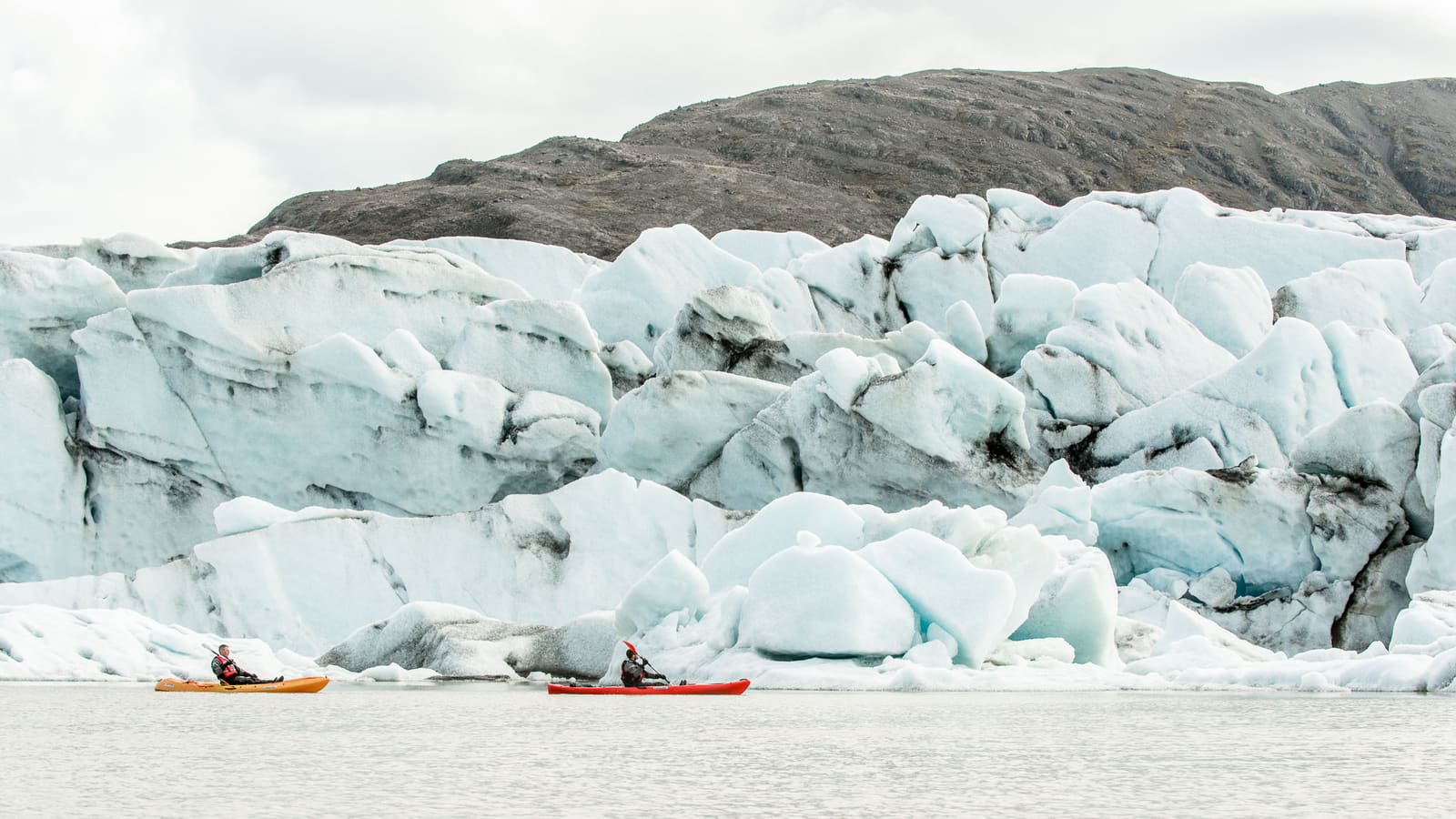
Kayaking in Iceland can mean paddling between lagoon ice, following a sheltered fjord shore, or bringing real whitewater skills to a river. Choose the water first, then test the trip against experience, cold-water gear, wind, age rules, and the time needed to reach the launch.
Experience fit
The first useful kayaking decision is not the operator. It is the water. Each setting asks for a different balance of stability, skill, cold-water protection, and route commitment.
A guided glacier-lagoon outing puts ice and glacier scenery at the center. A sheltered fjord or coastal trip is more about following a shoreline and reading wind. River kayaking is a technical paddling discipline; it should not be treated as the independent version of rafting. If you are new, begin with a guided product that explicitly welcomes beginners instead of choosing from a calm photograph. For board-based coast exposure, surfing in Iceland instead asks whether ability, swell, entry, exit, and cold-water judgment align.
| Water setting | Useful first fit | Condition that changes it | Guide line |
|---|---|---|---|
| Glacier lagoon | Guided first-timers comfortable in cold-water gear | Wind, moving ice, and the operator's chosen zone | Use a current guided product |
| Sheltered fjord or bay | Beginners through experienced sea kayakers, depending on route | Wind direction, swell, distance from shore, and landing options | First-timers should use a local guide |
| Open coast | Paddlers with sea-kayak judgment and rescue competence | Swell, surf landings, exposure, tide, and escape points | Do not infer suitability from a sheltered-harbor trip |
| River | Paddlers with the skills required by the exact rapid class | Flow, hazards, access, and rescue setup | Choose formal instruction or a guided run |
Photo guide
1 / 7
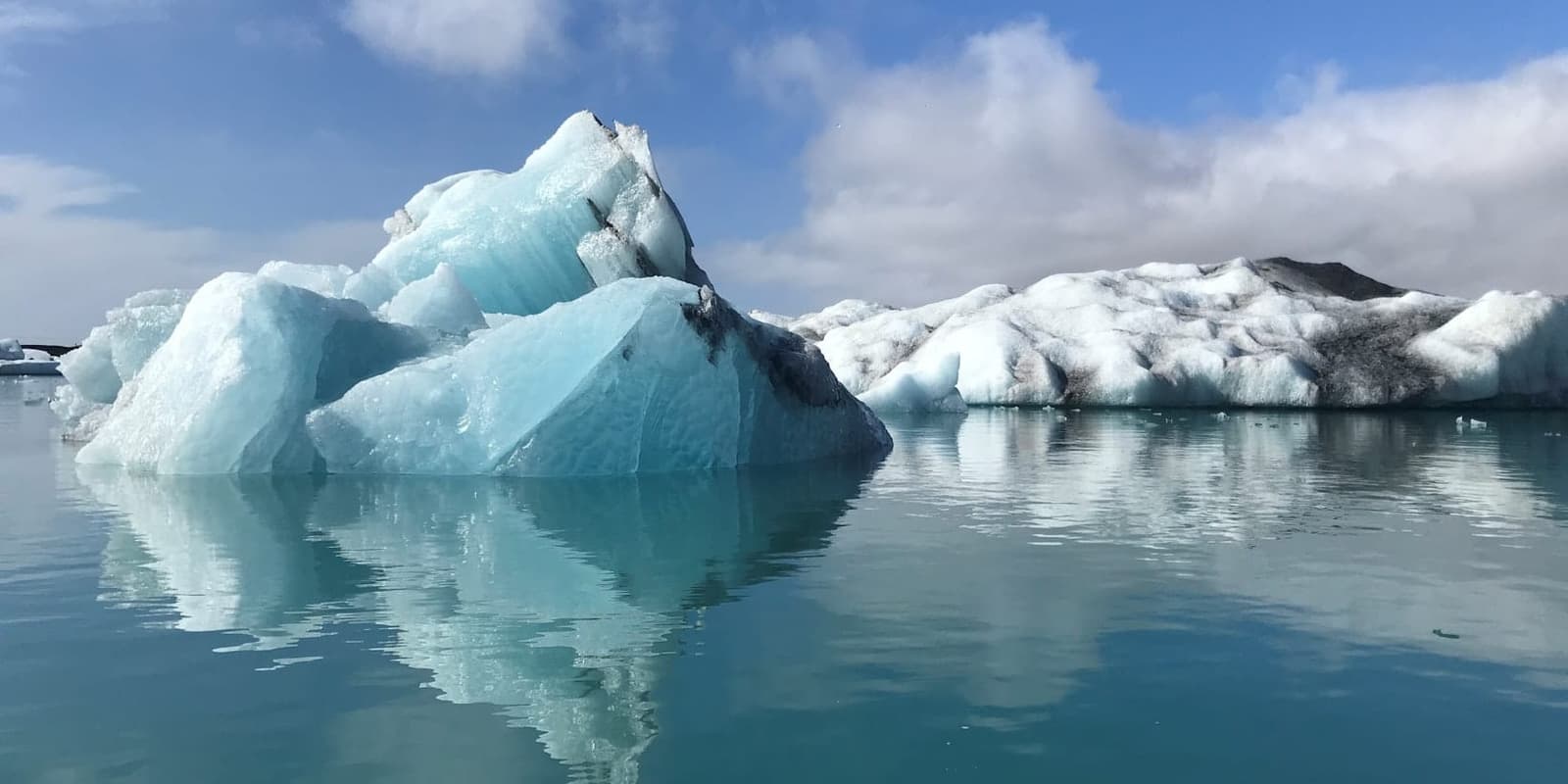
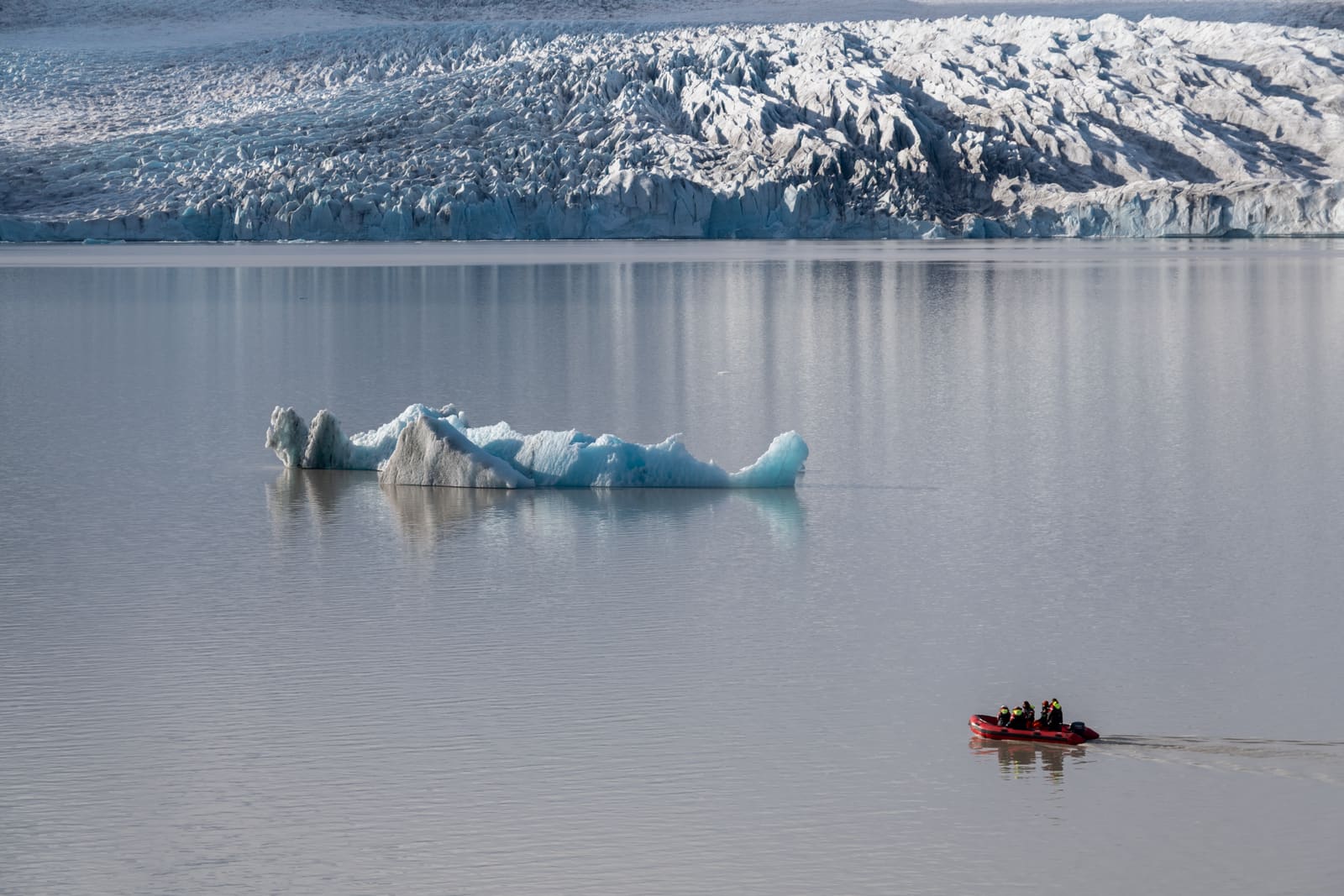
A kayak keeps the group low on the water and asks the travelers—not an engine—to create the movement.
Good to know
A kayak trades cabin space, high seating, and passive sightseeing for a low viewpoint and direct involvement. That is the appeal—and the reason it is not automatically the best glacier-lagoon format for everyone.
At water level, the paddle rhythm slows the scene down. You notice the distance between pieces of ice, the texture of a glacier face, and how quickly a breeze changes the surface. You also remain seated, use your shoulders and torso, wear specialist gear, and depend on the group's pace and the guide's route.
For Jökulsárlón, compare the whole format before booking. A kayak offers participation and a small-group feeling. A Zodiac can cover more water with less physical work, while an amphibian boat is generally the easiest boarding and sightseeing branch. The dedicated glacier-lagoon boat comparison owns that choice in detail.
Jökulsárlón and the lagoon by Sólheimajökull both create a glacier-backed paddle, but they are not interchangeable pins on the map. The launch base and the road trip around it decide which one fits.
Jökulsárlón is the far-southeast choice. It makes the strongest sense when the glacier lagoon is already an anchor on a South Coast or southeast route. The direct Glacier Guides page describes guided double kayaks, beginner access, a drysuit and safety vest, and a minimum age. The exact operating window and conditions still belong to the service page.
The Sólheimajökull product starts much farther west from the operator's glacier base. The direct Icelandia page describes stable sit-on-top single or double kayaks, no previous experience requirement, supplied drysuits, and a minimum age. Wind still affects the work. The practical advantage is route placement: it can fit a western South Coast day without committing to the long drive to Jökulsárlón.
Sea kayaking becomes most approachable where the route can stay near a protected shore. Iceland's fjords create that possibility, but 'sheltered' is a geographic advantage, not a promise of flat water.
The Westfjords tourism site highlights the region's sheltered fjords for kayaking and lists local providers. That broad regional signal is useful for route planning: a paddle can be one way to read cliffs, small coves, birdlife, and settlement edges at human speed. It does not replace the direct operator page for the craft, distance, participant rules, or current launch.
On the Snæfellsnes Peninsula, Grundarfjörður offers a different route fit. A guided coastal paddle can place Kirkjufell inside a water-level landscape instead of making the mountain another roadside stop. The tradeoff is commitment: once the group leaves the launch, comfort, wind, and pace have to work for everyone until the guide reaches a suitable landing.
A beginner-friendly trip can still be physically awkward or cold. The most honest fit check is whether every participant can use the supplied gear, remain seated, paddle repeatedly, and follow instructions away from the launch.
A drysuit helps isolate the body from cold water, but it is only one layer in the system. Ask what to wear underneath, whether footwear and gloves are supplied, and how the neck and wrist seals should fit. Bring the requested warm layers and a change of clothes even when the operator expects the suit to stay dry.
Swimming confidence is worth disclosing even when the trip does not require prior kayaking. A buoyancy aid and guide reduce risk; they do not make cold water comfortable. The right beginner outing is one whose craft, route, briefing, and rescue system are designed for beginners—not simply one sold without an experience requirement.
Craft choice is not only a booking label. A double kayak shares propulsion and can support a less confident paddler, while a single gives one person full control and full responsibility for keeping pace.
A double can be reassuring when the pairing is sensible: two people coordinate strokes, the stronger paddler can contribute more, and the guide can keep the group in a consistent craft. It can also be frustrating when partners have very different rhythm, reach, or expectations. Ask whether the operator assigns pairs and whether paddlers can switch.
A single sit-on-top is easier to enter than a tight enclosed sea kayak on some beginner products, but it does not remove wind or effort. You steer every correction yourself and cannot rely on a partner's stroke. Experienced sea-kayak terminology should not be transferred automatically to a specific glacier product; confirm the exact craft from the operator.
These direct services illustrate the main beginner-facing choices: a famous southeast lagoon, a western South Coast glacier base, and a coastal fjord below Kirkjufell.
Choose by setting and route first. Then recheck the exact participant, gear, meeting-point, and condition rules on the direct page.
Glacier Guides
Best forTravelers already reaching Jökulsárlón who want a guided double-kayak view among lagoon ice.
Keep in mindThe far-southeast location and fixed cold-water activity block need space in the road trip.
Check firstConfirm the current minimum age, drysuit fit, meeting point, and conditions policy.
Icelandia
Best forFirst-time paddlers wanting a glacier-lagoon setting from a western South Coast base.
Keep in mindWind changes the physical effort, and the outing still requires cold-water gear and repeated paddling.
Check firstConfirm the current craft, minimum age, drysuit layers, base access, and weather policy.
Vestur Adventures
Best forSnæfellsnes travelers wanting a guided coastal perspective on Grundarfjörður and Kirkjufell.
Keep in mindThis is a sea-kayak route, not a glacier-lagoon experience; wind and coastal exposure shape the day.
Check firstConfirm the current launch, participant rules, supplied equipment, route length, and conditions policy.
Kayaking plans are especially sensitive to conditions at water level. A forecast that seems manageable from a parked car may create tiring headwind, chop, harder steering, or an unsuitable landing on the planned route.
Let the operator make the launch and route decision. Travelers can make that easier by keeping contact details available, reading change and cancellation terms before booking, and avoiding an inflexible high-value stop immediately after the expected return. A shorter route, different launch, delay, or cancellation can be the correct outcome.
The broad answer gets you to the right water. The exact service page and guide settle the participant and condition rules.
Current craft, participant, gear, meeting, and operating details.
Current craft, experience, participant, gear, and base details.
Current direct page for the guided Grundarfjörður sea-kayak service.
Check current conditions for the launch area.
Check the drive to the launch and the return route.
Current alerts, travel guidance, and emergency information.
Yes, some guided glacier-lagoon and sheltered-water products explicitly welcome beginners. Choose a direct service with a beginner-designed craft, briefing, guide, cold-water equipment, and route; do not assume all sea or river kayaking is beginner-friendly.
Requirements vary by product. Tell the operator honestly about swimming confidence and check the current rule before booking. A buoyancy aid, drysuit, and guide are parts of a safety system, not reasons to hide discomfort around cold water.
Some guided products accept teenagers or children who meet the exact age and gear-fit rules. The threshold belongs to the specific service and can change, so check every child on the direct page and ask about double-kayak pairing.
It is more active and places you low on the water, but it also requires paddling, specialist gear, and a stricter participant fit. A Zodiac offers range with less effort; an amphibian boat is usually the easier sightseeing format.
By ThorPublished
Regions
See which part of Iceland is most convenient for this experience and what else you can visit nearby.
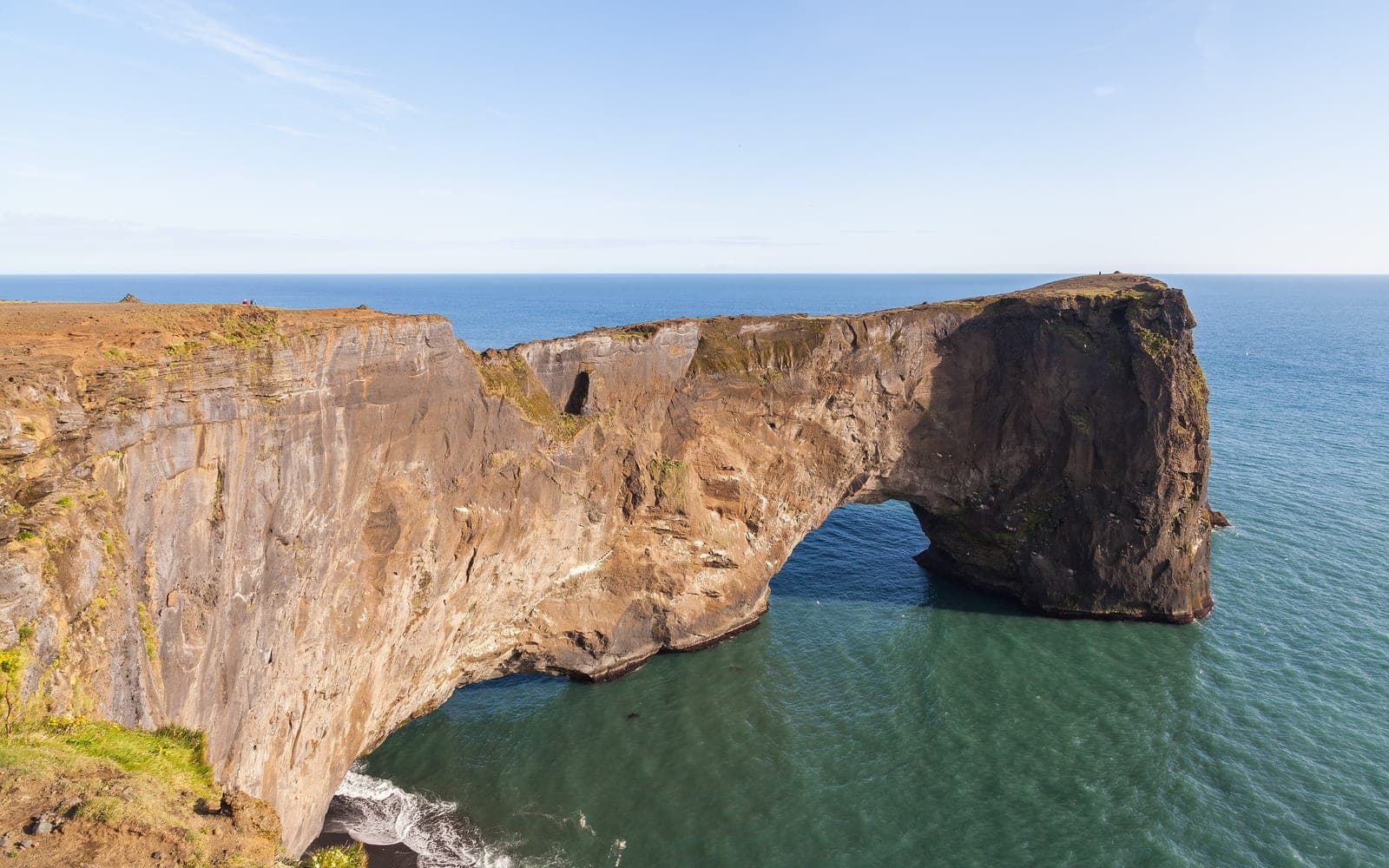
Build a first-trip route around waterfalls, black-sand coast and glacier country, but allow two to four days if Jökulsárlón is part of the plan.
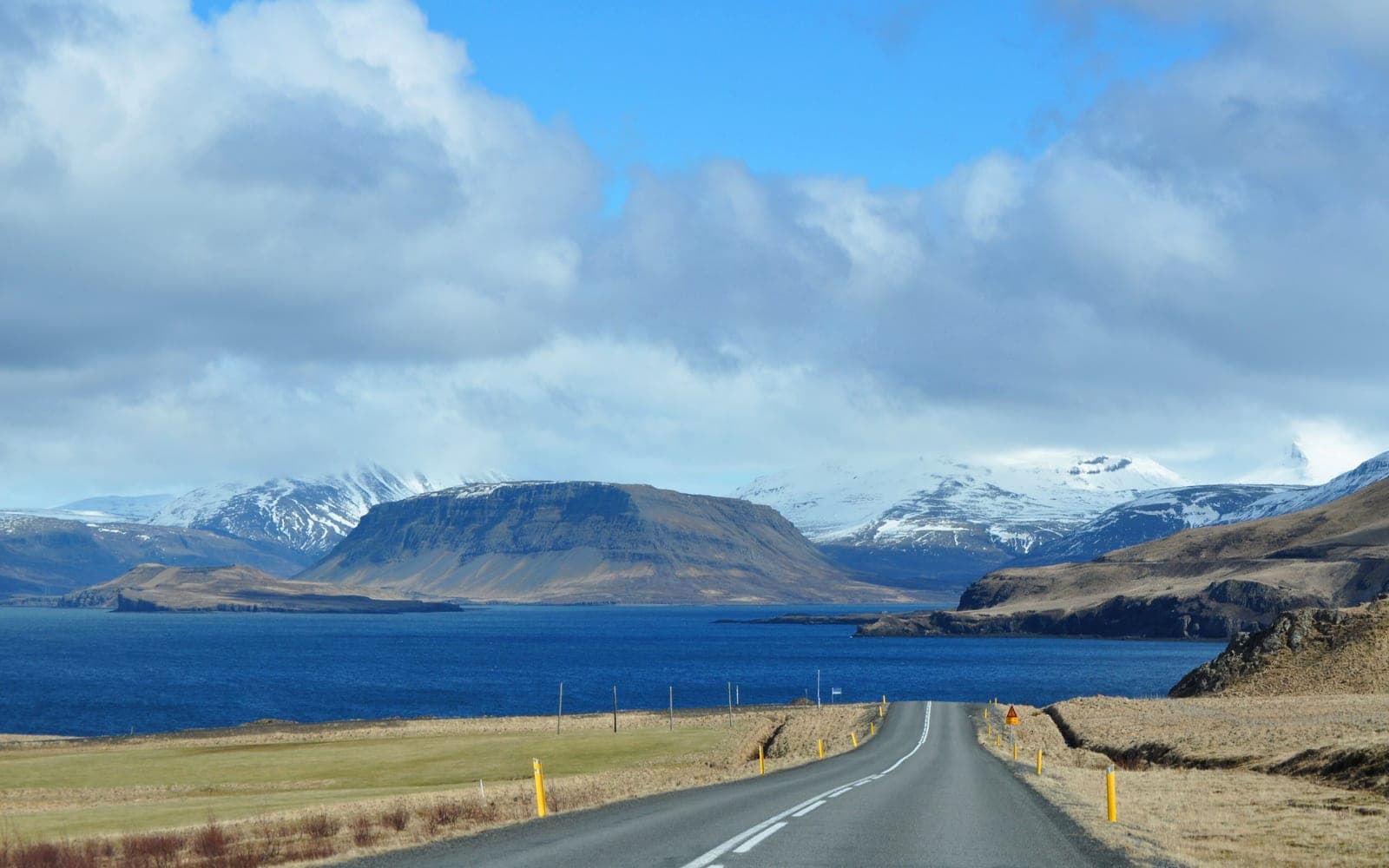
Choose West Iceland for a Borgarnes-based mix of waterfalls, geothermal stops, and caves; skip it if Snæfellsnes already fills your spare westbound day.
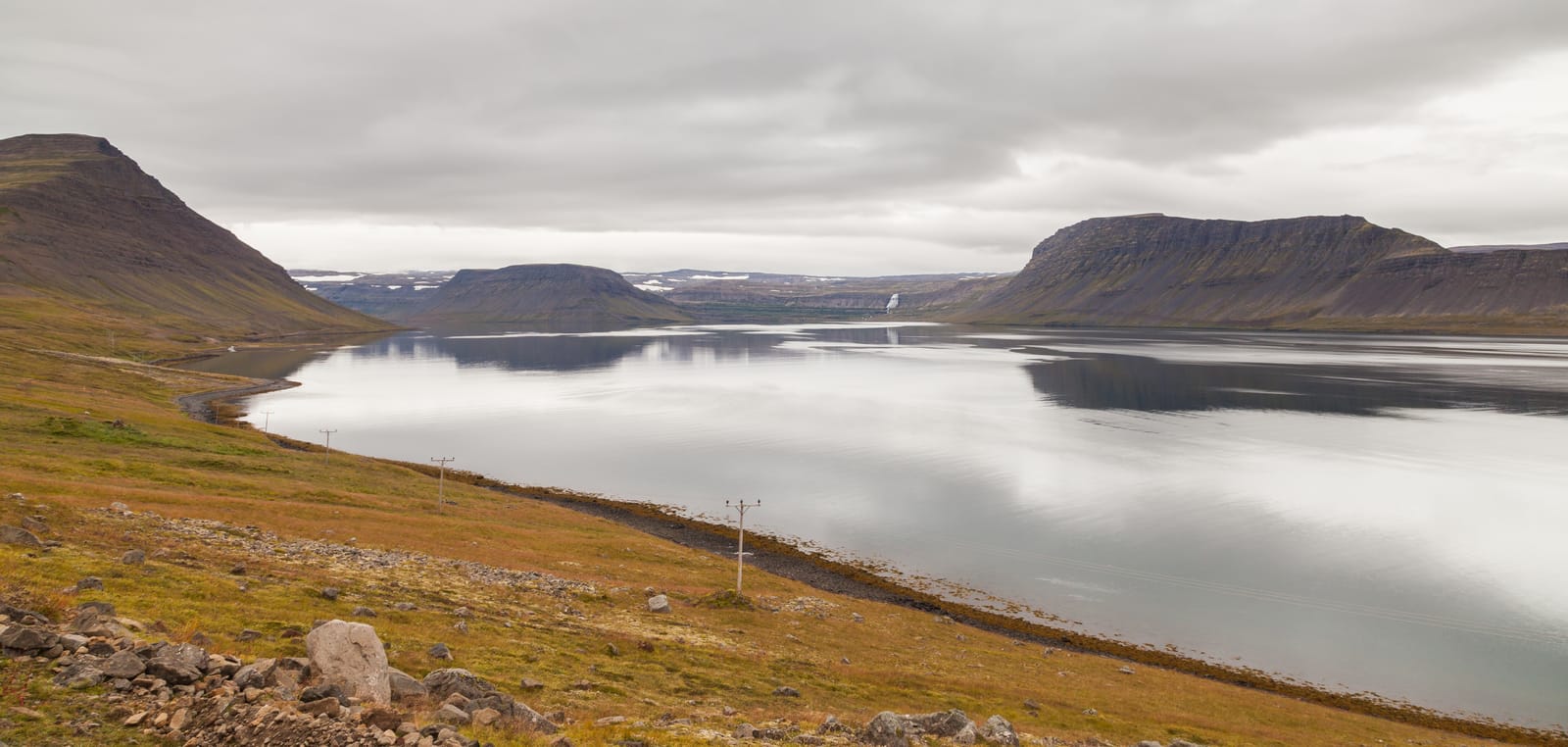
A separate multi-day commitment for travelers who value cliff roads, remote villages, and long scenic links enough to leave the Ring Road and keep weather slack.
More things to do
See other activities that may suit the same day, season, or part of Iceland.
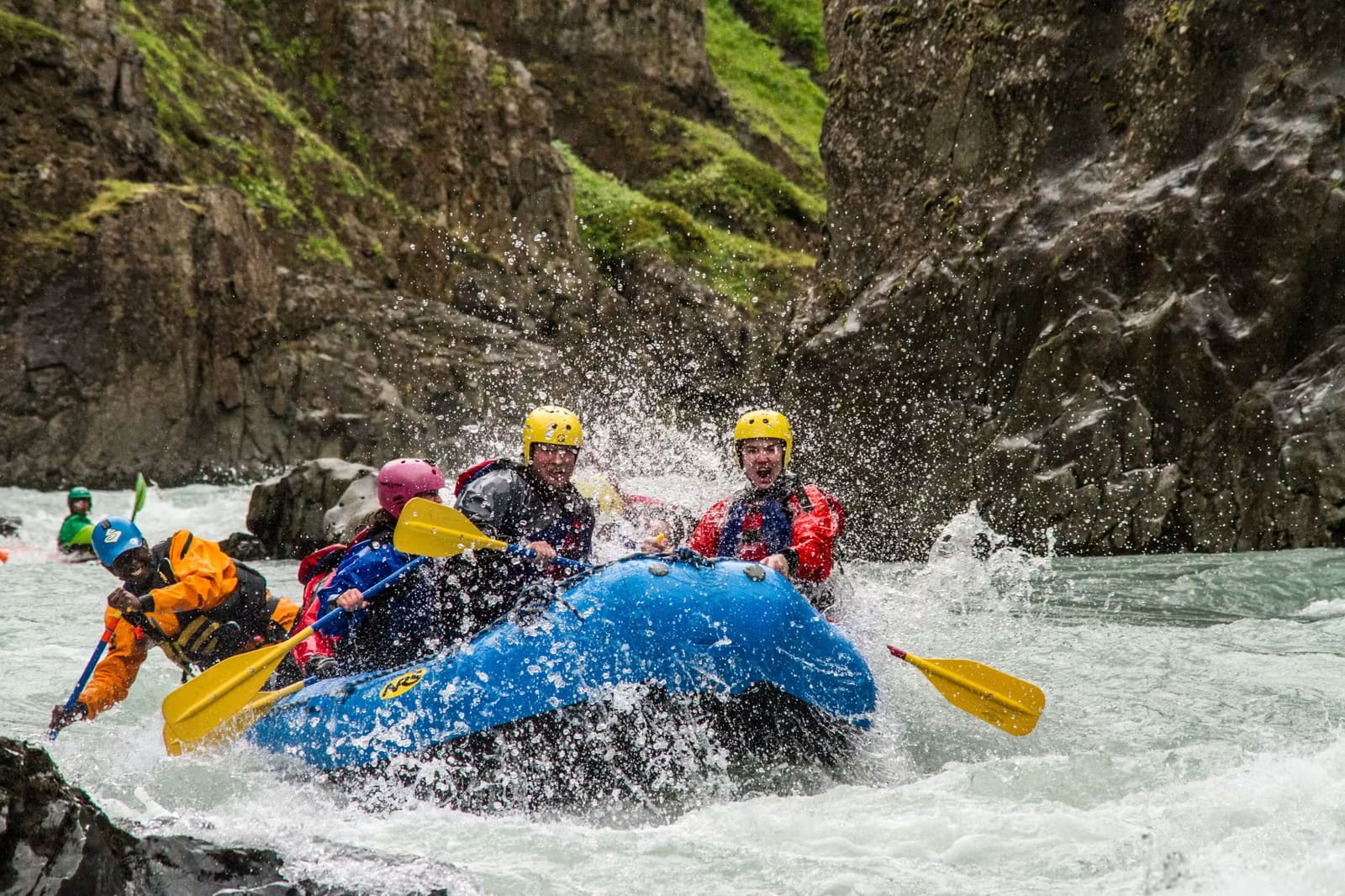
Iceland's commercial rafting rivers are not interchangeable upgrades. Hvítá and Vestari Jökulsá suit first-timers in different regions, Hólmsá fills an intermediate South Coast band, and Austari Jökulsá is a separate advanced undertaking. Choose that band before comparing departures.
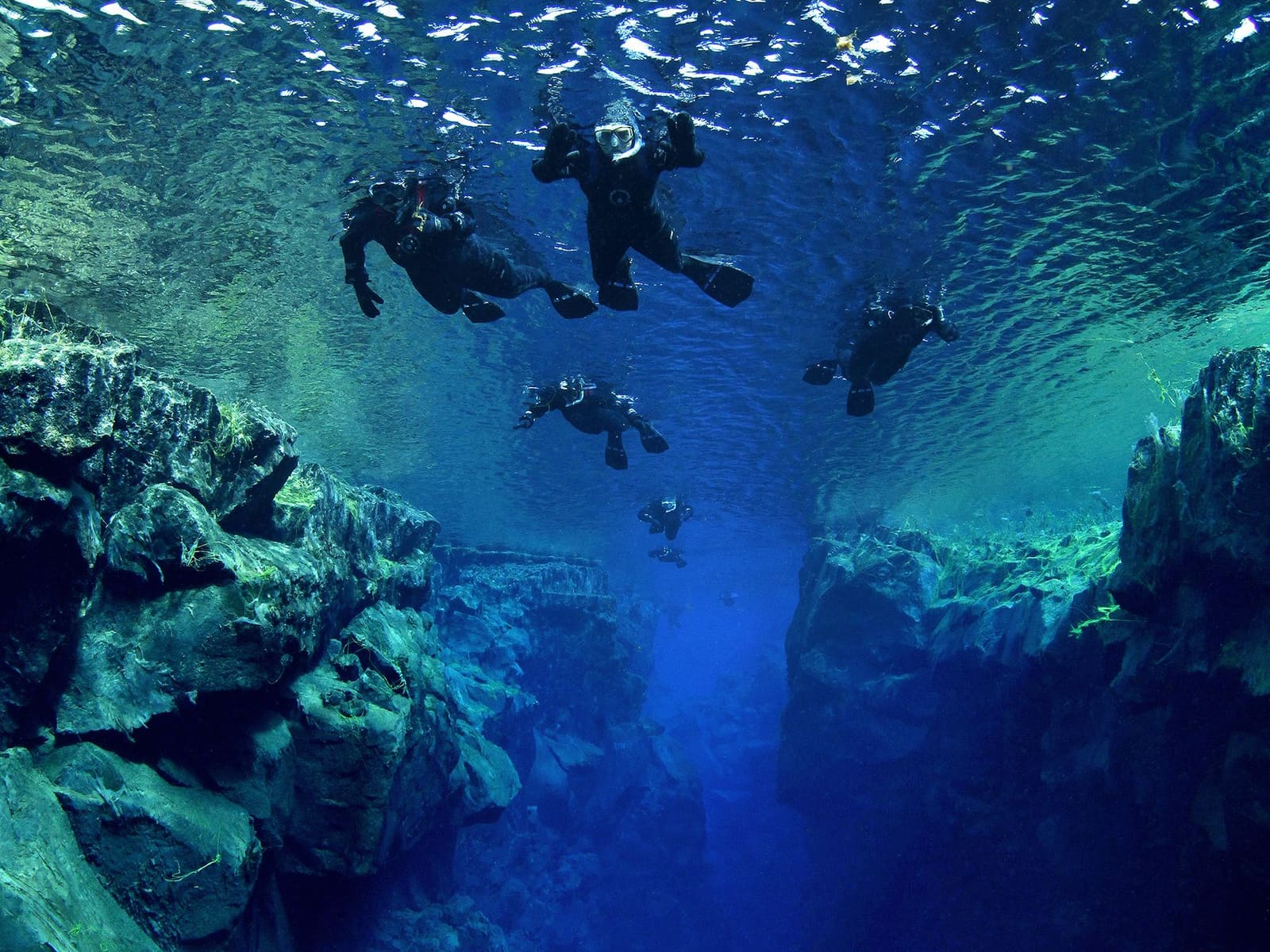
Silfra lets you look down through clear water into a volcanic fissure, but getting in takes preparation. Compare snorkeling and scuba qualifications, check swimming and equipment requirements, and leave enough time for changing, briefing, and the rest of your Thingvellir visit.
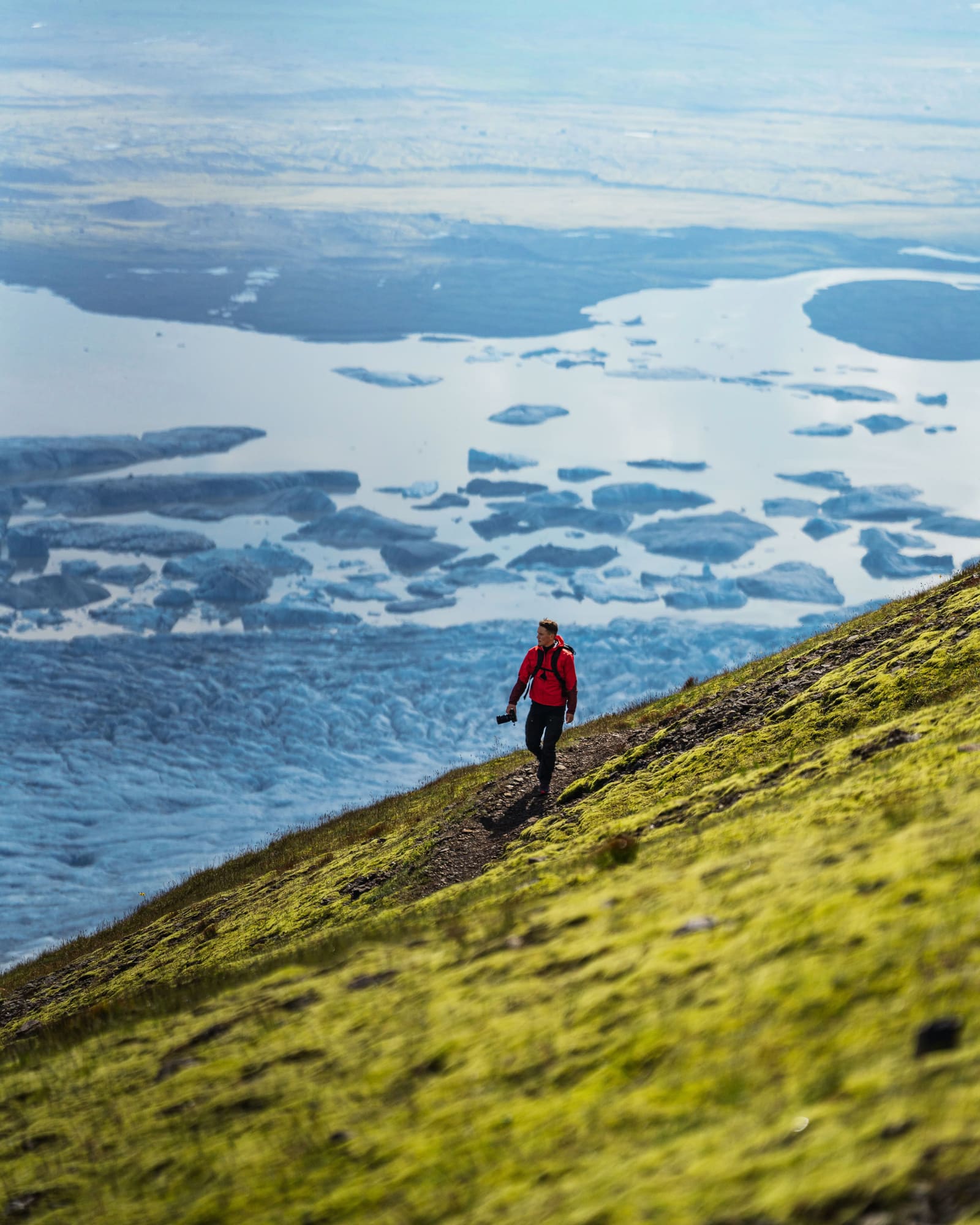
Summer in Iceland gives travelers more daylight, broader access, and more activity choices, but it also rewards restraint. Compare hiking, Highlands, wildlife, boats, glacier options, geothermal bathing, city culture, and flexible scenic stops before turning a bright day into an overloaded one.
Next kayaking decision
Open the place or comparison page that resolves your next route, format, or transport question.