Experience fit
- First try
- Guided snorkeling
- Dive fit
- Certified drysuit divers
- Car need
- Pickup or self-drive
- Route fit
- Golden Circle day
- Main hurdle
- Cold-water gear
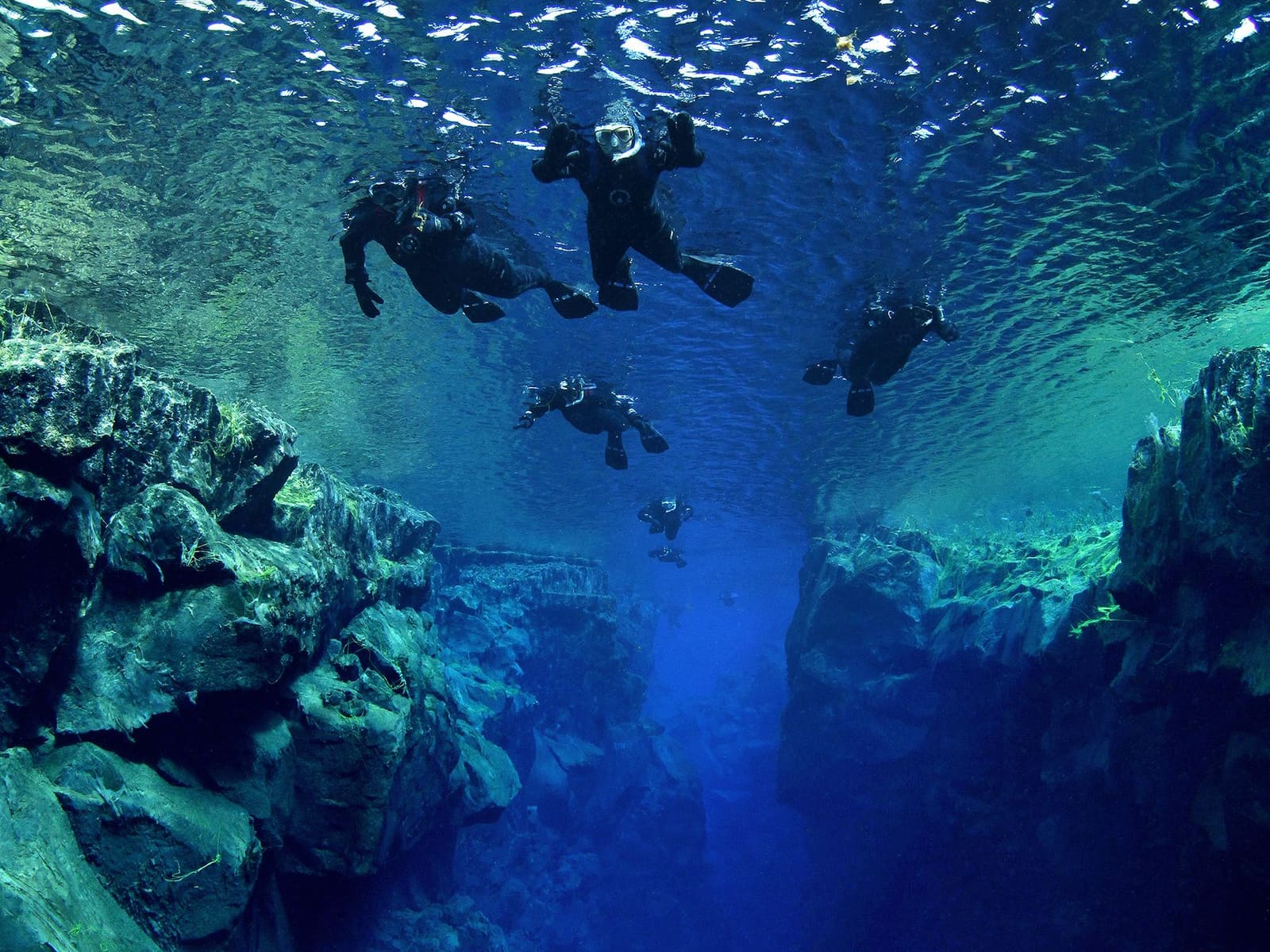
Silfra lets you look down through clear water into a volcanic fissure, but getting in takes preparation. Compare snorkeling and scuba qualifications, check swimming and equipment requirements, and leave enough time for changing, briefing, and the rest of your Thingvellir visit.
Experience fit
The useful question is not whether Silfra is famous. It is whether a fixed cold-water block makes your day better than a slower visit to Thingvellir National Park.
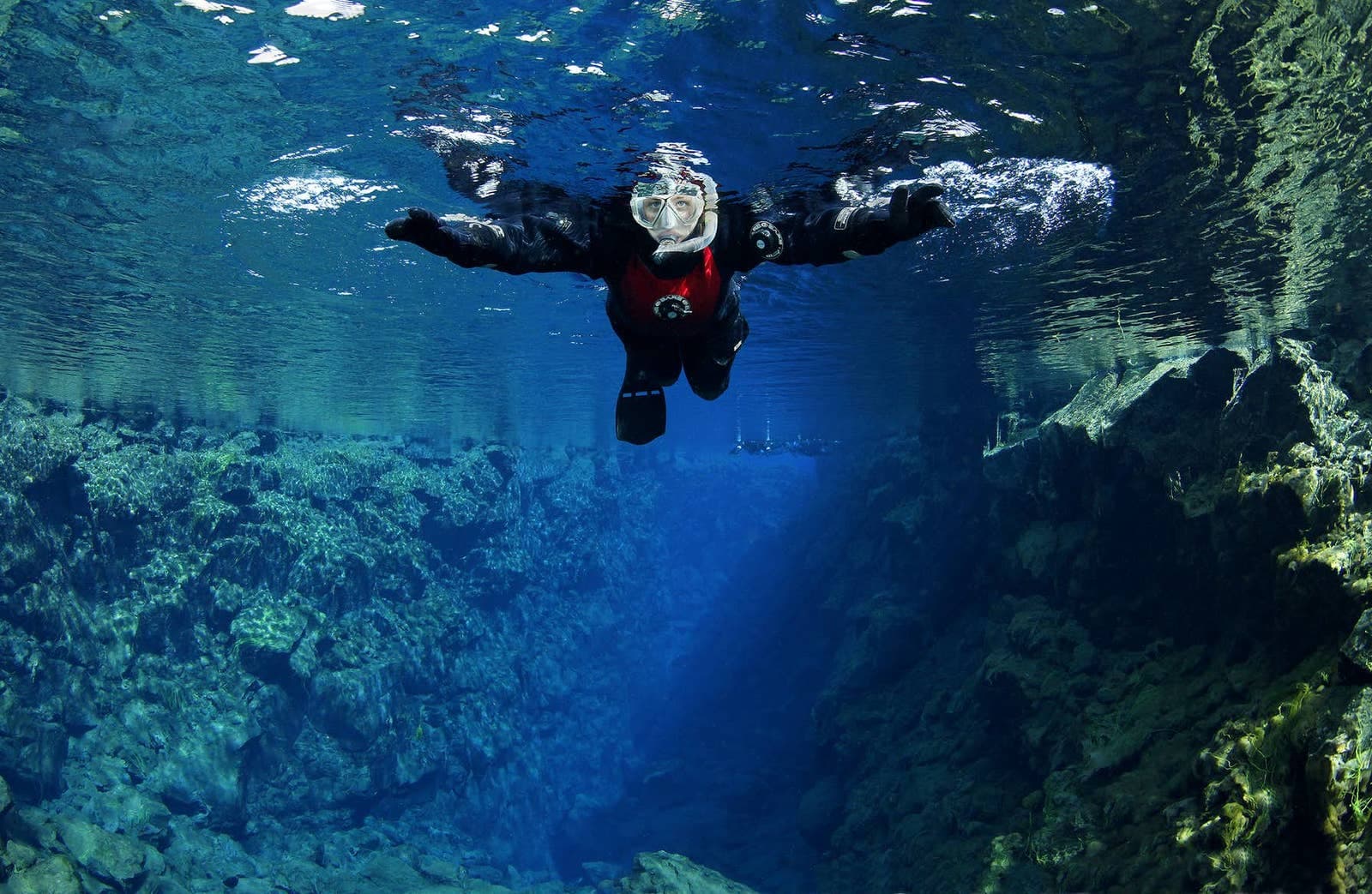
You do not need a scuba-diving license to join guided snorkeling at Silfra. You do need to swim confidently, meet the operator's health and equipment requirements, and be comfortable in cold water. Scuba diving is for qualified divers with documented drysuit competence; it is a different activity, not a beginner upgrade.
The stay-dry option is not failure. If the group is tired, cold-sensitive, short on time, or split between one diver and several reluctant observers, a proper Thingvellir National Park visit can be the smarter day.
| Choice | Best fit | Downgrade if | Car/no-car | Main hurdle |
|---|---|---|---|---|
| Guided snorkeling | Confident swimmers, first try | Cold gear sounds miserable | Pickup or self-drive | Drysuit comfort |
| Certified diving | Drysuit-ready divers | Group is mixed | Usually planned | Higher requirements |
| Stay-dry Thingvellir | Route-tight days | Water is the goal | Self-drive easiest | Less novelty |
| Another guided adventure | Active but water-shy groups | No guide budget | Depends on activity | Different route fit |
Photo guide
1 / 7
A deeper-looking dive scene helps separate scuba from the surface float most first-time visitors choose.
Good to know
Silfra is not like adding a waterfall stop. The activity asks for changing time, briefing time, cold-water exposure, bulky gear, and patience before and after the water.
A drysuit has snug wrist and neck seals, and you walk to and from the water wearing the equipment. Your face and parts of your head and hands still feel the cold; a drysuit does not make this a warm-water swim. Tell the operator about concerns before booking rather than discovering a poor fit at the entry platform.
For a drysuit tour, bring thermal underwear, warm socks, clothes for the weather, and a spare change in case of leakage. Operators provide the activity equipment on the tours linked below. If you wear glasses, ask about a compatible mask or contact lenses before arrival. Read the packing instructions for your chosen suit type.
Silfra fits best when Thingvellir has real space in the day. It gets weaker when it is wedged between too many Golden Circle stops and treated like a quick add-on.
DIVE.IS lists about 2.5 hours at Silfra for its meet-on-location snorkeling tour, with roughly 30–45 minutes in the water. The rest includes check-in, briefing, fitting the equipment, walking to the entry, possible queuing, and changing afterward. This is one operator's estimate; transfers and a wider sightseeing tour take additional time.
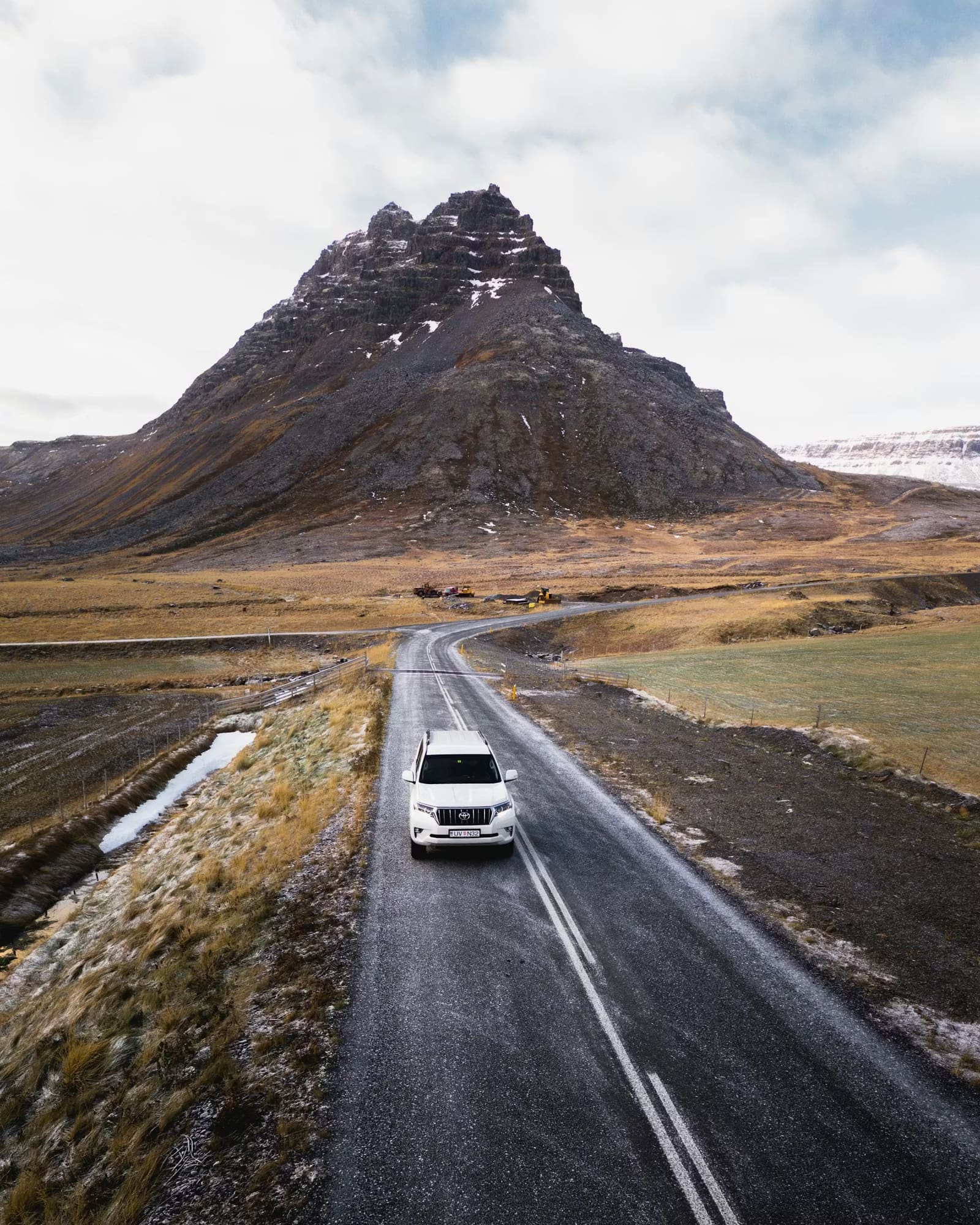
Self-drivers can balance the activity with time in the park using the Silfra place guide and Golden Circle road trip. From a Reykjavik base, choose a tour that explicitly includes transfers and check its pickup area. Keep time for Thingvellir's walks and viewpoints if those are also priorities.
The water is cold by nature; the bigger seasonal shift is what happens around the activity: daylight, wind, roads, waiting outside, and how much margin the drive needs.
In bright, settled weather, Silfra can pair neatly with a focused Thingvellir day. In harder weather, the same booking can make the day feel brittle because you still need to arrive, gear up, warm back up, and drive onward.
Before self-driving, open winter driving guidance if the season calls for it. Then check the official sources instead of relying on yesterday's road story.
Use before exposed or road-dependent travel days.
Use for weather forecasts and warnings.
Use for official road notifications and driving conditions.
The national park's rules and a tour operator's screening serve different purposes. These distinctions were checked against the park and the linked operators on 5 September 2026; recheck them before booking.
| Requirement | Snorkeling | Scuba diving |
|---|---|---|
| Qualification | No scuba license needed for guided snorkeling | Autonomous Diver equivalent, such as Open Water, plus a drysuit certificate or accepted experience proof |
| Experience alternative | Follow the operator's swimming and participation checks | 10 logged drysuit dives within two years, confirmed in writing by an instructor from a recognized diving organization |
| Cold-water protection | Drysuit or suitable thick, well-fitting wetsuit; operator equipment may be more restrictive | Drysuit required |
| Buddy and screening | Never enter alone; operator medical screening applies | Never enter alone; operator medical screening applies |
The park specifies equipment for water around 2–4°C, including hood, gloves and neoprene footwear. Tour operators set their own age, size, fitness and communication limits. DIVE.IS and Tröll publish different suit-fit limits, so a child's age alone does not establish eligibility. Read the actual medical form and obtain a doctor's approval where it requires one.
Open this before treating Silfra as a casual swim or self-guided stop.
Use this for geology and place context.
Skipping Silfra can make the trip stronger when the alternative matches the group better.
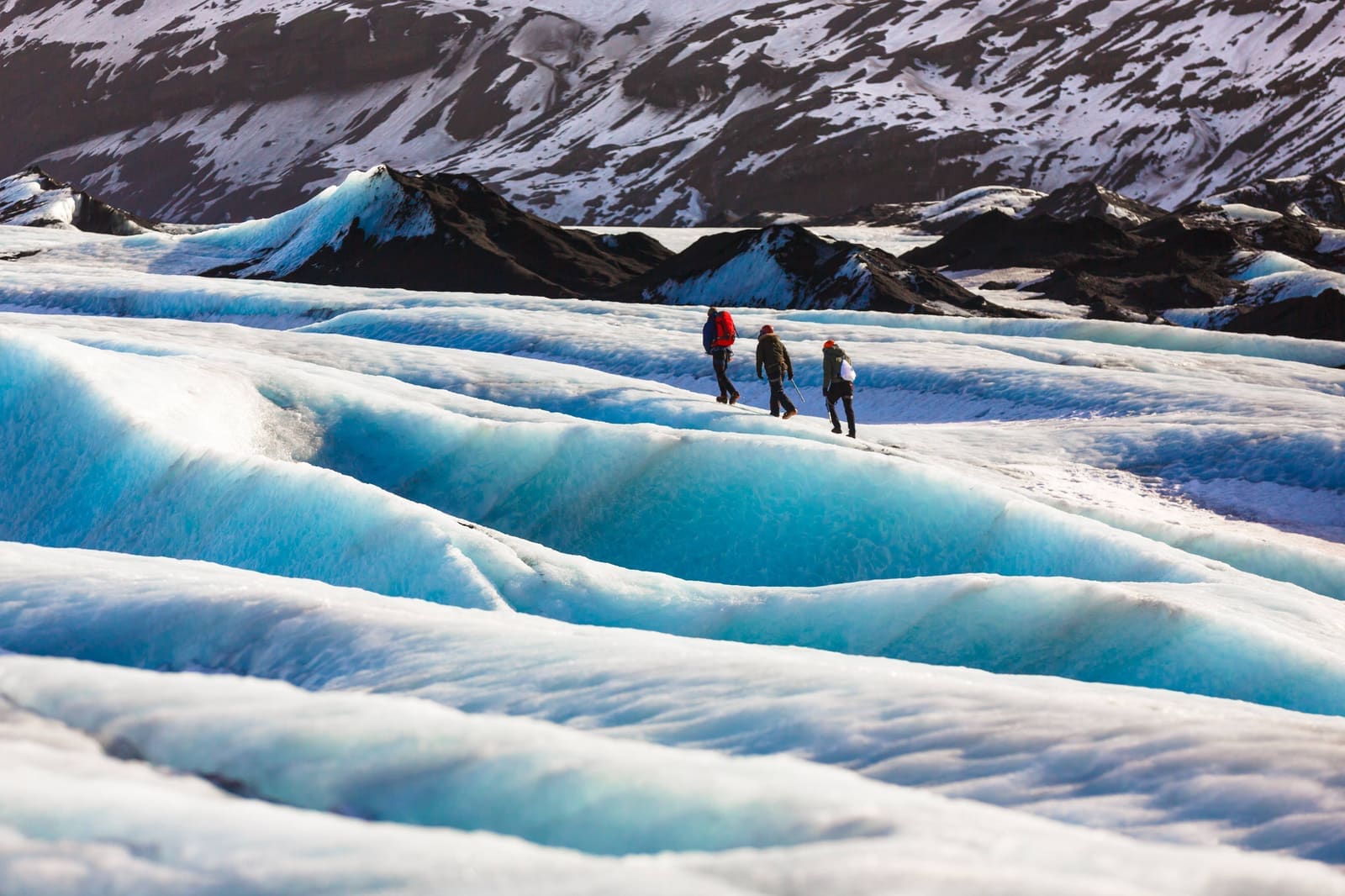
If the appeal is guided adventure more than the water itself, compare glacier activities. If the appeal is a lighter active day, a walking-heavy Thingvellir visit or another hiking choice may fit better.
The best downgrade is not the cheapest or easiest option by default. It is the option whose discomfort you actually want: cold water, crampons, walking, road time, or a quieter park day.
Check the provider's medical form, suit sizing, swimming requirement and meeting instructions before paying. A buoyant suit does not replace swimming ability, and a general tour description cannot confirm an individual's fitness to participate.
Source for the example session duration, equipment, preparation and this operator's participation form.
Check the provider's own suit-fit limits, preparation and Reykjavík pickup conditions.
Explains cold exposure, walking in equipment, seals and screening requirements.
Snorkeling is usually the better first try because it gives the Silfra water experience with less specialist preparation. Choose certified diving only if the dive itself is the point of the day.
No. Guided snorkeling does not require a scuba-diving license. You must still be able to swim and meet your operator's health, age and equipment-fit requirements. Scuba diving has separate certification and drysuit requirements.
Yes, no-car travelers can use guided formats from Reykjavik when available. Self-driving gives more control over the rest of the Thingvellir and Golden Circle day.
Not automatically. The water experience is cold in every season; winter mainly adds road, daylight, waiting, and comfort pressure around the activity.
Only if the water is one of the main reasons for the day. If your group mainly wants the park's history, scenery, and walking, keep Silfra optional or skip it.
By ThorPublished Updated
Regions
See which part of Iceland is most convenient for this experience and what else you can visit nearby.
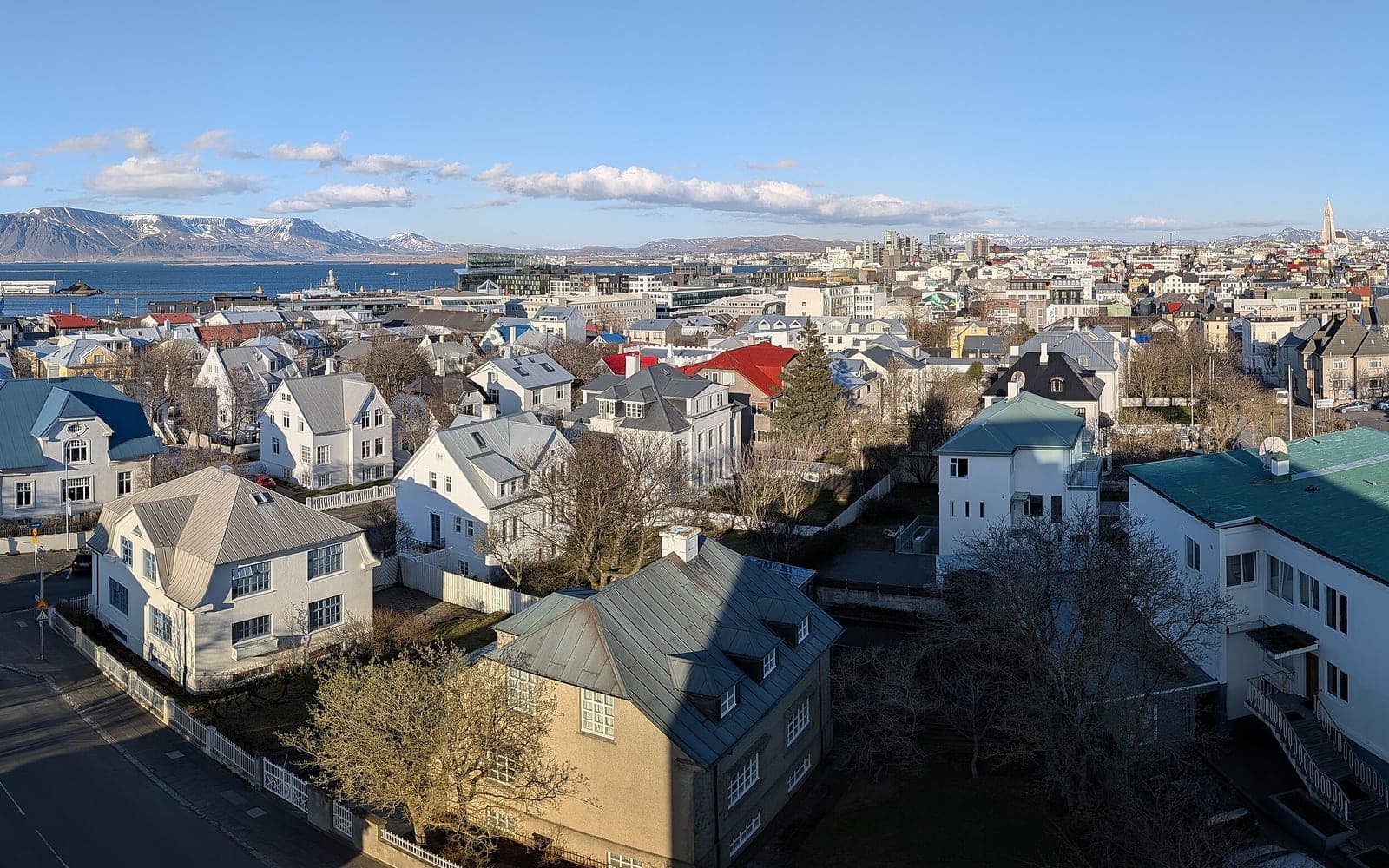
Choose Reykjavík for one or two car-free city days, a short break or a weather buffer—not as the default base for every long day trip.
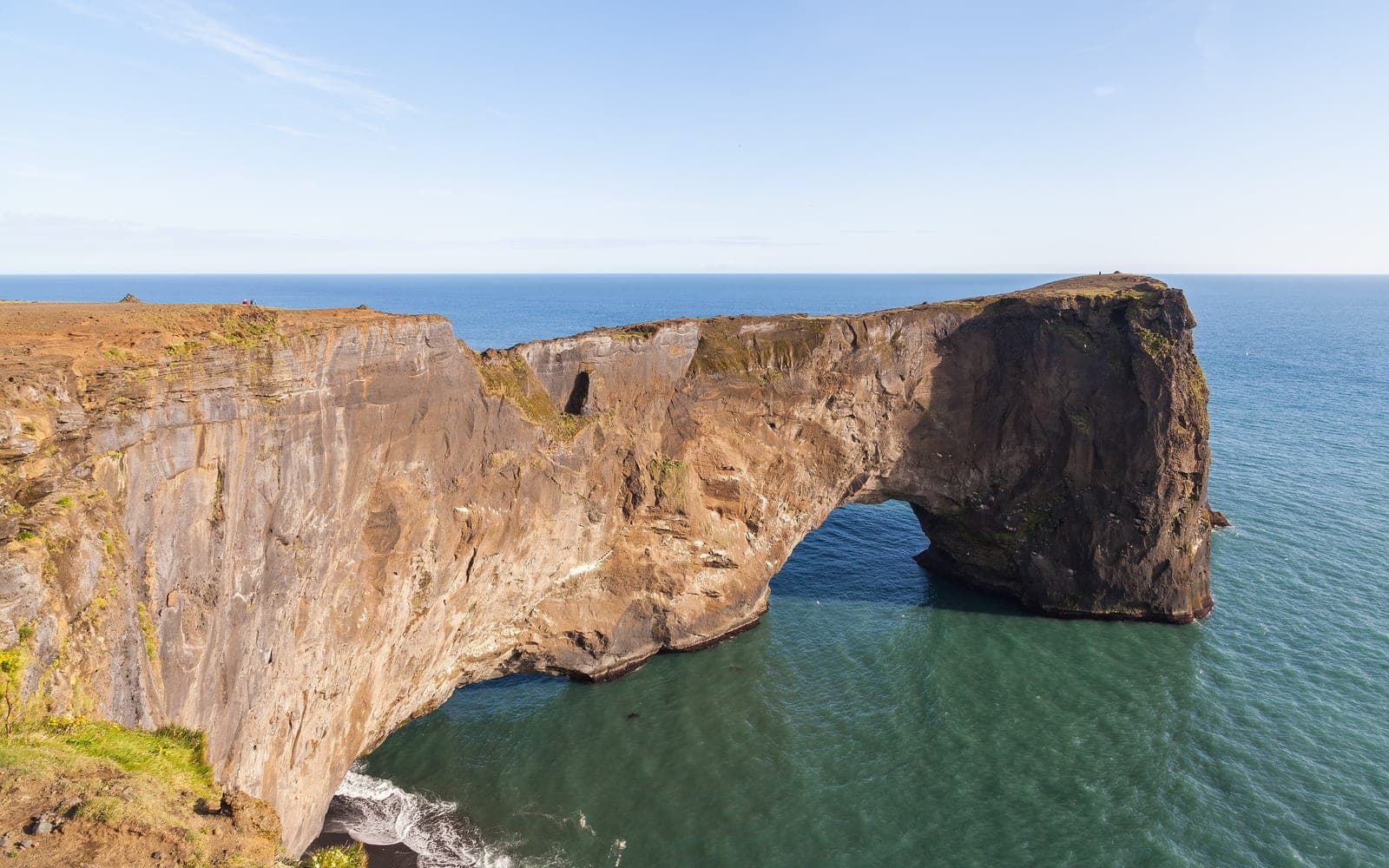
Build a first-trip route around waterfalls, black-sand coast and glacier country, but allow two to four days if Jökulsárlón is part of the plan.
More things to do
See other activities that may suit the same day, season, or part of Iceland.
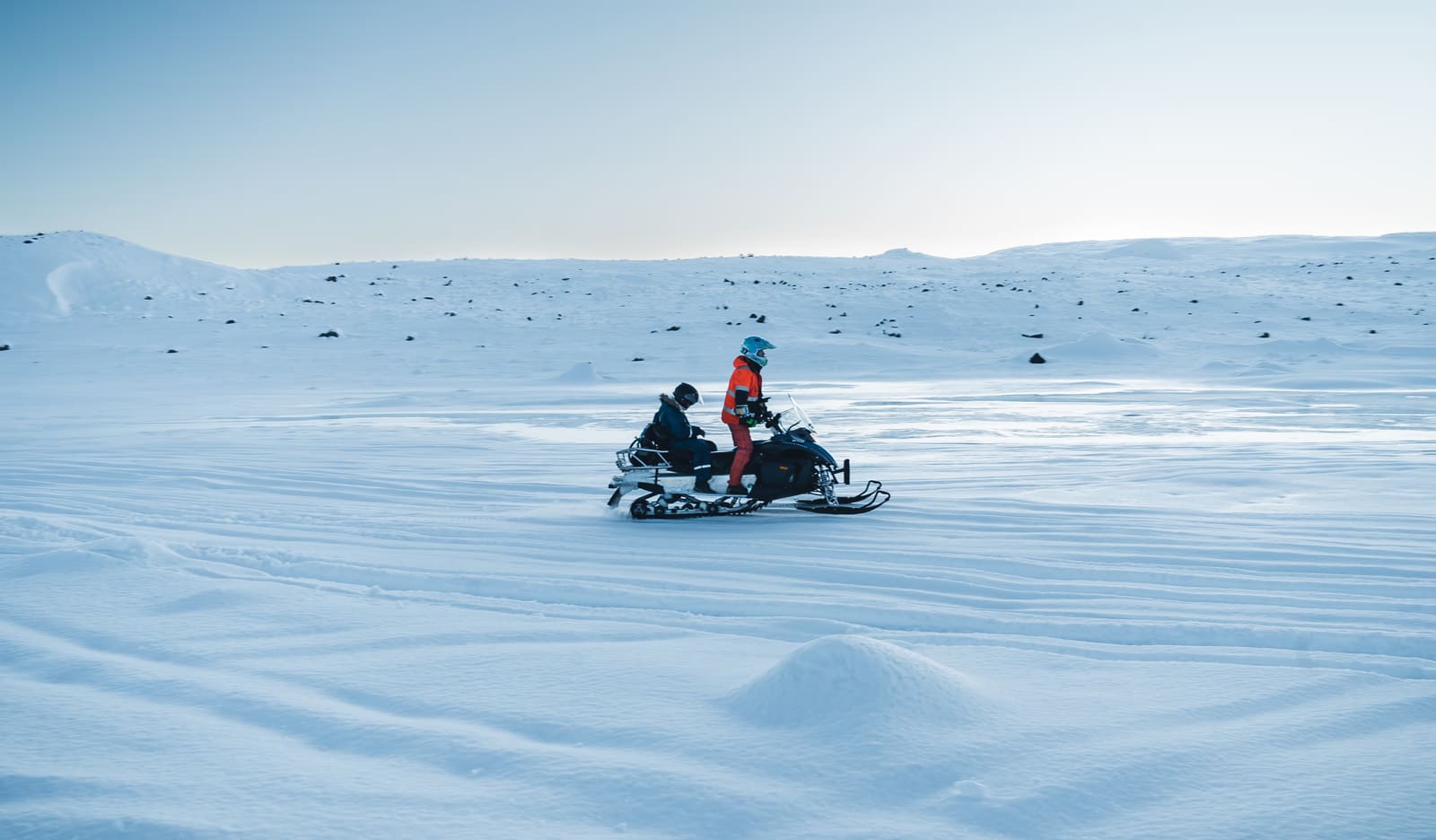
Choose one strong winter experience, then keep a flexible backup for weather, roads, daylight, or comfort. Compare guided ice, aurora, hot water, wildlife, city options, and conservative sightseeing before locking the day.
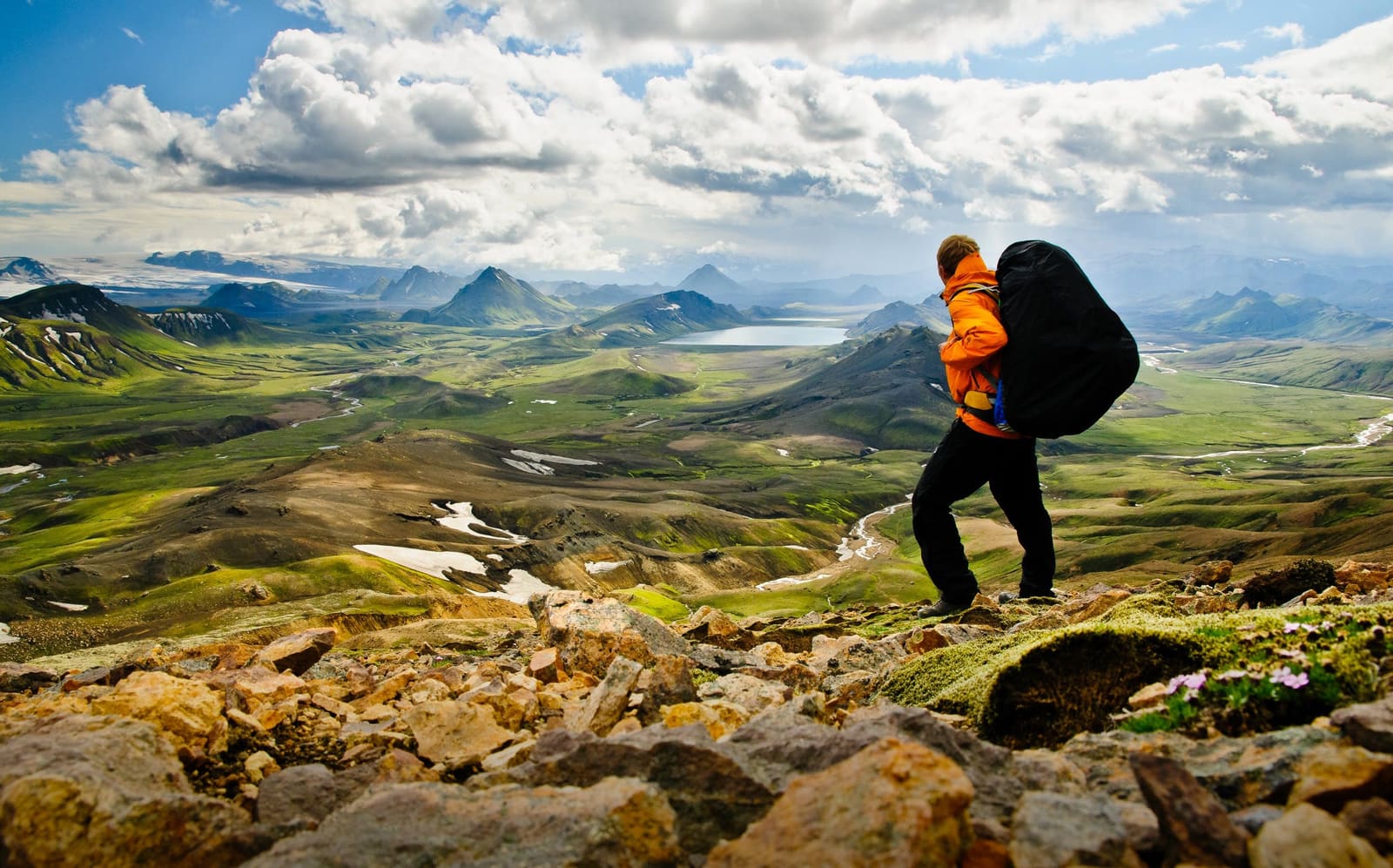
Choose the kind of hiking day before the famous trail name. Compare easy walks, waterfall paths, national-park hikes, Highlands routes, multi-day treks, and guided options by effort, access, season, and weather tolerance.
Next decision
Open the place guide, compare another guided adventure, or check winter driving before treating the plan as fixed.