Reykjavík can be the destination, a first or last base, or the launch point for one nearby route. Decide its job before mixing city time with airport transfers and countryside day trips.
Useful city time
1 to 2 full days
Best transport pattern
Walk or bus in the city; collect a car when the regional route starts
Airport reality
KEF is on Reykjanes, about 50 km from the city centre
Best pairing
One deliberate nearby route rather than repeated long returns
Region essentials
Useful city time
1 to 2 full days
Best transport pattern
Walk or bus in the city; collect a car when the regional route starts
Airport reality
KEF is on Reykjanes, about 50 km from the city centre
Best pairing
One deliberate nearby route rather than repeated long returns
In this guide
Give Reykjavík one clear job
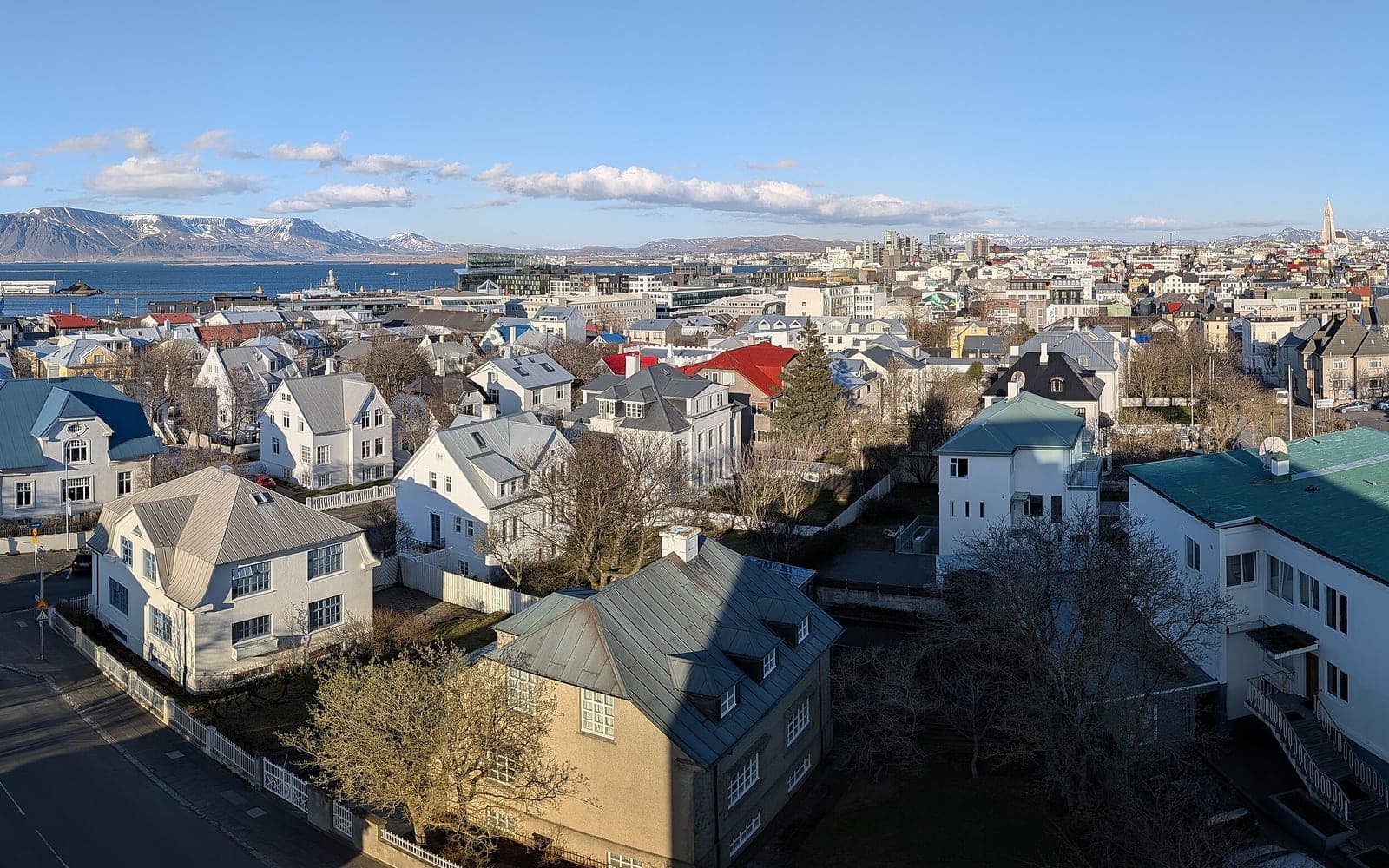
Reykjavík can be the main destination for a short break, a first or last base, or the launch point for a nearby route. It becomes inefficient when those roles are mixed without counting the time. A day that starts and ends in the city but spends most of its useful hours outside it is an excursion day, not a Reykjavík day.
Give the city one or two full days if pools, museums, food, architecture, and the harbour are part of the trip's value. If landscapes are the priority, use Reykjavík as a soft arrival or departure base and move the overnight once the regional route begins.
One city day, two city days, or a Reykjavík-based break?
The right amount of Reykjavík time depends on whether the city is something you want to experience or simply the address used between longer drives.
Count city time separately from excursion time.
Time shape
Strongest use
Main tradeoff
Arrival evening
Food, a short walk, and recovery
KEF transfer and delays may remove most usable time
1 full city day
Compact centre, harbour, one museum or pool
Outer capital-area stops need a separate transport choice
2 full city days
City core plus slower culture, a pool, Perlan, or a wider district
Uses time that could begin a regional overnight
3 nights with an excursion
Short break with one nearby route
Do not describe all three as city days
One full day covers a focused introduction. A two-day stay supports a slower mix of the centre, harbour, culture, and a pool. Add more only when Reykjavík itself or a city-based short break is the point.
Keep the compact centre together
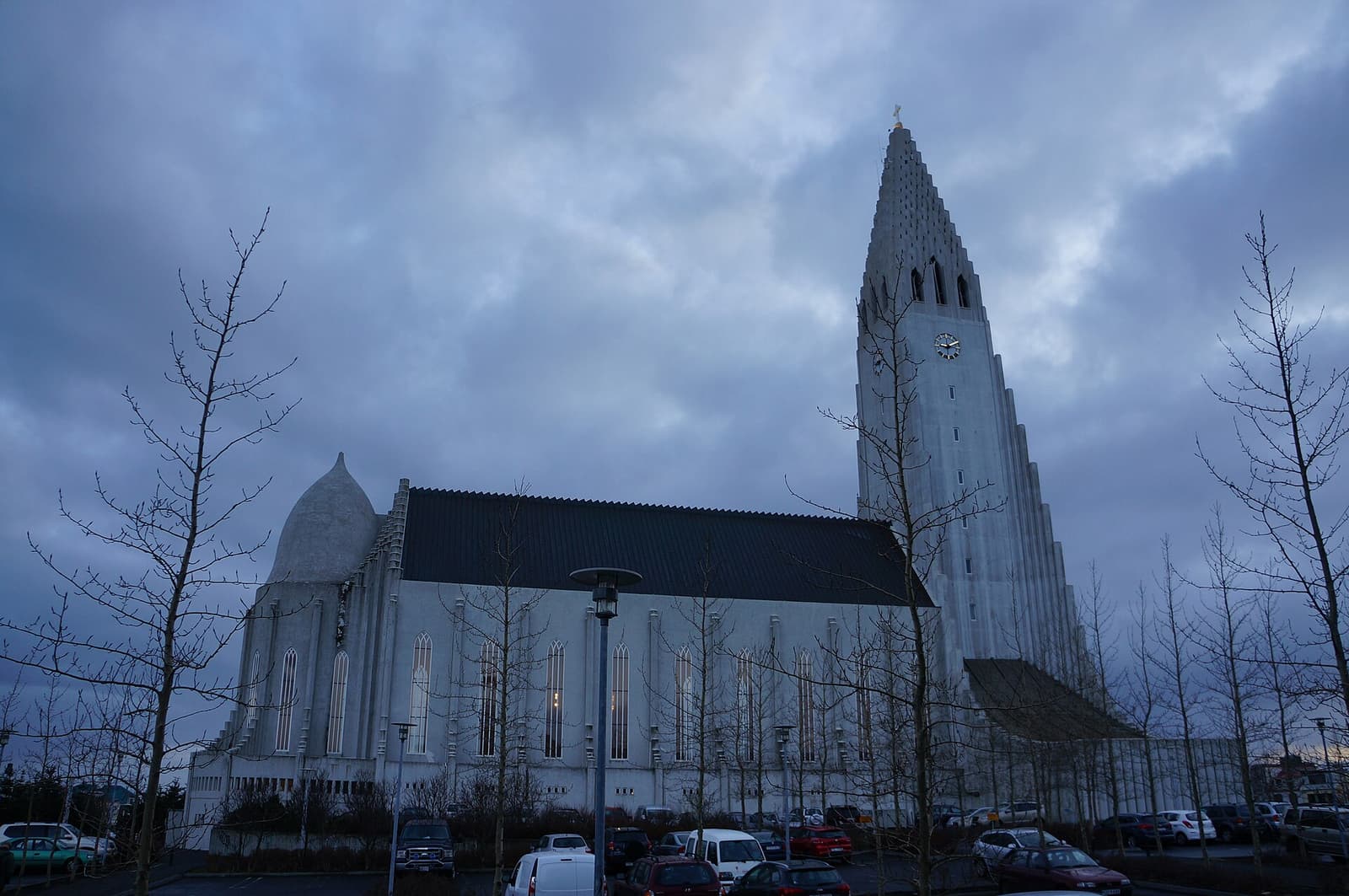
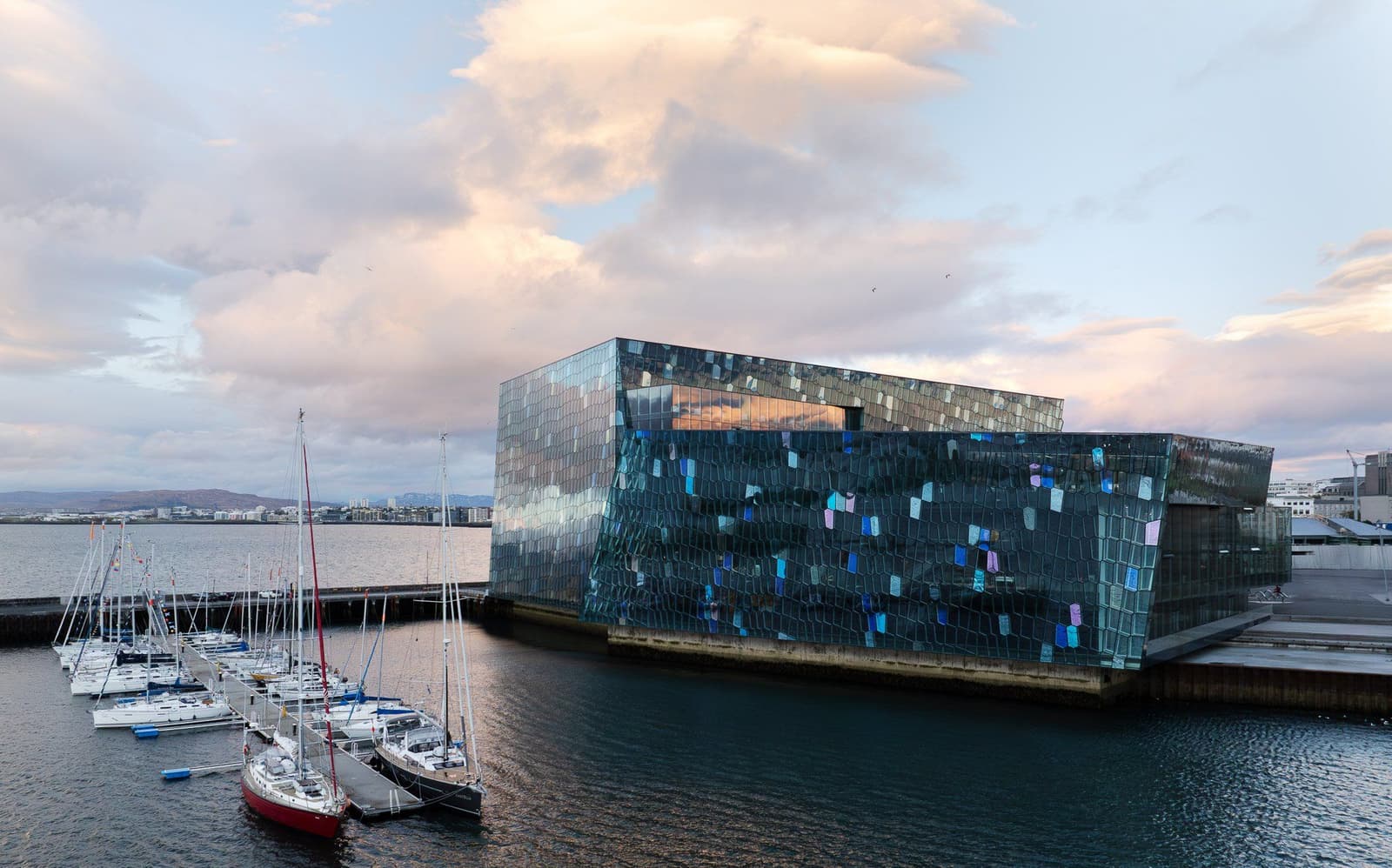
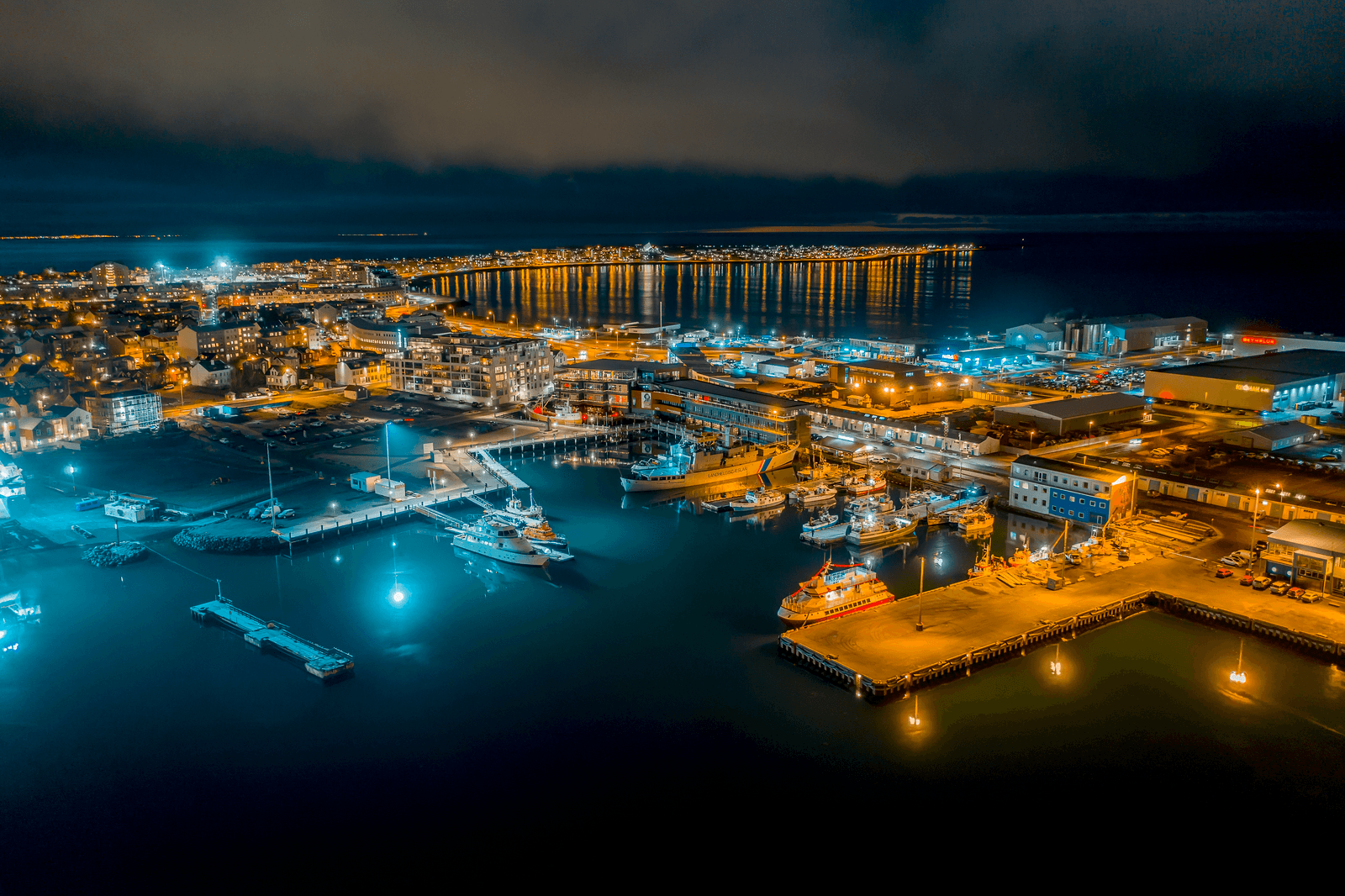
Hallgrímskirkja, the central shopping streets, the waterfront, Harpa, and the Old Harbour form a coherent walking area. Use that compactness instead of moving a car between short central stops.
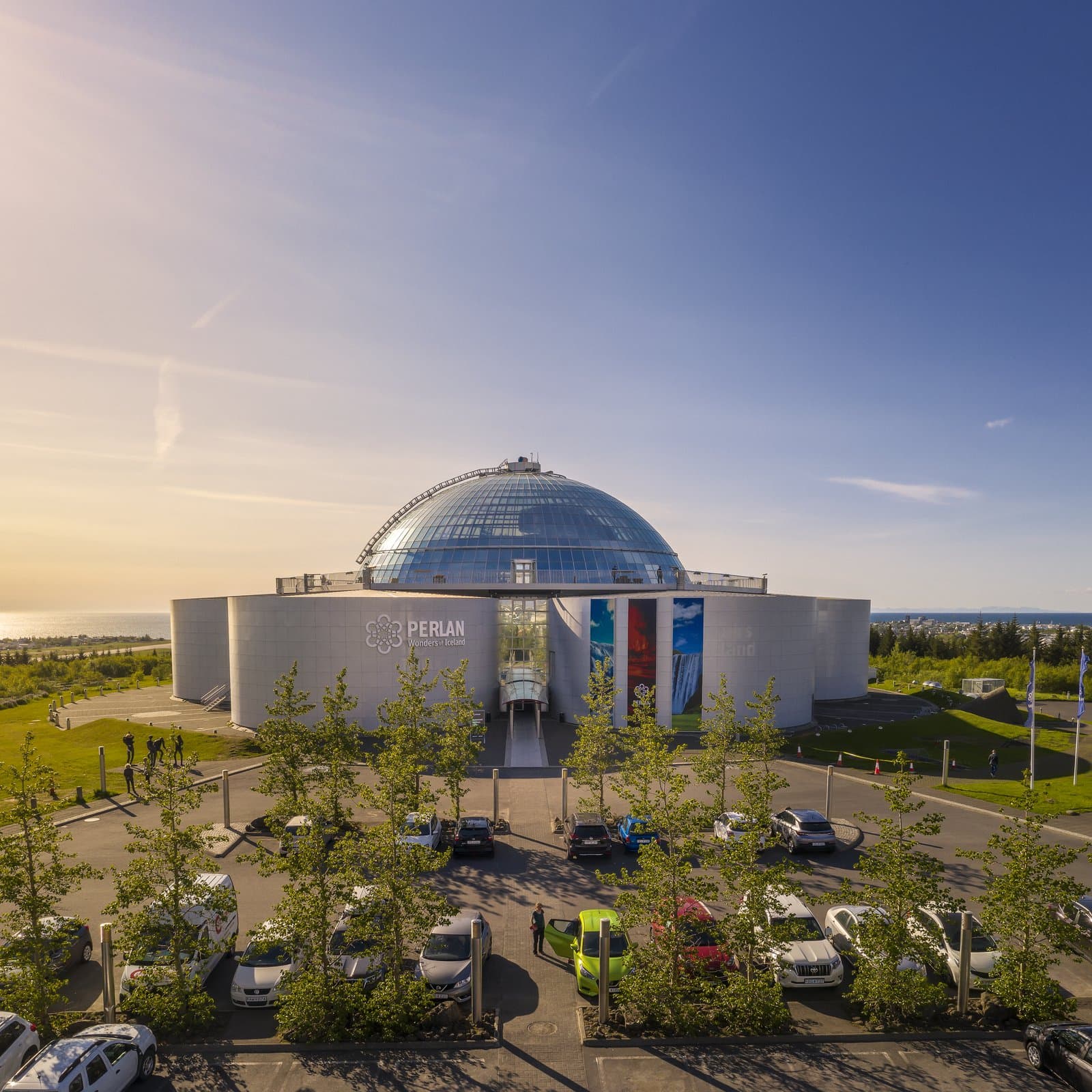
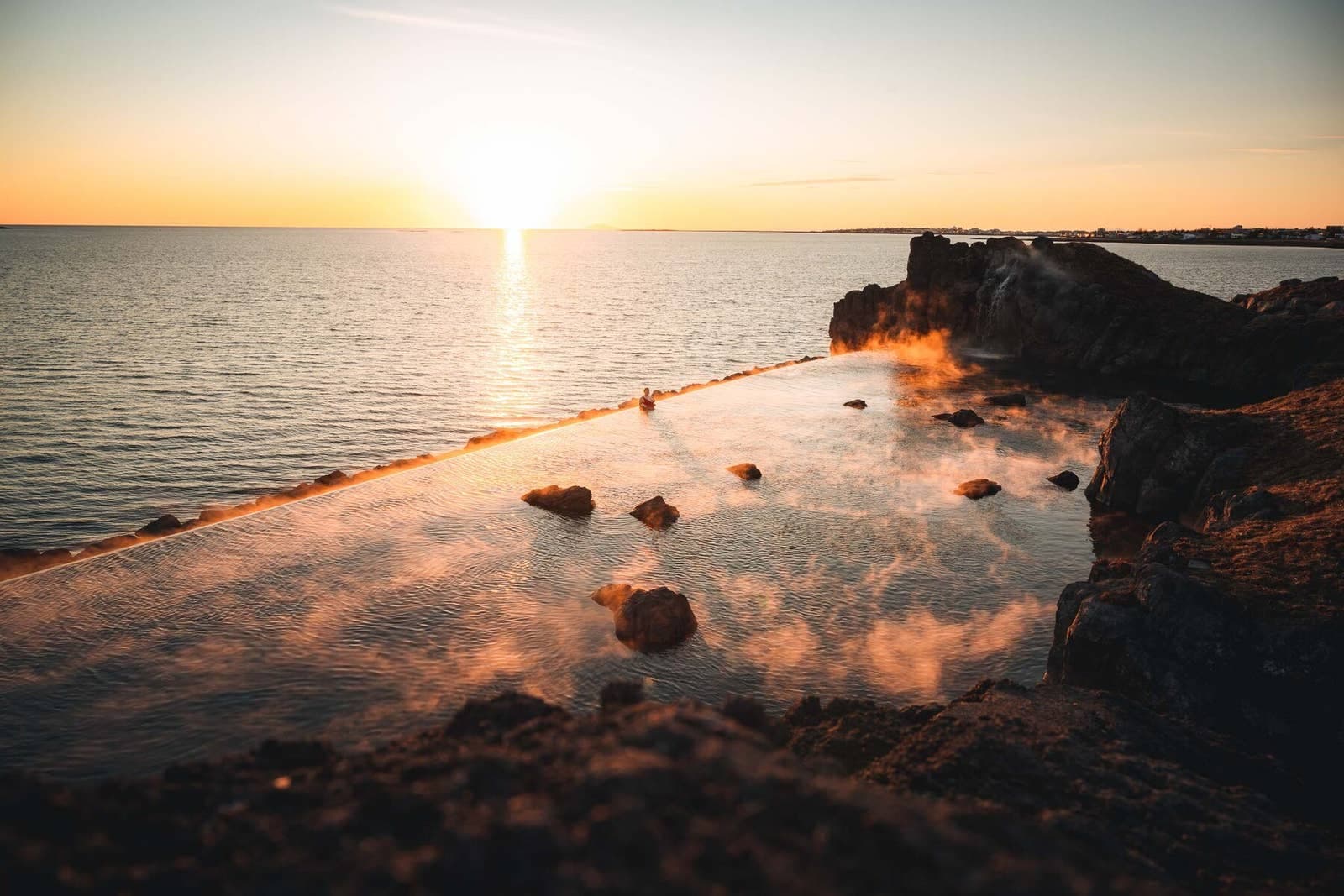
Perlan, Sky Lagoon, outer museums, and wider capital-area destinations belong to a second planning layer. They can be worthwhile, but they need a bus, taxi, or car decision and should not be presented as if every Reykjavík relationship sits in the same downtown walk.
Rent the car when the city part ends
Central Reykjavík can be planned on foot and with Strætó. The city has paid parking zones and garages, so keeping a rental car during purely central days adds a parking task without necessarily improving the visit. A clean pattern is airport transfer, one or two city days, then rental-car collection when the regional route starts.
Keep the car earlier only when luggage, mobility needs, accommodation location, or a specific wider capital-area stop makes it useful. This is a trip-fit choice, not a rule that every visitor should follow.
A day-trip base has a limit
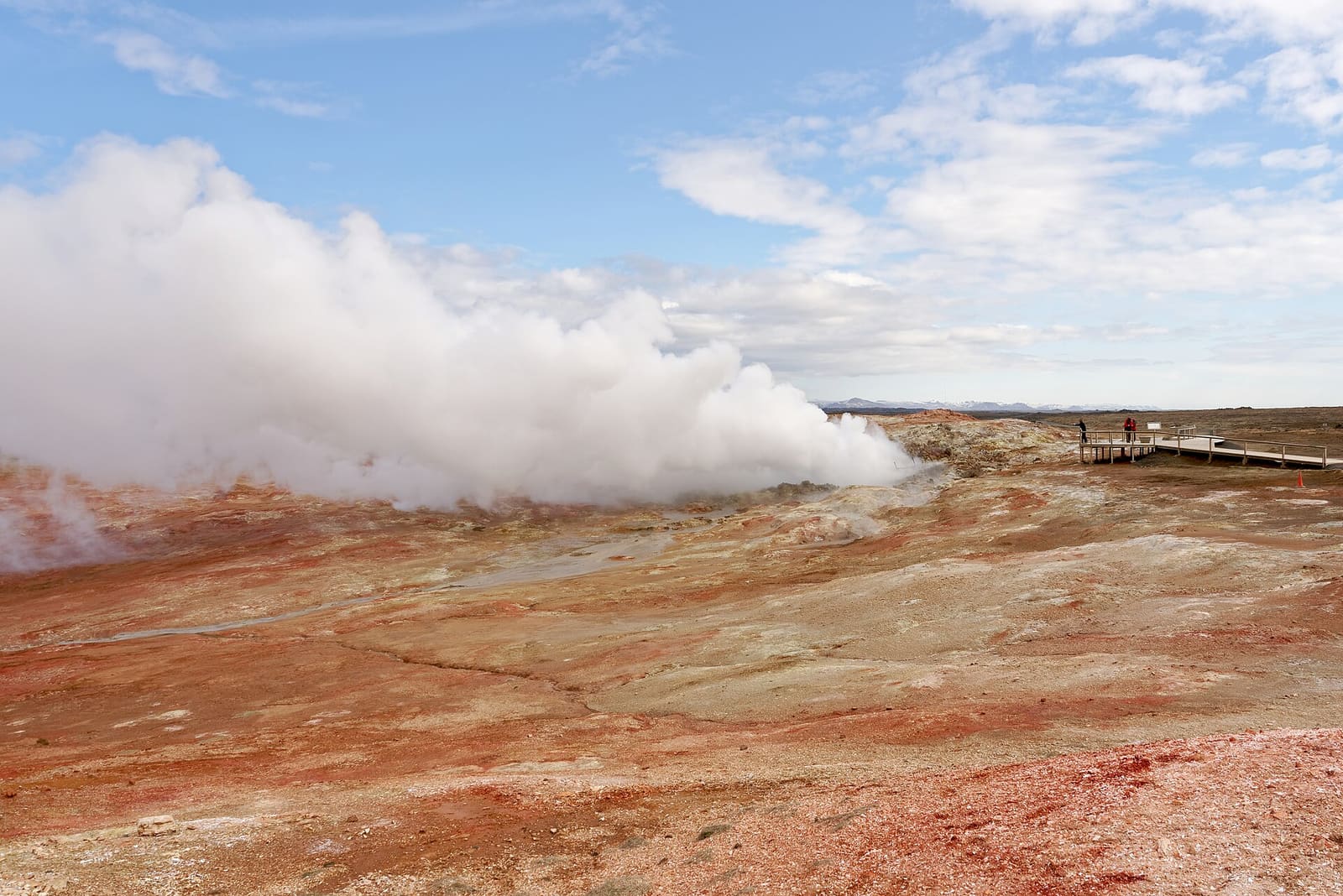
Reykjavík is a practical launch point for the Golden Circle, Reykjanes, and guided excursions. It is less convincing as the permanent base for a multi-day South Coast or Snæfellsnes plan because each return repeats part of the journey. Compare the ease of one hotel with the route time lost by returning west each night.
For a guided ride without reshaping the road trip, use the horse-riding guide to compare a Reykjavík pickup against farm and beach formats before choosing an operator.
KEF is not Reykjavík—and that changes the first night
Keflavík International Airport is on the Reykjanes Peninsula, about 50 kilometres from Reykjavík city centre, so the transfer belongs in the first- and last-day plan.
Do not build a full city evening around the scheduled landing time. Account for baggage, transfer, food, and fatigue first. For a late arrival or early departure, an airport-area night may remove more friction than crossing the peninsula simply to say the trip started in Reykjavík.
Use for current parking zones, garages, and payment guidance.
Who gains from Reykjavík—and who should move on
Choose Reykjavík for a short break, a no-car or low-car start, culture and food, geothermal pools, or a flexible indoor-and-outdoor day. It is also a useful buffer when a long flight and a major self-drive should not happen back to back.
Move on sooner when the trip's value comes mainly from open landscapes, when every city-based day is actually a distant excursion, or when an early flight makes an airport-side final night more rational. The right answer follows the trip's priorities, not a fixed number of nights.
Build a resilient city day without pretending weather is irrelevant
Museums, pools, food, and central walks give Reykjavík more fallback options than a fixed scenic drive. That does not make the city weather-proof. Wind, precipitation, slippery streets, cancelled excursions, and reduced visibility can still change the day.
Keep one indoor anchor and one short outdoor loop available. If a countryside day is cancelled, do not force the same route into a worse window simply because the hotel is already in Reykjavík.
When Bláfjöll is the deliberate winter objective, use the skiing and snowboarding guide to check open terrain, equipment, road access, and the city backup as one plan.
Reykjavík planning questions
How many full days should a first visit give Reykjavík?
One day covers a focused introduction; a two-day stay supports a slower mix of the centre, harbour, culture, and a pool. Count any long excursion separately.
Do you need a car in Reykjavík?
Not for a compact central stay. Use walking and buses, then add a car when accommodation location, mobility needs, or the regional route makes it worthwhile.
Is Reykjavík the best base for the whole trip?
It is strong for a short break and one or two nearby excursions. It becomes weaker when repeated returns replace a sensible regional overnight.
Is Keflavík Airport in Reykjavík?
No. KEF is on the Reykjanes Peninsula, about 50 kilometres from the city centre, so transfer time belongs in the first- and last-day plan.