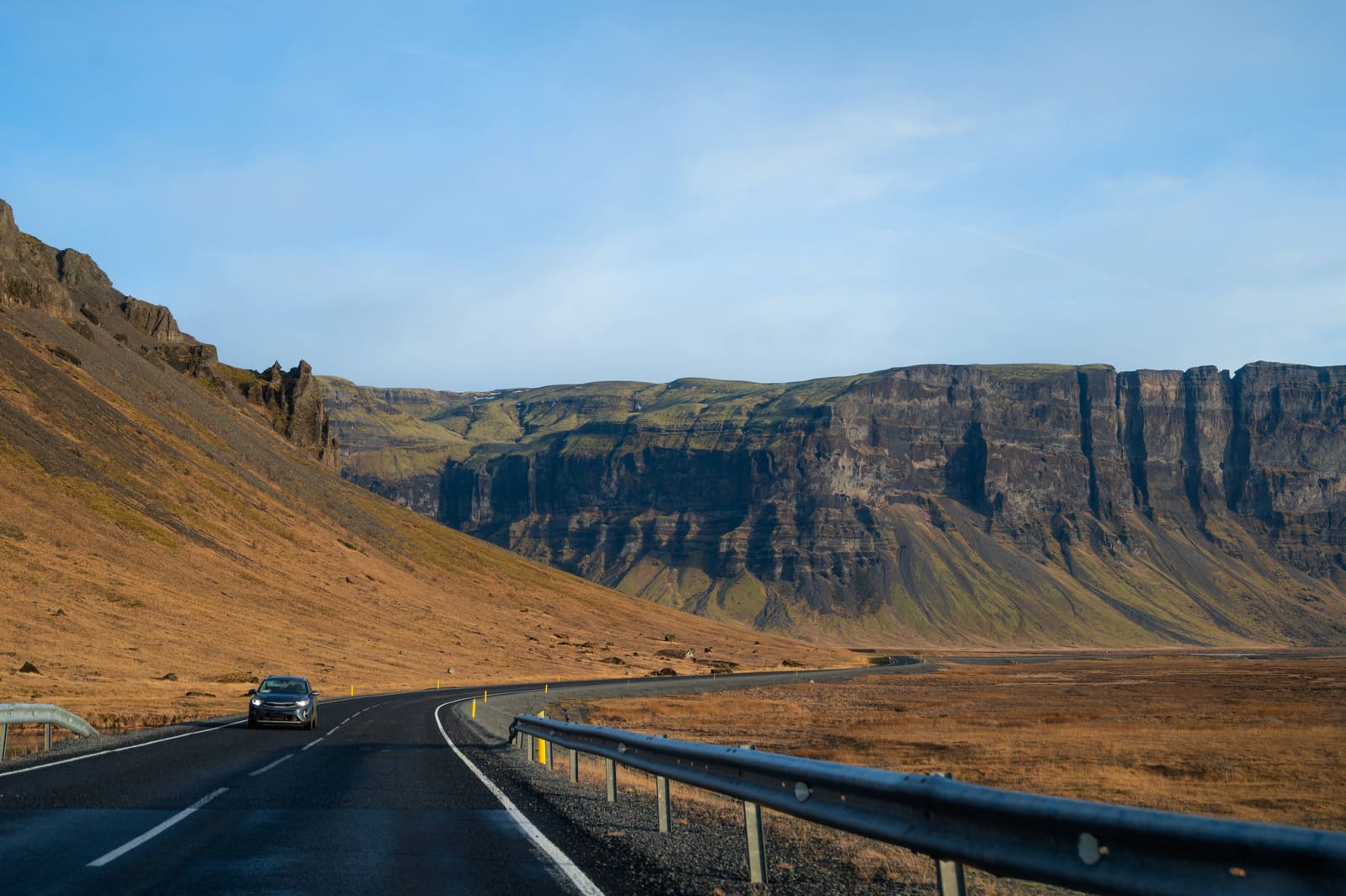
The Highlands are not one route. Choose a single access system—such as Fjallabak, Þórsmörk, Kjölur, Askja, or an eastern highland branch—then verify the vehicle, booking, road, weather, and fallback assumptions for that exact plan.
Suggested stay
1 day for one gateway; several days for a corridor or trek, plus transfer and weather margin
Route role
Optional interior corridor or gateway reached from a lowland route
Season
Ordinary mountain-road access is seasonal, usually in summer; exact opening and closing depend on the road and conditions
Access rule
Road status, vehicle approval, bookings, and weather are route-specific
Region essentials
Suggested stay
1 day for one gateway; several days for a corridor or trek, plus transfer and weather margin
Route role
Optional interior corridor or gateway reached from a lowland route
Season
Ordinary mountain-road access is seasonal, usually in summer; exact opening and closing depend on the road and conditions
Access rule
Road status, vehicle approval, bookings, and weather are route-specific
In this guide
Which Highlands area fits your trip?
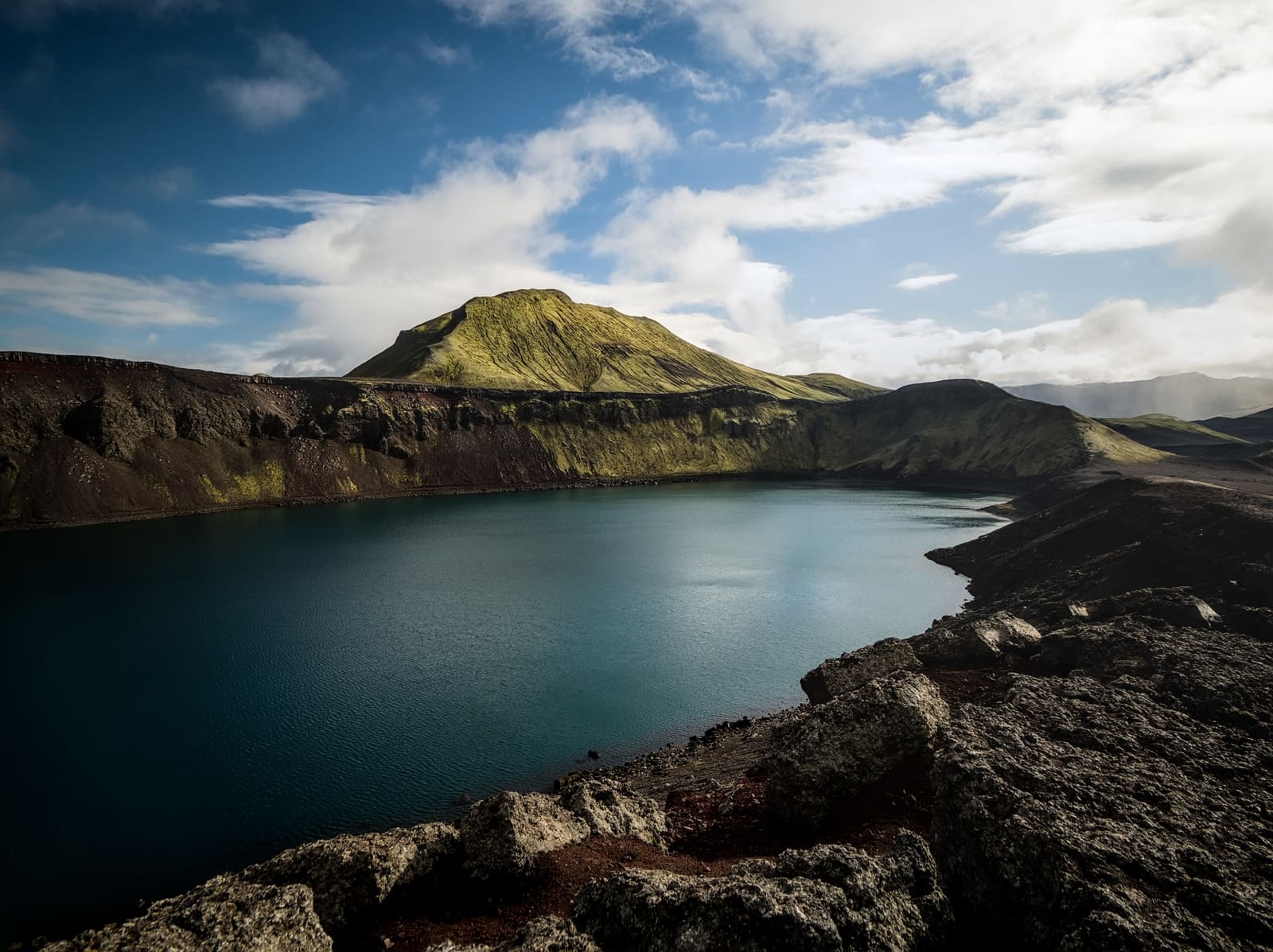
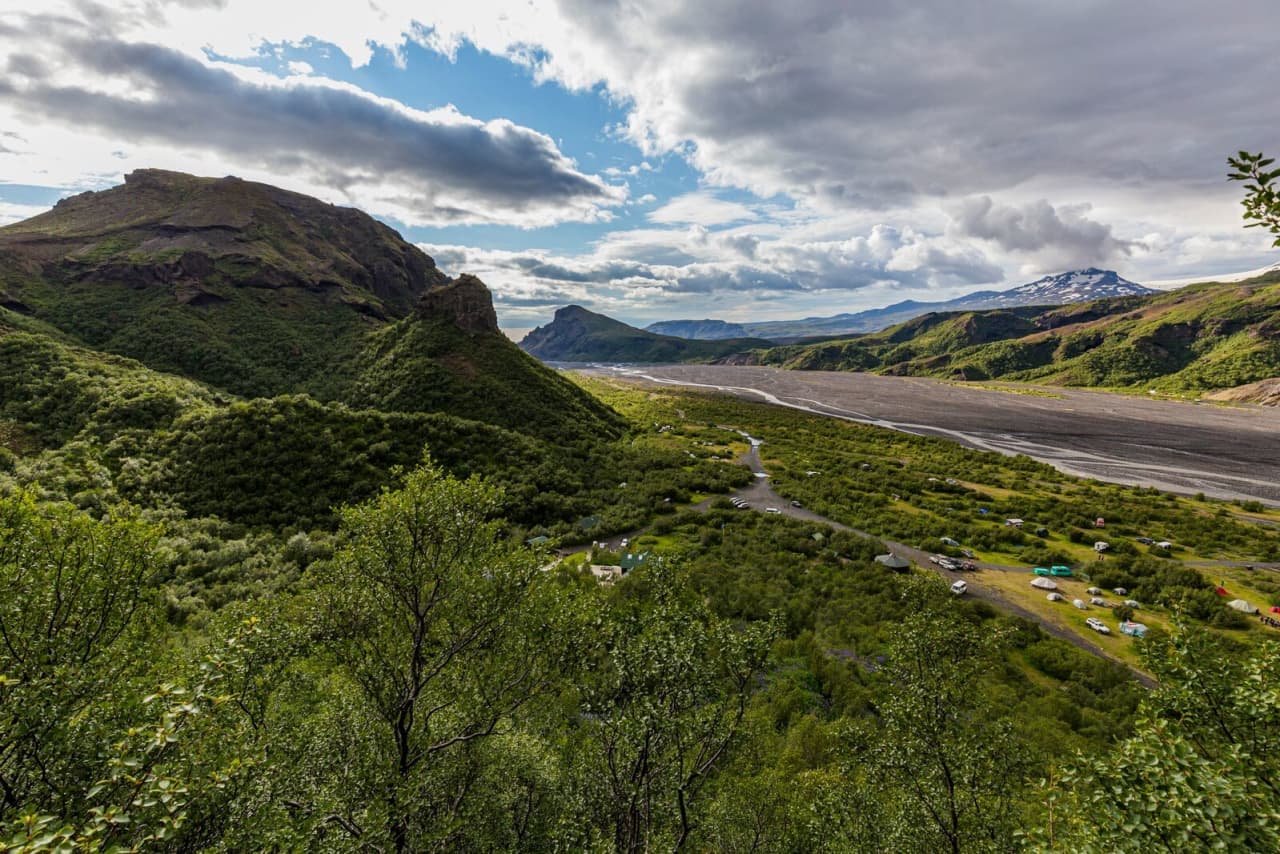
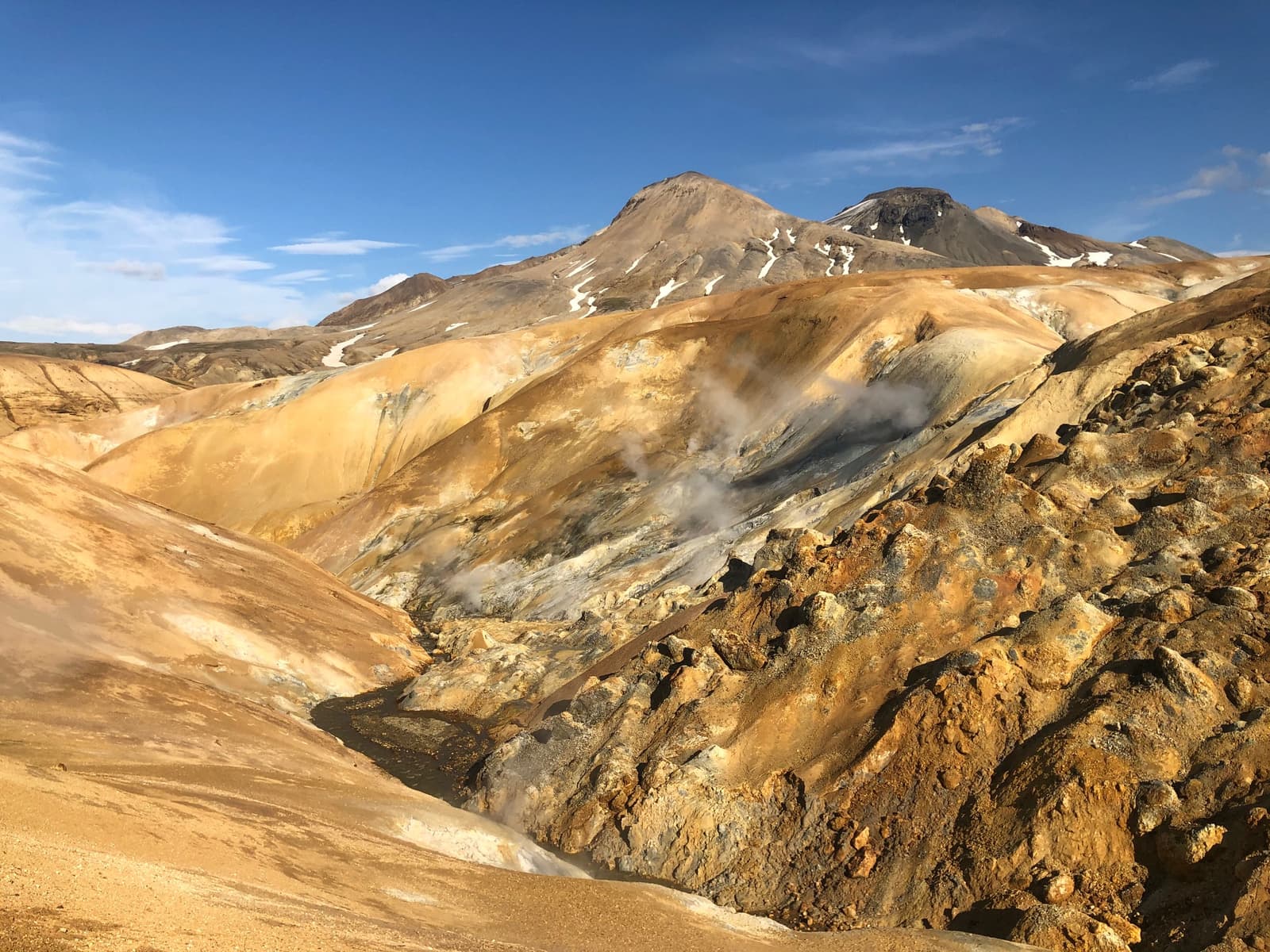
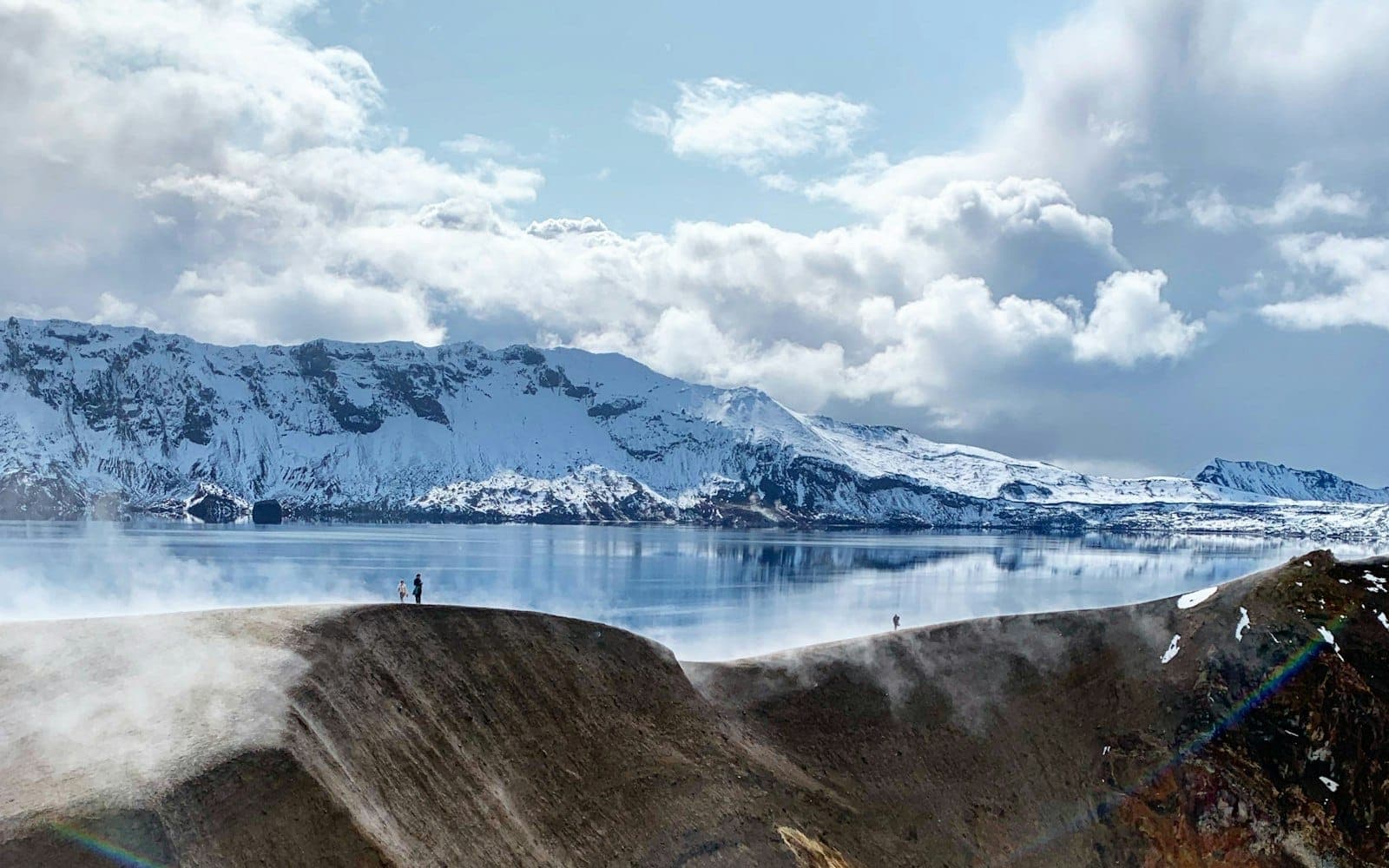
Choose Landmannalaugar for a hiking gateway, Þórsmörk for a valley hiking trip, Kjölur for a central corridor, or Askja for a remote northeast journey. Compare the access demands below before committing to one area.
Ordinary mountain-road travel is a seasonal summer option. Snow, thawing ground and route conditions decide when each road opens or closes; a historical date does not confirm access for your visit. Keep a lowland alternative and check the official road status immediately before departure.
A selector for Highlands areas, not a route sequence.
Corridor or format
Planning role
First question
Tradeoff
Fjallabak and Landmannalaugar
A focused hiking and geothermal gateway, interior stay, or Laugavegur endpoint
Which road or scheduled transport is suitable, and are current parking controls handled?
Road, river, parking, and weather assumptions vary by approach
Þórsmörk
A hiking-led valley destination with its own transport system
Is the group using verified specialist transport or an appropriately assessed route?
It does not combine casually with a Landmannalaugar self-drive day
Kjölur, Hveravellir, and Kerlingarfjöll
A central corridor or north-and-south interior segment
Is the exact road open and suitable from the chosen entry side?
An improved main corridor does not make every branch or hike low-risk
Askja
A remote northeast interior destination
Does the trip have the transport, margin, and park guidance for this route alone?
It is a substantial commitment, not an add-on to the southern Highlands
Laugavegur
A hut-to-hut or campsite trek between Landmannalaugar and Þórsmörk
Are all overnights and both endpoint transfers confirmed?
Booking and trail logistics replace road-trip flexibility
Eastern Highland Circle
An East Iceland interior circuit
Are the full circuit, vehicle, road openings, and limited services acceptable?
It competes with Eastfjords and Lagarfljót time rather than extending them for free
Use the Highlands road-trip guide for detailed self-drive pressure and the named attraction or trail page for the final visit decision.
Good to know
Is this right for you?
Best for
flexible summer trips
one carefully chosen interior corridor
route-approved transport
Think twice if
fixed itineraries with no fallback
drivers relying on a generic four-wheel-drive label
One day reaches a gateway; several days create a Highlands segment
The time needed depends less on the word Highlands than on whether the trip is sampling one gateway, crossing a corridor, or hiking between huts.
How time changes a realistic Highlands plan.
Time protected
Realistic scope
Avoid
One day
One accessible gateway or a guided or scheduled-transport visit with a conservative return
Linking two corridors or adding a remote onward booking
Two nights
One corridor with an edge base before and after, or a focused stay near one interior area
Treating an open road as permission to add every nearby pin
Three to four days
A focused interior stay or a trek only if its stages fit; protect transfer and weather time separately
Mixing a self-drive circuit, long trek, and distant second corridor
Longer
A specialist interior trip built around verified transport, huts, and route conditions
Applying one vehicle or packing assumption to the whole interior
A one-day plan is strongest when the access is already solved—an approved simple self-drive route, scheduled highland transport, or a guided trip—and the lowland return remains flexible. A longer stay does not remove access risk; it creates room to wait, turn around, or change the order.
The Laugavegur is a separate multi-day hiking format. Ferðafélag Íslands describes four days as the common hiking duration; that is walking time, not a complete airport-to-airport holiday with transfer and weather margin. Confirm huts or campsites and both endpoint transfers before departure.
Match the lowland nights to the chosen corridor
The useful base is on the edge of the selected access route, not at the imagined center of the Highlands.
Fjallabak, Þórsmörk, Kjölur, and Askja use different approaches. Place the nights before and after the interior around that one corridor, keep the following day flexible, and use the detailed road-trip guide before fixing lodging or an interior overnight.
Access responsibility can rule the Highlands out
A generic four-wheel-drive label does not prove that a road, river, driver, or rental agreement fits the selected corridor.
Some interior roads are rough or steep and some include unbridged rivers. Confirm the exact route and exclusions with the rental company, then decide honestly whether the driver can turn around without schedule pressure.
Use the Highlands road-trip guide to compare route demands and self-drive alternatives. Neither guide can establish whether a river is safe to cross on the day.
Season decides whether the interior is an option
Mountain roads open when snow, thawed ground, road condition, and protected terrain can support traffic—not when a planned holiday reaches a familiar week.
The Road and Coastal Administration publishes historical opening ranges, but the deciding factors vary by road and year. A road may be free of snow while surrounding protected ground is still too vulnerable for opening.
Use Umferðin, the Central Highlands forecast, and SafeTravel close to departure. If the exact corridor does not work, use the complete lowland fallback rather than substituting another interior road at short notice.
September can bring the end of ordinary mountain-road access. Do not carry a summer route into autumn just because a hotel or parking space can still be booked. Winter access is a specialist decision for an operator that can confirm a permitted route and suitable conditions; it is not ordinary rental-car touring.
An open road does not prove that parking, a hut, a campsite, or endpoint transport is available.
Parking controls, hut or campsite capacity, and endpoint transport can be route-specific and time-sensitive. Confirm only the services the chosen corridor requires, then use the route, trail, or operator guide for current booking details.
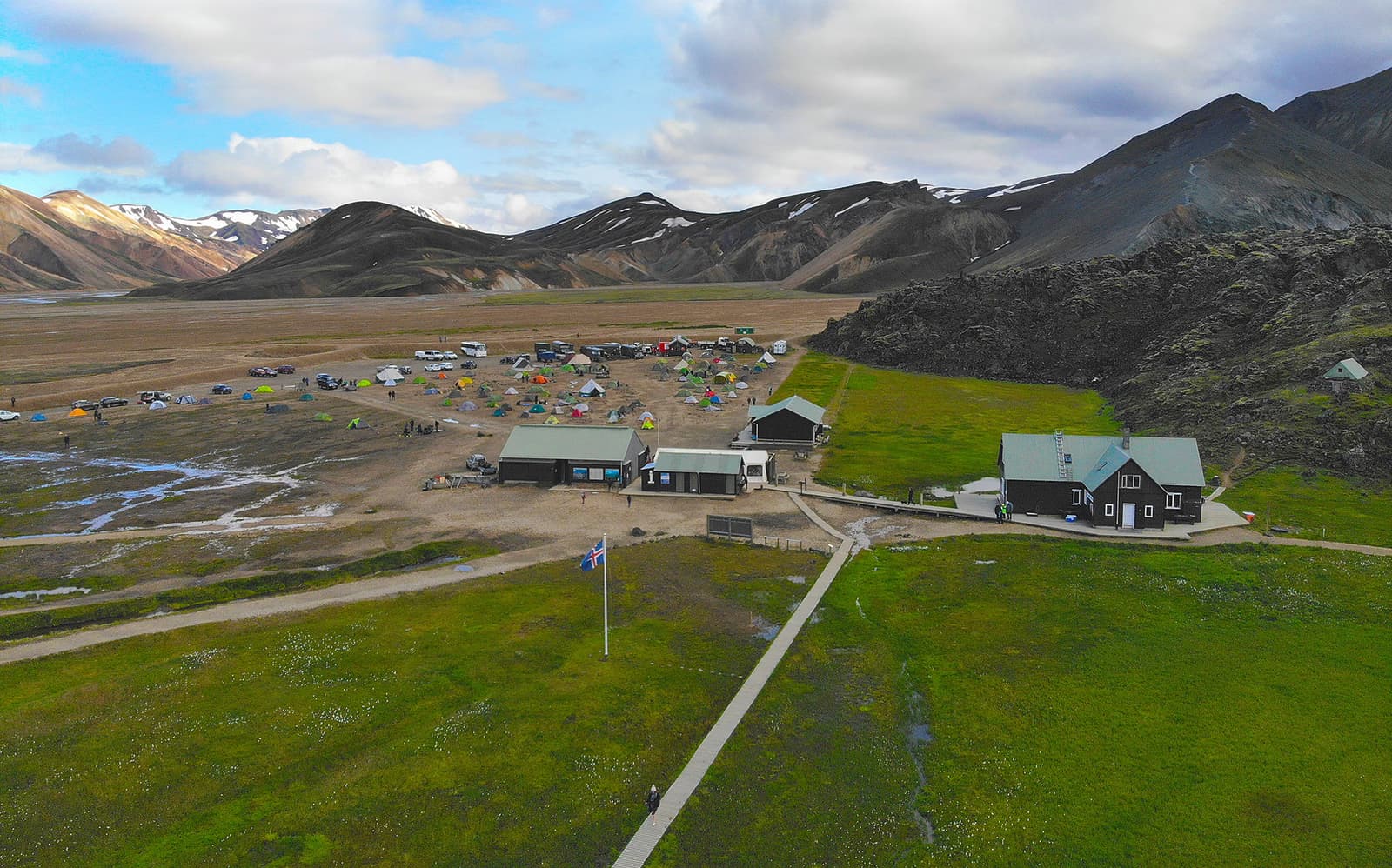
For Landmannalaugar in 2026, parking reservations cover arrivals between 09:00 and 16:00 from 20 June through 13 September. A service fee also applies outside those hours. Parking, an overnight stay and transport are separate arrangements; none confirms that your approach road will be usable.
Highlands access rules protect terrain that can remain wet, thawing, or easily damaged after snow retreats.
Fjallabak guidance asks drivers to use mapped roads and avoid damaging sensitive terrain. Mountain-road authorities likewise explain that premature traffic can damage roads and vegetation, and that an area may remain closed even when a road appears free of snow.
Kerlingarfjöll adds another reason to stay on marked routes: sudden weather, fragile geothermal areas and unreliable phone coverage. Prepare navigation offline, carry backup power and share the route and overdue check-in plan before leaving the lowlands. The driving guide’s emergency preparation explains 112 contact alternatives and their limitations.
Choose the Highlands for flexibility, not for a fixed trophy list
The Highlands fit travelers who can make a conservative route choice and still enjoy the trip if that choice changes.
When an interior segment fits and when to stay in the lowlands.
Choose the Highlands when…
Stay in the lowlands when…
One corridor is a primary trip reason
The interior appears only as extra pins on an already full Ring Road
Vehicle, road, bookings, and weather can be checked close to travel
A non-refundable chain depends on one road staying open
The group will turn around or use scheduled or guided access
The driver feels pressured to attempt a river or rough road to save the itinerary
A complete lowland fallback is already planned
The fallback is another interior road affected by the same system
Skipping the Highlands after a poor check is a successful planning decision. The trip should not need unsafe confidence to protect its value.
Highlands mistakes that join incompatible access systems
The most damaging Highlands mistake is treating separate corridors as if they were nearby neighborhoods.
Adding Landmannalaugar, Þórsmörk, Kerlingarfjöll, and Askja to one short list without choosing a corridor.
Booking a generic four-wheel-drive vehicle before checking every road and rental exclusion.
Using a historical opening table as a promise for a future date.
Assuming an open road also means parking, huts, campsites, or transport are available.
Making the next fixed lowland booking so tight that turning around feels impossible.
Calling another interior road the fallback when the same weather or closure can affect it.
Fix the plan by keeping one corridor, moving the next overnight to the edge, or changing to guided or scheduled access. If those fixes do not create margin, remove the Highlands from this trip.
Use the route page for execution and place guides for the final choice
This page should settle the area choice, then send the reader to the guide that answers the next practical question.
There is no single Highlands opening date. Each mountain road opens according to snow, thaw, surface condition, and protected-area readiness. Check the exact road on Umferðin close to travel and keep a lowland alternative.
Do you need a four-wheel-drive vehicle in the Highlands?
It depends on the exact road, and not every four-wheel-drive vehicle is suitable for every F-road or river crossing. Confirm the full route with the rental company and use current official guidance before departure.
Can the Highlands be a day trip?
One carefully selected gateway can work as a long day when access and return margin are sound. Do not connect several interior areas. Guided or scheduled transport may be the better day-trip format for the chosen destination.
Which Highlands area is best for a first visit?
Choose by trip fit: Fjallabak for a focused Landmannalaugar plan, Þórsmörk for its own hiking and access system, Kjölur for a central corridor, or Askja for a dedicated northeast commitment. The best choice is the one your transport, days, and fallback can support.
Do I need to reserve Landmannalaugar parking or Highlands huts?
Check the separate parking, overnight and transport arrangements for the chosen destination. Landmannalaugar has a daytime parking reservation system in the 2026 summer window; Laugavegur hikers should confirm huts or campsites before starting. An open road does not guarantee a place to stay.