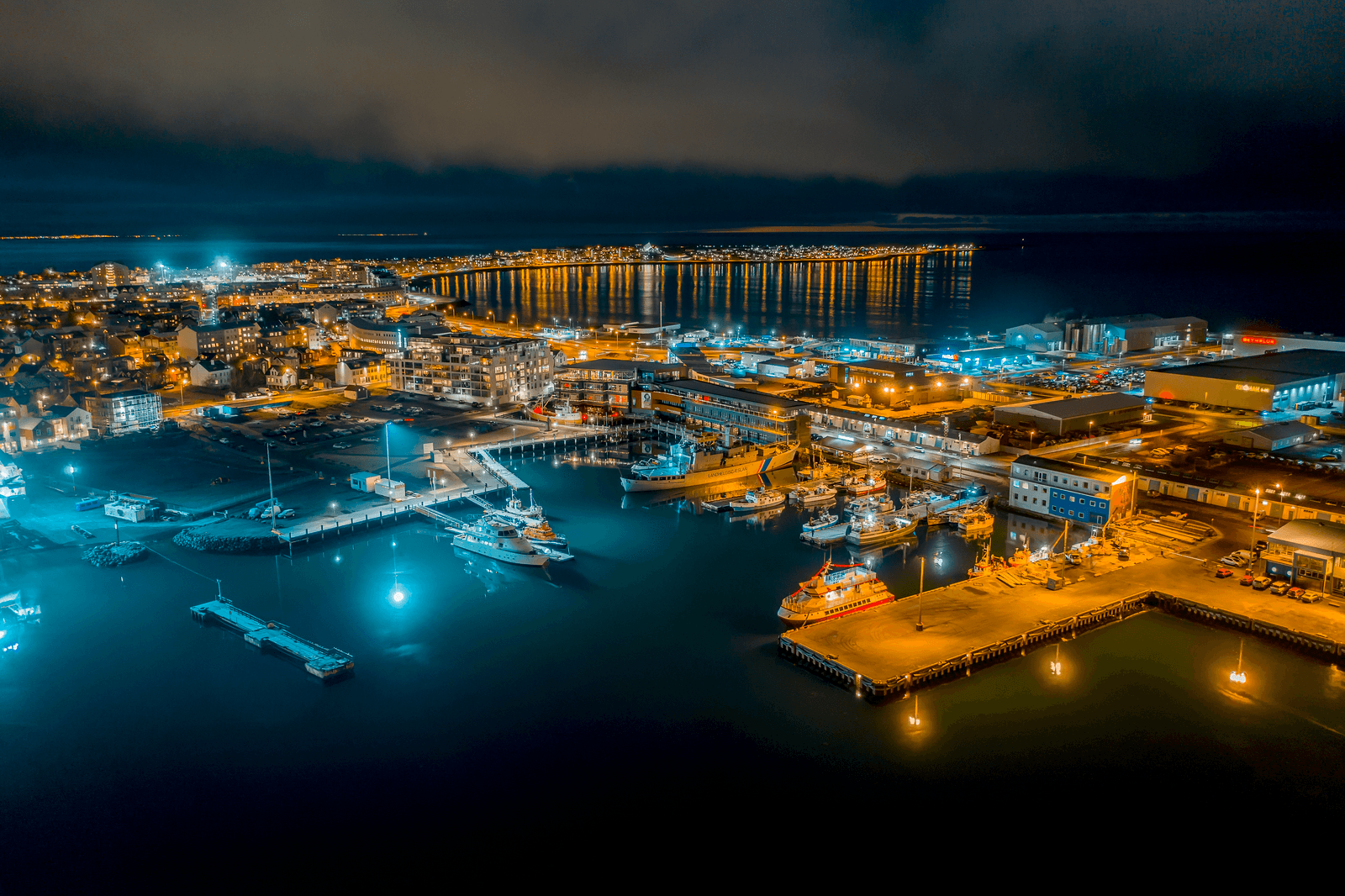
Reykjavík Old Harbour is the capital’s historic working waterfront, worth adding when you want a low-pressure city walk, boat-pier atmosphere, Grandi museums, and a practical way to connect downtown with the bay.
Coast snapshot
Type
Historic harbour district, working waterfront, boat-pier area, and Reykjavík city-walk stop
Setting
Gamla höfnin beside downtown Reykjavík, extending toward Grandi and Faxaflói bay
Time to allow
20-40 minutes for a short harbour walk, or 1.5-3 hours if you add Grandi, museums, food, or a boat departure
Best experience
Slow walking pace, workable weather, and enough flexibility to choose between the quays, Harpa-side waterfront, and Grandi
Effort
Low walking effort from central Reykjavík, with comfort shaped by wind, rain, ice, darkness, and dockside surfaces
In this guide
Reykjavík Old Harbour is worth visiting if you want a flexible city walk with sea air
Yes, Reykjavík Old Harbour is worth visiting if you want a flexible city walk with sea air, working boats, food stops, and easy links into Grandi. It is weaker if you want one dramatic landmark with a clear start and finish.
The useful way to judge the harbour is by rhythm. It is not a single monument. It is a waterfront district where fishing history, whale-watching piers, tour boats, restaurants, museums, warehouses, and bay views sit close enough to turn a spare hour into a real Reykjavík stop.
Add Reykjavík Old Harbour when a city day already includes Harpa, Sun Voyager, or a Grandi museum. Skip a dedicated detour when Hallgrímskirkja, Perlan, or the National Museum would answer the day better.
Choose the harbour version that matches your Reykjavík day.
Visit choice
Use it when
Plan for
Quick waterfront pass
You are nearby and want boats, sea air, and a short visual pause.
A compact walk without forcing extra museum or food time.
Harbour and Grandi wander
You want maritime history, Þúfa, bay views, and a slower district feel.
A flexible block with room to stop or turn back.
Boat-departure anchor
Your day includes whale watching, puffins, sea angling, or a bay cruise.
Operator details checked before the harbour becomes fixed.
What makes the Old Harbour different from the rest of downtown?
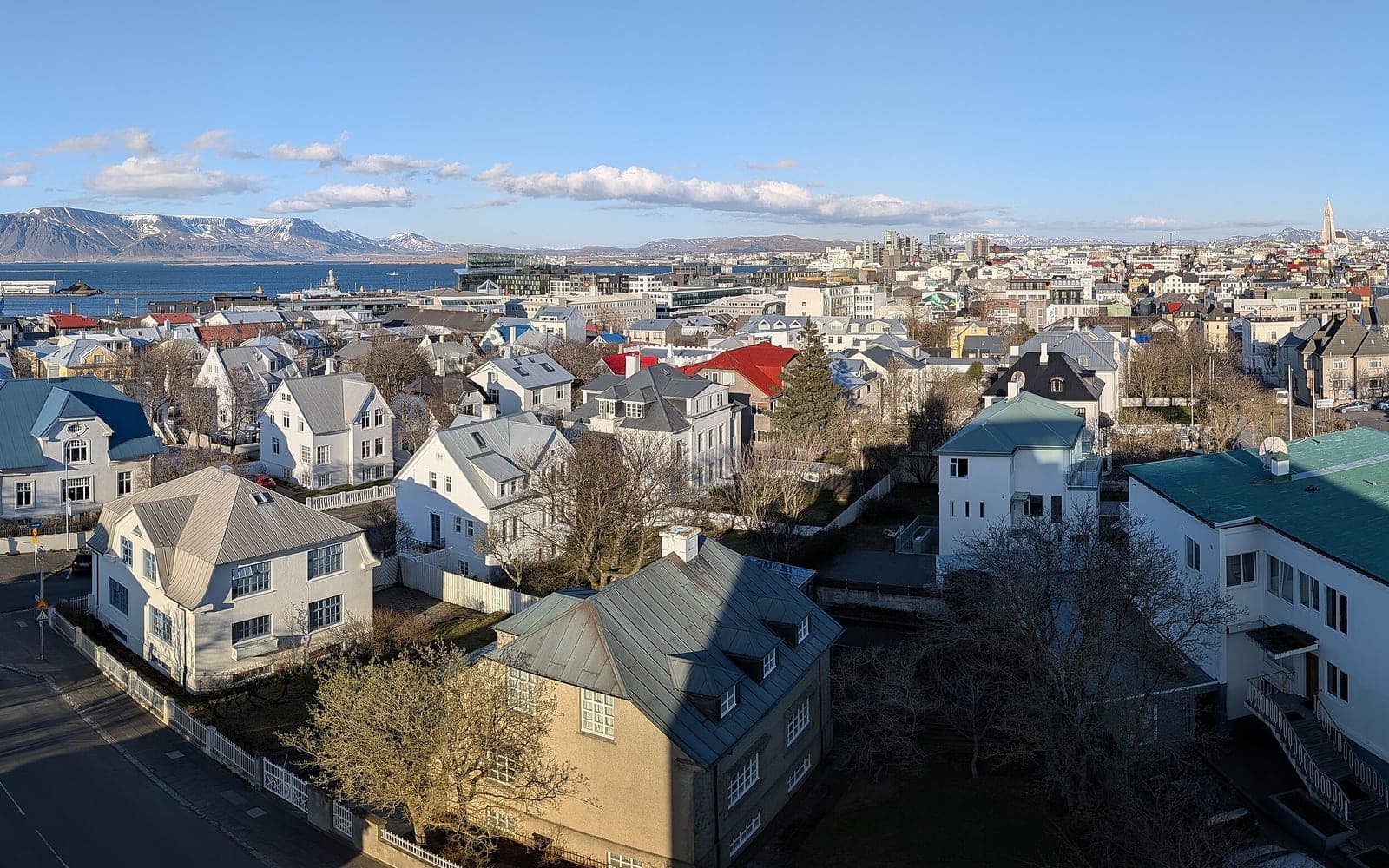
The harbour gives Reykjavík a working-waterfront edge. You still feel close to downtown, but the streets open toward boats, quays, warehouses, Mount Esja, and Faxaflói bay.
Visit Reykjavík describes the old harbour as central to the city’s formation, with a natural harbour that helped shape the earliest settlement and later became one of the centres of the trawling industry. That history matters because the area does not feel like a polished waterfront theme park.
The modern visit is more mixed: working docks, tour departures, small boats, restaurant fronts, museum doors, and renovated harbour buildings. The appeal is the blend, not one perfect viewpoint.
Tour boats and working harbour details give the district its identity, even if you are only walking the quays.
How long should you spend around the quays?
Allow a short stop if you only want the harbour atmosphere, and a much slower block if you plan to continue into Grandi, eat nearby, or add a museum.
A quick visit can be as simple as walking from the city-centre side toward the boat piers, looking across the water, and deciding whether the weather rewards more time. That is enough if your main Reykjavík day belongs to Hallgrímskirkja or another stronger city anchor.
The harbour becomes more valuable when you stop treating it as one photo point. Continue toward Grandi if you want maritime exhibits, whale-focused attractions, Þúfa, food, or a calmer edge of the city. Turn back sooner if wind, rain, darkness, or low energy makes the waterfront feel exposed.
Reykjavík Old Harbour: the cleanest pairings stay in the same city rhythm
The cleanest pairings stay in the same city rhythm: waterfront, culture, viewpoint, or a compact Reykjavík base day rather than a scenery-heavy driving day.
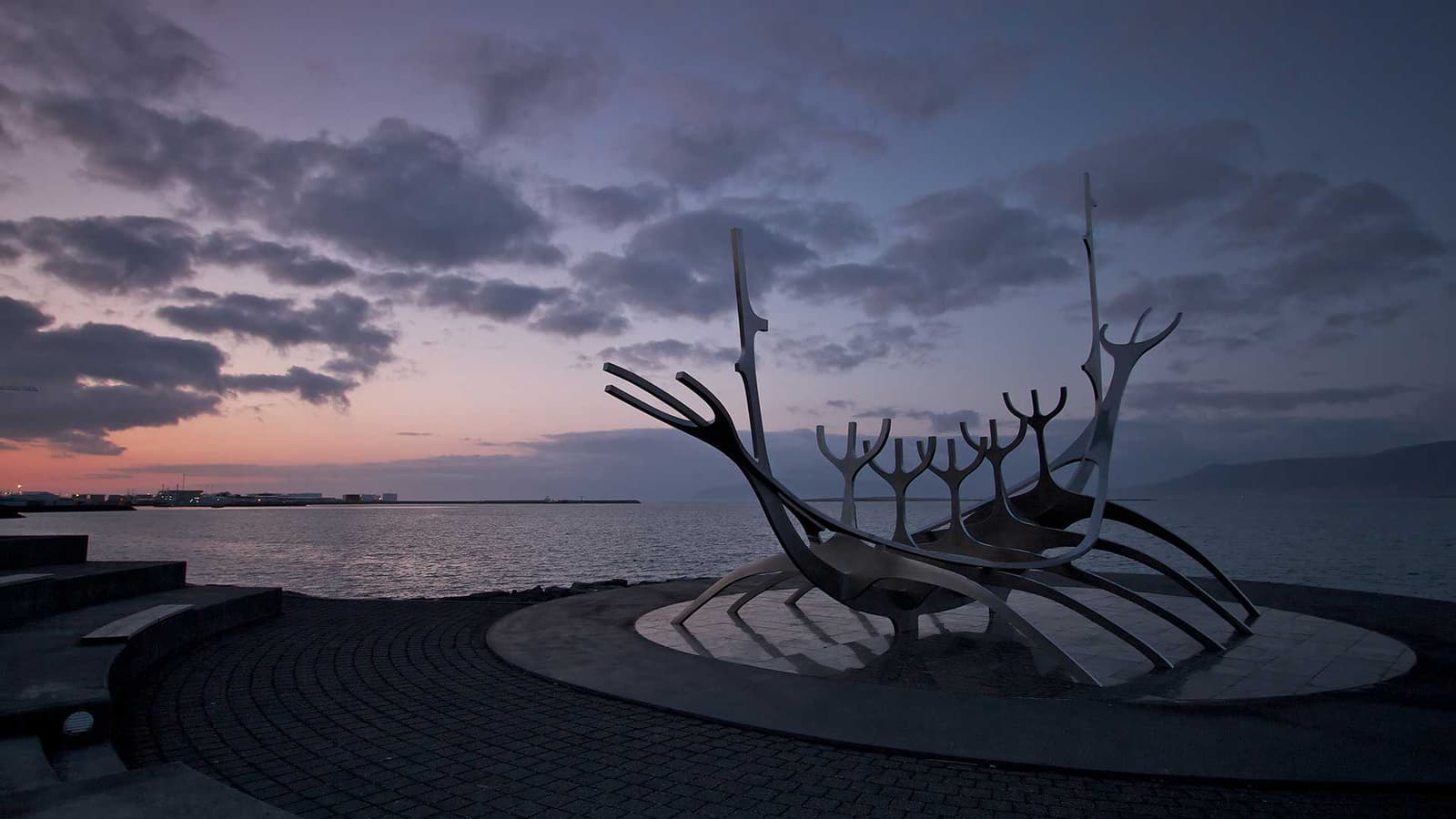
For a waterfront line, pair Reykjavík Old Harbour with Harpa and Sun Voyager. Harpa gives the architectural edge of the harbour side, while Sun Voyager works as the shorter sculpture-and-bay pause when you do not need the full Grandi extension.
For a stronger city-landmark day, compare the harbour with Hallgrímskirkja and Perlan before committing too much time. Hallgrímskirkja is the better central landmark; Perlan is the more structured viewpoint and indoor attraction; the harbour is the looser walk.
Grandi turns the harbour from a short waterfront pause into a slower district walk.
Choose Sun Voyager when you only want a quick waterfront sculpture and bay-view pause.
Choose Harpa when architecture, concerts, or the east side of the harbour matters more than Grandi.
Choose Hallgrímskirkja when your first Reykjavík walk needs the city’s clearest skyline landmark.
Choose Perlan when weather pushes you toward a more structured indoor-and-viewpoint stop.
When do boats, museums, and weather change the decision?
The harbour is easy to browse without much structure, but the moment you rely on a boat trip, museum, event, or access detail, you should verify the official source before locking the plan.
Boat trips are the biggest planning variable. Whale-watching, puffin, northern-lights, sea-angling, and other bay departures can make the harbour the natural anchor of a day, but they are operator-led experiences, not guaranteed by the harbour itself.
Weather also changes the value quickly. Wind can make the quays feel exposed, rain can shorten a casual walk, and low visibility can remove the mountain-and-bay payoff. Use the Icelandic Met Office before treating the waterfront as the main outdoor part of a short Reykjavík day.
Skip the harbour as a dedicated stop if your Reykjavík time is very tight
Skip the harbour as a dedicated stop if your Reykjavík time is very tight, the weather makes the waterfront unpleasant, or your day already has stronger city anchors.
Skip a special detour if you only have time for one Reykjavík landmark and have not seen Hallgrímskirkja.
Skip the long Grandi extension if Perlan, a museum, or a food plan already owns the same part of the day.
Skip a waterfront-heavy plan when wind, ice, rain, or low visibility would turn the walk into a chore.
Skip boat-led planning unless the operator details, sea conditions, and your wider schedule all line up.
The best compromise is often a short harbour pass-through on the way to or from another city stop. That keeps the waterfront in the trip without letting it crowd out the Reykjavík base day or the 5-Day Iceland Itinerary.
Use these sources for harbour context, Grandi-area planning, boat departures, and weather-sensitive decisions before making the waterfront the fixed point of a day
Use these sources for harbour context, Grandi-area planning, boat departures, and weather-sensitive decisions before making the waterfront the fixed point of a day.