Experience fit
- First ride
- Short guided outing
- Car need
- Lowest near Reykjavik
- Route fit
- Best with slack
- Comfort
- Weather and clothing matter
- Guide need
- Use a riding operator
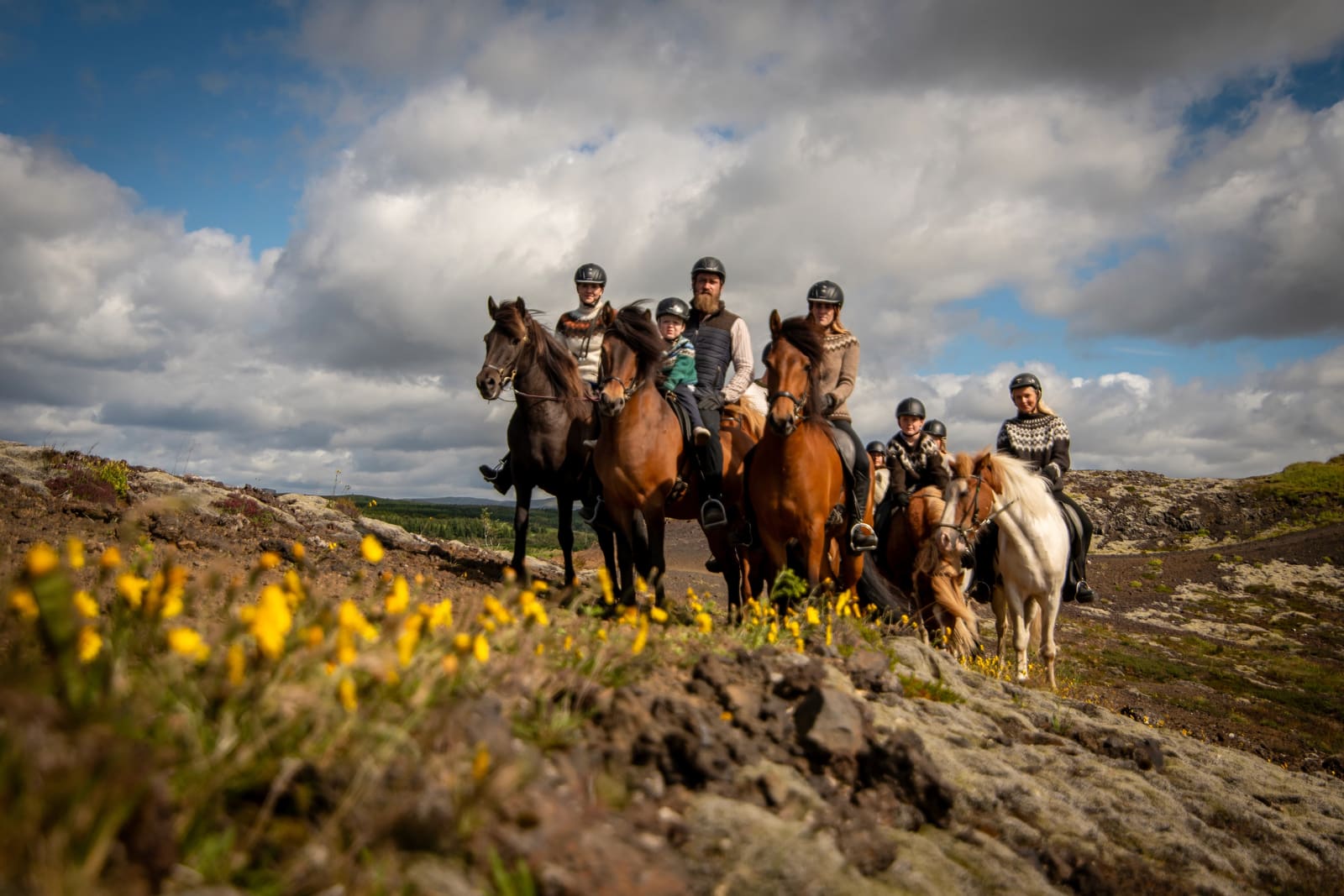
Icelandic horses make even a short ride feel distinctive, with their compact build, calm group rhythm, and famous tölt. Choose a Reykjavík-area lava-field outing for convenience, a South Iceland farm or beach ride for scenery, or a longer saddle day only when everyone is already comfortable riding.
Experience fit
A good horse-riding day starts with the kind of ride your trip can absorb, not with the prettiest operator image.
Icelandic horses make the activity feel specific to Iceland, but the wrong ride can still make a day worse. A short guided outing near a base is a very different choice from a beach ride near Vík or a longer saddle day for confident riders.
The best fit is usually the ride that leaves enough room for weather, changing clothes, slower roads, and a group that may not all love horses equally. If the day is already built around waterfalls, beaches, or a long drive, horse riding has to earn its place.
| Ride version | Best for | Not ideal for | Base or route fit | Car need | Main hurdle |
|---|---|---|---|---|---|
| Short first ride | Beginners and mixed groups | Experienced riders wanting pace | Near the base | Often no-car possible | Moderate |
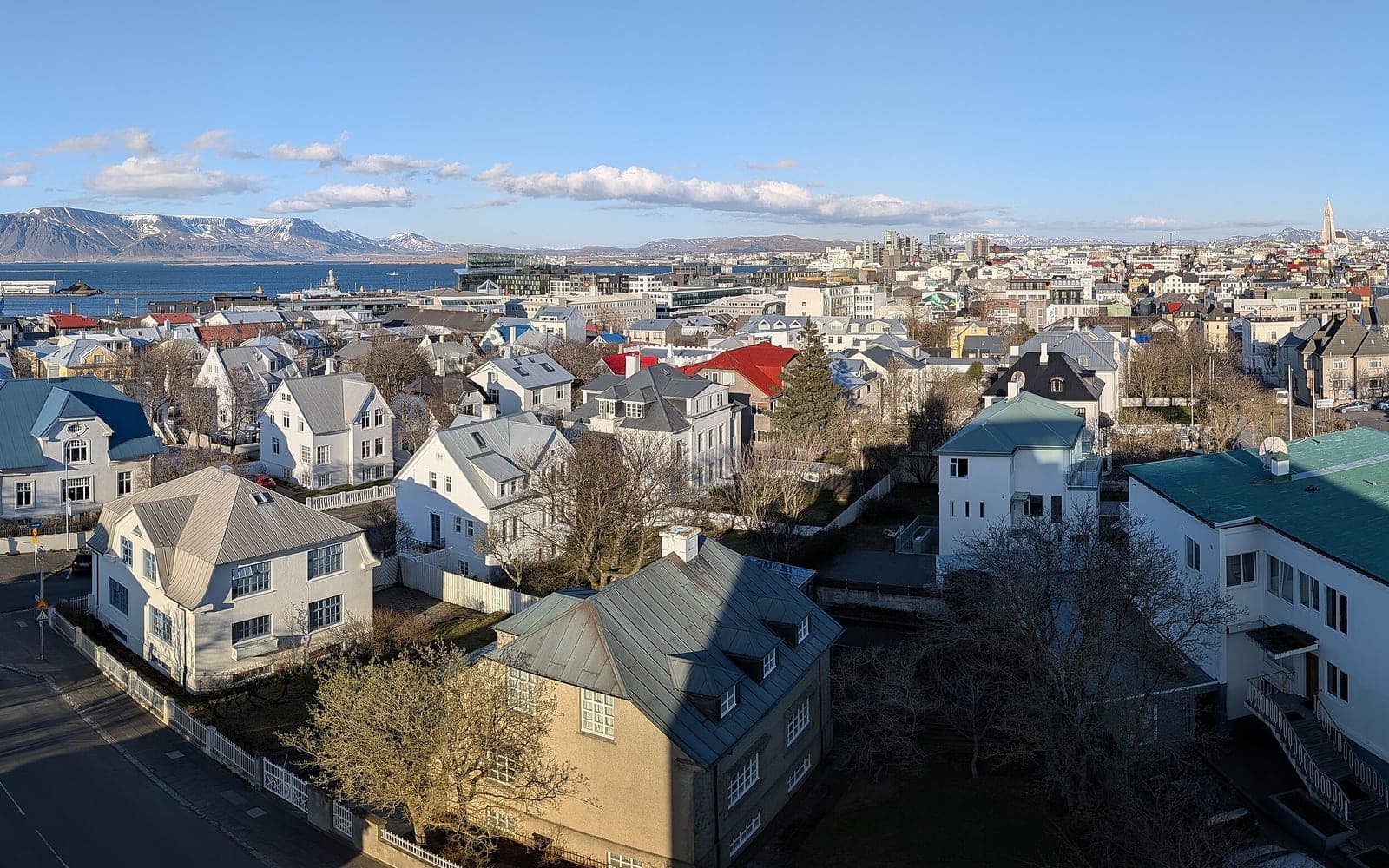
| Reykjavik-area lava field | Short stays and no-car plans | Travelers wanting remote scenery | Capital-area days | Lowest | Check pickup |
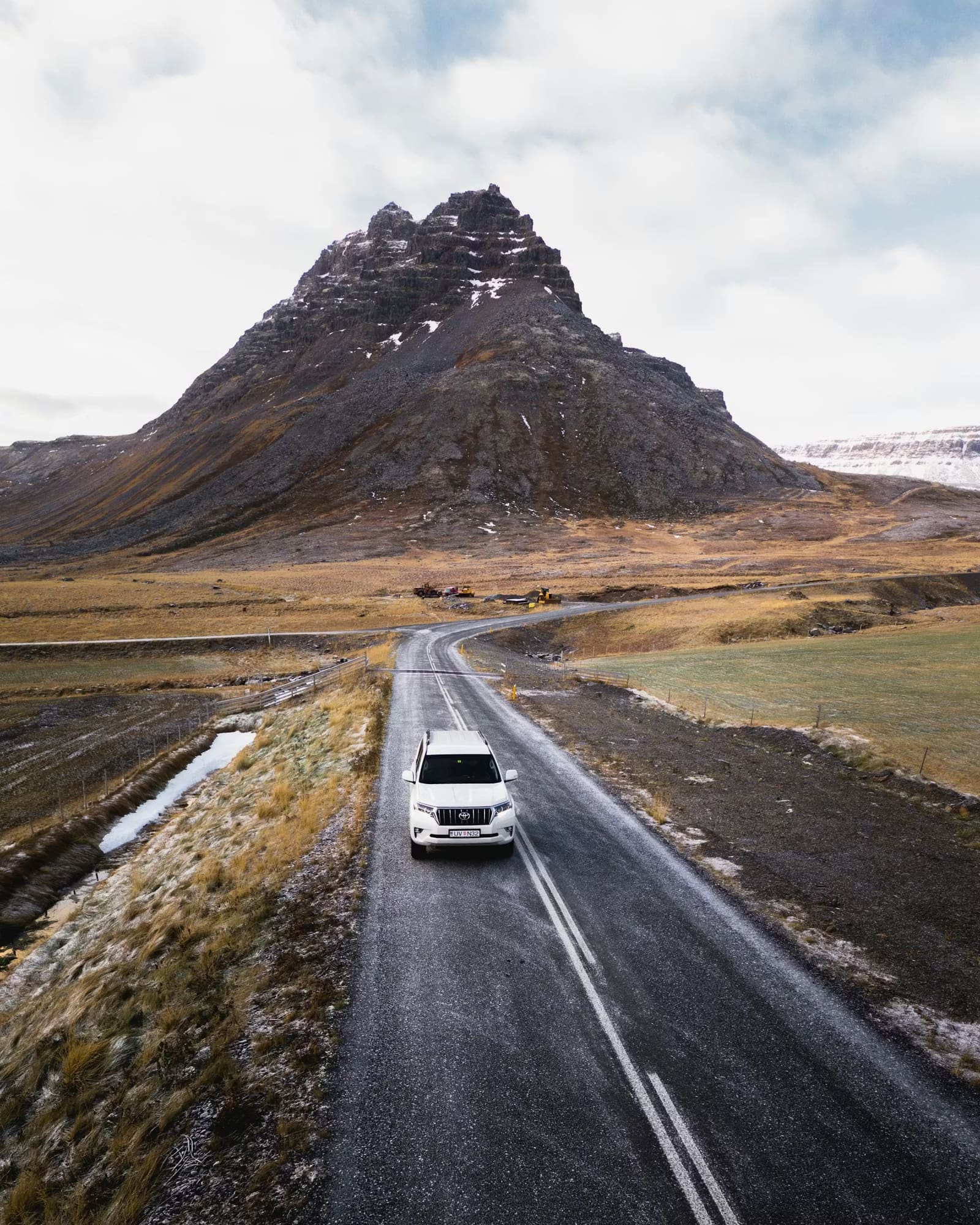
| South Iceland farm ride | Self-drivers with route slack | Packed South Coast days | Hveragerdi or countryside | Usually easier by car | Moderate |
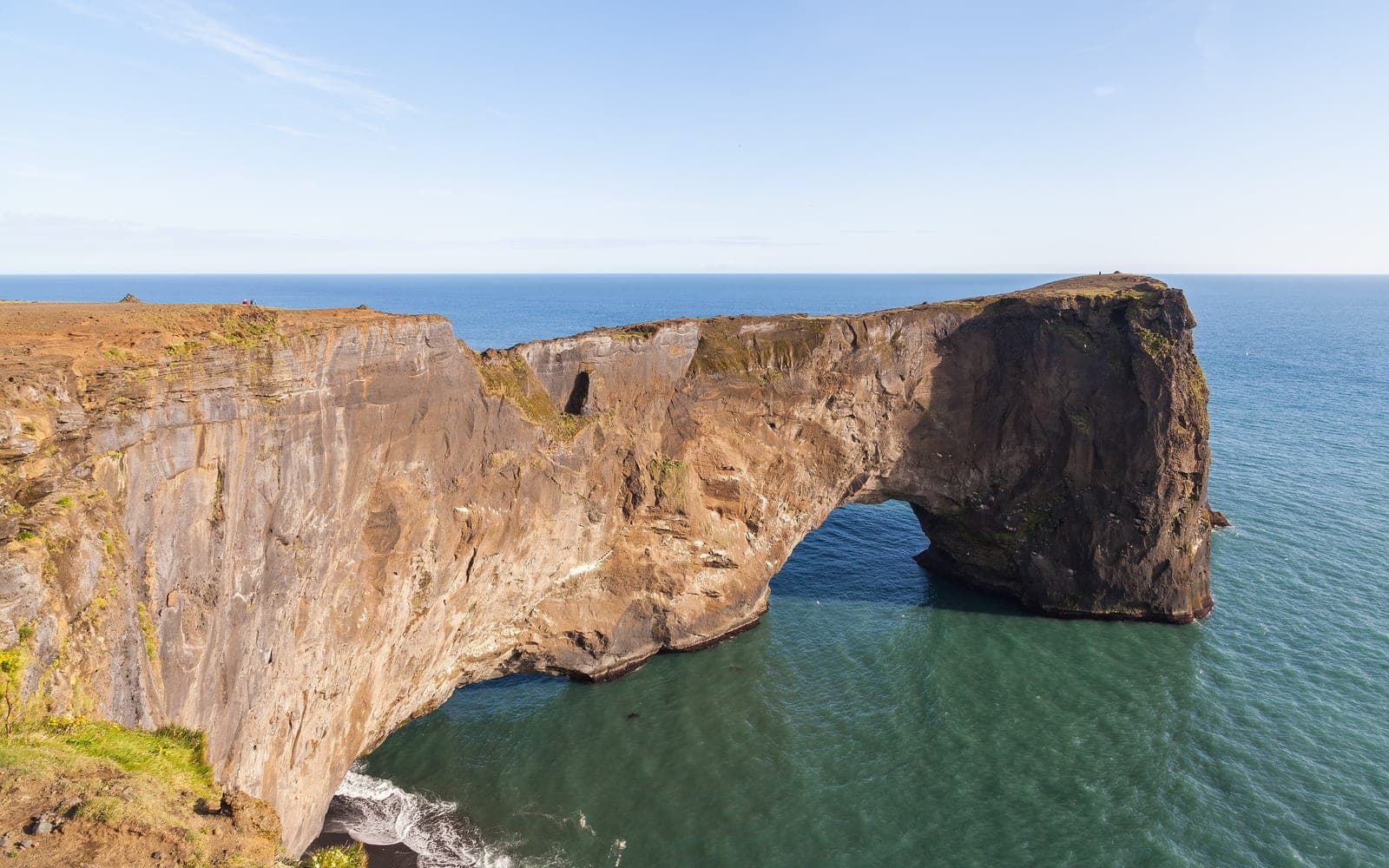
| Beach ride | A specific photo-rich experience | Rushed waterfall days | Vik or South Coast | Usually self-drive | Higher |
| Longer saddle day | Confident riders | Nervous beginners | Slower regional stays | Usually by car | Higher |
| Farm or horse visit | Horse-curious non-riders | People set on riding | Family or culture days | Varies | Lower |
Photo guide
1 / 7
Farm-based rides are strongest when the countryside stop already belongs in the route.
Good to know
Many travelers imagine a dramatic riding scene, then enjoy the trip more when the saddle time stays modest.
For first-timers, families, and mixed-confidence groups, a short guided ride is usually enough to meet the horse, feel the gait, and make the activity memorable without taking over the day. It is also easier to recover from if wind, rain, or nerves make the ride less comfortable than expected.
Longer rides belong to travelers who already know they like being in the saddle. Icelandic horses are sturdy and calm in good hands, but a longer outing still means more exposure, more clothing decisions, and less flexibility for the rest of the route.
The best riding base is usually the one that does not bend the route around itself.
A Reykjavik base is the easiest fit when you want an easy ride, especially without a rental car. Open a source such as Viking Horses for pickup, equipment, group, and eligibility details instead of assuming every city-area ride works the same way.
South Iceland is better when the ride naturally sits in the countryside plan. A regional source such as the Visit South Iceland operator listing is useful for understanding that format, but the ride still needs time around it. Do not make a South Coast road trip worse just to add a saddle photo.
Beach rides near the South Coast are the most visually tempting version and often the easiest to overvalue. They work best when the beach ride is the point of the stop, not when it competes with waterfalls, glacier time, and a long return drive.
North and West Iceland riding can be excellent on slower regional trips, especially where farms and local horse culture are part of the stay. On a first short trip, those options usually need a route reason beyond the ride itself.
Named rides become useful only after the base, rider confidence, transport, and terrain choice are clear.
These are representative direct-source options, not a ranking. Recheck booking status, participant rules, transport, clothing, and current conditions with each operator.
Viking Horses
Best forReykjavík-based beginners who value city pickup and a compact lava-field outing.
Keep in mindConvenience is stronger than remote-route scenery, and the live transport boundary still needs confirmation.
Check firstRecheck pickup area, rider eligibility, equipment, weather, and exact saddle time.
Eldhestar
Best forFamilies or self-drivers wanting a short South Iceland farm-based ride.
Keep in mindMeeting at the farm suits a route day better than a no-car city plan.
Check firstRecheck meeting instructions, participant rules, clothing, weather, and route timing.
Vík Horse Adventure
Best forBeginners making the Vík beach ride a deliberate South Coast stop.
Keep in mindThe location is tempting to overpack into an already full waterfall-and-beach day.
Check firstRecheck age, weight, mobility, language, weather, and arrival requirements.
The horse matters, but the page does not need to become a breed manual.
Icelandic horses bring their own character to the landscape. Their size, character, and gaited movement are part of why even a short ride can feel different from a standard vacation trail ride. The Horses of Iceland gait overview is the right place to go deeper on tölt and horse background.
For trip planning, the useful takeaway is simple: choose a proper riding operator or horse center, listen to the guide, and let the horse context improve the activity without turning the day into a lesson on breed trivia. The Visit Iceland horse overview is a good official source for the broader cultural context.
A ride that sounds easy on paper can feel very different in wind, rain, or cold fingers.
Horse riding is exposed enough that weather should shape the decision. Check the Icelandic Met Office forecast before treating the ride as fixed, especially in shoulder season or winter. The right clothing matters more than looking tidy in photos.
Self-drivers should also check official road conditions before adding a rural winter detour. If the road day is already uncertain, choose a easier winter activity, a city plan, or a warm indoor stop instead.
Horse riding is not the best answer for every Iceland trip, even when the photos look strong.
Skip horse riding when it turns a clean route into a backtrack, when the weather makes the group tense, or when only one person is excited. A short hiking plan, a pool, or a food stop can be a better fit if the day needs flexibility.
Also skip it if the real goal is only to photograph horses. Icelandic horses are owned animals, and the respectful version is to meet them through a farm, horse center, or guided ride. That choice is better for the traveler and better for the animals.
Use this before exposed rides or winter plans.
Use this before rural self-drive riding detours.
By ThorPublished Updated
Use these sources for the details that should stay outside a fixed article.
Use this for Icelandic horse background and gait context.
Use this for official horse culture context.
Use this for current ride, equipment, and visitor-fit details.
These are the questions that should change what you book, downgrade, or skip.
Yes, beginners can choose short guided rides, but the right operator, ride length, weather, and group confidence matter. Do not book a longer ride just because it looks more scenic.
Near Reykjavik is easier for no-car and short-stay travelers. Road-trip rides are better when they fit naturally into South Iceland, North Iceland, or a slower regional stay.
Often, yes, if you use a Reykjavik-area operator or a ride with transport options. Check the operator source directly because pickup, meeting points, and eligibility details vary.
It can be, but comfort and roads matter more in winter. Check weather, road conditions, clothing guidance, and whether the ride still leaves enough margin in the day.
Do not treat roadside horses as public attractions. Meet horses through a farm, horse center, or guided ride, and avoid feeding, fence crossing, or private-land guessing.
Regions
See which part of Iceland is most convenient for this experience and what else you can visit nearby.
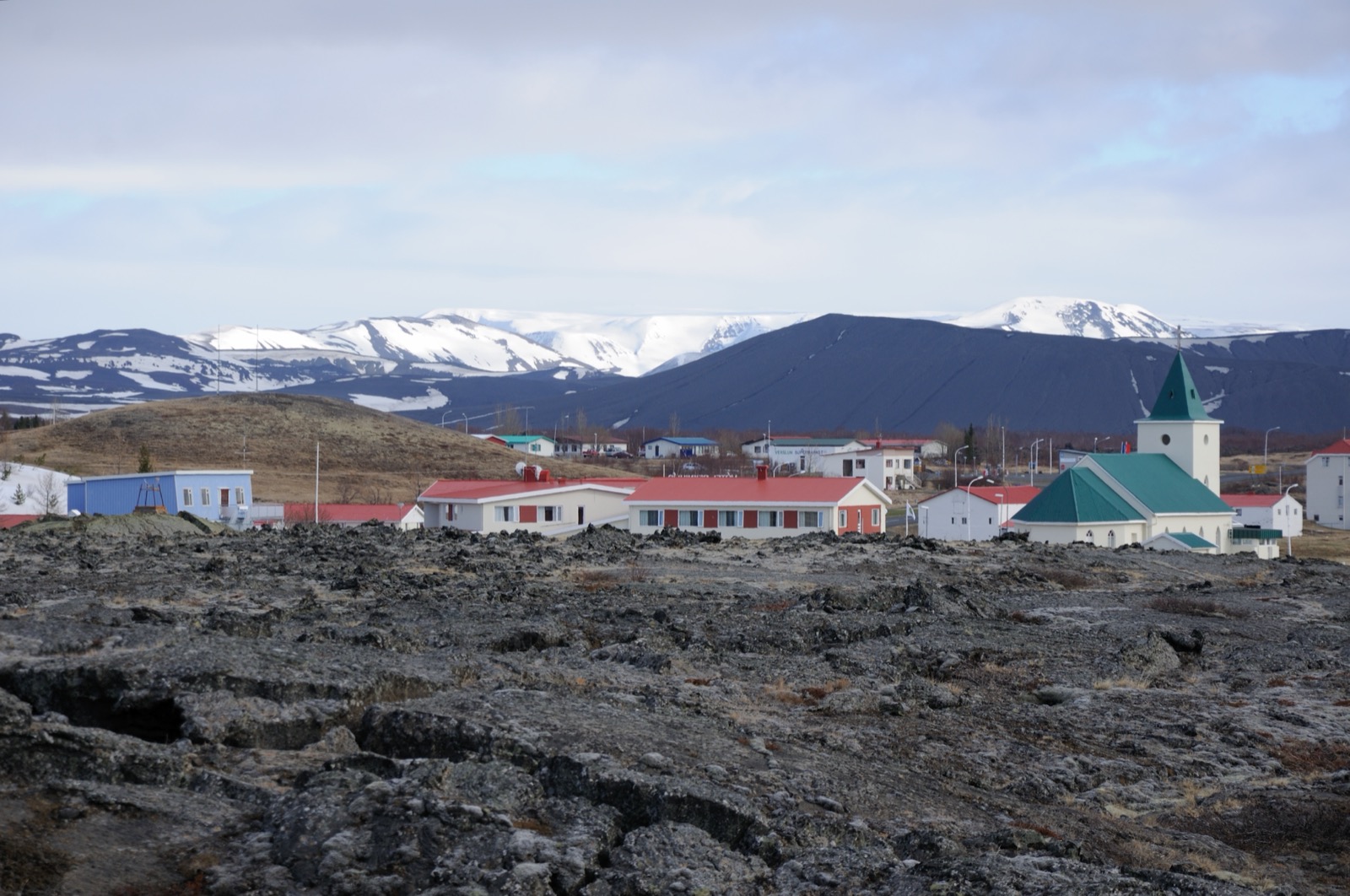
Choose North Iceland when you can spare several days for Akureyri, Mývatn, Húsavík, and canyon country; one rushed overnight barely reaches the region.
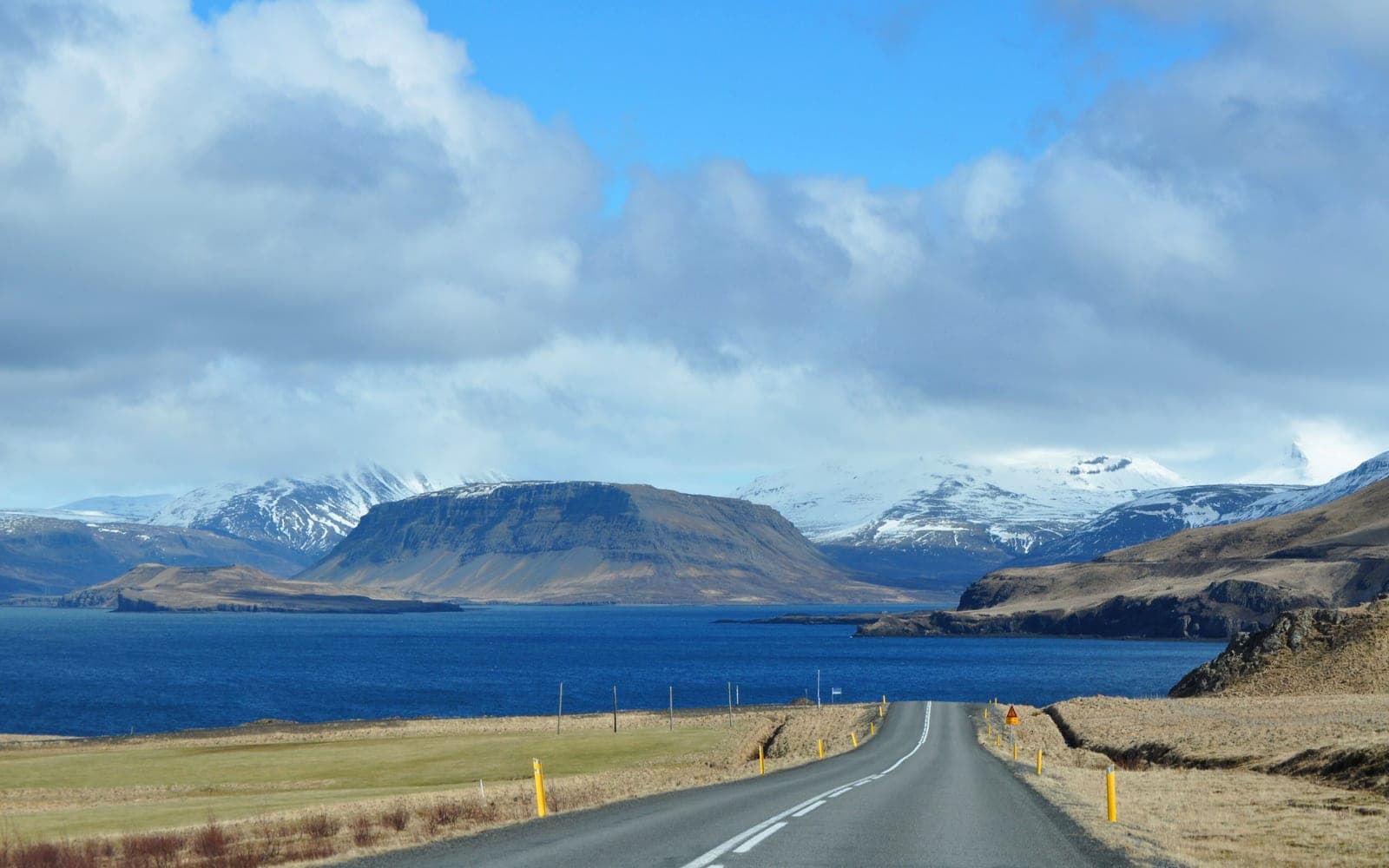
Choose West Iceland for a Borgarnes-based mix of waterfalls, geothermal stops, and caves; skip it if Snæfellsnes already fills your spare westbound day.
Road trips and itineraries
See where this experience fits into a road trip or day-by-day itinerary.
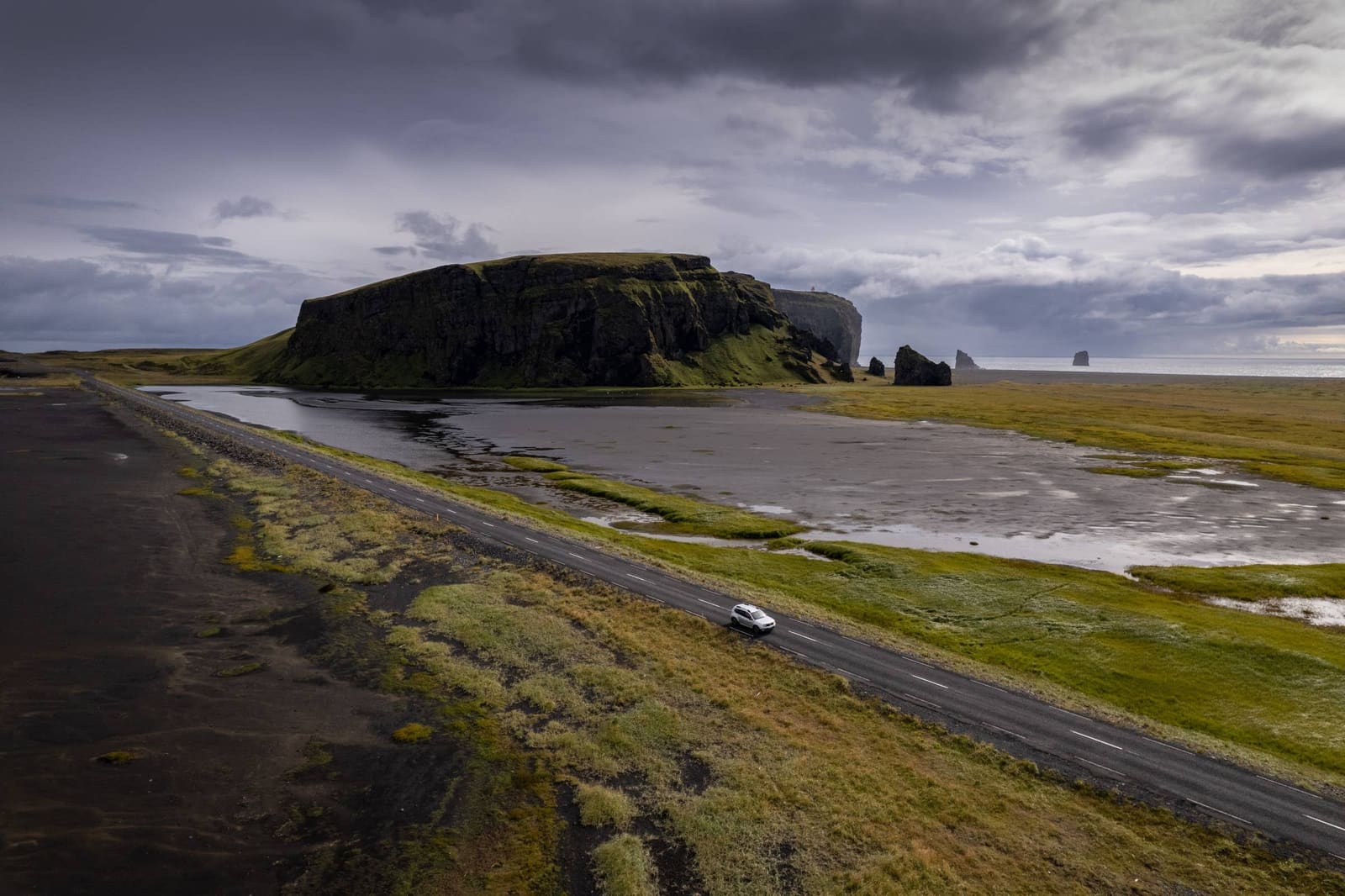
A realistic first-trip route through Reykjavík, the Golden Circle, and the South Coast, built for five calendar days without turning the final day into a race to the airport.
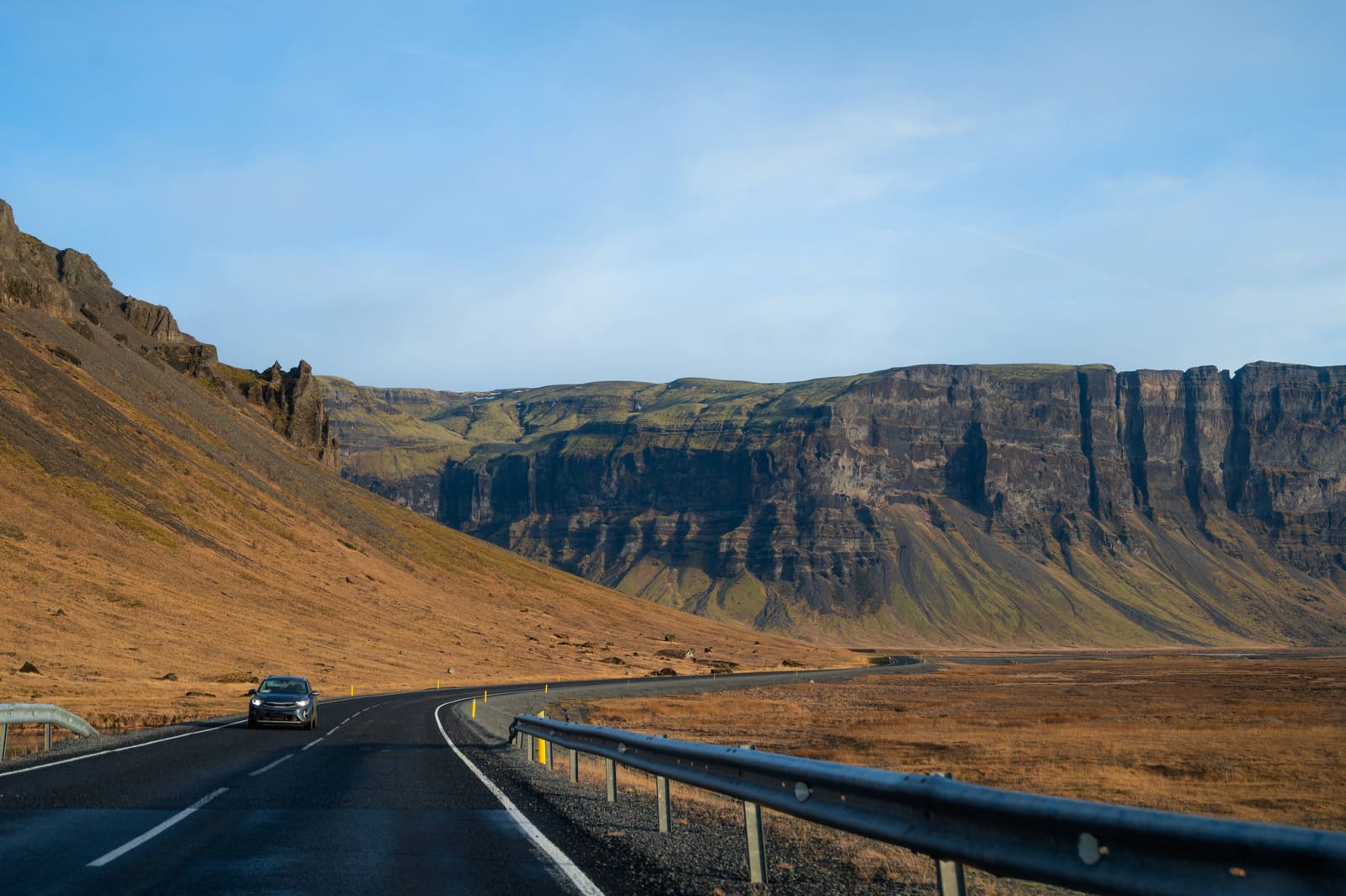
A route-first guide to deciding whether Iceland’s South Coast works as a day trip, one-night drive, or slower two-night route.
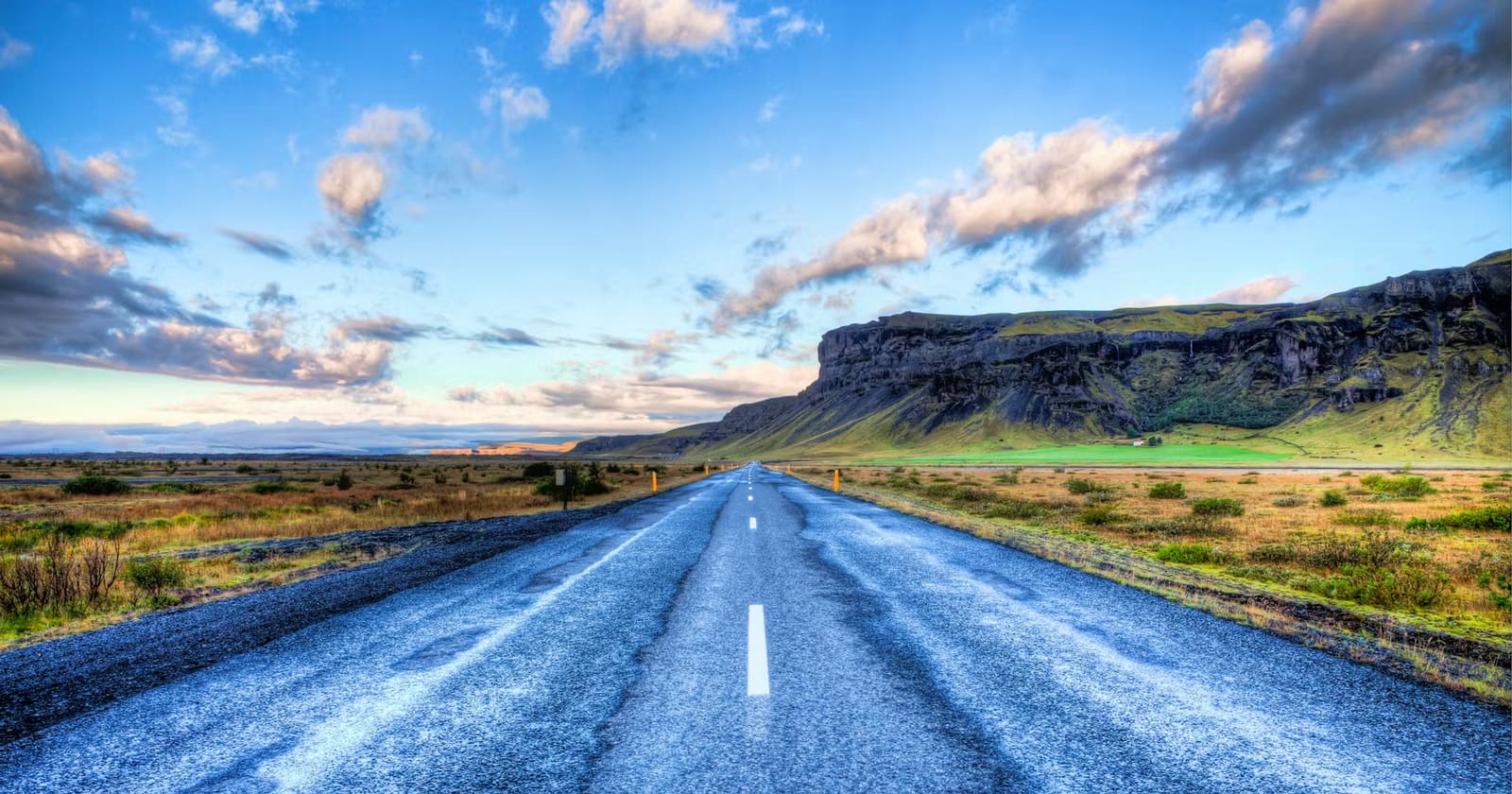
A route-choice guide for deciding whether your Iceland trip should become a full Ring Road loop or a slower South Coast route.
More things to do
See other activities that may suit the same day, season, or part of Iceland.
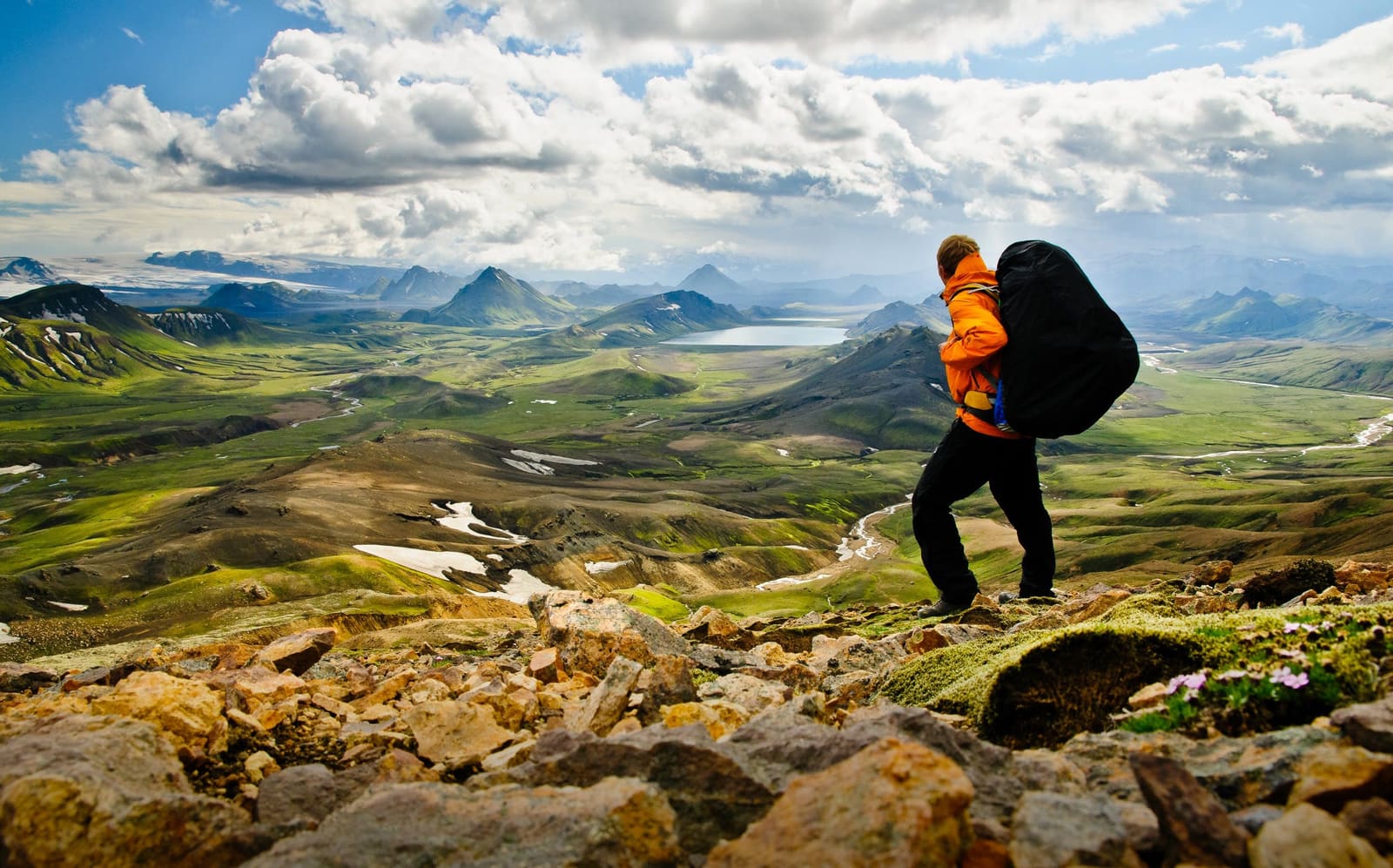
Choose the kind of hiking day before the famous trail name. Compare easy walks, waterfall paths, national-park hikes, Highlands routes, multi-day treks, and guided options by effort, access, season, and weather tolerance.
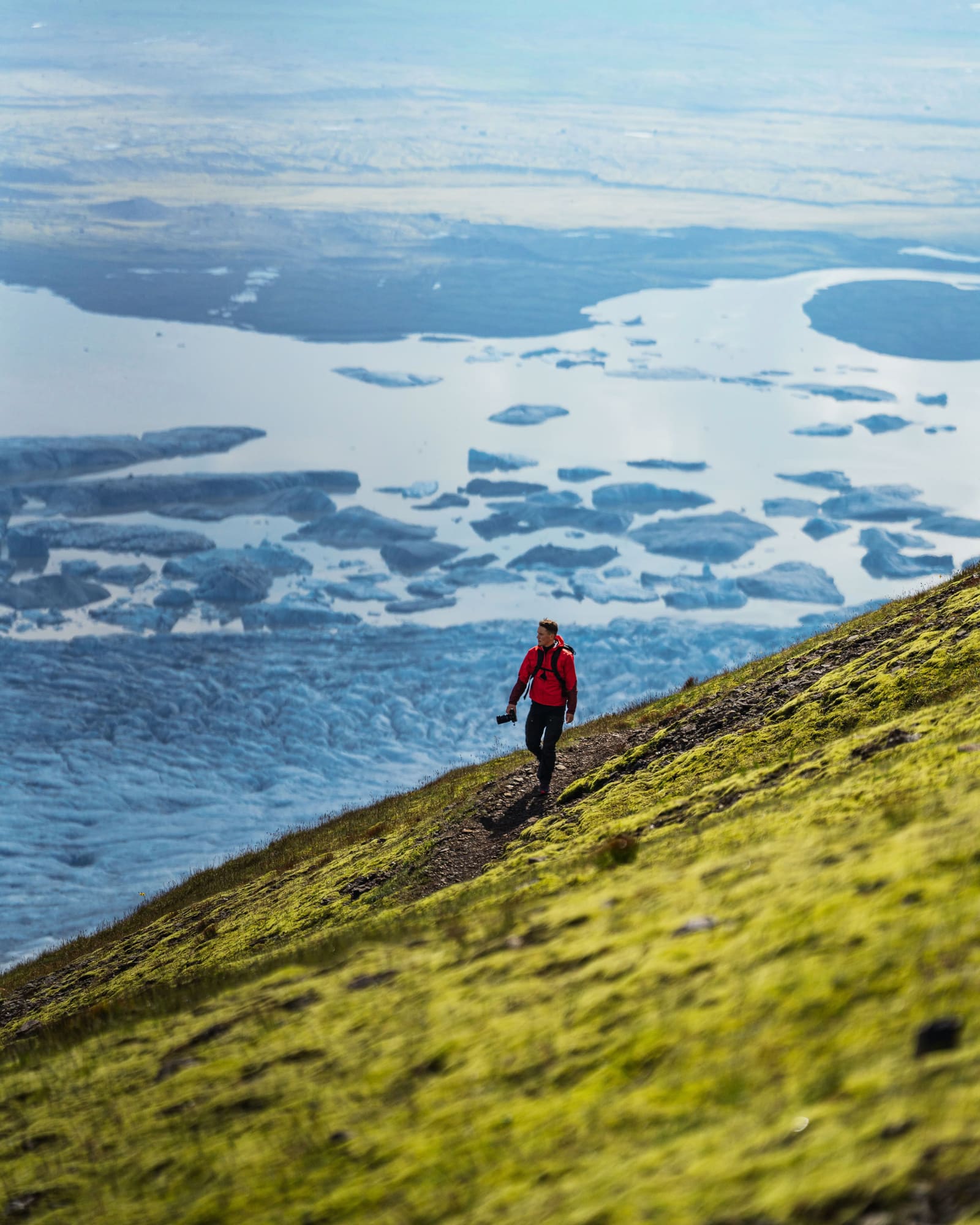
Summer in Iceland gives travelers more daylight, broader access, and more activity choices, but it also rewards restraint. Compare hiking, Highlands, wildlife, boats, glacier options, geothermal bathing, city culture, and flexible scenic stops before turning a bright day into an overloaded one.
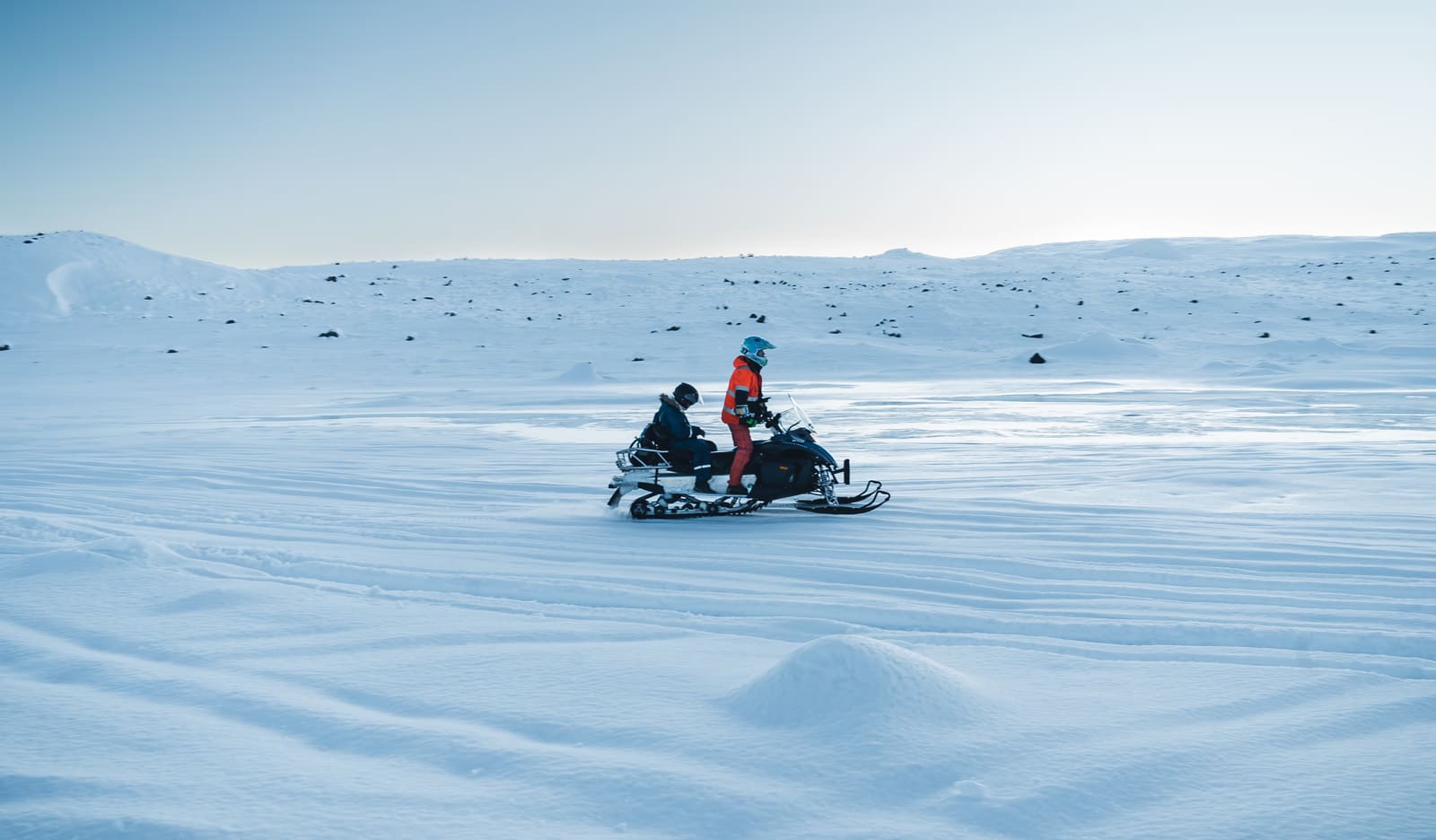
Choose one strong winter experience, then keep a flexible backup for weather, roads, daylight, or comfort. Compare guided ice, aurora, hot water, wildlife, city options, and conservative sightseeing before locking the day.
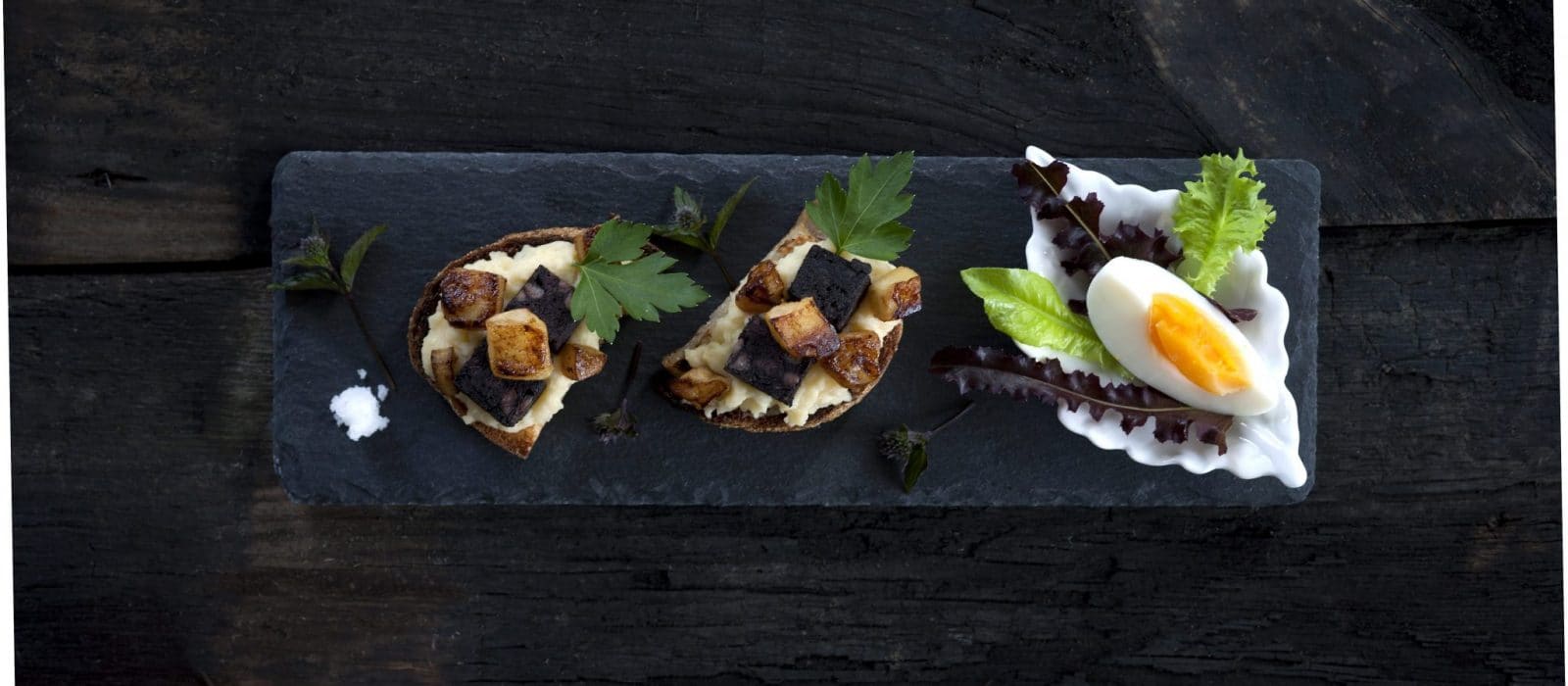
Icelandic food can shape the day in several very different ways: a Reykjavík food walk, self-guided food hall stop, bakery break, greenhouse meal, seafood lunch, or simple casual plan that does not distort the route.
Next riding decision
Move from the ride idea into the base, region, or weather check that decides whether it belongs in the day.