Experience fit
- Brightest feel
- Around the summer solstice
- Easy choice
- Walk or soak near base
- Energy rule
- One late outing, not two
- Live checks
- Weather, roads, operator
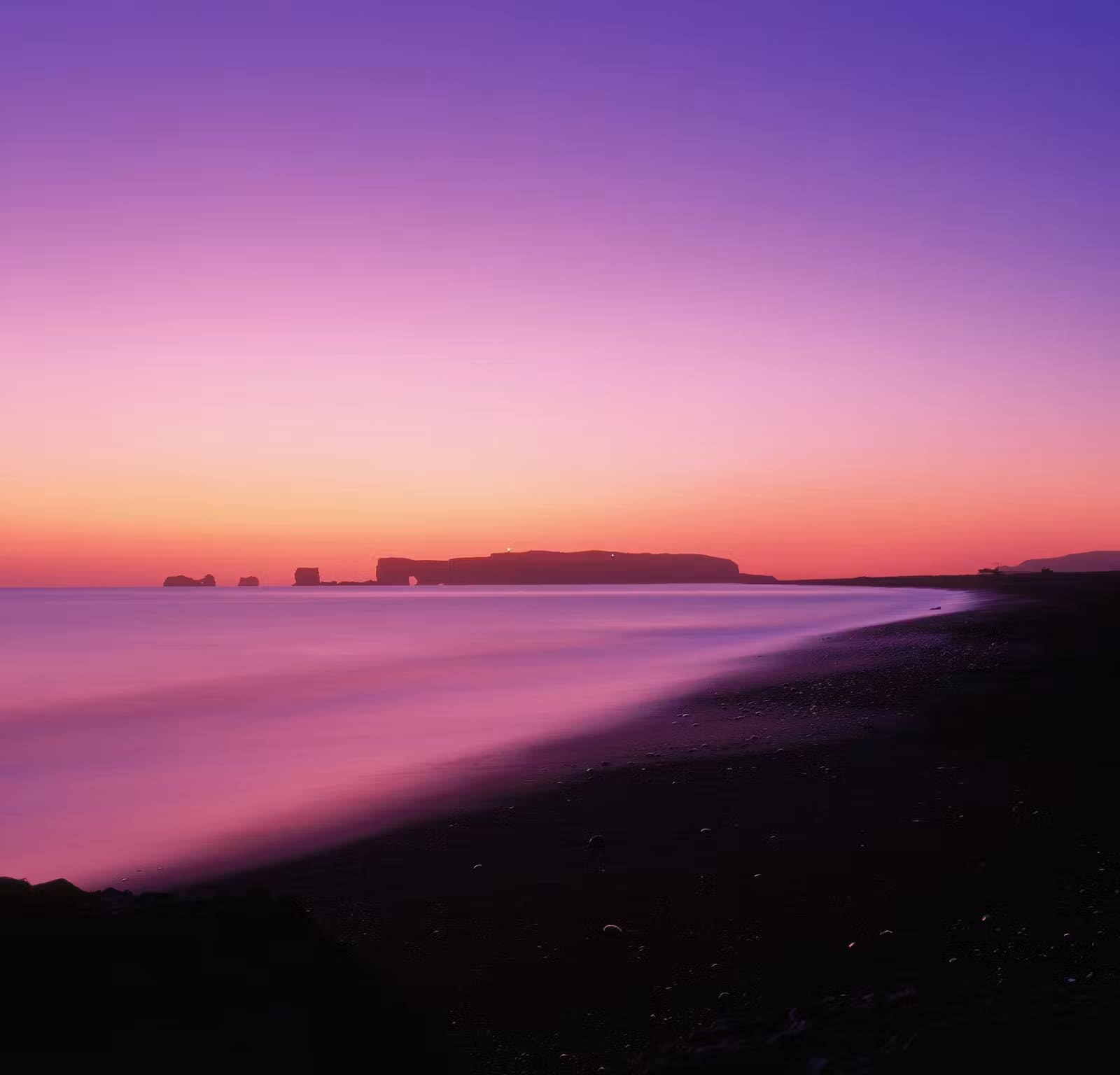
Iceland’s midnight sun turns the hours after dinner into soft golden light instead of true darkness. Use this guide to choose a waterfront walk, warm soak, wildlife boat, active tour, or early night by the light available, the energy you have left, and where you’re already staying.
Experience fit
Around midsummer, the sun can skim the horizon while Reykjavík water and Iceland's open coast hold pink, gold, and silver light far beyond an ordinary evening.
That light changes familiar experiences. A waterfront walk feels less like an after-dinner stroll, steam rises through a bright sky at an outdoor bathing place, and a boat can leave harbour without sailing into darkness. The easiest way to enjoy it is to choose one outing near the place you are already staying and give it time to unfold.
A bigger evening can be worthwhile too, especially when Húsavík, Grímsey, or another northern base already belongs in the trip. Keep the remote version for a route that supports it. The light is most enjoyable when you can stop and watch without rushing.
| Light window | Energy left | Activity type | Good choice |
|---|---|---|---|
| Last hour before bed | Low | Warm or gentle | Outdoor bathing or a waterfront walk near base |
| Long twilight after dinner | Medium | Flexible outdoors | Photography stop, coast, or short marked walk |
| Booked evening window | Medium | Guided wildlife | Boat from the harbour where you are staying |
| Several bright hours | High | Active guided outing | ATV ride or another activity with a fixed meeting point |
| Any bright window | Drained | Recovery | Sleep and keep tomorrow's driver alert |
Photo guide
1 / 7
Low northern light can change Goðafoss without turning the waterfall into a separate overnight drive.
Good to know
The best activity is the one that matches the group after a full Iceland day, not the one that looks most dramatic in isolation.
Choose warm water when everyone wants the light but no longer wants wind, rough ground, or another long drive. Choose a walk or photo stop when you can leave at any time. Choose a boat only when the harbour is already part of the route and the group accepts cold air, movement, weather changes, and wildlife uncertainty.
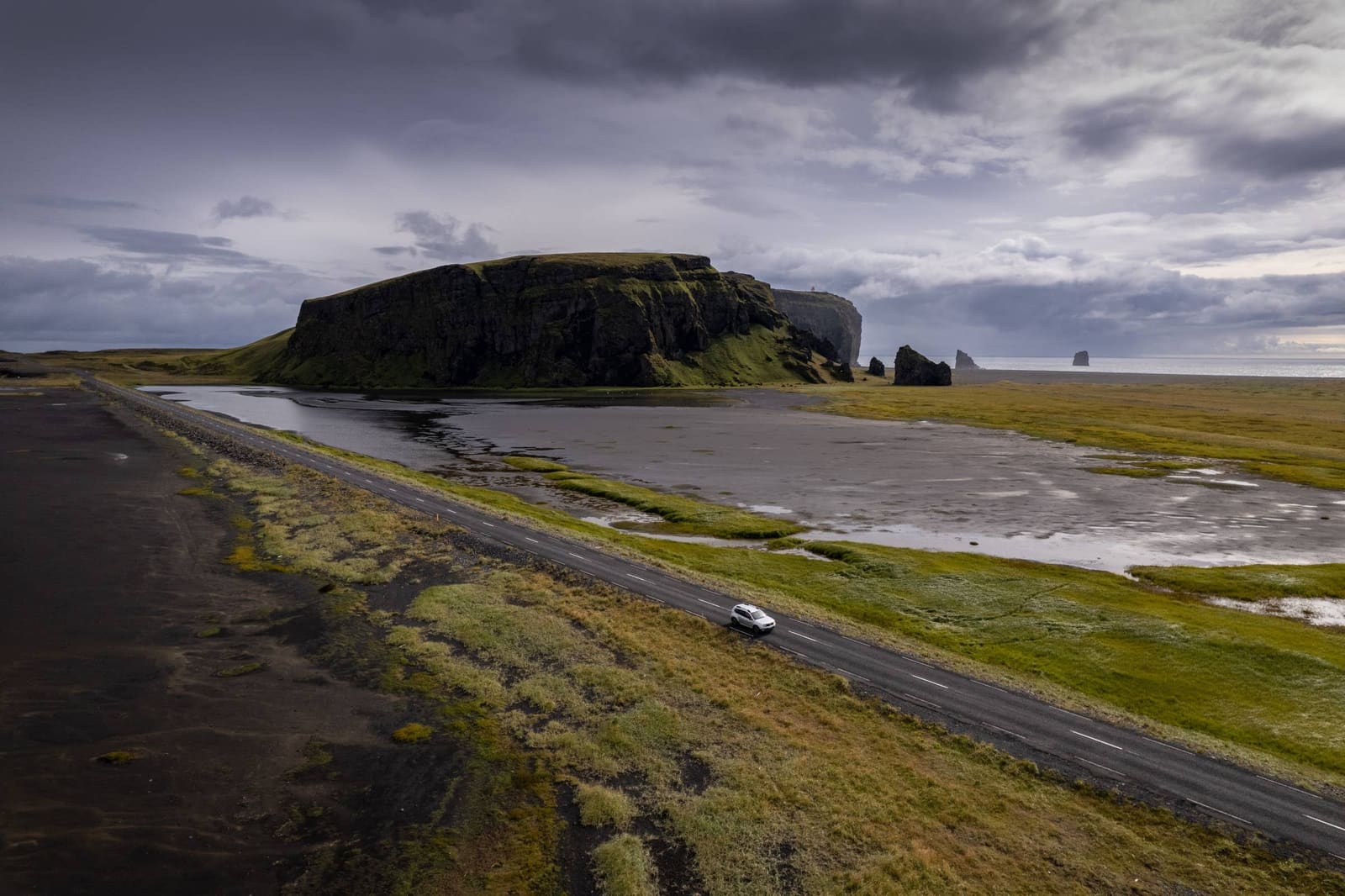
Late light also changes how you photograph a place. The sun sits lower, shadows stretch, and water can hold colour for a long time, but cloud and fog still decide whether the sky performs. A quiet wait at Dyrhólaey or another stop already on the route is usually stronger than a new cross-country chase.
Wildlife deserves an even calmer approach. Stay back from cliff edges and nesting ground at places such as Látrabjarg, and never turn a brighter evening into a promise that birds or whales will appear.
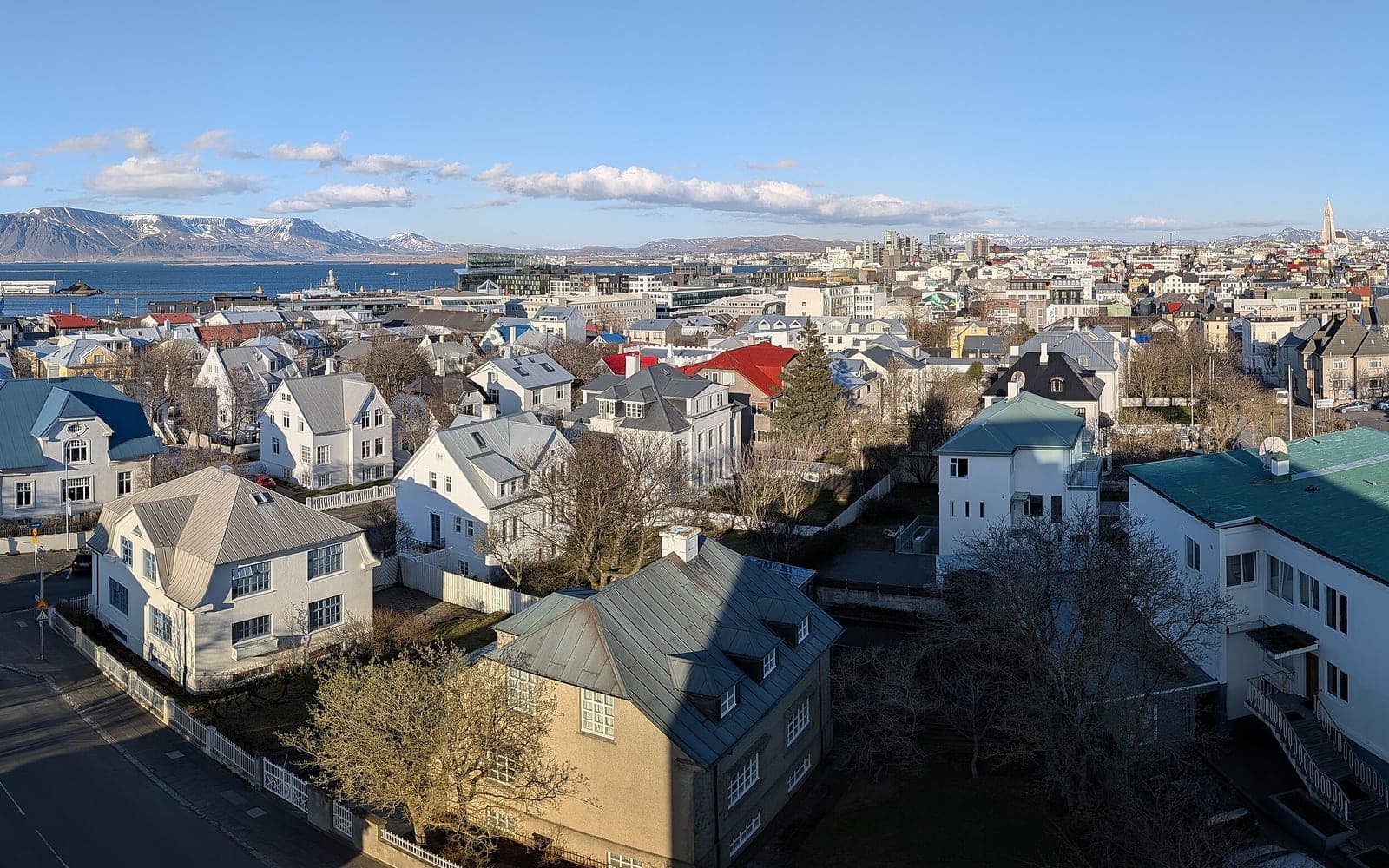
The capital is the most forgiving base because the evening can stay short, walkable, and easy to abandon when the weather or group changes.
The Sun Voyager waterfront gives you open water and mountain views without leaving central Reykjavík. Grótta adds a lighthouse and wider coastal horizon, but its tidal setting, birdlife, and exposed weather mean the shore visit must remain flexible. Perlan is another elevated city option when the view matters more than a long walk.
For a warmer evening, Sky Lagoon keeps the ocean light in view while the group rests in the water. This bathing experience needs advance planning, so recheck entry details before building the evening around it.
Use the city guide for Grótta, Sun Voyager, Perlan, and waterfront context.
Use this for more official city viewing ideas.
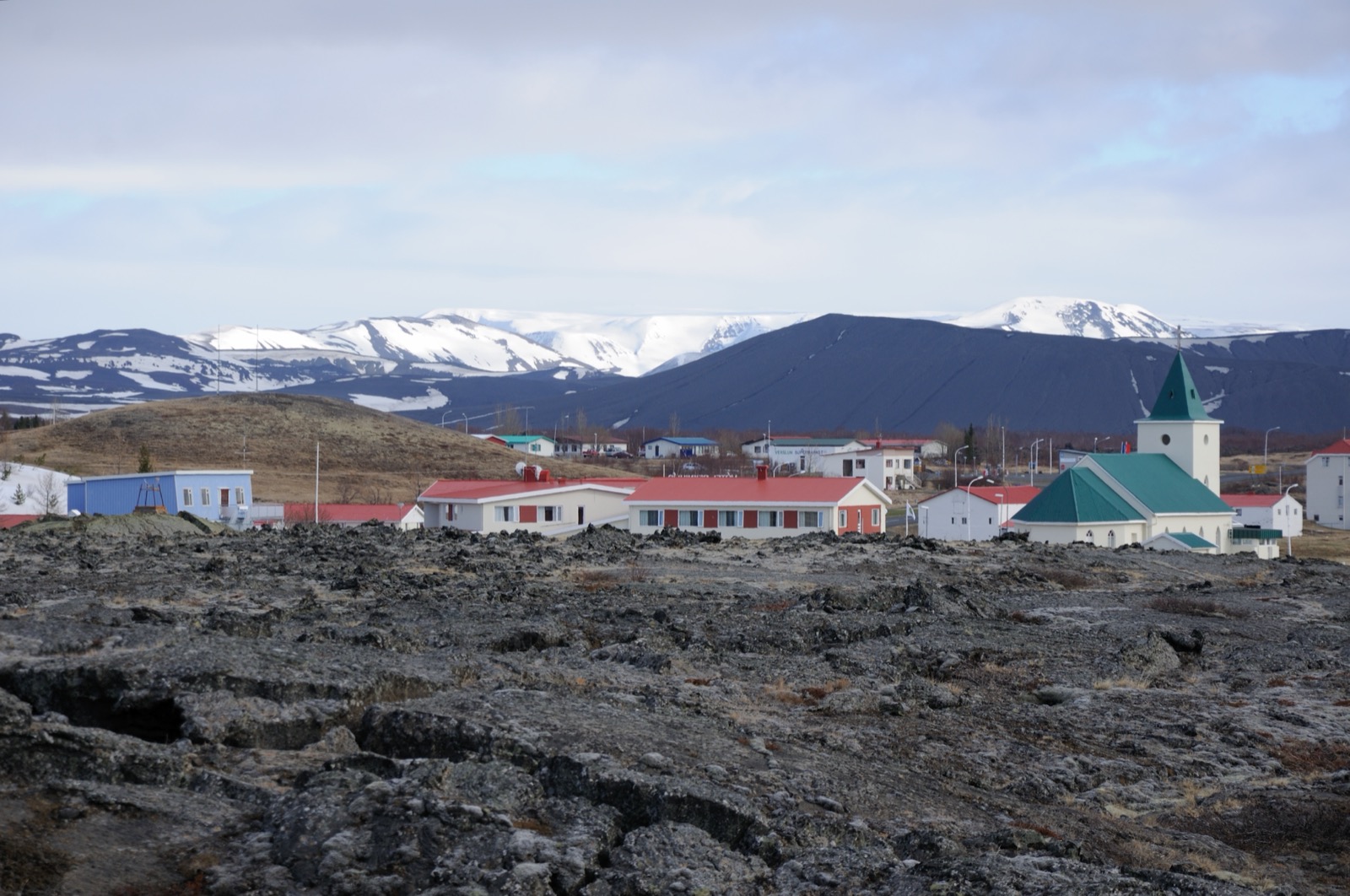
Travel north when the Arctic setting is part of the trip itself, not because Reykjavík's bright coast somehow counts less.
Grímsey is the clearest symbolic choice because the Arctic Circle crosses the island. The low northern sun, seabirds, village, and open ocean can make the light the main reason to be there. Reaching the island needs real time and a fresh transport check, so it works best inside a slower North Iceland stay.
Húsavík makes the light part of a wildlife evening, while Akureyri and the Diamond Circle let it soften stops already in the day. Goðafoss can glow in low light without becoming a separate night drive when it already sits on the route. In the north, the late light can deepen a place you already chose without making the map larger.
Summer light improves visibility, but it does not calm the sea, flatten a cliff edge, or guarantee an animal sighting.
A whale-watching evening can feel spacious because the boat leaves under a bright sky, yet the experience still depends on sea conditions, warm clothing, motion comfort, and wildlife. Read the independent whale-watching guide before choosing a departure only for the colour of the light.
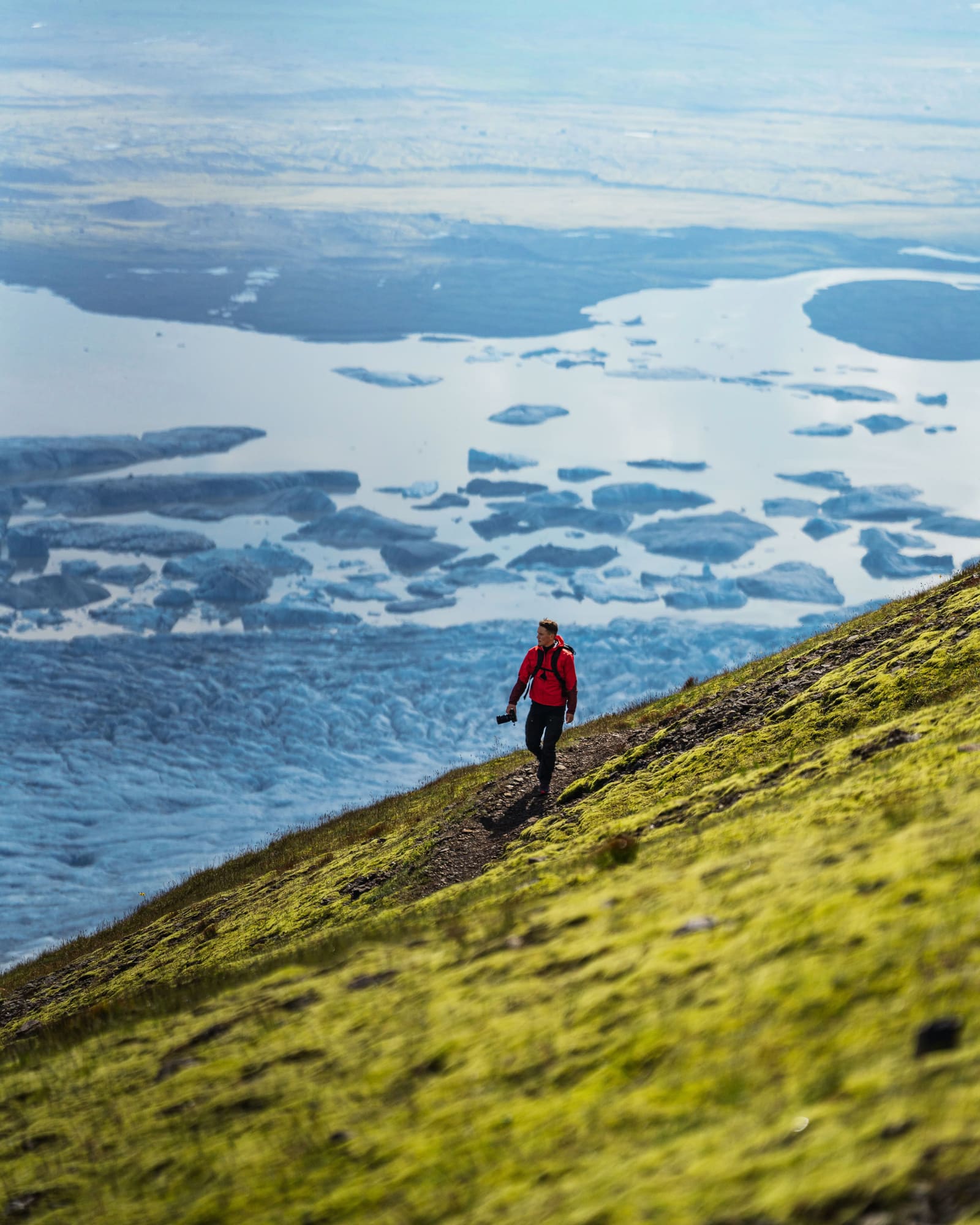
The same rule applies to a late visit near Jökulsárlón Glacier Lagoon: the light can enrich a stop or a booked boat, but the southeast route, weather, and operator details decide whether it belongs. At bird cliffs, keep to safe ground and give nesting birds room even when the long evening invites another photograph.
A guided option earns its place when it provides the activity, equipment, or vessel—not merely a view of the bright sky.
These evenings suit different bases and bodies. Choose by terrain, sea comfort, and how much energy the group wants to spend.
Iceland Adventure Tours
Best forAn active Reykjavík-area evening with protective equipment and a fixed guided route.
Keep in mindThe terrain is rougher than a city walk, and every driver needs a valid licence.
Check firstRecheck the transfer, participant rules, equipment, and weather policy.
North Sailing
Best forNorth Iceland travelers who want the late light from a traditional boat in Skjálfandi Bay.
Keep in mindWeather, sea comfort, and wildlife uncertainty matter more than the brightness of the evening.
Check firstRecheck operation, meeting details, conditions, and the outerwear available.
The sky can look ready for another stop after your concentration is already spent.
SafeTravel treats fatigue as a real driving risk and recommends rest before driving, sharing the wheel, taking breaks, and stopping when sleepiness appears. Apply that guidance strictly to bright summer nights. If the driver is yawning, missing turns, or losing patience, end the outing instead of looking for one more viewpoint.
Pack an eye mask and keep a normal sleep plan when bright rooms make it hard to settle. Before an exposed walk, boat, or remote return, check the official weather forecast and road conditions. These checks tell you whether the evening still works; they do not need to occupy the rest of the article.
Use the national guide for the bright-night phenomenon and experience context.
Read this before turning a bright evening into more driving.
Check the official road source before a remote or late return.
Check forecasts and alerts before exposed coasts, hikes, and boats.
Yes. Reykjavík's waterfront, Grótta, Sun Voyager, and elevated city viewpoints can provide vivid late light without a long drive. Weather controls the colour, so keep the plan flexible.
Bright midsummer nights do not provide the darkness normally needed for aurora viewing. If the northern lights are the priority, compare a darker-season trip instead.
Not for a simple waterfront walk or public viewpoint. Book when the experience itself requires a vessel, guide, equipment, managed bathing entry, or transport, and recheck the direct provider details.
Keep a familiar bedtime, use blackout curtains when available, and pack an eye mask. Do not treat difficulty sleeping as a reason to keep driving or add another outing.
By ThorPublished Updated
Where to do it
Continue with the broader summer guide, a specific water or wildlife activity, or the darker-season aurora choice.
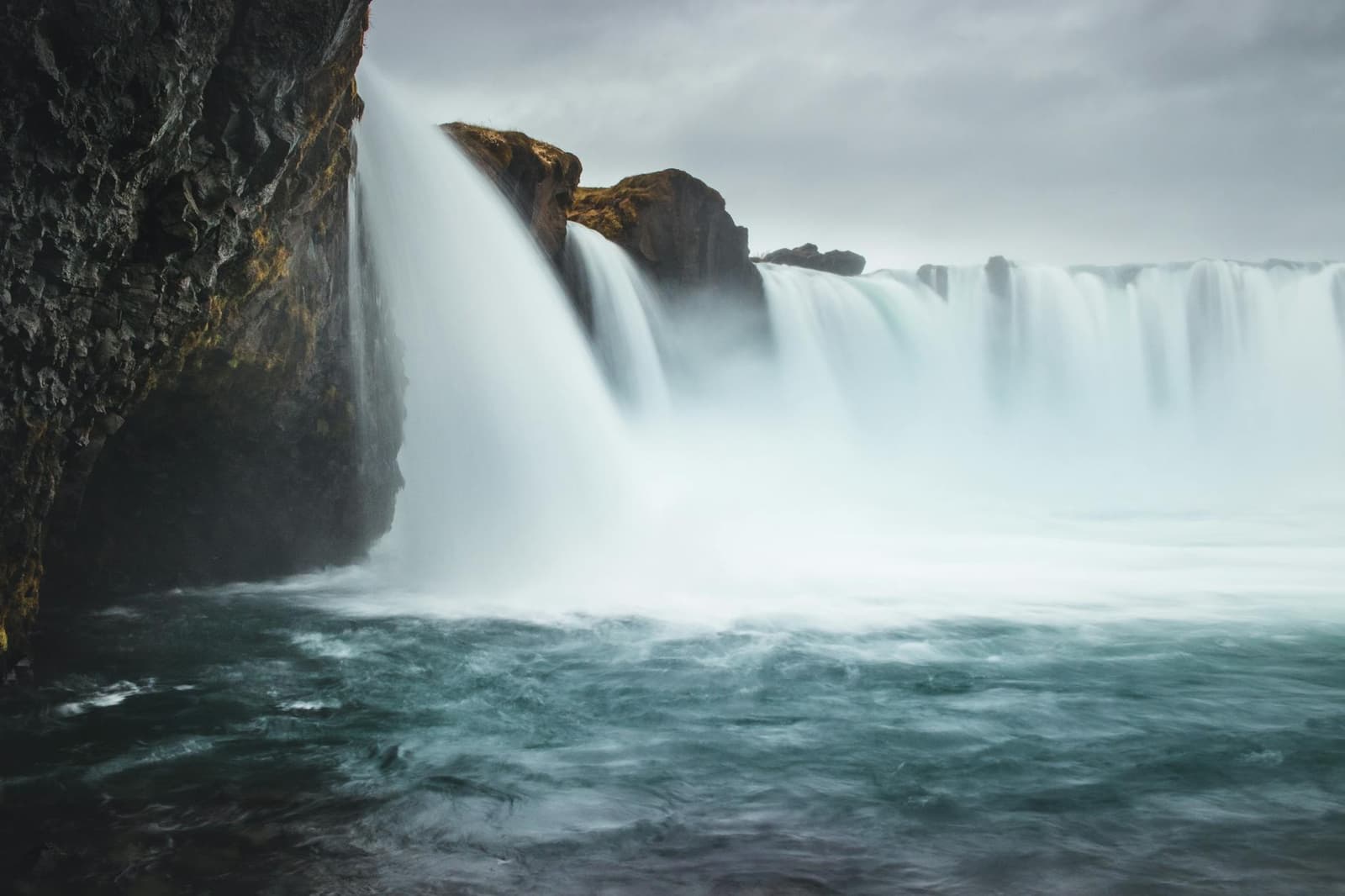
Goðafoss spreads across a broad curve in the Skjálfandafljót river, breaking into two main falls and several smaller channels. Short paths reach viewpoints on both banks, so the visit is easy to understand without a long hike.
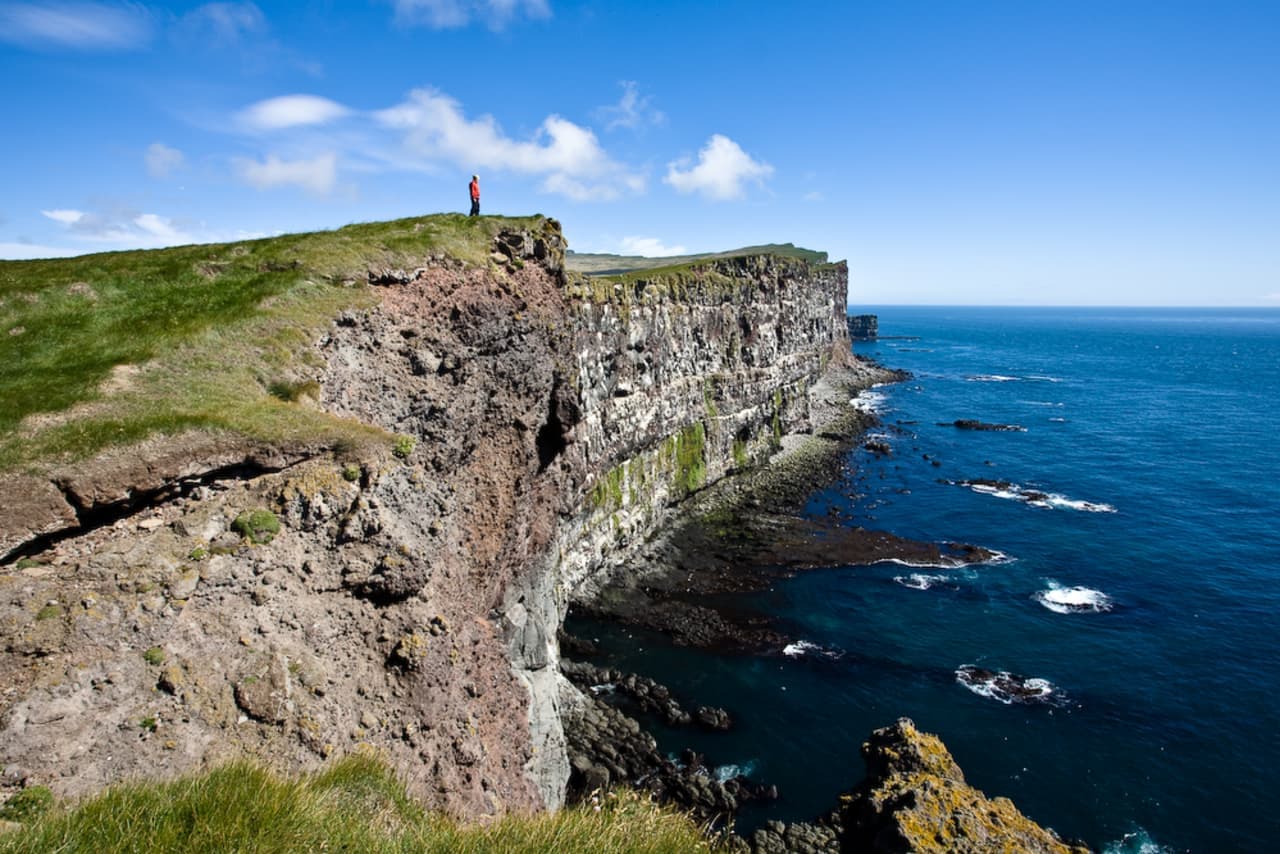
Látrabjarg is a 14-kilometre line of protected sea cliffs at Iceland's western edge, rising as high as 441 metres. Summer seabirds are the draw, but fragile ground, exposed drops, weather, and remote Road 612 make careful behavior essential.
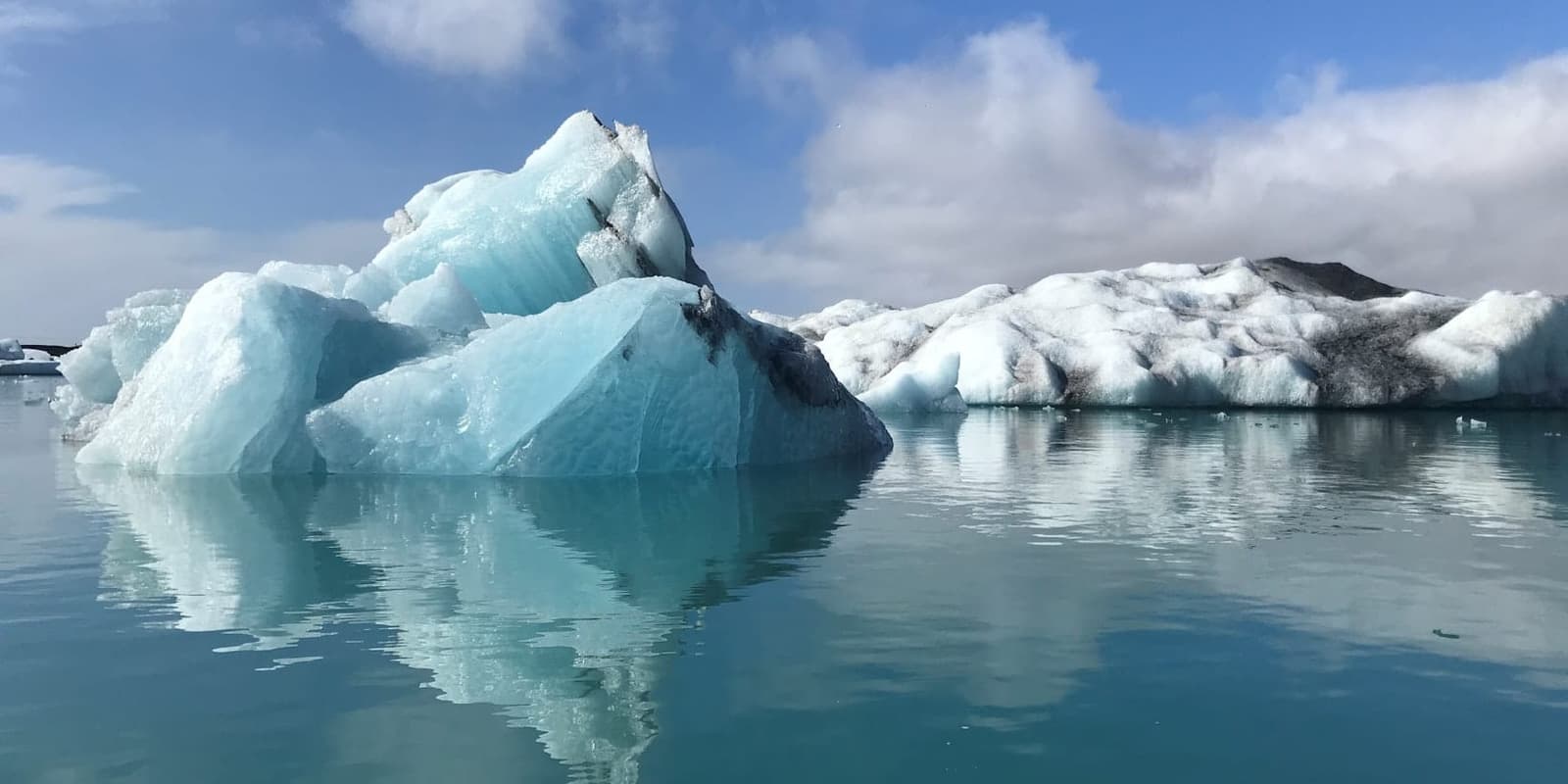
Jökulsárlón is a glacier lagoon where icebergs break from Breiðamerkurjökull and drift toward the Atlantic. The shore is easy to reach from Route 1, but the ice, weather and nearby ocean still need respect.
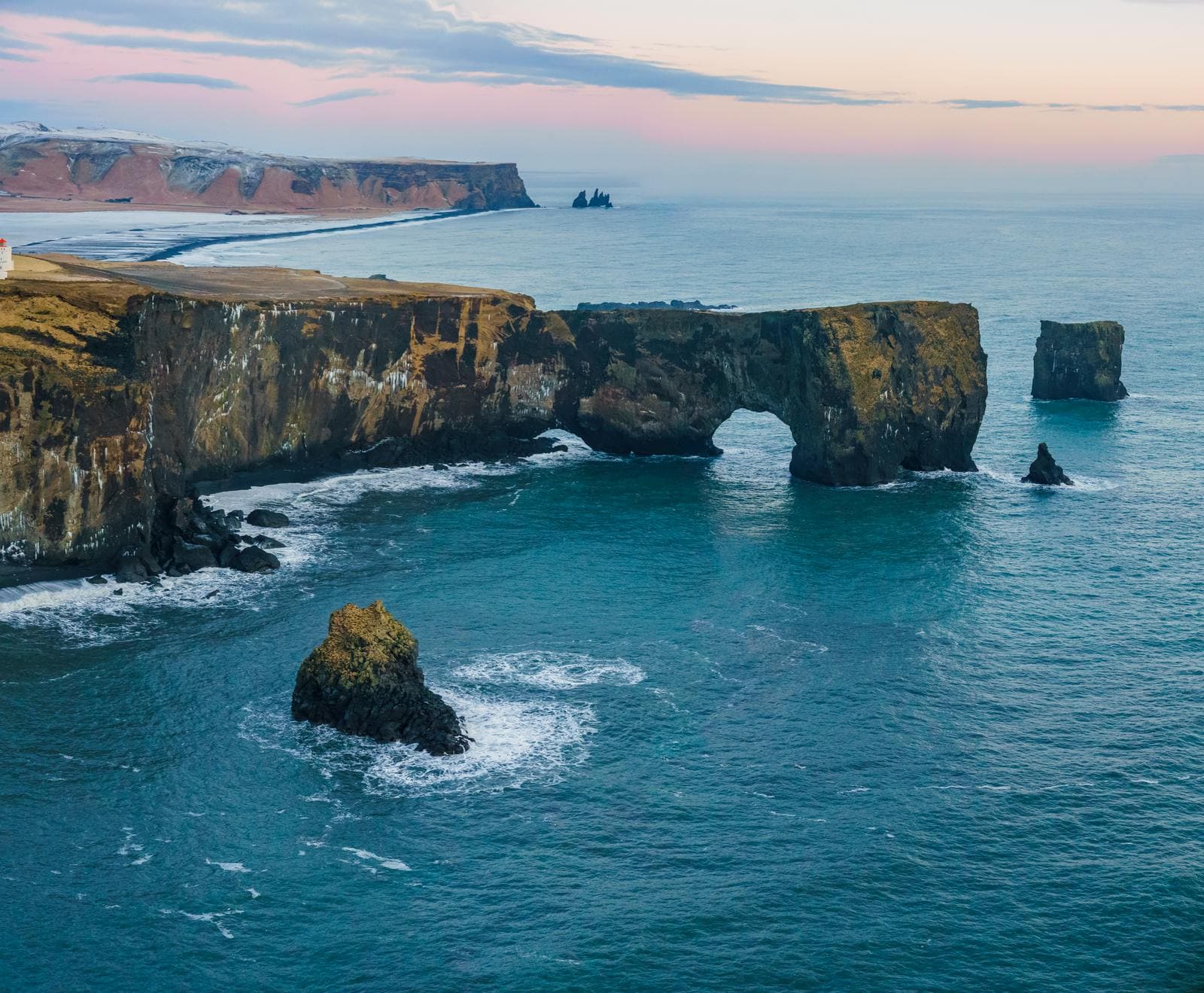
Dyrhólaey is a high coastal headland near Vík, known for its sea arch, lighthouse and broad black-sand views. Wind, cliff edges and seasonal bird protection shape the visit.
Regions
See which part of Iceland is most convenient for this experience and what else you can visit nearby.
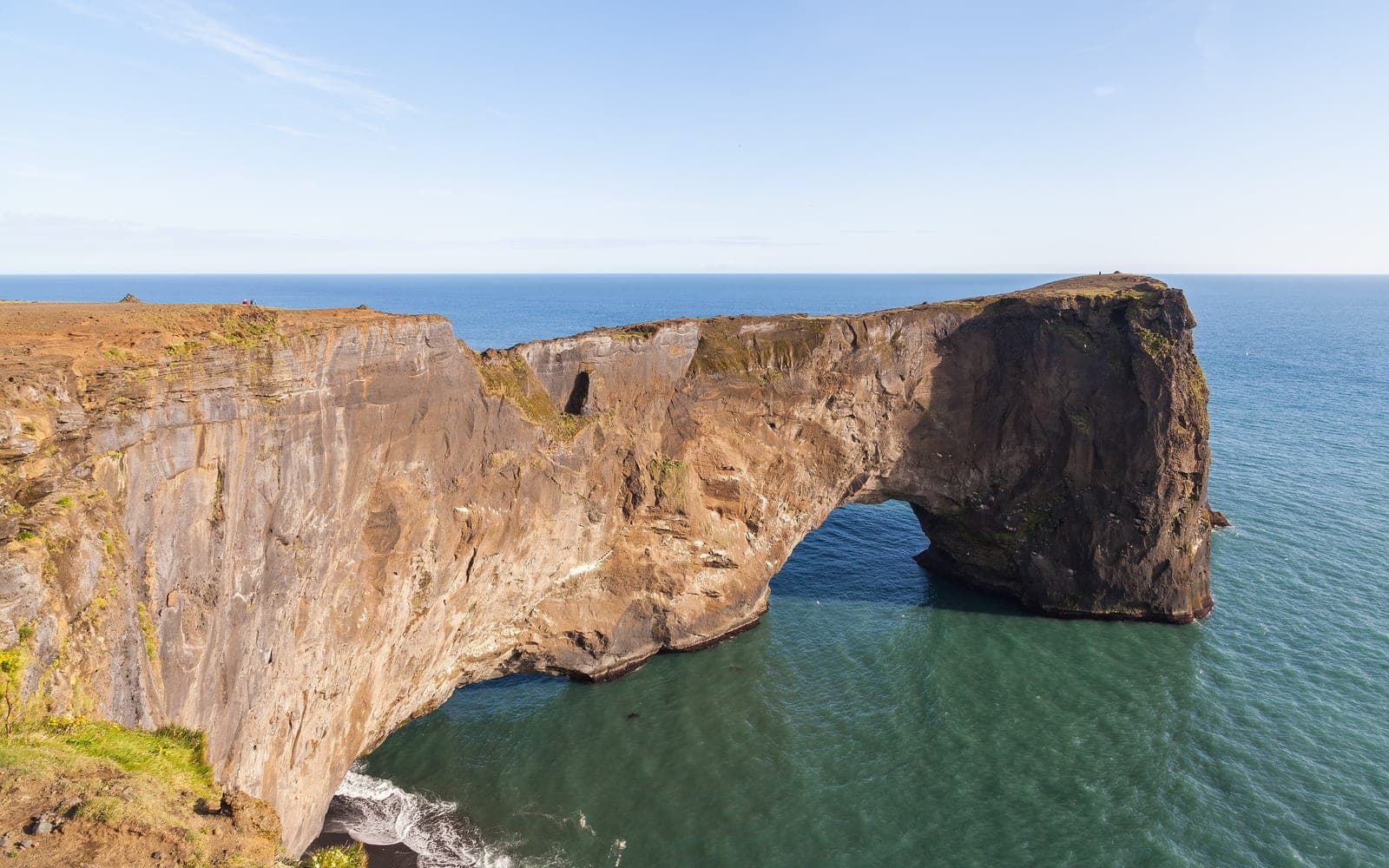
Build a first-trip route around waterfalls, black-sand coast and glacier country, but allow two to four days if Jökulsárlón is part of the plan.
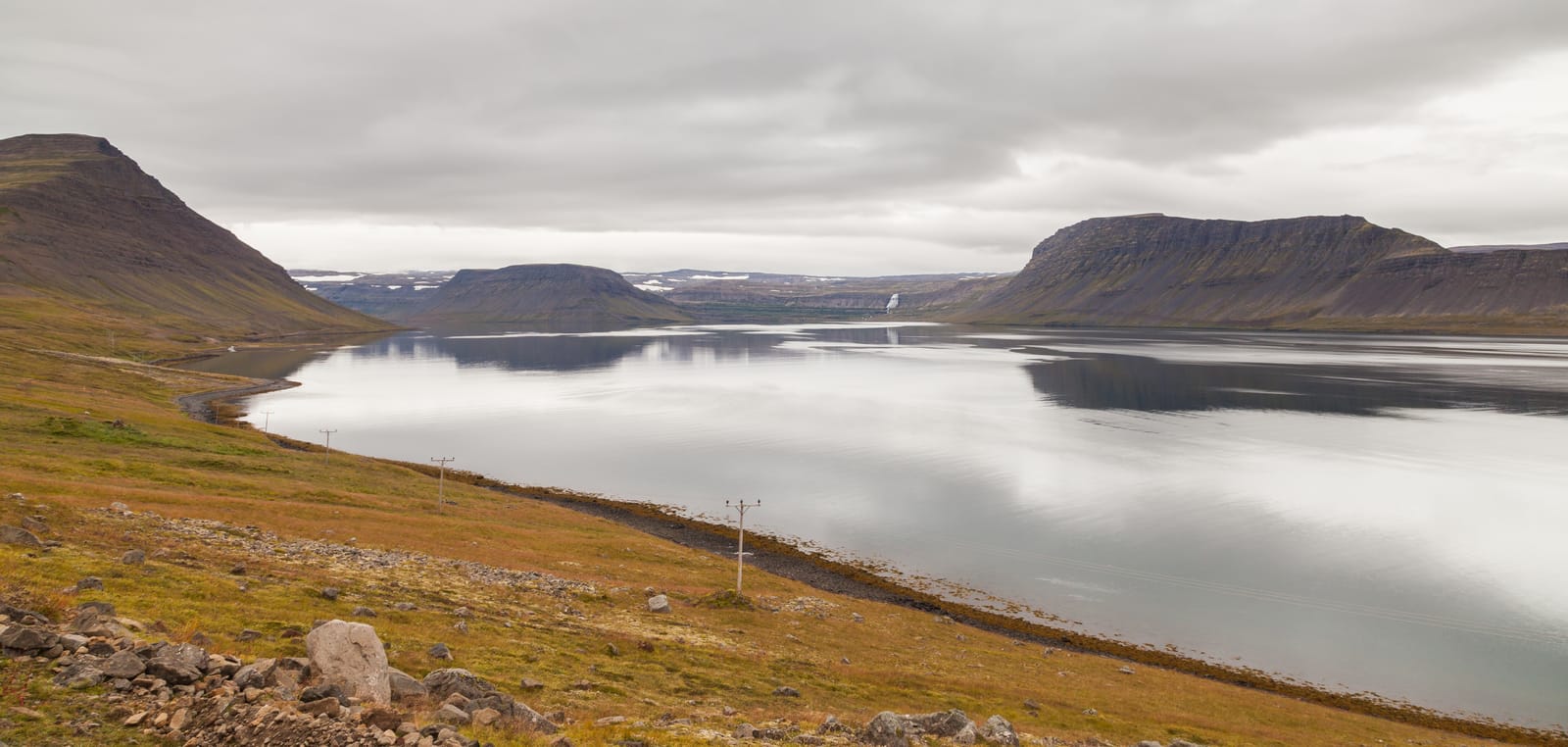
A separate multi-day commitment for travelers who value cliff roads, remote villages, and long scenic links enough to leave the Ring Road and keep weather slack.
Road trips and itineraries
See where this experience fits into a road trip or day-by-day itinerary.
More things to do
See other activities that may suit the same day, season, or part of Iceland.
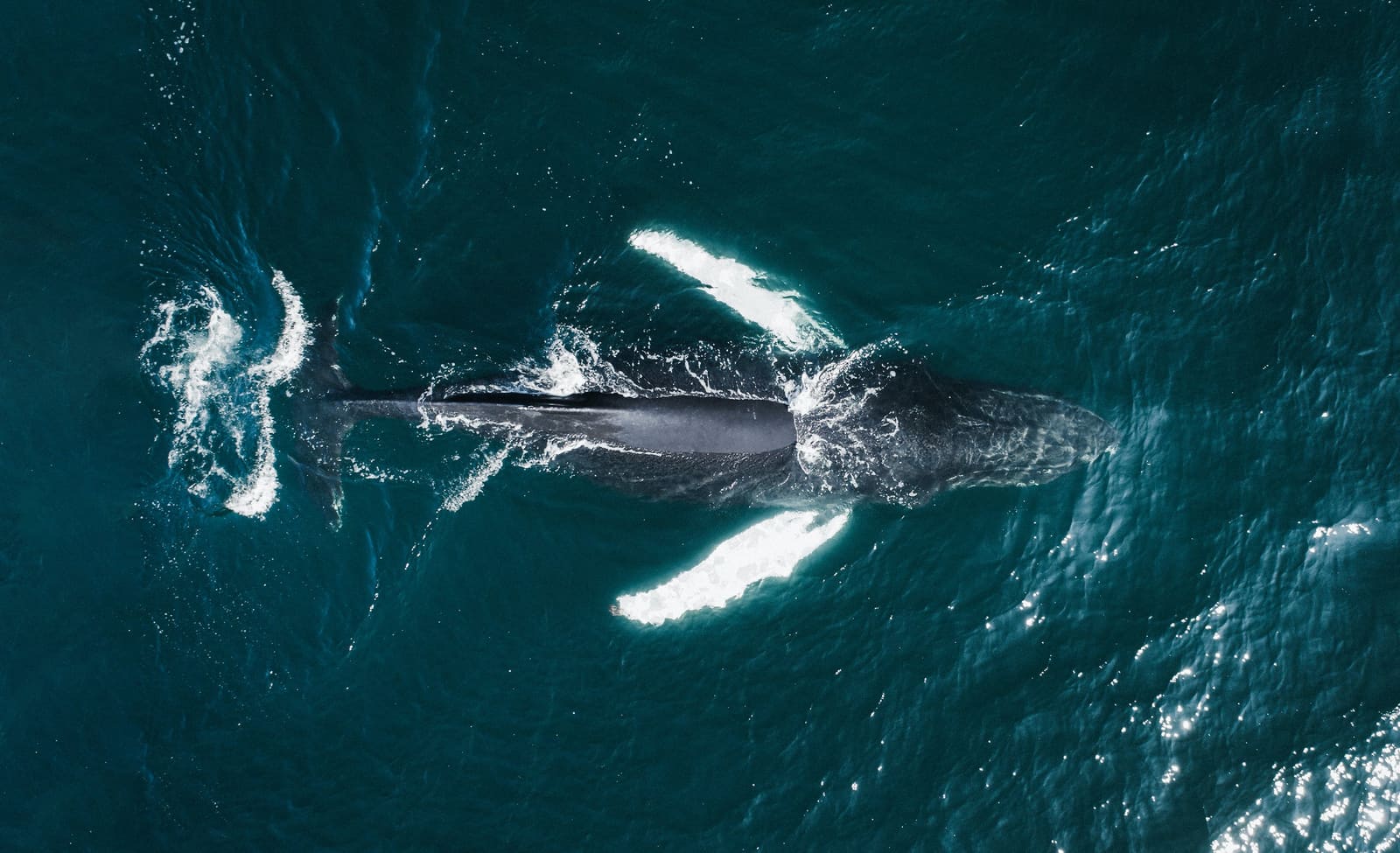
Whale watching works best when the departure base already fits your route. Use this guide to compare Reykjavik convenience, North Iceland wildlife focus, boat comfort, family fit, and the checks that matter before you commit.
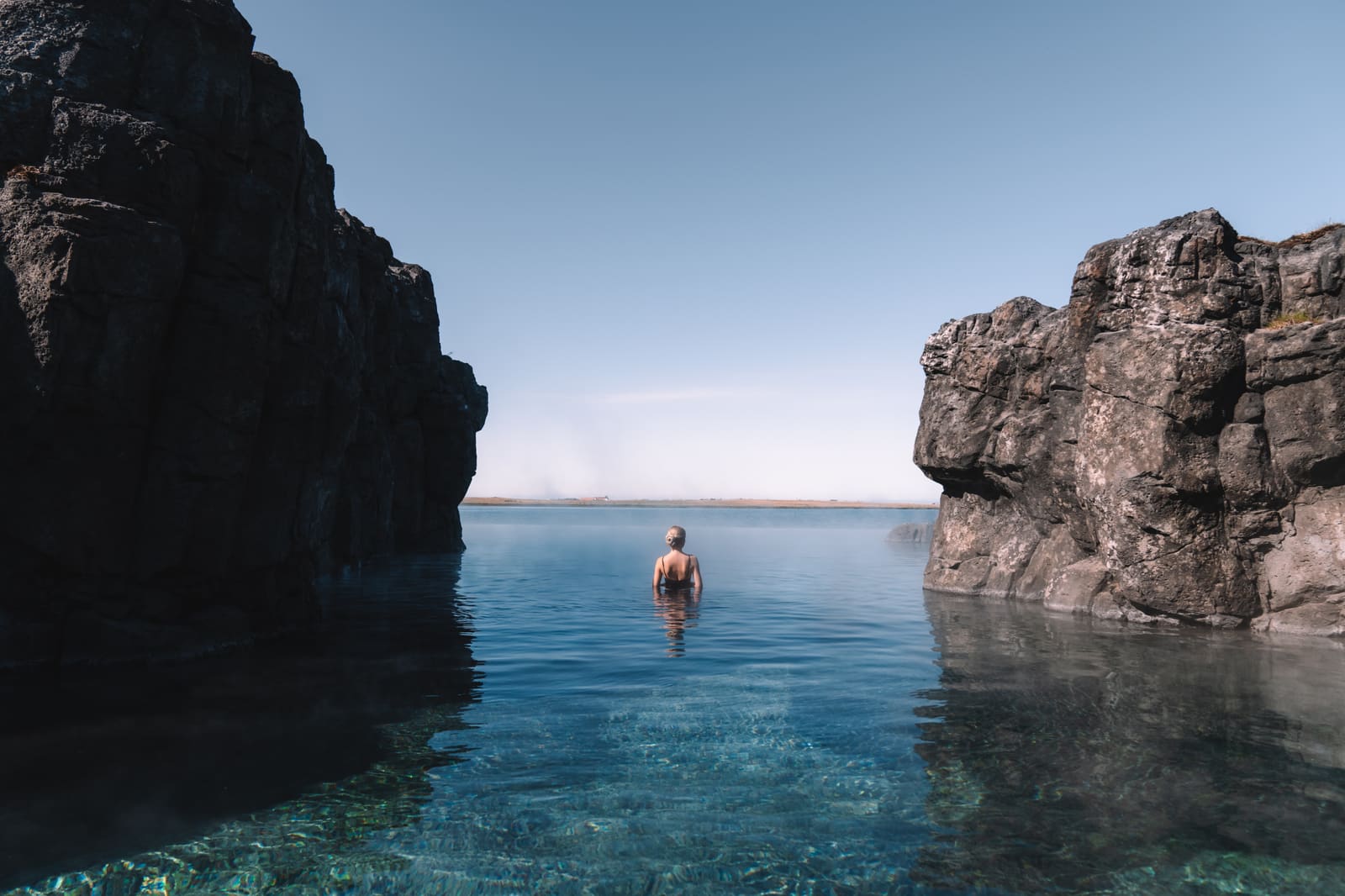
Iceland hot springs work best when you choose the bathing format first: premium lagoon, local public pool, rustic pool, hike-in hot river, remote hot pot, or geothermal area you only admire from the path, then fit it to the day.
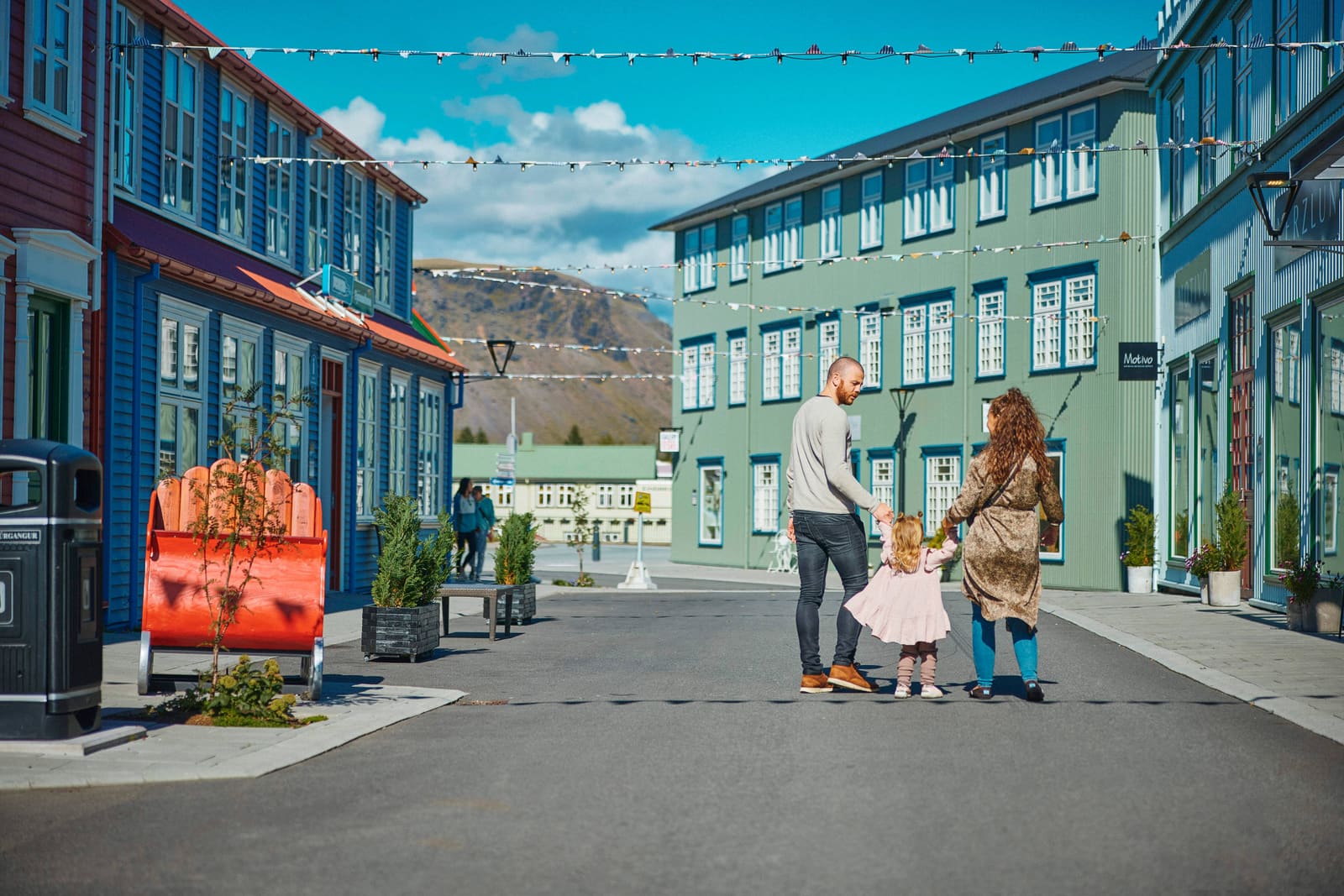
The best family activity is the one your youngest traveler can still enjoy in the weather and time you actually have. Use this age, forecast, and duration selector to choose between pools, wildlife, easy outdoor stops, caves, guided ice, and indoor exhibits without overloading the day.
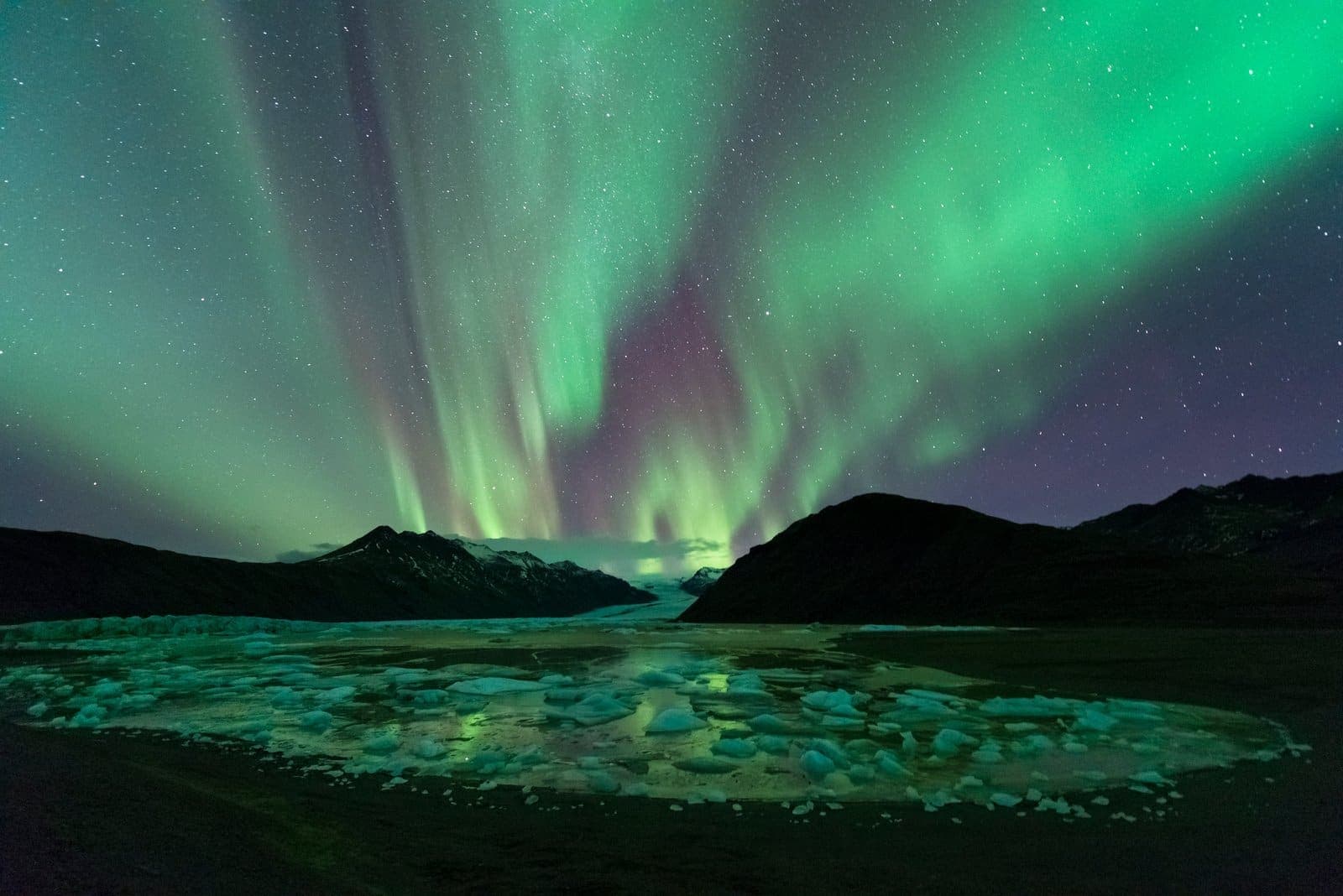
Northern lights plans work best when you choose the format before chasing the sky. Compare guided tours, self-drive attempts, Reykjavik viewing, countryside bases, boat options, and indoor backups by weather risk, car need, comfort, route fit, and how much the night can bend.
Travel advice
Read more about driving, weather, safety, and other details that may affect your trip.
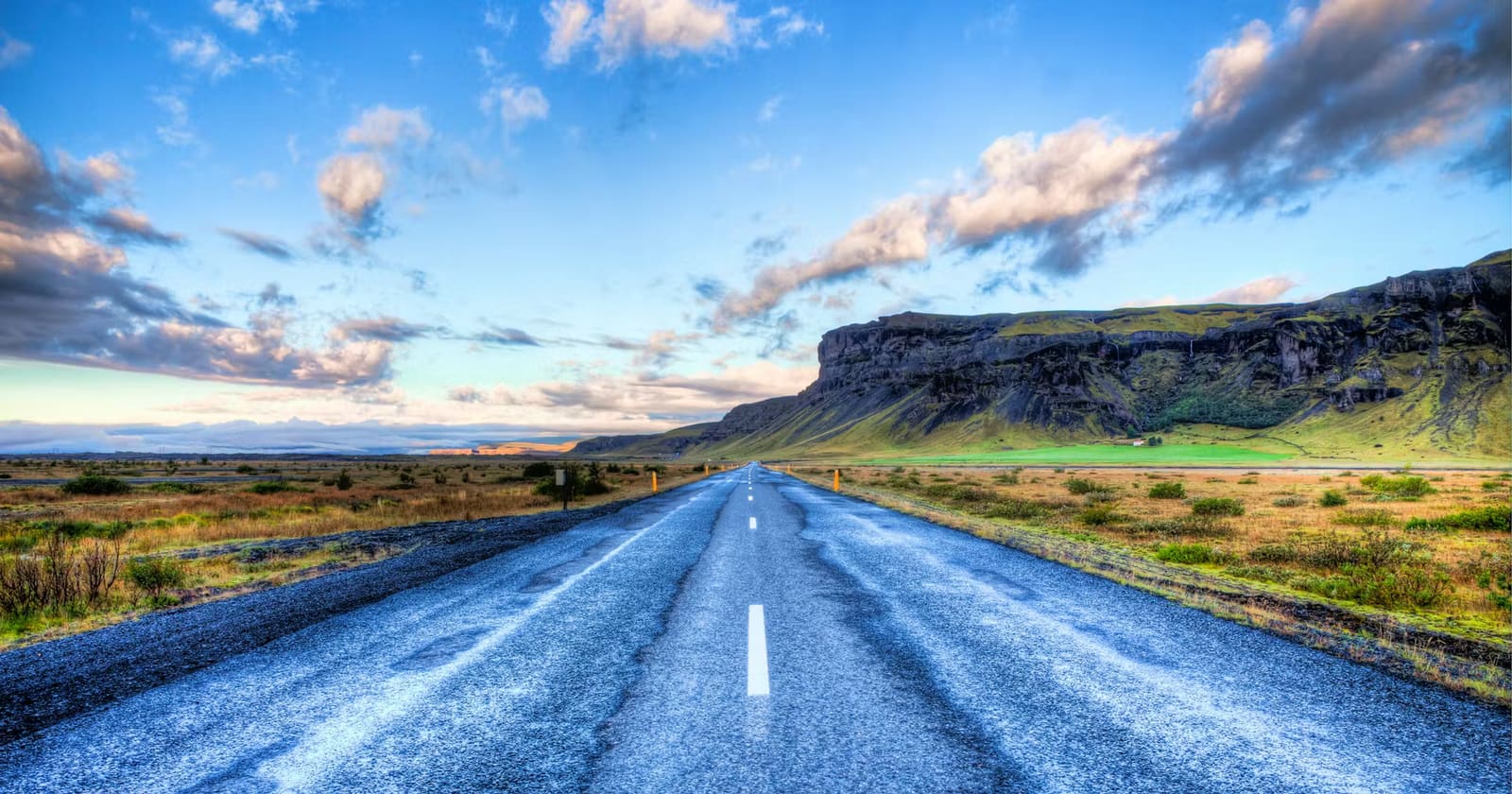
Choose a realistic Iceland trip length by counting usable route days, then match your pace, transport, season, and overnight moves to the right scope.
A practical base-choice guide for deciding where to stay in Iceland before booking hotels, day trips, or a self-drive route.
Your next summer choice
The right follow-up depends on whether you need more summer ideas, a simple Reykjavík base, or time in North Iceland.