Experience fit
- Best base
- Reykjavík
- Car need
- No car in Reykjavík
- Best format
- Match the day
- Effort
- Low to light walking
- Book ahead
- Tours and special meals
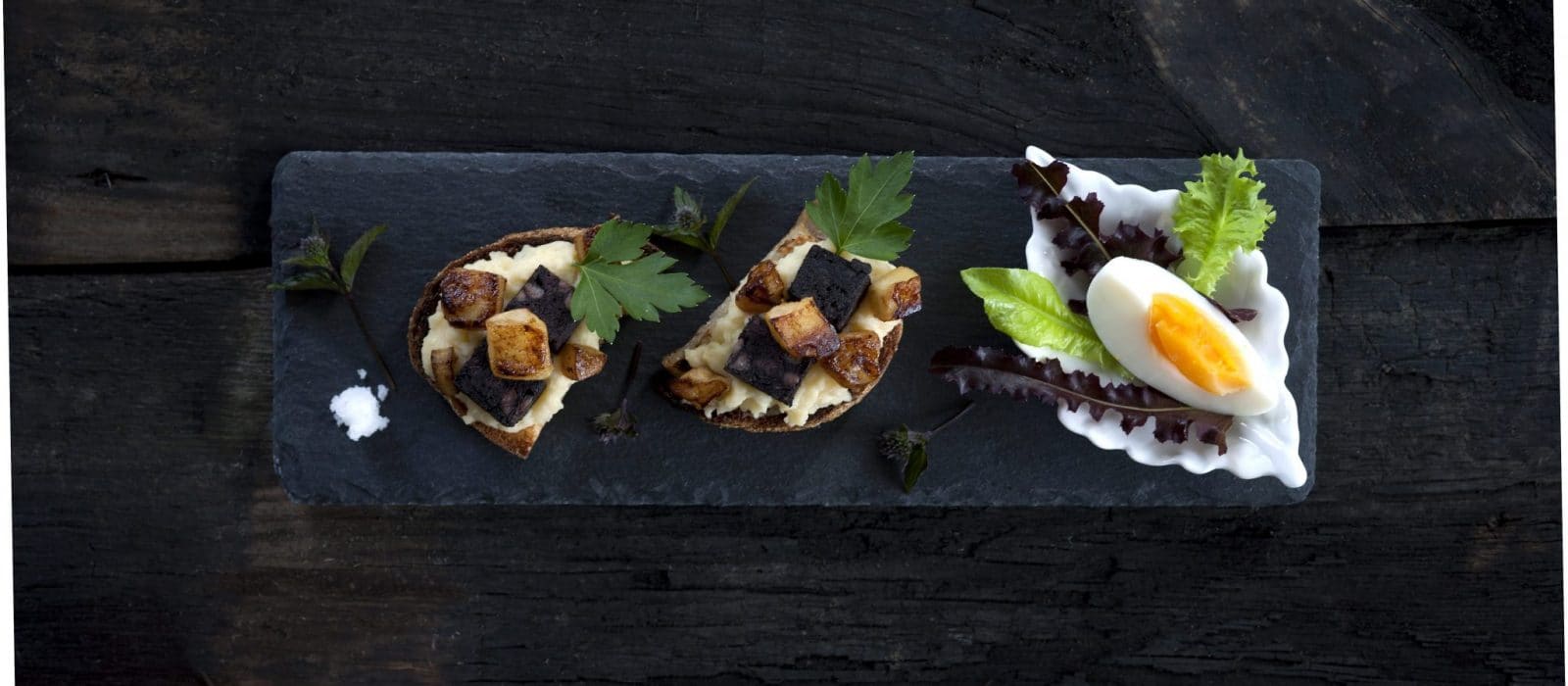
Icelandic food can shape the day in several very different ways: a Reykjavík food walk, self-guided food hall stop, bakery break, greenhouse meal, seafood lunch, or simple casual plan that does not distort the route.
Experience fit
Start by choosing the format, not the restaurant. The best food experience is the one that fits the day without making the rest of the trip harder.
Food can be one of the easiest ways to understand Iceland, but it can also become an expensive detour if the format is wrong. A guided food walk, food hall, bakery break, greenhouse meal, seafood lunch, and simple grocery-backed plan all solve different problems.
| Format | Best for | Not ideal for | Planning friction |
|---|---|---|---|
| Guided Reykjavík food walk | First day, no-car visitors, stories plus tastes | Groups wanting one slow seated meal | Book ahead and check details |
| Food hall grazing | Mixed groups, flexible city meals, damp days | Travelers seeking one traditional meal | Check vendor details |
| Bakery, hot dog, or café stop | Short breaks, families, budget control | A major food-focused evening | Low if kept flexible |
| Special local-produce meal | Couples, food-focused travelers, city evenings | Tight route days | Book and verify dietary needs |
| Greenhouse or farm meal | Golden Circle or countryside route texture | Long detours from a full day | Plan only if nearby |
| Seafood or harbor meal | Coastal towns, Reykjavík harbor, slower routes | Inland days with no natural fit | Keep timing flexible |
| Grocery-supported simple meals | Budget pressure, long drives, picky eaters | A culture-first food day | Lowest friction |
Photo guide
1 / 7
A creamy Icelandic dessert bowl with a small Iceland flag
Good to know
Reykjavík is the easiest place to sample several foods without a rental car. The choice is structure versus flexibility.
Choose a guided walk if you want orientation, local stories, and several tastes bundled into one easy block. It is especially useful near the start of a trip, when you still want a feel for the city and do not want to research every stop yourself.
Choose self-guided grazing if your group wants control. The Reykjavík region works well for bakeries, coffee, hot dogs, food halls, harbor stops, and one low-pressure drink or dessert without turning food into the whole day. For a broader city day, use the Reykjavík activities guide to balance walking, museums, pools, and weather.
Use this for food-walk format, booking details, meeting point, and visitor requirements.
Use this for city food-hall context before comparing self-guided options.
Start with the foods people actually enjoy building a meal around. Treat the more challenging traditions as optional context, not a test.
The friendliest first choices are usually seafood, lamb, skyr, rye bread, pastries, coffee, greenhouse vegetables, and the Icelandic hot dog. Those foods connect to real Icelandic ingredients without making the meal feel like a dare.
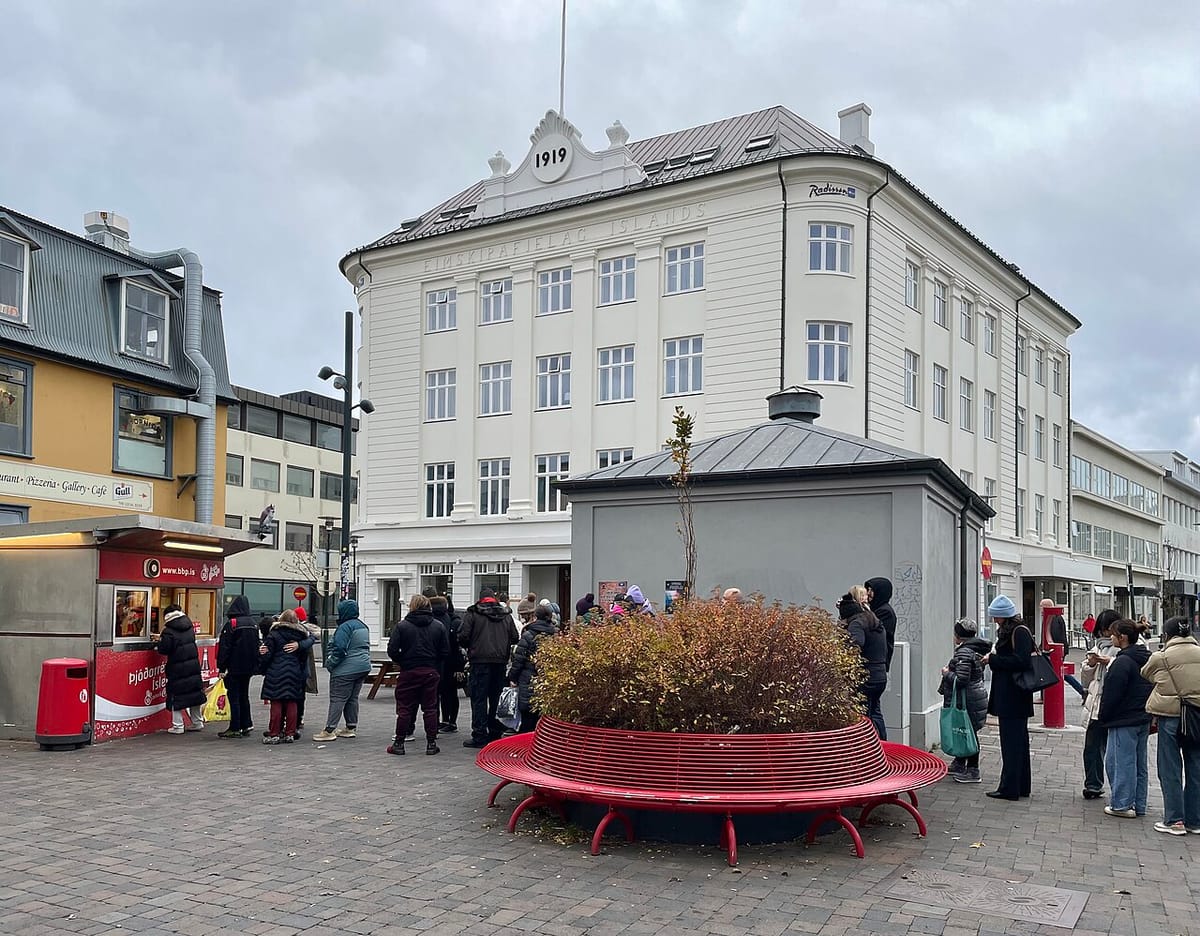
If you want the famous hot dog stop, use Bæjarins Beztu Pylsur as a quick city bite, not a full lunch plan. If you want fermented shark in a clearer cultural setting, Bjarnarhöfn Shark Museum is a better context than ordering it randomly because a list told you to.
Use this for preservation, skyr, bread, greenhouse, and local-production context.
Use this for official visitor-facing traditional food context.
Route meals work when they reduce friction: a greenhouse stop already near the Golden Circle, a farm café on the way, or a harbor meal beside the place you meant to visit.
Food should support the route, not hijack it. A farm or greenhouse meal can be excellent when the day is already moving through South Iceland or the Golden Circle area. The same meal becomes weaker if it forces a scenic day into reservation anxiety.
Use Efstidalur as the kind of farm stop that makes sense when it is already near the day. In Reykjavík, Grandi can combine harbor food, walking, and the Reykjavík Maritime Museum without making the city day complicated.
For longer drives, check the South Coast Road Trip or South Iceland before making lunch the anchor. Food is a poor reason to lose daylight, weather margin, or a cleaner route.
Use this when comparing greenhouse food with the route you are already driving.
The easiest food plan is often the one with the fewest fixed promises. That matters for families, picky eaters, vegetarians, and travelers watching the budget.
Hlemmur and Grandi are useful city contexts because they let food sit beside walking, museums, shops, and harbor time. That is often more practical than asking one restaurant to solve everyone.
Use this official destination guide for Hlemmur's city-centre food-hall context, then check current opening and vendor details separately.
Menus, dietary requests, booking rules, tour stops, venue lineups, and opening days can change. Do not build the day from copied details.
For a food walk, open the operator page before committing. For a food hall, open the venue page. For a destination meal, open the venue page and compare it with the drive. The durable decision is the format; the changeable details belong with the business.
Food is useful when weather shrinks the outdoor plan, but a meal alone rarely replaces a full Iceland day.
On a wet or windy Reykjavík day, food pairs well with museums, pools, harbor walks, coffee, and a slower city rhythm. Perlan, the harbor, or a city food hall can make the day feel planned without pretending the weather did not matter.
On a road day, keep food flexible. A good bakery or simple meal can protect the day better than a long detour to a restaurant that leaves you chasing the schedule.
It is worth considering if you want city orientation, local stories, and several tastes in one easy block. Skip it if your group wants one slow seated meal or maximum flexibility.
Start with seafood, lamb, skyr, rye bread, pastries, coffee, greenhouse vegetables, and an Icelandic hot dog. Add stronger traditional foods only if you actually want that cultural context.
Yes, but they should choose flexible formats first: food halls, bakeries, cafés, grocery stops, and venues that can confirm dietary details directly.
Choose one planned food experience, then use bakeries, cafés, hot dogs, groceries, soups, or food halls for simpler meals. Avoid chasing restaurant rankings for every day.
No. Fermented shark is optional cultural context, not a requirement. If you want it, choose a place where the story and setting explain why it matters.
By ThorPublished Updated
Where to do it
Use these places and planning pages when food should support the route rather than take it over.
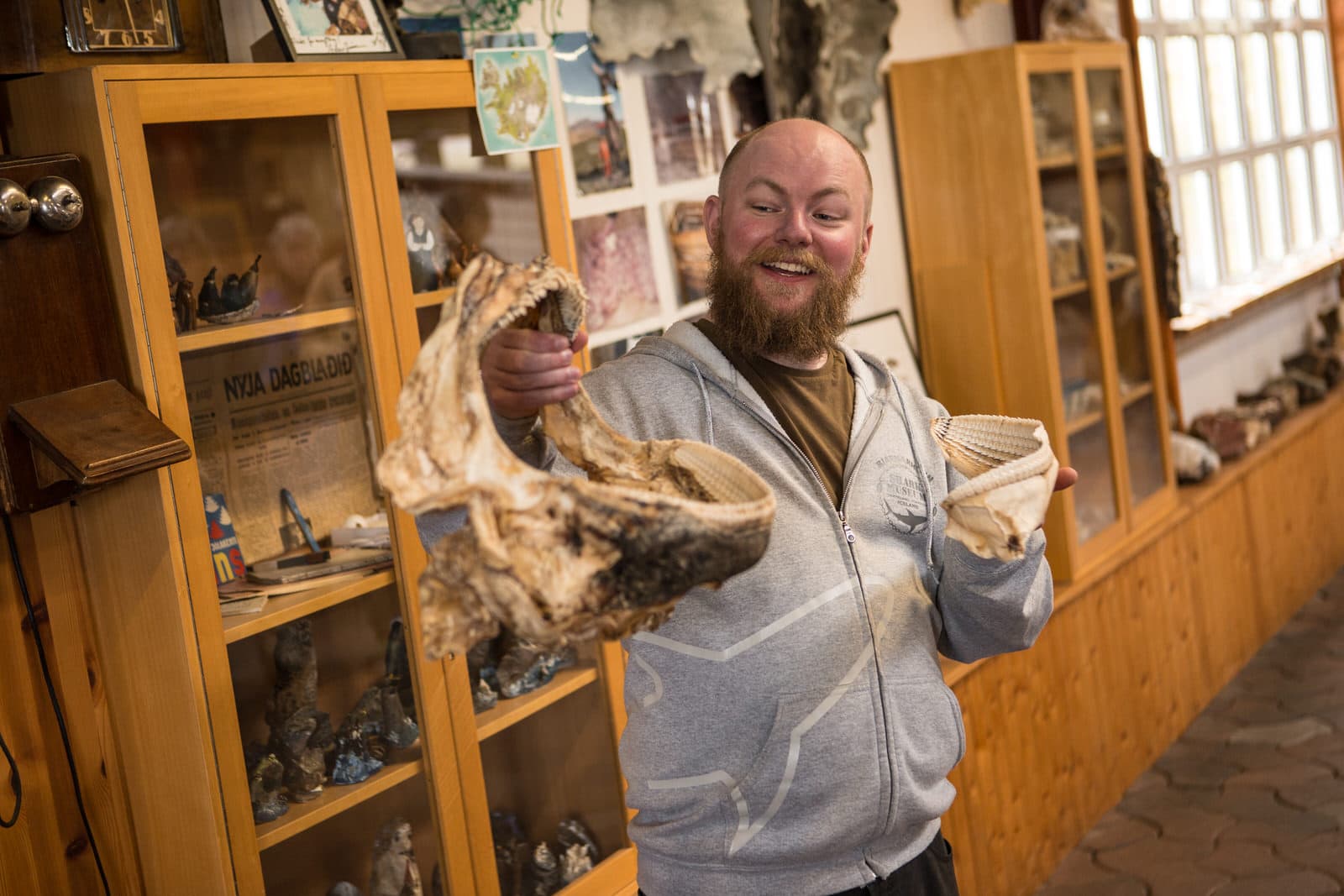
Bjarnarhöfn Shark Museum helps travelers separate the museum-and-tasting experience from the broader Bjarnarhöfn farm stop, so a Snæfellsnes route can use it as a focused cultural pause rather than a separate must-see detour.
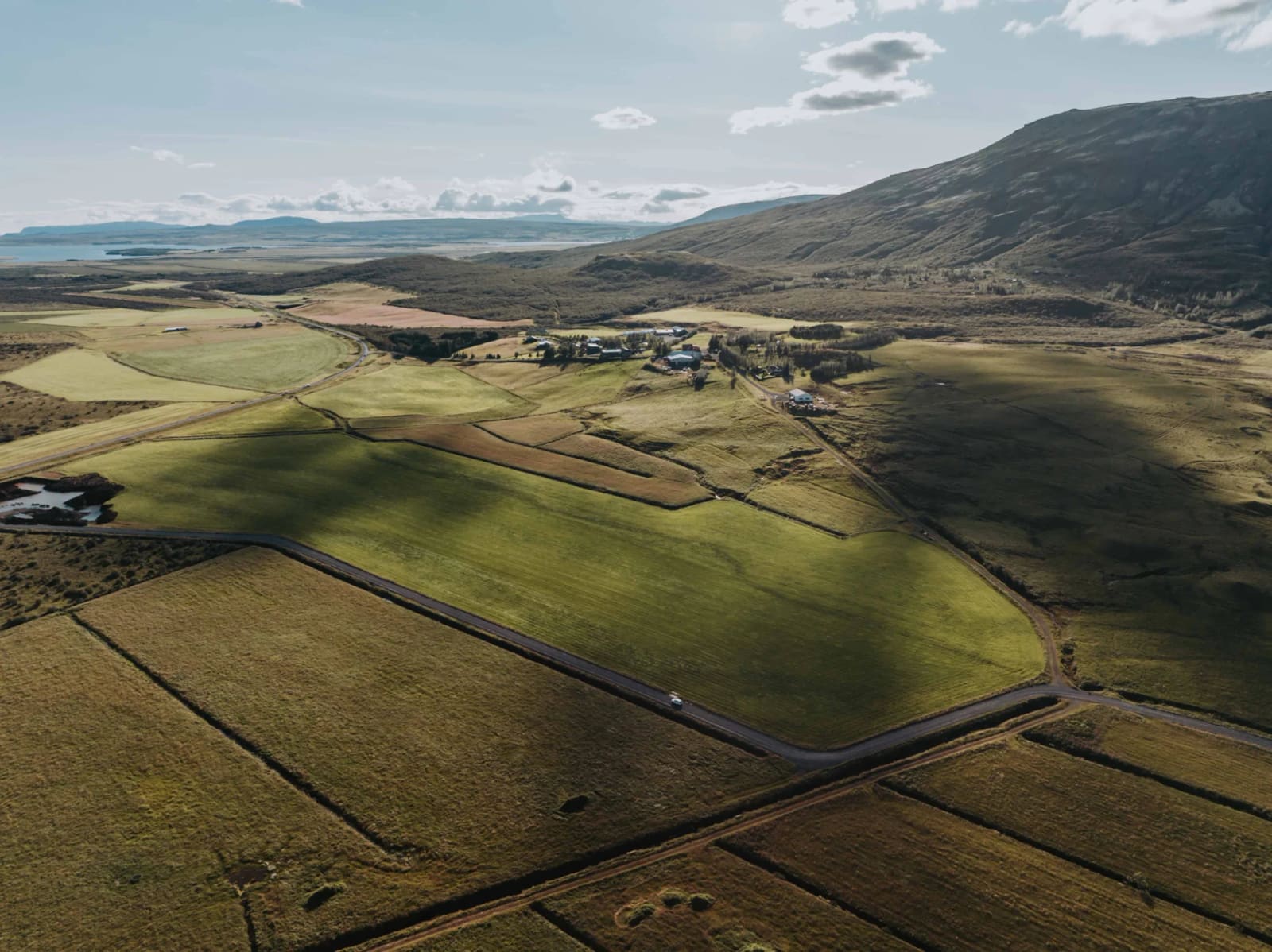
Efstidalur helps Golden Circle travelers judge whether a working dairy farm, ice-cream stop, restaurant, lodging base, or horse-riding pause deserves time between the bigger landscape stops near Laugarvatn.
Regions
See which part of Iceland is most convenient for this experience and what else you can visit nearby.
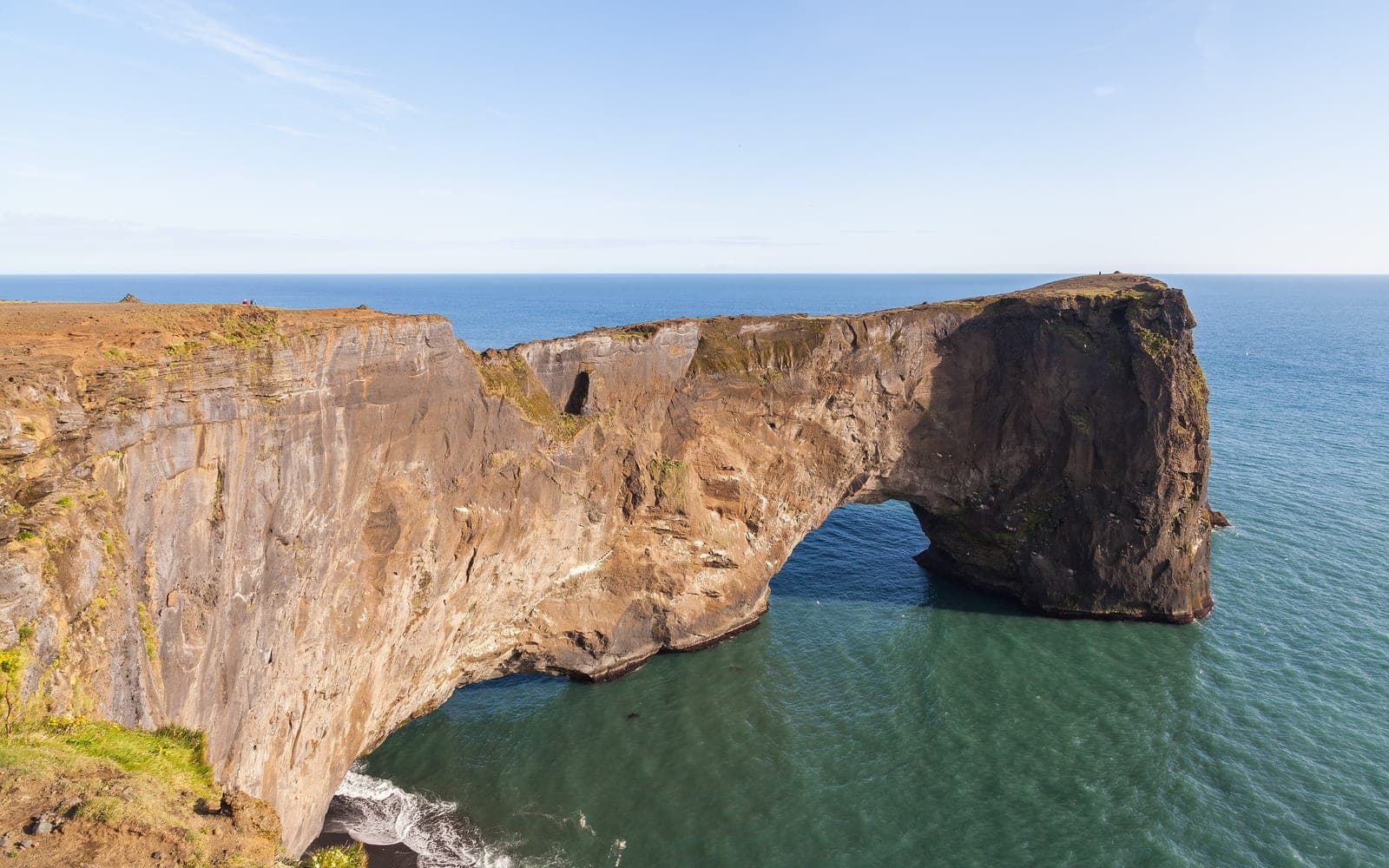
Build a first-trip route around waterfalls, black-sand coast and glacier country, but allow two to four days if Jökulsárlón is part of the plan.
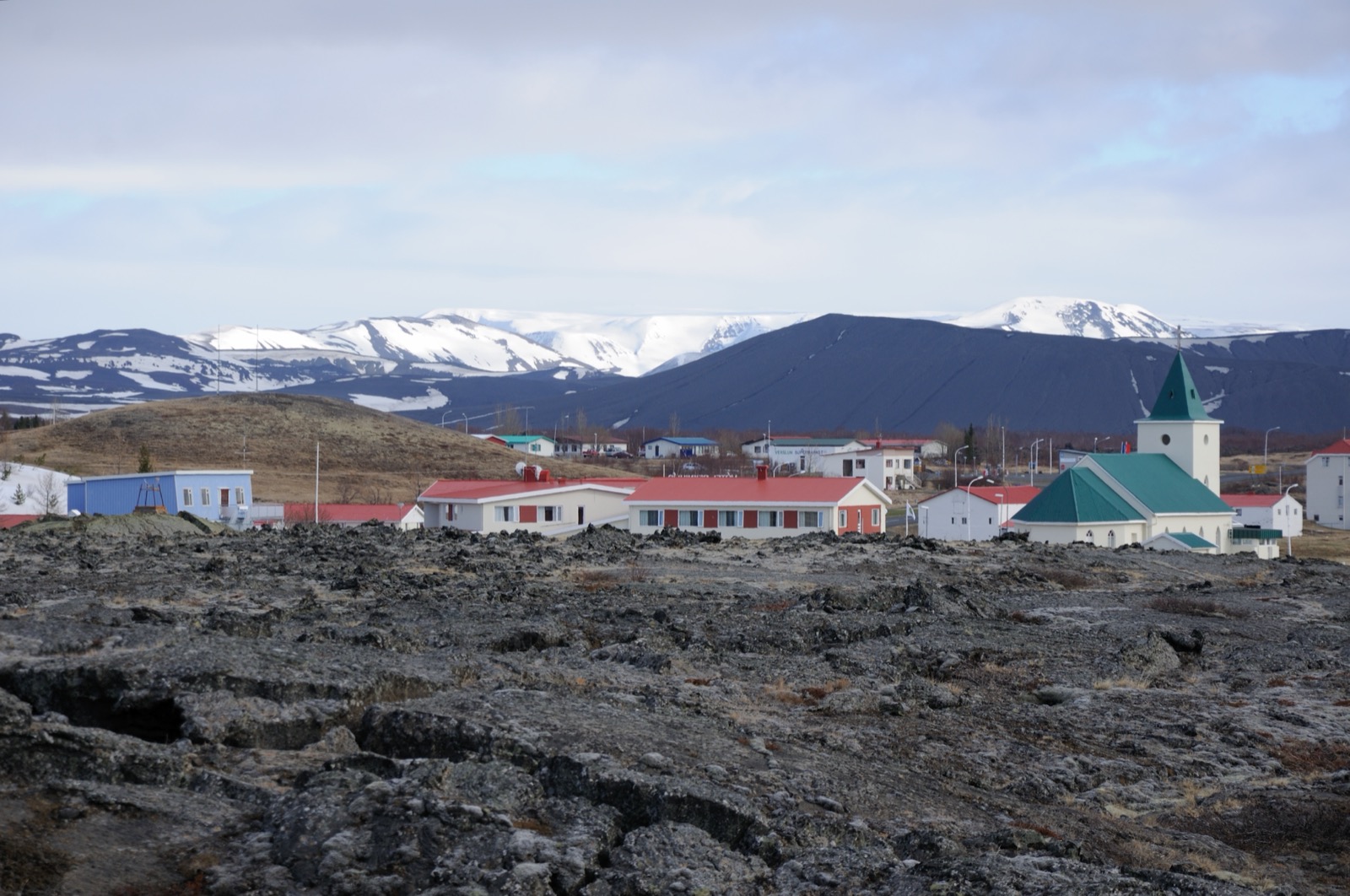
Choose North Iceland when you can spare several days for Akureyri, Mývatn, Húsavík, and canyon country; one rushed overnight barely reaches the region.
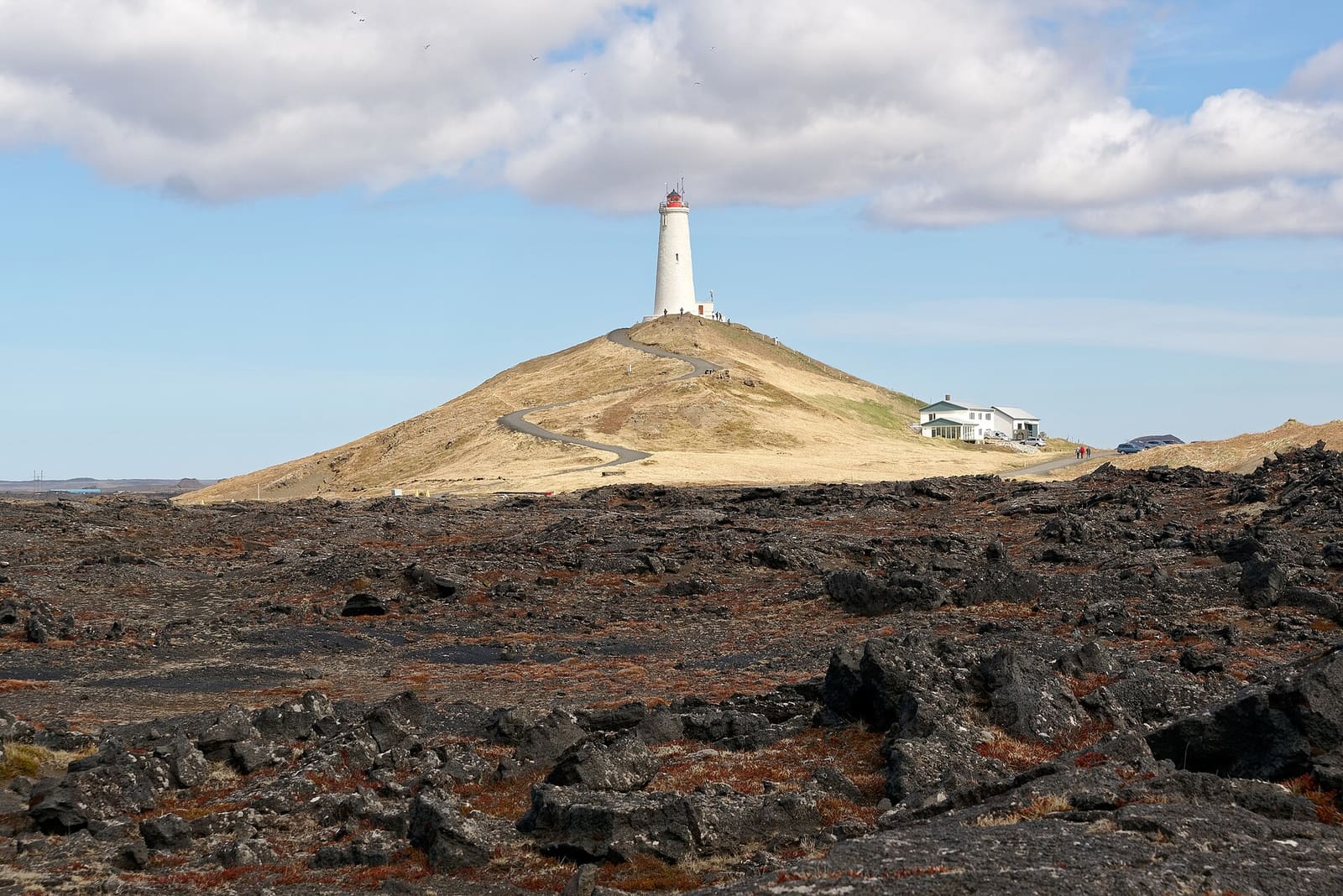
Use this volcanic peninsula for a careful half- or full-day route near KEF, but keep eruption sites, Grindavík and Blue Lagoon plans conditional.
Road trips and itineraries
See where this experience fits into a road trip or day-by-day itinerary.
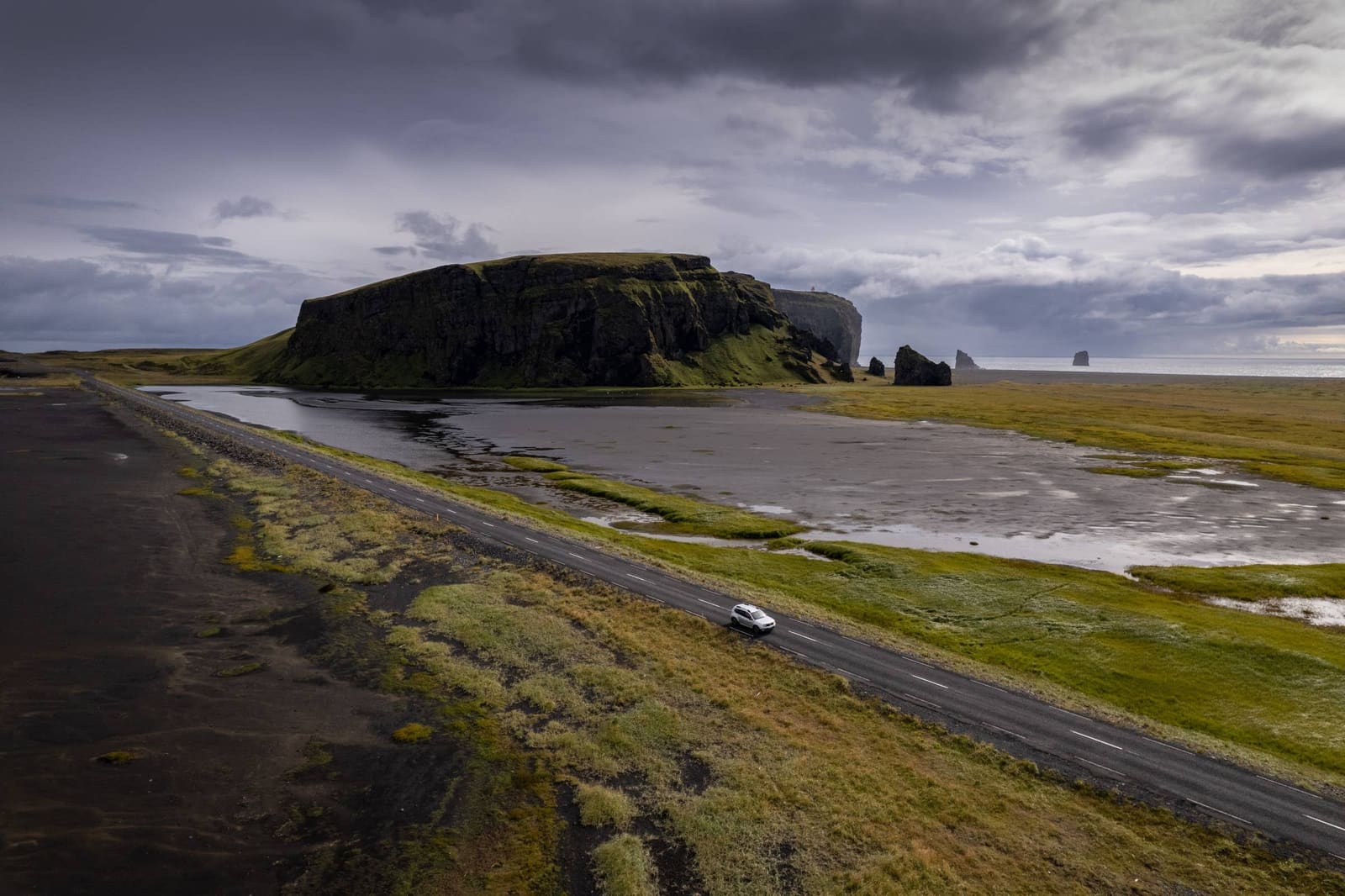
A realistic first-trip route through Reykjavík, the Golden Circle, and the South Coast, built for five calendar days without turning the final day into a race to the airport.
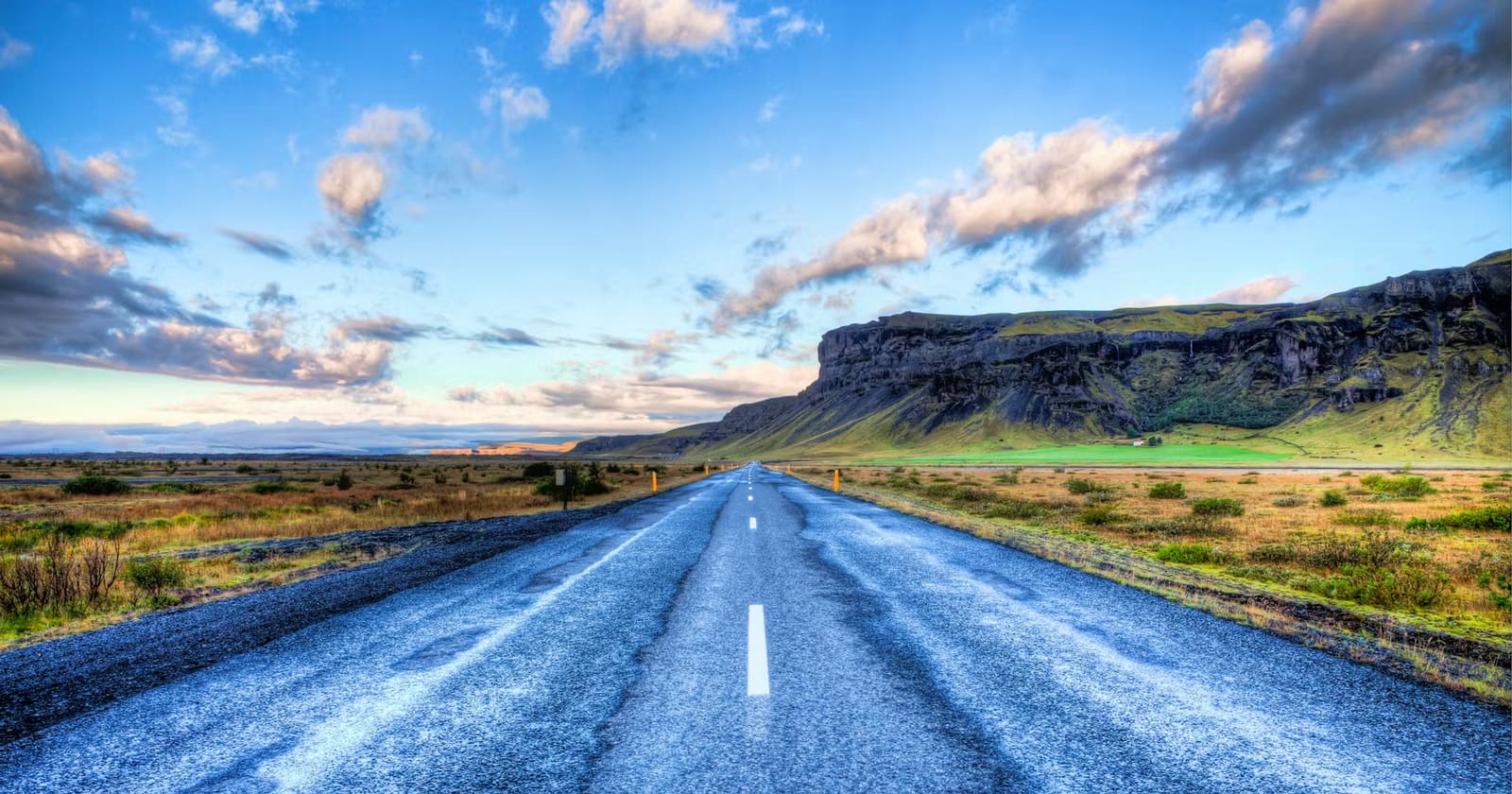
A route-choice guide for deciding whether your Iceland trip should become a full Ring Road loop or a slower South Coast route.
Choose the next move
Start with the base, route, or casual food stop that makes the meal easier to plan.