Experience fit
- Easiest start
- A properly permitted lake
- Freshwater
- Check the exact water
- Used gear
- Disinfection proof required
- Guide helps
- Permits, tackle, and access
- Boat days
- Recheck the marine forecast
Fishing in Iceland can be a quiet morning beside a lava-fringed lake, a carefully guided river day, or a sea trip from Reykjavík harbour. For a first independent outing, a permitted lake is usually the easiest choice; rivers, boats, and winter ice reward more local help.
Experience fit
A still lake below dark hills feels worlds apart from a salmon river, a working sea boat, or a frozen northern shore. All four can be memorable, but they ask for different permits, equipment, transport, and levels of local help.
| Start with | Permission and rules | When a guide helps | Trip shape |
|---|---|---|---|
| Lake | A permit or card plus that lake's rules | Useful for tackle, access, and a first session | Often the easiest self-drive half or full day |
| River | A permit for the exact river, date, and method | Often valuable for permission, beats, and local technique | Usually a deliberate booked day |
| Sea | No freshwater-style permit for personal rod fishing; shore access still matters | Most practical for a boat, equipment, and local waters | A harbor-based outing exposed to marine weather |
| Winter ice | Safe ice, access, and local permission must all align | Treat it as a specialist guided format | A condition-dependent winter add-on |
For a first independent outing, we would start with a properly permitted lake. A river day is more controlled because permission may cover a particular date, method, or stretch. A guided sea trip supplies the boat and local waters, while winter ice should remain a specialist outing built around verified conditions.
Photo guide
1 / 8
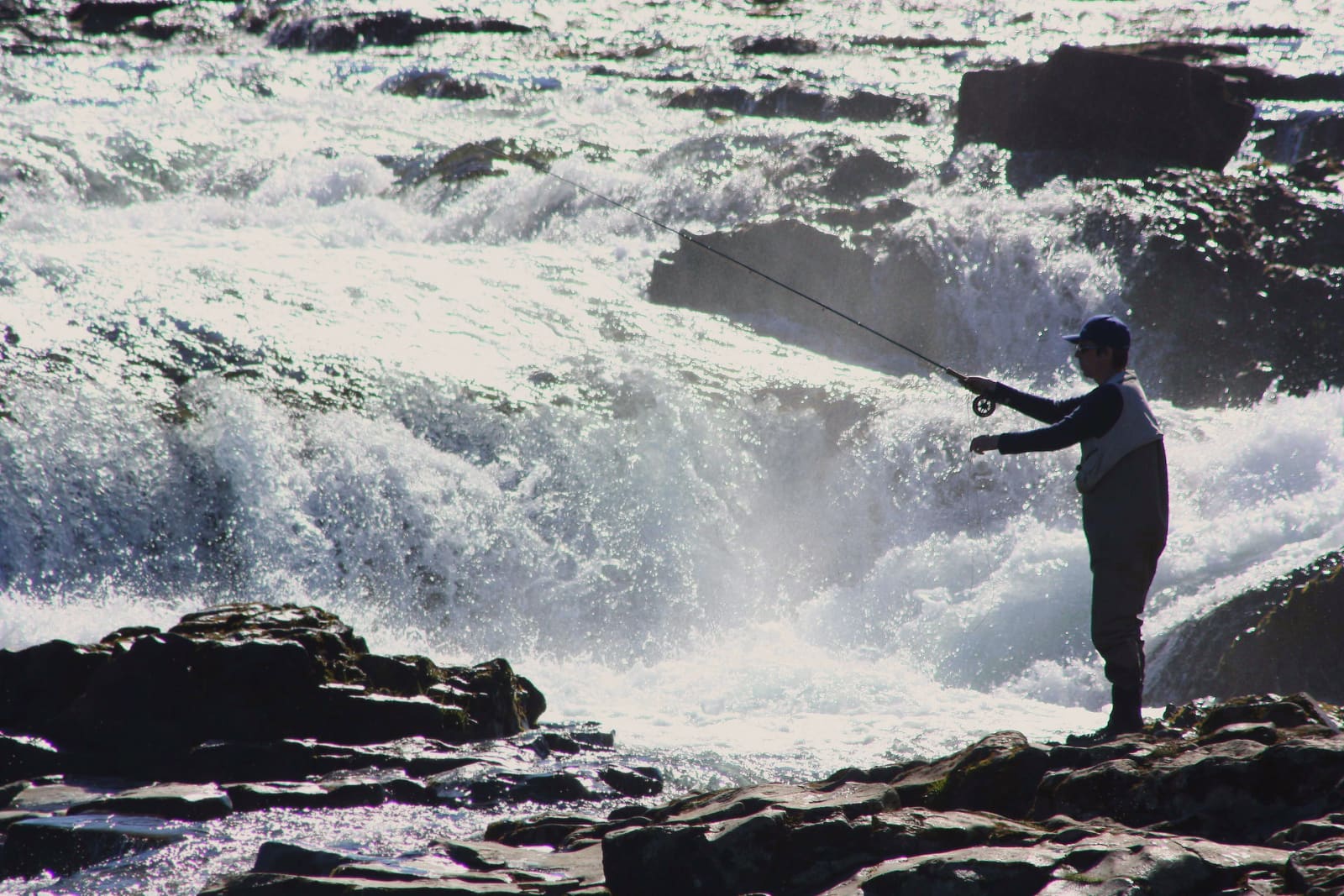
One angler stands in the Tungufljót, where the exact permitted water and safe footing cannot be guessed from a map.
Good to know
A lake gives a newcomer room to slow down: assemble the rod on shore, watch the wind move across the water, and fish without the structure of a premium river beat. The exact lake still has its own permit, boundaries, and rules.
The multi-lake Fishing Card can reduce the booking work on a road trip, but it covers lakes, not rivers, and its included waters can change. Open the current lake list, then read the entry for the water you actually intend to use. A card is permission, not a promise of good access, safe banks, or fish.
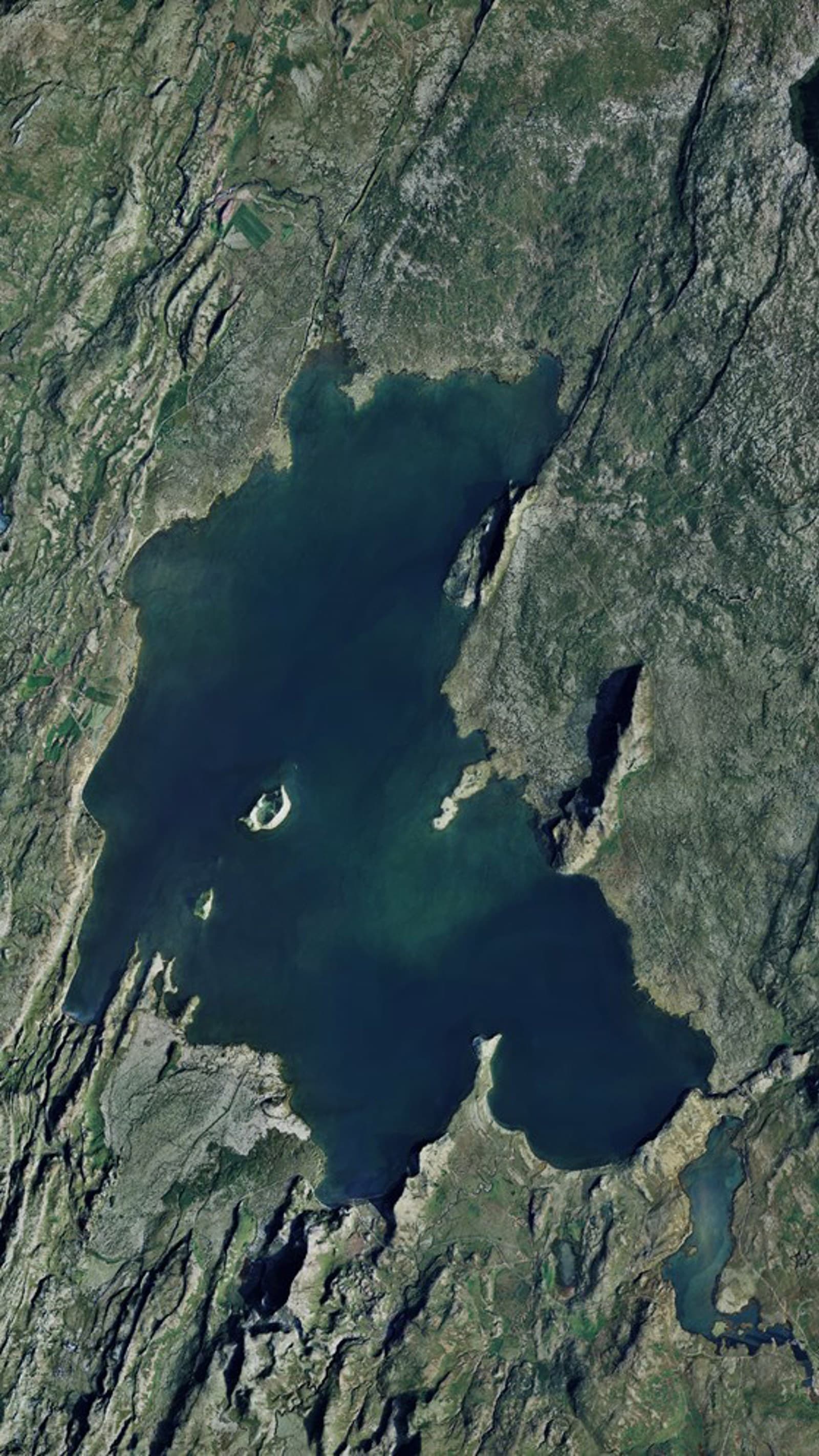
Near the capital, Lake Elliðavatn can make the idea feel close to Reykjavík. Þingvallavatn has a far bigger landscape and several access questions, so its attraction page is useful context before you treat the lake as a casual Golden Circle stop.
A river day is more structured. Permission can be tied to a river, a section, a date, and an allowed method, which is why a promising blue line on the map is not enough.
Start with the permit seller or local fishery information for that river. Confirm where the fishing boundary begins and ends, whether catch-and-release rules apply, and which hooks, bait, or fly methods are allowed. Ask again if the wording is unclear; a general Iceland fishing article cannot settle a local rule.
A guide becomes more useful as the water gets more controlled. They can match the method to local rules, supply compliant tackle, and reduce time lost finding the correct bank or beat. That matters on a short trip where one mistaken access point can consume the best part of the day.
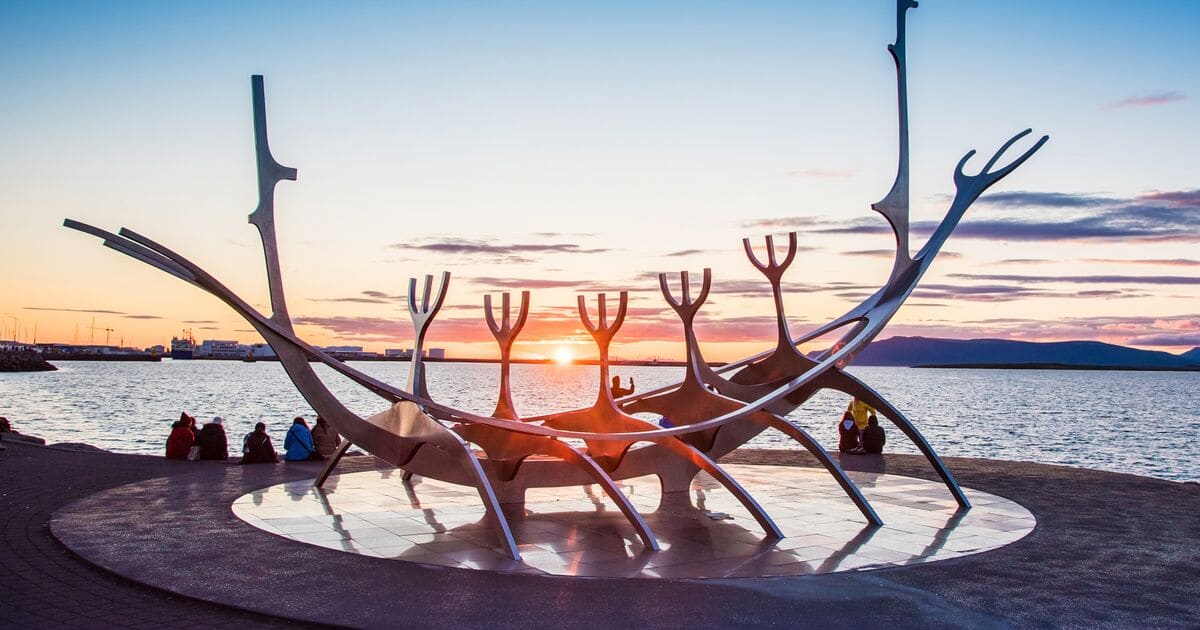
From Reykjavík, a fishing boat turns the harbour into the start of the experience and usually supplies the vessel, crew, local water, and basic gear. Recreational sea fishing follows different rules from freshwater permits, although shore access, safety limits, and the ban on selling a catch still matter.
For most visitors, a guided boat is the practical route. The operator supplies a vessel, crew, local fishing area, and usually the basic gear. You still need to check the meeting point, clothing, minimum operation, cancellation terms, and the operator's response to poor marine conditions.
A Reykjavík boat can fit a city stay more easily than a river day with a hire car. Start at Reykjavík Harbour, but do not build the afternoon around a guaranteed sailing. Keep the Reykjavík activities guide available for a weather-driven switch.
Summer light gives you time to reach a lake or settle into an evening session, but the exact water's permit and season still decide whether you can fish. Spring and autumn bring colder banks and shorter useful evenings; winter ice belongs to a guided, conditions-led outing.
Do not turn a broad season description into permission for one water. Check the exact dates and method close to travel, then check the forecast again before leaving. The summer activities guide helps compare fishing with other long-day options when the water does not work.
Winter ice fishing belongs in a different category. Safe ice, snow access, transport, equipment, and local permission all have to align. A guided outing from a northern base can make sense, but an unfrozen or unsafe lake is not a minor inconvenience. Keep a dependable winter activity as the main plan.
The water decides which tackle is useful; Iceland's biosecurity rules decide whether used gear is ready to enter the country. Solve both before the flight instead of arriving with a familiar setup that does not suit the permit.
MAST's rule covers more than the rod: reels, hooks, lures, waders, and other equipment used abroad need compliant disinfection. Arrange treatment before arrival and carry the certificate, or use a recognized service in Iceland. New unused equipment is treated differently, but it should be clearly unused.
The allowed method comes from the water, not from what you prefer to pack. A lake may allow a straightforward spinning setup while a river permit can narrow the hooks, bait, or fly method.
Beginners should resist buying a complete Iceland setup before choosing a water. A guide or specialist rental can provide tackle suited to the rules and target species. Experienced anglers bringing their own gear gain familiarity, but take on the disinfection work and the risk of packing the wrong method for the permit.
Clothing deserves the same attention as the rod. Wind crosses open lakes quickly, river stones are slick, and standing in cold water changes an otherwise mild day. Use waterproof layers, eye protection, and wading equipment appropriate to the bank. Do not wade a strong current simply because another angler is farther out.
A guide adds the most value when the water is tightly controlled, the method is unfamiliar, or the trip has no spare day. They can combine permission, tackle, transport, and local knowledge in one booking.
Independent lake fishing suits travelers who already understand the equipment and can read the local rules. A first river day is harder to improvise because the permit and access may be specific. Boat fishing and winter ice fishing add vessel or condition expertise that most visitors cannot replace with a map.
Look past the word guided and ask what the service includes. Permit, pickup, rods, waders, bait, food, fish handling, group size, and the chosen water can differ. Check the poor-weather alternative too: a guide cannot make unsafe ice, a closed water, or a rough sailing usable.
A guide can arrange a freshwater day from Reykjavík, lead a private lake outing, take you to sea from the harbour, or build a North Iceland day around safe winter ice. These options show how much the water and base change the experience.
Compare the water, base, group format, and included equipment, then confirm the exact water and operating details with the provider.
Iceland Fishing Guide
Best forTravelers based in Reykjavík who want a guide to arrange a freshwater day and supply the practical pieces.
Keep in mindThe provider names Sog and Hólaá rivers; confirm which water and fishing method your booking covers.
Check firstConfirm the water, pickup, permitted method, clothing, and included tackle.
Lake Fishing Iceland
Best forA small group that wants a lake-focused outing with gear, permit, and transport handled.
Keep in mindThe listed three-guest limit needs checking for larger groups; confirm whether your departure is private or shared.
Check firstConfirm the date, pickup area, group limit, permit, and transport plan.
Reykjavík Sea Adventures
Best forReykjavík stays that prefer a harbor-based boat and supplied fishing gear over a freshwater road day.
Keep in mindMarine weather and minimum operation can change the sailing, and a boat brings cold and motion.
Check firstConfirm operating status, meeting point, weather terms, warm clothing, and what happens if the trip changes.
Iceland Fishing Guide
Best forNorth Iceland winter travelers who want ice access, transport, tackle, bait, and a guide in one outing.
Keep in mindThe format depends on safe ice and winter access, so it cannot support a fixed day.
Check firstConfirm ice conditions, pickup, permit, equipment, clothing, and the alternative if access fails.
The base changes which fishing day is realistic. Reykjavík gives you city pickup and boat choices; South Iceland has well-known rivers and lakes; the north can support freshwater and specialist winter formats without a capital-city return.
From Reykjavík, choose between a supplied outing and an independent lake before renting a car solely for fishing. A guide can remove the awkward transfer between city accommodation, permit seller, tackle, and unfamiliar bank. A sea trip keeps the meeting point close but remains exposed to the marine forecast.
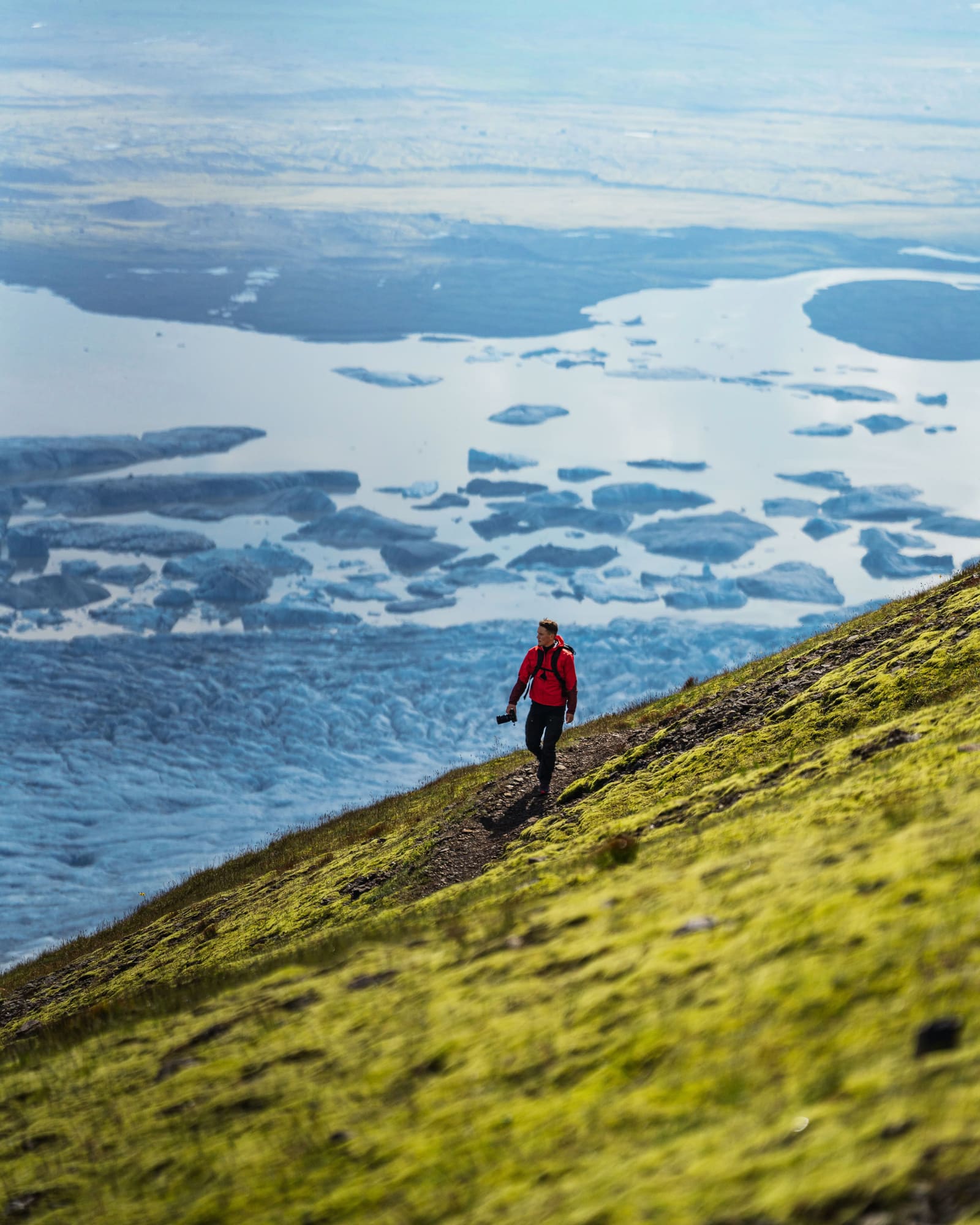
South Iceland works when fishing is already part of a slower drive. Hella is useful context for the Ytri-Rangá area, while Heiðarvatn and Hlíðarvatn show why a named lake needs its own access page. Do not add a premium river day to an already full waterfall route.
In the north, Akureyri is the more useful base than a long out-and-back from Reykjavík. The same rule applies in the Westfjords and East Iceland: choose fishing because you are staying in the region, not because a famous water looks close on a national map.
The memorable part may be the cast, the quiet, or a fish; the actual outing also includes collecting a permit, finding the correct bank, changing into wet gear, setting up, cleaning down, and driving back. Even a short session can fill most of a day.
Give a booked river day its own space. For an independent lake, pair only nearby stops that still work if fishing runs late. On a boat day, keep the post-trip plan within Reykjavík until the sailing is settled. A rigid restaurant booking or long evening drive is poor insurance against a cold, delayed return.
Build a non-fishing fallback that uses the same base and little extra driving. A museum, public pool, town walk, or short marked path is easier to switch into than another specialist tour. The aim is not to guarantee a catch; it is to make the day worthwhile even when the water, weather, or permit changes.
National guidance gets you started, but the lake, river, or operator sets the details that affect the day. Answer the questions below with the exact source for permission, dates, methods, access, and equipment, then keep the forecast nearby.
Check disinfection requirements and certificate options for used tackle and waders.
Read the rod and hand-reel rules, land-access limit, and no-sale condition.
Recheck the included lakes and the rules for the water you intend to visit.
Check wind, precipitation, and marine conditions close to departure.
Check general travel conditions before remote banks or winter access.
Yes. Tourists can fish, but freshwater permission is tied to the exact lake or river, and local dates and methods apply. Sea fishing follows different rules. Used equipment brought from abroad must meet Iceland's disinfection requirements.
It can range from a relatively simple lake permit to a premium guided river day. The honest comparison includes permit, guide, tackle, transport, and the time the outing removes from the route. Check direct prices for your date instead of relying on an old national estimate.
Do not assume freshwater fishing is free. Lakes and rivers generally require permission for the exact water. Recreational sea fishing with a rod or hand reel for personal consumption has no comparable freshwater permit, but landowner access, safety, and no-sale rules still apply.
Used fishing equipment that has been used abroad requires compliant disinfection before angling in Iceland. The rule includes tackle, waders, and related equipment. Arrange treatment and keep the certificate, or use a recognized service in Iceland.
A guided lake day is often the simplest introduction because the permit, tackle, and access can be bundled without the tighter structure of a river beat. A Reykjavík sea trip can also be straightforward if everyone is comfortable with cold and boat motion.
By ThorPublished Updated
Where to do it
Look closer at a named lake, a seasonal alternative, or the outings available from your base.
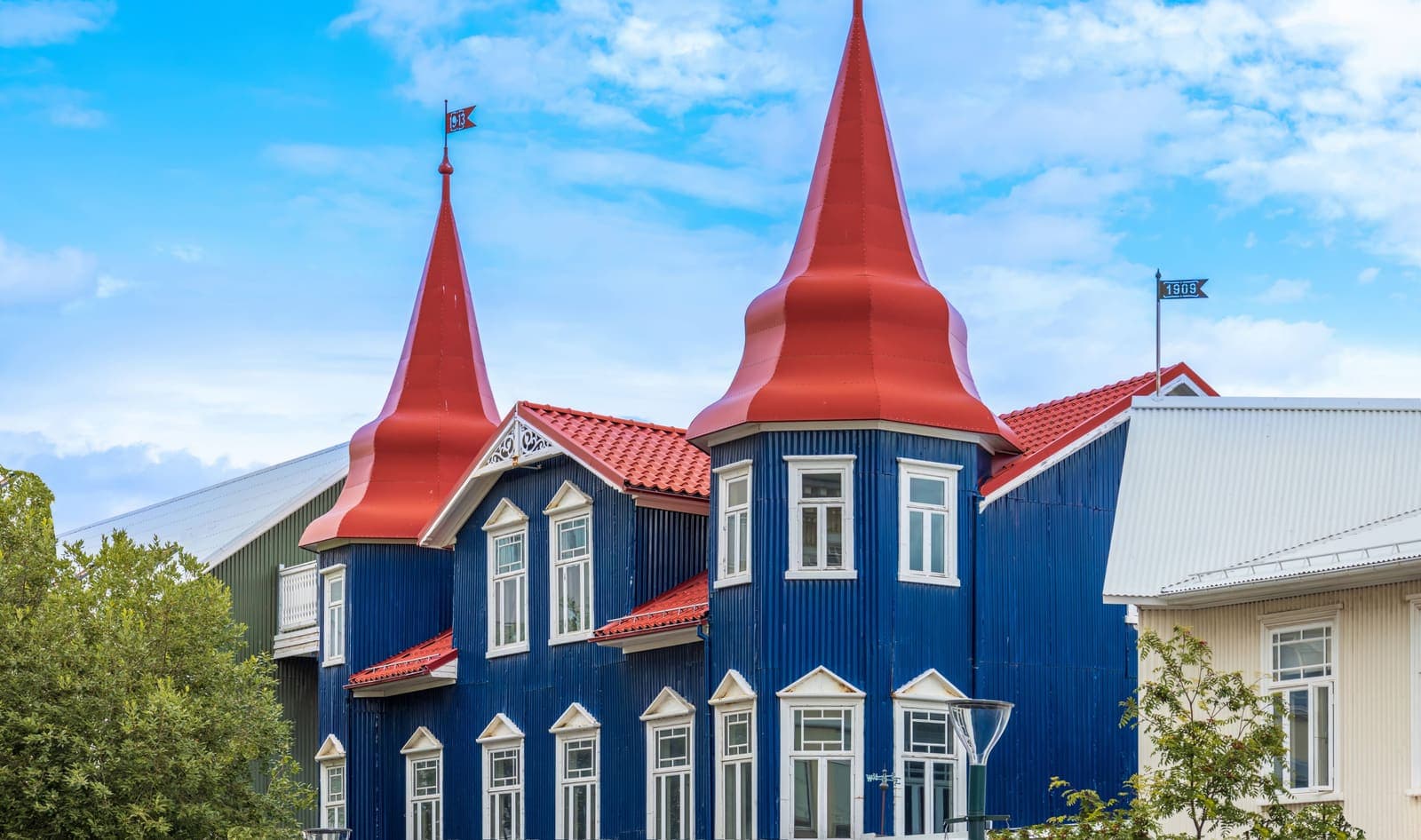
Akureyri is North Iceland’s main town base, best for travelers who want culture, food, harbor walks, and access to Goðafoss, Mývatn, Eyjafjörður, and the Arctic Coast Way without rushing every day.
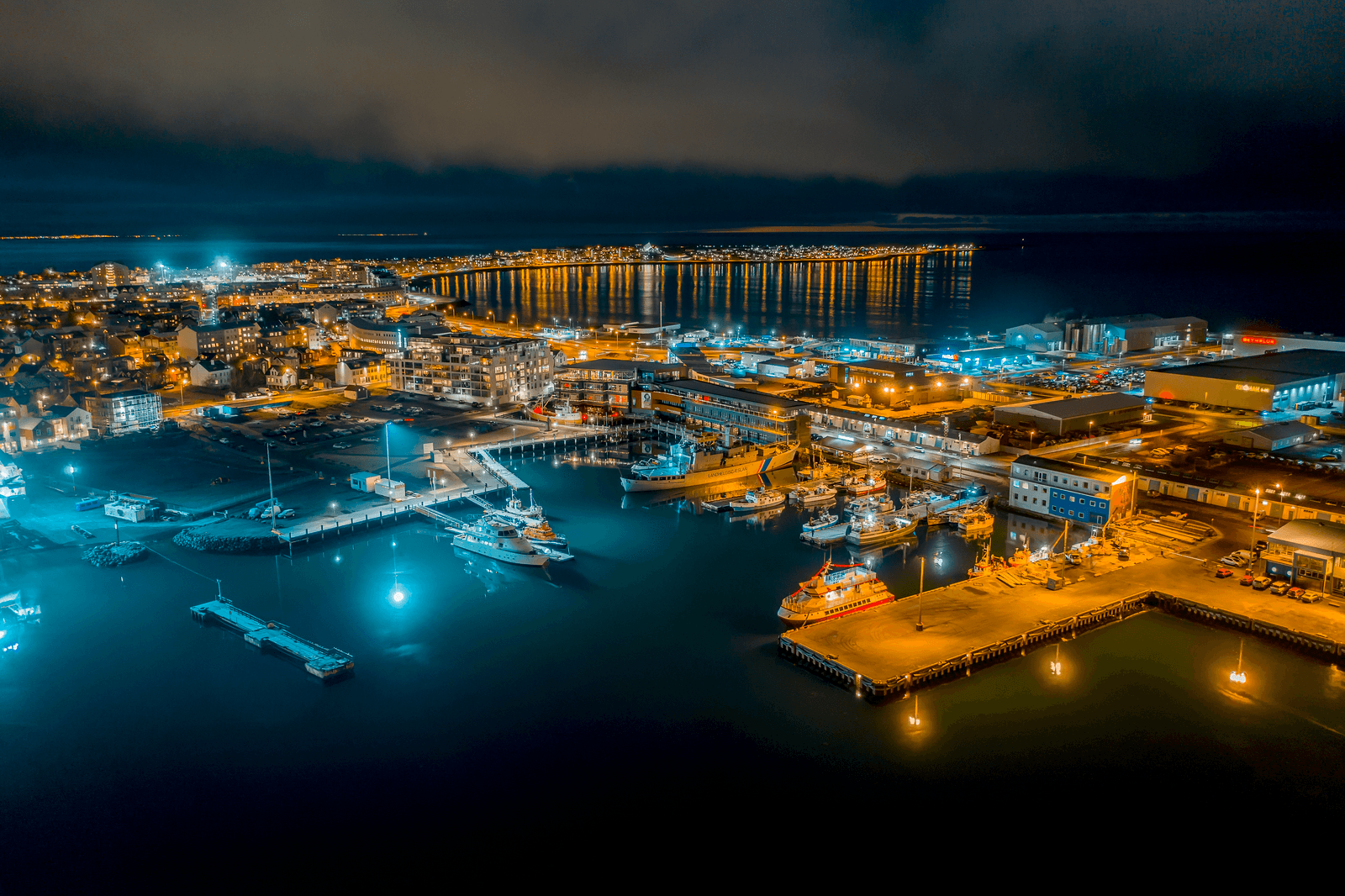
Reykjavík Old Harbour is the capital’s historic working waterfront, worth adding when you want a low-pressure city walk, boat-pier atmosphere, Grandi museums, and a practical way to connect downtown with the bay.
Regions
See which part of Iceland is most convenient for this experience and what else you can visit nearby.
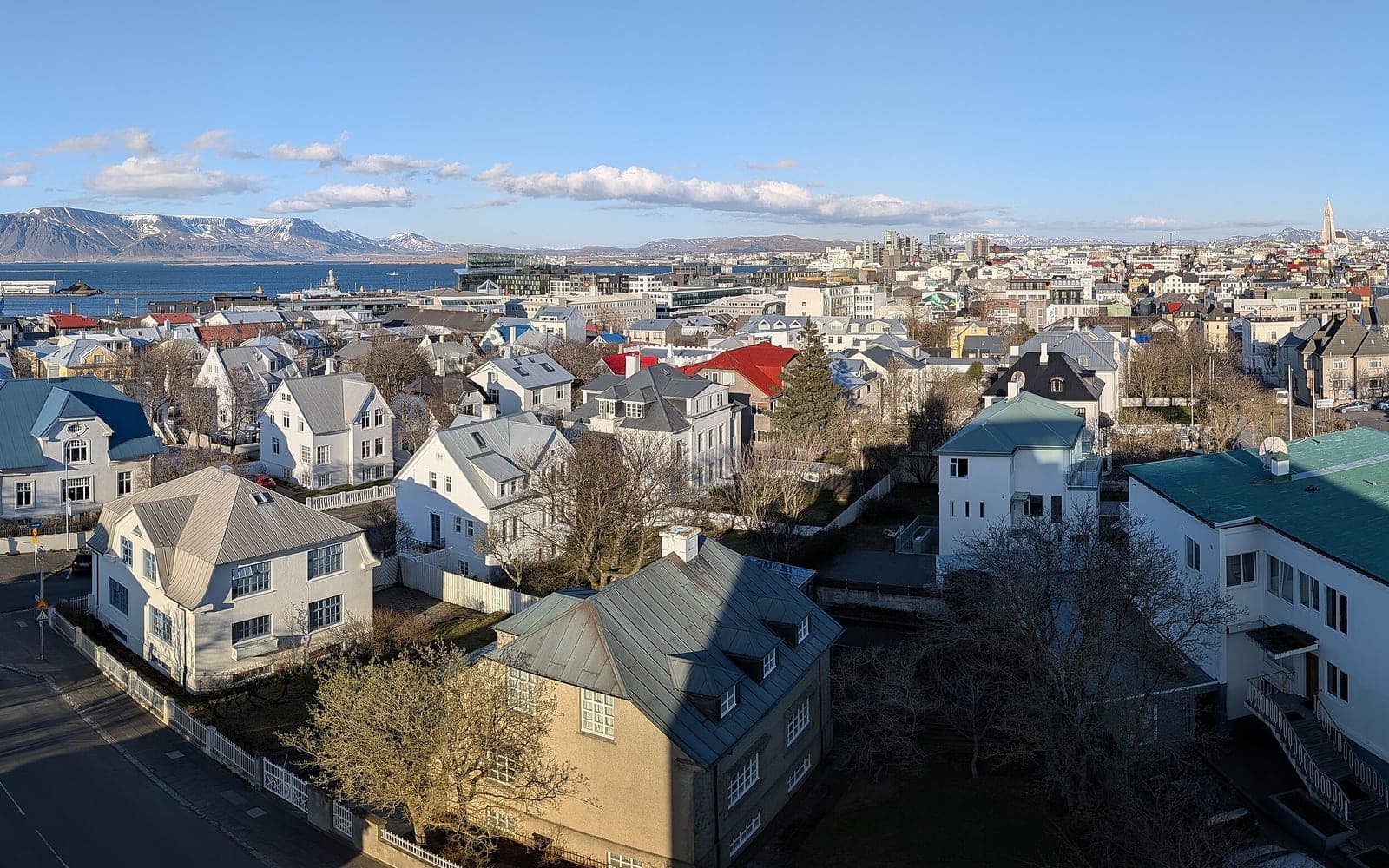
Choose Reykjavík for one or two car-free city days, a short break or a weather buffer—not as the default base for every long day trip.
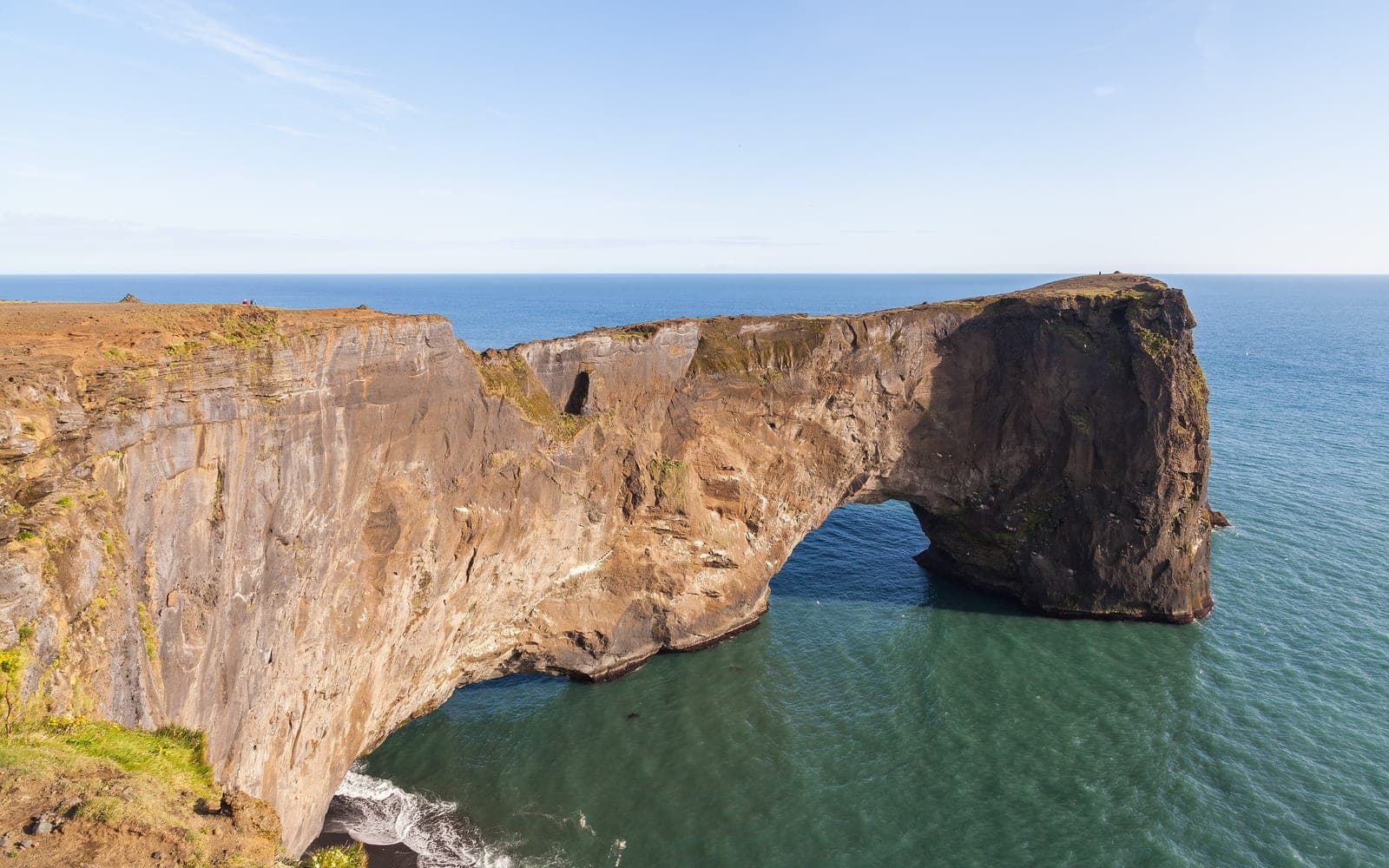
Build a first-trip route around waterfalls, black-sand coast and glacier country, but allow two to four days if Jökulsárlón is part of the plan.
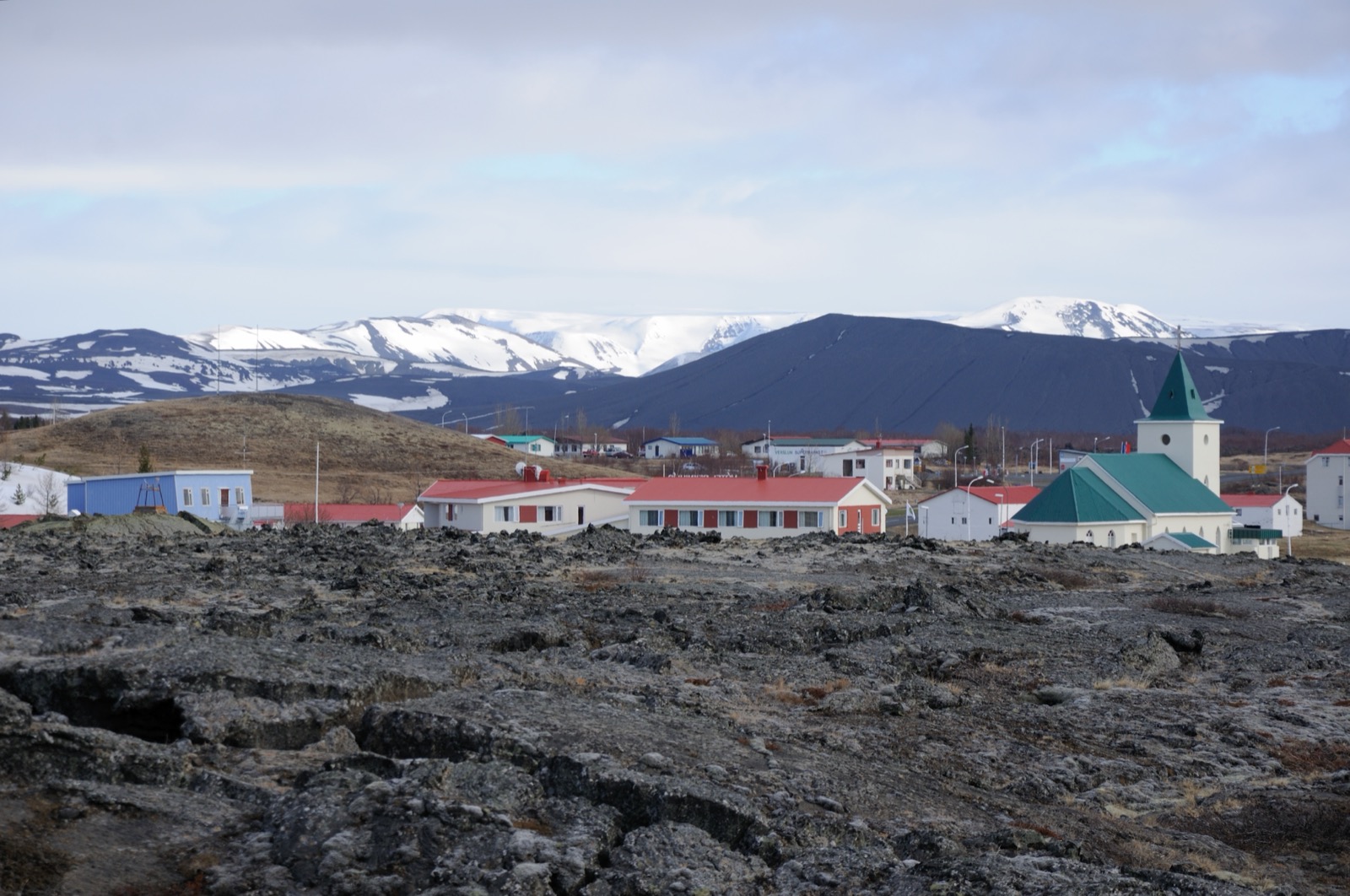
Choose North Iceland when you can spare several days for Akureyri, Mývatn, Húsavík, and canyon country; one rushed overnight barely reaches the region.
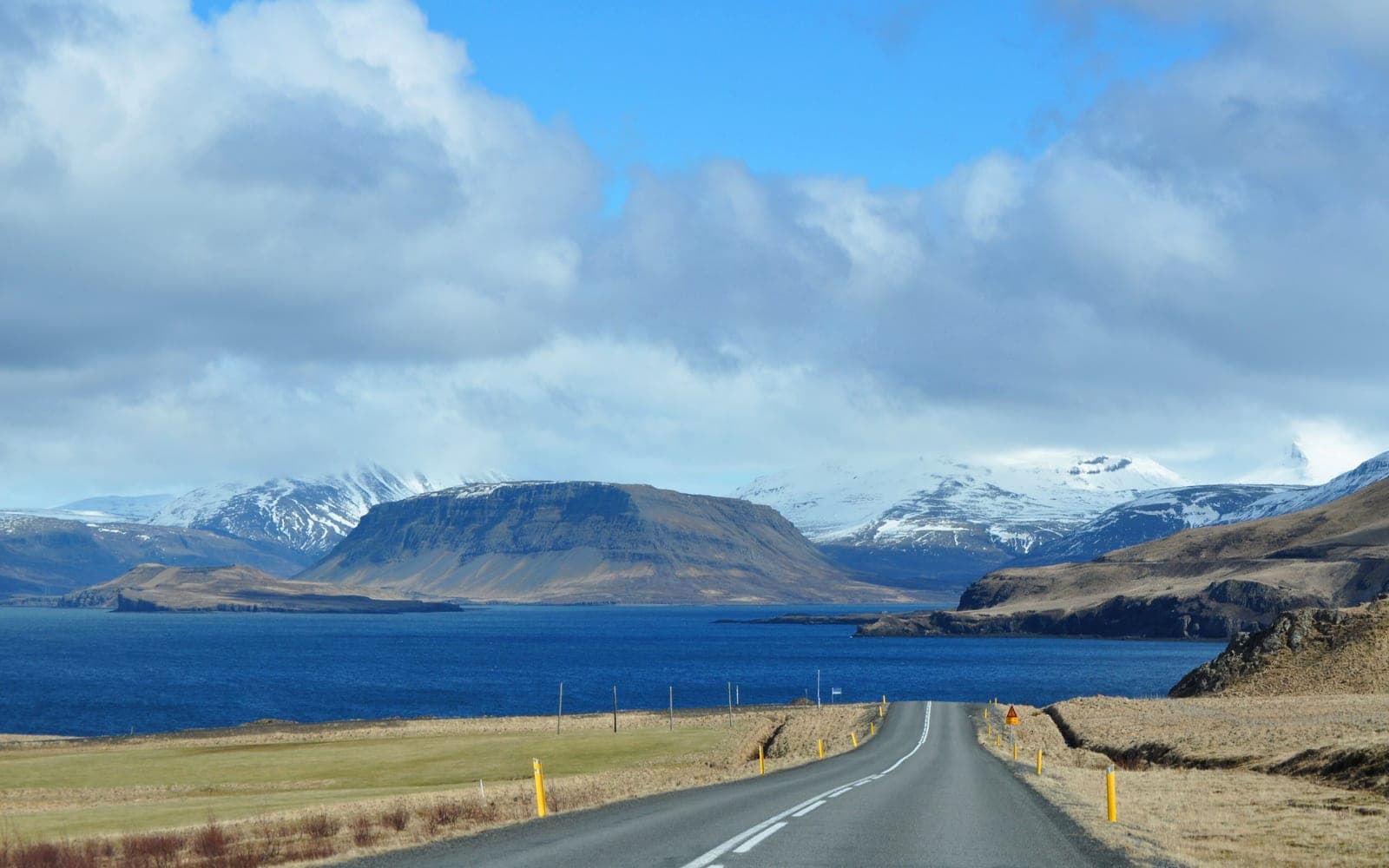
Choose West Iceland for a Borgarnes-based mix of waterfalls, geothermal stops, and caves; skip it if Snæfellsnes already fills your spare westbound day.
More things to do
See other activities that may suit the same day, season, or part of Iceland.
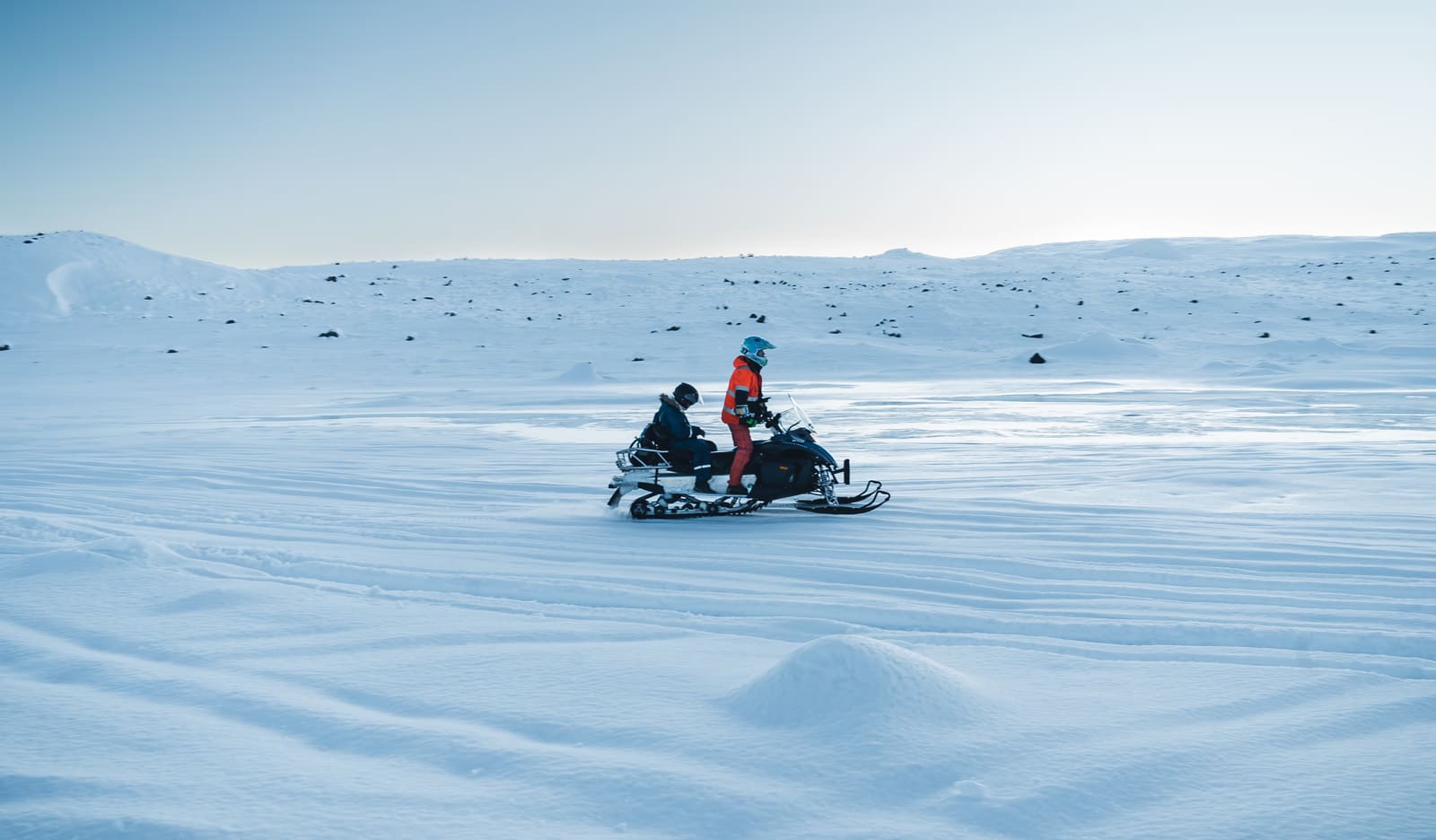
Choose one strong winter experience, then keep a flexible backup for weather, roads, daylight, or comfort. Compare guided ice, aurora, hot water, wildlife, city options, and conservative sightseeing before locking the day.
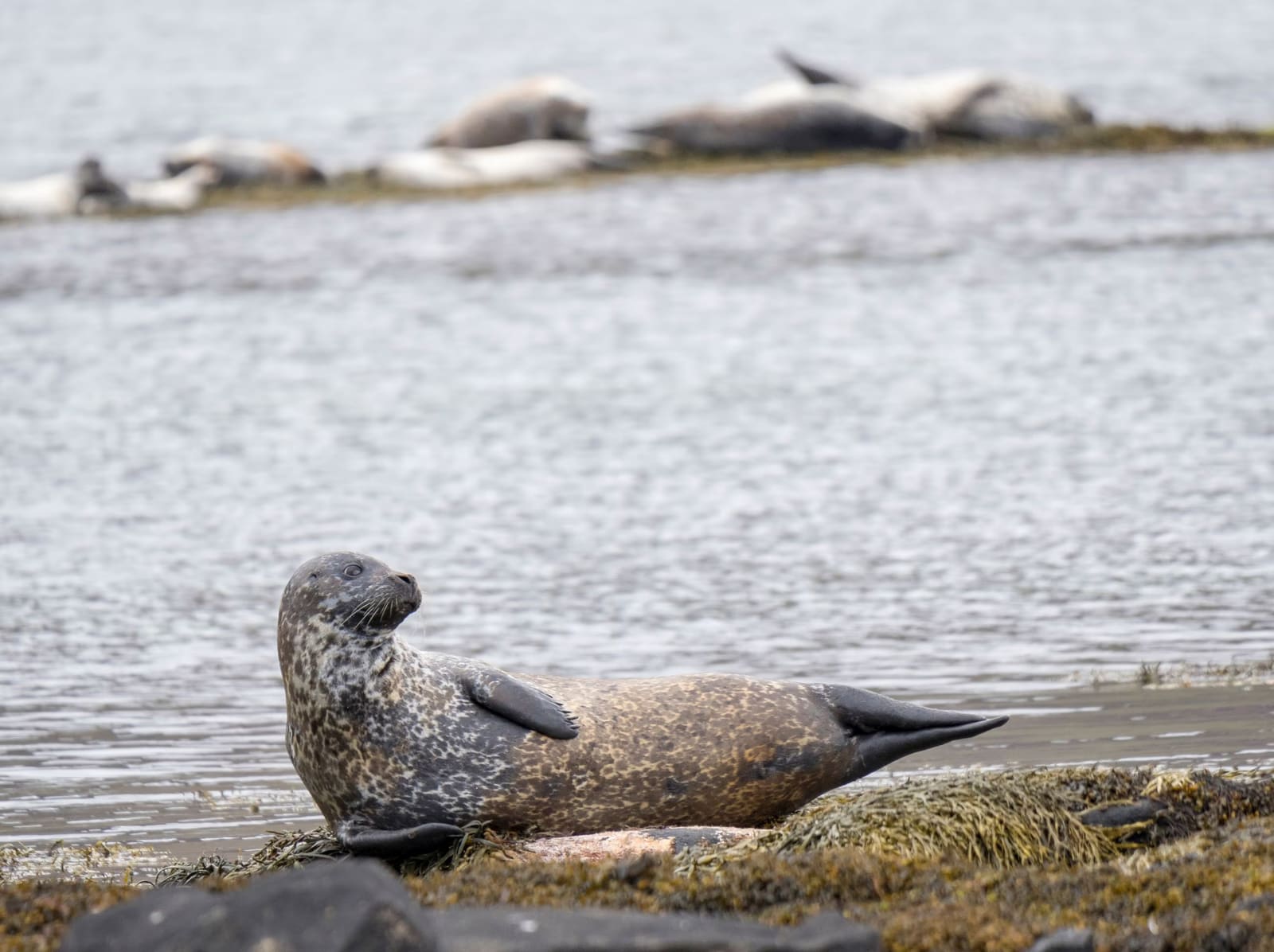
Choose Iceland wildlife experiences by fit, not animal fame. Compare whales, puffins, seals, Arctic fox interest, reindeer, Icelandic horses, bird cliffs, and indoor nature stops by season, route, patience, comfort, and viewing ethics.
Travel advice
Read more about driving, weather, safety, and other details that may affect your trip.
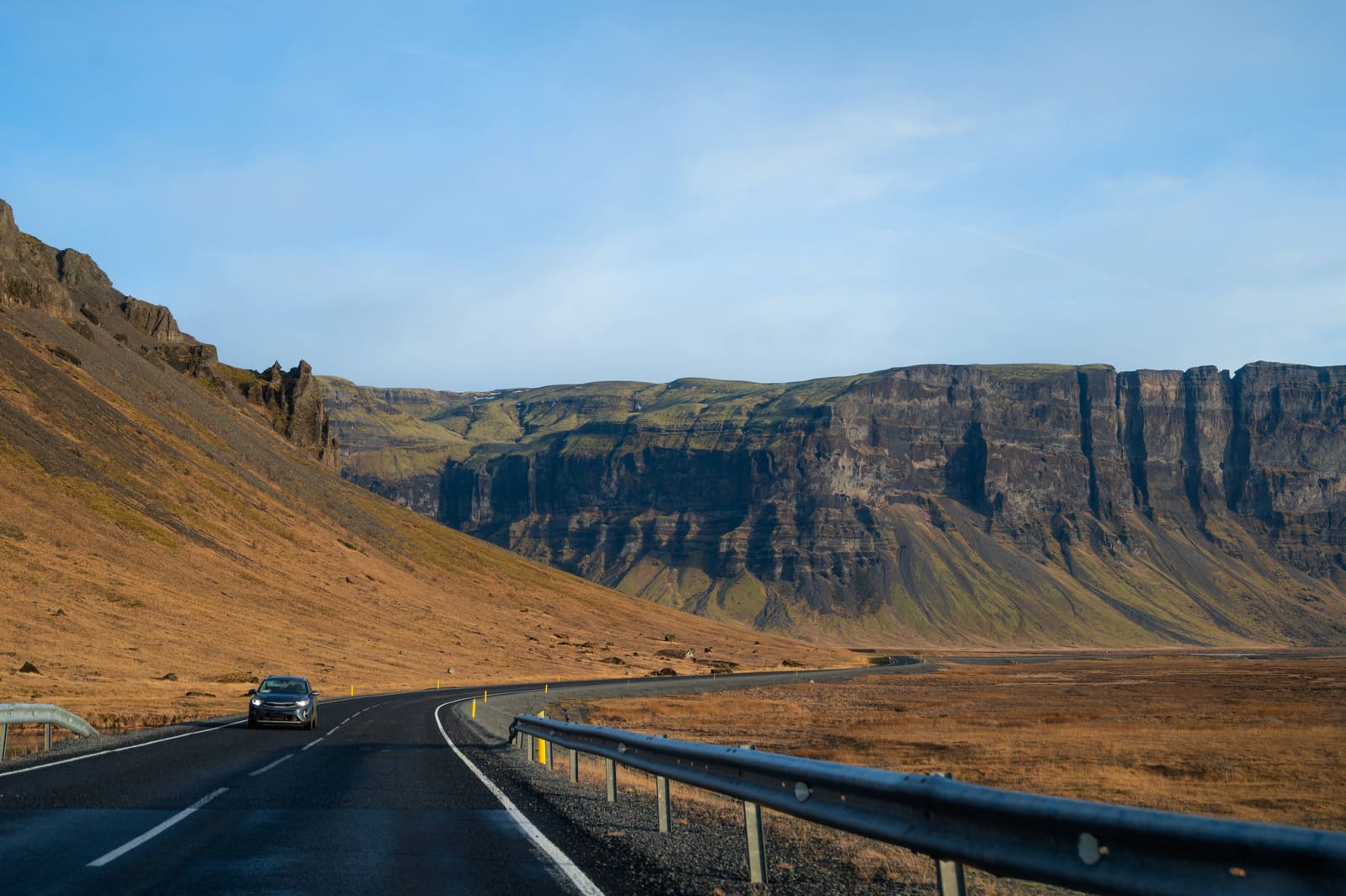
A practical guide to deciding whether to self-drive, matching routes and vehicles, and checking live conditions before every travel day.
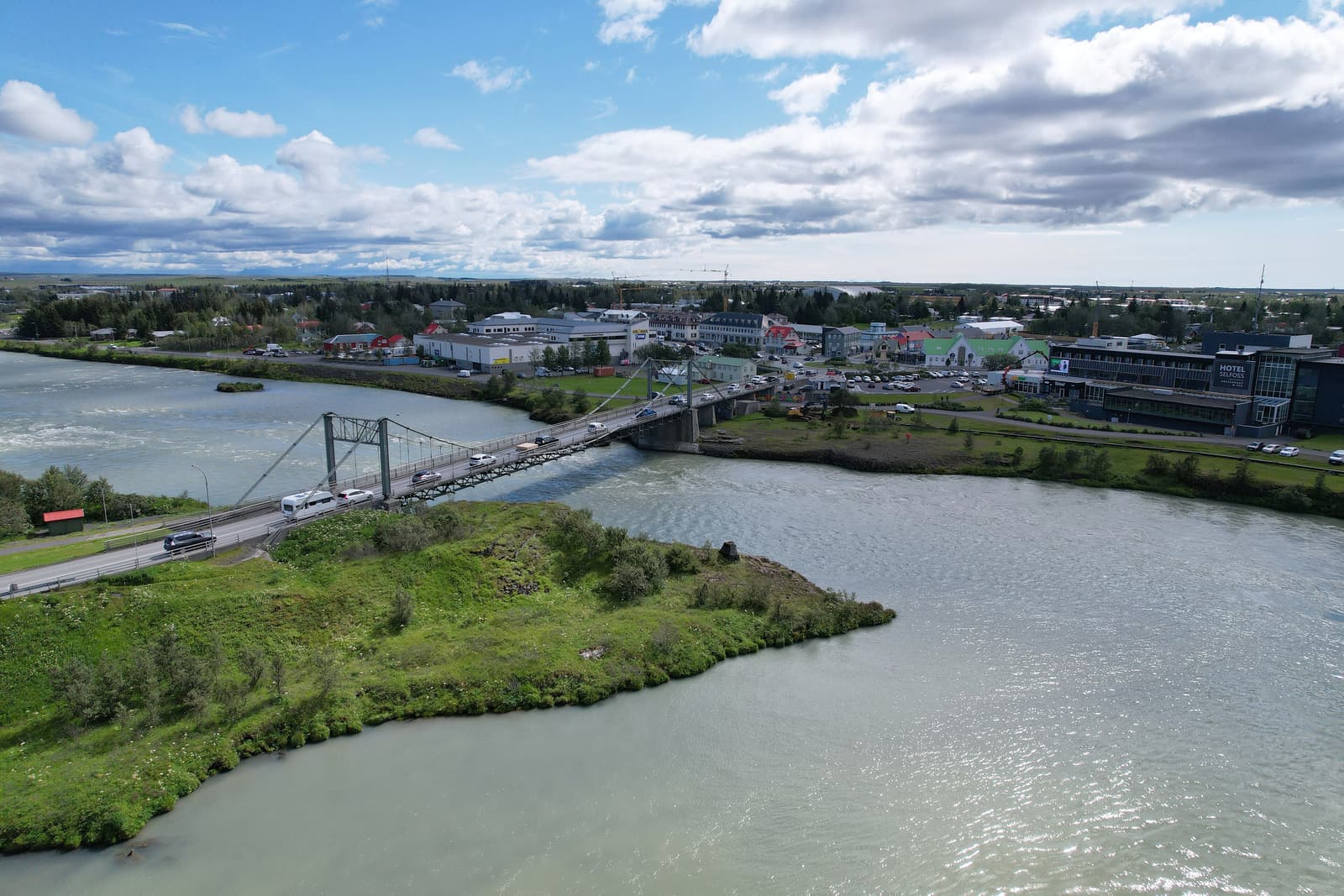
A practical base-choice guide for deciding where to stay in Iceland before booking hotels, day trips, or a self-drive route.
Choose your next stop
Continue with Þingvallavatn, city-based outings from Reykjavík, or other ways to use Iceland's long summer light.