Experience fit
- Best base
- Reykjavik for short trips
- Wildlife focus
- North Iceland
- Car need
- No-car from Reykjavik
- Comfort
- Larger boats easiest
- Main check
- Sea weather and operator
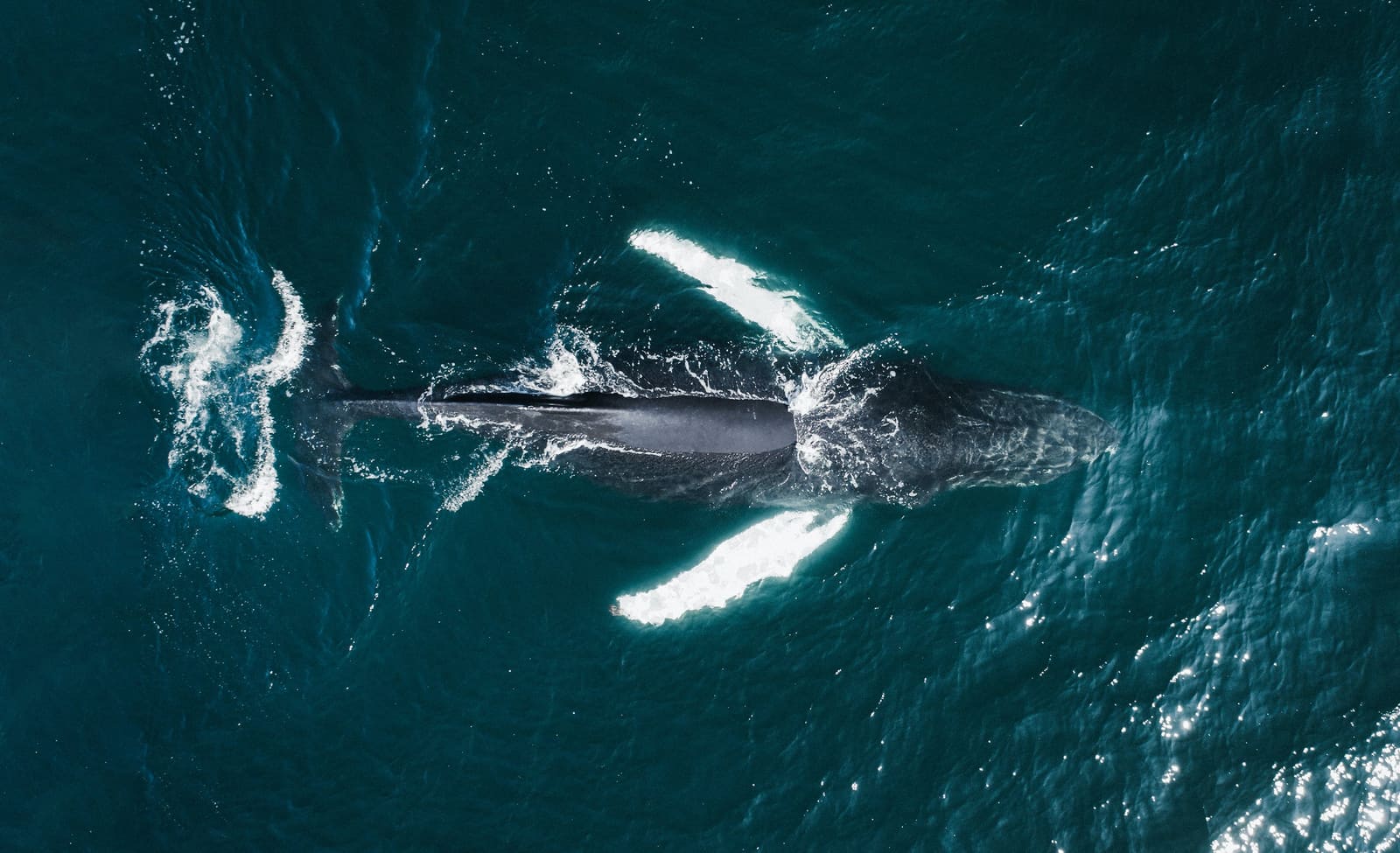
Whale watching works best when the departure base already fits your route. Use this guide to compare Reykjavik convenience, North Iceland wildlife focus, boat comfort, family fit, and the checks that matter before you commit.
Experience fit
Whale watching is a better Iceland choice when the harbor already fits the trip.
The mistake is planning around an animal sighting as if it were a fixed attraction. A whale-watching trip has three moving parts: the base you can reach without distorting the route, the boat style your group can enjoy, and the sea conditions your operator is willing to sail in.
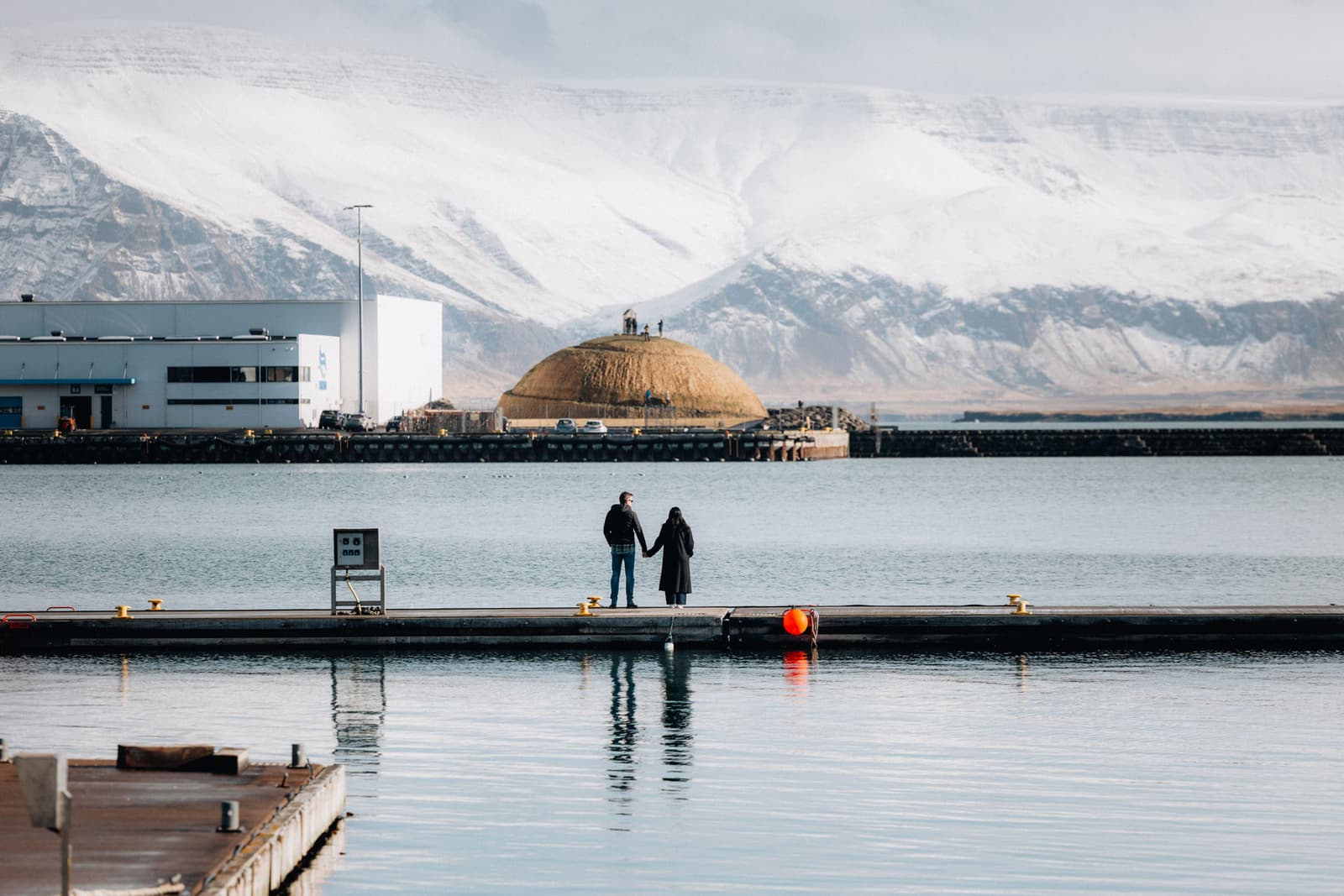
For a short or no-car trip, Reykjavik and Faxafloi usually make more sense than chasing a northern harbor. For a North Iceland route, Husavik, Akureyri, Eyjafjordur, Hauganes, and Dalvik can make whale watching feel like part of the journey instead of a detour.
Photo guide
1 / 7
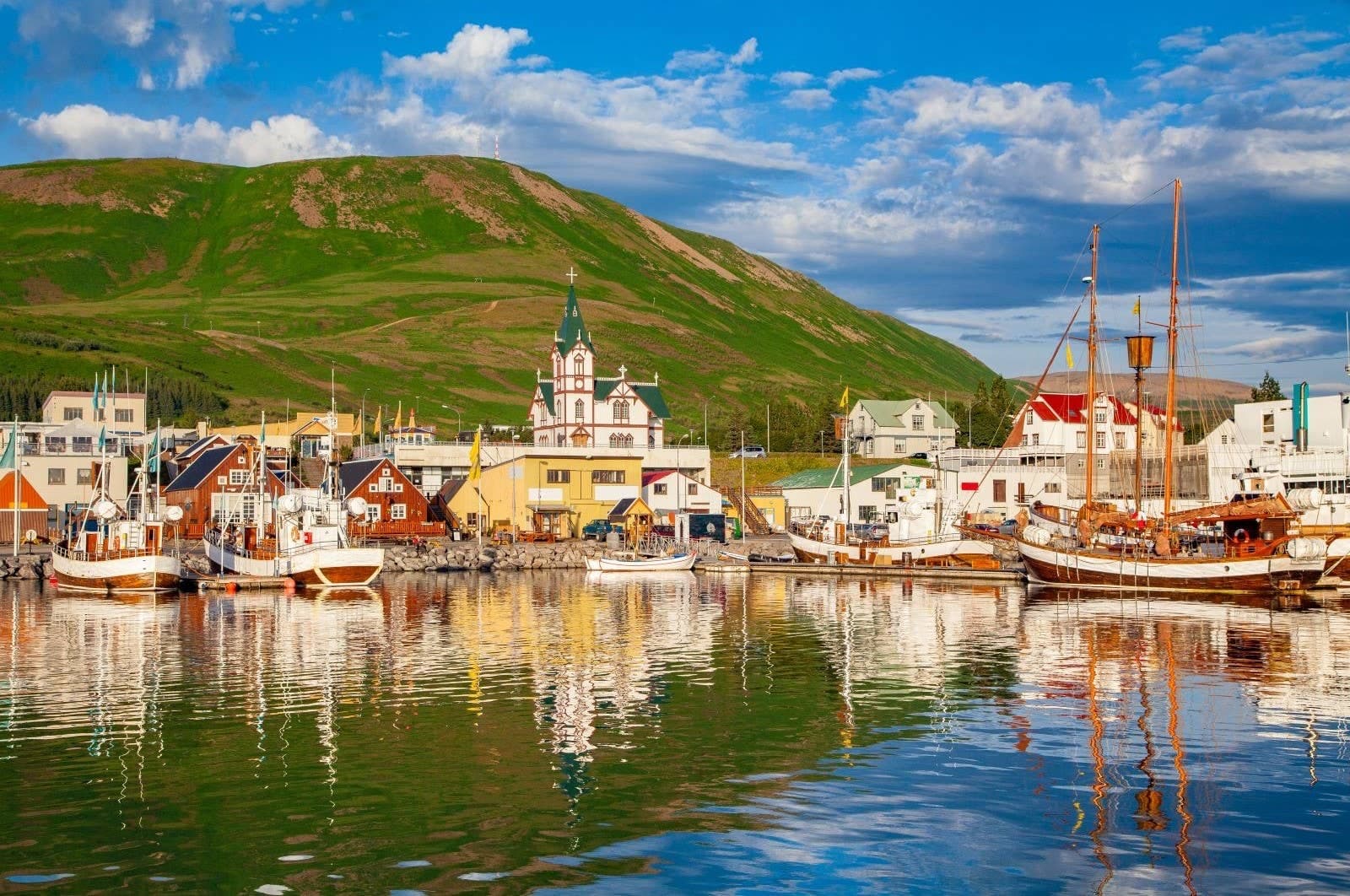
Small North Iceland harbors suit travelers who are already building the day around the fjord.
Good to know
The best choice depends less on the species list and more on where the rest of your trip already points.
| Choice | Best fit | Not ideal for | Transport fit | What to check |
|---|---|---|---|---|
| Reykjavik and Faxafloi | Short trips, no-car plans, city bases | Wildlife-first detours | Walk, taxi, or city transfer | Harbor operator notice |
| Husavik and Skjalfandi Bay | North Iceland wildlife focus | Tight southern routes | Best when already north | Boat style and weather |
| Akureyri and Eyjafjordur | Ring Road north pacing | Reykjavik-only stays | Good with a north base | Fjord weather and departure point |
| Snæfellsnes or Westfjords | Specialist wildlife trips | First trips with little time | Self-drive or local base | Roads, season, operator notice |
Reykjavik is the low-friction answer. It pairs well with the Reykjavik Harbour area, a short city stay, or a day where you do not want to solve another long transfer. Open the Visit Reykjavik Elding listing or another official Reykjavik visitor listing when the choice turns into boat style, meeting point, or operator detail.
Husavik is the plan-around answer. It makes the most sense when the trip already includes North Iceland, the Diamond Circle, or a slower stay near Skjalfandi Bay. Visit North Iceland whale information and North Sailing visitor information are useful next sources when you need local context without turning this page into a tour directory.
Akureyri and Eyjafjordur are the practical north-route answer. They suit travelers who are already using Akureyri as a service base or moving through Eyjafjordur. Visit Akureyri whale-watching information is the right source to open when you need local departure context.
By ThorPublished Updated
Use these when the base choice turns into visitor details.
Use when Reykjavik convenience is the likely fit.
Use when North Iceland is already in the route.
Use for Akureyri and Eyjafjordur departure context.
Use for Husavik and Arskogssandur boat-style details.
The best harbor cannot remove swell, cold, spray, uncertain sightings, or a cancelled departure. Choose a vessel and backup that still make sense for the most motion-sensitive person in the group.
A larger boat is usually the safer independent default for families, mixed-age groups, colder days, and travelers who want more stable movement. Smaller boats and RIB-style trips can feel more direct and exposed, but they are a weaker fit for seasick, cold-sensitive, or nervous travelers.
This is also where relative cost pressure appears. Specialist boats, smaller groups, remote bases, and peak-season demand can all raise the planning friction. Keep the public decision about comfort and fit; open operator pages for exact rules and prices.
Wildlife uncertainty is part of the activity, not a small print detail.
A good whale-watching plan leaves room for disappointment. Whales may appear, stay distant, surface briefly, or not appear on your sailing. Weather and sea state can change the comfort of the trip or whether the operator sails at all.
Before a boat trip, check SafeTravel Iceland alerts and the Icelandic Met Office weather or marine forecast, then confirm the operator notice. If you are driving to a north or west departure, add Umferdin road information before treating the booking as fixed.
Use official sources for weather, marine, safety, and road details instead of fixed article claims.
Use for official travel-safety alerts and preparation guidance.
Use for weather before exposed boat or driving plans.
Use for sea-weather context before boat departures.
Use before driving to North Iceland, Snæfellsnes, or Westfjords departures.
A good whale outing gives animals space and gives travelers an honest alternative when the sea is a poor fit. A closer photograph is never worth chasing wildlife or pushing a seasick group onto the water.
Travelers often judge whale watching by how close the animal came to the boat. That is the wrong test. The better test is whether the operator treats distance, speed, time near animals, and animal behavior as part of the experience.
If a whale stays distant, the responsible choice may be patience rather than pressure. Use the IceWhale responsible whale-watching code as a practical signal when comparing operators, especially when marketing copy focuses heavily on closeness.
Skipping a sailing does not mean skipping the theme.
Skip or downgrade whale watching when the route is already full, the forecast looks uncomfortable for your group, or a long drive would turn the activity into the day. For families, bad-weather days, and city-based trips, Whales of Iceland can keep the whale theme without adding sea exposure.
That fallback is strongest in Reykjavik because it pairs naturally with harbor time, museums, pools, food stops, and a simpler no-car day. Use the Visit Reykjavik Whales of Iceland listing for visitor details instead of relying on fixed hours or prices in an article.
Use the code when comparing operator behavior and wildlife-distance language.
Use to understand distance, speed, and animal-behavior expectations.
Open the venue source when an indoor Reykjavik whale stop is the better fit.
Use for indoor whale-focused visitor information in Reykjavik.
Yes, if you can do it from Reykjavik without distorting the rest of the itinerary. If the short trip would require a long drive north only for whale watching, keep the activity optional.
Husavik is usually the stronger plan-around whale-watching base, but Reykjavik is often the better fit for short, no-car, or city-based trips. Choose by route fit first.
Yes. Reykjavik is the easiest no-car base because harbor departures fit a city stay. North Iceland departures work better when you are already based there or have arranged local transport.
No. Treat sightings as possible, not promised. Open operator information for the policy that applies to your sailing, but do not build the day around a guaranteed animal encounter.
It can be, but choose the boat style carefully. Larger, more comfortable boats are usually a better first choice than exposed smaller boats for children, nervous travelers, or anyone prone to seasickness.
Where to do it
Use nearby harbors, fjords, town bases, and planning guides to decide whether whale watching belongs in this route or should stay optional.
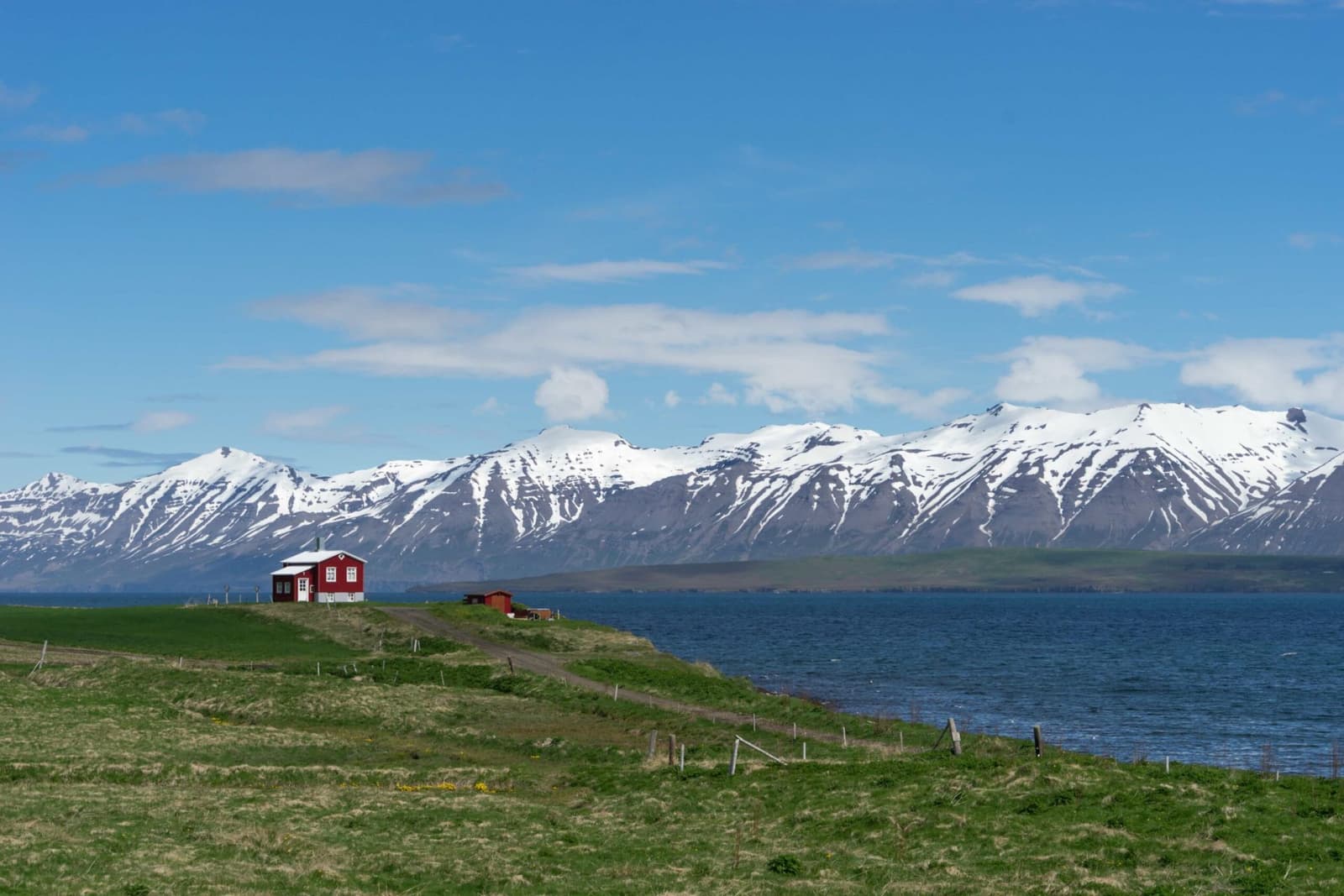
Dalvík is a small harbor town on North Iceland’s Tröllaskagi side, useful when you want a quieter base, whale-watching access, island context, or a slower Arctic Coast Way detour instead of another headline stop.
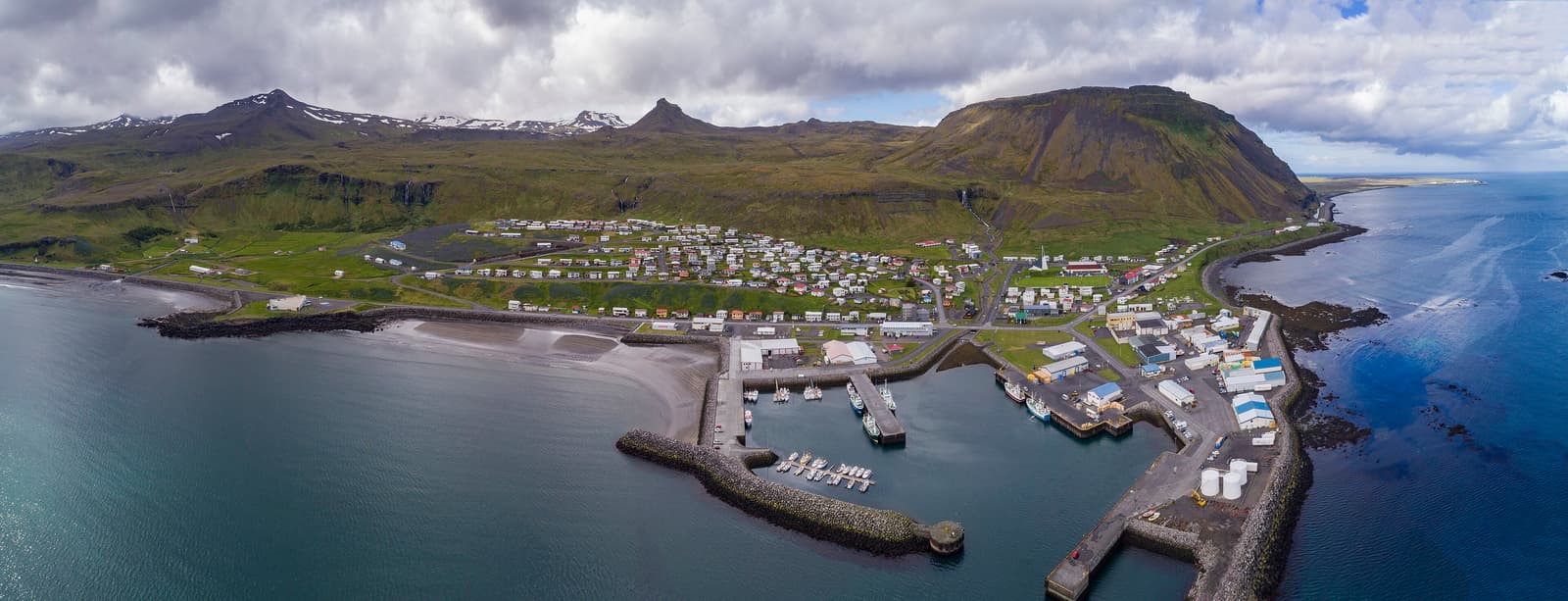
Ólafsvík is a north Snæfellsnes fishing town for travelers who want a practical harbor pause, modern church views, Pakkhús heritage, and a calmer base between Kirkjufell and Snæfellsjökull National Park.
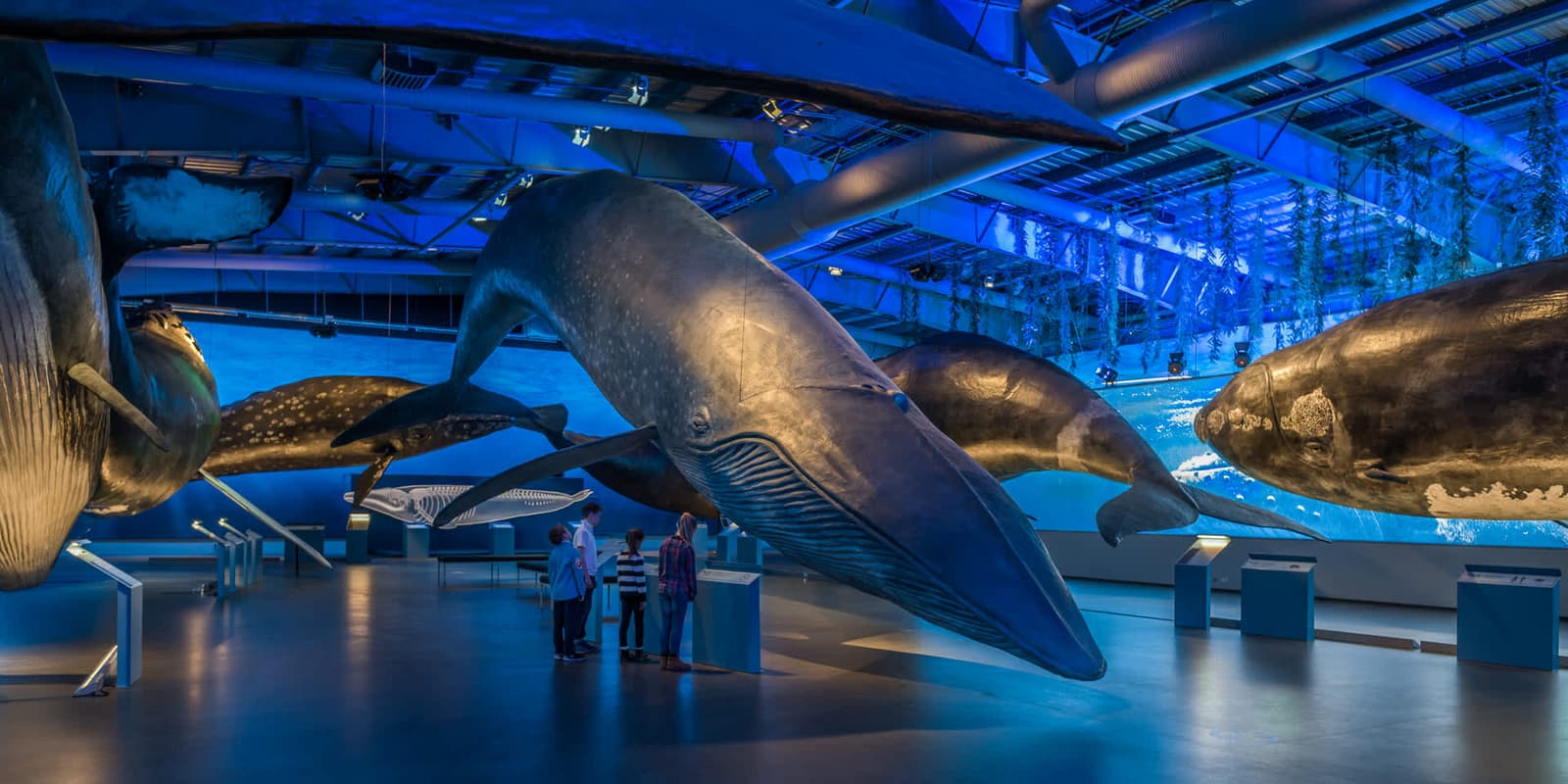
Whales of Iceland is a paid indoor whale exhibition in Reykjavík’s Grandi area, best for families, wildlife-curious travelers, and rainy city time, but less useful if you only want a live whale-watching encounter.
Regions
See which part of Iceland is most convenient for this experience and what else you can visit nearby.
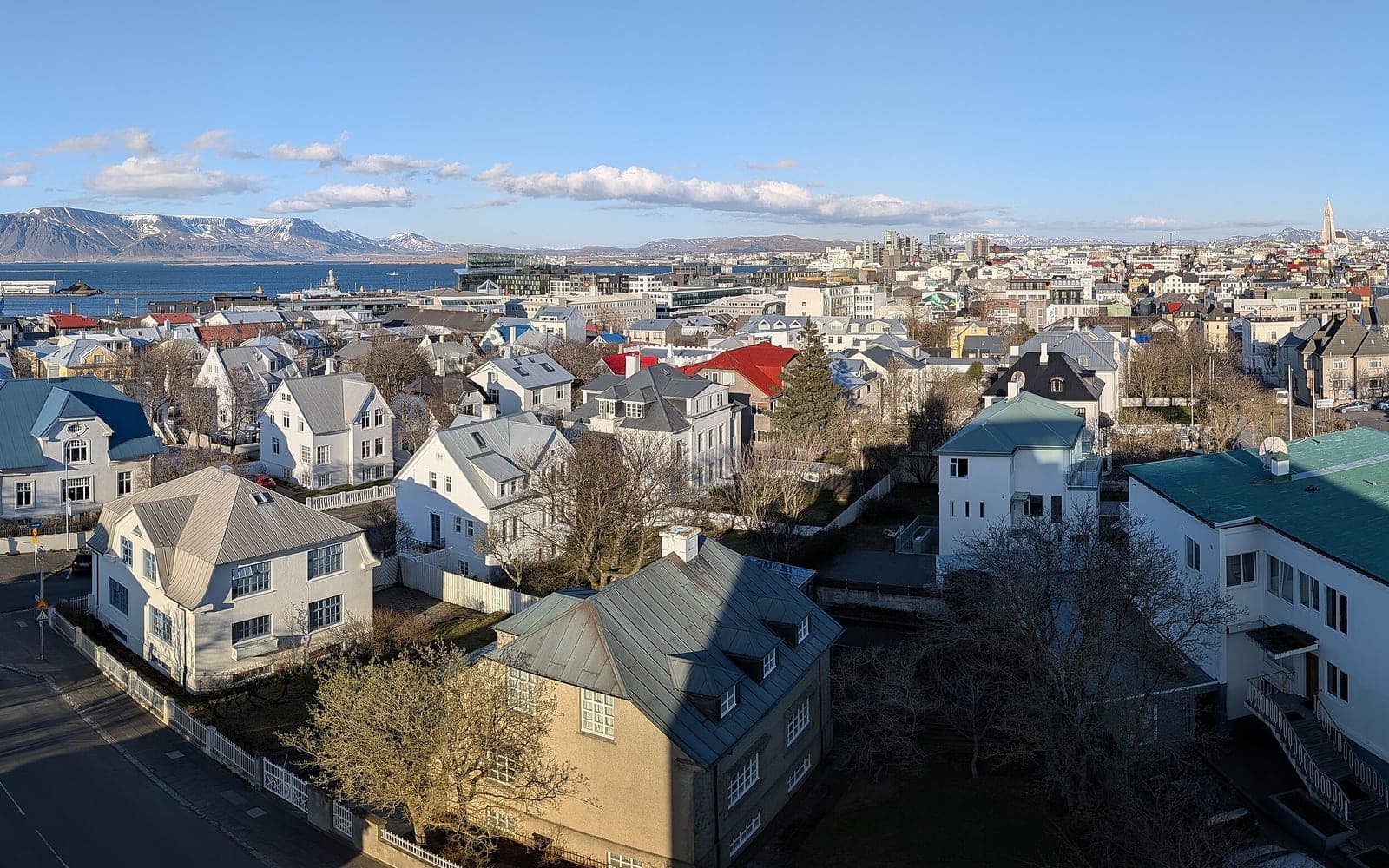
Choose Reykjavík for one or two car-free city days, a short break or a weather buffer—not as the default base for every long day trip.
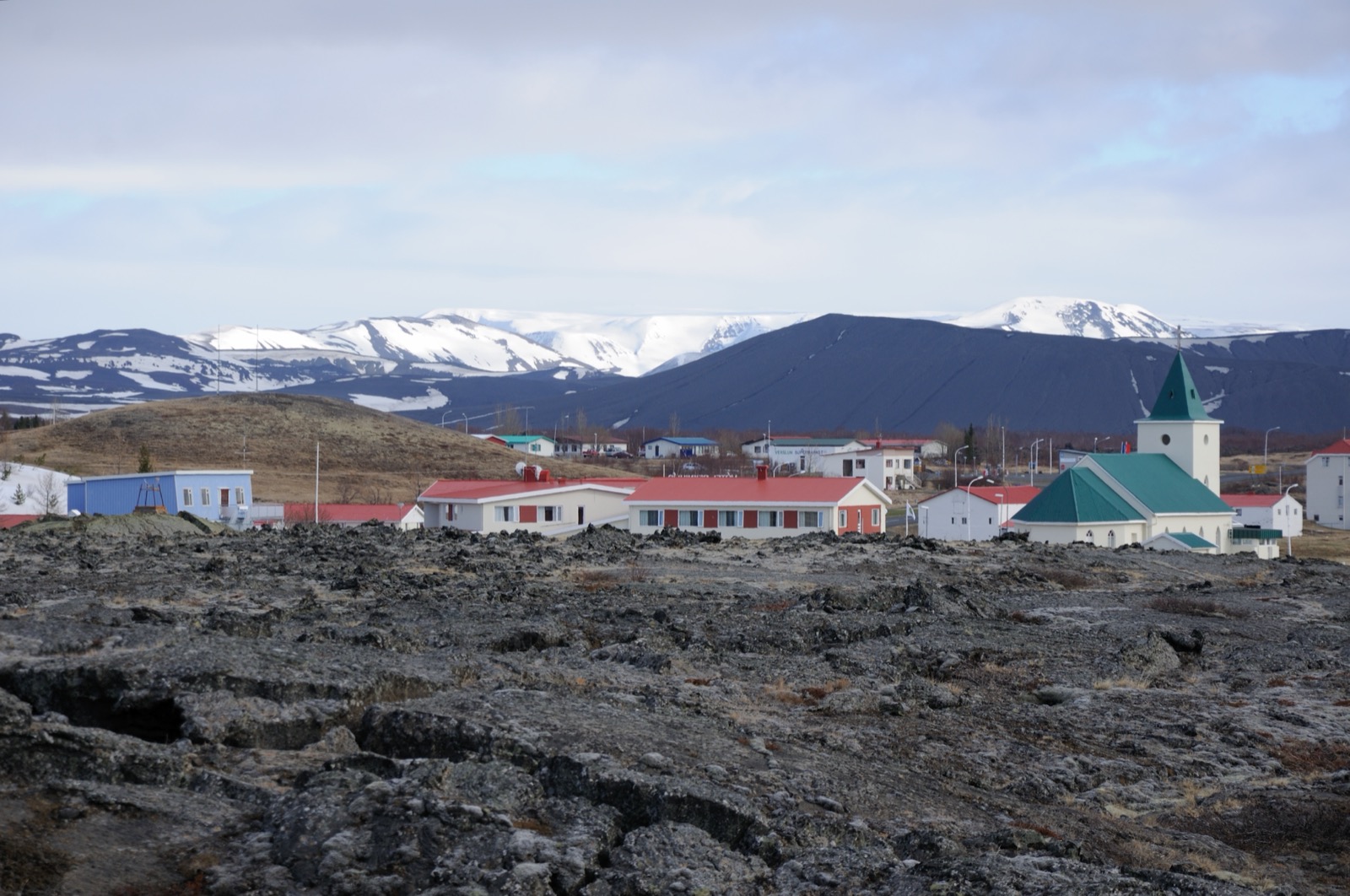
Choose North Iceland when you can spare several days for Akureyri, Mývatn, Húsavík, and canyon country; one rushed overnight barely reaches the region.
Road trips and itineraries
See where this experience fits into a road trip or day-by-day itinerary.
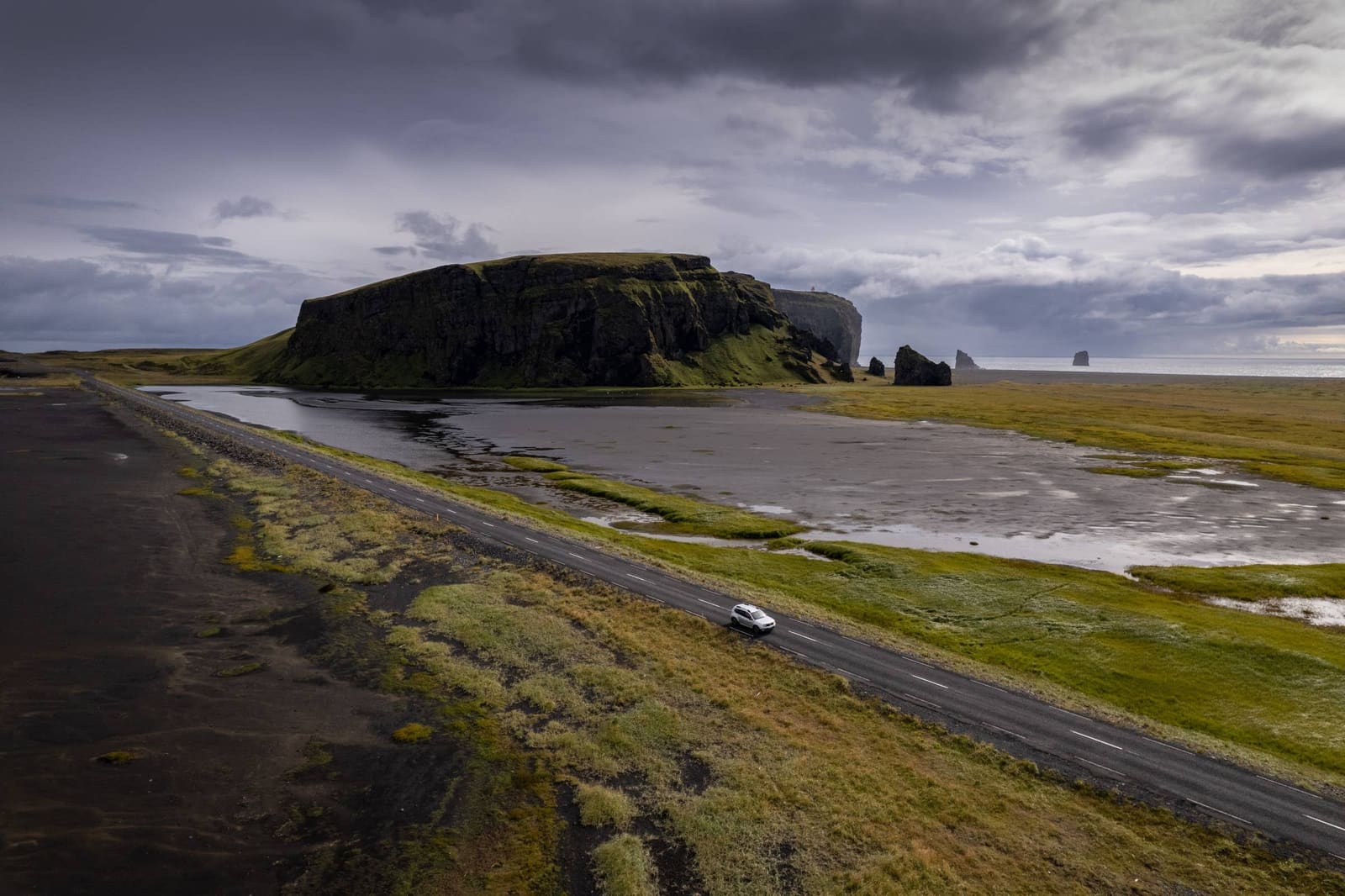
A realistic first-trip route through Reykjavík, the Golden Circle, and the South Coast, built for five calendar days without turning the final day into a race to the airport.
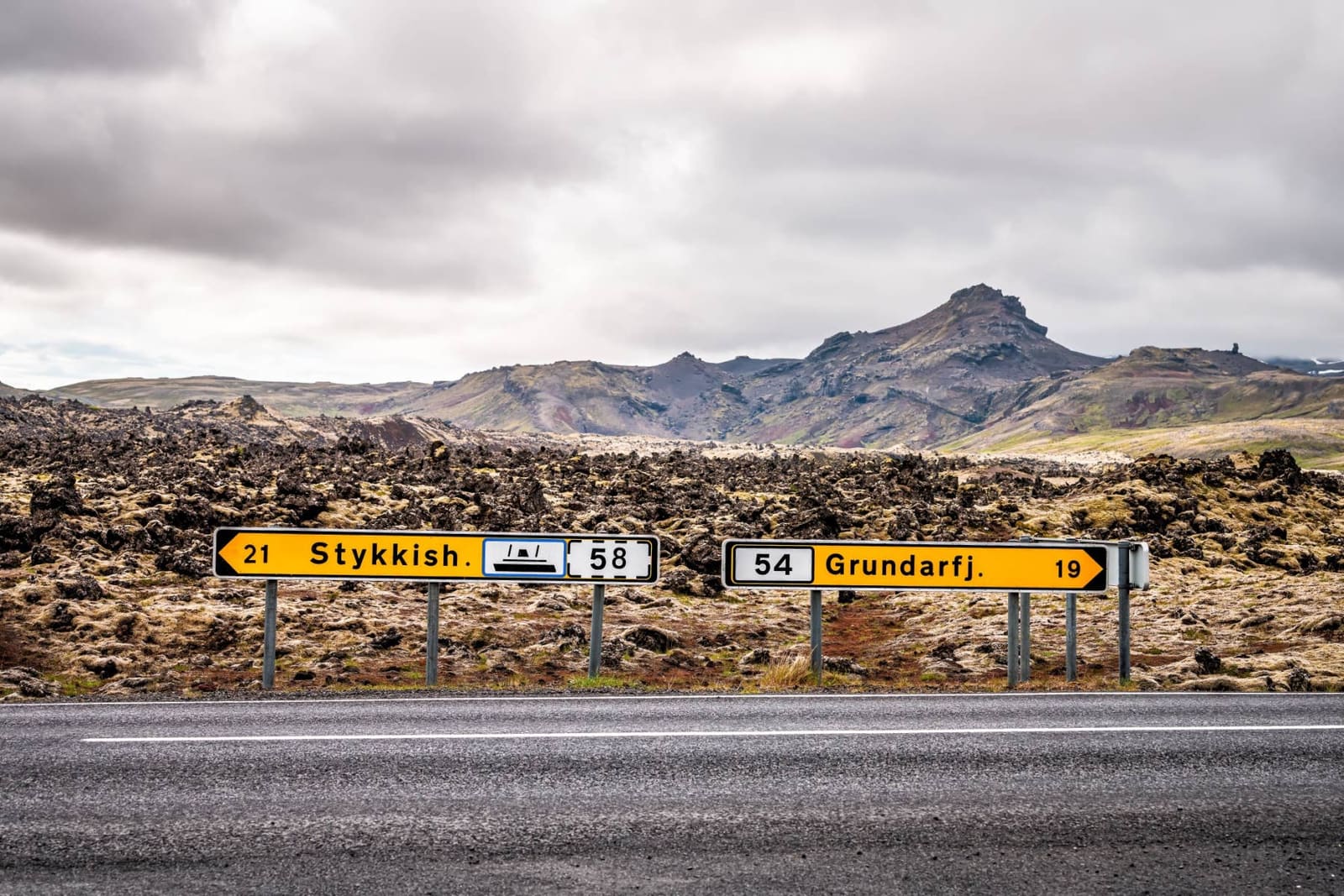
A route-first guide to deciding whether Snæfellsnes works as a day trip, one-night route, or slower west Iceland road trip.
Travel advice
Read more about driving, weather, safety, and other details that may affect your trip.

Choose a realistic Iceland trip length by counting usable route days, then match your pace, transport, season, and overnight moves to the right scope.

A practical winter self-drive guide for deciding whether to rent a car, which routes to keep realistic, and when weather should change the plan.
Next choice
Whale watching is easier to plan once the base is honest. Start with the harbor, fjord, or stay decision that shapes the rest of the day.