Experience fit
- Best approach
- One highlight, one backup
- Car need
- Optional from Reykjavik
- Guide need
- Ice and snow adventures
- Comfort
- Plan warm breaks
- Best check
- Weather before roads
Choose one strong winter experience, then keep a flexible backup for weather, roads, daylight, or comfort. Compare guided ice, aurora, hot water, wildlife, city options, and conservative sightseeing before locking the day.
Experience fit
The strongest winter days in Iceland are usually simpler than the summer version of the trip. Choose one activity that defines the day, then keep a warm or flexible backup close enough that weather, roads, or daylight do not break the plan.
The main winter experience can be a guided ice cave, a glacier hike, a northern lights night, a snow adventure, a hot-water stop, a winter boat trip, or a city day built around museums, pools, and food. The mistake is trying to stack all of them because they sound seasonal. Treat dog sledding in Iceland as a surface-dependent booking: snow runners, wheeled carts, and dog visits are different experiences.
If you are planning a first trip, pair one exposed activity with one easier fallback. For example, combine glacier activities with a hot-water stop, or keep a food and drink experiences plan ready for a Reykjavik day that turns sideways.
Use this for official winter activity context, not live product details.
Photo guide
1 / 5
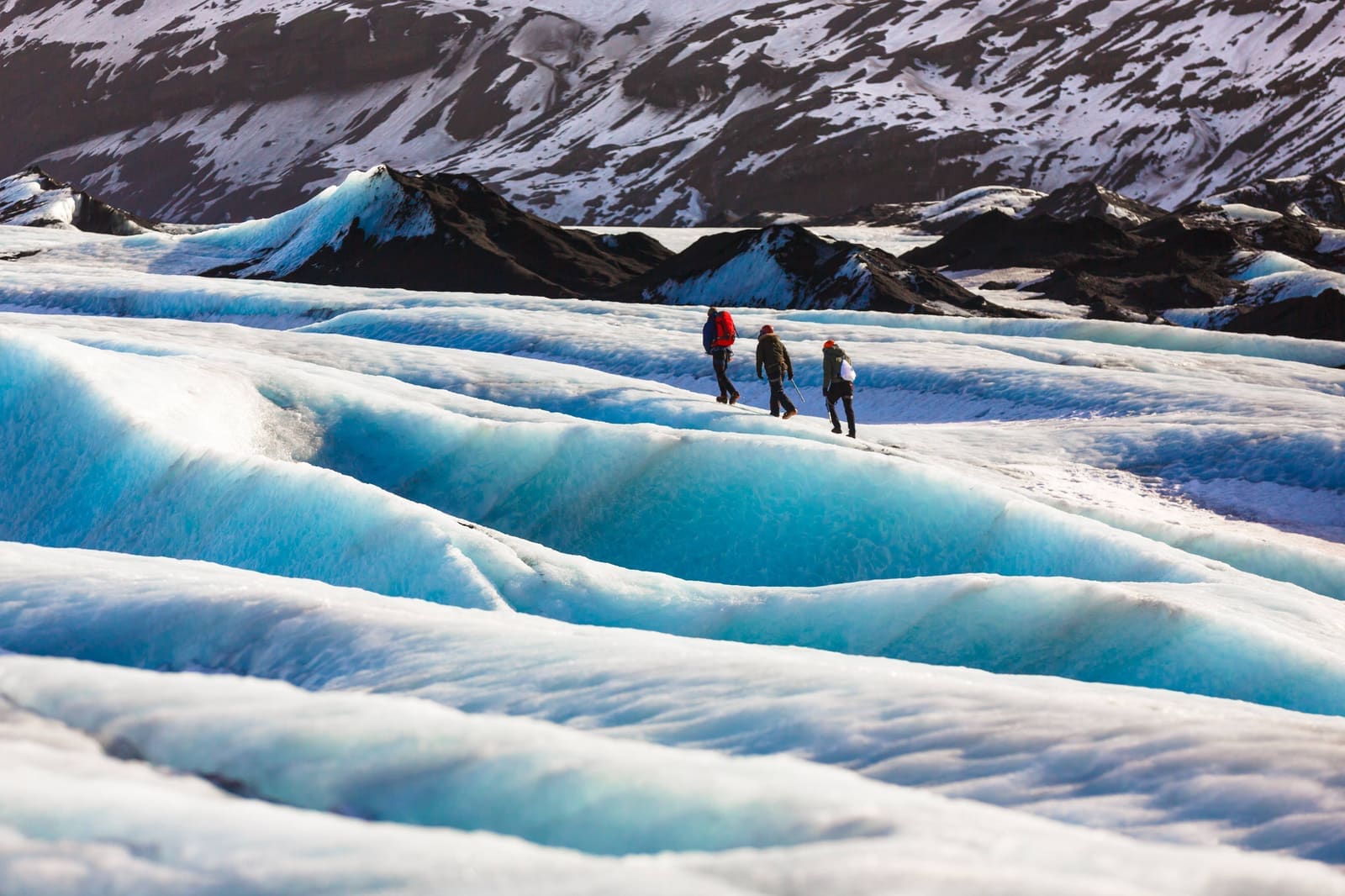
Ice caves are high-reward winter anchors, but they are also guided, condition-dependent, and route-shaping.
Good to know
Choose by how much preparation and weather exposure the day can take. Protect a booked ice or snow experience; keep warm, indoor, or nearby options flexible.
| Activity version | Best fit | Skip or downgrade if | Car/no-car | Main hurdle |
|---|---|---|---|---|
| Guided ice cave or glacier | Travelers wanting the clearest winter highlight | The day cannot absorb a weather shift | Guided no-car possible | Booking and safety |
| Northern lights night | Flexible evenings and patient groups | You need a guaranteed result | Both work | Clouds and darkness |
| Snowmobile or ski and snowboard adventure | Active travelers who want snow and speed | Comfort, budget, or weather margin is tight | Usually guided | Gear and conditions |
| Hot-water bathing | Couples, families, and cold-day recovery | It forces a long detour | Both work | Booking or access |
| Winter whale or harbor wildlife | Boat-ready travelers with flexible expectations | Sea comfort is a concern | No-car from some bases | Sea weather |
| Reykjavik museums, pools, and food | No-car days and bad-weather backups | You want remote scenery all day | No car needed | Choice overload |
| Conservative winter sightseeing | Self-drivers with short maps | Road checks look poor | Car or guided | Road and daylight |
Glacier hikes, natural ice caves, snowmobiling, and other snow activities pair dramatic scenery with real guide, gear, and condition requirements.
Choose guided ice when the experience itself is the reason for the day. A glacier hike near Sólheimajökull, an ice-focused day near Skaftafell, or a southeast plan around Jökulsárlón can be excellent, but the activity deserves the middle of the day instead of being squeezed between too many stops.
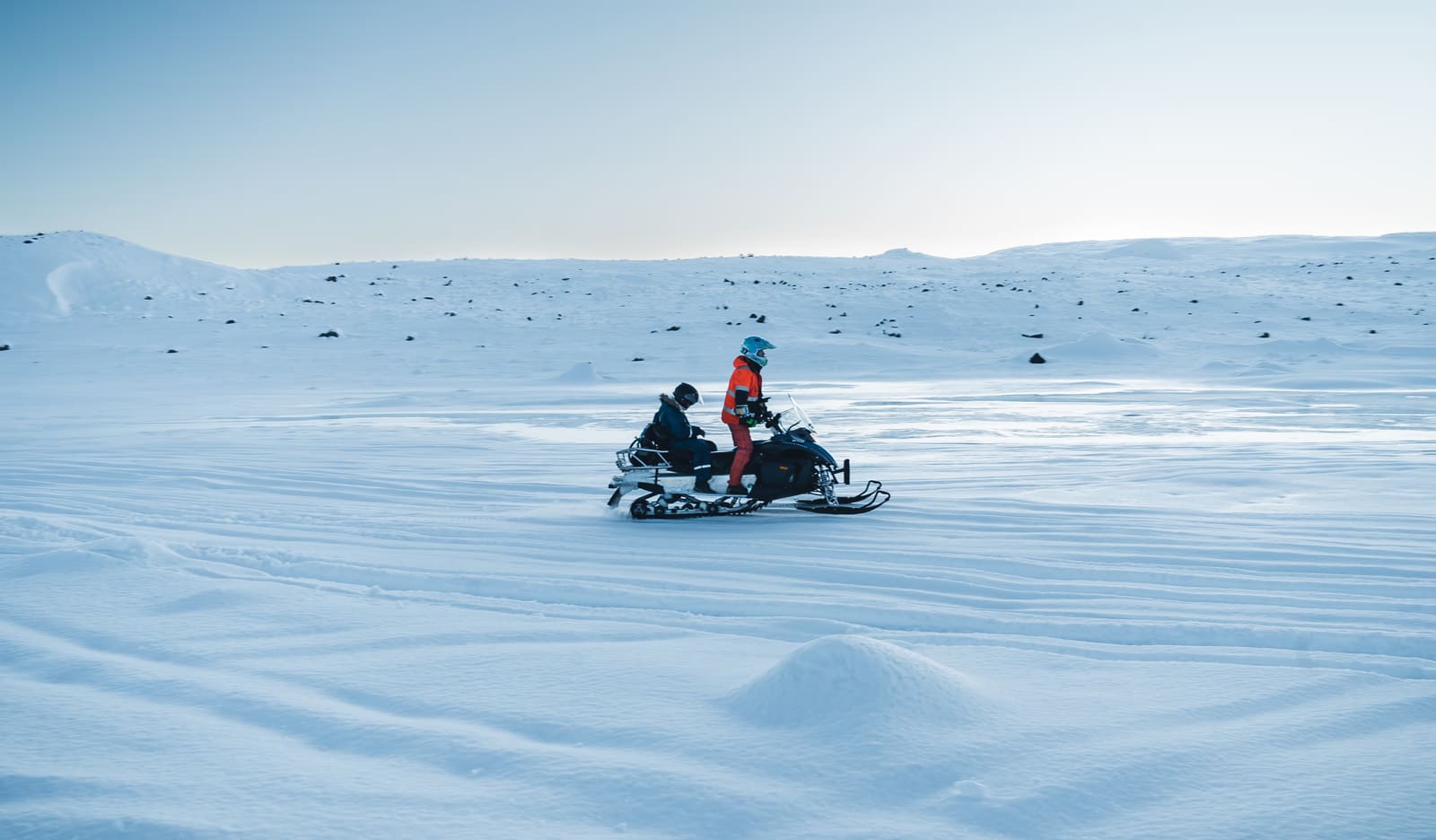
If a snowmobile ride is the main draw, compare snowmobiling options by departure point, transfer time, and whether each traveler can drive or needs to ride as a passenger. Keep it as the main activity of the day. A winter South Coast road trip also needs enough daylight and room to reduce the stop list when conditions change.
Use this for official context on caves and ice formations.
Use this as one specialist example of guide-led winter ice and snow activity types.
Northern lights are a winter reason to stay hopeful, not a promise to build the whole trip around. The best aurora plan is usually a flexible night window that does not ruin the next day if the sky stays cloudy.
Use Northern Lights in Iceland as a night option when you have dark skies, patience, and a way to stay warm. Reykjavik-based travelers can use guided departures or aurora-focused venues; self-drivers should be more conservative about chasing clear patches far from the base.
The smart move is to check cloud cover and aurora activity, then decide whether to go out, stay close, or keep the evening for a pool, dinner, or sleep. Do not let a late-night chase damage the next daylight activity.
Use this for official visitor-facing aurora expectations.
Open this for cloud-cover and aurora forecast context before going out.
The warm backup is not a weak choice in winter. Pools, lagoons, museums, food halls, and short city walks can keep the trip enjoyable when exposed plans become less comfortable.
Use hot-water time when the group needs warmth and comfort after the cold. Blue Lagoon, Sky Lagoon, local pools, and winter wellness stops all solve different problems, so choose by base, bathing style, and effort instead of name recognition alone.
Reykjavik is the easiest no-car winter base because museums, harbor walks, pools, food halls, and indoor sights sit close together. Perlan, Whales of Iceland, and casual city food can rescue a day without pretending the weather failed.
Use this for official context on winter bathing and wellness choices.
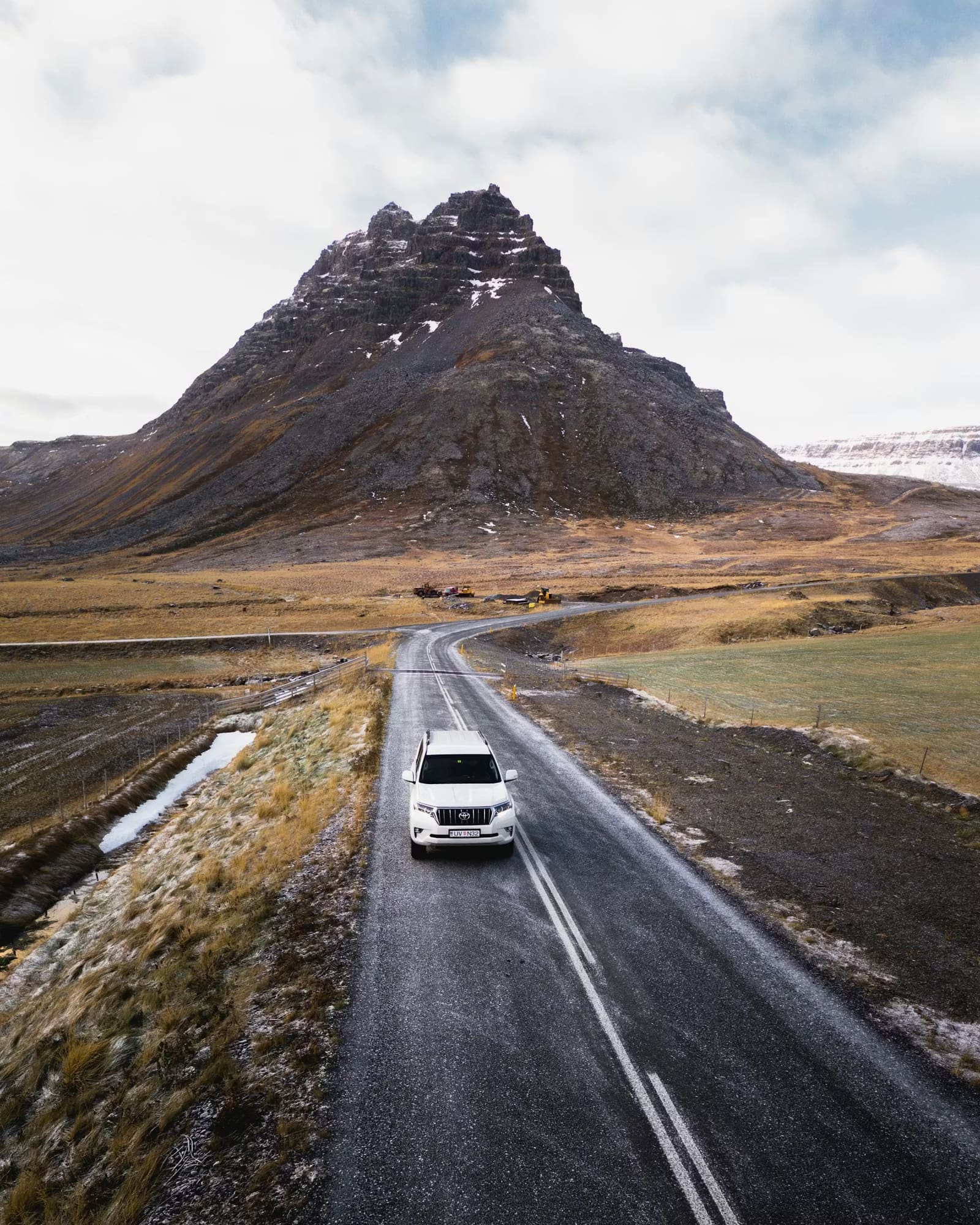
A self-drive winter activity day should look modest before it looks exciting. Shorter daylight, road conditions, and cold stops make a compact plan stronger than a long list of famous places.
If you are driving, choose a region before choosing the activity. Reykjavik suits no-car and backup-heavy days. South Iceland suits glacier, waterfall, and coast decisions when you leave enough margin. North Iceland can be excellent for snow, whales, and local winter culture, but the route plan needs more respect.
Open the winter road-trip and winter driving pages before you let one activity pull the map apart. A strong winter road trip cuts weak detours; practical winter driving guidance decides whether the self-drive version still makes sense.
Open this before exposed winter travel decisions.
Use this for official winter road-service context and road checks.
Winter wildlife can be rewarding, but the experience depends on sea conditions, cold tolerance, expectations, and the base. Do not judge it only by the animal you hope to see.
A winter boat from Reykjavik, Husavik, Akureyri, or another harbor can fit travelers who are comfortable with cold, motion, and uncertainty. Use the deeper whale watching guide when the boat choice, base, or family comfort is the real decision.
If the group is unsure, keep wildlife as a flexible layer instead of the only outdoor plan. A museum, pool, or food stop can preserve the day when the sea version is not a good fit.
Winter rewards travelers who cut the weakest idea early. Most bad plans fail because they try to protect every activity instead of protecting the day.
Yes, especially from Reykjavik. Choose guided departures, city museums, pools, food stops, lagoons, and harbor-based activities instead of building the trip around remote self-drive days.
Treat them as a flexible night window, not the only reason for the evening. Darkness, cloud cover, patience, and warmth all matter, and a warm backup keeps the night worthwhile.
For normal visitors, yes. Treat glacier ice, natural ice caves, snowmobiles, and similar winter terrain as guided activities unless an official source or operator says a specific visitor setup is different.
Start with warm, close, flexible choices: city museums, pools, lagoons, food stops, easy guided sightseeing, or a short guided ice activity matched to the group's comfort.
Keep the day useful by switching to a nearby warm or indoor option instead of replacing it with another long exposed activity.
By ThorPublished Updated
Where to do it
Use these activity, attraction, and planning pages when the winter idea needs a route, guide, or safer backup.
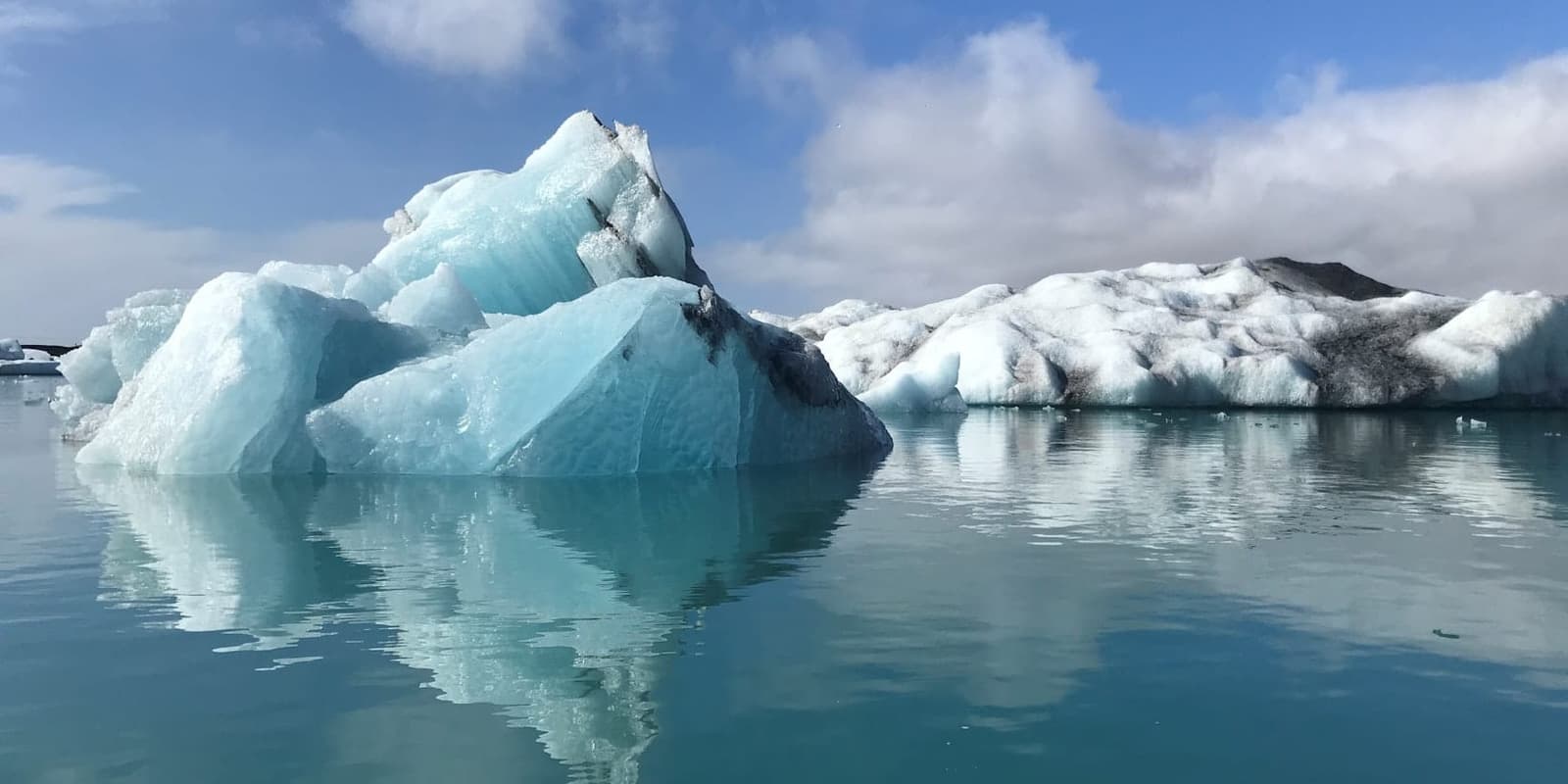
Jökulsárlón is a glacier lagoon where icebergs break from Breiðamerkurjökull and drift toward the Atlantic. The shore is easy to reach from Route 1, but the ice, weather and nearby ocean still need respect.
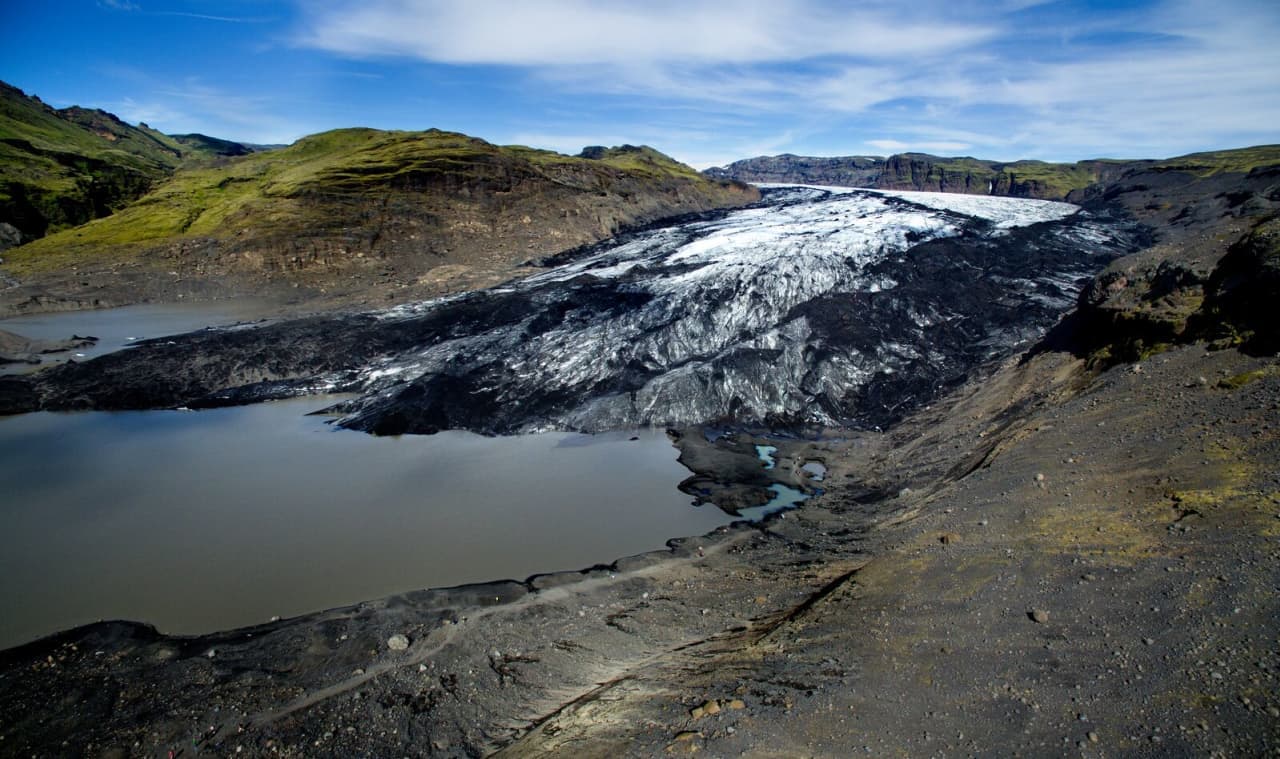
Sólheimajökull is a South Coast outlet of Mýrdalsjökull, with ash-striped ice and a changing lagoon. Check access before visiting: unstable ice and rockfall can affect the approach as well as glacier walks.
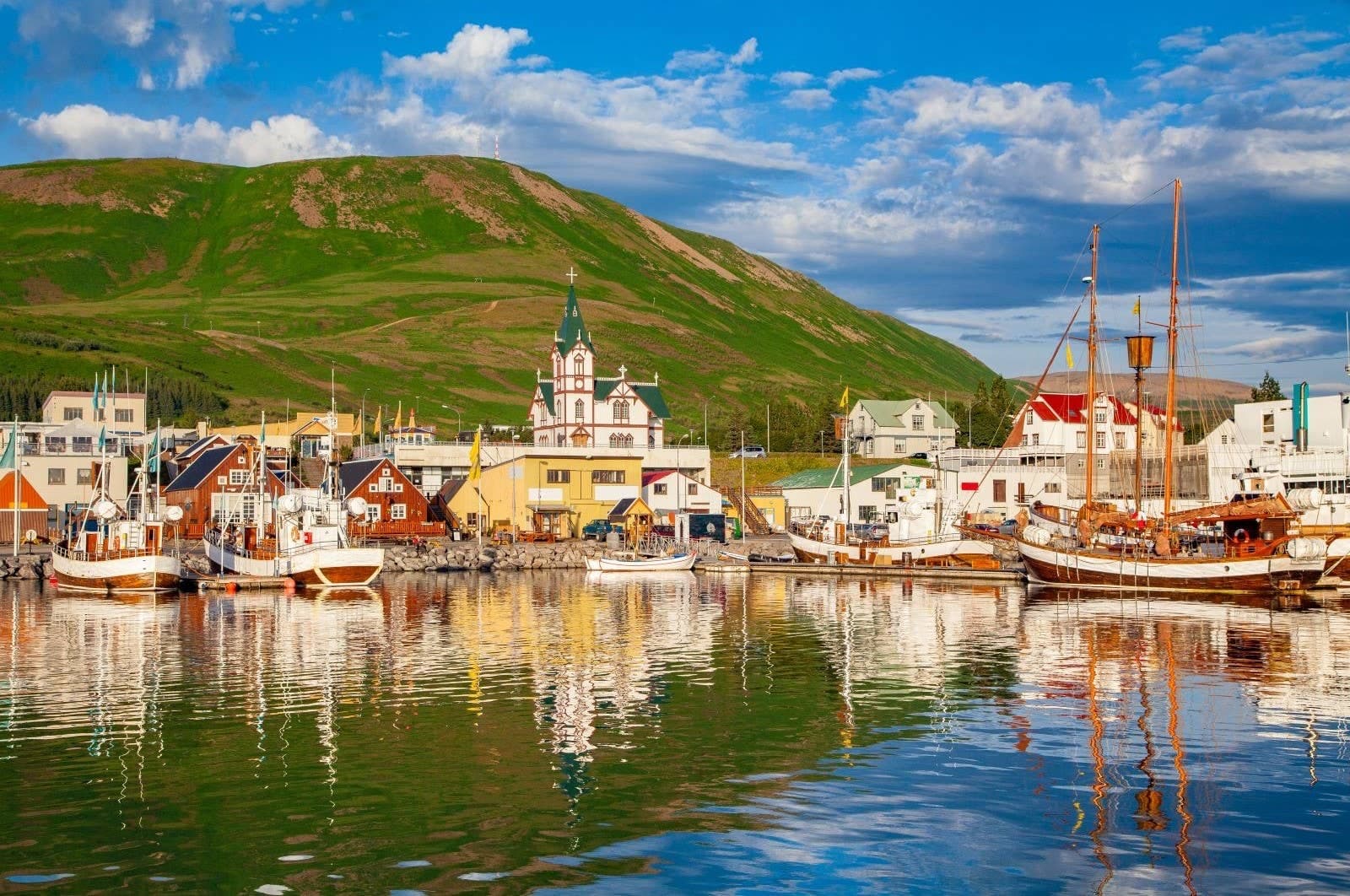
Húsavík is a North Iceland harbor town best known for whale watching on Skjálfandi Bay, but it also works as a Diamond Circle pause with a compact center, church, museums, sea baths, and nearby coastal viewpoints.
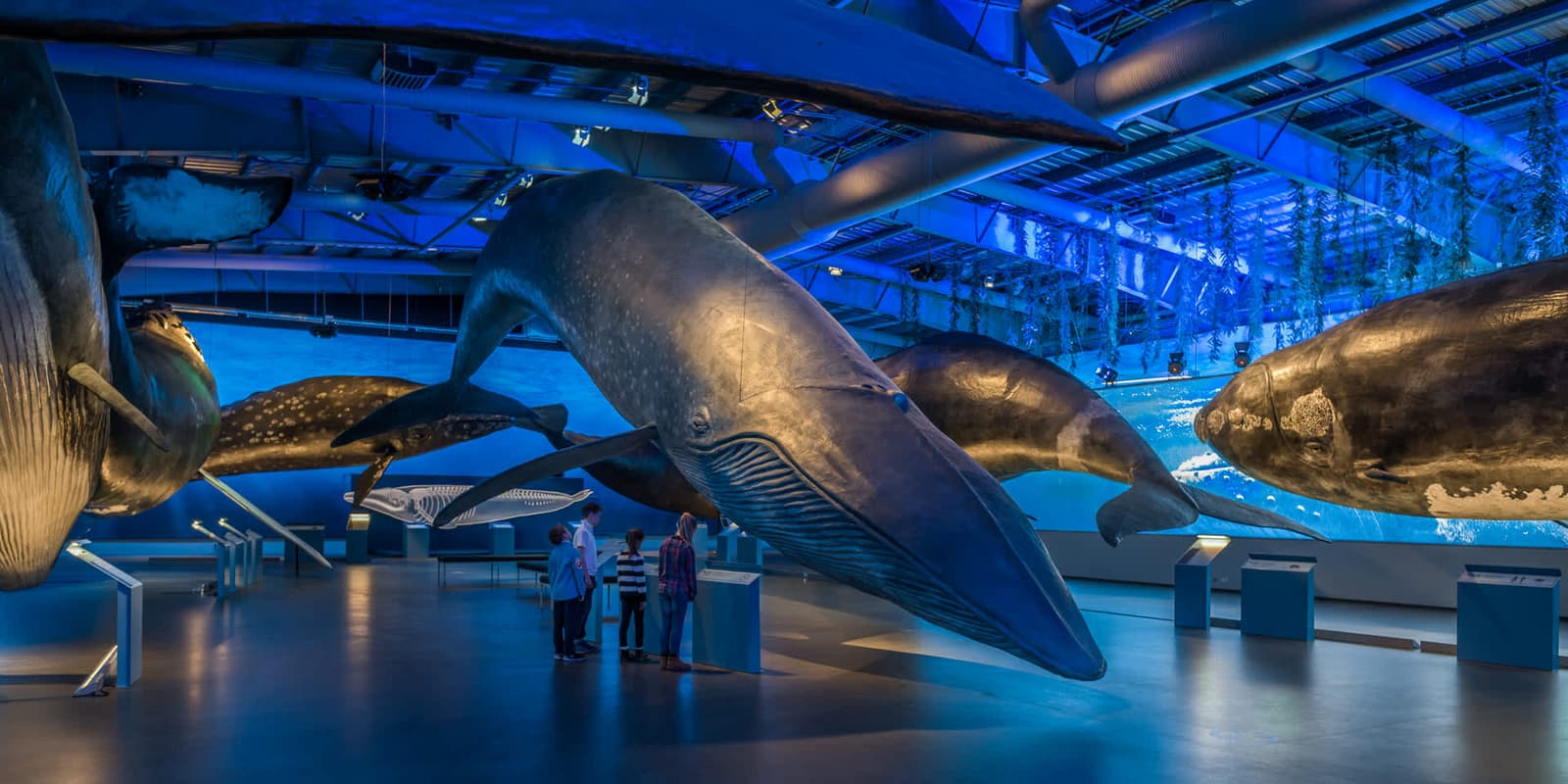
Whales of Iceland is a paid indoor whale exhibition in Reykjavík’s Grandi area, best for families, wildlife-curious travelers, and rainy city time, but less useful if you only want a live whale-watching encounter.
Regions
See which part of Iceland is most convenient for this experience and what else you can visit nearby.
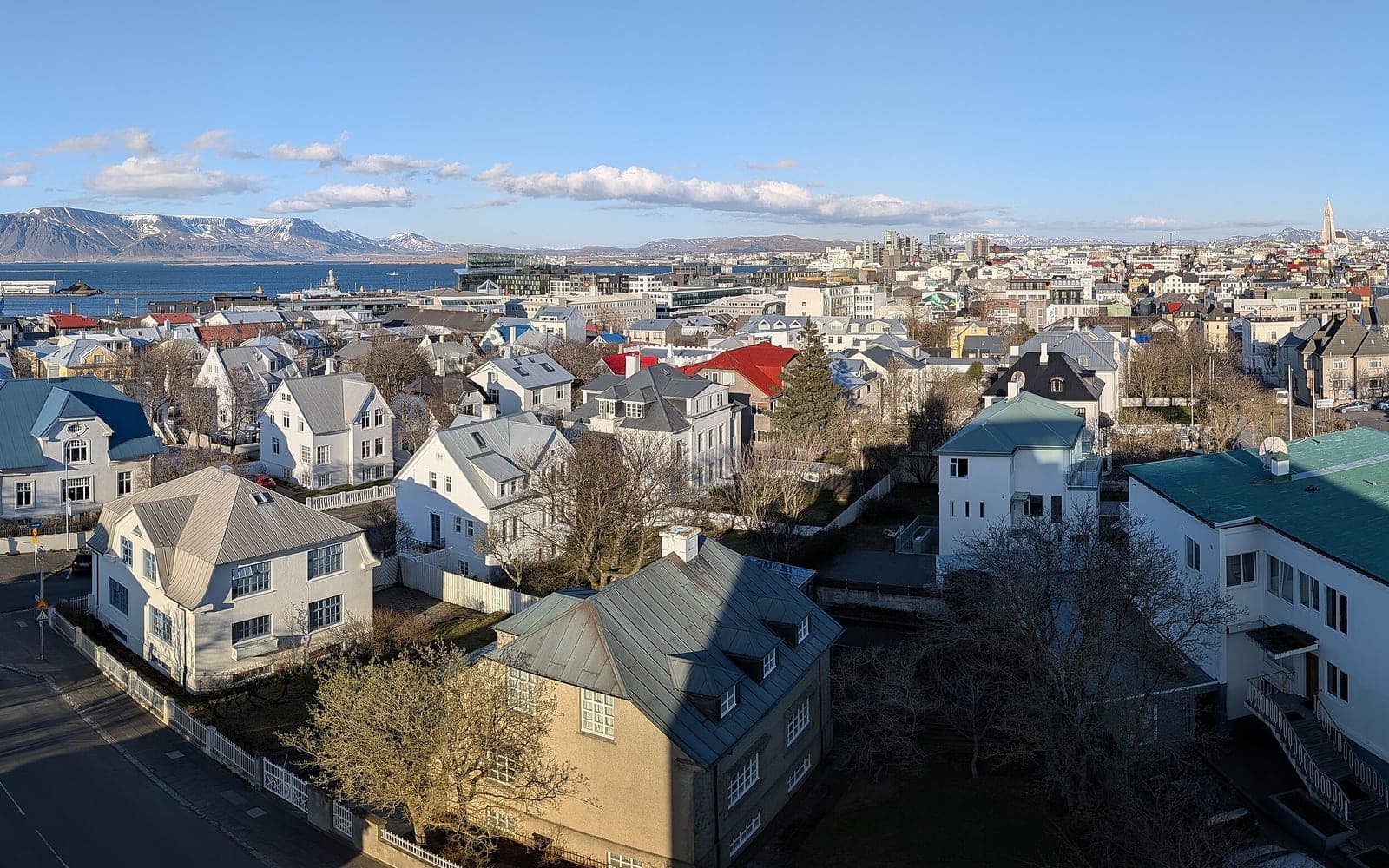
Choose Reykjavík for one or two car-free city days, a short break or a weather buffer—not as the default base for every long day trip.
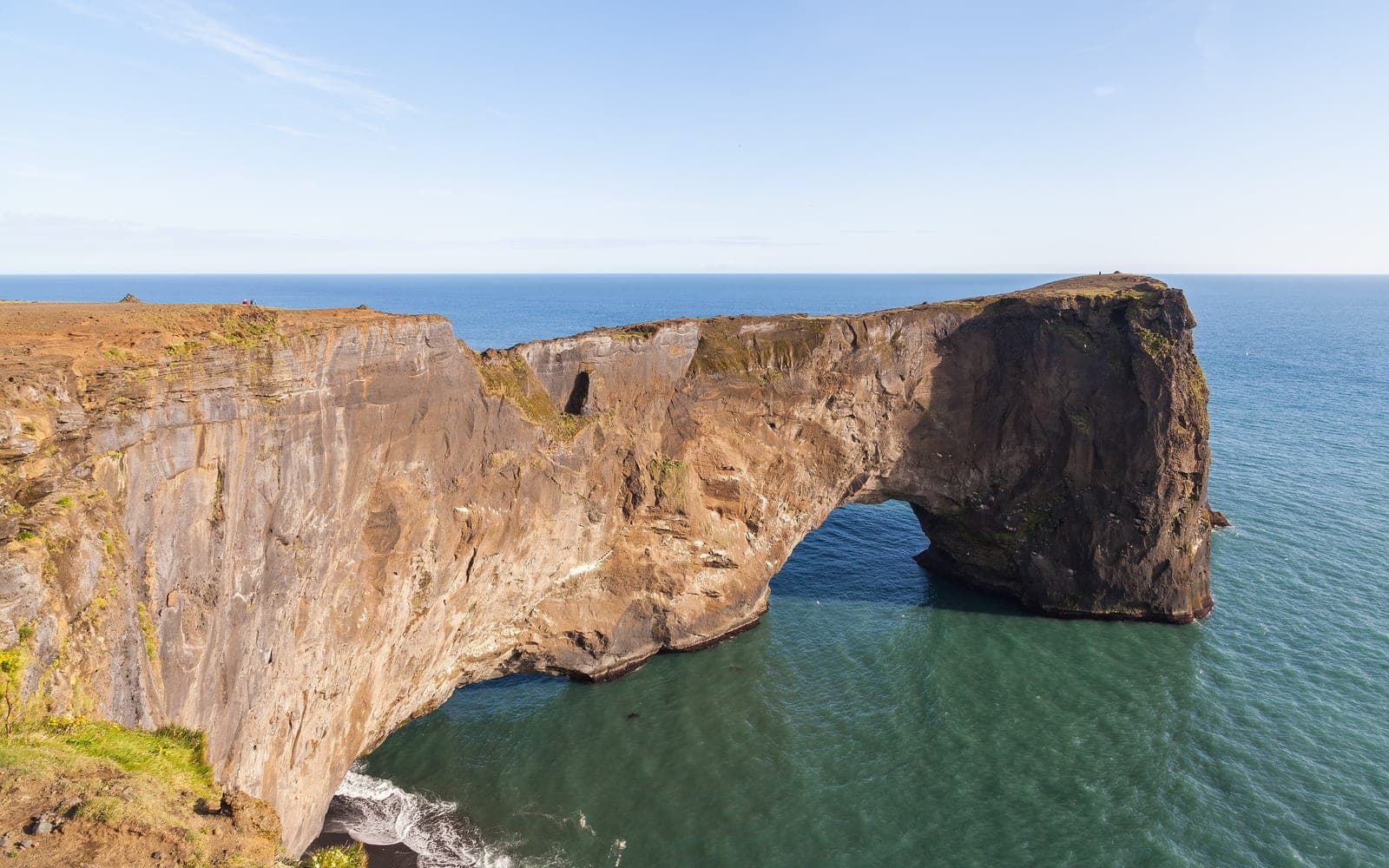
Build a first-trip route around waterfalls, black-sand coast and glacier country, but allow two to four days if Jökulsárlón is part of the plan.
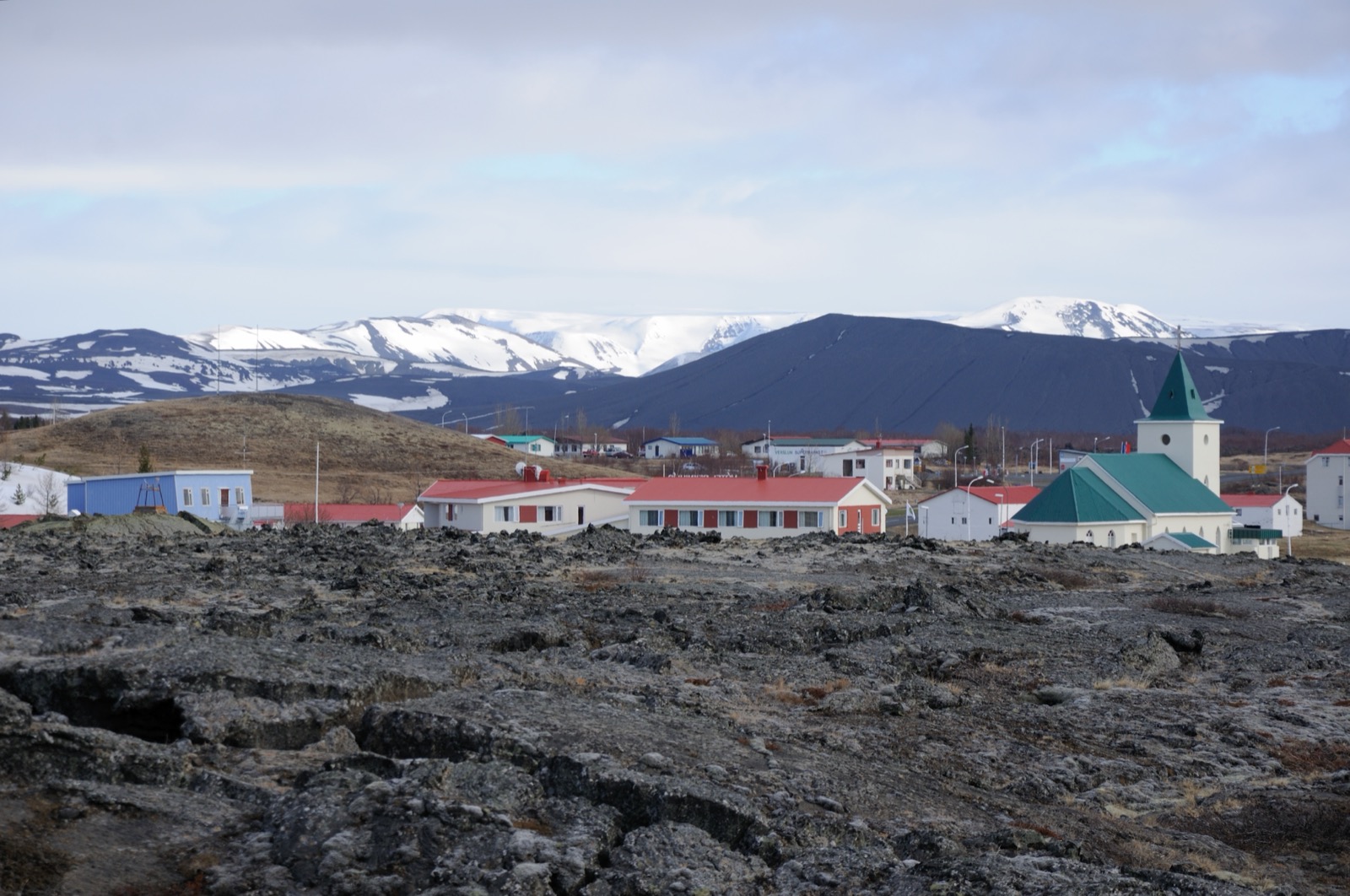
Choose North Iceland when you can spare several days for Akureyri, Mývatn, Húsavík, and canyon country; one rushed overnight barely reaches the region.
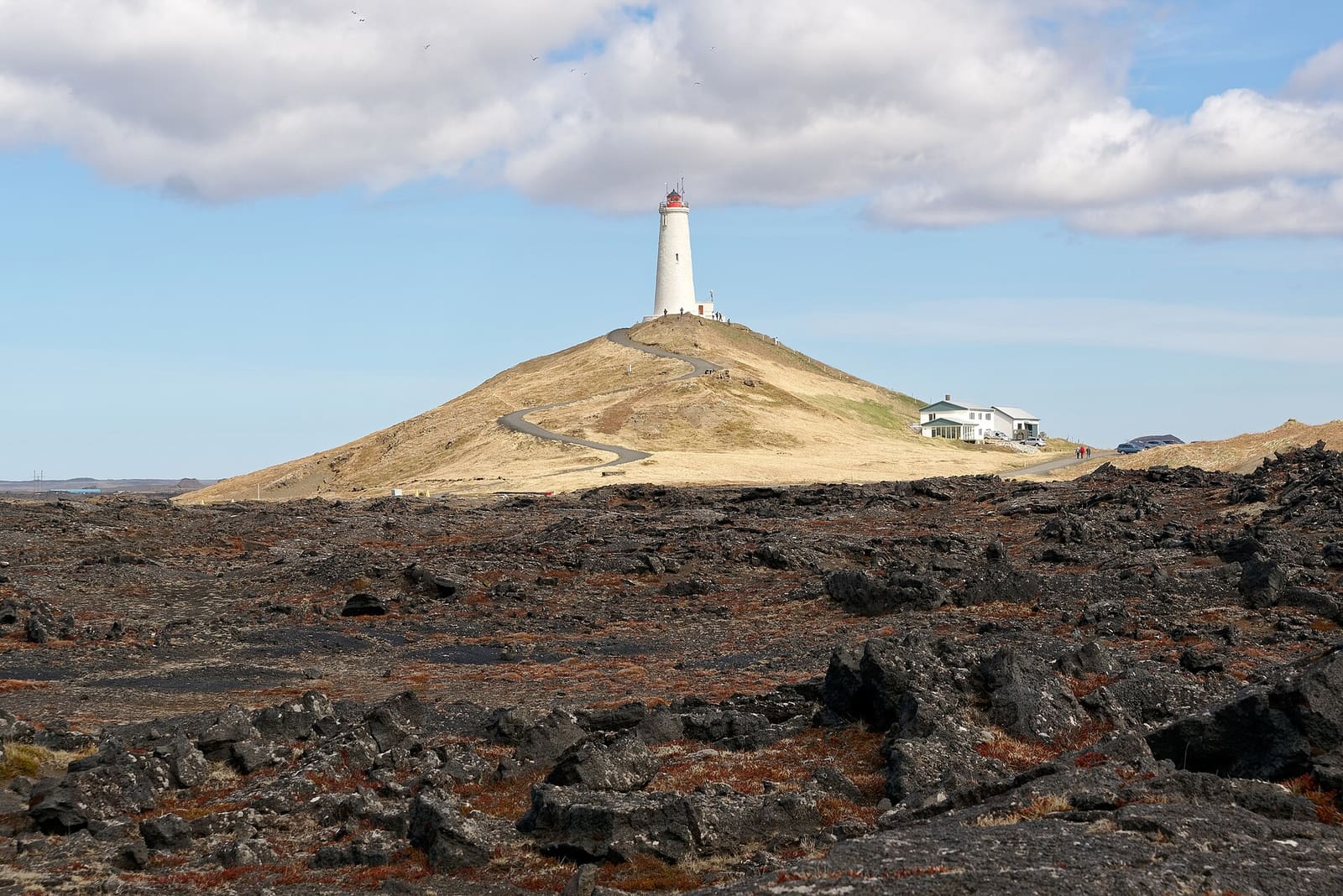
Use this volcanic peninsula for a careful half- or full-day route near KEF, but keep eruption sites, Grindavík and Blue Lagoon plans conditional.
Road trips and itineraries
See where this experience fits into a road trip or day-by-day itinerary.
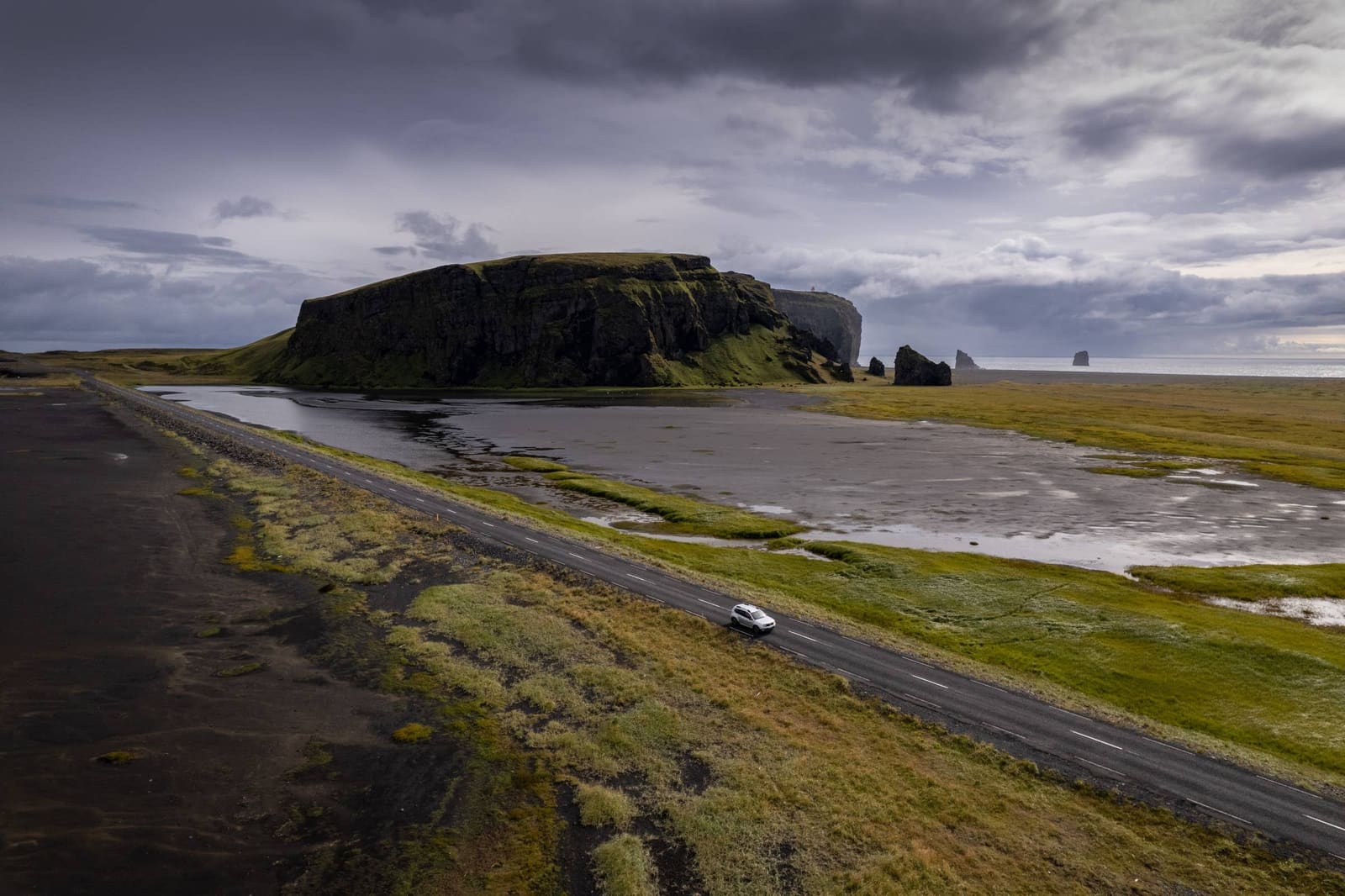
A realistic first-trip route through Reykjavík, the Golden Circle, and the South Coast, built for five calendar days without turning the final day into a race to the airport.
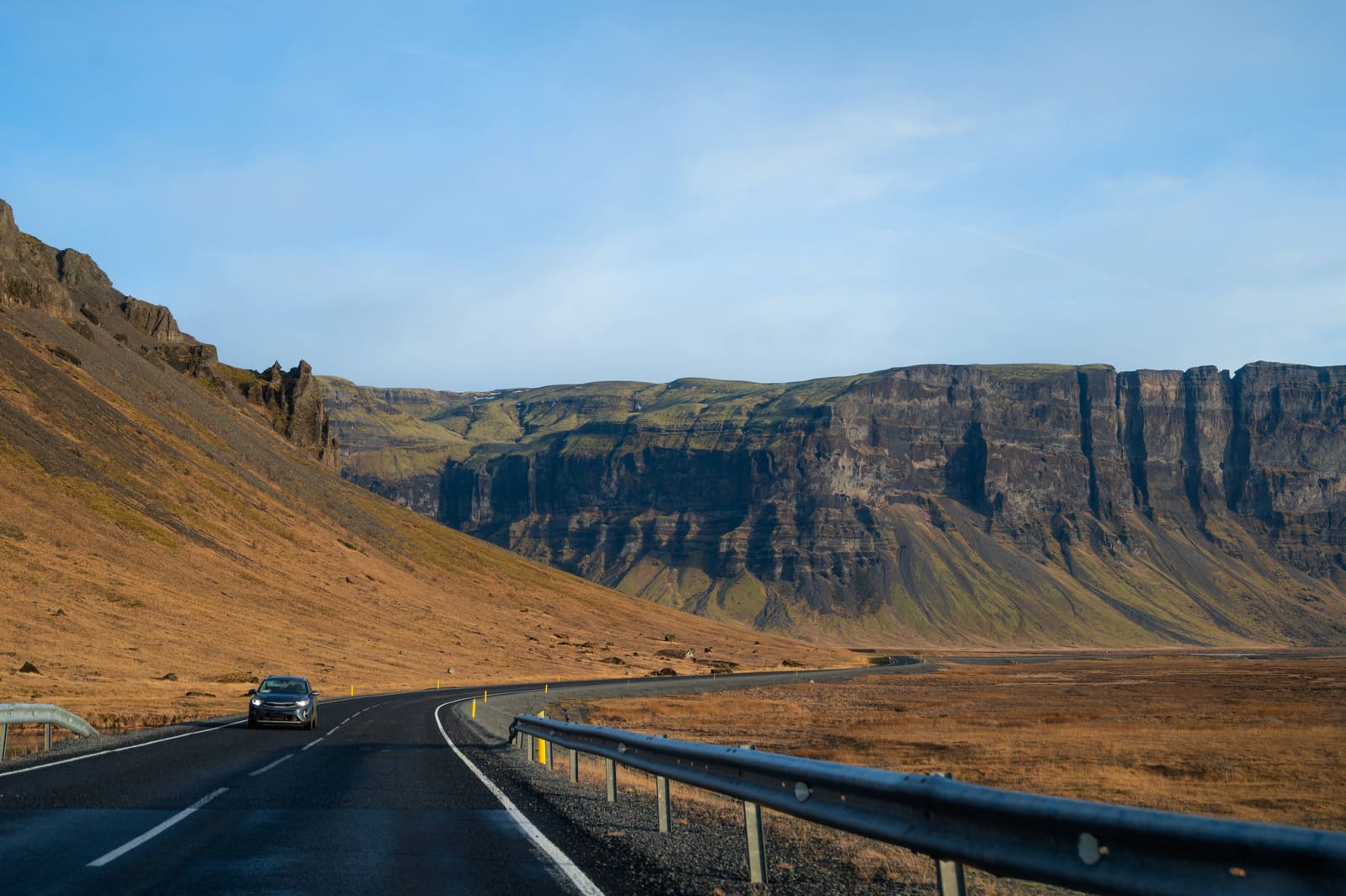
A route-first guide to deciding whether Iceland’s South Coast works as a day trip, one-night drive, or slower two-night route.
More things to do
See other activities that may suit the same day, season, or part of Iceland.
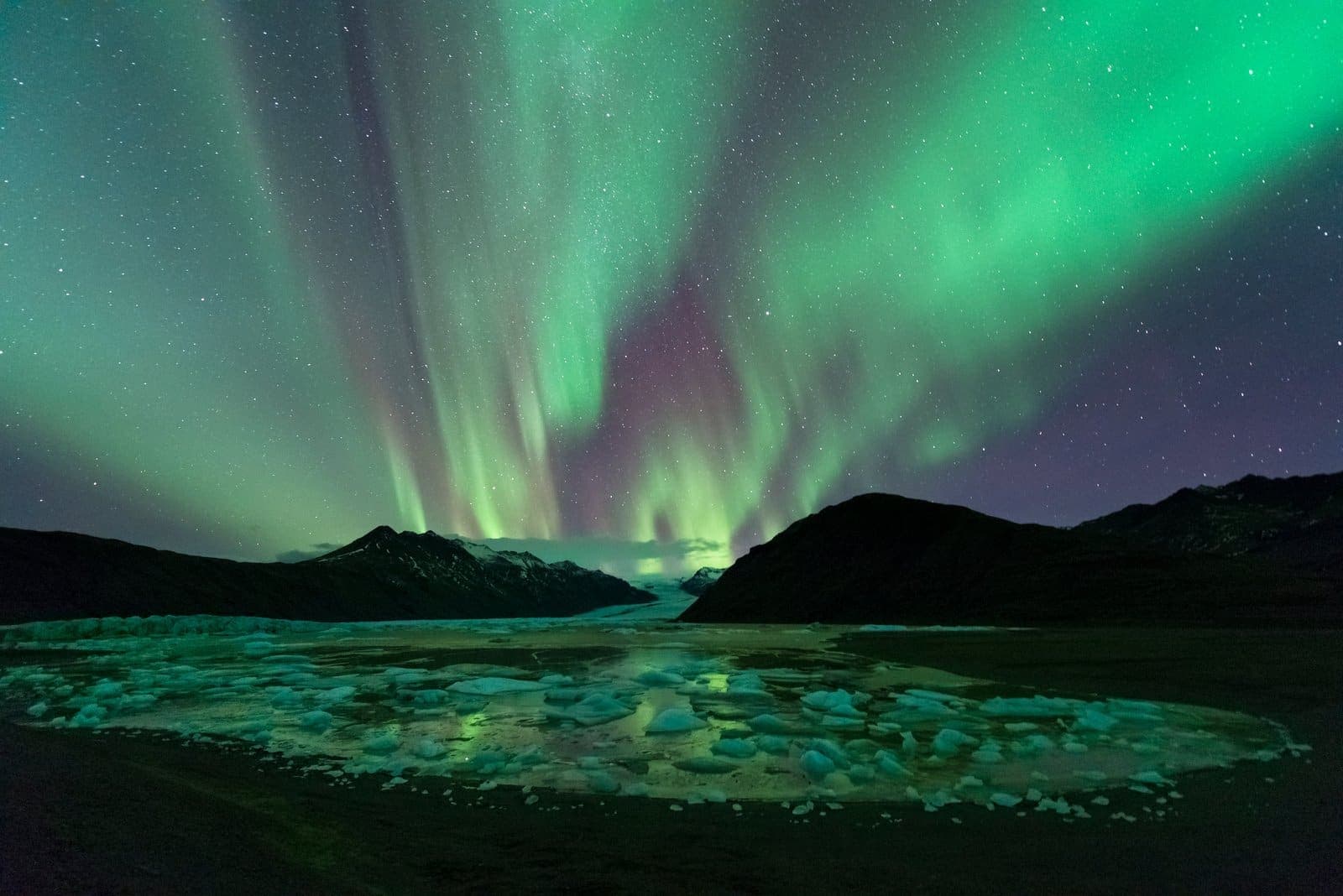
Northern lights plans work best when you choose the format before chasing the sky. Compare guided tours, self-drive attempts, Reykjavik viewing, countryside bases, boat options, and indoor backups by weather risk, car need, comfort, route fit, and how much the night can bend.
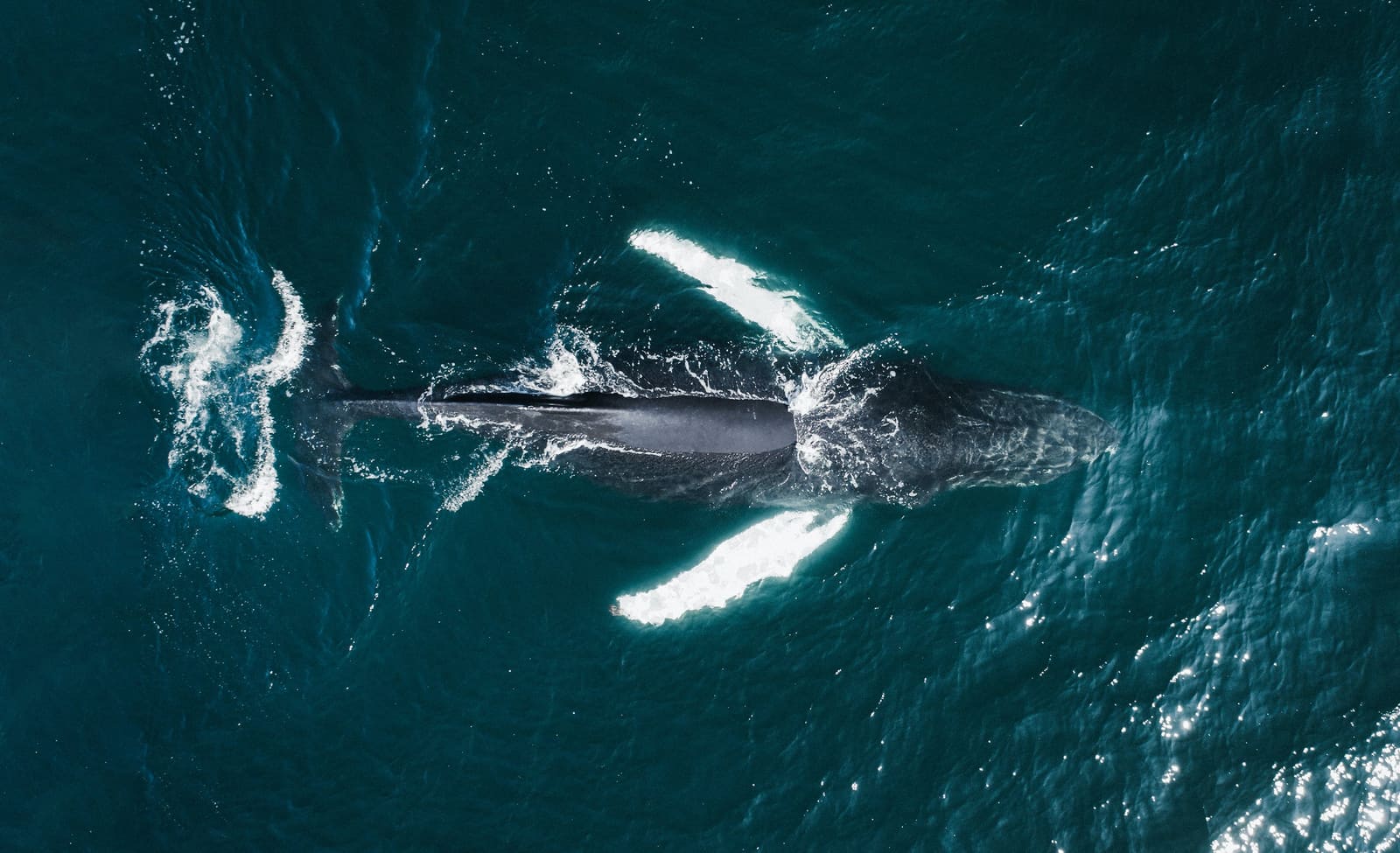
Whale watching works best when the departure base already fits your route. Use this guide to compare Reykjavik convenience, North Iceland wildlife focus, boat comfort, family fit, and the checks that matter before you commit.
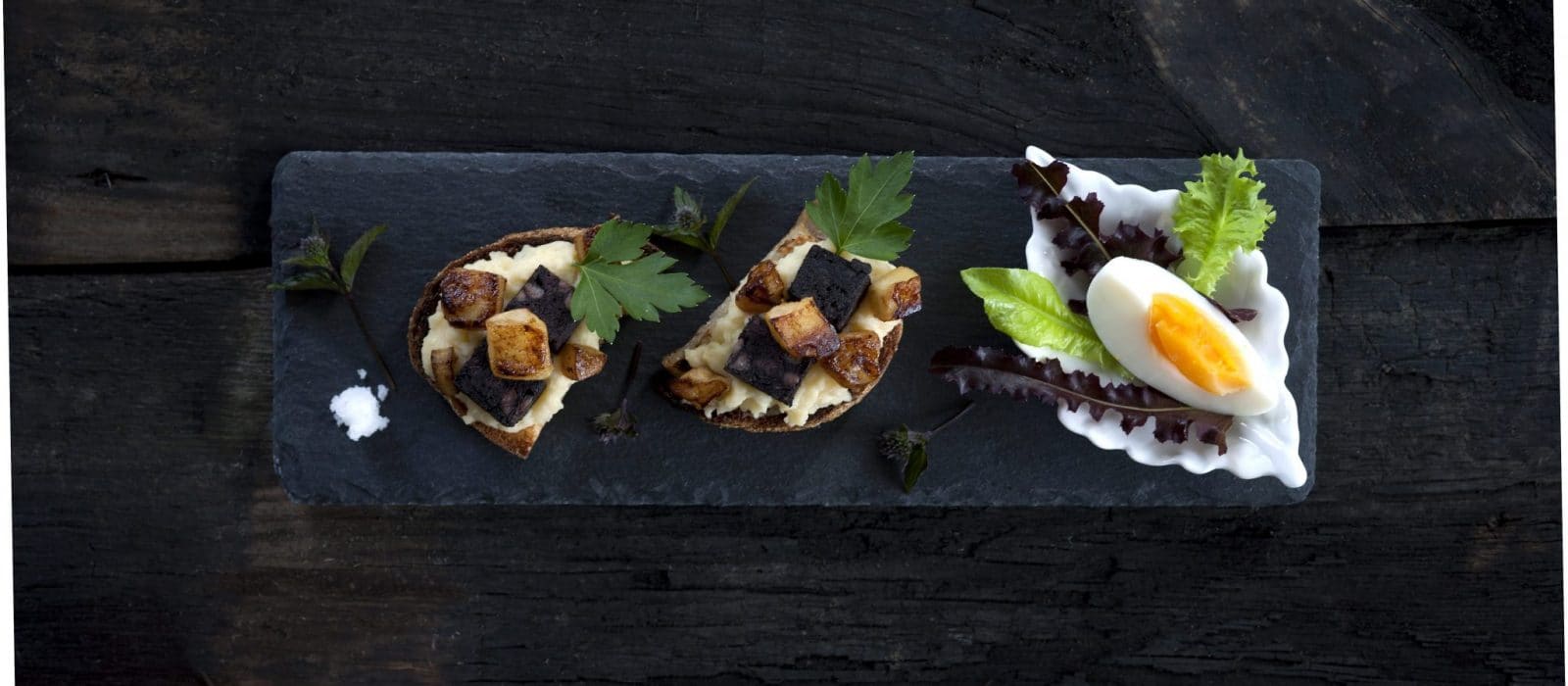
Icelandic food can shape the day in several very different ways: a Reykjavík food walk, self-guided food hall stop, bakery break, greenhouse meal, seafood lunch, or simple casual plan that does not distort the route.
Choose the next move
Move from broad winter ideas into the activity, road, or safety page that controls the real decision.