Use this road-trip comparison to decide whether the full Ring Road or a focused South Coast route fits your days, season, driving confidence, and overnight plan.
Short answer
Choose the South Coast for 5 to 7 days; choose the Ring Road when you have about 10 or more days and can handle longer transfers.
Best first-trip default
A South Coast focus is usually easier for first-time visitors who want high-value stops without rushing the whole country.
Ring Road fit
The Ring Road is better when breadth matters more than slow time in each region.
Driving pressure
South Coast driving is concentrated and reversible; the Ring Road becomes a sequence where one delayed day affects the next.
Route essentials
Short answer
Choose the South Coast for 5 to 7 days; choose the Ring Road when you have about 10 or more days and can handle longer transfers.
Best first-trip default
A South Coast focus is usually easier for first-time visitors who want high-value stops without rushing the whole country.
Ring Road fit
The Ring Road is better when breadth matters more than slow time in each region.
In this guide
Should you drive the Ring Road or focus on the South Coast?
Choose the South Coast if you have 5 to 7 days or want a calmer first self-drive trip; choose the Ring Road when you have roughly 10 or more days and want the full-country loop.
The Ring Road gives you breadth: South Iceland, the southeast glacier area, East Iceland, North Iceland, and a return west. The South Coast gives you depth: waterfalls, black sand coast, glacier country, and easier returns from the same side of the country.
For many first-time travelers, the South Coast is the better planning default because it keeps the route flexible without lowering the quality of the trip. The Ring Road becomes the better choice when seeing different regions matters more than staying slow in one corridor.
Good to know
Is this right for you?
Best for
first-time self-drive travelers choosing between depth and country-wide breadth
7 to 10 day planners who need a realistic route decision before booking
summer and shoulder-season travelers comparing loop pressure with South Coast focus
travelers who want to understand what they give up by choosing either route
Think twice if
travelers who already have 12 or more days and know they want a full loop
no-car travelers looking for guided day-trip logistics
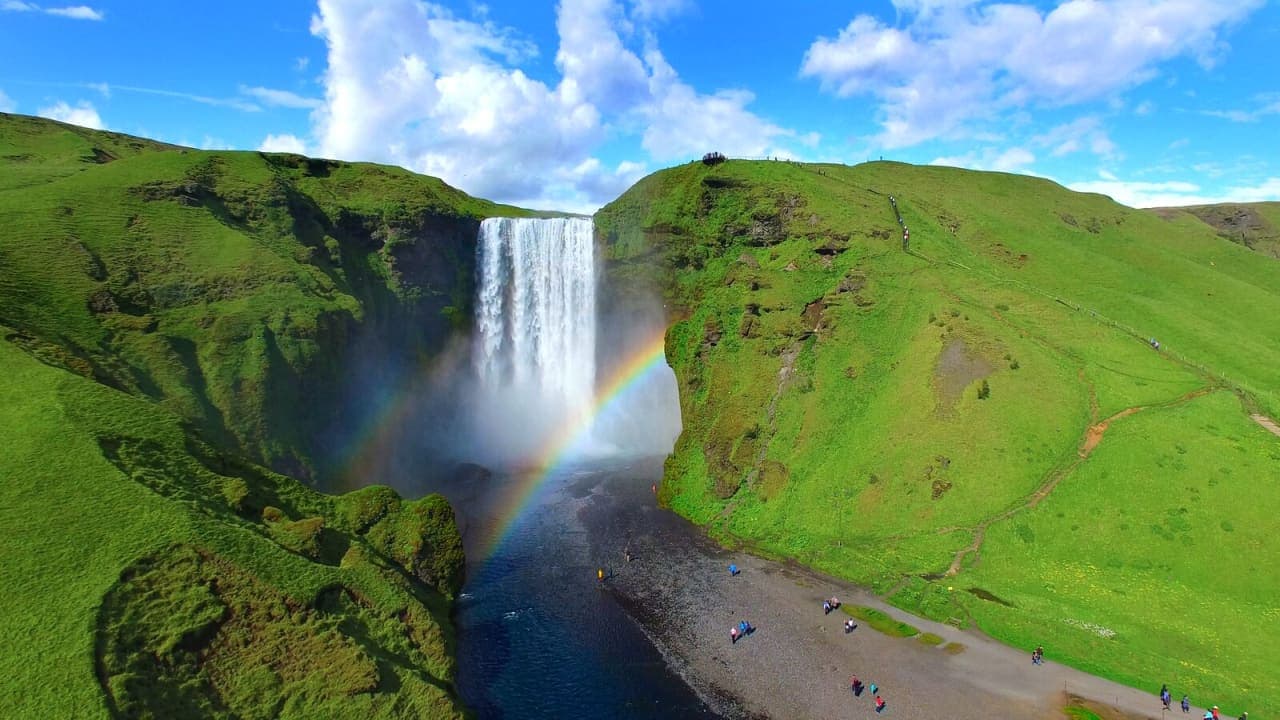
The pin marks the visitor parking reached from Route 249. Walk to the falls and follow current path and ice restrictions. Use the western waterfalls as one cluster rather than separate route days.
The pin marks the replacement visitor parking outside the protected area. Allow for the walk to the lower waterfall; the stairs and longer hikes need extra time. Add the longer stair or hiking time only on the slower South Coast plan.
The pin marks Skaftafellsstofa visitor centre, reached on Route 998. Follow signs to visitor parking and choose a walk that fits the available time. A real walking block belongs in the focused route, not a rushed transfer day.
The pin marks the main lagoon parking north of Route 1. Fellsfjara has separate arrivals across the road; use signed paths and keep away from the surf. This is a logical focus-route endpoint and the point where a Ring Road loop continues east.
380 kmabout 300 minhigh pressureRoute 1
120–240 min
7
Return to Reykjavík
base
A loop needs a final buffer day; arrival in the capital is not the same as flight readiness.
Base / handoff
Choose the route shape before the stops
Out and back✓Recommended route
Focused South Coast: 5–7 days
A reversible out-and-back route with more time at waterfalls, Vík, Skaftafell and the southeast.
Short daylight, wind, ice and closures make a national loop less resilient than a reversible South Coast plan. Check the official source.
One delayed Ring Road day affects the next
Keep flexible nights and do not book a loop with no recovery path before the flight. Check the official source.
Route overview
Locate the stops
Lines show the stop sequence, not the roads to drive. The ordered stops remain available without loading the map.
This overview combines visitor parking with town bases. Choose parking for your own stays and Mývatn visits, and keep the Eastfjords transfer on Route 1 via Fáskrúðsfjarðargöng and Fagridalur. Automatic directions can suggest the different Öxi mountain route, so check the full road sequence and current conditions before navigating.
Interactive map loads only when requested
This keeps the route guide fast while the complete stop sequence stays visible.
A 7-day Ring Road can work for experienced fast-paced drivers in long daylight, but it is not the best default for most first trips. A 7-day South Coast route usually gives better stop quality, easier overnight logic, and more room to adjust.
Day count matters because the same route can feel relaxed or rushed depending on how much recovery time the drive allows.
What route works best for a first trip?
For a first trip, the best route is the one that still works when weather, daylight, and normal travel friction slow the day down.
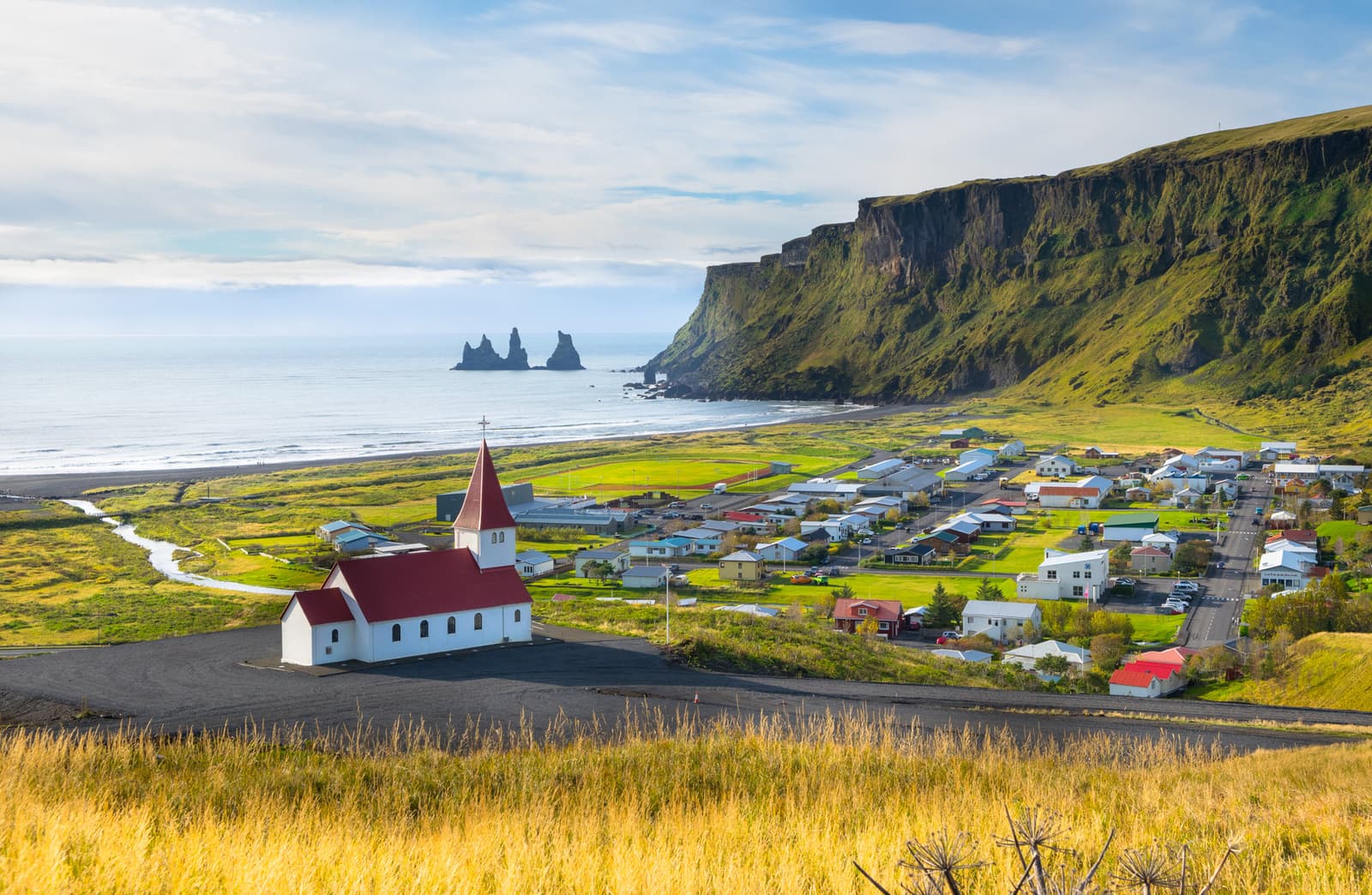
A South Coast route can start in Reykjavik, move through the Golden Circle or direct coast approach, sleep around Vik or Kirkjubæjarklaustur, continue toward Skaftafell or Jökulsárlón, then return west with fewer fixed commitments. The route is easier to shorten because you can choose your furthest east point.
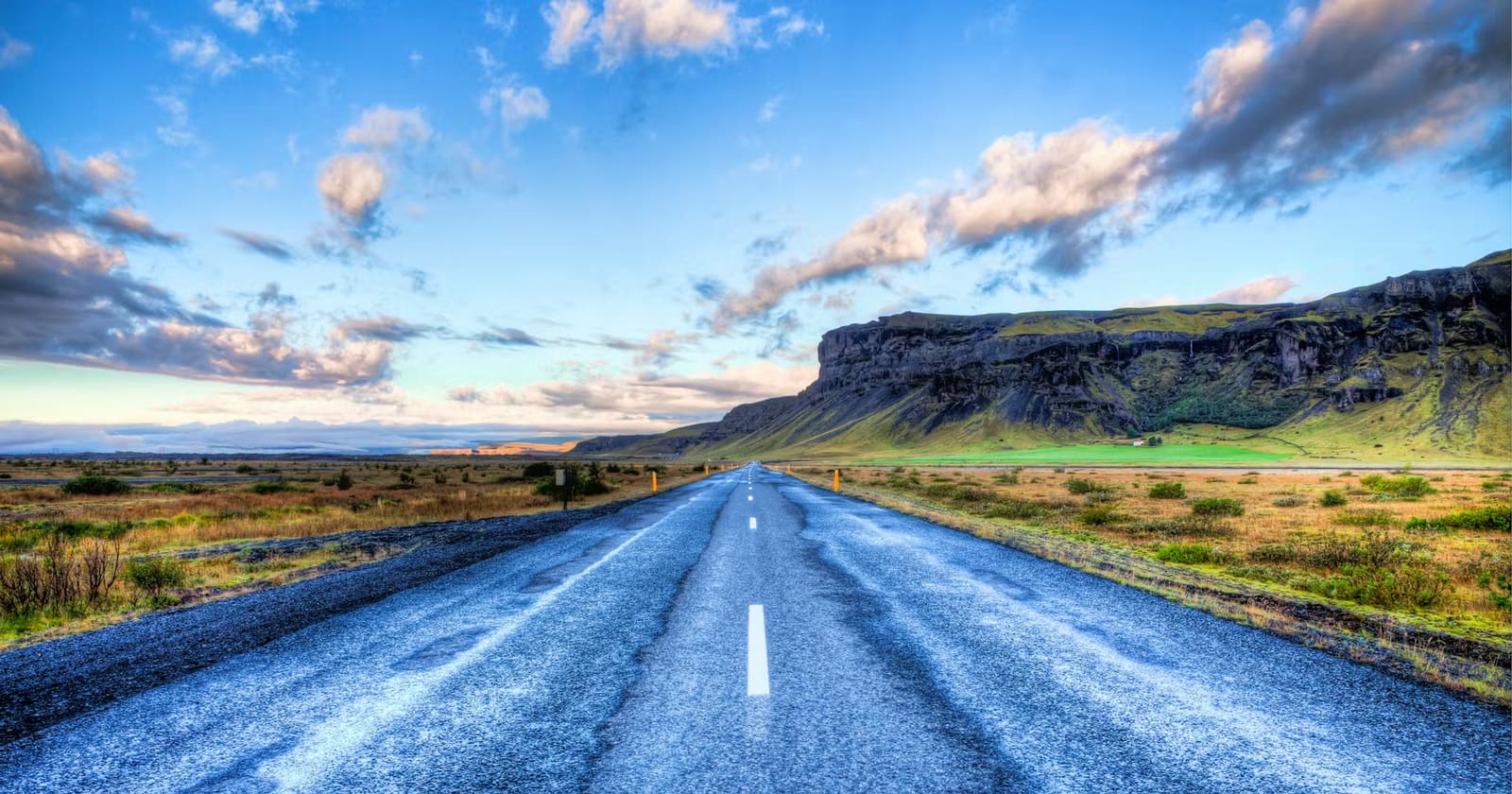
The Ring Road works differently. Once you continue beyond the southeast into East Iceland and North Iceland, the route becomes a chain. That can be rewarding, but it makes each overnight more important because skipping one section often changes the next two days.
The decision is not only distance; it is how the route behaves when plans change.
Route
Best planning use
Main tradeoff
South Coast focus
High-value first trip with fewer long-transfer days
Less regional variety beyond the south and southeast.
Full Ring Road
Country-wide loop with changing landscapes and regions
More days spent moving and fewer easy reversals.
South Coast plus Snæfellsnes
A strong 8 to 10 day alternative if you want variety without the full loop
Still needs clean overnight placement and weather flexibility.
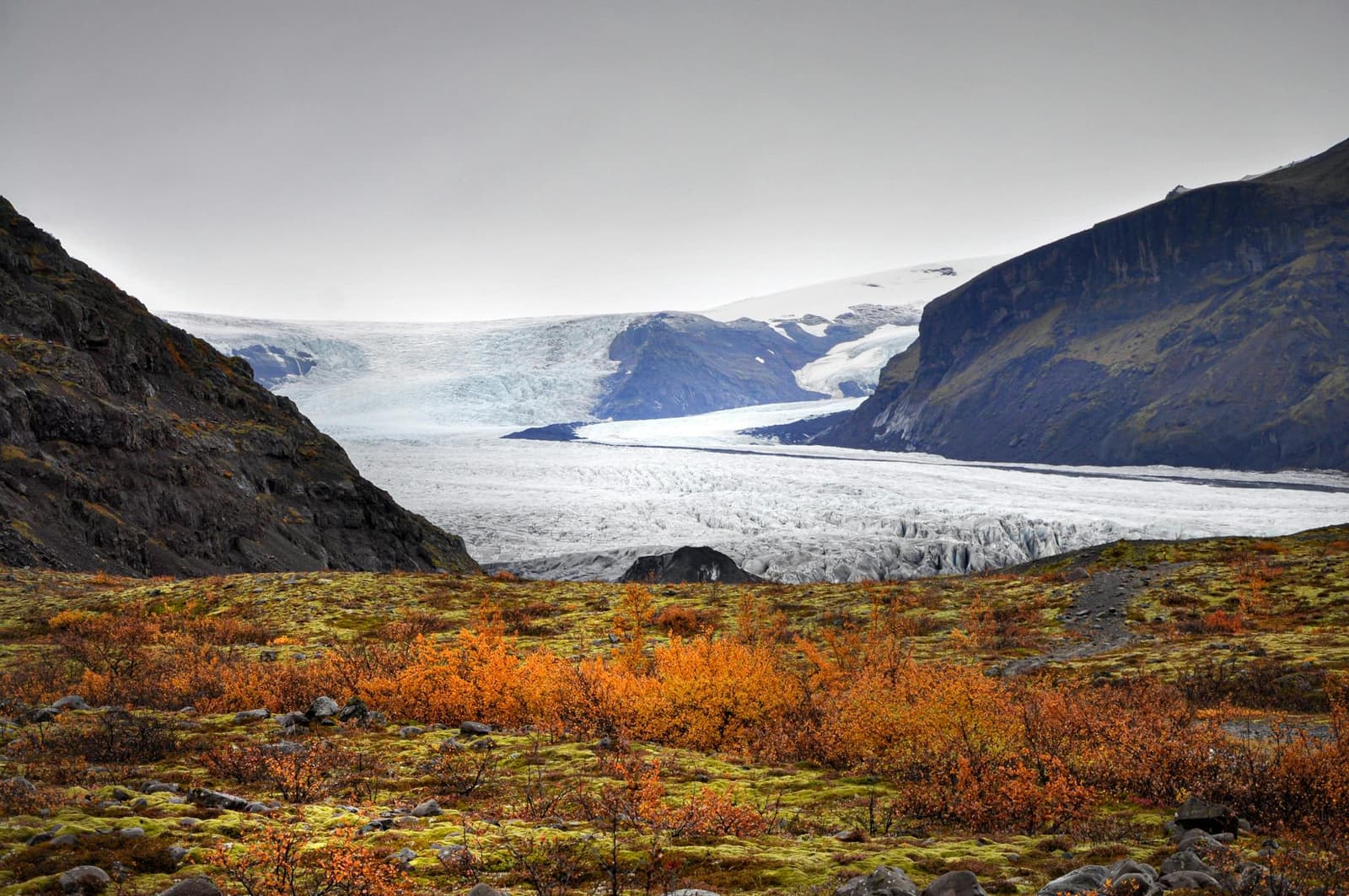
The southeast glacier area is often where a South Coast focus and a full Ring Road start to diverge.
How much driving pressure does each choice create?
The South Coast concentrates driving pressure into out-and-back or partial-return days, while the Ring Road spreads it across the whole trip.
South Coast pressure: repeated choices about how far east to go, but fewer consequences if you turn around earlier.
Ring Road pressure: less backtracking, but more dependency between nights and more exposure to road or weather disruption.
Winter pressure: shorter daylight makes both routes harder, but the loop is less forgiving because every delayed section affects the next region.
Fatigue pressure: the Ring Road can look efficient because it avoids backtracking, but it still asks you to keep changing regions.
If your group dislikes long transfers, choose the South Coast and build in two-night bases where possible. If your group is comfortable moving most days and accepts that some stops will be brief, the Ring Road becomes more reasonable.
Driving pressure rises when road exposure, season, and fixed overnights leave little room for delay.
Where should you stay overnight?
Overnight placement should follow the route decision, not the other way around.
Simple overnight logic for each route shape.
Route shape
Useful overnight pattern
Planning note
South Coast in 5 to 7 days
Reykjavik, Vik area, Kirkjubæjarklaustur or Skaftafell area, then return west
Choose your furthest east point before booking every night.
Ring Road in 10 to 12 days
Reykjavik, South Coast, southeast, Eastfjords, North Iceland, West Iceland, Reykjavik
Avoid making every night a hard transfer with no recovery space.
Hybrid route
South Coast plus Snæfellsnes or West Iceland
Good when you want variety but do not want the commitment of a full loop.
The biggest mistake is booking a loop because the lodging sequence looks tidy. If one or two nights require a long drive after major stops, the route may be too ambitious even if every hotel is available. Use where to stay in Iceland after choosing the route shape to compare each practical base before shopping for individual properties.
Overnight towns are route tools: they decide whether the next day starts calm or already behind schedule.
What changes in winter or rough weather?
Winter and rough weather favor the route with the easiest backup plan, not the route with the longest list of scenery.
Season changes the route decision.
Condition
South Coast effect
Ring Road effect
Short daylight
Compress the stop list and keep the furthest east point flexible.
Long transfers can consume most usable daylight.
High wind or warnings
You can pause, shorten, or turn back more easily.
A delayed segment can affect multiple future overnights.
Snow or icy roads
Main-route checks still matter, especially around exposed coast and passes.
North and East Iceland add more regional variability to monitor.
Summer daylight
Makes longer South Coast days easier but can tempt overpacking.
Makes the loop more practical, though not automatically relaxed.
Use official road and weather sources on the actual travel day. This page can help you choose a route shape, but it cannot replace same-day condition checks.
Before you book hotels or a car
Lock the route only after you have tested the plan against the decisions that are expensive to undo.
Choose the furthest east point if you are leaning South Coast.
Choose the minimum acceptable day count if you are leaning Ring Road.
Check whether every planned night still works if one day becomes slower.
Confirm that your rental, insurance comfort, and driving confidence match the season.
Keep one flexible window near the most weather-sensitive part of the route.
When should you choose the other route?
Switch routes when the practical constraint changes, not because one route is universally better.
Choose the Ring Road if you have 10 or more days, want regional variety, and are comfortable moving most nights.
Choose the South Coast if you have 5 to 7 days, want easier weather flexibility, or care more about depth than a full-country loop.
Choose a hybrid if you have 8 to 10 days and want South Coast quality plus a second region such as Snæfellsnes or West Iceland.
Choose a no-loop plan in winter if road checks, daylight, or group confidence make a chain of fixed nights feel fragile.
Current toll instructions for the tunnel used by the Mývatn–Akureyri estimate.
Ring Road vs South Coast FAQ
These are the quick planning questions to resolve before you choose the route.
Is the Ring Road better than the South Coast?
The Ring Road is better for travelers with enough days who want regional variety, while the South Coast is better for shorter first trips that need less driving pressure.
Is 7 days enough for the Ring Road?
Seven days is usually too tight for a relaxed Ring Road, though fast summer travelers can do it if they accept long transfers and fewer slow stops.
Is the South Coast enough for a first Iceland trip?
Yes, the South Coast is enough for many first Iceland trips because it includes waterfalls, black sand coast, glacier country, and strong route planning.
Which route is better in winter?
The South Coast is usually the safer default in winter because it is easier to shorten or reverse when road, weather, or daylight conditions change.
Can I combine the South Coast and part of the Ring Road?
Yes, a hybrid can work in 8 to 10 days, but it should be planned as a deliberate route with clear overnight limits rather than a shortened full loop.
Route stops
Compare the routes before adding more stops
Use these pages to move from the broad Ring Road vs South Coast decision into the route, driving, and season details that make the plan workable.