Experience fit
- Best first try
- Guided glacier hike
- Lowest effort
- Lagoon or viewpoint
- Guide need
- Ice and caves
- Main bases
- South and southeast
- Booking friction
- Higher for guided ice
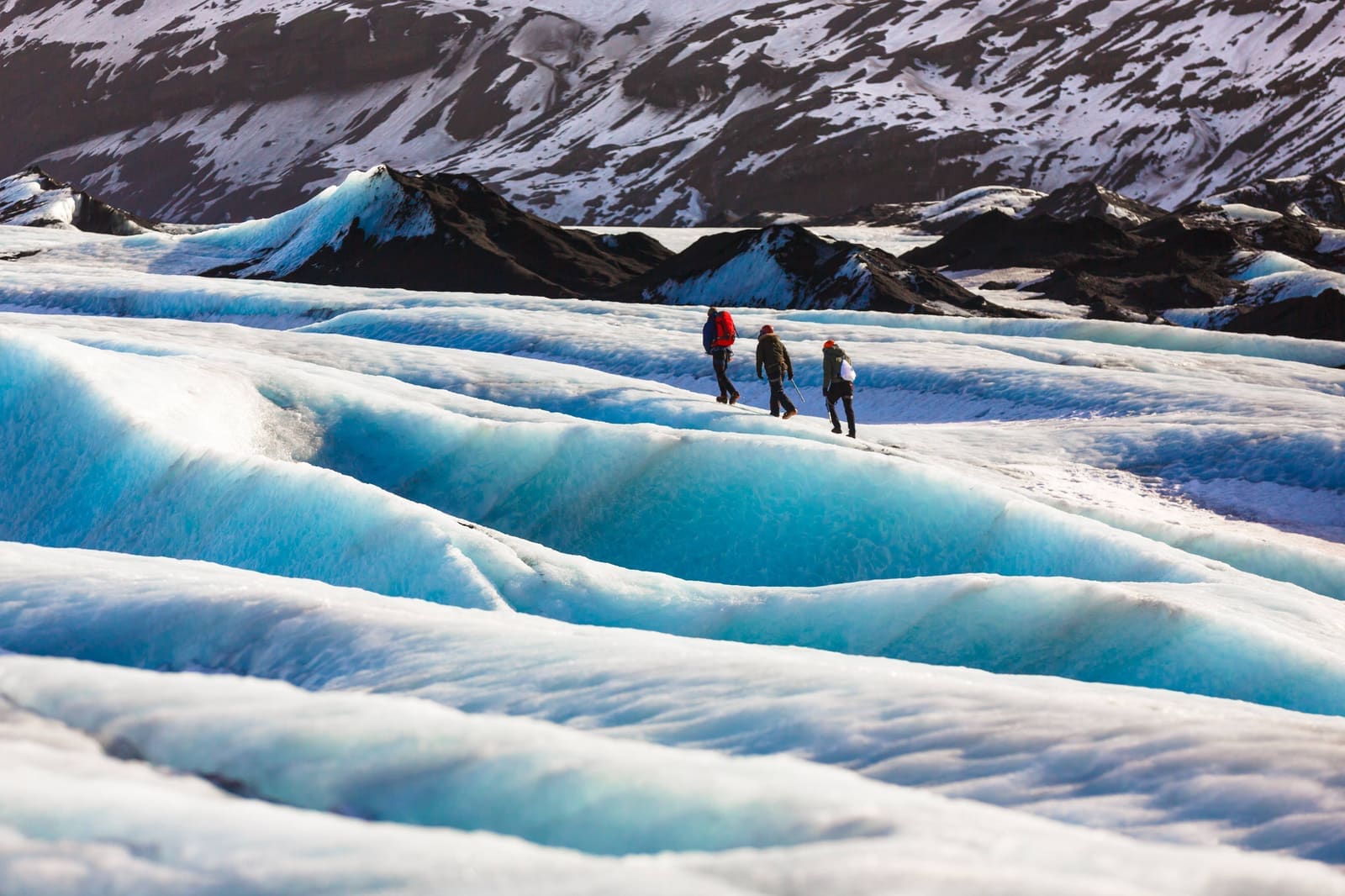
Glacier activities work best when you choose the right version first: guided ice walking, cave or tunnel access, snowmobiles, lagoon boats, kayaking, or a lower-effort viewpoint. Use the route, season, guide need, and comfort tradeoffs before booking anything.
Experience fit
Start by choosing the version of glacier country you actually want. A guided ice walk, cave or tunnel visit, snowmobile ride, lagoon boat, kayak, and roadside viewpoint all use the word glacier, but they fit very different days.
The safest shortcut is to separate on-ice activities from glacier-view activities. If your plan involves walking on ice, entering a cave, riding onto the glacier, or using technical gear, treat it as a guided activity with weather and operator judgment built in. If you mainly want scale, photos, and flexibility, Skaftafell, Sólheimajökull, Jökulsárlón, or a quieter lagoon stop may be a better fit.
| Version | Best for | Not ideal for | Route/base fit | Guide need |
|---|---|---|---|---|
| Glacier hike | First active ice experience | Dry, low-effort days | Skaftafell or Sólheimajökull | Guided |
| Ice cave or tunnel | Inside-ice experience | Guaranteed blue-cave expectations | Vatnajökull, Katla, or Langjökull | Guided |
| Snowmobile or snowcat | Ride-focused adventure | Quiet slow travel | Langjökull or glacier-access bases | Guided |
| Lagoon boat or kayak | Lower-effort glacier scenery | Standing on glacier ice | Jökulsárlón or Fjallsárlón | Operator-led |
| Viewpoint walk | Flexible self-drive stops | Deep ice features | South Coast and southeast | Self-guided |
| Ice climbing | Harder active days | Beginners wanting comfort | Specialist glacier bases | Guided |
Choose one main glacier job for the day, then protect it. A booked glacier hike should not be squeezed between every famous waterfall and beach. A viewpoint stop should not be treated like the same achievement as a guided walk on ice.
Photo guide
1 / 7
On glacier terrain, the guide is part of the activity, not an optional extra.
Good to know
The strongest choice depends less on the name of the glacier and more on how much control you want over comfort, timing, and safety decisions.
Route fit is the second filter. The same activity can be sensible from one base and awkward from another, especially when weather or winter daylight shrinks the day.
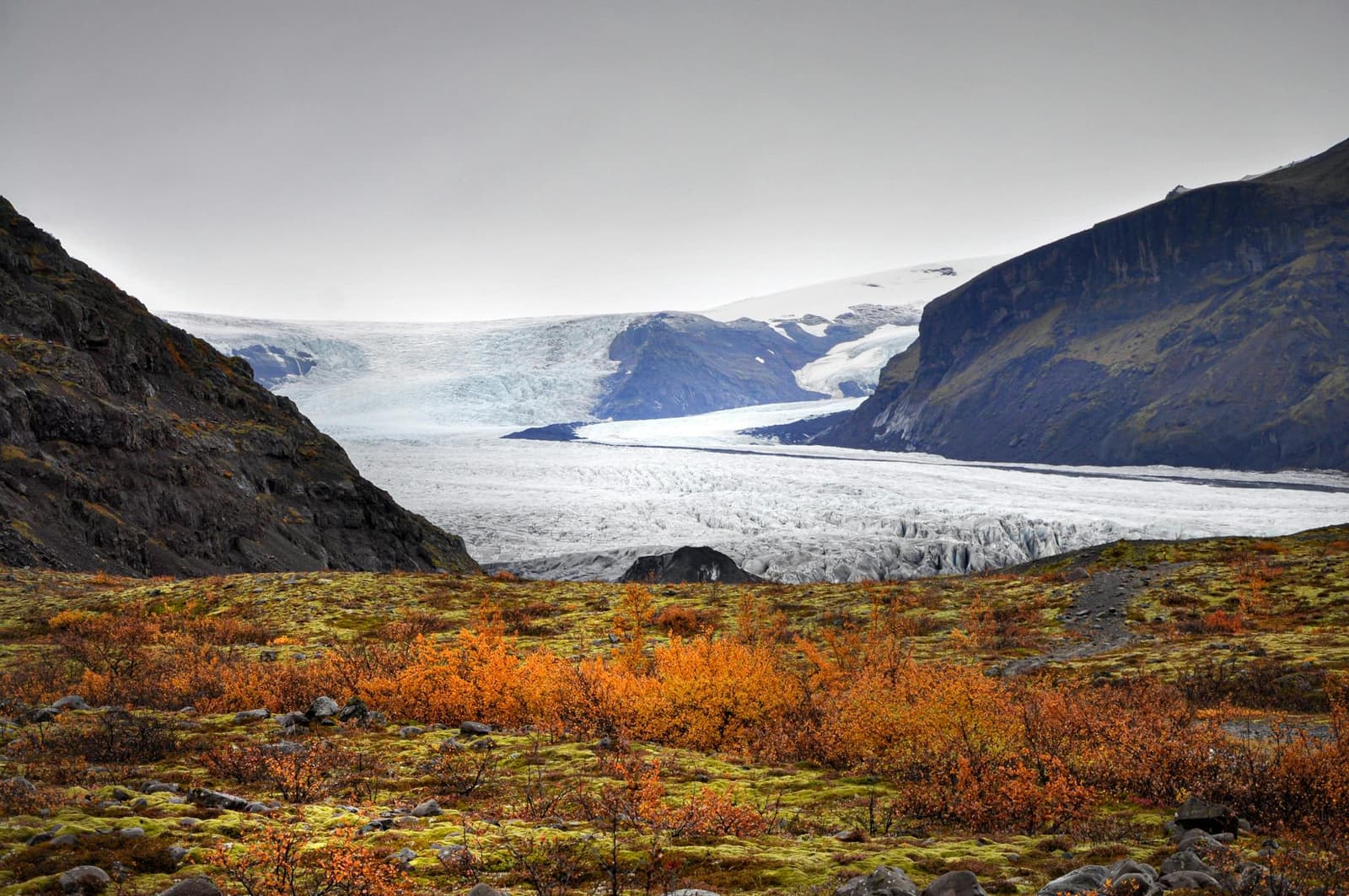
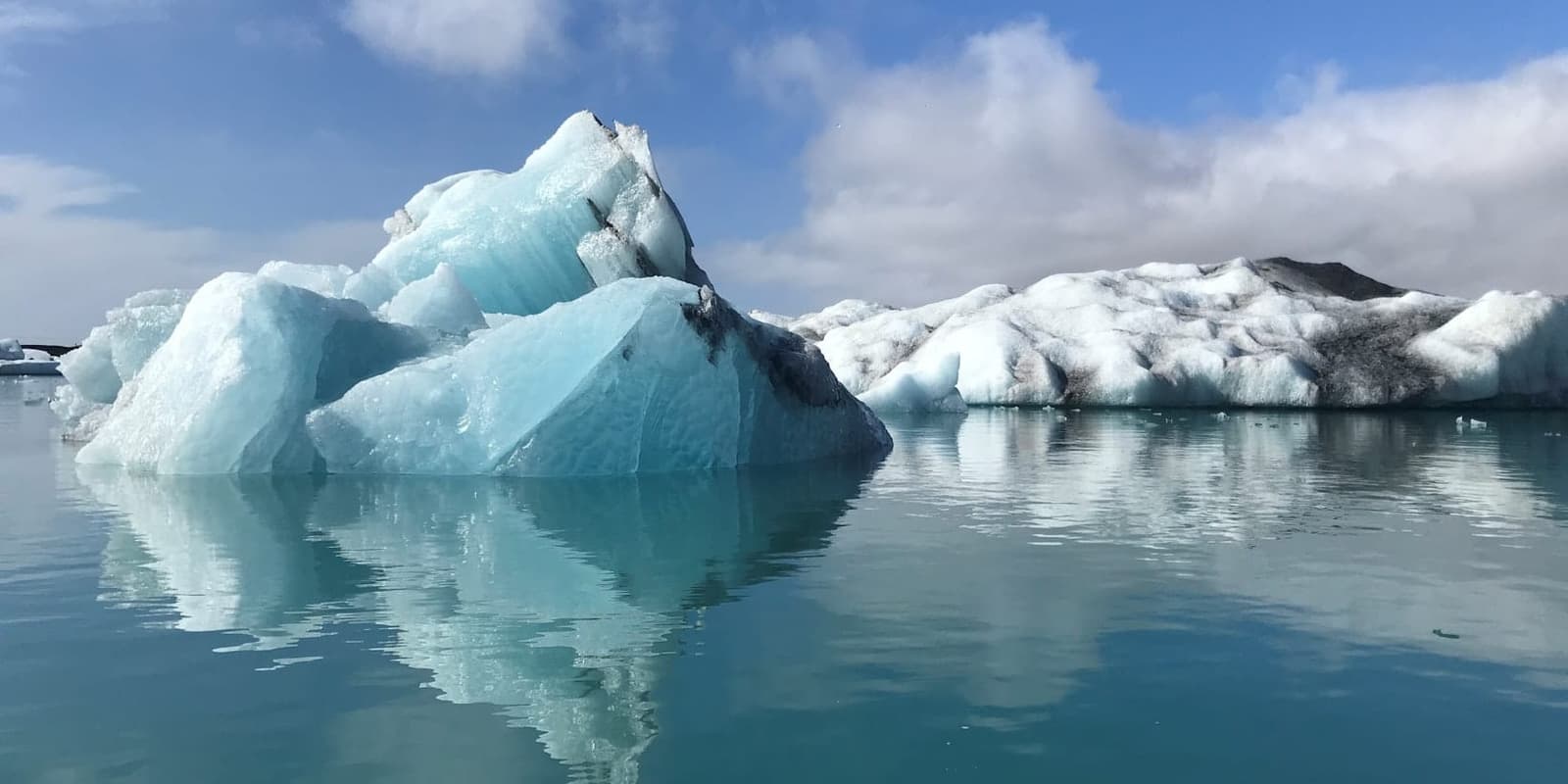
Skaftafell is the cleanest southeast base when you want walking, national-park context, and guided glacier options in one area. Sólheimajökull is a practical South Coast glacier-edge stop for travelers already moving between Skógar and Vík. Jökulsárlón and Fjallsárlón make more sense when the glacier experience is a lagoon, boat, kayak, or iceberg landscape rather than time on the ice.
Langjökull belongs in a different decision: snowmobile, ice tunnel, and Golden Circle or west-side access plans. Vatnajökull is the big southeast context, but the page you open next should usually be the actual base, lagoon, or park area that fits the day.
Use the South Coast road trip guide if glacier time competes with waterfalls, black sand beaches, and long driving. Use Ring Road or South Coast? if the glacier decision changes the whole route shape.
For travelers choosing the Jökulsárlón and Vatnajökull side, Crystal Ice Cave is the specific blue-ice cave page to compare with glacier hikes, lagoon stops, and viewpoint-only days.
Blue ice is a real draw, but it is the wrong promise to build the whole day around. Natural cave features, visibility, melt, wind, rain, and guide safety calls can change what is sensible.
If the cave or tunnel is your priority, choose a specialist guided activity and read the visitor details closely. If the route cannot absorb a change, downgrade the plan before the trip: pick a glacier viewpoint, a lagoon, or a national-park walking base instead of making the day depend on one fragile feature.
This is especially important for winter and shoulder-season trips. Short daylight and road conditions can turn a good activity into a poor route decision. The winter driving guide is a better next step than another cave photo when the plan already feels tight.
The simplest safety line is this: view glaciers from normal paths on your own if conditions allow, but do not treat glacier ice as a normal hiking surface.
Glacier surfaces hide crevasses, change with melt and snow, and can require crampons, helmets, ropes, route judgment, and rescue knowledge. Most visitors should use a qualified guide for glacier hiking, cave access, snowmobile routes, and specialist ice climbing.
Self-guided glacier time should mean viewpoints, marked paths, lagoon edges, and signed areas, not stepping onto ice because other people appear to be nearby. If the weather is poor, visibility is low, or the road plan is already stretched, the safer choice may also be the better travel choice.
Most weak glacier plans are not caused by choosing the wrong glacier. They are caused by choosing the wrong amount of commitment for the day.
Check the official sources first, then the exact operator page if you are booking guided ice time. This keeps changeable facts out of your memory and in the place that updates them.
For a guided hike, cave, snowmobile, ice climbing, or boat activity, open the operator visitor details for meeting point, gear, ability, cancellation, and weather handling. For a self-drive viewpoint or lagoon stop, open the route and weather checks before treating it as fixed.
Use this regional source to understand the broad glacier activity menu before comparing specific operators.
Check official road conditions before treating a South Coast or southeast glacier plan as fixed.
Use the official weather source before exposed glacier-area travel.
Use this for regional cave context and the guide-led safety framing.
Use official park notices for cave and glacier-walk policy context instead of relying on old assumptions.
Open a local operator page for meeting, gear, cave, and glacier hike details before booking.
Use SafeTravel for travel conditions, outdoors guidance, crevasse resources, and travel-plan tools.
Use the official boat operator page for lagoon activity details instead of relying on fixed timing claims.
Most visitors should not walk onto glacier ice without a qualified guide and the right equipment. Choose viewpoints and marked paths if you want a self-guided glacier stop.
A guided introductory glacier hike is the best active first try. A lagoon, boat trip, or viewpoint is easier if comfort, children, or schedule flexibility matter more.
Natural cave access depends on conditions, and operators may adapt the activity. Some tunnel or Katla-style options can differ from classic winter blue-cave expectations, so check the exact visitor details.
No. A lagoon boat or kayak gives close glacier scenery and icebergs with less physical effort, while a glacier hike is about moving on the ice with guide equipment.
Some guided activities can work without a rental car through pickup or tour transport, but the details vary. Check meeting points and return timing before relying on a no-car plan.
By ThorPublished Updated
Where to do it
Use these attraction and planning pages to place the glacier activity beside the South Coast, southeast, and winter-driving decisions it affects.
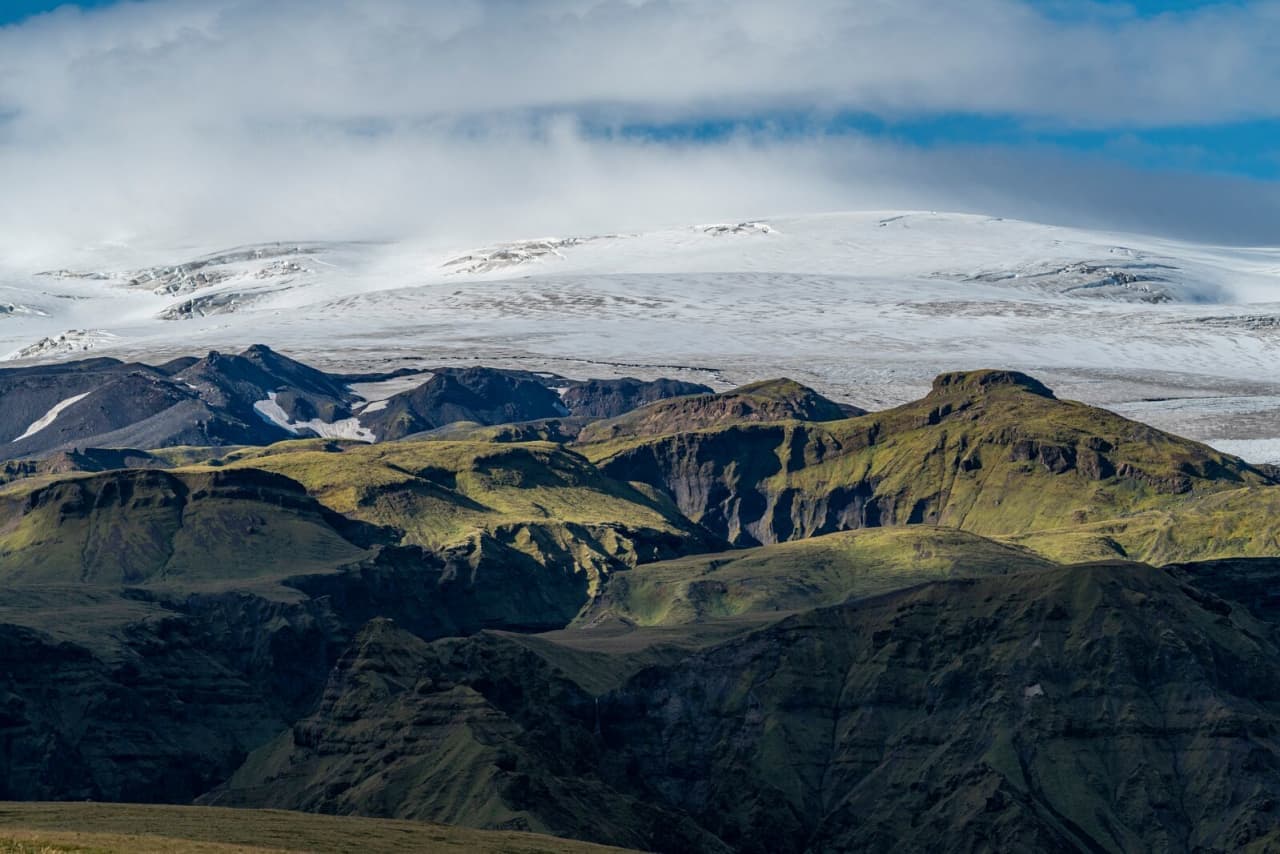
Mýrdalsjökull is a large South Coast glacier above Katla, best planned as a route-defining landscape where travelers must choose between distant views, guided glacier access, or a simpler nearby stop.
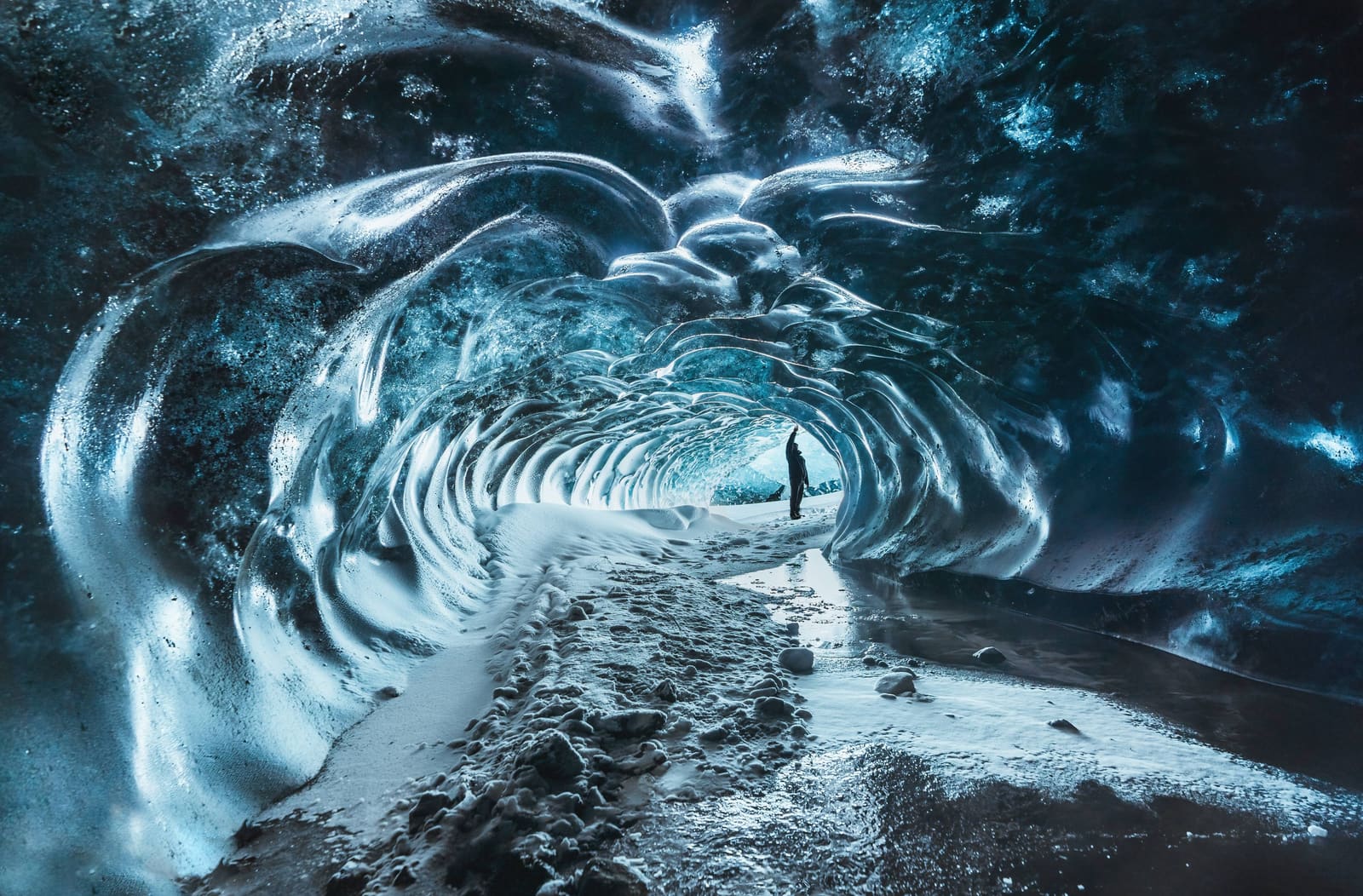
Crystal Ice Cave Iceland is the classic blue-ice cave experience near Jökulsárlón and Breiðamerkurjökull, worth planning for travelers who accept guided access, changing glacier conditions, and a South Coast route with real weather margin.
Regions
See which part of Iceland is most convenient for this experience and what else you can visit nearby.
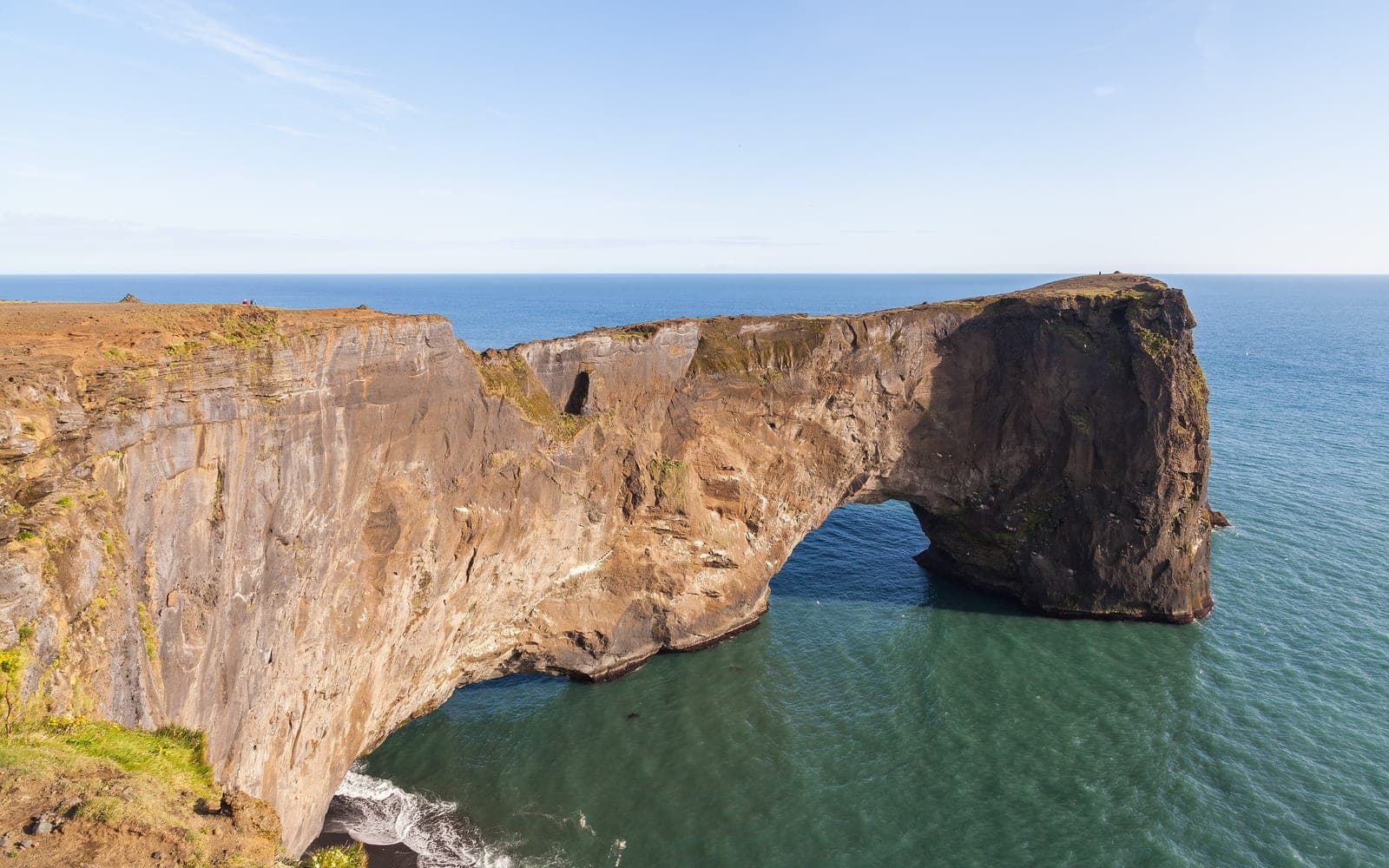
Build a first-trip route around waterfalls, black-sand coast and glacier country, but allow two to four days if Jökulsárlón is part of the plan.
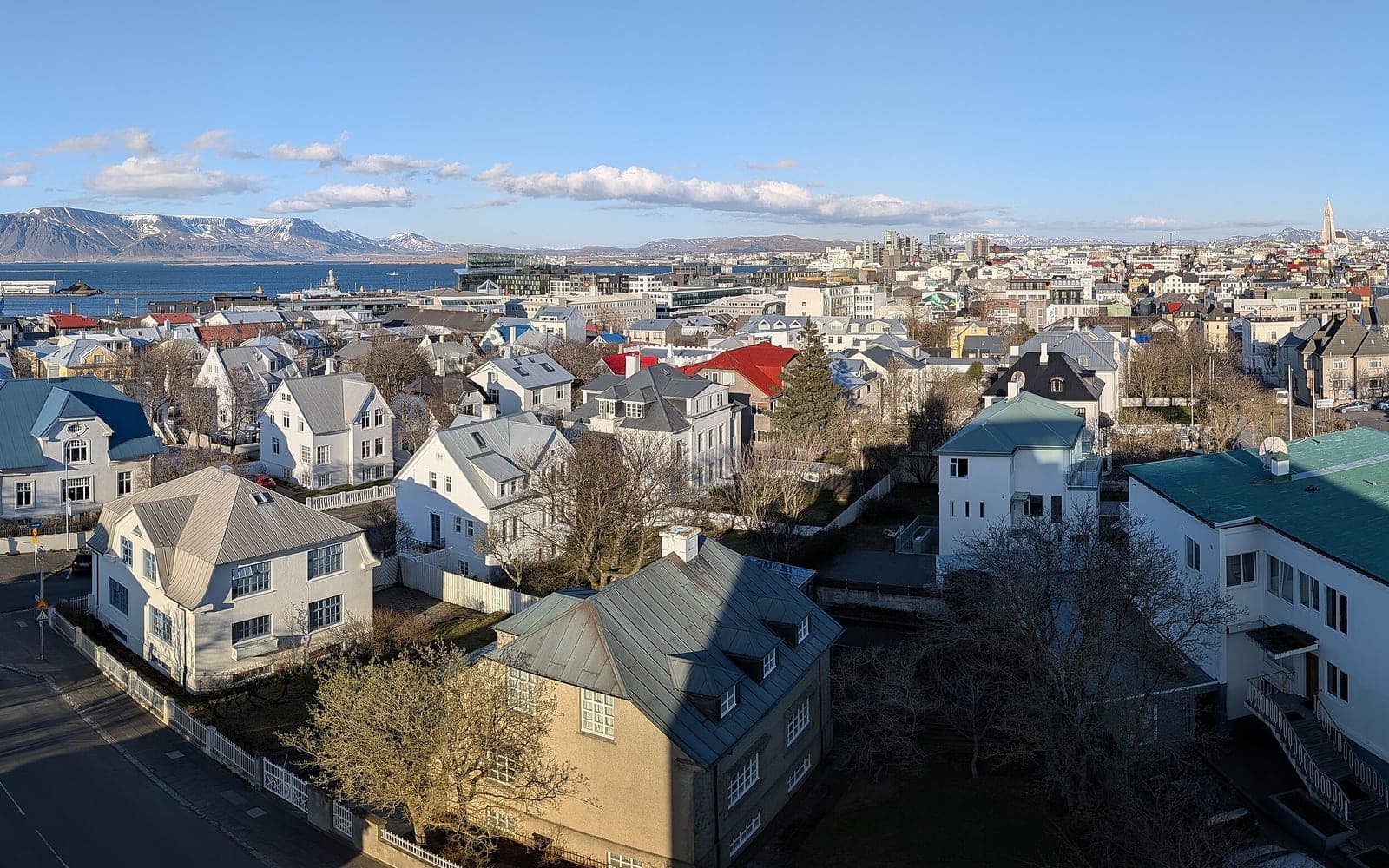
Choose Reykjavík for one or two car-free city days, a short break or a weather buffer—not as the default base for every long day trip.
Road trips and itineraries
See where this experience fits into a road trip or day-by-day itinerary.
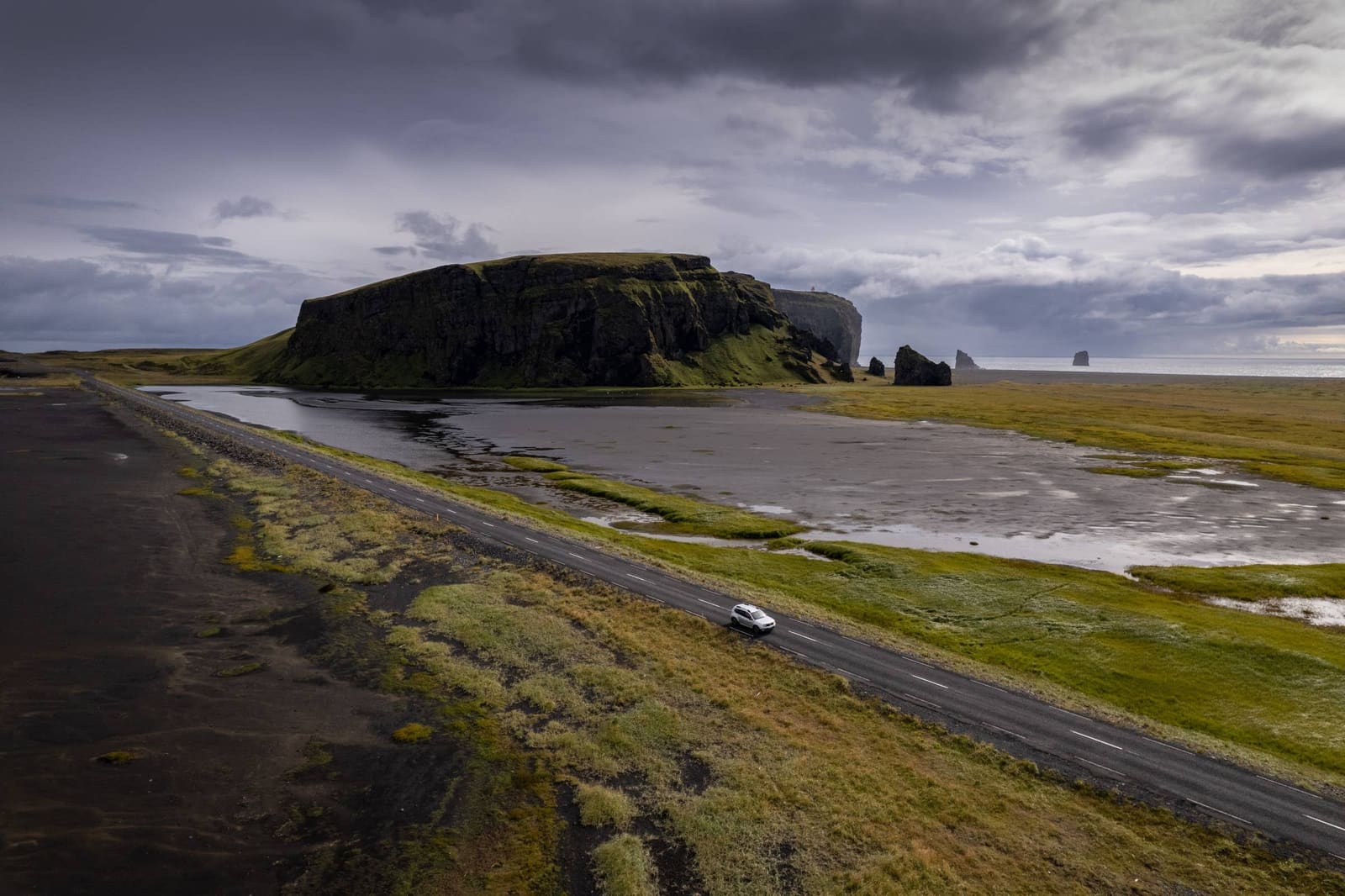
A realistic first-trip route through Reykjavík, the Golden Circle, and the South Coast, built for five calendar days without turning the final day into a race to the airport.
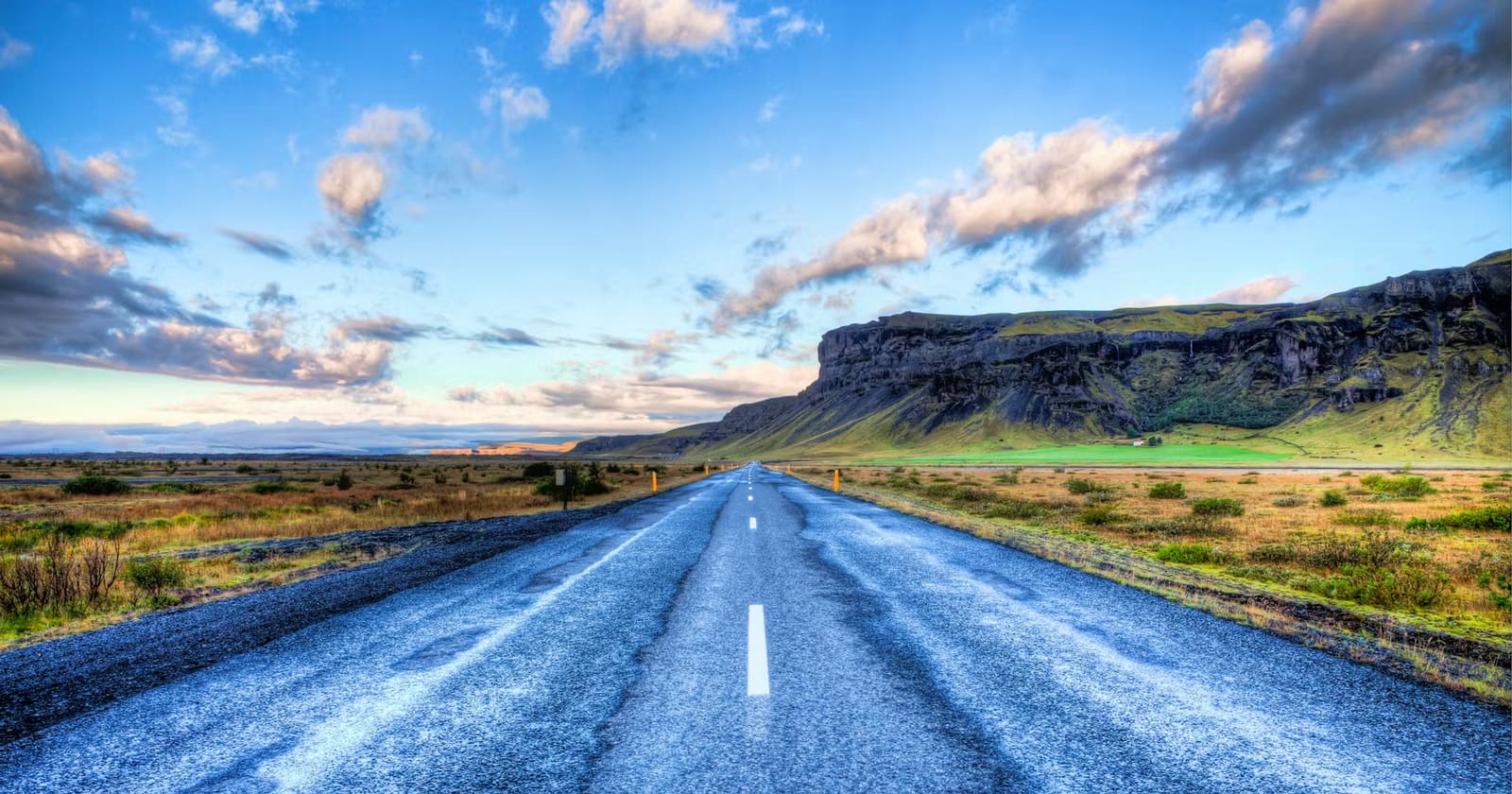
A route-choice guide for deciding whether your Iceland trip should become a full Ring Road loop or a slower South Coast route.
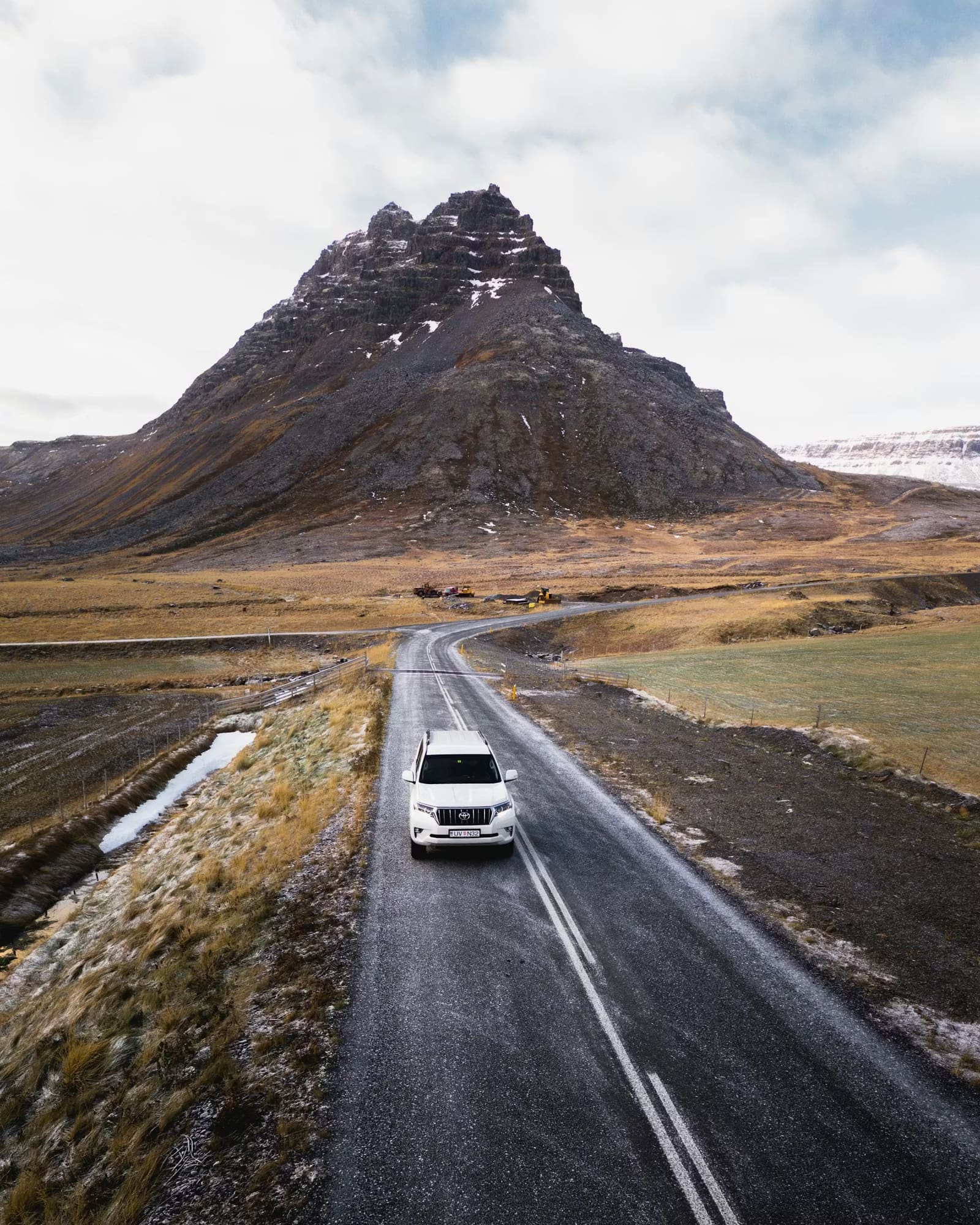
A winter route chooser for travelers deciding whether to self-drive, where to stay, and which Iceland road trip is realistic when conditions change.
Travel advice
Read more about driving, weather, safety, and other details that may affect your trip.
Next glacier decision
Open the route, place, or safety page that turns the activity choice into a realistic Iceland day.