Experience fit
- Best first move
- Choose one subject
- City learning
- Phone or camera walk
- Landscape upgrade
- Weather-led private day
- Live checks
- Weather, roads, access
Iceland photography tours range from a phone-friendly Reykjavík walk to a private landscape day or a specialist workshop built around wildlife, aurora, coast, and ice. Start with the subject you want to understand, then match the useful light, access, instruction, and current conditions instead of collecting famous locations.
Experience fit
Water shifts across dark rock, cloud opens one bright strip, and the frame that looked finished a minute ago becomes a different picture. That patient change is the real pleasure of photographing Iceland.
The best Iceland photography tours make room for that wait. They do not simply move a camera between famous coordinates. A useful guide may help you read the light, choose a safe position, simplify the foreground, or decide that today's stronger subject is somewhere else. The same principle works independently: give one promising place enough time instead of treating every stop as proof that you visited.
Choose one primary subject before you choose a workshop. Waterfalls and coast reward attention to moving water; wildlife asks for distance and patience; aurora photography needs darkness, cloud gaps, and a low-pressure night; Reykjavík street work is about noticing people, reflections, weather, and small details. The famous location is secondary to the subject and the time you can honestly give it.
Photo guide
1 / 7
A compact Reykjavík walk turns facades, signs, weather, and passing detail into the subject.
Good to know
Season matters, but it is only one part of the frame. Useful light, current access, and the group's comfort can change the better choice on the day.
| Primary subject | Useful season or window | What the light changes | Access reality |
|---|---|---|---|
| Waterfalls and moving water | Year-round where the route stays practical | Cloud can soften contrast; low light can lengthen motion | Spray, slippery ground, and the walk from parking matter |
| Coast, basalt, and black sand | Any season with a safe forecast window | Side light reveals rock; overcast light holds detail | Wind, surf, warning status, and legal viewpoints set the limit |
| Birds and other wildlife | Species and destination season | Longer light can support patient observation | Distance, paths, cliff edges, and boat comfort lead |
| Aurora and dark sky | Dark-season forecast window | Cloud gaps and darkness matter more than a fixed date | A simple safe foreground and easy return beat a remote chase |
| Street and architecture | Year-round walking window | Rain, snow, shadow, and reflection create the subject | Compact and no car needed; respect privacy and working streets |
This matrix is a filter, not a promise. A summer waterfall may be reachable but flat in harsh midday contrast; a winter aurora date may be dark but cloudy; a bird-cliff visit may fall within the broad season while wind or access makes waiting unpleasant. Start with the row that matters most, then let the live forecast and local rules narrow it.
The right format depends on what you want to learn and how much of the trip may bend around photography.
A self-guided stop is strongest when the place is already on a sensible route and the group mainly wants time. A short Reykjavík workshop is different: the value is guided observation and feedback in a compact area, and a phone can be enough. A private landscape day can change direction with weather and give one party more time at fewer subjects. A multi-day specialist workshop makes sense only when photography is a central reason for the trip and its physical pace, instruction level, and subject match are clear.
Ask what happens when the intended subject is unavailable. A strong answer may be another angle, a different nearby subject, indoor review, or a route change—not a guarantee. Also ask whether tuition suits a beginner, an experienced camera user, a phone photographer, or a mixed pair. Those details reveal more than the number of locations in the description.
For a first trip, South Iceland offers useful variety without requiring every famous place to become a separate mission.
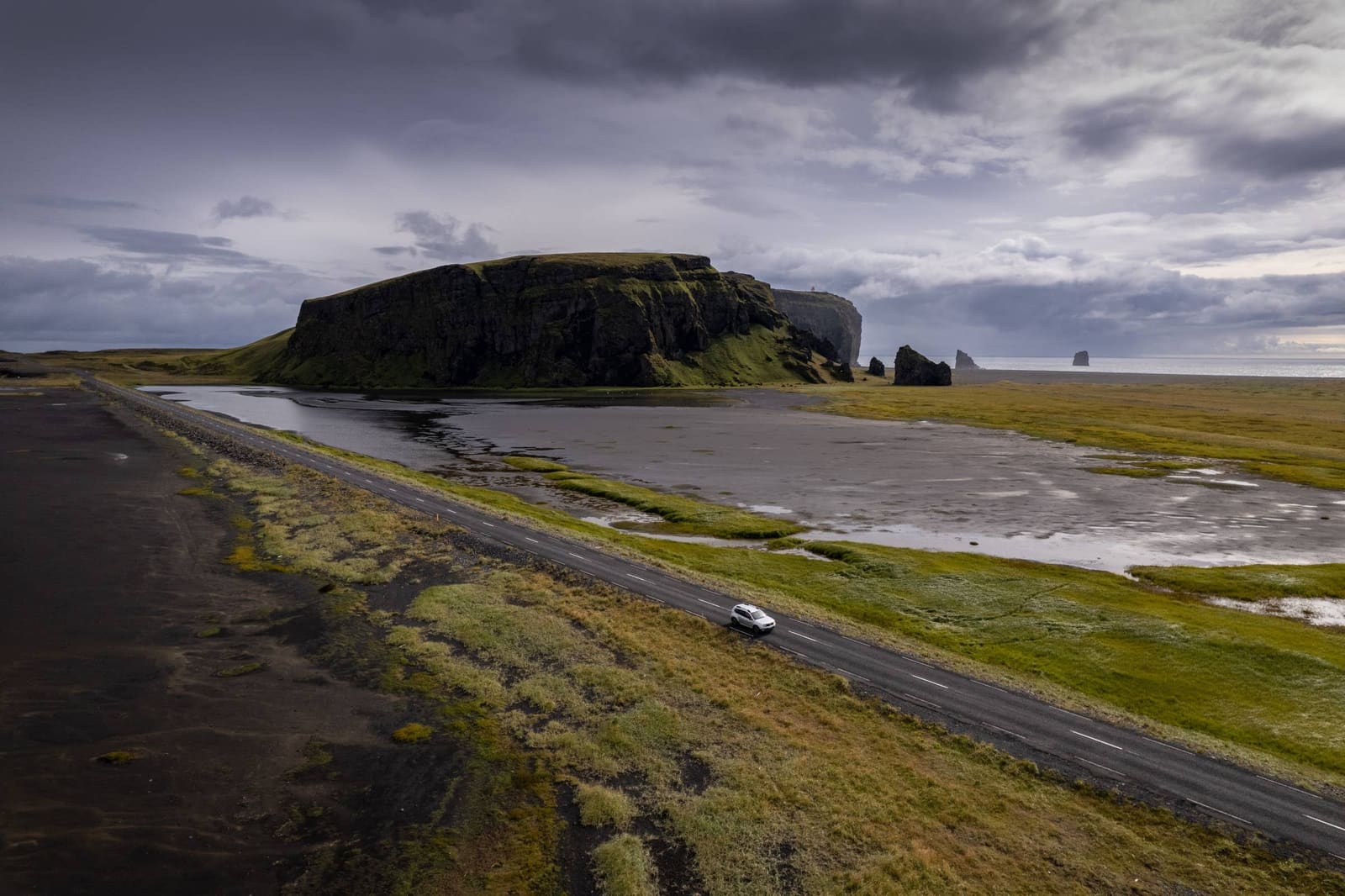
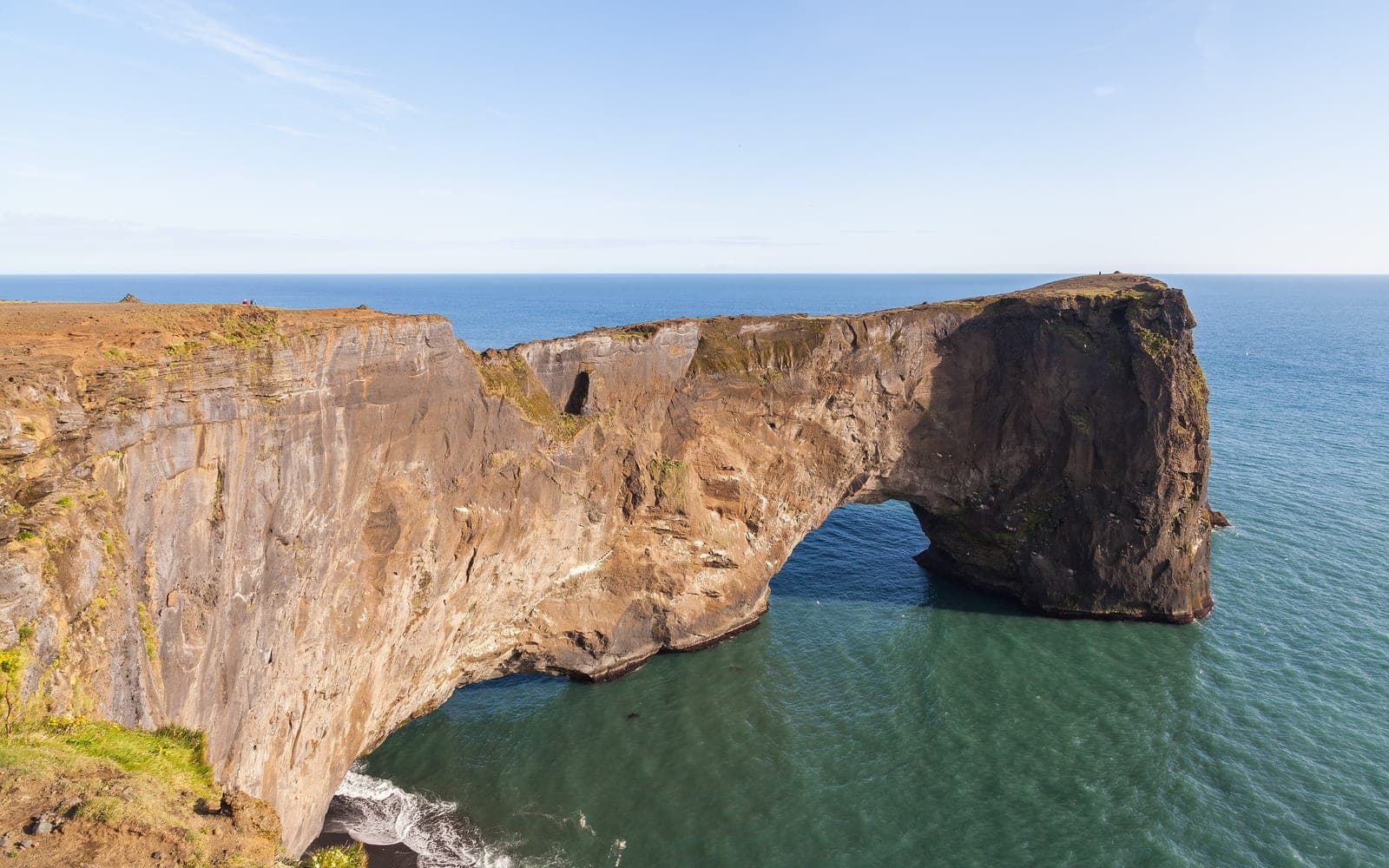
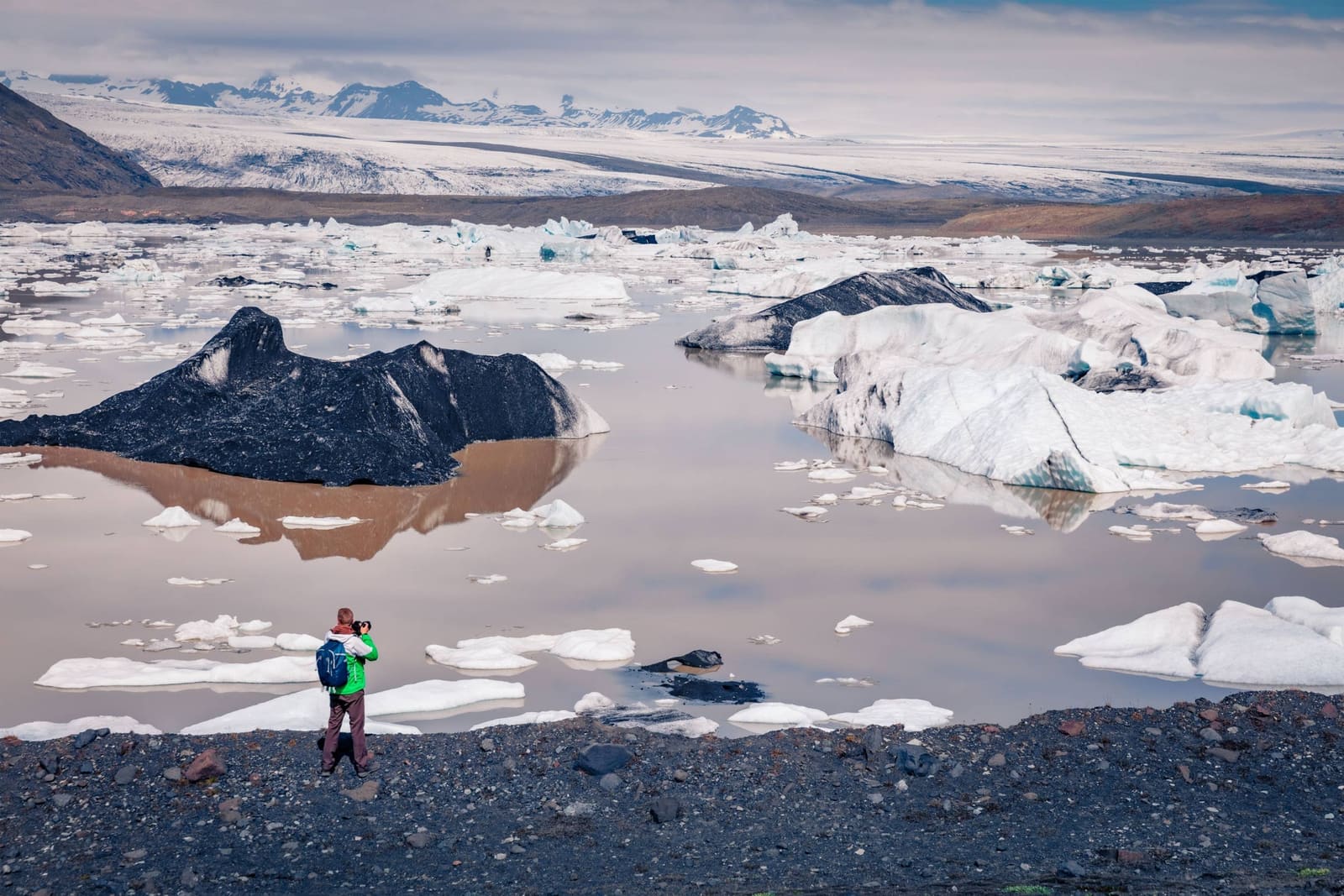
Skógafoss and Seljalandsfoss teach different lessons about scale, spray, foreground, and where people can stand. Reynisfjara and Dyrhólaey add black sand, basalt, cliffs, sea stacks, and moving surf. Farther east, Jökulsárlón replaces fixed rock with ice that drifts, turns, and changes between frames.
That does not make the whole coast a one-day checklist. Pick the part of the region that already belongs to the route, then choose one leading subject and one backup. Waterfall spray may favor a lens cloth and a shorter session; a coast forecast may remove the beach; glacier-lagoon light may reward a calm wait without any need to step beyond established ground. The South Coast road-trip guide owns the route and overnight decisions.
Snæfellsnes can be a better photographic day when mountain, lava coast, fishing-town detail, and the changing outline of Kirkjufell suit the trip. It is not the shorter substitute for the South Coast. Use the Snæfellsnes road-trip guide when slow coastal photography deserves an overnight or a complete peninsula plan.
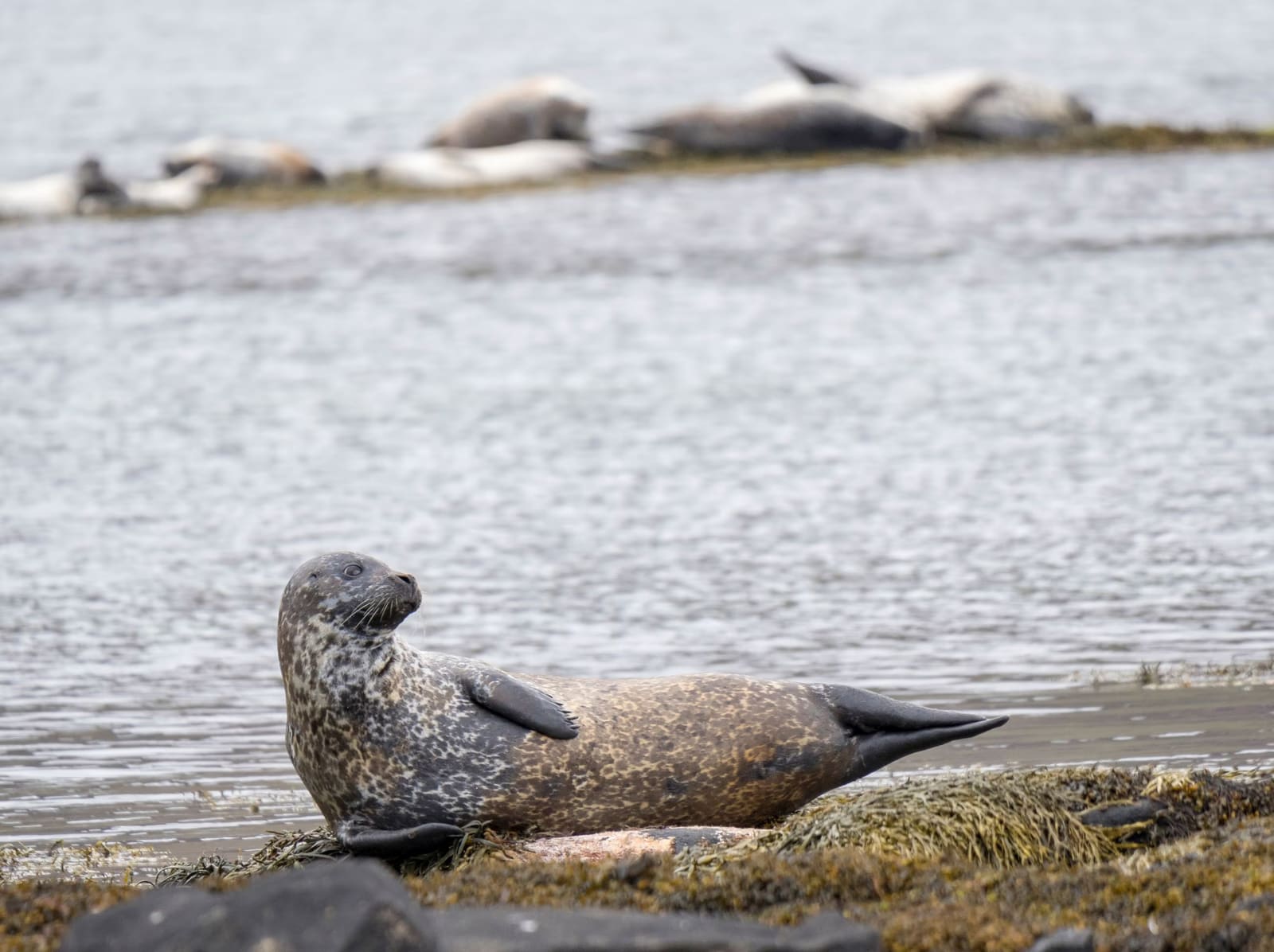
The camera can make a distant animal or faint sky feel close, but the outing still belongs to the animal, the weather, and the safe ground under you.
At Látrabjarg or another bird site, a longer lens and a marked viewing position solve more than creeping toward a nest or edge. Waiting allows behavior to unfold without making proximity the goal. The wildlife guide owns the wider choice between species, seasons, land sites, and boats; the puffin guide handles the specific land-versus-water tradeoff.
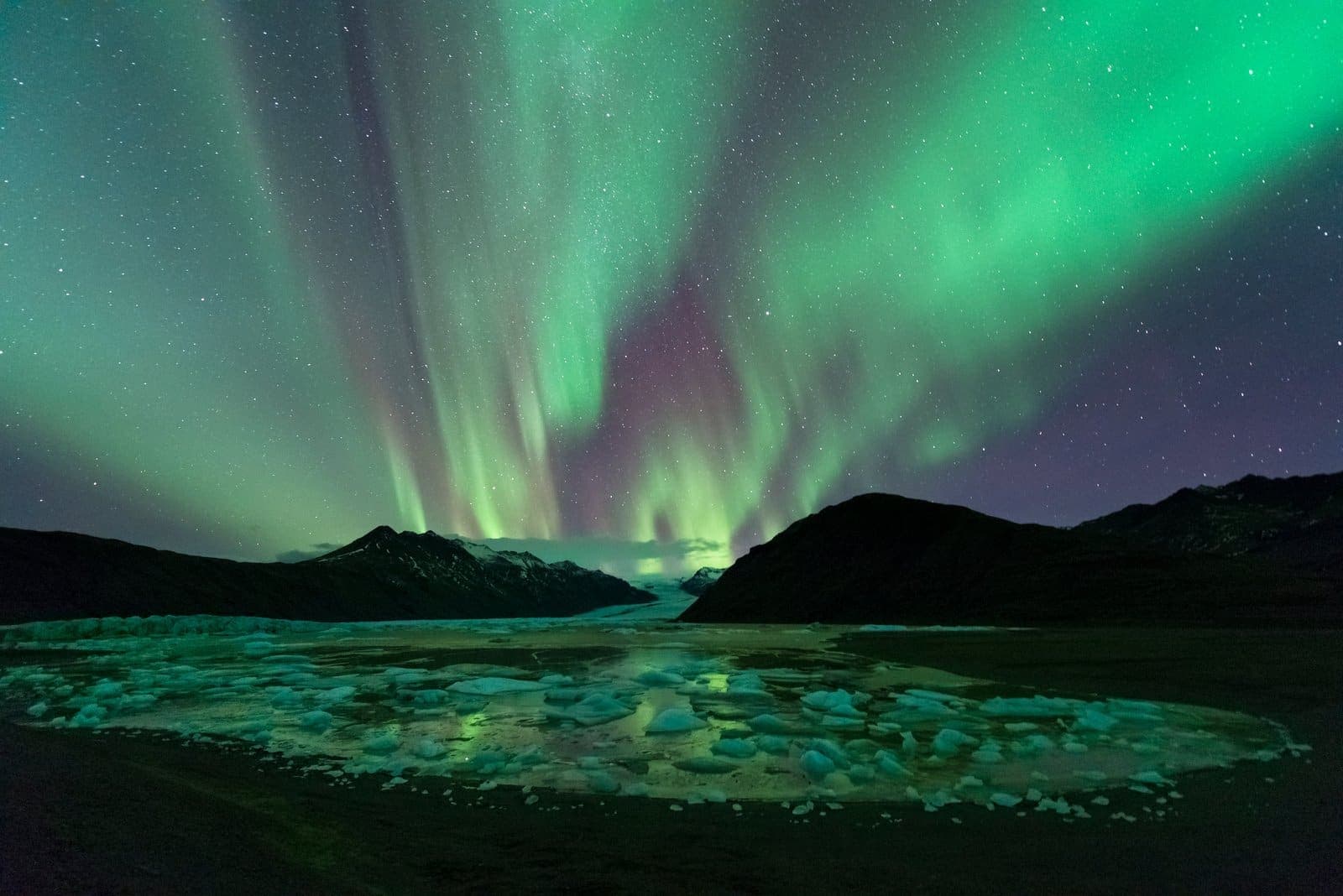
Aurora photography uses a different kind of waiting. Darkness is necessary, but cloud cover and activity still decide whether the sky offers a subject. Begin with an easy, legal foreground and a return journey that remains simple if nothing appears. A guided outing can help with local movement and camera settings; it cannot promise clear sky or visible lights. Use the northern-lights guide for the full format and forecast choice.
If you are visiting Iceland in mid-December, leave a clear night free for the Geminids. You can watch without a camera, or use the evening to try photographing a brief streak of light across the stars.
NASA and Iceland at Night list the main 2026 Geminid viewing night as 13–14 December. Keep 14–15 December flexible too: Spain’s National Geographic Institute describes a broad maximum spanning the neighbouring nights. The waxing crescent Moon makes this a more promising year than one with a bright full Moon, but Iceland’s cloud, wind and road conditions still decide whether an outing is worthwhile.
Find a legal place with an open view of the sky, away from bright lamps, and a short, straightforward journey back to warmth. You do not need a famous waterfall, a remote beach or a mountain road. Ask your accommodation about suitable ground nearby, then check permission and conditions yourself. Use the winter-driving guide before adding a late drive to the plan.
Give your eyes time to adjust to the dark and look across a wide area of sky. A telescope narrows the view and is not needed. Meteors can appear well away from Gemini, the constellation they seem to radiate from. Published hourly rates describe observing conditions that may be very different from your evening; they are not a count to expect from a short Iceland stop.
With a phone, try its supported night or manual mode on a secure mount, but keep expectations modest: a pleasing night landscape is more attainable than a well-timed meteor streak. Spend some of the evening looking up instead of watching the screen. A photograph is a bonus, not the measure of whether the outing worked.
The Geminids are separate from the northern lights. An aurora activity forecast does not predict meteor activity, and neither phenomenon promises the other. Use the Met Office’s cloud information alongside the weather forecast; if the sky is covered or travel is unsafe, keep the evening for an indoor activity or image editing.
These examples clarify the gap between a short learning walk and a private landscape day. They are not a ranking of photographers.
Choose by the skill you want to practice, the distance you want to cover, and how much flexibility the outing should buy.
Creative Iceland
Best forBeginners, phone users, and camera users who want a compact Reykjavík walk focused on observation.
Keep in mindThe city format does not provide a vehicle or a landscape route beyond Reykjavík.
Check firstRecheck meeting details, device fit, language, group rules, and cancellation terms.
Arctic Exposure
Best forA private party that wants a custom landscape day and route changes led by weather and conditions.
Keep in mindA vehicle-led private day is a larger commitment than a short workshop and still cannot control the light.
Check firstRecheck route scope, pickup, group fit, physical access, equipment expectations, and current terms.
Simple protection and an easy routine usually matter more than adding another lens to the bag.
Before a specialist workshop, ask for a plain equipment list and separate required items from suggestions. A borrowed tripod you have never used or a heavy lens that makes the walk miserable is not an upgrade. For a city workshop, a familiar phone may support better attention than a new camera menu.
No photograph turns a closure, warning light, nesting area, protected landscape, or difficult return drive into an acceptable shortcut.
Check the Icelandic Met Office and Umferdin before an exposed drive, then use the site owner or SafeTravel for local hazards. At Reynisfjara, the current warning status and marked safe areas lead; a longer lens is the answer to distance, not a step toward the water. For drones, national aviation rules are only the first layer. Protected areas and individual land managers can impose separate restrictions or require permission.
Conditions can reverse the plan completely. If wind makes a tripod unstable, spray keeps attention on equipment instead of the sea, a road is closed, visibility is poor, or the group cannot remain on established access, put the camera away or choose the city, an indoor review, or another day. That decision protects the traveler and the place—and leaves photography as the enjoyable part of the trip.
Check forecast areas, wind, precipitation, visibility, and warnings before exposed photography.
Use cloud-cover and aurora information together before planning a dark-sky wait.
Review the full route, closures, conditions, notifications, and available road cameras.
Check current beach guidance and accept more distance or a cancelled coast plan.
Review current national drone requirements before bringing or flying an aircraft.
Check protected-area restrictions and permission requirements for the exact place.
Check the shower calendar and broad viewing guidance; rates are not local forecasts.
Astronomical timing and Moon-phase context for the neighbouring peak nights.
Use the camera technique; its historical event table is not a 2026 calendar.
Iceland-specific context for the December meteor shower.
The main viewing night listed by NASA and Iceland at Night is 13–14 December 2026. The maximum is broad, so 14–15 December is also worth keeping flexible if the weather allows. The date is an astronomical prediction, not a forecast of clear skies.
No. Look across a wide area of dark, clear sky with your eyes. A telescope restricts the field of view. For photographs, a wide-angle lens and a stable tripod give a camera a larger patch of sky to cover.
No. Aurora forecasts and meteor-shower calendars describe different phenomena. Cloud cover affects your view of both, but a high aurora forecast is not a prediction of a stronger meteor shower.
By ThorPublished Updated
Where to do it
Continue with the subject, light window, or route that should lead the next day instead of adding another generic photo stop.
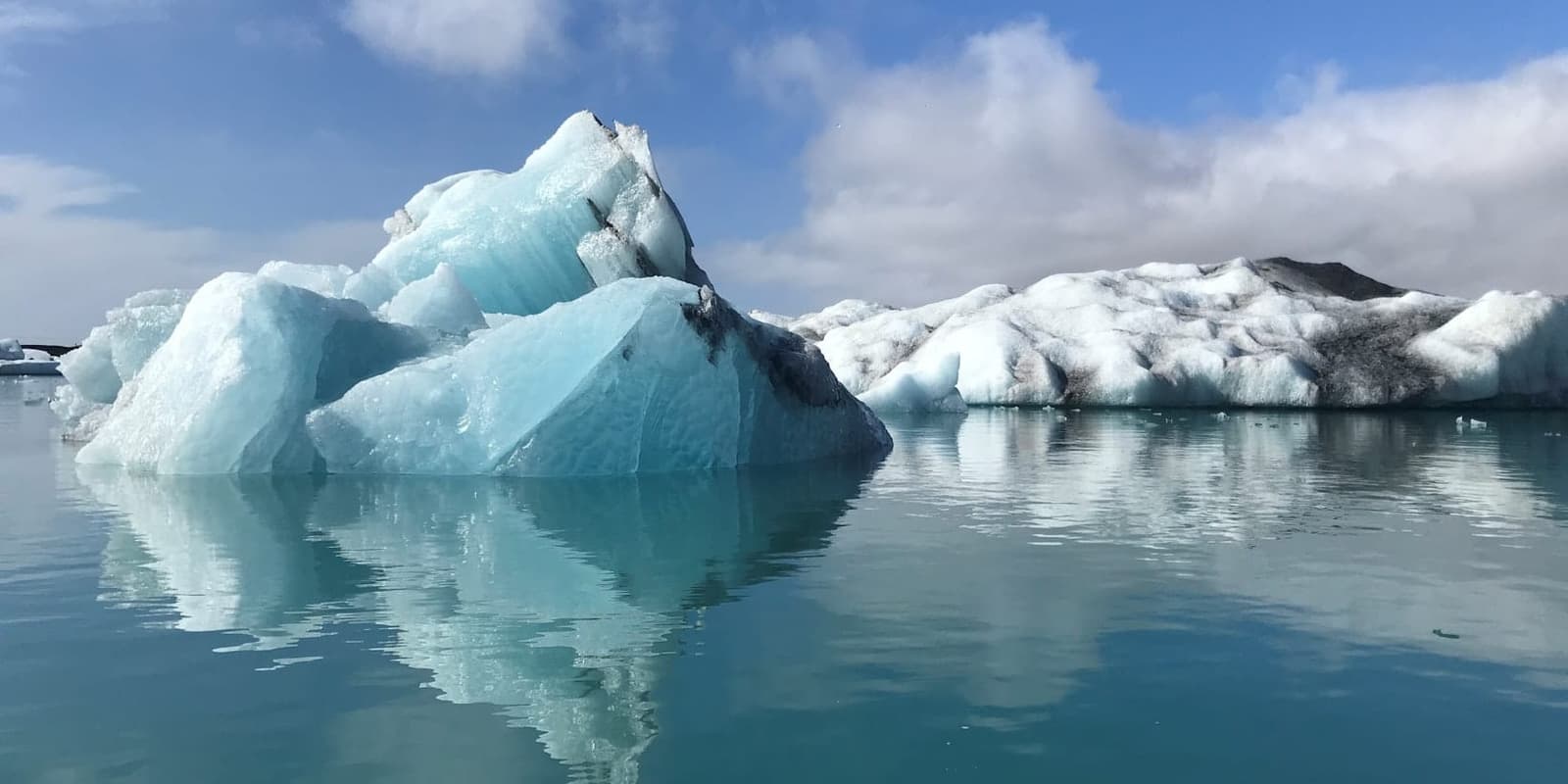
Jökulsárlón is a glacier lagoon where icebergs break from Breiðamerkurjökull and drift toward the Atlantic. The shore is easy to reach from Route 1, but the ice, weather and nearby ocean still need respect.
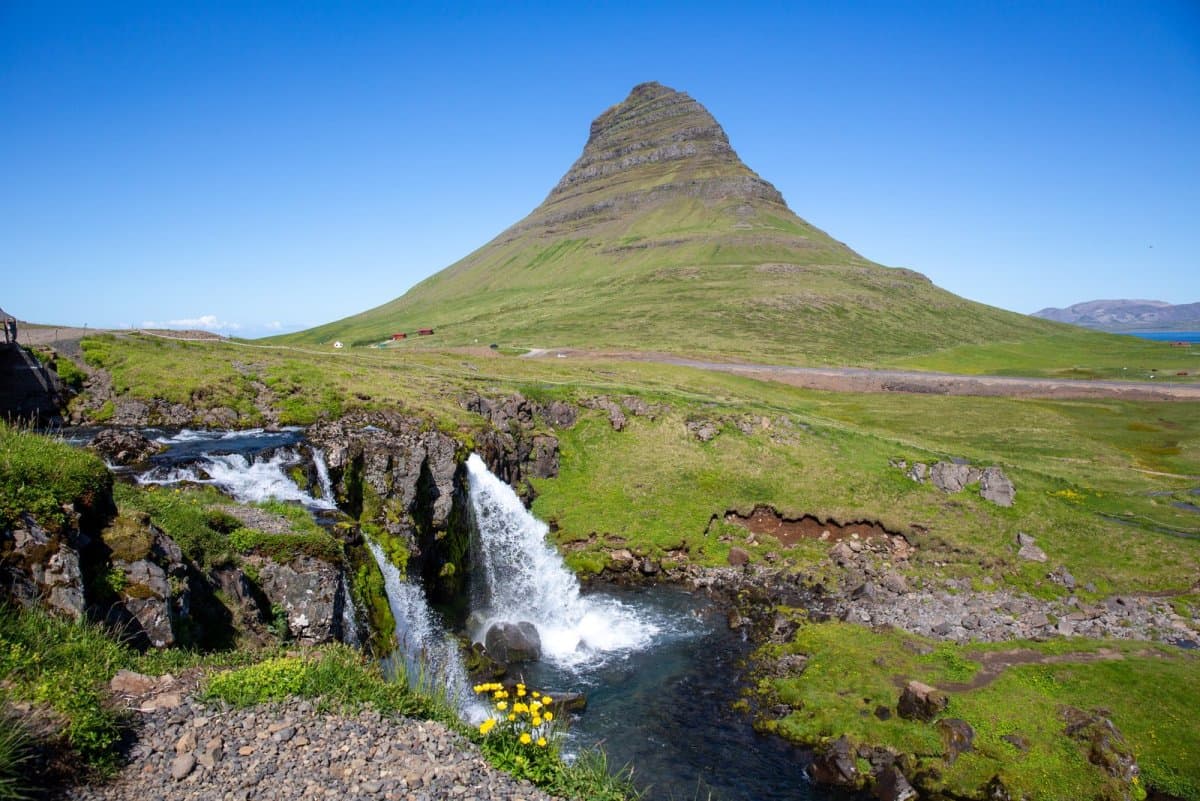
Kirkjufell is the steep, isolated mountain beside Grundarfjörður that forms one of Snæfellsnes's clearest landmarks. Most visitors come for the view, not to climb it, and stay only as long as visibility rewards them.
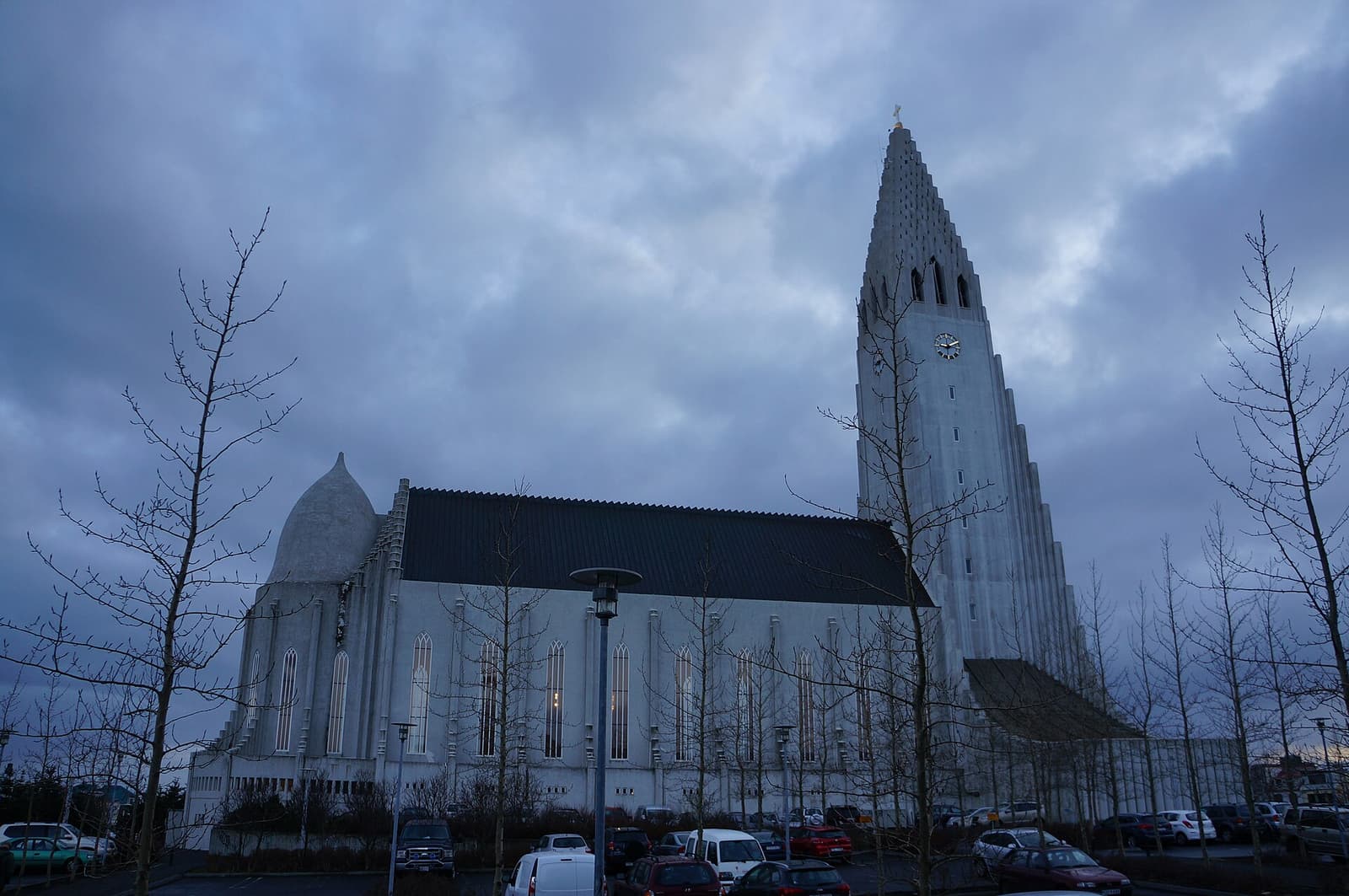
Hallgrímskirkja is Reykjavík's landmark Lutheran church: a modern concrete building inspired by Icelandic forms, with a spare nave, a major concert organ, and a tower overlooking the city.
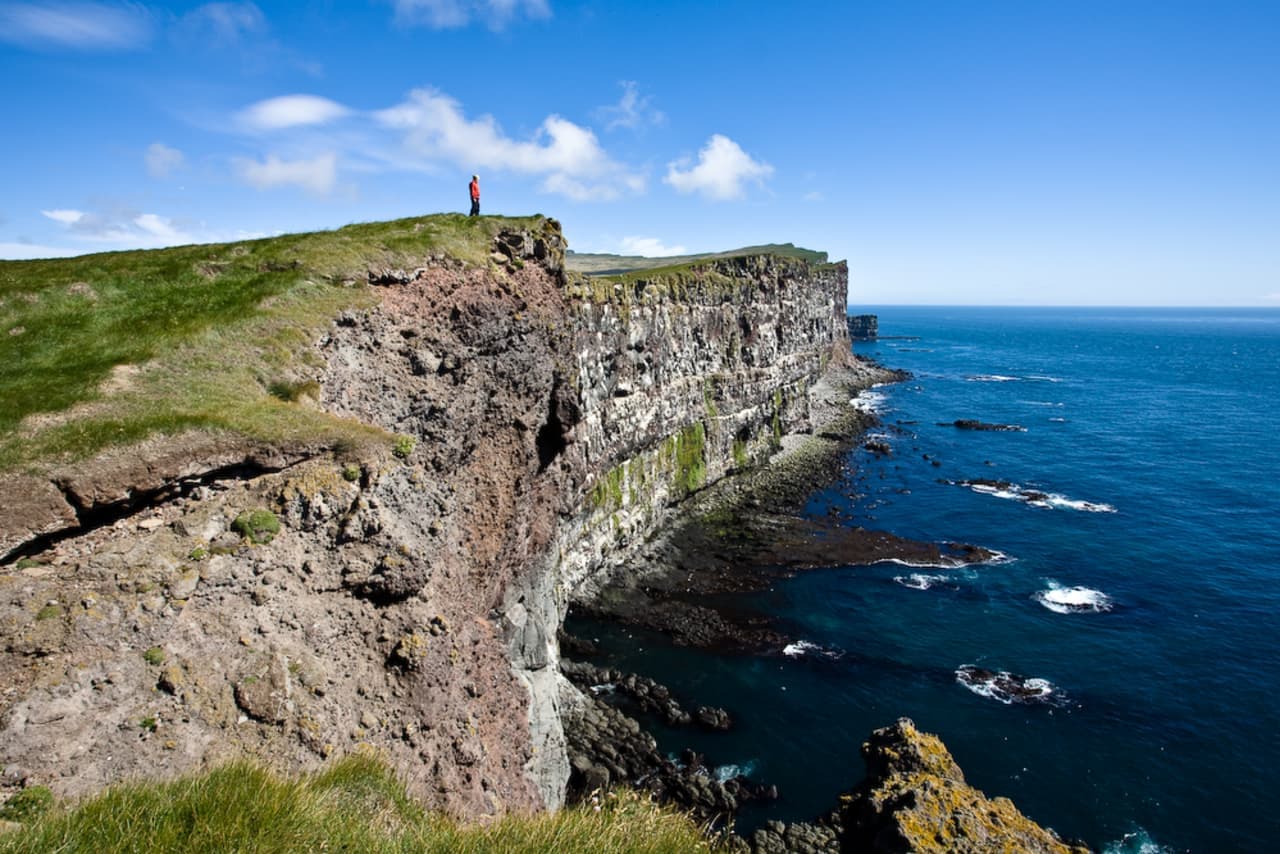
Látrabjarg is a 14-kilometre line of protected sea cliffs at Iceland's western edge, rising as high as 441 metres. Summer seabirds are the draw, but fragile ground, exposed drops, weather, and remote Road 612 make careful behavior essential.
Regions
See which part of Iceland is most convenient for this experience and what else you can visit nearby.
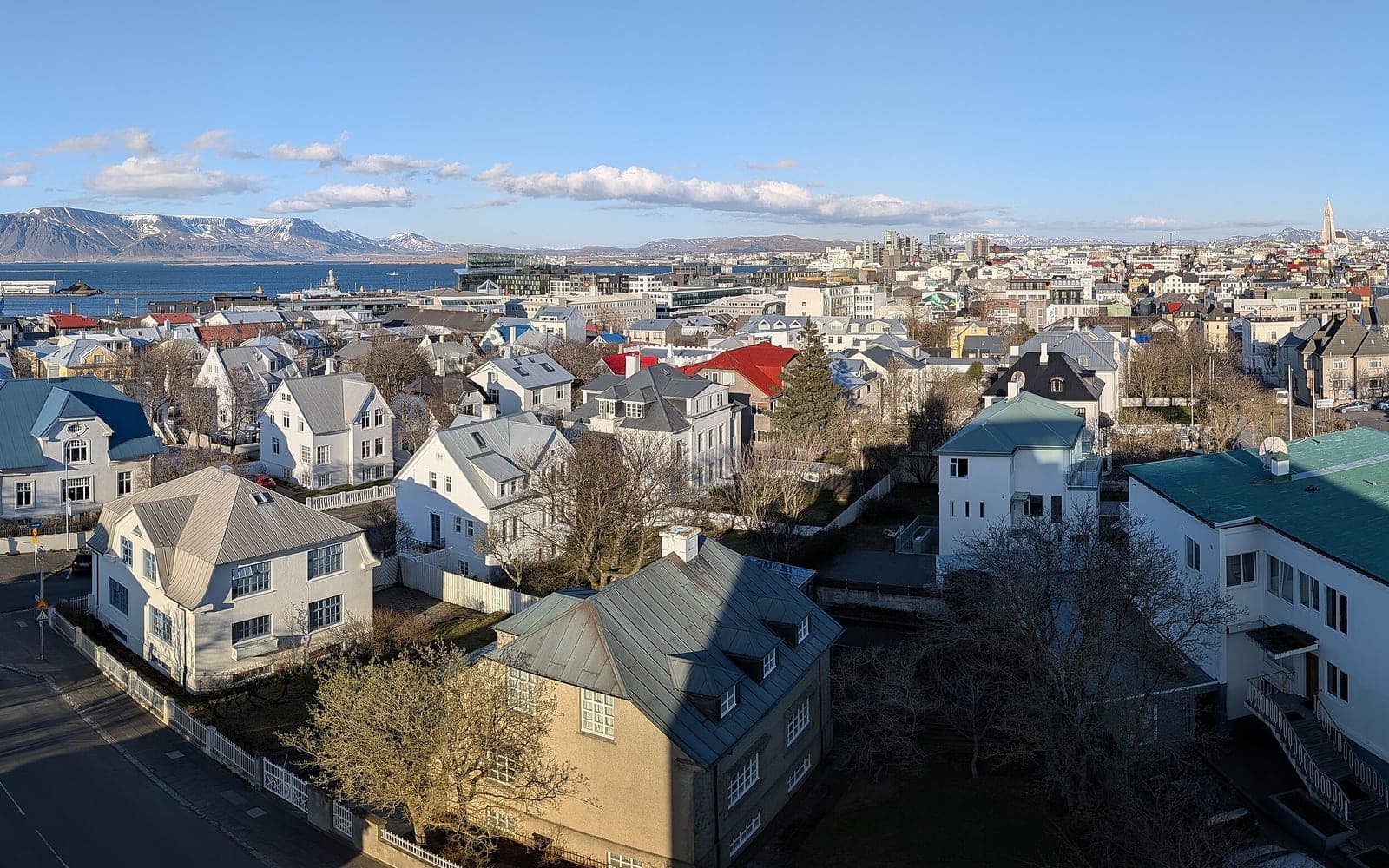
Choose Reykjavík for one or two car-free city days, a short break or a weather buffer—not as the default base for every long day trip.
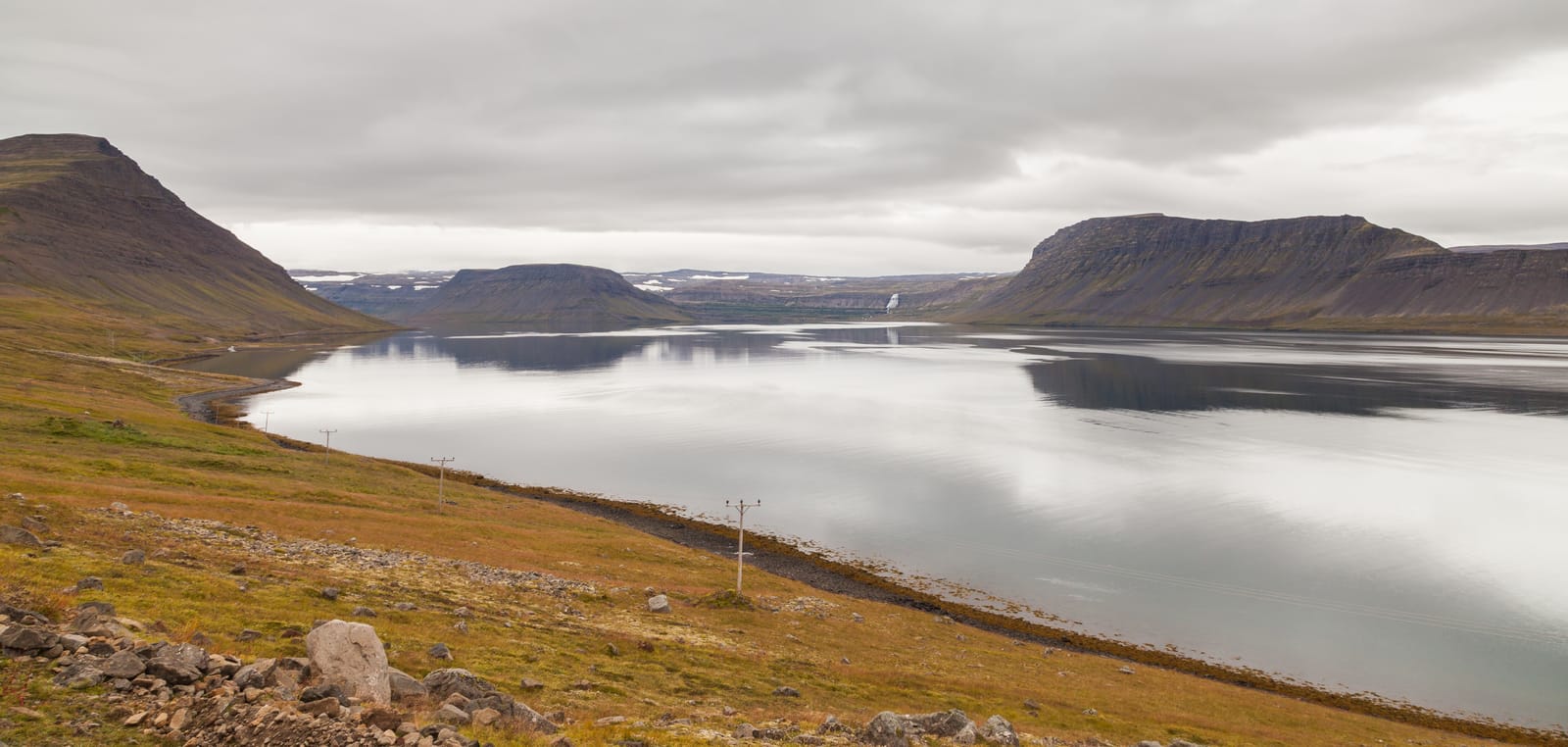
A separate multi-day commitment for travelers who value cliff roads, remote villages, and long scenic links enough to leave the Ring Road and keep weather slack.
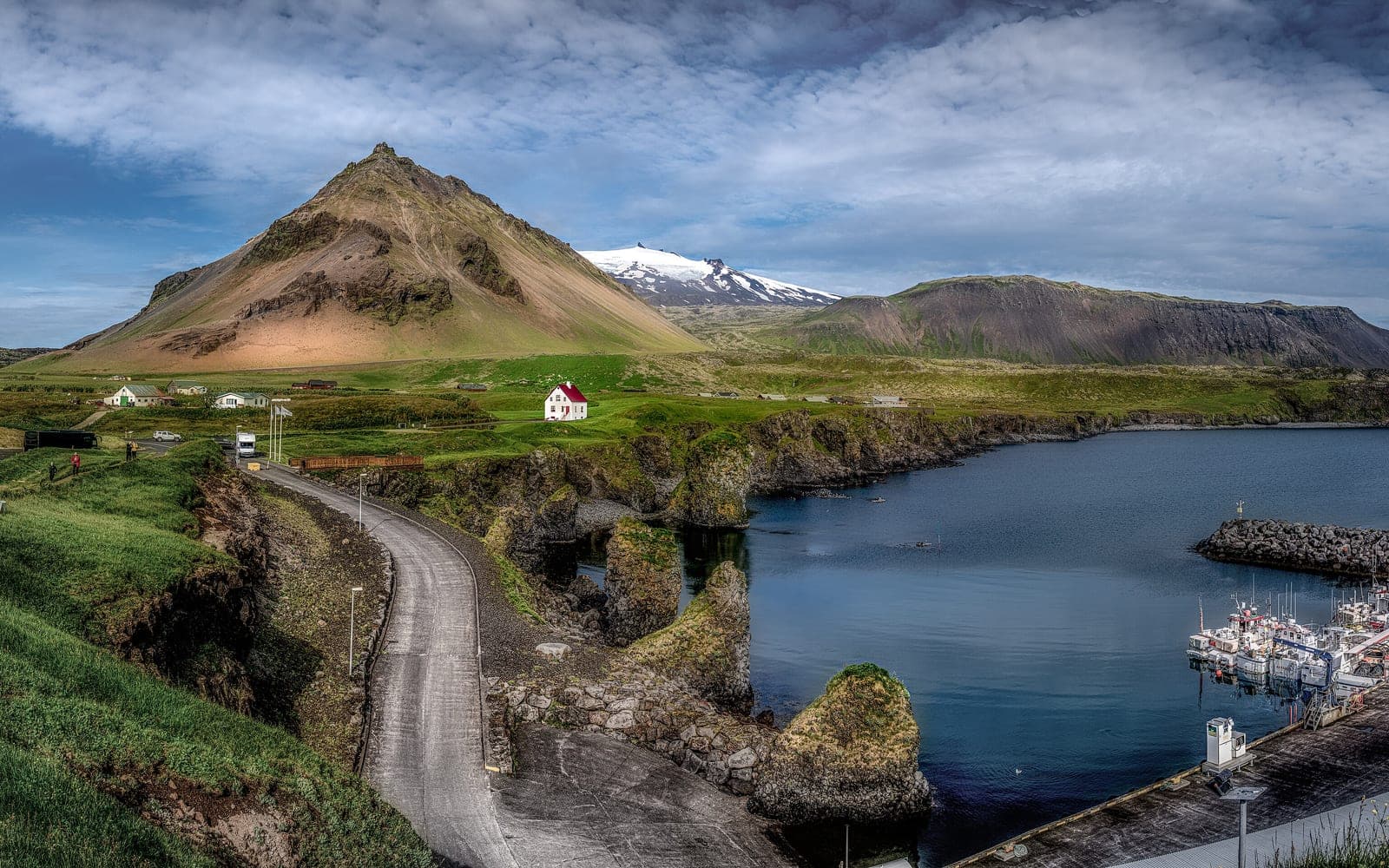
Choose the Snæfellsnes Peninsula for a compact West Iceland glacier-and-coast loop that rewards an overnight; a Reykjavík day trip needs firm cuts.
Road trips and itineraries
See where this experience fits into a road trip or day-by-day itinerary.
More things to do
See other activities that may suit the same day, season, or part of Iceland.
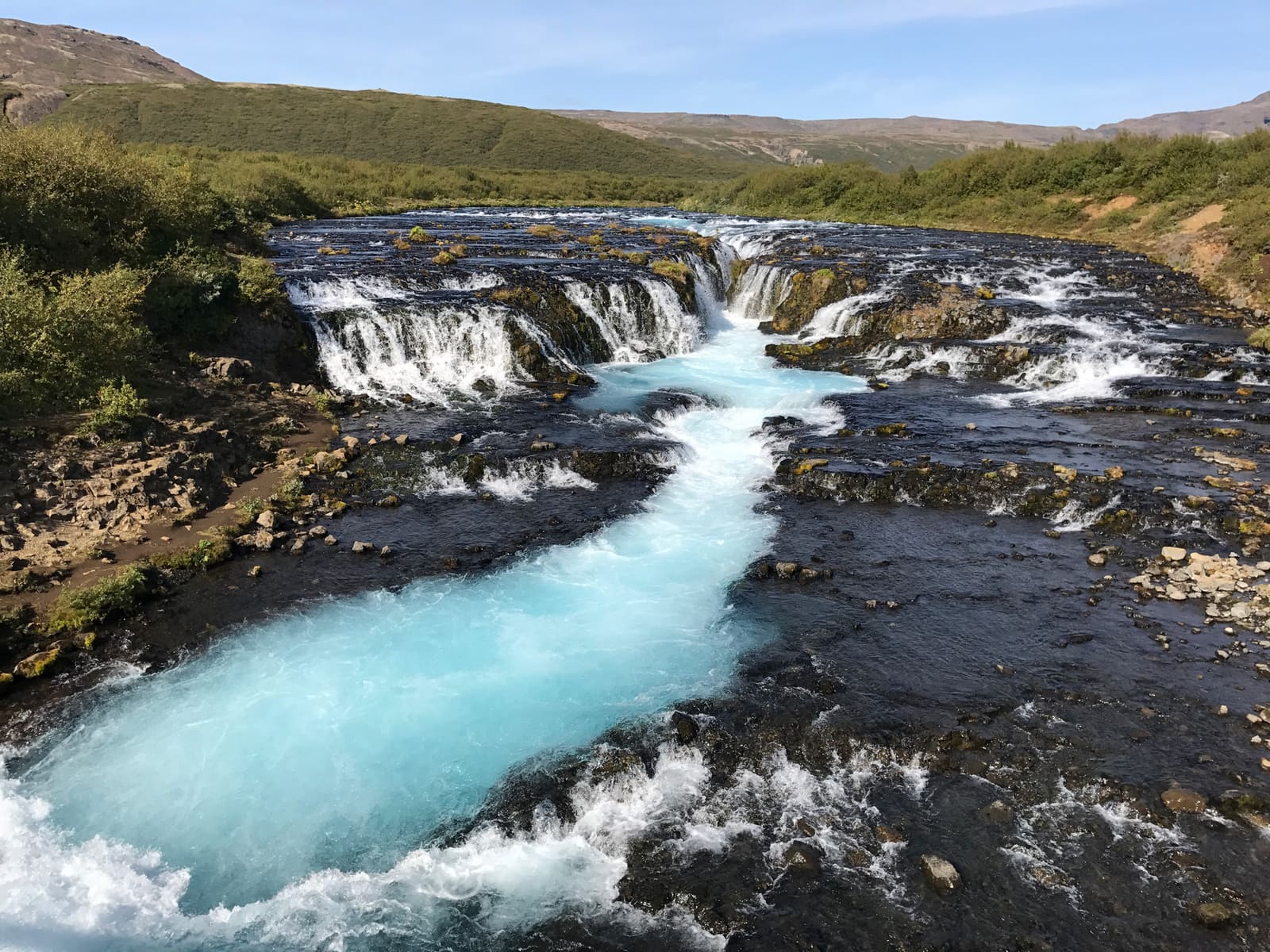
From one Reykjavík hotel, you can spend a day among geysers and rift geology, follow waterfalls to a black-sand coast, circle Snæfellsnes, or focus on one adventure. The Golden Circle is the best first choice for most visitors; the South Coast and Snæfellsnes earn the longer day when their landscapes are the reason you came.
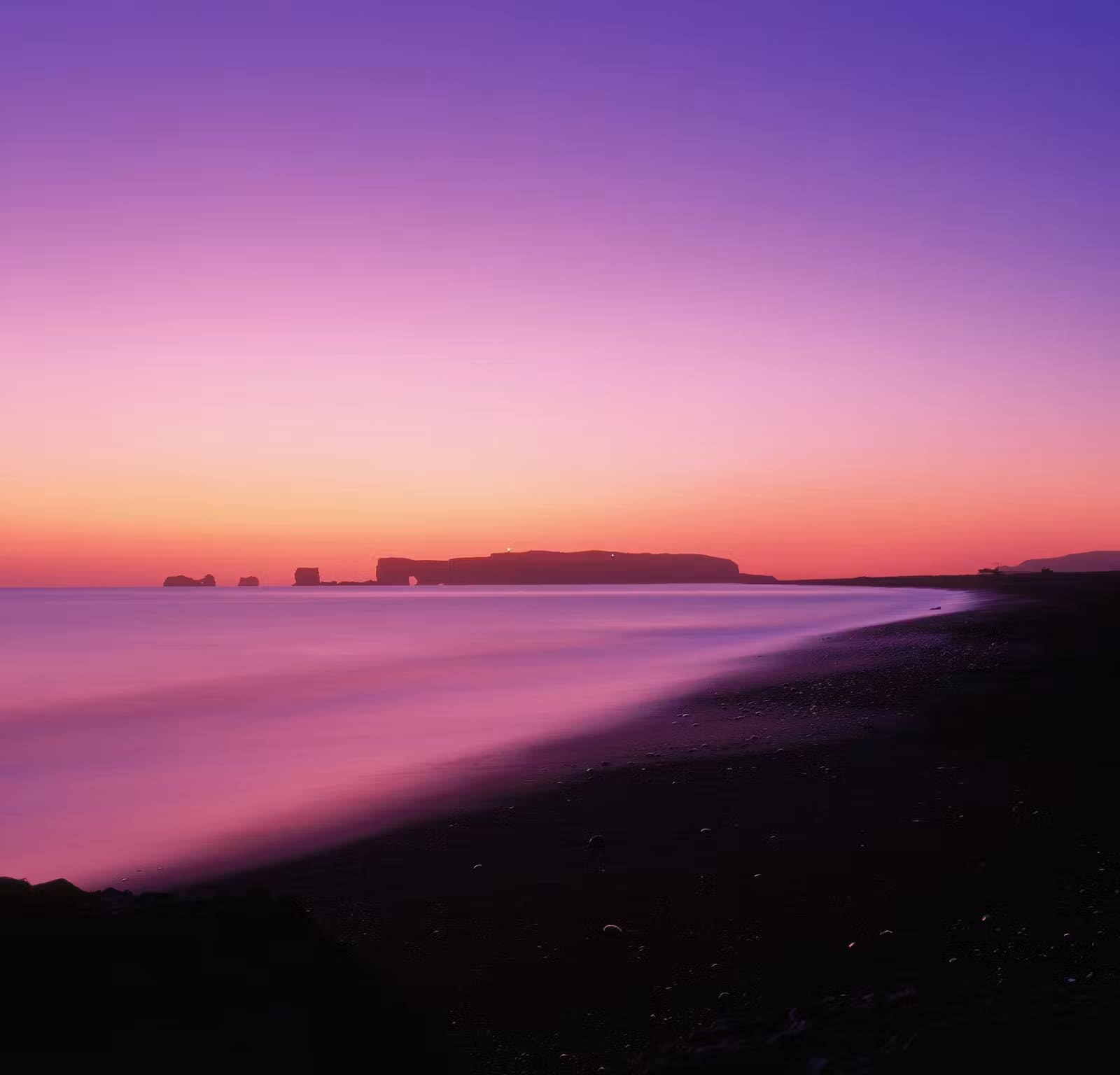
Iceland’s midnight sun turns the hours after dinner into soft golden light instead of true darkness. Use this guide to choose a waterfront walk, warm soak, wildlife boat, active tour, or early night by the light available, the energy you have left, and where you’re already staying.
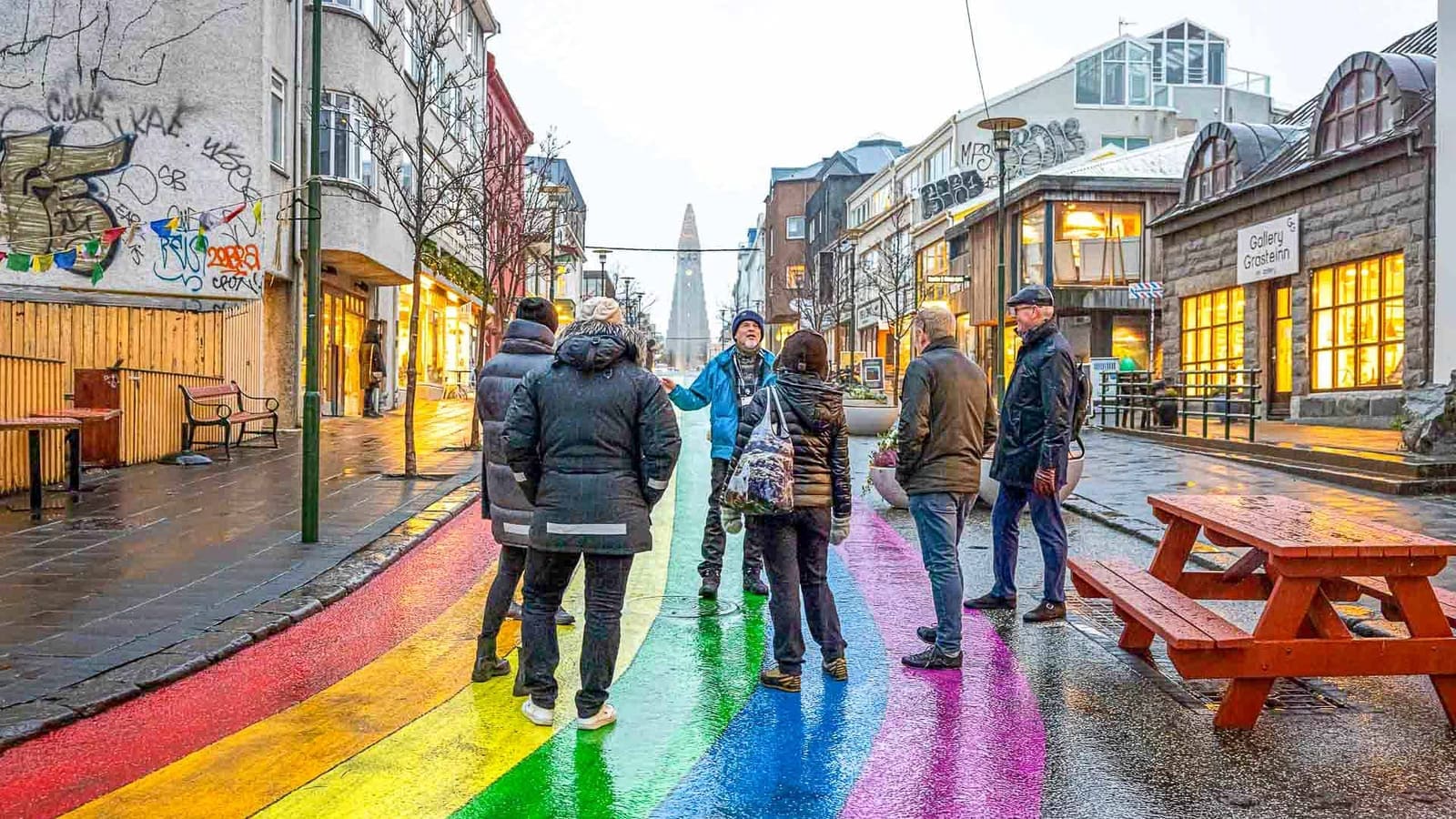
The best Reykjavík day starts with the hours you can really use, the weather, and how far you want to travel. Choose one main activity—a central walk, museum, local pool, food experience, or harbour stop—then add one flexible piece and keep an indoor backup.
Travel advice
Read more about driving, weather, safety, and other details that may affect your trip.
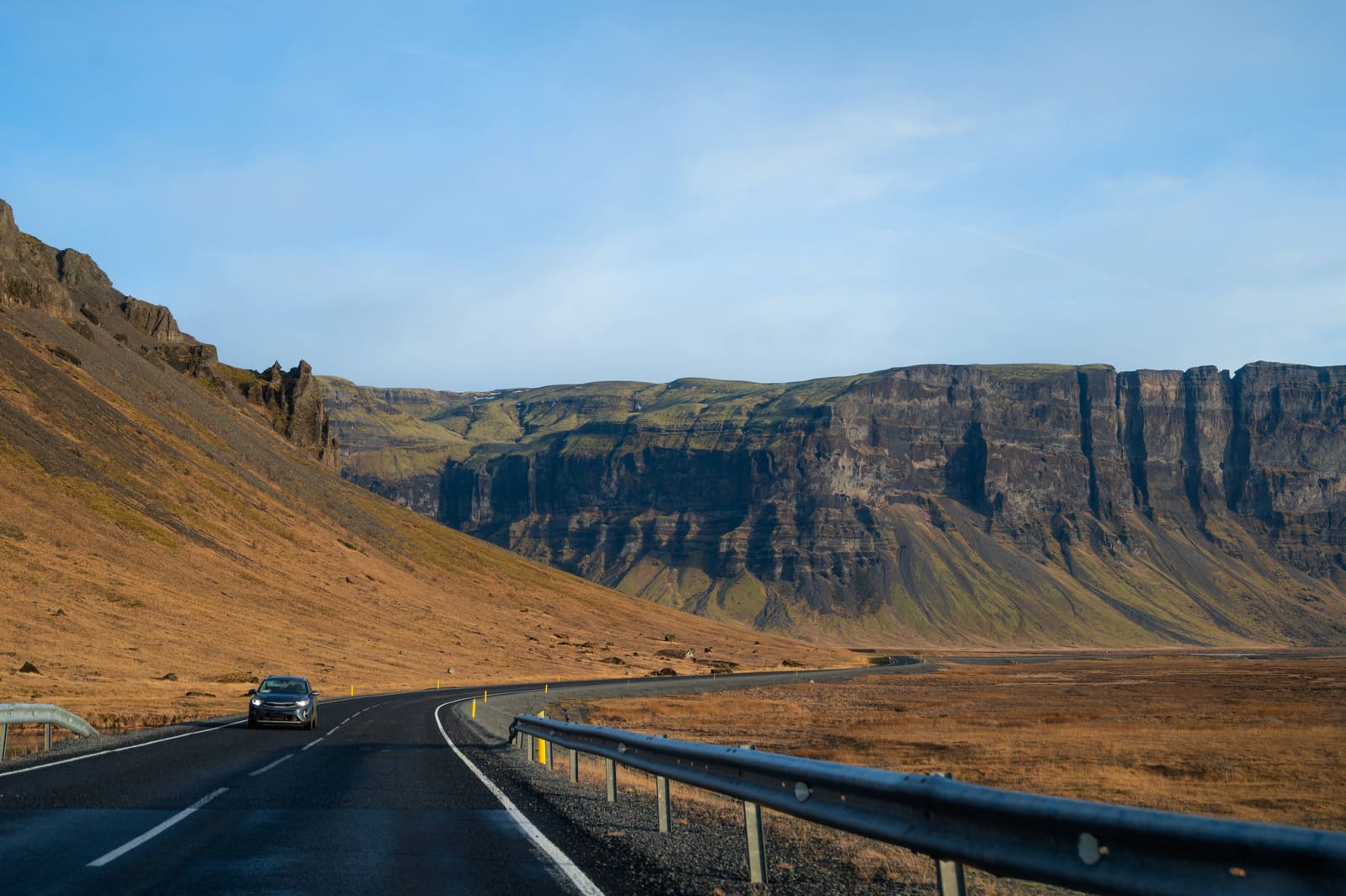
A practical guide to deciding whether to self-drive, matching routes and vehicles, and checking live conditions before every travel day.
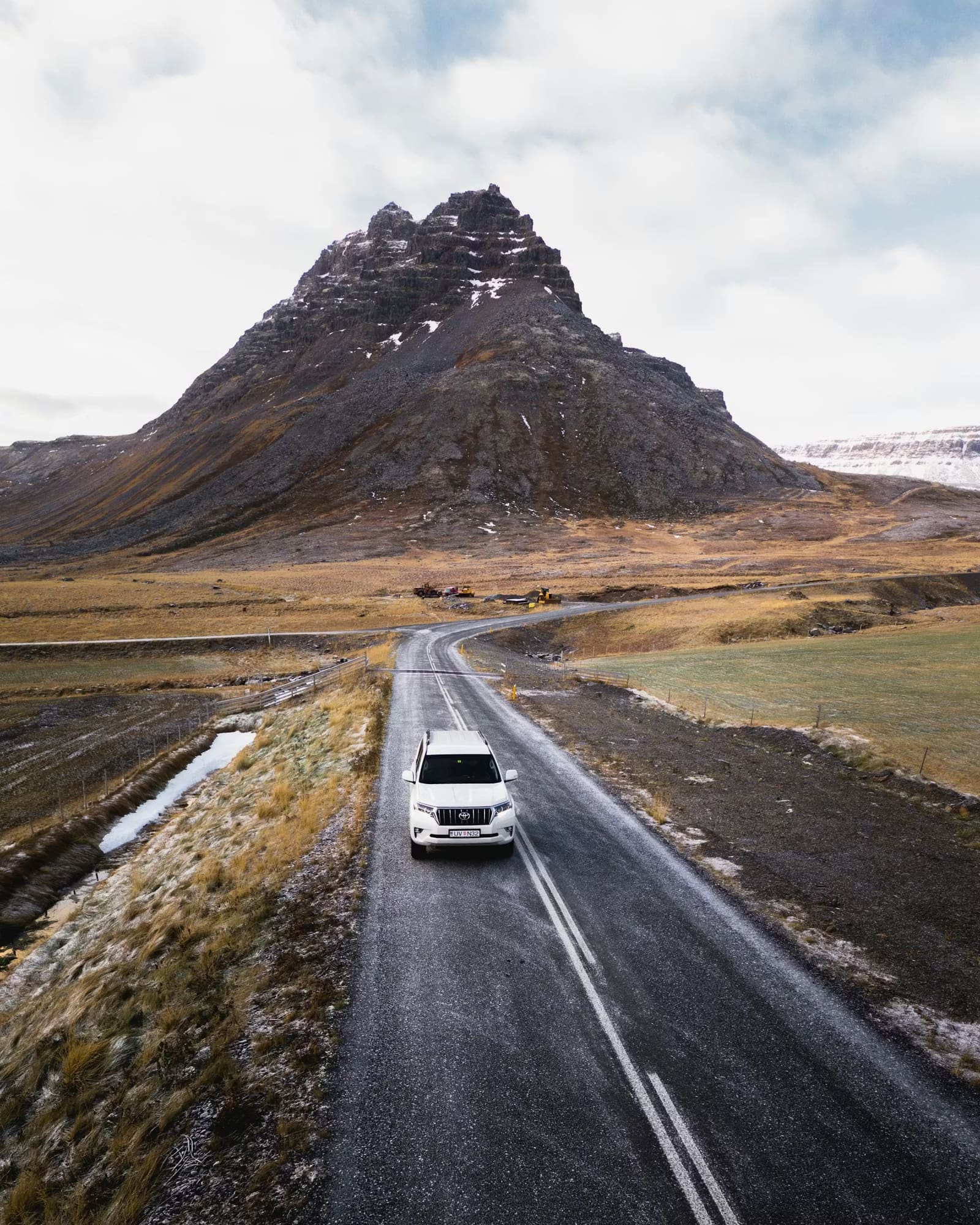
A practical winter self-drive guide for deciding whether to rent a car, which routes to keep realistic, and when weather should change the plan.
Your next photography choice
The strongest follow-up is usually a South Iceland route, a dark-sky plan, or a wildlife guide with its own timing and distance rules.