Hallgrímskirkja's modern Icelandic design

Hallgrímskirkja is both a working parish church and the clearest marker on Reykjavík's skyline.

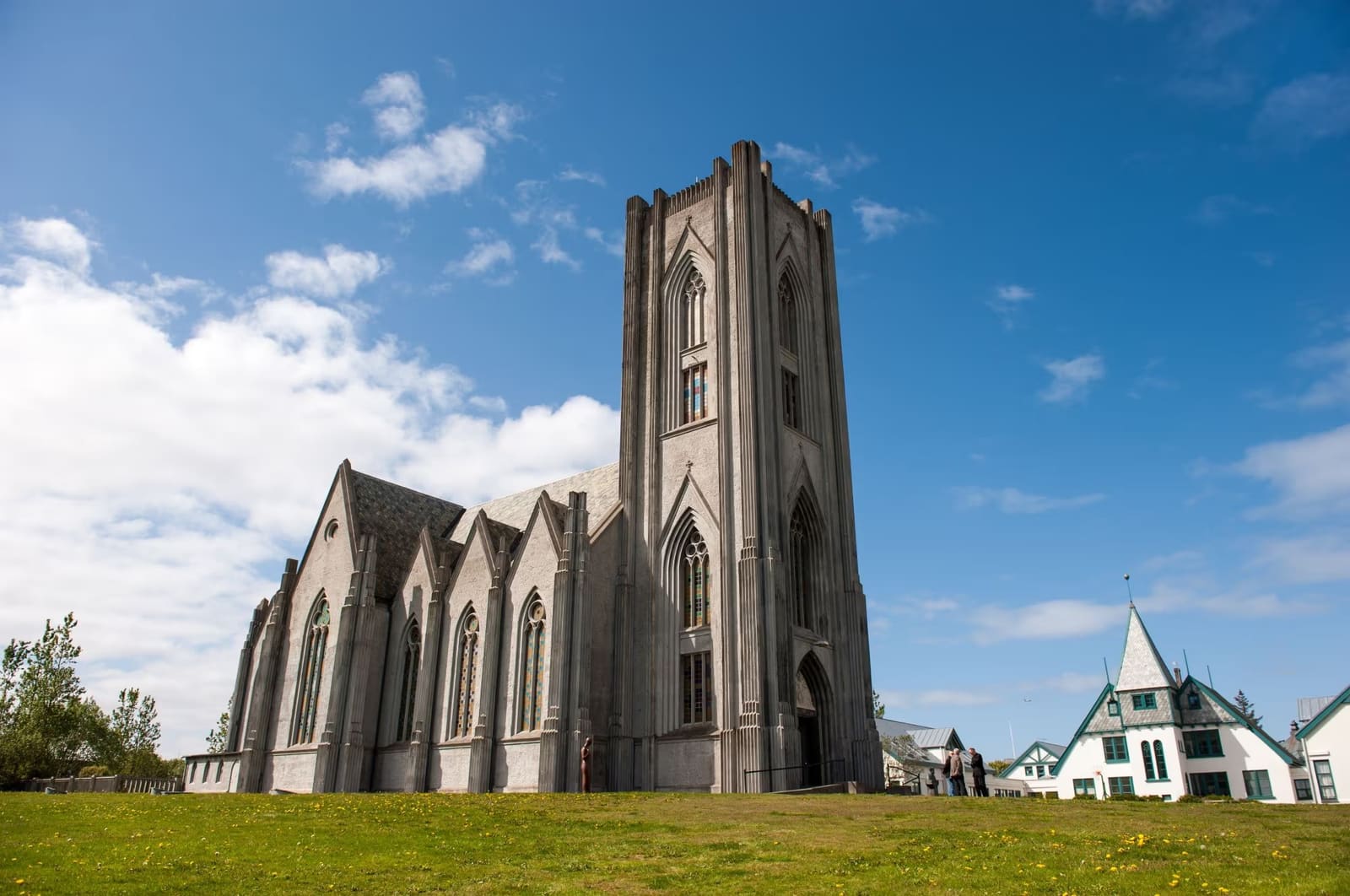
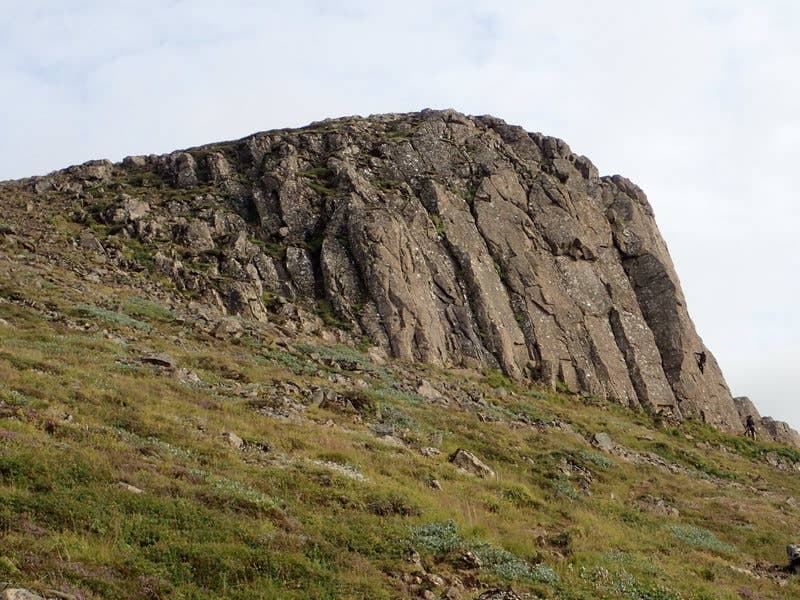
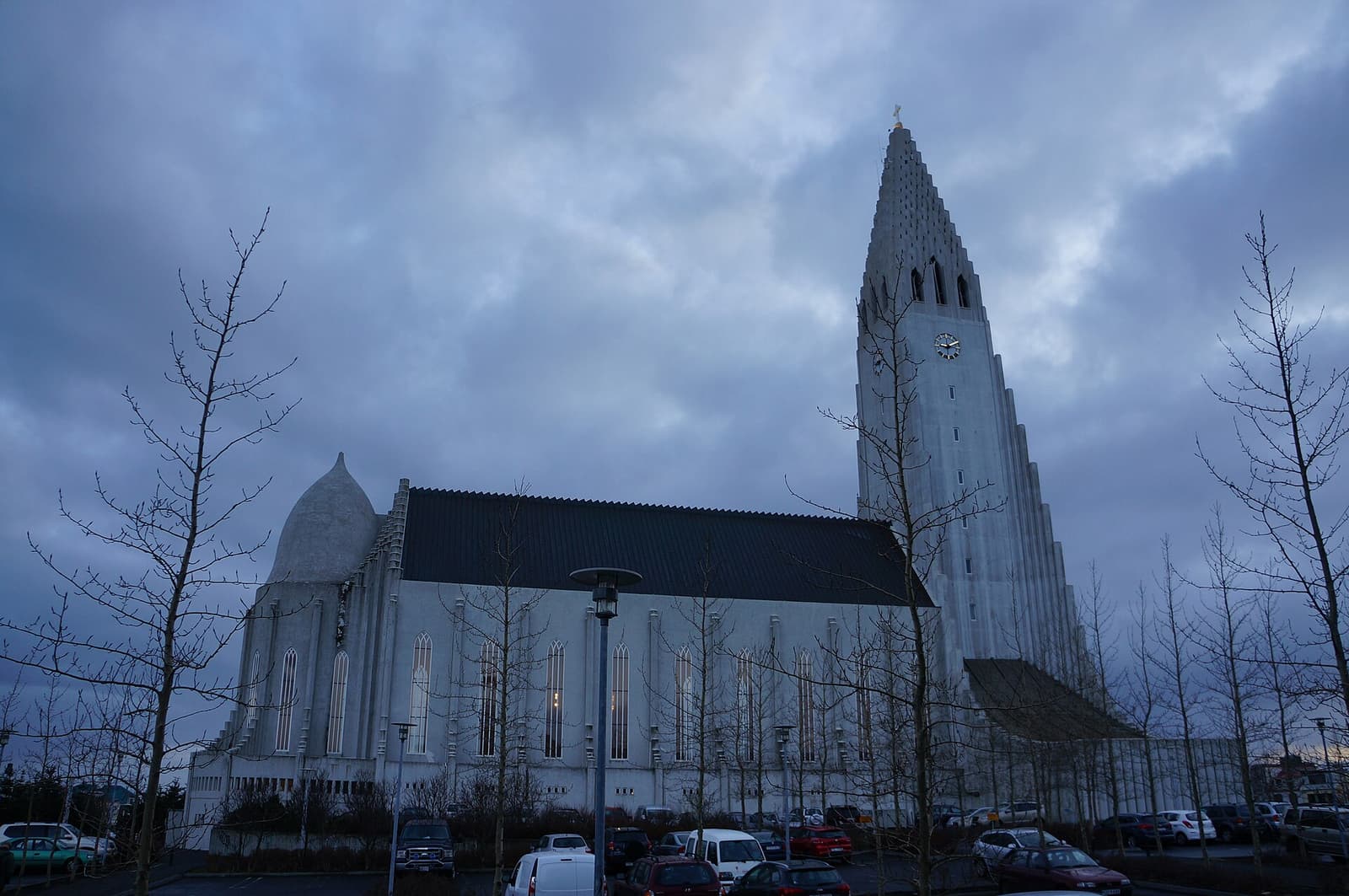
State Architect Guðjón Samúelsson began designing the church in 1937. Its tall central tower and stepped concrete wings are commonly read as references to Icelandic columnar rock, mountains, and glaciers. The effect is strongest from Skólavörðustígur, where the church closes the uphill view and gives the street a natural endpoint.

The building is named for Hallgrímur Pétursson, a 17th-century Lutheran pastor and poet best known for the Passion Hymns. That identity matters: this is not simply a tower with a viewpoint attached, but an active religious and cultural place in the center of the capital.

Design and church history

Forty-one years from first work to consecration

Hallgrímskirkja took shape in stages rather than arriving as one finished monument.

Construction began in 1945. The choir crypt was consecrated for worship in 1948, while work continued on the tower, wings, and nave. The completed church was consecrated on 26 October 1986, one day before the 312th anniversary of Hallgrímur Pétursson's death.

The long building period helps explain why Hallgrímskirkja feels monumental without being old in the medieval sense. Look at the repeated vertical lines, the narrow openings, and the way the pale concrete changes with Reykjavík's flat winter light or low summer sun. The Leifur Eiríksson statue in front predates the completed church and gives the plaza a second historic layer.

The nave and the Klais organ

Inside, the church is light, tall, and much plainer than the exterior suggests.

The Klais organ is the visual and musical focus of the otherwise spare nave.
Klais pipe organ inside Hallgrímskirkja in Reykjavík.

The Klais organ is the visual and musical focus of the otherwise spare nave.

The main visual focus is the Klais concert organ at the west end. Built by Johannes Klais Orgelbau in Bonn and inaugurated in 1992, it has 72 stops and 5,275 pipes. The church uses it for worship and concerts, so hearing the room in use can be very different from a quick daytime visit.

Even when no music is playing, the interior is worth a few quiet minutes for the contrast with the facade. Keep voices low, do not walk through a service or ceremony, and accept that visitor access may pause while the church carries out its main role.

Organ details

What the Hallgrímskirkja tower adds

The tower gives a compact overview of central Reykjavík rather than a wilderness panorama.

The church describes the tower as 73 metres high. The nave is wheelchair accessible, and an elevator reaches the eighth floor; the open-air platform on the ninth floor requires a short staircase. A quick exterior and nave visit can take 20 to 30 minutes, while the tower, a queue, or time spent listening to the organ can extend the stop toward an hour.

On a clear day you can read the city's colorful roofs, harbor edge, surrounding hills, and the compact street grid below. It is useful early in a Reykjavík stay, but it is not essential to understanding the church. In low cloud or poor visibility, spend the time on the facade, nave, and surrounding streets instead.

For a broader indoor attraction and a different hilltop view, compare it with Perlan. Hallgrímskirkja is the better fit for a central walking day; Perlan asks for more time and has its own exhibitions and setting.

Tower and accessibility

A respectful stop in the city center

The church works naturally as part of a walk, without needing a separate half-day plan.

The Einar Jónsson Museum and sculpture garden sit beside the church, while Sundhöllin offers a very different piece of Reykjavík life a short walk away. Use the Reykjavík guide for the wider neighborhood context rather than turning Hallgrímskirkja into a long checklist of city sights.

Church and visitor information