Experience fit
- Start with
- The landscape you want most
- Easiest first day
- Golden Circle
- Long scenic days
- South Coast or Snæfellsnes
- No-car choice
- Direct guided Reykjavík departure
- Before leaving
- Weather, roads, access, operator
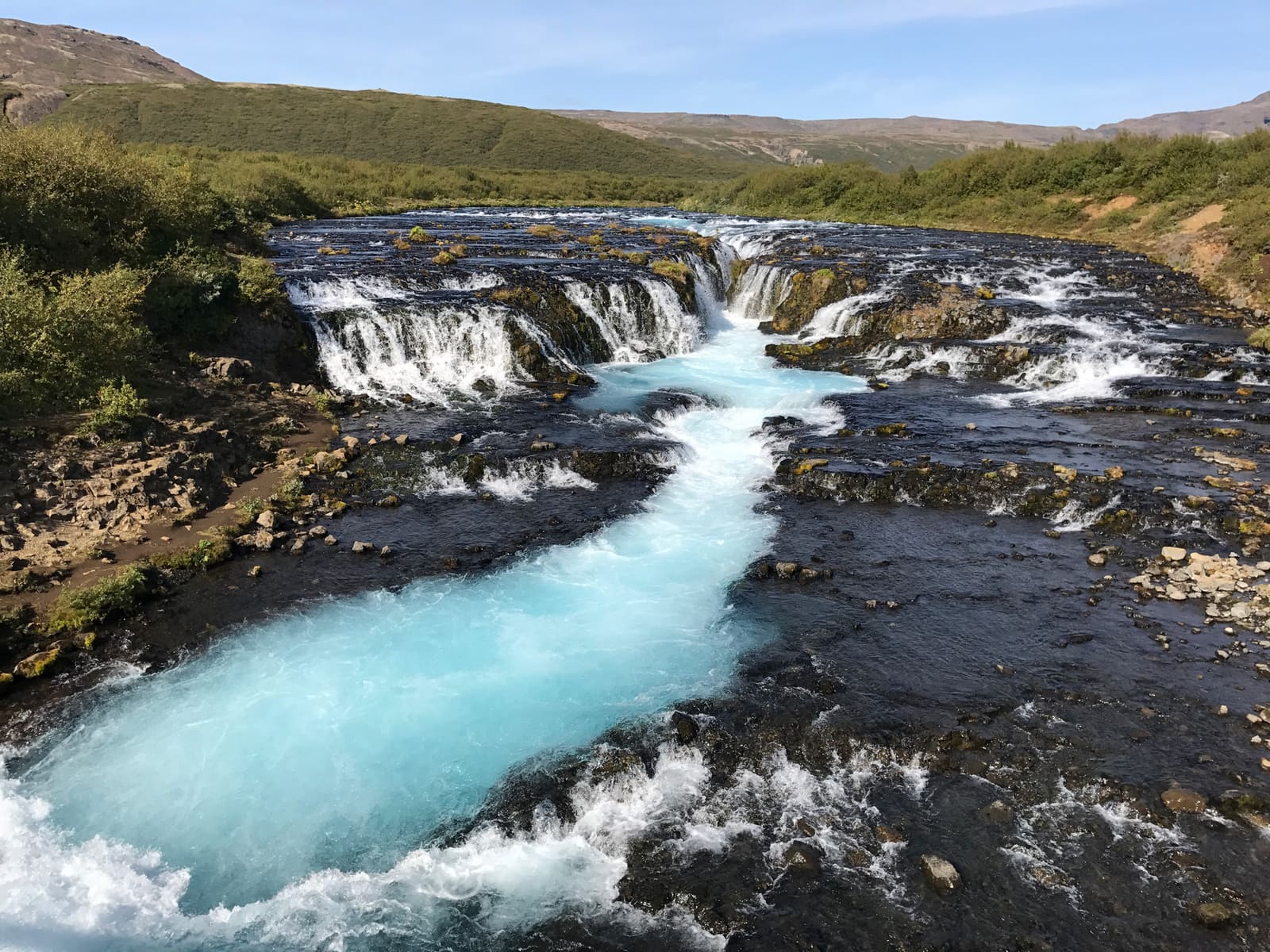
From one Reykjavík hotel, you can spend a day among geysers and rift geology, follow waterfalls to a black-sand coast, circle Snæfellsnes, or focus on one adventure. The Golden Circle is the best first choice for most visitors; the South Coast and Snæfellsnes earn the longer day when their landscapes are the reason you came.
Experience fit
Reykjavík puts erupting geysers, broad waterfalls, black-sand coast, lava country, and guided adventures within reach of the same hotel. The choice is less about finding the single 'best' place than deciding what kind of Iceland day you want beyond the city.
The Golden Circle moves from Þingvellir's rift landscape to Geysir and Gullfoss in a compact loop, which is why it is our first recommendation for most first-time visitors. The South Coast gives you the stronger waterfall-and-beach day. Snæfellsnes changes scenery constantly, Reykjanes keeps volcanic landscapes closer, and a specialist activity trades sightseeing breadth for one memorable experience.
Start with the landscape or experience that would make the day feel worthwhile. That keeps the famous routes distinct and prevents a good outing from turning into a race through every saved pin.
| Day-trip choice | How the day feels | Self-drive character | Guided character | Choose it when |
|---|---|---|---|---|
| Golden Circle | Full day with room to linger | Flexible loop with easy pruning | Classic landmark circuit | First-time highlights matter most |
| South Coast to Vík | Long day with a westbound return | Out-and-back route with many tempting stops | Long sightseeing or activity day | Waterfalls and black beach justify the road |
| Snæfellsnes | Long circuit with many short stops | Varied coast, towns, lava, and mountain views | Small-group scenic circuit | Variety matters more than a relaxed return |
| Reykjanes | Closer to the city; access can change | Flexible volcanic and coastal stops | Guided geology or activity focus | You want options closer to the capital |
| One specialist activity | The booked activity sets the pace | Drive to one fixed experience | Transport and specialist guide combined | One memorable activity matters more than coverage |
The table compares the character of each day, not guaranteed durations. Daylight, road conditions, a slow lunch, and how long you stay at each viewpoint will change the return; use the route guide or direct operator page for current details once one option stands out.
Photo guide
1 / 8
Þingvellir adds walking, geology, and history without pushing the Golden Circle far from its core loop.
Good to know
The Golden Circle is the clearest introduction to Iceland beyond Reykjavík: three genuinely different landmarks, a route that is easy to understand, and enough flexibility to linger at the stop your group likes most.
The core circuit links Þingvellir, Geysir, and Gullfoss. The appeal is not only fame. Each stop changes the subject—history and rift geology, active geothermal water, then a major waterfall—without requiring the same eastward reach as the South Coast.
Self-driving works well when you want an early start, longer walks at Þingvellir, or one quieter extra stop. A guided coach works when nobody wants to navigate, parking decisions are unwelcome, or the group prefers interpretation over stop control. Either way, protect the core three before adding a bath, greenhouse, crater, or snowmobile transfer.
Wind, ice, or a warning can still change the route. Use the Golden Circle road-trip guide for stop order and possible additions. Among the famous Reykjavík outings, this remains the easiest one to enjoy without rushing every stop.
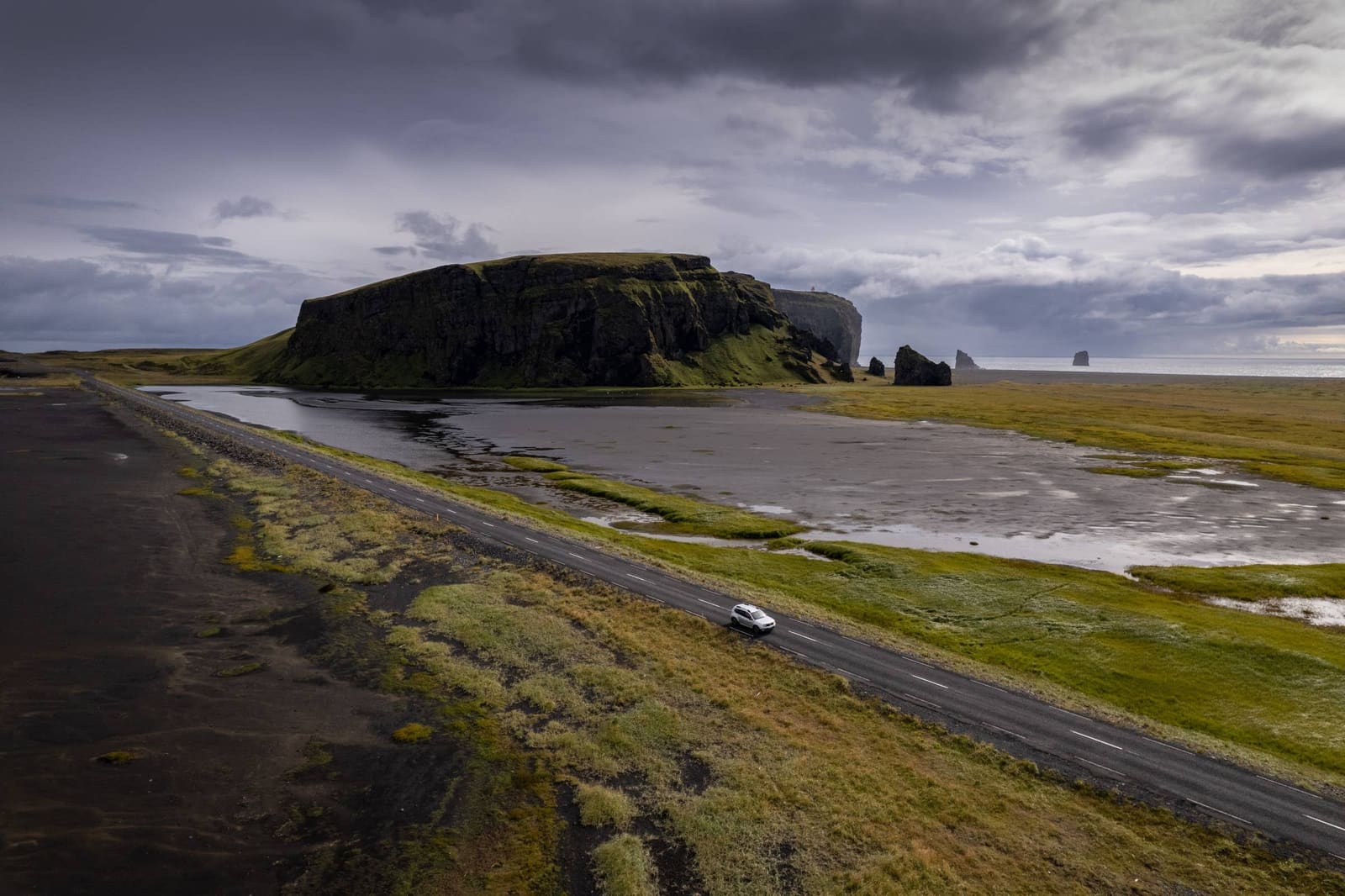
The South Coast earns its longer road with waterfalls you can walk close to, views toward glaciers, and the dark shore at Reynisfjara. Pick it when that landscape—not a checklist of famous names—is what you most want from the day.
A Reykjavík day commonly builds toward Seljalandsfoss, Skógafoss, and Reynisfjara. Each stop deserves time, and every addition pushes the turn back west later. The route becomes fragile when a glacier hike, long meal, distant ice-lagoon idea, and every roadside viewpoint all compete for the same day.
Give the middle of the day to what matters most. A sightseeing outing can keep the waterfalls and coast; a glacier-hike day should let the guided activity take its time and treat the waterfalls as welcome additions. If Jökulsárlón is the real goal, stay overnight instead of forcing it into a Reykjavík return.
Choose Snæfellsnes when a long circuit of coast, lava, villages, and mountain views is the attraction. Choose Reykjanes when volcanic ground and exposed coast should stay closer to Reykjavík.
The peninsula compresses fishing towns, lava fields, beaches, sea cliffs, and the glacier-capped volcano into one circuit. Kirkjufell may be the recognizable image, but the day earns its length through the changes between the north coast, national park, and southern shore—not through one photograph.
Scenic pull-offs and short walks add up quickly, while the drive back to Reykjavík remains. Self-drive suits travelers who can leave early and happily skip a stop. A guided small-group circuit removes navigation and shares the long road, although winter light, wind, or road conditions can still change the route.
Choose Snæfellsnes over the South Coast when coastal variety and volcanic scenery matter more than a waterfall sequence. Choose an overnight on the peninsula when slow photography, longer coastal walks, or both sides of the peninsula matter. The Snæfellsnes road-trip guide owns the exact loop and base choices.
Reykjanes gives a Reykjavík-based trip black lava, geothermal landscapes, and an exposed coast without sending you to the far end of a long sightseeing route.
Its advantage is flexibility, not guaranteed fresh lava. Access around recent eruption areas can change, and a road or hiking route may close. Build the day from places that are officially open, then treat any recent-lava access as conditional. The volcano experiences guide explains why an eruption is never a normal tour inclusion.
Reykjanes is a strong choice after a late start, before an evening plan, or when the group wants a shorter travel range. It is also exposed. Wind, gas advice, rough ground, and limited shelter can matter more than the modest map distance suggests. A closer day is not automatically an easier outdoor day.
A day trip does not need a long sequence of stops. One guided glacier hike, cave, snorkel, ride, or volcano visit can create a more memorable day with less route collecting.
Make the activity the point and be sure its physical demands suit everyone. Inside the Volcano, for example, combines a guided outdoor walk with an open-lift descent into Þríhnúkagígur's magma chamber. The hike, lift, weather exposure, and seasonal operation are all part of that particular day.
The same rule applies to a glacier hike on the South Coast. Once specialist equipment, a guide, and a fixed activity window enter the day, surrounding waterfalls become supporting stops. Trying to preserve a full sightseeing route around the booking is how a distinctive experience turns into a rushed one.
Check footwear, mobility, minimum requirements, meeting point, pickup boundaries, and weather policy on the direct operator page. These details change more often than the landscape. If anyone is uncertain about the physical format, choose the route day first and add an easier attraction instead of negotiating at check-in.
Driving yourself is satisfying when spontaneous stops and an unhurried favorite place matter. A guided day lets everyone watch the landscape, avoids navigation and parking, and is the natural answer when the main experience requires specialist equipment or instruction.
Self-drive gives you control over departure, stop length, food, and the moment you turn back. It suits the Golden Circle especially well and keeps a Reykjanes day flexible. One person still has to navigate, park, watch conditions, and drive the final road while everyone else rests.
A guided departure can be a classic landmark circuit, a South Coast day with a glacier hike, a long peninsula tour, or one unusual activity near Reykjavík. The examples below show how different those bookings feel.
These four outings lead to genuinely different days. Pick the landscape or activity first, then read the direct tour page for current dates, pickup, and participant requirements.
Reykjavík Excursions
Best forfirst-time visitors who want the classic landmarks in one guided circuit
Keep in mindThe compact format leaves less control over how long you stay at each landmark
Check firstCheck pickup details, operating dates, and the listed route
Tröll Expeditions
Best foractive travelers who want South Coast scenery and a glacier hike together
Keep in mindThe glacier activity makes this a fuller physical day than sightseeing alone
Check firstCheck fitness, footwear, pickup, and glacier requirements
BusTravel Iceland
Best fortravelers who value varied peninsula scenery without doing the long drive
Keep in mindThe broad circuit leaves less spare time when roads or daylight slow the day
Check firstCheck pickup, route changes, and participant requirements
3H Travel
Best foractive visitors who prefer one unusual guided experience near Reykjavík
Keep in mindThe rocky outdoor walk and open lift are part of the experience
Check firstCheck the season, walking conditions, and lift information
In winter, the Golden Circle usually leaves more useful light for the places themselves. In any season, a route is ready to become an overnight when the farthest landscape matters more than returning to the same Reykjavík hotel.
Start by reducing distance, not by driving faster or shortening every stop. The Golden Circle usually gives more room to adapt than Snæfellsnes or a long South Coast plan. On any route, frost, wind, snow, poor visibility, and slower traffic can turn the final westbound leg into the main event.
Guided transport removes the burden of driving, but not the daylight limit. A guide may change stop order or omit a place when conditions require it. Self-drivers need an earlier turnaround and must be willing to abandon the plan before the road feels difficult. The live road map and regional warnings matter more than a saved itinerary.
Reykjavík is an excellent base for one or two outings. Move on when the place you most want to see lies farther east, when you want slow coastal walks on Snæfellsnes, or when consecutive days would repeat the same long road.
Keep the base for one Golden Circle day, a focused South Coast visit to Vík, a long but deliberate Snæfellsnes circuit, Reykjanes, or an activity with a Reykjavík departure. Reconsider it when the real goal lies farther east, when you want slow walks on Snæfellsnes, or when two consecutive excursions repeat the same outward road.
An overnight gives you morning light near the landscape, removes a tired return, and makes weather changes easier to absorb. It also means another hotel and moving luggage, so make the change only when the farthest place is one of your trip priorities.
Once that threshold is crossed, move to the full route guide: the South Coast road trip, Snæfellsnes road trip, or Reykjanes road trip. Those guides handle route order and overnight geography. Whatever the route, keep one shorter alternative in mind and use official weather and road services on the morning you leave.
Open the park or operator page for the exact place or tour instead of relying on a saved summary. Check the regional warning, road condition, access notice, and direct trip details; if the first two narrow the day, change the route before trying to preserve every booking and stop.
By ThorPublished Updated
Once a route stands out, use the official forecast, road map, and safety guidance to decide whether that same day still makes sense.
Check regional warnings and their expected travel effects.
Check current road conditions, notifications, and cameras before self-driving.
Open official park information for walking, parking, services, and current notices.
Use official park context for the protected peninsula landscape and visitor information.
Where to do it
Stay in Reykjavík, make volcanic terrain the main event, or spend the day on a glacier with a specialist guide.
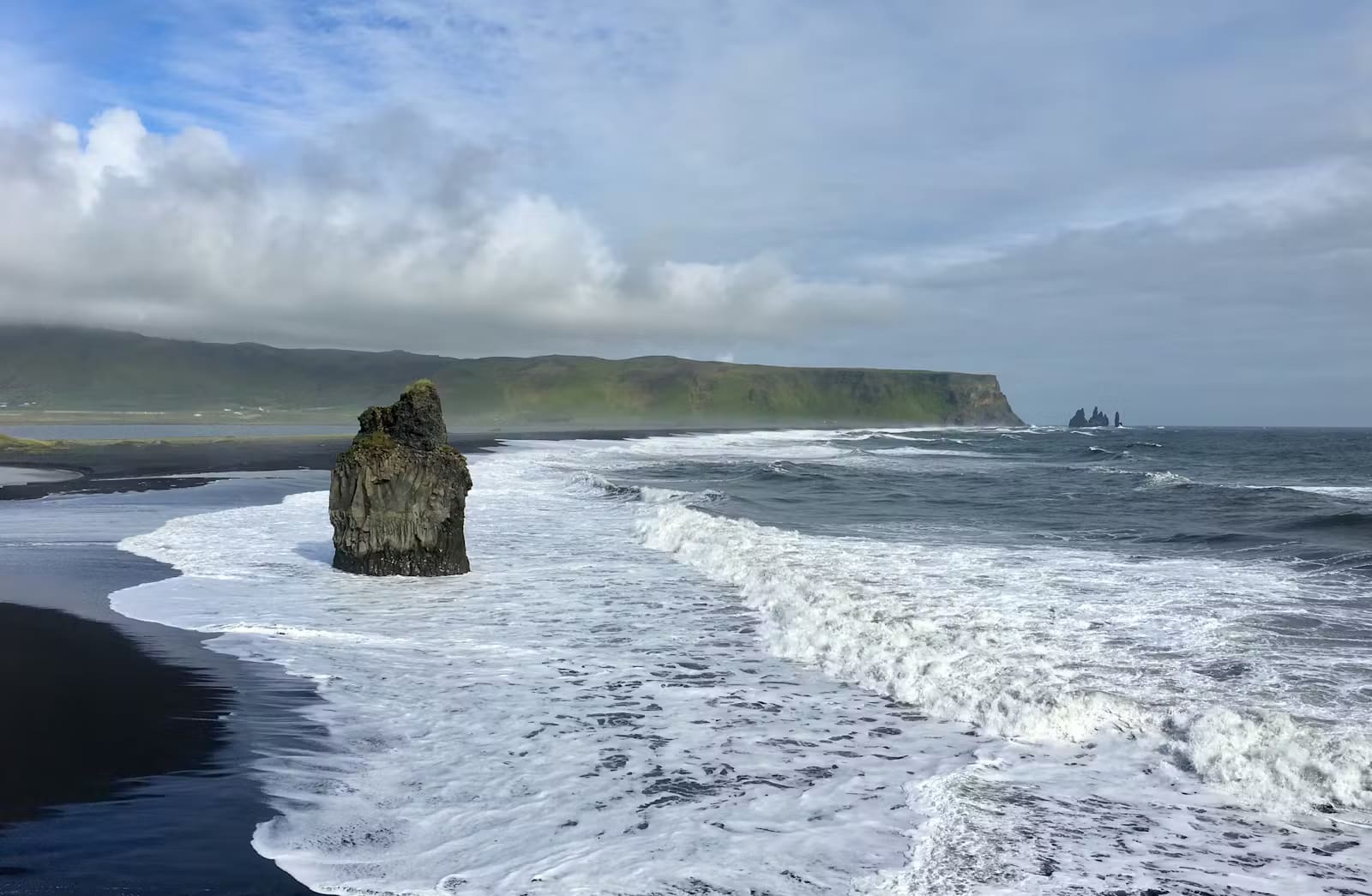
Reynisfjara is a black-sand beach near Vík where basalt columns and offshore sea stacks meet dangerous Atlantic surf. The view is exceptional, but current warnings decide how the beach can be visited.
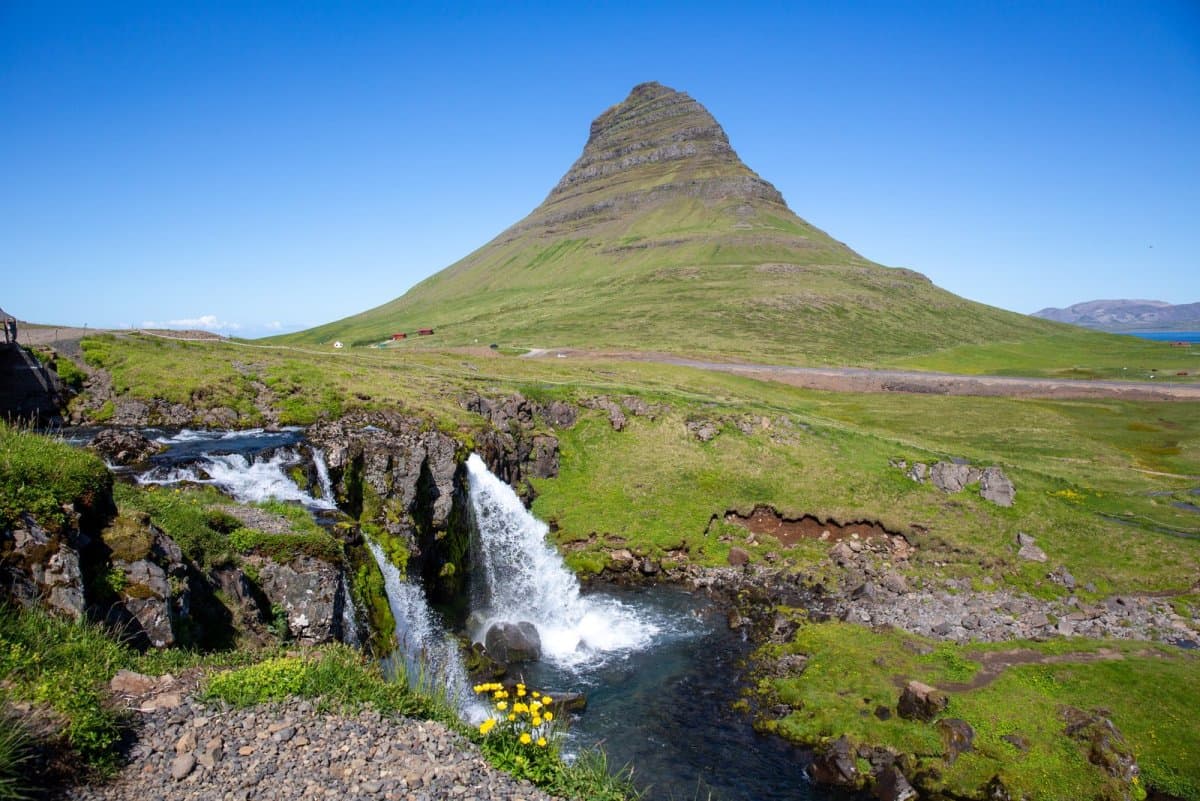
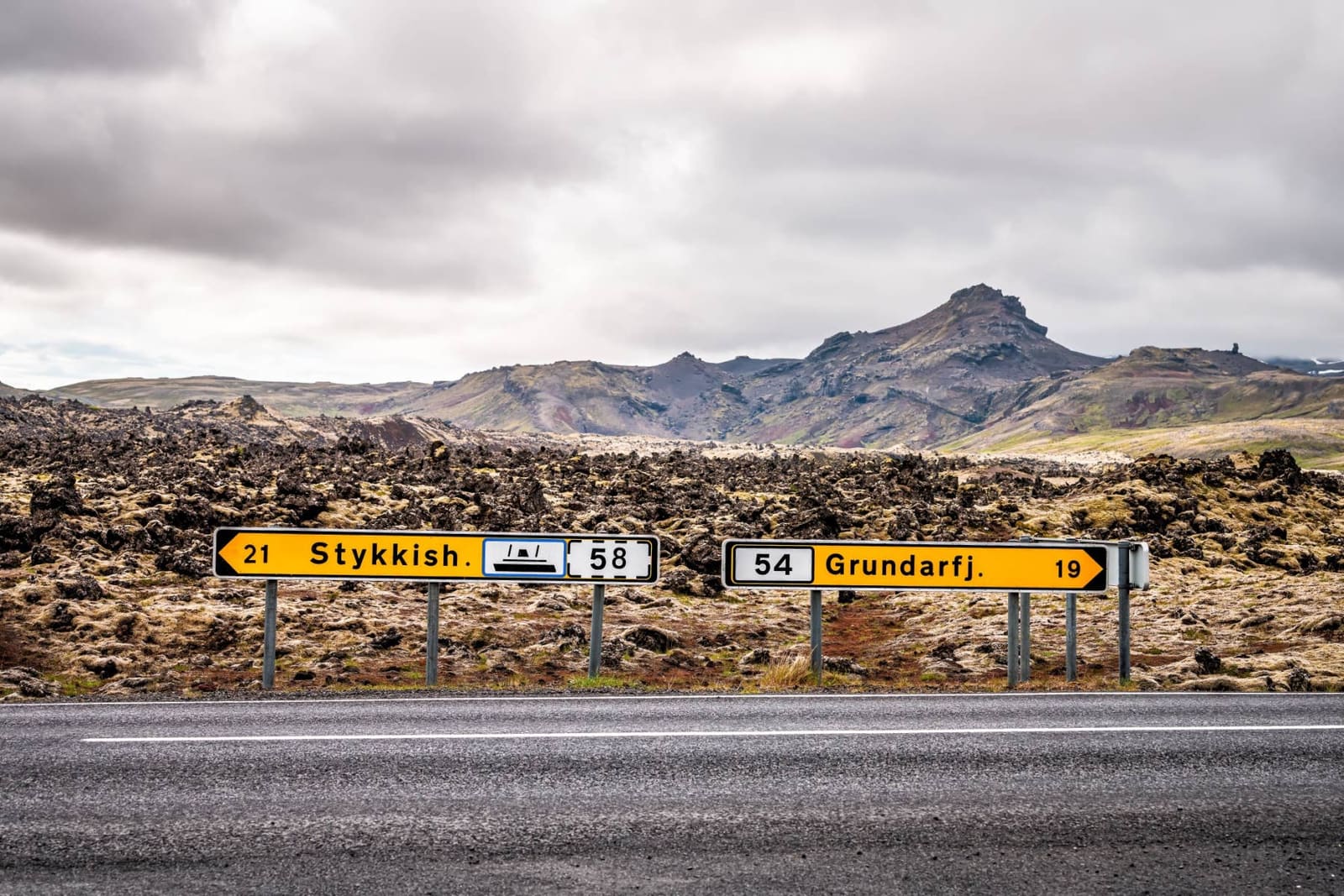
Kirkjufell is the steep, isolated mountain beside Grundarfjörður that forms one of Snæfellsnes's clearest landmarks. Most visitors come for the view, not to climb it, and stay only as long as visibility rewards them.
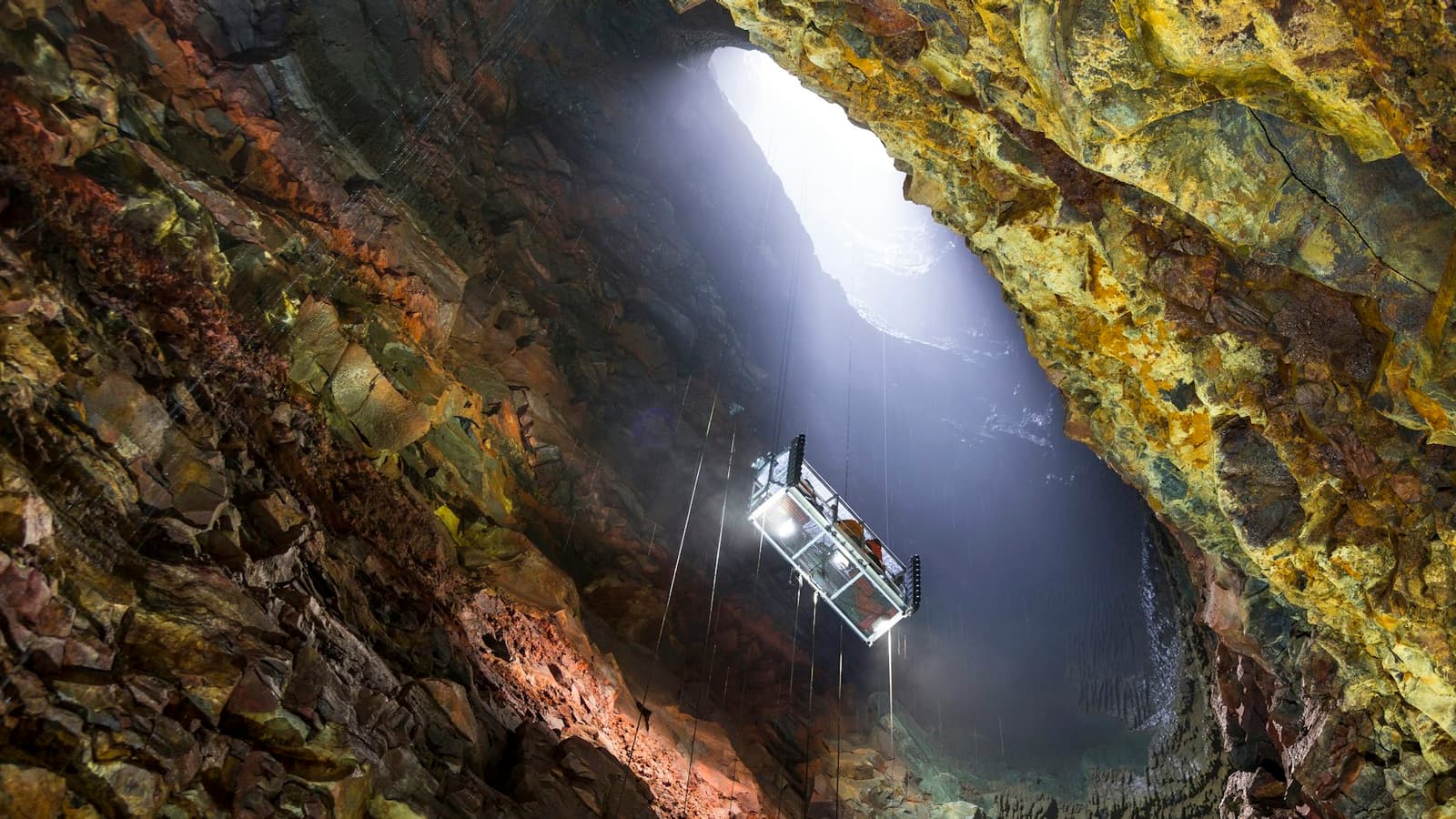
Þríhnúkagígur is a dormant volcano near Reykjavík where guided visitors descend into an empty magma chamber, worth choosing when a booked half-day adventure fits your weather, budget, and energy.
Regions
See which part of Iceland is most convenient for this experience and what else you can visit nearby.
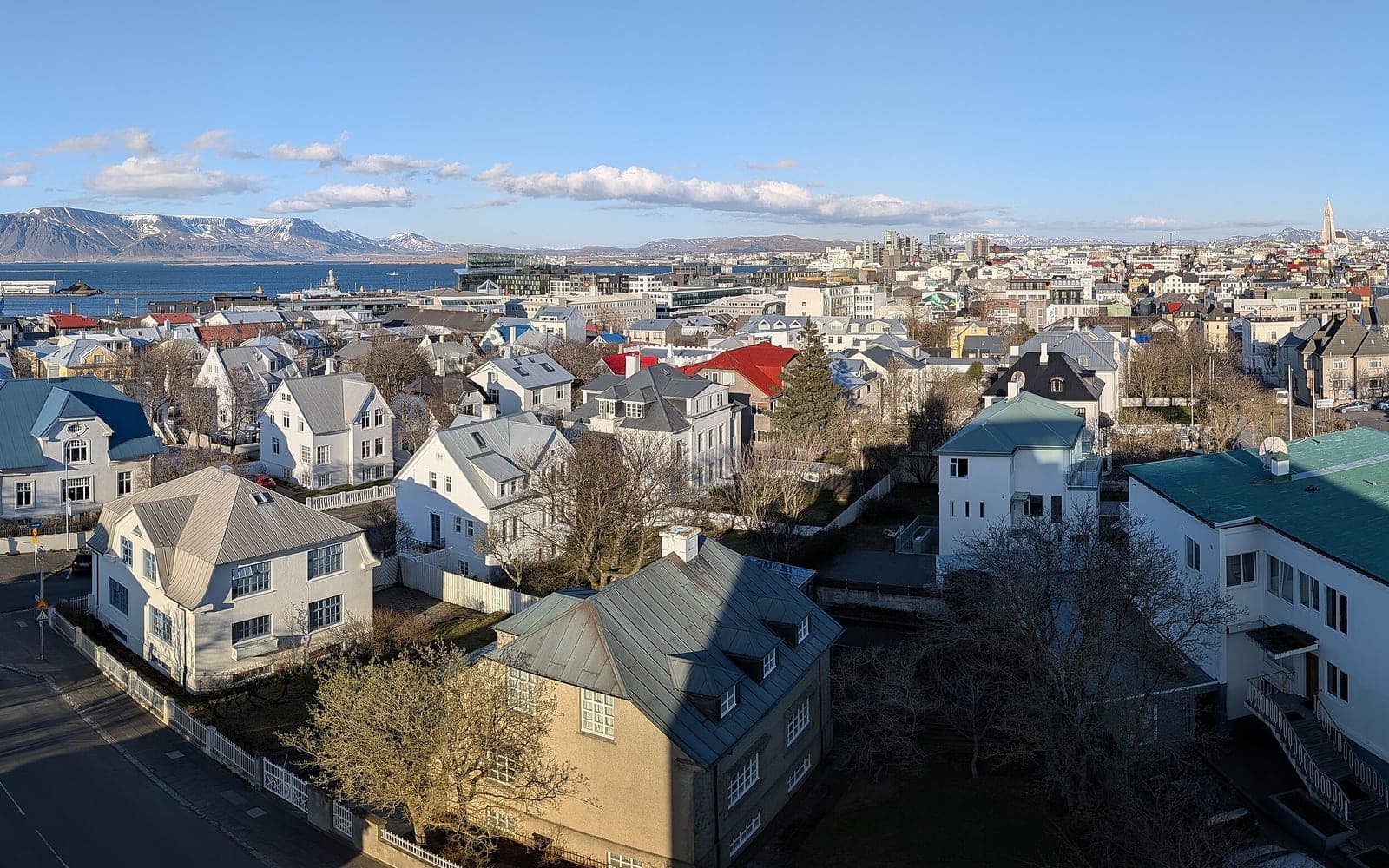
Choose Reykjavík for one or two car-free city days, a short break or a weather buffer—not as the default base for every long day trip.
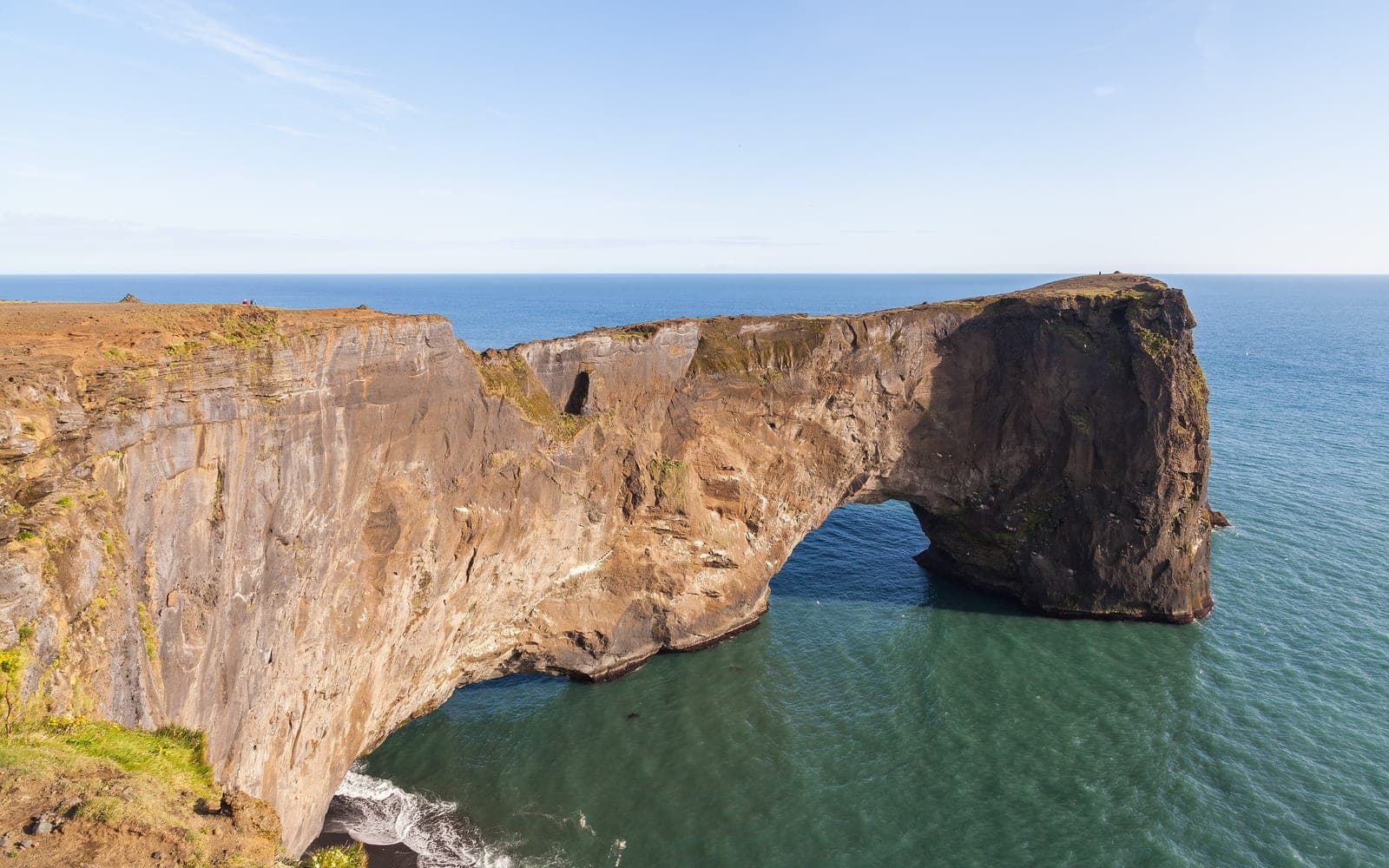
Build a first-trip route around waterfalls, black-sand coast and glacier country, but allow two to four days if Jökulsárlón is part of the plan.
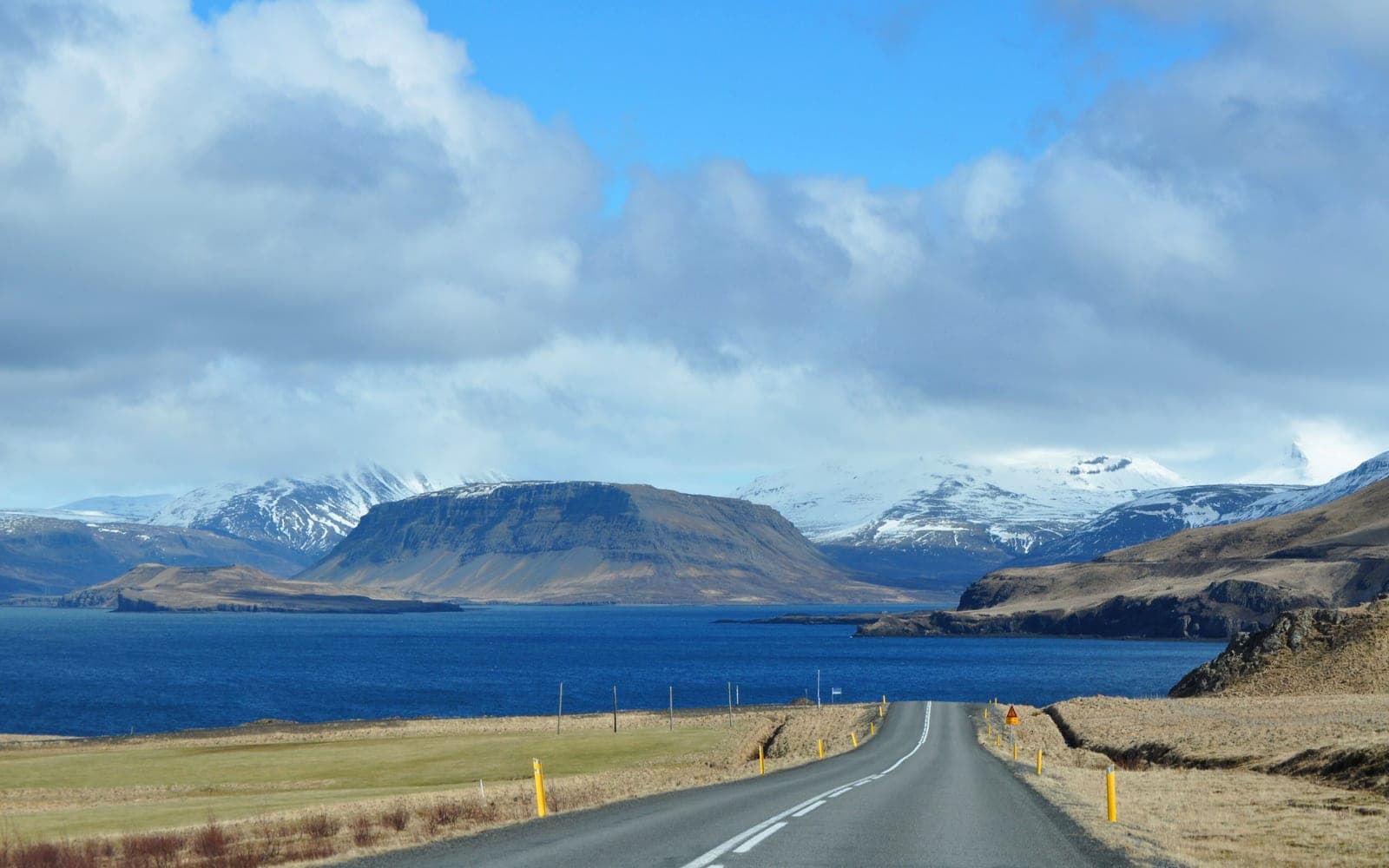
Choose West Iceland for a Borgarnes-based mix of waterfalls, geothermal stops, and caves; skip it if Snæfellsnes already fills your spare westbound day.
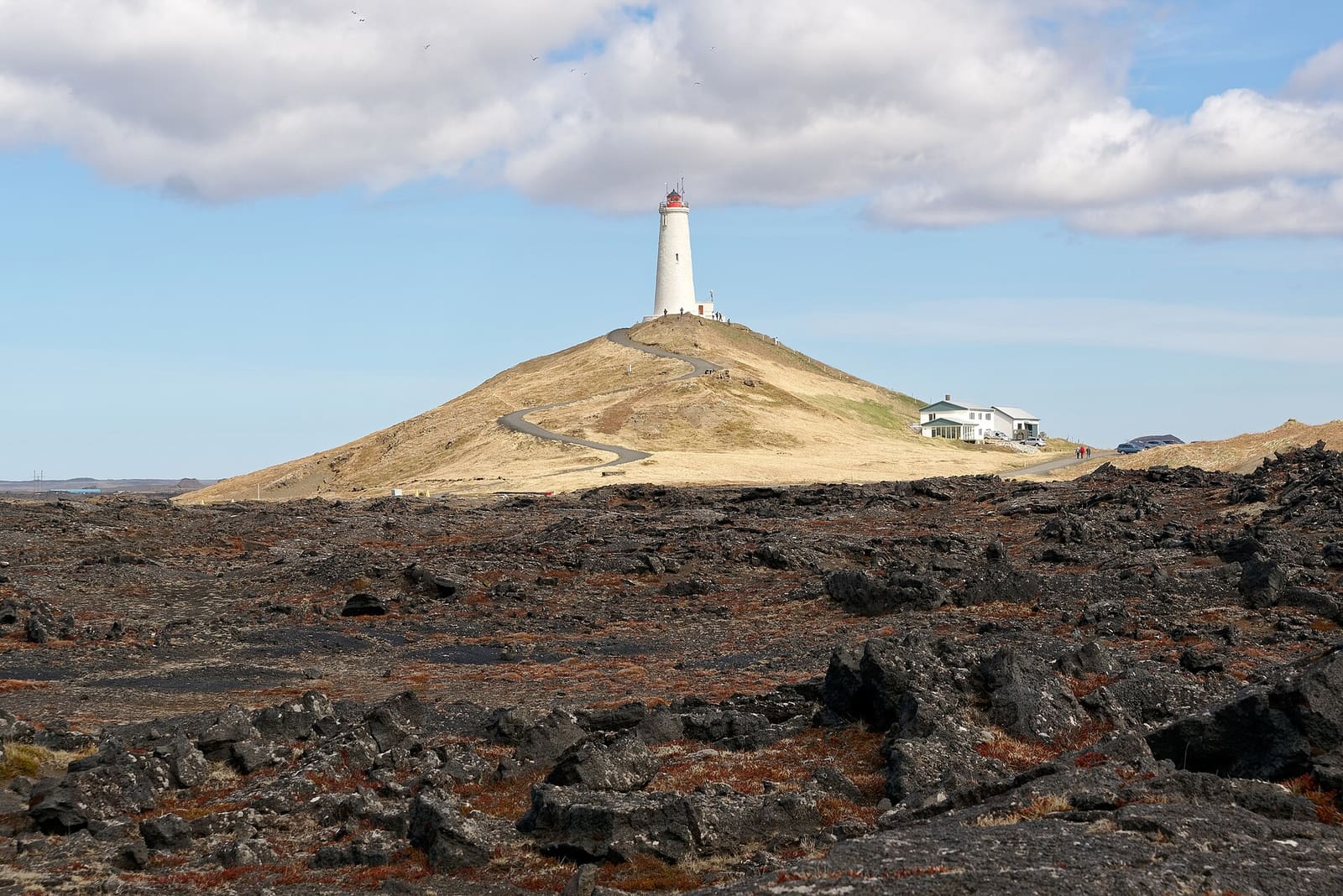
Use this volcanic peninsula for a careful half- or full-day route near KEF, but keep eruption sites, Grindavík and Blue Lagoon plans conditional.
Road trips and itineraries
See where this experience fits into a road trip or day-by-day itinerary.
More things to do
See other activities that may suit the same day, season, or part of Iceland.
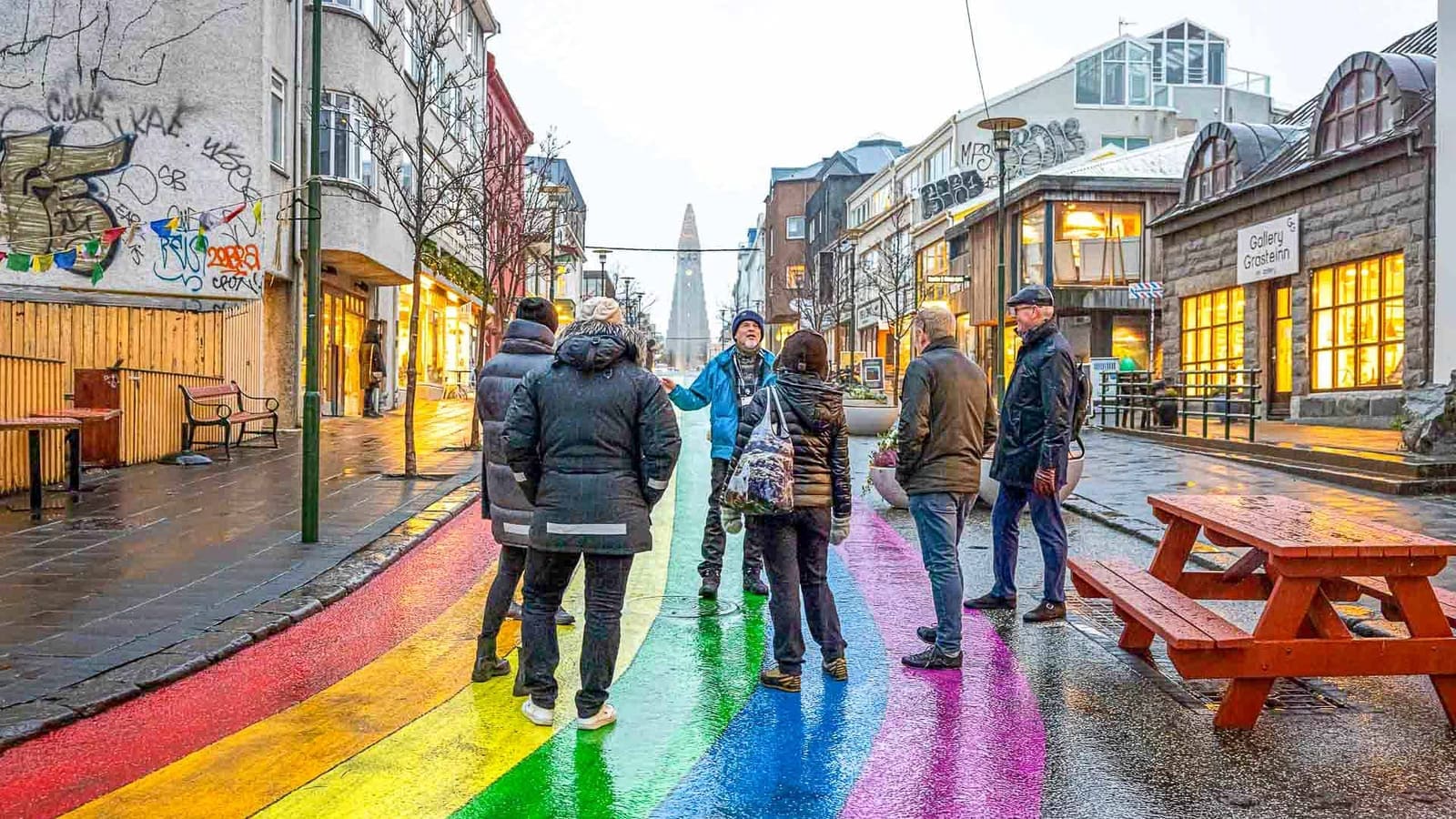
The best Reykjavík day starts with the hours you can really use, the weather, and how far you want to travel. Choose one main activity—a central walk, museum, local pool, food experience, or harbour stop—then add one flexible piece and keep an indoor backup.
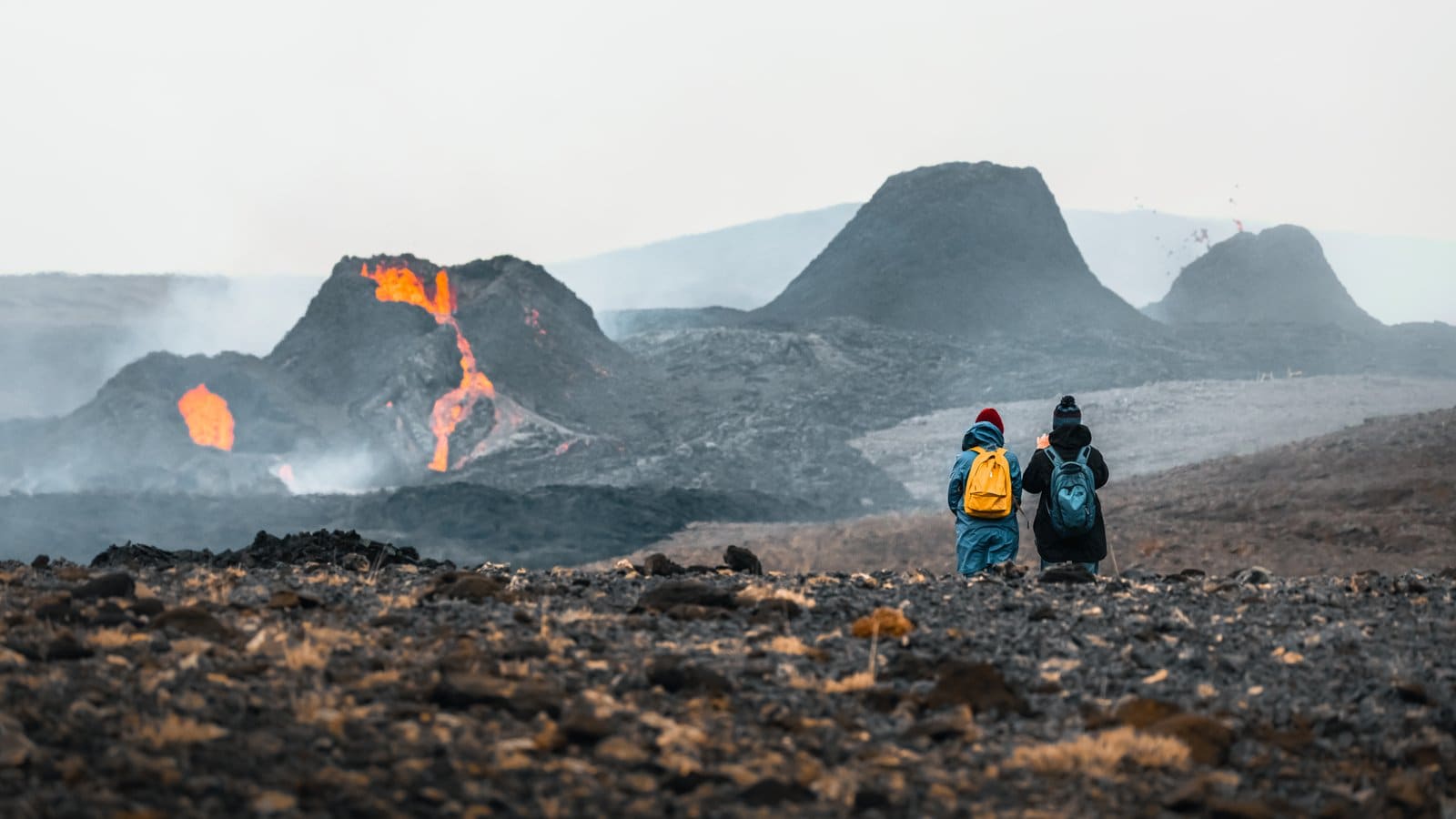
Seeing flowing lava is never a standard tour promise. Iceland’s more dependable volcano experiences include recent lava fields, established craters, guided caves and magma chambers, and indoor exhibitions. Start with the type of experience you want, then check access, terrain, weather, roads, and volcanic gas before you go.
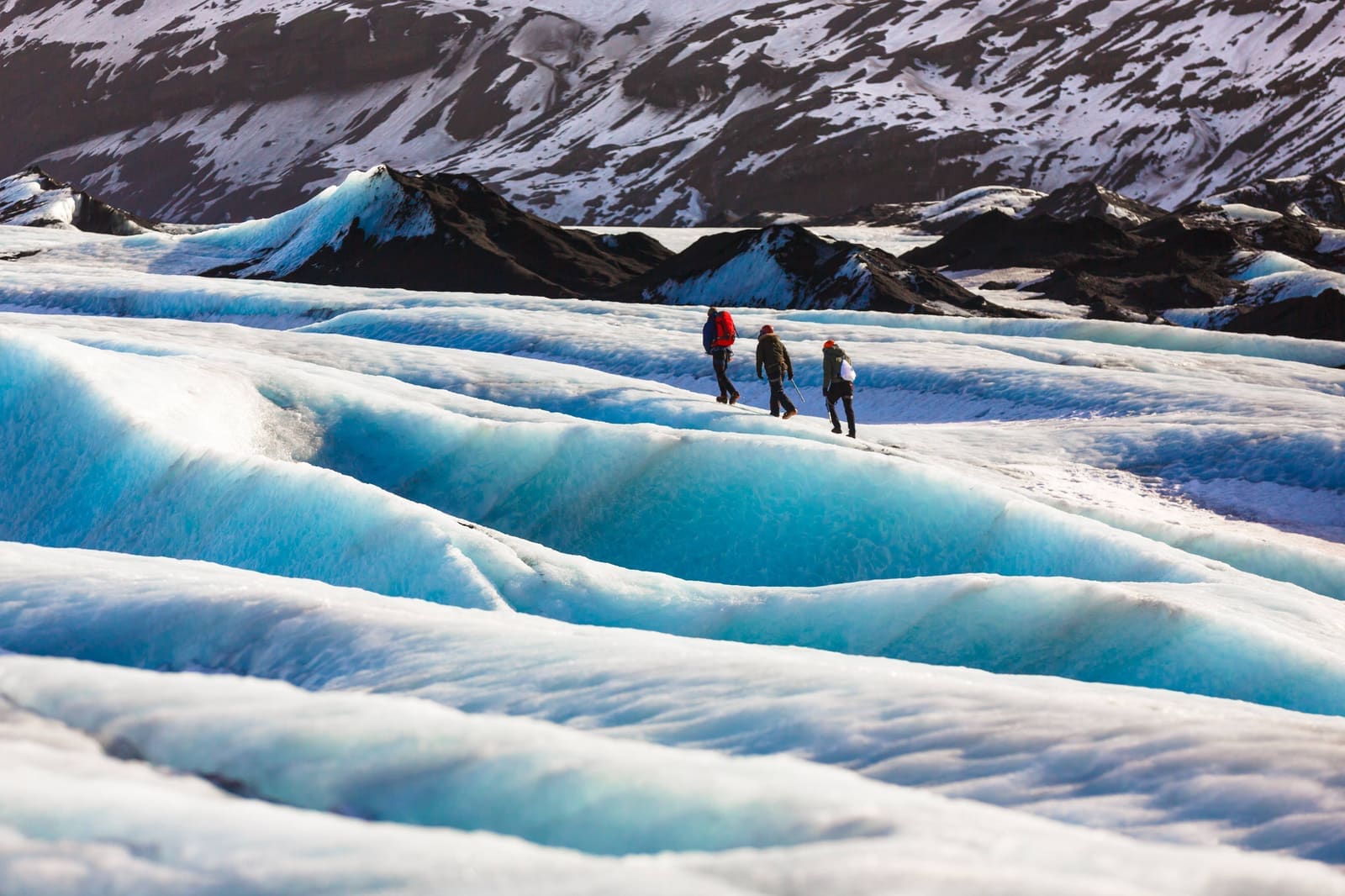
Glacier activities work best when you choose the right version first: guided ice walking, cave or tunnel access, snowmobiles, lagoon boats, kayaking, or a lower-effort viewpoint. Use the route, season, guide need, and comfort tradeoffs before booking anything.
Travel advice
Read more about driving, weather, safety, and other details that may affect your trip.
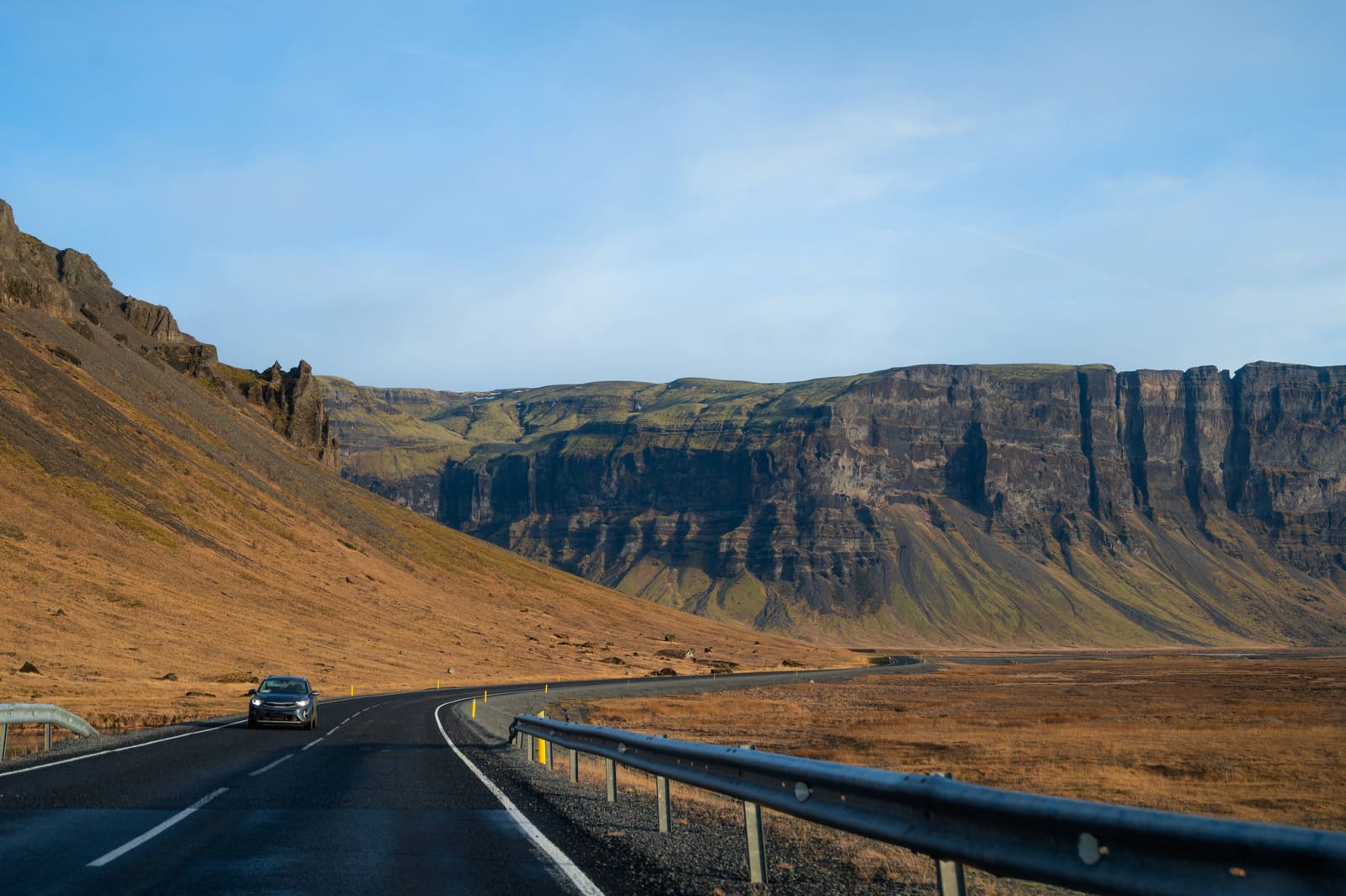
A practical guide to deciding whether to self-drive, matching routes and vehicles, and checking live conditions before every travel day.
A practical base-choice guide for deciding where to stay in Iceland before booking hotels, day trips, or a self-drive route.
Take the next step
Use the full route guide for stop order, winter changes, and the point where an overnight becomes better than returning to Reykjavík.