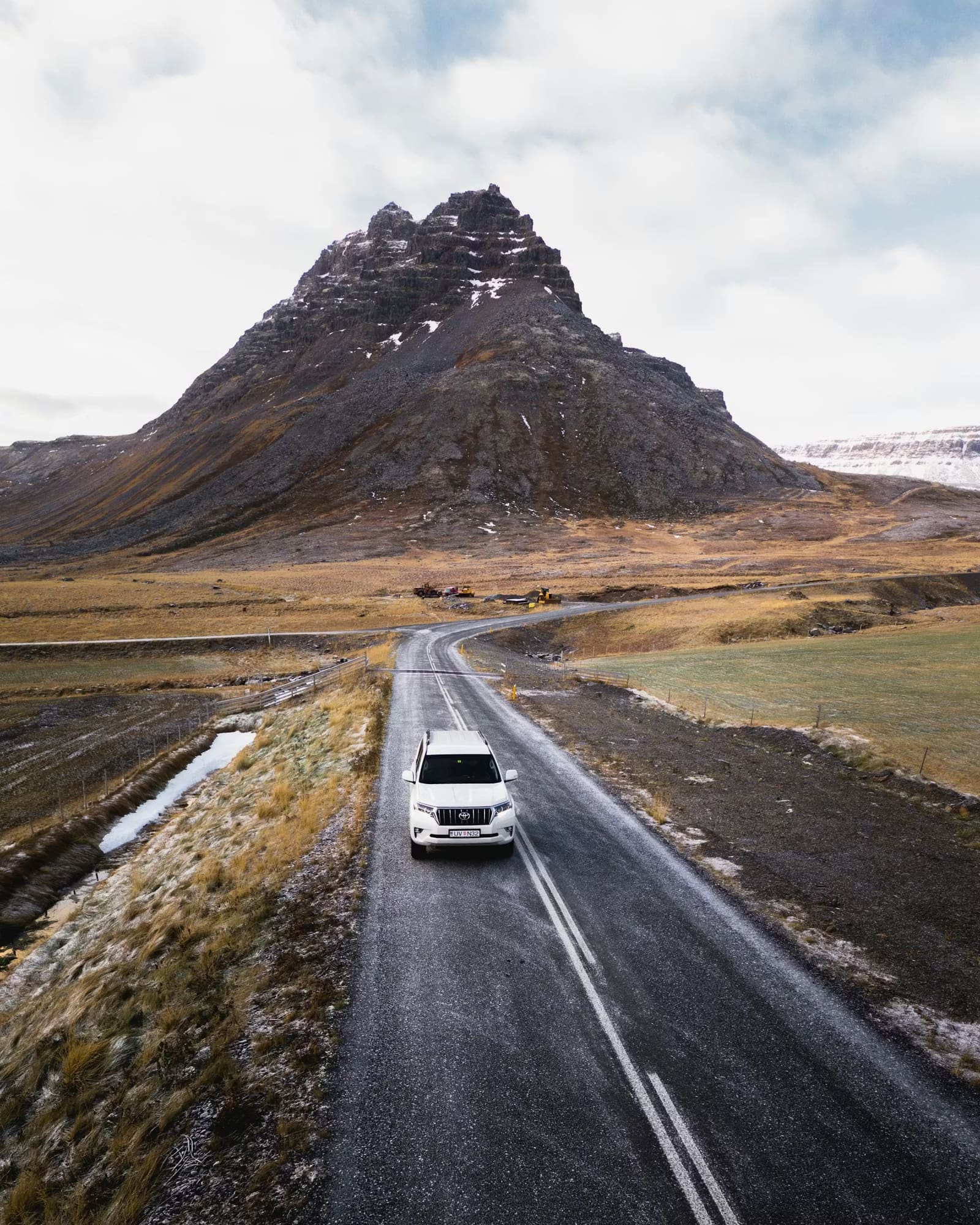
Winter self-driving can work for experienced, prepared drivers on flexible routes. If snow, ice or changing plans are unfamiliar, choose a Reykjavík base and suitable guided transport, with room for cancellations.
Short answer
Self-driving can work in winter if you choose a realistic route, check conditions daily, and are willing to change plans.
Best first route
A Reykjavík base or focused South Coast route keeps more fallback options than a full loop; every outing still depends on road, weather and access checks.
Main hazard
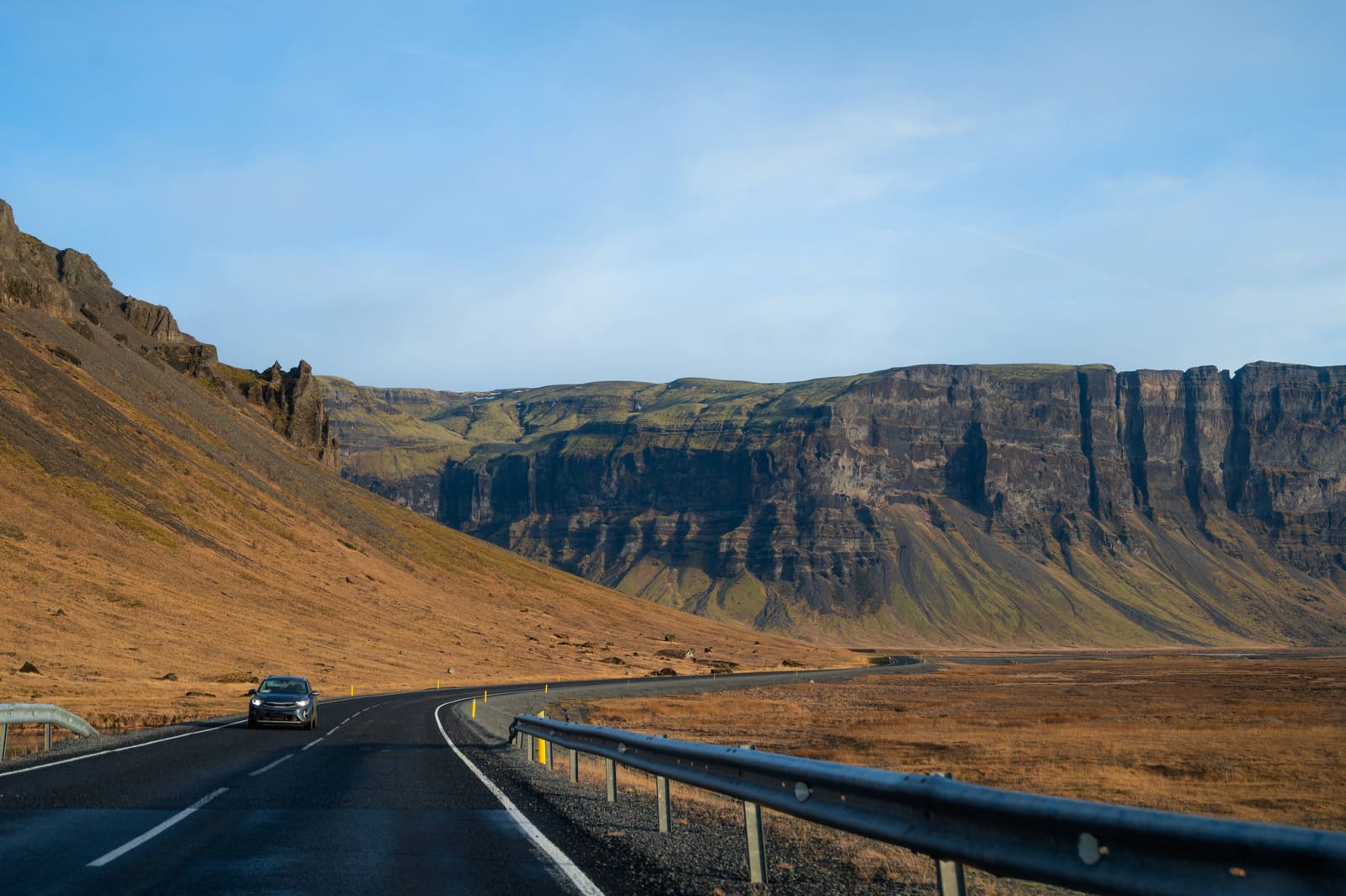
Wind, ice, darkness, poor visibility, and closures can matter more than the distance on the map.
Daily checks
Use Umferðin, SafeTravel, and the Icelandic Met Office before each important drive.
Decision summary
Short answer
Self-driving can work in winter if you choose a realistic route, check conditions daily, and are willing to change plans.
Best first route
A Reykjavík base or focused South Coast route keeps more fallback options than a full loop; every outing still depends on road, weather and access checks.
Main hazard
Wind, ice, darkness, poor visibility, and closures can matter more than the distance on the map.
In this guide
Is winter driving in Iceland a good idea?
Winter driving in Iceland can be a good idea if you are prepared, flexible, and choosing a route that still works when wind, ice, daylight, or closures change the day.
The wrong starting point is asking whether the road distance looks possible on a map. The useful starting point is whether you are comfortable checking official conditions, driving slower than planned, skipping stops, and waiting out a bad day without feeling that the trip has failed. If the drive exists mainly for a mountain day, use the skiing and snowboarding guide to check the activity, terrain, equipment, and backup before the road distance.
Good to know
Is this right for you?
Useful for
winter travelers choosing whether self-drive is realistic
routes where road conditions and daylight affect the plan
first-time visitors who need clear safety thresholds
drivers deciding whether to shorten a route before booking
Think twice if
travelers looking for rental-car rankings or affiliate deals
readers who need live road-status decisions for today without checking official maps
A focused route gives strong scenery with fewer moving parts than a countrywide loop.
Winter Ring Road idea
Add extra days or choose a smaller route
A full loop creates a chain of overnights where one closure can affect several days.
A winter-ready vehicle helps, but road surface and driver confidence still decide the day.
What winter route should you choose?
Choose the winter route by failure point: if one bad day would ruin the plan, the route is too fragile.
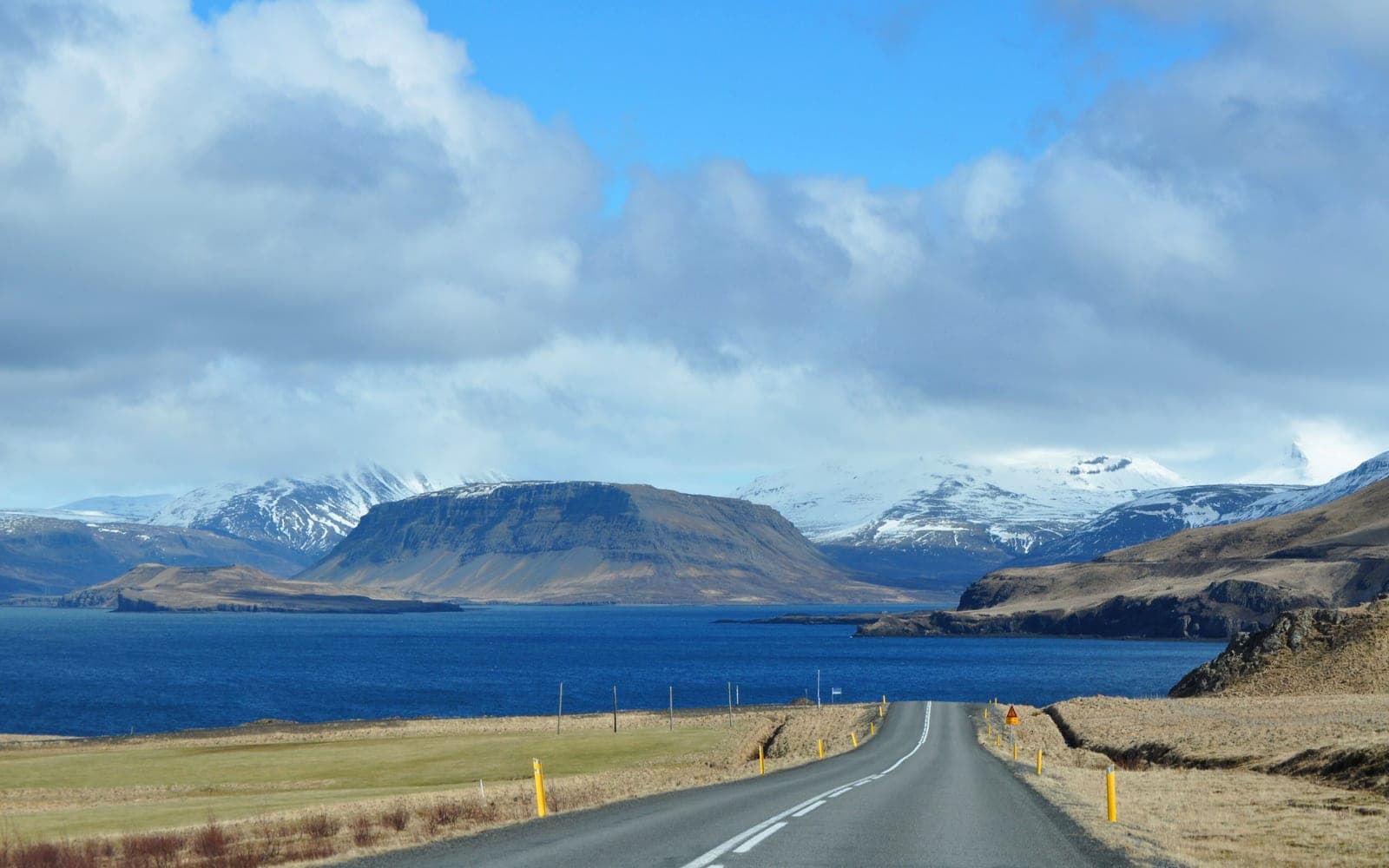
For many first trips, a more flexible self-drive shape is Reykjavík with nearby route options, then a South Coast plan that can turn around earlier if the forecast worsens. Snæfellsnes can work with the right overnight and conditions, but its exposed roads can be a poor choice during wind or snow. The full Ring Road should be treated as a flexible winter project, not a default one-week route.
Choose Reykjavík-based days when the trip is short, confidence is low, or the forecast is unstable.
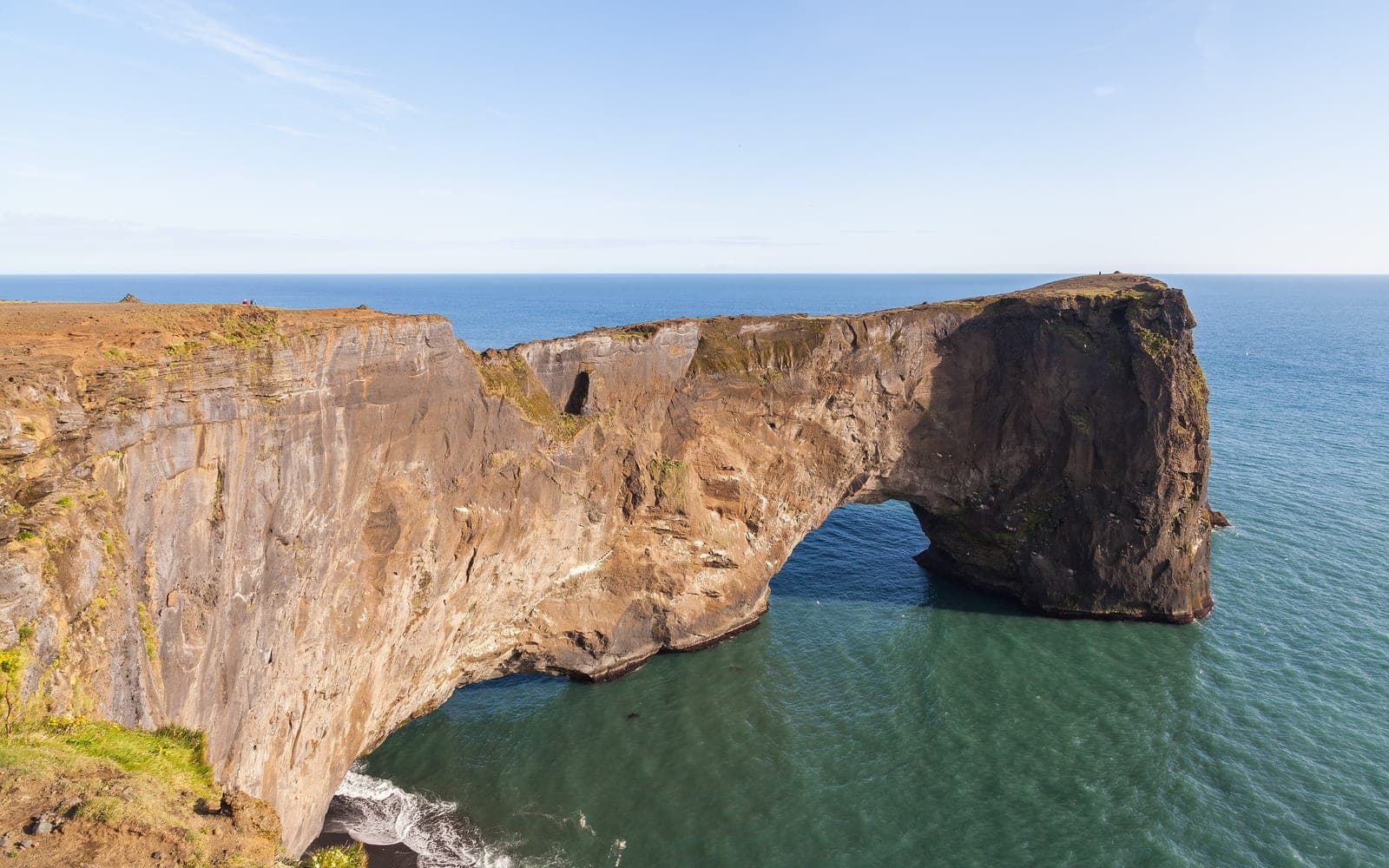
Choose the South Coast when you want a focused winter route with strong scenery and multiple places to stop short.
Choose Snæfellsnes only when westbound conditions, wind, and overnight placement make sense.
Choose the Ring Road only when you have enough days to wait, reroute, or skip sections without panic.
Winter route choice should start with the weakest day in the plan, not the longest possible drive.
What should you check before every drive?
Check official road, weather, and safety sources before each important drive, then compare them together instead of trusting one app.
Open Umferðin for road notifications, closures, surface conditions, and the official traffic view.
Open the Icelandic Met Office for warnings, wind, precipitation, and visibility risk.
Open SafeTravel for travel conditions, alerts, and visitor-safety guidance.
Check the route again during the day if wind, snow, darkness, or road color changes are developing.
Treat a closed road as closed. Do not follow a navigation app around an official closure.
Winter conditions can also occur in spring and autumn. Read each warning for the affected area, hours and travel advice, then check every road on the route. A short distance or a clear forecast at your hotel does not establish conditions at a pass or on an exposed coast.
What car and winter setup should you book?
Book the car around the route and season, but remember that vehicle choice is only one part of the safety decision.
Ask the rental company to match the vehicle and tires to your dates and exact roads. A 4x4 may suit some routes, but the badge alone does not establish winter readiness or permission to drive a road. Keep vehicle approval, tire condition, driver experience and the forecast as separate checks.
Ask the rental company what winter tires and equipment are included for your exact rental period.
Avoid high-sided vehicles on exposed routes when wind is a concern.
Carry warm layers, water, snacks, a charged phone, and a power bank in the car.
Keep headlights and taillights on, wear seatbelts, and stop safely before handling a phone.
Stay on permitted roads. Gravel roads and F-roads are roads; leaving them to drive onto unmarked terrain is off-road driving.
Some phones can have emergency-call problems after Iceland's 2G/3G shutdown. Use the compatibility instructions from 112 before setting out; never call 112 merely to test a phone. Save the backup number, carry power, and keep offline route information. The 112 app and online chat are alternatives when you have a connection, not a solution to absent coverage.
How should daylight change the day?
Winter daylight should reduce the number of fixed stops, not push you into faster driving. For early-winter dates, the November planning guide compares daylight at the start and end of the month with practical route choices.
In deep winter, a normal-looking summer transfer can leave very little usable daylight for stops, photos, food, and slower road conditions. Plan the important drive inside the safest part of the day, then leave optional stops optional. If the best scenery on the route only fits by driving tired or late in poor visibility, the route needs to shrink.
Put the longest drive before the most important overnight, not after a full sightseeing day.
Limit anchor stops so you are not chasing daylight from the first hour.
Keep a nearby fallback, including an indoor day at your base when travel warnings rule out an outing.
Do not plan aurora driving on unfamiliar roads as the main nighttime activity.
Limited winter daylight should reduce fixed stops, not encourage faster driving.
Before you book hotels or a car
Lock the winter route only after you know the furthest point, the fallback night, and the condition-check routine.
Choose the route family: Reykjavík base, South Coast focus, westbound peninsula, or full loop.
Identify the furthest point you are willing to reach if conditions are only average.
Book overnights so you can stop short without losing the whole route.
Choose a vehicle that fits winter, passengers, luggage, and the roads you actually plan to use.
Decide in advance which day trips or guided options replace self-drive if official conditions are poor.
When should you avoid driving?
Avoid driving when official warnings, road status, visibility, wind, fatigue, or your own confidence make the day feel like a test.
Do not drive a road that is closed or marked as unsuitable for your vehicle or conditions.
Do not continue into worsening wind or visibility just because the hotel is already booked.
Do not make a long first drive after an overnight flight if you are tired.
Do not chase northern lights onto unfamiliar or exposed roads in poor conditions.
Do not keep a winter Ring Road plan alive when multiple daily checks say the route is narrowing.
An aurora photograph does not establish safe driving conditions. Check official road and weather advice before setting out.
Exposure, wind, changing conditions and delaying travel.
Winter driving in Iceland FAQ
These are the questions that usually decide whether a winter self-drive plan should stay, shrink, or switch format.
Is it safe to drive in Iceland in winter?
Winter self-driving can work for experienced, prepared drivers on flexible routes. If snow, ice or changing plans are unfamiliar, choose a Reykjavík base and suitable guided transport, with room for cancellations.
Do I need a 4x4 for winter driving in Iceland?
Choose with the rental company based on the exact route, season and tire setup. A 4x4 can be useful, but it is not permission to enter a closed road or continue into conditions beyond your experience.
Can I drive the Ring Road in Iceland in winter?
You can plan a winter Ring Road only with extra time, winter-driving confidence, and flexible bookings. For many first trips, a focused South Coast or Reykjavík-based route is the better winter choice.
What websites should I check before driving in winter?
Check Umferðin for road conditions, the Icelandic Met Office for weather alerts, and SafeTravel for travel-safety updates. Use them before each important drive, not just before the trip.
Is Google Maps enough for winter driving in Iceland?
No, Google Maps is not enough for winter driving decisions in Iceland. Use it for navigation only after checking official road, weather, and safety sources.
What should I do if the weather looks bad?
Delay the drive or stay at your base when official advice or road conditions rule out travel. Shorten the route when that is safe. Guided trips also depend on conditions and may cancel.
Destination context
Choose the right region
Use region guides to apply this advice to the bases, distances, and conditions of a specific part of Iceland.