Experience fit
- First choice
- One strong main activity
- Easy radius
- Compact centre on foot
- Useful backup
- Museum, pool, or food
- Live check
- Weather, hours, and transport
The best Reykjavík day starts with the hours you can really use, the weather, and how far you want to travel. Choose one main activity—a central walk, museum, local pool, food experience, or harbour stop—then add one flexible piece and keep an indoor backup.
Experience fit
Walk past colourful shopfronts, stop for coffee, then choose a museum, a pool or a stretch of waterfront. Reykjavík is easy to enjoy with a small plan that leaves room for the weather.
Choose one main activity first: a central walk, one museum, a local pool, a food experience, or a harbour outing. Then add only one nearby piece. That leaves room for wet clothes, a long lunch, a delayed start, or the simple fact that a good city stop can take longer than expected.
Two free hours after hotel check-in call for a different plan from a clear day with no fixed bookings. In the first case, stay near the centre and finish somewhere warm. In the second, the harbour, Grandi, or one outer-city stop can sit beside a longer walk without making every hour feel scheduled.
| Usable time | Stay on foot | Add one transport hop | Weather backup |
|---|---|---|---|
| 2–3 hours | One central street line plus a single landmark or café | Usually skip it; the transfer can consume the useful window | One compact museum, pool, or food stop |
| Half day | Central walk plus one indoor main stop | Use it only for a deliberate place such as Perlan or Laugardalur | Shorten the outdoor links and keep the main stop |
| Full day | Centre, waterfront, and Old Harbour or Grandi | Add one outer-city main stop, then return for the evening | Use two indoor stops with a short walk between them |
| Windy or very wet | Treat outdoor sights as brief connections, not the whole plan | Choose a simple direct journey and avoid repeated transfers | Museum, public pool, food, or a booked indoor experience |
Photo guide
1 / 7
Visitors sit around Sun Voyager as the sun drops over the bay, a simple waterfront finish that needs no second city itinerary.
Good to know
The centre works best as a line you can shorten from either end, not a loop that forces you to finish every stop.
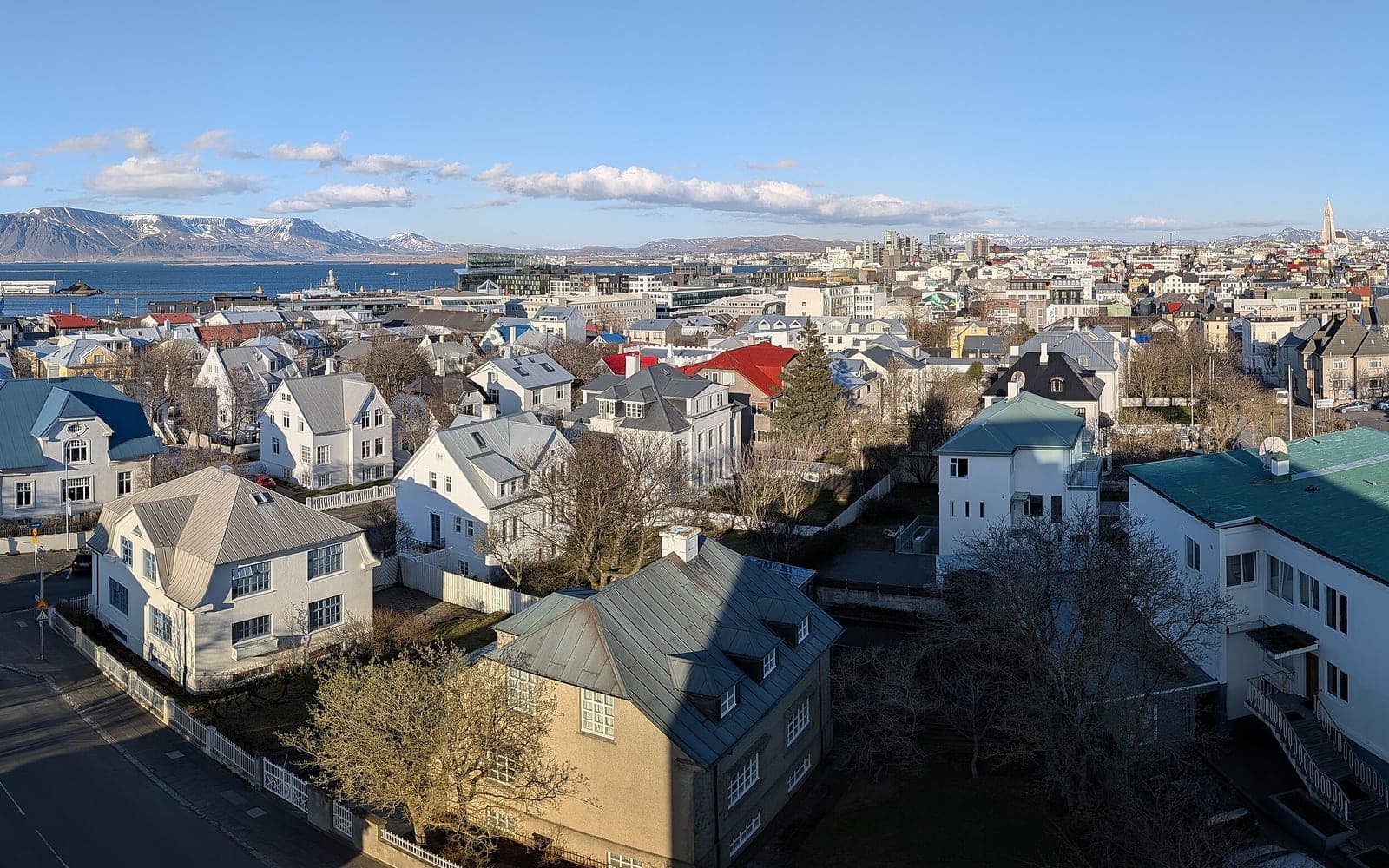
A practical first line starts at Hallgrímskirkja, follows Skólavörðustígur into the old centre, bends past Tjörnin, then reaches Harpa and the harbour. Walk it in the direction that suits your accommodation and the wind.
Do not turn the line into six compulsory admissions. The church, street art, lake edge, glass facade, and waterfront all work as visual pauses. If one museum or meal becomes the main stop, the outdoor places can form the route to the next warm stop.
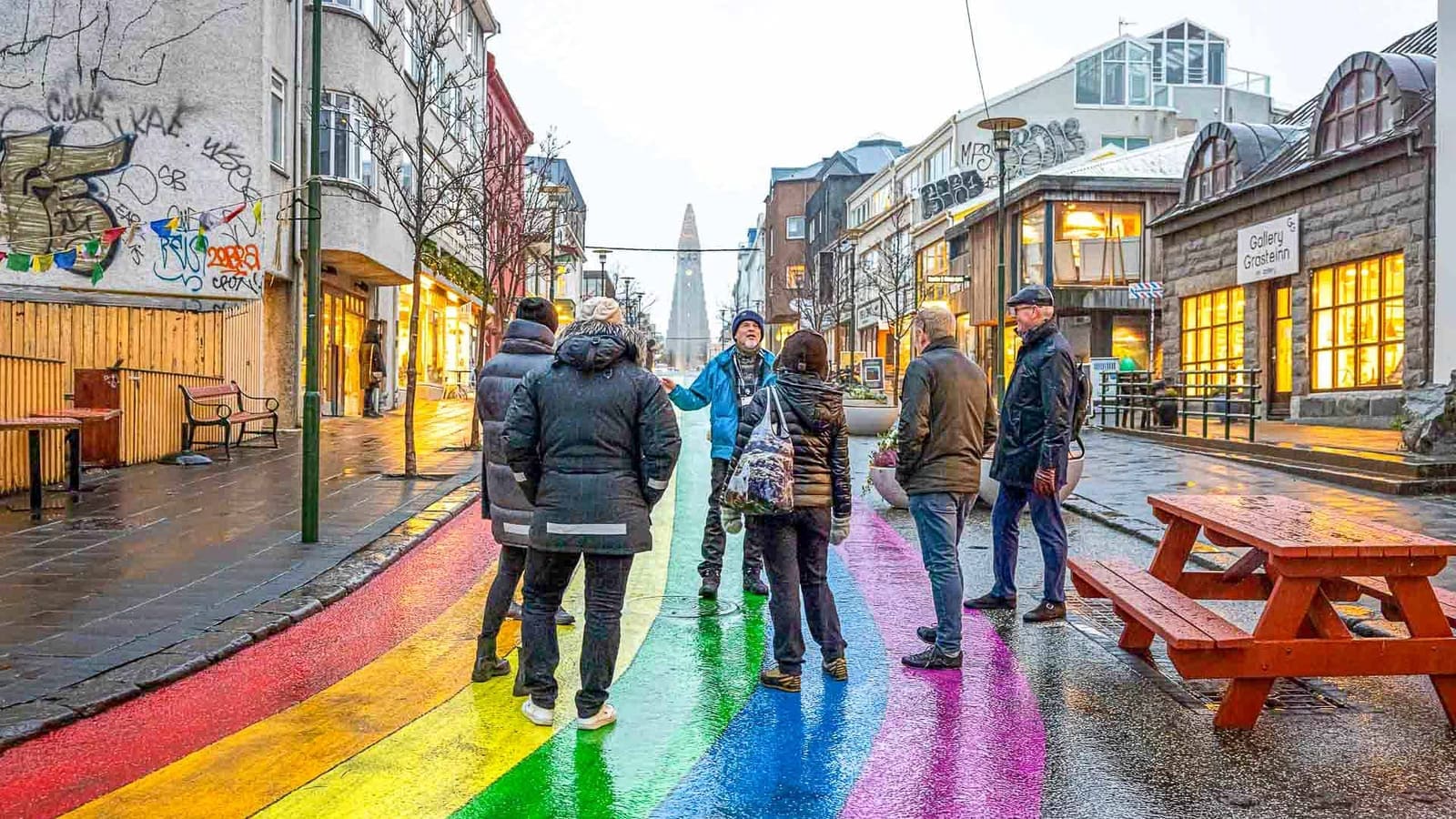
Skólavörðustígur and the streets around Laugavegur are useful because you can pause for coffee, shops, street art, or shelter without leaving the route. Tjörnin adds a quieter edge; the harbour opens the view and the exposure. If the wind is unpleasant by Harpa, turning back through the old centre is a sensible finish, not a failed loop.
A cruise stop can give you time for Reykjavík’s streets, food and waterfront. First, check where your ship docks: the Old Harbour and the Skarfabakki area are different starting points.
Vör, the new passenger terminal at Viðeyjarsund, officially opened on 29 May 2026. It serves the Skarfabakki area, outside the compact centre. Visit Reykjavík puts Skarfabakki about 4 km from downtown; the walk from your actual exit to your chosen stop may be longer. Miðbakki is in the Old Harbour, close to the centre. If your documents say Hafnarfjörður, you are arriving in a different town and need a separate transport plan.
Save the exact berth, your ship’s all-aboard time and the return meeting point before leaving. A terminal shuttle within the port is not the same as a city-centre transfer. Ask your cruise line whether it provides a city shuttle, where it stops, whether there is a charge and when the last return leaves. For a public bus, use the current Strætó journey planner rather than an old route number.
These are suggested sightseeing windows, not hours measured from the ship’s scheduled arrival. Allow separately for disembarkation, travel both ways, queues and a return margin that follows your cruise line’s instructions. If you have luggage or need step-free access, confirm the vehicle and meeting point before choosing a walking route.
For the central route, Hallgrímskirkja and Skólavörðustígur lead into the streets around the old centre. Continue to Harpa if time allows. In wet weather, shorten the walk and make the Settlement Exhibition your main stop instead. Sun Voyager is an optional waterfront extension, not a required detour.
A Golden Circle or other day trip needs its own plan. Compare the confirmed pickup, tour duration and return with your ship’s all-aboard time before booking. An overnight port call may give you more choice, but the ship’s access and departure instructions still come first.
These choices solve different problems. Pick the one that improves the day you actually have, not the one that appears on the longest list.
Choose a museum when you want a defined cultural subject and a predictable indoor block. The Settlement Exhibition gives the old centre a historical layer; the Reykjavík Maritime Museum makes more sense when the harbour and Grandi already shape the day. Check the current exhibition and accessibility details before choosing.
Museum choice is partly about subject and partly about location. A central exhibition can replace one wet stretch without changing the rest of the day. A museum in Grandi is more useful when you also want the harbour district; crossing town for a short indoor visit can create more movement than shelter.
Choose a public pool when you want an everyday Reykjavík activity, not another sightseeing sequence. Sundhöllin fits a central day; Laugardalslaug needs a transport decision but gives the day a clearer pool focus. Read the city visitor and accessibility guidance, and arrive ready for local shower rules.
A pool also changes what you carry. Swimwear, a towel plan, wet hair, and the walk back to your accommodation matter more on a cold or windy day than the distance on the map suggests. If someone in the group needs step-free access or a particular facility, check that pool’s own city listing before leaving.
Choose Old Harbour and Grandi when several people want different things without splitting the day apart. The district can connect a harbour walk, maritime culture, food, and an indoor attraction. It is flexible, but it is not automatically sheltered: the exposed waterfront still needs a shorter version in strong wind.
Leaving the compact centre is useful when the destination earns the movement. It is not useful just because the map still says Reykjavík.
Perlan can justify a separate trip when its exhibitions or hilltop viewpoint are the main reason to go. Visibility affects the outdoor view, while the indoor exhibits remain a different kind of visit. Check the direct offering, then decide whether you are going for the museum, the view, or both.
Laugardalur is a better choice when the pool, park, garden, or family facilities form one cluster. It is weaker when you ride out for a single quick photograph and immediately return. Use the live Strætó planner because route numbers and frequencies can change.
The return matters as much as the outward ride. A direct trip to one main stop is easy to understand; two outer districts and several changes are a different kind of day. Before leaving the centre, save the live return journey and decide what you will drop if the weather, traffic, or your pace makes the stop run long.
The evening should extend the day, not rescue an overfilled one. Save one flexible option and check what is actually happening on your date.
A food hall, a concert, a performance, live music, or a quiet drink can carry the evening without another cross-city plan. The deeper food and drink guide helps you choose between guided tasting, self-guided grazing, a food hall, and a single meal. Use the official events listing because old roundups quickly go stale.
Light changes the feel of the waterfront. Summer evenings can support a long, bright walk; darker months give Harpa, the harbour, and Sun Voyager a different atmosphere but also demand more attention to wind, ice, and comfort. Neither season guarantees that a late outdoor plan will feel easy.
In winter, put the warm venue before the exposed walk so you can shorten the outdoor part without losing the evening. In summer, the late light makes it tempting to keep going, but kitchens, museums, pools, buses, and performances still follow their own schedules. Daylight is not the same thing as opening time. In late December, the Christmas and New Year guide separates holiday openings, traditions, and fireworks from an ordinary winter evening.
Nightlife belongs after a day you still have energy to enjoy. If an early excursion, flight, or winter drive starts the next morning, a good dinner and a short central walk may be the better Reykjavík activity than forcing a late bar route.
A city pass keeps the day self-guided; the two walks add local guidance around history or food. Confirm inclusions, accessibility, meeting details, and booking terms directly.
Visit Reykjavík
Best forSelf-guided visitors combining museums, pools, and city buses
Keep in mindIt only suits days whose chosen stops match the included network
Check firstConfirm current inclusions, collection points, and activation rules
CityWalk Reykjavík
Best forFirst-time visitors wanting central history and orientation
Keep in mindA fixed guided route leaves less room for a weather-led detour
Check firstConfirm the meeting point, accessibility, and departure time
Wake Up Reykjavík
Best forTravelers making food and local stories the main activity
Keep in mindIt uses a substantial block that may replace another meal or museum
Check firstConfirm dietary fit, walking needs, and current meeting details
A city activity can reach the harbour or capital edge. A countryside route needs its own time, weather, and transport decision.
A boat from the Old Harbour still begins as a Reykjavík activity, but sea conditions, wildlife uncertainty, clothing, and cancellation terms quickly become the main decision. Use the whale-watching guide or puffin guide before treating a boat as a simple add-on.
Grótta, Perlan, or Laugardalur can fit a capital-area day with one deliberate hop. The Golden Circle, Reykjanes Peninsula, and South Coast are different: they create a route day, not a wider version of the downtown walk. Give those choices their own forecast, departure, and return margin.
The same distinction helps on an arrival or departure day. A central meal, pool, or museum can survive a shorter window; a long excursion cannot. If the countryside is the main reason for leaving, plan it through the relevant road-trip or activity guide and keep the remaining Reykjavík time modest.
By ThorPublished Updated
Weather, bus journeys, events, exhibitions, pool details, and service inclusions are live information. Open the relevant source shortly before the day.
Use the current capital-area forecast to size outdoor walking and waterfront time.
Check the journey for Perlan, Laugardalur, pools, and other outer-city stops.
Choose a current pool and open its facility, visitor, and accessibility details.
Find the current museum or exhibition that matches the day’s subject and location.
Check date-specific culture and evening possibilities instead of relying on an old events list.
Verify current inclusions, collection, activation, and transport limits on the direct page.
Compare port locations. Its older construction note is superseded by the Vör opening announcement below.
City confirmation of the terminal’s official opening on 29 May 2026.
Check terminal layouts and marked meeting areas; confirm actual transport with your ship.
Choose one real indoor activity—a museum, public pool, food experience, or exhibition—then keep outdoor landmarks as short connections. Wind can matter as much as rain, so check the forecast before committing to a long waterfront walk.
Yes. The compact centre, old harbour, museums, restaurants, and several pools work on foot or by city bus. Add a taxi only when mobility, luggage, weather, or a fixed outer-city booking makes the direct trip worthwhile.
Choose one event, concert, performance, food hall, restaurant, nightlife area, or short waterfront walk. Check the date-specific listing and next morning’s plan; not every venue or experience runs every night.
Hours vary by attraction, pool, exhibition, and date. This guide does not freeze opening times; open the direct official page for your chosen place and check the same day, especially around public holidays.
It depends on your berth. Miðbakki is at the Old Harbour near the centre. Skarfabakki is about 4 km from downtown, so a return walk takes a substantial part of a short call. Check your exact exit, weather, mobility needs and all-aboard time before choosing to walk.
Do not assume one is included. Confirm your cruise line’s city-transfer arrangements, any fare, the drop-off point and last return. A terminal shuttle between port facilities is different from a service into the city.
Where to do it
Use the deeper guide when food, bathing, wildlife, or a named city stop becomes the main reason for the day.
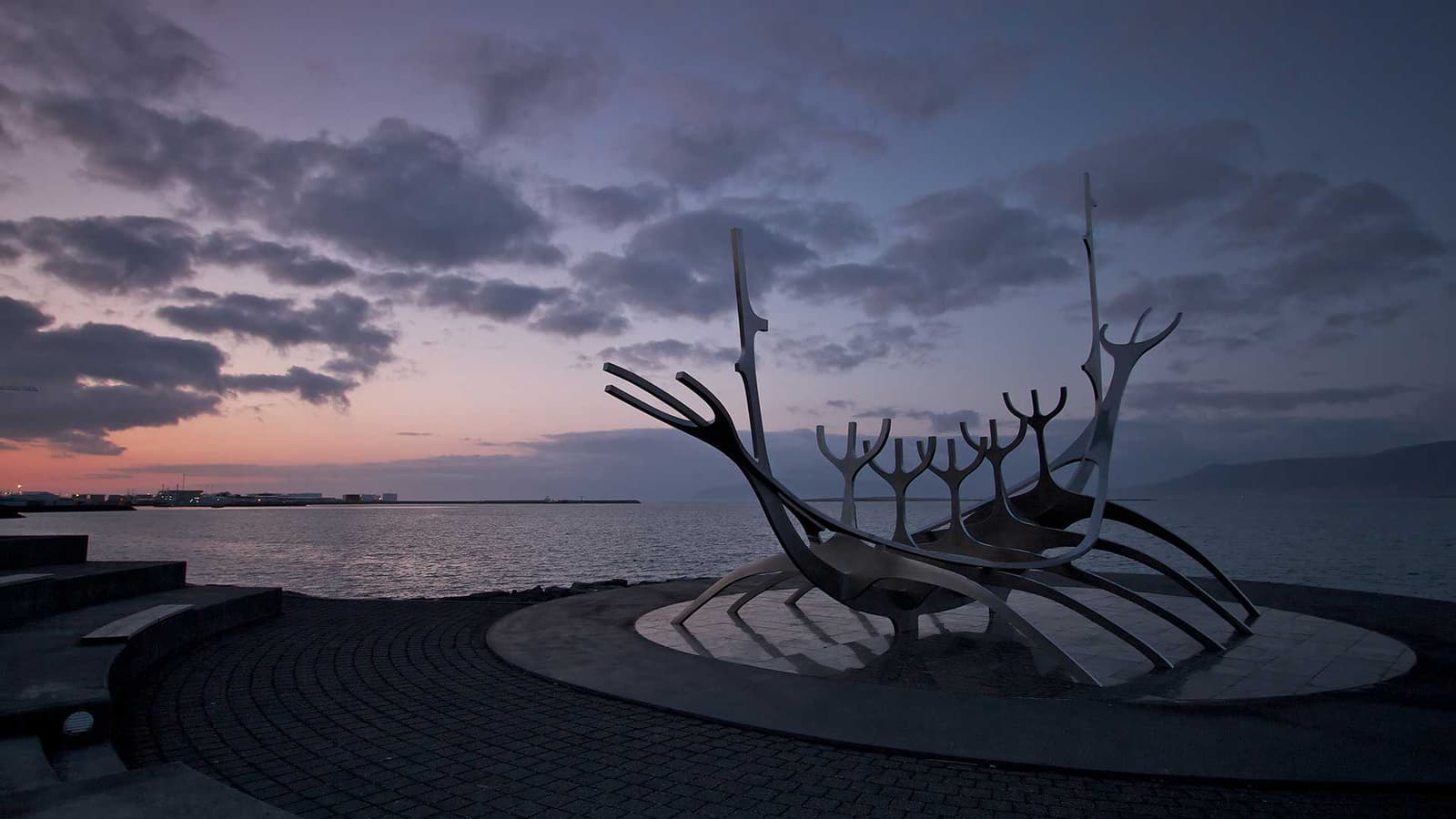
Sun Voyager is Reykjavík’s waterfront steel sculpture, useful as a short city-walk stop when you want art, bay views, and a clear sense of whether the photo pause deserves more than a few minutes.
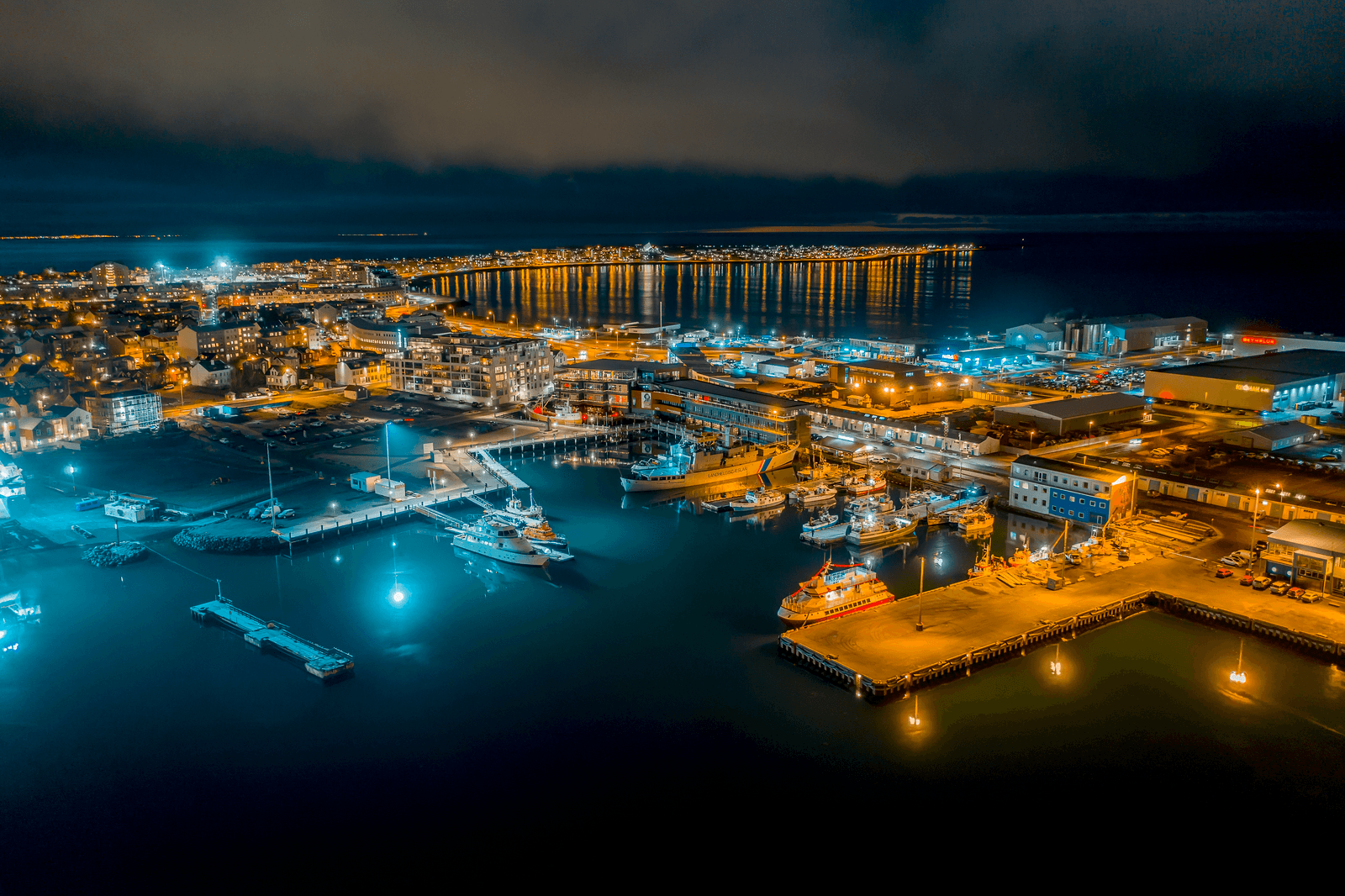
Reykjavík Old Harbour is the capital’s historic working waterfront, worth adding when you want a low-pressure city walk, boat-pier atmosphere, Grandi museums, and a practical way to connect downtown with the bay.
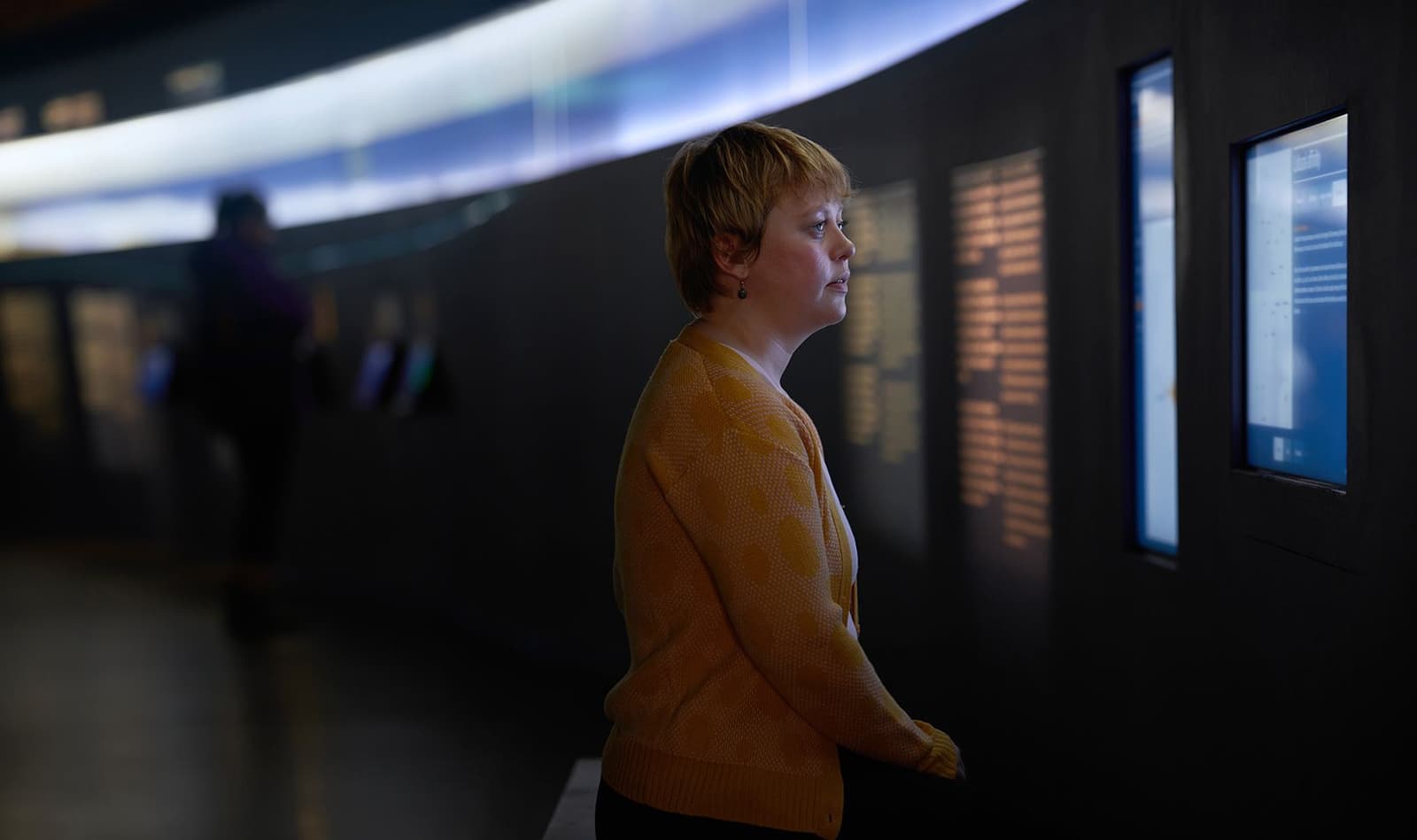
Aðalstræti and the Settlement Exhibition is a compact Reykjavík museum built around Viking-age remains, useful when a city day needs history, indoor shelter, and a clear decision on whether museum time beats another outdoor landmark.
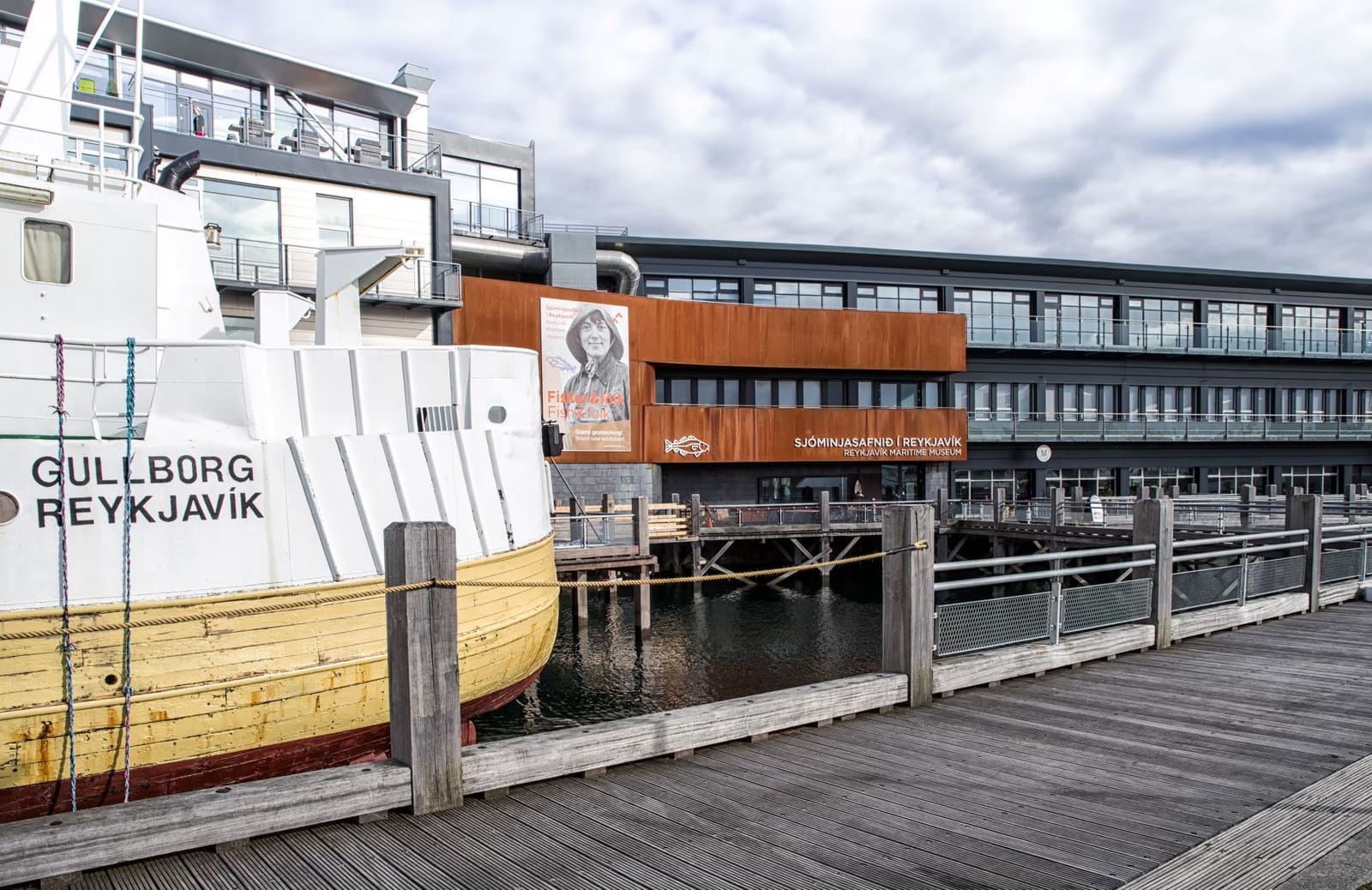
Reykjavík Maritime Museum explains how fishing and life at sea shaped the city and Iceland. Its permanent Fish & Folk exhibition and historic vessels sit in a former fisheries building on the Old Harbour.
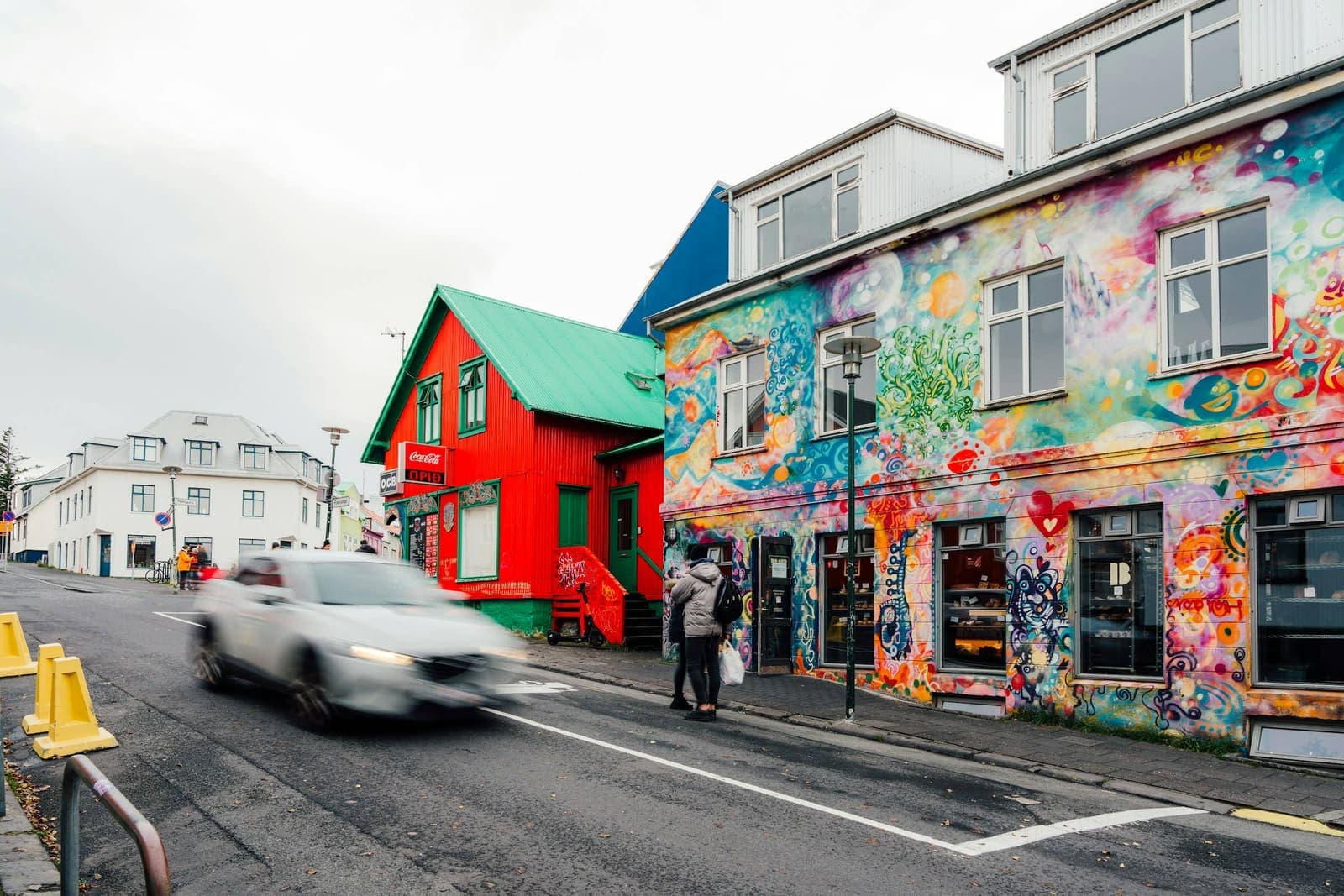
Reykjavik city murals and street art work best as a walkable public-art layer on a capital day, especially for travelers who like side streets, changing walls, harbor districts, and easy cultural stops between bigger landmarks.
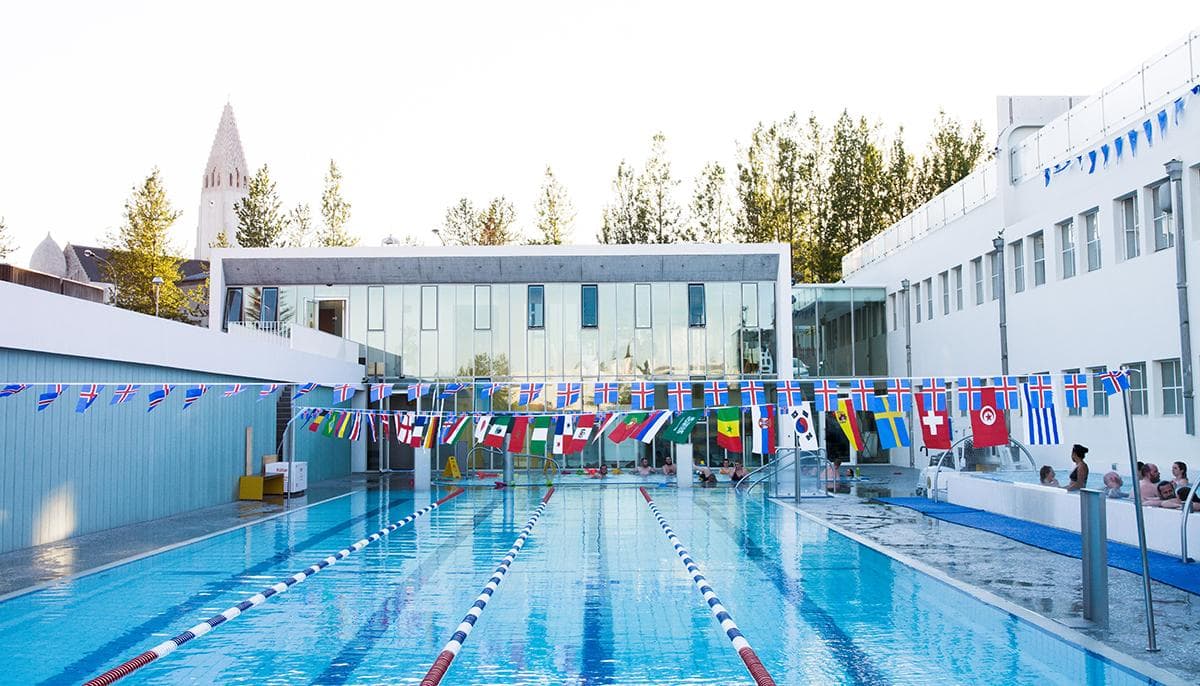
Sundhöllin is a historic municipal pool in central Reykjavík. Its original indoor pool hall opened in 1937, and its outdoor extension opened in 2017. The complex includes indoor and outdoor pools, hot tubs, a steam room and a sauna.
Road trips and itineraries
See where this experience fits into a road trip or day-by-day itinerary.
More things to do
See other activities that may suit the same day, season, or part of Iceland.
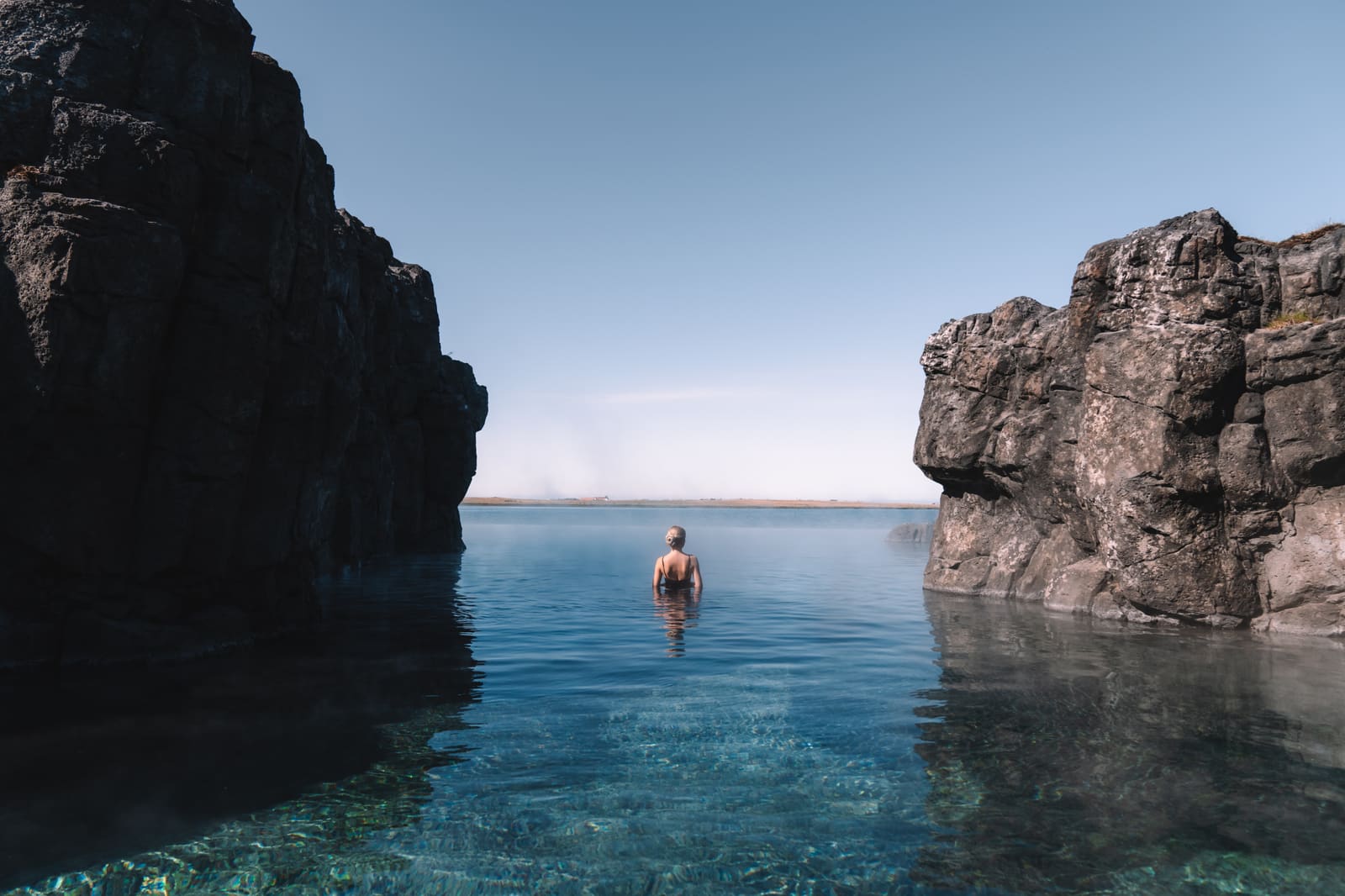
Iceland hot springs work best when you choose the bathing format first: premium lagoon, local public pool, rustic pool, hike-in hot river, remote hot pot, or geothermal area you only admire from the path, then fit it to the day.
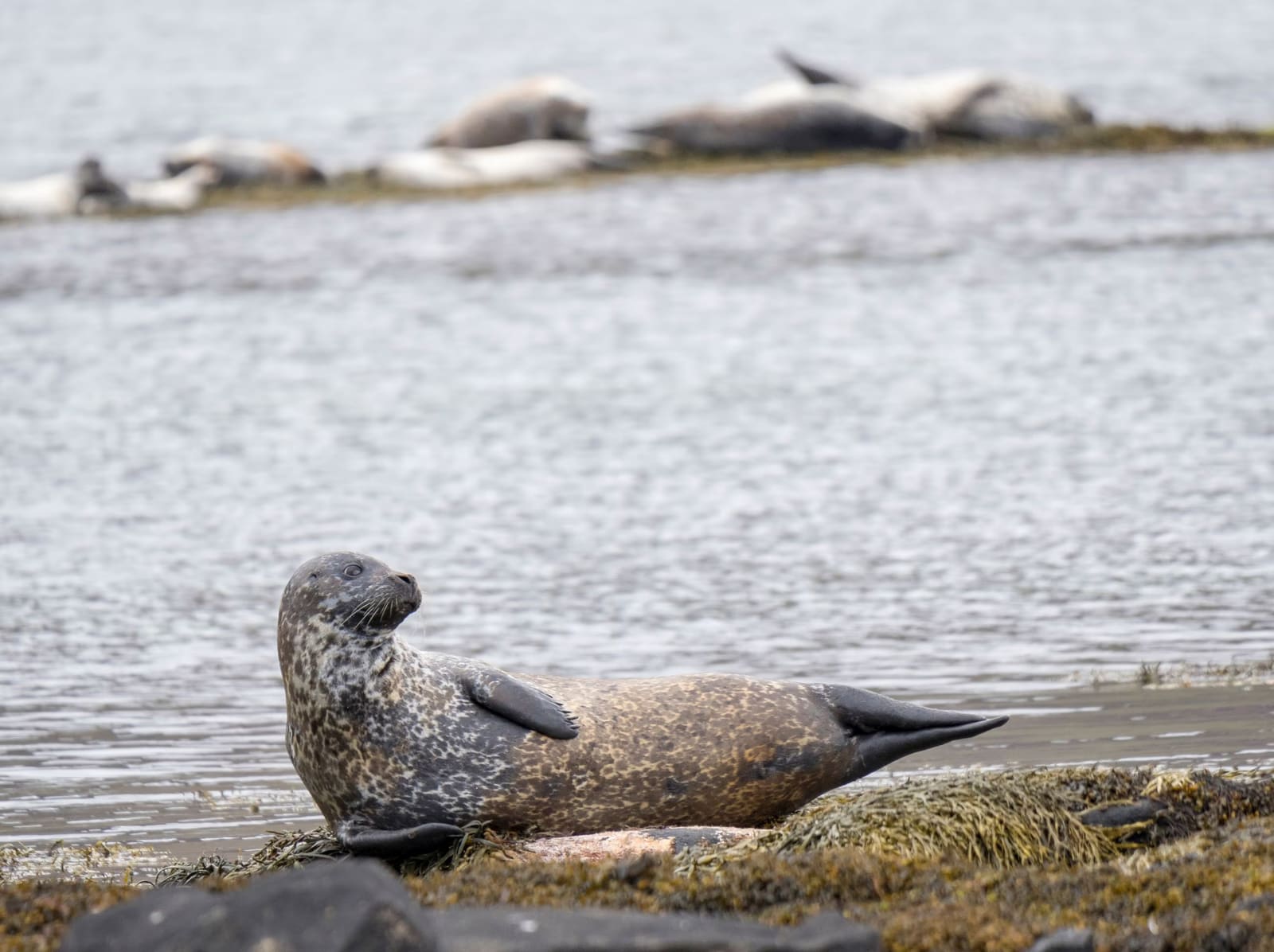
Choose Iceland wildlife experiences by fit, not animal fame. Compare whales, puffins, seals, Arctic fox interest, reindeer, Icelandic horses, bird cliffs, and indoor nature stops by season, route, patience, comfort, and viewing ethics.
Travel advice
Read more about driving, weather, safety, and other details that may affect your trip.

Choose a realistic Iceland trip length by counting usable route days, then match your pace, transport, season, and overnight moves to the right scope.
A practical base-choice guide for deciding where to stay in Iceland before booking hotels, day trips, or a self-drive route.
Next Reykjavík step
Choose whether you need to set your city days, build a focused food plan, or prepare for a harbour wildlife outing.