Experience fit
- Broadest choice
- May through July
- Land view
- Platforms or marked paths
- Boat view
- Harbor-based colony trips
- Late season
- Keep another plan
- Colony rule
- Stay on the route
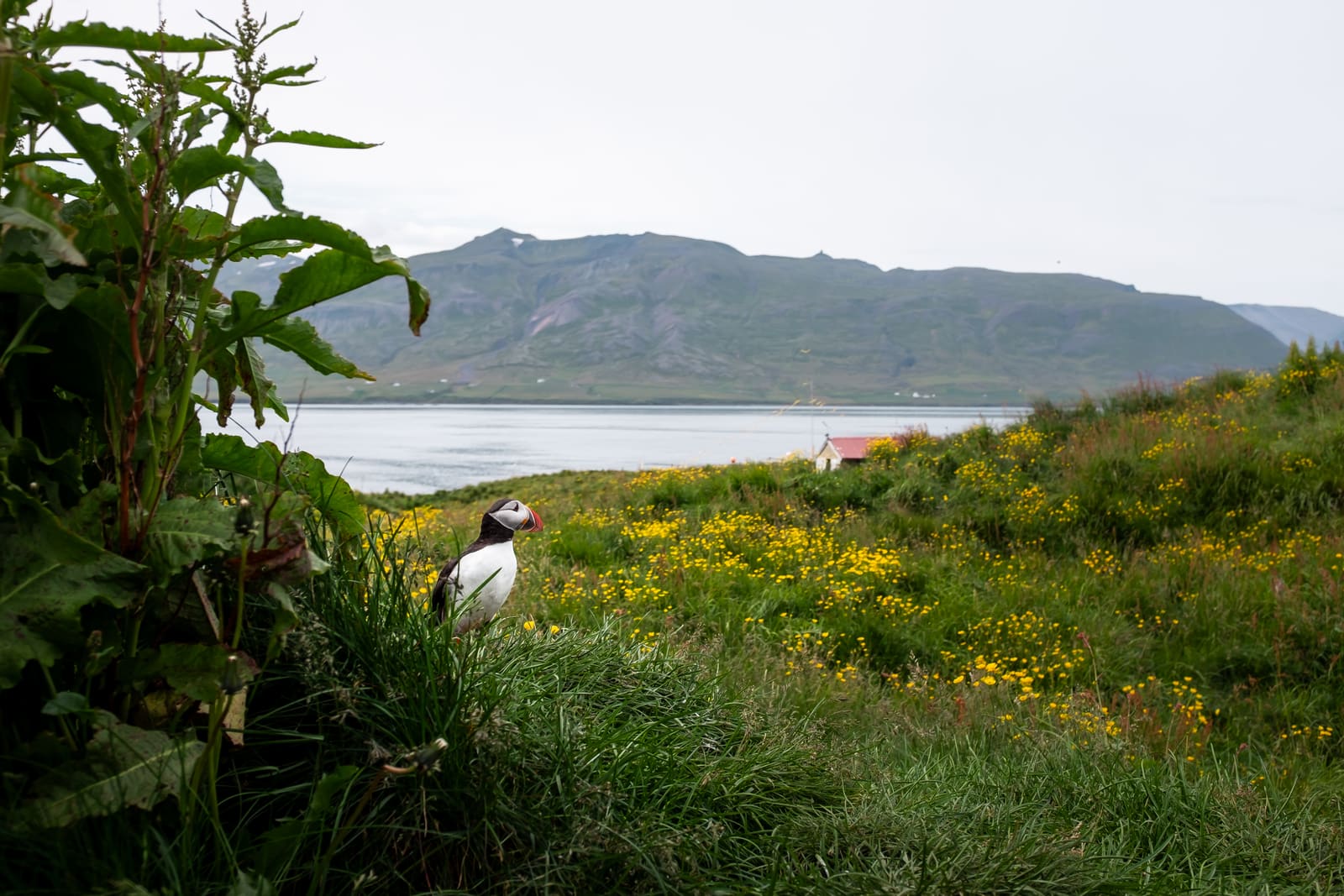
Watching puffins is one of Iceland's loveliest slow experiences: birds circling a harbor, returning to grassy burrows, or bobbing beyond a boat. For most trips, May through July and a managed land colony make the strongest plan; choose a Reykjavík boat when convenience matters more than lingering.
Experience fit
Puffin watching rewards patience. One bird may stand at the mouth of a grassy burrow while others skim low over the water with fish in their beaks; the pleasure comes from settling in and noticing the colony's rhythm, not collecting a quick sighting.
May through July gives most travelers the widest choice of managed colonies, cliffs, and boats. If your route already reaches East Iceland, a land colony can be the richer experience because you can wait and watch. From Reykjavík, a short boat toward Akurey or Lundey is the easier way to add puffins without changing hotels.
Local timing still varies from colony to colony, especially at the edges of the season. Use the table as a broad guide, then confirm the exact place or sailing close to your date.
| Travel window | Managed land colony | Remote or exposed cliff | Boat outing |
|---|---|---|---|
| Late April to early May | Possible at some colonies, but local timing matters | Weak reason for a long detour | Limited choice; confirm direct operation |
| Mid-May through July | Broadest and most useful window | Viable when road, weather, and edge safety also work | Broadest choice of harbor bases and formats |
| Early August | Can still work, with local checks | Keep the cliff and wider birdlife worthwhile | Confirm the exact colony and operator |
| Mid-August onward | Too uncertain for a puffin-only detour | Visit for the landscape or wider birdlife | Treat any remaining option as local and date-specific |
Photo guide
1 / 7
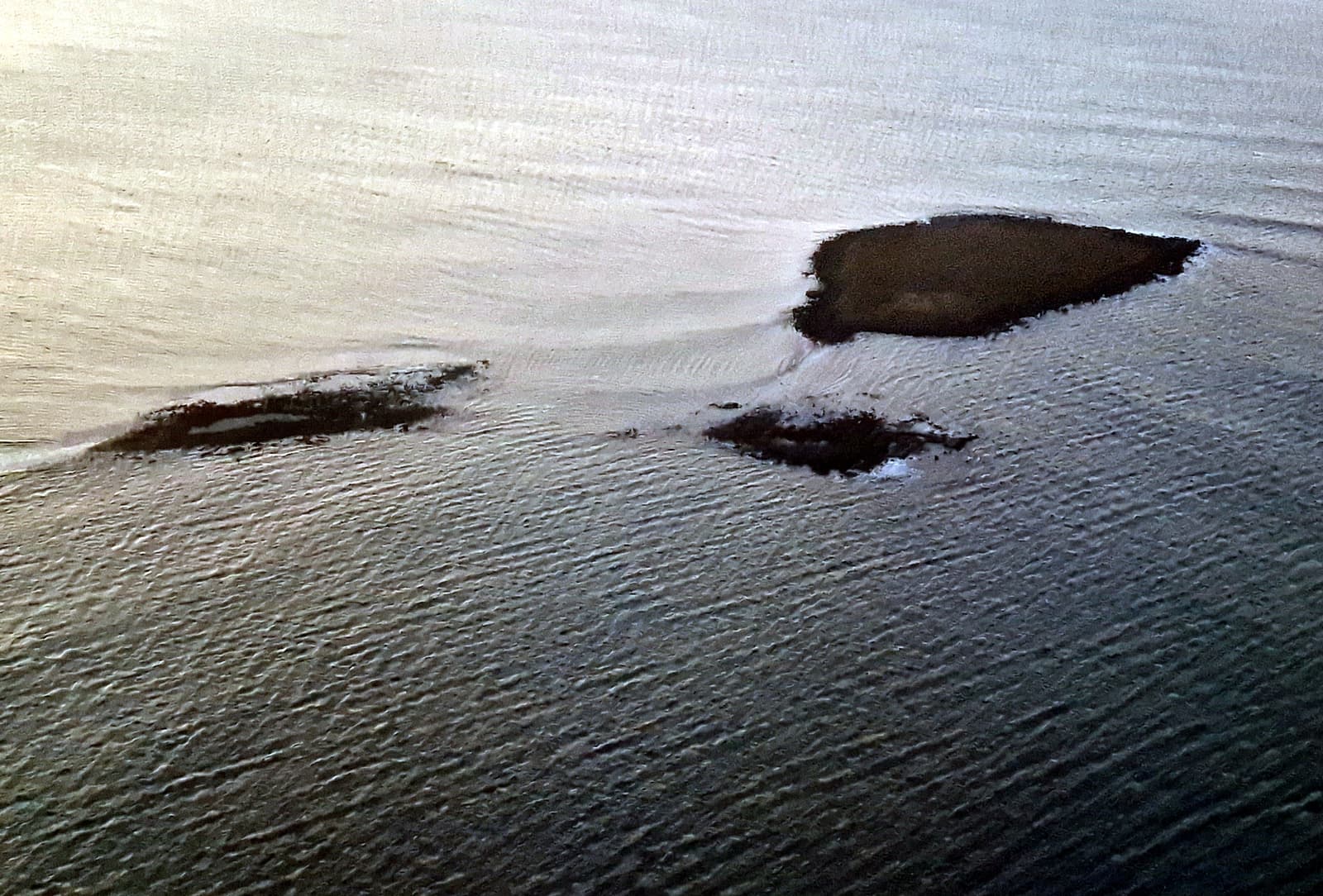
Puffins move between the water and Lundey's rocky shore while the boat remains outside the nesting island.
Good to know
Land and boat viewing feel different long before the first bird appears. On land, you can wait, watch behavior, steady a camera, and leave when the weather or group has had enough. On a boat, the crew controls the approach and the sea controls comfort.
A managed boardwalk or marked path usually suits patient photographers, travelers uneasy on boats, and families who want a flexible stop. The cost is geography: the colony must already fit the drive, and some of Iceland's most dramatic bird cliffs bring loose edges, wind, or a long detour.
A classic sightseeing boat makes more sense when the harbor is already part of the stay. It can reach nesting islands that visitors should not walk through, but birds may remain small in the frame and a calm stomach matters. A RIB is a faster, more exposed ride; check age, mobility, clothing, and sea-motion rules directly.
Reykjavík is the easy base when puffins need to fit around a city stay and do not lead the self-drive. Boats leave the harbor area for nearby nesting islands, commonly Akurey or Lundey, so you can add wildlife without moving hotels or driving to a cliff.
Convenience is the main advantage. The outing is still a sea trip: wind can make the ride cold or choppy, the crew may choose the island that suits conditions, and the safest approach may leave the birds farther away than a land-colony photograph suggests. Bring warm layers and binoculars even on a bright city morning.
A puffin-only boat is easier to fit into a short stay than a combined wildlife trip. If whales matter just as much, compare it with whale watching in Iceland instead of expecting one short island visit to do both jobs.
Managed land viewing offers the clearest middle ground between access and restraint. At Hafnarhólmi in Borgarfjörður Eystri, boardwalks and platforms let visitors watch a large colony without wandering through the nesting ground.
This style works particularly well on an East Iceland route. You can wait through quiet patches, watch birds carry food or circle the harbor, and use the village and surrounding fjord as part of the stop. A platform does not remove season, wind, or visibility from the equation, but it gives people a clear place to stand.
Dyrhólaey can play a different role on the South Coast: puffins are one seasonal layer within a larger headland visit. The Environment Agency can restrict access during nesting season after its annual assessment, so never build the day around an assumed open path.
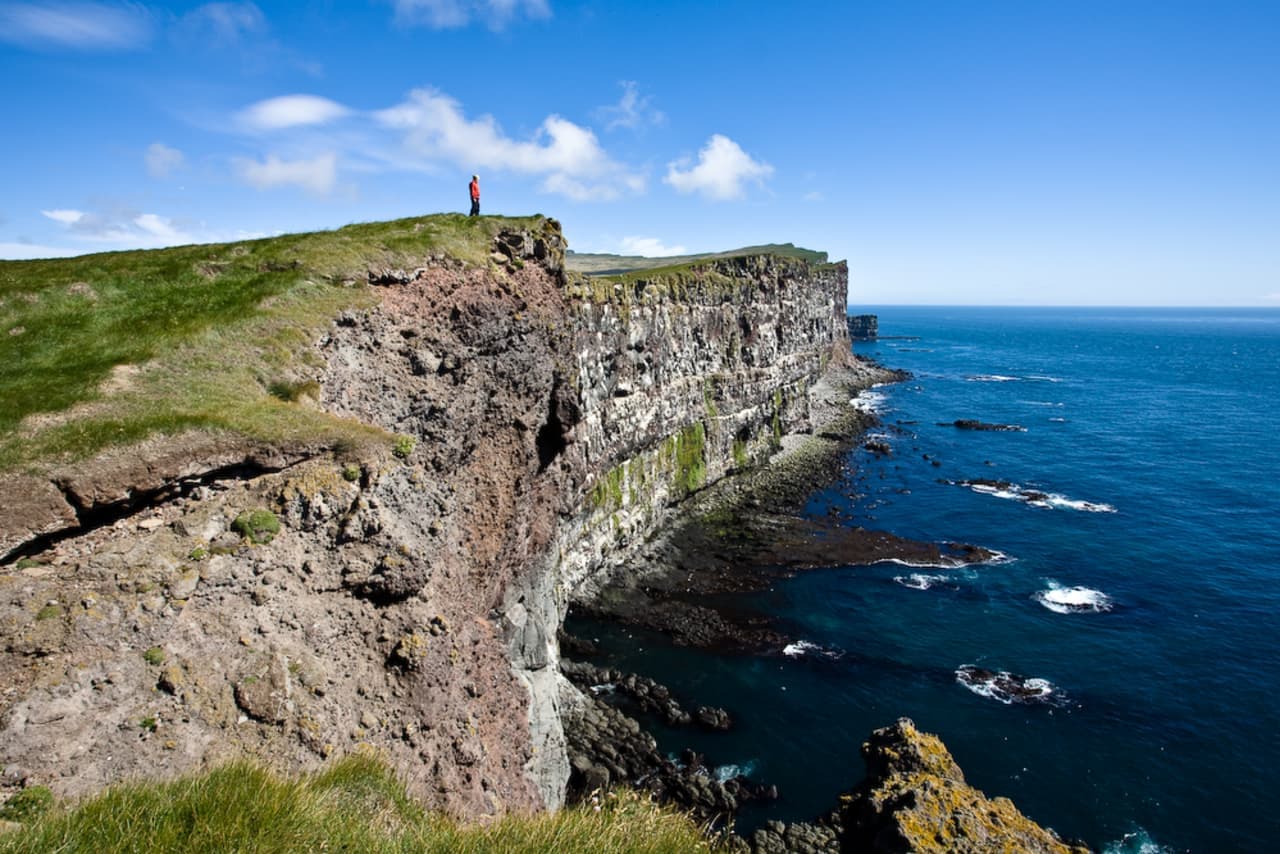
Látrabjarg can place nesting birds remarkably close to the cliff top, but soft edges and burrows make stepping nearer a poor trade. Stay on managed ground, follow local restrictions, and let binoculars or a longer lens close the gap.
The cliff edge can be undercut and fragile. Stay behind barriers, follow local guidance, keep children close, and do not crawl toward a bird for a wider phone photo. A zoom lens or binoculars gives you more detail without placing weight near the lip.
Treat the whole reserve and Westfjords landscape as the reason to go. If only a close puffin photograph will make the drive worthwhile, it becomes too tempting to overlook poor weather, a tiring road, or an access warning.
Puffins nest in burrows, and a grassy slope can contain more hidden activity than it appears to. Stay on marked routes, keep voices and movements calm, and never block the line between a bird, the sea, and its burrow.
For photographs, binoculars or a telephoto lens solve more than leaning, crawling, or extending a selfie stick. Give other visitors room too; crowding can turn a managed viewpoint into the very pressure it was built to prevent.
The Atlantic puffin is classed as Critically Endangered on Iceland's 2025 regional bird list. That makes careful viewing part of the experience, not an optional courtesy. The same habits—marked paths, distance, no pursuit, and respect for temporary restrictions—also protect other nesting seabirds.
An island makes sense when the ferry, flight, harbor, walking, and wider scenery are welcome parts of the experience. On Heimaey, puffin habitat sits alongside volcanic history and Westman Islands landscapes. Grímsey adds an Arctic Circle island day with abundant birdlife.
Neither island is a quick correction for a weak date. Transport, wind, and the return leg create more moving parts than a roadside platform, and wildlife can remain distant. Give the destination enough time that a changed sailing or quiet colony does not erase the value of the day.
Heimaey also supports guided land touring, while Grímsey suits travelers already spending time in North Iceland. If the trip only has a few spare hours, a nearby colony or harbor boat is usually more honest than forcing an island crossing.
A classic boat from Reykjavík feels very different from an East Iceland RIB, a Húsavík wildlife trip, or a land tour on Heimaey. Start with the base and the way you want to watch, then read the current trip details.
Each outing below offers a different view of the coast and colony. The direct provider page has the current vessel, meeting point, dates, and participant rules.
Elding
Best forTravelers staying in Reykjavík who want a dedicated puffin boat without moving to another region
Keep in mindA classic boat still brings sea motion, cold wind, and viewing distance
Check firstConfirm the vessel, participant rules, outerwear, and response to poor conditions
Puffin Adventures
Best forEast Iceland travelers comfortable with a faster RIB and water-level cliff views
Keep in mindThe remote base and exposed ride need to suit every passenger
Check firstConfirm age, mobility, sea-condition, and clothing requirements
North Sailing
Best forHúsavík stays where whales and puffins should share one longer boat outing
Keep in mindThe combined trip takes more sea time than a dedicated colony visit
Check firstConfirm seasonal operation, duration, outerwear, and cancellation terms
Eyjatours
Best forHeimaey visitors who prefer guided land stops with island and volcanic context
Keep in mindYou must first make the Westman Islands transport day work
Check firstConfirm age rules, meeting details, spare ferry time, and weather policy
From the middle of August, do not spend a long driving day on a puffin promise alone. Some birds may remain in some places, but colony timing diverges and the useful choice of outings narrows.
A strong late-season plan makes the coast worthwhile without them. That may mean the cliffs and black-sand views at Dyrhólaey, the harbor and village at Borgarfjörður Eystri, the volcanic story of Heimaey, or wider birdlife on Grímsey.
If the group mainly wants a guided animal outing, look at Iceland wildlife experiences instead of chasing the last possible colony. Summer activities can also replace a wildlife-dependent day with hiking, bathing, museums, or another coastal stop.
A good wildlife day has an easy alternative built into the same coast or harbor. Check the exact colony or boat first, then look at weather, roads, protected-area notices, and return transport when the outing includes an exposed cliff, ferry, or remote drive.
A useful check is specific: Is the viewing route open? Does the operator still run this date? Are the road, wind, visibility, and return transport reasonable for your group? If one answer fails, use the alternative you already chose.
Use for Icelandic conservation status and species context.
Check protected-area access before a South Coast nesting-season visit.
Read the distance, barrier, and cliff guidance before the Westfjords drive.
Check wind, precipitation, and visibility for boat or cliff viewing.
Check roads before remote Westfjords, East Iceland, or North Iceland travel.
Use for warnings and preparation around exposed or remote terrain.
By ThorPublished Updated
Where to do it
Look closer at a colony, harbor, island, or another wildlife outing when timing, terrain, or sea comfort changes your choice.
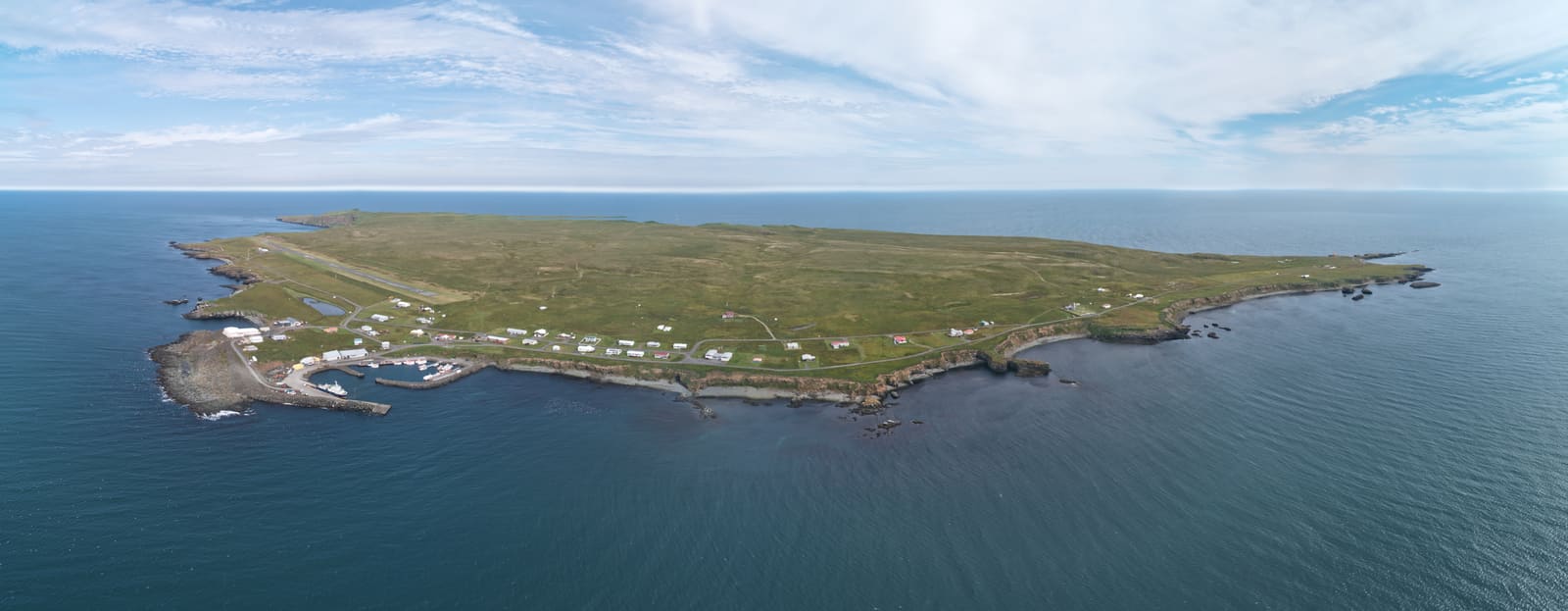
Grímsey is Iceland’s Arctic Circle island, worth adding when puffins, sea cliffs, midnight-sun atmosphere, and a remote North Iceland day matter more than rushing the classic mainland sights.
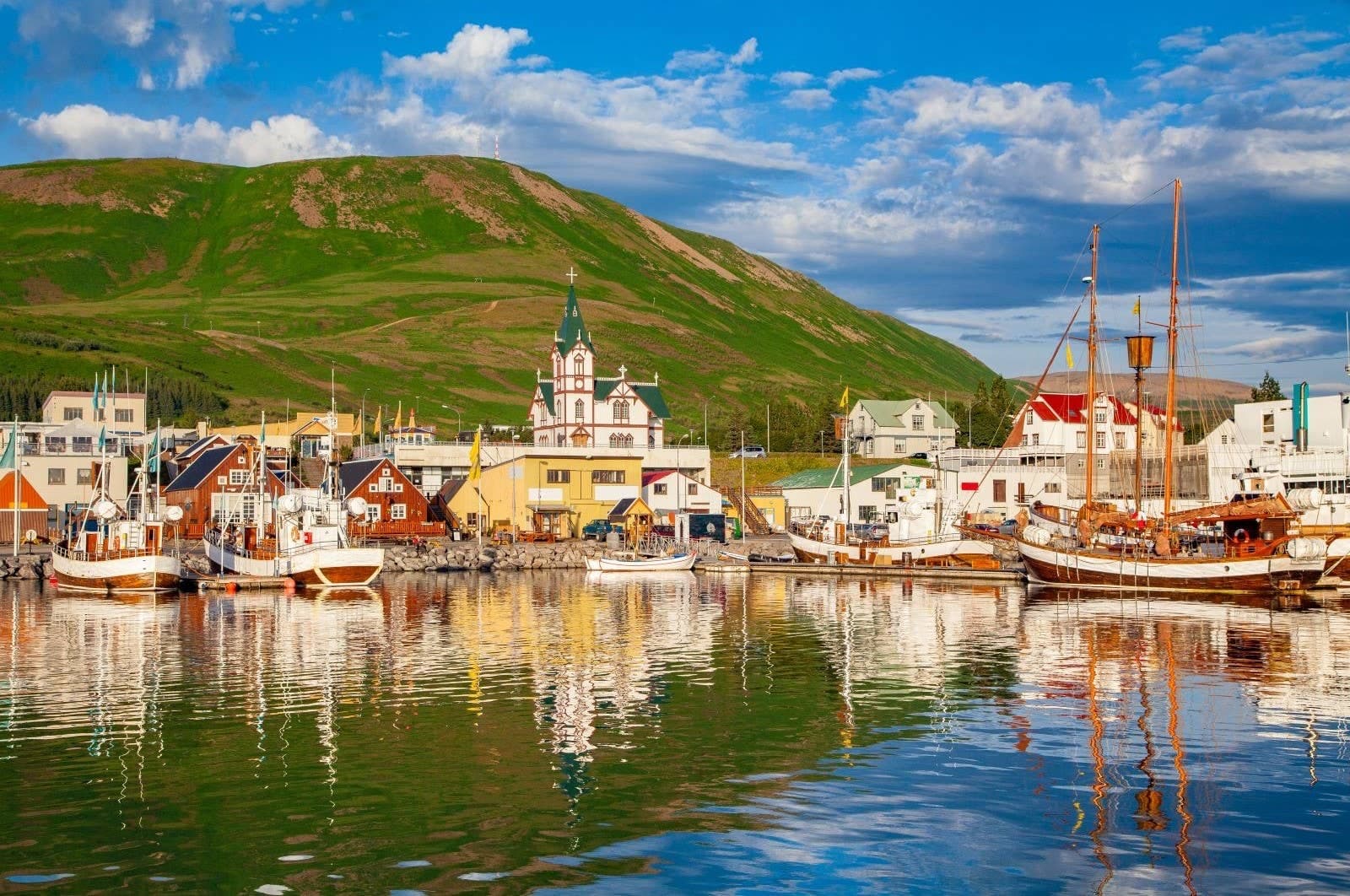
Húsavík is a North Iceland harbor town best known for whale watching on Skjálfandi Bay, but it also works as a Diamond Circle pause with a compact center, church, museums, sea baths, and nearby coastal viewpoints.
Regions
See which part of Iceland is most convenient for this experience and what else you can visit nearby.
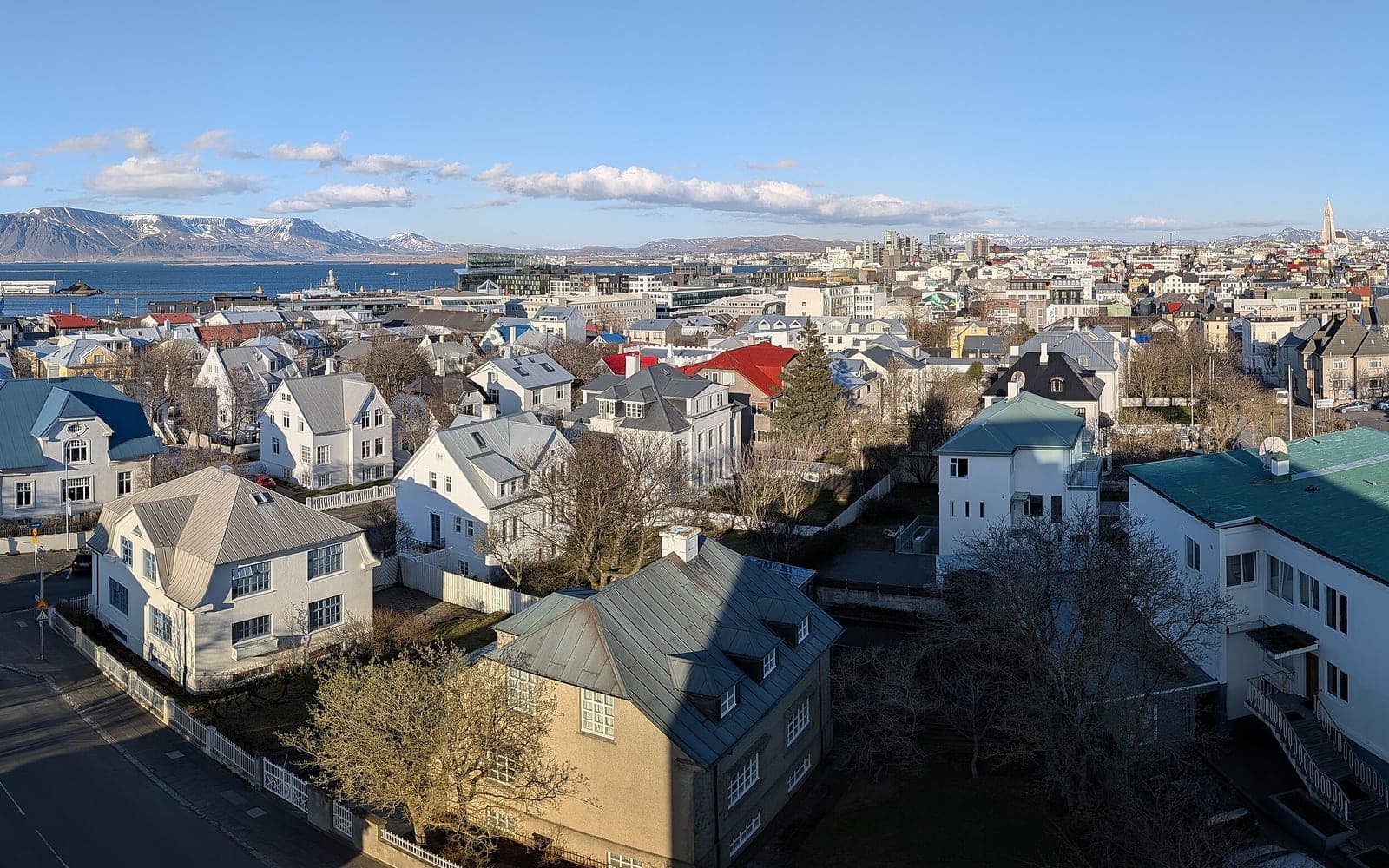
Choose Reykjavík for one or two car-free city days, a short break or a weather buffer—not as the default base for every long day trip.
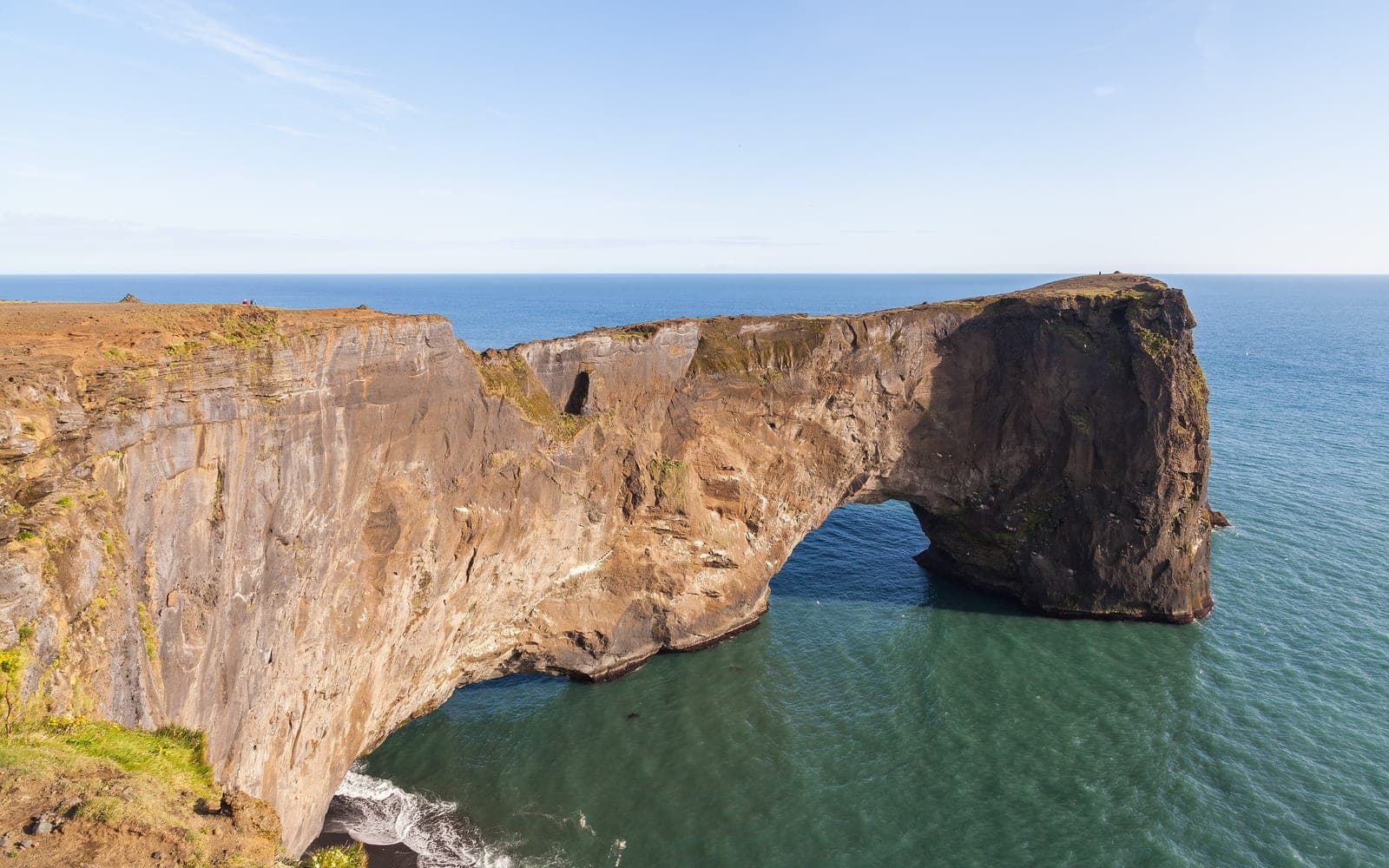
Build a first-trip route around waterfalls, black-sand coast and glacier country, but allow two to four days if Jökulsárlón is part of the plan.
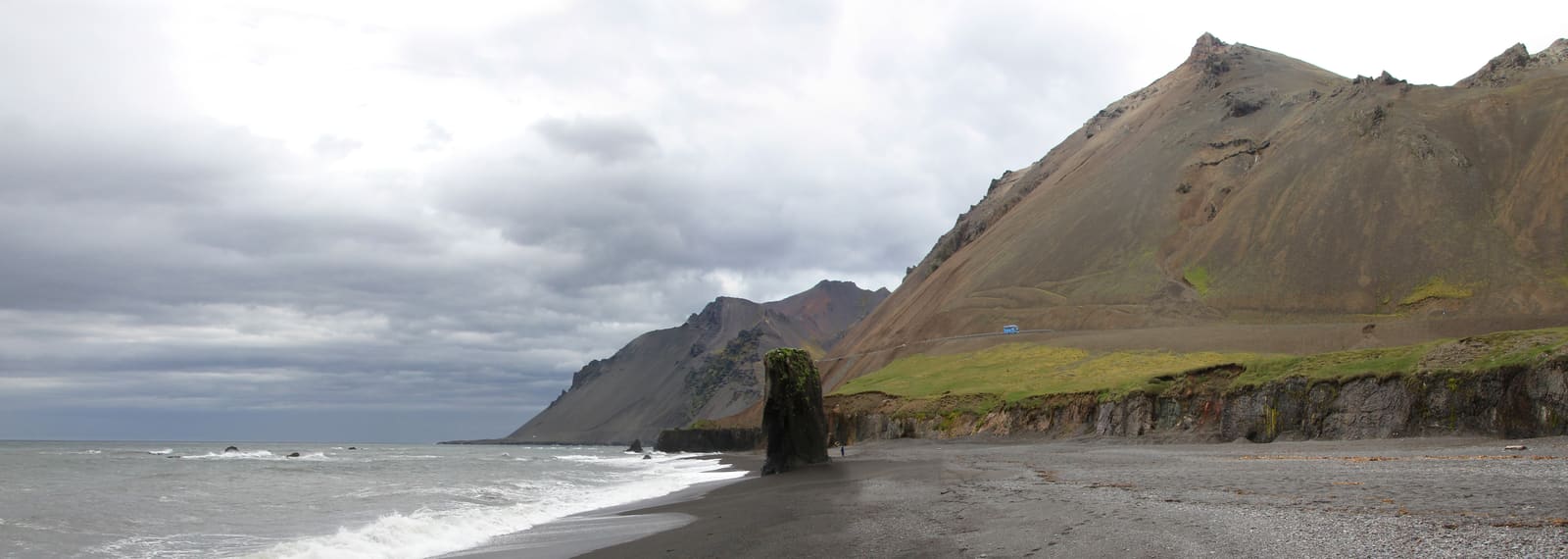
A Ring Road region for travelers who will trade headline density for fjord villages, hiking bases, and inland detours—and can protect at least two nights.
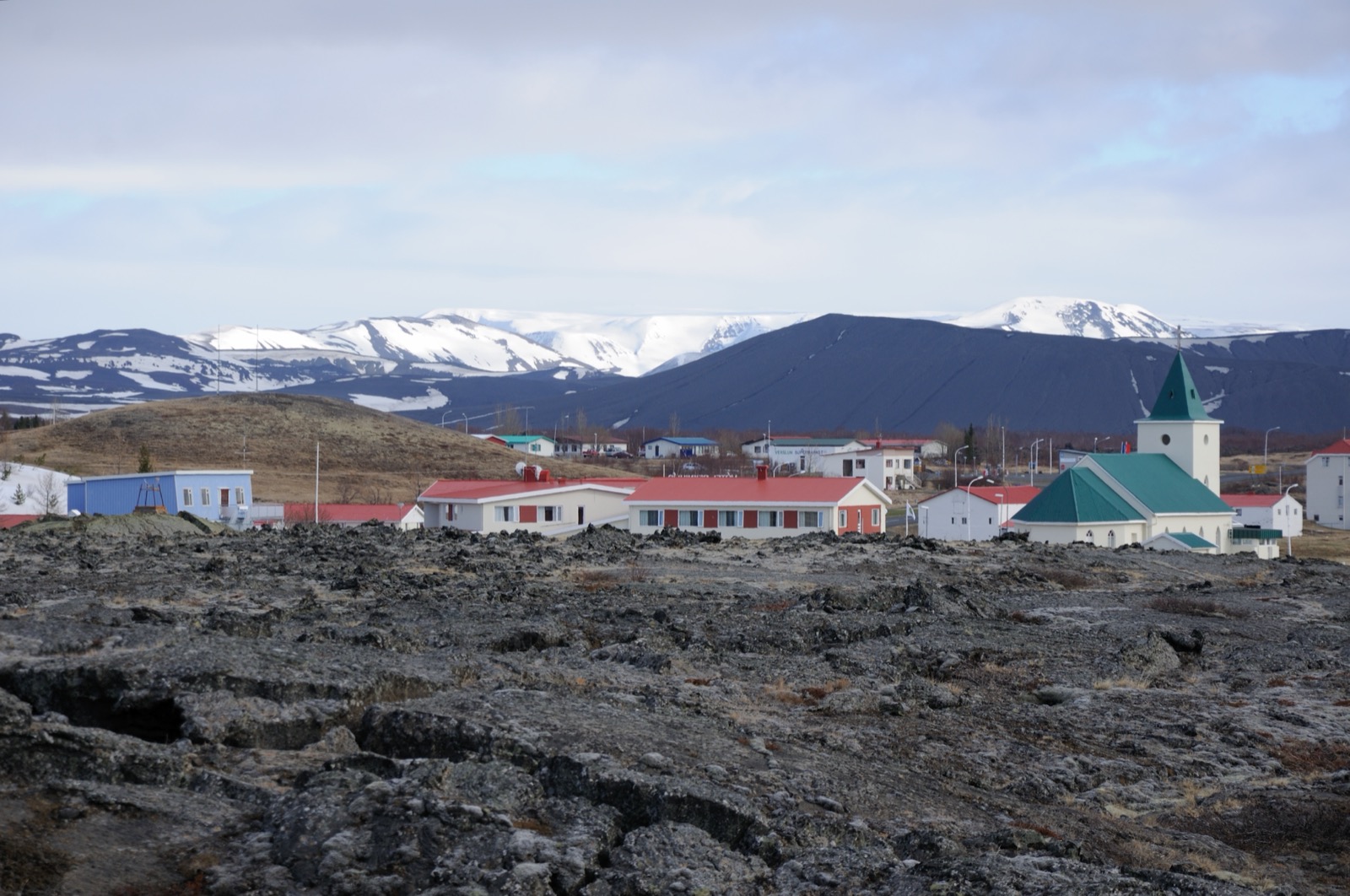
Choose North Iceland when you can spare several days for Akureyri, Mývatn, Húsavík, and canyon country; one rushed overnight barely reaches the region.
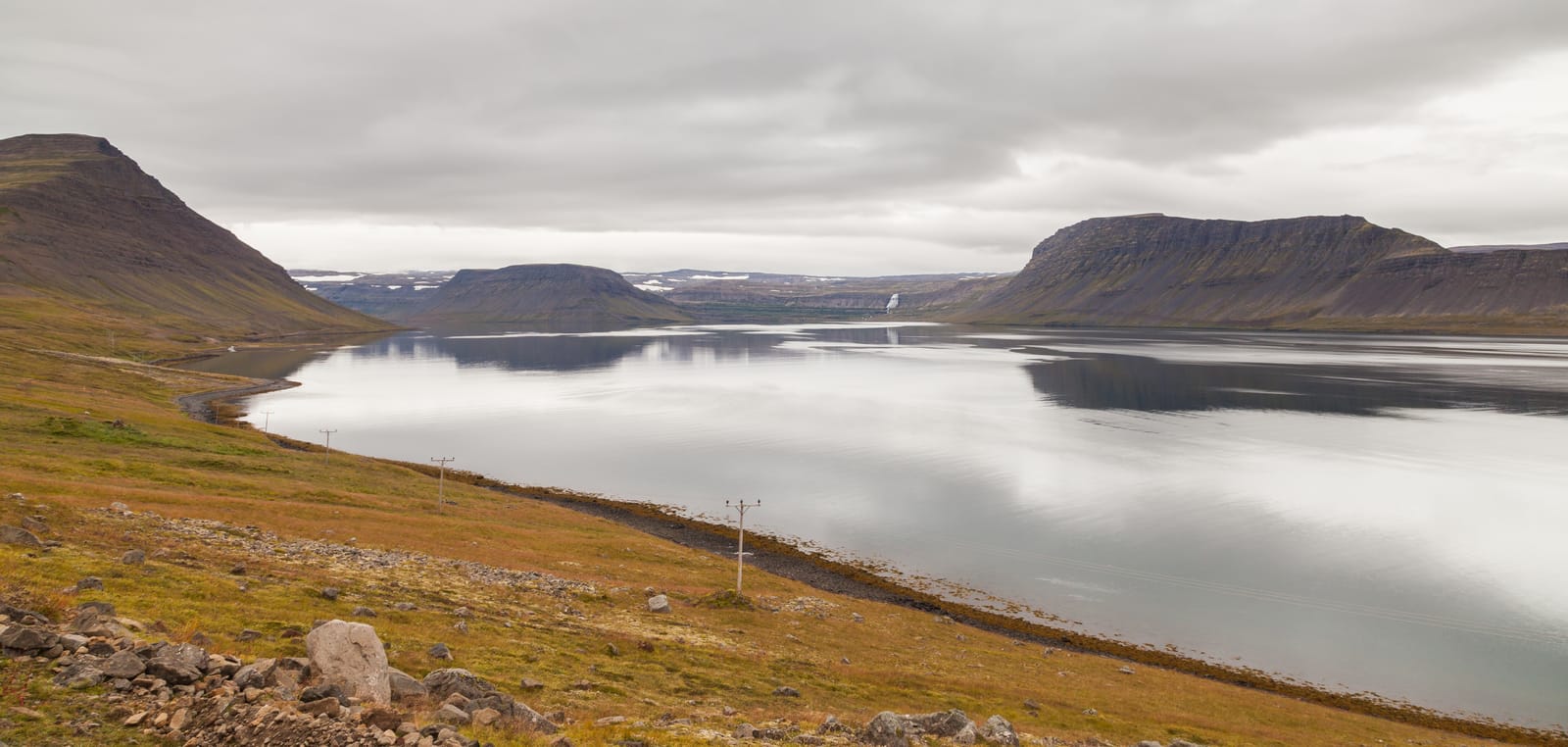
A separate multi-day commitment for travelers who value cliff roads, remote villages, and long scenic links enough to leave the Ring Road and keep weather slack.
More things to do
See other activities that may suit the same day, season, or part of Iceland.
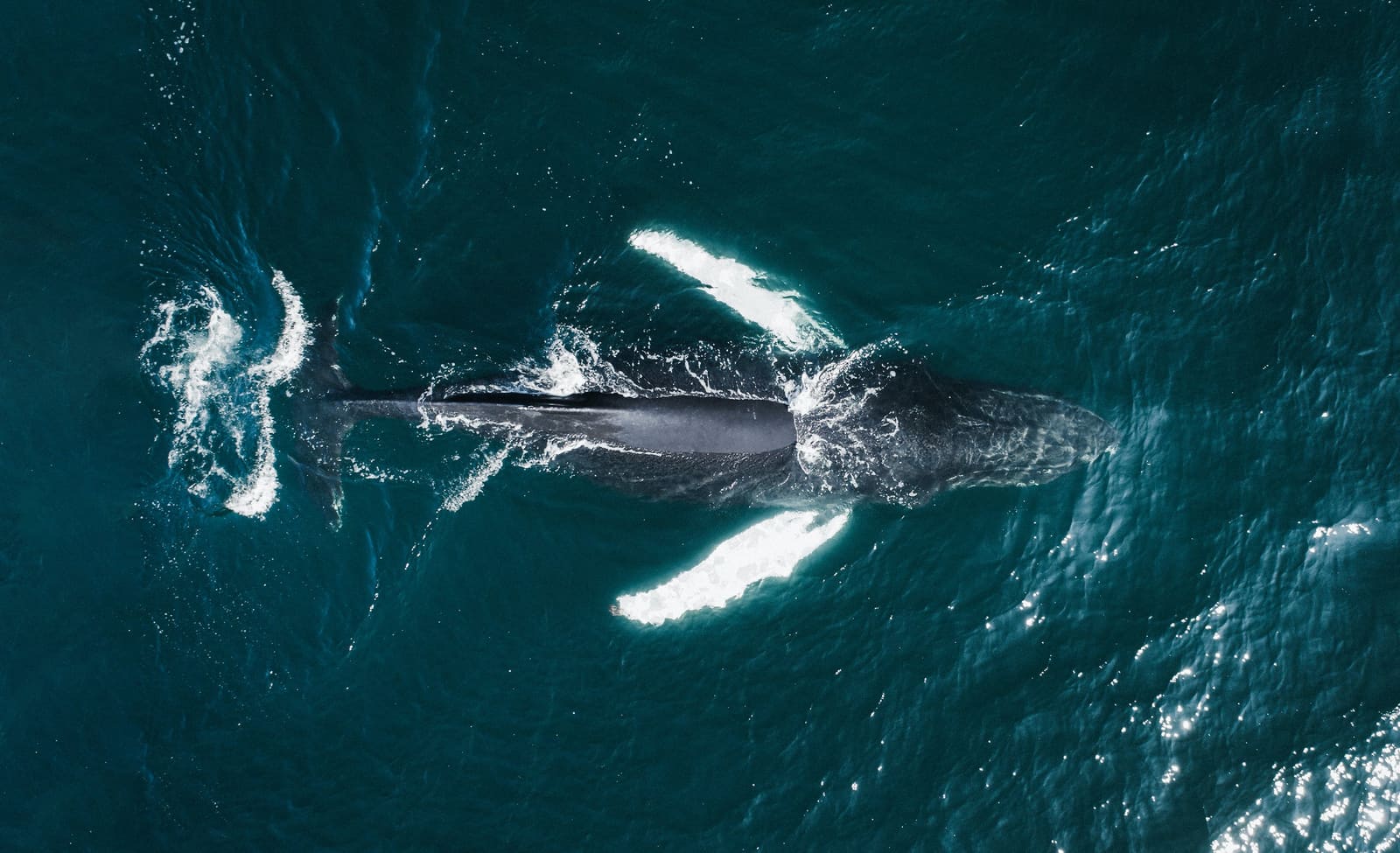
Whale watching works best when the departure base already fits your route. Use this guide to compare Reykjavik convenience, North Iceland wildlife focus, boat comfort, family fit, and the checks that matter before you commit.
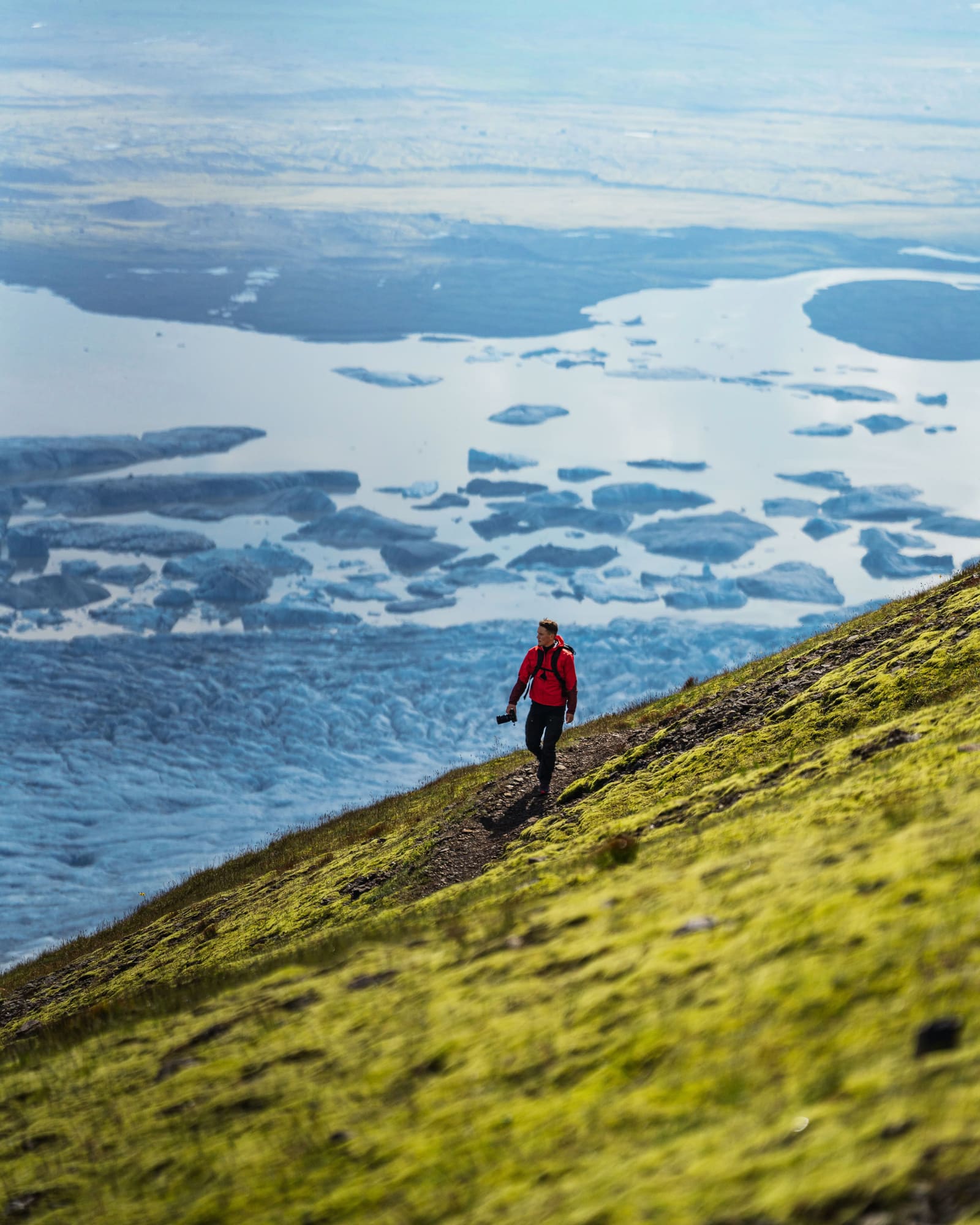
Summer in Iceland gives travelers more daylight, broader access, and more activity choices, but it also rewards restraint. Compare hiking, Highlands, wildlife, boats, glacier options, geothermal bathing, city culture, and flexible scenic stops before turning a bright day into an overloaded one.
Travel advice
Read more about driving, weather, safety, and other details that may affect your trip.
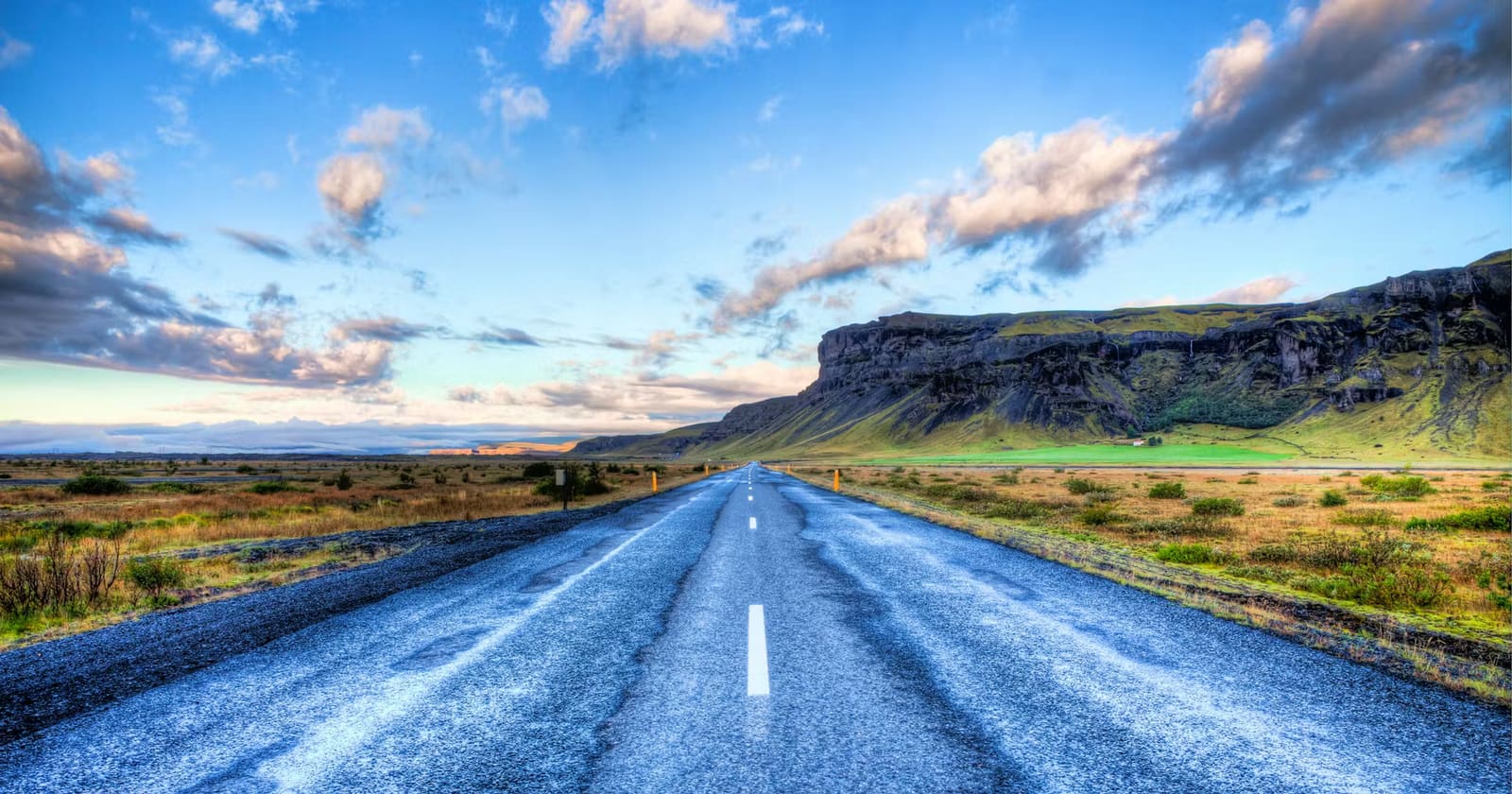
Choose a realistic Iceland trip length by counting usable route days, then match your pace, transport, season, and overnight moves to the right scope.
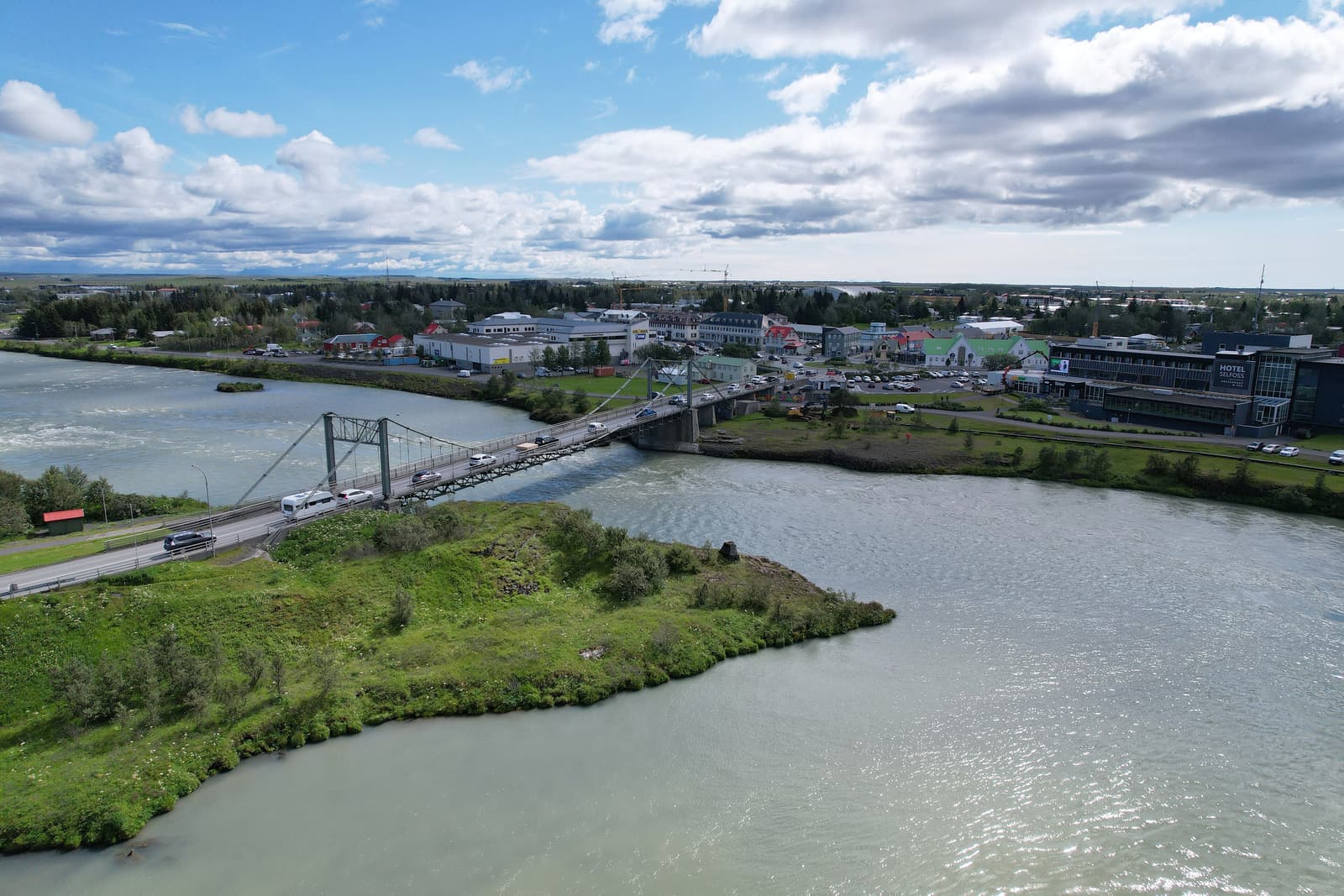
A practical base-choice guide for deciding where to stay in Iceland before booking hotels, day trips, or a self-drive route.
Keep exploring
Continue with a Reykjavík boat base, a broader wildlife guide, or the details for a named bird cliff.