Experience fit
- Best fit
- Flexible winter nights
- Default choice
- Guided from Reykjavik
- No-car option
- City edge or tour
- Self-drive fit
- Rested conservative drivers
- Backup plan
- Warm evening nearby
Northern lights plans work best when you choose the format before chasing the sky. Compare guided tours, self-drive attempts, Reykjavik viewing, countryside bases, boat options, and indoor backups by weather risk, car need, comfort, route fit, and how much the night can bend.
Experience fit
The northern lights are a flexible night window, not a normal attraction stop. The first choice is how much uncertainty the evening can carry.
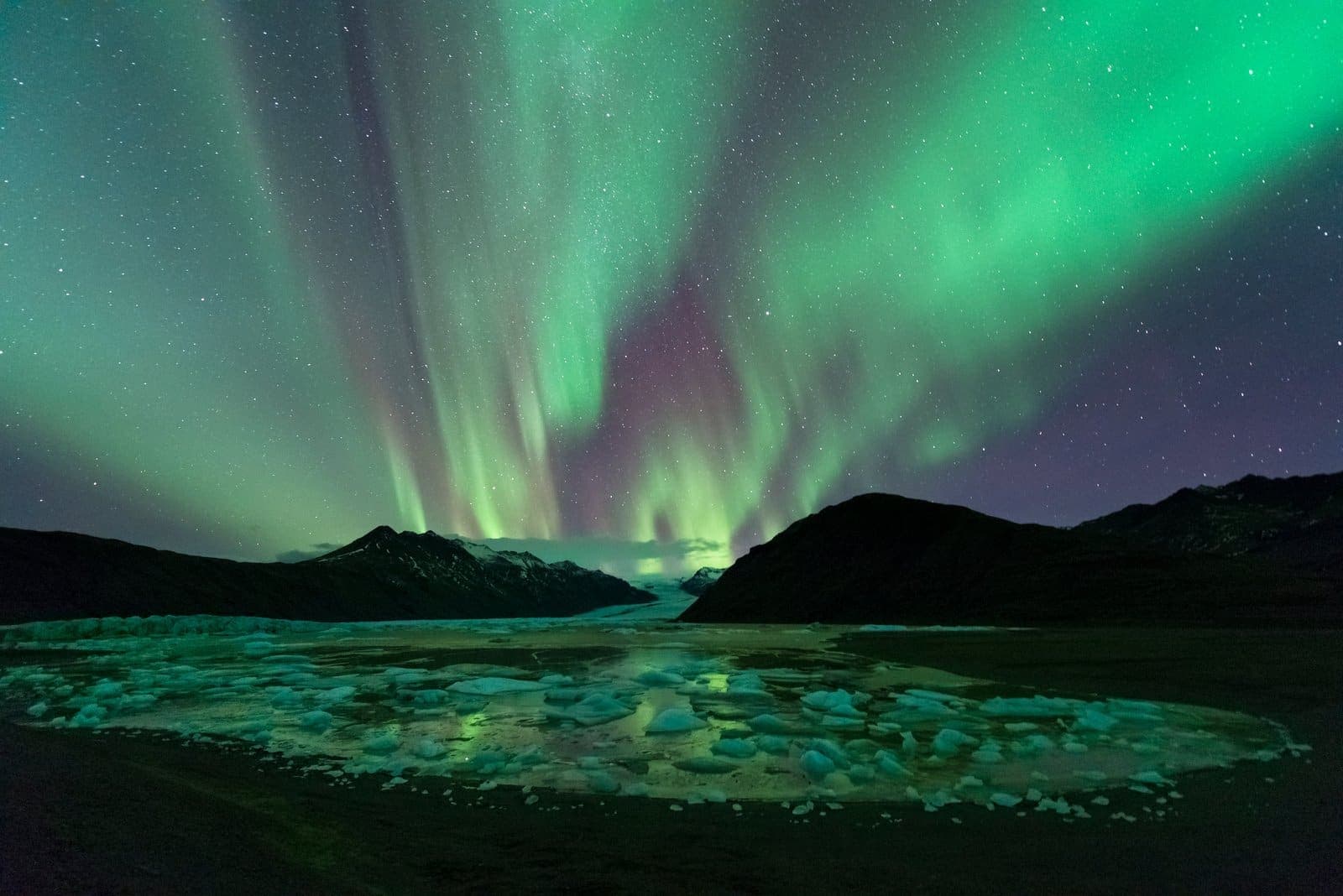
Treat the northern lights as a conditions-dependent natural phenomenon, not a fixed attraction stop. A useful attempt needs darkness, enough clear sky, auroral activity, manageable local light, and a safe place to wait; this guide helps you decide whether the night should be guided, self-driven, city-based, countryside-based, boat-led, or kept as a warm backup.
A strong aurora plan still has value if the sky stays quiet. If the clouds close, the driver is tired, children are cold, or the next morning matters, the right move may be a short Reykjavik edge check, a pool, dinner, an indoor aurora exhibit, or sleep.
Photo guide
1 / 5
Forecast checks matter because even a strong plan depends on cloud breaks and darkness.
Good to know
Choose the format by the transport, warmth, patience, and flexibility your group can handle. Each one creates a different kind of night.
| Format | Best for | Skip when | Car pressure | Planning load |
|---|---|---|---|---|
| Shared guided tour | Short Reykjavik trips and no-car visitors | You dislike group timing | Low | Book and dress warm |
| Small or private chase | Photographers and nervous drivers | Budget matters more than control | Low | Higher booking pressure |
| Self-drive attempt | Rested drivers already near dark skies | Roads, wind, or fatigue feel marginal | High | Check before leaving |
| Reykjavik edge wait | Low-pressure no-car evenings | Faint aurora would disappoint you | None to low | Weather-dependent patience |
| Countryside base | Travelers staying outside town | You would add a base only for aurora | Low once there | Needs route fit |
| Boat or harbor night | No-driving visitors who want atmosphere | You need maximum mobility | None | Weather and sea comfort |
| Indoor context backup | Families, bad weather, learning first | You expect the real sky | None to low | Not a sighting substitute |
For most first winter trips based in Reykjavik, a guided tour or city-edge plan is the least fragile answer. Self-drive becomes more attractive only when the route already has a darker base, the driver is rested, and the return journey looks boring in the best possible way.
The forecast should not tell you to be excited. It should tell you whether the plan deserves fuel, sleep, money, and cold hands.
Start with the Icelandic Met Office, then separate the decision into plain questions: is it dark enough, is there a clear enough patch, is aurora activity possible, and can you wait safely where you are? A promising number is not useful under thick cloud.
Use for cloud-cover and aurora-activity context before deciding whether to go out.
Use for official visitor-facing aurora context.
Visitors often treat Reykjavik as the place to escape from. For aurora planning, that can be backwards.
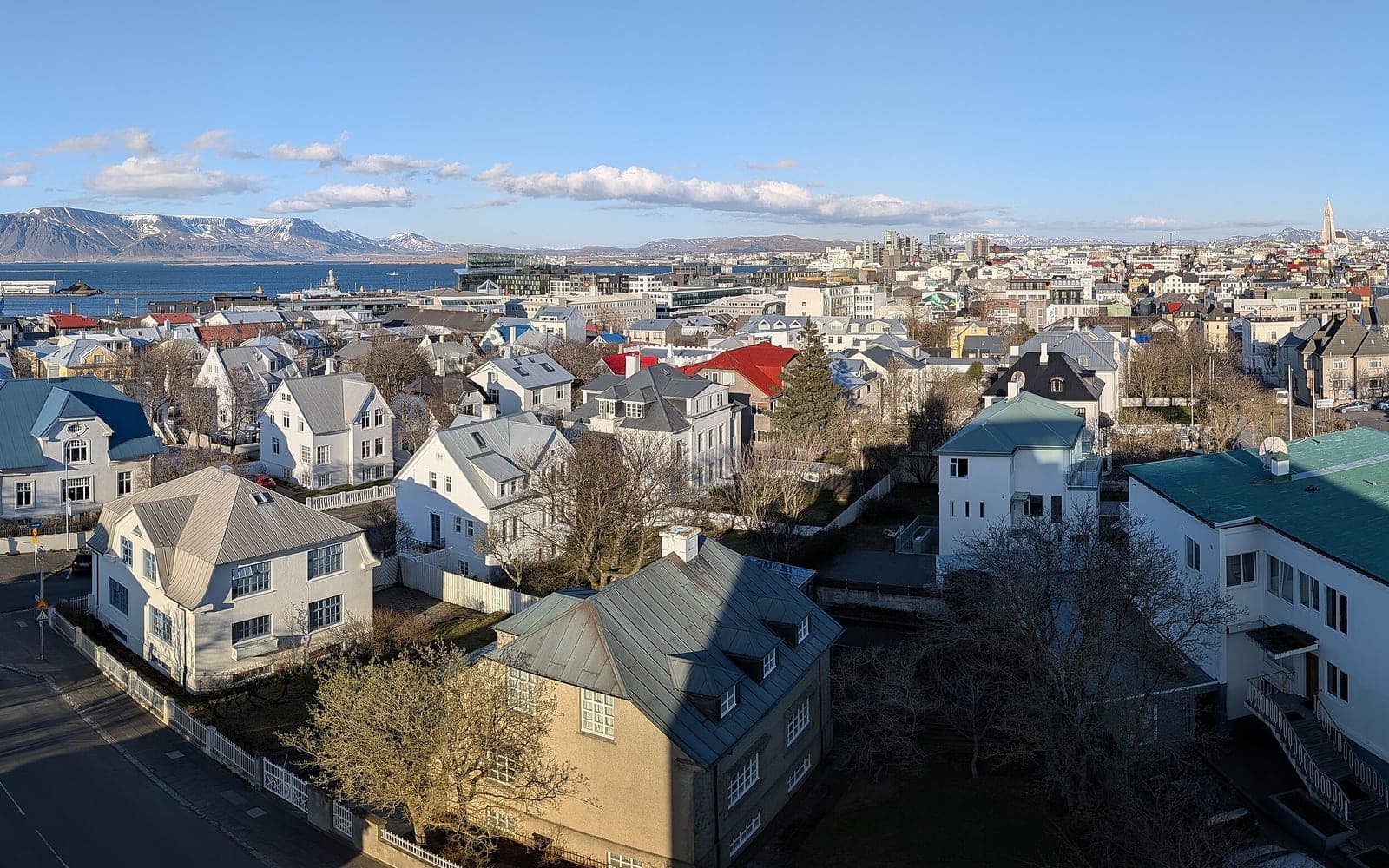
A Reykjavik-based aurora night can work because the city gives you choices: guided pickup, harbor departures from Reykjavik Harbour, darker coastal edges such as Grótta, museums and food nearby, and an easy retreat if the sky stays flat.
The tradeoff is light pollution and patience. A faint display may be harder to see from the city, and a serious chase may still need a guide or vehicle. But for short breaks, families, no-car visitors, and tired first-day travelers, a simple city night often beats a long chase.
Use for official city viewing context and Reykjavik-specific planning.
Use when an indoor aurora-focused stop would help a bad-weather or family plan.
The outward drive is not the test. The return drive is, especially after standing in the cold and watching the sky for longer than planned.
Self-driving gives freedom, but it also turns the aurora into a winter-night driving decision. Before leaving, check weather, roads, wind, visibility, where you can stop fully off the road, and whether the driver still has enough attention for the return.
This is where winter driving in Iceland matters more than aurora enthusiasm. If the plan depends on unfamiliar roads, narrow shoulders, poor conditions, or one more distant cloud break, book a guide, stay closer, or let the night go.
Use before exposed winter travel or a remote night plan.
Use for road notifications and traffic information before driving.
A rural base can make the northern lights feel easier because the waiting happens where you already are.
If your route naturally spends a night in South Iceland, Hella, the Snæfellsnes area, North Iceland, or another darker base, aurora planning can be softer. You step outside, check the sky, and retreat when the night stops being worth it.
That does not mean you should add a remote overnight only for the lights. If the base weakens the route, steals time from ice caves, or turns the next day into a recovery day, the aurora has started running the trip.
Not every aurora experience needs to be a road chase. Some formats are valuable because they reduce the parts of the night travelers handle badly.
A boat trip can suit no-car visitors who want a Reykjavik night with atmosphere and no winter driving. It is not as mobile as a road chase, so choose it for the harbor experience and low driving pressure, not because it can outrun every cloud.
Warm venues and indoor aurora context are different again. Perlan, Aurora Reykjavik, and Aurora Basecamp-style experiences can help families, weather-stretched travelers, and first-timers understand what they are hoping to see. They are not replacements for the real sky.
Use for the Reykjavik harbor boat format and details to verify directly.
Use for a warm observatory-style format near Reykjavik.
A good backup is not a consolation prize. Hot springs and geothermal bathing, food, museums, or an early night can save the trip from becoming one long argument with cloud cover.
The aurora is worth trying for. It is not worth letting one uncertain night damage the stronger parts of the itinerary.
The better plan is to give the aurora several chances without giving it control. Use winter activities for daytime plans, then let the evening be a flexible add-on shaped by the forecast and the group in front of you.
Use these answers to choose the next practical move, not to lock a fragile night.
Often, yes, if you are based in Reykjavik, tired, unsure about winter roads, or only have one or two good chances. A rental car helps when you are already outside town and the road, weather, driver, and safe stopping plan are all conservative.
Yes, when darkness, clear sky, aurora activity, and lower light pollution line up. Use darker city edges or open coastal areas, but keep expectations lower than a guided chase that can reposition.
More flexible nights are better than one high-pressure night. Build several low-pressure chances into the trip instead of making one evening decide whether the trip succeeded.
It can be a good no-driving Reykjavik format if the harbor experience appeals to you. It is weaker if your priority is maximum mobility across cloud breaks.
Downgrade early. Stay close to base, choose a warm backup, use an indoor aurora context stop, or sleep if the next day matters more than a long uncertain chase.
By ThorPublished Updated
Where to do it
Use these pages when the northern lights plan becomes a weather, driving, base, or winter-backup decision.
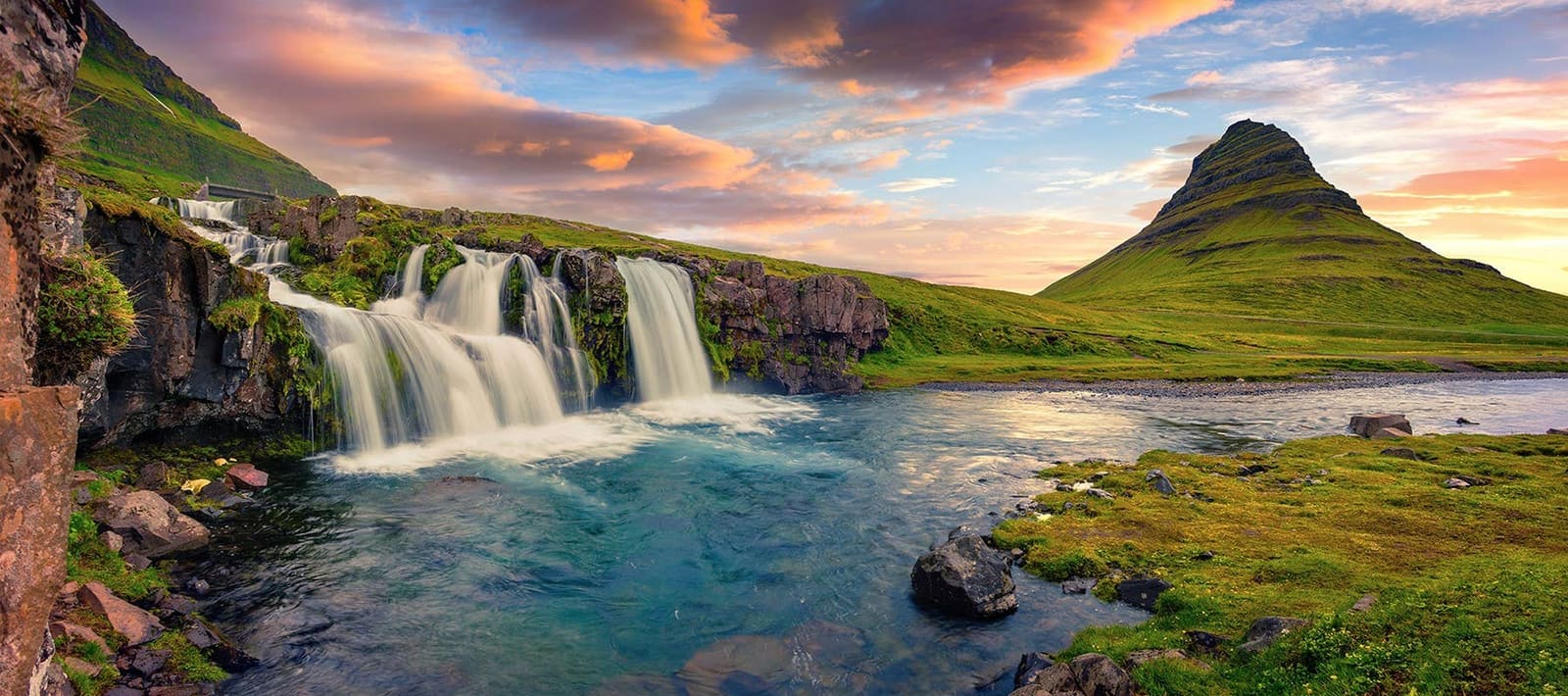
Kirkjufellsfoss is the small waterfall that creates the classic Kirkjufell view near Grundarfjörður, best planned as a short, weather-sensitive Snæfellsnes photo stop rather than a standalone waterfall detour.
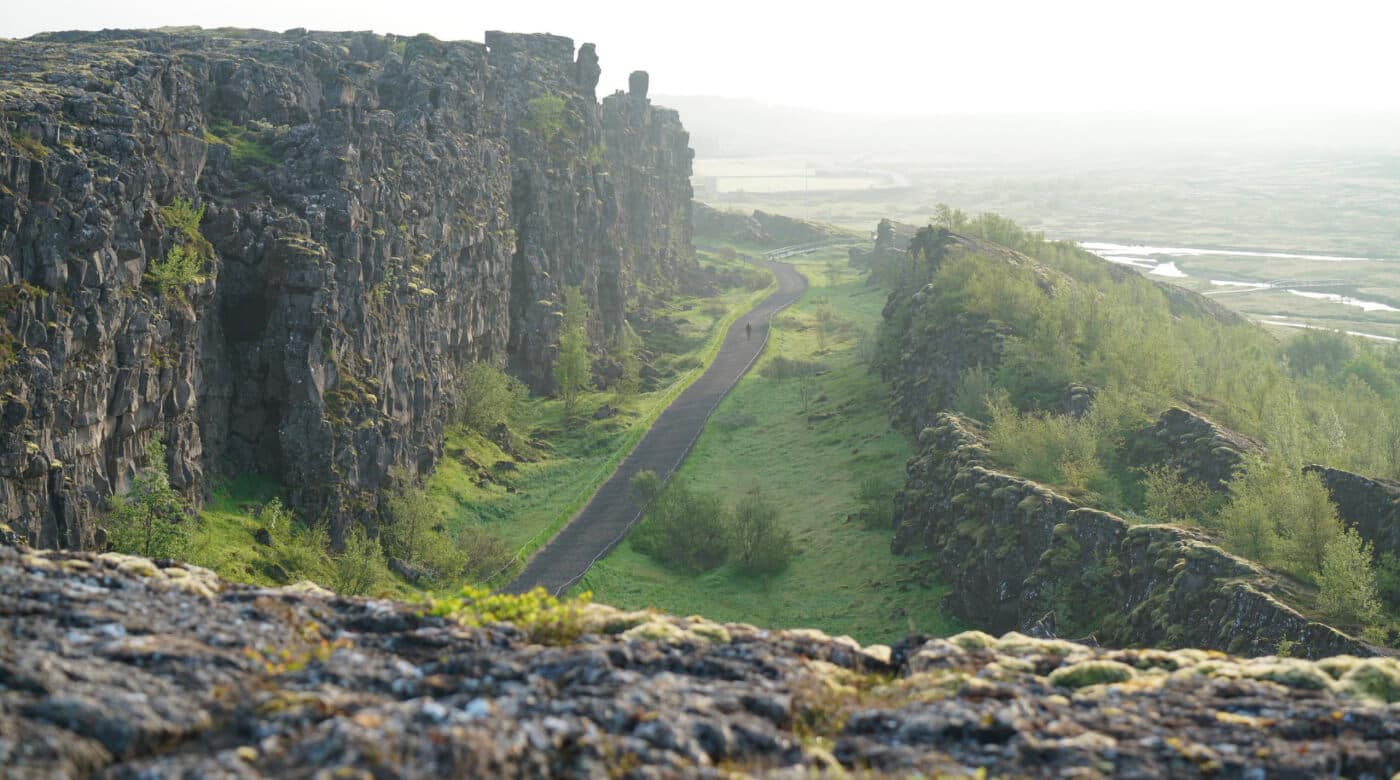
Þingvellir brings Iceland's Alþing history and a living rift landscape into the same national park. Walk through Almannagjá to reach the old assembly site rather than stopping at the first viewpoint.
Regions
See which part of Iceland is most convenient for this experience and what else you can visit nearby.
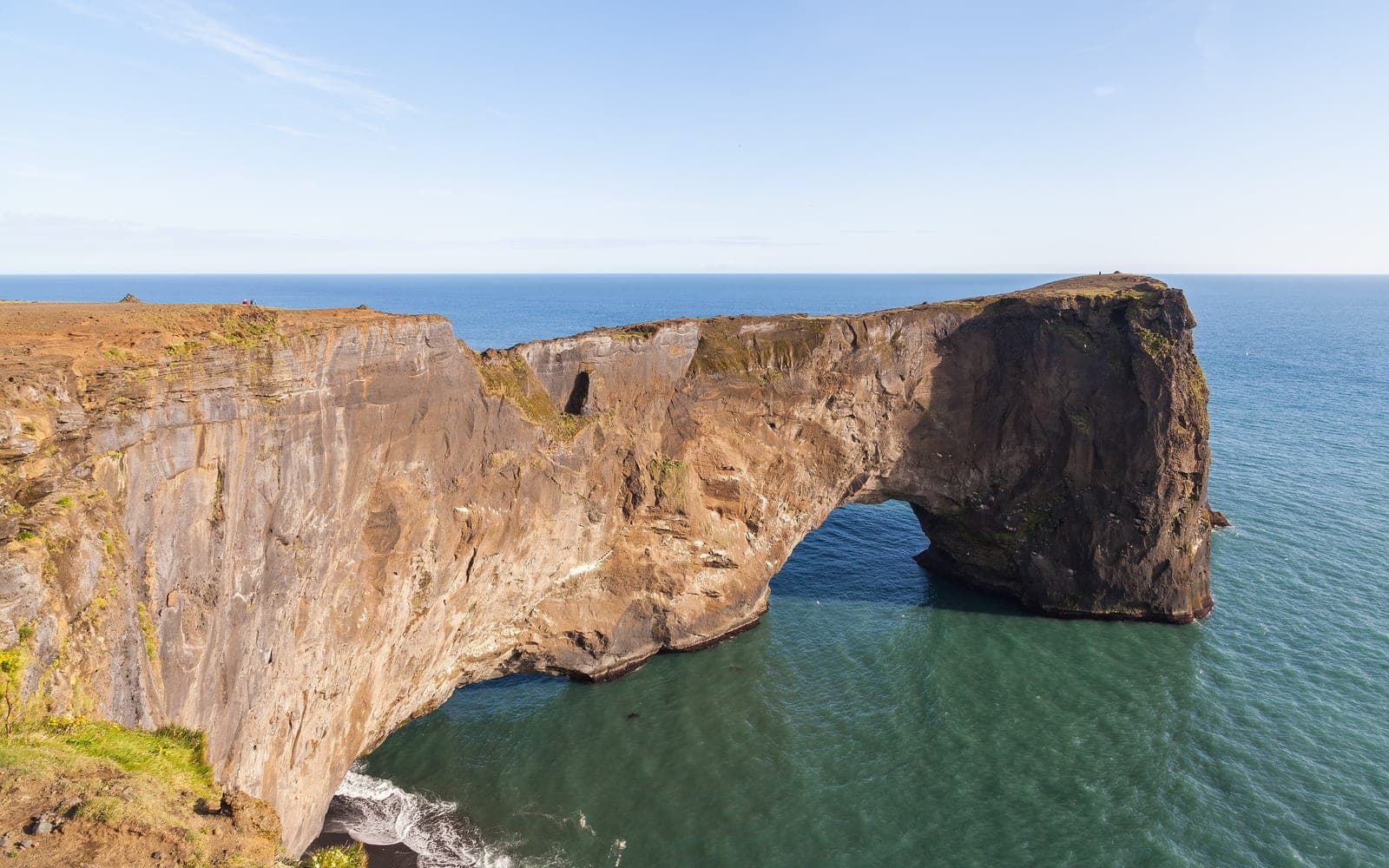
Build a first-trip route around waterfalls, black-sand coast and glacier country, but allow two to four days if Jökulsárlón is part of the plan.
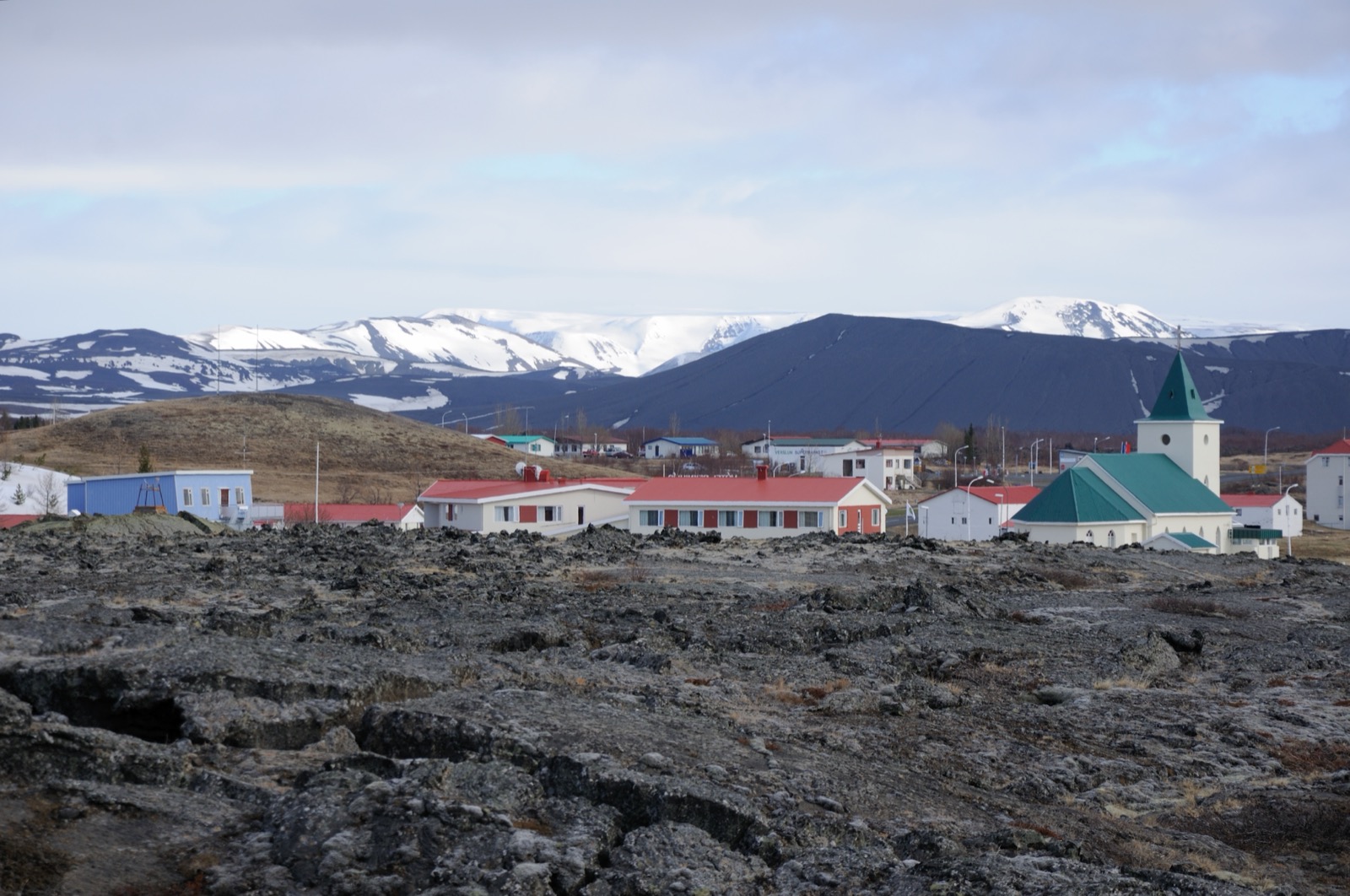
Choose North Iceland when you can spare several days for Akureyri, Mývatn, Húsavík, and canyon country; one rushed overnight barely reaches the region.
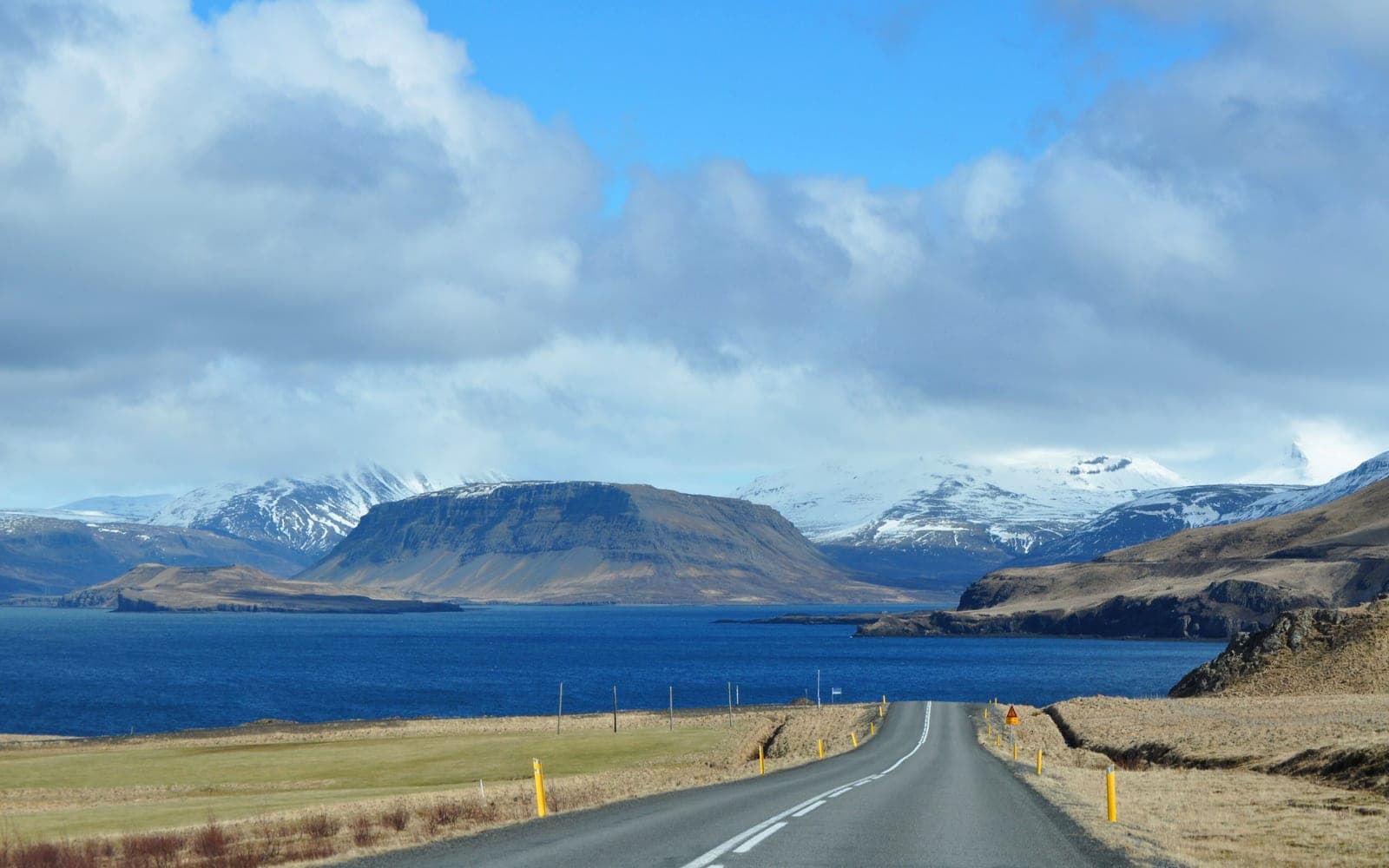
Choose West Iceland for a Borgarnes-based mix of waterfalls, geothermal stops, and caves; skip it if Snæfellsnes already fills your spare westbound day.
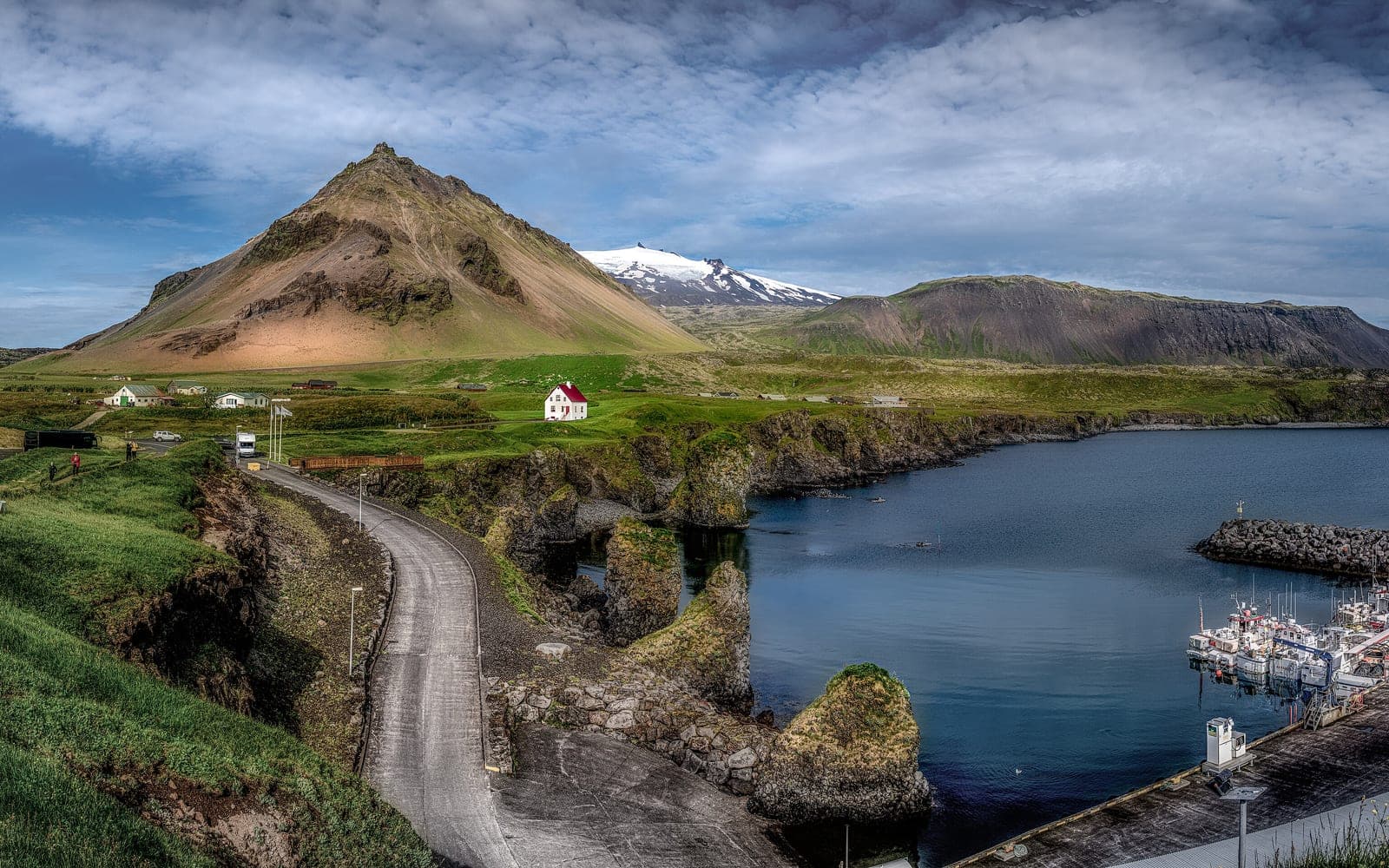
Choose the Snæfellsnes Peninsula for a compact West Iceland glacier-and-coast loop that rewards an overnight; a Reykjavík day trip needs firm cuts.
Road trips and itineraries
See where this experience fits into a road trip or day-by-day itinerary.
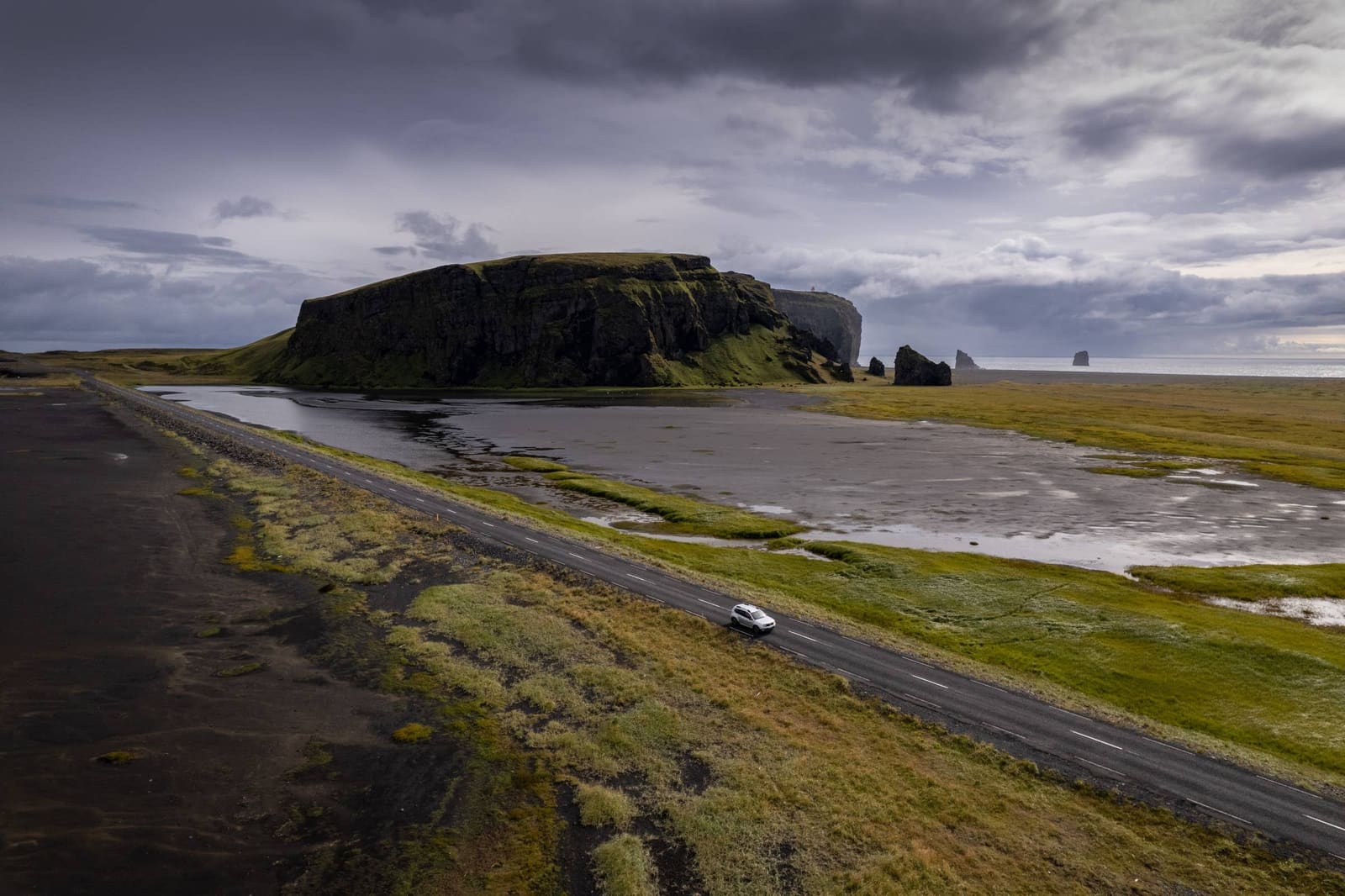
A realistic first-trip route through Reykjavík, the Golden Circle, and the South Coast, built for five calendar days without turning the final day into a race to the airport.
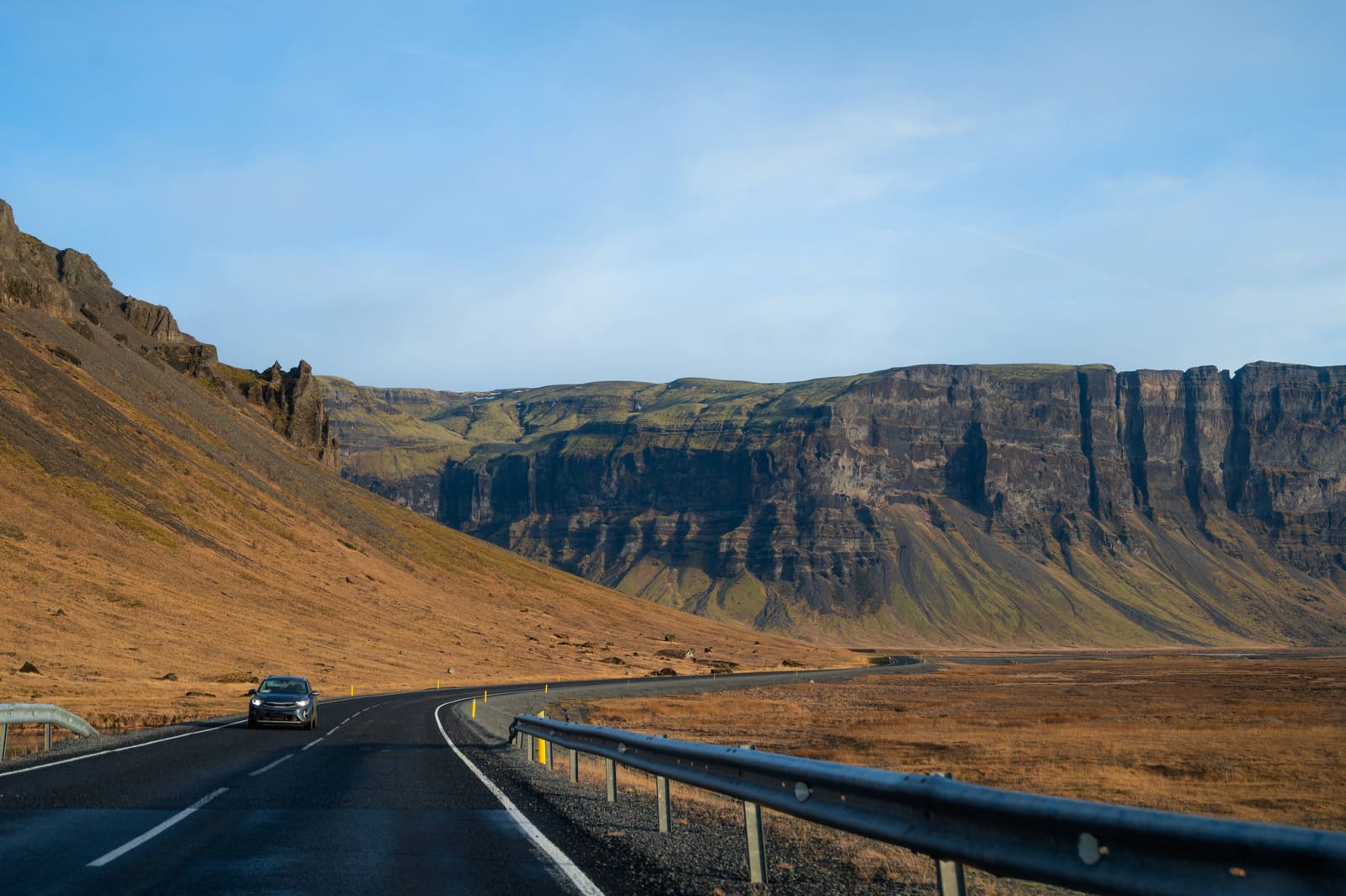
A route-first guide to deciding whether Iceland’s South Coast works as a day trip, one-night drive, or slower two-night route.
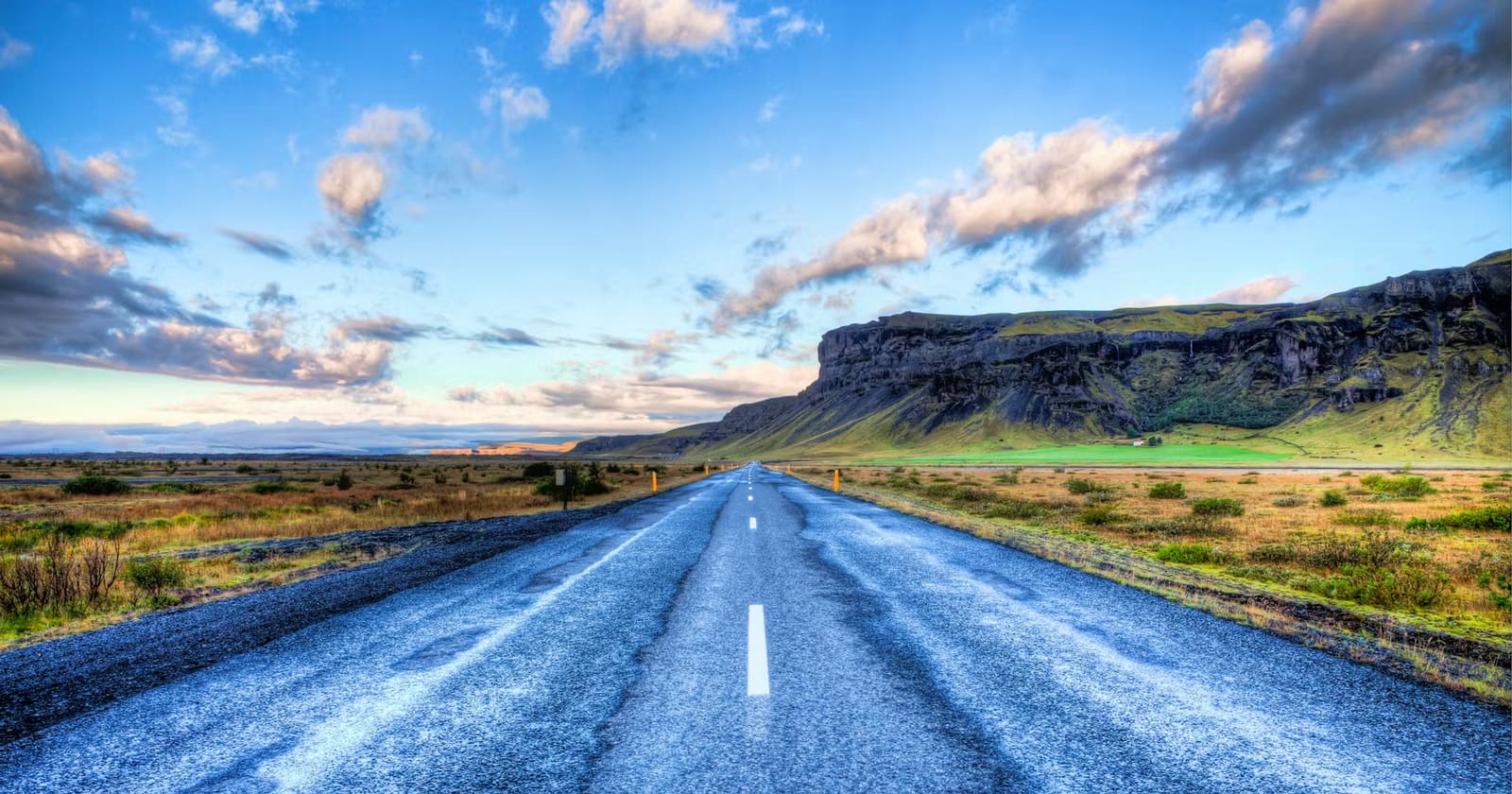
A route-choice guide for deciding whether your Iceland trip should become a full Ring Road loop or a slower South Coast route.
More things to do
See other activities that may suit the same day, season, or part of Iceland.
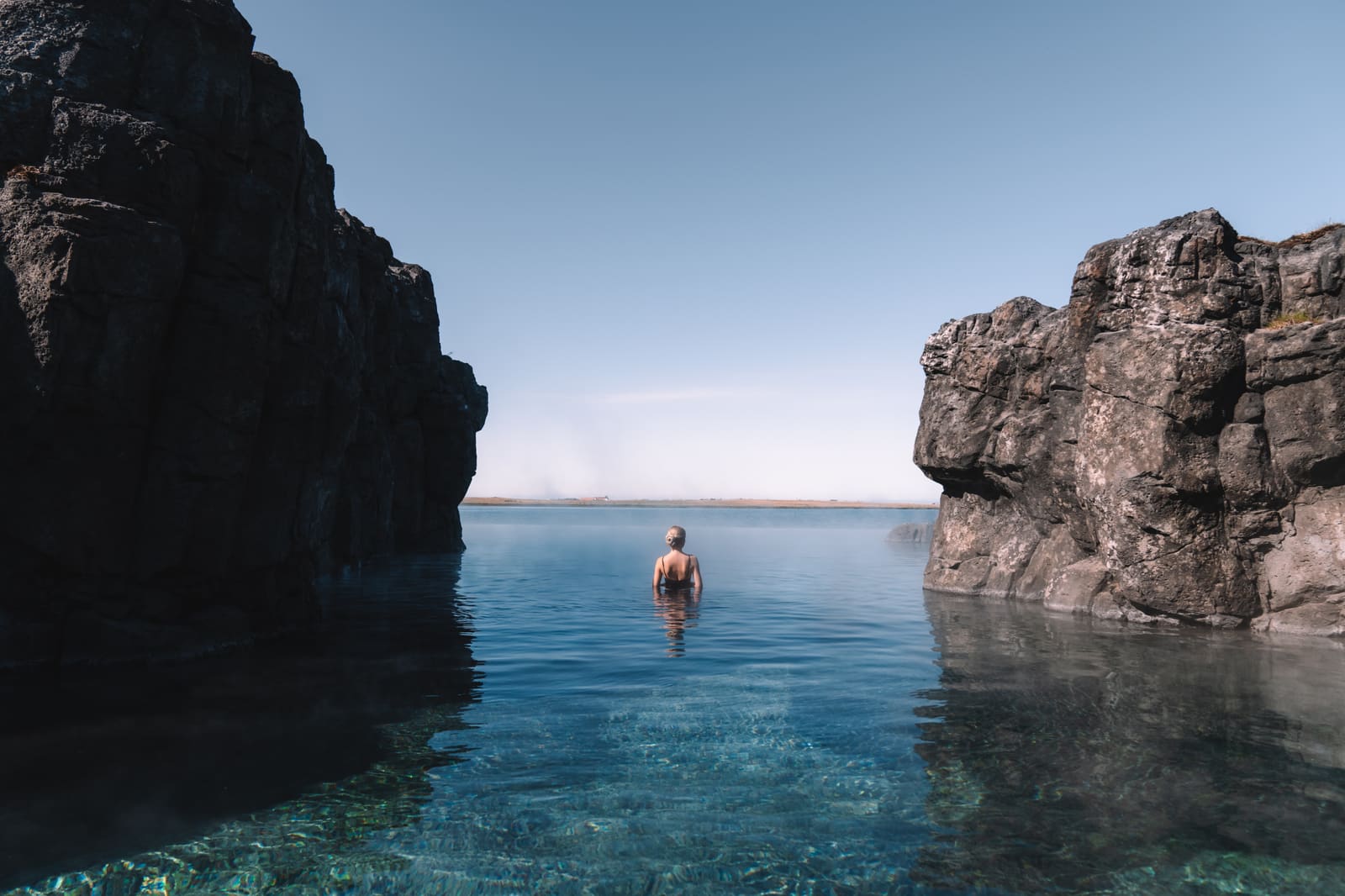
Iceland hot springs work best when you choose the bathing format first: premium lagoon, local public pool, rustic pool, hike-in hot river, remote hot pot, or geothermal area you only admire from the path, then fit it to the day.
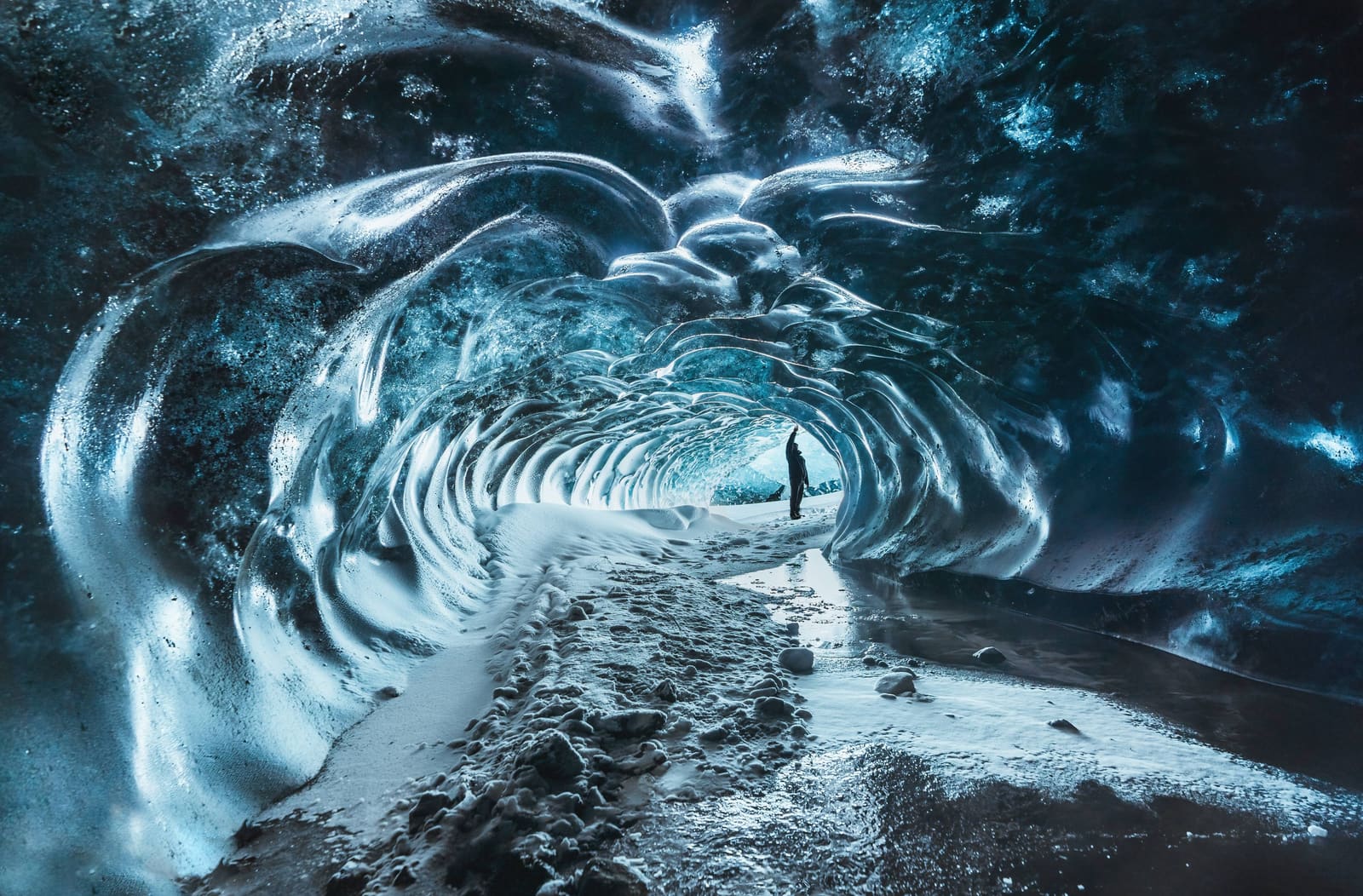
Ice caves are worth planning only when you choose the right cave promise: natural winter ice, ash-striped Katla ice, a Langjökull tunnel, or a safer glacier backup. Use season, base, guide need, effort, and flexibility before booking anything.
Next aurora step
A northern-lights night is strongest when the sky plan, road plan, and fallback all make sense together.