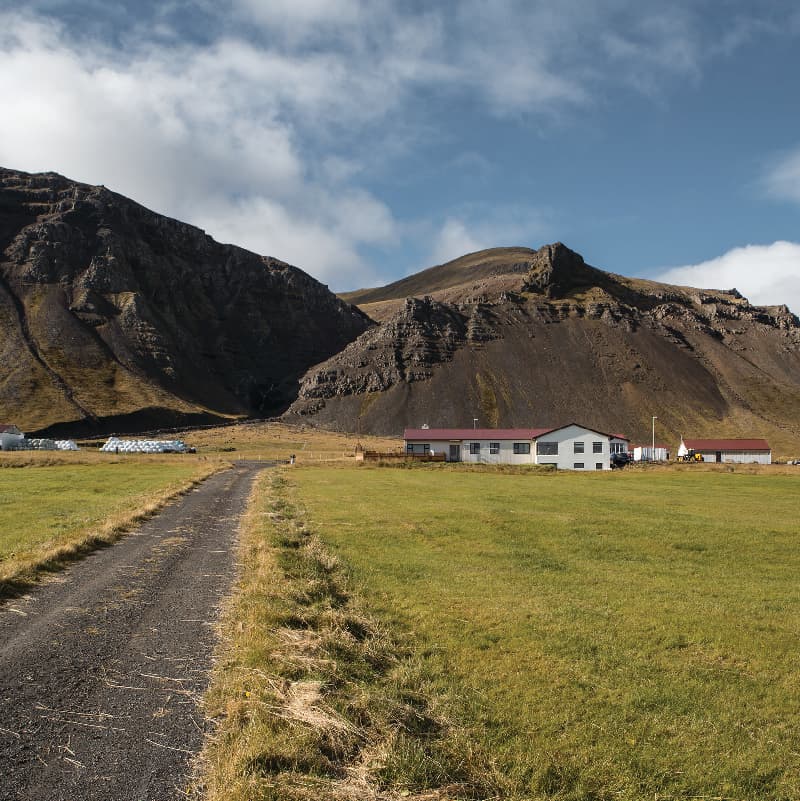
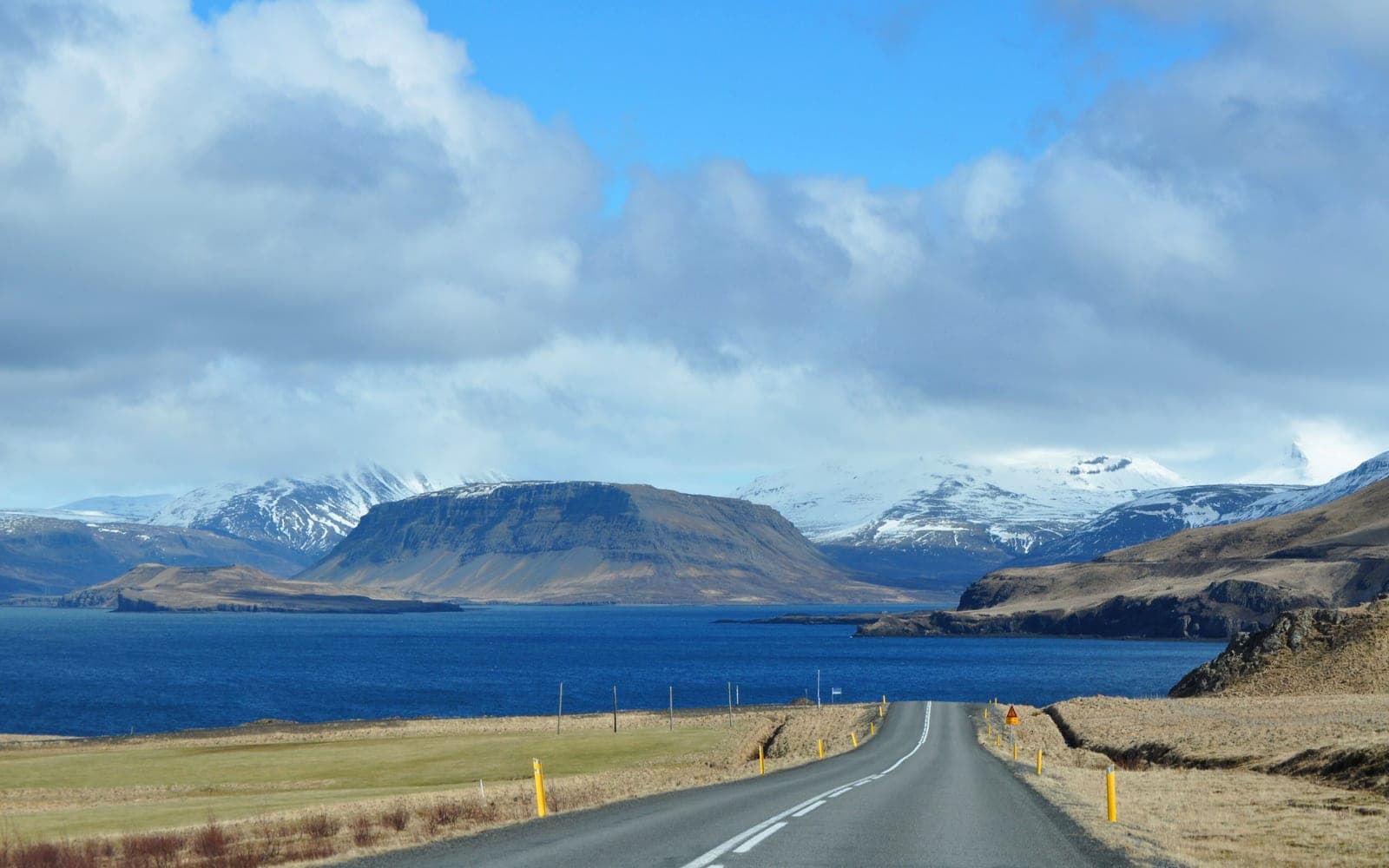
Ytri Tunga Beach is a golden-sand seal-watching stop on south Snæfellsnes, worth adding when your West Iceland day has tide flexibility, quiet wildlife etiquette, and room for a short coastal pause.
Quick guide
Type
Golden-sand beach and seal-watching shoreline
Region
West Iceland, on the south side of the Snæfellsnes Peninsula
Route context
Short Route 54 coastal stop between Borgarnes and the western Snæfellsnes sights
Time to allow
About 25-60 minutes, depending on tide, weather, wildlife activity, and group pace
Best experience
Use binoculars or a zoom lens, move quietly, and let seal behavior decide your distance
Effort
Short walk from the parking area, with sand, grass, rocks, wind, and wet ground possible
Wildlife note
Keep well back from seals, give pups extra space, and never stand between a seal and the sea
Before you go
Check official visitor information, road conditions, weather, and tide/wildlife guidance
In this guide
Ytri Tunga Beach is worth adding when you want an easy wildlife stop on Snæfellsnes and can keep the visit quiet
Yes, Ytri Tunga Beach is worth adding when you want an easy wildlife stop on Snæfellsnes and can keep the visit quiet, flexible, and respectful of the seals.
The stop is not dramatic in the same way as a waterfall, crater, or sea cliff. Its value is quieter: golden sand, dark shore rocks, open Faxaflói views, and the chance to watch seals resting or moving offshore without committing to a long hike.
Add Ytri Tunga Beach to a relaxed West Iceland day with time to wait, watch, and move slowly. Cut it from a packed Snæfellsnes loop if the day already includes a long drive, western peninsula sights, and no tide or weather buffer.
Photo guide
Ytri Tunga Beach in photos
1 / 3
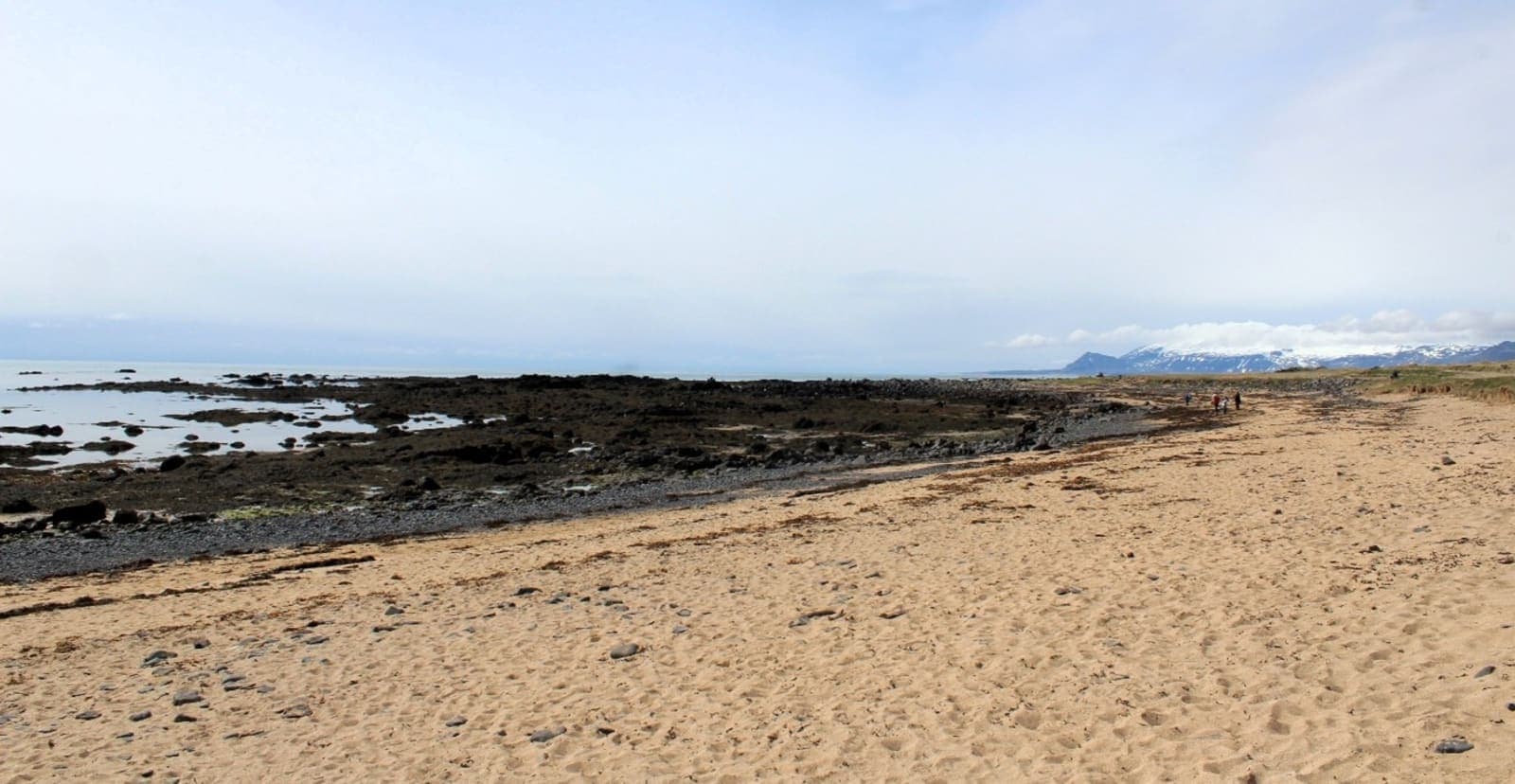
Low-tide rocks are the reason Ytri Tunga is one of the easiest wildlife stops to understand on Snæfellsnes.
Worth the stop?
When this stop makes sense
Good match for
self-drivers exploring Snæfellsnes
travelers who want an easy wildlife stop
families who can keep quiet distance around animals
photographers with a zoom lens or binoculars
Think twice if
travelers expecting guaranteed close seal sightings
groups that cannot keep children or dogs calm near wildlife
Ytri Tunga is a low, open shoreline where the best view is often across wet rocks and seaweed toward seals that are resting, swimming, or simply watching back from a distance.
The beach has a warmer color than many Iceland shorelines, so it feels different after black-sand stops elsewhere in the country. At low water, rocks and tide pools break up the sand, creating the haul-out areas that make the place useful for wildlife watching.
The beach itself is part of the appeal, especially if the seal view is distant or brief.
Some visits are memorable because seals are visible on the rocks. Others are more about a quiet coastal pause, birds, wind, and the contrast between the sand and the darker lava-stone shore. That range of outcomes is exactly why the stop works best with patience rather than a tight schedule.
How should you watch the seals responsibly?
Watch from distance, move slowly, keep voices low, and let the seals decide whether you are too close. If an animal looks alert, vocalizes, or moves because of people, back away.
West Iceland and local seal-watching guidance both emphasize space around the animals. Keep at least 50 meters from the nearest seal, give pups at least 100 meters, and never place yourself between a seal and the ocean. Those rules protect the animals and make the visit better for the next traveler too.
The most important part of the stop is giving the animals enough space and letting signs shape the visit.
Use binoculars or a zoom lens instead of walking closer.
Keep dogs leashed and children close enough that they cannot run toward wildlife.
Do not touch pups that appear alone; adults may leave them temporarily while feeding.
Avoid loud voices, thrown objects, flash, and any attempt to make seals react for a photo.
Allow 25-60 minutes for quiet seal watching at Ytri Tunga
Most travelers should protect about 25-60 minutes, with the shorter end for a simple look and the longer end for careful seal watching, photos, and slow walking on mixed beach terrain.
The physical effort is modest, but the surface matters. Expect a short approach, then sand, grass, small rocks, seaweed, wet patches, and wind exposure. Waterproof shoes help if you want to stand around without worrying about every step.
Tide and weather are the bigger planning variables. Low water can reveal more resting rocks, while poor visibility, heavy wind, or rough weather can make the wildlife view less rewarding. If Ytri Tunga is important to your day, leave enough slack to arrive patiently instead of forcing a five-minute stop.
Ytri Tunga visit styles
Visit style
Best when
Planning approach
Quick coastal look
You are already passing on Route 54 and the beach is not the day's main goal.
Walk to the shore, scan from distance, and keep moving if conditions are poor.
Normal wildlife stop
The tide, weather, and group pace support a calm seal-watching pause.
Allow time to watch quietly without edging closer to the animals.
Slow photo stop
You have a zoom lens, stable weather, and no pressure to rush west or backtrack.
Use distance, patience, and shoreline texture instead of close wildlife shots.
How does Ytri Tunga fit with nearby West Iceland stops?
Ytri Tunga works best as a south Snæfellsnes pause, not as the only reason to drive west. Pair it with nearby small stops when the route still feels relaxed.
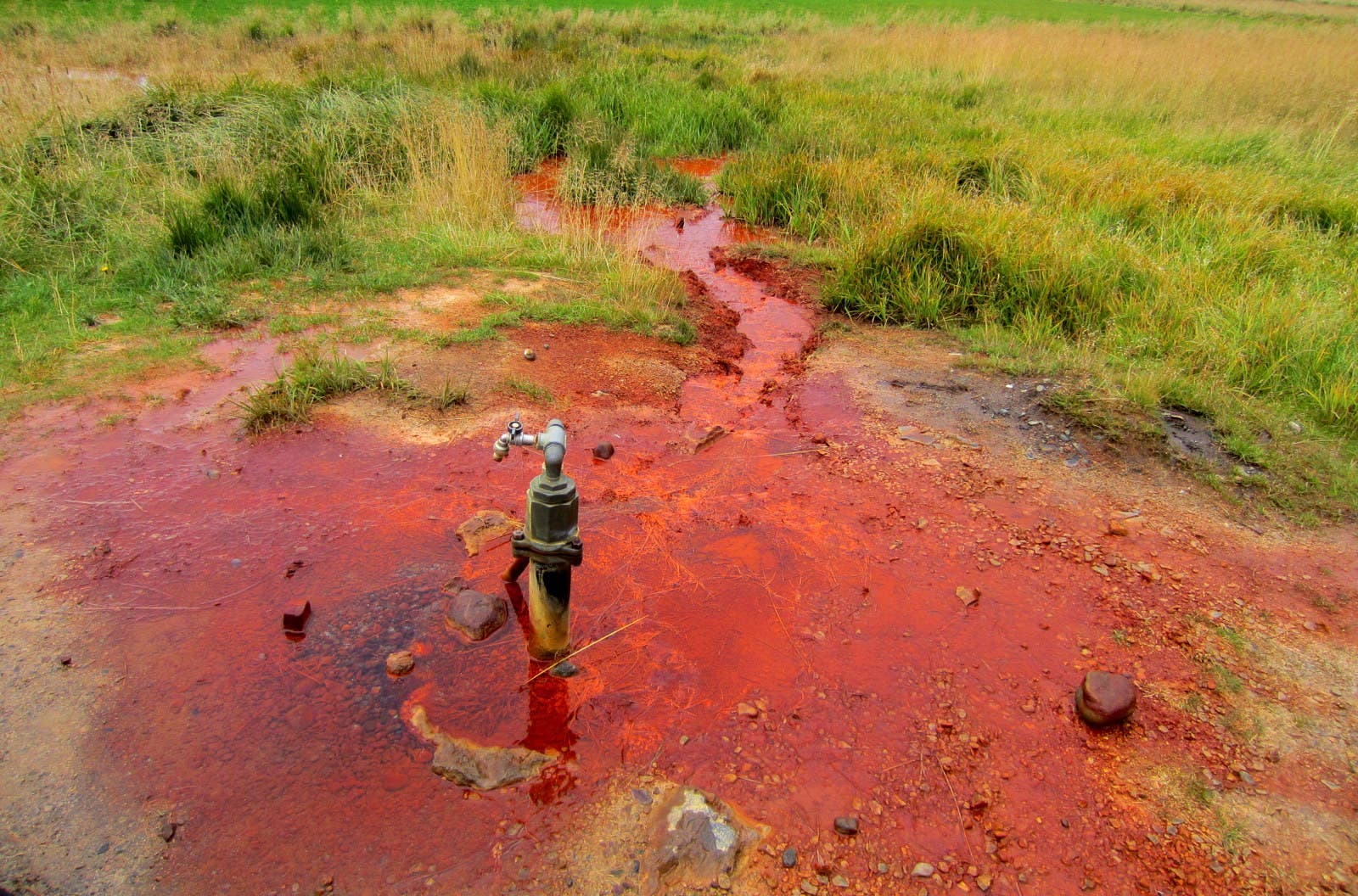
If you are moving along the south side of Snæfellsnes, Ölkelda Mineral Spring is the easiest small contrast: a quick mineral-water stop that keeps the day local. Bjarnarhöfn adds a stronger cultural angle farther around the peninsula, while Berserkjahraun gives you lava-field texture if your route bends north.
For a broader West Iceland plan, do not let Ytri Tunga compete with bigger inland anchors such as Hraunfossar, Deildartunguhver Hot Spring, or Húsafell unless your route already has multiple days. Akranes can make sense on a different coastal leg, but it is not the natural same-hour pairing.
Useful pairings
Closest small contrast
Ölkelda Mineral Spring keeps the day local and low-effort after Ytri Tunga.
Culture nearby
Bjarnarhöfn works when the route needs a food-and-history stop rather than another beach.
Lava-field texture
Berserkjahraun is a better fit when you are continuing around Snæfellsnes instead of returning east.
Wider planning
Use West Iceland to decide whether Snæfellsnes, Akranes, Hraunfossar, and Deildartunguhver belong in one trip or separate days.
Check official visitor information, road conditions, weather, and wildlife guidance before treating Ytri Tunga as a fixed part of a tight day
Check official visitor information, road conditions, weather, and wildlife guidance before treating Ytri Tunga as a fixed part of a tight day.
The most useful checks are simple: whether Route 54 and nearby roads suit your vehicle and season, whether wind or precipitation will make a coastal pause unpleasant, and whether local signs ask visitors to adjust how they use the beach.
If visitor services, payment details, or step-free access matter to your group, verify them with official visitor information instead of relying on old trip reports. This is a quiet wildlife stop, so your plan should stay flexible enough to respect conditions and animals on the day.
Forecasts and warnings from the Icelandic Meteorological Office.
Can you always see seals at Ytri Tunga Beach?
No, seal sightings should not be treated as guaranteed. Tide, weather, animal behavior, distance, and visitor pressure can all affect what you see from shore.
When is Ytri Tunga Beach most rewarding?
Ytri Tunga is usually most rewarding when low water exposes the rocks and the weather is calm enough for patient watching. Check tide, weather, and local guidance before building the day around it.
How close should you get to the seals?
Stay at least 50 meters from adult seals and at least 100 meters from pups. If a seal reacts to people, move farther away and use binoculars or a zoom lens.
Is Ytri Tunga a good family stop?
Yes, for families who can keep children calm, quiet, and away from wildlife. It is weaker for groups that need a fenced viewpoint, predictable sightings, or a stop with many visitor services.