Húsavík is a North Iceland harbor town best known for whale watching on Skjálfandi Bay, but it also works as a Diamond Circle pause with a compact center, church, museums, sea baths, and nearby coastal viewpoints.
Coast snapshot
Type
Harbor town, whale-watching base, cultural stop, and North Iceland destination area
Region
North Iceland, on Skjálfandi Bay
Route context
Best on Diamond Circle, north-coast, Mývatn, Ásbyrgi, and slower Ring Road plans
Time to allow
About 2-4 hours for the town; longer if a boat trip, museum, or GeoSea is the focus
Best experience
Harbor walk, Húsavíkurkirkja, one whale or museum focus, and a clear next stop
In this guide
Húsavík works best if you want a harbor town with a clear whale-watching identity and enough time to let the bay setting matter
Yes, if you want a harbor town with a clear whale-watching identity and enough time to let the bay setting matter. No, if the day only has room for Mývatn, Goðafoss, Dettifoss, or onward driving.
Húsavík is not a single-view attraction. Its value comes from the combination of Skjálfandi Bay, whale-watching boats, Húsavíkurkirkja, museums, GeoSea, and a compact center where the town still feels tied to the harbor.
Add Húsavík when the route gives North Iceland a real coastal pause or a planned boat trip. Shorten it when the traveler is already trying to force Lake Mývatn, Goðafoss Waterfall, and Dettifoss into one tight day.
Photo guide
Húsavík in photos
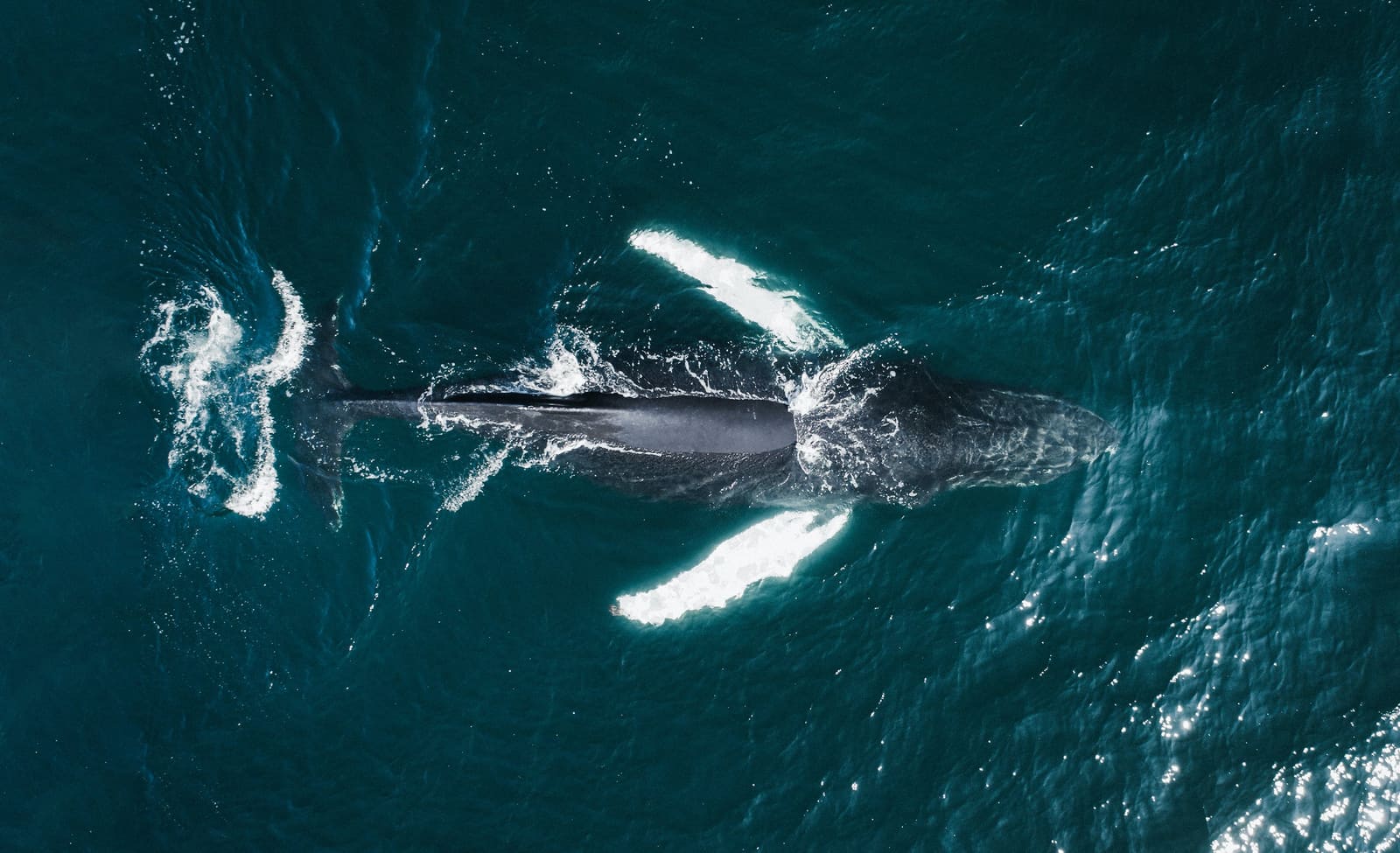
Boat trips are a major reason people choose Húsavík, but operator details should be checked close to travel.
Húsavík feels like a working bay town first
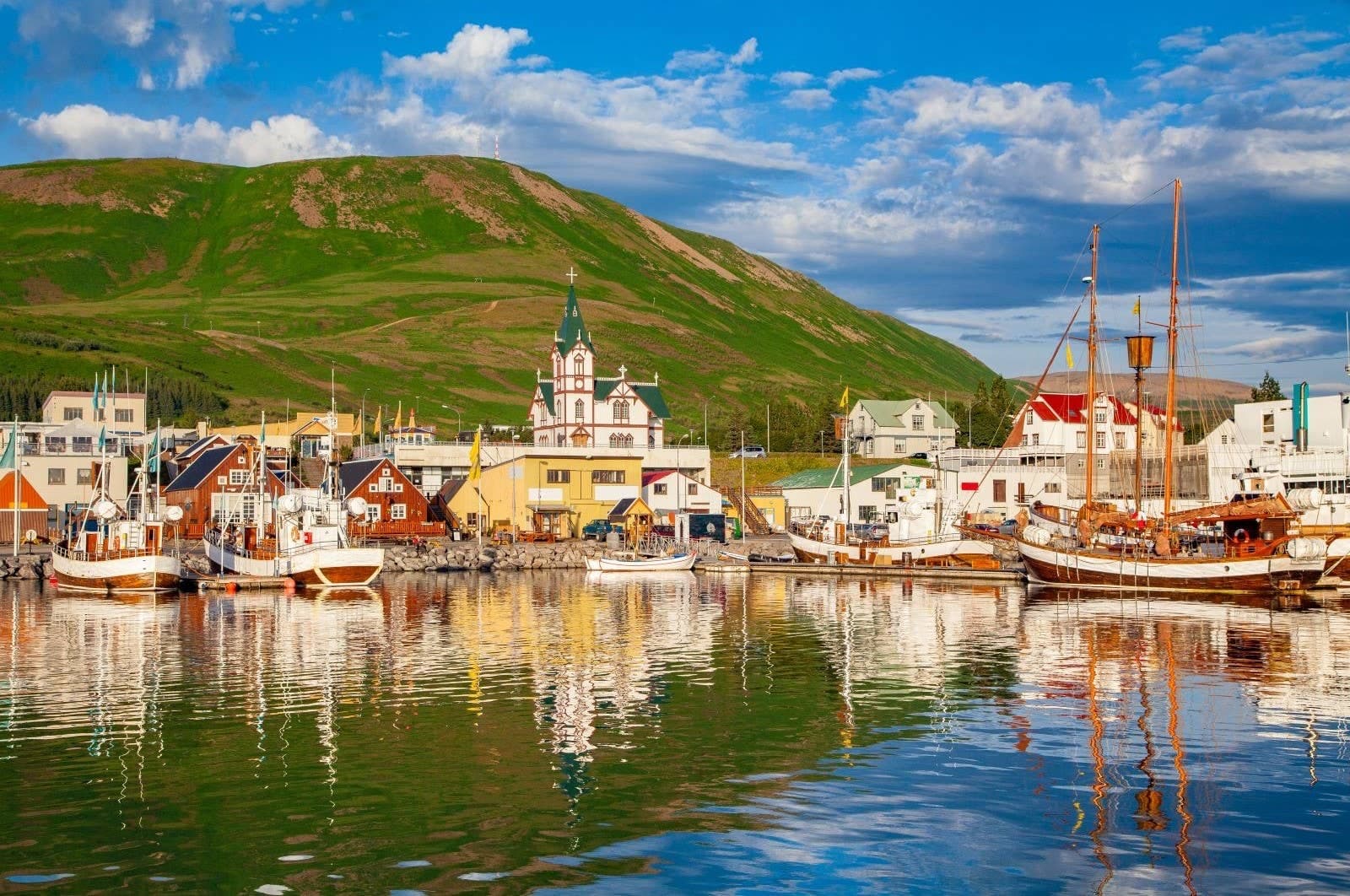
Húsavík feels like a working bay town first: boats in the harbor, a distinctive wooden church above the water, steep green slopes behind town, and Skjálfandi Bay opening north.
The best first move is simple. Walk the harbor edge, look back toward Húsavíkurkirkja, and decide whether the town is a short pause, a whale-watching base, or a slower afternoon. That is more useful than treating every local stop as mandatory.
The harbor is the town’s clearest first impression: boats, church, water, and steep North Iceland hills.
Compared with Akureyri, Húsavík is smaller and more singular. Compared with Mývatn, it is less about volcanic variety and more about the bay, boats, museums, and the feeling of being on the north coast.
Give Húsavík 2-4 hours for a harbor walk, church view, museum or GeoSea focus, and food or coffee
Give Húsavík 2-4 hours for a harbor walk, church view, museum or GeoSea focus, and food or coffee. Give it longer when a whale-watching trip is the reason for the stop.
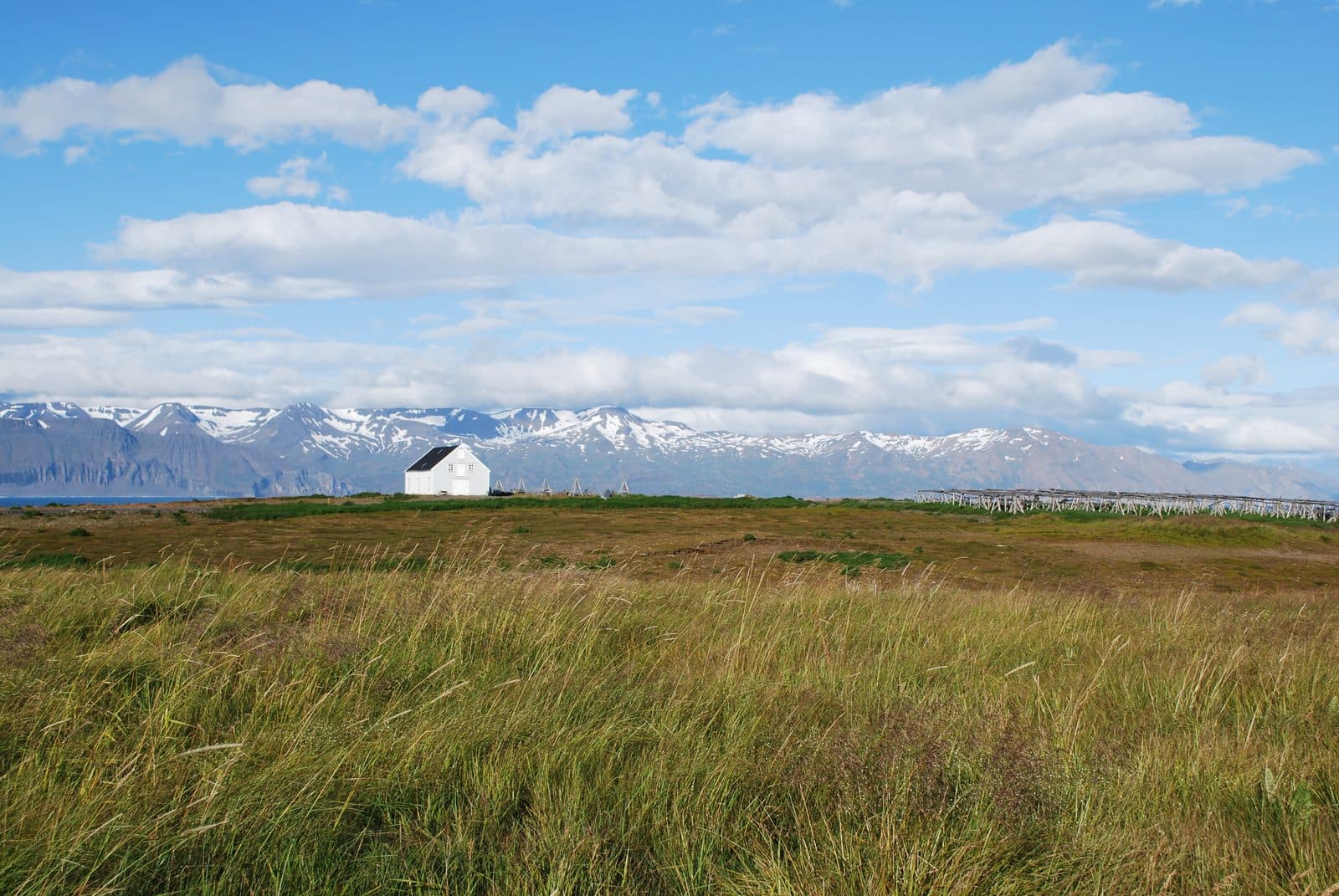
From above, Húsavík reads as a compact harbor town rather than a scattered regional stop.
Simple timing guide for Húsavík
Visit style
Time to allow
Best when
Quick harbor stop
About 45-90 minutes
You want the harbor, church view, and a short pause before continuing.
Better town stop
About 2-4 hours
You want a museum, GeoSea, food, or a slower walk around the center.
Boat-trip focus
Half day or more
Whale watching is the main reason to be in Húsavík and the schedule needs breathing room.
Overnight base
One night or more
You want a calmer north-coast base before Mývatn, Ásbyrgi, Dettifoss, or Arctic Coast Way driving.
Do not measure Húsavík like a roadside waterfall. The town rewards a coherent plan: one harbor walk, one main paid or museum focus if it fits, and a clear next move toward Mývatn, Ásbyrgi, or the wider North Iceland route.
Start with the harbor and Húsavíkurkirkja, then choose one main focus
Start with the harbor and Húsavíkurkirkja, then choose one main focus: whale watching, the Whale Museum, GeoSea, or a nearby coastal viewpoint. That keeps the stop useful instead of scattered.
Whale watching is the famous choice, but it should be treated as a weather- and operator-dependent plan rather than a casual add-on. If you are not booking a boat, Húsavík can still work as a harbor walk, church stop, museum stop, or bay-view bathing pause. For a land-based outlook over the town and bay, compare the Húsavíkurhöfði Peninsula before adding another paid activity.
Even when you do not book a boat trip, the working harbor gives Húsavík much of its appeal.
Choose whale watching when Skjálfandi Bay is the point of the day and you can protect enough time around the departure.
Choose the Whale Museum when you want context without committing the whole stop to a boat trip.
Choose GeoSea when the day needs a slower bay-view break rather than another landscape stop.
Choose a compact harbor-and-church pause when Húsavík is only one part of a Diamond Circle day.
GeoSea can turn Húsavík from a short harbor stop into a slower bay-view pause.
Where does Húsavík fit with Mývatn, Goðafoss, and Ásbyrgi?
Húsavík fits best as the coastal-town side of a North Iceland plan, while Mývatn gives volcanic variety, Goðafoss gives an easy waterfall stop, and Ásbyrgi or Dettifoss give canyon scale.
On a Diamond Circle-style day, Húsavík is the harbor and whale-watching contrast. Dimmuborgir and Lake Mývatn are better for volcanic walking, Ásbyrgi is better for canyon shelter and scale, and Hljóðaklettar is better for basalt texture.
Húsavíkurkirkja gives the town a clear landmark beyond the whale-watching harbor.
The practical risk is overloading the day. Húsavík can pair well with Goðafoss and Mývatn, or with Ásbyrgi and the north coast, but it becomes weaker when you only have enough time to park, glance at the harbor, and leave.
What changes with season, weather, and boat-trip plans?
Season and weather matter most when Húsavík is built around the bay. Town walking is straightforward in normal conditions, but boat trips, coastal wind, rough seas, and winter driving can change the plan.
Summer gives the most natural fit for whale watching, harbor wandering, and long northern light. Outside easy summer conditions, the town can still be worthwhile, but the decision shifts toward road conditions, weather windows, operator details, and whether the wider north route has enough margin.
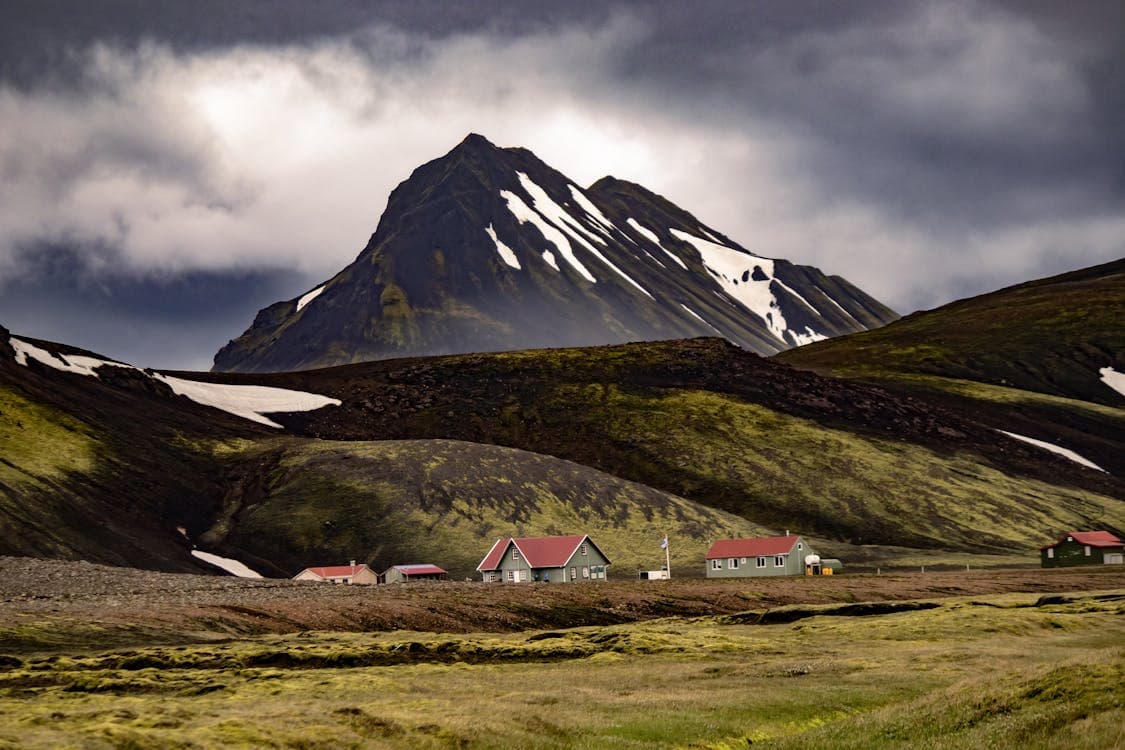
Clear weather makes Húsavík feel expansive, but the same bay setting can be wind- and schedule-sensitive.
Which official details should you check before you commit?
Use official visitor information for town context, operator pages for whale watching, museum, and GeoSea details, and official road and weather sources for the driving and coastal conditions around the stop.
Forecasts and warnings for coastal weather and route decisions.
The important distinction is stable versus fragile information. The stable reason to visit is the harbor-town setting on Skjálfandi Bay; fragile details belong with official visitor and operator sources close to travel.
Húsavík FAQ
These are the questions most likely to change whether Húsavík becomes a quick stop, a boat-trip base, or an overnight.
Is Húsavík only worth visiting for whale watching?
No. Whale watching is the main reason many travelers choose Húsavík, but the harbor, Húsavíkurkirkja, Whale Museum, GeoSea, and bay setting can still justify a shorter town stop.
Can Húsavík fit into a Diamond Circle day?
Yes, but only if the day has realistic margins. It pairs best with Mývatn, Goðafoss, Ásbyrgi, Dettifoss, or Hljóðaklettar when you are not forcing every stop into a rushed checklist.
Should I stay in Húsavík or just stop there?
Stay when whale watching, GeoSea, or a calmer north-coast base is central to the trip. Stop briefly when your main anchors are Mývatn, Goðafoss, and Dettifoss.
What should I check before a Húsavík whale-watching plan?
Check operator information, weather guidance, and your wider driving plan. Boat-based plans need more flexibility than a normal town walk.