Experience fit
- Broadest season
- Late spring to early summer
- Habitat clue
- Wetland, coast, river, or cliff
- Optics baseline
- Binoculars suit most stops
- Guide threshold
- Specific target or short window
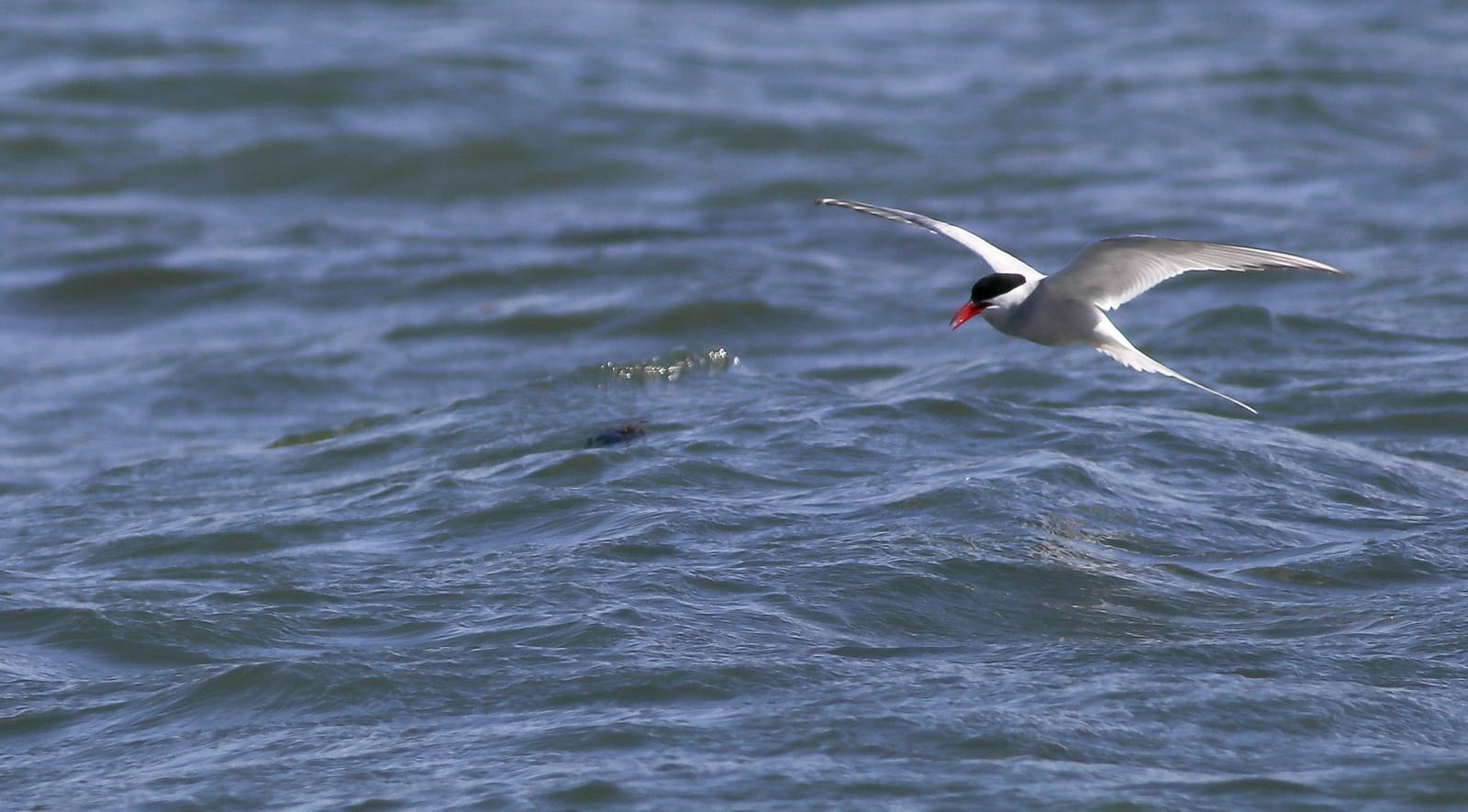
Birdwatching in Iceland begins with habitat: ducks on a restless lake, seabirds circling a cliff, or winter visitors along a sheltered coast. Late spring and early summer offer the widest variety, but the best choice is the place that suits your season, route, patience, and appetite for local guidance.
Experience fit
Turn off the engine beside a lake or harbor and the background noise starts to separate. One bird works the edge of the water, another dives beyond it, and a dark shape crossing the wind reveals a different flight from the gulls. Birdwatching is simply the choice to stay long enough for those differences to appear.
Late spring and early summer give the widest range of breeding activity, especially around wetlands and seabird colonies. That is the broadest answer, not a sighting promise. Spring and autumn passage bring birds moving through, while a winter coast can reward patient scans for sea ducks and other visitors.
The most satisfying first outing is usually not the farthest famous cliff. It is a strong habitat already beside your route, with enough time to watch without checking the clock. A lake edge in North Iceland, a low Reykjanes coast, or a sheltered Reykjavík shoreline can all work when the season and expectations suit the place.
Photo guide
1 / 7
Male and female common eiders rest together on moss beside West Iceland water.
Good to know
Habitat narrows the choice more usefully than a long list of place names. Wetlands concentrate ducks and other waterbirds, rocky coasts suit shore and sea watching, and cliffs hold breeding colonies when the season and access align.
| Seasonal window | Species group to notice | Habitat to choose | Independent or guided? |
|---|---|---|---|
| Late spring to early summer | Breeding seabirds, ducks, and waders | Wetland, river edge, or managed colony viewpoint | Independent suits broad watching; use a guide for a particular target |
| Midsummer into late summer | Waterbirds and colony activity, often less conspicuous later | Productive lake or coast already on the route | A guide helps when time is short or identification matters |
| Spring or autumn passage | Waders and birds moving between seasonal ranges | Low coast, lagoon, estuary, or harbor edge | Independent scanning works; local knowledge helps choose the day and shore |
| Winter | Sea ducks and winter visitors | Sheltered harbor, rocky coast, or open water near a base | Keep it independent near town, or add a guide for a focused coastal search |
Bird movement and breeding timing shift from year to year, so read these as broad windows. A report from another season or a photograph from a colony does not tell you what will appear on one morning. The useful commitment is to the habitat and the act of looking, with a particular species treated as a possibility.
A wetland can look quiet until the first sweep of binoculars. Ducks feed along one edge, waders work shallower ground, and a bird that seemed identical to its neighbor shows a different head shape, bill, or patch of color when it turns.
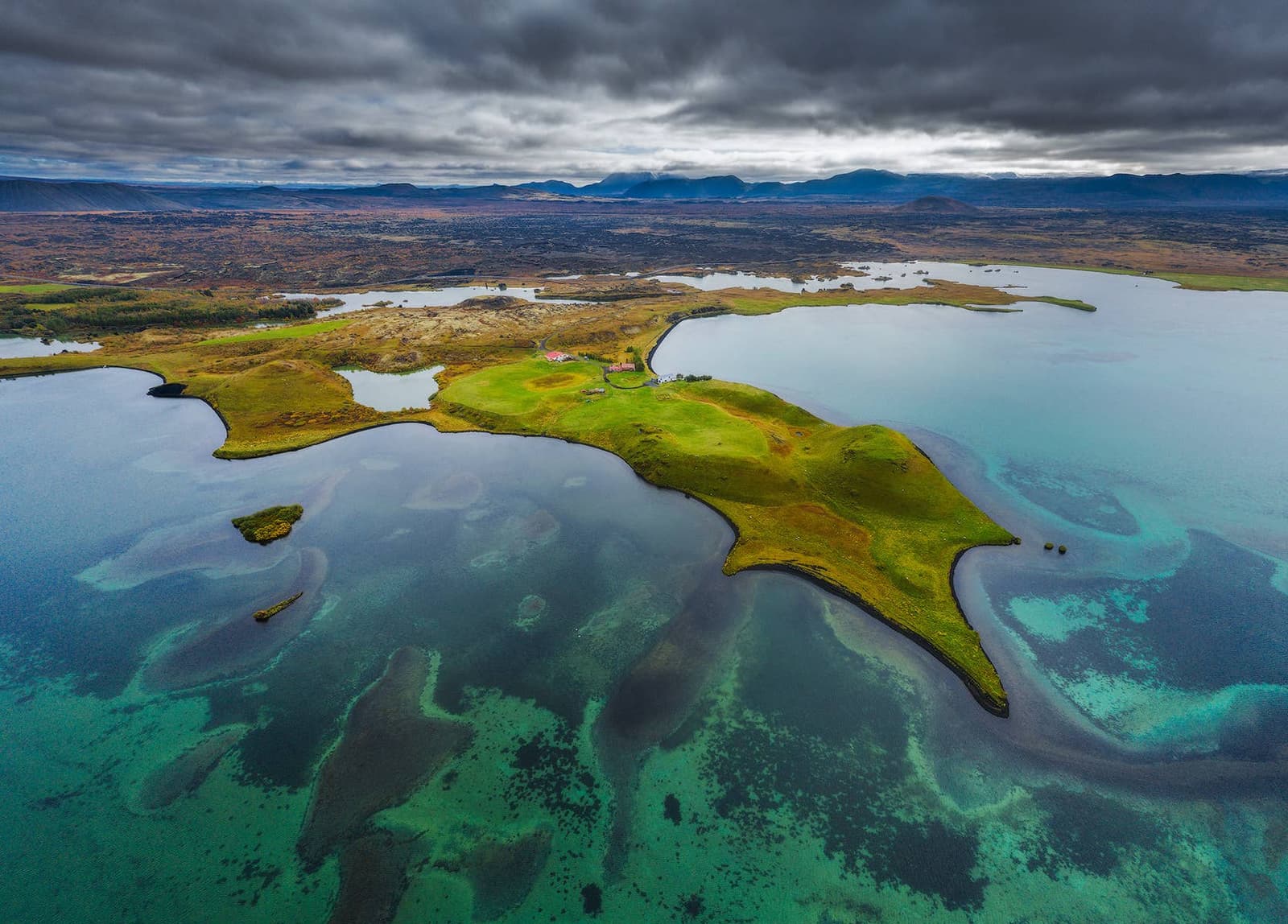
Lake Mývatn is the clearest waterfowl-led example for a broad Iceland trip. Its lake, ponds, river connections, and varied shore habitats make a better reason to slow down than any promise of a checklist. Treat each observation area as its own stop and follow local access, rather than circling every shoreline in search of one bird.
Binoculars are enough for most casual watching. Tuck your elbows against your ribs or steady yourself against a railing or parked car when the wind shakes the view. A spotting scope becomes useful when ducks are distant, fine identification matters, or the group is happy to settle in one place; it is extra weight if birding is only a short roadside pause.
Sigurgeir's Bird Museum can add identification context to a Mývatn day and gives poor weather a useful indoor alternative. It should support the outdoor hour, not turn a wetland visit into a race between displays and viewpoints.
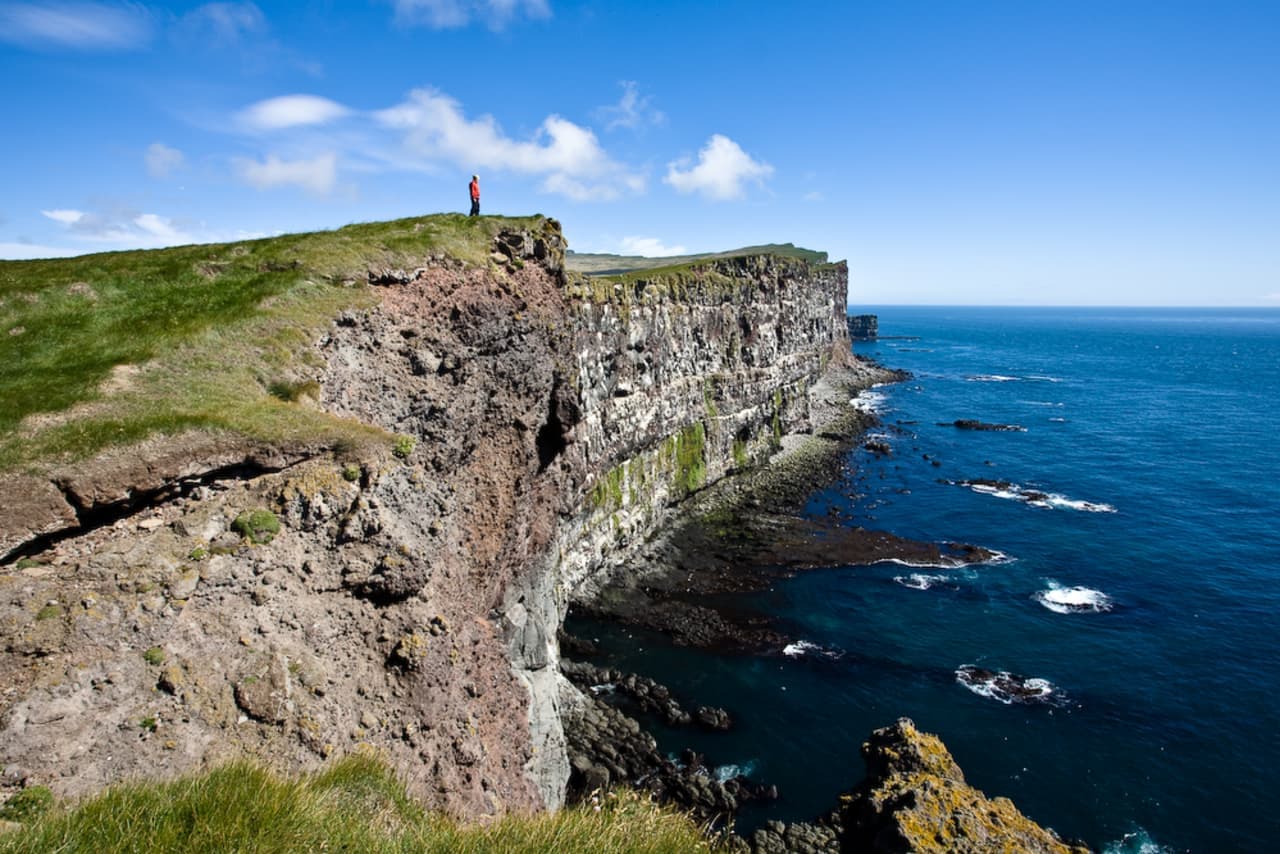
A seabird cliff is louder and less intimate than a close portrait suggests. Birds wheel above dark water, white bodies mark ledges across a huge rock face, and wind can make the colony feel farther away even when its sound carries clearly.
Cliffs suit travelers who want scale and colony behavior more than a tidy species photograph. Binoculars reveal flight patterns; a scope helps inspect distant ledges without approaching the edge. The trade is exposure: wind, visibility, fragile ground, barriers, and the road to a remote headland may matter more than the number of birds.
Látrabjarg is a Westfjords reserve and a serious remote stop, while Langanes Peninsula brings bird cliffs into a long Northeast coast detour. Neither belongs in the day only because a close-up photograph looked easy. The landscape and journey must still feel worthwhile from the proper viewing position.
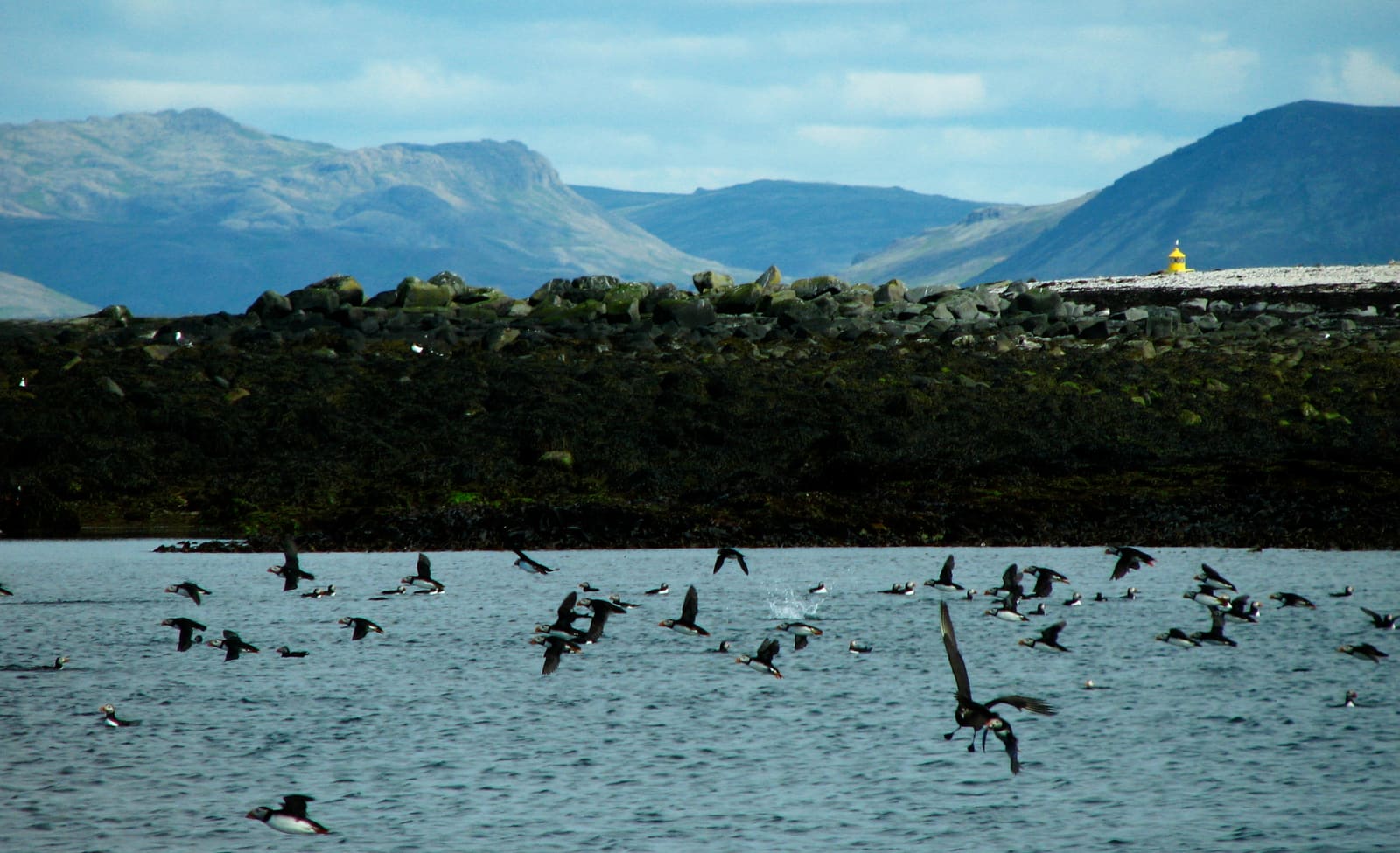
Puffins may share a cliff with many other seabirds, but they need their own month, access, and viewing-format choice. If that single species is the main aim, use the puffin-watching guide instead of stretching this broader birding page into a colony directory.
Outside the busiest breeding weeks, the coast changes rather than becoming empty. Passage birds pause on low shores in spring and autumn, while winter brings different visitors to harbors, rocky edges, and open water.
The Reykjanes Peninsula is useful because low coast, ponds, harbors, and rocky water sit near the capital and airport route. It can support a deliberate winter scan or a short passage-season stop without pretending that a rare bird report is a dependable attraction. Njarðvík gives one coastal example where distinctive ducks may be part of the wider shoreline interest.
Closer to Reykjavík, Seltjarnarnes and Grótta give the city a real tidal edge. Watch the shore and ponds from established access, note tide and weather, and leave enough daylight to return comfortably. The reward may be a familiar gull doing something interesting rather than a rare species, which is still a good birding hour.
Winter optics fog, hands cool quickly, and low light shortens useful observation. A lens cloth, thin gloves that still work with a focus wheel, and one sheltered backup position do more for the outing than adding another distant coast.
Independent birding is enough when you enjoy whatever the habitat reveals. A local guide becomes valuable when you have one short morning, want help separating similar birds, need a telescope, or care about a species group tied to a particular corner of the route.
The useful question is what the guide changes. Around Mývatn, that may be choosing between wetland edges and explaining waterfowl behavior. On Langanes, it may be local movement across a remote coast, a vehicle suited to the outing, and context for the cliff colonies. A guide still cannot make weather settle or birds appear.
These two local formats suit different North Iceland routes. Compare the habitat, transport, and amount of guidance you want before reading the direct details.
Geo Travel
Best forTravelers who want guided waterfowl observation around Lake Mývatn with local transport and shared birding scope.
Keep in mindThe structured outing leaves less room for an open-ended independent circuit around the lake.
Check firstRecheck the meeting arrangement, shared-optics fit, participant needs, operating dates, and cancellation terms.
Ytra Lón Farm & Retreat
Best forTravelers already committing to Langanes who want a tailored local guide, jeep, and coastal bird-cliff context.
Keep in mindThe remote coast asks for more route time than a wetland stop near a major North Iceland circuit.
Check firstRecheck pickup, route scope, physical access, optics expectations, operating dates, and cancellation terms.
A bird standing still is not an invitation to step closer. It may be guarding a nest, waiting to return with food, or holding its ground because a person blocks the easiest path away.
Stay on marked trails around breeding areas because eggs and nests can disappear into grass, gravel, or low vegetation. If birds call sharply, circle you, stop feeding, or repeatedly move away, increase the distance. There is no single number that suits every species and reserve; signs, barriers, wardens, and local guidance set the immediate boundary.
A longer lens is useful only when it replaces a closer approach. Keep voices low, do not block movement between water and nest, and avoid surrounding a bird with several photographers. Drones, dogs, food, and playback calls can add pressure that is invisible in the final image.
For more help with camera technique and difficult conditions, photography experiences in Iceland covers the choice between an independent stop and guided instruction. The bird's space still outranks the frame.
A useful kit is small enough to keep beside you: binoculars, a lens cloth, a waterproof layer, warm gloves, a notebook or identification app, and a little more time than the stop appears to need.
A scope and tripod earn their weight at distant wetlands or cliffs, especially when identification is the main purpose. For a general road trip, binoculars are quicker and less likely to turn every pause into equipment setup. Pack muted practical clothing for weather, not camouflage that encourages leaving the path.
On the observation day, check the Icelandic Met Office, Umferdin, and the site owner. Wind can make an exposed cliff unpleasant, a road notice can remove a remote detour, and breeding-season restrictions can change where visitors stand. A museum or sheltered town coast is a worthwhile reset when conditions erase the pleasure of looking.
For most travelers, the strongest plan is one habitat already on the route and at least an hour without another booking pressing against it. Begin independently. Add a local guide when a particular target, difficult identification, remote access, or one precious morning makes expertise more valuable than flexibility.
Use the Institute's bird and important-area material for national habitat and population context.
Review seasonal, equipment, lake, river, coast, and Langanes guidance for a focused Northeast trip.
Read the national reminder about marked trails and hard-to-see nests.
Check reserve etiquette, barriers, and cliff guidance before the Westfjords visit.
Review wind, precipitation, visibility, and warnings before exposed observation.
Check the full road, closures, conditions, and notices before a remote coast or cliff detour.
By ThorPublished
Where to do it
Narrow the plan to puffins, widen it to other animals, or give photography technique its own outing.
Regions
See which part of Iceland is most convenient for this experience and what else you can visit nearby.
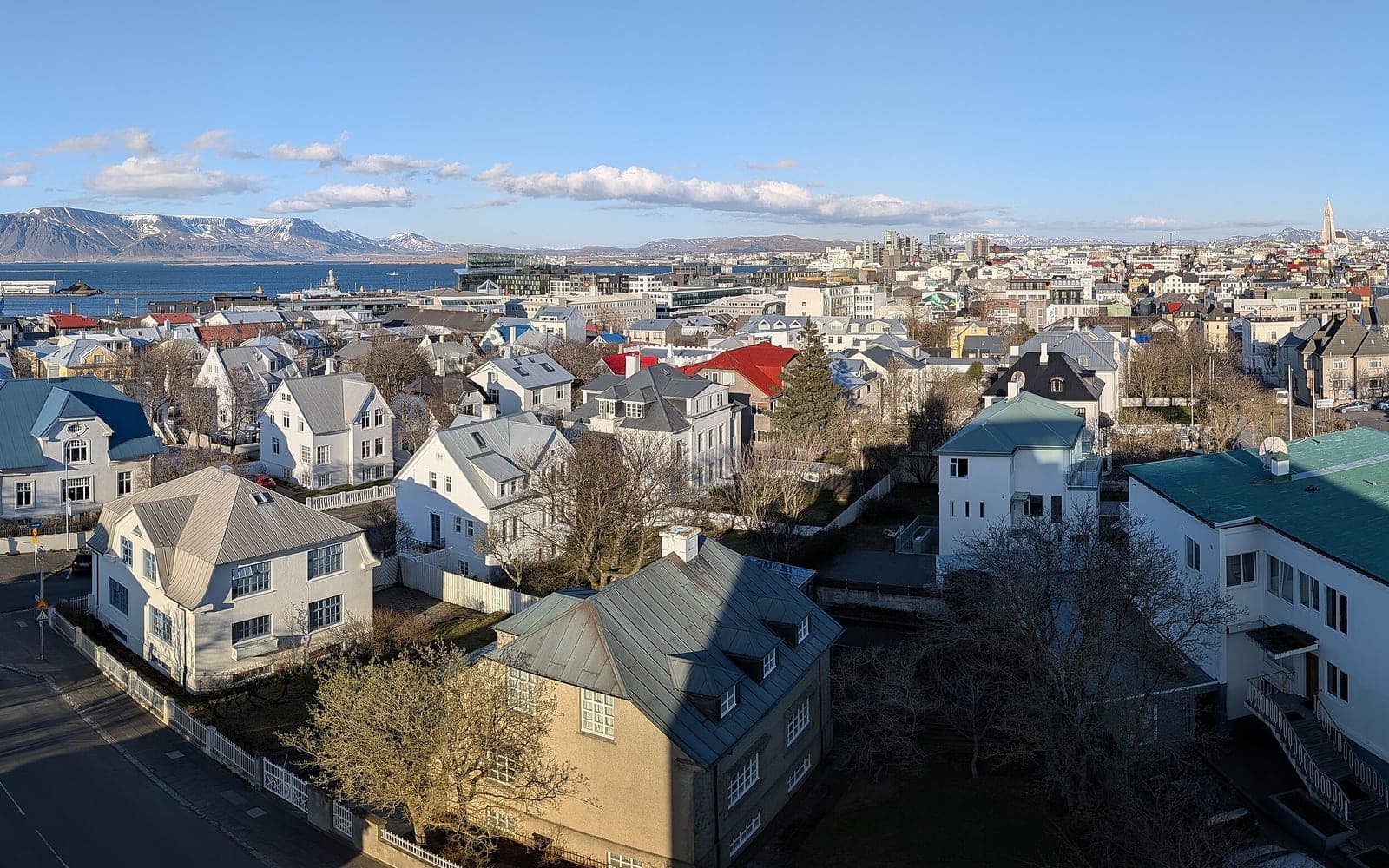
Choose Reykjavík for one or two car-free city days, a short break or a weather buffer—not as the default base for every long day trip.
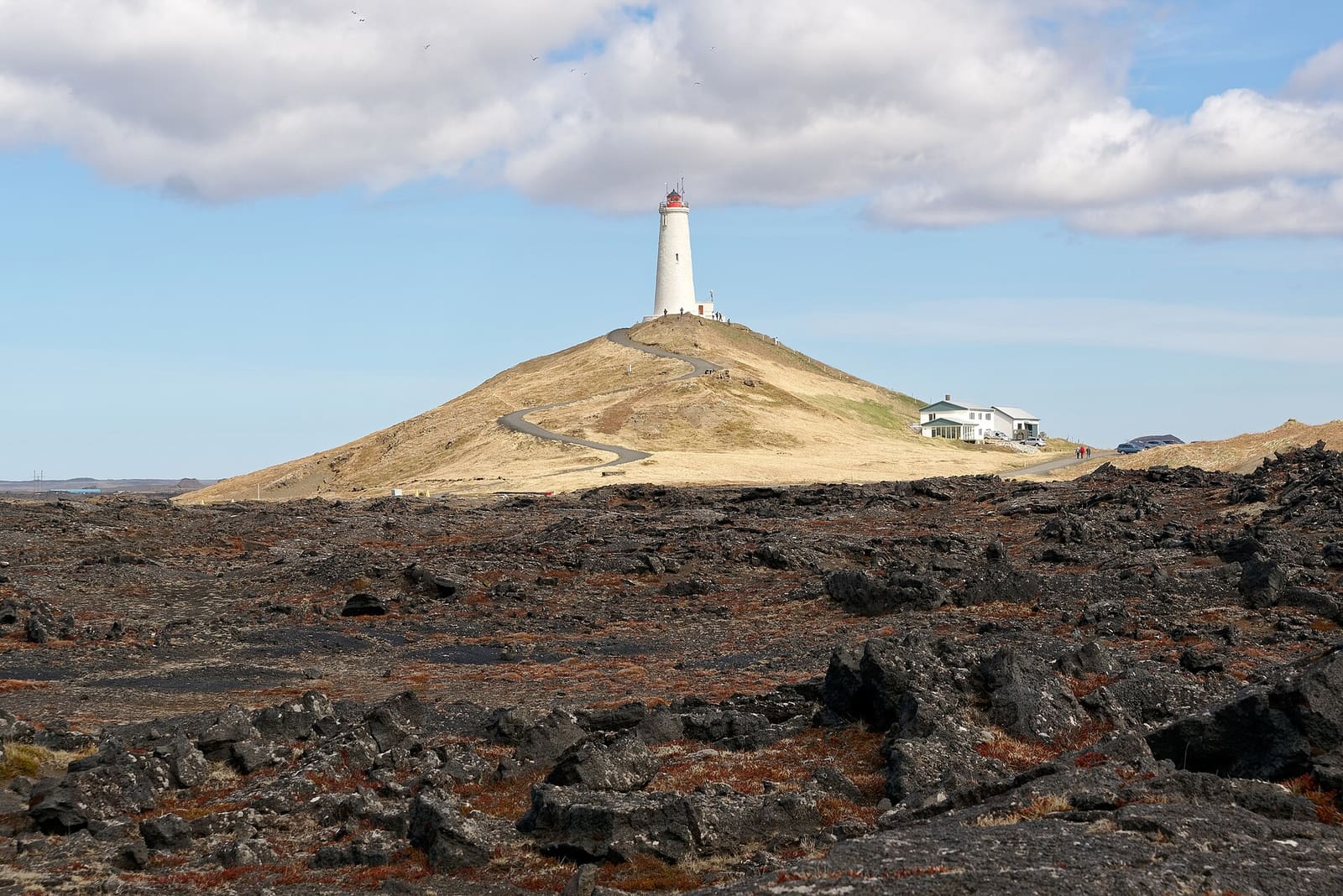
Use this volcanic peninsula for a careful half- or full-day route near KEF, but keep eruption sites, Grindavík and Blue Lagoon plans conditional.
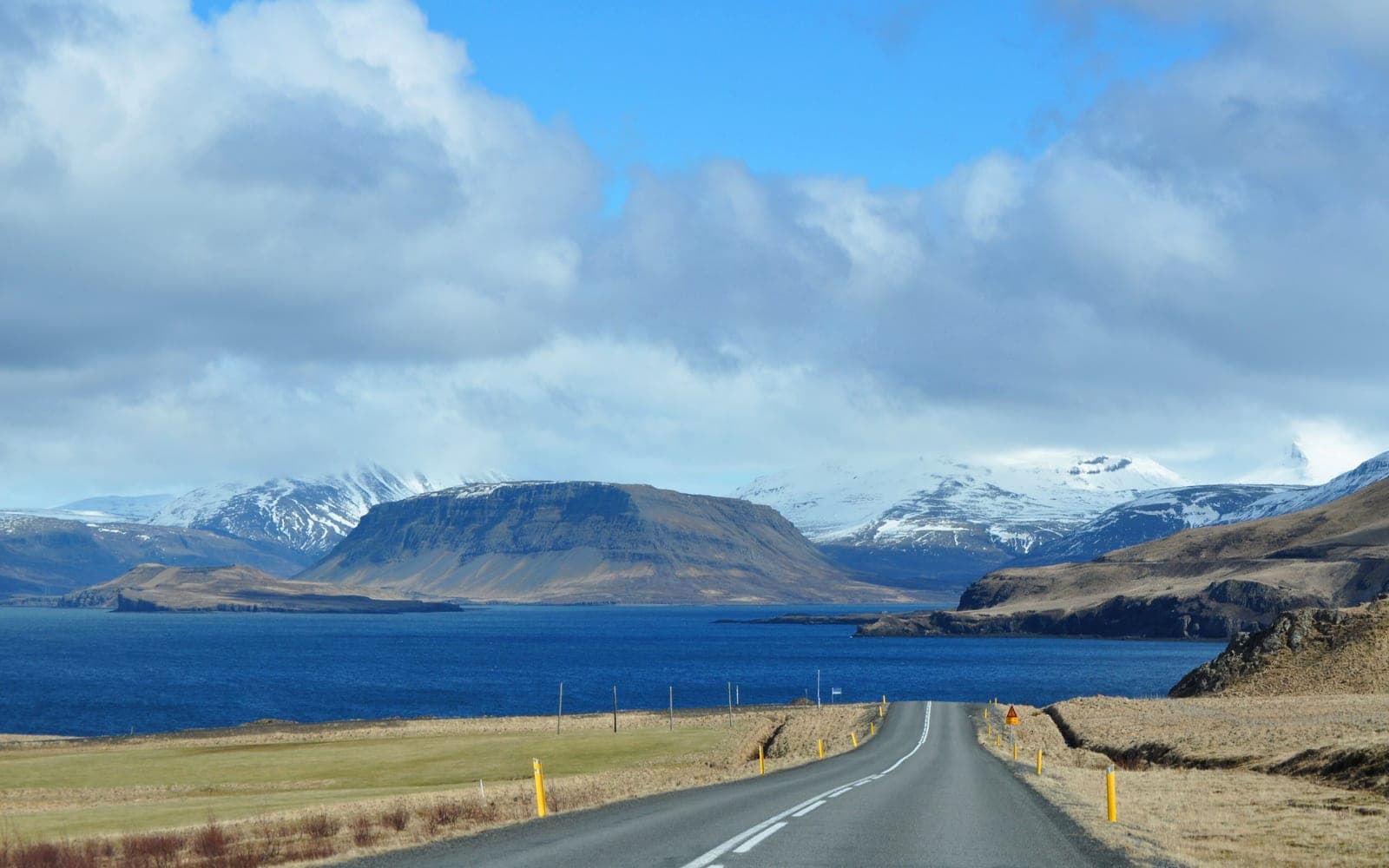
Choose West Iceland for a Borgarnes-based mix of waterfalls, geothermal stops, and caves; skip it if Snæfellsnes already fills your spare westbound day.
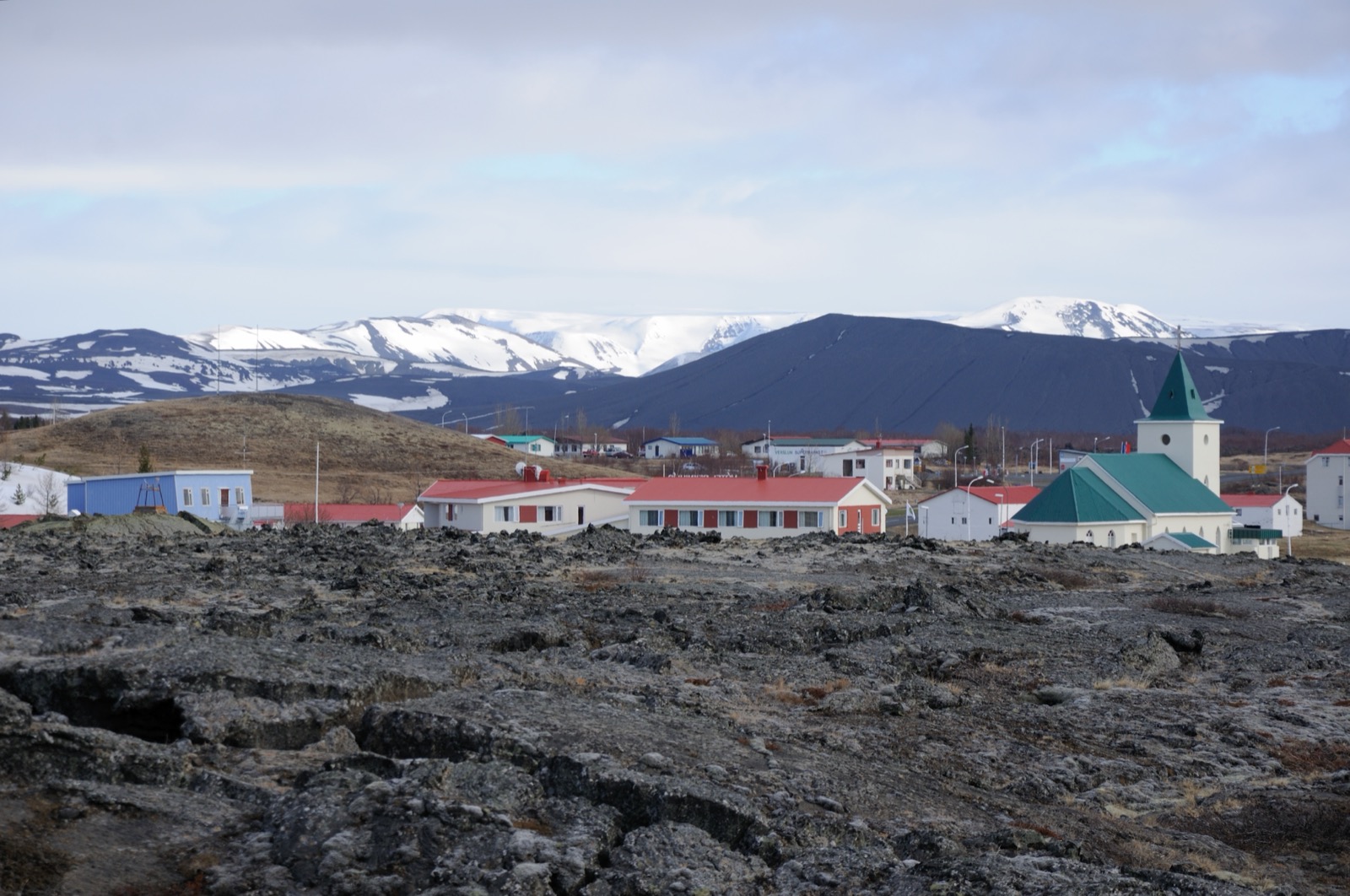
Choose North Iceland when you can spare several days for Akureyri, Mývatn, Húsavík, and canyon country; one rushed overnight barely reaches the region.
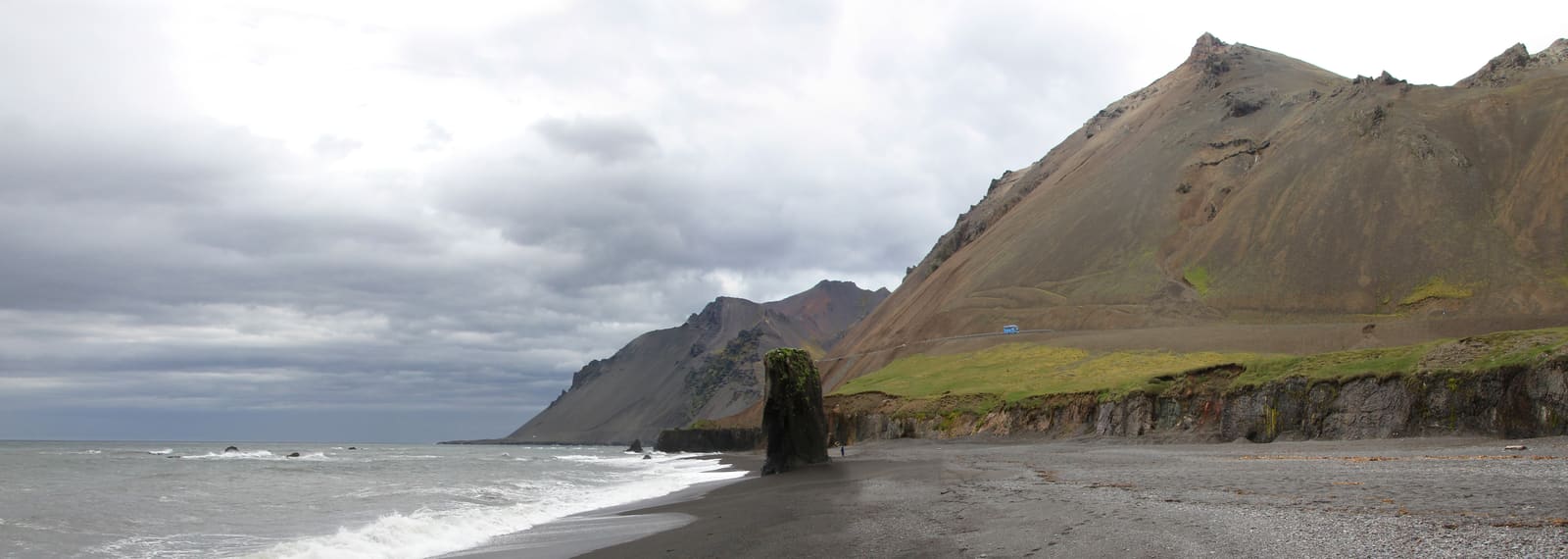
A Ring Road region for travelers who will trade headline density for fjord villages, hiking bases, and inland detours—and can protect at least two nights.
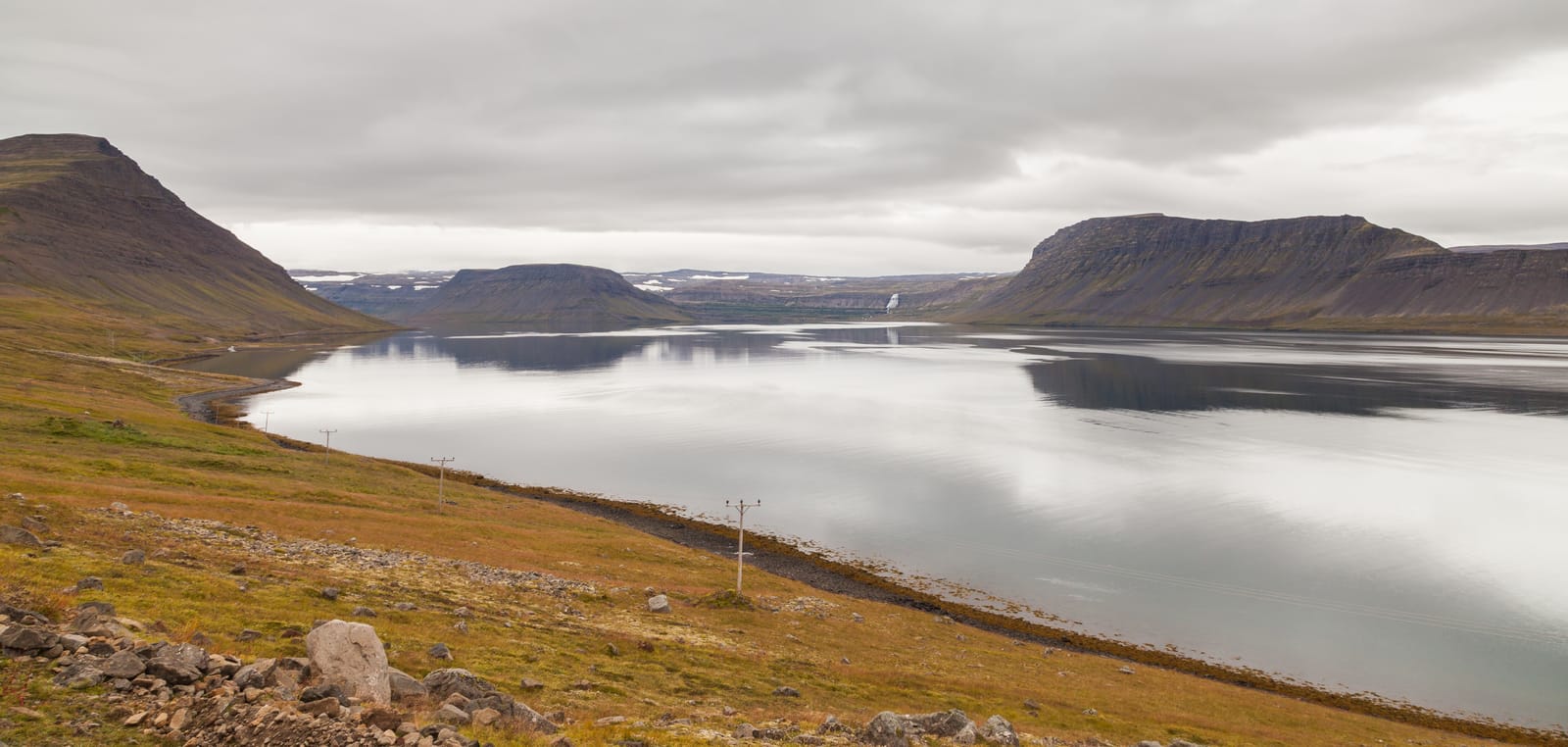
A separate multi-day commitment for travelers who value cliff roads, remote villages, and long scenic links enough to leave the Ring Road and keep weather slack.
More things to do
See other activities that may suit the same day, season, or part of Iceland.
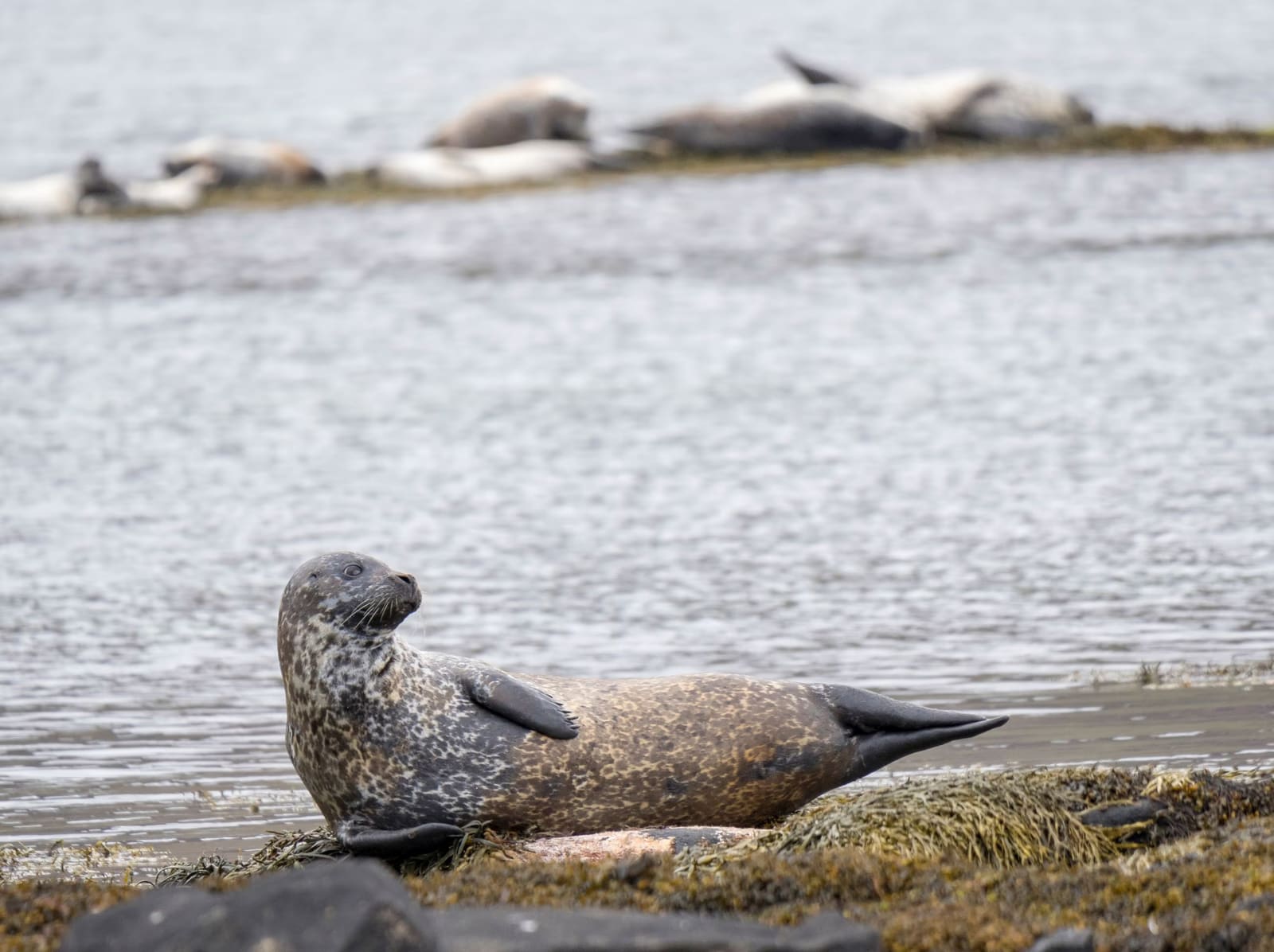
Choose Iceland wildlife experiences by fit, not animal fame. Compare whales, puffins, seals, Arctic fox interest, reindeer, Icelandic horses, bird cliffs, and indoor nature stops by season, route, patience, comfort, and viewing ethics.
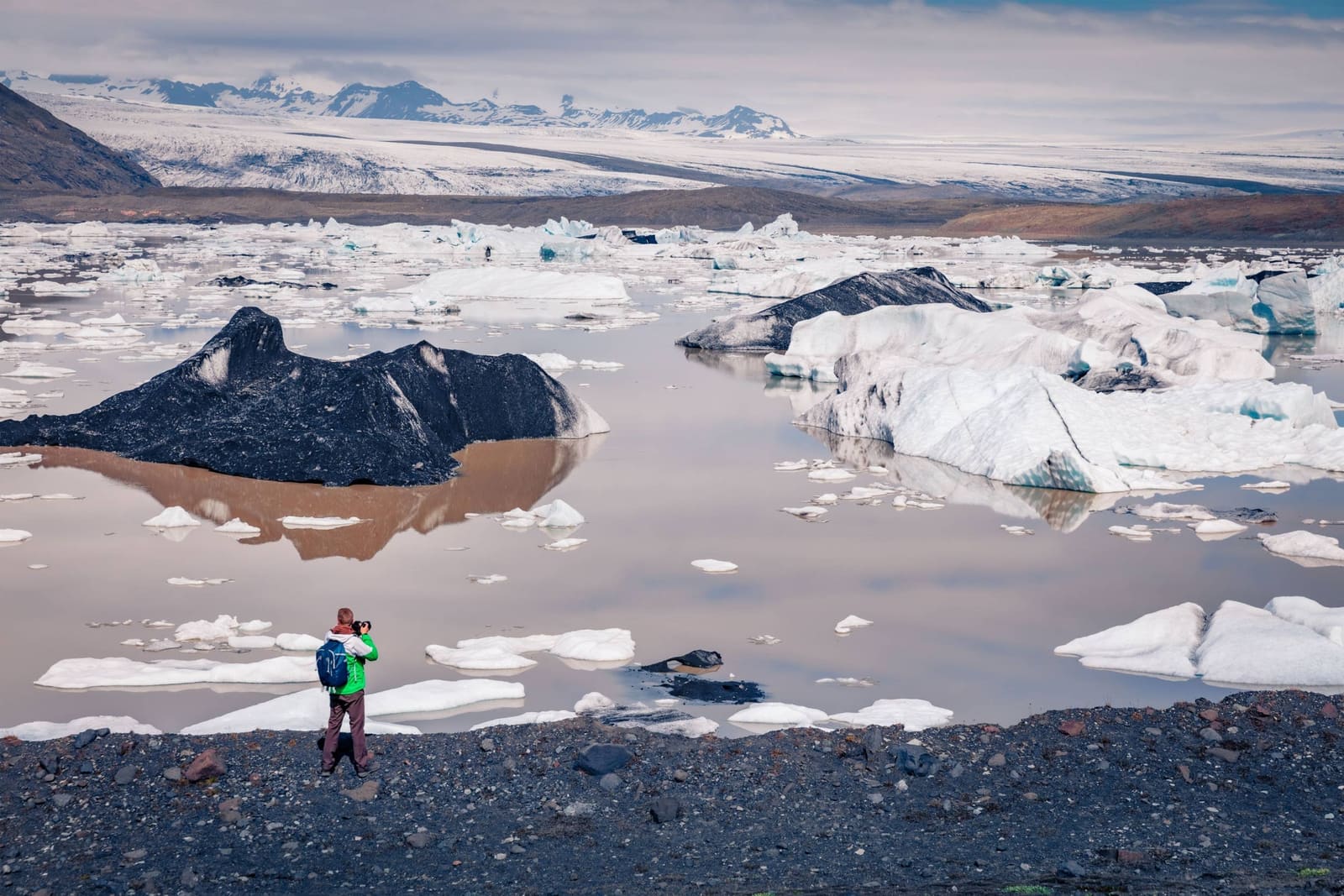
Iceland photography tours range from a phone-friendly Reykjavík walk to a private landscape day or a specialist workshop built around wildlife, aurora, coast, and ice. Start with the subject you want to understand, then match the useful light, access, instruction, and current conditions instead of collecting famous locations.
Travel advice
Read more about driving, weather, safety, and other details that may affect your trip.
Keep exploring
Continue with a wetland, a specialist puffin plan, or the details for Iceland's most famous Westfjords bird cliff.