Experience fit
- Choose first
- Water setting and route
- RIB appeal
- Speed, spray, low viewpoint
- Deck boat
- Shelter and room to move
- Wildlife test
- Worthwhile without a sighting
- Final call
- Operator and captain
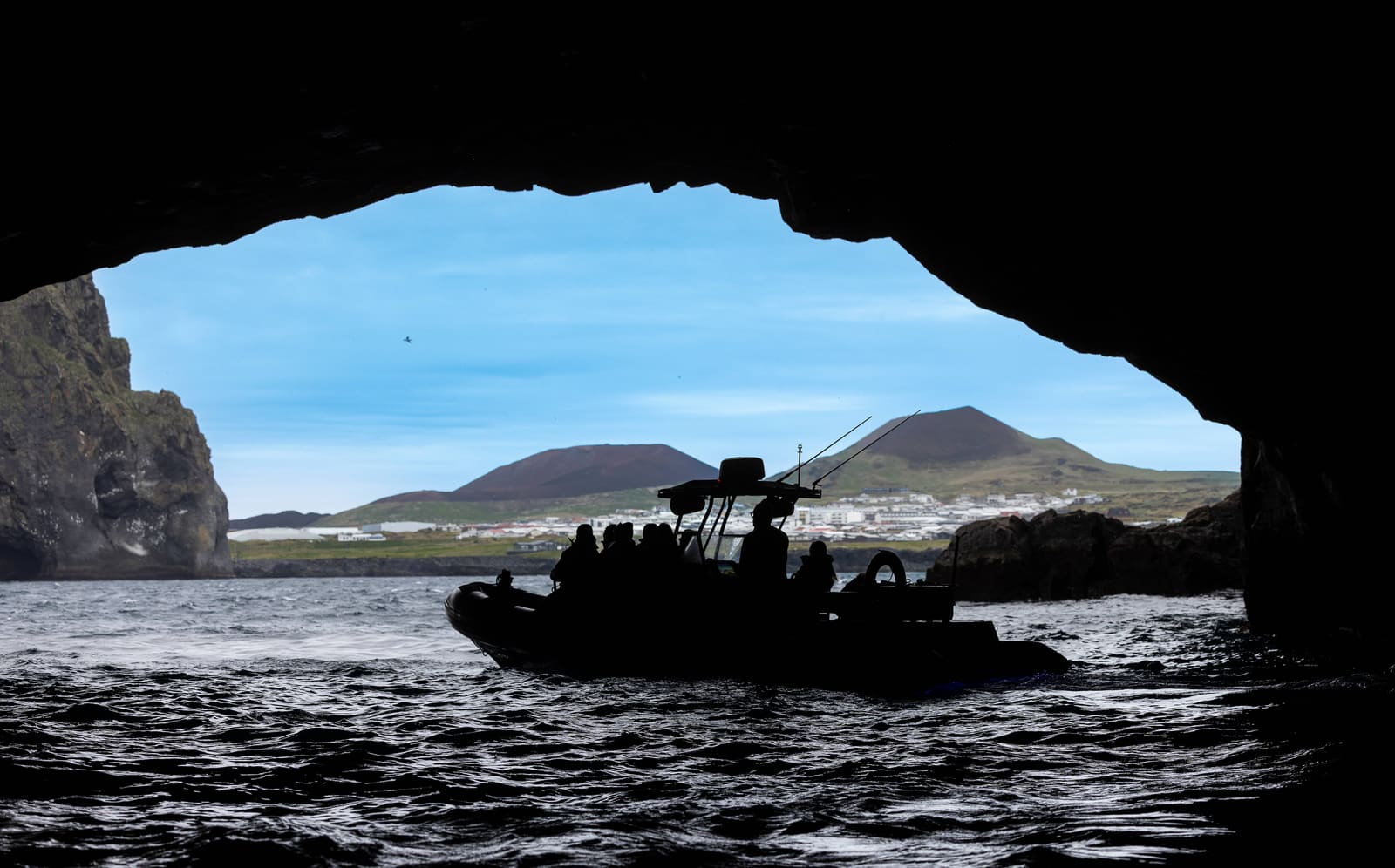
Past the harbor wall, Iceland's coast changes scale: caves become entrances, cliffs rise straight from the water, and the vessel becomes part of the outing. For a first boat trip, choose the coast, fjord, or lagoon already on your route, then match the boat's speed, shelter, and seating to your group.
Experience fit
From shore, an Icelandic cliff is a dark edge on the horizon. From a small boat, it becomes a wall of ledges, caves, arches, and narrow seams where the sea rises and falls.
That shift in scale is the strongest reason to take a broad coastal trip. You may leave from a city harbor, an island town, or the end of a long fjord, but the appeal is similar: the road drops out of sight and familiar landforms reveal a side that cannot be reached by car.
For a first boat outing, choose a landscape-led trip already beside your route. A RIB can turn speed, spray, and the low view beneath cliffs into part of the experience. A larger passenger boat can give you deck space, shelter, and time to watch the coast unfold.
Neither format is automatically better. The useful question is what you want to feel on the water, then whether the exact vessel gives your group the right balance of movement, shelter, seating, and view.
Photo guide
1 / 7
A passenger ship looks small beneath the long mountain wall of an Eastfjords fjord.
Good to know
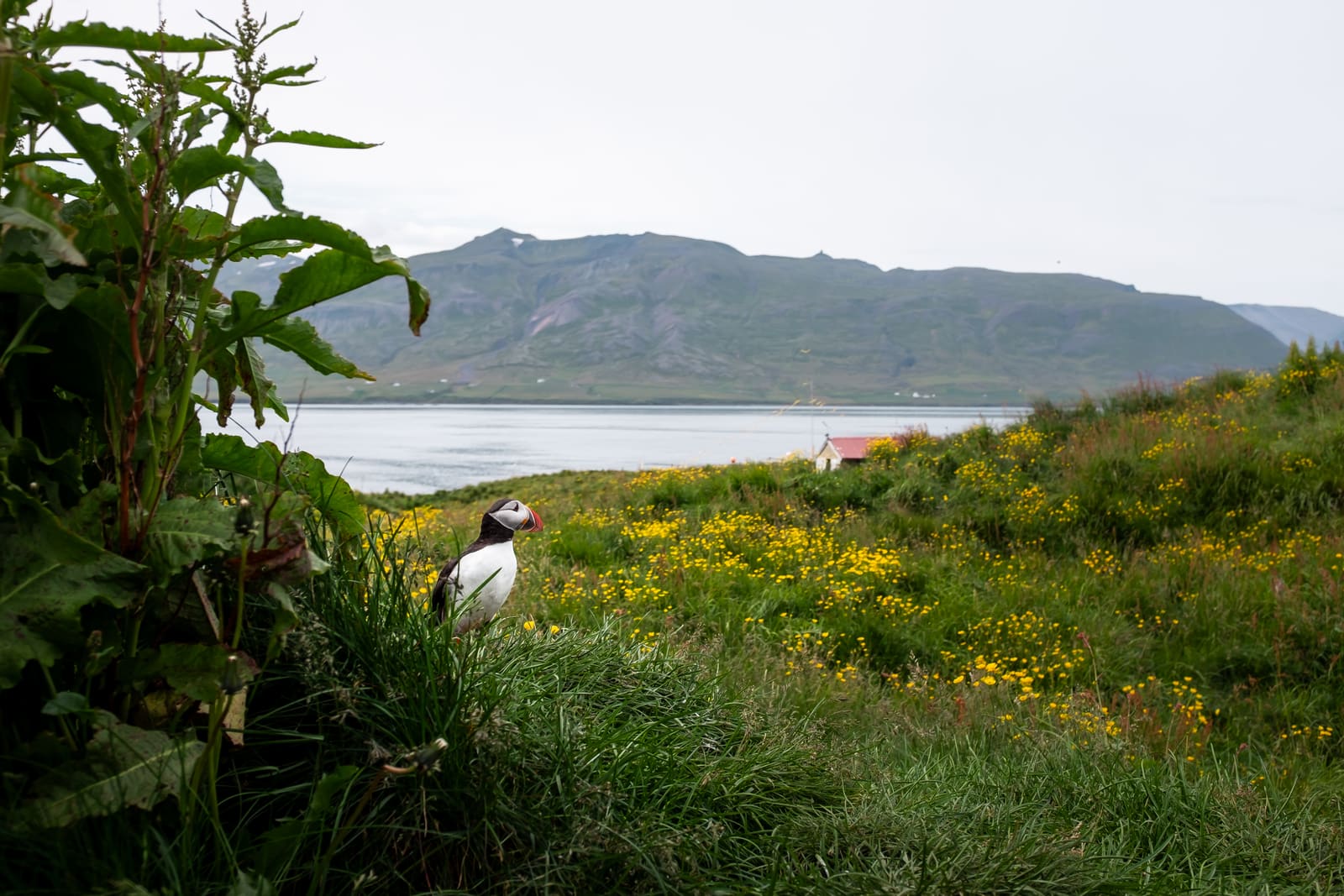
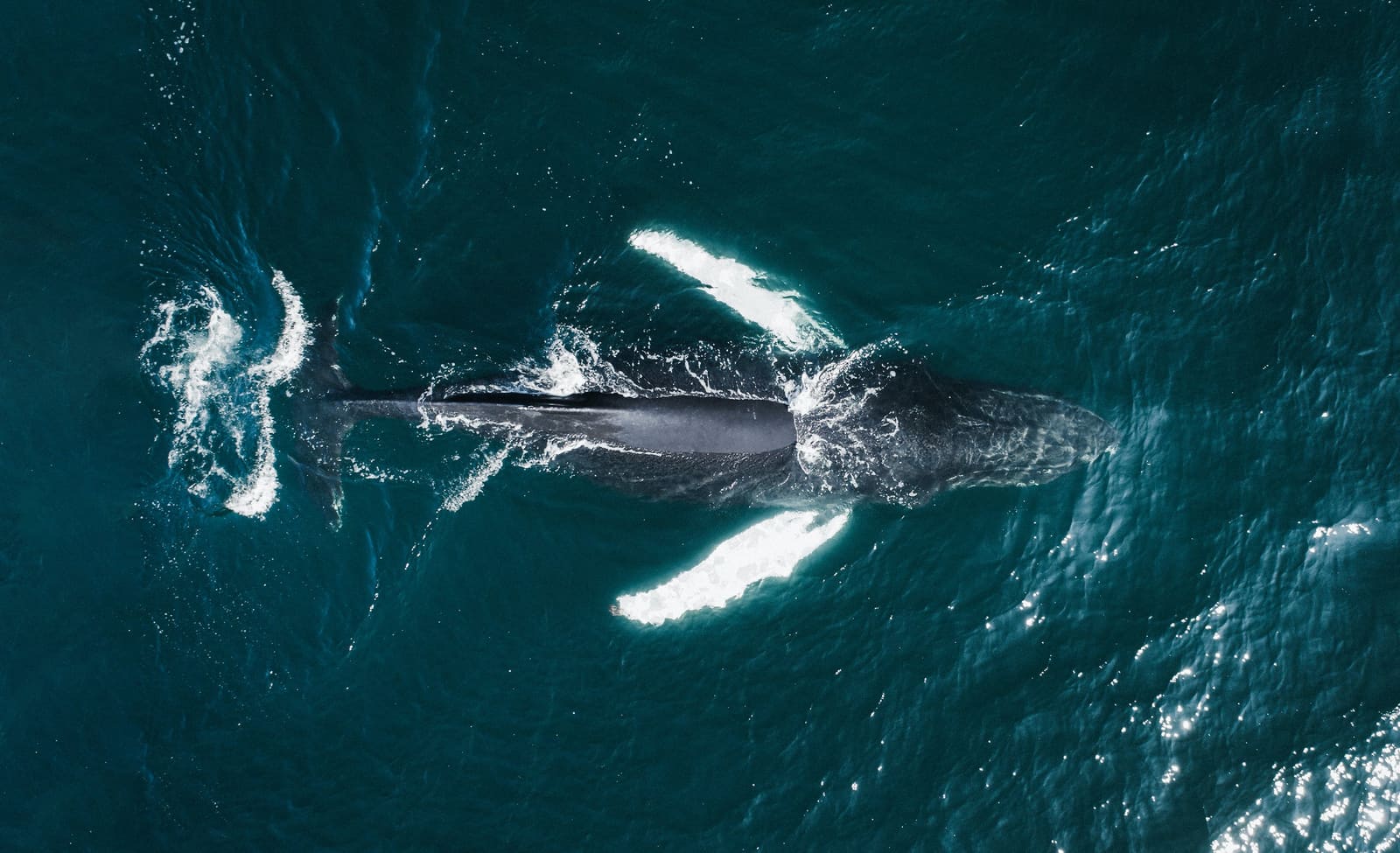
Whales, puffins, seals, and seabirds can change the mood of a trip in an instant. They should not be the only thing holding a broad coastal outing together.
Choose a route whose cliffs, fjord, islands, ice, or maritime story would still interest you if animals remain distant. That turns wildlife into a genuine highlight instead of a condition the sea must satisfy. It also makes the choice easier: first decide whether you want the ride, the landscape, or the animal search to lead.
When one animal is the point, move to the specialist decision. The whale-watching guide compares departure bases and viewing formats, while puffin watching deals with a more seasonal bird-first choice. The broader wildlife guide helps when you are deciding between the sea and a land-based encounter.
A boat-tour search mixes trips that happen in very different places. Start with the water setting, because it shapes the scenery, exposure, journey to the harbor, and kind of vessel you are likely to meet.
| Water setting | Common vessel feel | Wildlife role | Comfort question | Best route fit |
|---|---|---|---|---|
| Open coast or islands | RIB, small cruiser, or deck boat | Possible highlight beside cliffs and caves | How exposed are the seats and ride? | A harbor already on the itinerary |
| Bay or marine wildlife route | RIB, classic boat, yacht, or larger vessel | Often the main search | Do I prefer speed or shelter? | A chosen wildlife departure base |
| Sheltered or long fjord | Small cruiser or passenger ship | Part of a landscape-led outing | Can I move between deck and shelter? | A fjord town worth visiting anyway |
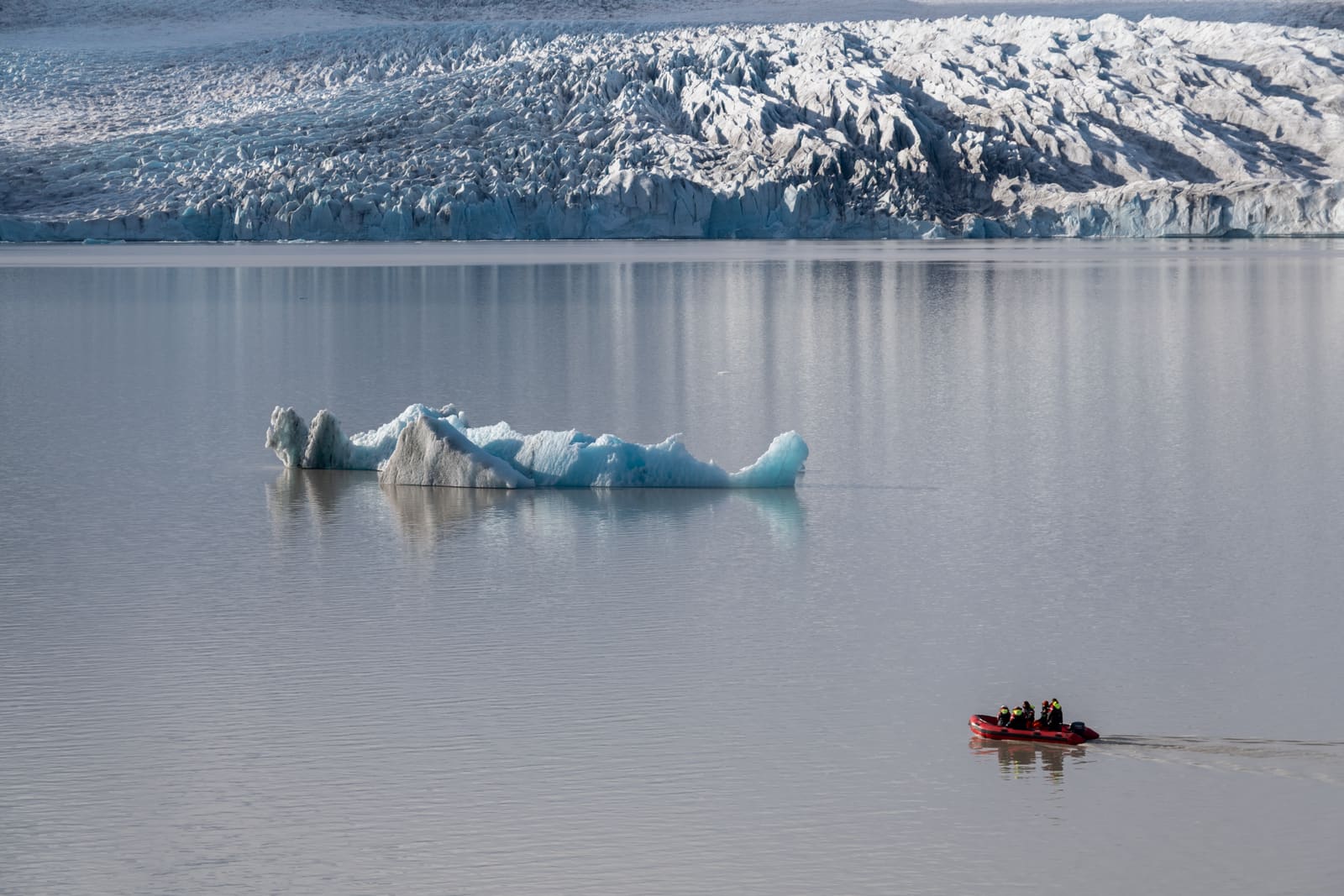
| Glacier lagoon | Amphibian or specialist small craft | Secondary to ice and lagoon scenery | What are the exact boarding rules? | A South Coast or southeast day |
| Sea-angling water | Working fishing boat or cruiser | Incidental; not the main promise | Where can I sit when not fishing? | A participatory fishing plan |
The table is a sorting tool, not a universal fleet guide. Two RIBs can have different seats, clothing, participant rules, and coastal exposure. Two larger boats can differ just as much in boarding, indoor space, viewing decks, toilets, and how freely passengers can move.
A glacier lagoon also deserves its own branch. The glacier-lagoon boat guide compares the specialist craft at Jökulsárlón, while the Jökulsárlón guide helps place the water outing within the wider stop.
The vessel is not transport hidden beneath the tour. It determines where your body sits, how much of the air and spray you feel, and whether the journey is a fast ride or a slower moving viewpoint.
Choose a coastal RIB when acceleration, a low position near the water, and quick movement between caves or cliff faces are part of the attraction. Expect fixed seating and inspect the exact operator's rules for age, seating, pregnancy, back or joint concerns, supplied outerwear, and the possibility of a bumpier ride.
Choose a larger vessel when indoor shelter, toilets, a higher deck, or room to change viewing position matters more. Verify those features on the actual boat; size alone does not prove comfort, accessibility, or a smooth trip. Ask whether the assigned vessel can change and what that would mean for your group.
A small cruiser can sit between these formats, with a more intimate scale than a large ship and more shelter than an exposed RIB. That middle ground is useful only when the operator explains the actual boat, not when the word cruiser is left to do all the work.
The best boat trip is often the one that deepens a place you already wanted to visit. A distant departure with a famous label can be a weaker day than a modest harbor trip that belongs naturally on your route.
Around Heimaey, the coast is part of an island day: the harbor, cliffs, caves, and the town all support the same decision. A boat can reveal the outside of the island, while the land portion keeps the day valuable before and after the sailing.
In Seyðisfjörður, the long fjord and maritime story favor a slower landscape-led outing. The appeal is not simply reaching open sea. It is watching the scale of the mountains and shoreline change from a vessel that becomes a moving viewpoint.
At a glacier lagoon, the water is quieter but the decision is more specialized. Ice, shoreline access, the exact craft, and participant boundaries matter more than a coastal-vessel label. Treat that as a lagoon experience. A marine RIB and a lagoon Zodiac are not interchangeable.
These examples show why vessel and setting should be compared together. One makes the Westman Islands coast and the RIB ride central; the other uses a traditional ship to open up an Eastfjords landscape.
Choose between a ride-led look at an island coast and a slower landscape-led fjord outing. Confirm the changeable details on the direct page.
Island Adventures
Best forTravelers who want a short, ride-led look at cliffs, coves, and sea caves.
Keep in mindFixed RIB seating, spray, and a bumpy ride make the exact participant rules important.
Check firstConfirm the vessel, seating, supplied outerwear, participant rules, meeting point, and weather response.
Tröllanes
Best forEastfjords travelers who want fjord scenery, local maritime stories, and indoor and outdoor viewing areas.
Keep in mindThe slower landscape-first outing needs a Seyðisfjörður stay, and wildlife remains possible without carrying the whole promise.
Check firstConfirm the vessel, boarding, deck access, operating dates, and response to changed sea conditions.
Wind, sea state, visibility, and conditions along a specific route can change what sails. The national coastal forecast gives context, but the operator and captain make the decision for their vessel and water.
Check the forecast near departure, then leave the route diagnosis to the operator's message. A calm-looking harbor does not describe the water beyond it, and a national forecast does not tell you whether one small craft will enter a cave or one larger ship will use its planned route.
Build a fallback from the place, not from another distant booking. Around Reykjavík Harbour, a changed sailing can become a city day. On Heimaey or in Seyðisfjörður, keep a land-based island or fjord plan. Near Jökulsárlón, preserve time for the shore and nearby landscape without assuming the boat must run.
If being on the water matters more than the exact vessel, kayaking can offer a slower, more participatory alternative in the right setting. It has its own skill, clothing, guide, and weather boundaries, so treat it as a new decision, not a guaranteed substitute.
A final check should be concrete enough that the answer changes your choice. Vessel names and polished photographs cannot tell you how a person steps aboard, where they remain seated, or what happens when conditions change.
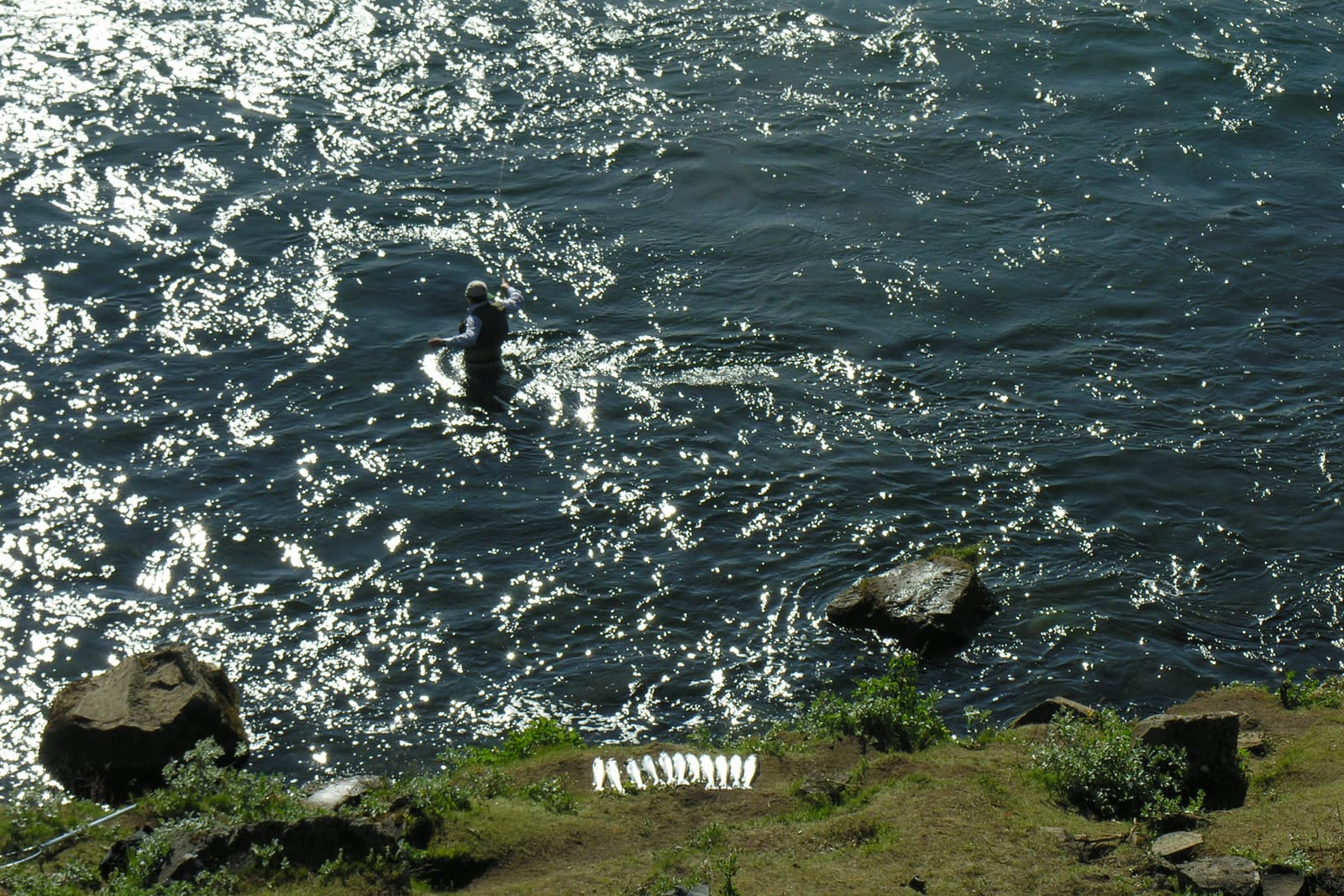
If fishing is the reason to board, the questions change again. The fishing guide owns gear, participation, permits, and freshwater-versus-sea choices. A scenic cruise with possible angling is not the same promise as a fishing-led outing.
Use the Transport Authority explanation when checking the permit required for commercial sightseeing and fishing trips.
Use the forecast for context, then follow the operator and captain's decision for the exact departure.
Use the regional overview to see how coastal, island, river, and glacier-lagoon outings can sit under the same broad boat-tour label.
By ThorPublished
Where to do it
Move into the specialist guide when whales, puffins, lagoon ice, or fishing matters more than the boat ride itself.
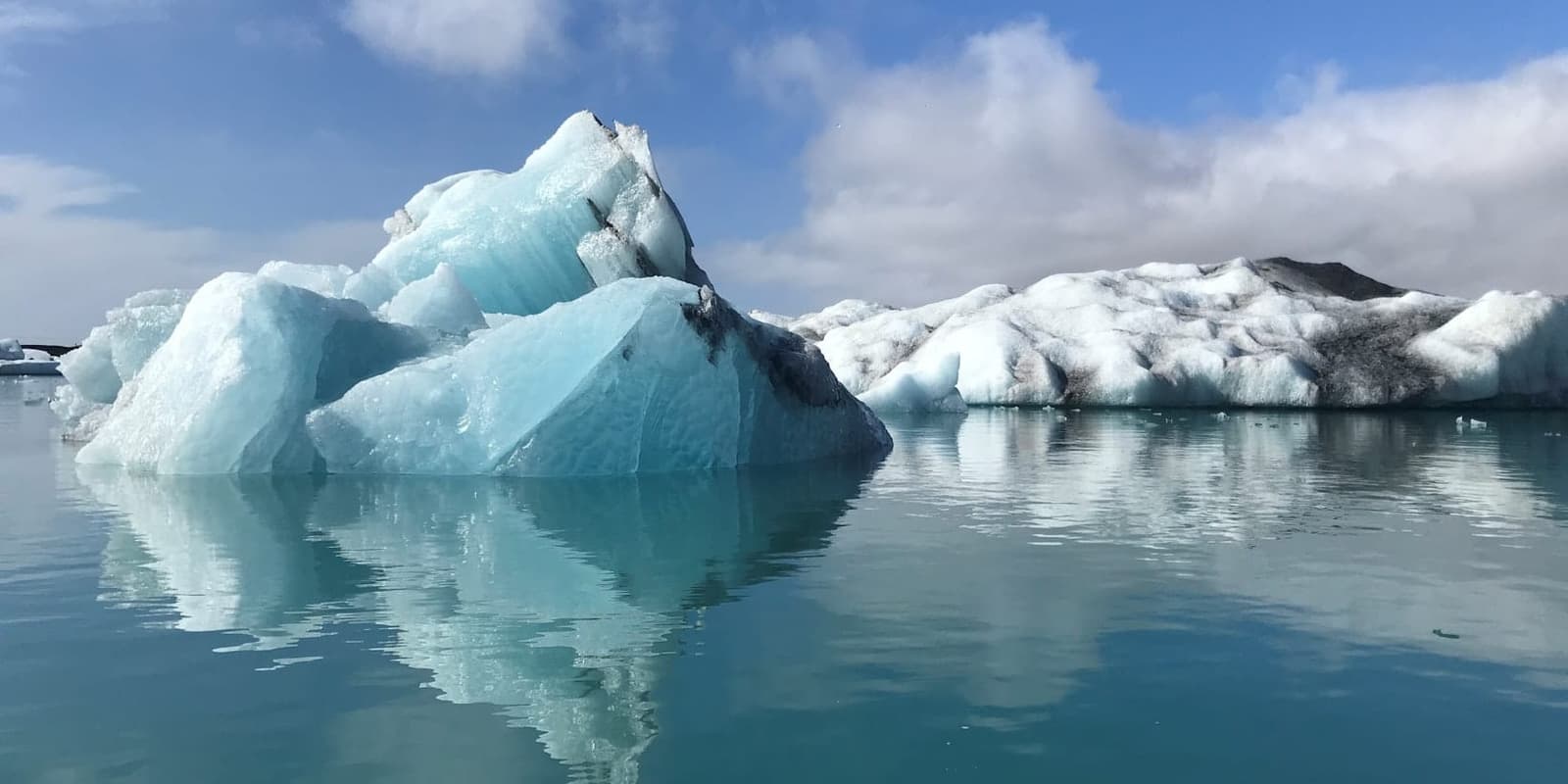
Jökulsárlón is a glacier lagoon where icebergs break from Breiðamerkurjökull and drift toward the Atlantic. The shore is easy to reach from Route 1, but the ice, weather and nearby ocean still need respect.
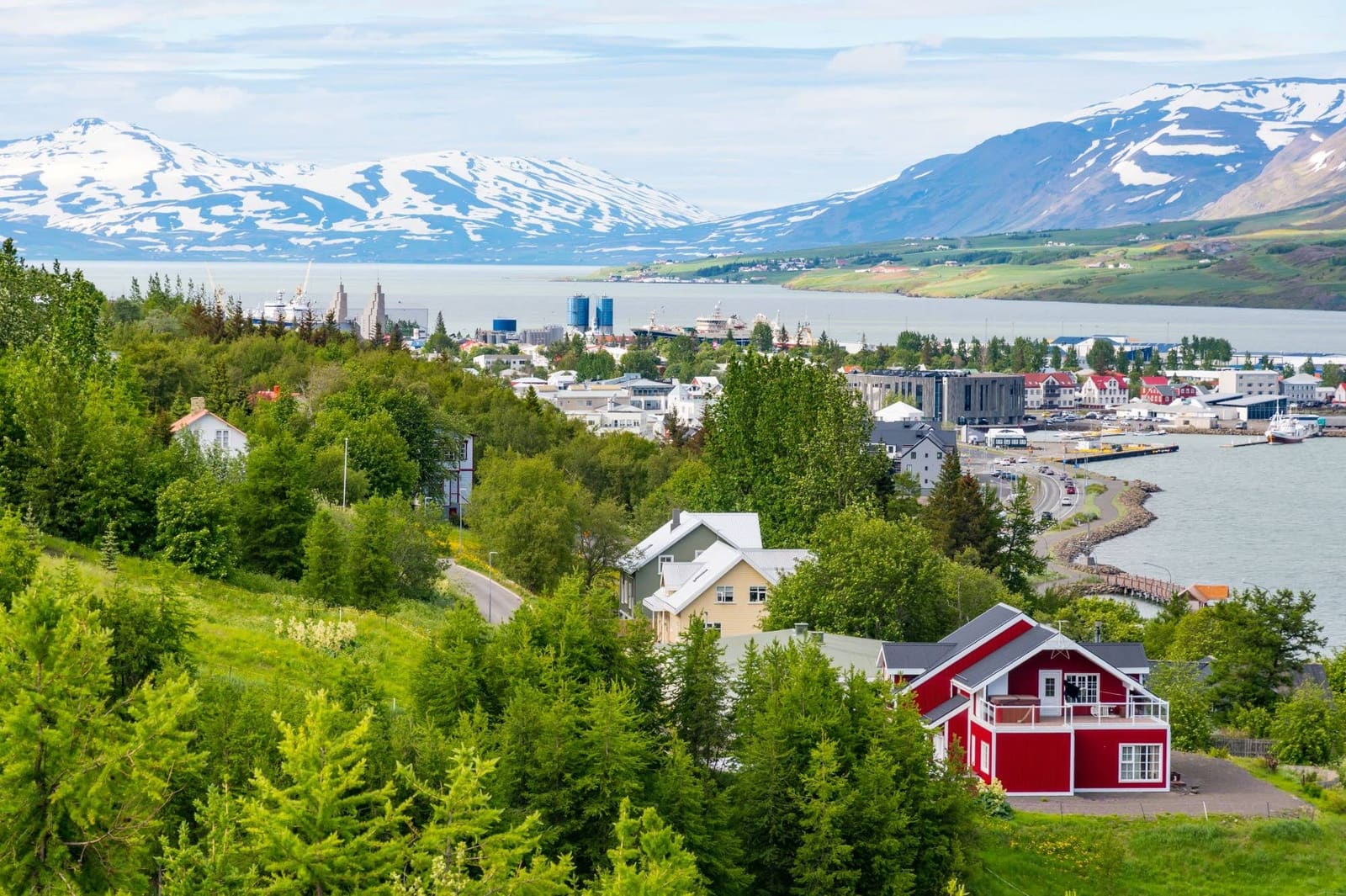
Eyjafjörður is North Iceland’s long fjord around Akureyri, best for travelers who want a slower base area with island ferries, fishing villages, birdlife, whale watching, and Arctic Coast Way scenery.
Regions
See which part of Iceland is most convenient for this experience and what else you can visit nearby.
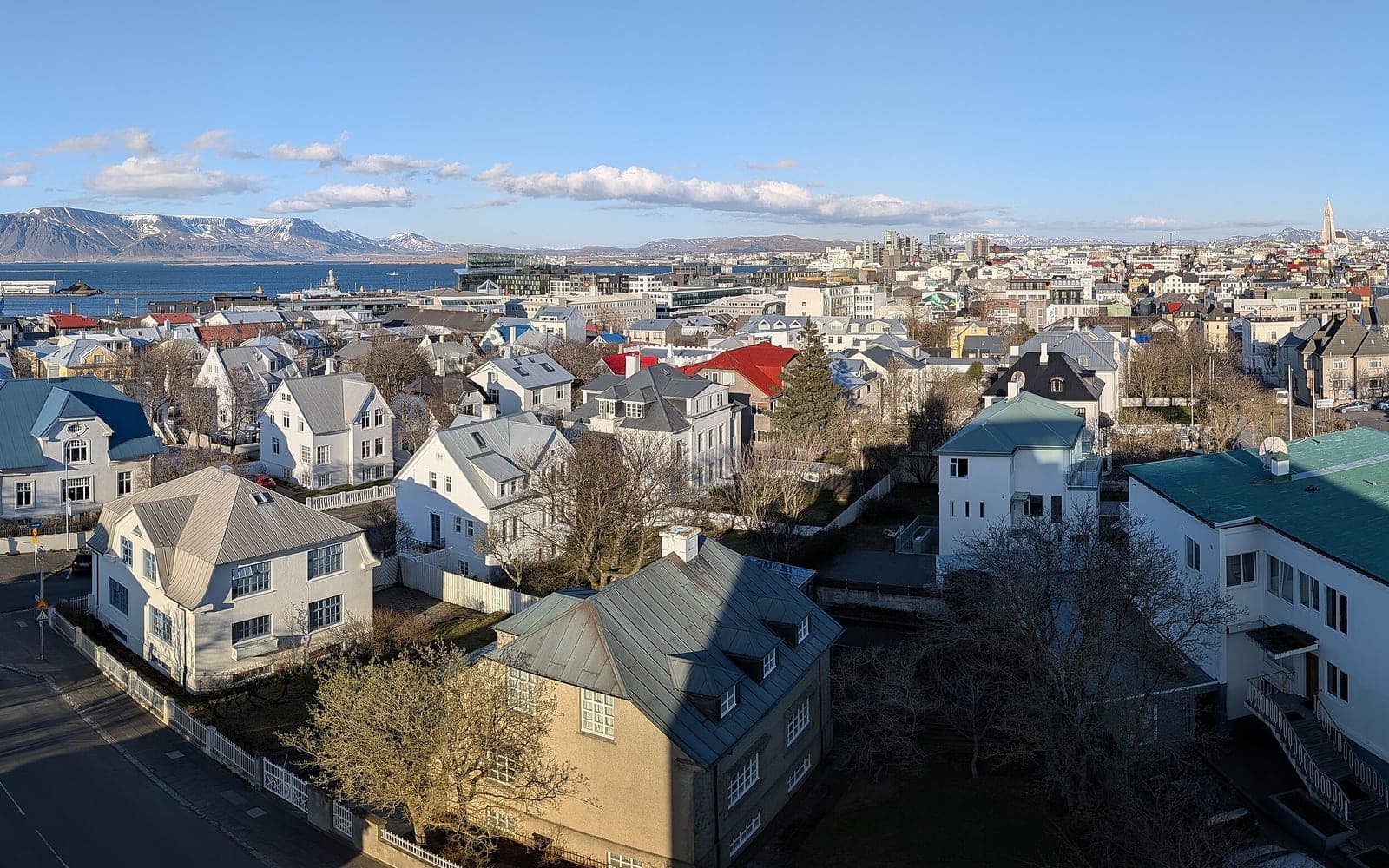
Choose Reykjavík for one or two car-free city days, a short break or a weather buffer—not as the default base for every long day trip.
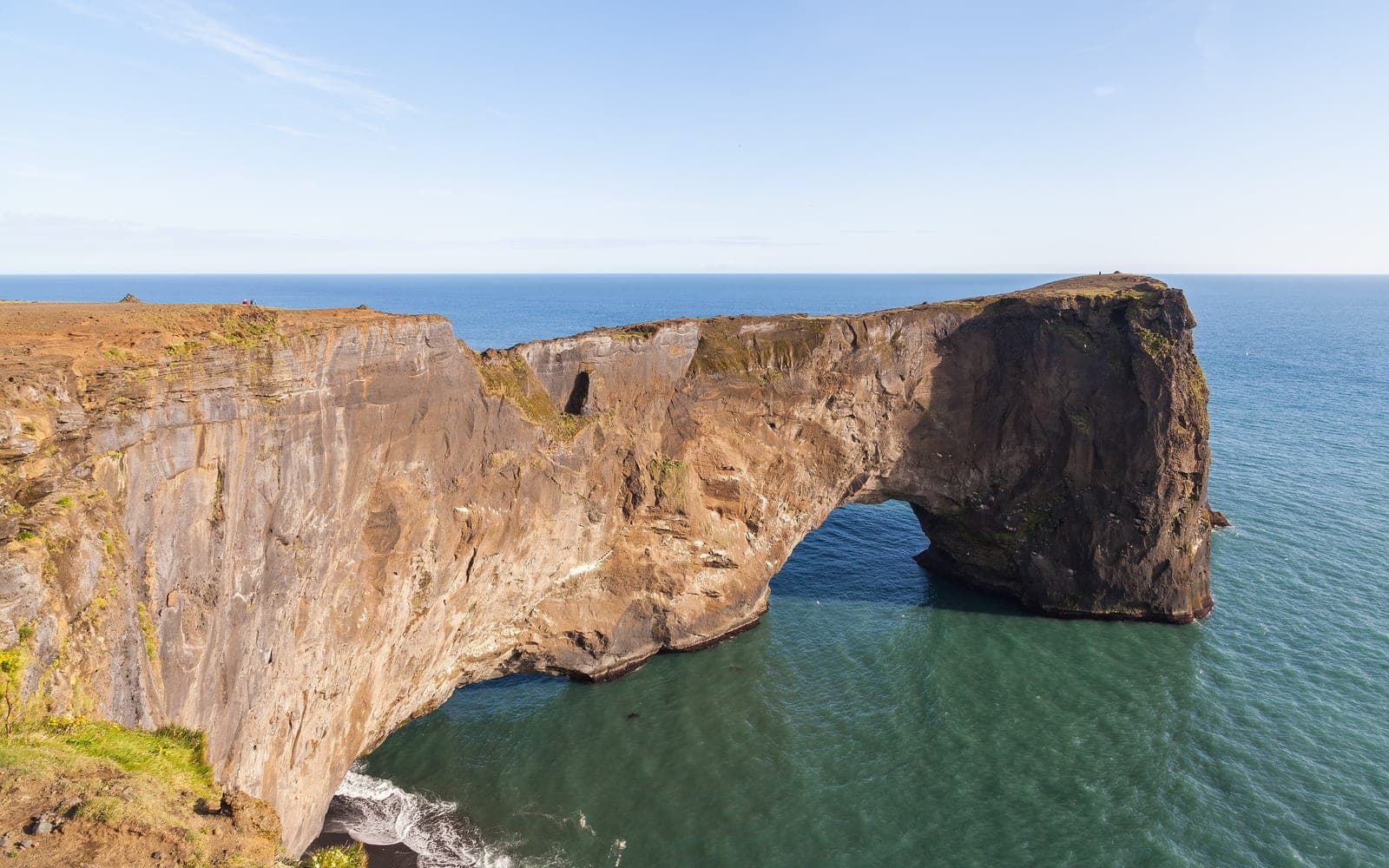
Build a first-trip route around waterfalls, black-sand coast and glacier country, but allow two to four days if Jökulsárlón is part of the plan.
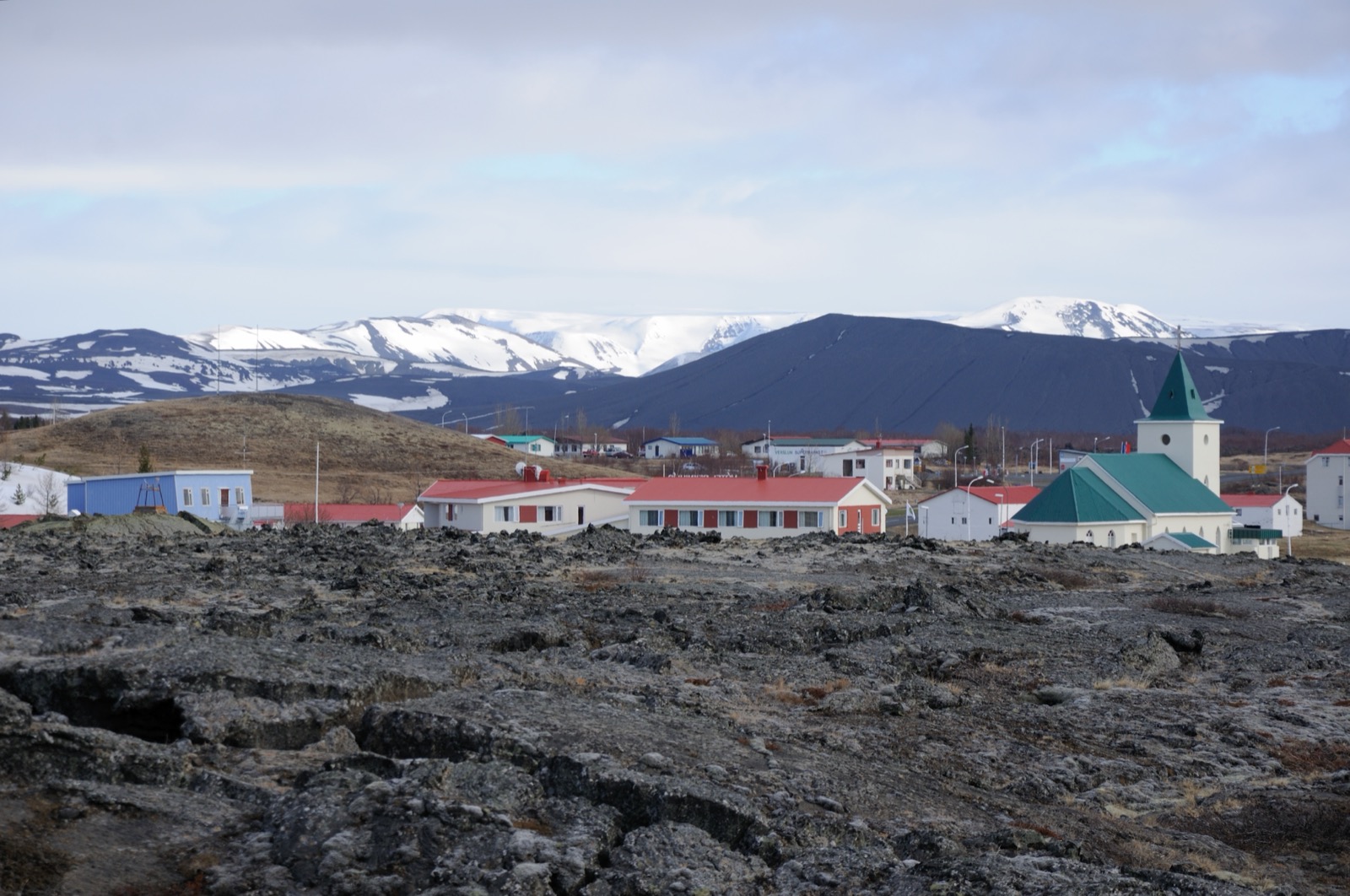
Choose North Iceland when you can spare several days for Akureyri, Mývatn, Húsavík, and canyon country; one rushed overnight barely reaches the region.
Road trips and itineraries
See where this experience fits into a road trip or day-by-day itinerary.
More things to do
See other activities that may suit the same day, season, or part of Iceland.
Travel advice
Read more about driving, weather, safety, and other details that may affect your trip.
Choose the specialist path
Use the broad boat choice first, then open the guide that owns your main wildlife, ice, or fishing decision.