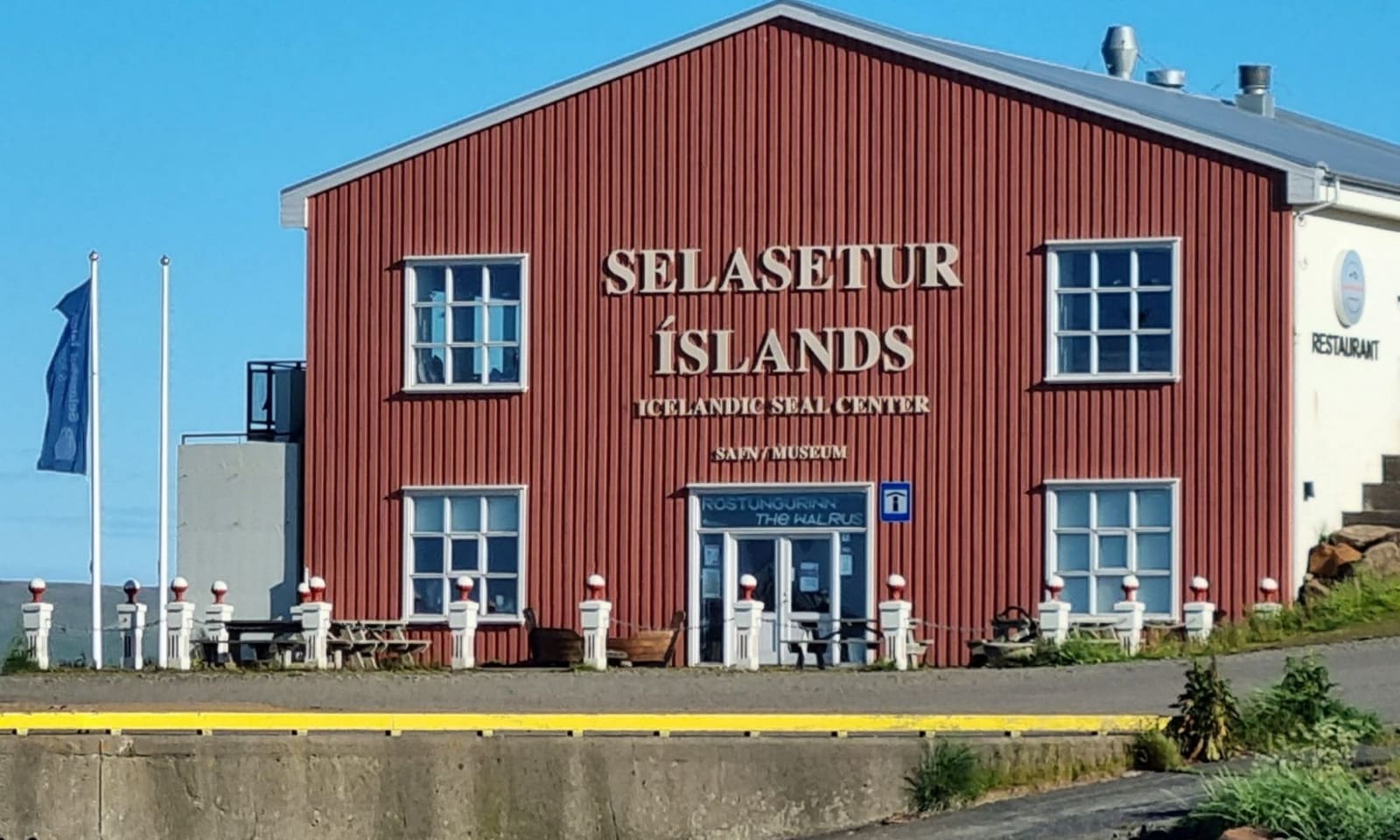
The Icelandic Seal Center is a Hvammstangi museum, research, and visitor-information stop, best for travelers who want seal context before deciding how much of Vatnsnes belongs in a North Iceland route.
Coast snapshot
Type
Seal museum, research center, and visitor-information stop
Region
Hvammstangi on Vatnsnes in North Iceland
Route context
Short detour from Route 1 and a useful start for the Seal Circle
Time to allow
About 30-75 minutes for the center, longer if it shapes a Vatnsnes loop
Best experience
Use the exhibits and local advice before choosing seal-viewing stops
In this guide
Seals, Vatnsnes, and a slower northwest day: when the center earns a stop
Yes, if seals, Vatnsnes, or a slower northwest North Iceland day matter to your trip. The Icelandic Seal Center is most useful when it changes how you visit the coast, not when it is treated as a quick checkbox.
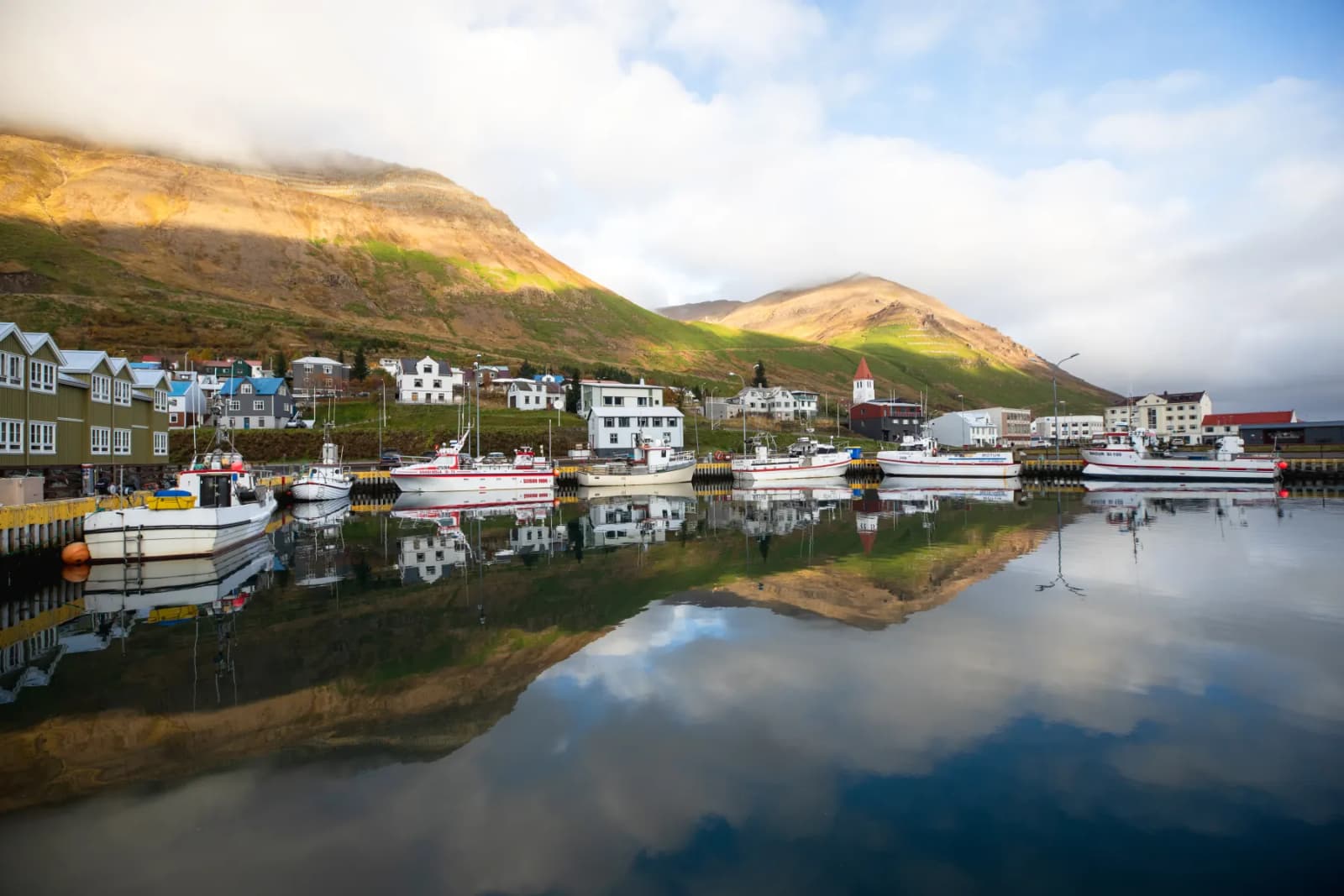
The center sits by the harbor in Hvammstangi and combines a seal museum, research context, and local visitor information. That makes it different from a normal small museum: the point is to understand the animals and the area before you drive out toward viewing locations.
Add it when you want a compact indoor stop, family-friendly wildlife context, or a smarter start to Vatnsnes. Shorten or skip it when the day is only a long transfer and you will not have time for Hvítserkur, Kolugljúfur, Húnaflói, or another nearby stop.
What do you actually learn inside the museum?
Expect seal-focused interpretation rather than a large general history museum. The exhibits help visitors understand Icelandic seal species, behavior, coastal habitat, research work, and the role of seals in local culture.
The useful detail is practical: after the museum, a seal on the shore is less like a random wildlife photo and more like an animal using a haul-out site, resting, moulting, nursing, or moving with tide and weather. That context makes the outdoor part more respectful.
The museum also works well as a pause in Hvammstangi. It gives children and first-time wildlife watchers a concrete introduction before the open coast, where distance, patience, and quiet behavior matter more than speed.
Inside, the center is useful because it connects seal interpretation with local Vatnsnes visitor information.
How should you use the center before looking for seals?
Use the center to separate learning about seals from seeing seals. The official guidance is clear that live seals are outside in nature, around places such as Illugastaðir and Ósar by Hvítserkur, not inside the museum.
That distinction improves the day. Ask what kind of stop your route can support: a short museum visit only, a museum plus one Vatnsnes viewpoint, or a slower Seal Circle loop. If the outdoor plan is weak, the center is still useful, but it should not be sold to children as a guaranteed animal encounter.
For seal watching, the responsible version is quiet and patient. Stay on visitor routes, keep distance, avoid loud behavior, and do not fly drones around seals or birds. Weather, wind, tide, and daylight can all change how rewarding the coast feels.
The center is most useful when it leads to quieter, more respectful seal watching outdoors.
Plan 30-75 minutes for the exhibits and local seal advice
Plan about 30-75 minutes for the center itself, depending on how slowly you read, whether children are with you, and how much local advice you need before choosing the next stop.
A quick visit can cover the basic exhibits and help you decide whether Vatnsnes deserves more time. A slower visit makes sense if seal watching is a core interest, the weather is poor, or you want a calmer break from driving.
Simple ways to use the Icelandic Seal Center
Visit style
Time
Best when
Short museum pause
30-45 minutes
You are passing through Hvammstangi and want seal context without a full Vatnsnes loop
Museum plus local advice
45-75 minutes
You want to choose a seal-viewing location or adjust for weather and tide
Start of a Seal Circle day
Half day or more
You plan to add Hvítserkur, coastal stops, Kolugljúfur, or other Vatnsnes places
The center is not hard to understand quickly, but the surrounding route can expand fast. Build a clear limit before you leave Hvammstangi, especially if you still need to continue east toward Akureyri, Mývatn, Goðafoss, Dettifoss, or Siglufjörður.
Outdoor seal watching can add real time to the day, especially when tide and weather shape the experience.
Where does it fit around Hvammstangi and Vatnsnes?
The Icelandic Seal Center works best as Hvammstangi's visitor-information anchor and as the first decision point for a Vatnsnes day.
If you are staying in or passing through Hvammstangi, the center is easy to justify. It gives the town a clear travel purpose: learn about seals, ask how the coast is behaving, then choose whether to go north around Vatnsnes or return to the main route.
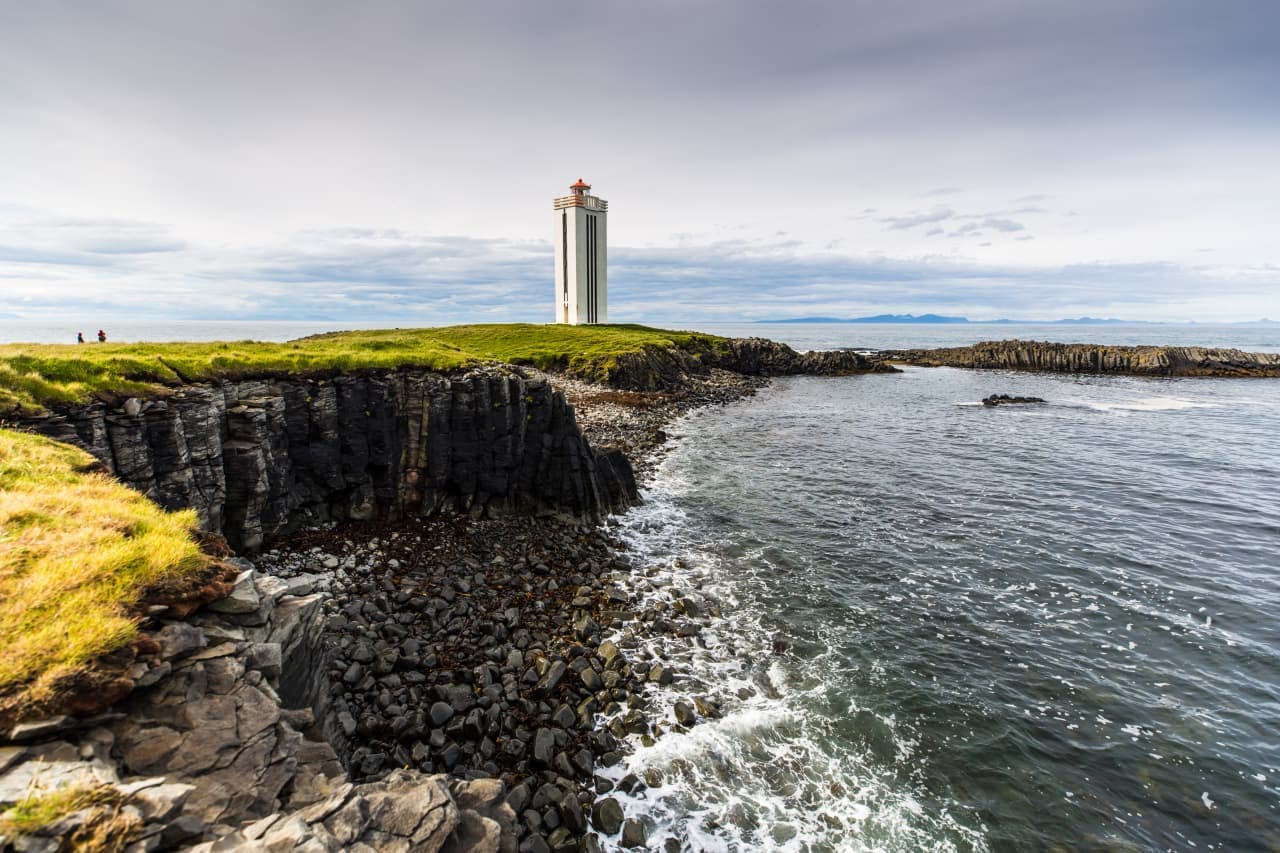
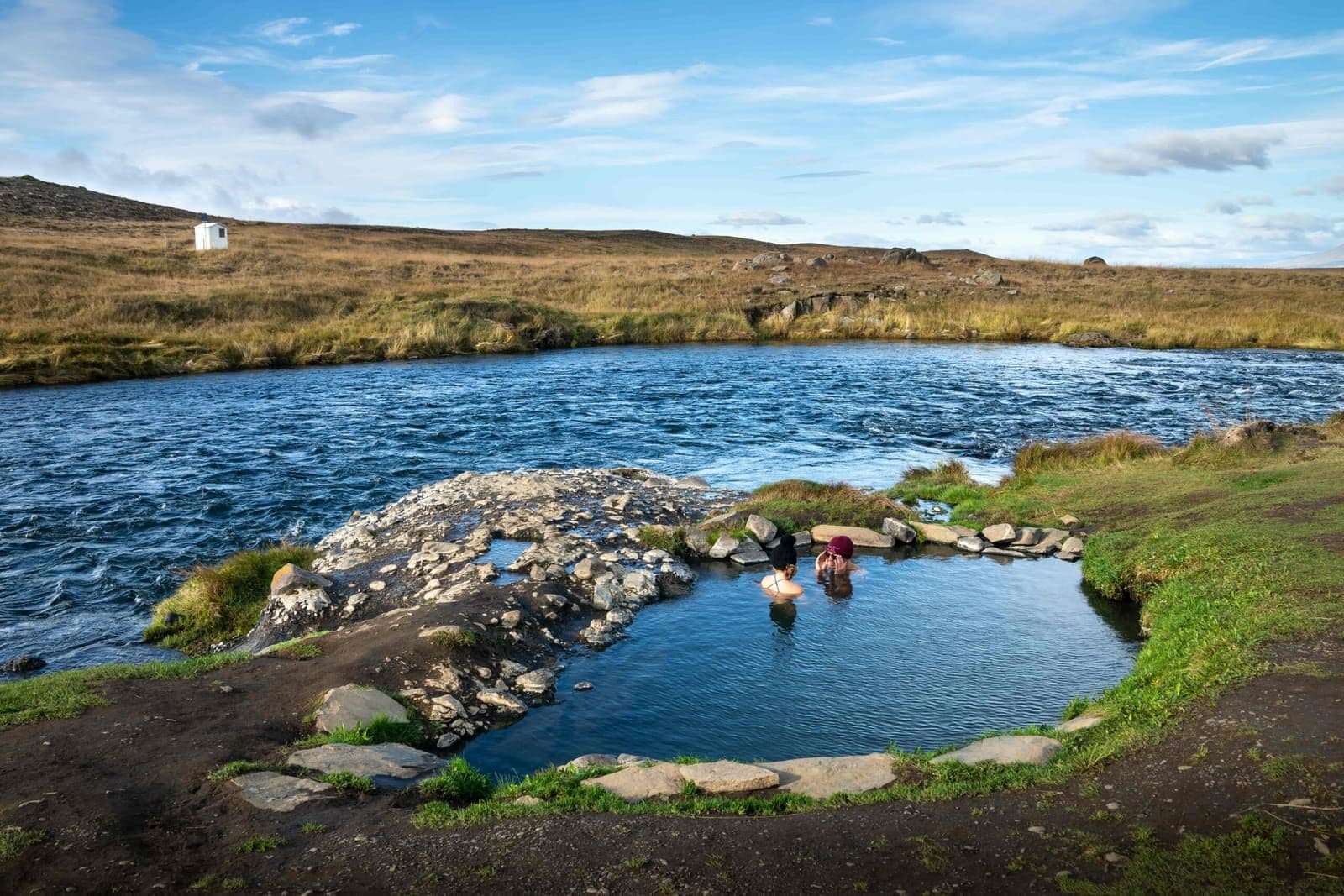
For a wider North Iceland plan, the center fits a slower northwest segment with Húnaflói, Kálfshamarsvík or Reykir Regional Museum. If your plans also include Fosslaug, confirm reopening before visiting: the landowner announced an access closure in June 2026.
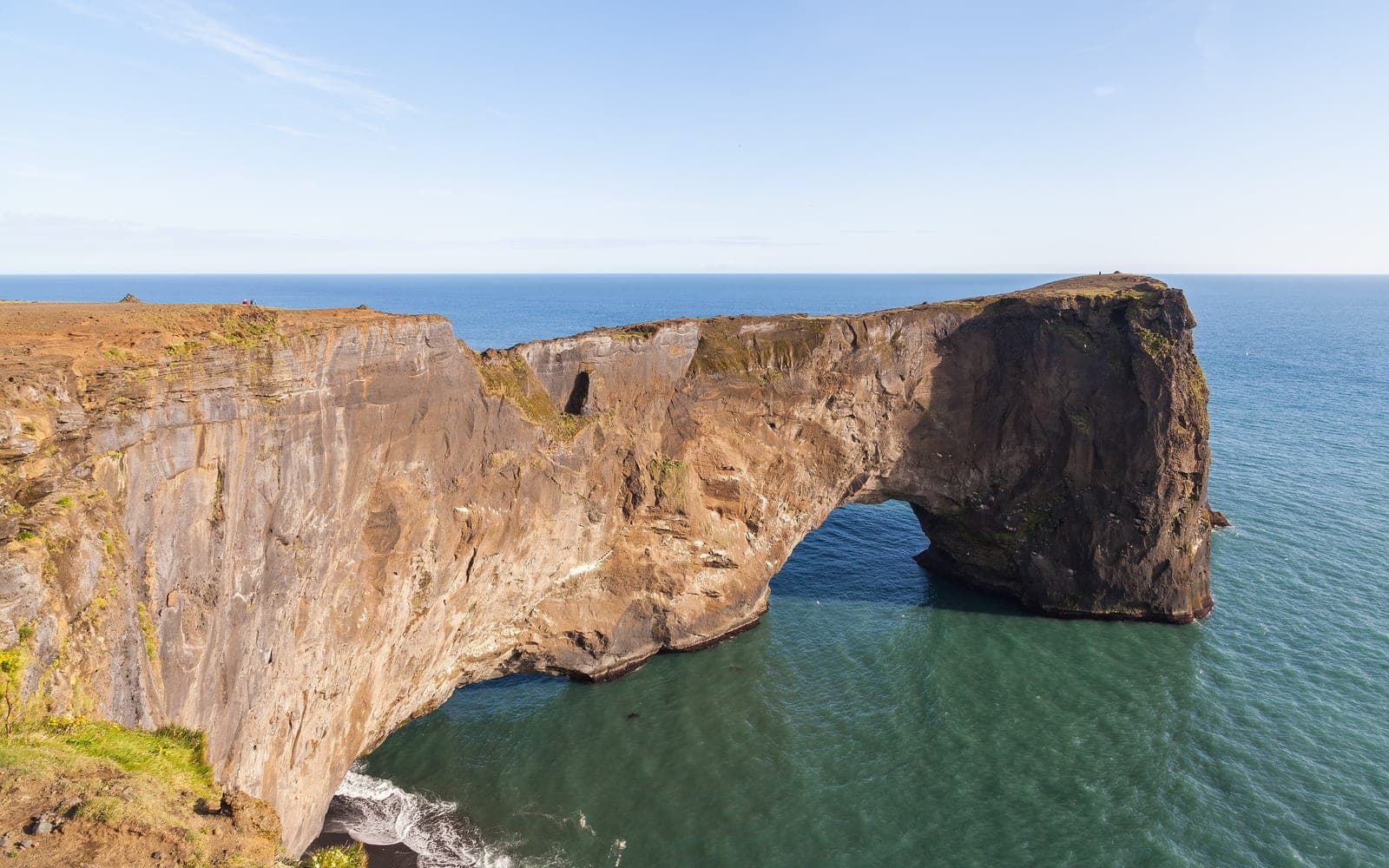
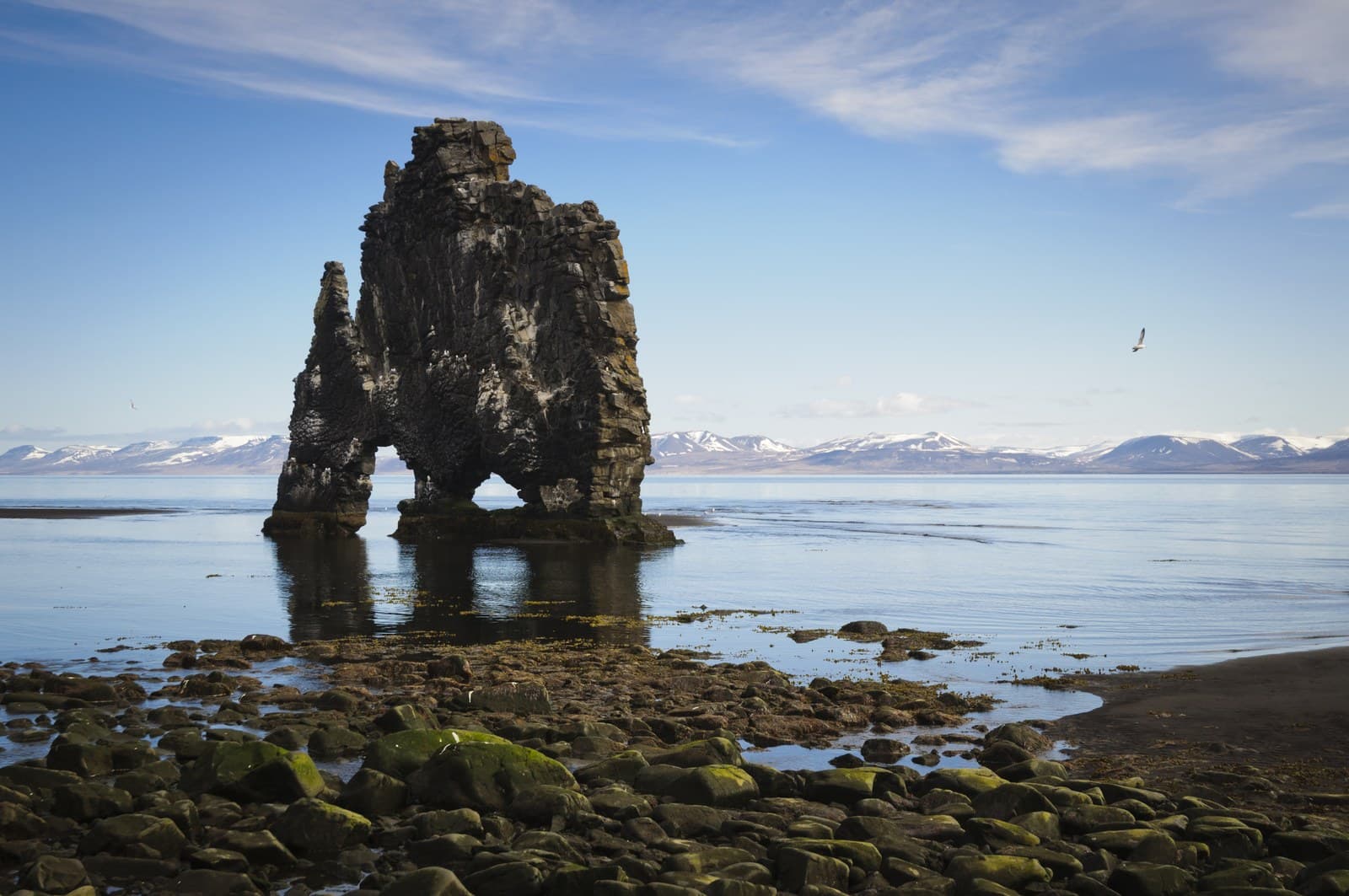
Hvítserkur is the nearby landscape anchor many travelers compare with a stop at the center.
Which nearby stops pair best with the Icelandic Seal Center?
Choose pairings by theme. A seal-and-coast day feels different from a canyon day, a heritage day, or a long Ring Road transfer.
Hvammstangi is the easiest pairing when you want a harbor pause, food break, or overnight base before deciding on Vatnsnes.
Hvítserkur is the classic Vatnsnes landscape pairing, especially if seal-viewing conditions and the route both make sense.
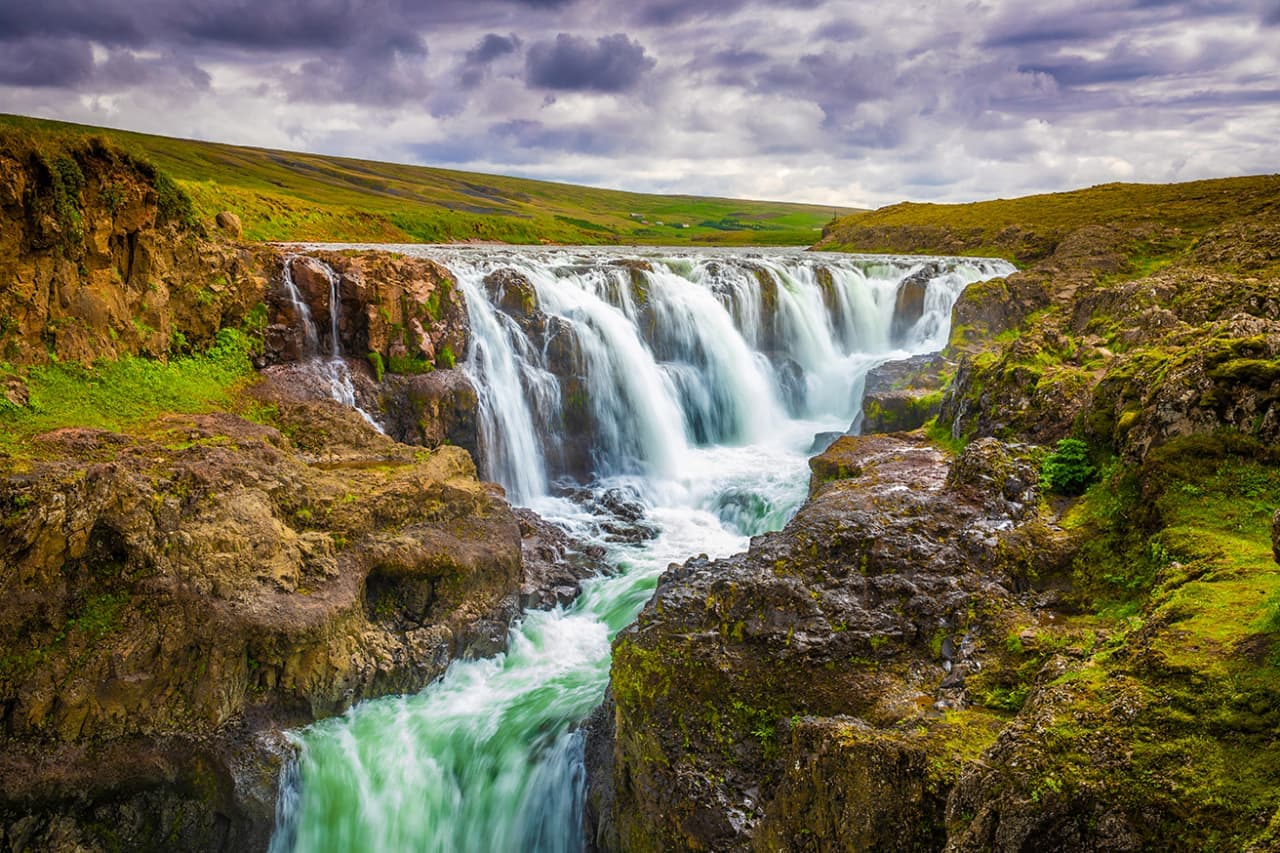
Kolugljúfur adds a stronger canyon-and-waterfall stop when the day needs landscape drama after the museum.
Reykir Regional Museum keeps the day cultural and local instead of turning it into a long scenery chase.
Húnaflói and Kálfshamarsvík suit travelers who want quieter north-coast atmosphere rather than a fast return to Route 1.
Fosslaug access was closed by the landowner in June 2026. Confirm reopening before planning a bathing stop.
Do not collect all of these in one day unless you are deliberately traveling slowly. The center should clarify the route: it should help you choose the right nearby stops, not add another obligation.
Kolugljúfur is the strongest nearby landscape pairing if the center turns into a slower northwest day.
Museum details, roads, tides, and weather to verify before Vatnsnes
Check official visitor details for the museum and official outdoor sources for the road, weather, tide, and safety side of Vatnsnes. Those checks matter more than old blog details or saved map notes.
For the center, verify practical visitor details directly with the official site or local tourism channels before you make it the fixed point of a tight day. For outdoor seal watching, check weather, road, tide, and safety guidance, then keep the plan flexible.
The best public wording for this stop is durable: use the center for context, choose seal-viewing locations with care, and treat wildlife conditions as variable. That approach stays useful even when daily details change.
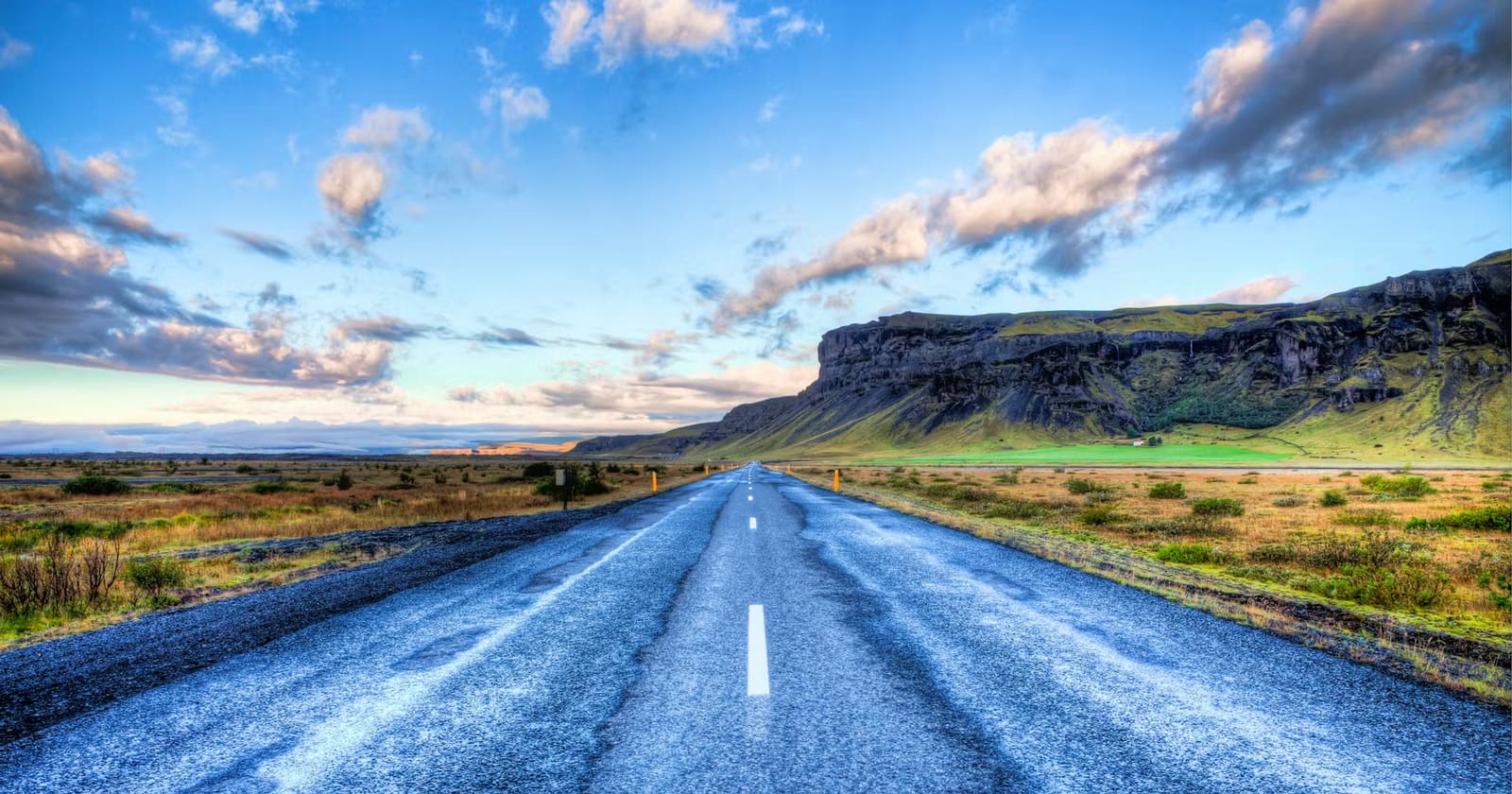
Weather source for exposed coastal driving and outdoor viewing.
Icelandic Seal Center FAQ
These are the practical questions that decide whether the stop belongs in the day.
Are there live seals inside the Icelandic Seal Center?
No. The center is where you learn about seals and get local context. Live seal viewing happens outdoors around Vatnsnes, where behavior, tide, weather, and patience matter.
Is the Icelandic Seal Center good for families?
Yes, if the children are interested in animals and the adults set realistic expectations. It is better as a learning stop before the coast than as a promised close-up wildlife encounter.
Should I visit the center or go straight to Hvítserkur?
If you only have time for one dramatic outdoor stop, compare Hvítserkur first. If seals and responsible wildlife viewing are the reason you are in the area, start with the center.