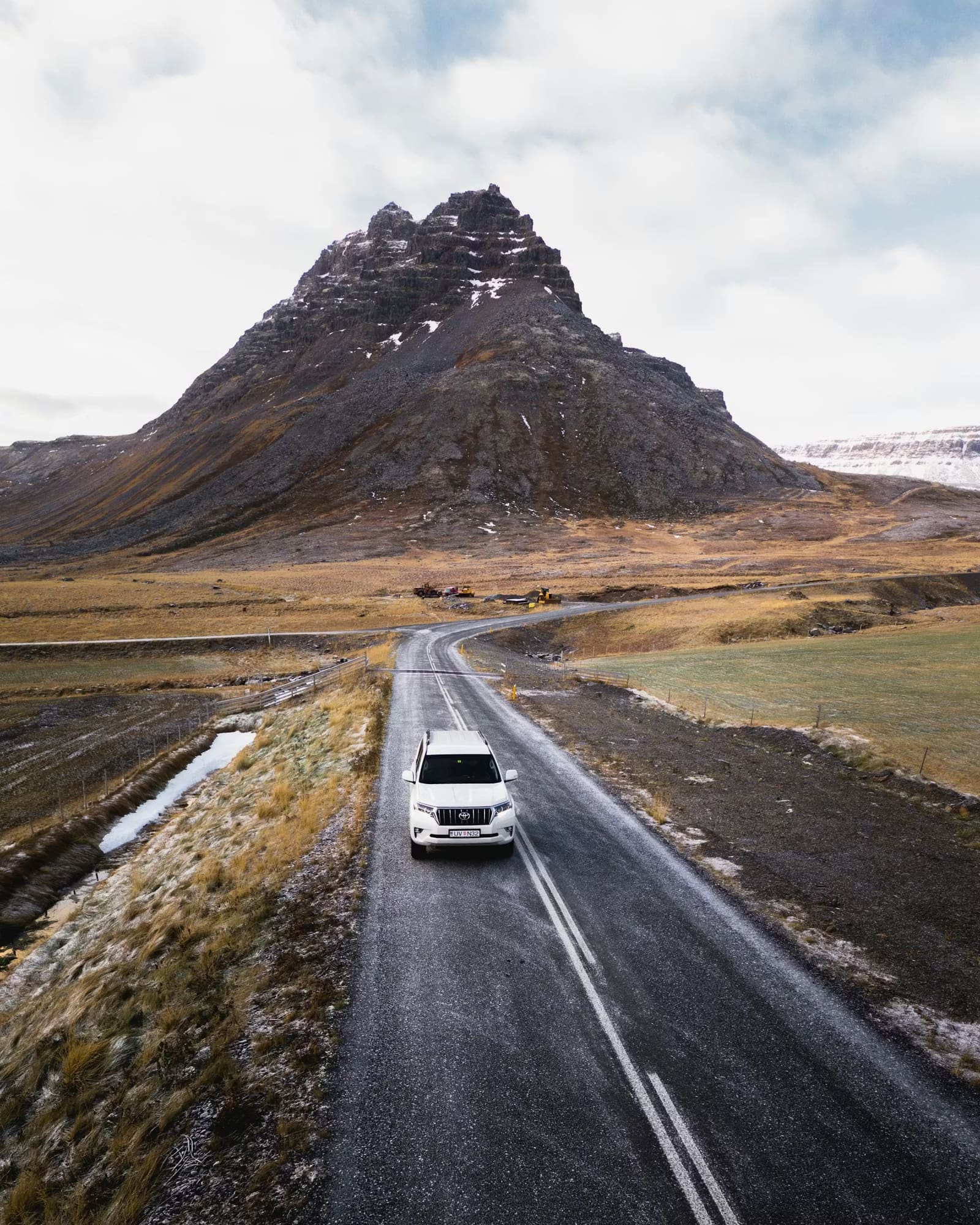
June to August is the easiest time for a first Iceland trip, while May and September are good quieter tradeoffs and October to March is best for northern lights or winter scenery. Choose late June to early September if highland access matters, and keep winter plans shorter and more flexible.
Easiest first trip
June to August gives the most daylight, easiest driving, and broadest tour and route access.
Best quiet compromise
May and September can feel calmer than peak summer while still working for many first-trip routes.
Northern lights
Plan for dark nights from autumn into spring, with clear skies and low light away from town.
Highlands
Treat highland roads as a summer-only plan and check official road openings before booking.
Decision summary
Easiest first trip
June to August gives the most daylight, easiest driving, and broadest tour and route access.
Best quiet compromise
May and September can feel calmer than peak summer while still working for many first-trip routes.
Northern lights
Plan for dark nights from autumn into spring, with clear skies and low light away from town.
In this guide
Choose the season that matches the trip
There is no single best month for every Iceland trip. The best time is the month that fits the experience you want and the route you can realistically drive or tour.
For most first-time visitors, June, July, and August are the easiest months. You get the longest daylight, the broadest access to tours and hiking, and the simplest version of a 5-day Iceland itinerary or 7-day Iceland itinerary. That does not make summer the best for everyone. It is just the easiest season to plan.
May and September are the useful compromise months. They can be quieter than peak summer and still fit many first-trip routes, but you need to watch changing weather, tour calendars, and remote-road access. October to March is a different kind of trip: better for northern lights experiences, winter scenes, and ice caves, but harder for long self-drives.
Good to know
Is this right for you?
Useful for
choosing travel dates before booking flights
first trips that need the simplest season choice
route plans where daylight and road access change the trip
travelers deciding between northern lights, summer driving, and highland access
Think twice if
readers who need a live weather forecast for a specific travel week
travelers looking for current hotel or rental-car prices
The best month depends on the tradeoff you want, not just the warmest or brightest option.
When is summer the best choice?
Summer is best when you want Iceland to be easier, wider, and brighter.
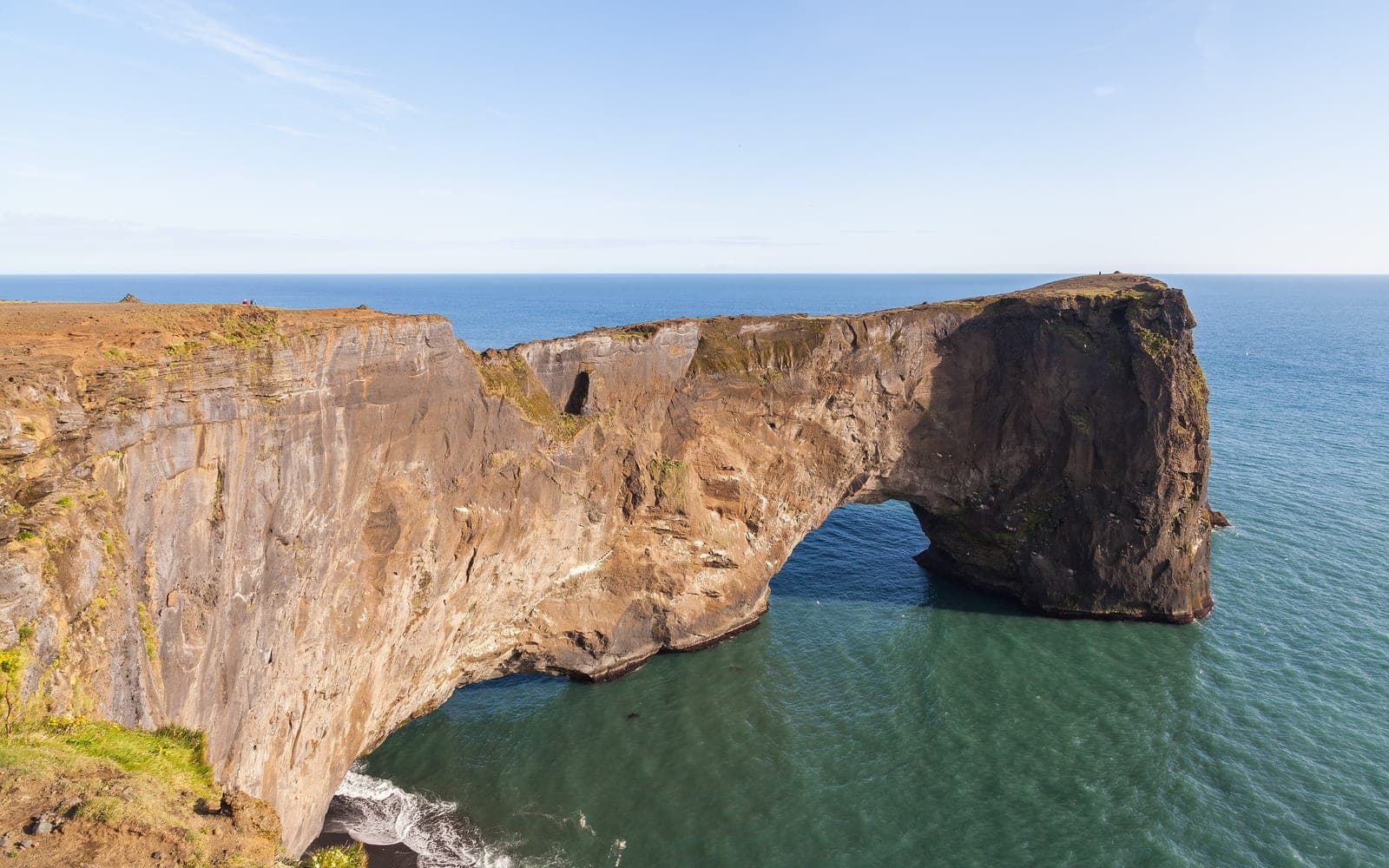
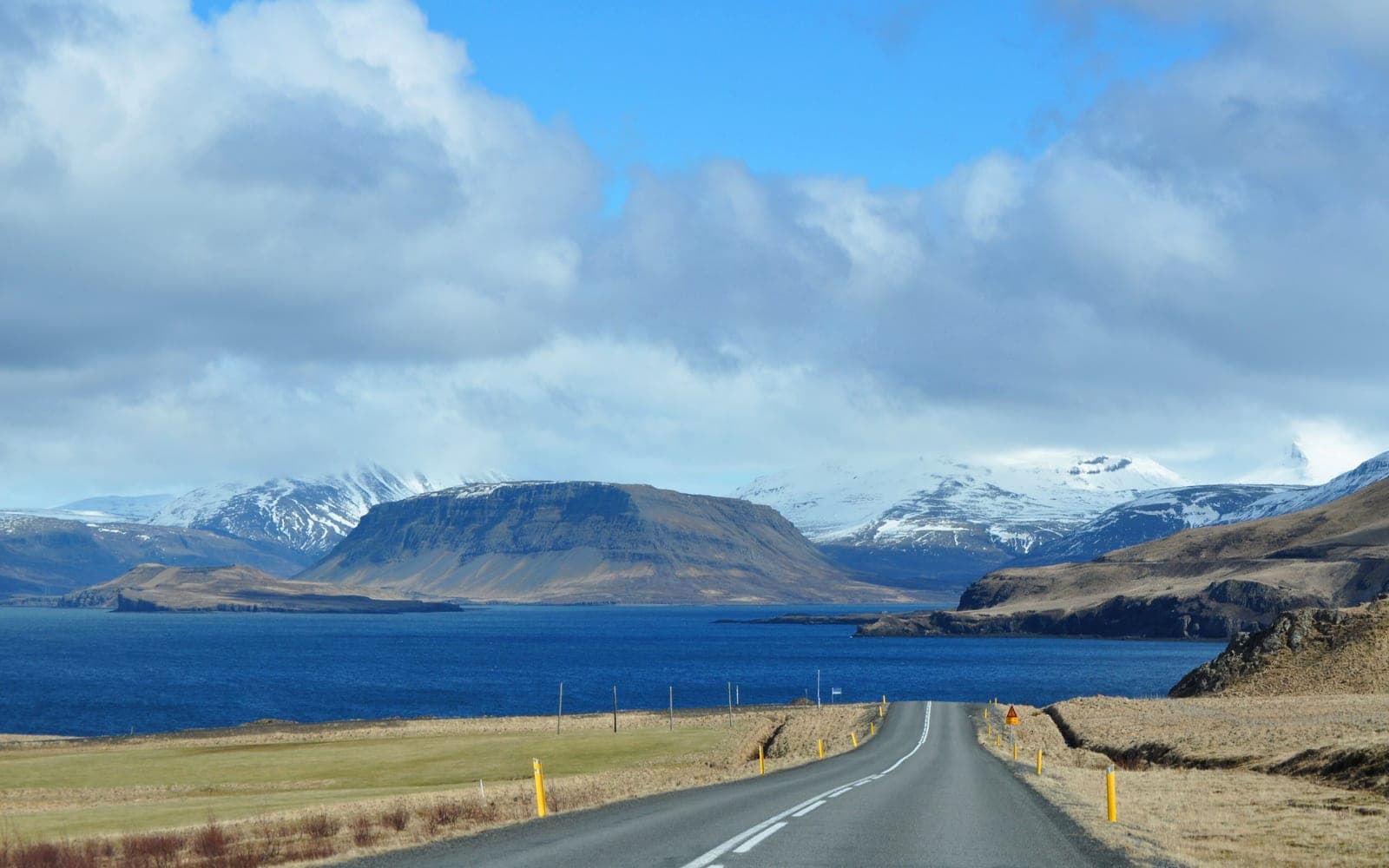
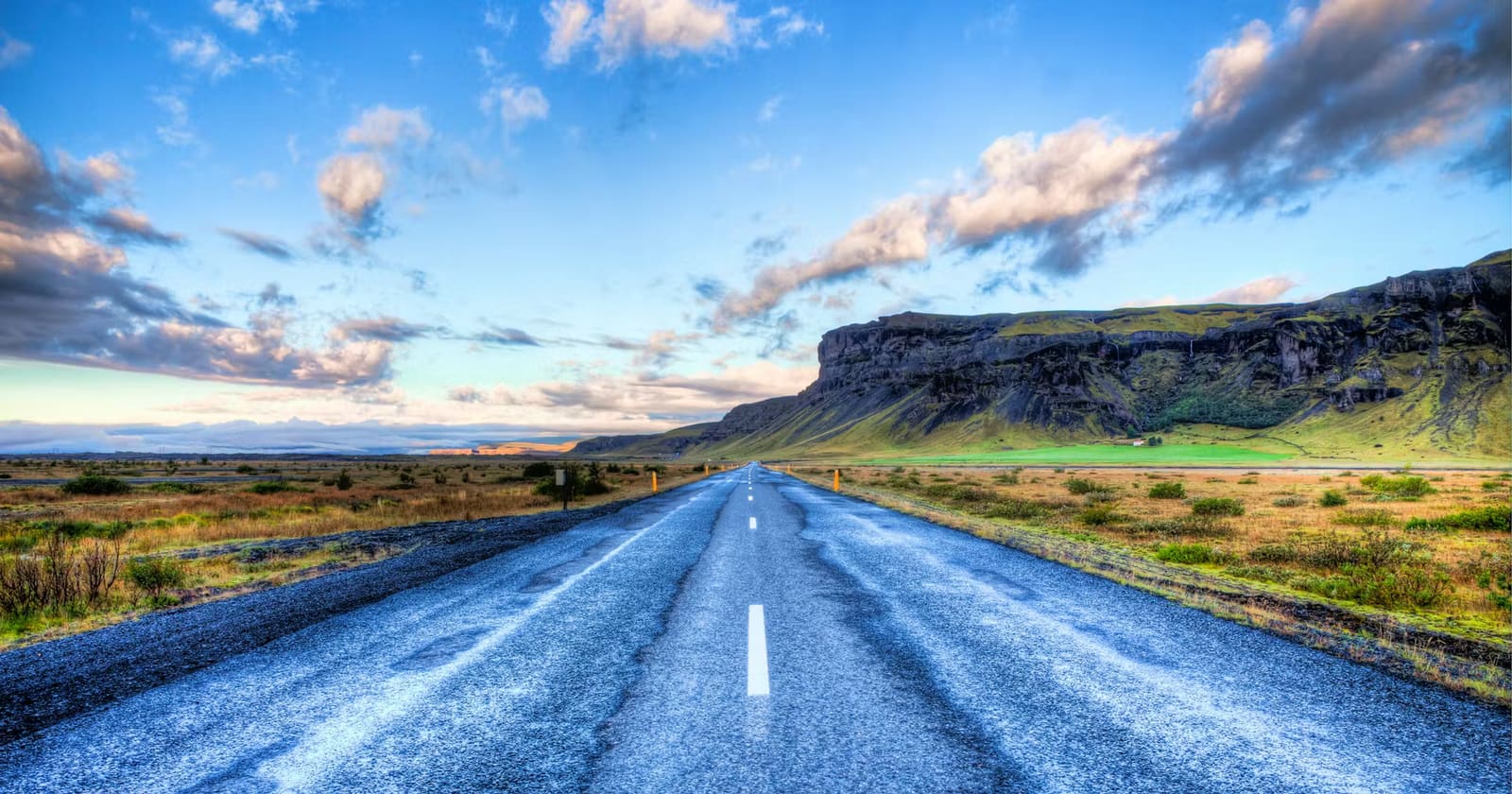
Choose June, July, or August if this is your first Iceland trip and you want the simplest version of a self-drive. Long daylight makes arrival days, photo stops, hiking, and late returns easier to manage. It also makes classic route decisions like the South Coast road trip, Snaefellsnes Peninsula road trip, and Ring Road easier to compare.
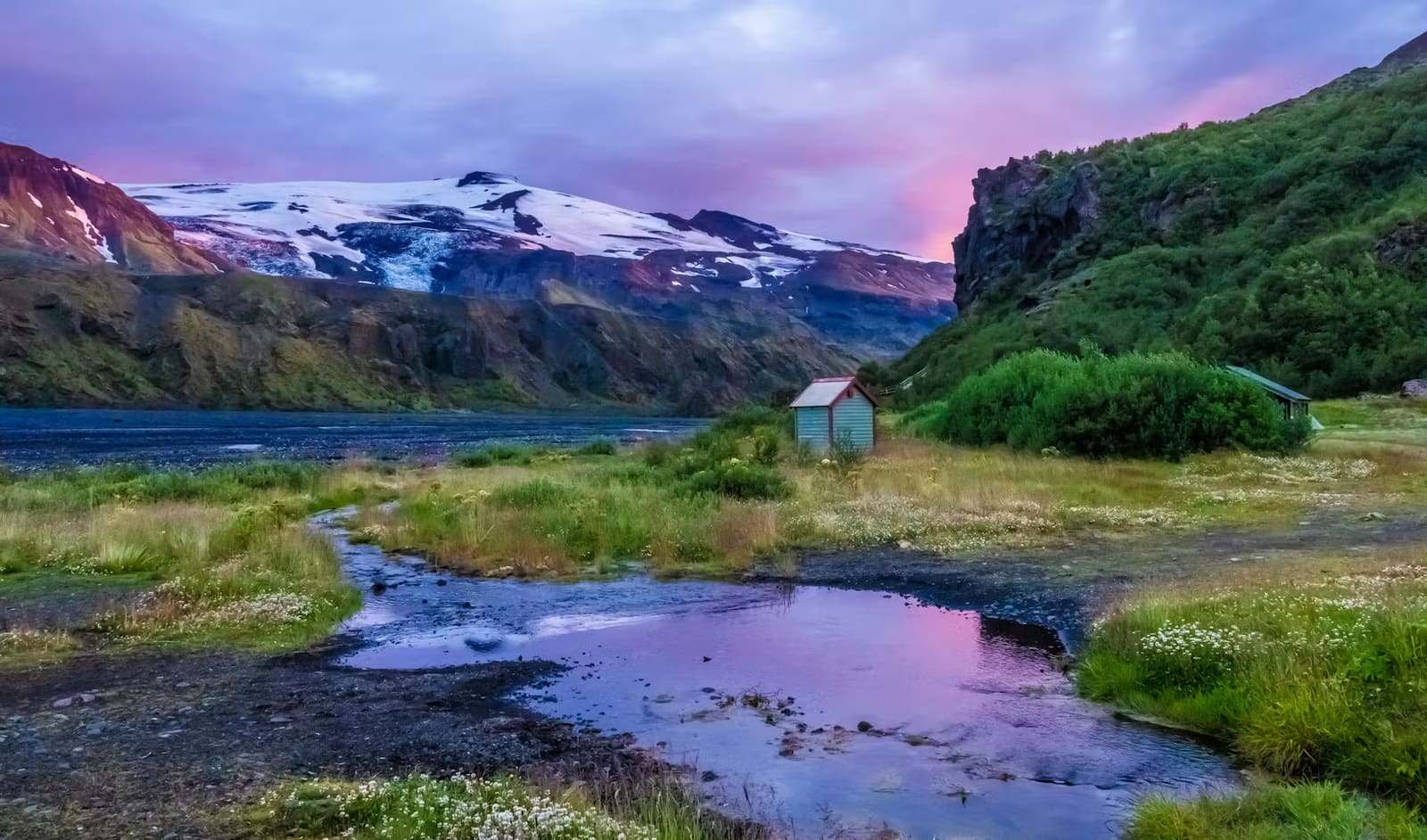
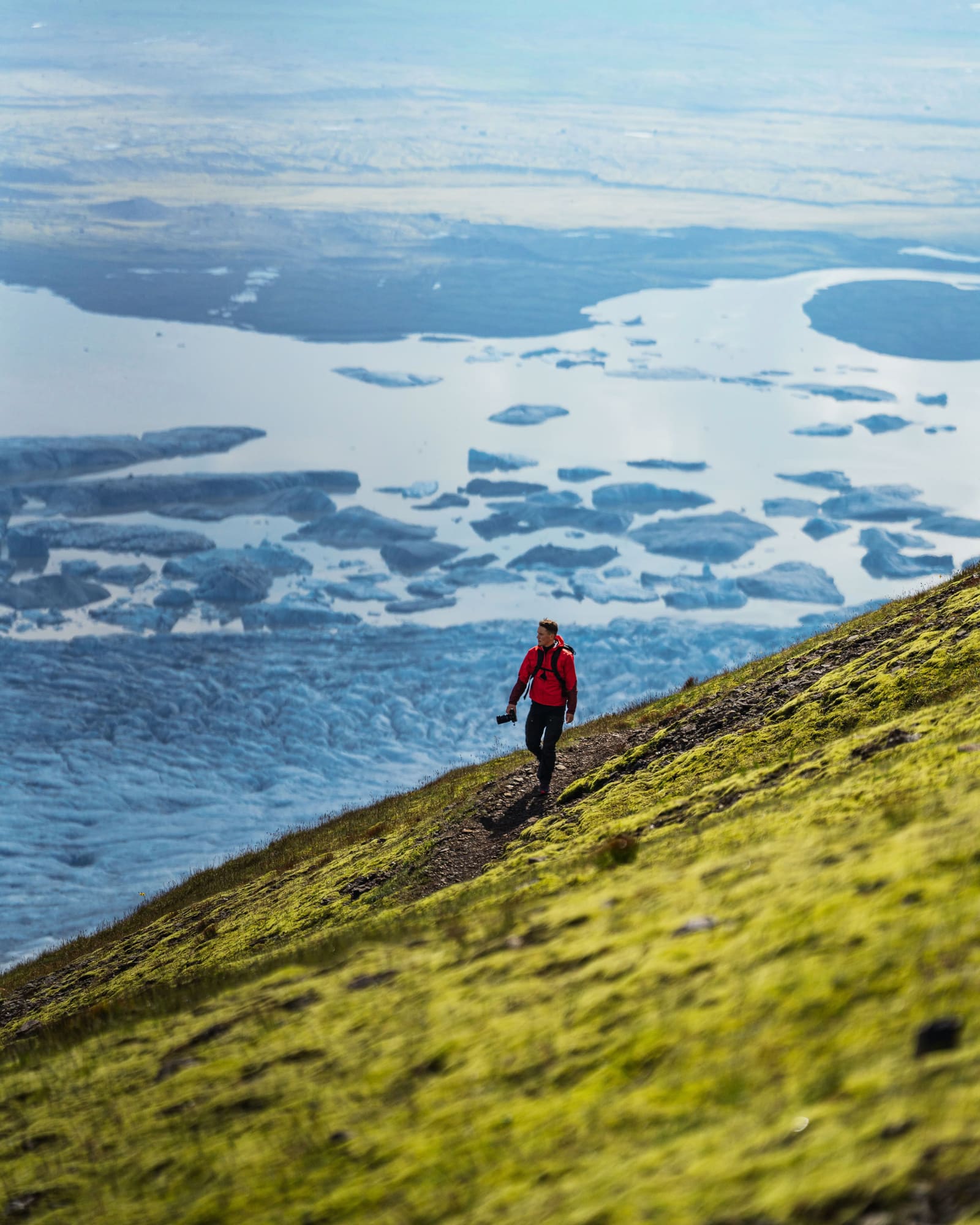
Summer is also the season to consider the Highlands, parts of the Westfjords, longer hikes, puffins, whale watching, and midnight sun travel. If those are the reason for the trip, the month is not a detail. It is the access plan. Use the Highlands road-trip guide only after checking official mountain-road information.
Summer gives the widest access and the easiest light for longer routes, hikes, and late returns.
When are May and September better?
May and September are good when you want much of the summer usefulness without the full peak-season feeling.
May is useful for long days, spring color, and a calmer first trip before the busiest summer weeks. It works well for Reykjavik, the Golden Circle, the South Coast, Reykjanes, and many guided activities. Do not assume it works for all highland roads, remote hikes, or summer-only services.
September is often the stronger compromise if you want both route access and darker nights. Early September can still feel like late summer in planning terms, while later September moves toward autumn weather and northern-lights possibility. It is a good month to compare a focused South Coast plan with a longer loop, especially if you have 7 to 10 days.
Choose May if you want spring light, fewer visitors, and a route that stays mostly on mainstream roads.
Choose September if you want a chance of darker nights without giving up all route access.
Avoid both months for plans that only work if remote roads, highland buses, or summer-only departures line up perfectly.
Check tour calendars before building the trip around one seasonal activity.
Shoulder months can be quieter, but the plan must still respect changing weather and access.
When is winter worth it?
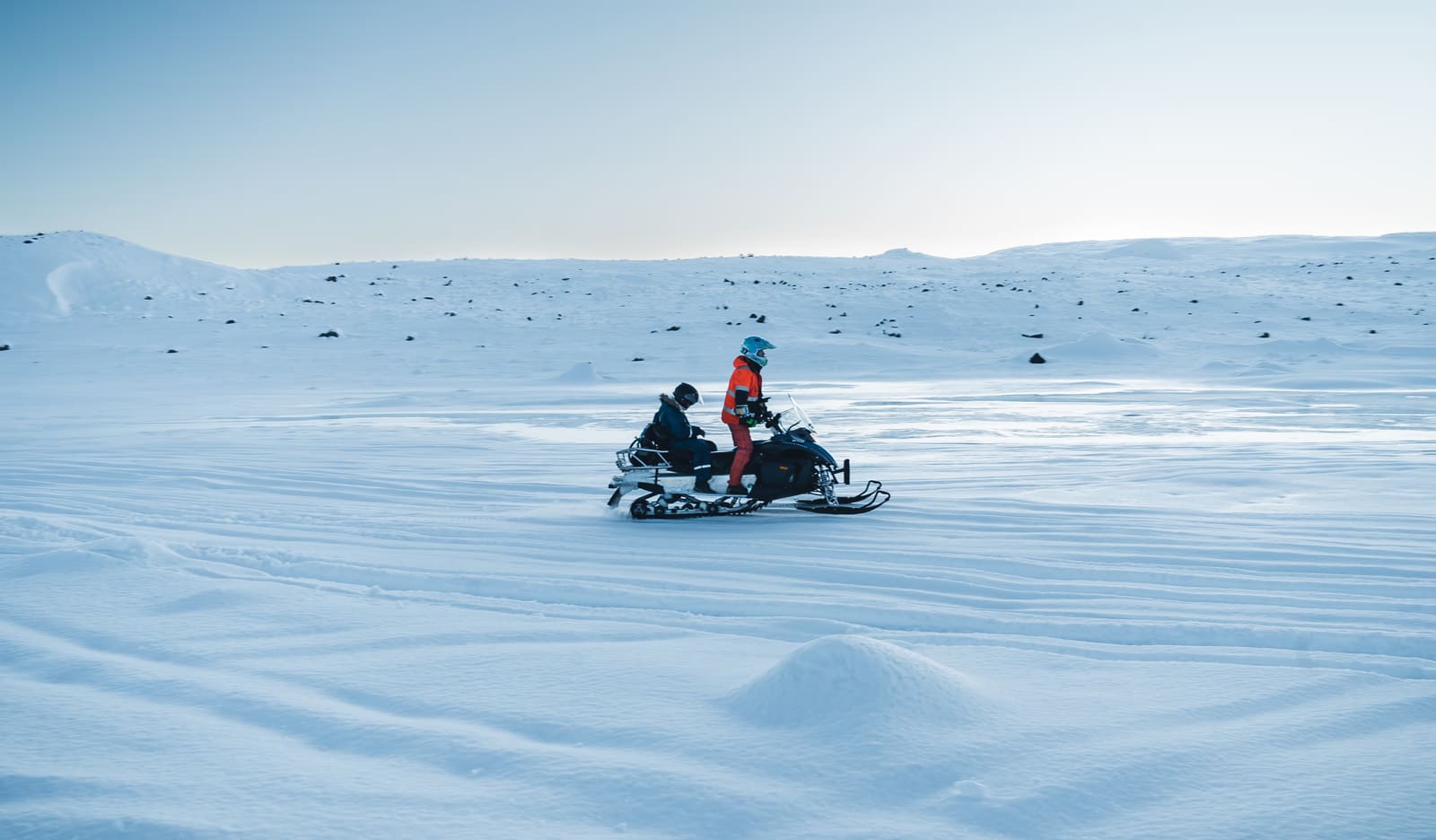
Winter is worth it when darkness, snow, ice caves, and northern lights matter more than long daylight and easy road access.
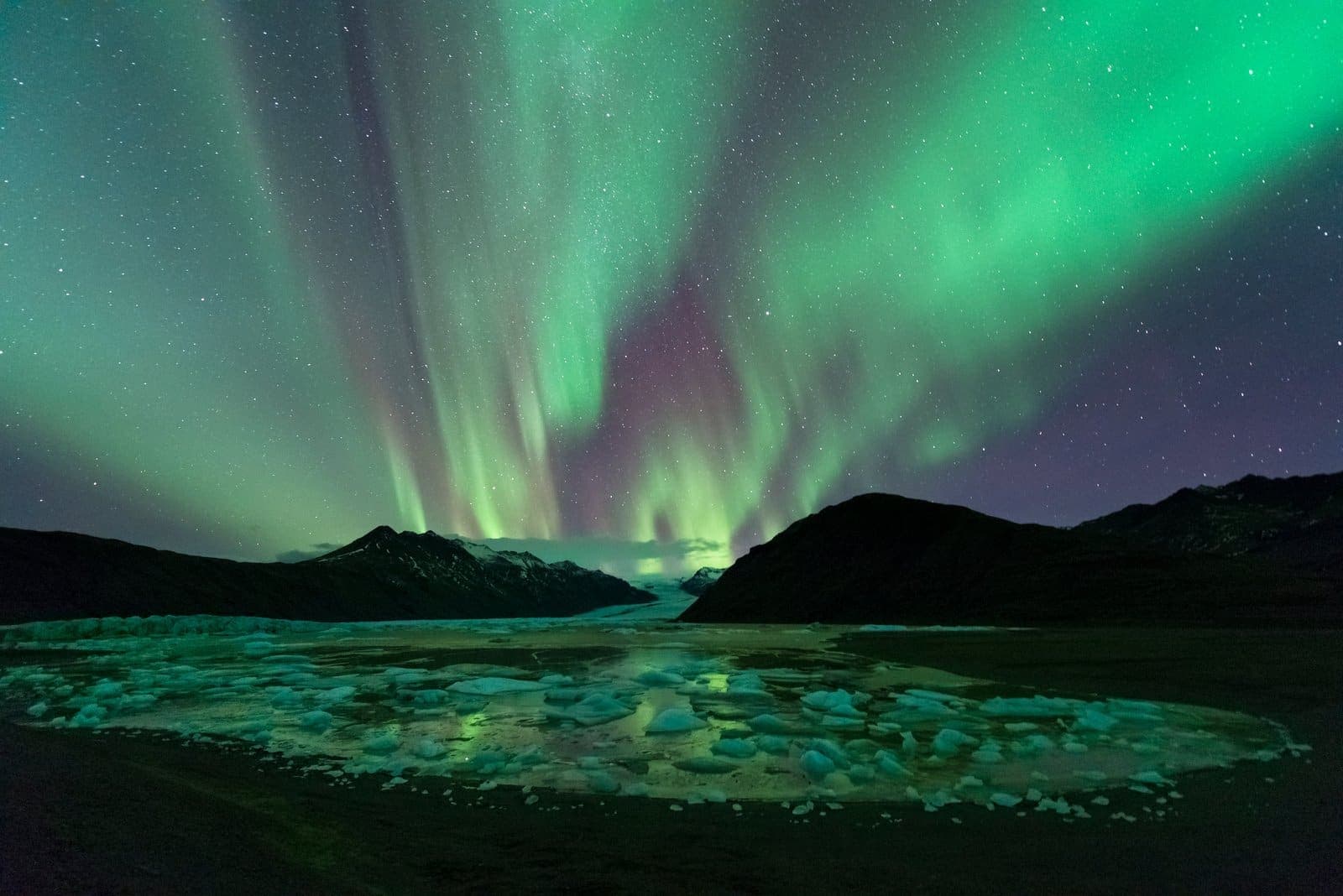
Choose October to March if your dream trip is the northern lights, glacier landscapes, winter waterfalls, or ice caves. Dark nights are part of the appeal, but clear sky is still needed. A winter trip should be built around patience rather than a promise.
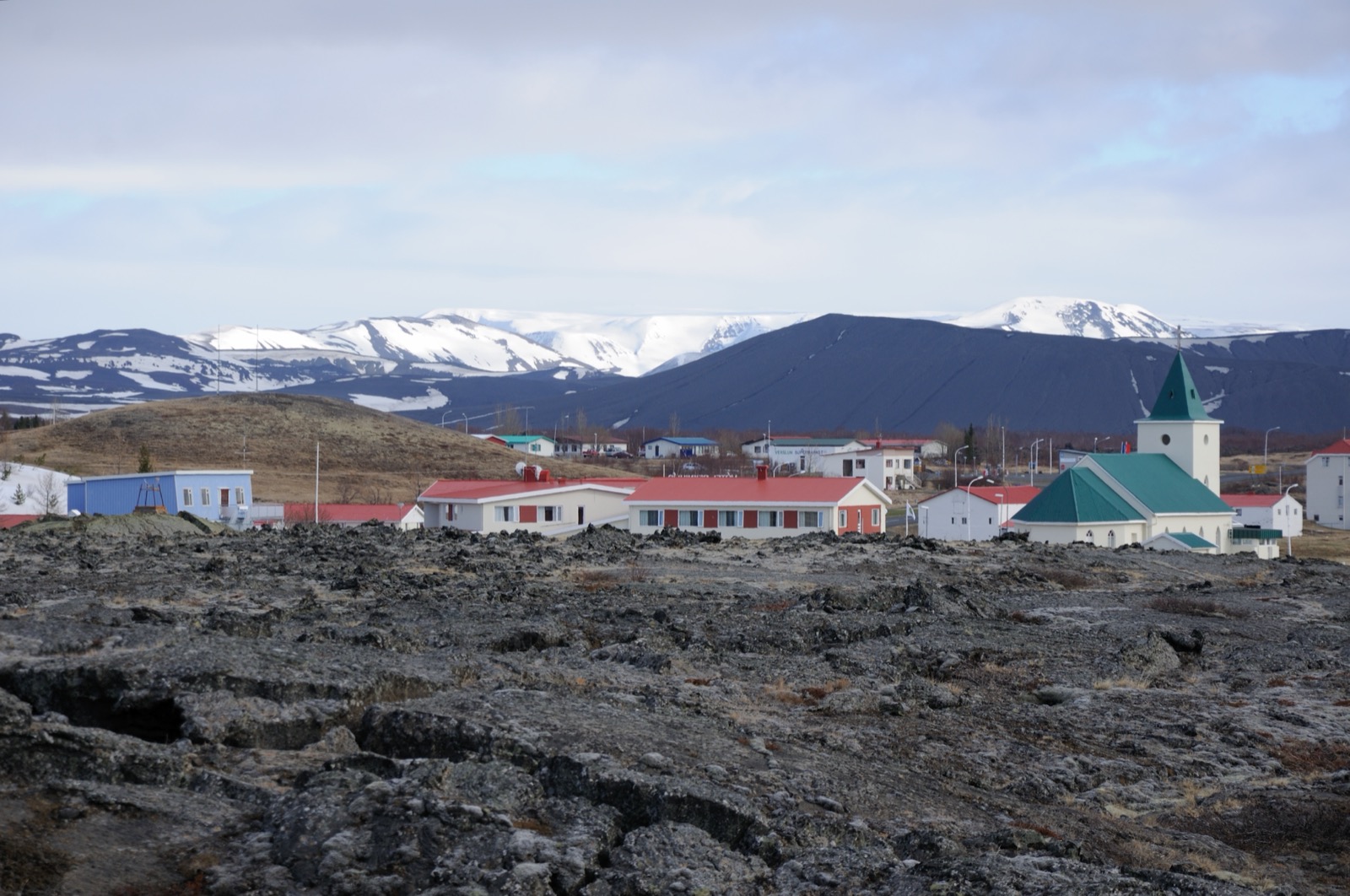
The best winter plans usually stay closer to Reykjavik, Reykjanes, the Golden Circle, or the South Coast. A full winter Ring Road can work for experienced, flexible travelers, but it is a poor default for a first trip with fixed hotels. Use the winter road-trip guide only after deciding whether self-driving is right for your group.
Winter is worth choosing when darkness and winter experiences matter more than easy road access.
Which month should you avoid for your plan?
No month is always wrong. The problem is choosing a month that fights the trip you actually want.
Avoid June and July if the northern lights are the main reason for travel; the nights are too bright for that goal.
Avoid deep winter for a first self-drive Ring Road unless you have extra days, winter-road confidence, and flexible bookings.
Avoid April, May, October, and November for trips that only work with reliable highland access.
Avoid peak July and August if low crowds and last-minute rural accommodation are more important than maximum access.
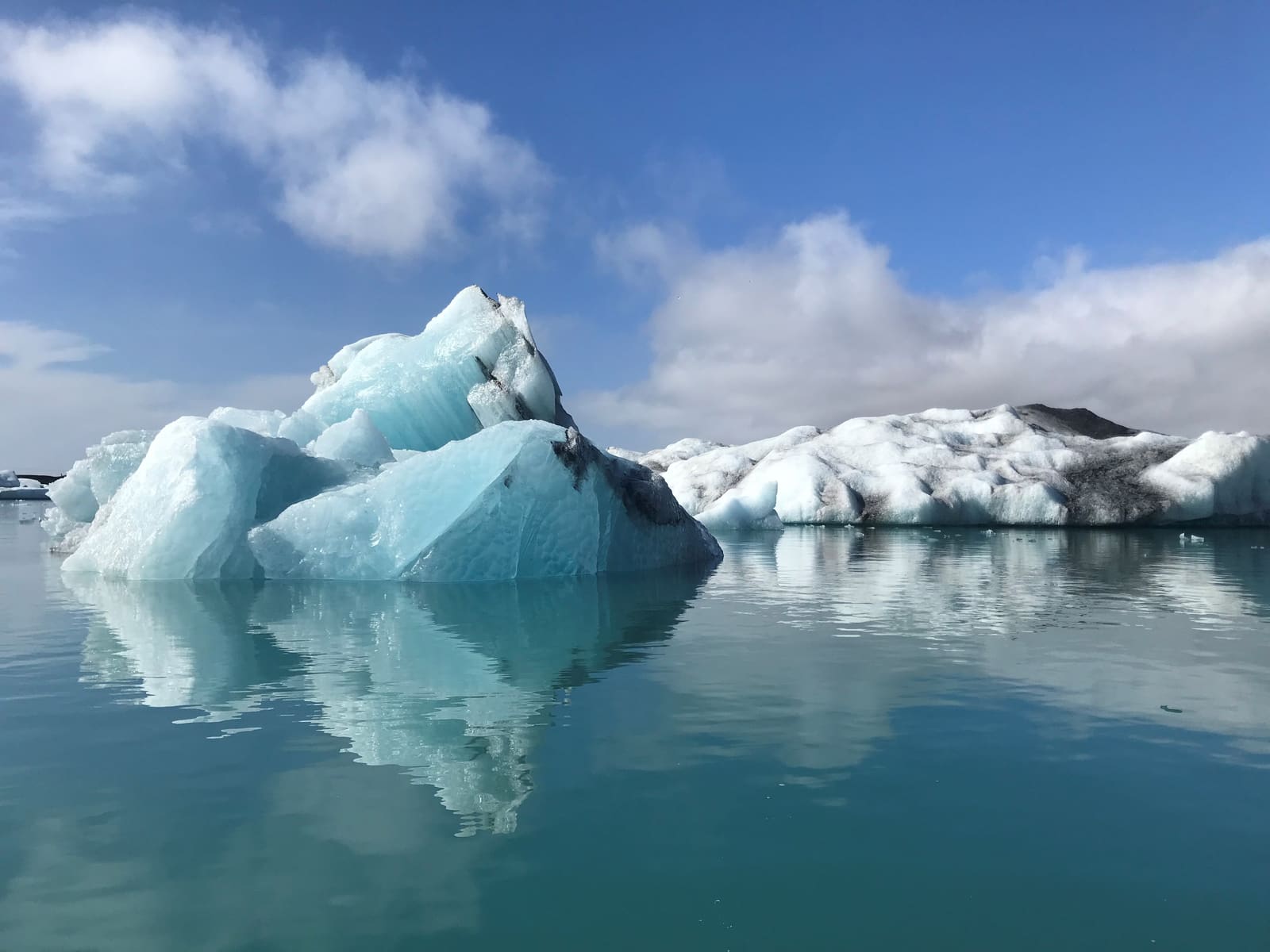
For natural winter glacier caves, plan around the colder season. Other cave visits may have different seasons; check current access and safety with a qualified operator before choosing dates.
Avoid copying a summer itinerary into winter without cutting distance and adding daylight buffers.
This is why season should come before route detail. A beautiful 10-day Iceland itinerary can be too ambitious in winter, while a short summer trip can still feel rushed if every day becomes a transfer.
What should you check before booking dates?
Check the live and seasonal pieces before flights, hotels, and car rental make the route hard to change.
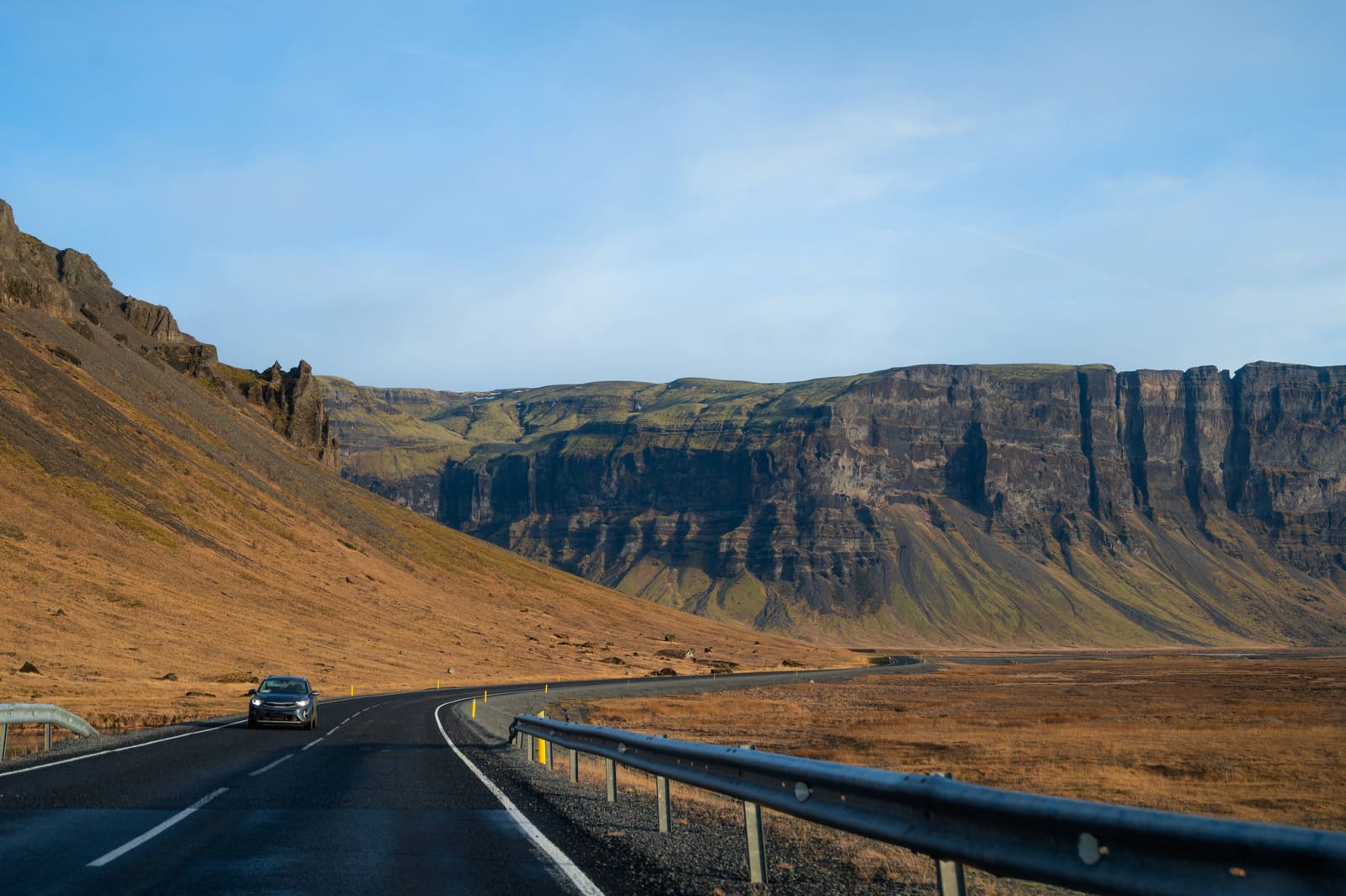
Use official weather, road, and safety sources before treating a month as settled. This matters most for winter driving, highland roads, ferry-dependent side trips, long loops, and any route where one closure would break several bookings.
Check the Icelandic Meteorological Office for weather, alerts, and northern-lights cloud cover.
Check Umferdin for live road conditions before important driving days.
Check Vegagerdin mountain-road opening information if the route uses F-roads or highland access.
Check SafeTravel guidance before driving in winter, spring, autumn, or remote areas.
Check operator calendars for ice caves, puffins, boats, buses, and highland departures.
Book rural accommodation earlier for summer and keep more flexibility for winter.
Short answers for the decisions travelers usually make after choosing a season.
What is the best month for a first trip to Iceland?
July or August is usually the easiest choice because daylight is long, roads are simpler, and more tours and routes are available. June is also strong, especially for long days and early summer travel.
Is May or September better for Iceland?
Choose May for spring light and a calmer pre-summer trip. Choose September if you want a late-summer route with darker nights returning and a better chance of northern lights than in bright summer.
Can you see the northern lights in summer?
June and July are generally too bright, but late August can bring enough darkness. The usual viewing season runs from late August into April; clear or partly clear skies and auroral activity are still needed.
When are Iceland's highland roads open?
Highland roads are a summer plan, and exact openings change each year. Snow cover and conditions decide the timing, so check official road information before booking anything that depends on F-road access.
Is winter a bad time to visit Iceland?
Winter is not bad if you want northern lights, ice caves, snow, and quieter famous places. It is a poor fit for rushed long self-drives, maximum daylight, and routes with no backup days.
When should I book a summer Iceland trip?
Book earlier if the trip uses rural accommodation, a full Ring Road, high-demand activities, or peak July and August dates. Summer has the widest access, but also the most competition for the best route logistics.