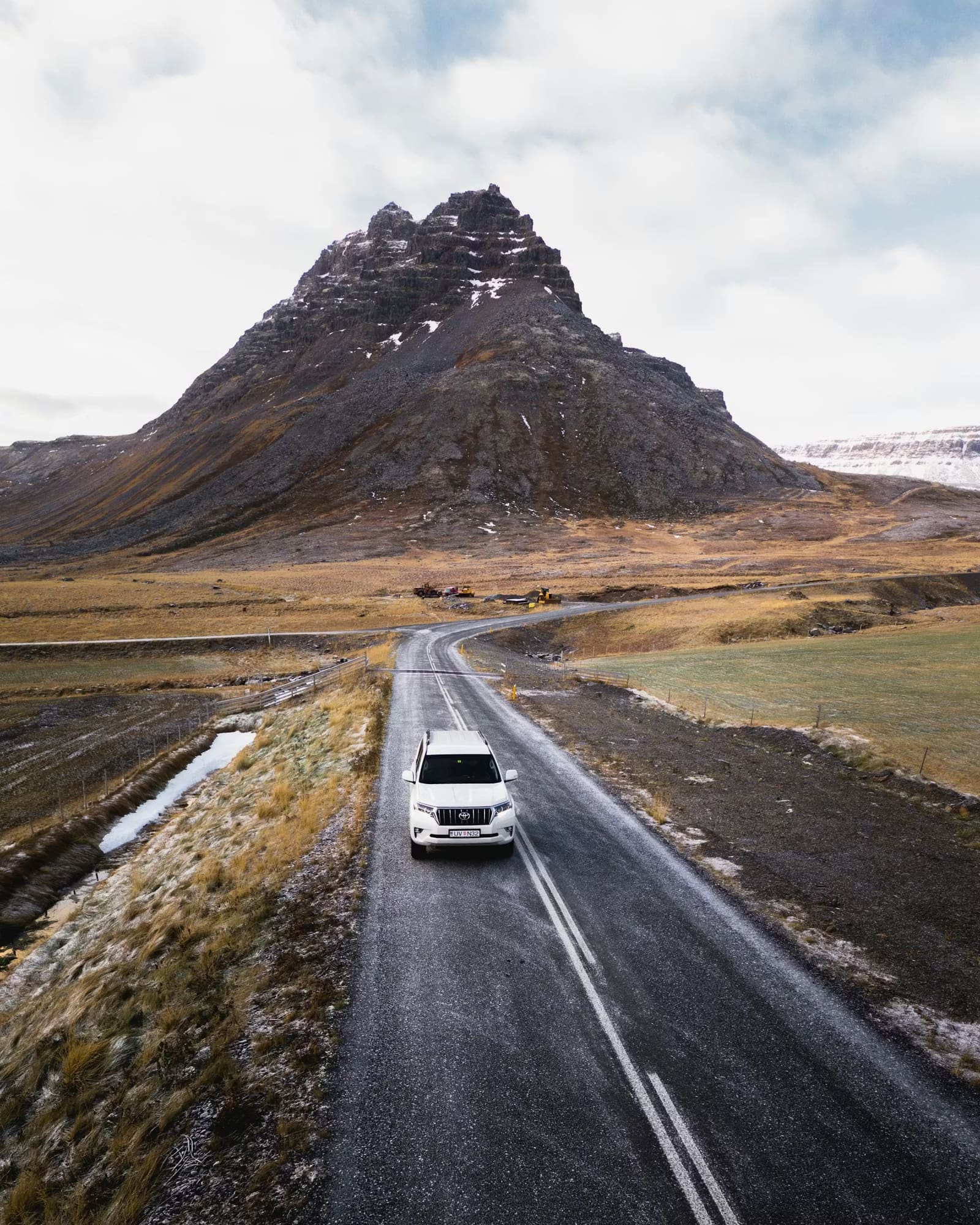
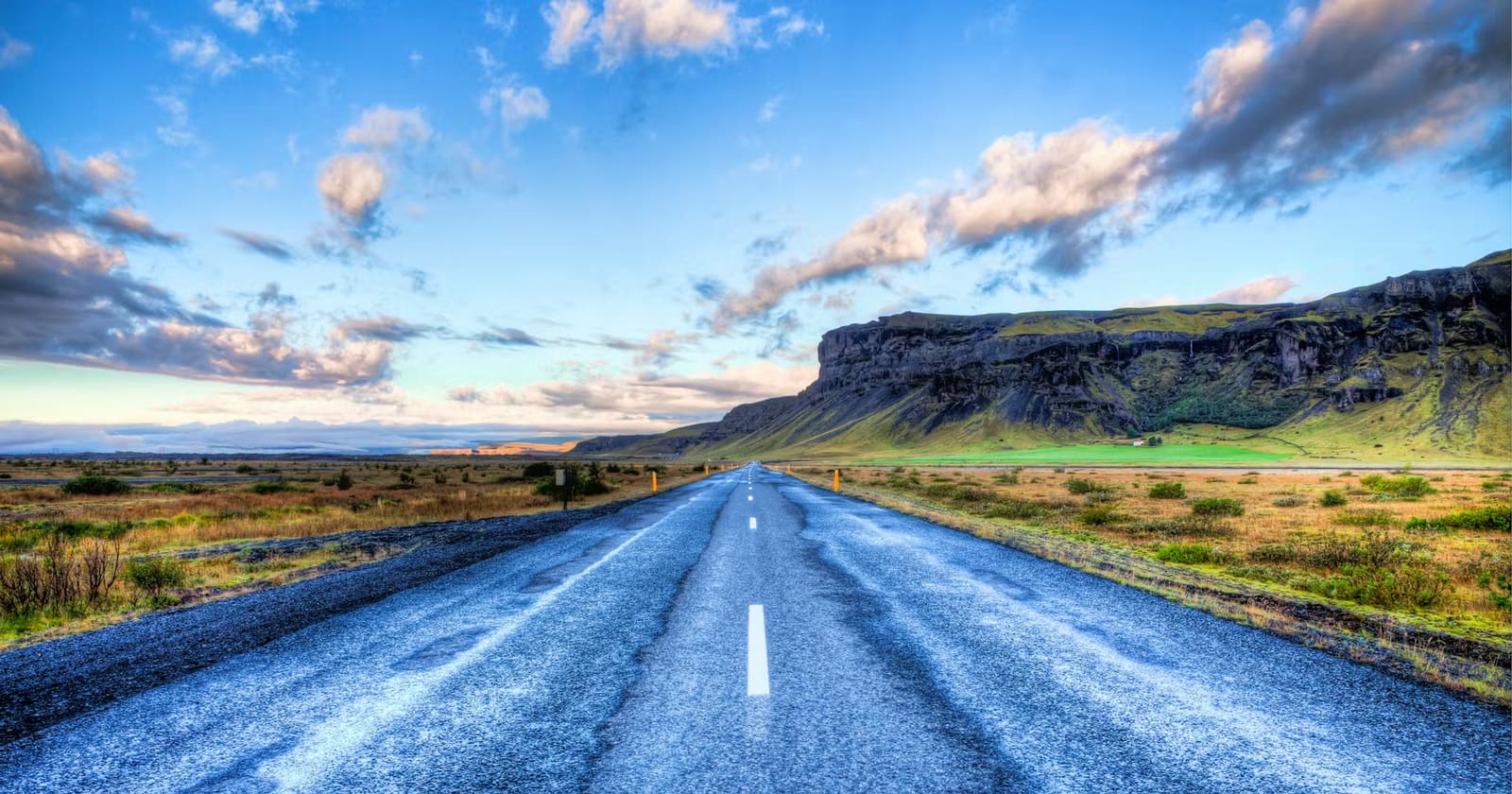
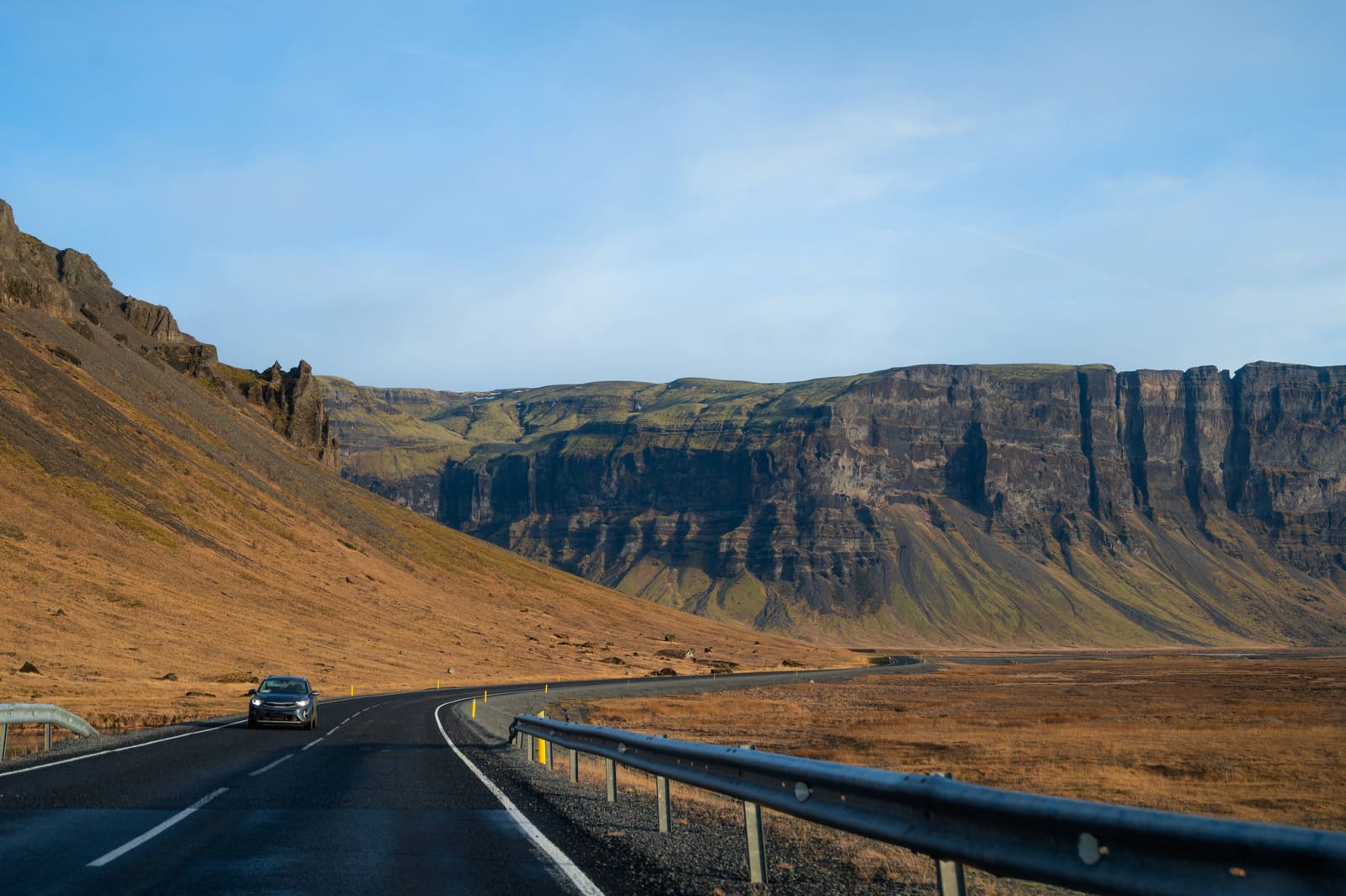
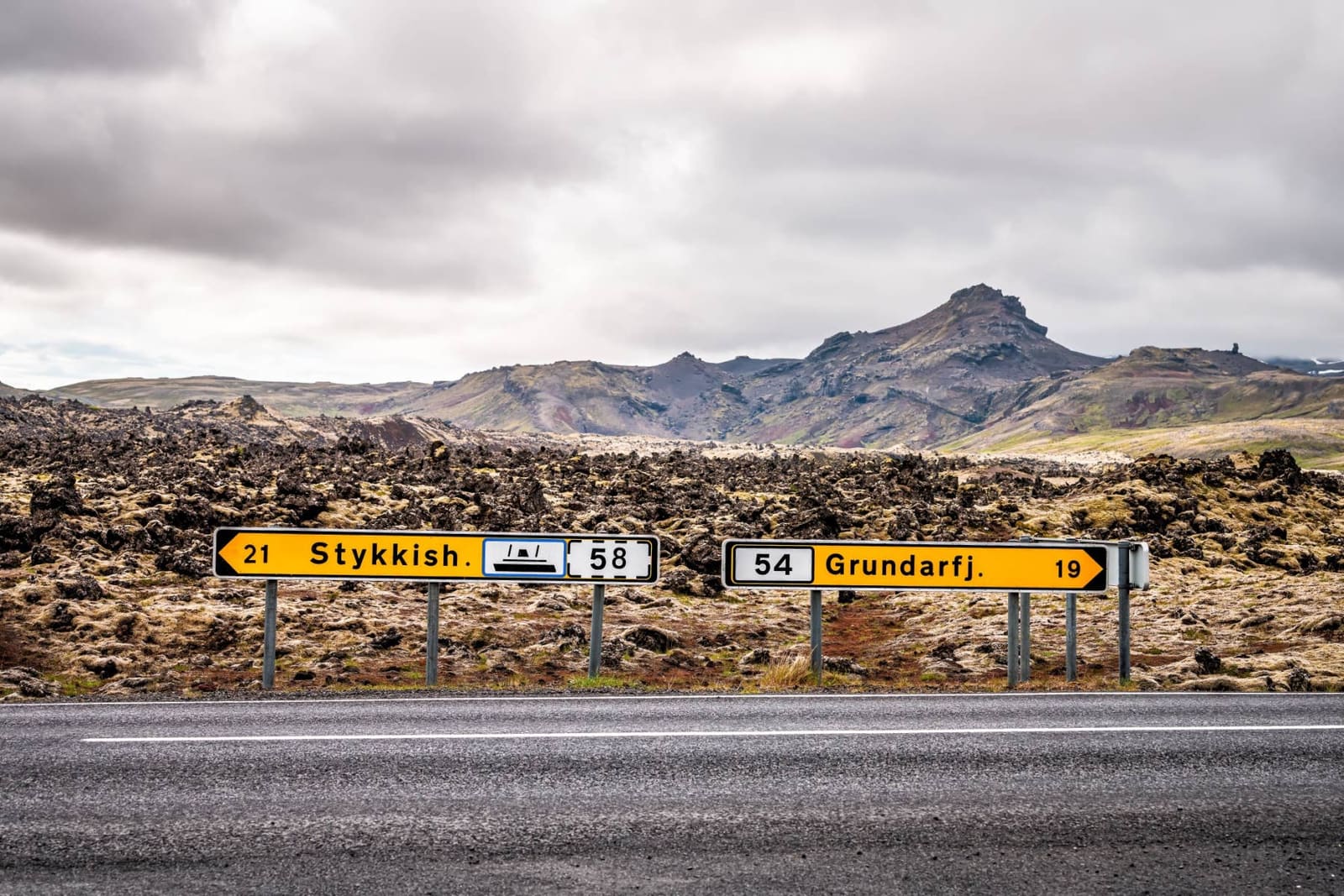
Use this winter road trip guide to choose a realistic Iceland route before booking hotels or a car. It compares safer route shapes, driving pressure, overnight choices, and the official checks that should stay part of every winter driving day.
Best winter default
Use Reykjavík plus the Golden Circle, Reykjanes, and a South Coast route no farther east than your backup time allows.
Full Ring Road
Treat the loop as a specialist winter plan, not the default first-trip route, unless you have extra days and strong winter-driving confidence.
Minimum comfort
Four to seven days works for a focused southwest and South Coast route; longer trips still need flexible nights.
Main risk
Wind, ice, darkness, closures, and hotel commitments can turn a normal summer transfer into a poor winter decision.
Route essentials
Best winter default
Use Reykjavík plus the Golden Circle, Reykjanes, and a South Coast route no farther east than your backup time allows.
Full Ring Road
Treat the loop as a specialist winter plan, not the default first-trip route, unless you have extra days and strong winter-driving confidence.
Minimum comfort
Four to seven days works for a focused southwest and South Coast route; longer trips still need flexible nights.
In this guide
Is a winter road trip in Iceland realistic?
Yes, a winter road trip in Iceland can be realistic, but only when the route is shorter, flexible, and checked against current road and weather information before each drive.
The safest starting point is not a list of famous stops. It is a route that can survive a late sunrise, an early sunset, a windy forecast, and one closed or unpleasant stretch of road. For most first winter trips, that points toward Reykjavík, the Golden Circle, Reykjanes, and a South Coast route that can be shortened without breaking the trip.
A winter self-drive plan should have fewer fixed commitments than a summer road trip. If one storm day would make you miss a prepaid hotel two regions away, the route is too brittle.
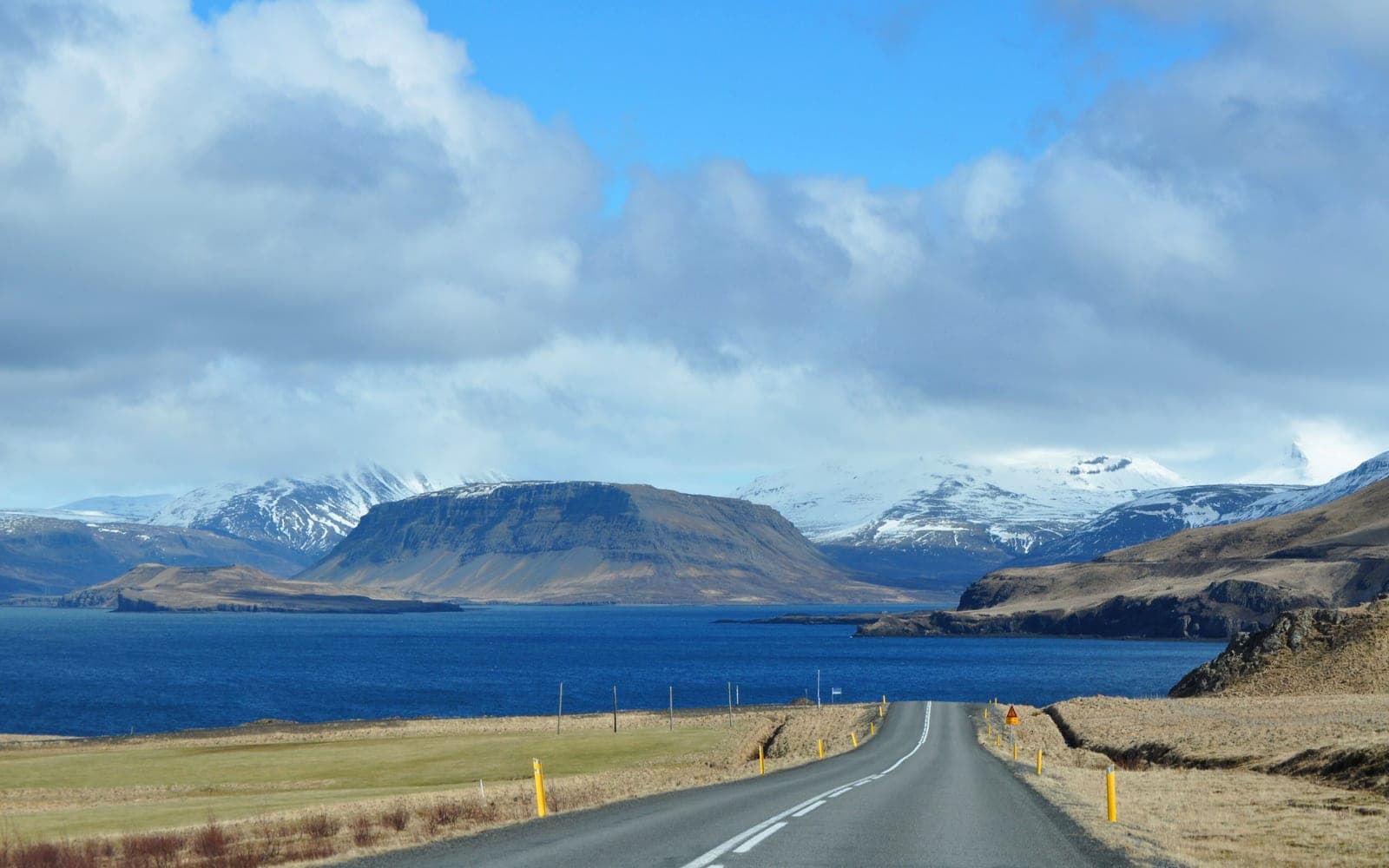
Start with a route that still works when daylight, wind, and road conditions narrow the day.
Good to know
Is this right for you?
Best for
first-time winter self-drivers who want a realistic route
travelers comparing South Coast, Golden Circle, Reykjanes, and Snæfellsnes
groups willing to adjust the plan around official road and weather checks
Think twice if
travelers who need every hotel and stop fixed months in advance
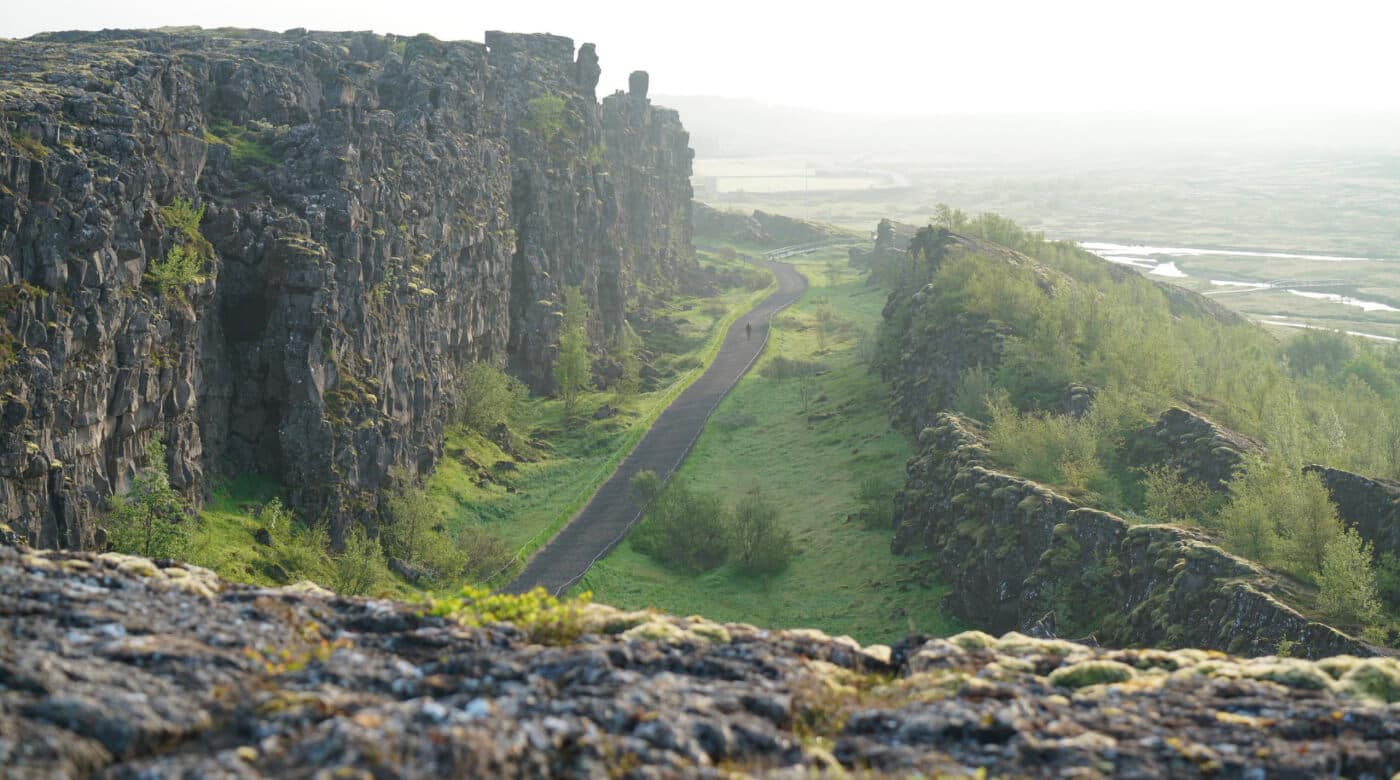
The pin marks P5 Valhöll parking, near the church and Silfra. P1 Hakið is a different arrival for the upper Almannagjá viewpoint. Use open marked paths suited to ice, daylight and visibility.
The pin marks the visitor car park beside the Geysir facilities, south of the geothermal field. Use the pedestrian crossing and marked paths; allow time for the walk before continuing to Gullfoss.
The pin marks upper visitor parking by Gullfosskaffi. The lower lot is for buses and visitors with mobility impairments. Follow signed paths and current closures.
A conditional route from Keflavík town to Reykjavík, with a booked lagoon approached from Route 41. Allow six hours for the modeled stops and driving, plus airport-to-town formalities and transfer.
Minimum time
6 hr
Driving
2 hr
Cut first: Bridge Between Continents, Blue Lagoon.
The route variant is a planning shape, not confirmation that roads or weather are suitable on the day. Check the official source.
Protect the airport buffer
Do not let a distant final night or optional peninsula day depend on uninterrupted winter driving. Check the official source.
Normal drive times are not winter forecasts
Allow separately for weather delays, the return from a one-way route, airport formalities and a day at your base. A nearby route or guided tour can be affected by the same warning. Check the official source.
Route overview
Locate the stops
Lines show the stop sequence, not the roads to drive. The ordered stops remain available without loading the map.
The map shows named visitor parking and town bases. Check winter roads before each leg and follow the Blue Lagoon operator's signed Route 43 approach. A navigation app can select an unsuitable or closed connection, so driving directions remain conditional.
Interactive map loads only when requested
This keeps the route guide fast while the complete stop sequence stays visible.
West Iceland alternative when you can sleep on or near the peninsula.
A Reykjavík day trip can become too much in short daylight or poor westbound weather.
Use the Snæfellsnes Peninsula Road Trip guide for overnight logic.
Full Ring Road
Experienced winter drivers with extra days and tolerance for rerouting.
One closure can affect the whole loop; north and east exposure raises the risk.
Compare Ring Road or South Coast before committing.
Highlands and F-road routes
Not a normal winter self-drive plan.
Highland routes belong to summer planning or guided/specialist access.
Read the Highlands Road Trip Planning guide for why the constraint matters.
Keep each route with its planning guide: Golden Circle for the compact loop, South Coast for eastbound overnights, and Reykjanes for conditional airport-side stops. None is an automatic escape from weather affecting the southwest.
How many days do you need in winter?
Winter day counts should include route time and recovery time. A route that is comfortable in summer can become too tight when daylight and weather windows shrink.
Two to three days: stay Reykjavík-based and choose one route day, usually Golden Circle, Reykjanes, or a very focused South Coast day if conditions are settled.
Four to five days: add one or two South Coast overnights, but avoid turning every day into a transfer.
Six to seven days: a South Coast route to the southeast can work when one day remains flexible for weather or slower driving.
Eight to ten days: compare a deeper South Coast and west route before assuming the Ring Road is the better winter choice.
Ten-plus days: a wider loop is possible for some drivers, but it still needs spare nights and a willingness to reroute.
The useful test is simple: if you removed one driving day, could the trip still work? If not, reduce the route before booking.
Short winter days reward fewer fixed stops and more room around the best daylight window.
Where to stay so the drive stays manageable
Winter bases should reduce the next day's exposure, not just sit near a famous stop.
Winter overnight logic
Base
Best for
Avoid when
Reykjavík
Flexible city time, Golden Circle starts, guided alternatives, and recovery days.
You are trying to reach the far South Coast and return repeatedly.
Keflavík or Reykjanesbær
Early flights, late arrivals, and a conservative first or last winter night.
You want an easy morning start for the South Coast.
Selfoss, Hella, or Hvolsvöllur
Breaking up Golden Circle and South Coast routing without pushing too far east.
You need glacier-lagoon timing the next day.
Vík
Black sand coast, waterfalls, and a manageable South Coast midpoint.
Road/weather conditions make the exposed coast a poor same-day choice.
Kirkjubæjarklaustur or Skaftafell area
Southeast glacier-country plans with enough time to return west safely.
You do not have a flexible day or backup lodging strategy.
Grundarfjörður or Stykkishólmur
A Snæfellsnes route that is not rushed from Reykjavík.
You only have a short daylight window and no westbound weather backup.
How much driving pressure winter adds
Winter pressure comes from uncertainty, not just distance. The same mileage can feel very different in darkness, wind, ice, or blowing snow.
Winter driving pressure checks
Pressure point
What it changes
Planning move
Short daylight
Longer scenic days compress into fewer usable hours.
Plan the highest-value stop in daylight and cut optional stops early.
Wind and ice
A normal drive can become tiring or unsafe even on maintained roads.
Check wind and road status before leaving, then slow down or stay put.
One-way commitments
A fixed hotel farther along the route can pressure you into a poor drive.
Keep one flexible night or choose bases that allow a shorter fallback.
Remote route sections
Help, food, fuel, and alternative lodging can be farther apart.
Avoid remote extensions unless conditions and experience support them.
Driver fatigue
Winter concentration costs more energy than summer sightseeing.
Keep arrival day light and avoid major transfers after long flights.
A winter-ready vehicle helps, but road surface, visibility, and driver confidence still decide the day.
The displayed drive times are normal-condition estimates, not winter forecasts. The southwest and southeast variants end away from Reykjavík, and the Reykjanes variant ends in Reykjavík rather than at KEF. Add the return to your final base, airport transfer and flight formalities before judging whether the days fit.
The Gullfoss-to-Hella transfer uses Routes 334, 35, 30 and 1 and is about 85 km. The winter Snæfellsnes example crosses Vatnaleið on Route 56 between the two Route 54 sections; it does not stay on Route 54 throughout. Choose the exact road alternative in Vegagerðin’s distance tool, then check that complete route on Umferðin. Local parking approaches and your accommodation address can change the distance.
For the conditional Reykjanes day, return north from Bridge Between Continents on Routes 425 and 44, then join Route 41 toward the Blue Lagoon turnoff. Use Route 43 and the operator’s current signs for the final approach; navigation apps can show outdated roads. Check access before departure and skip the lagoon if the signed approach is unavailable.
Winter stop allowances include the walk from visitor parking and back; closures can shorten or cancel a visit.
Stop
Arrival and scope
Winter limit
Þingvellir
P5 Valhöll is the modeled arrival for a 60–90-minute short visit. P1 Hakið is a different parking choice for the upper Almannagjá viewpoint.
The map marks P5; P1 is a separate arrival. Check the walking route and path conditions from your chosen lot.
Geysir and Gullfoss
Allow 45–75 minutes at Geysir and 40–70 at Gullfoss. Use marked paths at Geysir and the upper general-visitor parking at Gullfoss.
Keep the walk within open paths. Gullfoss's lower parking is reserved for buses and visitors with mobility impairments.
Seljalandsfoss
Allow 30–50 minutes for a front view from open paths.
Falling ice is a hazard as well as slippery ground. Do not build the day around walking behind the waterfall.
Skógafoss
Allow 45–75 minutes for parking, the return walk and the lower waterfall view.
Follow the new parking signs rather than the former lot beside the falls. Upper stairs and longer trails are outside this stop allowance.
Jökulsárlón
Allow 60–120 minutes for the lagoon-side visit.
Fellsfjara is on the other side of Route 1 and needs extra time. Tours and longer walks are separate bookings or plans.
Kirkjufell
Allow 35–60 minutes for a viewpoint stop from signed parking.
No mountain ascent: the regional visitor authority prohibits climbing in winter.
Blue Lagoon
The 120–180-minute allowance includes arrival, changing and bathing.
Use the operator's Route 43 approach and add time if your booking or group needs longer.
The Snæfellsnes variant starts when you leave your Reykjavík base; it does not include the city visit used in the multi-day routes. Its drive allowance is about 5 hours 20 minutes, with 80–150 minutes at Borgarnes and Kirkjufell, before meals or weather delays. The eleven-hour planning window still needs enough daylight for the outdoor stops and a workable return; it is not a winter driving guarantee.
What changes with storms, daylight, and road closures?
Winter changes the planning order: check the conditions first, then decide which parts of the route still deserve the day.
Storms and closures can make staying at your base the best plan. A shorter drive or a guided departure can be affected by the same warning. Before switching toward the Golden Circle, Reykjanes or the west, check the entire alternative route and its return; do not assume a nearby region is outside the weather system.
If the South Coast is poor, keep a day at your existing base available. Use the Golden Circle only if its own roads and weather support the complete trip.
If the west is better than the south, Snæfellsnes can become the better route, but only when the peninsula roads and overnight plan support it.
If wind is the problem, do not treat a short distance as automatically easy.
If daylight is tight, choose fewer stops and protect the return drive.
Do not drive a closed road. Read the official warning for your area and vehicle, and delay travel when the advice or conditions require it.
An aurora photograph does not establish safe driving conditions. Check official road and weather advice before setting out.
Before you book hotels or a car
Book the winter route only after the route shape, backup day, and vehicle assumptions all make sense together.
Pre-booking checks
Check
Why it matters
Furthest point
Know whether Vík, the southeast, Snæfellsnes, or Reykjanes is the real route limit.
Flexible night
A weather day is more useful than another fixed stop when winter conditions change.
Vehicle suitability
A suitable vehicle helps, but it does not make closed roads, severe wind, or poor visibility safe.
Flight timing
Avoid major winter drives immediately after arrival or too close to departure.
Official check routine
Decide who checks Umferdin.is, Vedur.is, and SafeTravel before each drive.
Review the winter driving guide for vehicle, tyres, weather and emergency preparation before booking. Share the route and a check-in plan, keep navigation available offline, and save the official 112 contact alternatives before entering an area with unreliable coverage.
When to choose a guided route or stay city-based
A guided route or city-based plan is the better choice when winter driving becomes the main source of stress instead of a useful way to travel.
Choose a guided South Coast, Golden Circle, northern lights, or glacier-country day when the destination matters more than controlling the drive. Choose a Reykjavík-based plan when flight timing, short daylight, or driver confidence makes road decisions too fragile. If skiing is the reason to leave the city, use the skiing and snowboarding guide to verify the area, open terrain, equipment, road, and non-mountain backup as one decision.
A guided departure can still be changed or cancelled because of weather or road restrictions. Keep a day at your base that does not depend on a tour operating, and check the operator’s return arrangements before adding another fixed booking.
Official sources to check before driving
Use these sources close to the day you drive. They are part of the route decision, not extra reading after the plan is finished.
Viewpoint context and the prohibition on climbing the mountain in winter.
For the alternative routes, use these parking arrivals:
Seljalandsfoss: The pin marks visitor parking beside Route 249. Walk to the falls from here. In winter, plan a front view from open paths, stay away from the cliff base and respect falling-ice closures.
Skógafoss: The pin marks the replacement visitor car park south of the falls, not the former lot near the cliff. Follow the signed arrival and walking route. Allow 45–75 minutes for parking, the lower view and return; stairs and the upper river trail need separate time and suitable footing.
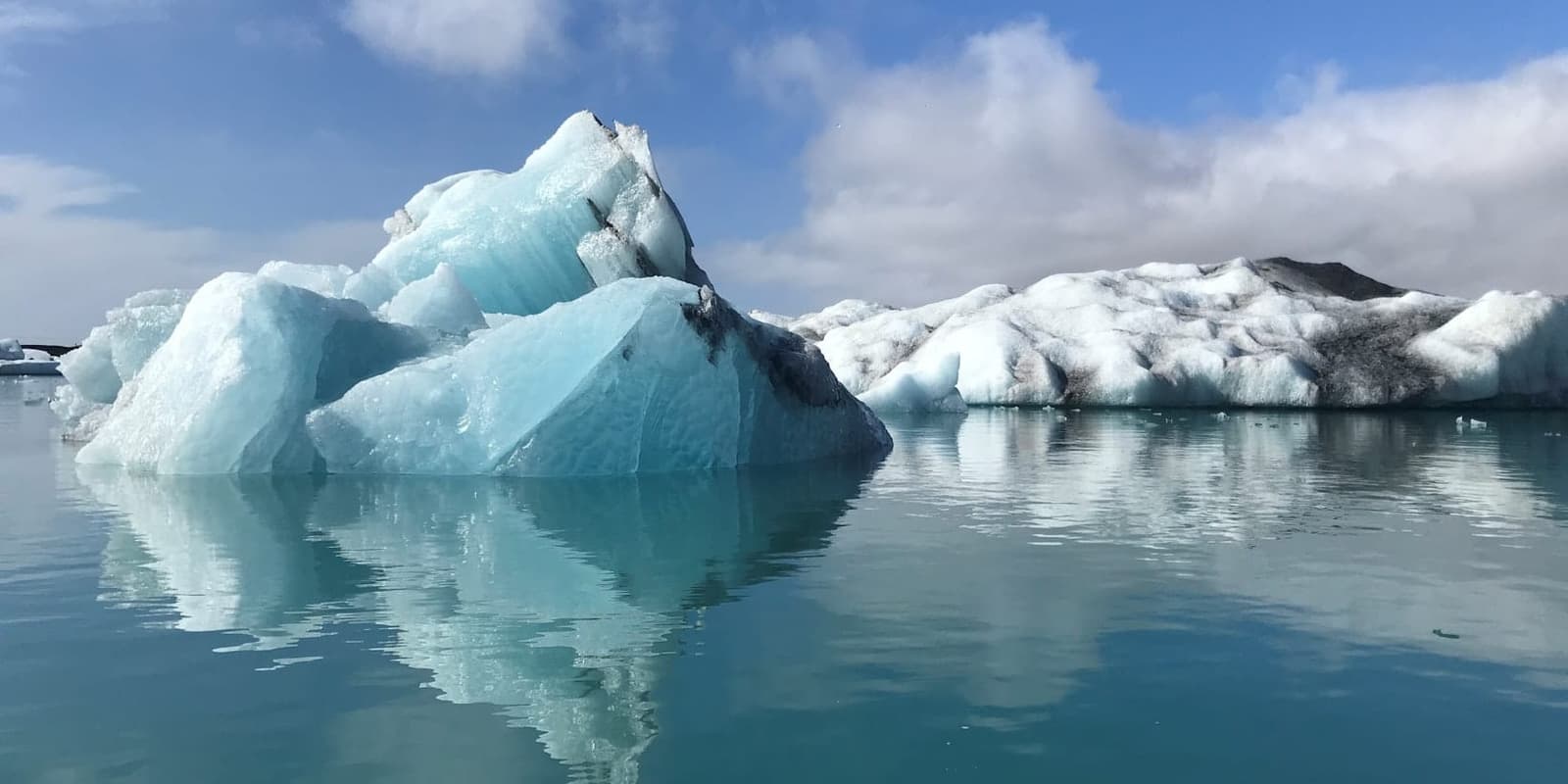
Jökulsárlón: The pin marks the main lagoon-side car park north of Route 1. The 60–120-minute allowance covers the lagoon visit and return walk. Fellsfjara, boat trips and ice-cave tours need separate time and access checks.
Bridge Between Continents: The pin marks the signed visitor parking off Route 425. Walk to the bridge on marked paths and respect crack or sinkhole warnings. The winter lagoon leg uses the northern Route 41 approach; confirm onward roads separately.
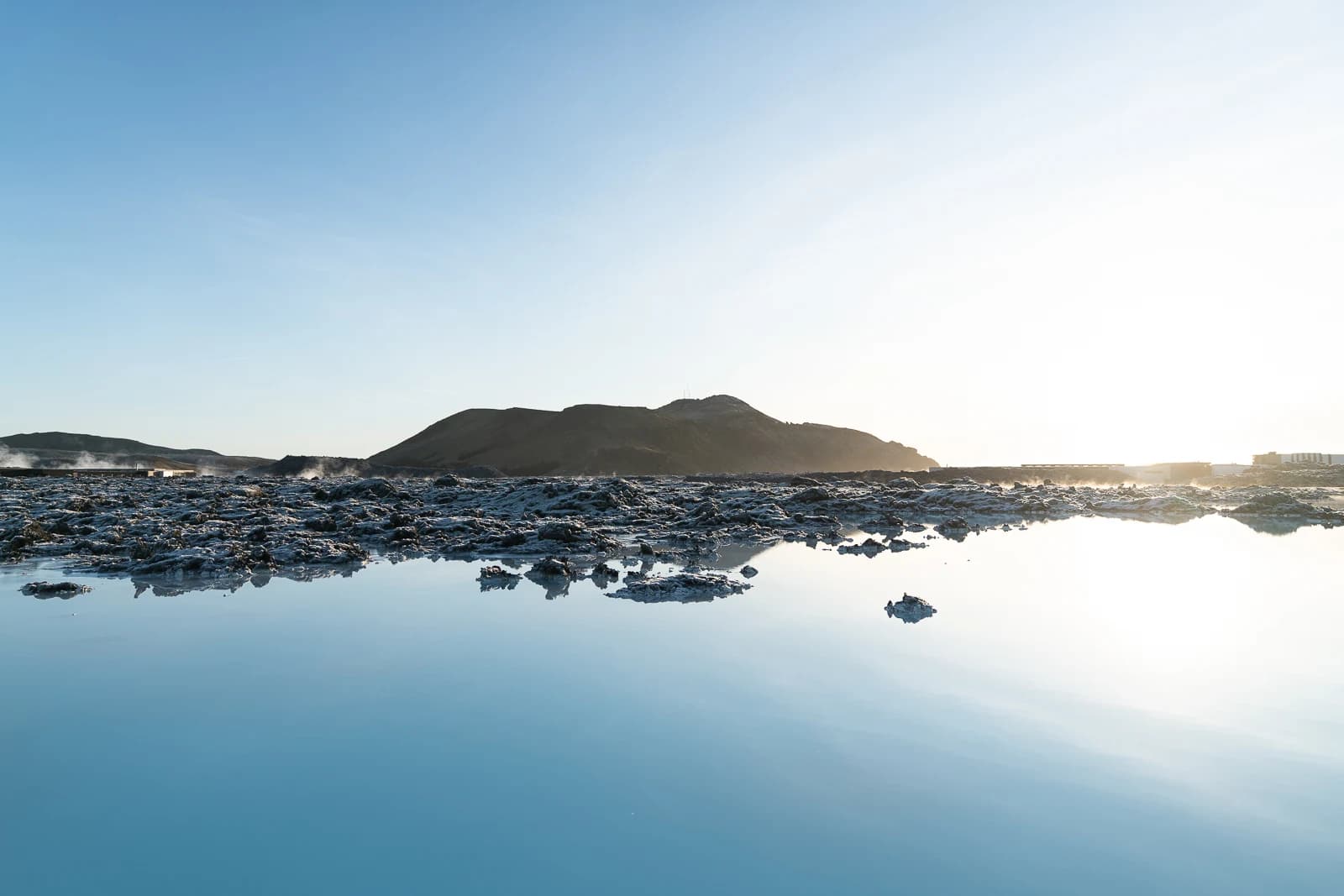
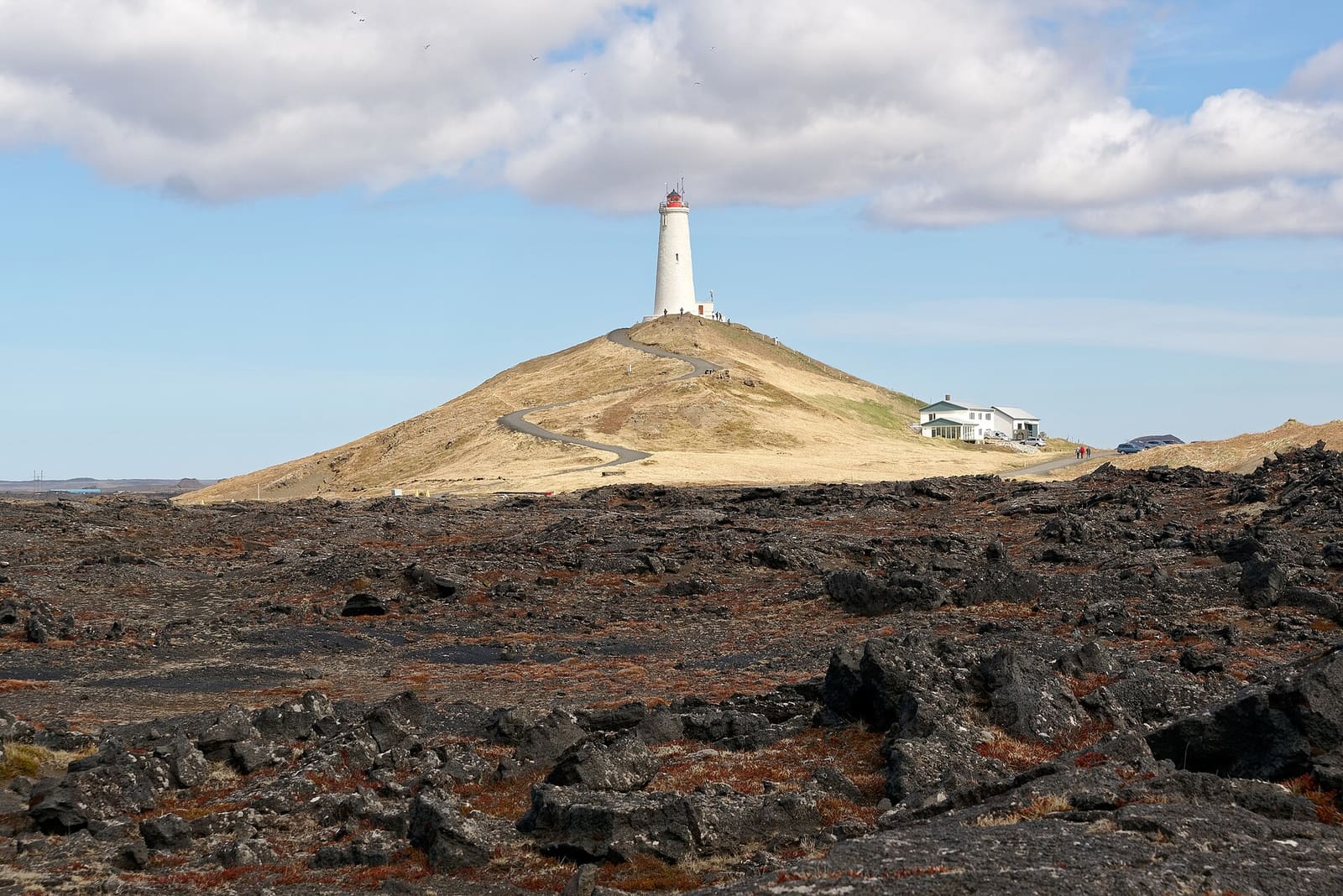
Blue Lagoon: The pin marks the main visitor car park. Confirm admission and current access, then follow the operator's signed Route 43 approach. A parking point does not make an old navigation route or the southern through-road usable.
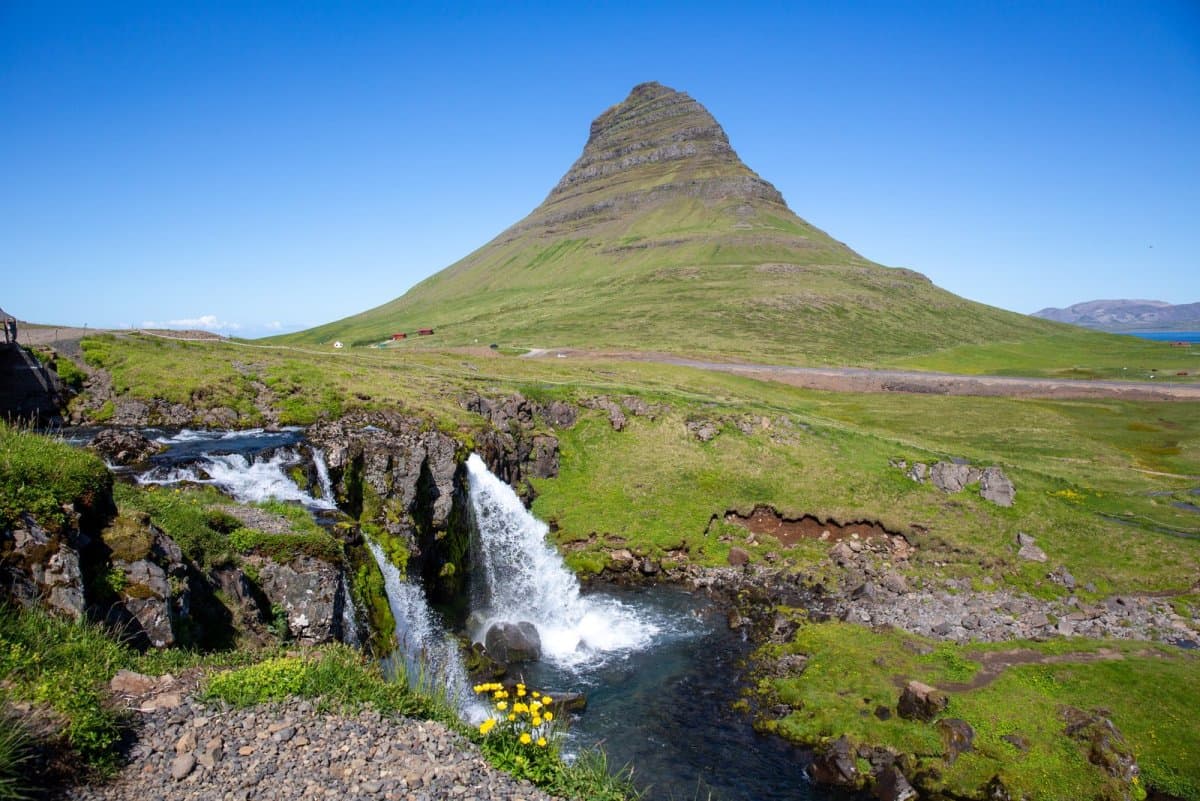
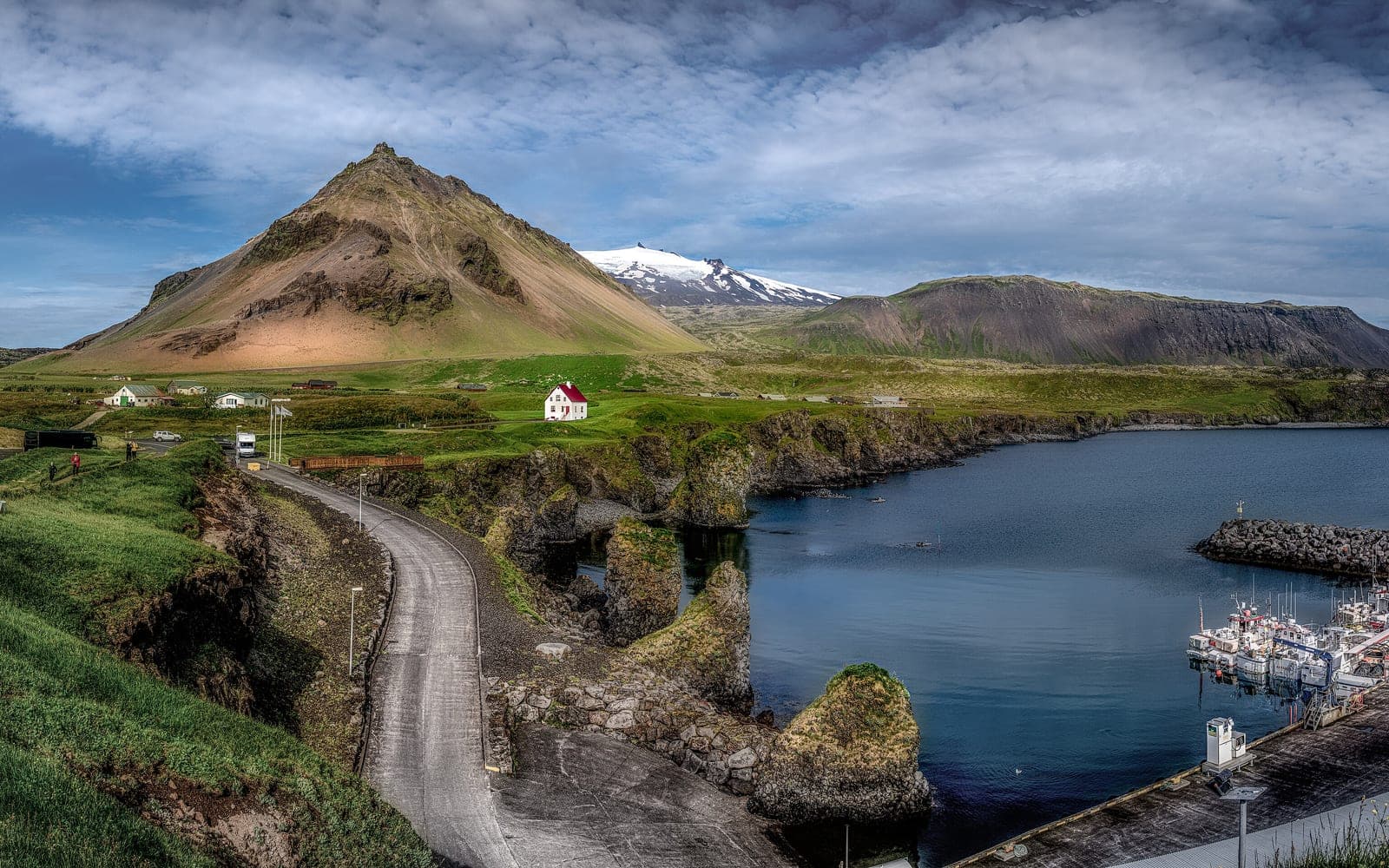
Kirkjufell viewpoint: The pin marks Kirkjufellsfoss visitor parking for the mountain view and waterfall paths. This visit is not a mountain climb. Climbing Kirkjufell is prohibited in winter; respect current path closures and allow parking and walking time.
Named parking location in Google Maps. Follow local signs and current access guidance.
Winter road trip FAQ
These questions usually decide whether to keep driving, shorten the route, or switch plans.
Can you road trip Iceland in winter?
Yes, you can road trip Iceland in winter if the route is realistic, flexible, and checked against current road and weather conditions. Most first-timers should keep the route in the southwest and South Coast rather than attempting the full country.
Should I drive the Ring Road in winter?
Most first-time winter visitors should not make the Ring Road their default plan. Consider it only with extra days, winter-driving confidence, flexible lodging, and a willingness to reroute around closures.
Is the South Coast a good winter road trip?
Yes, the South Coast is often the best winter road-trip spine if you have enough days and do not force the far southeast without buffer. Vík is easier to plan than Jökulsárlón for a short winter trip.
Do I need a 4x4 for a winter Iceland road trip?
A suitable winter vehicle can help, but it does not override road closures, severe wind, ice, darkness, or driver inexperience. Confirm vehicle rules with the rental company and still check official conditions.
How many spare days should I keep for winter driving?
Keep at least one flexible day on a focused winter route, and more if you plan a wider loop. The goal is to avoid needing to drive in poor conditions just to reach the next fixed hotel.
What should I do if the road conditions look bad?
Stay at your base when travel is unsafe or officially discouraged. Shorten or change the route only after checking the alternative and its return. Guided tours can also cancel. Never drive through a closure to save a hotel or activity booking.