Experience fit
- Main choice
- Natural cave or tunnel
- Guide role
- Required for glacier caves
- Best bases
- Southeast or Vík
- Car fit
- Easier with one
- Backup
- Glacier hike or lagoon
Ice caves are worth planning only when you choose the right cave promise: natural winter ice, ash-striped Katla ice, a Langjökull tunnel, or a safer glacier backup. Use season, base, guide need, effort, and flexibility before booking anything.
Experience fit
An Iceland ice cave is not one fixed product. The strongest choice depends on whether you want a natural winter cave, ash-striped Katla ice, a tunnel-style Langjökull visit, or simply a glacier day with less cave risk.
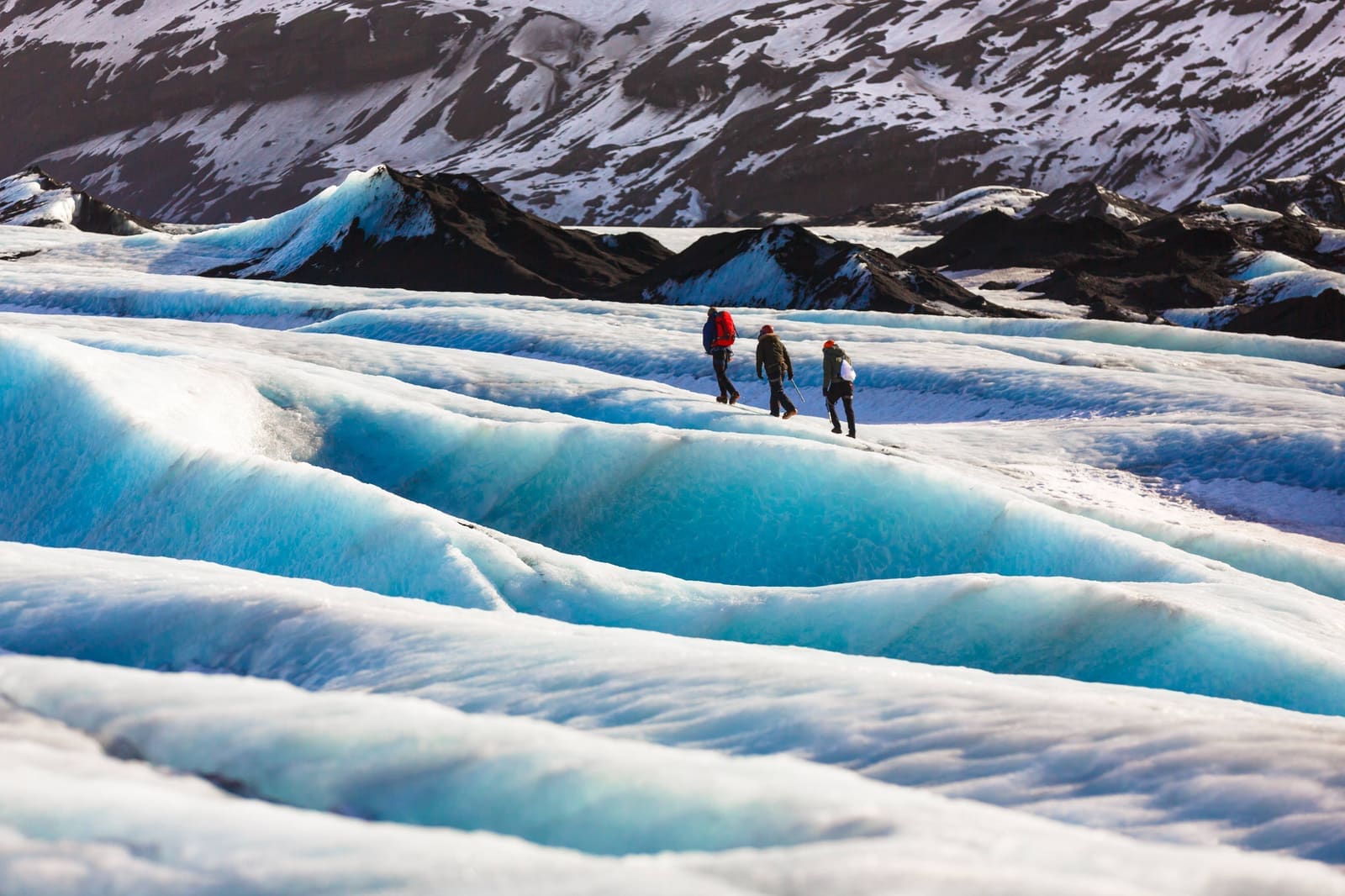
Start by separating natural glacier caves from controlled tunnel-style experiences. If you mainly want to stand inside changing glacier ice, look toward the southeast, Vatnajökull, Skaftafell, the Jökulsárlón area, or Katla-side trips from Vík. If you want a more predictable inside-ice visit, Langjökull belongs in the comparison.
| Choice | Best fit | Season/base | Skip if |
|---|---|---|---|
| Natural southeast cave | Blue-ice focus | Winter-led, southeast | No weather margin |
| Katla cave | Ash-striped ice | Vík or South Coast | You expect clear blue |
| Langjökull tunnel | Controlled ice access | West Iceland or pickup | You want natural cave uncertainty |
| Cave plus hike | Active glacier day | Skaftafell or southeast | Uneven footing is a problem |
| Glacier backup | Lower-pressure day | Lagoon, hike, or viewpoint | The cave is the whole reason |
The quick decision is simple: protect a cave day only when your route can absorb a guide change, weather delay, or a less dramatic cave than the photos suggested. If the trip has no slack, the better glacier choice may be a hike, lagoon, or viewpoint from the broader glacier activities page.
Photo guide
1 / 7
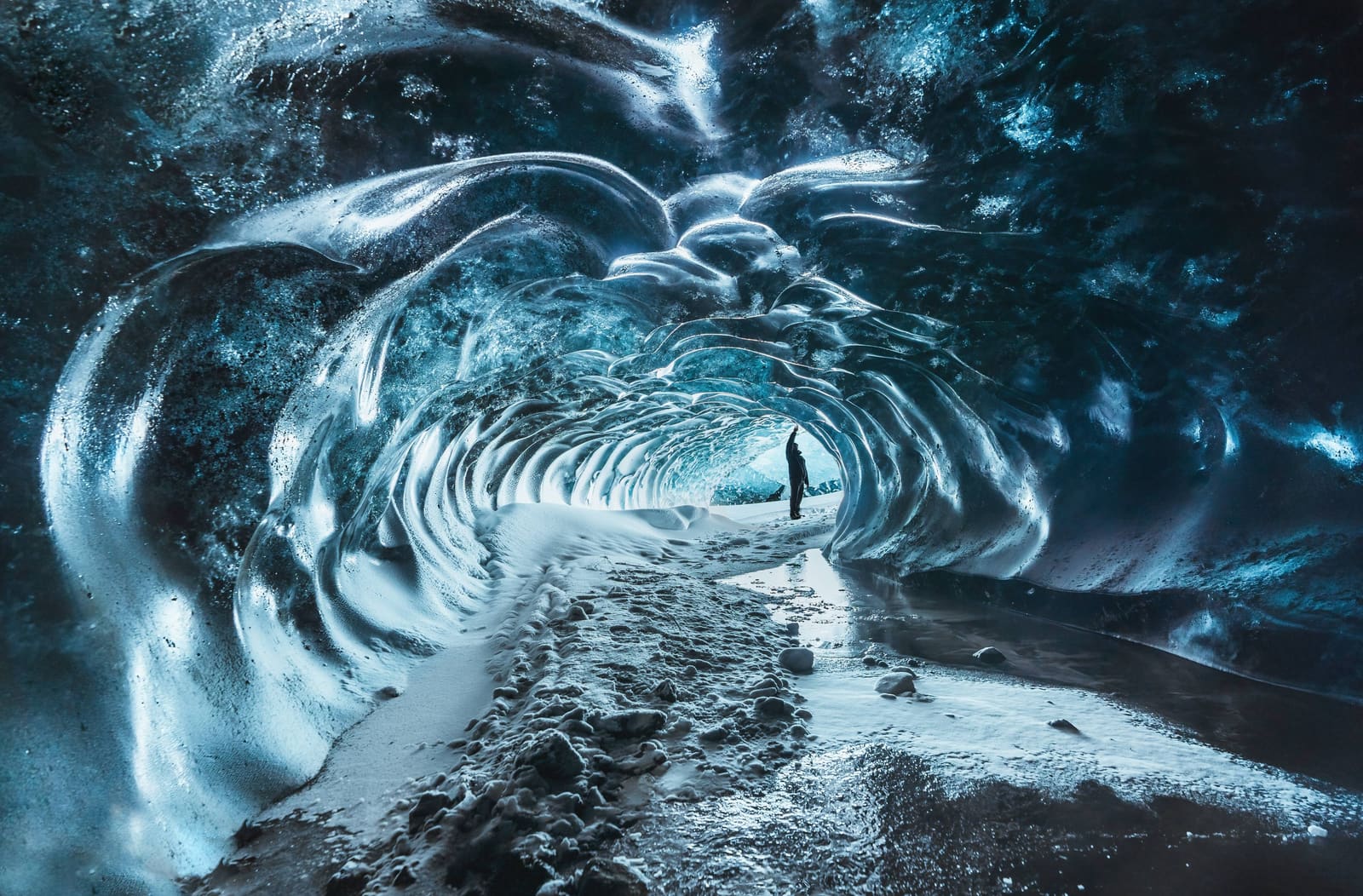
Tunnel-style visits are controlled inside-ice experiences, not the same promise as natural winter caves.
Good to know
The word cave hides three different visitor experiences. They can all be worthwhile, but they do not satisfy the same expectation.
A natural blue-ice cave is the classic winter dream: translucent walls, compressed glacier ice, and a guide choosing the safest formation available. It is also the version most likely to disappoint travelers who expected a guaranteed chamber rather than a changing glacier feature.
Katla-side caves around Mýrdalsjökull are more about black, white, and blue ice mixed with volcanic ash. They can fit a Vík-based South Coast plan better than a long push toward the southeast, but they should not be sold in your own mind as the same visual promise as a deep blue Vatnajökull cave.
Langjökull tunnel-style visits solve a different problem: they make inside-ice access feel more controlled and easier to fit from West Iceland or some Reykjavík-based plans. Check the official operator visitor details such as Into the Glacier visitor information rather than relying on a generic ice-cave label.
By ThorPublished Updated
Open these sources at the point where they affect the cave decision.
Use for formation, cave-style examples, and guide-led access context.
Use for Langjökull tunnel-specific visitor details.
The best cave choice often comes from the base, not from the cave name. A cave that looks perfect online can be the wrong fit if it forces too much road time into a winter day.
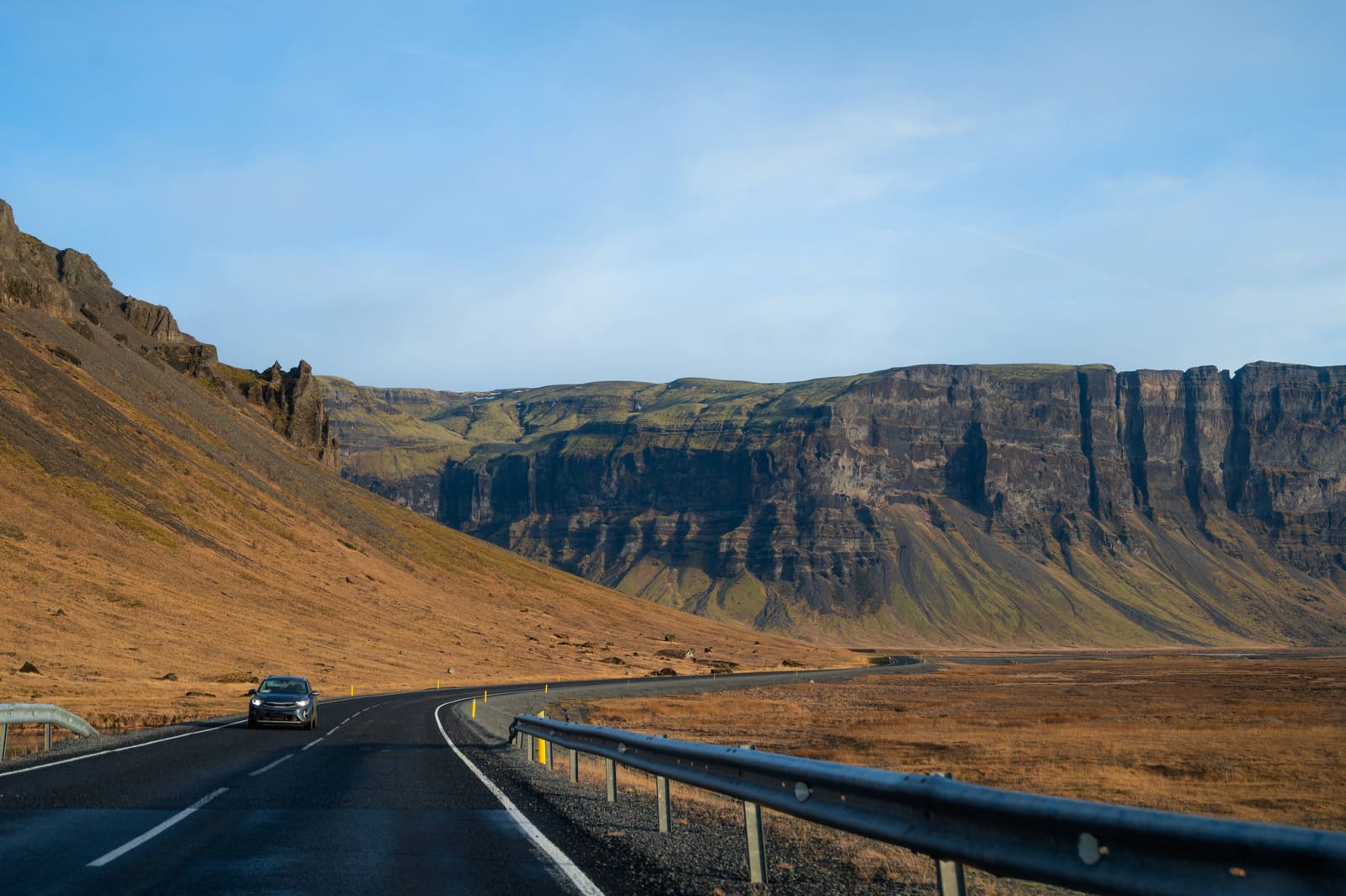
For self-drivers, the cave should sit inside a real South Coast road trip, not float as an isolated booking. If the plan depends on cold-weather driving, compare it against a winter road trip before you commit the day.
If the Jökulsárlón side is the right base, use Crystal Ice Cave as the specific blue-ice page to compare with broader ice-cave choices and winter driving pressure.
Open these sources at the point where they affect the cave decision.
Use before treating a winter cave drive as fixed.
Use for exposed-weather checks before glacier-area plans.
Skipping an ice cave can be the stronger Iceland decision when the cave is doing too much work in the itinerary.
Downgrade when the whole day depends on a specific cave look, when the group is uneasy about cold uneven footing, or when the route is already packed with waterfalls, black sand beaches, and the glacier lagoon. A Sólheimajökull glacier hike, Fjallsárlón, or a Jökulsárlón-area viewpoint can still give the day an ice landscape without asking the cave to perform perfectly.
Glacier cave safety is not a line item after the experience; it is the experience. The guide decides what can be entered, what must be avoided, and when the plan changes.
Regional tourism guidance is direct that glacier ice caves should not be visited without an experienced local guide and proper equipment. Treat that as the baseline, not as cautious fine print. The useful traveler question is not whether you can find the cave; it is whether a qualified guide considers it safe enough to enter that day.
For Vatnajökull and the southeast, official park or agency notices matter because access rules and safety controls can change. Operator pages matter too, but only for their own meeting points, gear expectations, and visitor requirements.
Open these sources at the point where they affect the cave decision.
Use for guide and equipment context around glacier caves.
Use for official access and safety-control context in the Vatnajökull area.
Use before exposed winter and glacier-area plans.
Use as one operator example of how cave formats differ; verify details with the provider you choose.
These are the questions that should change whether you book, where you base, or what you use as the backup.
Do not treat glacier ice caves as self-guided stops. Natural glacier caves require guide assessment, safety equipment, and a willingness to follow changes made for conditions.
Classic natural blue-cave plans are winter-led. Summer travelers should compare Katla-style cave options, Langjökull tunnel-style visits, glacier hikes, lagoons, or viewpoints instead of assuming the same cave experience.
The easiest base depends on the cave style: southeast bases help Vatnajökull-area caves, Vík helps Katla-side plans, and Húsafell or pickup-based plans help Langjökull tunnel choices.
Some guided formats can suit first-timers, but exact age, footwear, mobility, and comfort requirements belong with the operator. Choose a tunnel, viewpoint, lagoon, or glacier hike if cold uneven footing is a poor fit.
No. A tunnel-style visit can be a good inside-ice experience, but it is a different promise from a natural cave selected by guides from changing glacier formations.
Where to do it
Use the broader glacier, attraction, and winter route pages when the cave decision starts affecting your base, driving margin, or backup day.
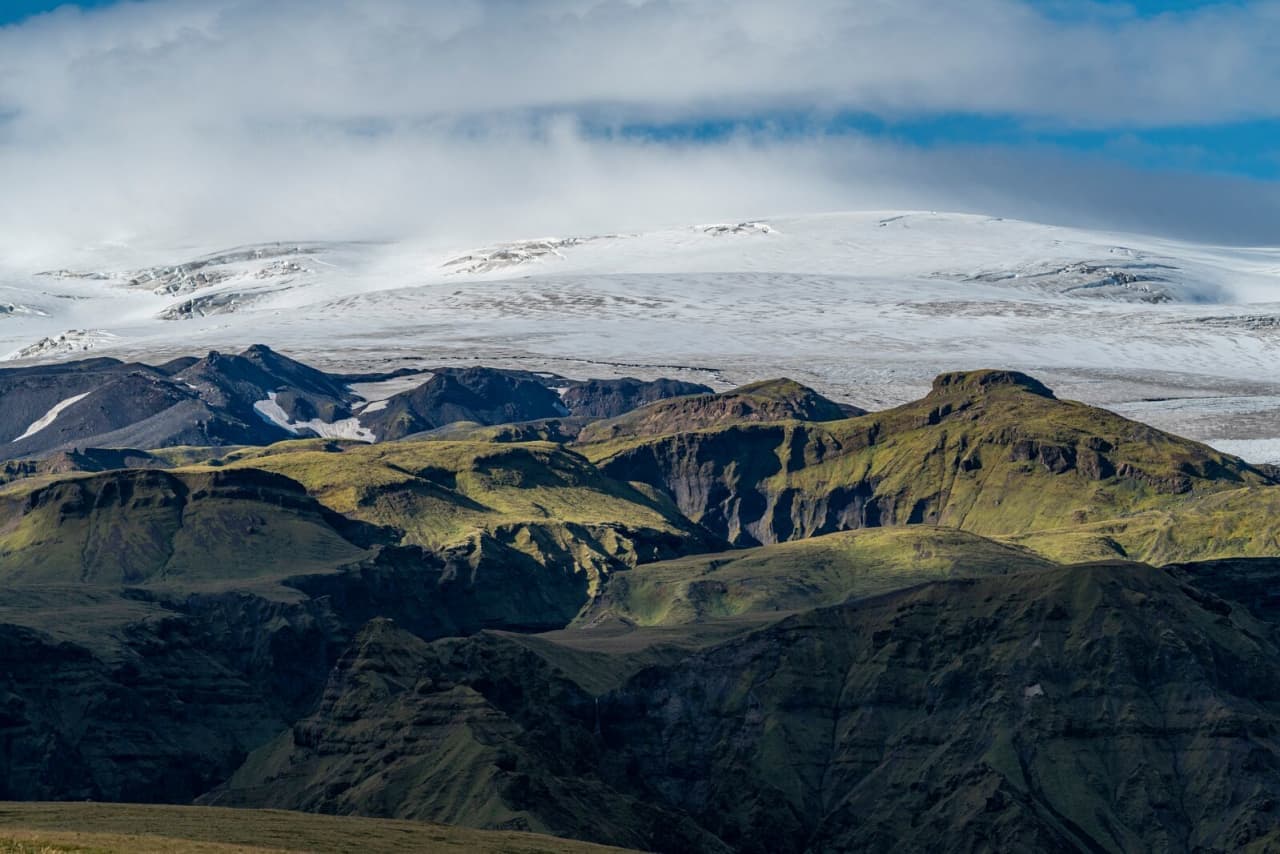
Mýrdalsjökull is a large South Coast glacier above Katla, best planned as a route-defining landscape where travelers must choose between distant views, guided glacier access, or a simpler nearby stop.
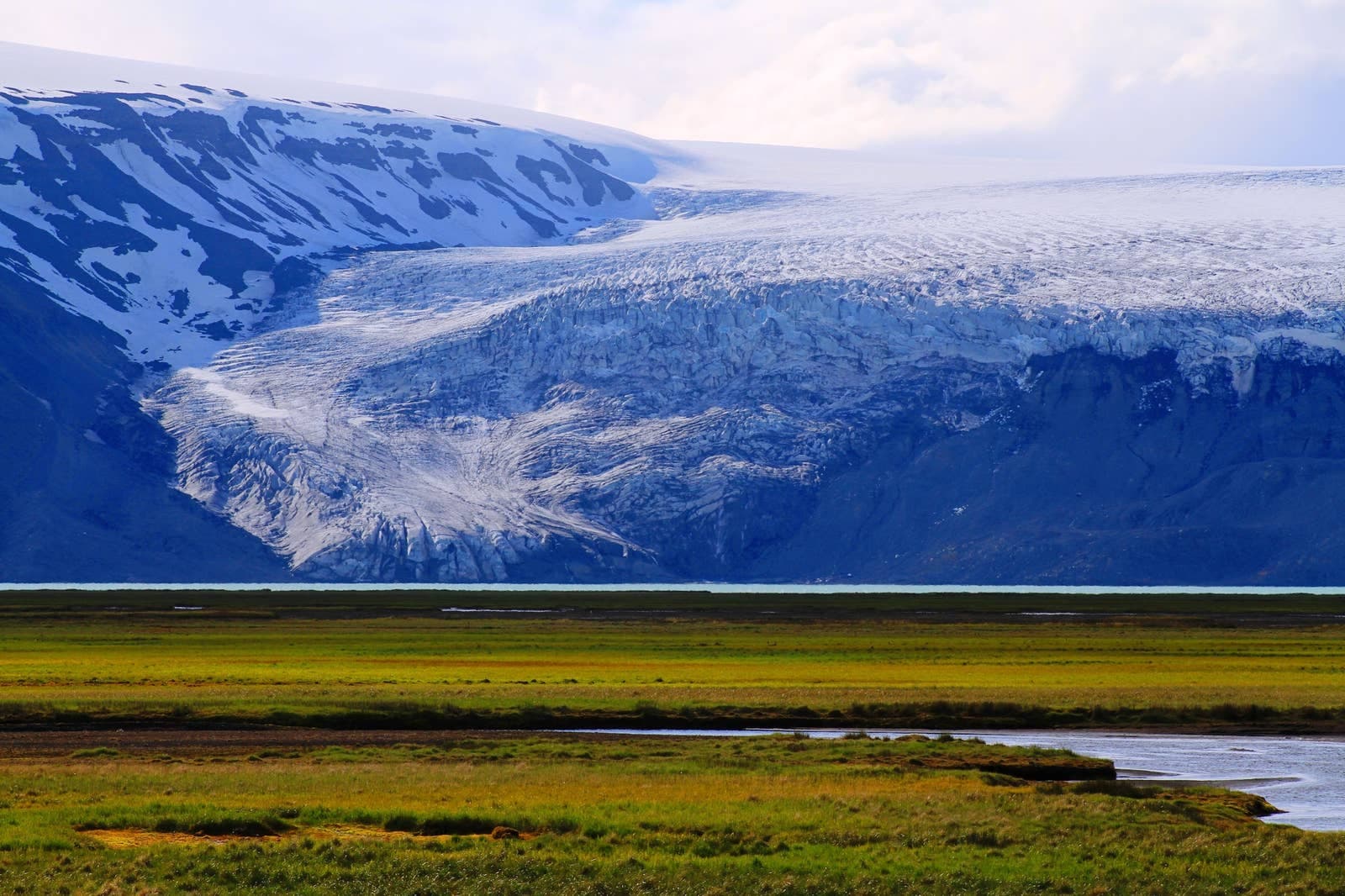
Langjökull is Iceland's second-largest glacier, a west-highland ice cap where the main decision is whether guided access, road conditions, weather, and route timing make the visit worth the effort.
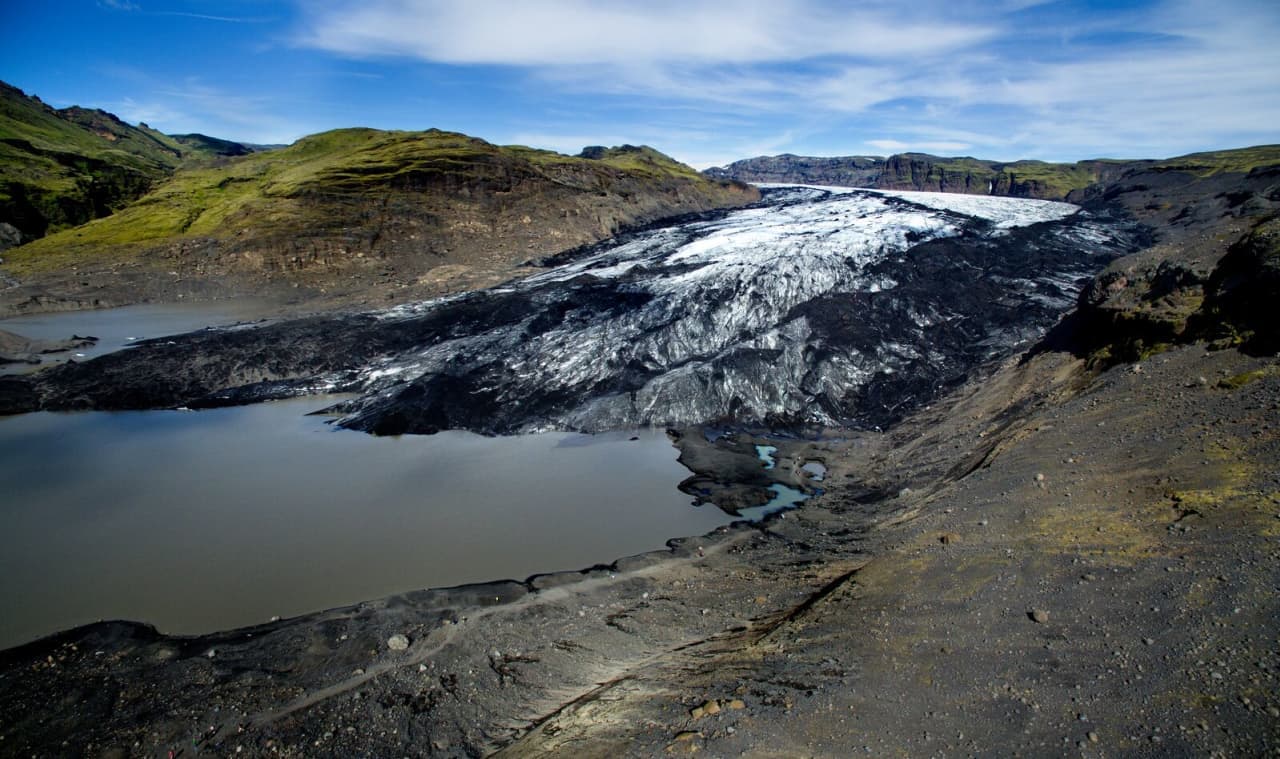
Sólheimajökull is a South Coast outlet of Mýrdalsjökull, with ash-striped ice and a changing lagoon. Check access before visiting: unstable ice and rockfall can affect the approach as well as glacier walks.
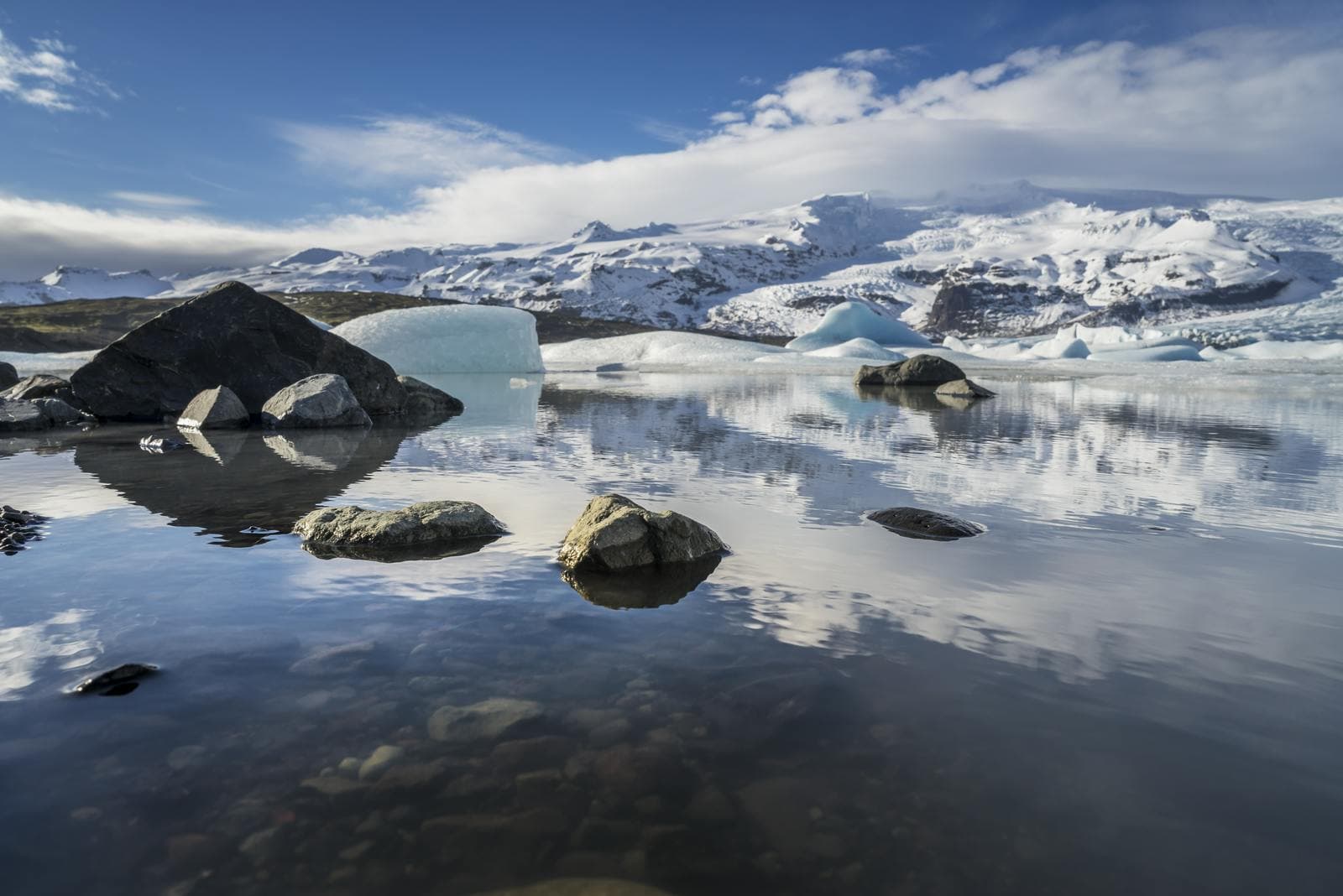
Fjallsárlón is a quieter glacier lagoon near Vatnajökull, useful when you want iceberg views with less pressure than Jökulsárlón and enough time for southeast Iceland stops, with enough flexibility for conditions and nearby route choices.
Regions
See which part of Iceland is most convenient for this experience and what else you can visit nearby.
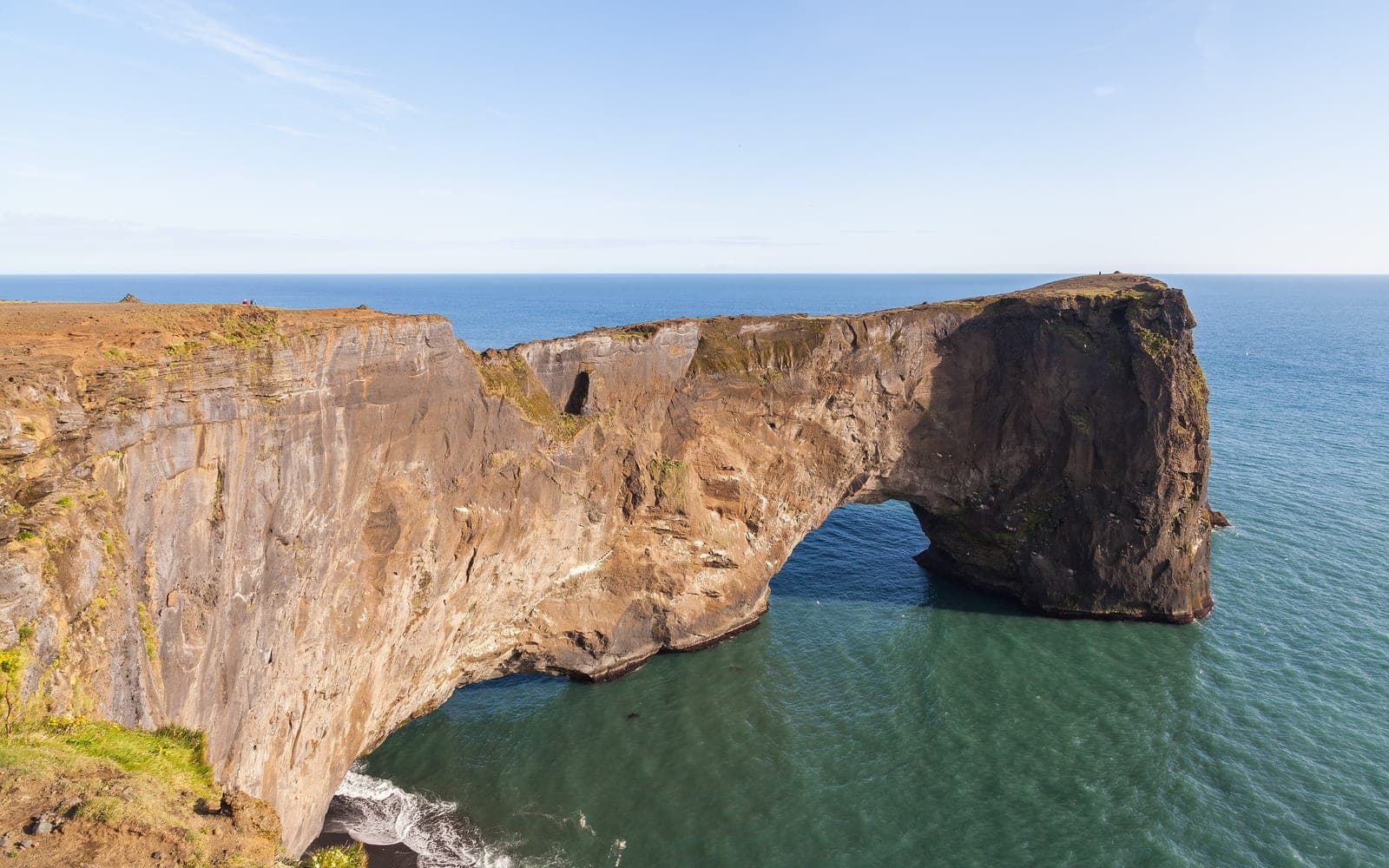
Build a first-trip route around waterfalls, black-sand coast and glacier country, but allow two to four days if Jökulsárlón is part of the plan.
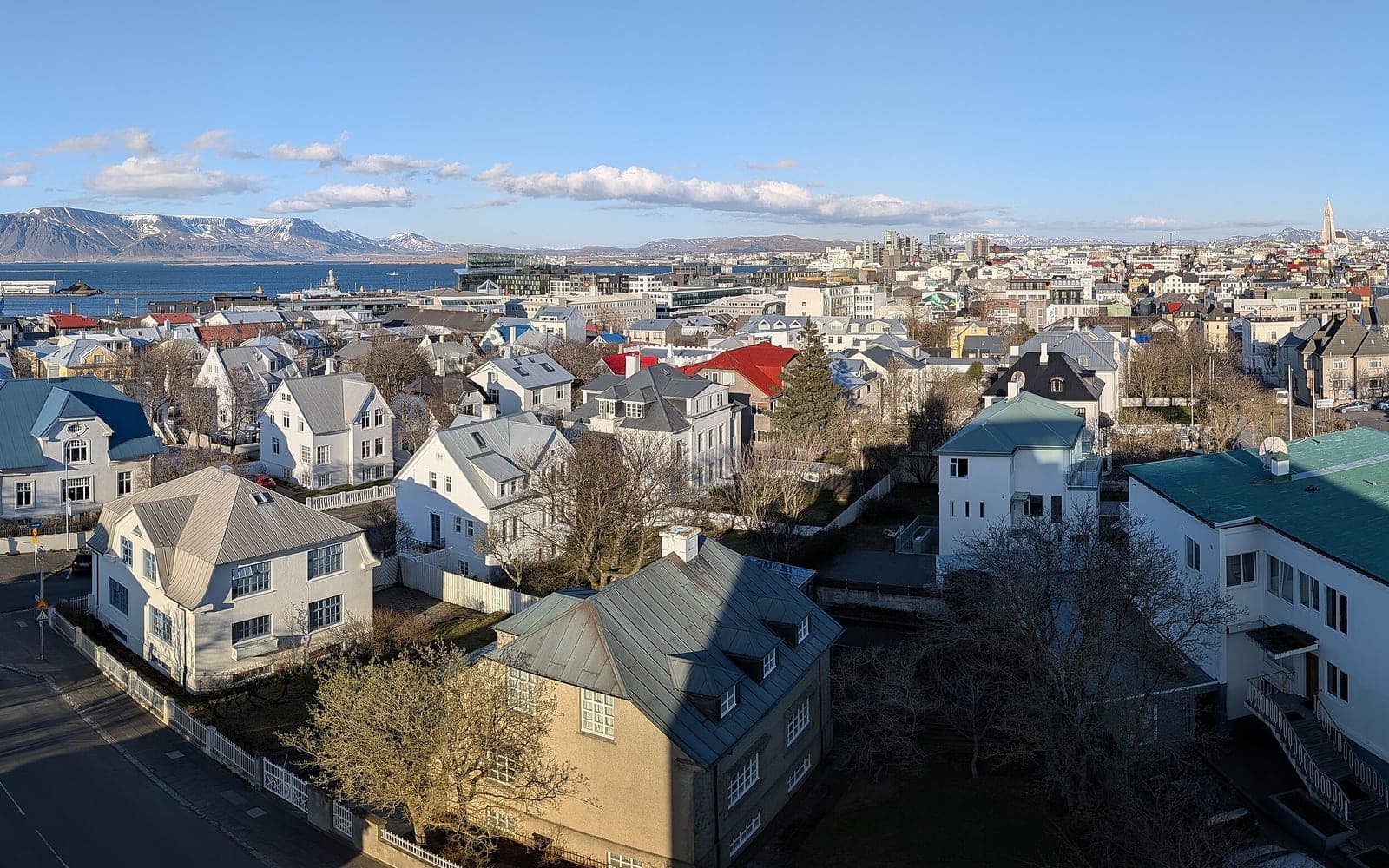
Choose Reykjavík for one or two car-free city days, a short break or a weather buffer—not as the default base for every long day trip.
Road trips and itineraries
See where this experience fits into a road trip or day-by-day itinerary.
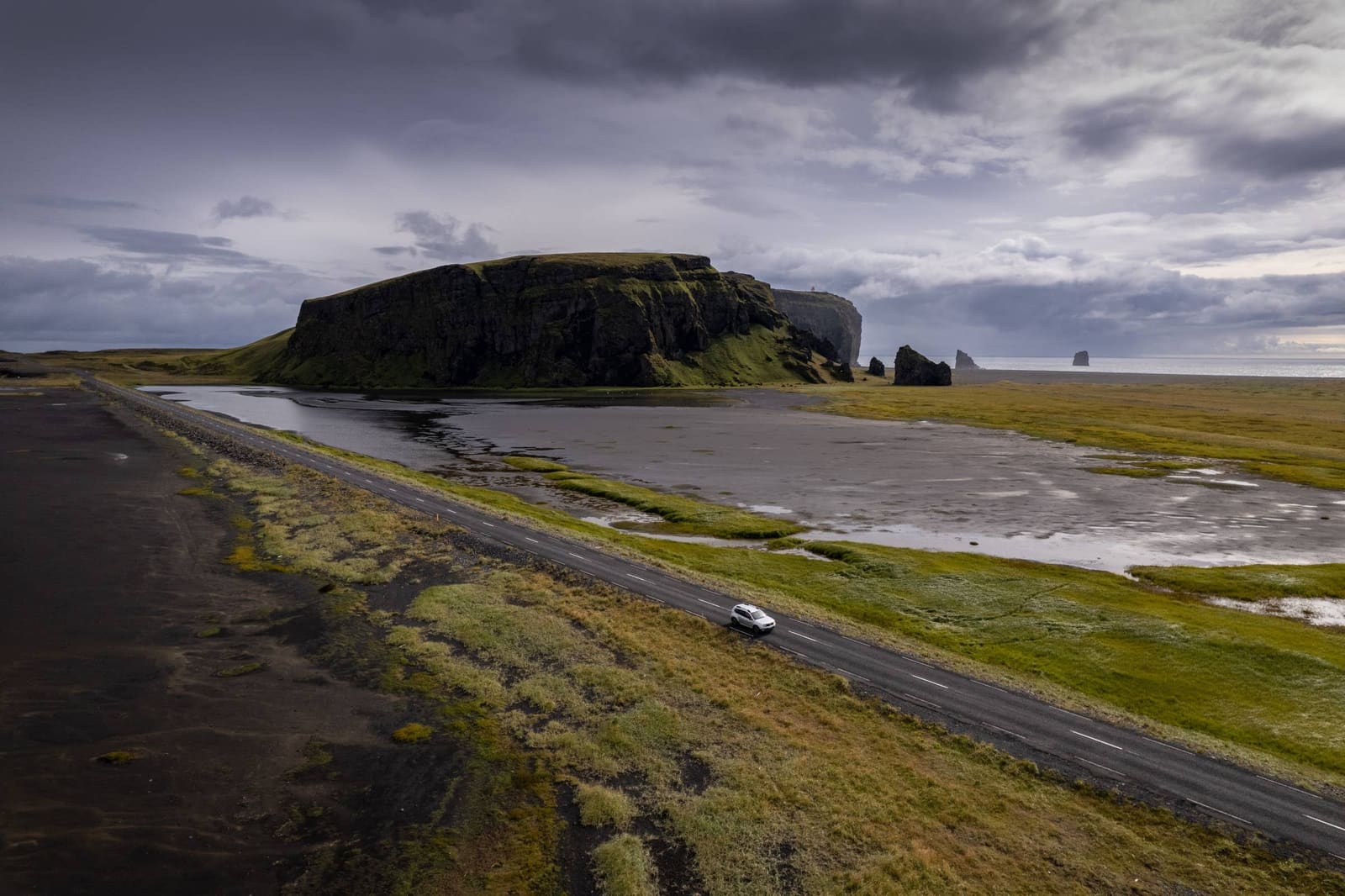
A realistic first-trip route through Reykjavík, the Golden Circle, and the South Coast, built for five calendar days without turning the final day into a race to the airport.
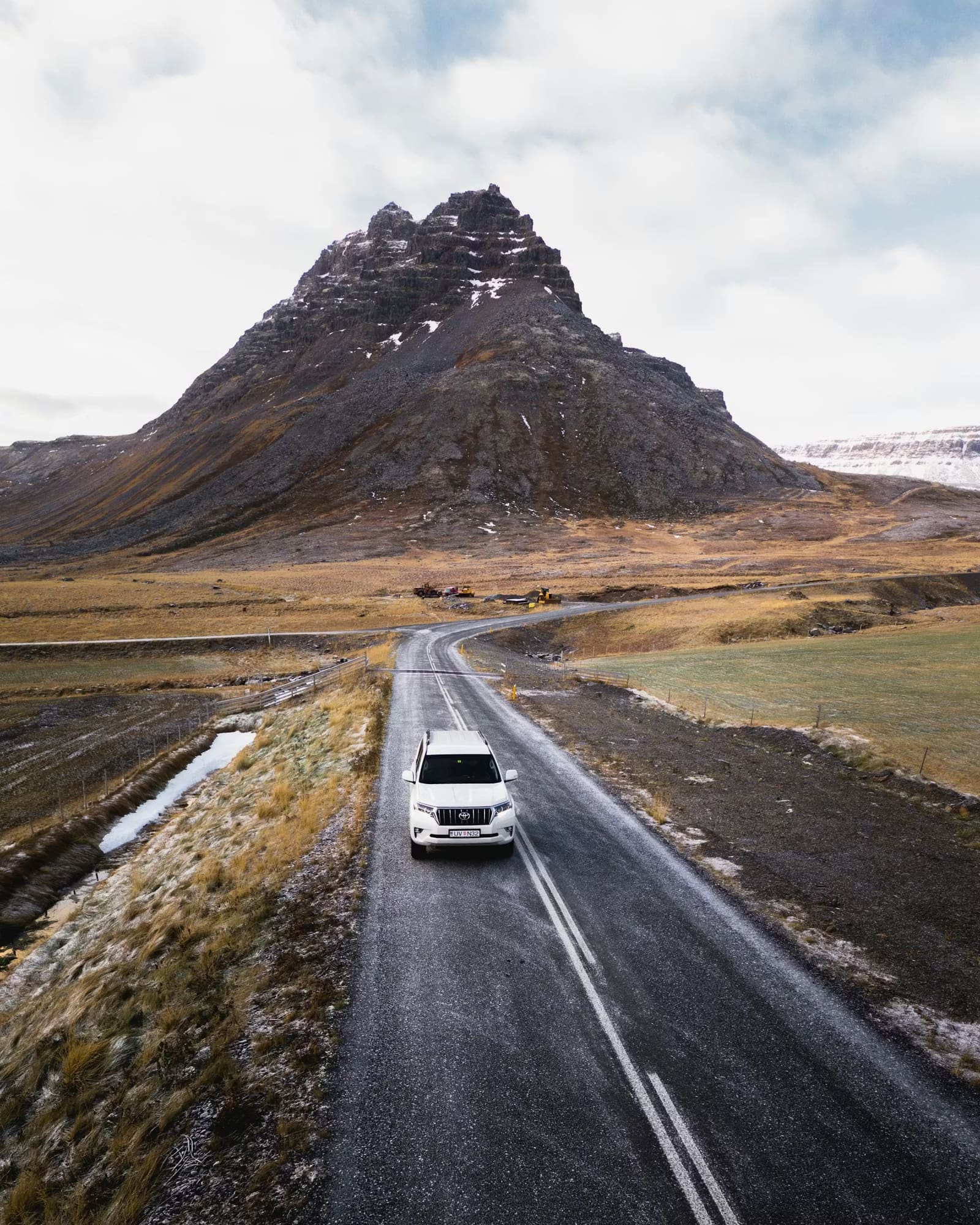
A winter route chooser for travelers deciding whether to self-drive, where to stay, and which Iceland road trip is realistic when conditions change.
Next cave decision
Open the broader glacier chooser, South Coast route, or winter-driving guidance before making a cave the fixed anchor of the trip.