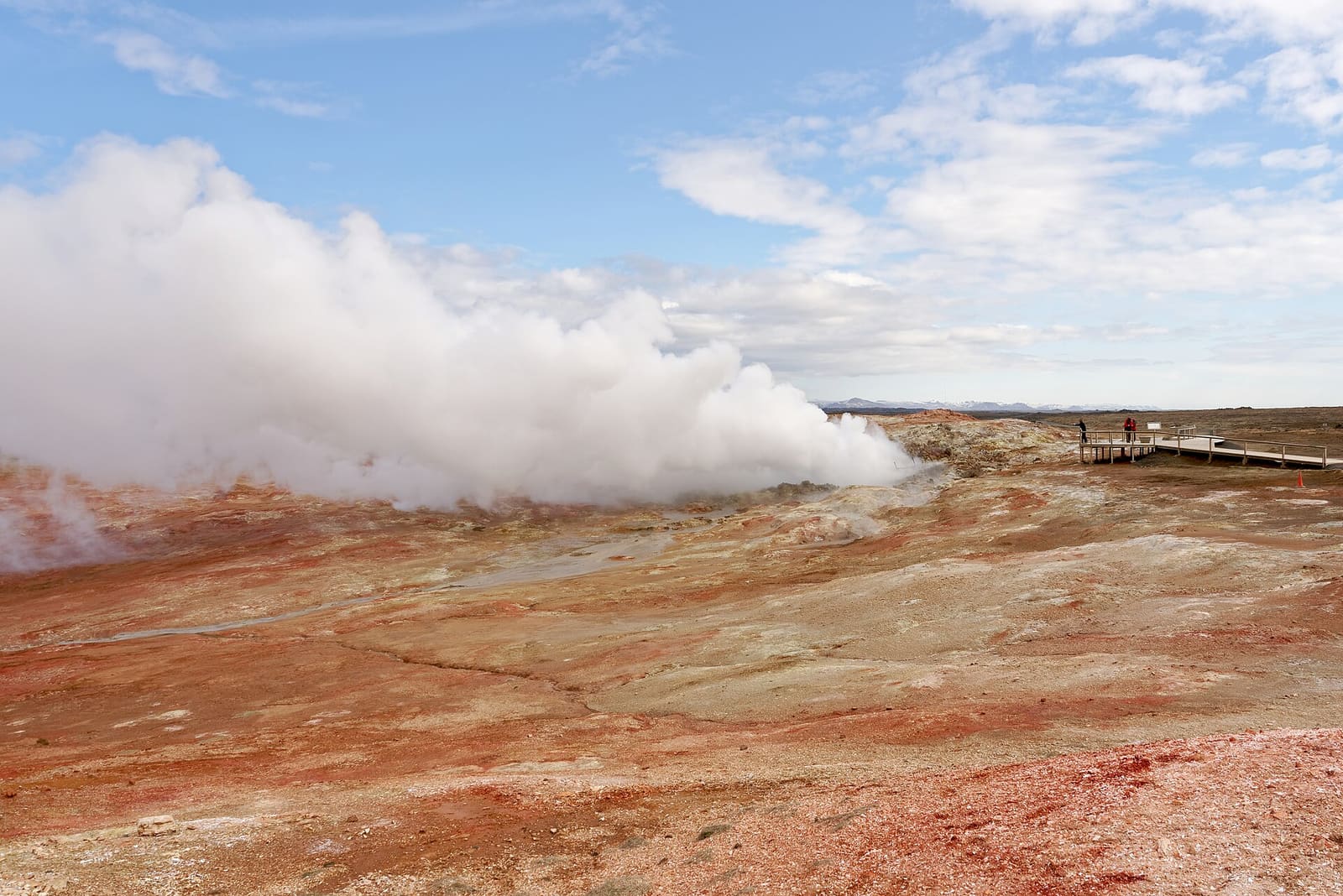
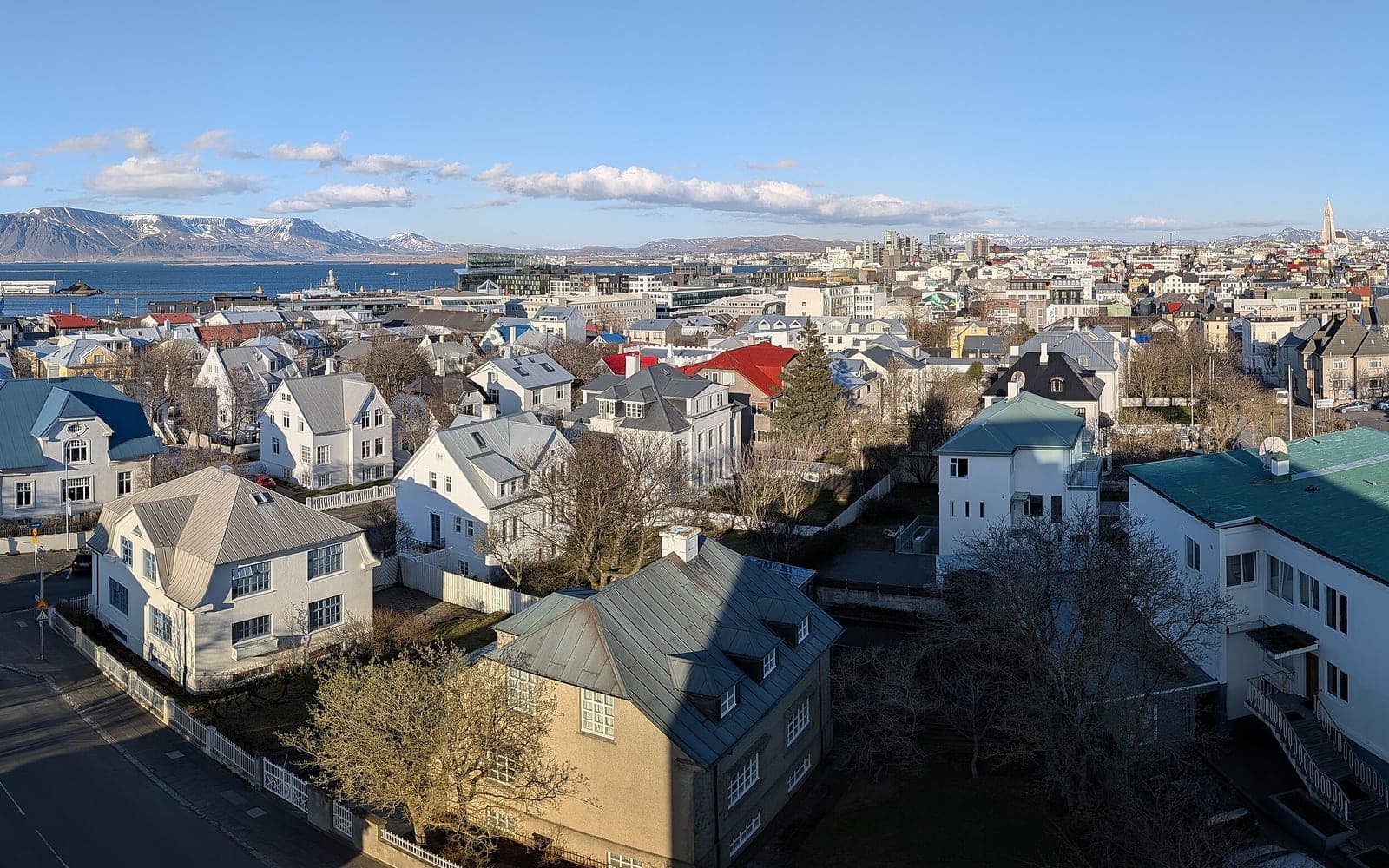
Reykjanes can turn an airport-side window into a coherent geothermal and coastal route. It works only when flight margin comes first and current volcanic, road, weather, and operator guidance supports the plan.
Useful time
Half day for one cluster; full day for a broader route
Route role
KEF–Reykjavík bridge or a deliberate peninsula loop
Transport fit
Self-drive or guided; transfers suit a single booked stop
Use Reykjanes to solve the airport day—not to chase an eruption
Reykjanes belongs in the trip when it turns a flexible KEF window into a coherent geothermal and coastal route. It does not belong because a map makes every sight look close or because a traveler expects an active eruption to be available for viewing.
Choose the peninsula for a careful first or last half day, a full self-drive loop, or a Blue Lagoon-led booking day. Skip it after a late flight, before a tight departure, or when the Golden Circle or South Coast already uses every useful route day.
Good to know
Is this right for you?
Best for
half- or full-day self-drive near KEF
volcanic geology and exposed coast
careful arrival or departure routing
Think twice if
late arrivals or tight departures
travelers expecting guaranteed eruption access
Half day or full day?
The flight is the fixed constraint. Rental-car pickup, baggage, food, fatigue, wind, and a changed road can consume the time that looked free when the itinerary was drafted.
Choose one cluster before choosing every stop.
Time window
Strongest use
What to leave out
1 to 2 spare hours
Airport logistics or one genuinely nearby stop
Do not call this a peninsula route
Half day
One western, eastern, or booked-spa cluster
Cut the opposite side of the peninsula
Full day
A wider loop with current access checks
Keep long eruption-site hikes optional
Overnight
Early or late flight, deliberate Reykjanes stay, or fixed booking
Do not add a hotel move without a real benefit
Keep every scenic stop dispensable on a flight day. A shorter route is the correct result when the airport margin begins to shrink.
Three clusters with different risks
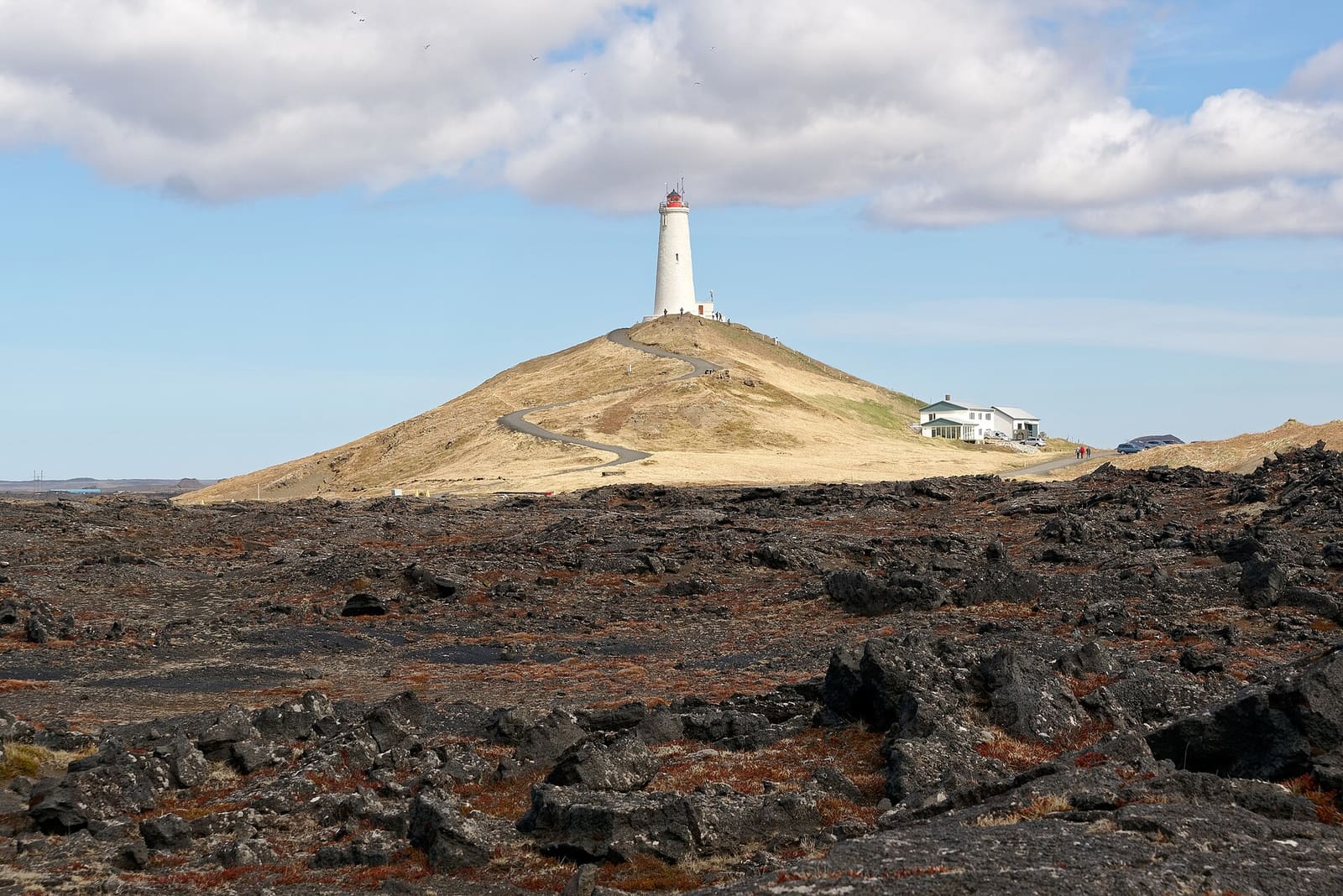
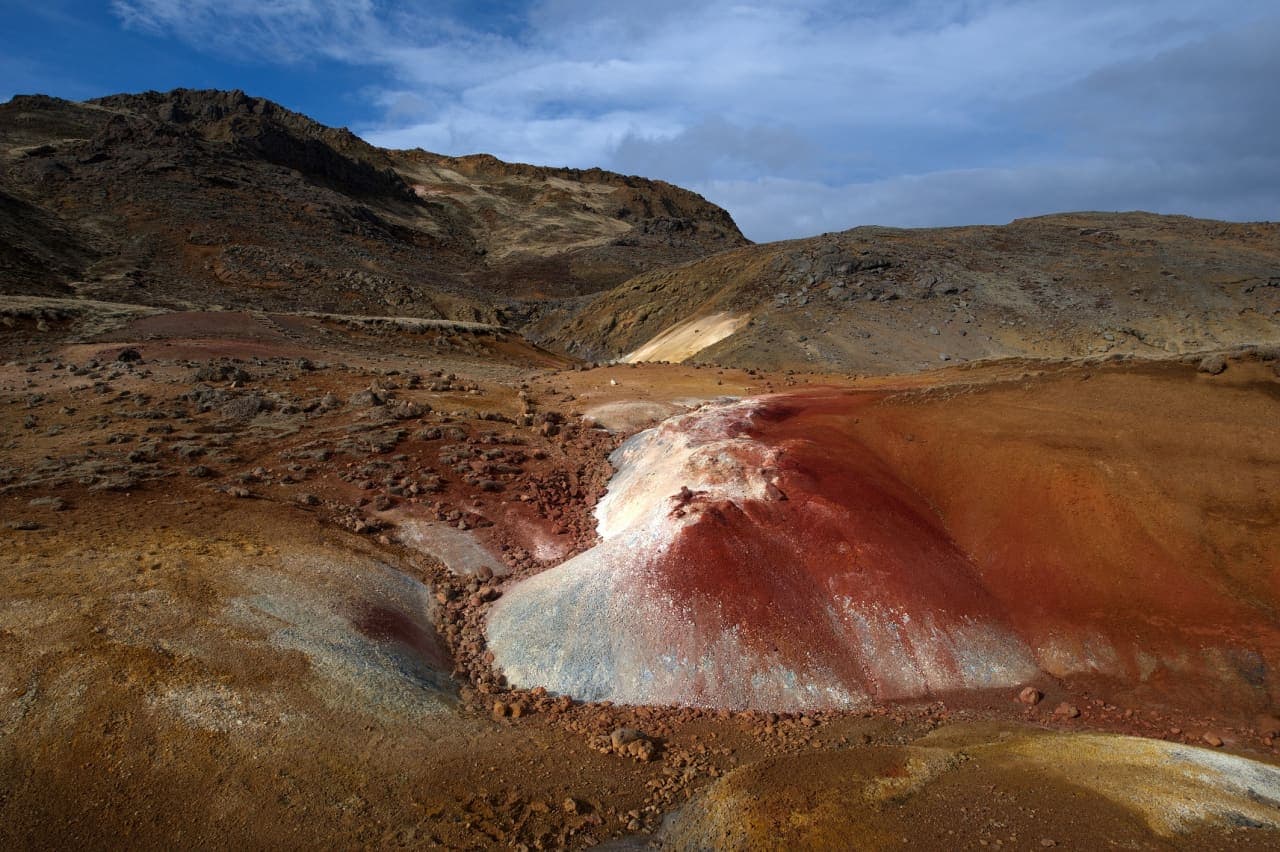
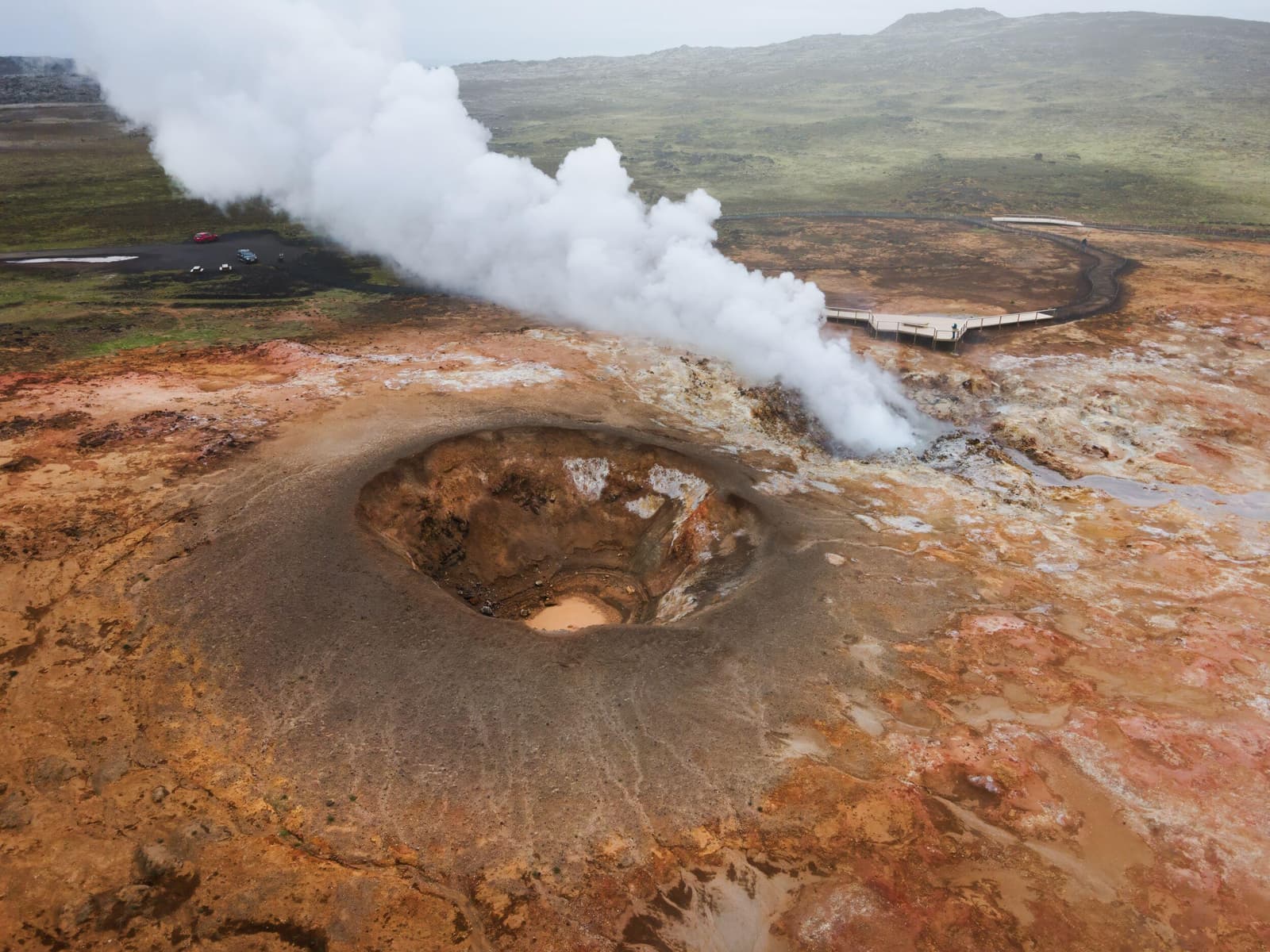
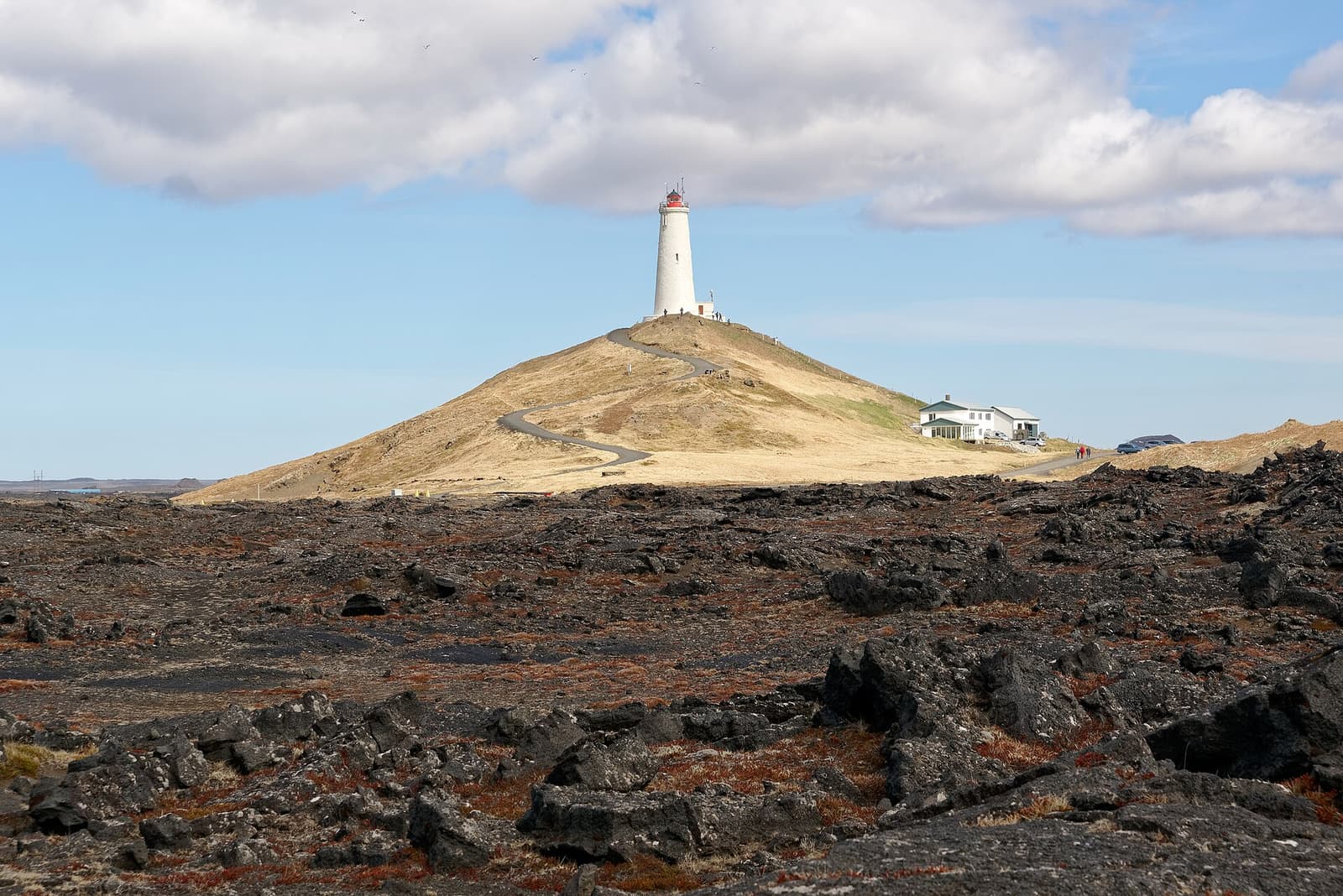
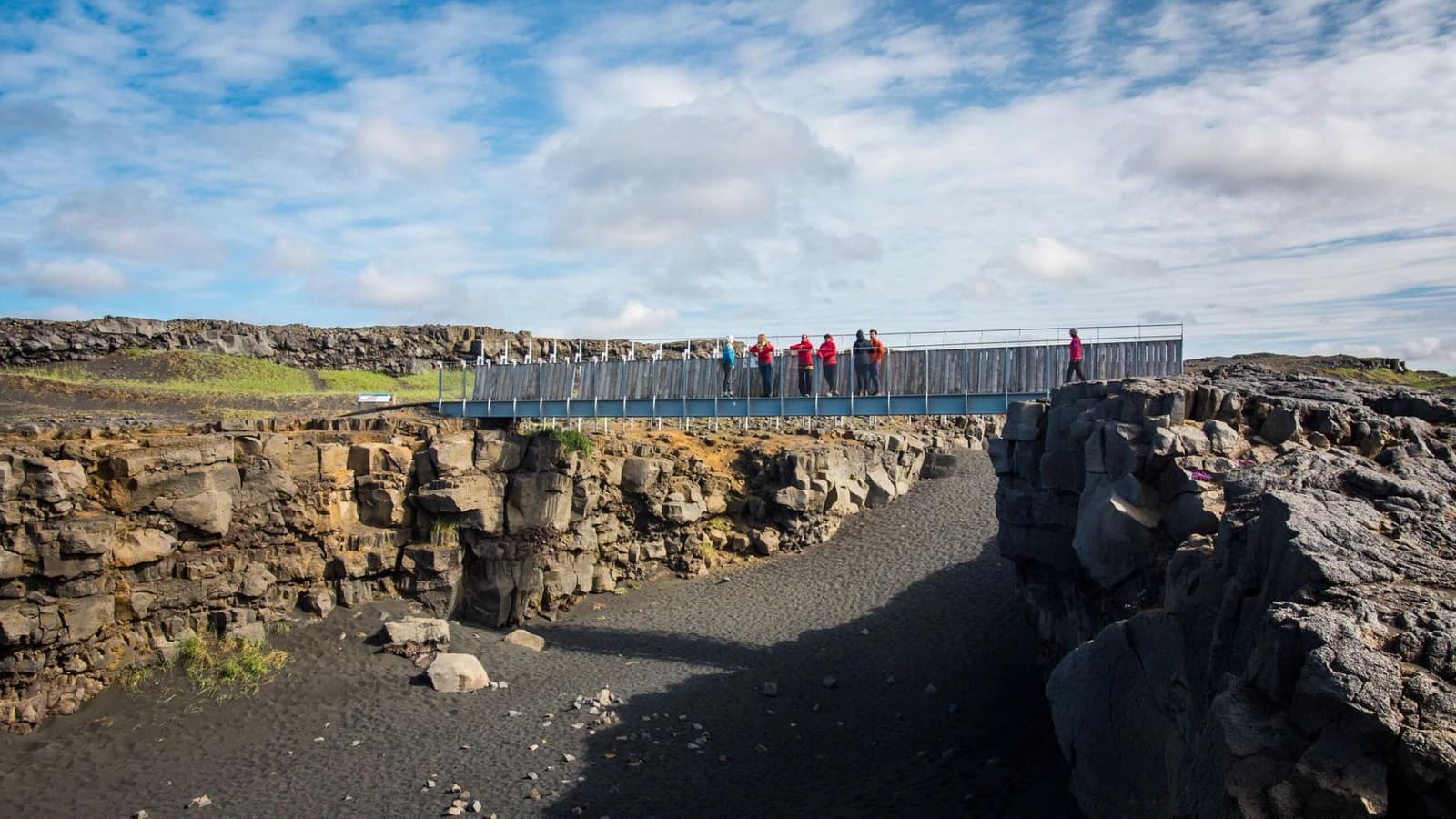
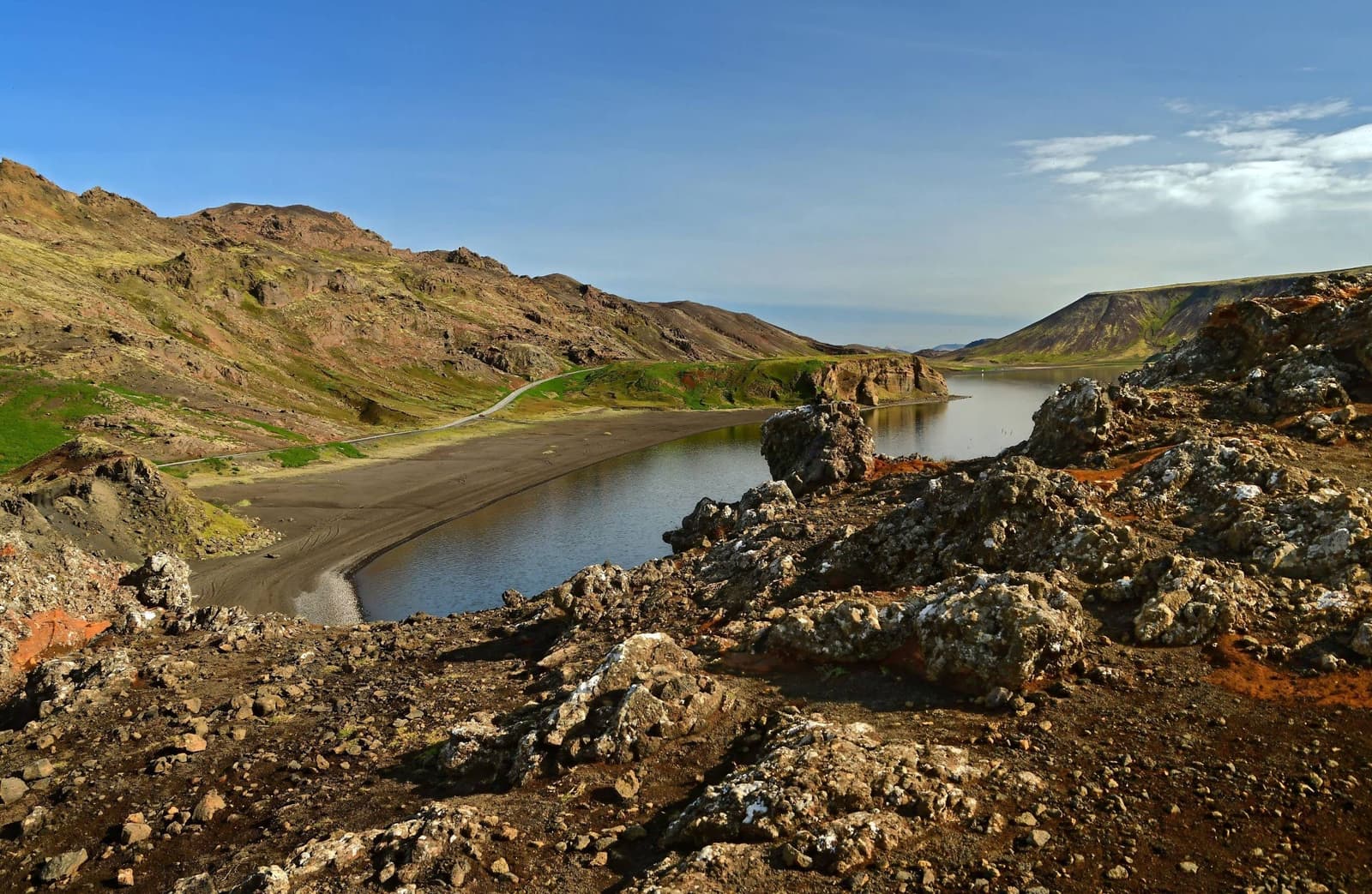
The western cluster combines Bridge Between Continents, Reykjanesviti, and Gunnuhver. It works as a geology-and-coast route but is exposed to wind, waves, and marked-path warnings. The eastern cluster uses Seltún and Kleifarvatn when roads and visibility support it.
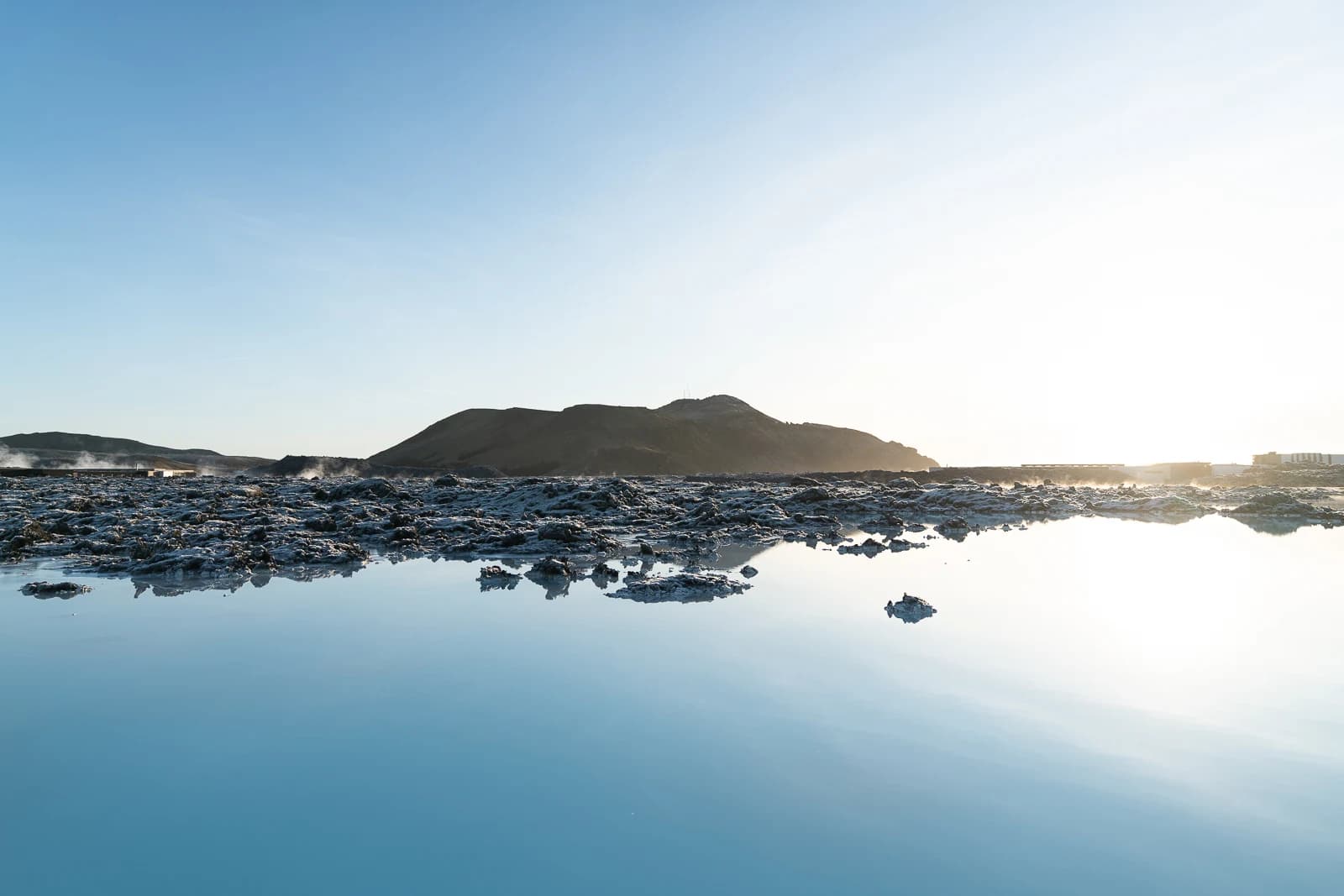
The Svartsengi and Grindavík cluster is different. Blue Lagoon, the town, newer lava, and eruption-area decisions require live access checks because closures, approach roads, and operator arrangements can change. Do not treat this cluster as interchangeable with the western or eastern sightseeing stops.
Choose the western coastal stops for a lighthouse and geothermal day, or Seltún and Kleifarvatn for the eastern side. If a Blue Lagoon visit is the priority, give its booking and approved approach their own time block before adding another cluster.
KEF, Reykjavík, or no extra overnight?
Stay near KEF when an early departure or late arrival is the strongest constraint. Stay in Reykjavík when the next priority is a car-free city day, food, or a guided departure. Add a Reykjanes overnight only when it improves a deliberate peninsula or booked-spa plan.
Many travelers need no extra Reykjanes night. A half-day route can connect the airport side and Reykjavík, while the Reykjanes Peninsula road trip owns the detailed order and cuts.
Volcanic access is a live decision
Hazard levels, roads, marked paths, gas risk, and access rules can change faster than an evergreen guide can be updated.
The Icelandic Meteorological Office owns the hazard assessment, SafeTravel publishes traveler guidance, Umferðin carries road information, and individual operators publish their own access status. Check those sources close to the visit instead of relying on an old itinerary or map screenshot.
Read the hazard map’s issue date and validity period, then look for a newer assessment. A low mapped hazard is not permission to cross a barrier or use a closed road. For Blue Lagoon, the operator identifies Grindavíkurvegur (Route 43) as its main approach and warns that navigation apps may show outdated routes. Follow its directions and signs, and verify any onward drive separately.
Check flight information and terminal logistics, alongside your airline’s check-in requirements.
The coast and paths can be the constraint too
Reykjanes is not only a volcano-access problem. The peninsula has exposed coastal viewpoints, geothermal boardwalks, cliffs, fissures, and rough walking ground. Ground cracks can appear or reopen, so marked paths and local restrictions matter even at short stops.
SafeTravel reports subsidence and sinkholes near Bridge Between Continents. Keep to marked paths there. Around Grindavík, learn the signed exit routes and follow evacuation instructions; the absence of visible lava does not remove ground or gas hazards.
Give cliff and wave edges space, stay on marked paths, and cut exposed stops in strong wind or poor visibility. An open attraction is not automatically a good flight-day stop.
Who should choose Reykjanes—and who should go straight to town
Choose Reykjanes when you have a car or a suitable guided format, a flexible half or full day, and a real interest in geology, geothermal ground, lighthouses, and exposed coast. It is also useful when a fixed Blue Lagoon booking sits naturally between KEF and the next base.
Go straight to Reykjavík or an airport-area hotel when the flight is late, the group is tired, the weather is weak, or the full peninsula would depend on public transport between dispersed natural stops. Choose South Iceland instead when waterfalls and glacier country are the actual priority and the trip has multiple route days.
Flight-day plans that fail
The most brittle plans treat airport proximity as permission to schedule every major peninsula stop. Keep the fixed commitments few and every scenic addition removable.
Scheduling Blue Lagoon, a full peninsula loop, Reykjavík dinner, and an international departure in one chain.
Treating an eruption site as guaranteed or assuming no visible eruption means no hazard.
Following a navigation app through a route that official road or operator guidance has changed.
Calling the natural-sight loop car-free because airport and spa transfers exist.
Leaving no time to abandon the final stop before check-in or departure.
Reykjanes planning questions
Is half a day enough for Reykjanes?
Yes for one geographic cluster or a booked Blue Lagoon-led plan. Use a full day only when current conditions and flight margin support a broader loop.
Can you see a volcano on Reykjanes?
You can see volcanic landscapes, old lava, craters, and geothermal ground. Access to eruption sites is never guaranteed; check the Icelandic Met Office, SafeTravel, and current local guidance.
Can you tour Reykjanes without a car?
You can transfer between KEF, Reykjavík, and some booked destinations, but a flexible circuit of dispersed natural sites is better treated as self-drive or guided.
Should Reykjanes be the first or last day?
Either can work. Arrival day needs a fatigue check; departure day needs a strict airport cutoff. The safer direction is the one with more dispensable stops.