Experience fit
- Best choice
- Match comfort to route
- Car need
- Low in Reykjavik
- Local version
- Public swimming pools
- Ease
- Higher for lagoons
- Safety check
- Remote and natural
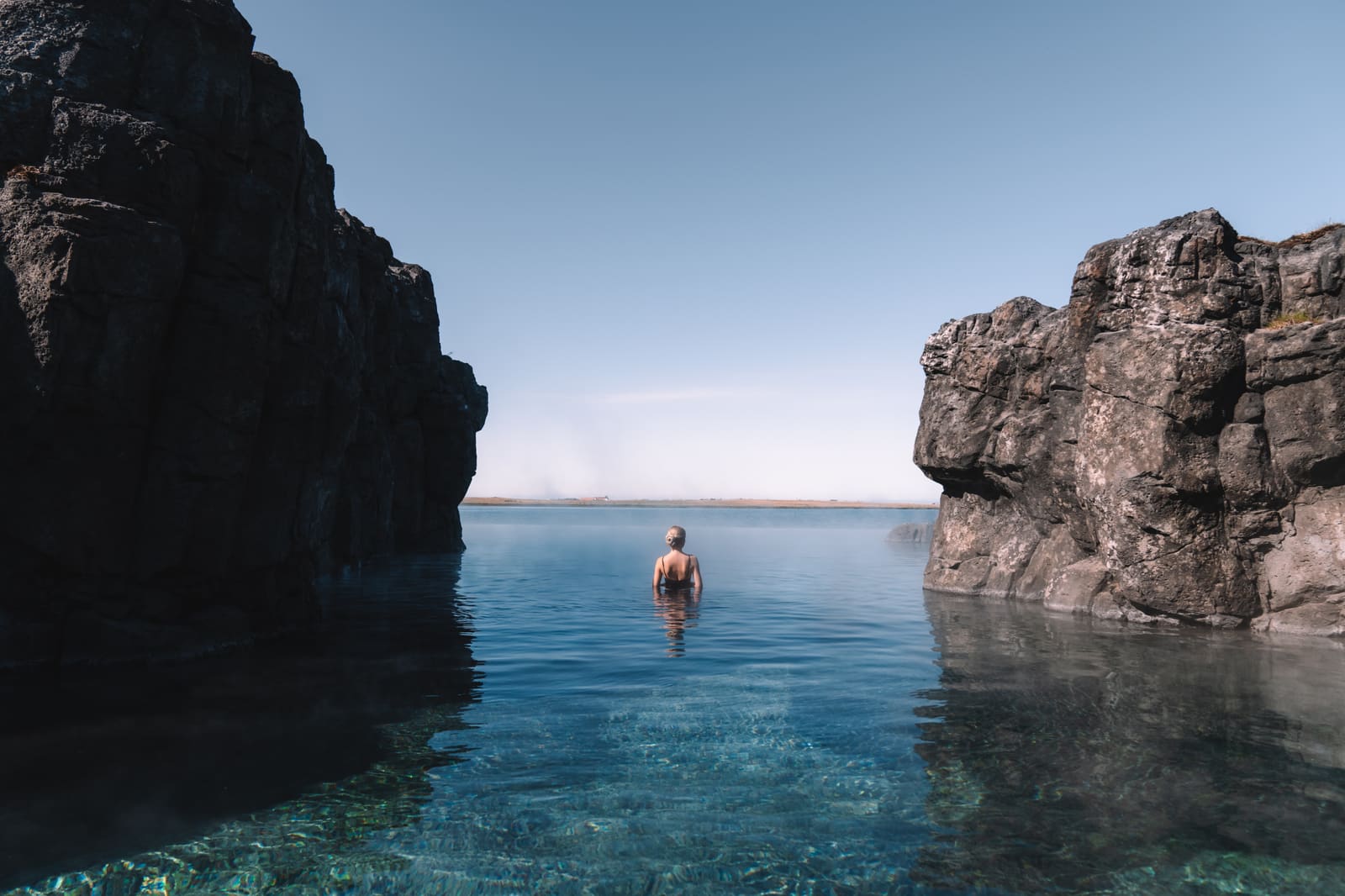
Iceland hot springs work best when you choose the bathing format first: premium lagoon, local public pool, rustic pool, hike-in hot river, remote hot pot, or geothermal area you only admire from the path, then fit it to the day.
Experience fit
The famous-name question comes too early. First decide what kind of hot-water experience the day can actually hold.
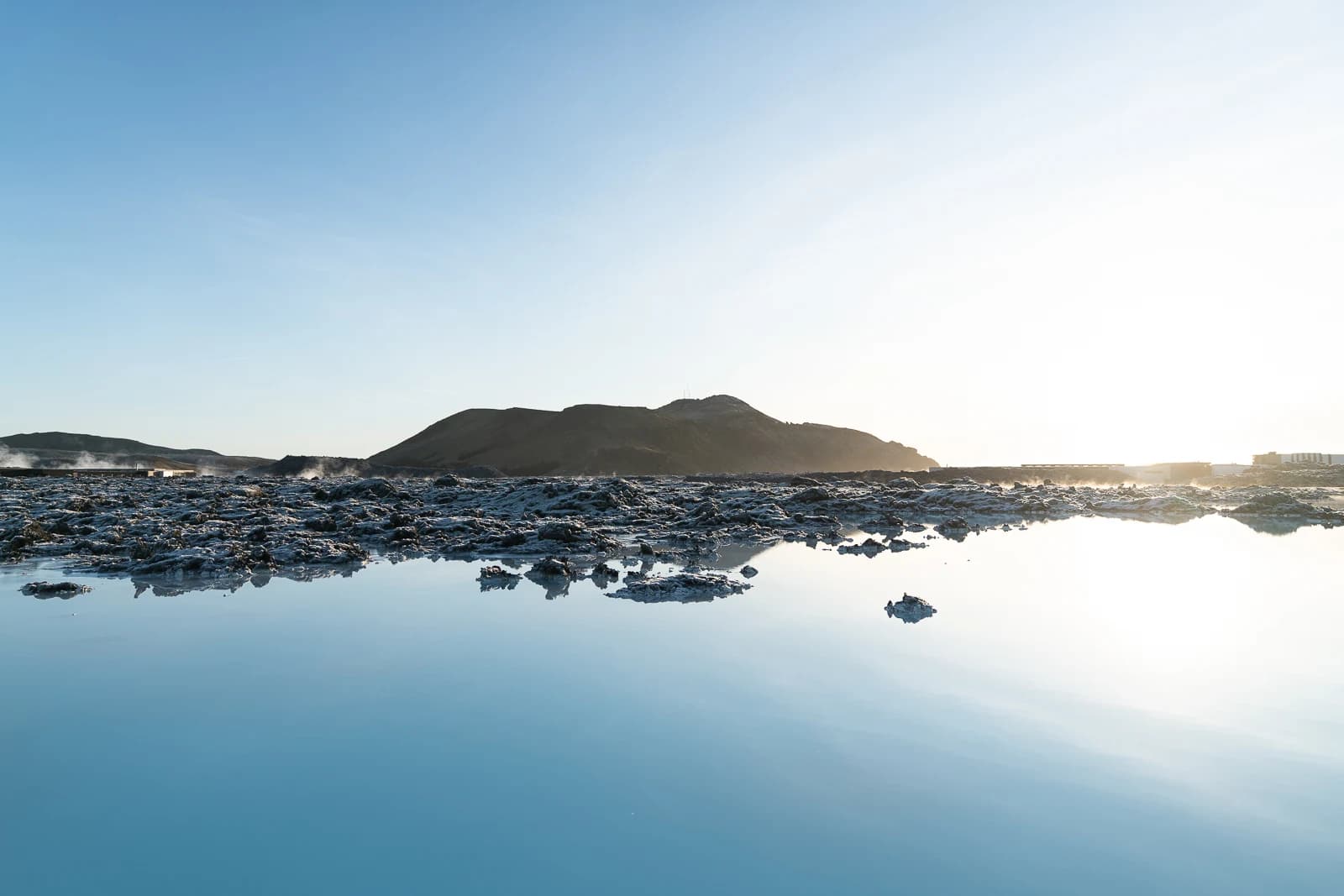
Iceland gives travelers several versions of geothermal bathing, and they are not interchangeable. Blue Lagoon, Sky Lagoon, Laugardalslaug, Reykjadalur, and Secret Lagoon can all be good choices, but they solve different trip problems.
Start with the bathing experience your group wants, then check how naturally it fits the route, weather, transport, and changing-room comfort. A premium lagoon is not automatically better than a public pool. A natural hot river is not automatically more authentic if the day is already stretched.
Use this for official cultural context, not live venue details.
Photo guide
1 / 9
A public pool is often the more local, easier version of geothermal bathing.
Good to know
The most Icelandic bathing choice is often a town pool, not the most photographed lagoon.
Public swimming pools are where geothermal bathing is part of everyday life, not only a special outing. A city pool such as Laugardalslaug, Sundhöll Reykjavíkur, or Vesturbæjarlaug can be a better first choice when you want low friction, families need space, or bad weather turns the city day inward.
The tradeoff is etiquette. Pools are not private spa stages. Shower properly before entering, respect phone and changing-room rules, and let the hot tubs be a local social space instead of a photo set. For practitioner-led care, yoga, or a structured ritual, compare Iceland's wellness and spa experiences.
Use this to find public pools around the country.
Use this for official conduct and hygiene guidance before a city-pool visit.
A steaming landscape does not mean a safe soak. Some geothermal places belong on the boardwalk, not in your swimsuit.
A hike-in hot river like Reykjadalur works when the walk, weather, daylight, and group energy are part of the plan. Rustic pools such as Seljavallalaug or Hellulaug ask for more tolerance around privacy, changing, maintenance, and conditions.
Places such as Deildartunguhver, Seltún, and Hverir are geothermal experiences, but not bathing plans. If the source, signs, paths, or local rules do not clearly support entering the water, do not turn it into a soak.
Use this before remote, hike-in, winter, or exposed bathing plans.
A soak should make the day easier. If it makes the route bend awkwardly, choose a closer pool.
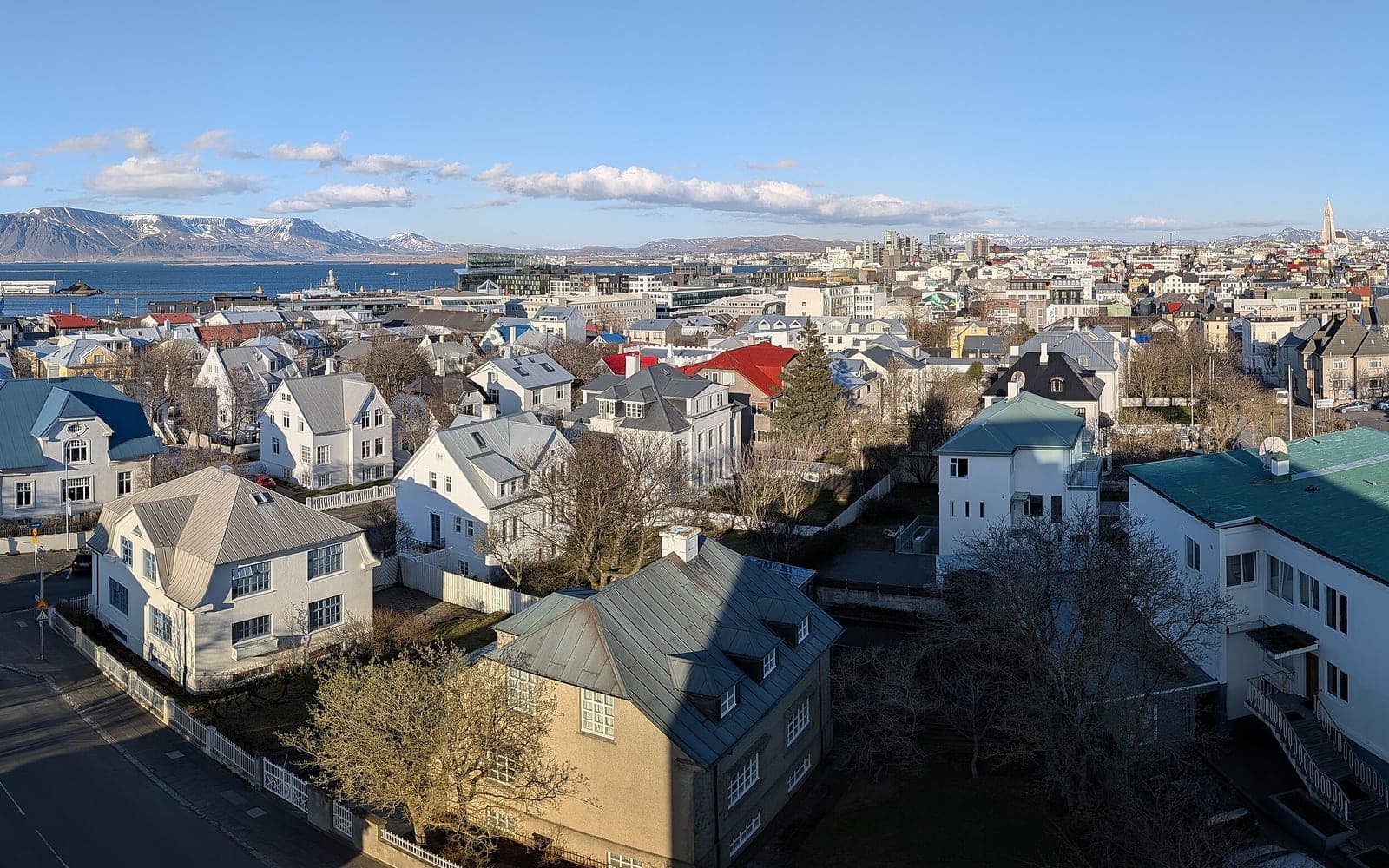
Use Reykjavik for the easiest no-car bathing: city pools, food, museums, and a soft landing after weather or arrival fatigue. Use the Reykjanes Peninsula when the bathing choice belongs near lava fields, airport timing, or a Reykjanes Peninsula road trip.
Near Hveragerði, Reykjaböð offers managed bathing with facilities. It is separate from the Reykjadalur river hike; compare the current admission and age rules before choosing between them.
On the Golden Circle, compare Laugarás Lagoon, Secret Lagoon, and Laugarvatn Fontana, then choose the one that fits your route. In the north and east, Earth Lagoon Mývatn, GeoSea, and Vök Baths are regional choices, not Reykjavik substitutes. For a remote East Iceland drive, Laugarfell Hot Springs and Laugavallalaug are route-specific alternatives, not easy lagoon substitutes; verify road, weather, access, and bathing conditions first.
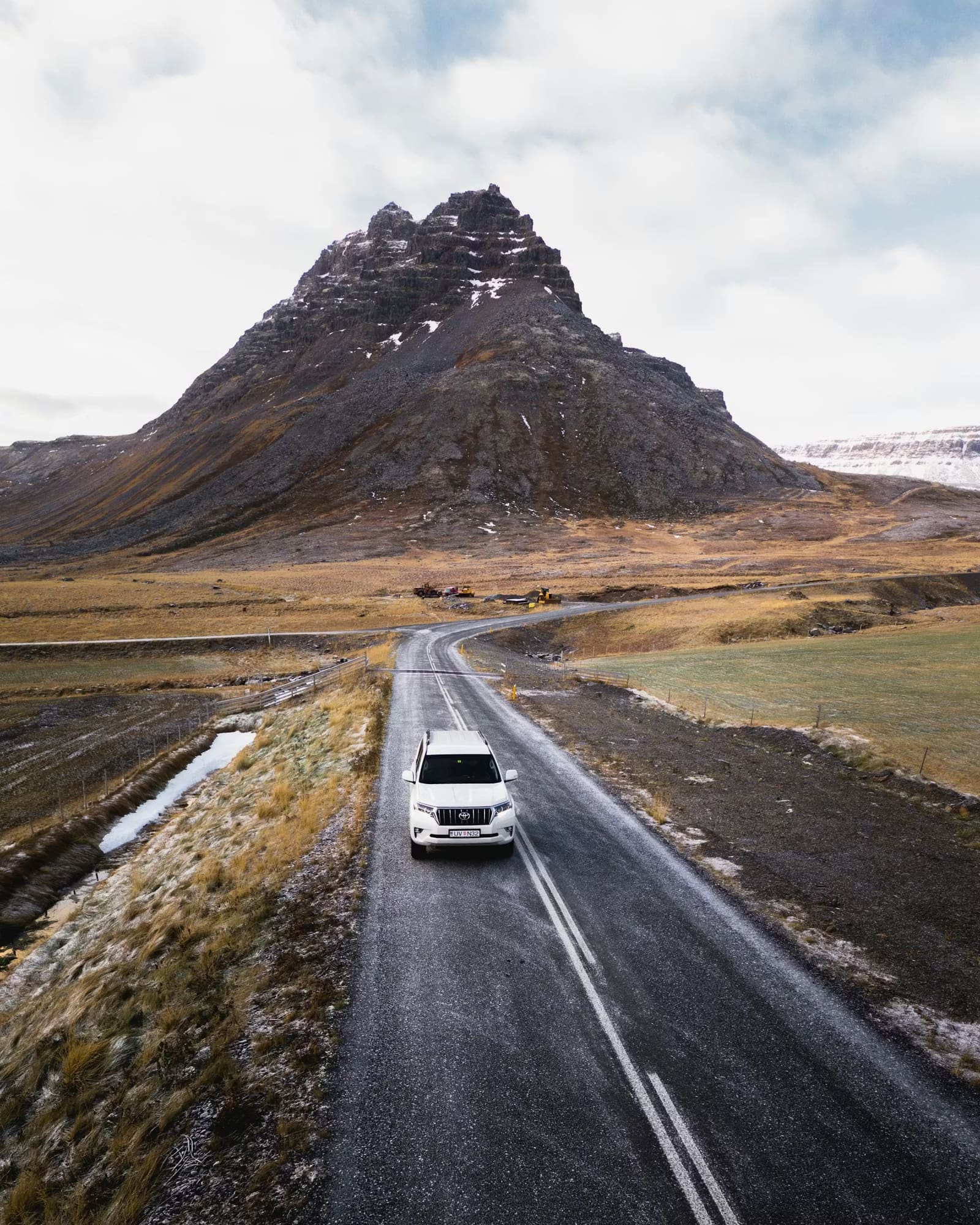
For winter trips, hot water is a strong recovery move after cold daylight hours, but it should not pull you into a weak evening drive. Use winter activities for backup logic and winter driving guidance before stretching a bathing plan.
Use this before exposed outdoor bathing or long drives.
Use this before remote, winter, or highland-adjacent bathing detours.
Most bad bathing plans come from treating hot water as a checklist item instead of a trip-fit decision.
A better plan is one well-placed soak than three water stops that flatten the trip. Pair bathing with food, city time, or a natural route pause when it helps the day recover; cut it when it becomes the reason the route feels rushed.
Use these answers to settle the common planning doubts before opening venue-specific pages.
Choose Blue Lagoon when Reykjanes or airport timing and iconic scenery matter. Choose Sky Lagoon when Reykjavik comfort is the priority. Choose a public pool when you want an easier, more local bathing experience.
Not always. Reykjavik pools and some nearby lagoons can work without a car, while rural, rustic, hike-in, and remote bathing choices usually need stronger transport planning.
Only when the specific place clearly supports bathing and conditions make sense. Many geothermal areas are too hot, fragile, restricted, or uncertain for entering the water.
The shower-before-soaking rule is the main one. Public pools also treat changing rooms and pool areas as privacy-first spaces, so check the official rules before using a phone or camera.
Yes, when the bathing spot fits the base and the drive stays conservative. In winter, hot water works best as a recovery or backup plan, not as an excuse for a risky late detour.
By ThorPublished Updated
Where to do it
Use these pools, lagoons, regions, and road-trip pages when the bathing idea needs a realistic place in the day.
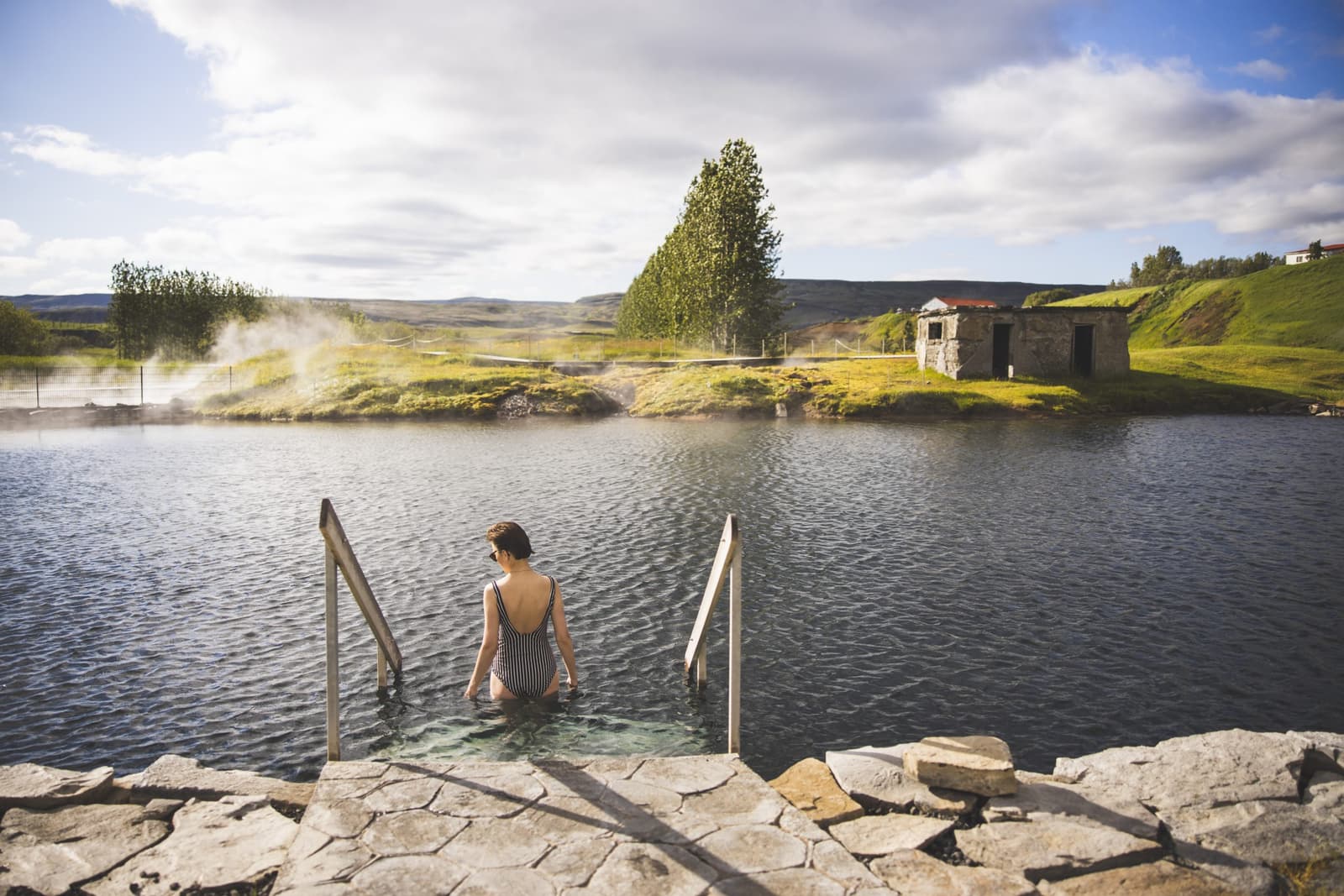
Secret Lagoon, locally known as Gamla Laugin, is a managed geothermal bathing pool made in 1891 at Hverahólmi near Flúðir and best used as a slow warm-water pause.
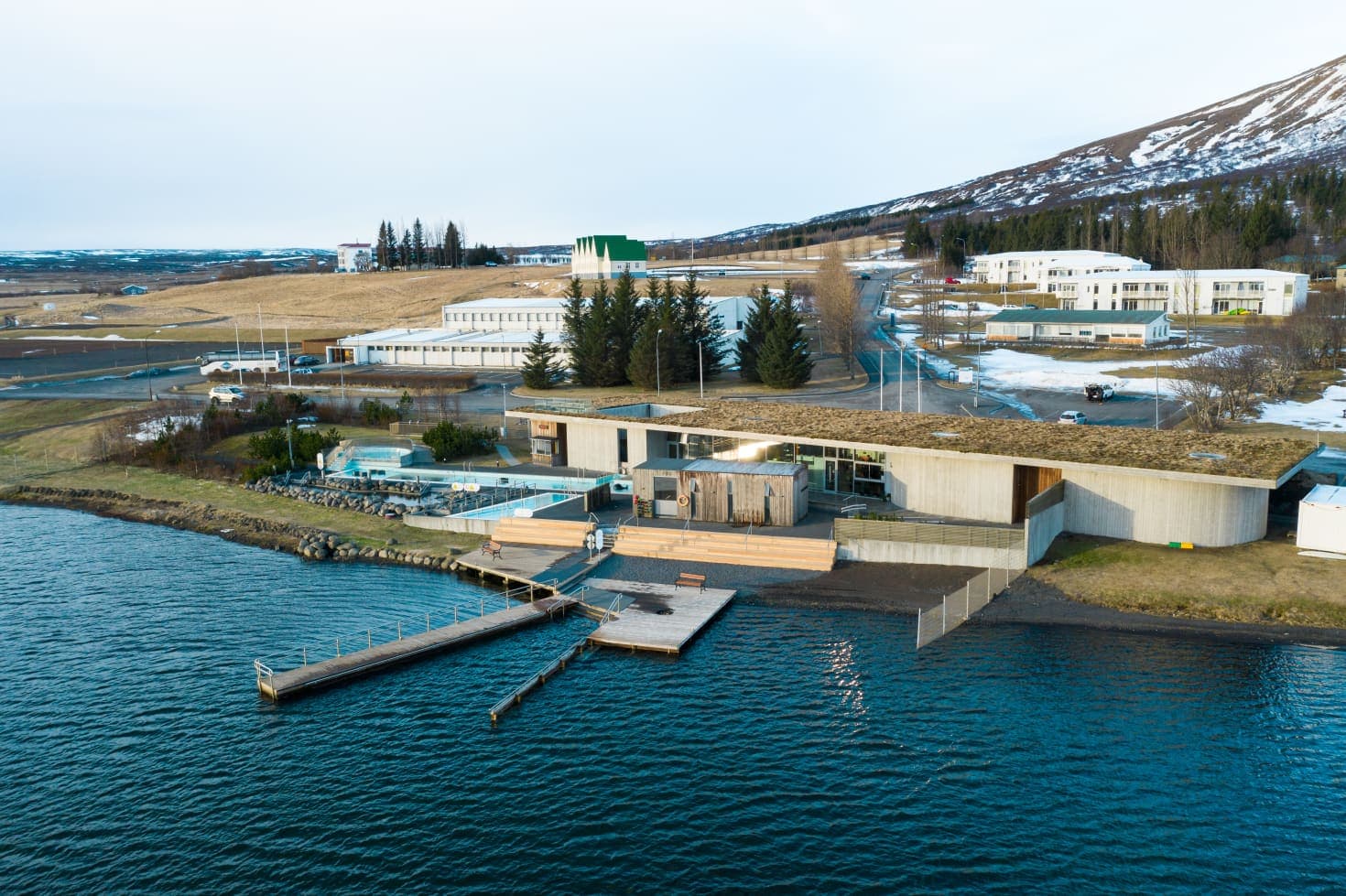
Laugarvatn Fontana combines geothermal baths, a steam room above a hot spring and a bakery tour on the shore of Lake Laugarvatn. Choose a soak, watch rye bread being lifted from hot sand, or allow time for both on a Golden Circle visit.
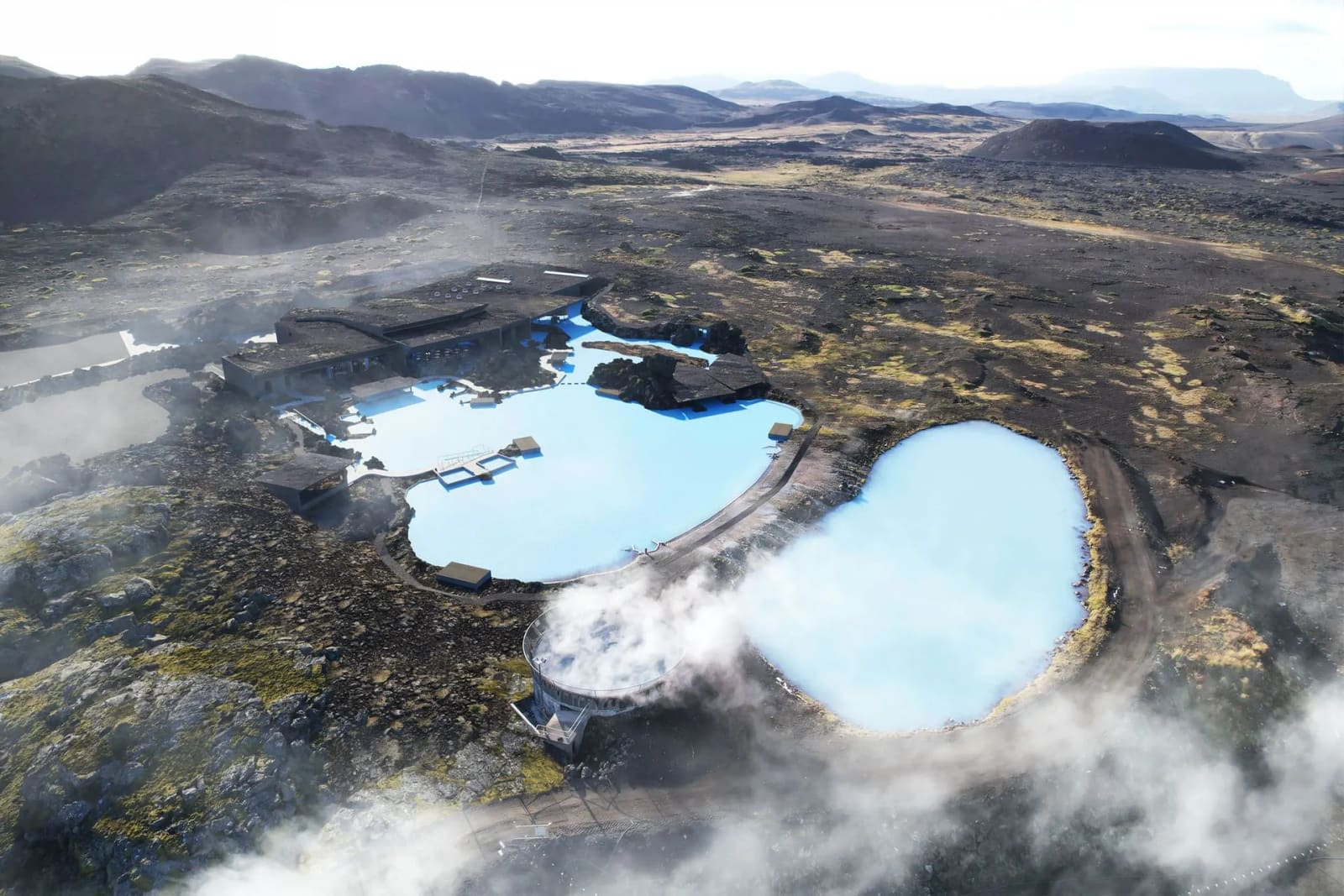
Earth Lagoon Mývatn is a managed geothermal spa in the Lake Mývatn lava landscape. Rebuilt and expanded in 2026, it combines mineral-rich bathing water, natural steam, modern changing facilities, and broad volcanic views.
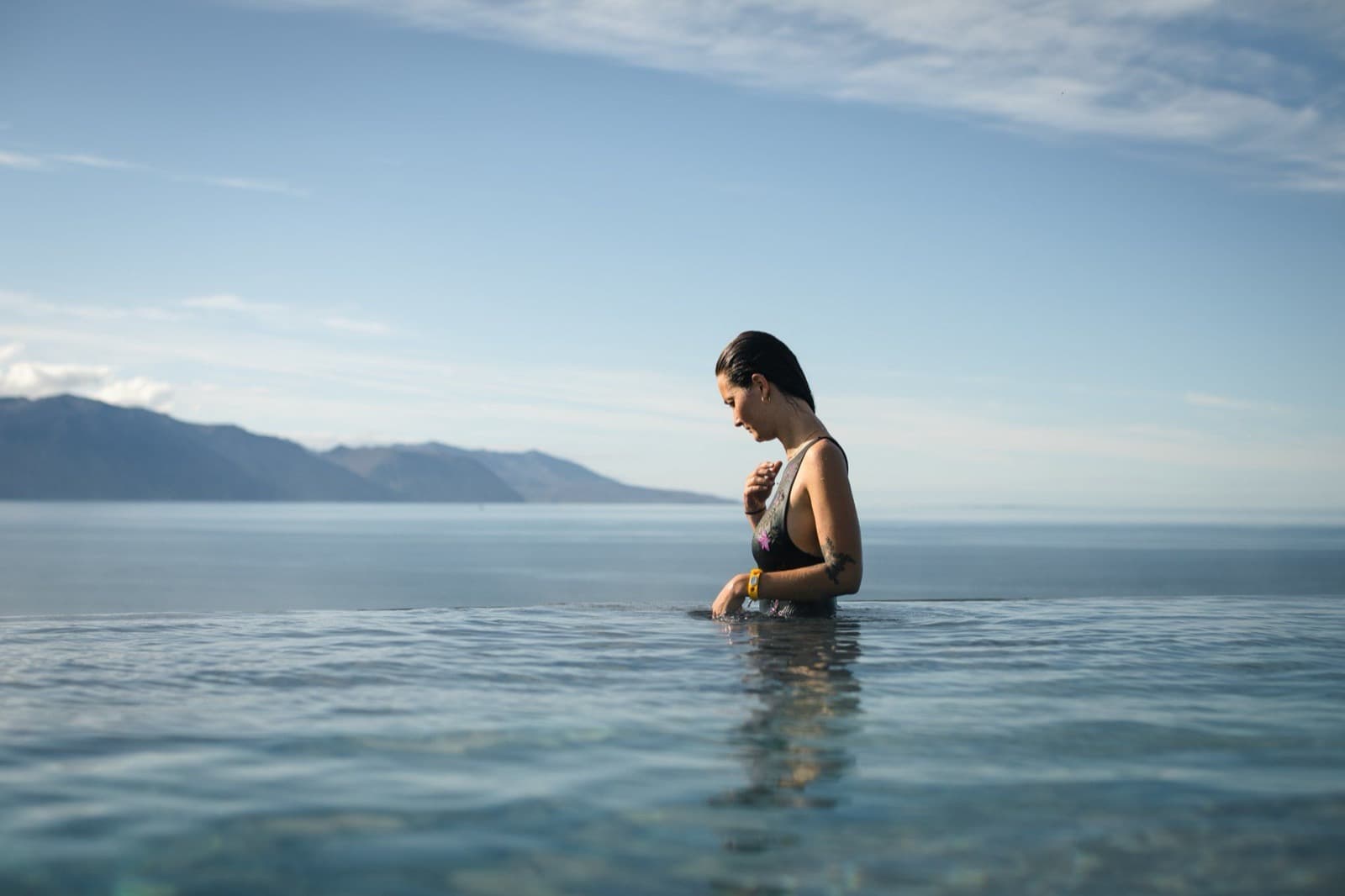
GeoSea is a cliffside geothermal sea bath in Húsavík, best for travelers who want a warm soak with Skjálfandi Bay views, a local bathing-culture angle, and an easy pairing with whale watching or a North Iceland overnight.
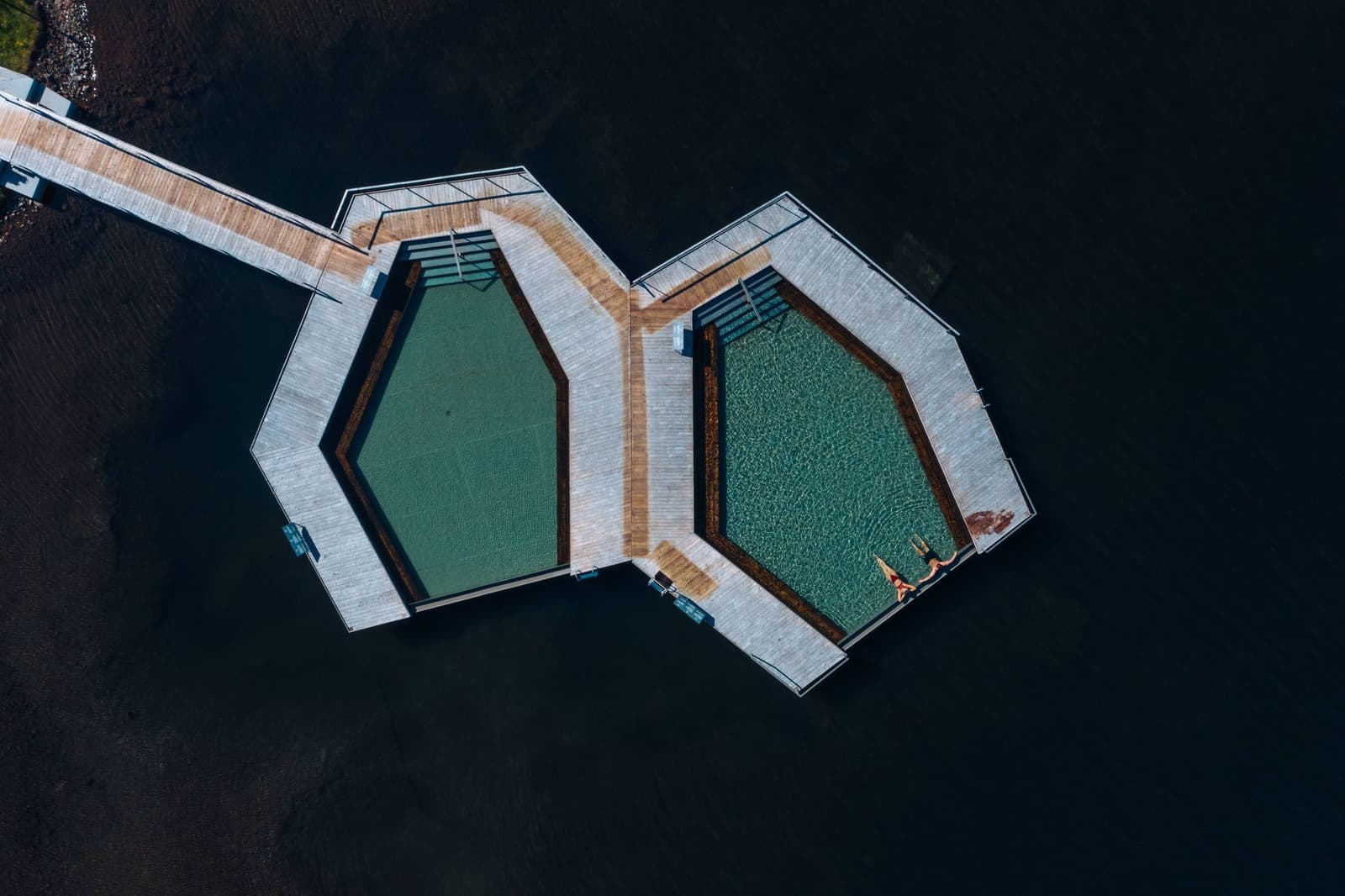
Vök Baths is a geothermal bathing stop on Lake Urriðavatn near Egilsstaðir, best for travelers who want a booked East Iceland soak and can give it real time beside nearby fjord, lake, or waterfall plans.
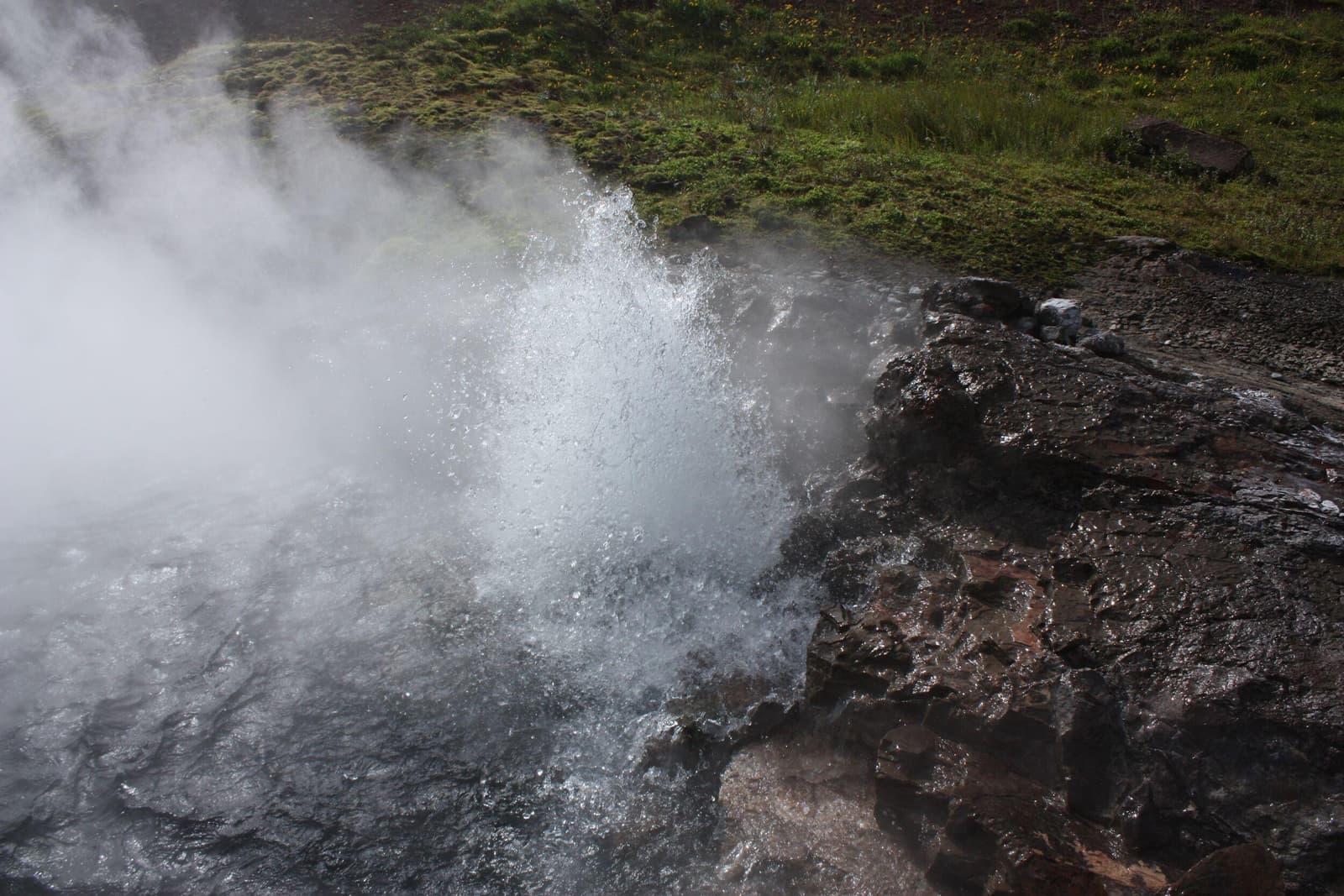
Deildartunguhver is a powerful boiling hot spring in West Iceland's Borgarfjörður area, best visited as a short Silver Circle stop where safety, nearby pairings, and Krauma bathing context shape the decision.
Regions
See which part of Iceland is most convenient for this experience and what else you can visit nearby.
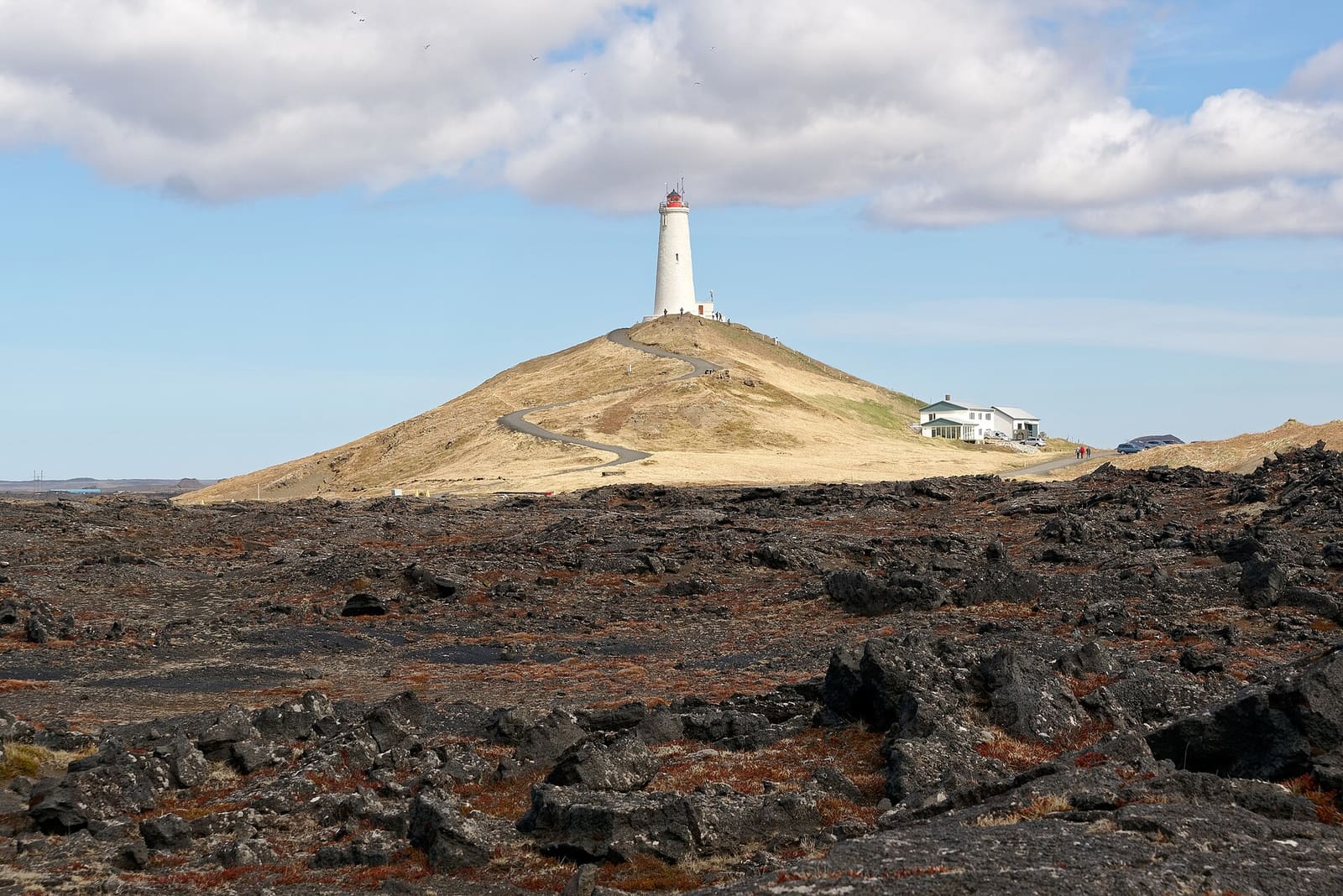
Use this volcanic peninsula for a careful half- or full-day route near KEF, but keep eruption sites, Grindavík and Blue Lagoon plans conditional.
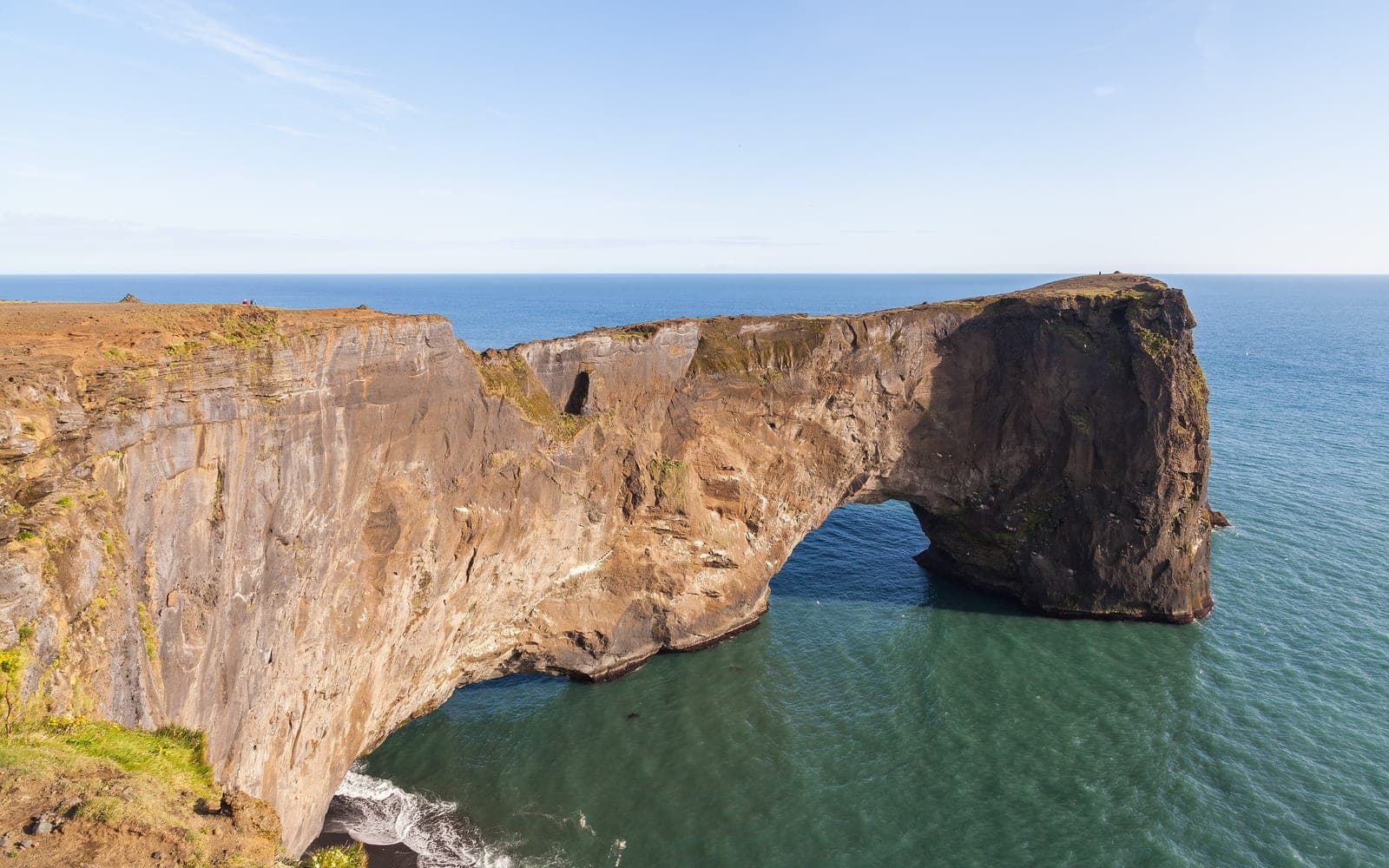
Build a first-trip route around waterfalls, black-sand coast and glacier country, but allow two to four days if Jökulsárlón is part of the plan.
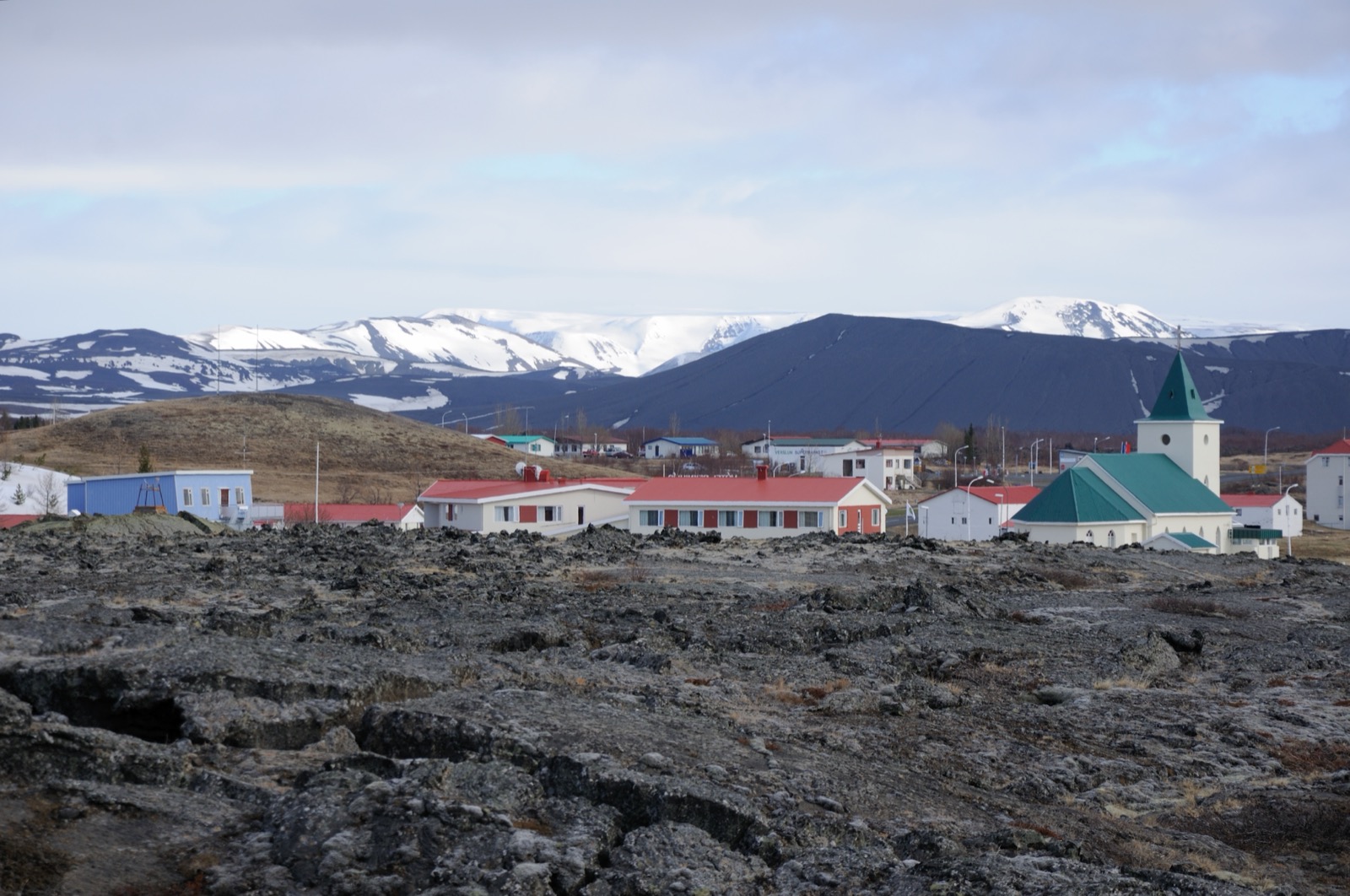
Choose North Iceland when you can spare several days for Akureyri, Mývatn, Húsavík, and canyon country; one rushed overnight barely reaches the region.
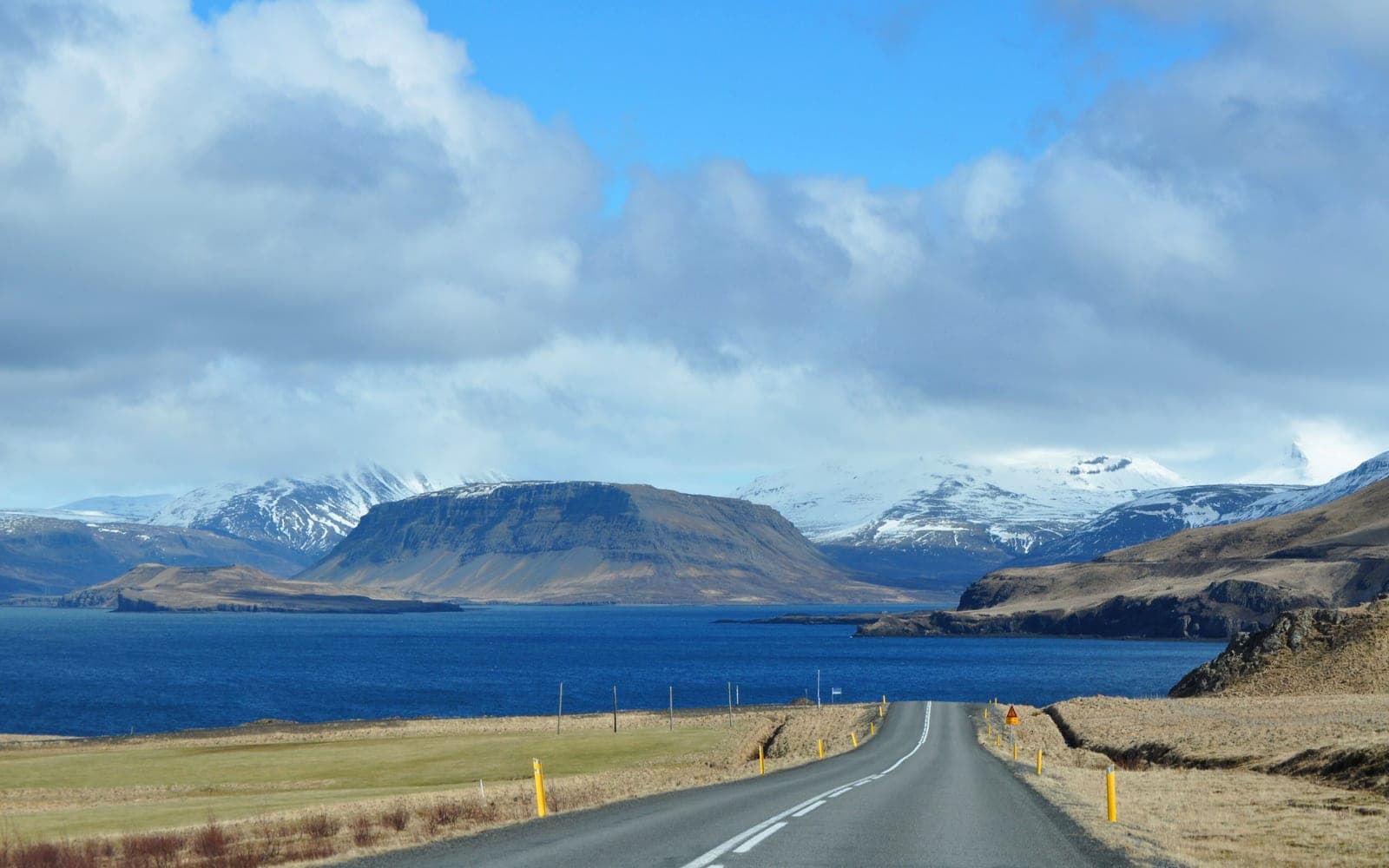
Choose West Iceland for a Borgarnes-based mix of waterfalls, geothermal stops, and caves; skip it if Snæfellsnes already fills your spare westbound day.
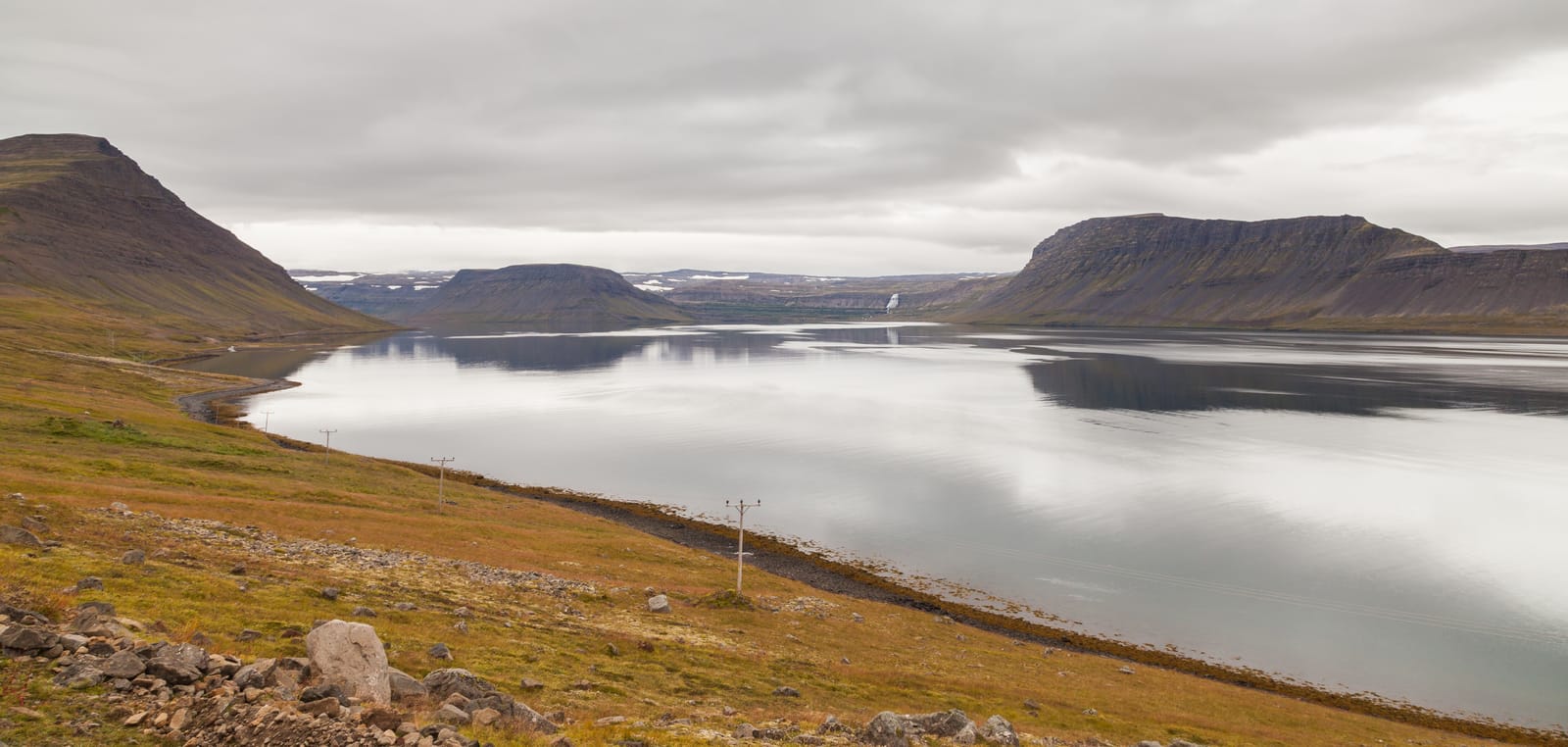
A separate multi-day commitment for travelers who value cliff roads, remote villages, and long scenic links enough to leave the Ring Road and keep weather slack.
Road trips and itineraries
See where this experience fits into a road trip or day-by-day itinerary.
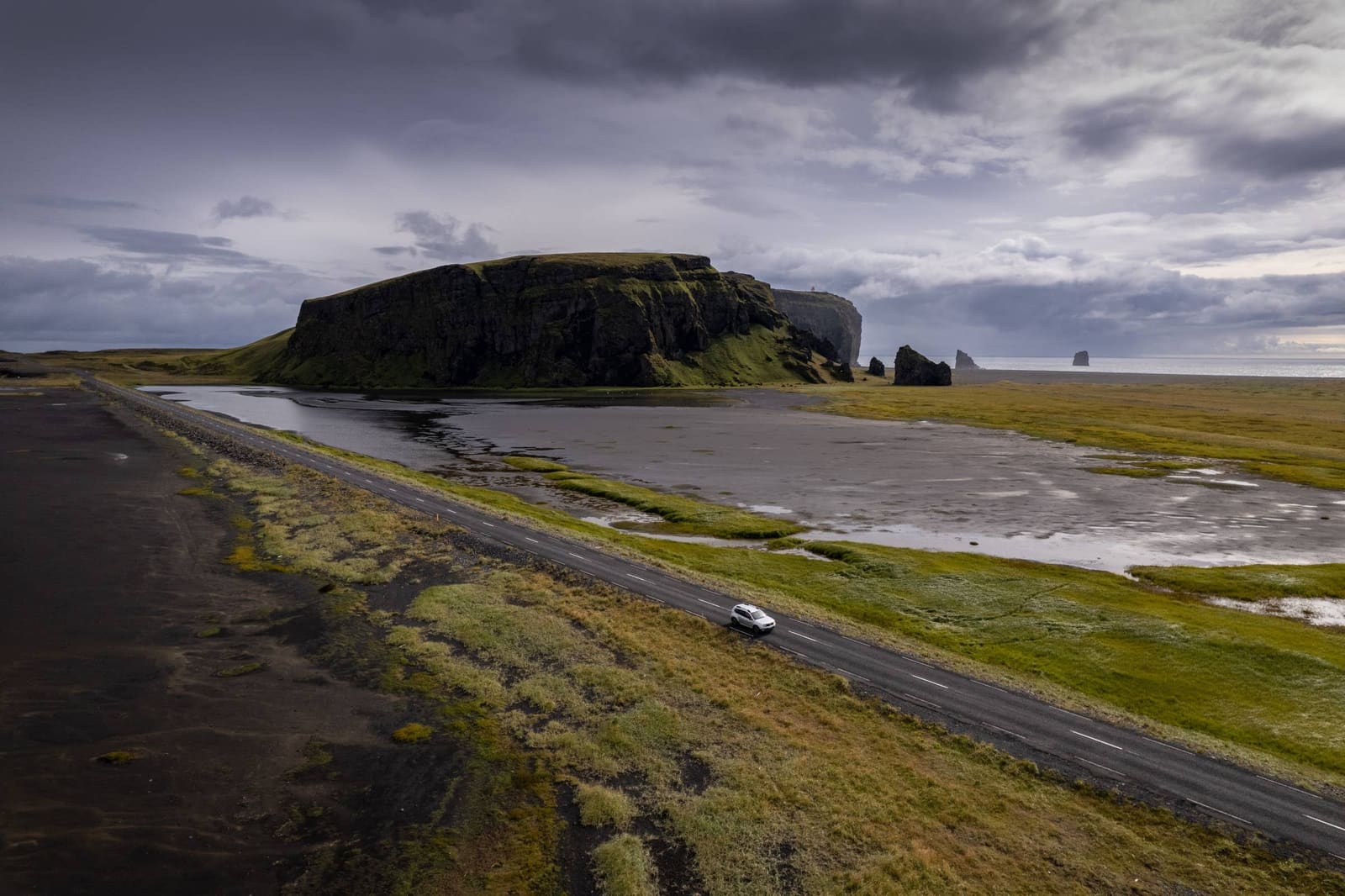
A realistic first-trip route through Reykjavík, the Golden Circle, and the South Coast, built for five calendar days without turning the final day into a race to the airport.
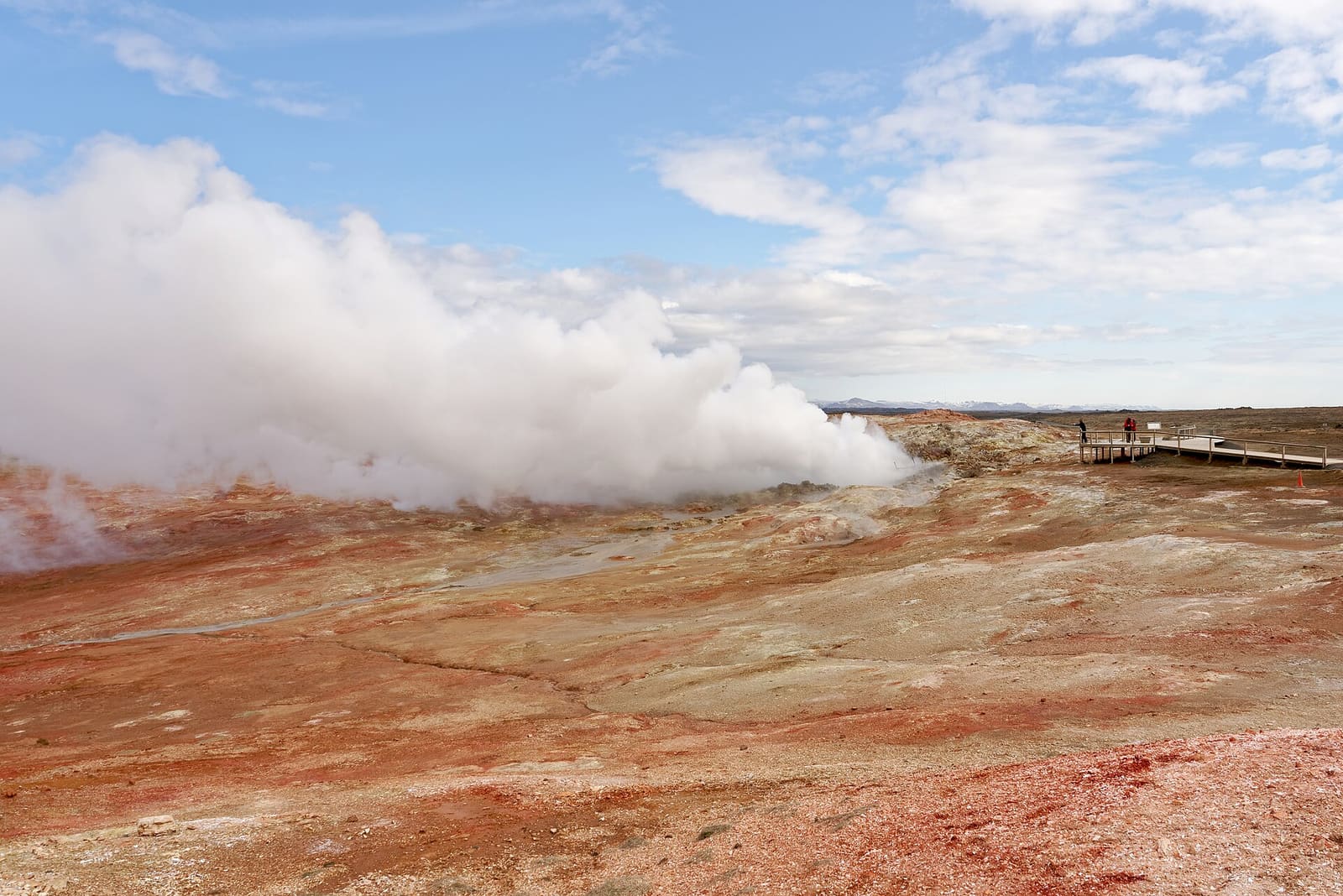
A compact route guide for deciding whether Reykjanes works as an arrival day, departure day, stopover, or short Reykjavik-based drive.
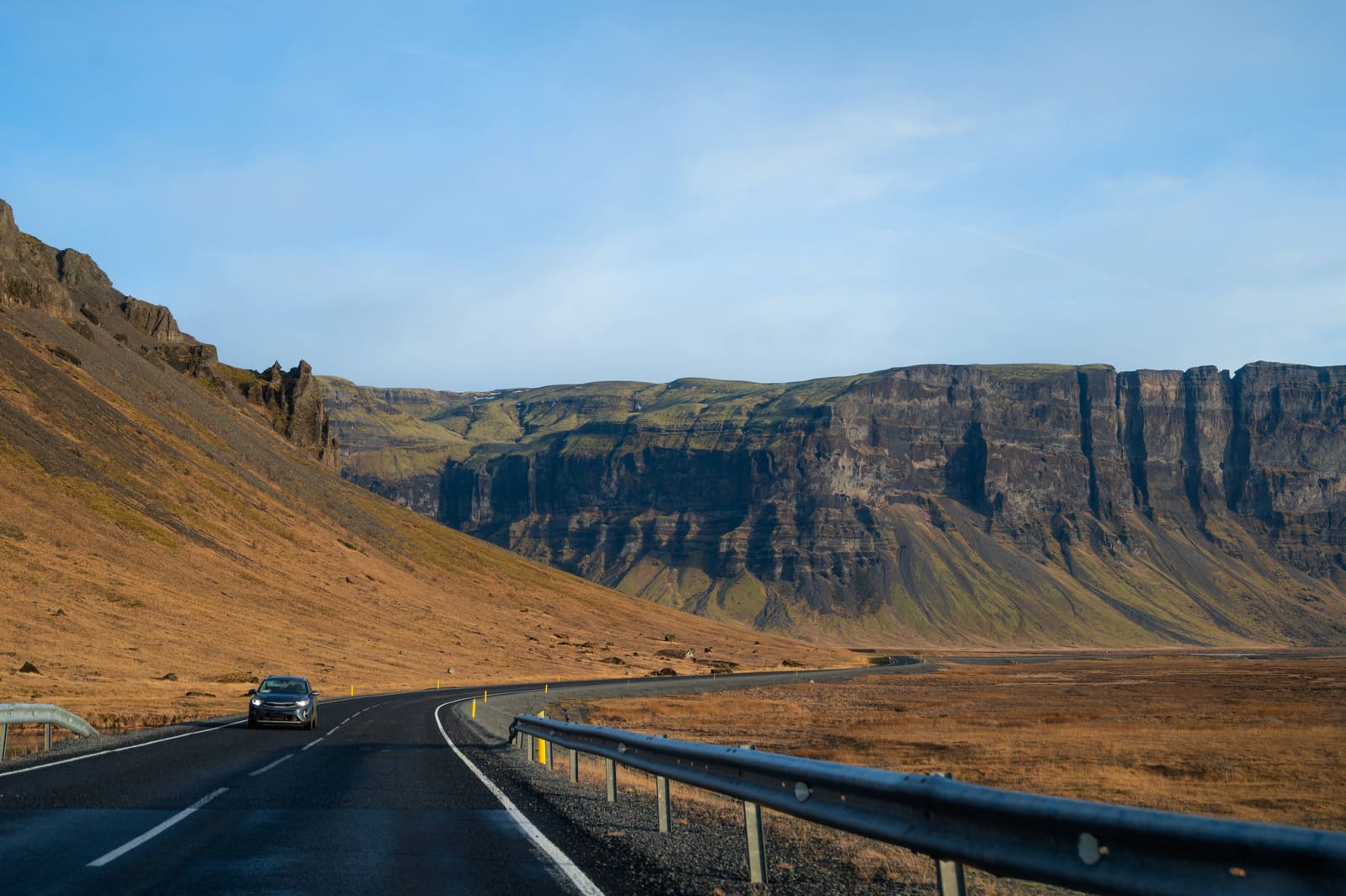
A route-first guide to deciding whether Iceland’s South Coast works as a day trip, one-night drive, or slower two-night route.
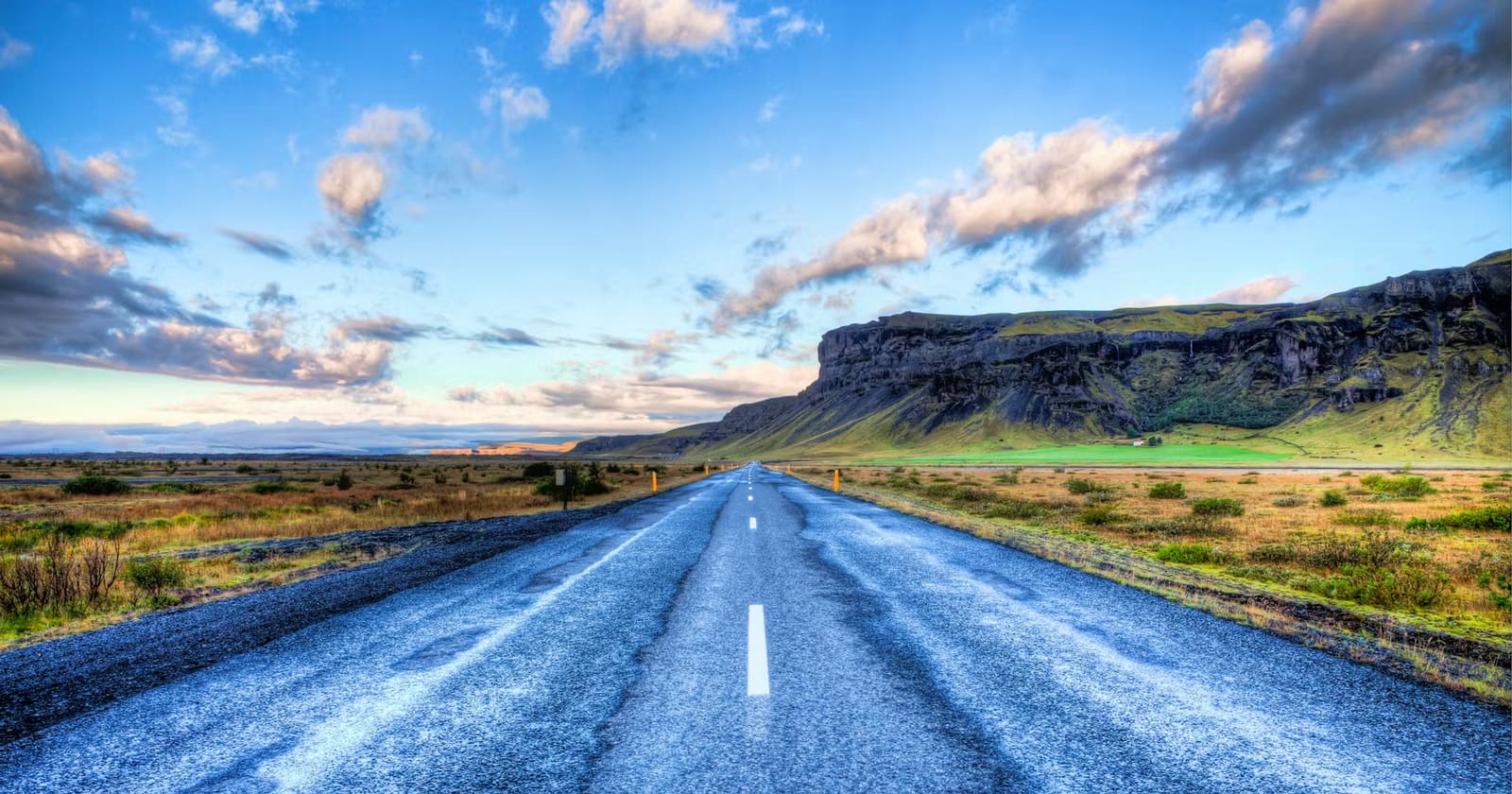
A route-choice guide for deciding whether your Iceland trip should become a full Ring Road loop or a slower South Coast route.
More things to do
See other activities that may suit the same day, season, or part of Iceland.
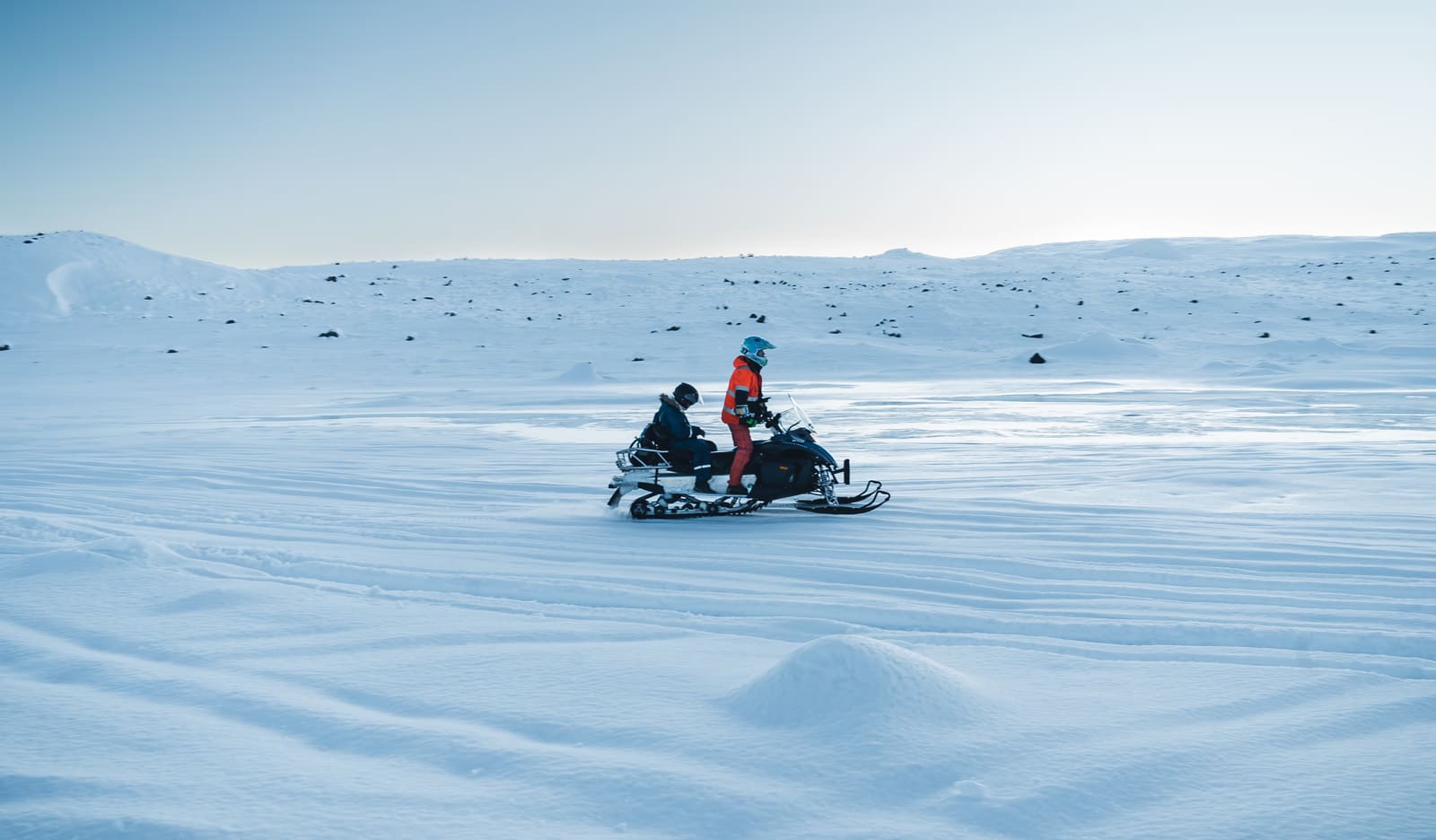
Choose one strong winter experience, then keep a flexible backup for weather, roads, daylight, or comfort. Compare guided ice, aurora, hot water, wildlife, city options, and conservative sightseeing before locking the day.
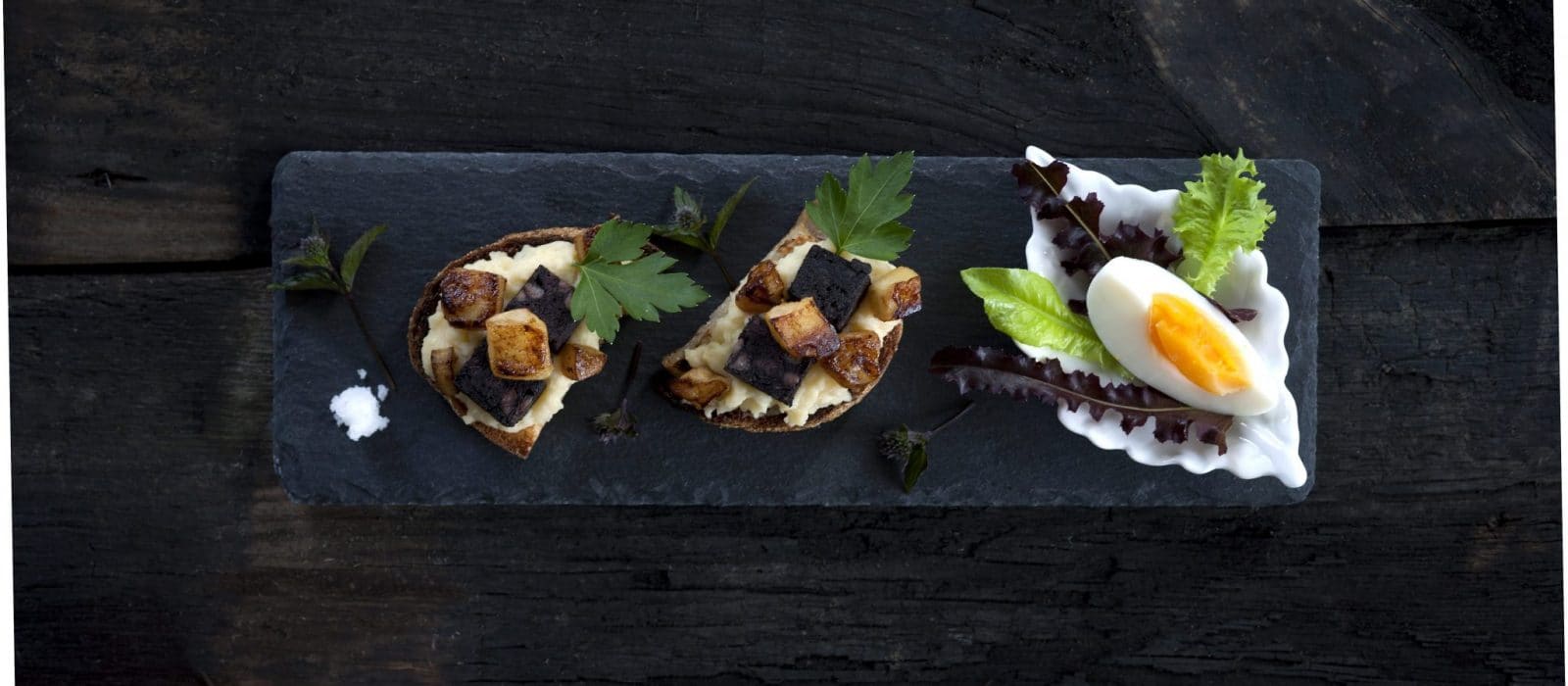
Icelandic food can shape the day in several very different ways: a Reykjavík food walk, self-guided food hall stop, bakery break, greenhouse meal, seafood lunch, or simple casual plan that does not distort the route.
Next bathing decision
Move from the bathing format into the place, base, or winter check that decides whether the soak fits.