Grímsey is Iceland’s Arctic Circle island, worth adding when puffins, sea cliffs, midnight-sun atmosphere, and a remote North Iceland day matter more than rushing the classic mainland sights.
Coast snapshot
Type
Inhabited Arctic Circle island, wildlife area, and coastal viewpoint
Region
North Iceland, offshore from the Dalvík and Eyjafjörður side of the coast
Route context
Best as a deliberate Arctic Coast Way or Akureyri-side North Iceland island day
Time to allow
Most travelers should think in half-day to full-day terms; overnight gives more weather and walking flexibility
Main reasons to go
Arctic Circle markers, puffins, seabird cliffs, basalt coast, village atmosphere, and open-ocean remoteness
In this guide
Is Grímsey worth visiting on a North Iceland trip?
Grímsey is worth visiting if the Arctic Circle, puffins, sea cliffs, and remote-island atmosphere are the point of the day. It is easier to skip if your route is already struggling to fit the mainland highlights.
This is not a quick roadside attraction. Grímsey asks for a real time commitment: getting to Dalvík or Akureyri, crossing to the island, walking in exposed weather, and building a day around transport that can be affected by sea and wind.
The reward is unusually clear. You get a small inhabited island north of the mainland, the Arctic Circle story, bird cliffs, puffins in season, basalt coast, a harbor village, and the feeling that North Iceland has opened into the Arctic Ocean.
Add Grímsey for travelers who care about the Arctic Circle, seabirds, midnight-sun atmosphere, or a slower North Iceland rhythm. Cut it from a compressed first trip where the north already has too many mainland stops.
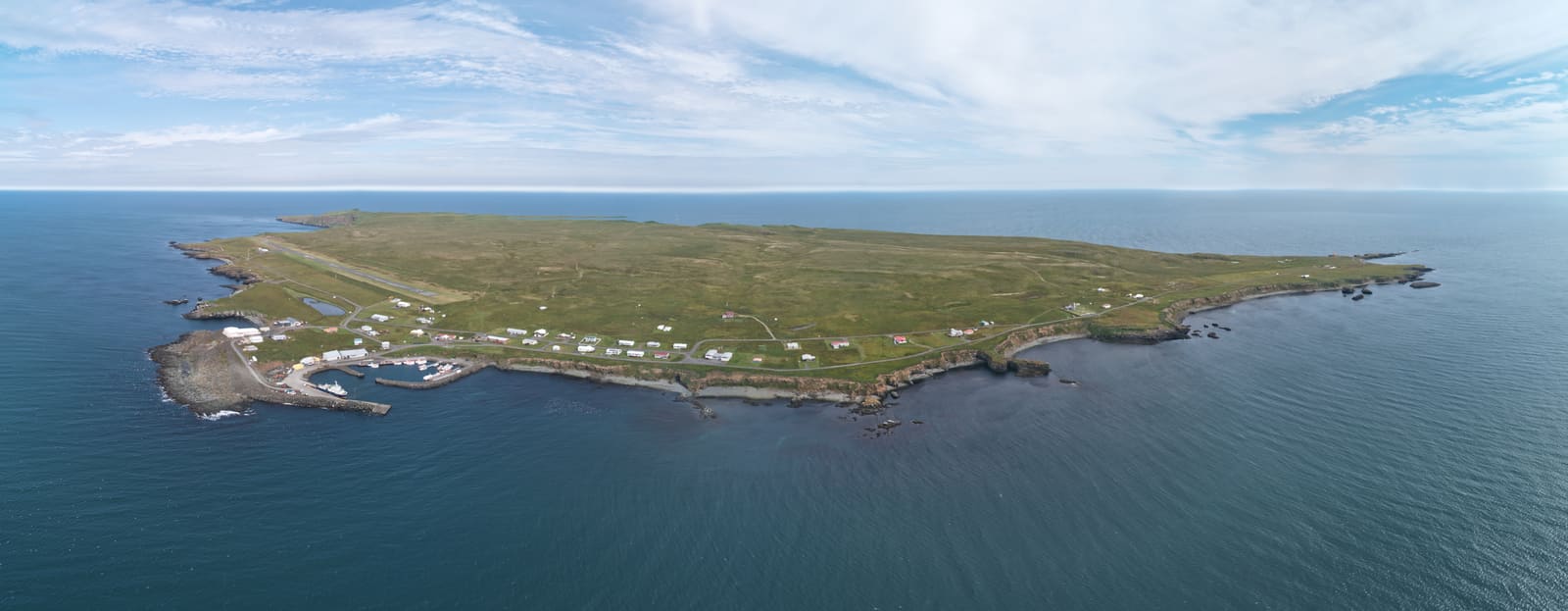
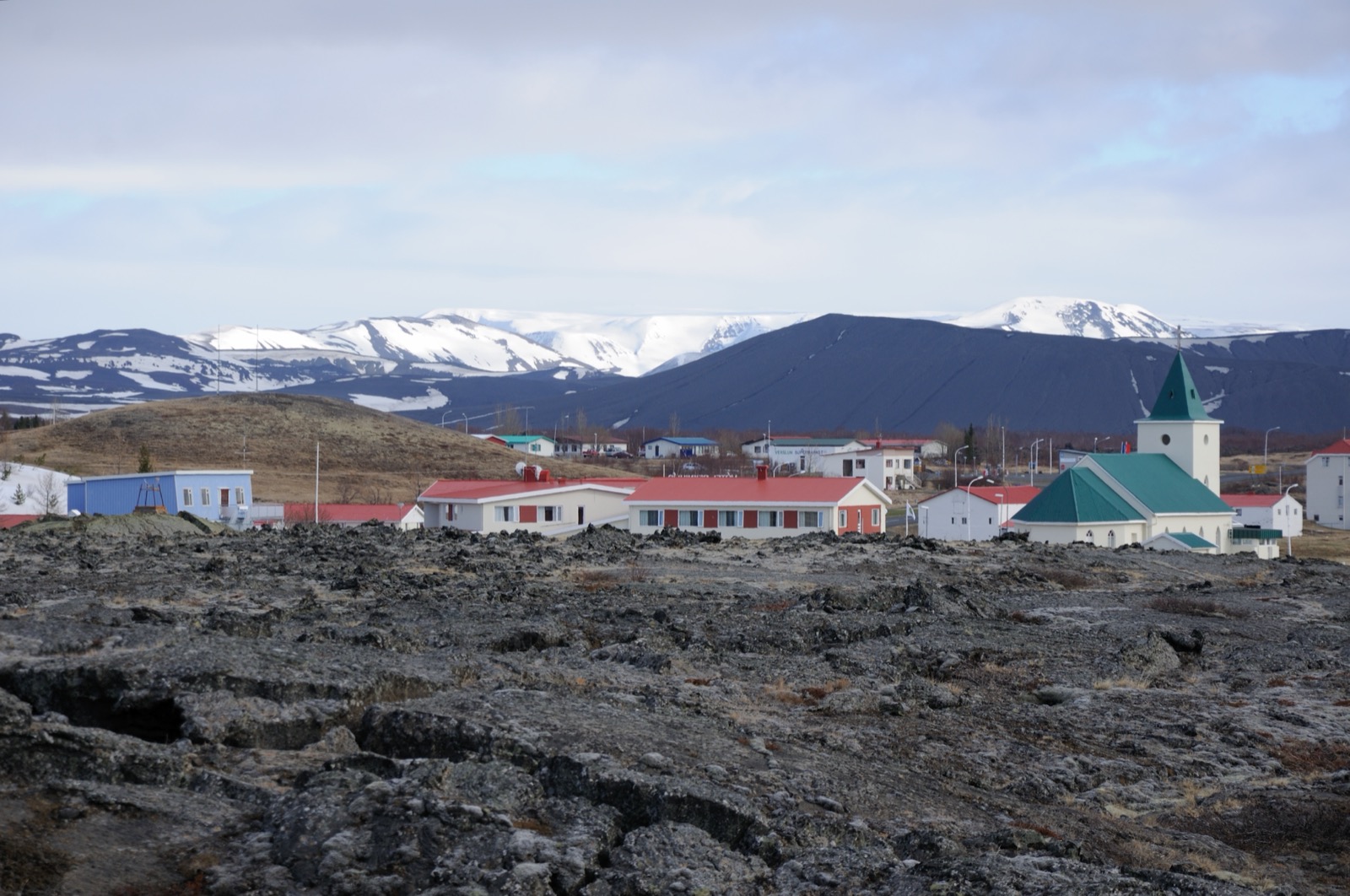
Grímsey feels exposed, quiet, and far from the mainland even before you start walking
Grímsey feels exposed, quiet, and far from the mainland even before you start walking. The harbor village is small, the ocean is wide, and the cliffs make the island feel larger than its footprint.
The first impression is usually practical rather than polished: harbor, low buildings, working-island edges, and open sky. That is part of the appeal. Grímsey is not trying to feel like a resort stop; it feels like a lived-in outpost with a remarkable natural setting.
Once you walk away from the harbor, the island becomes more elemental. Wind, grass, bird calls, cliff edges, and long views over the sea define the visit. On bright summer days it can feel soft and almost gentle; in rougher weather it feels much more remote.
The island feels like a working settlement first and a visitor stop second.
What will you actually see on Grímsey?
The main sights are the Arctic Circle markers, Orbis et Globus, puffins and other seabirds in season, cliff viewpoints, basalt formations, the harbor village, and the lighthouse area.
For many visitors, Orbis et Globus is the symbolic goal. The sphere marks the moving Arctic Circle story and gives the walk a clear destination. It is not beside the ferry ramp, so treat it as a walk, not a photo stop you can guarantee in a few spare minutes.
The birdlife is the other reason Grímsey stands out. Puffins are the headline for many travelers, but the wider experience includes terns, kittiwakes, fulmars, auks, and constant movement around the cliffs. If wildlife is your main interest, pair this page with the broader puffin-watching guide before choosing dates and routes.
Use the puffin-watching guide if wildlife timing matters more than the island itself.
Compare Tjörnes Peninsula when you want another North Iceland coastal and bird-cliff landscape with easier self-drive access.
Do not reduce the island to one marker and one bird. The basalt coast, lighthouse, harbor, village paths, old landmarks, and sea views are what make the visit hold together if puffins are distant, weather is mixed, or your stop is shorter than hoped.
Orbis et Globus gives the Arctic Circle walk a clear destination.Puffins are a major reason to choose Grímsey, but they should be treated as seasonal wildlife.
Plan Grímsey in half-day to full-day terms, and give yourself more slack if you want the Arctic Circle marker
Plan Grímsey in half-day to full-day terms, and give yourself more slack if you want the Arctic Circle marker, bird cliffs, and a calmer island pace rather than a rushed turnaround.
The effort depends on how you arrive and how far you walk. Staying near the harbor keeps the visit simple, but the more meaningful version usually includes a walk toward the Arctic Circle marker and cliff viewpoints. That means wind, uneven ground, and a need to watch your footing near bird-nesting terrain.
For a same-day visit, check the official ferry or flight details first and then decide what you can realistically do between arrival and departure. If you want a less pressured visit, an overnight can make the island feel more like a destination and less like a transport puzzle.
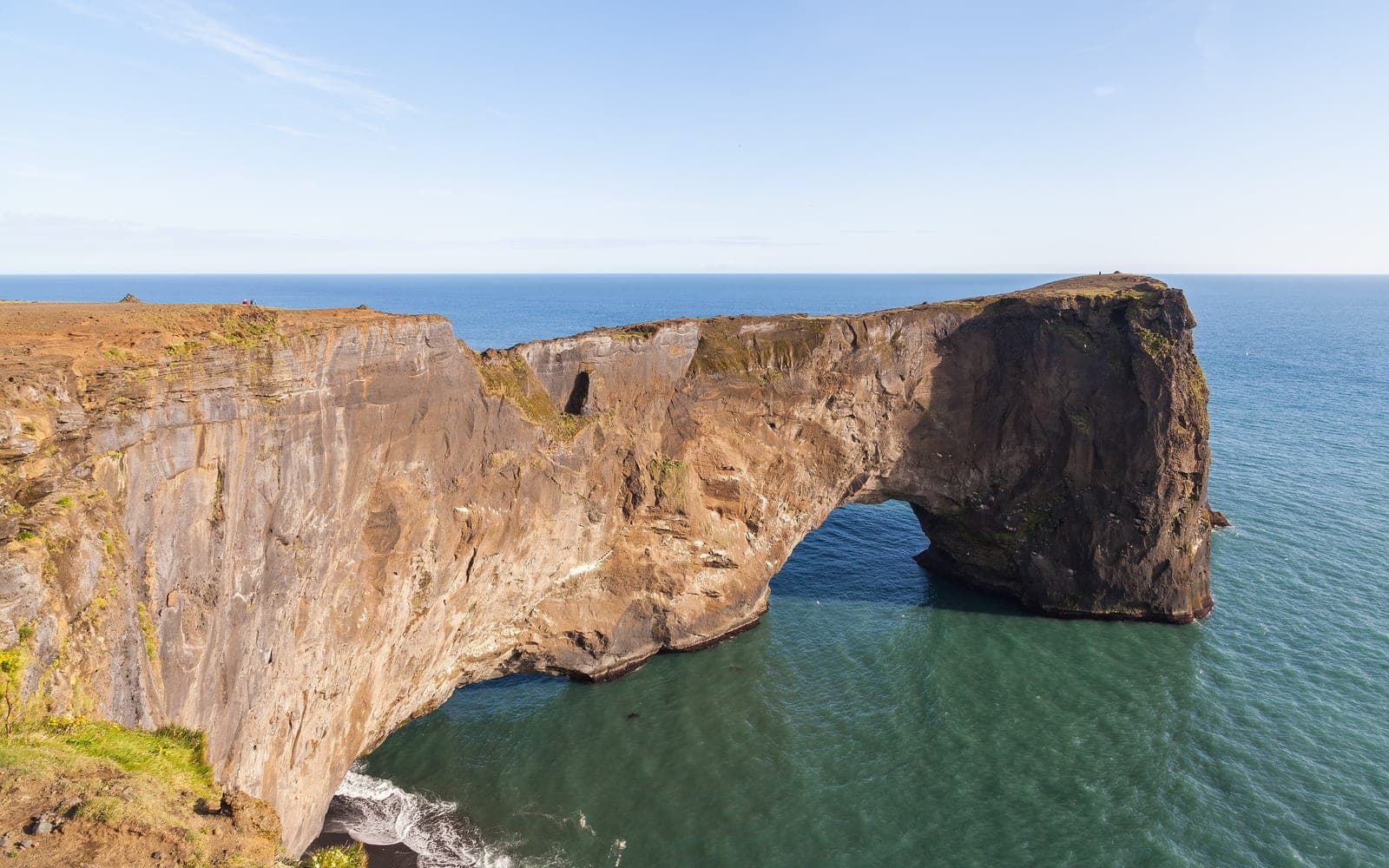
The cliff scenery is part of the appeal, but footing and wind matter.
Where does Grímsey fit with Dalvík and the main North Iceland sights?
Grímsey fits best when you are already giving North Iceland room to breathe. It pairs naturally with Dalvík and Akureyri-side planning, but it competes with the biggest mainland sights for time.
Dalvík is the key mainland context for ferry-based plans, so use the Dalvík guide when you are shaping the day around the harbor side of the route. If you are based around Akureyri, treat the island as a deliberate north-coast excursion rather than a casual detour.
The hardest tradeoff is time. Goðafoss, Lake Mývatn, and Dettifoss are more efficient if your goal is classic North Iceland scenery in a short window. Grímsey is better when the slower island story is more important than covering every headline stop.
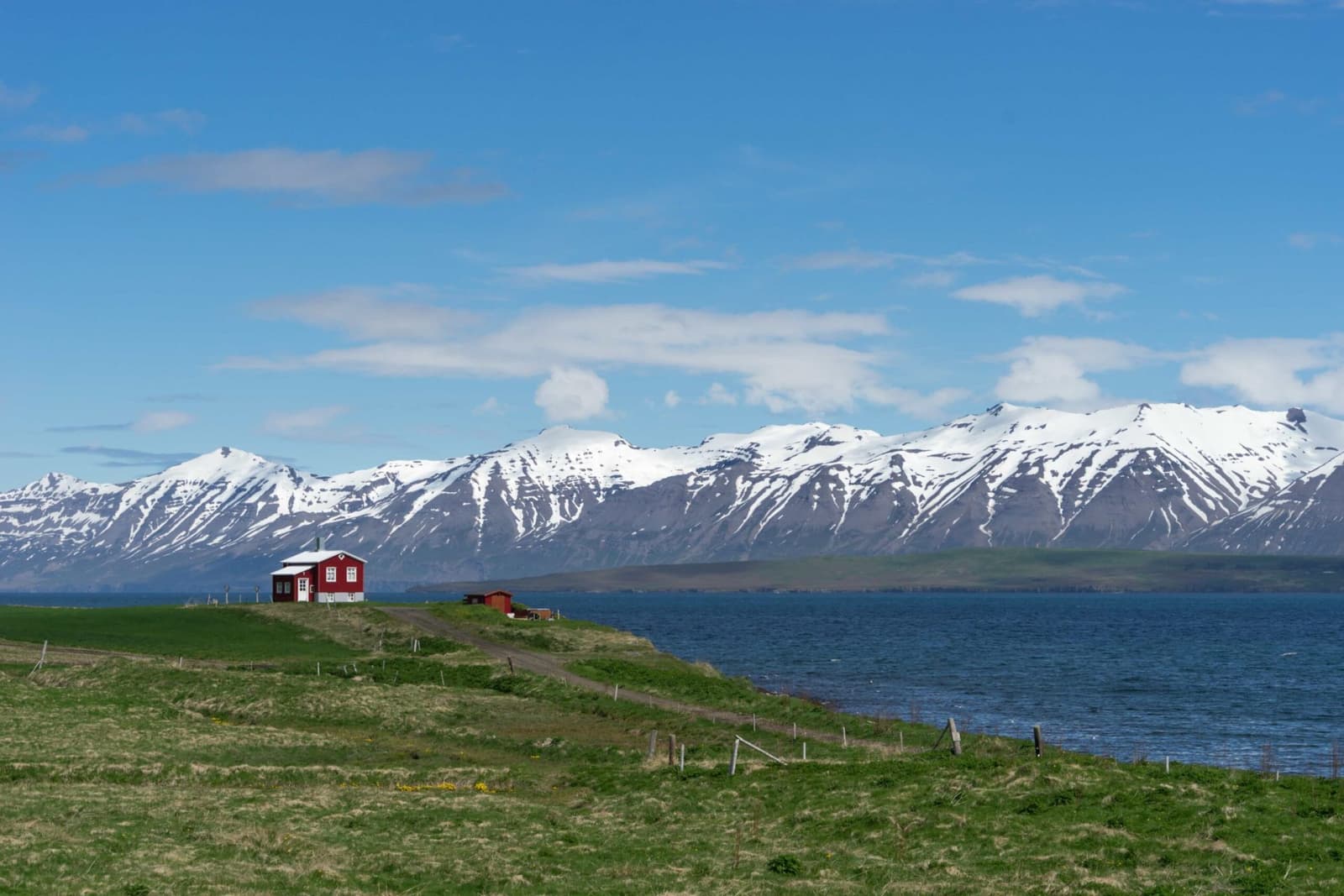
Use Dalvík for the ferry-side town and Tröllaskagi context.
Compare Goðafoss Waterfall when you want the easier classic waterfall payoff.
Use Lake Mývatn when volcanic landscapes and route density matter more.
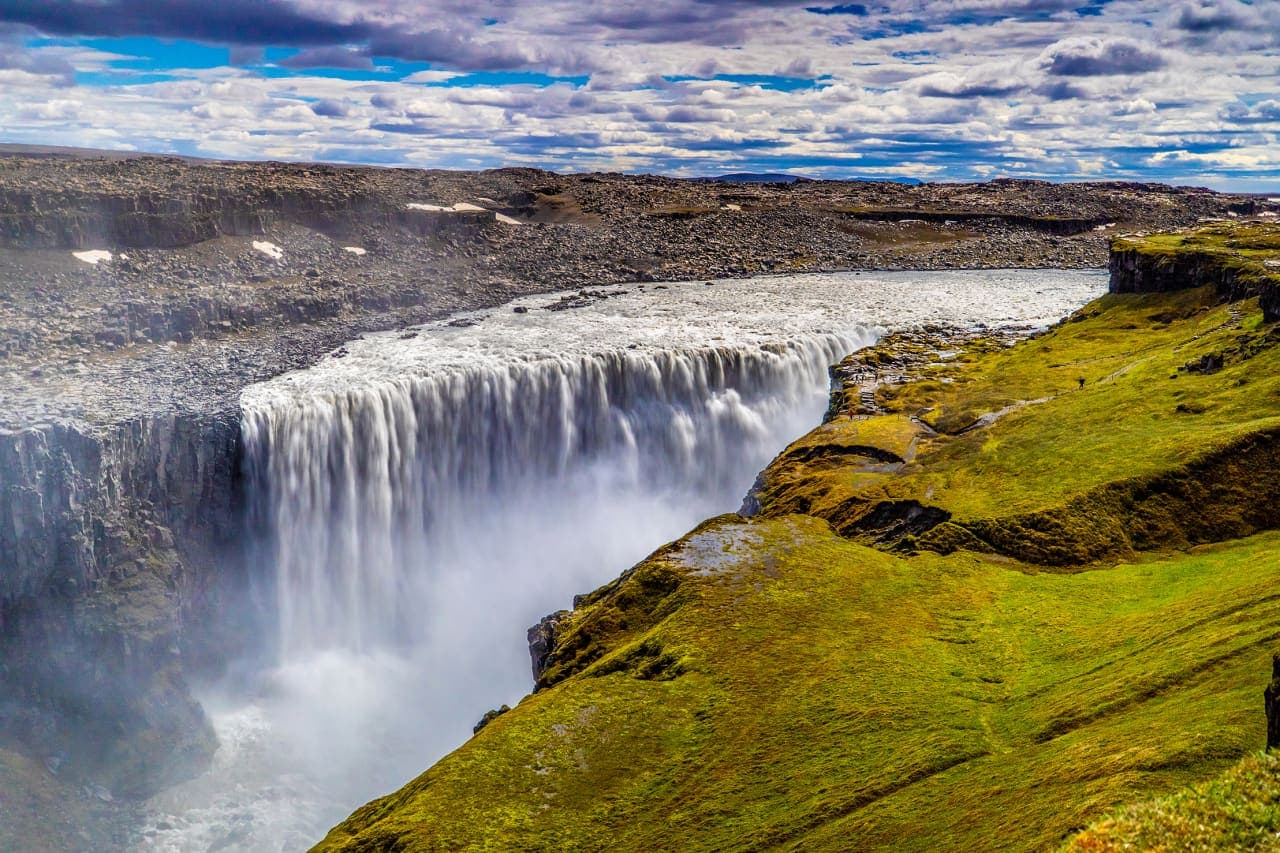
Compare Dettifoss when you need one of the north's strongest mainland natural sights.
Secondary landmarks help Grímsey feel like an island route, not a single-marker errand.
Check transport, weather, safety, and operator information before locking Grímsey into the day
Check transport, weather, safety, and operator information before locking Grímsey into the day, especially if the rest of your route depends on getting back to the mainland on time.
Use official visitor information for the island overview, Vegagerðin for ferry details, Norlandair for flight details, SafeTravel for travel safety, and weather/road sources before driving to the ferry or airport. Keep the final plan flexible if the island is not your only North Iceland priority.
If conditions or schedules make Grímsey awkward, do not force it. Use North Iceland for a better route decision, keep Dalvík as a slower town stop, or spend the day on mainland sights where your timing is less exposed.