Grótta is a tidal lighthouse and nature reserve at Seltjarnarnes, just west of Reykjavík, worth adding when you want coastal views, birdlife, sunset light, or aurora chances with careful tide and nesting checks.
Coast snapshot
Type
Tidal lighthouse islet, coastal viewpoint, and protected nature reserve
Region
Seltjarnarnes on the western edge of the Reykjavík area
Time to allow
About 30-90 minutes for a shoreline stop; longer if you build in a slow walk or evening wait
Access reality
The lighthouse islet is tide-linked and protected; check official visitor guidance before relying on a walk out
Best experience
Coastal light, lighthouse views, birdlife, open sea, and a city-edge feeling without leaving Reykjavík far behind
In this guide
Grótta is worth adding when you want a short coastal escape, lighthouse views, birdlife, sunset light, or a dark-sky edge near Reykjavík
Yes, Grótta is worth adding when you want a short coastal escape, lighthouse views, birdlife, sunset light, or a dark-sky edge near Reykjavík. It is weaker as a rushed checklist stop.
The useful question is not whether Grótta is pretty. It is whether a tide-sensitive shoreline stop improves your actual Reykjavík day more than staying central for Hallgrímskirkja, Perlan, Sun Voyager, or Reykjavík Harbour.
Add Grótta on a flexible afternoon or clear evening when the tide, weather, and protected-area guidance all line up. Skip it when a first visit still needs the city's stronger landmarks, or when the plan depends on walking out to the lighthouse no matter what.
Choose the Grótta version that fits your Reykjavík day.
Visit choice
Use it when
Plan for
Quick shoreline stop
You want lighthouse views, sea air, and a short break from central Reykjavík.
Stay on the Seltjarnarnes side if tide, wind, or protection rules make the islet a poor idea.
Slow coastal walk
You want photos, birdlife, shoreline texture, and time to let the light change.
Build in flexible time and check official tide and reserve guidance first.
Evening attempt
You are chasing sunset color or a dark, clear northern-lights possibility near the city.
Treat it as weather-dependent and keep safety, darkness, and the return plan simple.
Photo guide
Grótta in photos
1 / 3
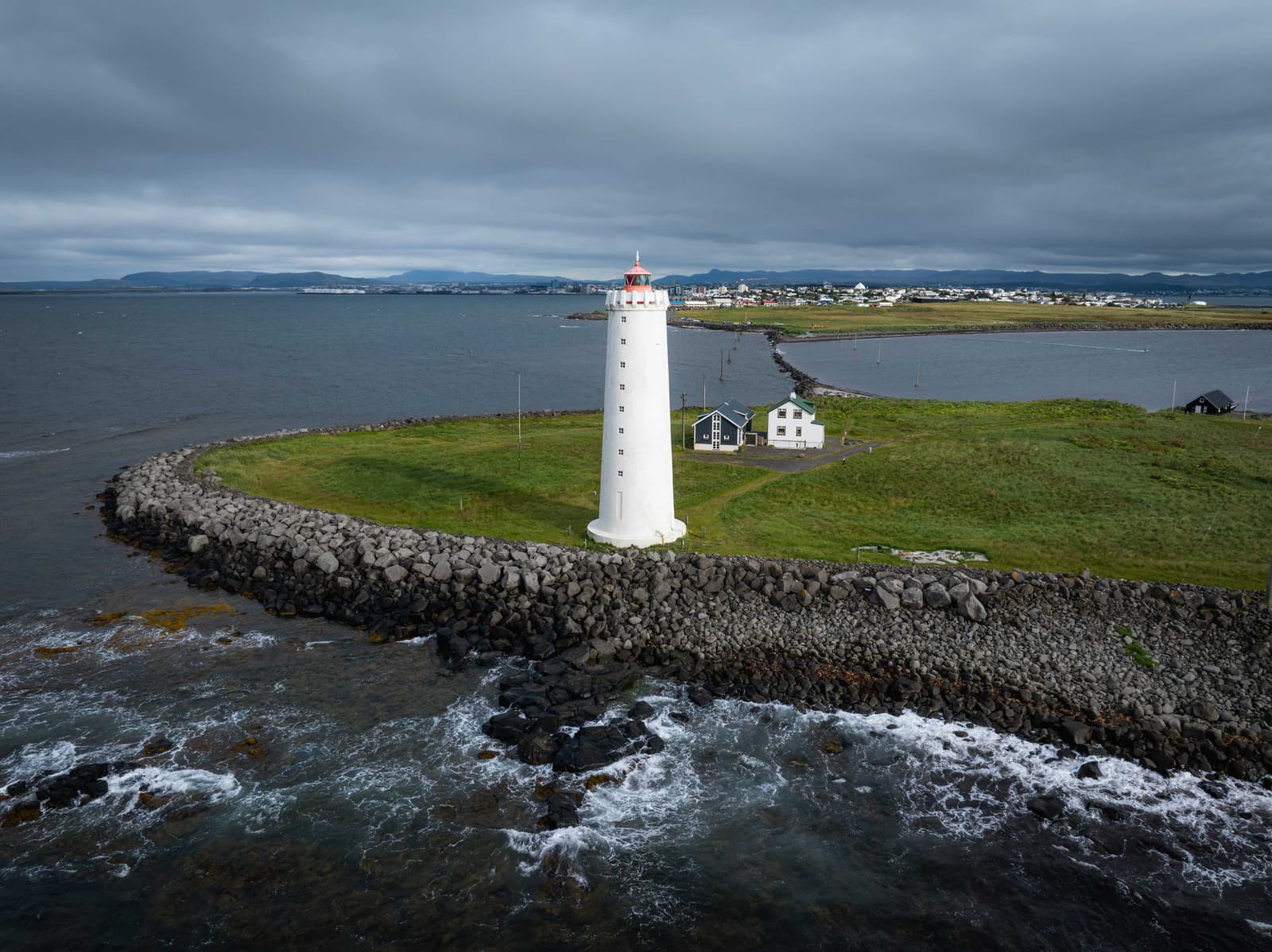
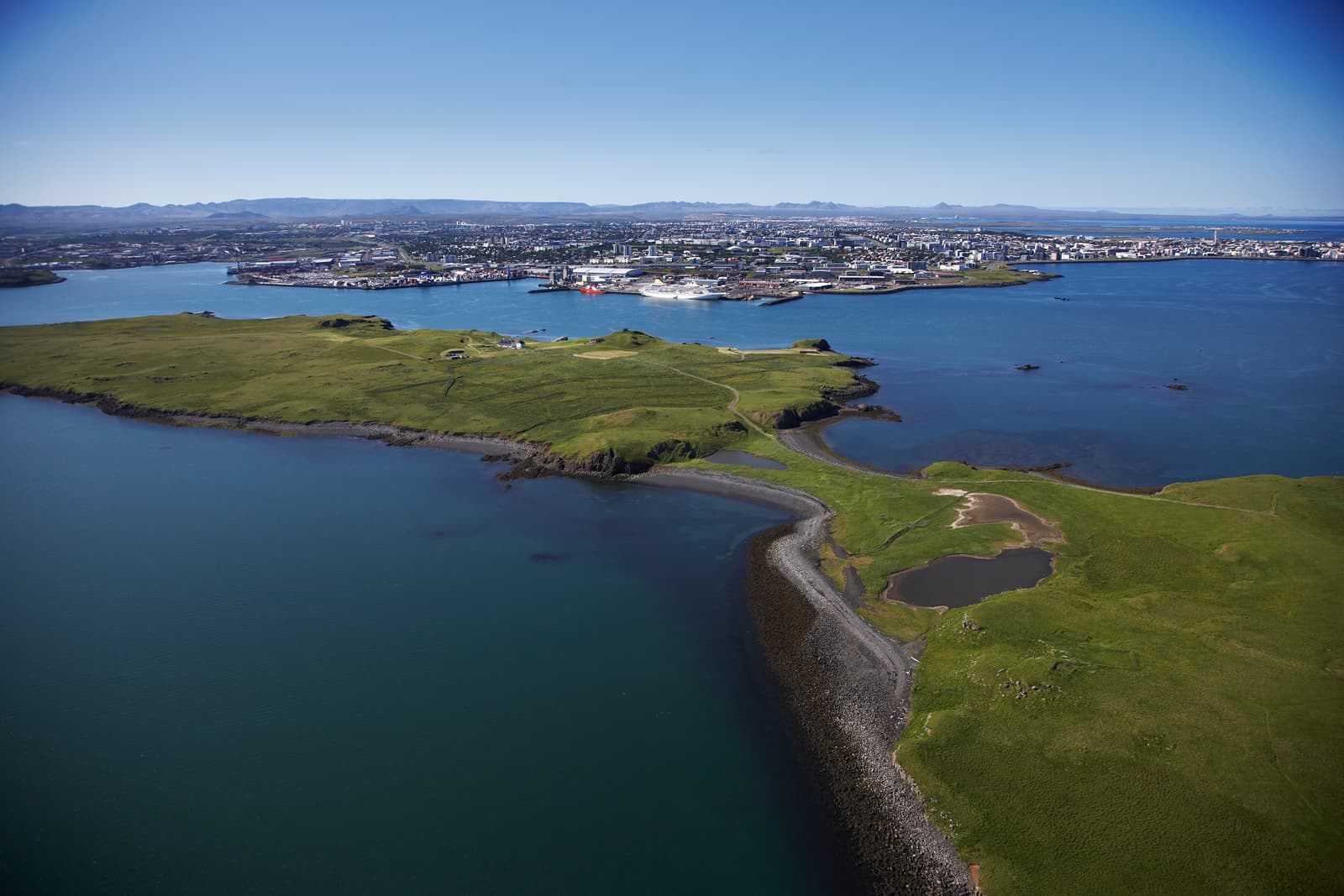
The islet shape makes Grótta easy to recognize in the Attractions hub.
Can you walk out to Grótta lighthouse?
Sometimes, but the walk is not the promise of the stop. Grótta is connected by a tidal route, and the nature reserve has birdlife protections that can make staying back the right choice.
Plan the visit around official tide and protected-area guidance before you leave the city. The shoreline can look calm while the practical window is poor, and a beautiful photo is not worth pushing access when water, nesting birds, darkness, or weather say otherwise.
This is why Grótta works best as a flexible Seltjarnarnes coastal stop. If the islet is not sensible, you can still get the lighthouse profile, sea views, birds, and broad sky from the mainland edge.
The tide-linked approach is part of the planning decision, not a detail to leave until arrival.
What does Grótta feel like when the timing works?
Grótta feels like Reykjavík thinning into sea, sky, black rocks, grass, birds, and weather. The city is still close, but the stop has a quieter edge-of-town rhythm.
The lighthouse gives the place its identity, but the best minutes are often around the edges: waves breaking against dark rocks, birds moving over the reserve, views back toward the city, and the sense that you have stepped just outside the urban plan.
Photographers often like Grótta because the foreground changes with tide, weather, and light. Casual visitors should use the same logic in simpler terms: go when the coast adds something to the day, not when the plan already feels full.
Birdlife and exposed weather are part of Grótta's appeal, and also part of why visitors need to respect protected-area guidance.
Keep Grótta in the Reykjavík part of the trip
Keep Grótta in the Reykjavík part of the trip. It should complement city time, not become a separate driving project.
If you have only one clean city block, start with Hallgrímskirkja, Perlan, Sun Voyager, or Reykjavík Harbour before adding Grótta. Those stops are simpler first-visit anchors, while Grótta is better when the day has room for a coast-first detour.
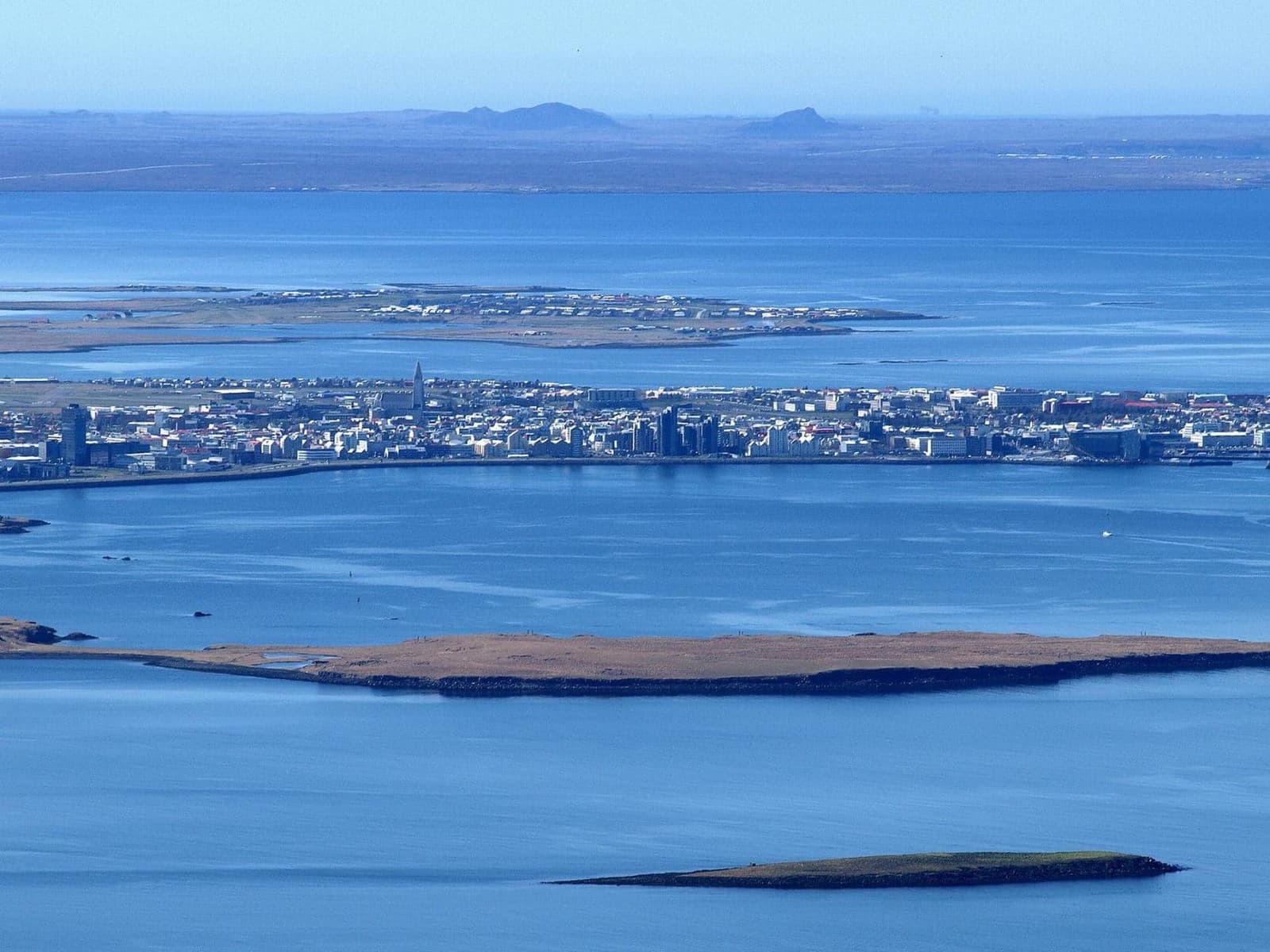
For a nature-leaning Reykjavík day, Grótta pairs naturally with harbor views, Akurey or Viðey planning, and a slower look at the Reykjavík region. Keep ferry-based or wildlife-focused ideas flexible, because weather and access can change the value quickly.
Use Grótta after a central landmark when you want the day to open out toward the sea.
Use it before dinner or an evening plan only if tide, weather, and darkness leave enough margin.
Compare it with Viðey or Lundey when your real goal is birdlife or an offshore Reykjavík feeling.
Keep it optional inside a 5-day Iceland itinerary, especially before longer route days.
When should you check official details before going?
Check before any visit that depends on walking out, lingering after dark, birdwatching, aurora attempts, winter footing, or a tight onward plan.
The stable advice is simple: Grótta is most useful when your plan can adapt. Tide, protected-area rules, weather, surf, darkness, and bird nesting sensitivity all matter more than squeezing one more Reykjavík photo into the day.
Use for cloud, forecast, and aurora planning before making an evening attempt.
Grótta FAQ
These are the practical questions that usually decide whether Grótta deserves a place in a Reykjavík plan.
Can you walk to Grótta lighthouse?
Only plan on it when official tide and protected-area guidance make it sensible. If the tide, birds, weather, darkness, or signs say no, enjoy the lighthouse from the Seltjarnarnes shoreline.
Is Grótta good for northern lights?
It can be useful because it is darker and more open than central Reykjavík, but it is never a guarantee. Check weather, cloud cover, aurora guidance, tide, footing, and your return plan before going after dark.
How long do you need at Grótta?
Most travelers need about 30-90 minutes, depending on whether they are stopping for a view, walking the shoreline, photographing light, or waiting for conditions to improve.
Should Grótta be a first Reykjavík stop?
Usually not if your city time is very limited. Start with stronger central landmarks such as Hallgrímskirkja or Perlan, then use Grótta when you want a quieter coastal edge.