Veiðivötn is a remote Highlands lake and crater area north of Landmannalaugar, best for capable self-drivers deciding whether the volcanic scenery and fishing context justify a demanding detour.
Access reality
Type
Remote Highlands lake and crater-lake area
Region
Icelandic Highlands, north of the Landmannalaugar and Fjallabak area
Route fit
Best as a dedicated Highlands detour, not a quick South Coast add-on
Typical time
Half day to full day once highland access is part of the plan
Access character
Rough highland roads, changing conditions, and vehicle suitability decide the visit
In this guide
Veiðivötn is worth the effort when the Highlands are already one of the main reasons for your day
Veiðivötn is worth the effort when the Highlands are already one of the main reasons for your day. The reward is a quiet volcanic lake basin of black sand, moss, clear water, crater forms, and fishing culture; the cost is access uncertainty and a plan that needs real margin.
For most first-time visitors, Veiðivötn is too demanding compared with easier South Coast anchors such as Skógafoss, Reynisfjara, Seljalandsfoss, or Jökulsárlón Glacier Lagoon. For travelers already comparing Fjallabak, Ljótipollur, Frostastaðavatn, Eldgjá, or Langisjór, it can be one of the most distinctive highland lake stops.
Add Veiðivötn when the day is built around highland scenery or fishing and the group is comfortable with rough-road uncertainty. Skip it when the plan is really a classic South Coast road trip with one ambitious detour added for drama.
Veiðivötn: the place feels less like one lake and more like a scattered volcanic water system
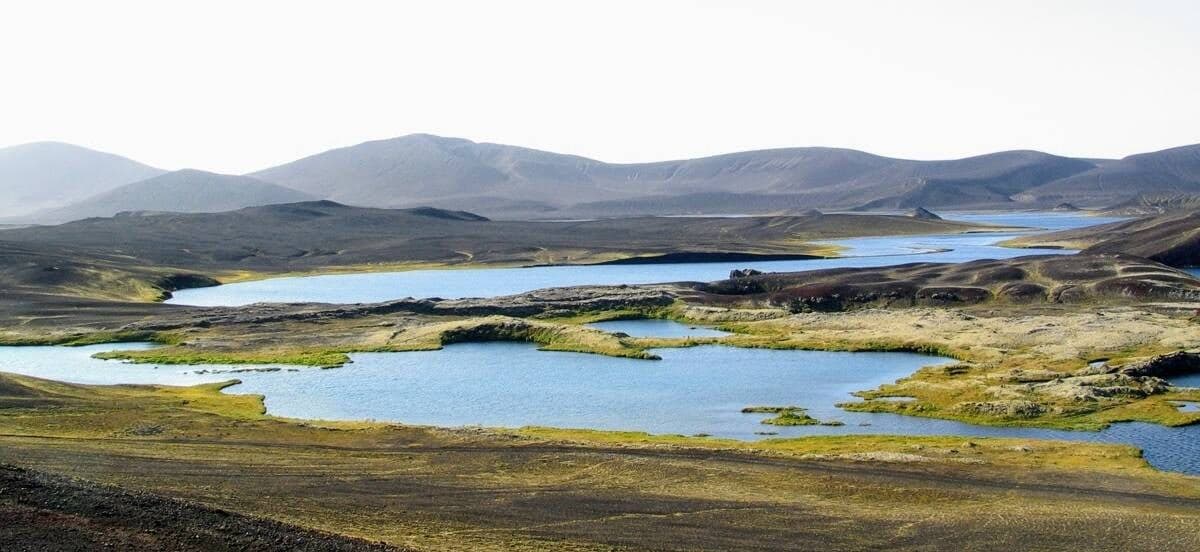
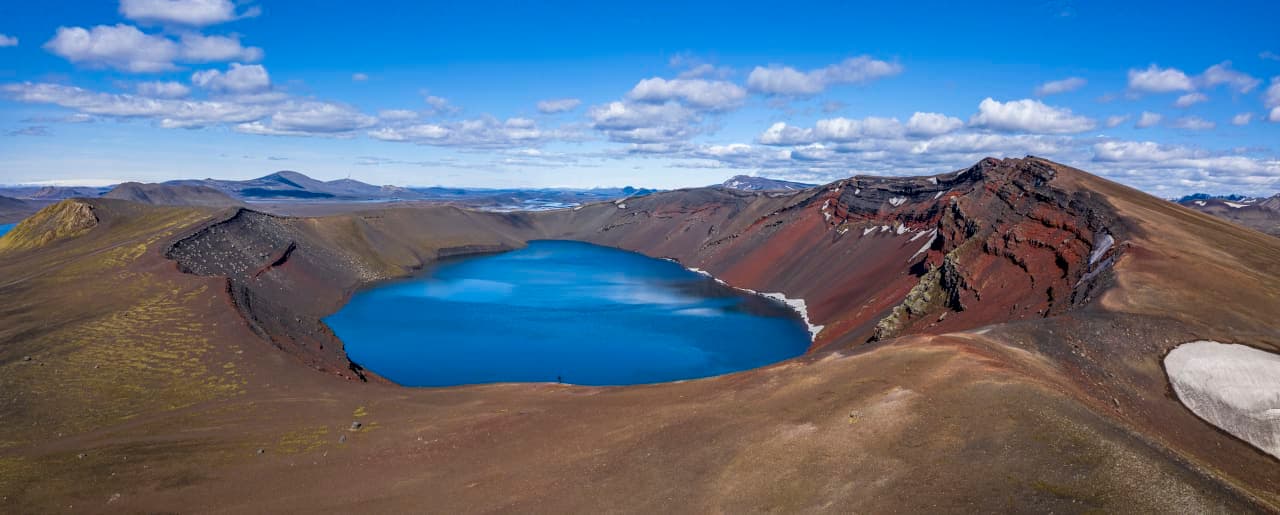
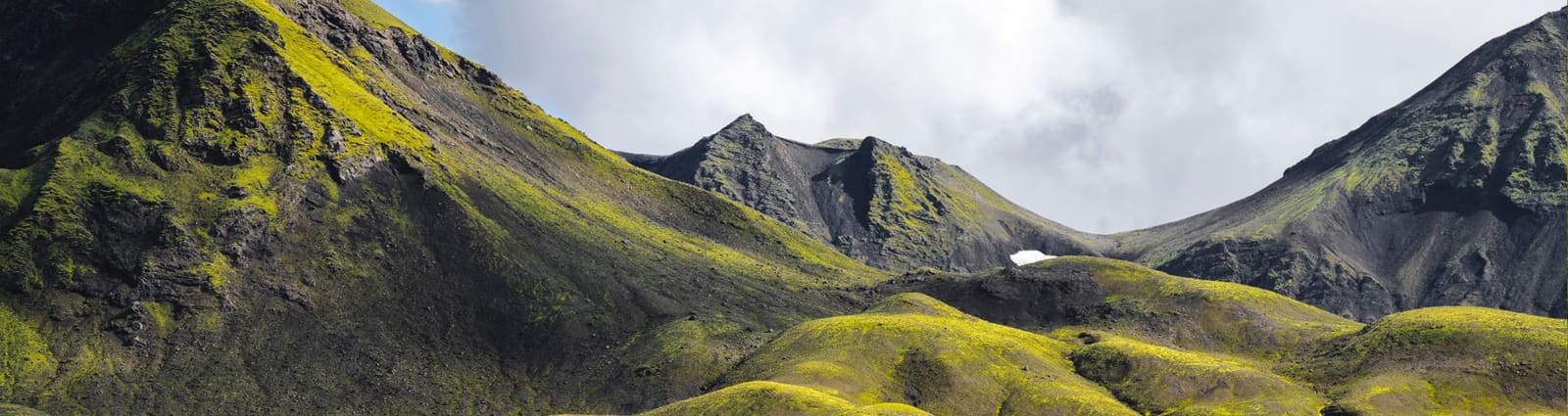
The place feels less like one lake and more like a scattered volcanic water system. Blue pools and longer lakes sit between dark ridges, mossy patches, black sand, low craters, and pale highland sky.
The appeal is contrast. Clear water catches the light while the surrounding ground stays dark, dry, and rough. In calm weather the area can feel almost still; in wind or poor visibility it can feel exposed, empty, and much farther from lowland Iceland than the map suggests.
Veiðivötn is a landscape cluster, so the setting matters as much as any single viewpoint.
This is also why Veiðivötn pairs better with highland neighbors than with lowland sightseeing. Ljótipollur gives a sharper crater-lake hit, Frostastaðavatn sits closer to the Landmannalaugar approach, and Fjallabak gives the wider protected highland context.
How difficult is access to Veiðivötn?
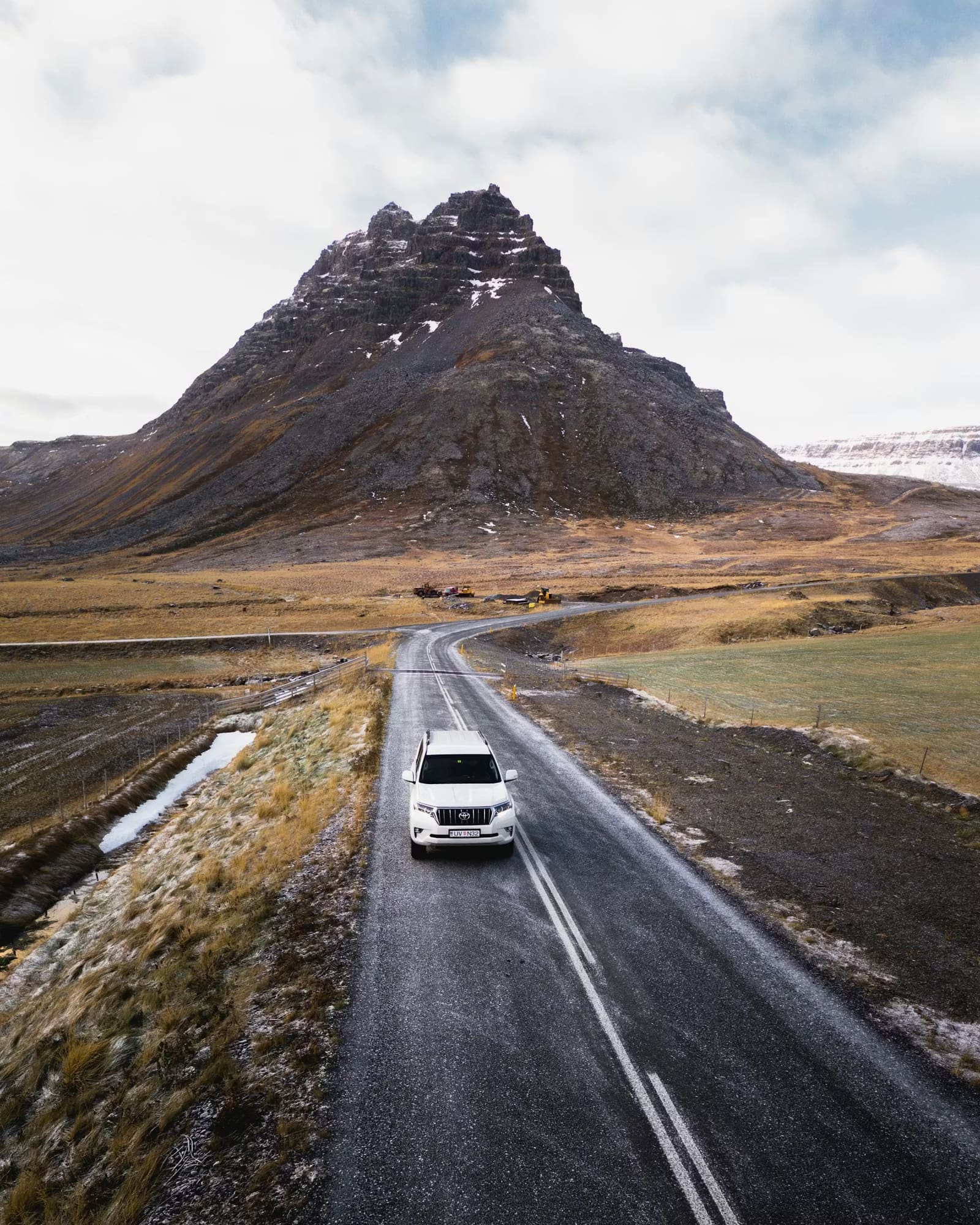
Access is the main planning question. Veiðivötn belongs to the highland-road world, where rough surfaces, river crossings in the wider area, weather changes, rental rules, and group confidence matter more than simple distance.
A good Veiðivötn plan starts before the turnoff. Check official road conditions, weather guidance, SafeTravel highland advice, and the official visitor information for the area. If those checks create doubt, choose a easier stop instead of forcing the detour.
The practical mistake is treating Veiðivötn as a quick scenic pin between bigger names. A better approach is to make it a deliberate Highlands road-trip choice, then leave room to turn back or shorten the day if conditions, visibility, or comfort are not lining up.
Is Veiðivötn mainly for fishing or sightseeing?
Veiðivötn is famous for fishing, but non-anglers can still value it as a landscape stop if the access effort already fits the trip. The key is being honest about why you are going.
Anglers should treat official visitor details and permit information as part of the planning, because fishing rules and operating details are not something to infer from old travel articles. Sightseers should focus on the volcanic lake texture, quiet scale, and nearby highland pairings rather than trying to turn the area into a rushed photo stop.
The quieter lake views are a real reason to go, even when fishing is not the focus.
If the whole group is not interested in either fishing culture or remote highland scenery, Veiðivötn is probably the wrong choice. Eldgjá, Lakagígar, Breiðbakur, or Langisjór may give a clearer objective depending on the route and the weather.
Give Veiðivötn more time than a normal attraction stop
Give Veiðivötn more time than a normal attraction stop. The visit itself can be simple, but the approach, road checks, slow driving, photo stops, and fallback margin make it a half-day to full-day decision.
Choose the Veiðivötn version that matches your route margin.
Plan
Best use
Main tradeoff
Landscape stop
A focused look at the lake basin when access and weather are favorable
Still too much effort for a tight lowland day
Highlands lake day
Veiðivötn plus nearby crater-lake or Fjallabak context
Requires trimming easier South Coast stops
Fishing-led day
A slower plan built around official visitor details and lake choice
Less useful for travelers who only want sightseeing
The middle option is the strongest for many self-drivers: make the highland lake landscape the point, keep the day flexible, and avoid stacking too many remote names into one route.
Pair Veiðivötn with places that share its highland logic
Pair Veiðivötn with places that share its highland logic. It fits best with Ljótipollur, Frostastaðavatn, Fjallabak, Eldgjá, Lakagígar, Langisjór, or Breiðbakur when the route is already built for slow, condition-dependent travel.
Do not use the area as a casual extension after a full South Coast day. Veiðivötn works better when the plan has been shaped around the Highlands from the start, with a clear fallback if weather or road checks narrow the day.
If you are choosing between nearby lake stops, Ljótipollur is a more compact crater-lake decision, Frostastaðavatn is easier to understand in a Landmannalaugar approach, and Veiðivötn is the broader, quieter lake system with stronger fishing identity.
For a wider South Iceland plan, compare this detour against a Highlands road-trip plan before adding it to a South Coast road trip. That comparison is often more useful than asking whether Veiðivötn is beautiful; the real question is whether it strengthens the whole day.
Veiðivötn: keep the final decision close to travel
Keep the final decision close to travel. Veiðivötn depends on highland access, weather, vehicle suitability, and visitor details that should be verified through official sources rather than assumed from a saved itinerary.
Check official road conditions before treating the highland approach as usable.
Check official weather guidance, especially wind, visibility, and highland forecast context.
Check SafeTravel highland driving advice if river crossings, rough roads, or vehicle choice are unfamiliar.
Check official visitor information if fishing, accommodation, camping, or area rules affect the plan.
Stay on marked roads and routes; fragile highland surfaces recover slowly from off-road driving or shortcut walking.
Forecast and weather-warning context for remote highland travel.
Is Veiðivötn worth visiting if I do not fish?
Yes, if remote highland lake scenery is already part of your plan. If you only want an easy viewpoint, choose a easier crater lake or South Coast stop instead.
Can I add Veiðivötn to a normal South Coast day?
Usually no. It is better treated as a dedicated Highlands detour because road, weather, daylight, and vehicle checks can reshape the day.
What kind of vehicle do I need for Veiðivötn?
Use official road guidance and your rental terms to decide. The area belongs to highland-road travel, so do not assume a normal rental car or casual gravel-road comfort is enough.
What should I pair with Veiðivötn?
Pair it with nearby highland places such as Ljótipollur, Frostastaðavatn, Fjallabak, Eldgjá, Lakagígar, Langisjór, or Breiðbakur when access and time support a slower day.