Is Frostastaðavatn worth stopping for?

Yes, Frostastaðavatn is worth a stop when you are already building a Landmannalaugar or Fjallabak day. It is much weaker as a forced detour from a tight South Coast schedule.

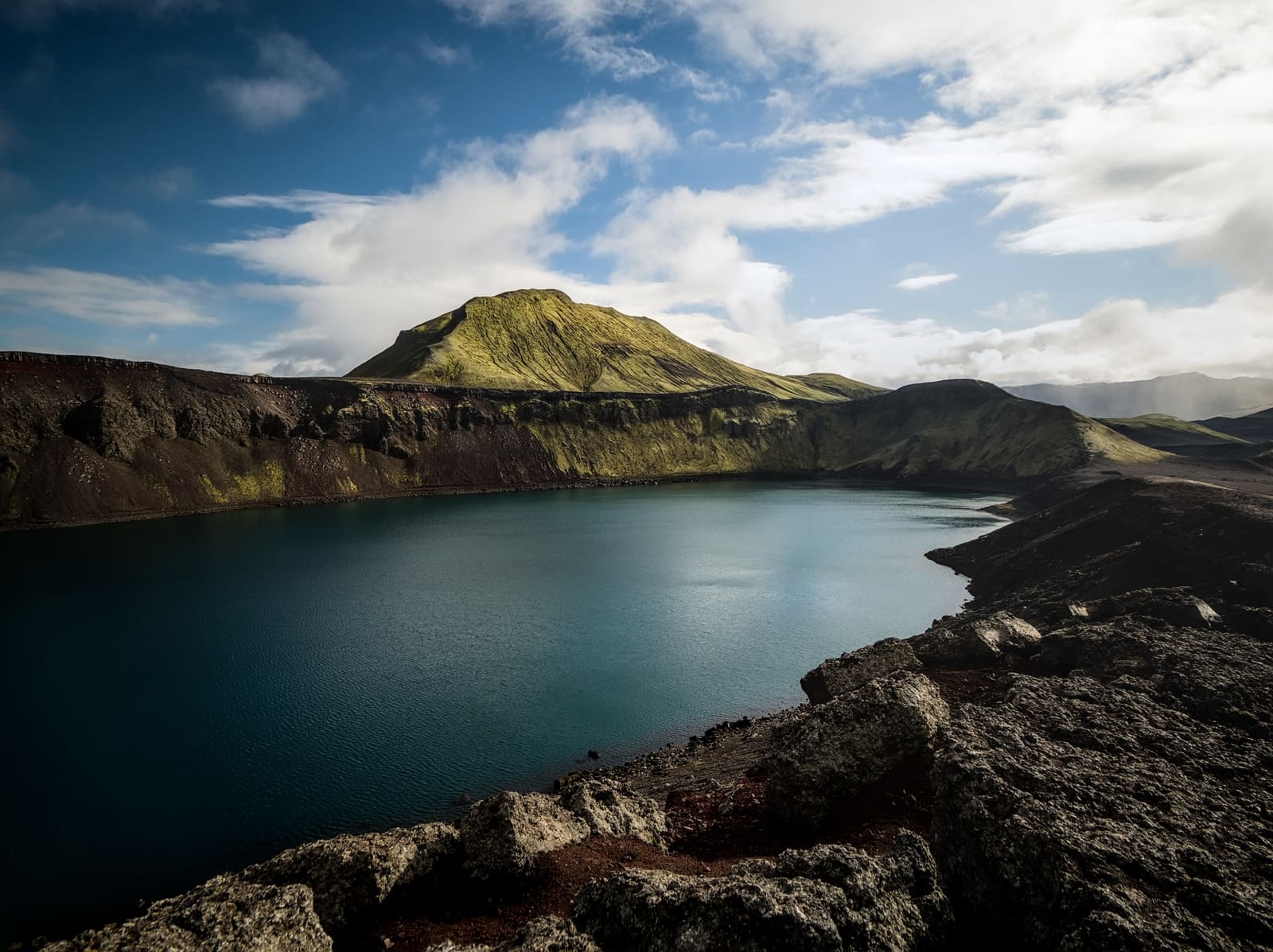
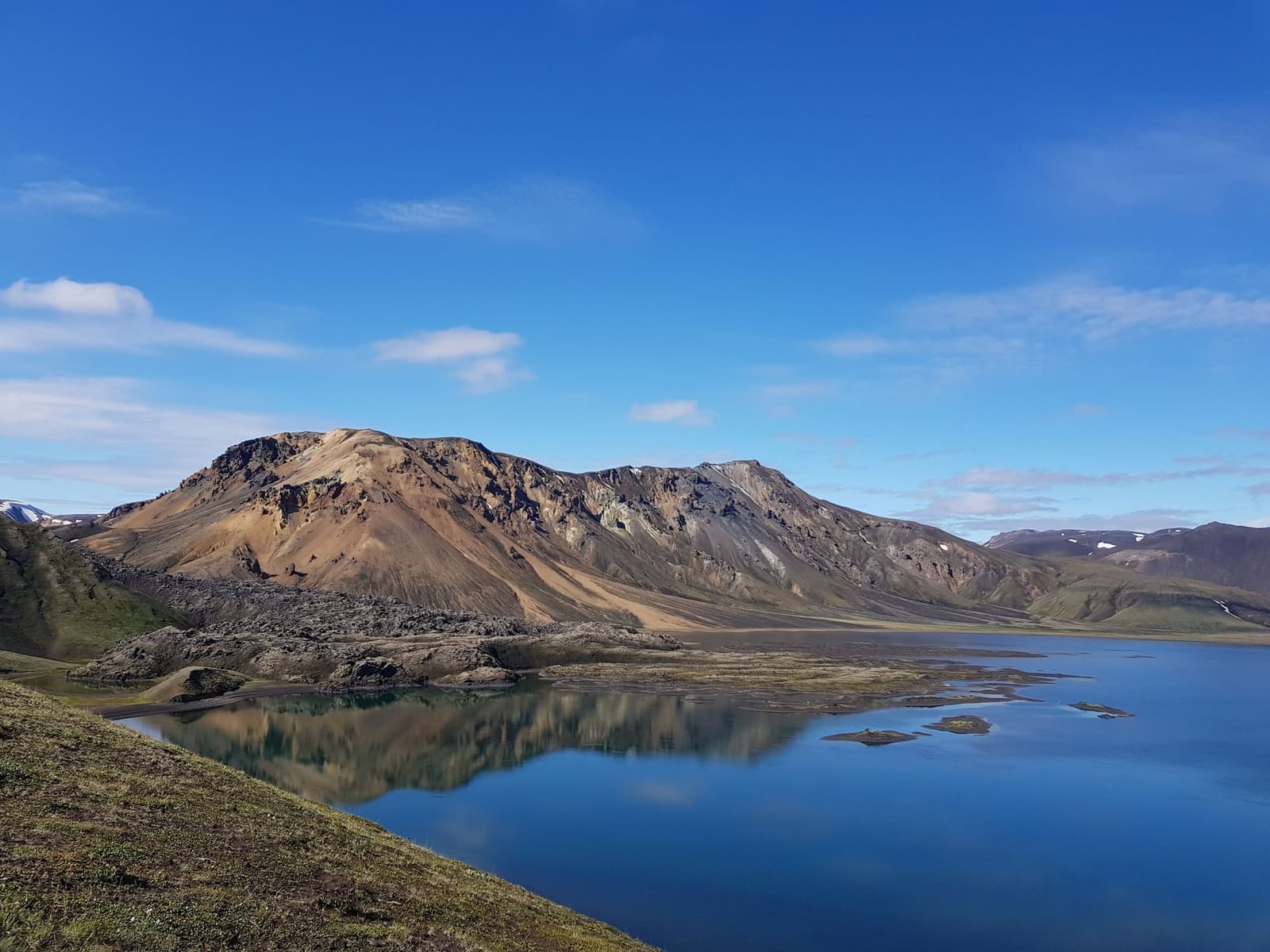
The lake is not a big developed attraction. Its value is the moment when blue-green water, dark lava, pale rhyolite slopes, and rough Highlands roads all line up into a clear sense of place. If you want a quick scenic pause before choosing a hike, crater lake, or Landmannalaugar stop, Frostastaðavatn can be exactly enough.

The local editorial call is simple: add Frostastaðavatn when Fjallabak is already the point of the day. Skip it when the vehicle, weather, road conditions, or daylight would turn a small lake stop into the reason the rest of the route feels rushed.

Worth the stop?

When this stop makes sense

Good match for

  • self-drivers already planning a Highlands day
  • travelers visiting Landmannalaugar or Fjallabak
  • photographers who want lake, lava, and rhyolite color
  • visitors who like short scenic pauses more than built attractions

Think twice if

  • travelers without a Highlands-suitable vehicle or guided access
  • tight South Coast days with no F-road margin

Pair it with

HighlandsLandmannalaugarLjótipollurFjallabak

What the lake feels like from the road

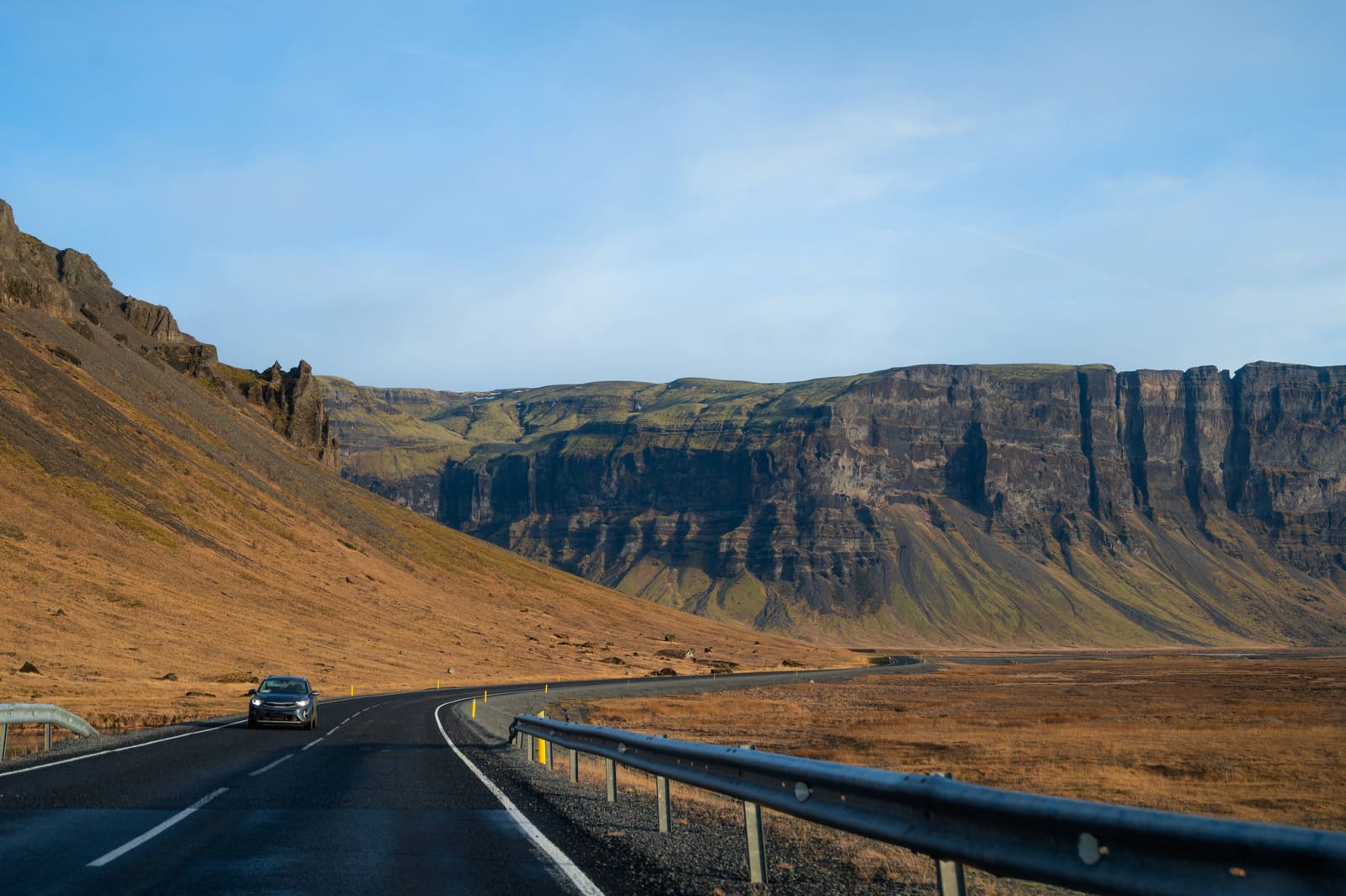
Frostastaðavatn feels like a short pause inside a much larger Highlands landscape, not a place where the visit is scripted for you.

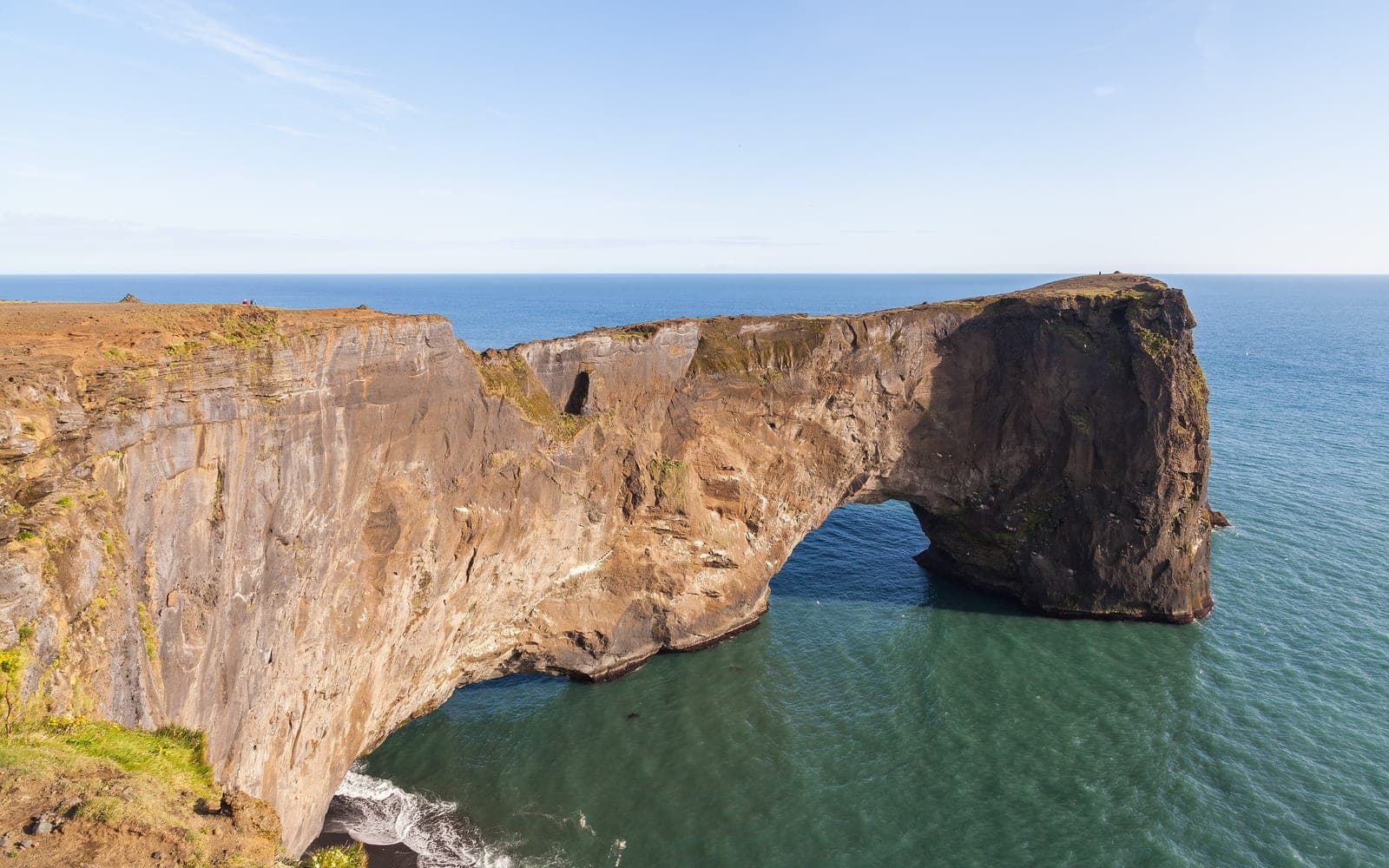
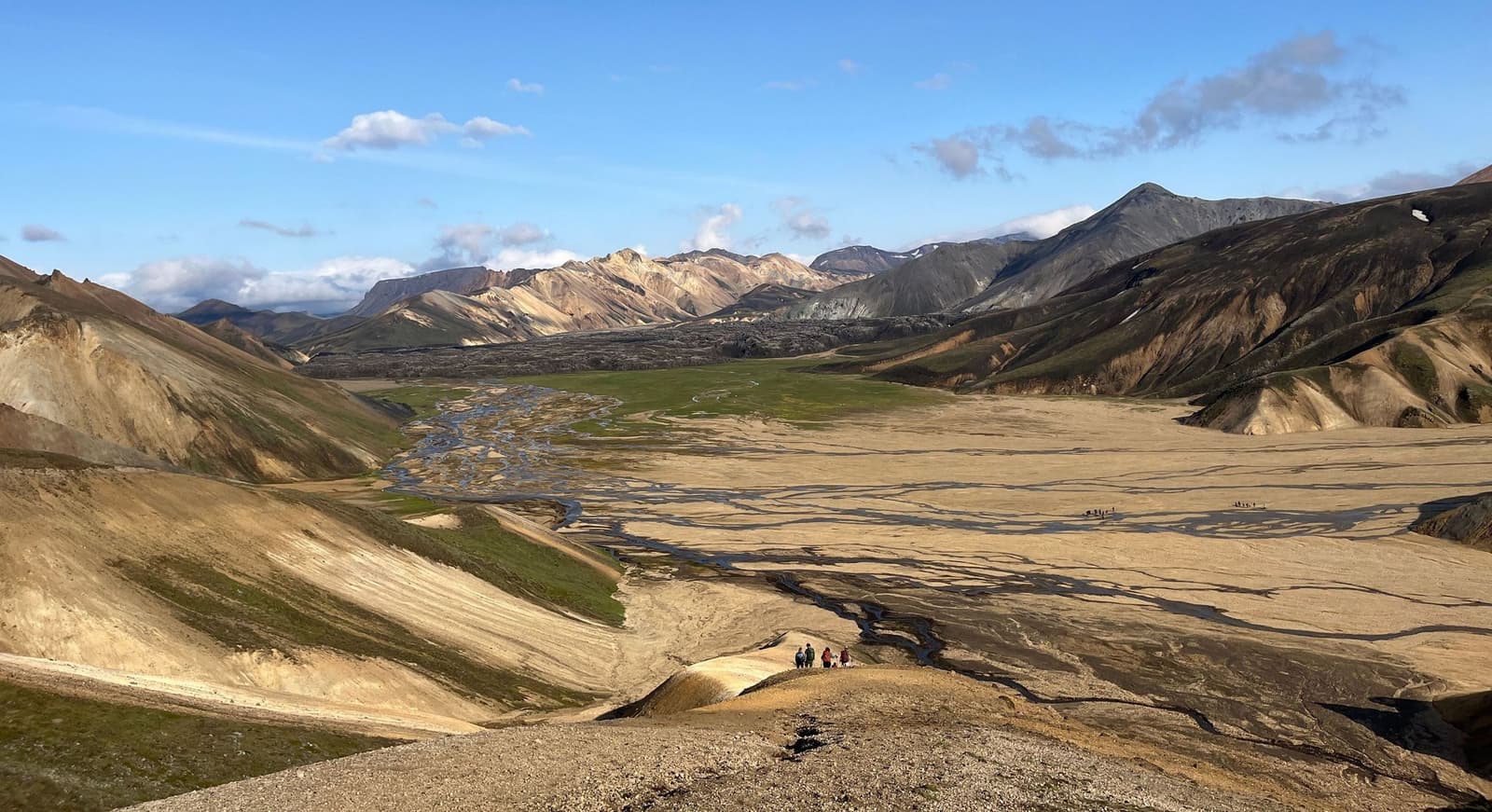
The first impression is usually color and contrast: water below the road, rough lava near the shore, and the Landmannalaugar hills rising close enough that the lake feels tied to the whole Fjallabak basin. In calm light it can look polished and still; in wind or flat cloud it becomes more severe and practical.

Frostastaðavatn works best when the lake view, lava, and surrounding Highlands weather make the short stop feel distinct.

That changing mood is part of the appeal. Frostastaðavatn is often the stop where travelers decide whether to keep the day light, continue toward Landmannalaugar, or add a nearby place such as Ljótipollur.

Light, lava, and weather decide the payoff

Frostastaðavatn is most rewarding when visibility lets the water, lava, and mountains read as one scene.

Specialist and protected-area sources describe the wider Fjallabak landscape as a mix of lakes, lava, rhyolite mountains, geothermal influence, and fragile highland ground. At Frostastaðavatn, that combination is compressed into a small stop: the lake gives the color, the lava gives the edge, and the road reminds you that this is still the interior.

Do not build the day around one perfect photo expectation. Wind, low cloud, dust, rain, and lingering snow can all change the view. A flexible plan lets the lake be a quick win in good conditions and an easy pass when the Highlands are not giving you much back.

How it fits Landmannalaugar and Fjallabak

Frostastaðavatn makes the most sense as part of the Landmannalaugar and Fjallabak cluster, where several small landscape decisions sit close together.

Landmannalaugar is the bigger destination nearby, while Fjallabak is the wider protected landscape that explains the rougher roads, fragile ground, and volcanic color. Frostastaðavatn is a smaller stop between those ideas: close enough to add texture, but not strong enough to replace the main destination.

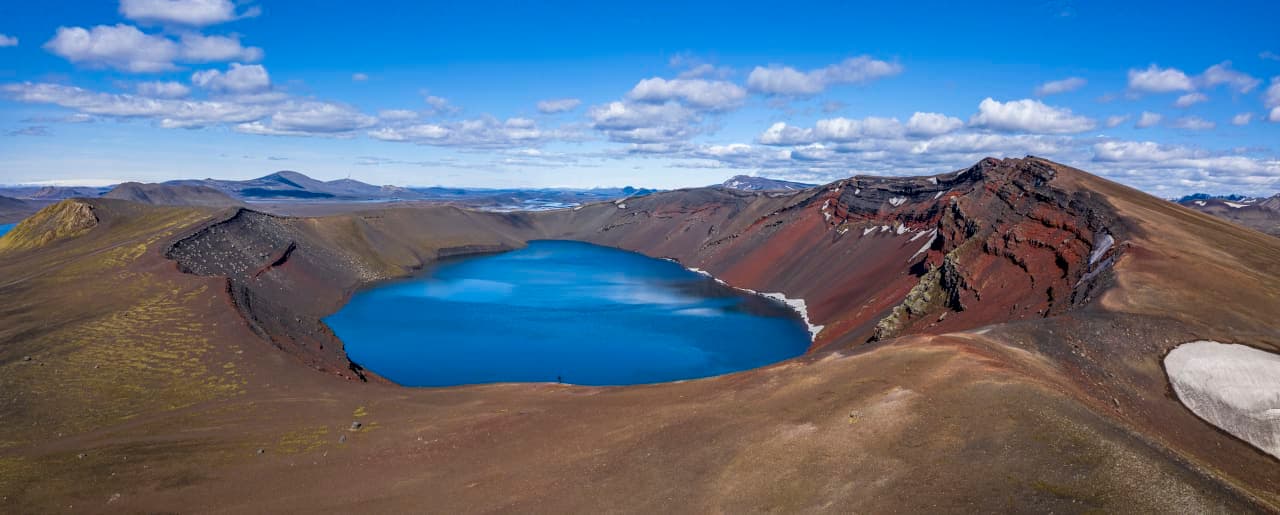
If the day has room, pair the lake with Ljótipollur for a sharper crater-lake contrast or with Dómadalur when the approach itself is part of the plan. If you are hiking, Bláhnjúkur and Brennisteinsalda are more active choices, so the lake can work as the easier visual pause before or after trail time.

Time, effort, and access reality

Most travelers should think in minutes at the lake, then spend more planning energy on the route that gets them there.

For a simple stop, allow roughly 20 to 45 minutes. That is enough for the view, photos, and a short look around if conditions are sensible. Add more time only when the lake becomes part of a walking plan or a slower Fjallabak day.

This is where a Highlands stop differs from a normal roadside viewpoint. The attraction may look simple on a map, but the practical question is whether your vehicle, route, weather window, and group ability fit the day.

Nearby stops that make the lake stronger

Frostastaðavatn becomes more useful when it helps you choose a realistic cluster, not when it is added as one more pin.

  • Landmannalaugar is the bigger destination if you want the classic rhyolite mountain, lava, and hiking base experience.
  • Ljótipollur gives the nearby crater-lake contrast and usually feels like a stronger standalone photo target.
  • Fjallabak helps frame the lake as part of a protected highland landscape rather than a lone scenic stop.
  • Dómadalur can make sense when the approach from the west is part of the travel experience.
  • Bláhnjúkur and Brennisteinsalda are better choices when the day is really about hiking and elevated views.

For broader planning, compare the Highlands with South Iceland and the South Coast Road Trip before adding too much. A strong day in this area is usually one that leaves space for weather, road checks, and a clear turn-around decision.

Official checks before you commit

Use official sources close to your travel date because Highlands access, weather, and visitor management can change the practical value of the stop.

Nattúra and Umhverfisstofnun are the key protected-area sources for Fjallabak and Landmannalaugar context. Use them with Umferðin for road conditions, SafeTravel for travel-condition guidance, and the Icelandic Met Office for weather before treating Frostastaðavatn as fixed in the day.

Summer daytime parking reservations or service fees can apply around Landmannalaugar, and rough-road rules can affect how you approach the area. Verify official visitor details before building the lake into a tight self-drive plan.

Official visitor and travel checks

Frostastaðavatn FAQ

These questions matter because the lake is simple on arrival but conditional as a route decision.

How long should I spend at Frostastaðavatn?

Most travelers should allow about 20 to 45 minutes at Frostastaðavatn. Use the shorter end for a view-and-photo pause and the longer end when the lake is part of a slower Fjallabak day.

Is Frostastaðavatn a good first Highlands stop?

It can be a good first Highlands stop if you are already heading toward Landmannalaugar. It is not the best choice if you need a simple paved-road attraction with predictable logistics.

Can I pair Frostastaðavatn with Ljótipollur?

Yes, Frostastaðavatn and Ljótipollur pair well when road and weather conditions suit the area. Ljótipollur usually gives the stronger crater-lake contrast, while Frostastaðavatn adds the broader lake-and-lava pause.

What should I check before driving to Frostastaðavatn?

Check official road conditions, weather, SafeTravel guidance, and protected-area visitor details before driving. The route decision matters more here than the short time needed at the lake itself.