Decision summary
- Daylight in Reykjavík
- About 8 hours on November 1; just over 5 by November 30.
- Weather
- Prepare for rain, wind, frost and snow; snow cover is not guaranteed.
- Good starting point
- Reykjavík, with a few flexible lowland trips.
Travel guide
November is a good choice for a flexible Iceland trip with dark aurora evenings, city time and a few well-chosen outdoor stops. Expect short daylight and possible snow, ice, rain and wind; a compact route is easier to enjoy than a busy summer itinerary squeezed into winter days.
Decision summary
Yes, if you enjoy a slower trip and can change a plan when the weather asks for it. A waterfall, a good meal and a warm pool can make a full day in November. You do not need to reach every corner of Iceland to have a worthwhile visit.
The trade-off is time outdoors. Early November gives you noticeably more daylight than the end of the month, while either can bring winter conditions. Choose the earlier dates if sightseeing is the priority. Choose later dates because they suit your plans, rather than expecting them to guarantee snow or stronger northern lights. If your dates are flexible, compare Iceland in October before choosing the month.
For a first visit, start with Reykjavík and one nearby region. A city base leaves you places to eat, museums to visit and a bed to return to if an excursion changes. A road trip gives you more time near the landscapes, but each change of hotel adds a journey you may feel obliged to make.
Good to know
In Reykjavík, the time between sunrise and sunset falls by nearly three hours during November. That is enough to change which stops belong in the same day.
| Date | Sunrise | Sunset | Day length |
|---|---|---|---|
| November 1 | 09:10 | 17:10 | 8 hours |
| November 15 | 09:56 | 16:27 | 6 hours 31 minutes |
| November 30 | 10:43 | 15:49 | 5 hours 6 minutes |
These times are for Reykjavík, not every stop on the island. Twilight adds some light before sunrise and after sunset, but it is not the same as clear daytime visibility. Weather, terrain and the time spent parking, eating and walking further reduce the useful sightseeing window.
Put the outdoor stop you care about most near the middle of the day. Leave a museum, meal or short transfer for the darker hours where conditions allow. If the plan only works by racing between viewpoints, remove a stop before booking another hotel.
Prepare for wet weather as carefully as cold weather. Snow is possible, but an entire November trip can also include bare ground, rain, sleet and icy patches.
Visit South Iceland lists a November average temperature of 3°C, with an average high of 5°C and low of −1°C. These regional averages describe climate, not the conditions on your dates. A windy, wet afternoon can be more uncomfortable than the number on a weather app suggests.
Check the Icelandic Met Office forecast for the area you will visit, not just Reykjavík. If wind or road warnings change the day, change the outing too. A monthly average cannot settle that decision.
These are starting points for a November trip, not fixed itineraries. Count usable days after flights, and make the route shorter if the forecast or your driving confidence calls for it.
| Time available | Starting plan | What to leave out |
|---|---|---|
| Three days | Stay in Reykjavík; choose one main excursion and keep another day flexible. | A distant glacier-lagoon trip added to an already full city break. |
| Five days | Combine Reykjavík with a short South Coast stay if roads and transport work. | A new hotel every night or a full Ring Road loop. |
| Seven days | Give the South Coast more time, with a possible farther extension and a return buffer. | Treating every spare hour as another long transfer. |
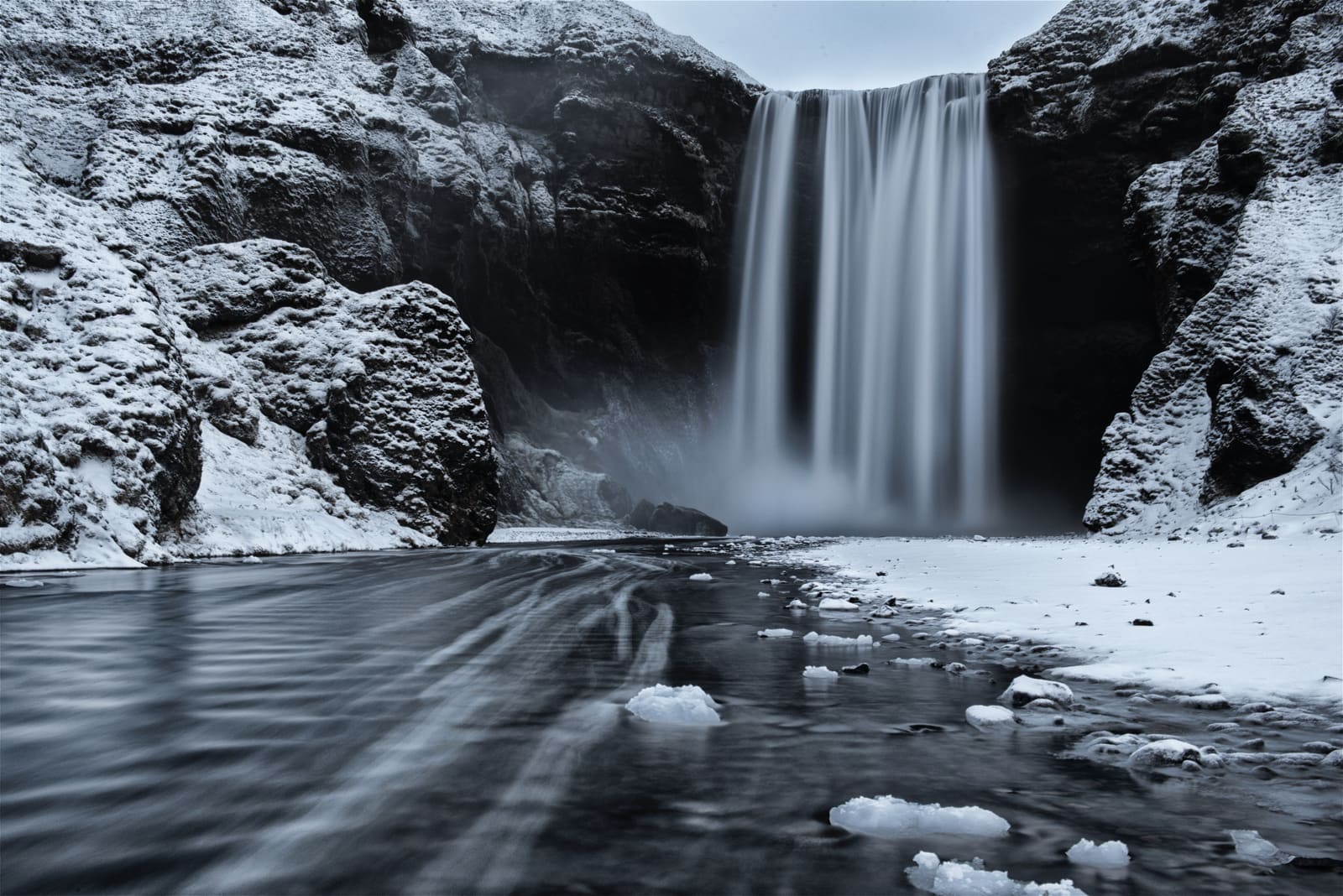
The Golden Circle can be one excursion rather than a list of add-ons. On the South Coast, decide whether the trip is mainly about the waterfalls and Vík area or whether you have enough time to continue farther east. Skógafoss alone deserves time to stop and look; icy paths can limit how you explore.
If Jökulsárlón or an ice-cave trip is the main reason to travel, build your overnight stops around that priority. Do not tack it onto the end of a short Reykjavík holiday. Return toward the airport before the final night rather than relying on a long cross-country drive on flight day.
A November Ring Road trip is a larger undertaking, not automatically impossible. It needs suitable experience, more time and the freedom to wait or change direction. Compare the Ring Road and South Coast before deciding that a full loop is worth the extra driving. Keep ordinary self-drive Highlands trips out of this plan.
Choose who will make the weather and road decisions before choosing a rental car. Enjoying driving at home does not necessarily mean enjoying an unfamiliar icy road after dark.
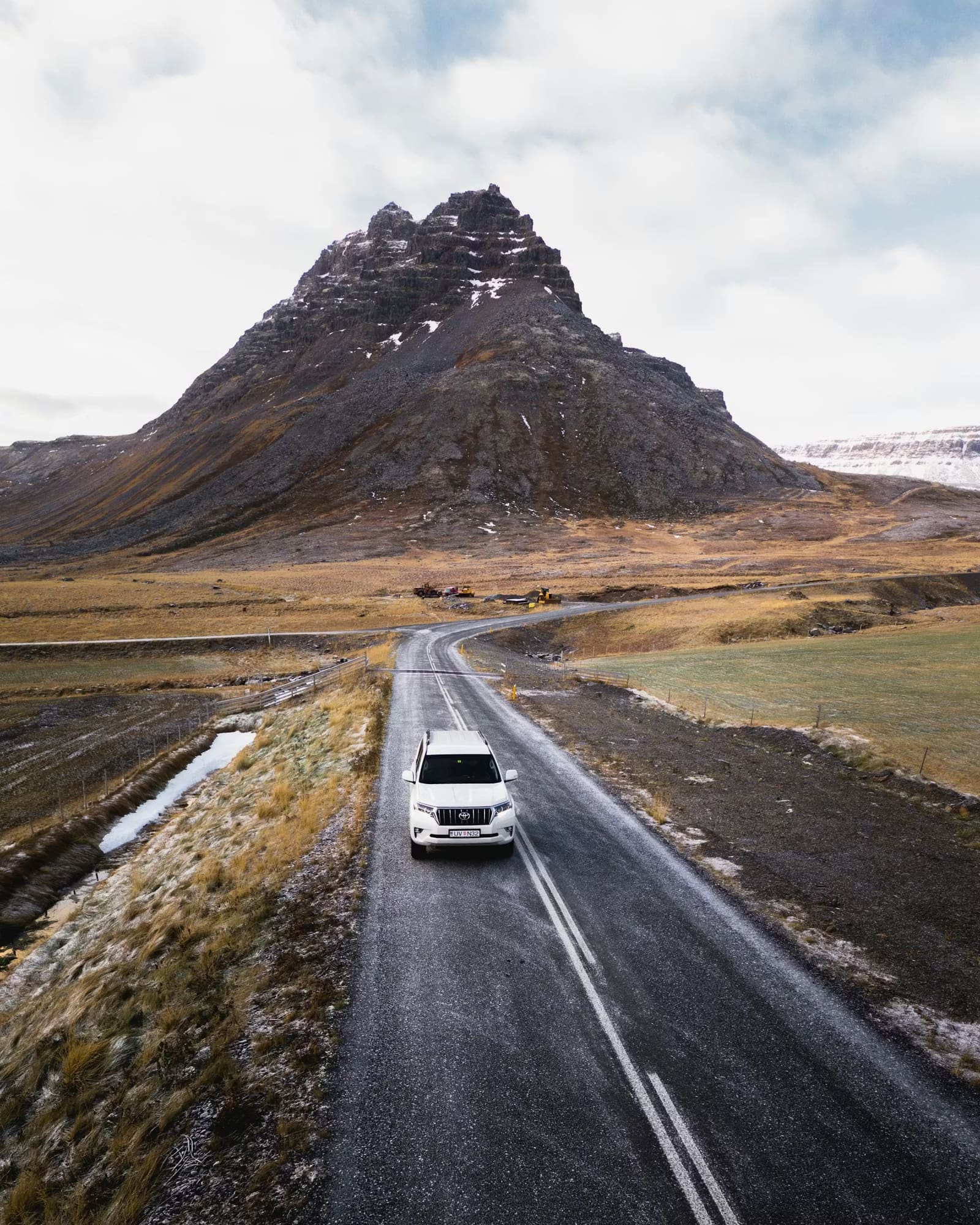
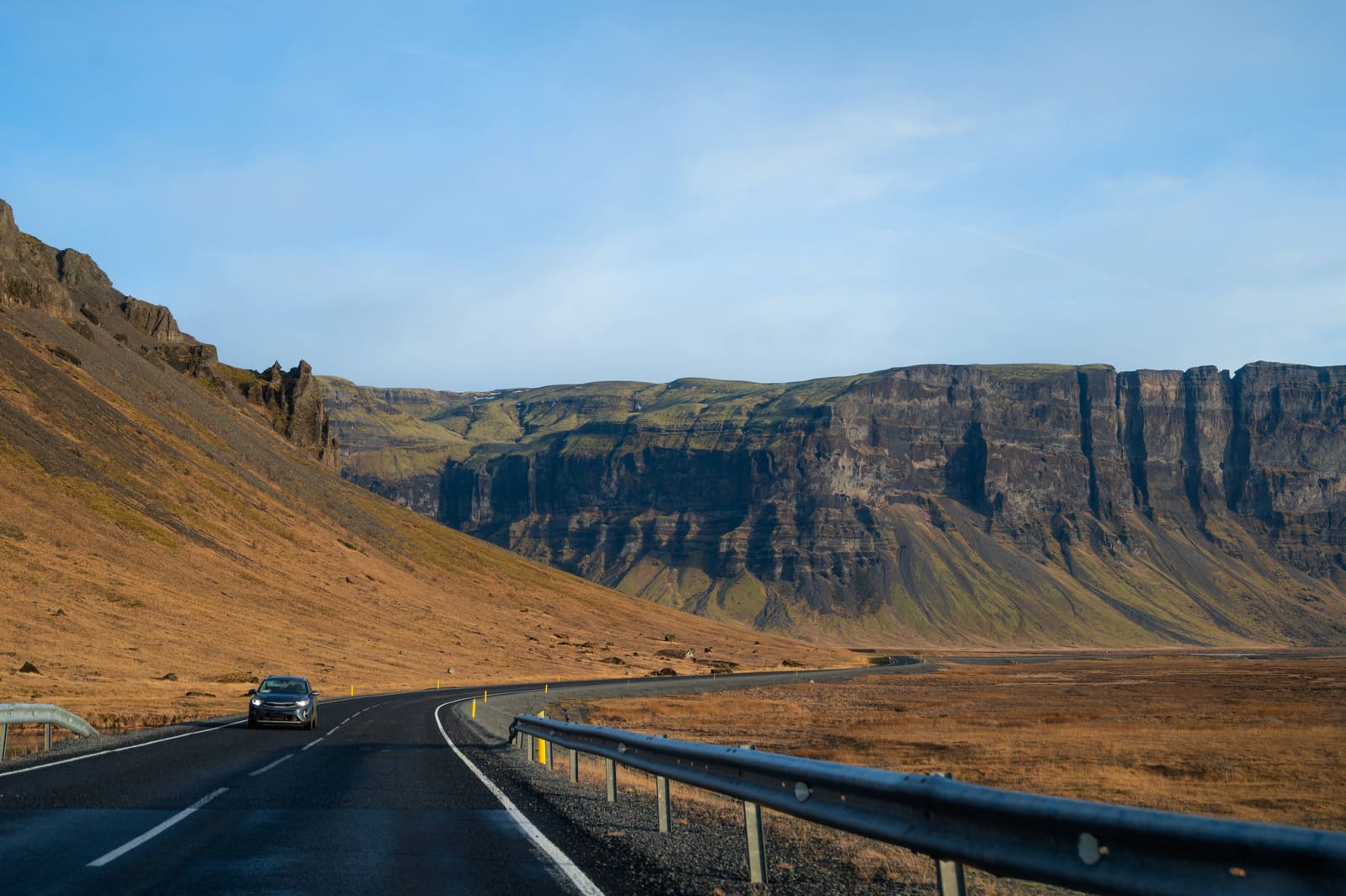
Self-driving gives you control over stops and time, but you need to accept the possibility of cancelling a drive. Read the winter-driving guide, check road conditions on Umferðin and use the local weather forecast each day. A four-wheel-drive vehicle does not remove the need to stop or turn back.
A Reykjavík stay with guided excursions is a practical alternative when nobody wants that responsibility. Check the pickup location, return arrangements and cancellation terms for each outing. Guided trips can also change or cancel in bad weather, so keep a city plan you would actually enjoy.
November has the darkness needed for northern-lights viewing. Whether you see a display still depends on auroral activity and a break in the clouds.
Use the Met Office aurora forecast to look at both cloud cover and activity. A high activity number under solid cloud is not a reason to drive a long way. Start with a suitable place near your base when conditions allow, and stop only where parking is safe and permitted.
Several nights give you more opportunities to try, but they do not guarantee a sighting. Choose a trip you will enjoy even if every evening is cloudy. The northern-lights guide explains viewing choices in more detail.
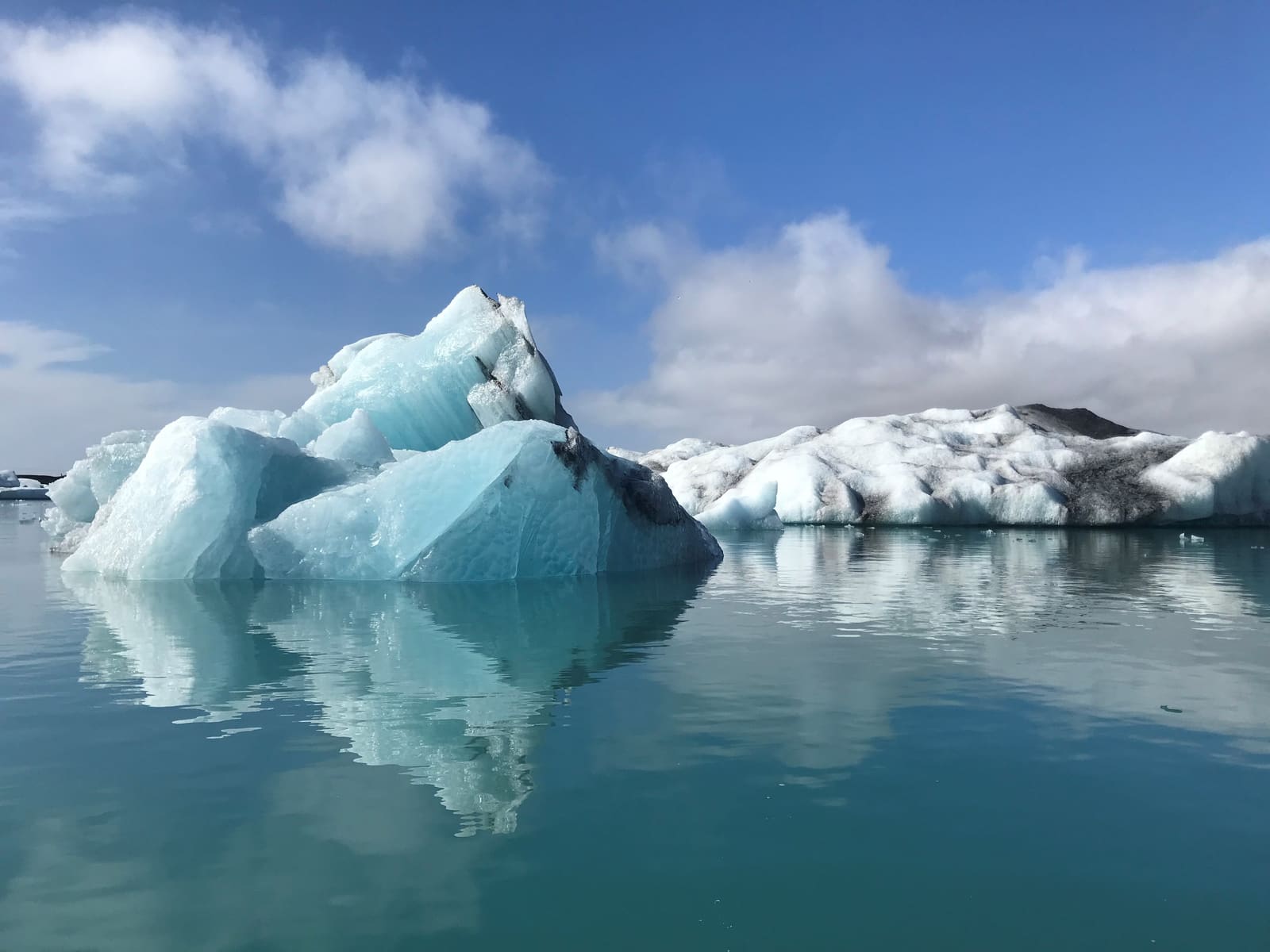
A guided ice-cave or glacier outing can be the main outdoor experience of the trip. It needs more planning than a roadside stop, especially when the meeting point is far from Reykjavík.
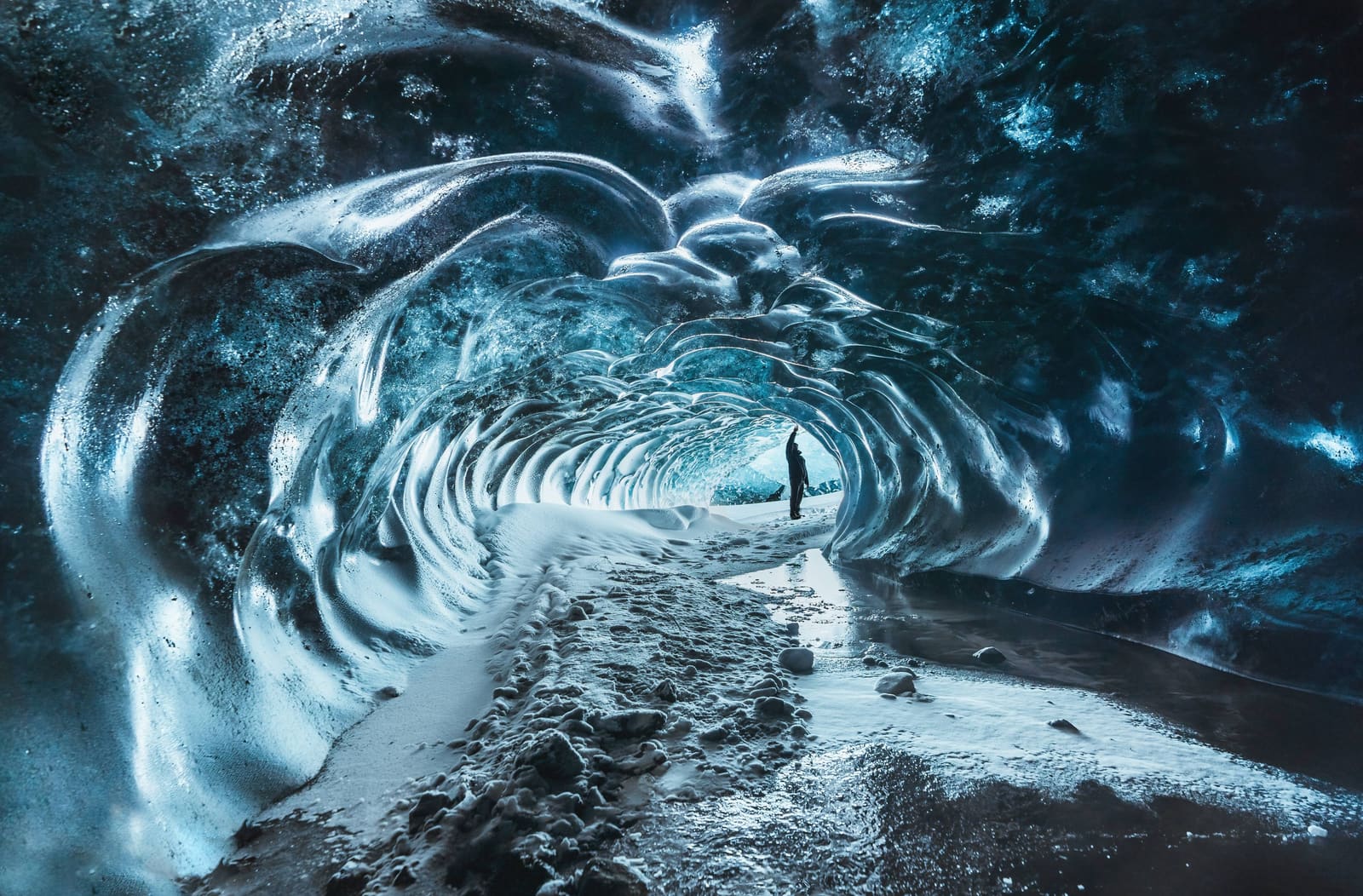
Natural caves change with the glacier and the weather. An old photograph does not show which cave will be used this winter, and a November date does not prove a particular cave is open. Confirm the meeting point, access, walking requirements, equipment and current operating decision with the organiser.
Go with a trained glacier guide and the required safety equipment; do not enter a natural ice cave independently. Our ice-cave guide separates natural caves from constructed glacier tunnels. Choose the experience you want first, then arrange accommodation that lets you reach the meeting point without a rushed drive.
If you want a cave visit closer to Reykjavík, consider a guided lava-tunnel visit at Raufarhólshellir. This is a rock cave, not a glacier or a blue ice cave. Check the operator's departure and access details for your dates.
Keep some of the trip close to your accommodation. A pool, an exhibition and a good meal are useful choices in their own right, as well as alternatives to a cancelled drive.
Choose between a public swimming pool and a geothermal lagoon by the experience you want. Check opening hours and transport before you go. Outdoor bathing still depends on the venue operating and on being able to reach it; it is not an answer to every weather warning.
For an indoor visit, the Settlement Exhibition offers Reykjavík history around the remains of a Viking Age longhouse. The museum guide helps you choose a different subject if history is not your first choice. Check the day's opening hours before leaving a visit until late afternoon.
In 2026, Iceland Airwaves runs November 5–7. If live music is part of the reason you are coming, put those evenings into the plan before booking excursions. Use our Iceland Airwaves guide for festival planning and the organiser for current programme and ticket details. Do not assume later November dates include the same events or an already-open Christmas market.
Compare the whole trip for your actual dates. A cheaper room far from the next day's plan may add a drive you would rather avoid.
November is not a promise of low prices. Compare dated quotes for the accommodation, transport and activities you would actually use. Keep enough flexibility that a change of weather leads to a different good day, rather than a chain of missed bookings.
Early November gives you more daylight for sightseeing. In Reykjavík, November 1, 2026 has about eight hours between sunrise and sunset, compared with just over five on November 30. Either period can bring winter conditions.
Snow is possible, but continuous snow cover is not guaranteed. Prepare for rain, sleet, frost and icy surfaces as well as snow, and check the forecast for the places you will visit.
Yes. A Reykjavík base with selected guided excursions is a practical option. Check pickup and return arrangements, and keep a city alternative because excursions can change or cancel with the weather.
Five days can work for Reykjavík and a limited regional trip. Choose a small number of priorities and account for flight times. It is too short for the relaxed, flexible Ring Road trip we would recommend to a first-time November visitor.
No. A natural cave's availability depends on current conditions and the organiser's assessment. Confirm your specific trip with the organiser, and visit with a trained glacier guide and appropriate equipment.
By ThorPublished
Regional climate and packing context, not a forecast for your dates.
Timeanddate's sunrise, sunset and twilight calculations for the city and year used in the table.
Driving conditions and practical precautions from Iceland's safety service.
Check the roads you intend to use, including closures and notifications.
Read the forecast for the area you will visit.
Read cloud cover alongside auroral activity.
Road-authority information for the Highlands and seasonal access.
Background on cave conditions and guiding; confirm present access with the organiser.
The organiser's programme for November 5–7, 2026.
Destination context
Use region guides to apply this advice to the bases, distances, and conditions of a specific part of Iceland.
Trip structure
Move into a concrete trip shape once the practical question is resolved.
Related guidance
Continue only to a guide that answers a distinct planning question.
Ice caves are worth planning only when you choose the right cave promise: natural winter ice, ash-striped Katla ice, a Langjökull tunnel, or a safer glacier backup. Use season, base, guide need, effort, and flexibility before booking anything.

Iceland Airwaves turns central Reykjavík into a walkable indoor music festival from 5–7 November 2026, with extra events around the main weekend. See how official shows, free off-venue sets and ticketed extras fit together, then plan flexible nights around queues and schedule changes.
Plan the next detail
Match accommodation and transport to the amount of daylight and flexibility your trip needs.