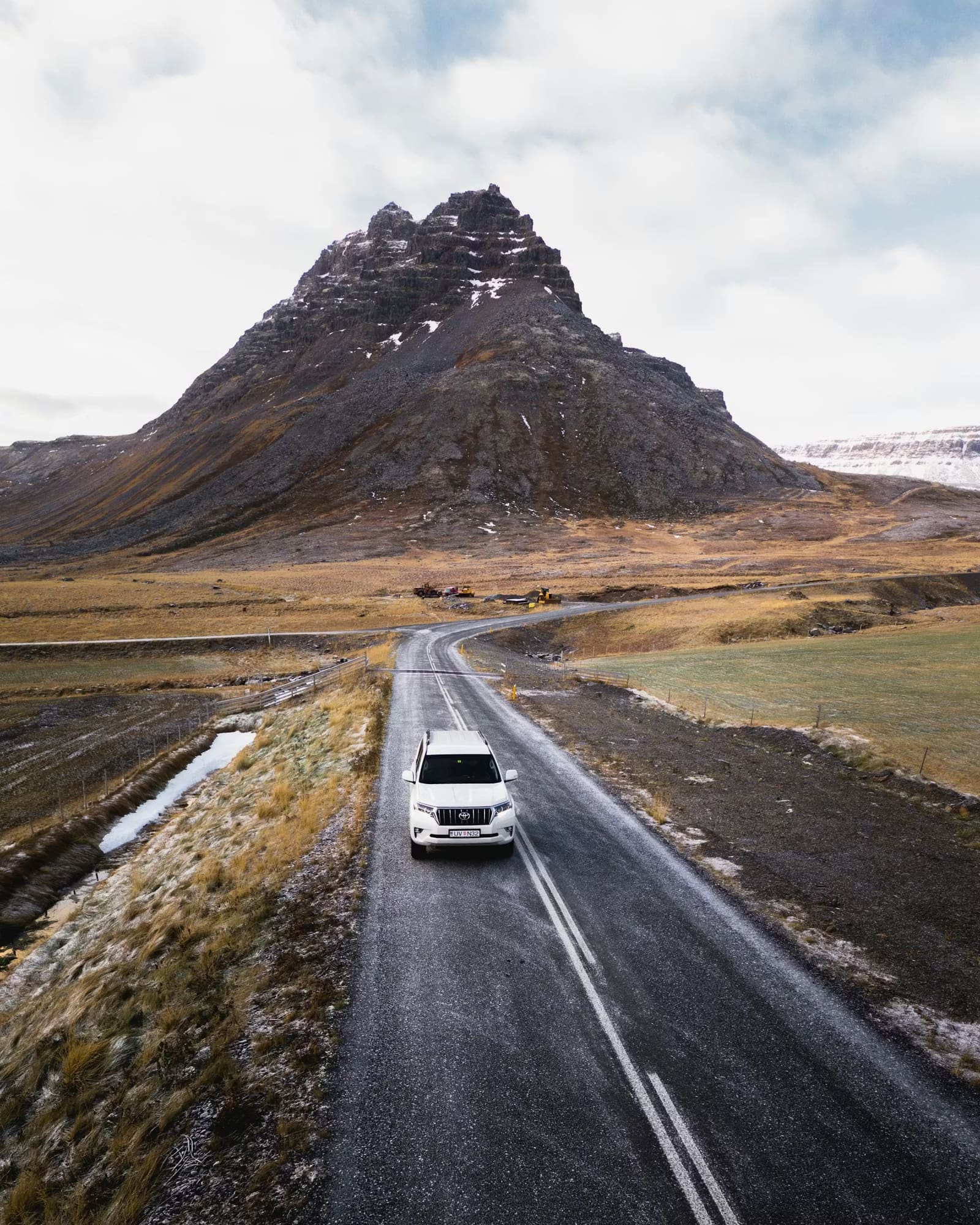
October can be a very good time to visit Iceland if you want a flexible lowland trip, can accept rain, wind, frost or early snow, and will recheck roads and weather each day. It is a poor month for a fixed Highlands plan or a rushed Ring Road loop.
October in one line
A changeable bridge between autumn and winter: plan the lowlands, protect daylight, and keep a bad-weather fallback.
Typical South Iceland temperature
Visit South Iceland lists an October average of 5°C, with an average high of 8°C and low of 2°C; actual days can fall outside that range.
Reykjavík daylight
About 11 hours 20 minutes on October 1, falling to just over 8 hours by October 31 in 2026.
Driving
Main lowland routes may be workable, but wind, frost, snow, poor visibility and closures can change the day.
Decision summary
October in one line
A changeable bridge between autumn and winter: plan the lowlands, protect daylight, and keep a bad-weather fallback.
Typical South Iceland temperature
Visit South Iceland lists an October average of 5°C, with an average high of 8°C and low of 2°C; actual days can fall outside that range.
Reykjavík daylight
About 11 hours 20 minutes on October 1, falling to just over 8 hours by October 31 in 2026.
In this guide
October at a glance
October is useful when you plan it as a shoulder-season trip with winter decision rules, not as a cheaper version of summer.
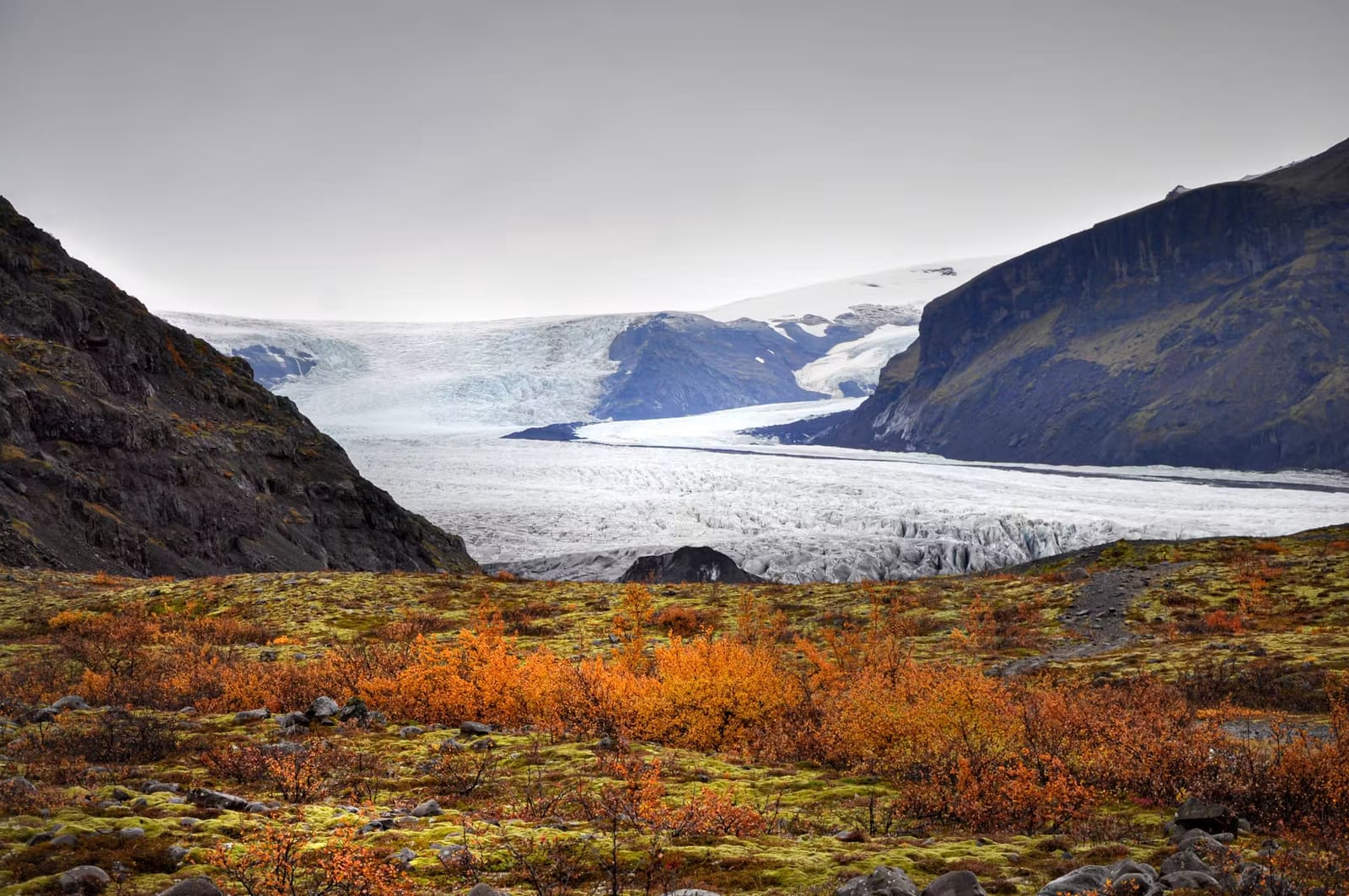
The month gives you genuinely dark evenings, changing autumn color in some lowland areas, and enough daylight for a focused day out. The tradeoff is volatility. A calm morning can become wet or windy, frost can affect roads, and the same route may feel much less forgiving at the end of the month than at the beginning.
The practical October trade
You gain
Dark nights, a quieter shoulder-season rhythm and lowland routes that can still support a strong trip.
You give up
Summer daylight, dependable Highlands access, peak puffin season and the freedom to fill every day with distant stops.
Best response
Choose one route family, leave a flexible day, and check official conditions every morning.
Good to know
Is this right for you?
Useful for
flexible Reykjavík, Golden Circle, South Coast or West Iceland plans
travelers comfortable changing a drive when official conditions deteriorate
autumn scenery and dark evenings without midwinter daylight
three- to seven-day trips with one clear regional focus
Think twice if
a guaranteed northern-lights or snow experience
puffin-focused trips, because the breeding colonies are usually empty
Early October and late October are different trips
The calendar label is the same, but usable daylight and the likelihood of wintry conditions shift enough to change the itinerary.
How the month changes the planning decision
Timing
What may work
What needs more caution
Planning move
Early October
Focused self-drive routes, lowland walks and longer South or West Iceland days may still feel autumnal.
Frost, wind, rain, high ground and seasonal closures can already affect plans.
Use the extra daylight, but keep summer-only roads and services out of the core plan.
Mid October
Reykjavík, Golden Circle, a paced South Coast trip or a West Iceland base can work with daily checks.
Outdoor hours contract quickly and exposed drives need a stronger weather threshold.
Put the longest drive or walk near midday and reserve one swappable day.
Late October
City days, geothermal bathing and compact lowland routes remain good options when conditions cooperate.
Darkness arrives earlier, morning ice is more plausible, and a long loop becomes harder to recover.
Plan with winter-driving discipline and fewer accommodation changes.
This is not a claim that early October is always mild or late October is always snowy. Icelandic weather varies by year and region. The planning difference is that late-month daylight leaves less time to recover from slow roads, poor visibility or a delayed start.
Daylight and weather set the usable day
Build the schedule around daylight first, then reduce it again for the forecast, road state and the time needed to stop safely.
For Reykjavík in 2026, sunrise is at 07:36 and sunset at 18:56 on October 1. By October 15, daylight is just under ten hours, and by October 31 it is a little over eight hours. Those are astronomical times, not a promise of bright driving conditions: heavy cloud, rain and low sun can make the useful window feel shorter.
Visit South Iceland lists an October average temperature of 5°C, with an average high of 8°C and low of 2°C. Treat those as climate context, not a packing forecast. Coastal wind, wet clothing, freezing nights and colder high ground can matter more than the monthly average.
Can you safely drive around Iceland in October?
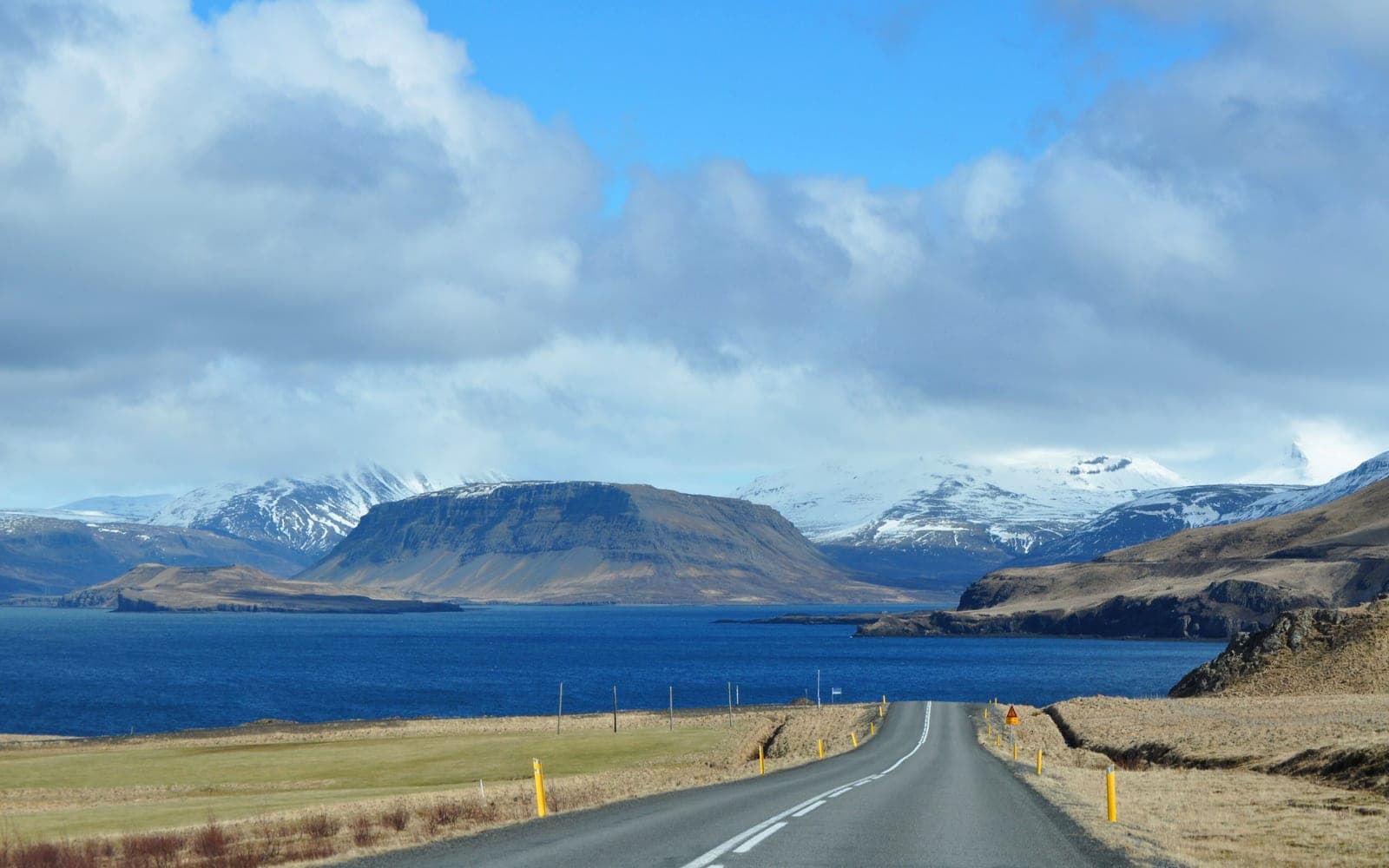
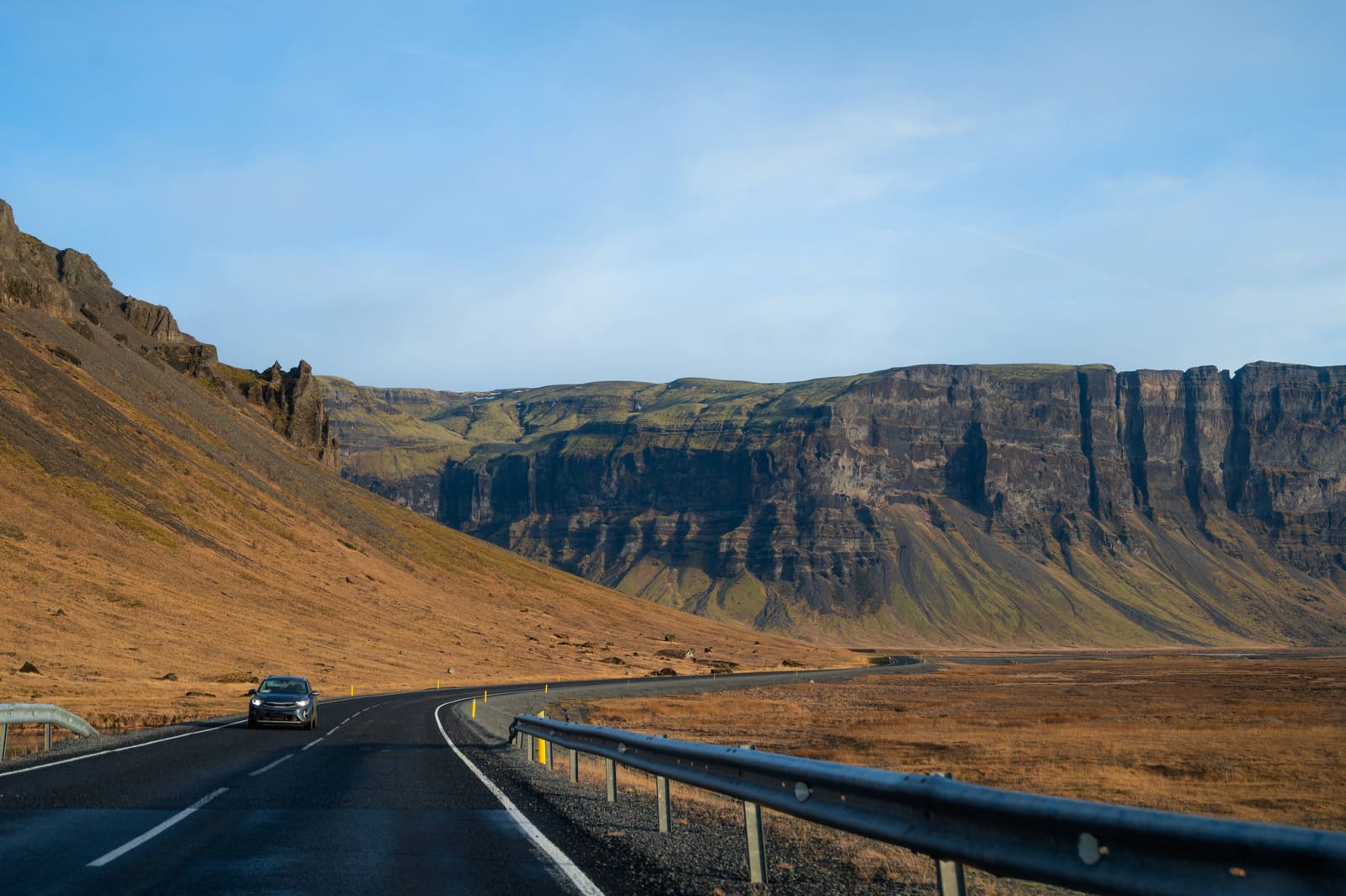
You may be able to self-drive in October, but the route must stay optional until the same-day road and weather checks agree.
Winter conditions can occur in autumn. That means ice, snow, crosswinds and reduced visibility are not late-October edge cases to ignore. Use the driving guide for the general road rules, then switch to winter-driving thresholds whenever frost, snow or unfamiliar cold-weather driving enters the forecast.
Self-drive is a better fit if you can change hotels or stops, are confident in poor weather, and will wait rather than force a warned route.
A Reykjavík base or guided day is a better fit if ice and strong crosswinds are unfamiliar or your trip is too short to absorb disruption.
A four-wheel-drive vehicle can help on an appropriate road, but it does not cancel wind warnings, closures, tire limits or driver inexperience.
Check the rental agreement for tires, road restrictions, wind damage and roadside assistance before collecting the car.
Vehicle choice is only one part of an October drive; road status, wind, visibility, tires and experience still decide the day.
Choose routes that can shrink without failing
The best October route has a useful shorter version available from every overnight base.
October route choices by resilience
Route shape
October fit
Main pressure
Safer version
Reykjavík base
Strong for short trips and uncertain forecasts
Day tours and exposed outings can still cancel
Keep museums, pools, food and city walks as real alternatives
Golden Circle
Often practical as a focused day when roads and weather cooperate
Crowded stops, wet surfaces and trying to add the South Coast
Better for repeat visitors with buffers and local bases
Mountain passes, longer recovery distances and reduced services
Choose one subregion instead of linking several remote nights
Highlands and mountain roads
Do not use as the basis of an October self-drive
Seasonal closure, snow, fragile ground and limited rescue margin
Use accessible lowland landscapes or an appropriately authorized guided option
Northern lights are possible, never promised
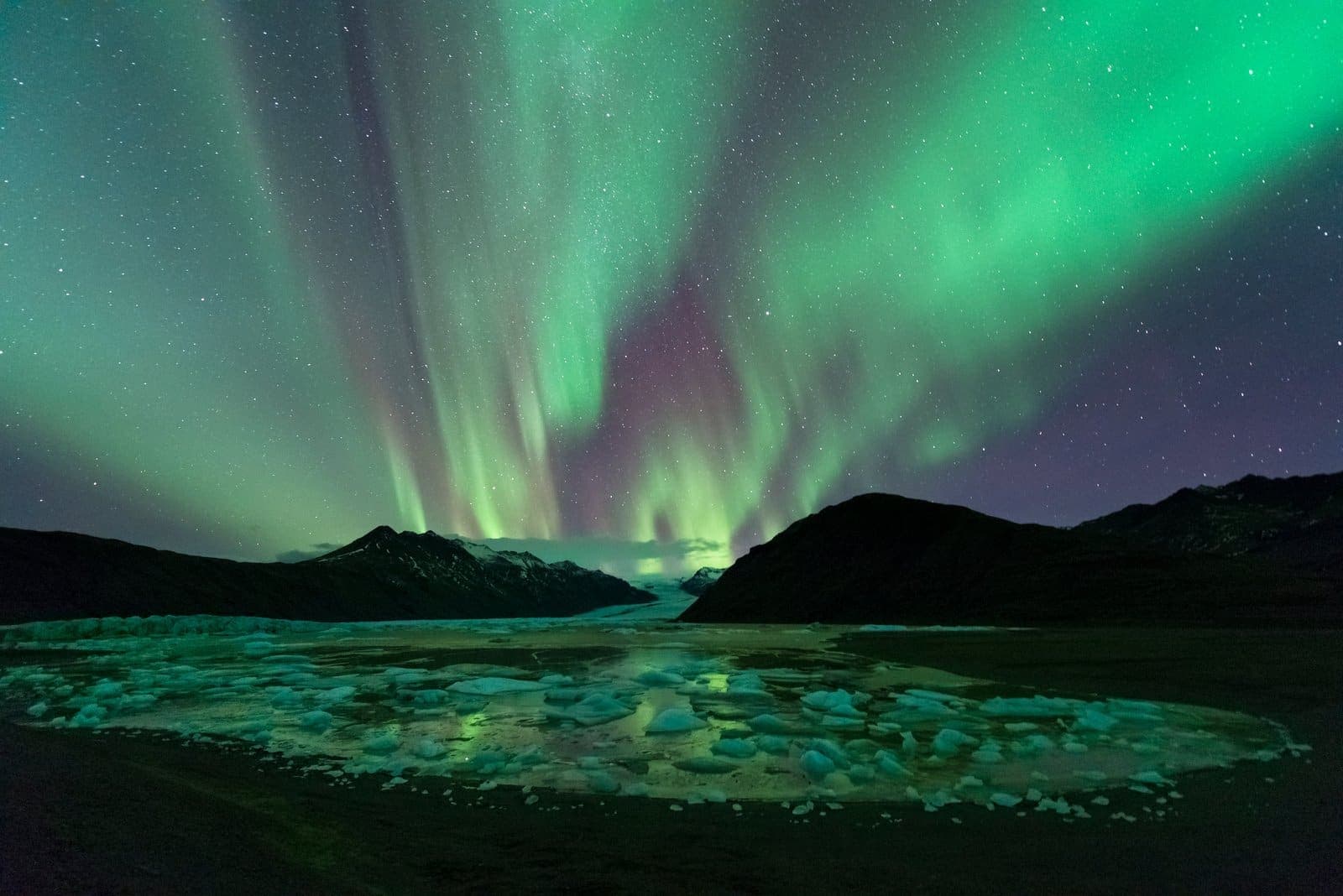
October has enough darkness for aurora viewing, but darkness is only one requirement.
You also need auroral activity and a sufficiently clear part of the sky. Cloud can block a strong display, while a lower activity level can still be visible under good conditions. Check the Icelandic Met Office cloud-cover and aurora forecast, then treat any sighting as a bonus rather than the event that justifies every late drive.
Give yourself several nights rather than one fixed tour or one remote drive.
Choose a safe viewing place before dark; never stop on the road or an unsafe shoulder.
Keep the next morning lighter if you plan to wait outside late.
October has enough darkness, but cloud cover and auroral activity still determine whether anything is visible.
What can you still do in October?
Build the trip around durable activities, then verify any seasonal or weather-dependent option directly before booking.
Use Reykjavík museums, restaurants, public pools and city walks as meaningful parts of the trip, not consolation prizes.
Visit major lowland sights on the Golden Circle, South Coast, Reykjanes or West Iceland when official access and road conditions are suitable.
Book geothermal bathing for a realistic weather-tolerant anchor, while still checking opening hours, road access and cancellation terms.
Consider guided glacier walks, ice experiences, horse riding, caving, whale watching or northern-lights tours only after checking the exact operator, date, meeting point and weather policy.
Choose short marked walks that match the same-day surface and wind conditions; turn around before a scenic walk becomes a schedule obligation.
A booked geothermal stop can anchor a wet October day, but opening hours, road access and cancellation terms still need a direct check.
What starts closing or becomes unreliable
Remove summer-dependent assumptions before you add more October stops.
Mountain roads and Highlands access should be treated as off-season unless the official road information explicitly shows otherwise.
Long or high-elevation hikes can become unsafe because of snow, ice, wind, river conditions or limited daylight even when a trail is not formally closed.
Remote cafés, visitor services, campsites, toilets and museums may use reduced hours or close between summer and winter.
Boat tours and ferries can have fewer departures and more weather disruption; confirm the exact date and return plan.
Unstaffed scenic stops remain exposed after nearby services close, so carry food, water and warm backup layers.
The official road map answers whether a road is currently passable or closed; it does not prove that every attraction, trail, toilet or business beyond it is open. Check both access and the destination itself.
Puffins are usually gone, but other wildlife is still wild
October is not a sensible month for a puffin-led itinerary.
Puffins come ashore for the breeding season and most leave Icelandic colonies in late summer. Visit South Iceland says the best viewing window is generally May through mid-August and that they are usually gone by September. An October sighting should not be marketed or planned as a likely experience.
Whale, seal, reindeer and bird sightings are also never guaranteed. If wildlife matters, check a responsible operator or local information source for the exact region and date, then judge whether the trip would still be worthwhile without a sighting.
Pack for wind and water before cold
The most useful October clothing system keeps you dry, blocks wind and lets you change layers through the day.
A waterproof and windproof shell jacket, plus waterproof over-trousers for exposed stops.
Warm mid-layers such as fleece or wool, with a non-cotton base layer for longer outdoor time.
Water-resistant hiking shoes or boots with a dependable tread, plus spare dry socks.
Warm hat, gloves and a neck layer that will not become useless when wet.
A small daypack with a waterproof cover or liner, water, snacks and a power bank.
Swimwear for public pools or geothermal bathing; check whether towels are included or rented.
Optional traction aids only where permitted and appropriate; they do not make an unsafe trail or road safe.
A waterproof shell and a dry backup layer are more useful in October than trying to dress for one average temperature.
Three realistic October trip shapes
These are route approaches, not fixed day-by-day promises. Move or cut a day when conditions require it.
October trip scope by available time
Trip length
Practical shape
What to protect
What to cut first
3 days
Reykjavík base plus one Golden Circle, Reykjanes or nearby South Coast day
Arrival and departure timing; one indoor or bathing fallback
A second distant day trip
5 days
Reykjavík, Golden Circle and a staged South Coast route to Vík, or a West Iceland alternative
One flexible day and the final night within a low-risk departure plan
Jökulsárlón as a rushed out-and-back from Reykjavík
7 days
A paced South Coast route toward glacier country, or Reykjavík plus one focused western region
Two-night bases, daylight and a weather buffer
Adding the full Ring Road simply because the map distance looks possible
It can. Rain and wind are common planning concerns, but frost or early snow can affect high ground and sometimes lowland roads. Check the actual forecast and road surface rather than planning from a monthly average.
Do you need a 4x4 in Iceland in October?
Not for every lowland October route. Choose the vehicle for the route, forecast, tires, rental terms and your experience. A 4x4 does not make a closed road or severe-weather drive appropriate.
Can you drive the Ring Road in October?
It can be possible, but a short, fixed loop is fragile. Use enough days, flexible accommodation and winter-driving judgment so a closure or storm does not force an unsafe drive.
Can you see the northern lights in October?
Yes, darkness is sufficient, but no sighting is guaranteed. You still need auroral activity and clear or partly clear skies.
Can you see puffins in Iceland in October?
Do not plan on it. Puffins are normally at sea after the summer breeding season and Icelandic colonies are usually empty by October.