Airwaves 2026 at a glance
- Festival dates
- 5–7 November 2026
- Main area
- Downtown Reykjavík
- Official shows
- After 19:00
- Night finish
- By 02:00
- Room entry
- Always capacity limited
Iceland Airwaves turns central Reykjavík into a walkable indoor music festival from 5–7 November 2026, with extra events around the main weekend. See how official shows, free off-venue sets and ticketed extras fit together, then plan flexible nights around queues and schedule changes.
Airwaves 2026 at a glance
Airwaves does not put Reykjavík in the background. It turns the centre itself into the festival: a market hall, a church, a small club, a civic room, then a wet walk to the next door with another crowd moving in the same direction.
The official 2026 festival runs from Thursday 5 to Saturday 7 November. The main programme unfolds indoors after 19:00 across central venues, while daytime off-venue performances and separately ticketed events stretch the week beyond those three nights. That compact format is the appeal: you can discover an unfamiliar Icelandic act in a small room, cross a few streets, and arrive somewhere that feels entirely different.
The most satisfying plan is not to collect as many names as possible. Pick one performance you would genuinely regret missing, find two backups nearby, and let the rest of the night remain open. Airwaves rewards curiosity, but every room has a capacity; changing course is a normal part of the festival.
Photo guide
1 / 8
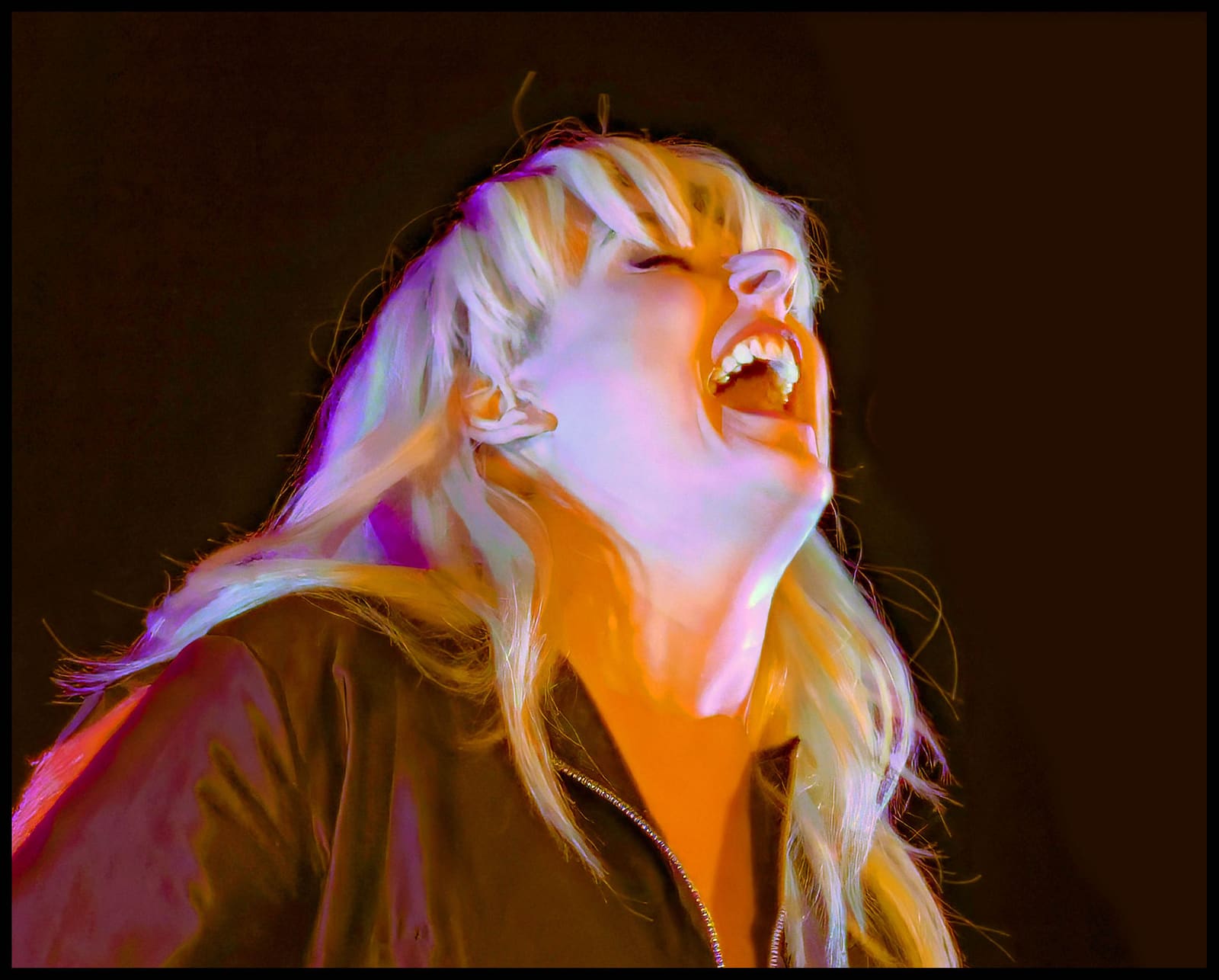
Högni Egilsson performing with GusGus under green lights at Iceland Airwaves 2012.
“Airwaves event” does not always mean the same ticket, time, or entry rule. Separate the programme into three layers before saving anything to the night.
| Programme | When it happens | What gets you in | Best use |
|---|---|---|---|
| Official programme | After approximately 19:00 on 5–7 November | Festival pass or valid day pass; entry still depends on room capacity | Plan each night around one priority performance |
| Off-venue | Mostly daytime, generally ending around 19:00–19:30 | Normally open without a festival wristband, subject to the venue’s age rules and capacity | Discover local artists without spending the evening’s queue time |
| Extra or partner event | Across Airwaves week, including dates outside the official festival | Rules vary: separate ticket, wristband, priority, discount, or open entry | Add only after checking the individual event page |
The extra-events calendar reaches from 4 to 8 November. Shygirl opens the week at City Hall on Wednesday, Daði Freyr performs with the Iceland Symphony Orchestra on Thursday, and The Streets close the wider programme on Sunday. Friday now adds two separate-ticket partner events, while Saturday includes a film screening and Q&A. These are not interchangeable with walking into a normal festival room: each event has its own ticket and entry conditions.
See every artist announced for the official shows and listen to the festival’s Spotify and YouTube playlists.
Compare artists by day before choosing a pass; recheck exact times and rooms when the final schedule appears.
See the third-wave additions and the seven-venue announcement without relying on an unofficial festival listing.
Check whether an event needs a wristband, separate ticket, or another form of entry.
Confirm the price and availability for the Hallgrímskirkja performance.
Check the standard or pass-holder price and whether tickets remain.
Use the live ticket listing to recheck the date, price, and availability before paying.
Artist day-splits are now published for 5–7 November. Use them to choose which days matter to you; exact set times and rooms are a separate part of the final schedule.
The September third wave added 25 artists, including Agent Fresco, Cobrah, Leith Ross, Warhaus, 9m88 and Birnir. The wider official programme ranges from Icelandic names such as MAMMÚT, SAKARIS and Úlfur Úlfur to visiting artists including Jamie Woon, Heartworms, Yaelokre and Skeler. Listen through the official playlists now and rank a short list by importance. Use the published day-splits to group your shortlist by festival day, then wait for exact rooms and set times before planning walks between shows.
A festival pass gives you choices; it does not reserve a place in every room. The best night plan accepts that before the first queue forms.
Airwaves Plus can shorten one part of this problem by providing a priority queue, but it cannot create space inside a full venue. Buy it for the express-queue advantage and the partner benefits that matter to you, not as a guaranteed-entry pass.
The festival has published its seven-room official venue list. Use these clusters to choose accommodation now, then rebuild each night when exact artist rooms and set times arrive.
The official venue page lists all seven as accessible. Lemmy asks visitors who need step-free access to use the side entrance; the other six are listed as fully accessible without an extra entrance note. All official shows require a wristband and begin after 19:00. The festival says the venues are within walking distance, but exact artist-room assignments still wait for the final timetable. Recheck the setup or contact the festival when access determines whether a ticket is usable.
Use the final seven-venue list, accessibility notes and official map when choosing nightly backups.
The ticket menu is simple until special events and priority access are added. Keep the main festival choice separate from the extras.
Ticket tiers and prices can change as the festival approaches. A three-day pass covers the official programme across the festival; a day pass covers one dated festival day; Airwaves Plus is an add-on, not a festival ticket. Harpa concerts and partner events such as ANOK, GusGus, and RADIOHEART use separate tickets and should be budgeted outside the pass.
Choose the full pass when discovery across all three nights is the point. Use the published artist day-splits to judge whether a day pass covers enough of your shortlist, while allowing for changes and waiting for set times before assuming two shows will fit together. Plus is most defensible when several high-demand rooms matter and a priority queue is worth paying for, while still accepting that a full room remains full.
See the live ticket tier, what each pass includes, special-event prices and the festival’s official Tix purchase links.
A central room earns its value at 02:00, when the official programme ends and the cold walk home begins. The opening venue may change each day; the late return does not.
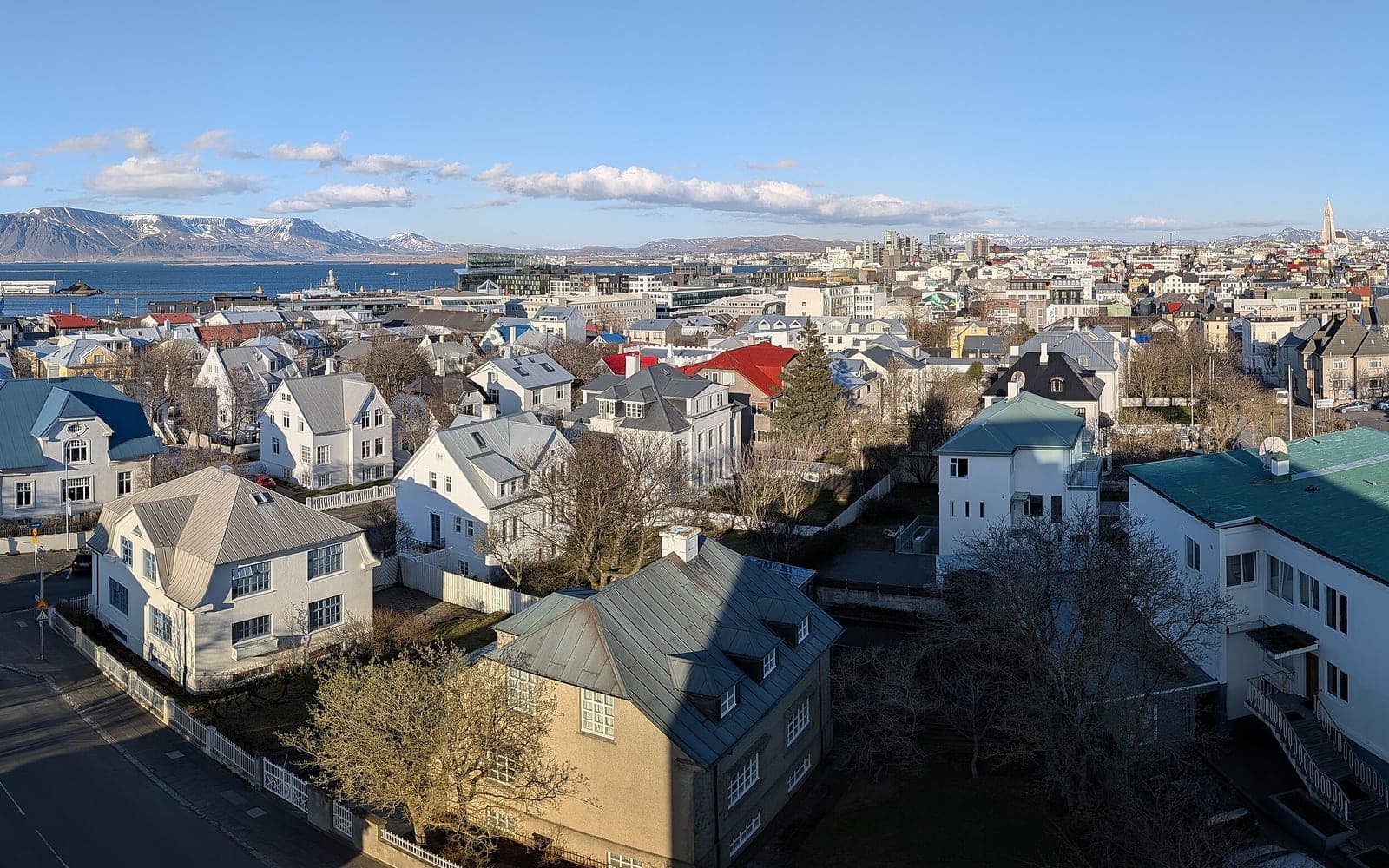
Look first inside or beside Reykjavík 101: the old centre, lower Laugavegur, Austurstræti, the harbour edge, and the streets around the lake keep the seven official rooms within a practical walk. A hotel farther east may offer more space or a lower rate, but it also adds a late bus, taxi, or longer exposed walk after each festival night.
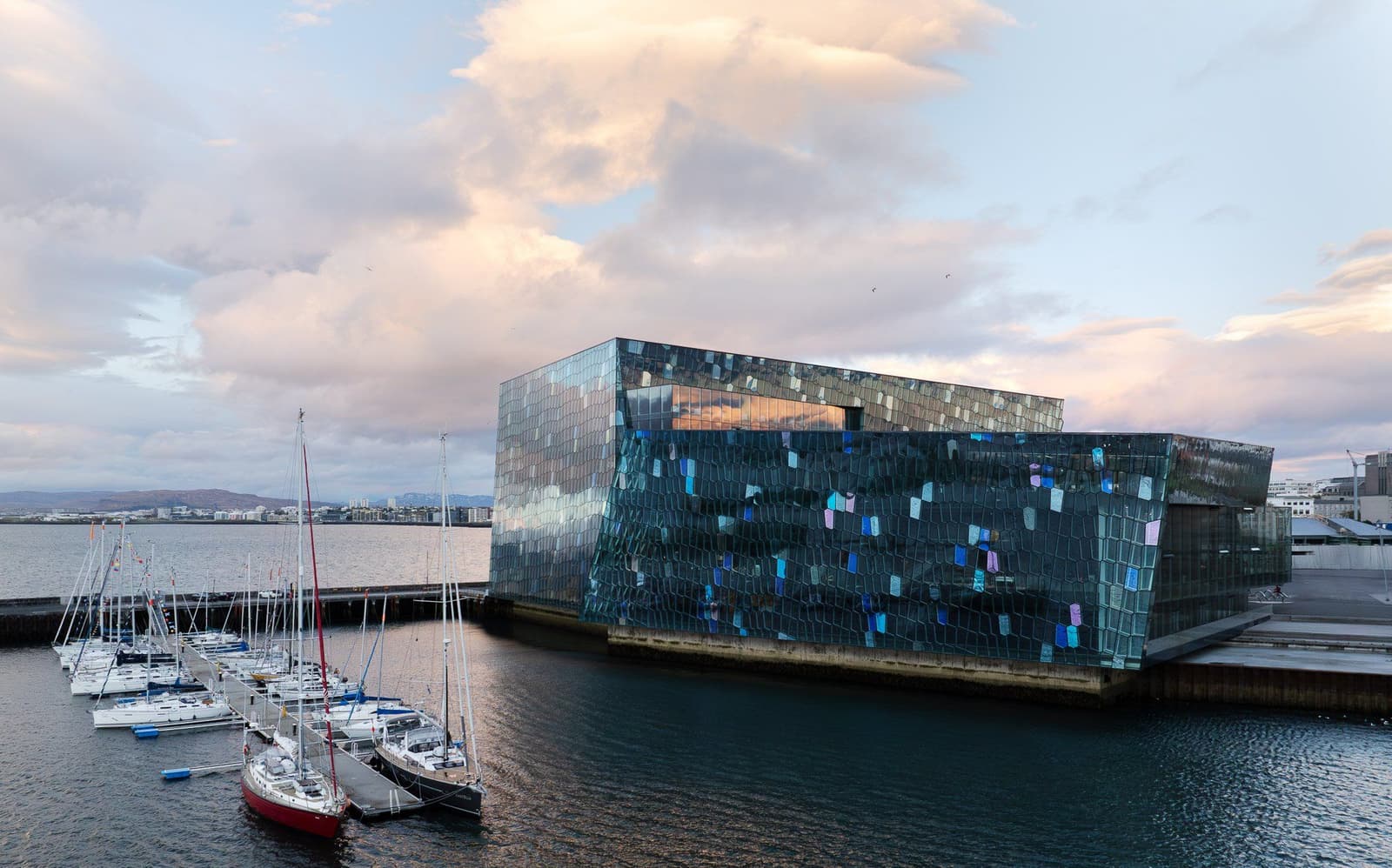
Do not choose a room solely because it is beside Harpa. The official rooms are elsewhere downtown, while Harpa hosts separately ticketed extra events. Stay there because the waterfront and central streets suit the whole visit, not because one special concert appears on the programme.
The concerts are indoors; the festival is not. Every change of room puts you back into a Reykjavík November, often late, wet, windy, and colder than the queue felt when it began.
Visit Reykjavík describes November temperatures around −1°C to 5°C, with roughly five to seven hours of daylight. For Airwaves, waterproof shoes matter more than hiking boots, and a windproof outer layer matters more than a heavy coat that becomes uncomfortable in a packed room. Add a warm hat and gloves that can disappear into pockets.
Use the city’s November guidance to choose layers and footwear, then check the live forecast.
Confirm the current timetable and whether the selected trip serves BSÍ or ends elsewhere in the capital area.
Once exact set times are published, you can turn your short list into a real route between venues. Until then, these are the details worth checking.
Recheck schedule timing, wristbands, capacity, age, access, bags, cameras, refunds, transfers, and app guidance.
Yes. Iceland Airwaves is a Reykjavík festival, and all seven official venues are in the compact downtown area. Exact artist-room assignments and set times still depend on the final timetable, but the official multi-venue programme belongs in the capital. You can add countryside travel before or after it.
Normally no. The festival describes off-venue shows as open to everyone, subject to the host venue’s capacity and age rules. Extra or partner events are different and may require a wristband or separate ticket.
No. Every performance is subject to venue capacity. Airwaves Plus provides a priority queue, but it does not guarantee entry after a room has filled.
People of any age can buy a ticket, but under-18 guests need a valid festival ticket and must be accompanied according to the festival’s adult-guardian rules. Individual venues may impose additional age conditions, and the festival discourages bringing young children to the official programme.
The 2026 artist day-splits are published for 5–7 November. They show who plays on each festival day; exact set times and rooms belong to the later final timetable. Check the official day-splits when choosing a day pass and revisit the schedule before travelling.
It can be worthwhile when several high-demand rooms matter enough to justify the priority queue and partner benefits. It is less useful if you are happy to discover alternatives, and it still cannot open a venue that is already full.
By ThorPublished Updated
Where to do it
Use the streets, halls, harbour, and year-round city guides to support the hours before and after the programme.
Regions
See which part of Iceland is most convenient for this experience and what else you can visit nearby.
Road trips and itineraries
See where this experience fits into a road trip or day-by-day itinerary.
More things to do
See other activities that may suit the same day, season, or part of Iceland.
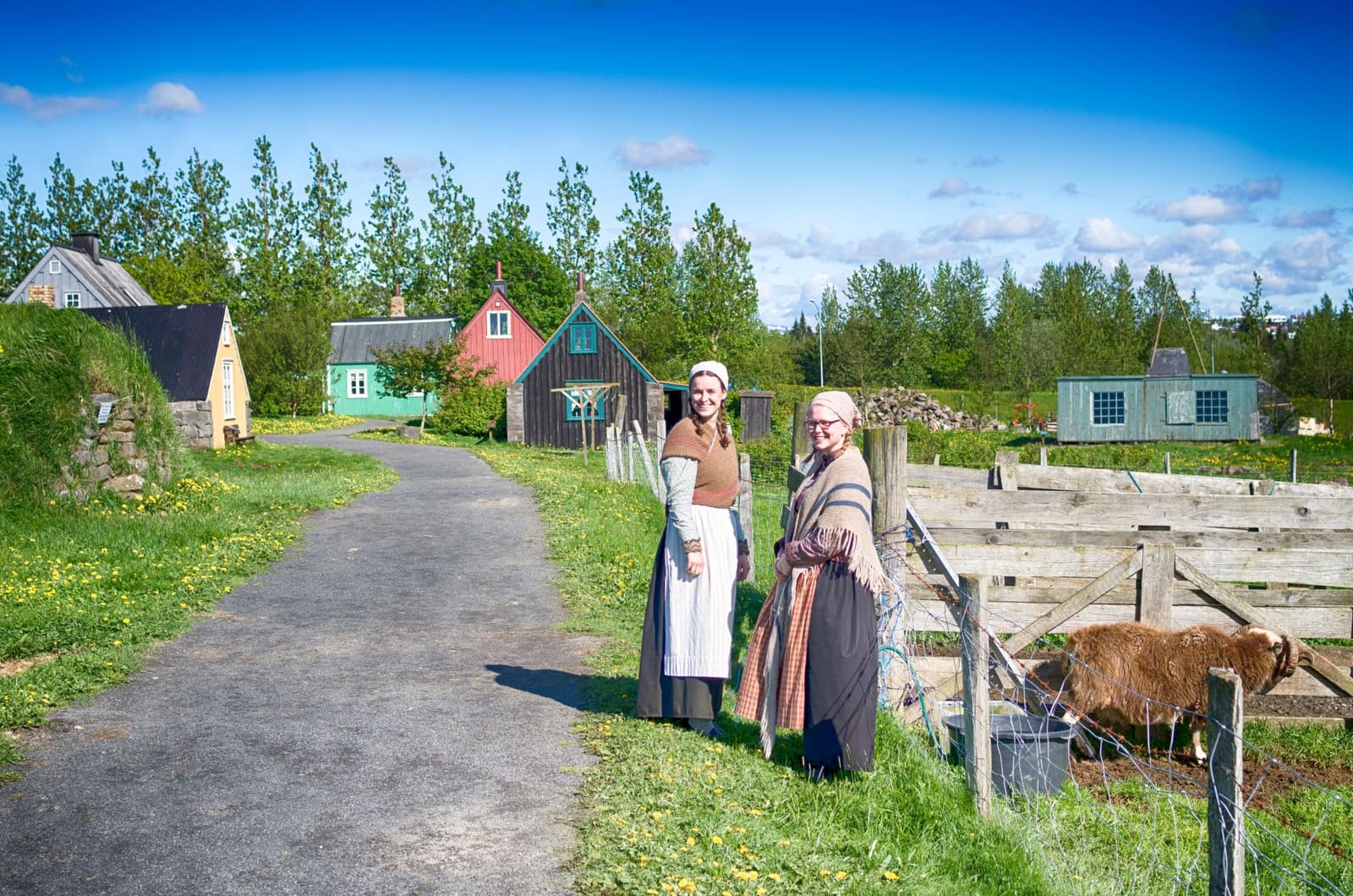
Icelandic culture becomes easier to choose when you start with a verb: look at objects, listen to a story, taste with a host, make something, join everyday life, or talk after a performance. Pick the level of participation first, then match the setting and the people in your group.
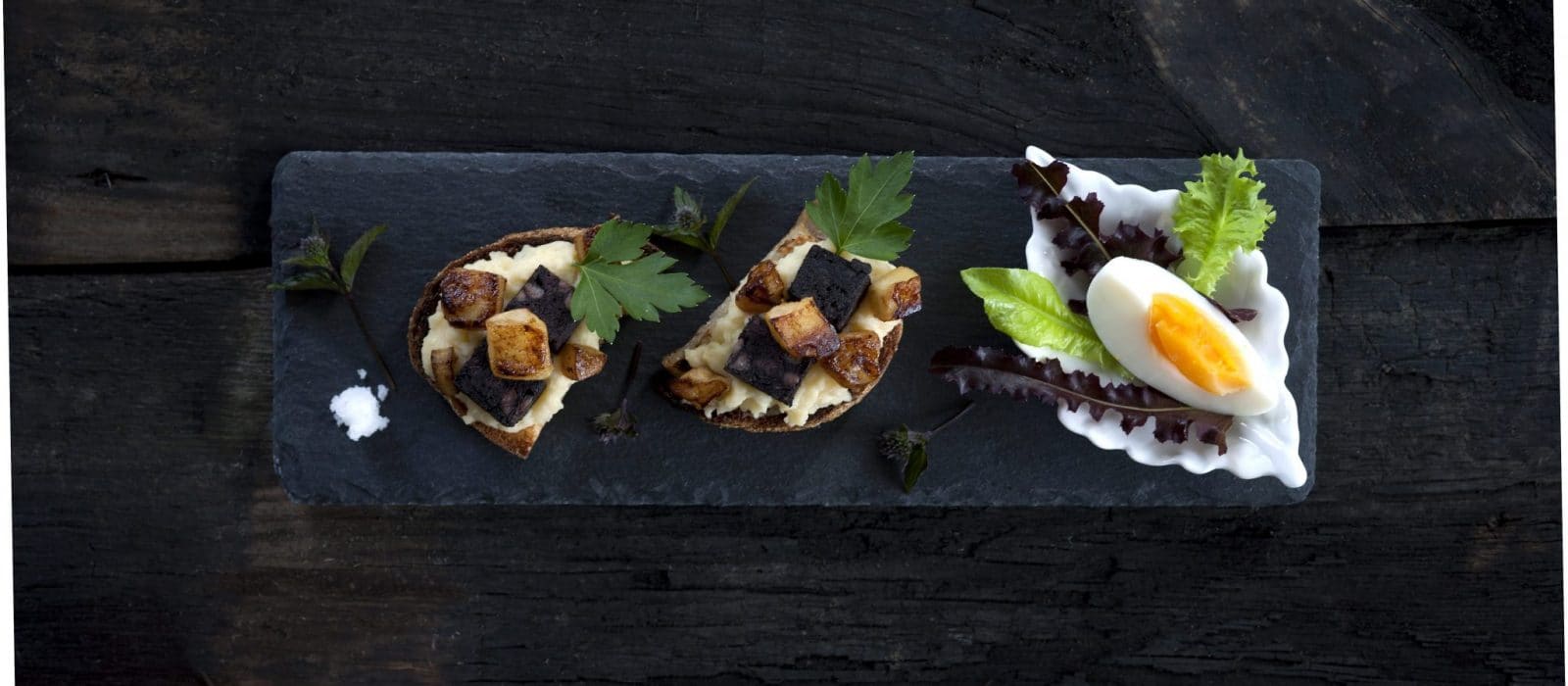
Icelandic food can shape the day in several very different ways: a Reykjavík food walk, self-guided food hall stop, bakery break, greenhouse meal, seafood lunch, or simple casual plan that does not distort the route.
Around the festival
Build a useful daytime plan, understand the wider nightlife, and check Harpa separately for ticketed extra events.