Raufarhólshellir is a lava tube formed about 5,200 years ago in South Iceland. Its guided standard tour takes around an hour through illuminated rock passages, with stairs and uneven ground to consider before visiting.
Geology snapshot
Type
Guided lava-tube cave attraction
Region
South Iceland, off Route 39 / Þrengslavegur southeast of Reykjavík
Walking surface
Footbridges and paths, with uneven ground and steep stairs
Time to allow
Standard tour: 55–60 minutes in the tunnel; allow extra time for check-in and travel
Cave temperature
Around 0–4°C; wear warm layers, sturdy shoes and a waterproof jacket
In this guide
A lava channel beneath Leitahraun
Raufarhólshellir formed during the Leitahraun eruption about 5,200 years ago. The lava has long since cooled: the visit follows the channel it left underground.
The full cave system is about 1,360 metres long, but the standard guided tour covers only its more accessible section. Lighting and footbridges reveal the basalt walls and the scale of the passage without requiring the longer Lava Falls Adventure tour.
That makes the stop strongest for travelers who want volcanic geology without committing to a remote highland day. If your route already includes Þingvellir, Geysir, Gullfoss, and Kerið, treat Raufarhólshellir as the optional controlled experience rather than another automatic checklist item.
Basalt walls, skylights and winter ice
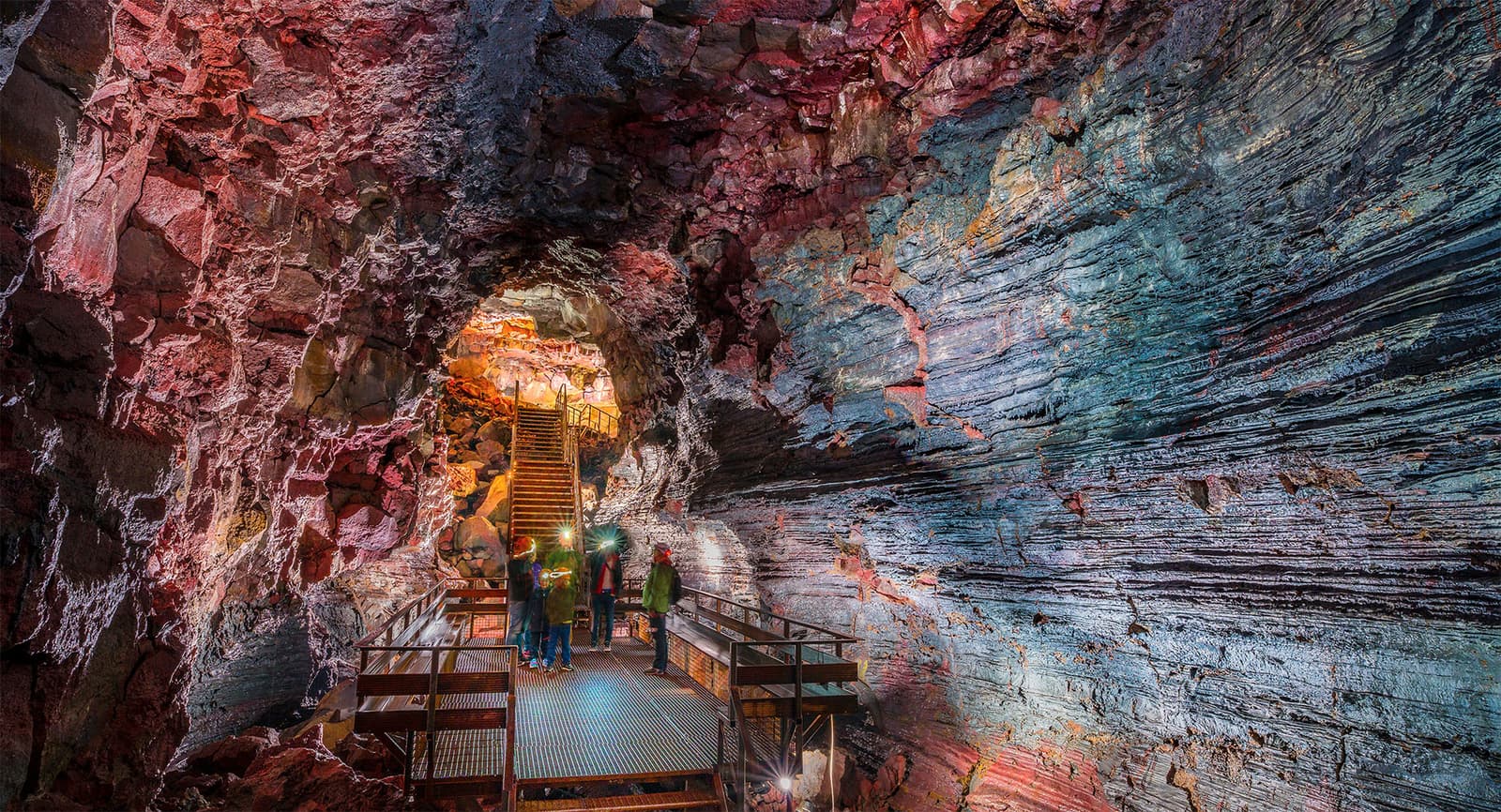
The appeal is scale and texture: dark basalt, colored mineral staining, rough collapsed rock, lit platforms, and the strange contrast between a managed walkway and a natural volcanic tube.
Inside Raufarhólshellir, the landscape changes from mossy southwest lava field to a cool, echoing corridor. The walls can look ribbed, melted, broken, or stained depending on where the light catches them, and the cave feels more architectural than a simple hollow in the rock.
Raufarhólshellir is strongest when you want to see lava texture from inside the tube, not just from the road.
The managed section is part of the point. You still feel the uneven cave environment, but the lighting and platforms make the geology easier to read. In colder months, ice near the entrance can add a different texture, but it should be treated as a seasonal bonus rather than the reason to go.
Standard tour time and walking conditions
The operator gives 55–60 minutes for the standard tour inside the tunnel. Add check-in time and the drive to your day plan; arrive at least 10 minutes before the booked departure.
Standard tour: a guided walk with helmets and lights supplied. The minimum age is 3 years.
The paths and footbridges still involve uneven surfaces and steep stairs. The operator advises against the standard tour for visitors who have difficulty with balance or those walking conditions.
Lava Falls Adventure: a separate, longer tour over rough terrain with boulders. It requires good fitness and balance; confirm its current duration and requirements before booking.
The main friction is not distance; it is commitment. Once you build a guided cave stop into the day, you have less freedom to linger at Þingvellir, wait at Geysir, or add extra waterfalls beyond Gullfoss and Brúarfoss Waterfall.
How to decide whether the lava tunnel fits your day
Trip situation
Best choice
Why it works
Arrival or departure day near Reykjavík
Good fit if timing is verified
The stop adds a memorable lava-tube experience without pushing deep into South Iceland.
Classic Golden Circle day
Optional add-on
It adds underground geology, but the major outdoor stops should still set the pace.
South Coast waterfall and beach day
Usually skip
The tunnel sits too far west to help a day that needs time for the coast.
Poor weather with flexible plans
Consider only if the drive is safe
The cave is sheltered, but the approach on Route 39 still needs road and weather checks.
Getting there on Route 39
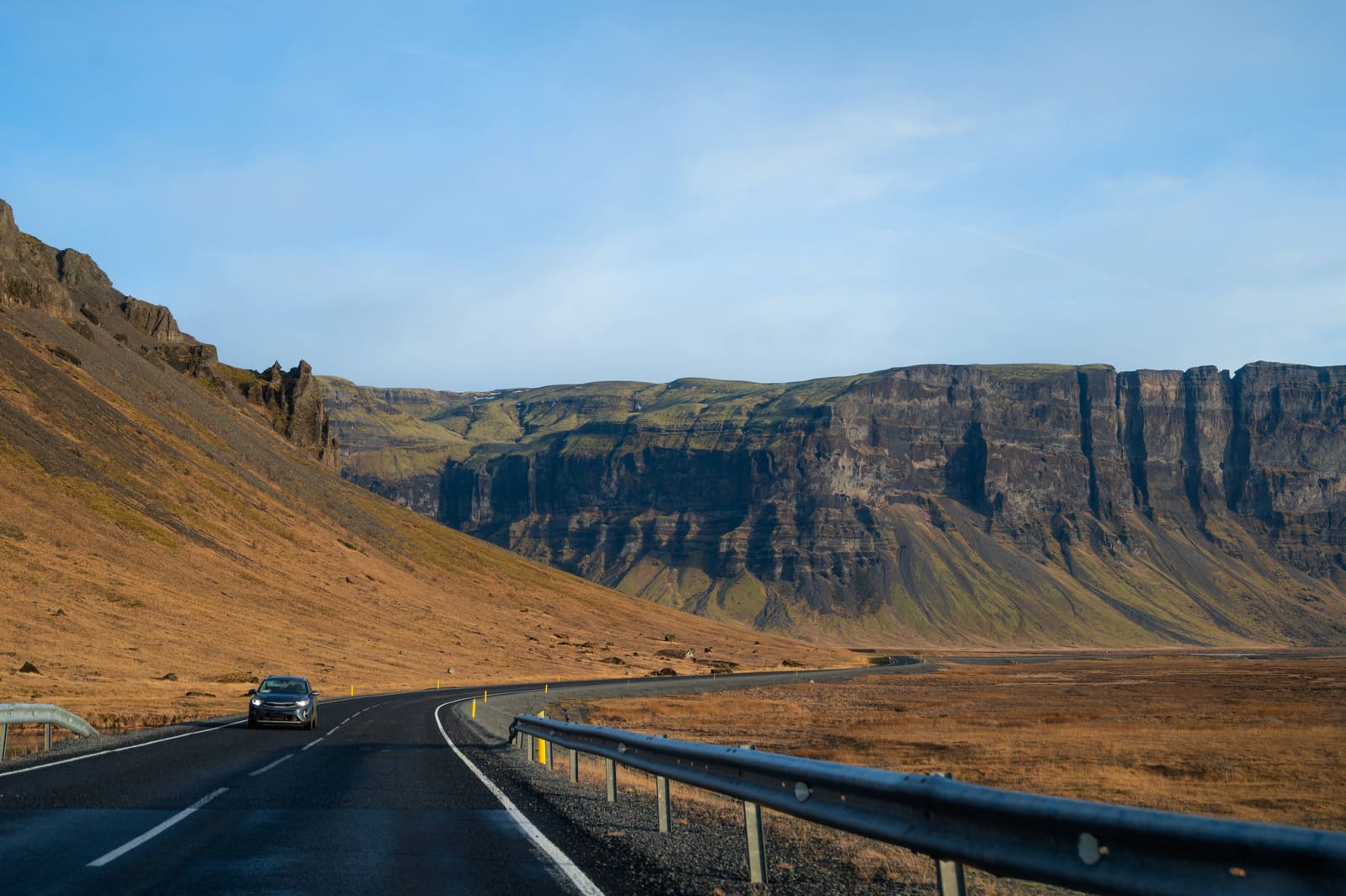
From Reykjavík, take Route 1 east, then Route 39 south toward Þorlákshöfn. The operator places the car park beside Route 39, on the left when approaching from Route 1.
The operator’s published parking coordinates convert to 63.94012, -21.39570. Use the arrival instructions on its standard-tour page and check Umferðin before setting out. Allow additional travel time in poor conditions rather than treating the advertised drive from Reykjavík as a promise.
For a first trip, the cleanest pairing is a compact southwest geology day: Raufarhólshellir for the lava tube, The Geothermal Energy Exhibition for geothermal power context, and Hveragerði or Reykjadalur when you want a town or valley contrast.
The walkway and lighting make Raufarhólshellir a structured cave stop rather than a rough self-guided detour.
If the day is a classic Golden Circle drive, compare it against Kerið rather than against every major landmark. Kerið is the simpler quick stop; Raufarhólshellir is the more committed guided experience. Both can work, but forcing both after Þingvellir, Geysir, and Gullfoss can make the day feel planned by map pins instead of real time.
Geothermal and Golden Circle pairings
The best pairings keep the route tight. Look for nearby volcanic, geothermal, or Golden Circle stops instead of using the tunnel as a detour before a long waterfall-and-beach push.
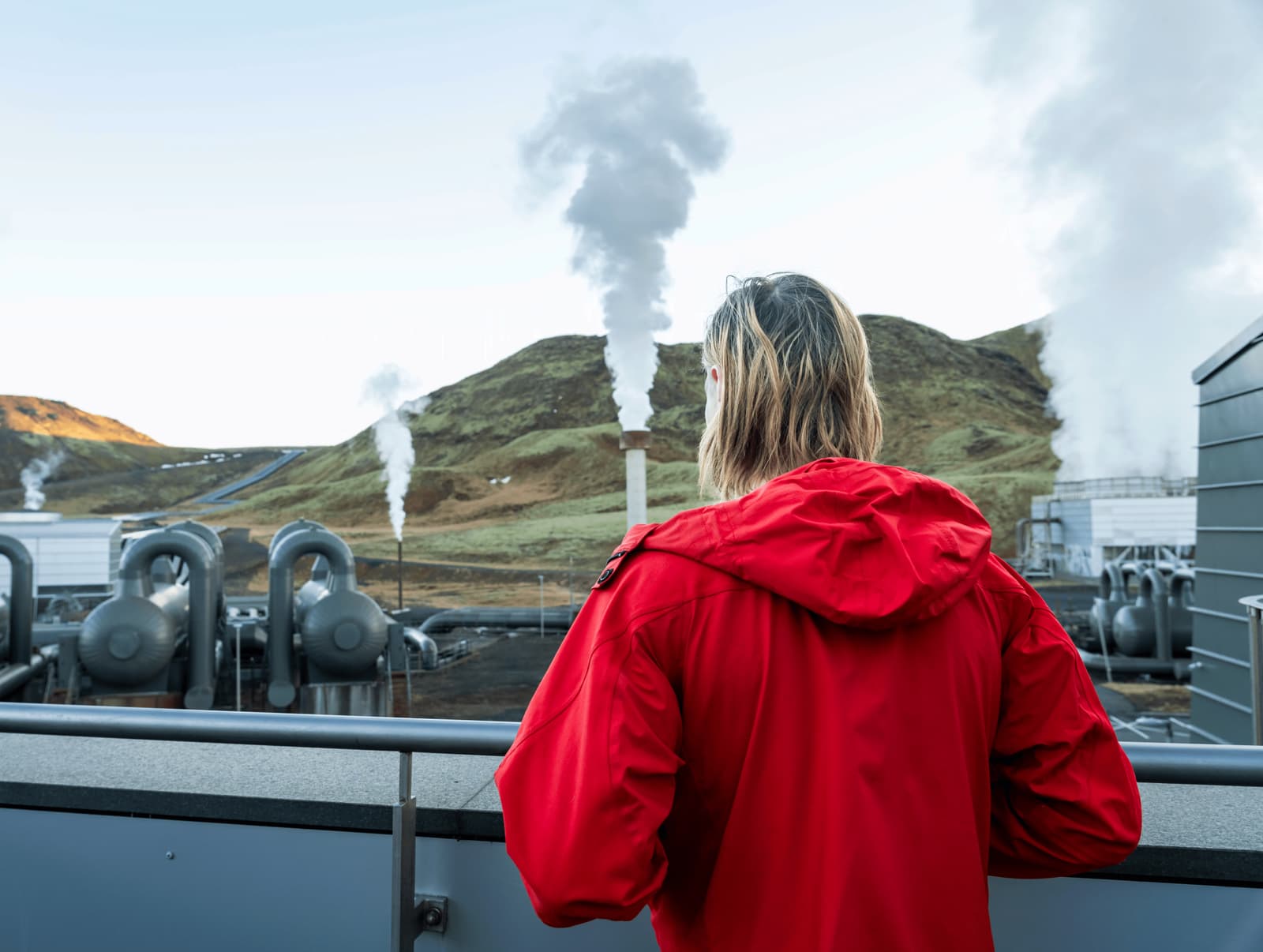
The Geothermal Energy Exhibition is the cleanest geology pairing because it explains the Hellisheiði energy landscape above the same broad southwest route.
Hveragerði works when you want a town, food, or geothermal-area pause before or after the cave.
Reykjadalur is a better pairing for active travelers who have enough time and conditions for a separate valley walk.
Kerið gives the Golden Circle a quick volcanic crater contrast if the cave does not own too much of the day.
Þingvellir, Geysir, and Gullfoss should stay the core trio when this is part of a first-time Golden Circle day.
Secret Lagoon is a slower geothermal ending if the route is already leaning toward the southern Golden Circle.
For multi-day planning, place Raufarhólshellir near the Reykjavík or early South Iceland part of a 5-Day Iceland Itinerary. It is much less useful once the South Coast Road Trip has shifted your attention toward Seljalandsfoss, Skógafoss, Vík, and glacier country. If you are still choosing an underground visit, compare Iceland's lava caves by stairs, walking surface, darkness, and route before choosing the tunnel.
Clothing, cold and cave access
The tunnel is around 0–4°C and water can drip from the ceiling. Wear warm layers, sturdy shoes and a waterproof outer layer even when it is mild outside.
Helmets and lights are supplied. Keep to the guided route and follow the guide’s instructions around rough ground and any seasonal ice. Check current availability and the operator’s access requirements before booking.
If mobility, children, claustrophobia, darkness, or uneven footing are concerns, make those checks before you build the day around the cave. The right decision is not whether the tunnel is impressive; it is whether the managed cave experience fits your group.
Raufarhólshellir Lava Tunnel FAQ
These are the decisions most travelers should settle before adding the tunnel to a route.
Can you visit Raufarhólshellir without a guide?
Visits use the operator’s guided tours. Book the standard tour for the shorter visit; the deeper Lava Falls Adventure has different fitness and age requirements.
Is Raufarhólshellir good for a bad-weather day?
Yes, it can be a strong bad-weather candidate because the main experience is underground. You still need to check the drive, road conditions, weather, and official visitor details before committing.
Should I choose Raufarhólshellir or Kerið?
Choose Raufarhólshellir for a guided underground lava-tube experience and Kerið for a quicker crater-lake stop. If your Golden Circle day is tight, pick the one that better solves the day's route problem.
Does Raufarhólshellir belong on a South Coast day?
Usually only at the Reykjavík end of the trip. Once the day is focused on South Coast waterfalls, black sand beaches, or glacier stops, the tunnel often adds too much western route pressure.
How long does the standard Raufarhólshellir tour take?
Allow 55–60 minutes in the tunnel, plus check-in and travel. The operator asks visitors to arrive at least 10 minutes before departure.
Use these sources for details that can change, especially if you are visiting in winter, traveling with children, or trying to fit the cave into a tight route.