Experience fit
- Start with
- Subject and attention span
- Broadest choice
- Reykjavík
- Regional rule
- Let the place own the story
- Live check
- Exhibition calendar and access
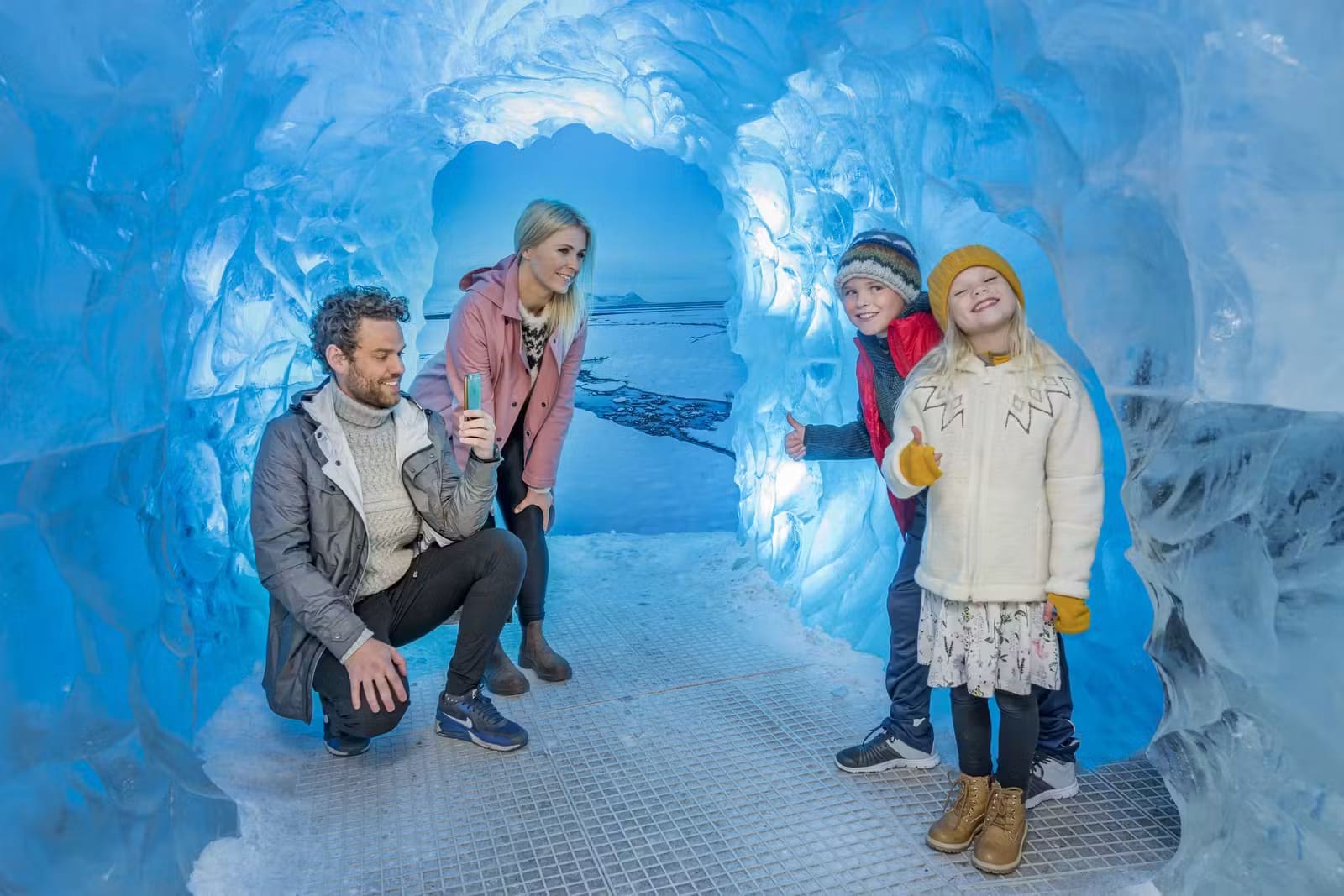
A good Iceland museum does more than fill an indoor hour. It can make turf walls, harbour towns, lava fields, family objects, or contemporary Reykjavík easier to notice afterward. Choose by the story you want, the attention you have, and whether your group prefers looking, moving, or trying things.
Experience fit
A carved horn, the line of a turf wall, or an old fishing boat can stay in your mind long after the gallery door closes. Back outside, the same street or valley has more detail than it did before.
That is the pleasure worth choosing for. An Icelandic museum is not merely shelter between outdoor plans. The right one can turn a lava field into a human story, a harbour into an industrial town, or an ordinary household object into evidence of how people lived with distance, weather, and limited materials. You do not need to love every glass case. You need one subject that makes the next hour more observant.
Start with the group's curiosity, not a universal top-ten list. Some travelers want a long national arc. Others will remember one excavated longhouse, a room of contemporary art, an indoor ice passage, or the preserved shell of a family home. A child who needs movement and an adult who wants labels may both enjoy a self-paced exhibition, but not necessarily the same one. For guided stories, folklore walks, and living-history participation, use the saga and folklore experience chooser instead. For food, pools, crafts, farms, and other participatory formats, use the broader Iceland cultural experiences guide.
Photo guide
1 / 7
At Árbær, paths and buildings make city history feel inhabited rather than filed away.
Good to know
Available time matters, but attention matters more. Use this chooser to pick a format, then open the direct venue page for the live details.
| What you want from the visit | Best visit shape | Likely audience fit | Participation level |
|---|---|---|---|
| A broad Icelandic history arc | One substantial collection-led visit | First trips and adults who like context | Mostly looking, reading, and listening |
| One vivid early-Reykjavík story | A focused archaeological site | Shorter attention and city walkers | Self-paced displays around physical remains |
| Glaciers, volcanoes, and natural systems | Several linked subjects under one roof | Mixed ages and visitors who need movement | Interactive, sensory, and self-paced |
| Art being shown now | One venue chosen from the current programme | Visual thinkers and repeat city visitors | Looking closely; participation varies by show |
| A story rooted in one town or landscape | A route stop that already belongs to the day | Road trippers and place-history enthusiasts | Objects, buildings, rooms, and local context |
Treat the rows as different promises. A broad museum can reward a long, patient visit but feel diffuse when the group wants one dramatic story. An interactive exhibition can keep mixed ages moving but may not satisfy someone hoping for original historical objects. A local museum can be the strongest stop of the day when the town outside completes it; the same museum is a weak reason for a long detour.
Icelandic history becomes easier to hold when you decide how wide a frame you want.
For the widest frame, the National Museum of Iceland carries the story from settlement toward modern life through objects and changing ways of living. It suits a traveler who wants a foundation before seeing several regions. If the group is already tired of reading, choose a tighter story. Slow down for a few objects instead of trying to absorb every period equally.
The Settlement Exhibition narrows the frame to one early site beneath central Reykjavík. Physical remains give the room a centre of gravity: the city street above feels different when you have stood beside evidence of the settlement below it. This is a more focused visit than a national survey and often an easier choice when time or attention is limited.
Domestic history is smaller again. At Árbær Open Air Museum, buildings, paths, rooms, and interpreters can make past Reykjavík feel inhabited, not filed away. At Glaumbær, the turf farm itself carries the lesson. Choose these when construction, household scale, and daily routines are more interesting than a straight chronology.
Nature exhibitions earn their place when they turn a vast process into something the body can understand, not when they imitate the whole outdoors.
Perlan links several Icelandic nature subjects in one self-paced visit and includes a walk-through indoor ice feature. That movement is useful for mixed ages: the group can change scale and subject without committing to a fixed lecture. It is still an exhibition, not preparation for independent glacier travel, and the artificial ice environment should not be confused with conditions on real ice.
Eldheimar makes a volcanic event intimate in a different way. The museum is built around a home excavated after the 1973 Heimaey eruption, so ash, evacuation, memory, and rebuilding sit at household scale. It belongs to an island day; it is not a mainland fallback worth manufacturing a ferry journey for.
A small art museum can take ten minutes or most of an afternoon. The current work, not the floor area, decides.
Reykjavík Art Museum is a three-venue system, not one interchangeable stop. Hafnarhús focuses on contemporary art and has an established connection to Erró; Kjarvalsstaðir and Ásmundarsafn offer different settings and artistic contexts. The useful first question is therefore not “How long is the art museum?” but “Which venue is showing the work I want to see?”
Open the current programme before crossing the city. Read one exhibition description and look at a representative image if the venue provides it. A show that interests the group can support unhurried looking and conversation. A famous institution with the wrong show becomes a rushed checkbox. In Akureyri, the same rule applies to Akureyri Art Museum: its changing programme is the reason to check, not a detail to discover after arrival.
With children or mixed interests, agree on a small task: ask each person to return to a favourite work, name an unexpected material, or carry a question into the walk afterward. That gives the room a purpose without turning the visit into a lesson plan.
The strongest regional museums do not compete with Reykjavík on quantity. They explain why this particular town, island, or farm looks the way it does.
In Siglufjörður, the Herring Era Museum uses boats, industrial spaces, and local memory to explain a period that shaped the town. The harbour outside completes the visit. Give it time when Siglufjörður is already your destination or route; do not turn a place-specific story into a high-pressure cross-region detour.
Glaumbær has the same route logic in another form. The turf buildings make construction, shelter, room arrangement, and household life visible in the open Skagafjörður landscape. Eldheimar belongs to Heimaey because the preserved home and island recovery are inseparable. These museums are valuable not despite their distance from the capital, but because their evidence remains close to the place that produced it.
These are three formats, not a ranking. Compare the kind of attention each asks for, then verify the live details directly.
Choose a long historical arc, several interactive nature subjects, or a contemporary-art programme that rewards checking what is on now.
National Museum of Iceland
Best forFirst-time visitors who want a collection-led national history arc before seeing several regions.
Keep in mindThe broad chronology asks for more reading and sustained attention than a single-site story.
Check firstRecheck the current exhibition information, admission, opening, accessibility, language support, and terms.
Perlan
Best forMixed ages that want to move among interactive Icelandic nature subjects and an indoor ice feature.
Keep in mindThe broad attraction can occupy much of a half-day and is not a substitute for real outdoor safety knowledge.
Check firstRecheck current inclusions, admission, accessibility, transport, child fit, operation, and terms.
Reykjavík Art Museum
Best forVisitors who want contemporary art and are willing to choose from the current programme.
Keep in mindChanging exhibitions mean the venue's fit cannot be inferred from its name alone.
Check firstRead the current programme and recheck admission, opening, access, language, and terms.
The durable choice is the format. The live choice belongs to the direct venue page.
Before travel, confirm what is actually open and on display. Check admission, opening, language, accessibility, family facilities, photography rules, and whether a timed entry or event needs booking. Art programmes and temporary exhibitions change; regional access may be seasonal; maintenance can affect even a familiar permanent visit.
If the group is split, choose the format with the clearest shared hook and let people leave with different favourite details. One person may remember an object, another a room, and another the view outside afterward. That is a more useful measure than how many museum doors you crossed.
Use the official city directory to discover current venues, then continue to the direct museum page.
Check current exhibitions and visitor information for the National Museum and its historic sites.
Confirm which of the three venues matches the current programme you want to see.
By ThorPublished
Where to do it
Move from the museum chooser into the city, family, weather, or local-life guide that now fits the day.
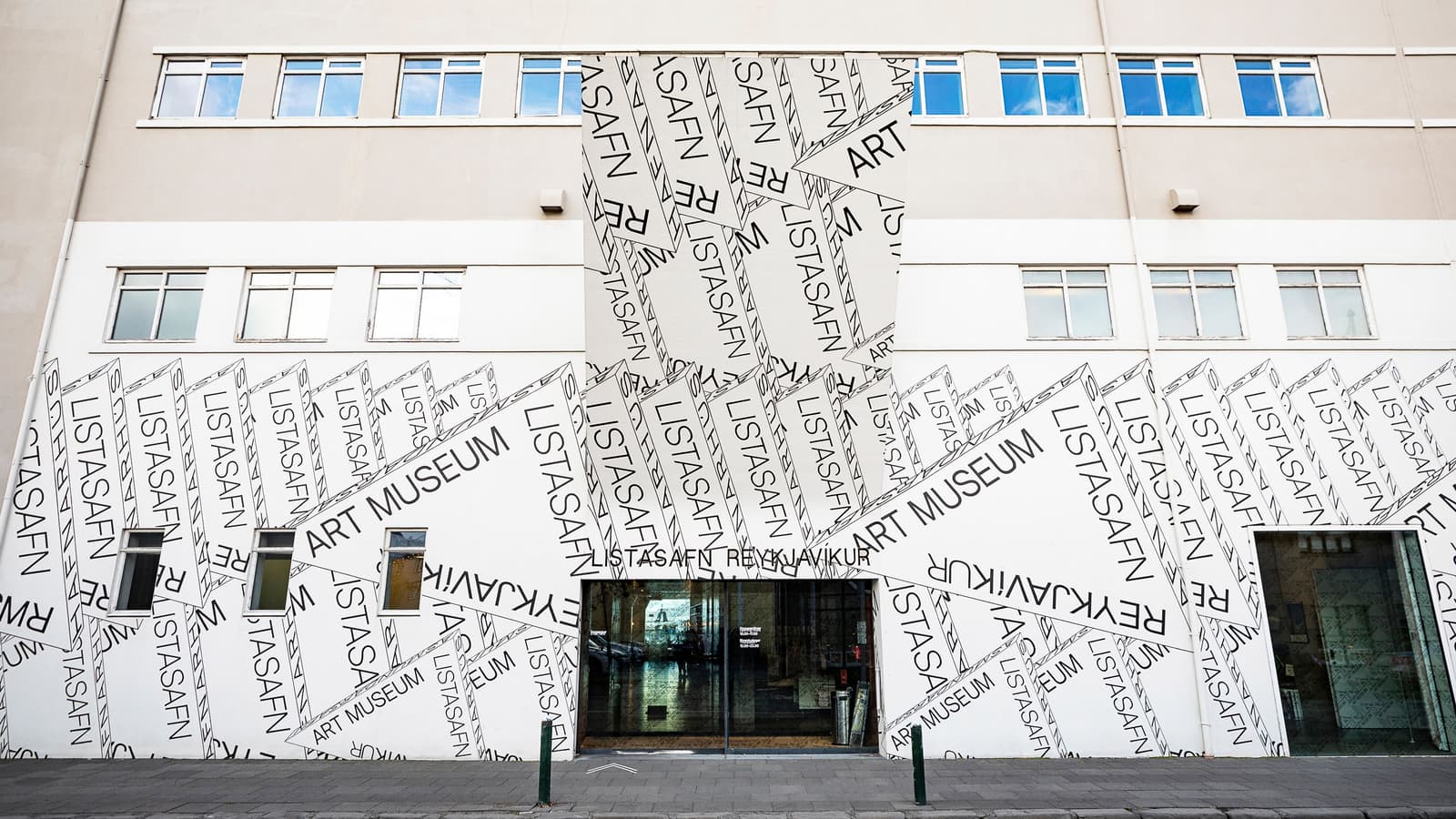
Hafnarhús is Reykjavík Art Museum's contemporary-art venue in a former harbor warehouse. Come for changing exhibitions and works by Erró; the building itself adds a clear link to the city's working waterfront.
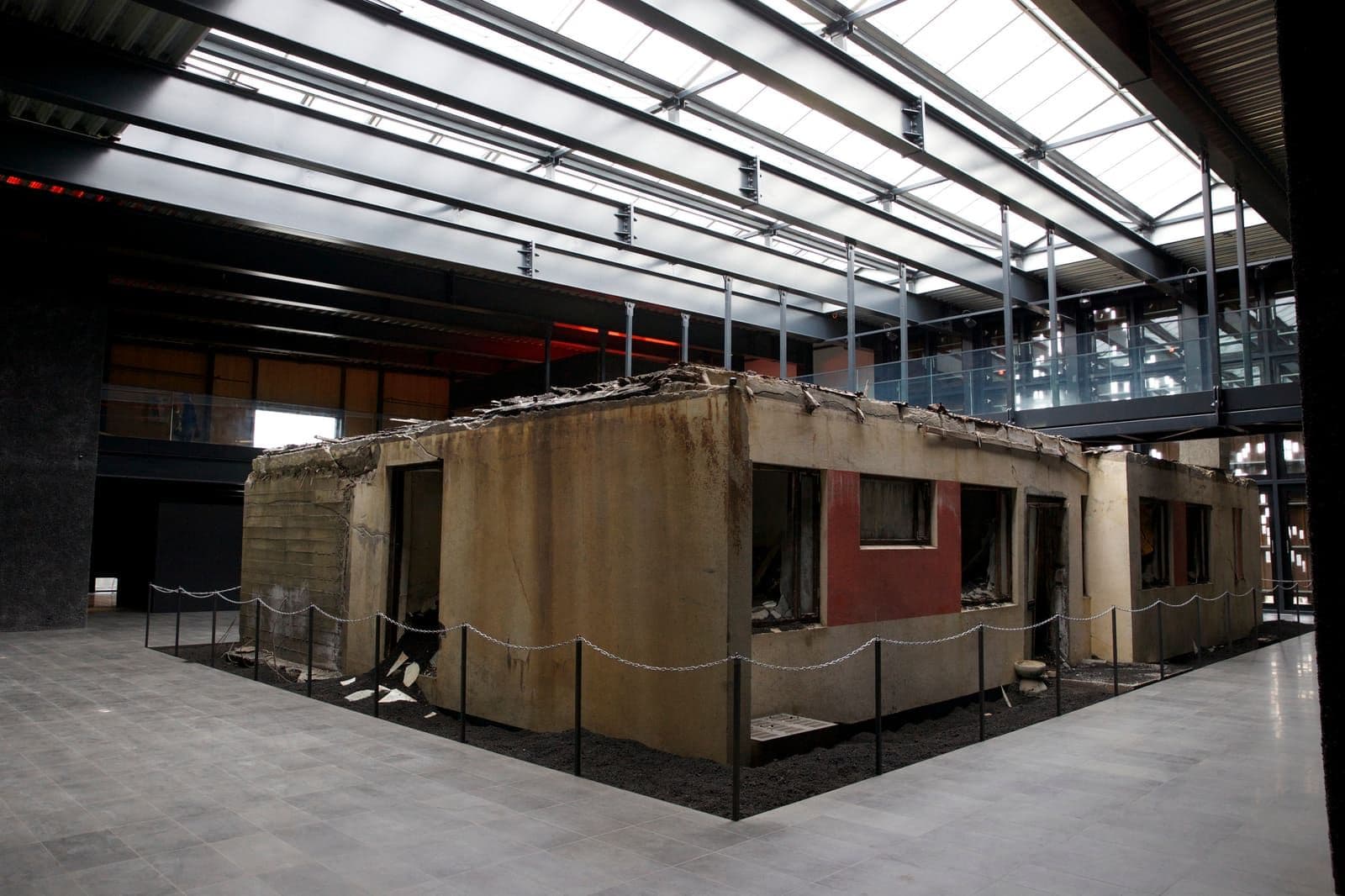
Eldheimar is a museum of remembrance built around a home buried by the 1973 Heimaey eruption. It turns the island's lava fields into a human story rather than another volcanic view.
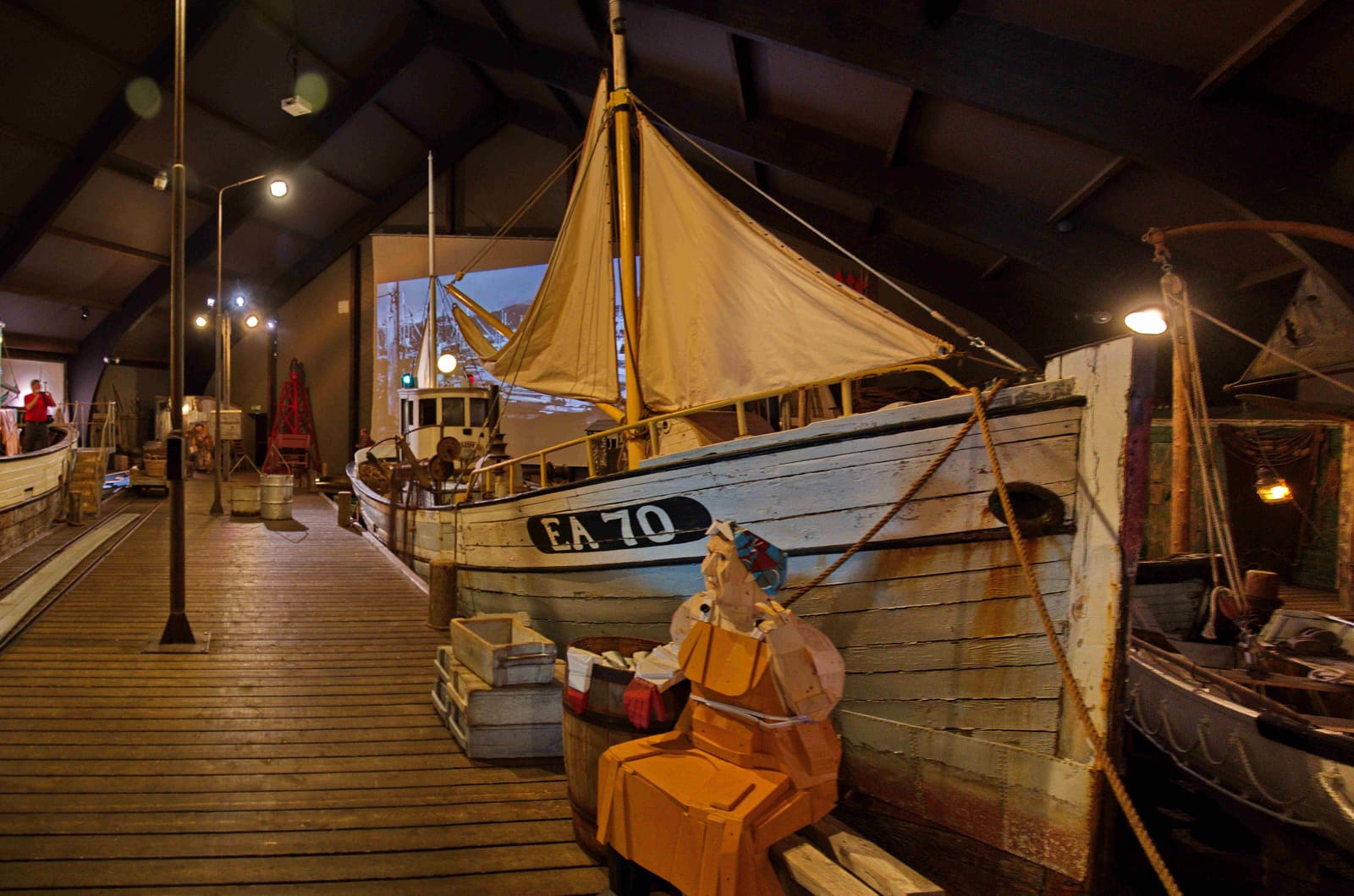
The Herring Era Museum is Siglufjörður’s most useful cultural stop, best for travelers who want the town’s harbor setting to mean more than a scenic pause on a North Iceland route.
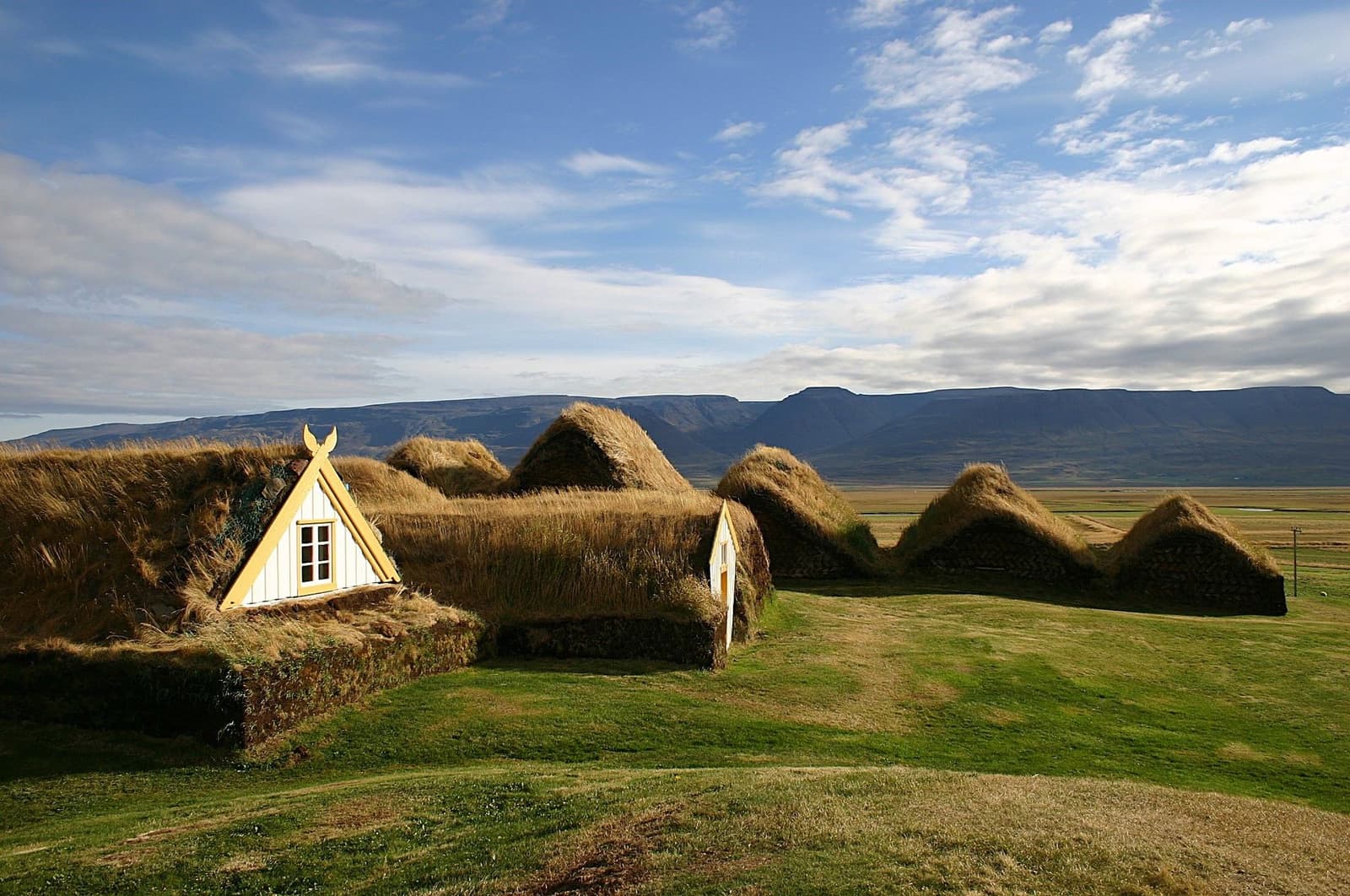
Glaumbær is a turf-farm museum in Skagafjörður, worth adding when North Iceland plans need cultural context, indoor-leaning flexibility, and official visitor-detail checks before arrival, with enough flexibility for conditions and nearby route choices.
Regions
See which part of Iceland is most convenient for this experience and what else you can visit nearby.
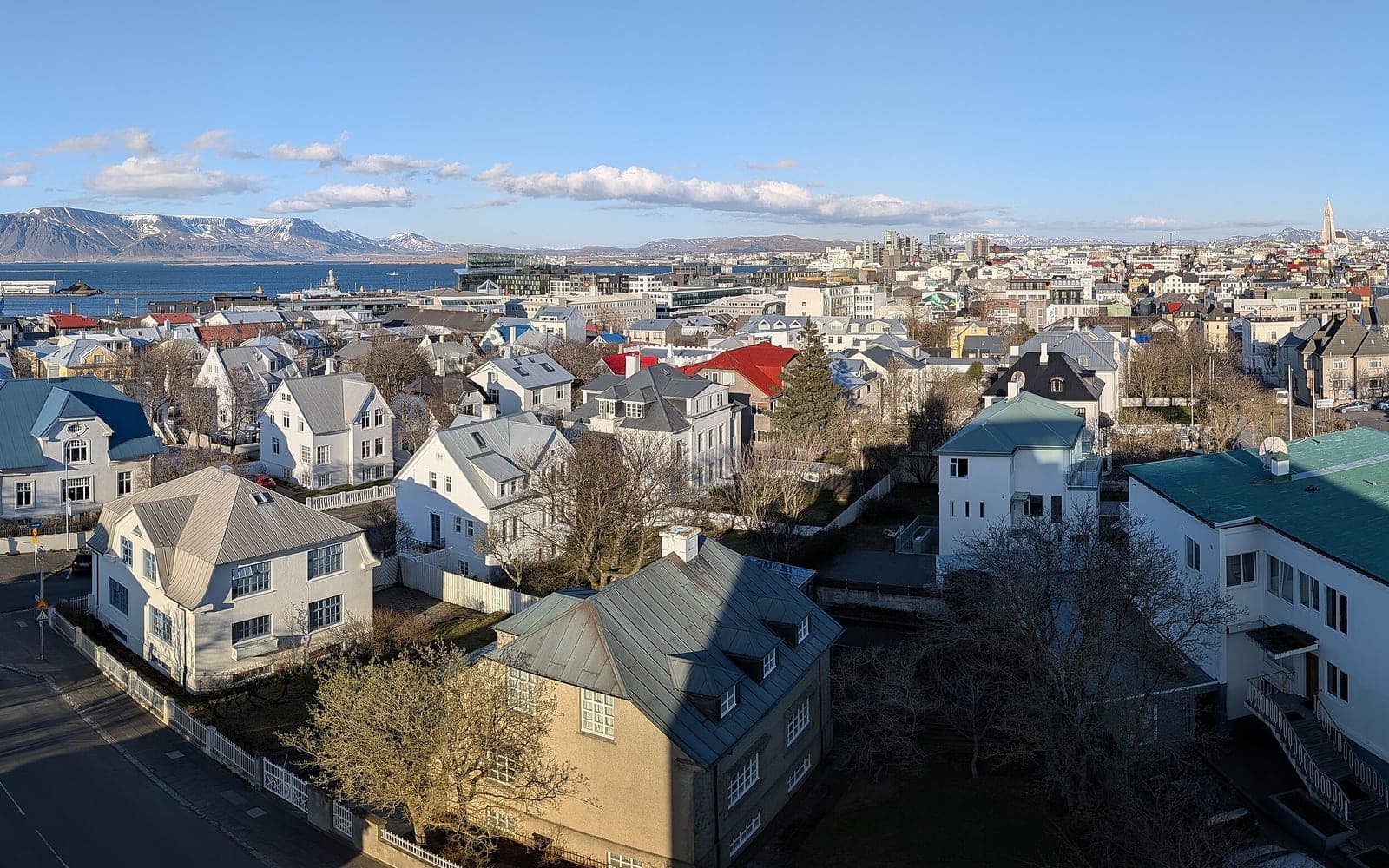
Choose Reykjavík for one or two car-free city days, a short break or a weather buffer—not as the default base for every long day trip.
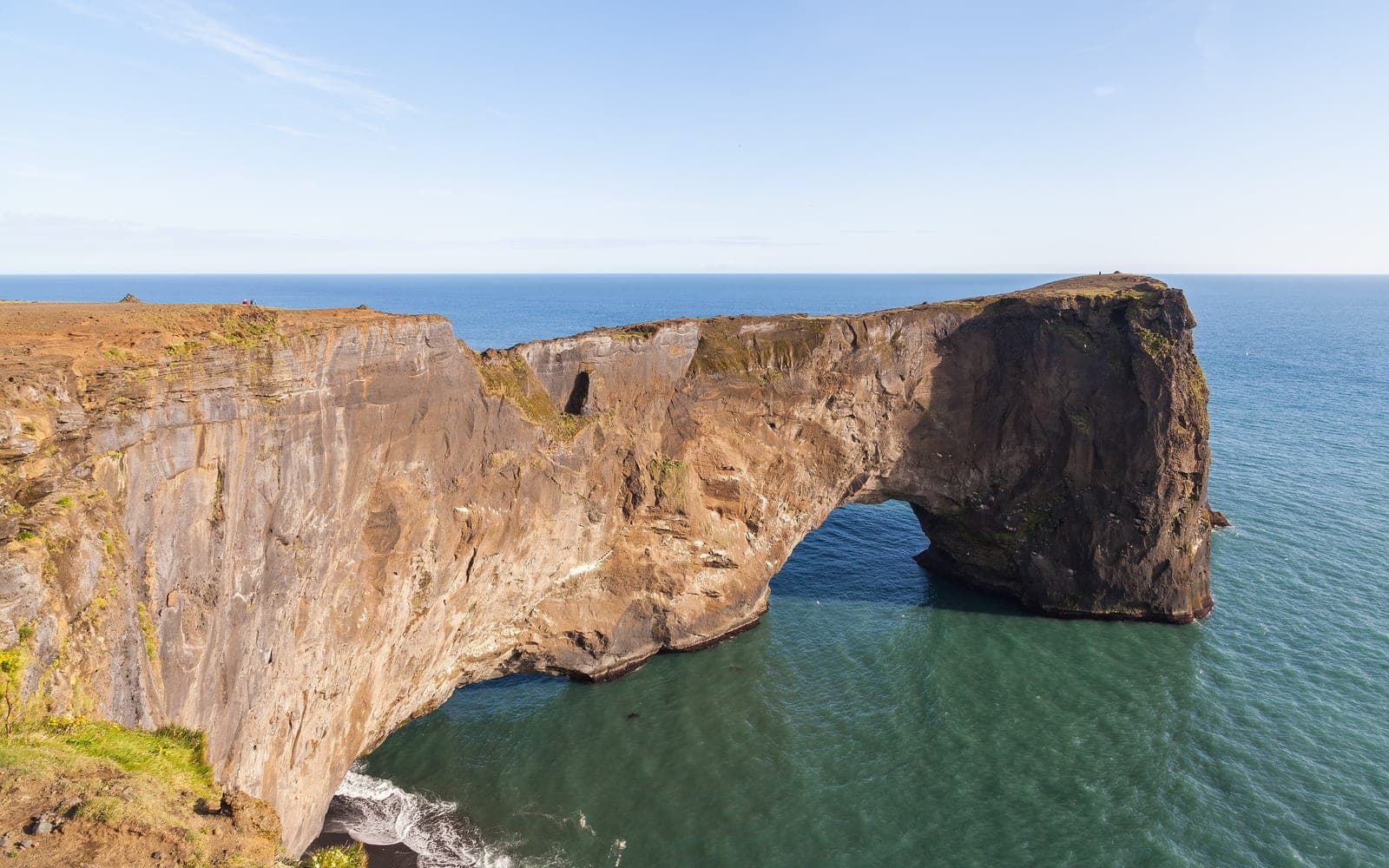
Build a first-trip route around waterfalls, black-sand coast and glacier country, but allow two to four days if Jökulsárlón is part of the plan.
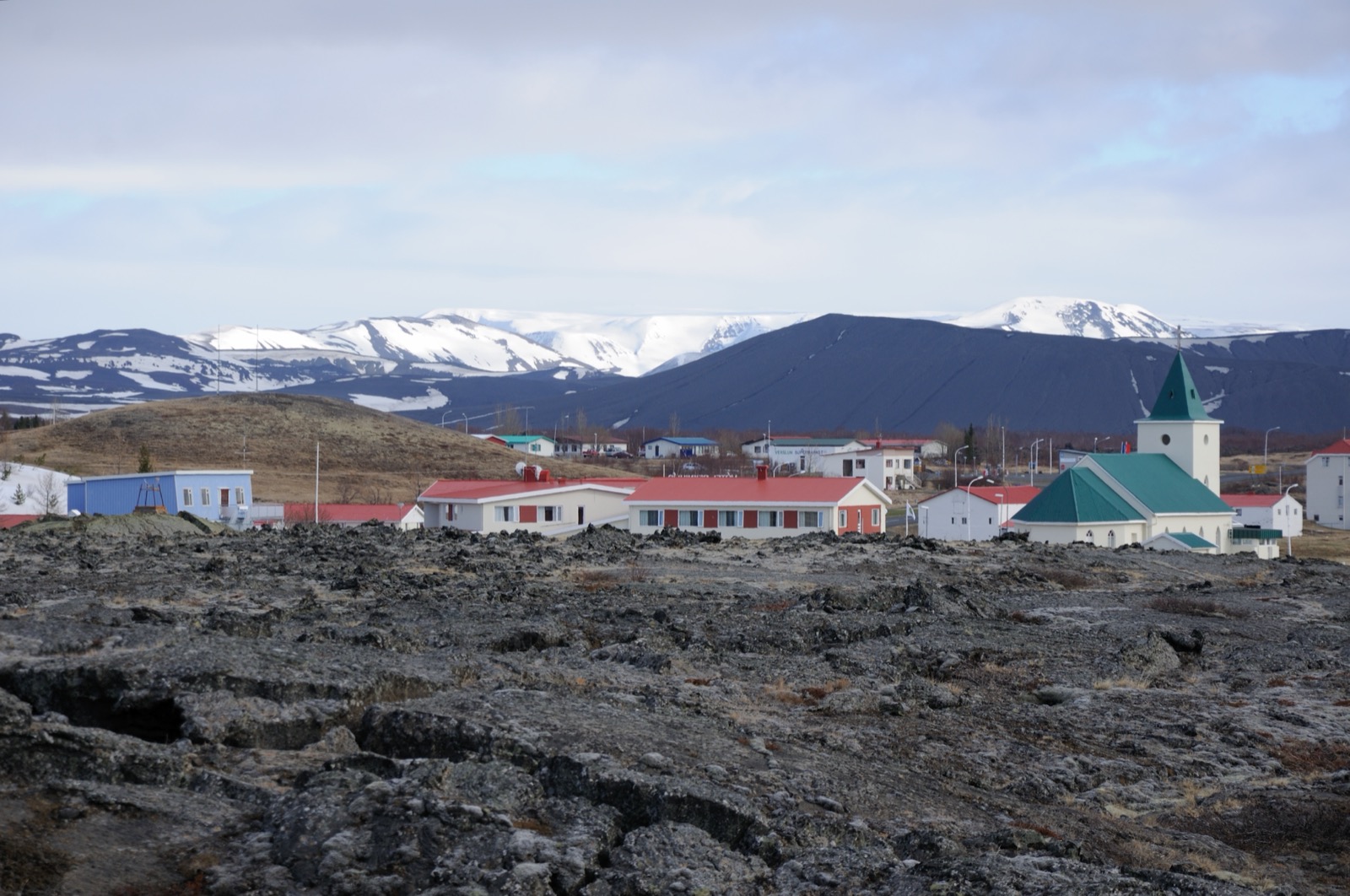
Choose North Iceland when you can spare several days for Akureyri, Mývatn, Húsavík, and canyon country; one rushed overnight barely reaches the region.
More things to do
See other activities that may suit the same day, season, or part of Iceland.
Continue planning
Use the city and family guides to set the pace around the exhibition you chose.