Experience fit
- Guide
- Essential on glacier terrain
- Common setup
- Two riders per machine
- Driver
- Valid licence commonly required
- Warm gear
- Usually supplied in part
- Main variable
- Glacier weather and access
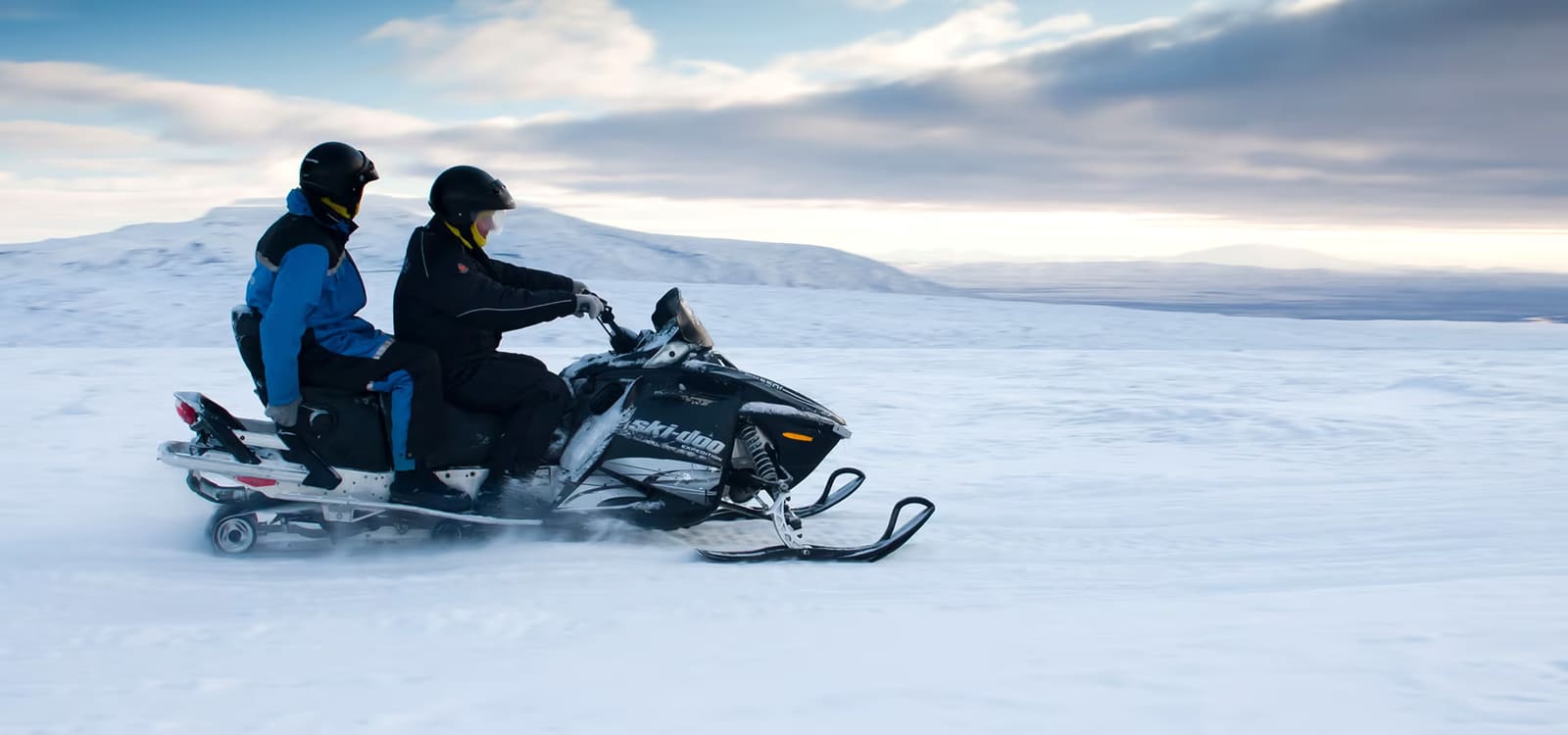
Snowmobiling can put you high on an Icelandic ice cap, but the ride is only one part of the outing. The best choice depends on where you are staying, how you will reach the glacier, and whether you want to drive, share a machine, or travel as a passenger.
Experience fit
A snowmobile tour often revolves around a compact riding session, yet reaching the snow can involve a bus, a specialist truck, a gear fitting, and a safety briefing. Look at the whole outing before giving it space in your trip.
The first question is not which operator has the brightest machine. It is where you will wake up that morning. A Langjökull trip can sit beside the Golden Circle, a South Coast departure can work near Skógar or Vík, and a Vatnajökull ride makes sense when the southeast is already on your route. Starting from Reykjavík turns some of those choices into a much longer day.
The second question is how you feel about the journey up. Glacier roads and snow tracks need vehicles built for the terrain. The transfer can be bumpy, slow, and very exposed to the day's conditions. For many people, that wild approach is memorable. For someone with back trouble, motion sensitivity, or little patience for long transfers, it may be the part that changes the answer.
| Where you are | Likely riding area | How the outing starts | Ask your group |
|---|---|---|---|
| Reykjavík or Golden Circle | Langjökull | City pickup or meet near Gullfoss, then specialist transport | Is a long outing worth a relatively short ride? |
| South Coast | Mýrdalsjökull or Eyjafjallajökull area | Meet at a regional base, then ride up in a glacier vehicle | Is everyone comfortable with a rougher ascent? |
| Jökulsárlón or Höfn area | Vatnajökull | Meet at a southeast base away from Reykjavík transfers | Does this improve a route already in the southeast? |
| Mývatn or North Iceland | Seasonal northern snow terrain | Local winter meeting point and condition-led route | Are the local conditions and group rules suitable? |
Photo guide
1 / 7
A local meeting point can shorten the road transfer, but the ride still depends on the day's snow and visibility.
Good to know
Langjökull is the most straightforward answer for many first-time visitors because it connects naturally with Gullfoss, the Golden Circle, or a west-side stay. That convenience still comes in several very different formats.
A Reykjavík pickup is simplest when nobody wants to drive. It also makes snowmobiling the main event of a substantial guided day, even if the itinerary includes Golden Circle sights. Read the total duration carefully and do not assume every famous stop will receive generous time.
Self-drivers can meet near Gullfoss or at another named point used by the operator. This gives you more control over the sightseeing before and after the activity, but the booked check-in now controls your road day. The operator, official road conditions, and forecast should all agree before you depend on that plan.
Some west-side products begin around Húsafell and combine the ride with a man-made ice tunnel. That is a different day from a Golden Circle pickup: the glacier is both the setting and the subject. Open the Langjökull guide for place context, then compare the exact meeting point and included activities on the operator page.
The South Coast works differently. When you are already staying near Hvolsvöllur, Skógar, or Vík, meeting near the glacier can save hours compared with returning to Reykjavík.
Regional rides are commonly associated with the Mýrdalsjökull or Eyjafjallajökull area. You meet at a base beside the main travel corridor, change into protective gear, and continue upward in a truck designed for the access terrain. Safe conditions determine the final riding area, so the view may differ from photos you saw while booking.
This is attractive on a self-drive trip because waterfalls and black-sand coast already belong nearby. It becomes a poor plan when the same day also tries to cover every stop from Reykjavík to Vík. Let the activity replace part of the checklist. The South Coast road trip shows where the drive begins to tighten.
Do not confuse the nearby outlet-glacier viewpoints with the snowmobile meeting point. Mýrdalsjökull, Eyjafjallajökull, and Sólheimajökull are related pieces of glacier country, but each activity has its own base and access instructions. Follow the booking confirmation, not a generic map pin.
The southeast and north add genuine alternatives, but they are not sensible substitutes for a Reykjavík day trip. Their value comes from being close to the route you already chose.
A Vatnajökull snowmobile outing can suit travelers staying between the glacier-lagoon area and Höfn. Current products use a local meeting point and do not depend on a capital pickup. This can be a strong road-trip activity after you have already decided to spend time near Vatnajökull or Jökulsárlón.
Mývatn is the contrasting northern option. Regional tourism lists snowmobile trips as a winter activity tied to local snow conditions. Think of it as part of a North Iceland stay, not as another glacier tour you can move freely between seasons and regions. Check the operator for the actual surface, route, passenger rules, and operating period.
These regional versions are useful for a second reason: they stop one activity from pulling the whole itinerary back toward Reykjavík. If your route already reaches Mývatn or the southeast, compare the local choice before booking a long transfer elsewhere.
Look at these only after you know which road base belongs in your trip. Each option reaches the snow differently, even when the activity sounds similar.
These tours show how the same activity changes with your route: self-drive to Gullfoss, meet near Geysir, use Reykjavík pickup, or start on the South Coast.
Mountaineers of Iceland
Best forGolden Circle self-drivers who want to meet near Gullfoss before the glacier transfer.
Keep in mindYou still leave the road for a specialized transfer, so the meeting point is not the riding area.
Check firstConfirm the meeting point, road conditions, driver rules, and shared or solo setup.
Arctic Adventures
Best forTravelers choosing between a Reykjavík pickup and meeting near Geysir on the Golden Circle.
Keep in mindA city pickup makes the ride a larger day; meeting near Geysir moves more transport responsibility to you.
Check firstConfirm the selected start, pickup details, license rule, gear, and route-change terms.
Southcoast Adventure
Best forSouth Coast road trips that already pass the Brú meeting point near Eyjafjallajökull.
Keep in mindA regional base reduces the capital transfer, but the modified-vehicle ascent and exposed snow still shape the outing.
Check firstConfirm the base, operating conditions, driver rules, gear, and shared or solo setup.
Beginner-friendly does not mean warm, quiet, or smooth. You are sitting on a motorized vehicle in an exposed place where wind can change the experience quickly.
Operators usually supply a helmet and protective outer gear such as an insulated suit, gloves, goggles, a balaclava, or shoe covers. The exact list differs. Your own base and mid layers still matter, as do warm socks and waterproof footwear that can cope with snow around the base.
Steering takes upper-body attention, and the surface can jolt the rider. Tell the operator about back or neck problems, pregnancy, limited mobility, or concerns about fitting the supplied clothing. A page that labels a tour easy cannot decide those things for you.
Keep cameras and phones secure. A small item that is easy to handle with cold fingers is more useful than a loose bag on the machine. If photos matter, ask whether the group stops and whether the guide can help you store gear during the ride.
Blue sky is not part of the ticket. Cloud, wind, snowfall, visibility, road conditions, and the safe riding area can all alter the timing or route.
A whiteout may leave you with almost no distant scenery even when the guided ride can proceed. Stronger conditions may delay, move, shorten, or cancel the outing. Read the cancellation and rescheduling terms before the date, especially when this is your final day in the region.
The Environment Agency advises snowmobile riders to follow the guide, stay in the guide's tracks, and wear a helmet. That guidance matters because glaciers move and hide crevasses beneath snow. This is not an activity for renting a machine and improvising a route.
General off-road driving is prohibited in Iceland, with narrow exceptions for appropriate frozen or snow-covered conditions. Visitors should not turn that exception into permission to explore independently. Use a guided product with a defined route and follow local restrictions.
Choose the experience you actually want on the glacier, then confirm the departure base, transfer, clothing, driver rules, and weather policy for the exact booking.
Snowmobiling is about the vehicle, movement, and the scale you can cross. A guided glacier walk is slower and more physical, with more attention on the ice underfoot. An ice cave experience is about entering a particular formation or tunnel, with access that can be even more sensitive to season and conditions. For a ground-level ride without glacier access, compare ATV and buggy tours by seating and terrain.
A specialist truck or snowcat outing can deliver high-glacier scenery without asking you to steer. A lagoon or viewpoint is easier to keep flexible and may suit mixed groups better. For a human-powered snow day, use the skiing and snowboarding guide to separate managed slopes, cross-country tracks, and guided touring. The broader glacier activities guide lays out the ice-based alternatives without treating every experience as interchangeable.
These details can change between operators and riding areas, so use the answers to narrow the choice and then confirm the final rules directly.
Yes, many guided outings are designed for first-time riders and begin with instruction. Check the stated difficulty, physical requirements, machine setup, and whether the transfer terrain suits you.
A valid licence is commonly required to drive. Passengers usually do not need one, but age limits and the required mix of drivers and passengers vary by operator.
Some operators accept children as passengers, with different minimum ages and adult-pairing rules. Check the exact product instead of relying on a general Iceland age.
Some glacier operations run in summer, while other riding areas are seasonal. Surface, route, access, and scenery change, so confirm the specific glacier and date.
The riding portion can be much shorter than the total outing. Transfers, gear fitting, instruction, stops, and any combined sightseeing or ice-tunnel visit add time.
A shared machine places a passenger behind the driver and may allow adults to swap. A solo machine gives one person the controls but needs its own booking choice.
Use official safety guidance for the non-negotiable boundaries, then use the exact operator page for details that change between products.
Read the glacier and snowmobile guidance before treating the activity as casual sightseeing.
Use this for the legal boundary around off-road vehicles, glaciers, and snow-covered frozen ground.
Check the relevant area forecast close to departure rather than relying on an earlier trip forecast.
Check the road to the meeting point on the day and follow any operator instructions.
By ThorPublished
Where to do it
Compare other ways to spend time around Icelandic ice when speed, transfers, weather, or comfort change your mind.
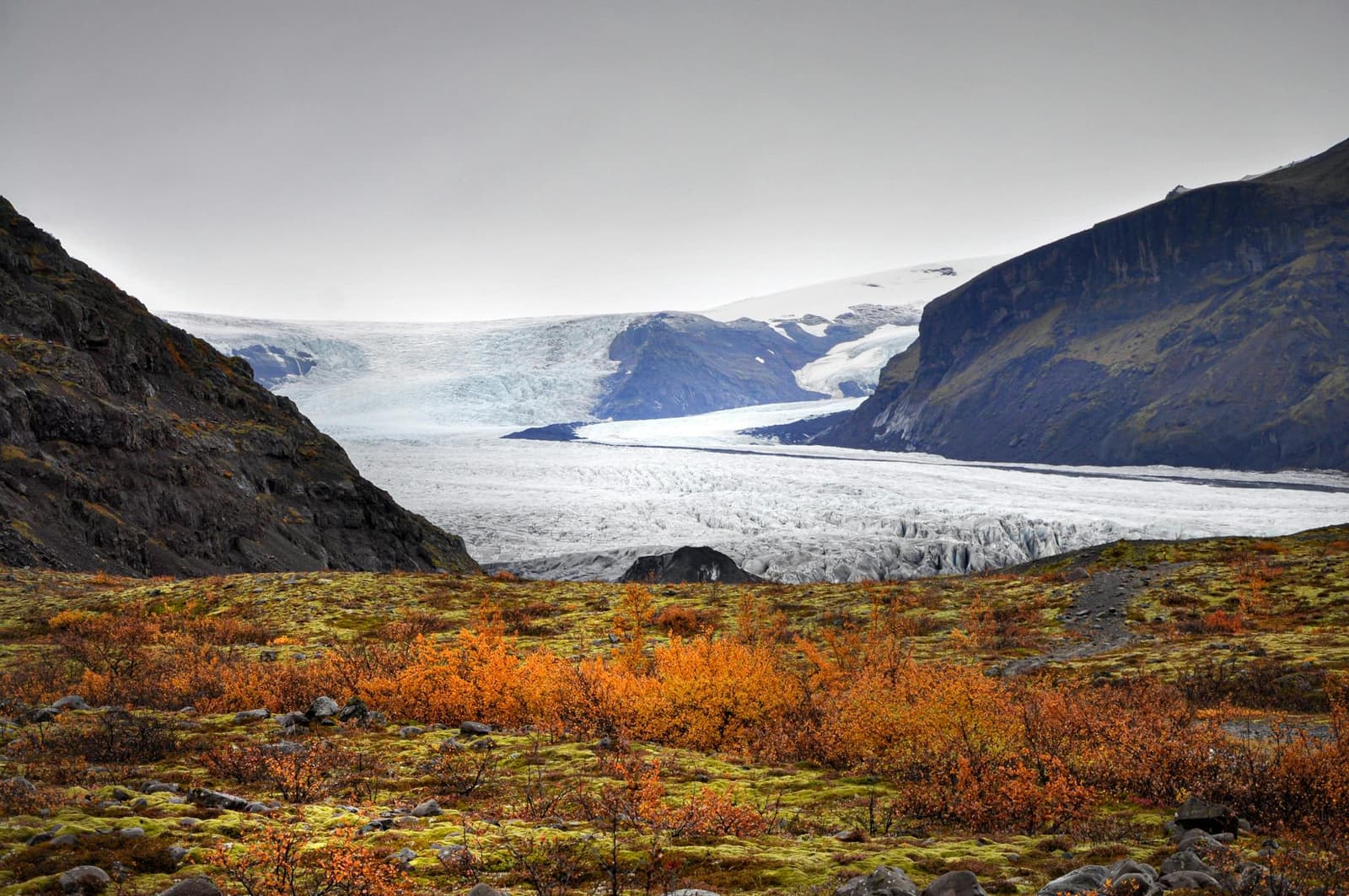
Vatnajökull is Europe's largest ice cap by volume and the central feature of a vast national park. Travelers experience it through specific outlet glaciers, marked trails and lagoons rather than at one entrance or viewpoint.
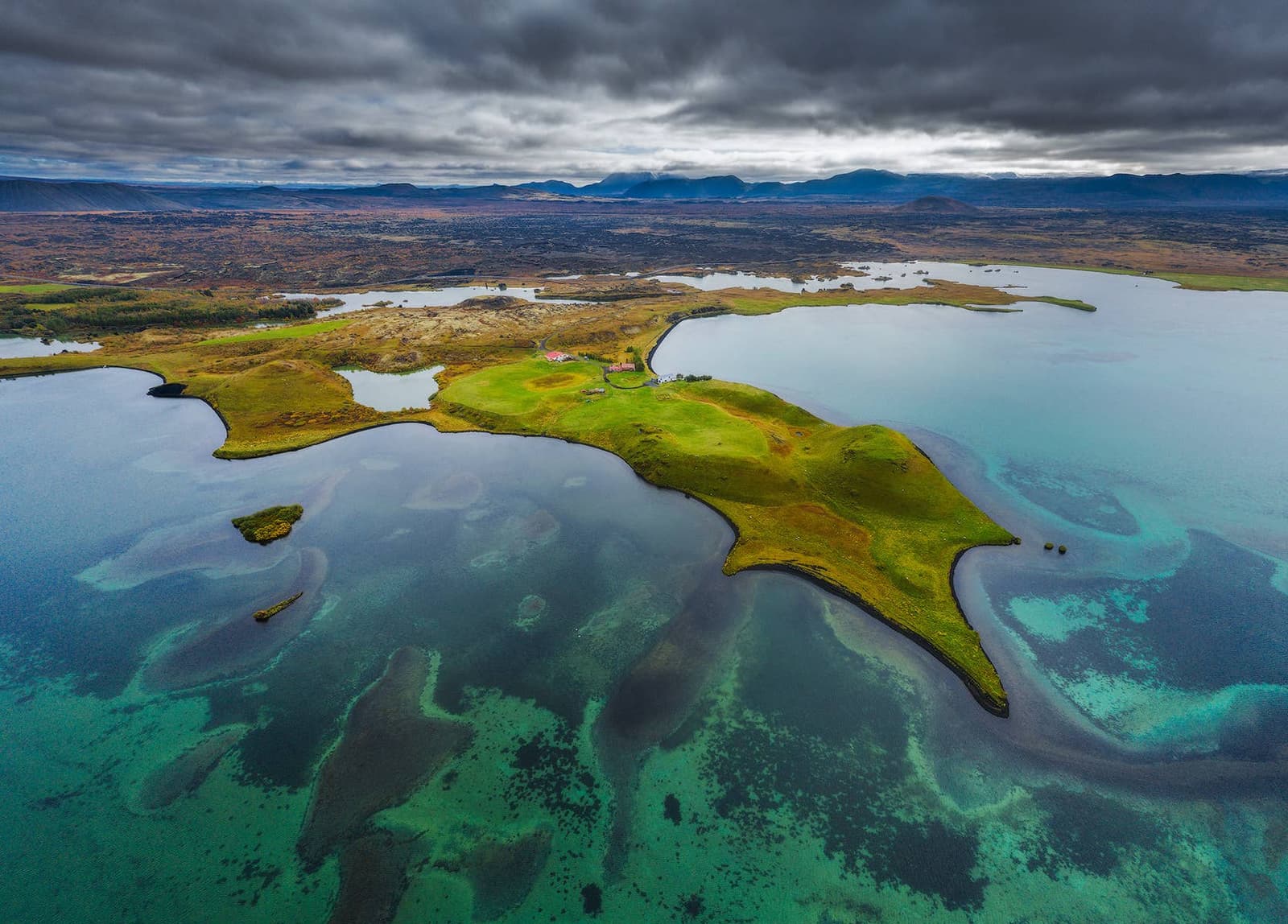
Lake Mývatn is a shallow protected lake shaped by lava, small islands and wetland life. The lake is the center of the experience; the craters, lava formations and geothermal sites around it explain why this compact area feels so varied.
Regions
See which part of Iceland is most convenient for this experience and what else you can visit nearby.
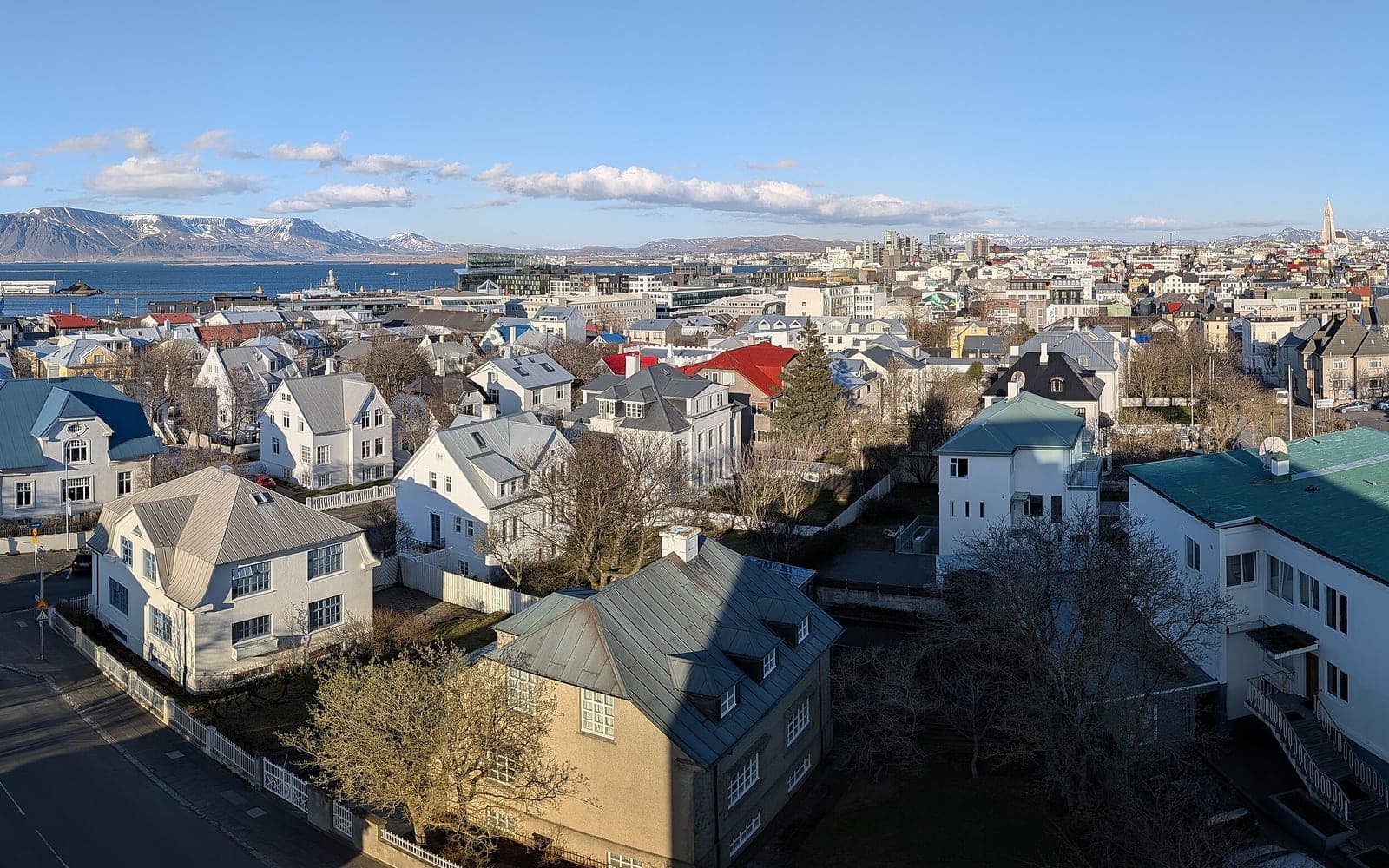
Choose Reykjavík for one or two car-free city days, a short break or a weather buffer—not as the default base for every long day trip.
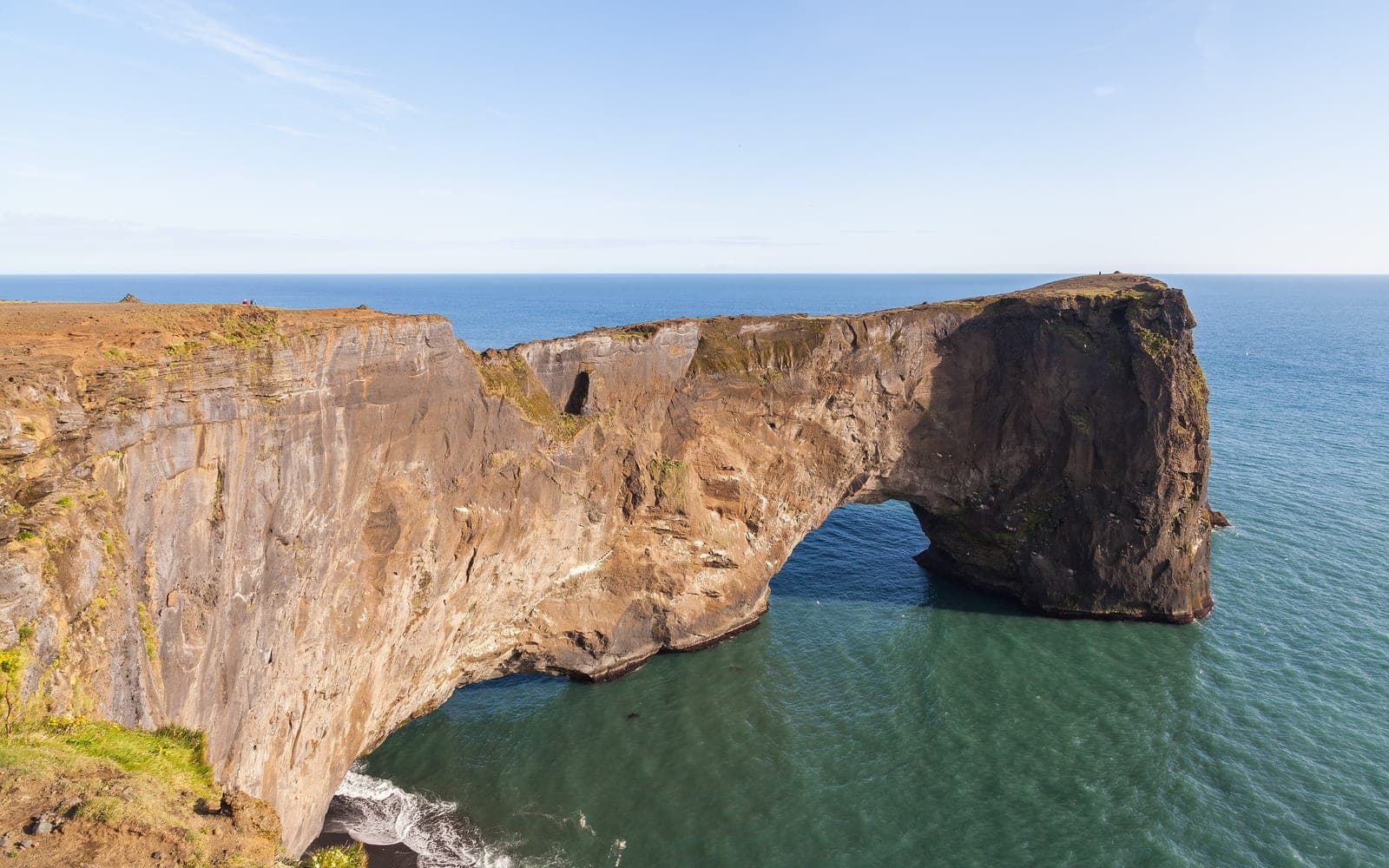
Build a first-trip route around waterfalls, black-sand coast and glacier country, but allow two to four days if Jökulsárlón is part of the plan.
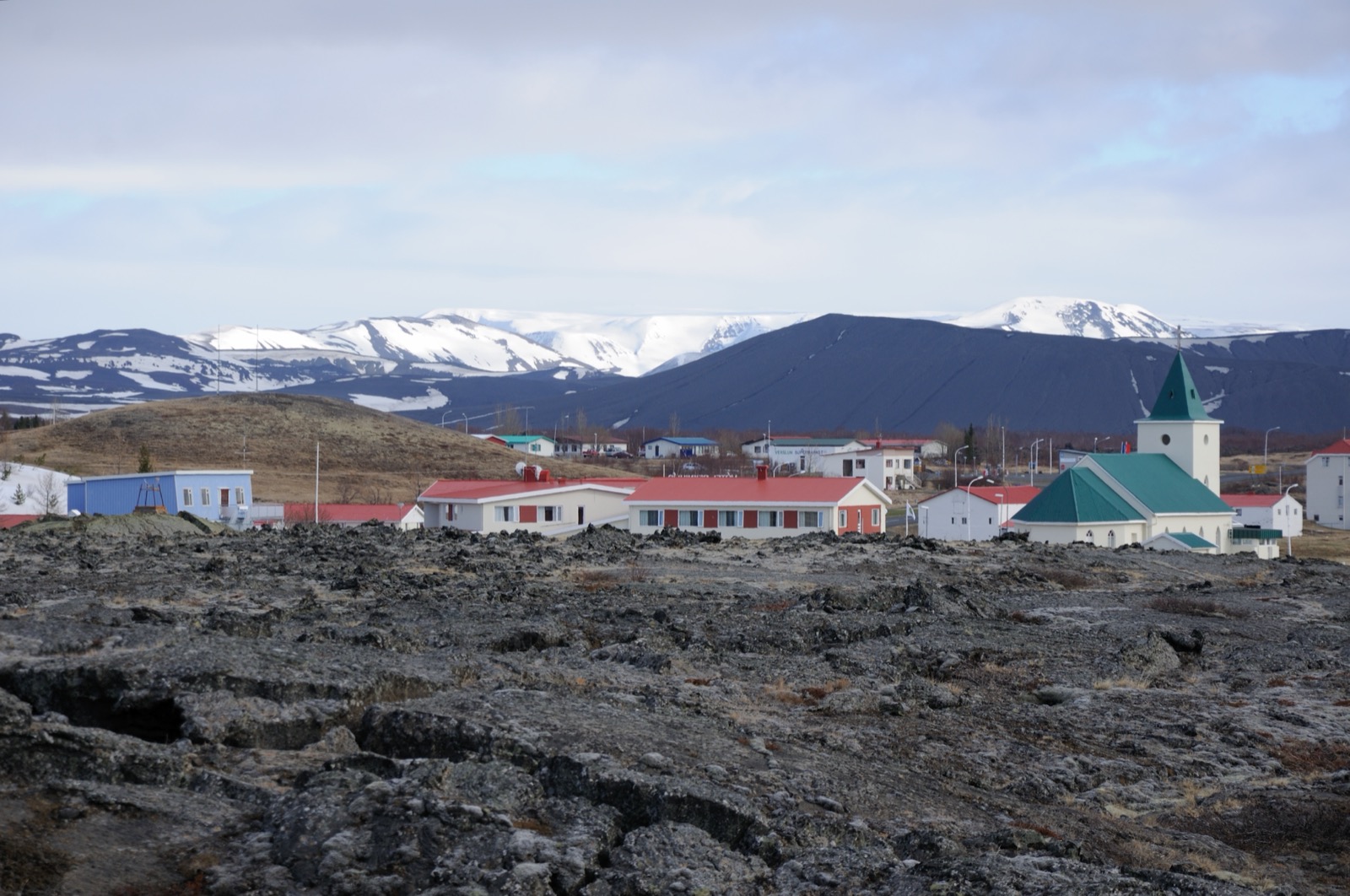
Choose North Iceland when you can spare several days for Akureyri, Mývatn, Húsavík, and canyon country; one rushed overnight barely reaches the region.
More things to do
See other activities that may suit the same day, season, or part of Iceland.
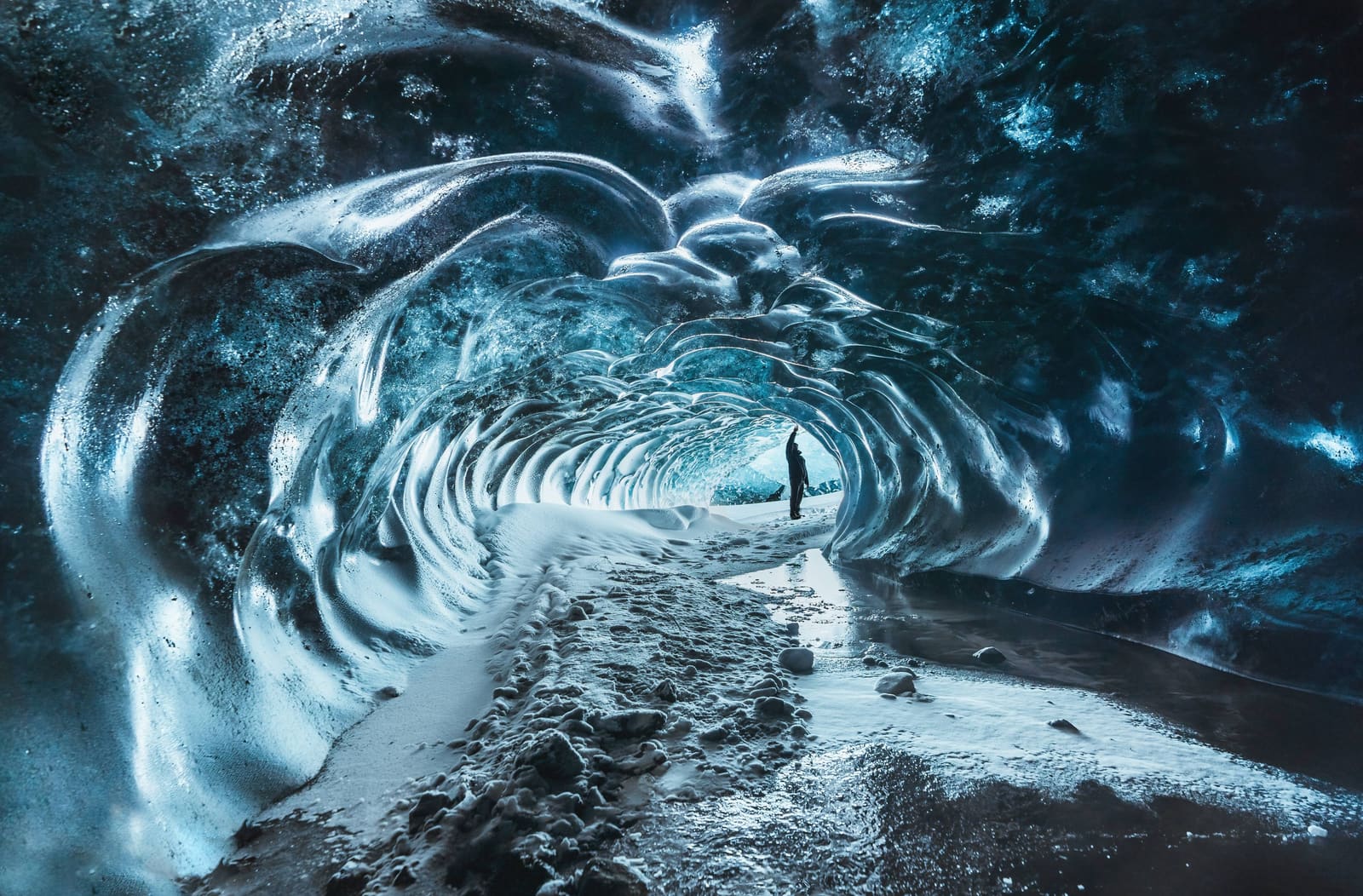
Ice caves are worth planning only when you choose the right cave promise: natural winter ice, ash-striped Katla ice, a Langjökull tunnel, or a safer glacier backup. Use season, base, guide need, effort, and flexibility before booking anything.
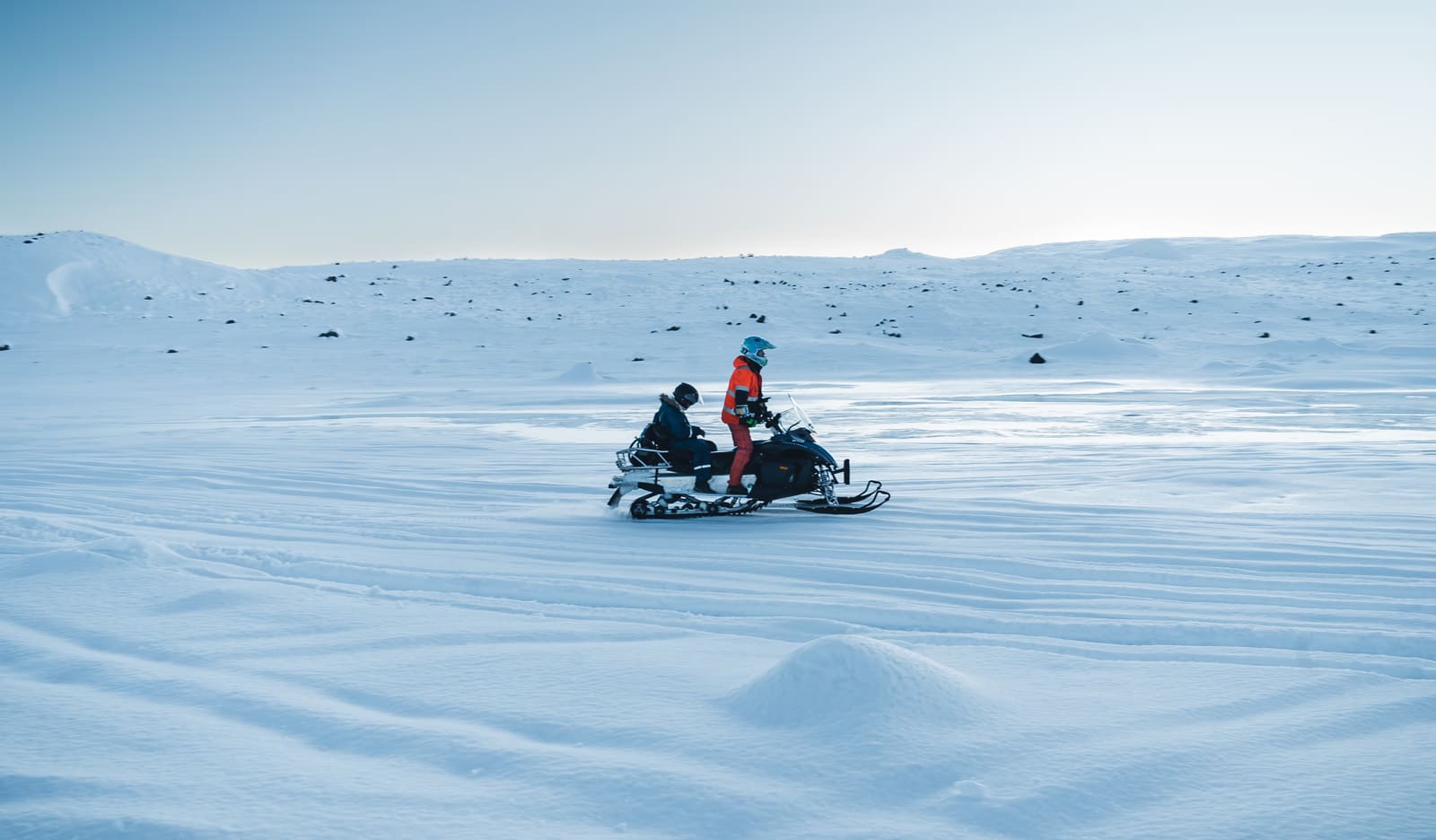
Choose one strong winter experience, then keep a flexible backup for weather, roads, daylight, or comfort. Compare guided ice, aurora, hot water, wildlife, city options, and conservative sightseeing before locking the day.
Keep planning
Open the glacier overview, Golden Circle route, or South Coast route according to where this outing will sit.