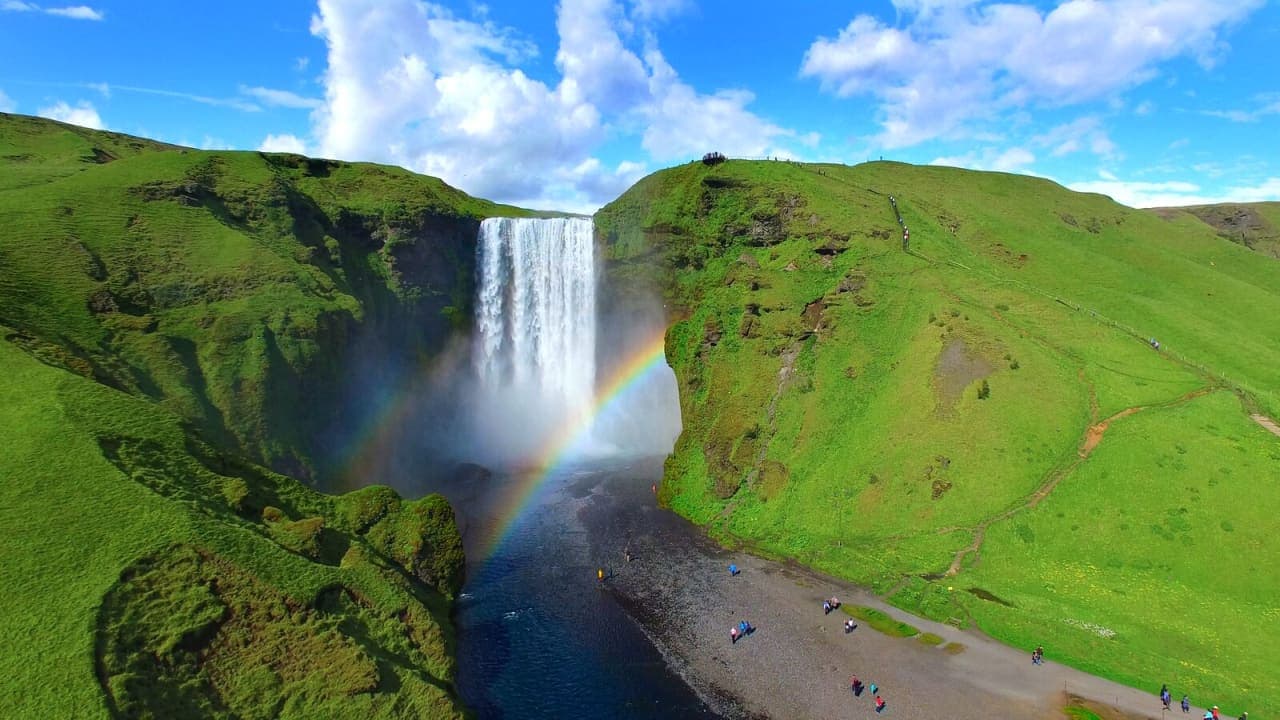
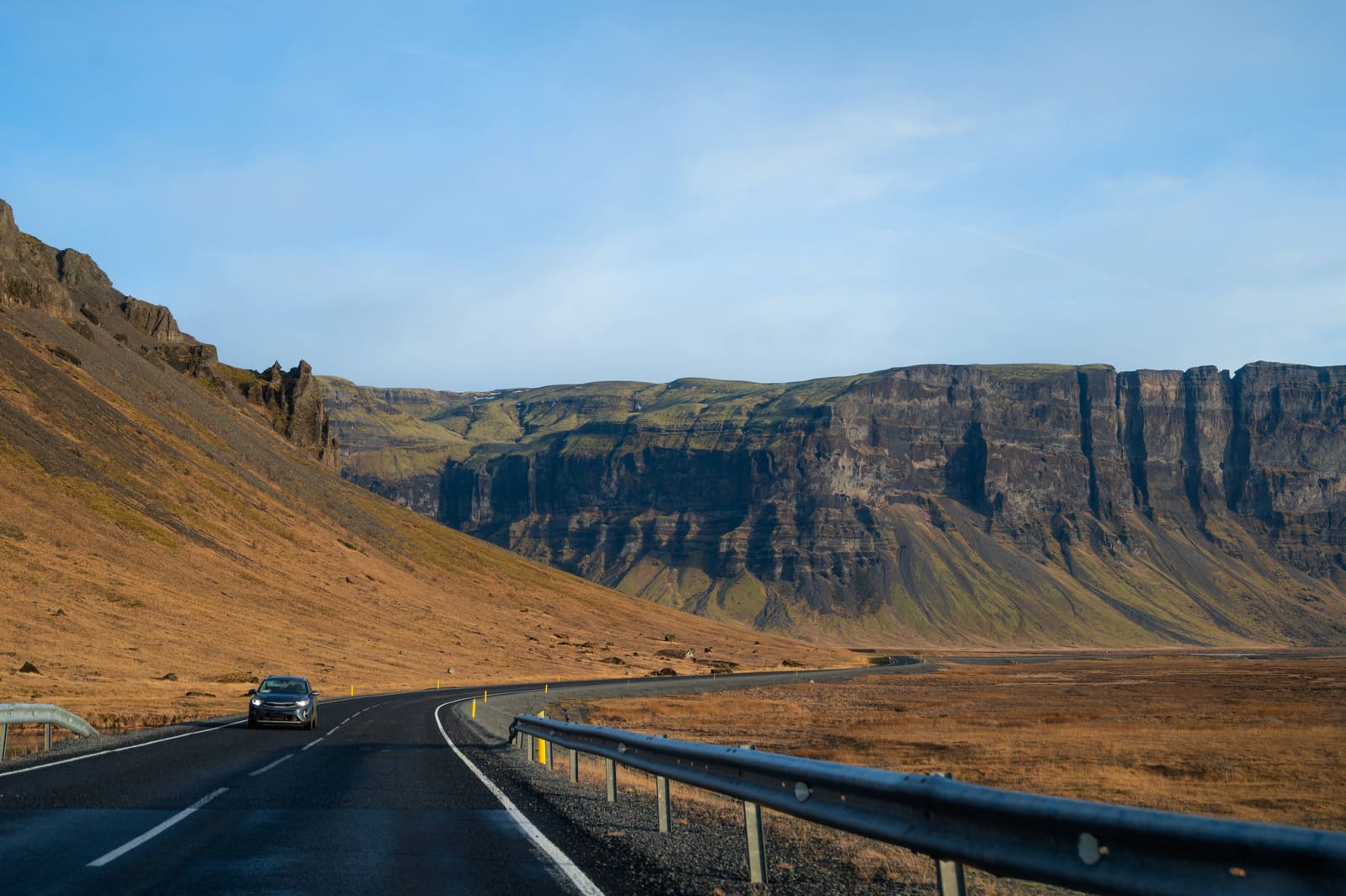
Eyjafjallajökull is the glacier-capped South Coast volcano made famous by the 2010 eruption; visit for route context and views, but treat glacier or summit access as serious guided terrain.
Glacier facts
Type
Glacier-capped volcano, mountain, and South Coast landmark
Region
South Iceland, north of Skógar and west of Mýrdalsjökull
Route context
South Coast and Ring Road scenery between Seljalandsfoss, Skógafoss, and Vík-area stops
Time to allow
10-30 minutes for viewpoint context; longer only with a specific guided or high-clearance plan
Best experience
Use clear-weather views, eruption history, and nearby stops to make the landscape more meaningful
In this guide
Is Eyjafjallajökull worth adding to a South Coast route?
Yes, Eyjafjallajökull is worth adding when you treat it as the glacier-volcano backdrop and eruption story behind this part of the South Coast, not as a simple roadside crater stop.
The value is context. Between Seljalandsfoss and Skógafoss, the ice cap explains why the inland horizon feels larger than a normal mountain view and why the 2010 eruption became part of modern Iceland travel memory.
Go if the weather is clear enough to see the glacier-volcano and your route already passes the south side of it. Skip making it a named stop if clouds hide the ice cap, the day is already packed with waterfalls and beach time, or you are expecting an easy drive to the summit.
Add Eyjafjallajökull when it helps a traveler understand the South Coast between Seljalandsfoss, Skógafoss, Þórsmörk-area valleys, and the 2010 eruption. Skip it as a forced checklist stop on a tight first-trip day, especially in low cloud.
Photo guide
Eyjafjallajökull in photos
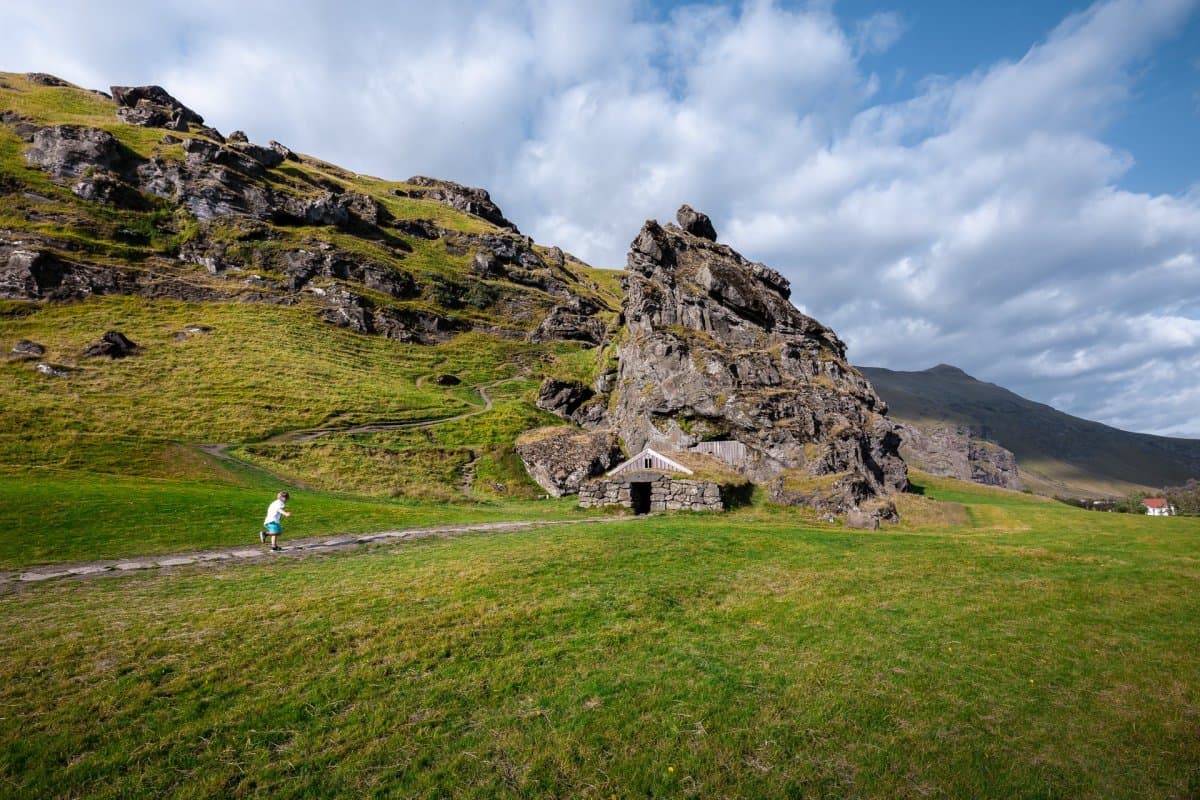
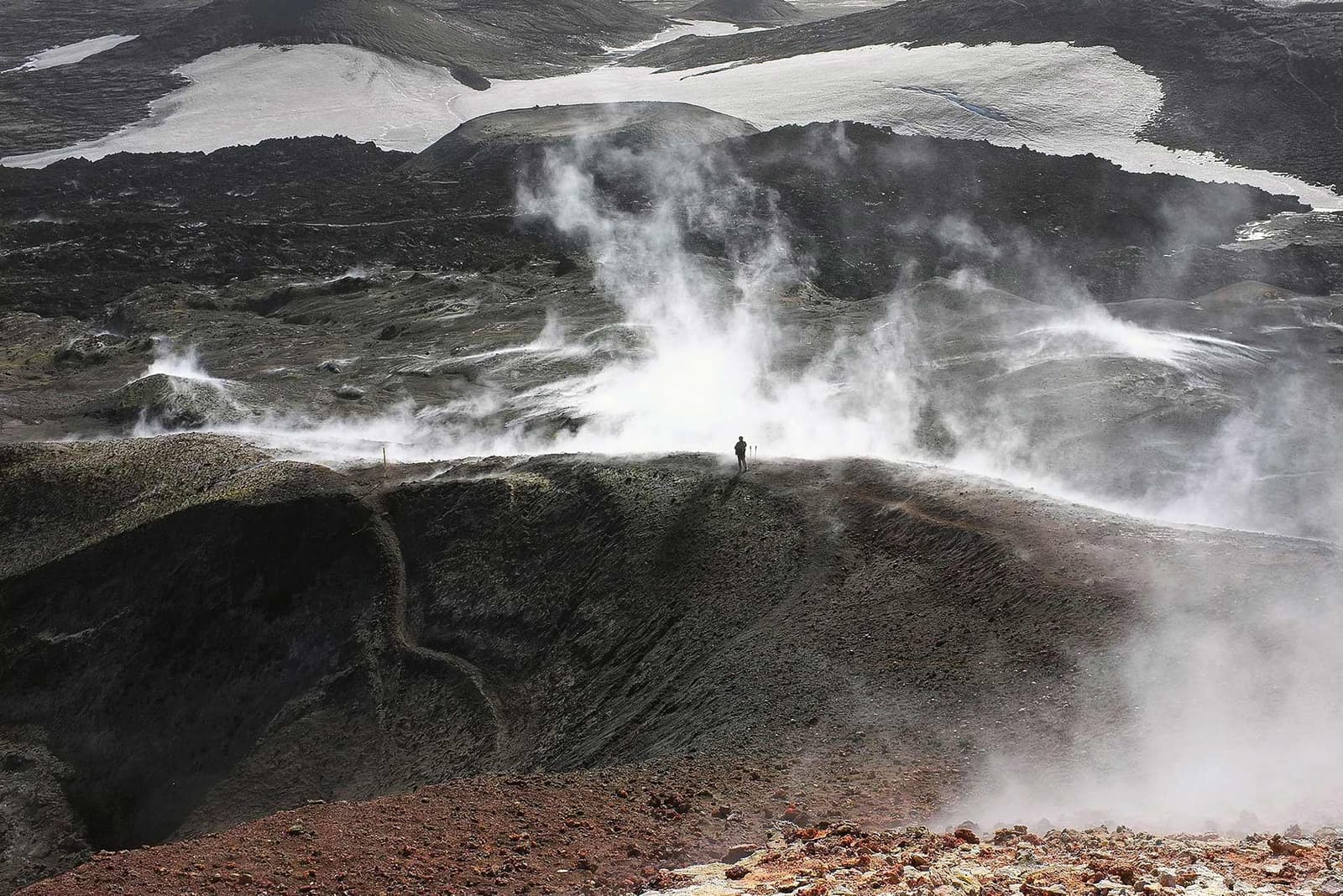
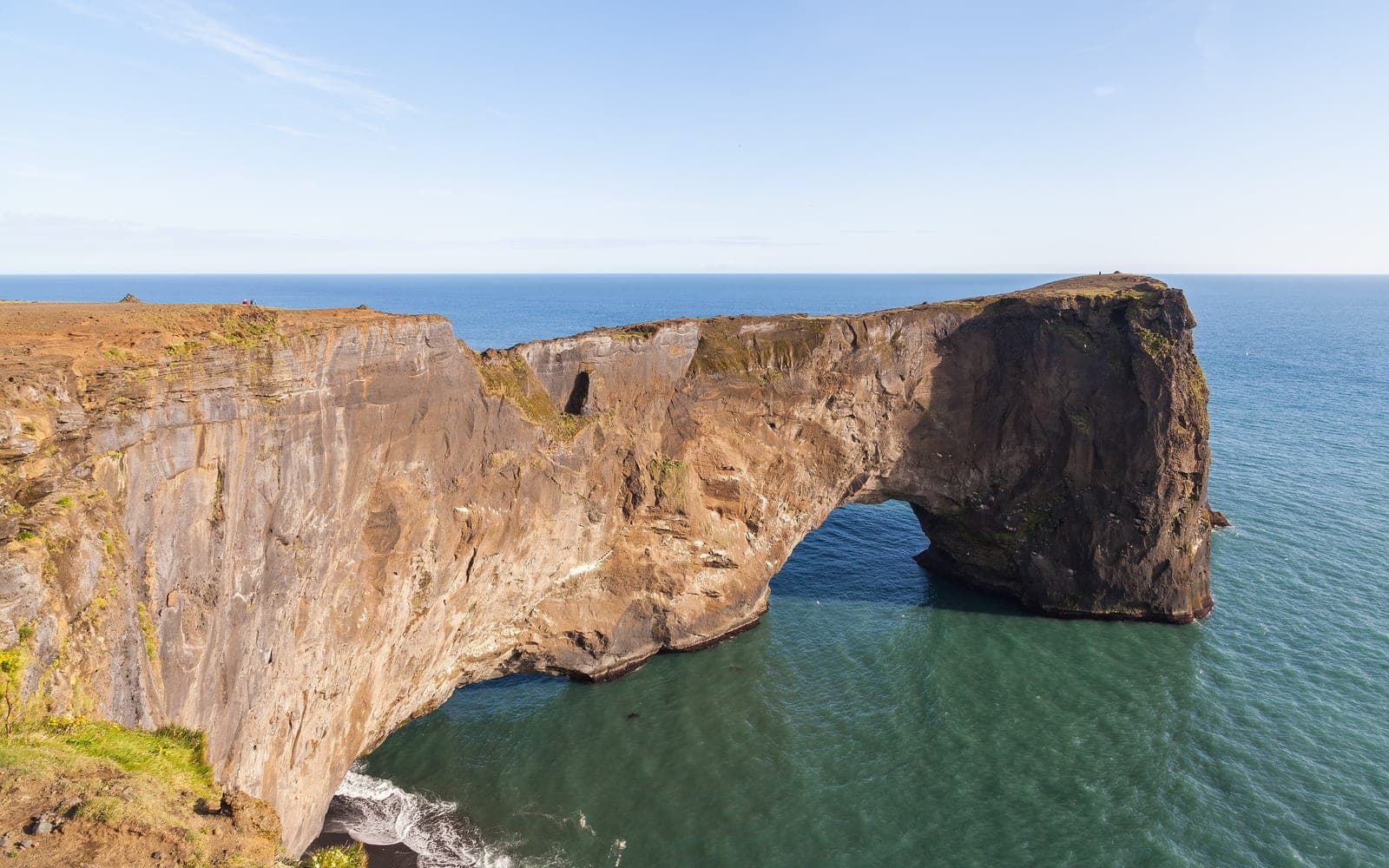
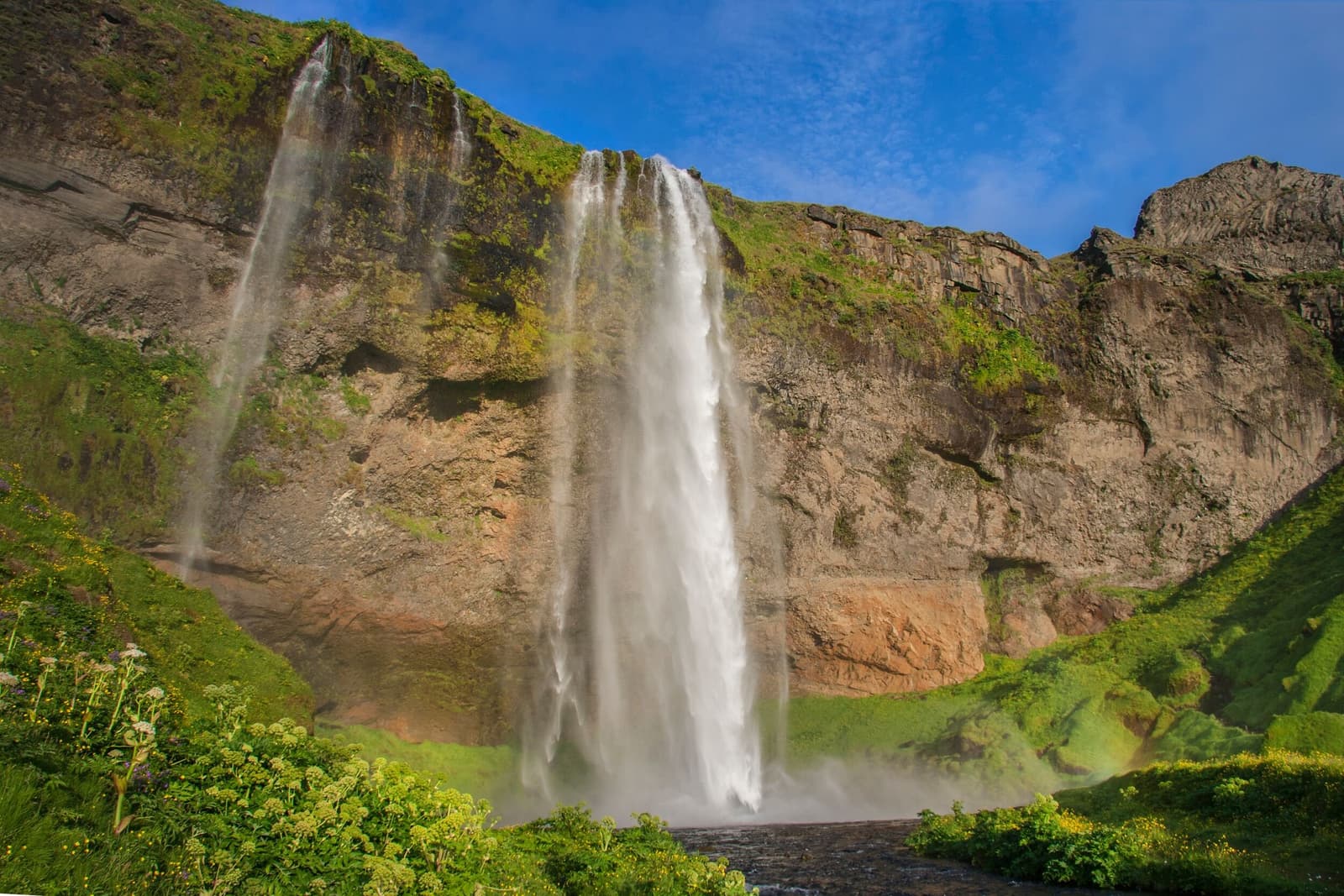
Clear weather decides whether Eyjafjallajökull becomes a memorable route landmark.
Can you actually visit Eyjafjallajökull itself?
Most travelers do not visit the summit or crater. They see Eyjafjallajökull from the South Coast, nearby farms and valley roads, or guided specialist routes that depend on current conditions.
This is the main planning distinction. Eyjafjallajökull is a glacier-capped stratovolcano, not a tidy viewpoint with one obvious entrance. The lower landscape is visible from normal South Coast driving, while the glacier, upper mountain, and Þórsmörk-side approaches require much more caution.
For most travelers, Eyjafjallajökull is a major landscape presence rather than a single compact stop.
Official regional guidance is blunt about glacier travel: inexperienced visitors should not go onto the glacier without guides and proper knowledge. SafeTravel also warns that Icelandic glaciers move, weather is harsher on ice, and crevasses can appear with limited warning.
How much time should you give the Eyjafjallajökull area?
Allow 10-30 minutes if you are using Eyjafjallajökull as route context from viewpoints or nearby stops. Give it longer only when you have a specific safe access plan.
A normal South Coast day does not need a separate Eyjafjallajökull detour. The better plan is to notice where it sits in the landscape, use one or two viewpoint moments, and then spend your main stop time at places with clear access such as Seljalandsfoss, Skógafoss, or Kvernufoss.
The inland valleys around Eyjafjallajökull are appealing, but access is a different decision from ordinary South Coast sightseeing.
How to size an Eyjafjallajökull stop
Plan
Best for
Planning reality
Passing viewpoint
First-time South Coast travelers
Use clear weather and a short stop; do not build the day around the name alone
Waterfall pairing
Travelers already stopping at Seljalandsfoss or Skógafoss
The volcano context improves the drive without adding much time
Valley or Þórsmörk-side approach
Experienced drivers or guided trips
Requires current road, river, vehicle, and weather checks
Glacier or summit terrain
Specialist guided plans
Not a casual self-guided attraction visit
What do you see when the glacier-volcano is clear?
In good visibility, Eyjafjallajökull reads as a broad white cap above dark slopes, farms, cliffs, and waterfall country, with the 2010 eruption giving the view more meaning than shape alone.
It is not always visually dramatic in the way a waterfall or black sand beach is dramatic. Some days it is a clean white horizon above the road. Other days, cloud hides most of it and the stop becomes more about knowing what the mountain is than seeing every detail.
The 2010 eruption is the reason many travelers recognize the name before they recognize the mountain.
The Icelandic Meteorological Office describes Eyjafjallajökull as a stratovolcano on the Eastern Volcanic Zone, west of Katla, with ice covering much of the system. That explains why the eruption story is tied to ash, ice, meltwater, and aviation disruption rather than only red lava.
Which South Coast stops pair best with Eyjafjallajökull?
The strongest pairings are the places that make the volcano part of a real driving day: Seljalandsfoss to the west, Skógafoss and Kvernufoss to the east, and Vík-area coastal stops farther along the route.
Seljalandsfoss works well before or after the Eyjafjallajökull views because it sits on the western side of the same South Coast travel rhythm. Skógafoss gives the stronger eastern anchor, with Kvernufoss nearby if you want a quieter waterfall contrast around Skógar.
If you continue toward Dyrhólaey and Reynisfjara, Eyjafjallajökull becomes the inland story behind the drive rather than another time-consuming stop. That is usually the cleanest way to use it on a first South Coast day.
Clear weather is what turns Eyjafjallajökull from background geography into an active part of the day.
More specialized nearby names such as Gígjökull, Stakkholtsgjá, Seljavallalaug, Þorvaldseyri, and Fimmvörðuháls can make sense for travelers with the right vehicle, season, time, and local guidance. They should not be treated as automatic add-ons to a normal waterfall-and-beach route.
What should you check before going beyond the roadside views?
Check official weather, road, and glacier-safety sources before you turn Eyjafjallajökull from a visible landmark into an access plan.
Use this guide for planning, not live safety confirmation. Use the Icelandic Meteorological Office for weather and volcanic information, Umferðin for road conditions, and SafeTravel for glacier-safety and crevasse-map guidance before committing to anything exposed, icy, remote, or high-clearance.
The same check matters in summer. Long daylight does not remove crevasse risk, fast weather changes, river crossings, or vehicle limits. If a plan needs glacier equipment, a guide, or a modified vehicle, treat that as the real gate.
Forecasts, warnings, wind, precipitation, and visibility.
Eyjafjallajökull questions travelers ask before they go
The common questions are less about whether the volcano is famous and more about what kind of visit is realistic.
Can you drive to Eyjafjallajökull?
You can drive through the South Coast area where Eyjafjallajökull is visible, but you should not expect a simple public road to the summit or crater. Higher or inland access depends on route, vehicle, weather, and local guidance.
Is Eyjafjallajökull still active?
Eyjafjallajökull is an active volcanic system, with its most recent eruption in 2010. For current volcanic information, use the Icelandic Meteorological Office rather than travel articles.
Is it safe to hike on Eyjafjallajökull glacier?
It is not safe as a casual self-guided walk. Glacier travel requires experience, equipment, current crevasse awareness, weather judgement, and usually a certified local guide.
What is the best easy way to include Eyjafjallajökull?
The easiest way is to use it as South Coast context while visiting Seljalandsfoss, Skógafoss, and nearby route stops. Clear weather matters more than adding a long detour.