Experience fit
- Easiest start
- A managed local ski area
- Capital option
- Bláfjöll when operating
- North base
- Akureyri for Hlíðarfjall
- Backcountry line
- Training, equipment and guidance
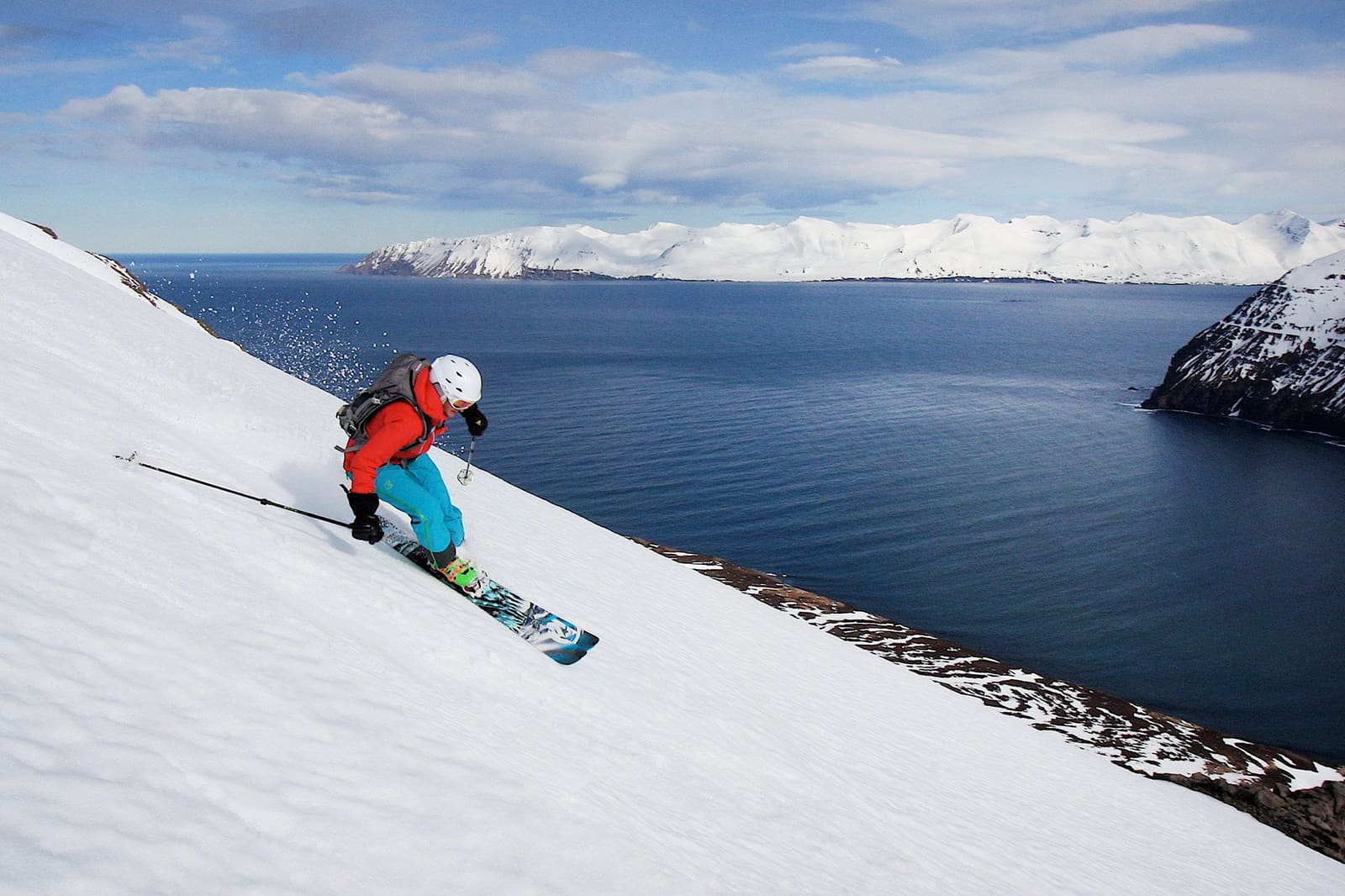
Skiing in Iceland is less about a large resort week and more about choosing the right snow day: a compact local hill, maintained cross-country tracks, or guided touring above a fjord. Start with your base and ability, then let current snow, road, wind, and avalanche information decide whether the plan still works.
Experience fit
A skier drops toward the sea, a short lift turns beside a dark mountain, and the lights of a small Icelandic town sit below the snow. That is the appeal: the landscape stays bigger than the ski area.
Iceland is not the obvious choice for a week of linked pistes and resort villages. Its ski areas are smaller and their operation can be sensitive to snow, wind, visibility, and staffing. The reward is a local mountain day that can sit inside a wider winter trip rather than replace it. A few good runs above Akureyri or an Eastfjords town can be more memorable than chasing a larger piste count.
For most visitors, the strongest plan is to add skiing when a suitable hill already fits the base. Hlíðarfjall belongs naturally to an Akureyri stay; Stafdalur makes sense when Seyðisfjörður and East Iceland already have time. Keep the rest of the day flexible, because a winter calendar cannot promise usable snow or open lifts.
Photo guide
1 / 8
Groomed runs and a lift line cross the open snow at Tindastóll in North Iceland.
Good to know
Lift-served skiing, maintained cross-country tracks, and backcountry touring all use skis, but they ask for different skills, equipment, time, and safety decisions.
| Ski day | What it feels like | What you need | Change the plan when |
|---|---|---|---|
| Lift-served downhill or snowboard | Marked runs, lifts, a base area and repeated descents | Appropriate ability, lift status and alpine or snowboard gear | The area is closed, visibility is poor, or the open terrain does not suit the group |
| Maintained cross-country | A steady glide on prepared parallel tracks | Nordic equipment, a maintained route and suitable snow | The track update is stale, grooming is absent, or wind and snow erase the route |
| Guided backcountry touring | Climbing on skins, then descending natural mountain terrain | Touring experience, avalanche equipment, fitness and qualified guidance | The guide, avalanche forecast, weather, snowpack or group ability says no |
A managed ski area is the only one of the three that can fit relatively easily into another winter day. Even then, check which runs and lifts are open and whether rental gear fits the group. Cross-country needs a maintained track, not merely a white field. Touring is a full mountain objective whose climb, descent, route choice, rescue plan, and avalanche exposure all matter.
Your overnight base narrows the map more quickly than a national ranking of ski areas.
Bláfjöll is the practical capital-area reference because its official information covers downhill skiing, snowboarding, cross-country, a beginner area, and equipment rental. That range can make it the easiest first check from Reykjavík. It is still a mountain plan: confirm the area's own opening and conditions update before driving, and keep the Reykjavík activities guide ready as an easy bad-weather backup.
Akureyri makes a stronger ski base when snow time is a real trip priority. Hlíðarfjall sits just outside town and combines marked alpine pistes with cross-country routes. The mountain can therefore support beginners, stronger piste skiers, snowboarders, and Nordic plans without pretending they all use the same terrain. Read the Akureyri activities guide before giving the mountain the whole stay.
Elsewhere, small areas make sense as regional experiences. Stafdalur can add local slope time to an Eastfjords route, while Seljalandsdalur carries a stronger cross-country identity near Ísafjörður. Do not cross Iceland for a short local hill unless skiing is the deliberate reason for the journey and the live conditions support it.
Snowboarders use the same local ski areas as downhill skiers, but should check the actual open terrain, lift mix, rental stock and park status before treating a snowy mountain as a usable snowboard day.
Bláfjöll is the clearest Reykjavík-area starting point because its official information includes snowboard rental, beginner terrain and a snow park as well as ordinary marked runs. Hlíðarfjall can suit snowboarders from an Akureyri base when the open pistes match their ability. Smaller areas can also work, but a national list cannot prove that the right lift, run or rental size is available on the day.
Check bindings, boots, helmet, lesson needs and how the open lifts work for snowboarders. Follow every closure: an unserved or closed slope is not bonus freeride terrain, and winch cables, grooming machines, avalanche exposure and rescue limits remain real even when the snow looks inviting.
A compact hill can offer a real, satisfying ski day without behaving like a destination resort.
A local tow, a handful of marked runs, and a base lodge can be enough for families, beginners, or experienced travelers who want snow time between other parts of the trip. Shorter runs also make it easier for mixed groups to meet again. Kilometres of piste matter less here than the chance to ski in a landscape and community that feel distinctly Icelandic.
That same scale disappoints travelers who expect long linked descents, extensive slope-side lodging, or a week of guaranteed lift variety. If the resort experience itself is the holiday, Iceland is a weak substitute for a larger established ski region. Choose Iceland because the mountain day belongs beside fjords, winter towns, hot water, food, and a wider road plan.
Rental can decide whether a local hill is practical. It can reduce luggage, but stock, sizes, opening, and exact inclusions can change. Confirm the gear details before leaving your own equipment behind, especially for children, non-standard boot sizes, or specialist touring gear.
Prepared Nordic tracks and natural touring terrain are different environments, not two difficulty settings on the same route.
On a maintained cross-country route, grooming gives the day its structure. You still need the right equipment, layers, visibility, and enough technique to control speed, but you are following a prepared system. Check the track source close to departure; old grooves in a photograph do not prove that the route is maintained now.
Backcountry touring begins with an uphill climb on skins and moves through uncontrolled mountain terrain. It needs avalanche rescue equipment, the ability to use it, sound movement skills, and decisions about weather, snowpack, terrain, and group spacing. A groomed-slope skier who has never toured should not treat piste confidence as backcountry competence.
Iceland's national avalanche information describes the regional hazard, while SafeTravel explains the equipment, training, and rescue basics. Those sources do not choose a route for you. For visiting skiers, qualified local guidance is the clearest line between admiring backcountry possibilities and entering them without enough knowledge.
A day at Bláfjöll, a day above Akureyri, and a guided week in Tröllaskagi are three very different ski plans.
Choose the format that matches your base and competence, then recheck current operation, requirements, and conditions directly.
Skíðasvæðin
Best forReykjavík-based travelers seeking downhill, snowboard, or maintained cross-country options at one managed area.
Keep in mindThe easy add-on only works when the official area update, road, and open terrain all suit the group.
Check firstRecheck opening, available lifts or tracks, rental sizes, and the latest conditions.
Hlíðarfjall
Best forAkureyri stays that deserve a managed alpine or cross-country day close to town.
Keep in mindA wider range of marked pistes does not remove the need to match open terrain to the group's ability.
Check firstRecheck operation, slope status, weather, equipment, and transport from your base.
Icelandic Mountain Guides
Best forExperienced ski tourers ready for a demanding guided Tröllaskagi mountain itinerary.
Keep in mindThis is a multi-day backcountry commitment, not a beginner lesson or spare afternoon from Akureyri.
Check firstRecheck the required experience, fitness, equipment, and itinerary with the provider.
A useful ski plan has three separate live checks: the activity itself, the road to it, and the mountain conditions around it.
Start with the ski area's own update. Look for current opening, available terrain, lift or track information, rental details, and any restrictions. Then check the road rather than assuming that a short line on the map means a simple winter drive. The winter driving guide explains why wind, visibility, surface conditions, and the return journey all matter.
For touring, add the avalanche forecast and the guide's decision. Conditions can differ by region, elevation, aspect, and day, and a forecast cannot make an exposed route safe by itself. Leave room to change objective or stop entirely. The best backup is something genuinely different near the base, not another weather-sensitive mountain plan.
Read the ski area's boundary, closure, and off-piste rules before leaving marked open slopes.
Check the relevant regional avalanche information close to any touring day.
Use the national safety guidance for preparation, equipment, and rescue boundaries.
Check the route to the ski area or meeting point and the return before leaving.
Yes. Iceland has managed downhill areas, maintained cross-country tracks and guided backcountry touring. They are different plans, and every visit still depends on current opening, snow, wind, road and terrain conditions.
Winter into early spring usually gives the strongest chance, but there is no reliable date that guarantees open lifts or suitable touring. Use the named area's current update or the guide's decision close to departure.
It is a good fit for travelers who want a compact local mountain day inside a wider Iceland trip. It is a weak substitute for a week of large linked resorts, extensive slope-side lodging and guaranteed lift variety.
Some managed areas do offer rental; Bláfjöll officially lists alpine skis, snowboards and cross-country equipment. Confirm current stock, sizes, inclusions and opening directly because smaller areas and specialist touring gear vary.
Beginners can use suitable managed terrain or lessons when the area is operating and the open runs match their needs. Backcountry touring is not a beginner alternative to a closed or unsuitable ski area.
By ThorPublished Updated
Regions
See which part of Iceland is most convenient for this experience and what else you can visit nearby.
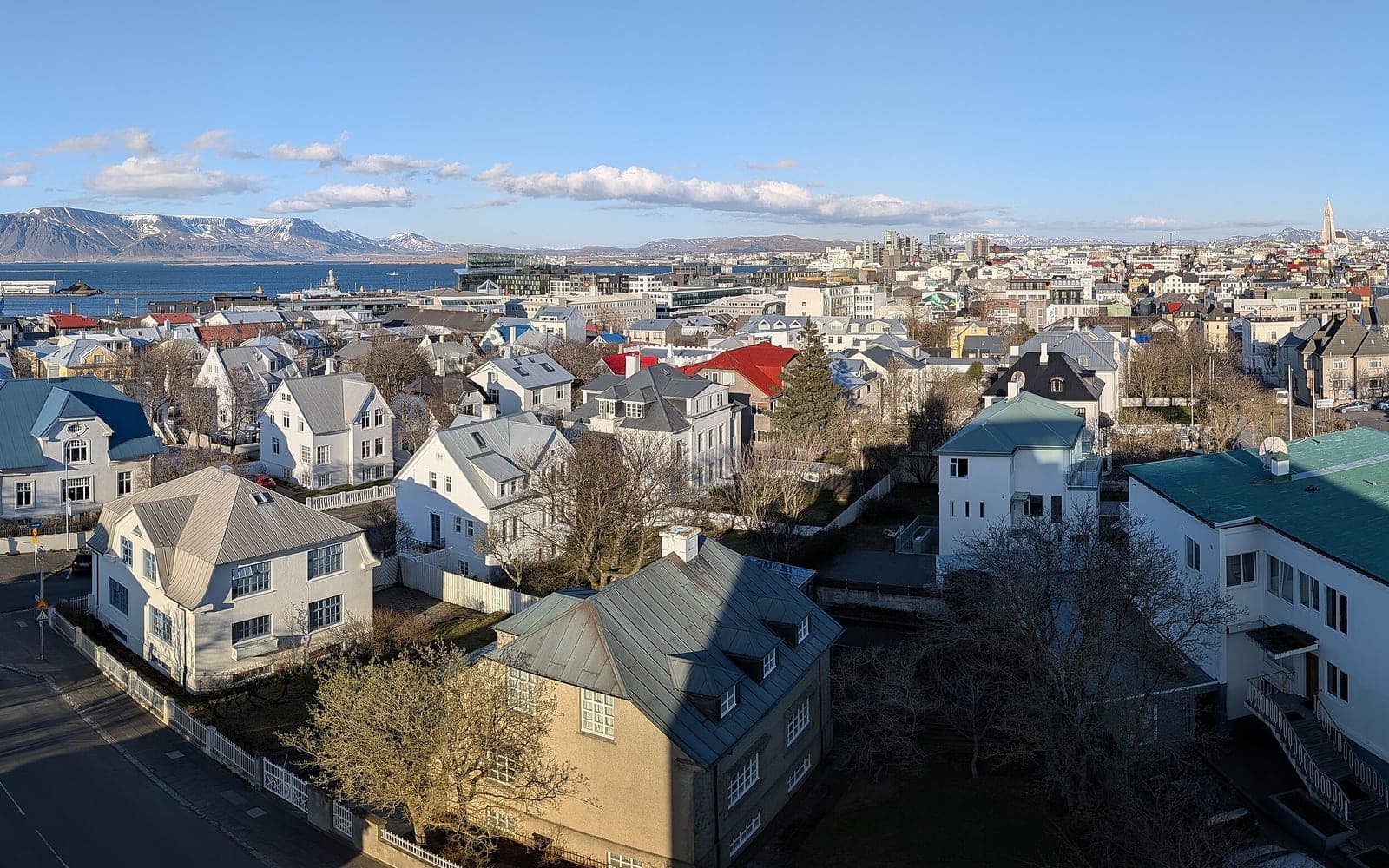
Choose Reykjavík for one or two car-free city days, a short break or a weather buffer—not as the default base for every long day trip.
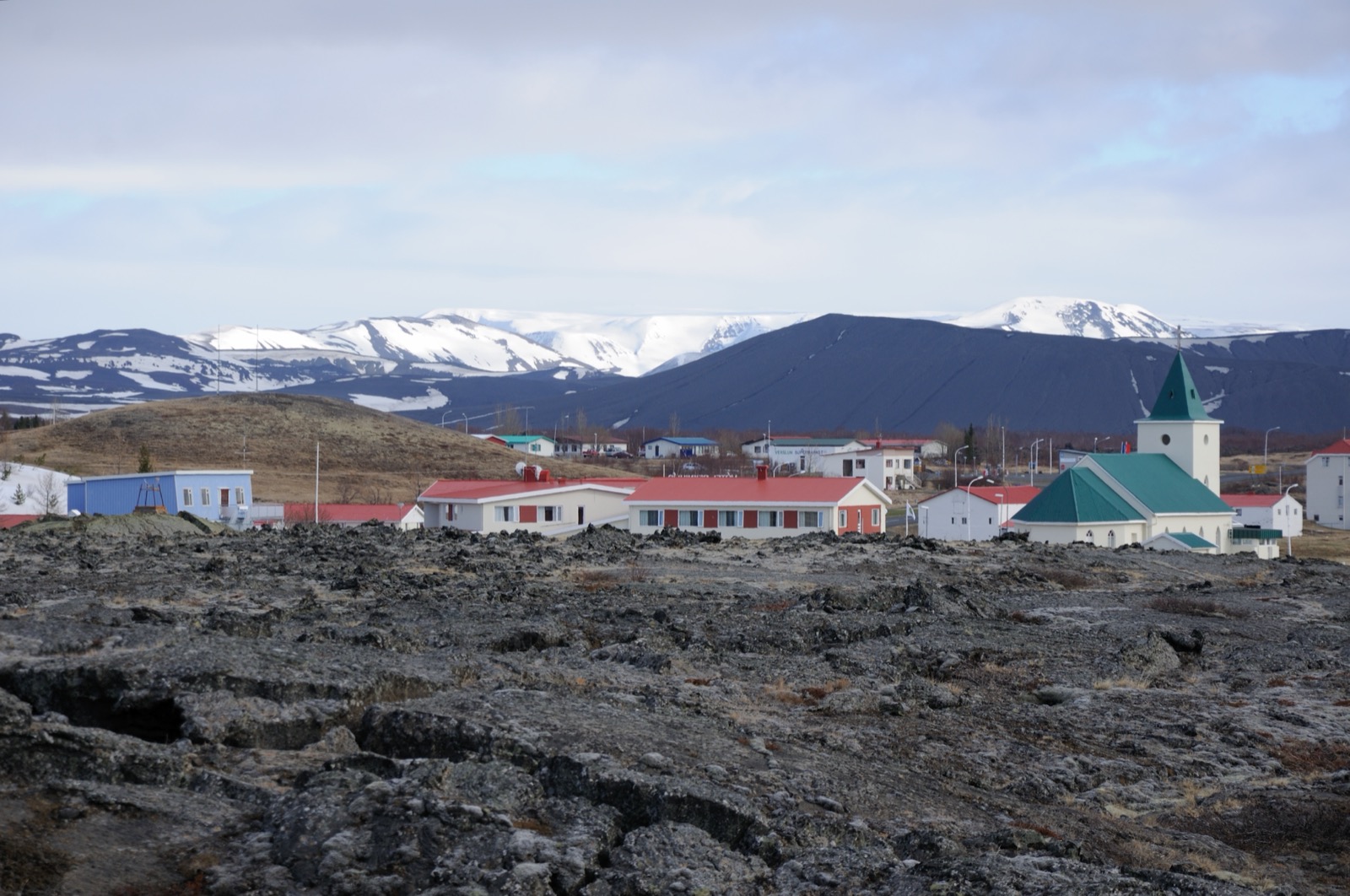
Choose North Iceland when you can spare several days for Akureyri, Mývatn, Húsavík, and canyon country; one rushed overnight barely reaches the region.
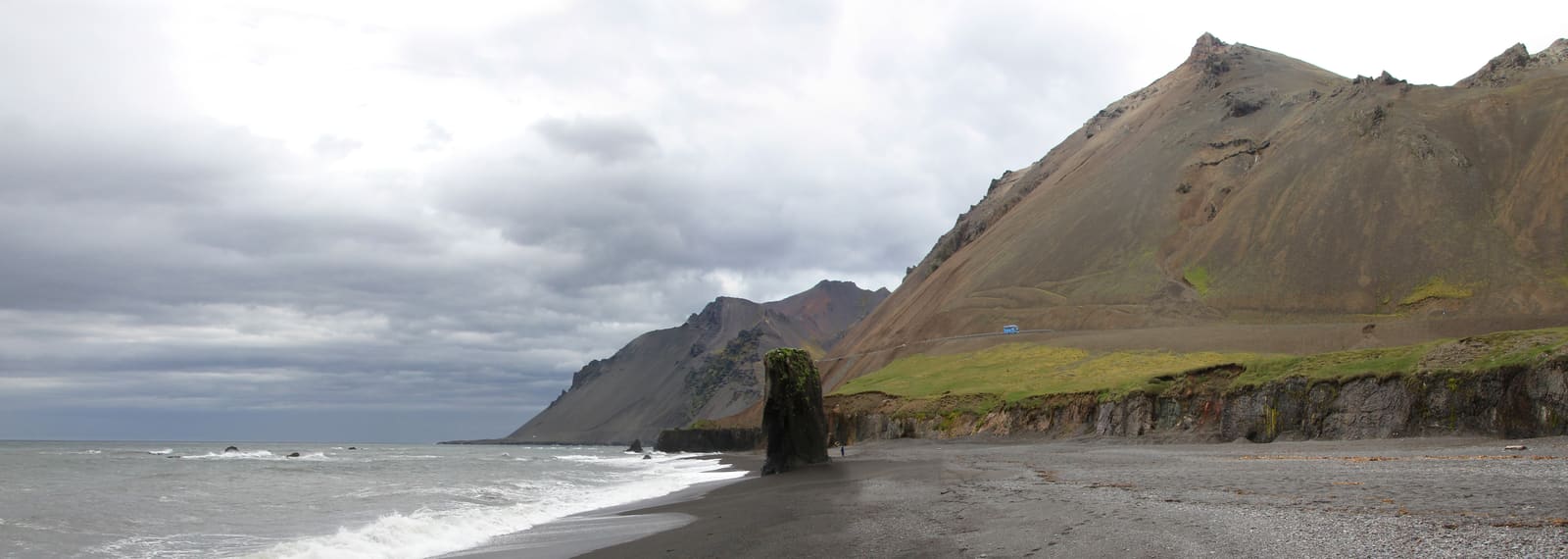
A Ring Road region for travelers who will trade headline density for fjord villages, hiking bases, and inland detours—and can protect at least two nights.
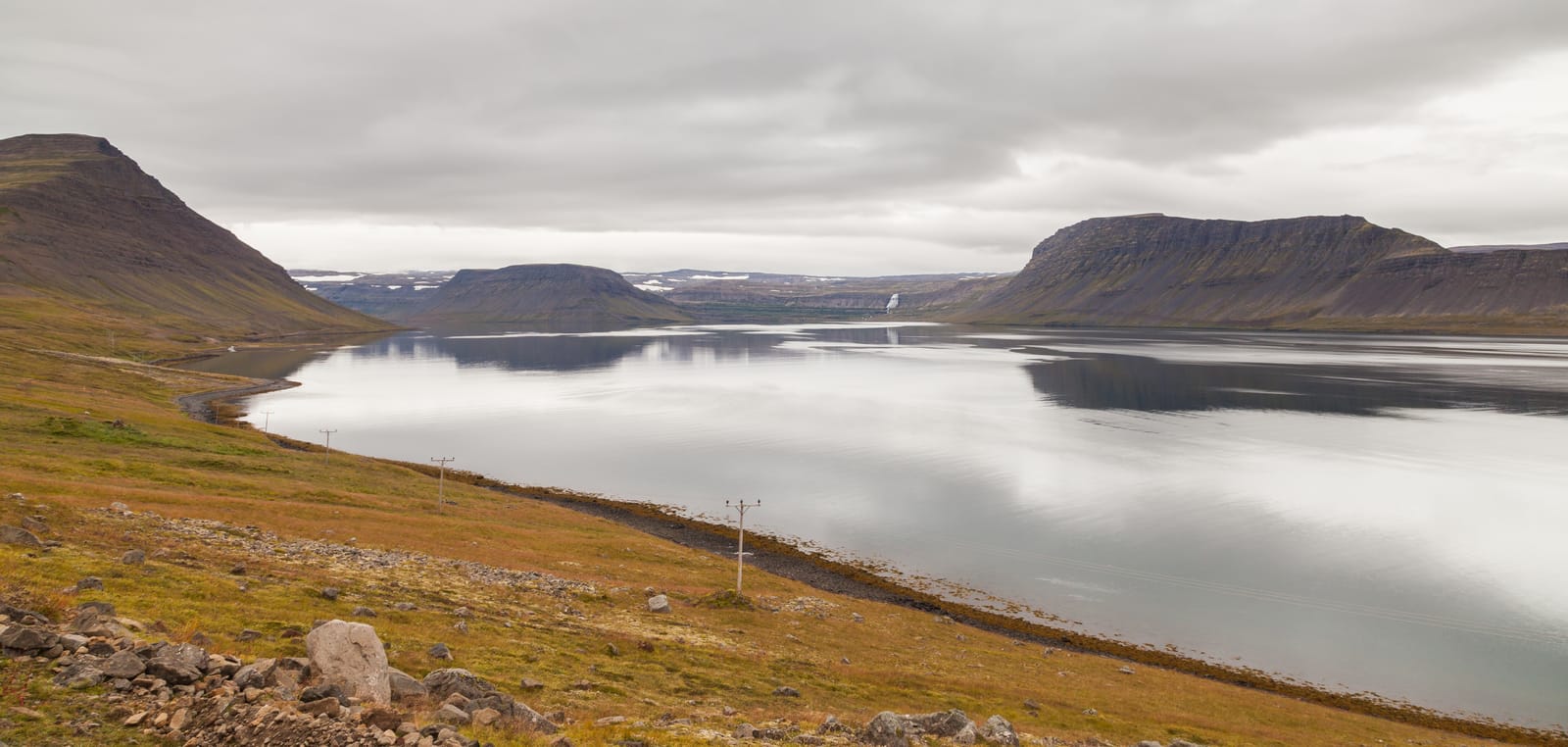
A separate multi-day commitment for travelers who value cliff roads, remote villages, and long scenic links enough to leave the Ring Road and keep weather slack.
More things to do
See other activities that may suit the same day, season, or part of Iceland.
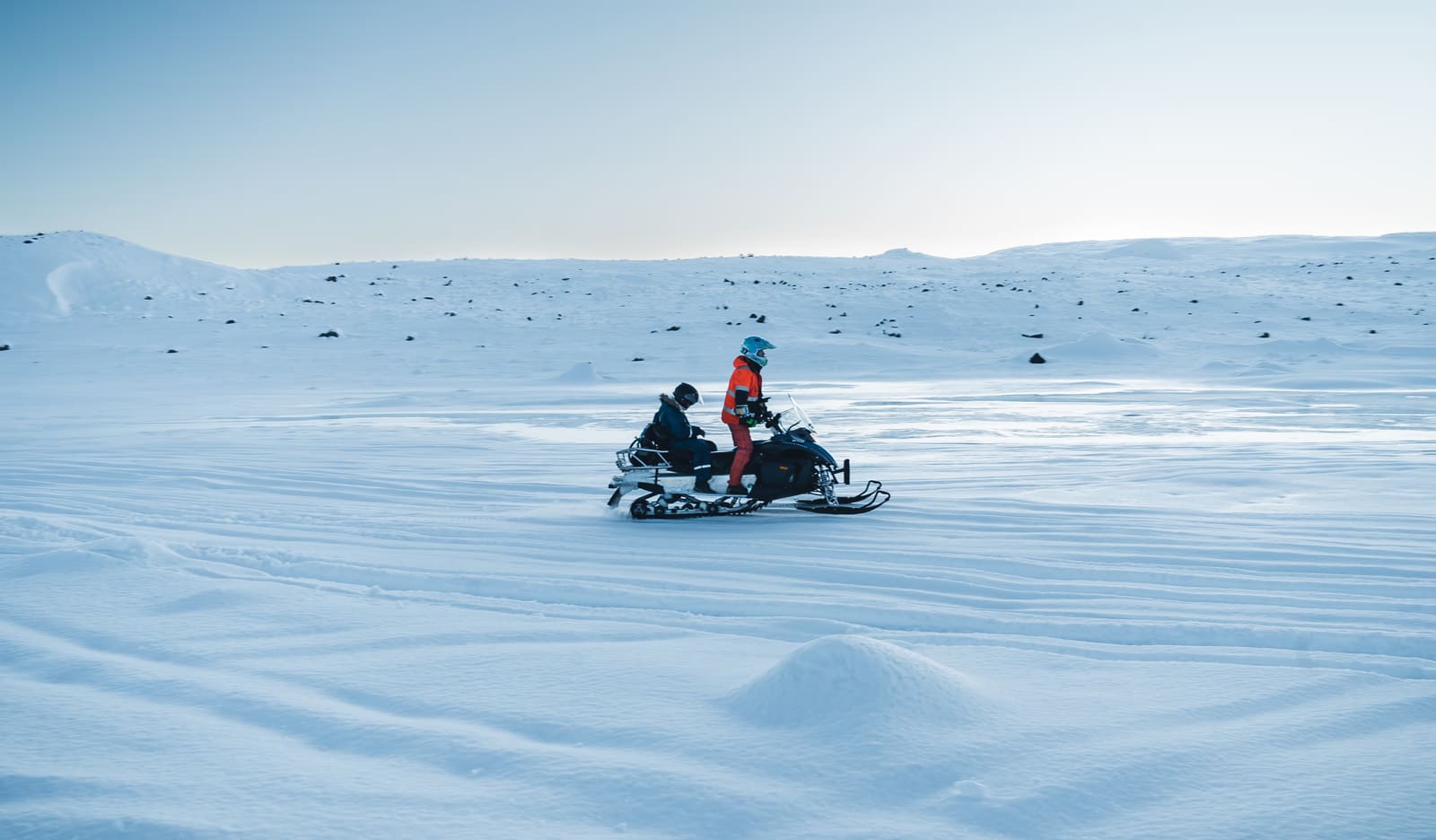
Choose one strong winter experience, then keep a flexible backup for weather, roads, daylight, or comfort. Compare guided ice, aurora, hot water, wildlife, city options, and conservative sightseeing before locking the day.
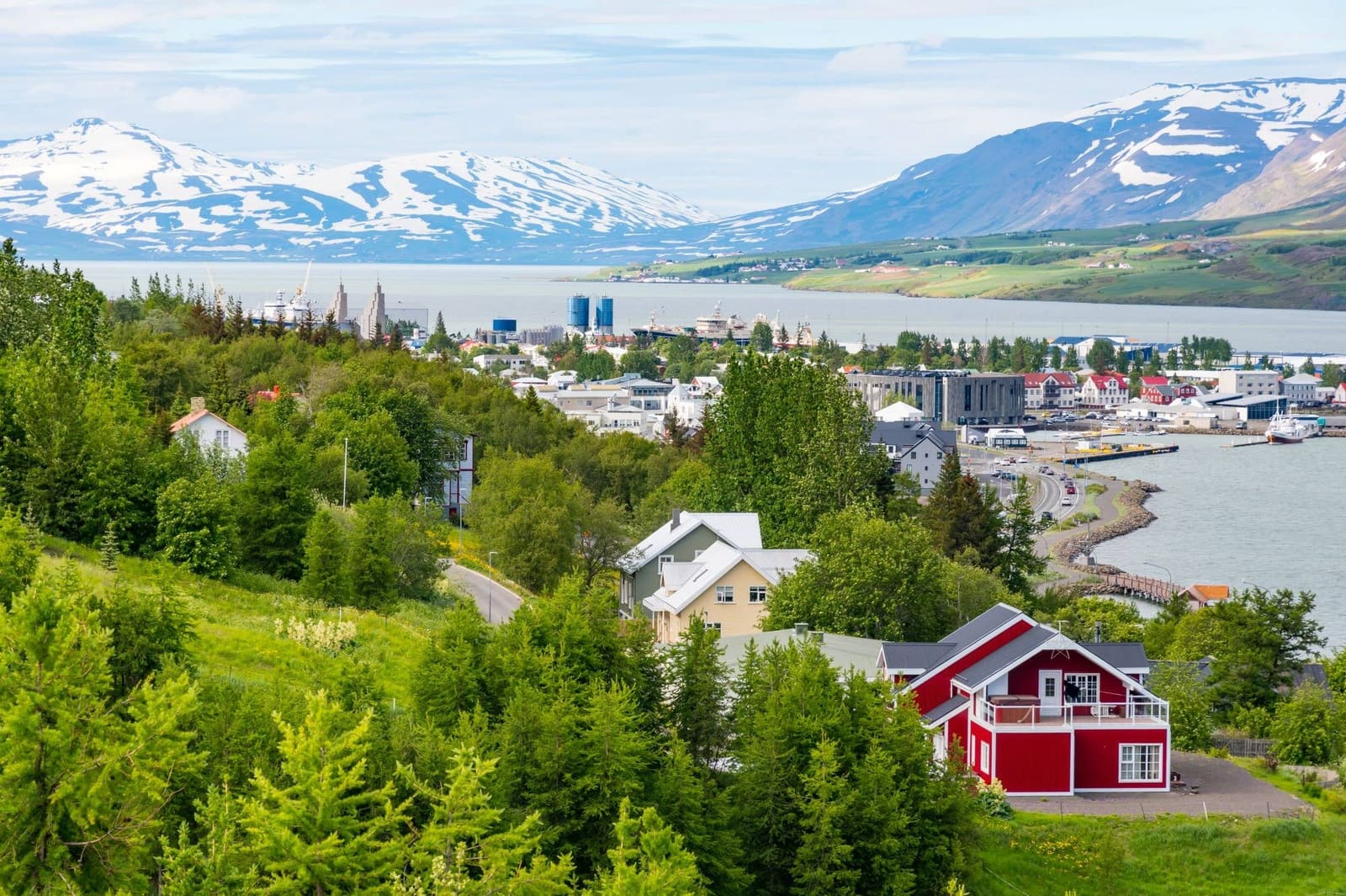
Akureyri rewards a smaller plan than its North Iceland location may suggest. Count backward from the time you must return, keep a short window inside the compact town, give one fixed activity a half day, and reserve Goðafoss or Lake Mývatn for reliable transport and enough margin.
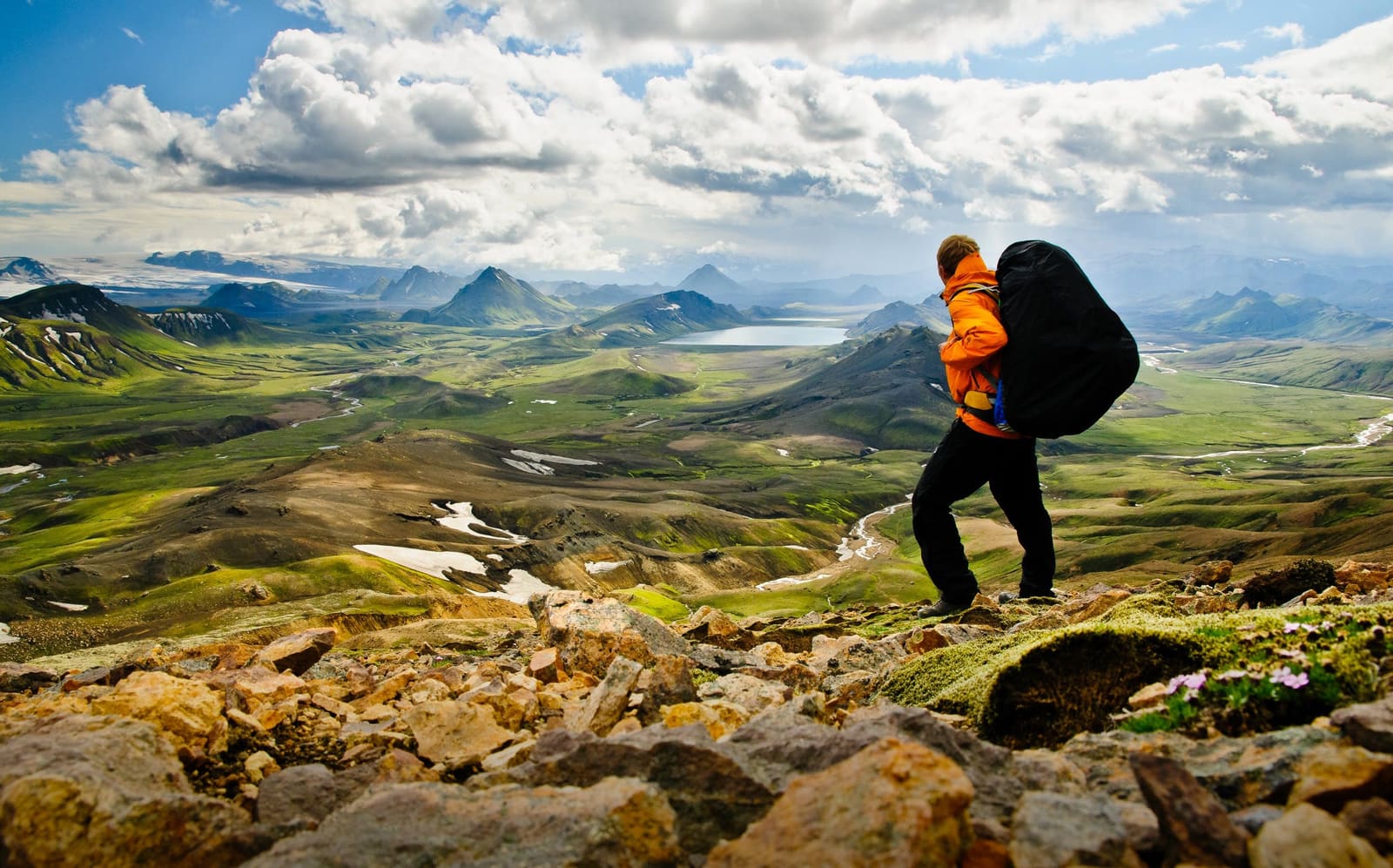
Choose the kind of hiking day before the famous trail name. Compare easy walks, waterfall paths, national-park hikes, Highlands routes, multi-day treks, and guided options by effort, access, season, and weather tolerance.
Travel advice
Read more about driving, weather, safety, and other details that may affect your trip.
Your next winter choice
The best follow-up protects the wider trip instead of assuming that one mountain plan will operate.