Mýrdalsjökull is a large South Coast glacier above Katla, best planned as a route-defining landscape where travelers must choose between distant views, guided glacier access, or a simpler nearby stop.
Glacier facts
Type
Glacier, ice cap, outlet-glacier landscape, and Katla volcanic setting
Region
South Iceland, above the Vík and Skógar area
Route context
Works best as a South Coast route anchor, guided glacier plan, or landscape context for nearby stops
Time to allow
Distant viewpoints can be brief; guided glacier or ice-cave plans usually need several hours
Best experience
Seeing how glacier ice, volcanic ash, rivers, and black outwash plains shape the Vík area
In this guide
Mýrdalsjökull is worth adding when glacier scale helps the South Coast make sense, but it is not a casual walk-up attraction
Yes, Mýrdalsjökull is worth adding when glacier scale helps the South Coast make sense, but it is not a casual walk-up attraction. The useful decision is how close you should try to get.
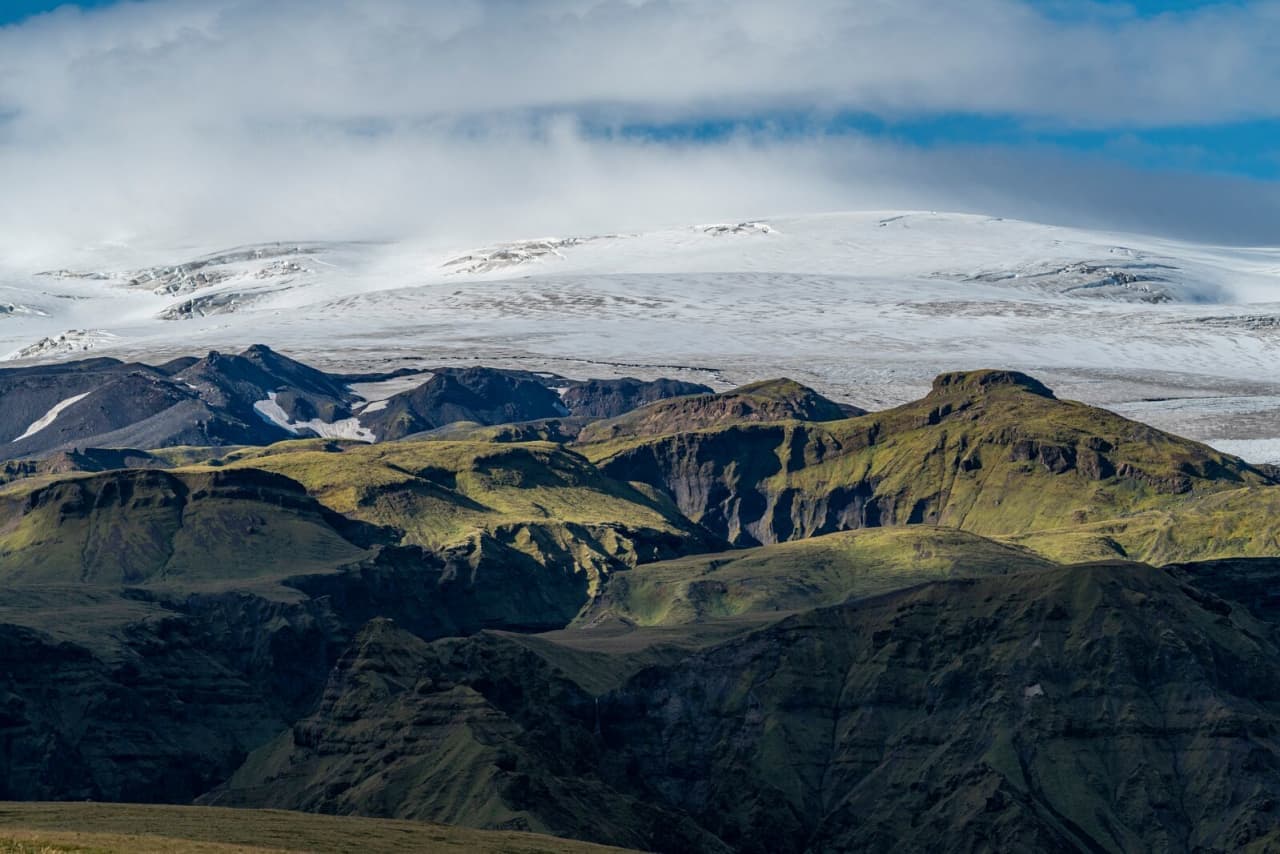
Mýrdalsjökull sits above the Vík and Skógar area, with Katla hidden beneath the ice and dark outwash plains spreading toward the coast. Even when you only see it from a distance, the glacier explains why nearby places feel so broad, raw, and weather-exposed.
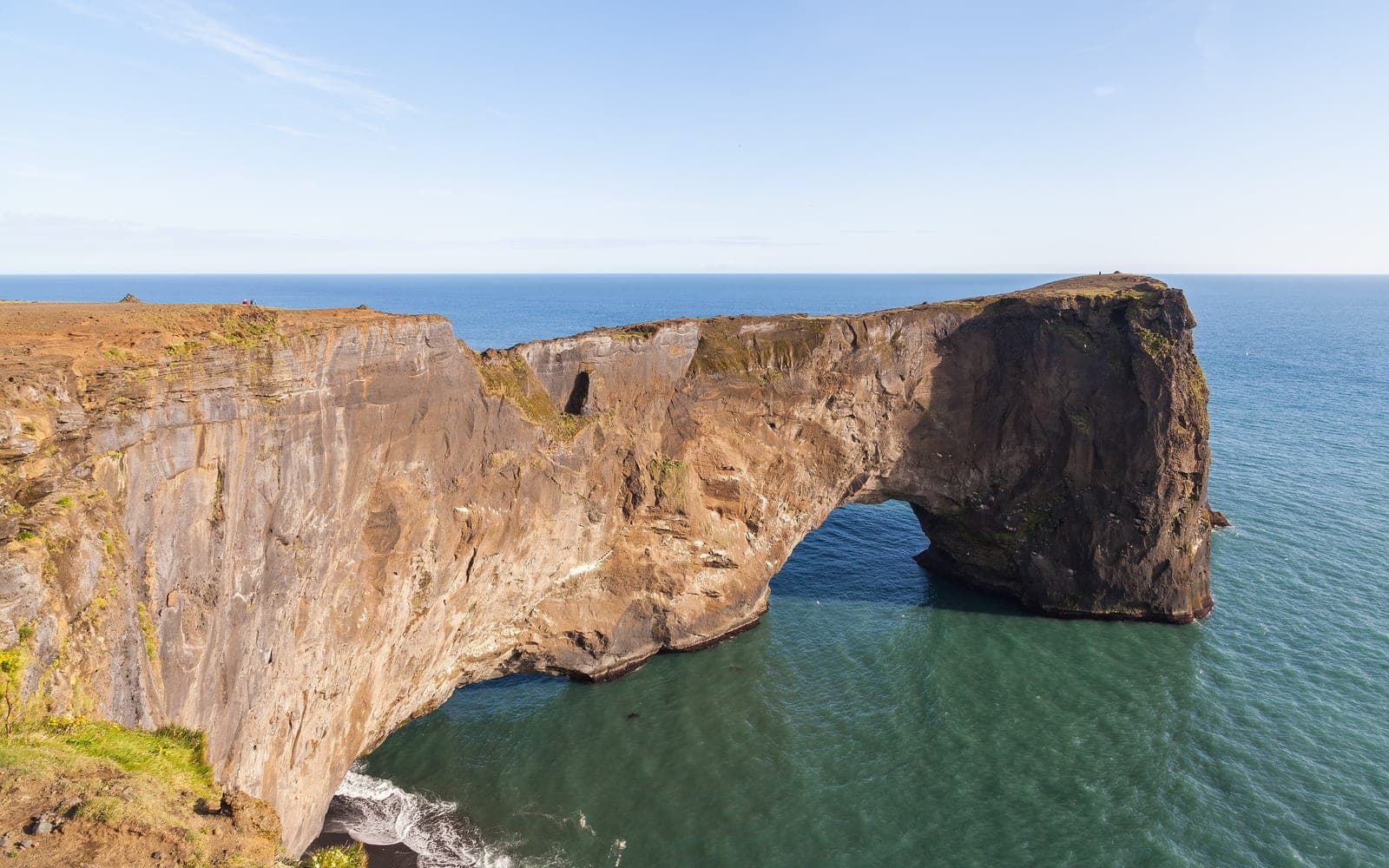
Add Mýrdalsjökull when the day already includes Sólheimajökull, Katla, Reynisfjara, Dyrhólaey, or Skógafoss and the glacier gives the route a clearer story. Skip close plans when the day is already full or official conditions make the extra effort weak.
Mýrdalsjökull visit choices
Choice
Best when
Check before committing
Distant glacier view
You want scale without adding a long or risky detour
Visibility and safe stopping places
Outlet-glacier stop
You want easier glacier context near the South Coast road
Weather, road status, and marked access
Guided ice or cave plan
You want to enter glacier terrain with qualified local support
Operator details, safety guidance, and weather
Background-only
Cloud, wind, road conditions, or timing make close plans poor value
Nearby alternatives around Vík and Skógar
What does the glacier actually feel like from the road?
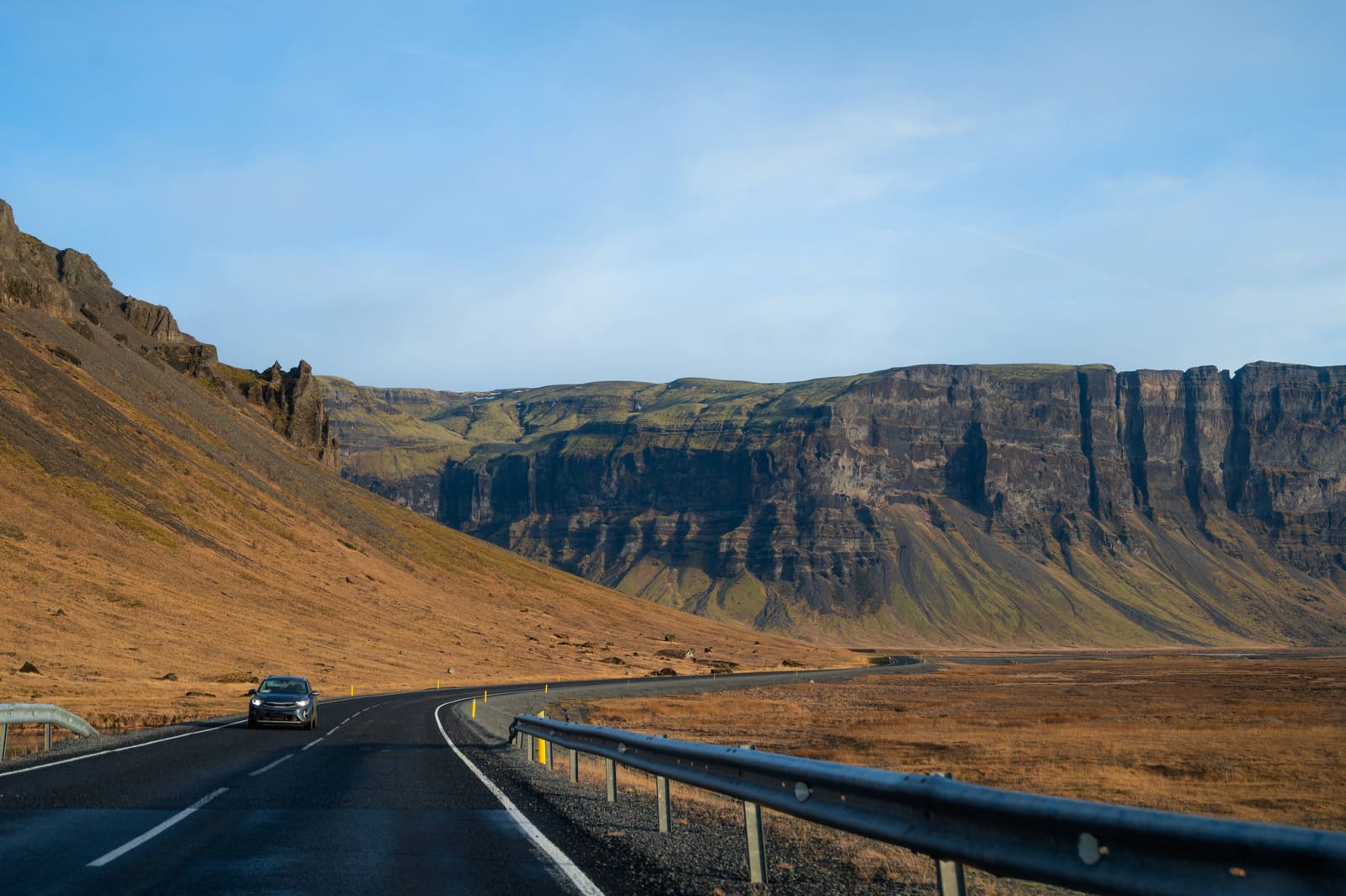
From the South Coast, Mýrdalsjökull often reads as a huge white mass above darker ridges, sand, and river plains rather than a single viewpoint with one obvious stop.
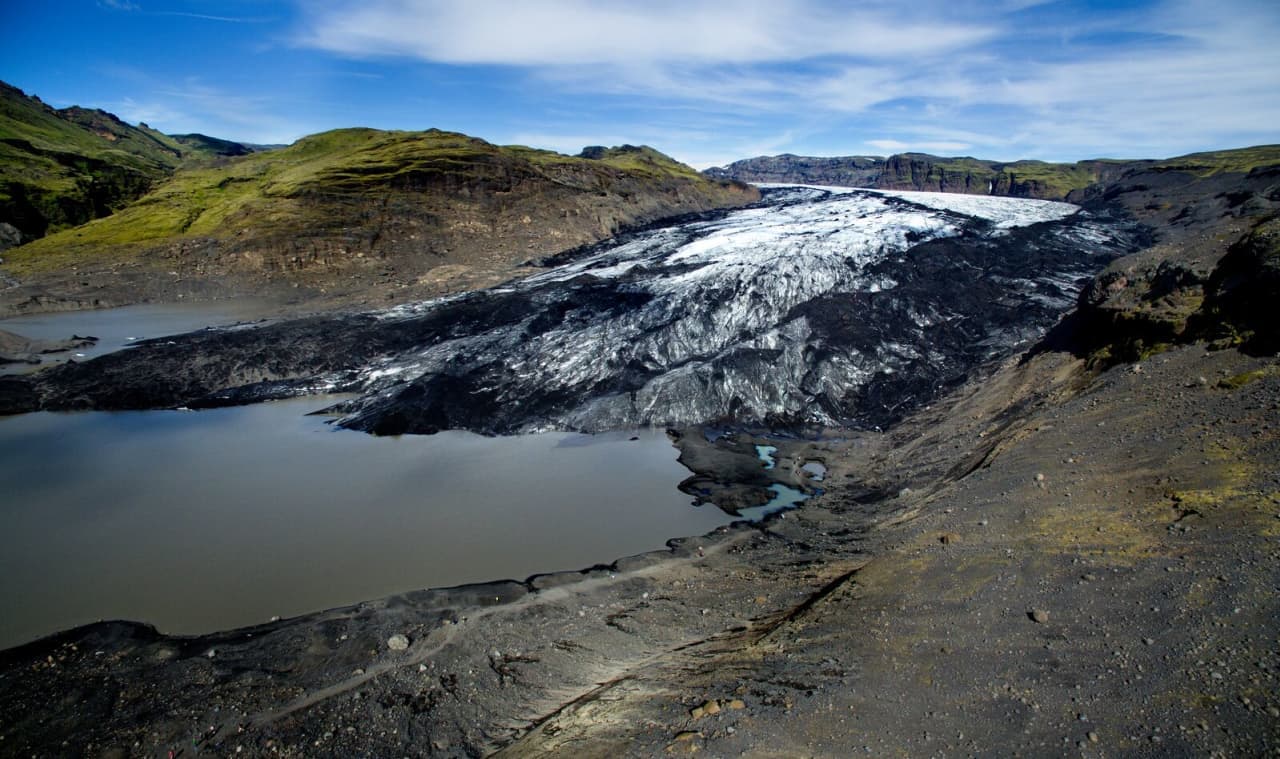
The glacier is part of a bigger scene: ice on the high ground, green and black mountains below it, braided meltwater, volcanic ash, and weather that can erase or reveal the whole view quickly. That is why the stop feels less like a postcard pullout and more like a landscape you understand over several nearby places.
The glacier is tied to outwash plains, rivers, and volcanic terrain rather than one neat roadside viewpoint.
If you want a simple glacier edge, compare Mýrdalsjökull with Sólheimajökull. If you want the volcanic story, pair it with Katla. If you want the strongest coastal contrast, use it as background to Reynisfjara and Dyrhólaey rather than chasing the closest possible access point.
How close should you try to get?
Get only as close as your time, transport, conditions, and guidance support. Mýrdalsjökull rewards restraint because the wrong close plan can weaken the whole day.
Many travelers get enough value from seeing the ice cap from the South Coast and adding one practical glacier-facing stop nearby. Close glacier terrain is different: it can involve rougher approaches, fast-changing weather, volcanic context, crevasses, meltwater, and ice-cave conditions that should be handled with qualified guidance.
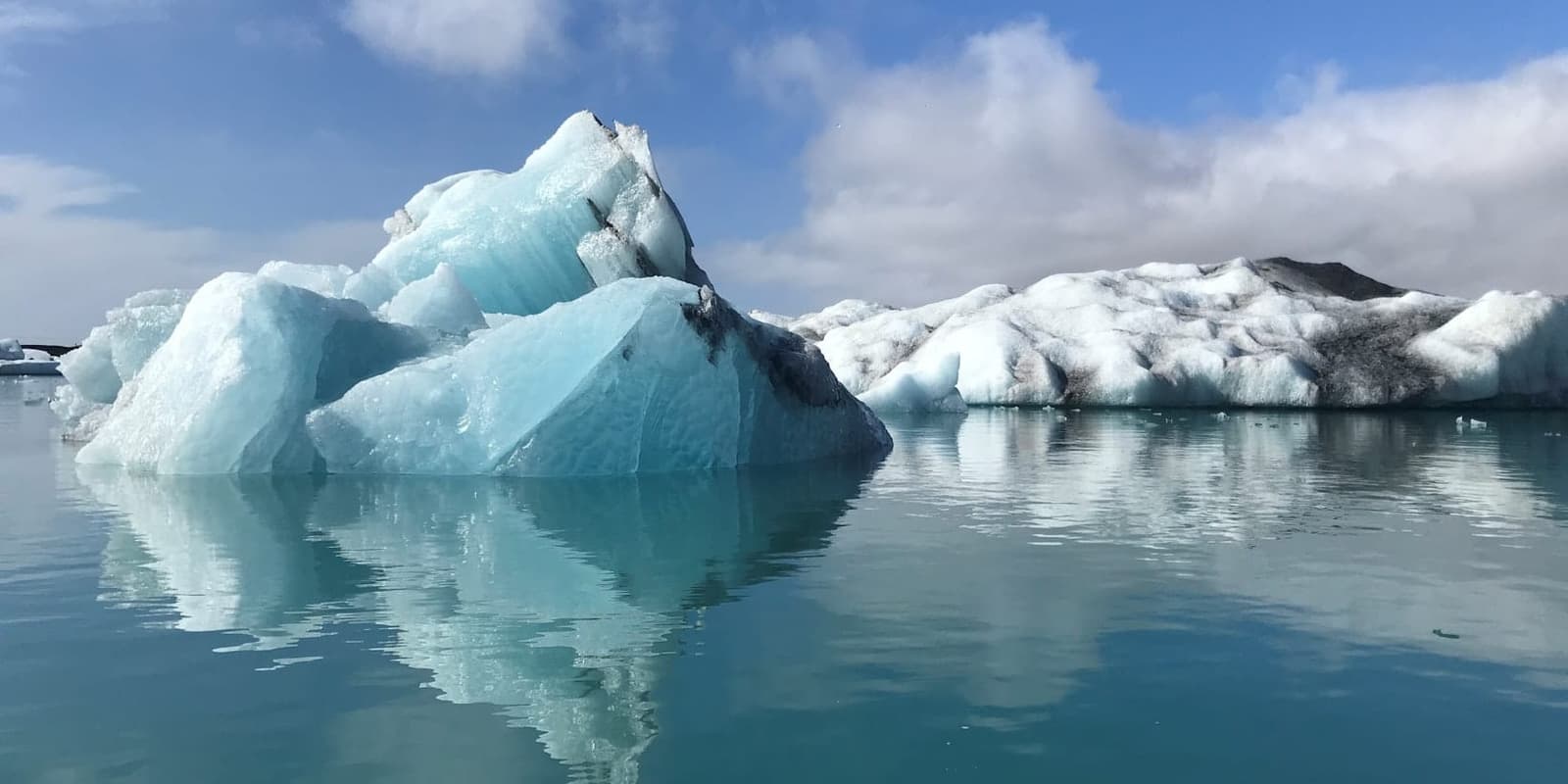
Ice-cave or close glacier contexts should be planned as guided, conditions-led experiences.
Go closer if you have enough time, suitable transport, and qualified local guidance.
Keep it distant if visibility is poor, roads are uncertain, or the route already has strong glacier context.
Skip close plans if the day depends on perfect weather or leaves no buffer for South Coast driving.
Allow a few minutes for distant views, 30-90 minutes for a nearby glacier-facing stop, or several hours for a guided ice plan
Allow a few minutes for distant views, 30-90 minutes for a nearby glacier-facing stop, or several hours for a guided ice plan.
Mýrdalsjökull is not usually a single timed stop. The time depends on whether you are using it as a backdrop, pairing it with Sólheimajökull, building a guided glacier or ice-cave experience, or letting it shape a slower day around Vík.
Time and effort guide
Plan
Time range
Effort
Landscape context
A brief pause when visibility is good
Easy, but weather dependent
Nearby outlet-glacier stop
30-90 minutes once parked
Short walk or uneven ground depending on the place
Guided glacier or ice-cave plan
Several hours
Operator-led, weather-sensitive, and gear-dependent
Slow Vík-area day
Half day or more
Best with flexible timing and backup stops
Human scale changes the decision: close glacier terrain needs more time and stronger safety checks.
Which nearby stops make the glacier more useful?
Mýrdalsjökull becomes more useful when it helps you choose a realistic cluster instead of adding another isolated detour.
For glacier access, compare Sólheimajökull first. For volcanic context, read Katla before deciding whether the glacier is only a background view or part of a guided plan. For coastal drama, Reynisfjara and Dyrhólaey often give stronger short-stop value if the weather hides the ice.
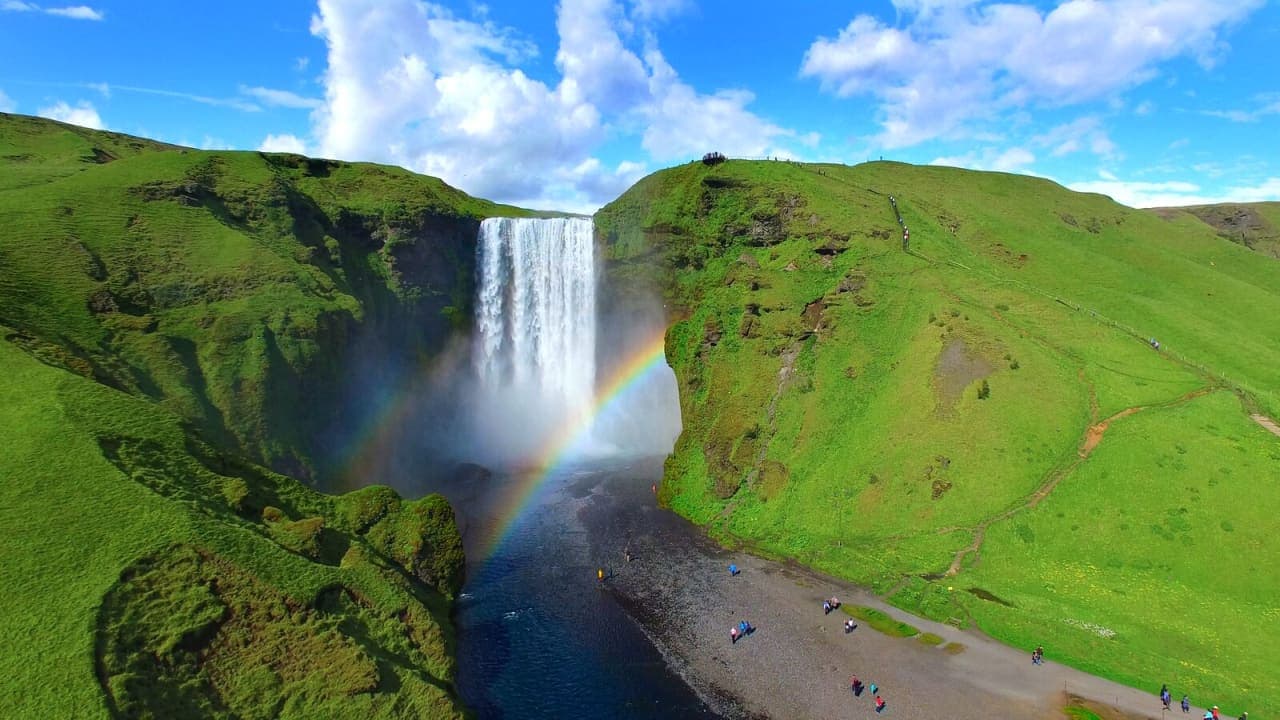
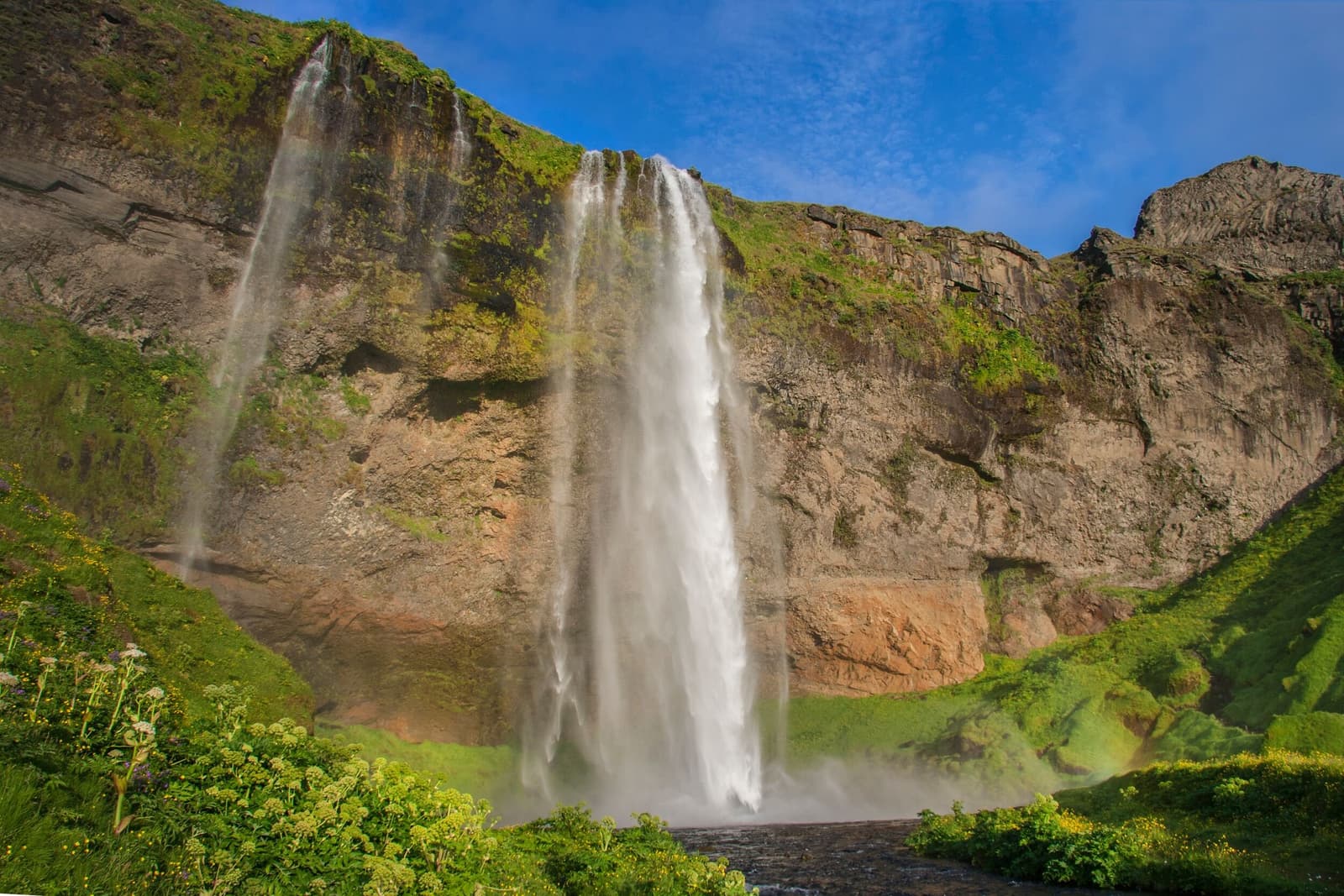
West of the glacier, Skógafoss and Seljalandsfoss are easier first-trip anchors. East toward Vík, the beach and cape make the South Coast feel more complete. Use the South Iceland region guide if you are still deciding whether this part of the coast needs one fast day or a slower two-day rhythm.
Nearby stop comparison
Nearby place
Use it when
Why it pairs with Mýrdalsjökull
Sólheimajökull
You want easier outlet-glacier context
It gives a more concrete glacier edge
Katla
You want the volcanic story behind the ice
It explains the hazard and landscape setting
Reynisfjara
You want a powerful short coastal stop
It contrasts black sand and surf with glacier scale
Dyrhólaey
You want an overview near Vík
It helps place the glacier, coast, and outwash plains
Skógafoss
You need an easier first-trip anchor
It keeps the day strong if glacier views fail
Close ice access belongs in a guided plan with official checks, suitable gear, and room for conditions to change.
Check official road, weather, safety, and volcano information before treating Mýrdalsjökull as more than a distant landscape feature
Check official road, weather, safety, and volcano information before treating Mýrdalsjökull as more than a distant landscape feature.
Glacier visits are sensitive to wind, visibility, precipitation, daylight, road status, volcanic activity, and local access guidance. Those details can change faster than a travel page can responsibly promise, so build flexibility into the day.
Use for Katla volcanic-system context beneath Mýrdalsjökull. The source is in Icelandic.
Mýrdalsjökull Glacier FAQ
Most uncertainty comes from access, safety, time, and whether this glacier should replace easier South Coast stops.
Can you visit Mýrdalsjökull without a guide?
You can view Mýrdalsjökull from surrounding areas without a guide, but close glacier terrain should not be treated as a self-guided walk. Check official safety guidance and use qualified local guidance for ice, cave, or rough-terrain plans.
Is Mýrdalsjökull better than Sólheimajökull?
Mýrdalsjökull is the larger landscape, while Sólheimajökull is usually the more practical outlet-glacier stop for many South Coast travelers. Choose Mýrdalsjökull for scale and context; choose Sólheimajökull when you want a clearer glacier-facing visit.
How much time does Mýrdalsjökull need?
A distant view can take only a short pause, while a nearby outlet-glacier stop can need 30-90 minutes and a guided ice plan can take several hours. Let weather, road status, and your route pace decide the version.
Does Mýrdalsjökull fit a first South Coast day?
It can fit a first South Coast day when it adds glacier context near Vík or Skógar. Skip close plans if the day already includes major waterfalls, Reynisfjara, Dyrhólaey, and a long drive.
Where should you go after this page?
Next, decide whether the glacier should become a real stop, a guided plan, or background context for the South Coast.
Start with Sólheimajökull if you want a more practical outlet-glacier comparison. Use the South Coast road trip if you need to place the glacier among waterfalls, beaches, and Vík-area stops. Use South Iceland when you are still choosing how much time this region deserves.