Experience fit
- Vehicle split
- ATV handlebars or buggy seats
- Driver
- Licence commonly required
- Passenger setup
- Behind or side by side
- Route boundary
- Stay on the guided track
- Final check
- Gear, trail, and meeting point
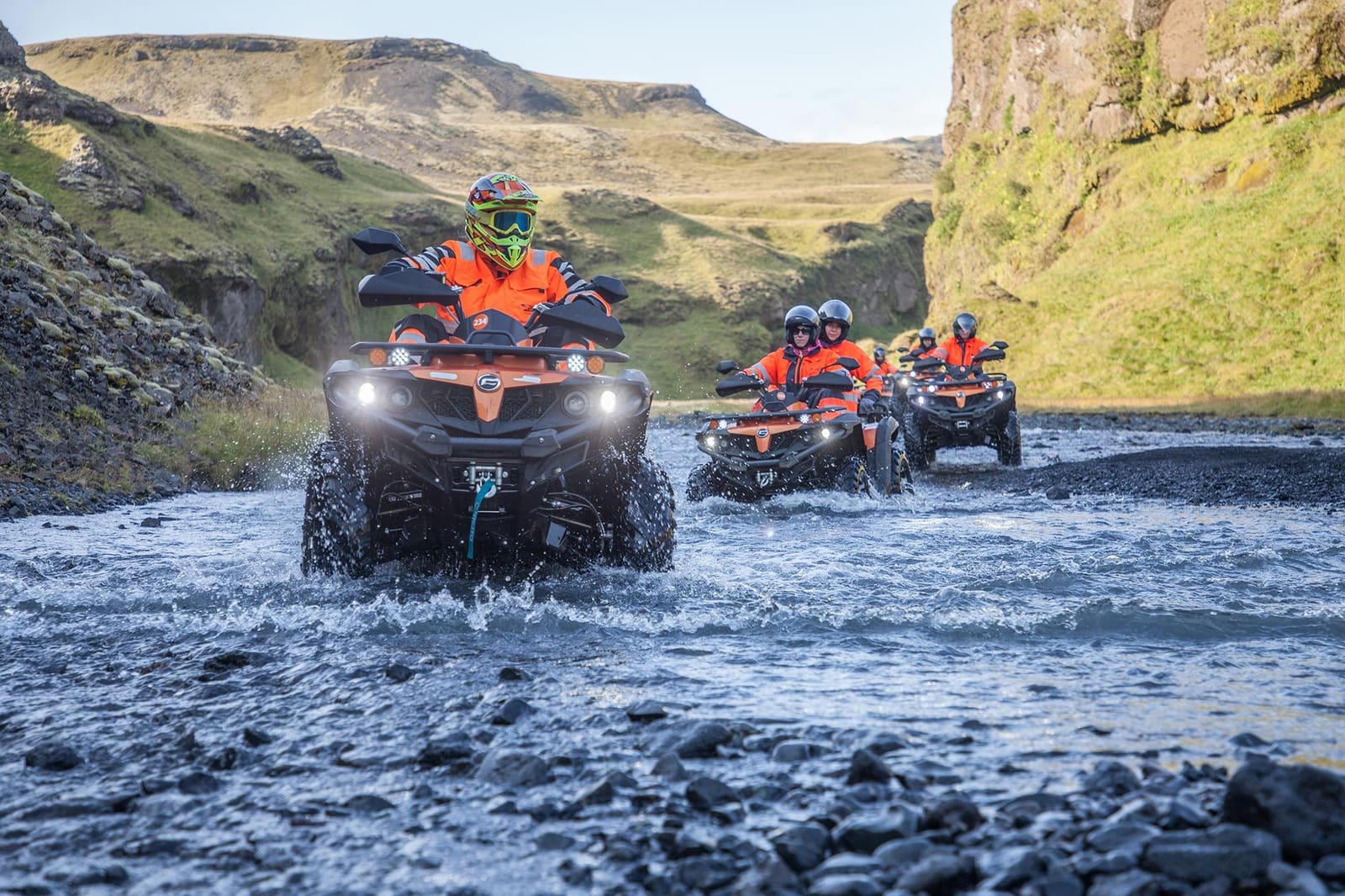
ATV and buggy tours trade the sealed road for guided mountain tracks, black sand, dust, and shallow water. Pick the seating first: an ATV puts you over handlebars, while a buggy seats driver and passenger side by side. Then match the terrain, meeting base, driver rules, and supplied gear to your group.
Experience fit
Both machines take you onto guided tracks that an ordinary road trip does not reach, but they don't feel interchangeable. An ATV places you over the handlebars with the terrain moving under your whole body. A side-by-side buggy gives the driver a steering wheel and puts a passenger in the neighboring seat under a protective frame.
That seating difference is the cleanest place to start. Pick an ATV when the individual riding position and direct steering are part of the appeal. Pick a buggy when side-by-side conversation, a framed cabin, and a more car-like driving position matter more. The terrain still counts, but the seat changes every minute of the ride.
| Format | Where your body is | Who controls it | Passenger experience | Choose it when |
|---|---|---|---|---|
| ATV or quad | Straddling the machine behind handlebars | One licensed rider at a time | A second rider may sit directly behind on a shared machine | You want the exposed riding position and active steering |
| Side-by-side buggy | In a seat inside a framed vehicle | A licensed driver uses a steering wheel and pedals | Driver and passenger sit beside each other | Shared seating and a more supported position matter |
| Passenger place | Behind the ATV driver or beside the buggy driver | The paired driver remains responsible for the machine | You get the terrain without taking the controls | Someone prefers not to drive or lacks the required licence |
Shared, solo, and passenger arrangements vary by product. Treat the table as the physical comparison, then check the exact machine allocation before paying. An odd-numbered group or a group with only one eligible driver may need a different combination from the one first shown on a booking page.
Photo guide
1 / 7
South Coast ATV routes can put black sand and the Atlantic in the same view, a different setting from tracks near Reykjavík.
Good to know
The present direct options in this guide divide usefully between city-edge tracks and the South Coast. This is more than a scenery preference: it changes the meeting point, the surrounding road trip, and whether the ride fills a separate Reykjavík block or joins a day already near Vík.
From the Reykjavík edge, guided ATV and buggy routes can climb through lake and mountain terrain without moving your overnight base. They suit a capital stay when you want a powered outdoor activity but do not want to build the entire choice around a long South Coast drive. Open Reykjavík activities if the ride must compete with other city-based plans.
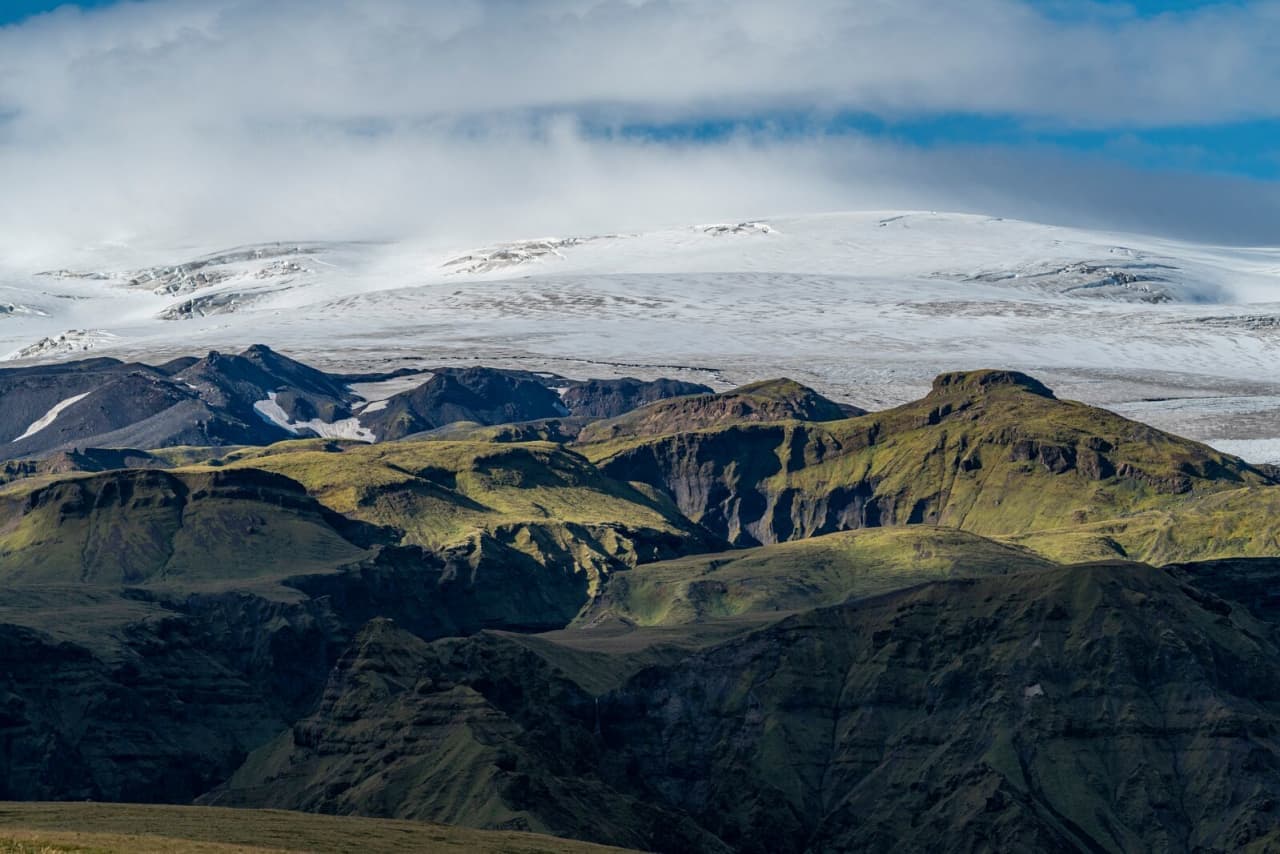
South Coast rides trade the city-edge setting for black sand, shallow water, and the open ground below Mýrdalsjökull. A Vík or glacier-base meeting point makes most sense for a trip already in South Iceland, especially when the wider day also belongs near Vík í Mýrdal.
A valid driving licence is a common rule for the person at the controls in the four services compared below. Passenger rules are separate, and the exact age, licence wording, and chance to swap drivers belong to the individual product.
Count the eligible drivers before choosing shared or solo machines. Two adults may be happy sharing when a driver swap is allowed; another pair may prefer the same driver throughout. A traveler who does not want to steer can still enjoy a passenger place, but the ATV rear seat and buggy side seat are physically different experiences. If you want the guide to drive while the vehicle handles the rough approach, compare Super Jeep passenger experiences.
A licence does not answer every comfort question. Tell the operator about relevant back, neck, mobility, pregnancy, or equipment-fit concerns before booking; a beginner label cannot determine how jolts or the seating position will feel for one person.
Passengers do not simply receive a slower version of the driver's ride. On an ATV, the second rider sits in line with the driver and moves with the same narrow machine. In a buggy, the passenger sees the track from a separate side-by-side seat and can usually brace within the frame.
For couples who want to talk and look across the landscape together, the buggy often has the clearer advantage. For two people who both want the compact feel of an ATV, a shared quad can be the more interesting choice, provided the booking and guide allow the arrangement they expect.
This is also where group size becomes practical. A solo upgrade can give one person uninterrupted driving, while shared vehicles may suit a group that values conversation or a lower driver count. Do not assume every departure offers every combination.
The reward is the closeness to the surface: black sand sprays from the tires, small rises move through the chassis, and an open machine keeps the wind and engine close. Even a guided beginner route feels more physical than looking at the same ground through a rental-car window.
ATV riders use more of their body to stay balanced and steer. Buggy occupants sit more securely, but a framed vehicle is not a sealed road car; expect noise, vibration, dust, and the chance of mud or spray. The exact surface changes with the route and recent conditions. For rider-powered terrain where handling matters more than a throttle, compare cycling and guided e-MTB formats.
Operators commonly list protective outerwear and helmets, with some also supplying a balaclava or other pieces. Your own warm layers, gloves, and sturdy closed footwear still matter. Wear clothes that can live with dust or damp, secure loose items, and use the direct packing list for the final choice.
Tour pages often use “off-road” to describe the vehicle or the rough character of the route. In Iceland, that phrase is not permission to leave roads and marked trails with your own vehicle. The Environment Agency states that off-road driving is prohibited because tires can damage vulnerable soil and vegetation.
A guided commercial ride uses a defined route, managed land, or another lawful access arrangement chosen by the operator. Stay behind the guide, keep to the assigned track, and follow any local closures or route changes. The same boundary applies when the tour ends: a rental 4×4 is not an ATV pass for unmarked ground.
The driving in Iceland guide covers the separate rules for an ordinary road trip. Guided ATV or buggy access should never be used as evidence that the same ground is open to a visitor's rental vehicle.
Once you have chosen the seat and the part of Iceland, compare the direct products on driver setup, terrain, meeting base, and supplied gear. These four examples cover two ATV and two buggy formats from Reykjavík and the South Coast.
The strongest match is the one whose vehicle, passenger arrangement, and meeting place already suit your group. Recheck the direct provider details before booking.
Safari Quads
Best forReykjavík stays wanting an ATV with lake and mountain tracks
Keep in mindThe rear passenger position is less conversational than side-by-side buggy seating
Check firstConfirm driver documents, machine sharing, trail conditions, and pickup choice
Buggy Iceland
Best forCouples or groups wanting side-by-side seating close to Reykjavík
Keep in mindThe city-edge setting gives up the South Coast's black-sand landscape
Check firstConfirm buggy allocation, driver rules, meeting point, and supplied gear
Icelandic Mountain Guides
Best forSouth Coast travelers wanting ATV controls on black sand
Keep in mindA shared ATV may not give every adult equal driving time
Check firstConfirm rider pairing, licence rules, equipment, and meeting instructions
Katlatrack
Best forVík stays that suit a short black-sand buggy ride
Keep in mindThe focused beach route is not a wider South Coast sightseeing tour
Check firstConfirm shared or solo booking, passenger rules, and protective clothing
The time attached to a product may cover more than the minutes when the tires are moving. Arrival, check-in, changing into protective gear, a safety briefing, machine assignment, practice, and the return to the base all belong to the outing.
City pickup can add another layer, while self-driving to a base moves the timing responsibility to you. Read which clock the published duration starts from: hotel pickup, operator base, or trail departure. Then leave room for the operator's requested arrival time.
A compact ride can still be a satisfying choice when the base fits naturally. It becomes a poor one when a traveler crosses half the region for a short session while ignoring an equivalent format near the overnight stop.
Wind, rain, snow, thaw, and visibility can change how an exposed machine feels and which track the guide uses. The landscape does not need to be sunny to be enjoyable, but the operator may alter a route, delay a departure, or cancel when conditions do not support the planned ride.
Use the forecast for the activity's actual region, not only the weather shown for your hotel. Check the road to the meeting point as well, especially when the base is outside Reykjavík. Operator instructions take priority for the guided route.
The final preparation can stay simple: confirm the driver and passenger arrangement, the protective gear list, the meeting point, the provider's weather message, and the route to the base. That covers the details most likely to change without turning the activity into a checklist.
Use the official guidance for the legal boundary around roads, marked trails, and vulnerable ground.
Review conditions and alerts for the activity area and the journey to its meeting point.
Open the forecast for Reykjavík or South Iceland close to departure.
Check the drive to and from the operator base before setting out.
By ThorPublished
Regions
See which part of Iceland is most convenient for this experience and what else you can visit nearby.
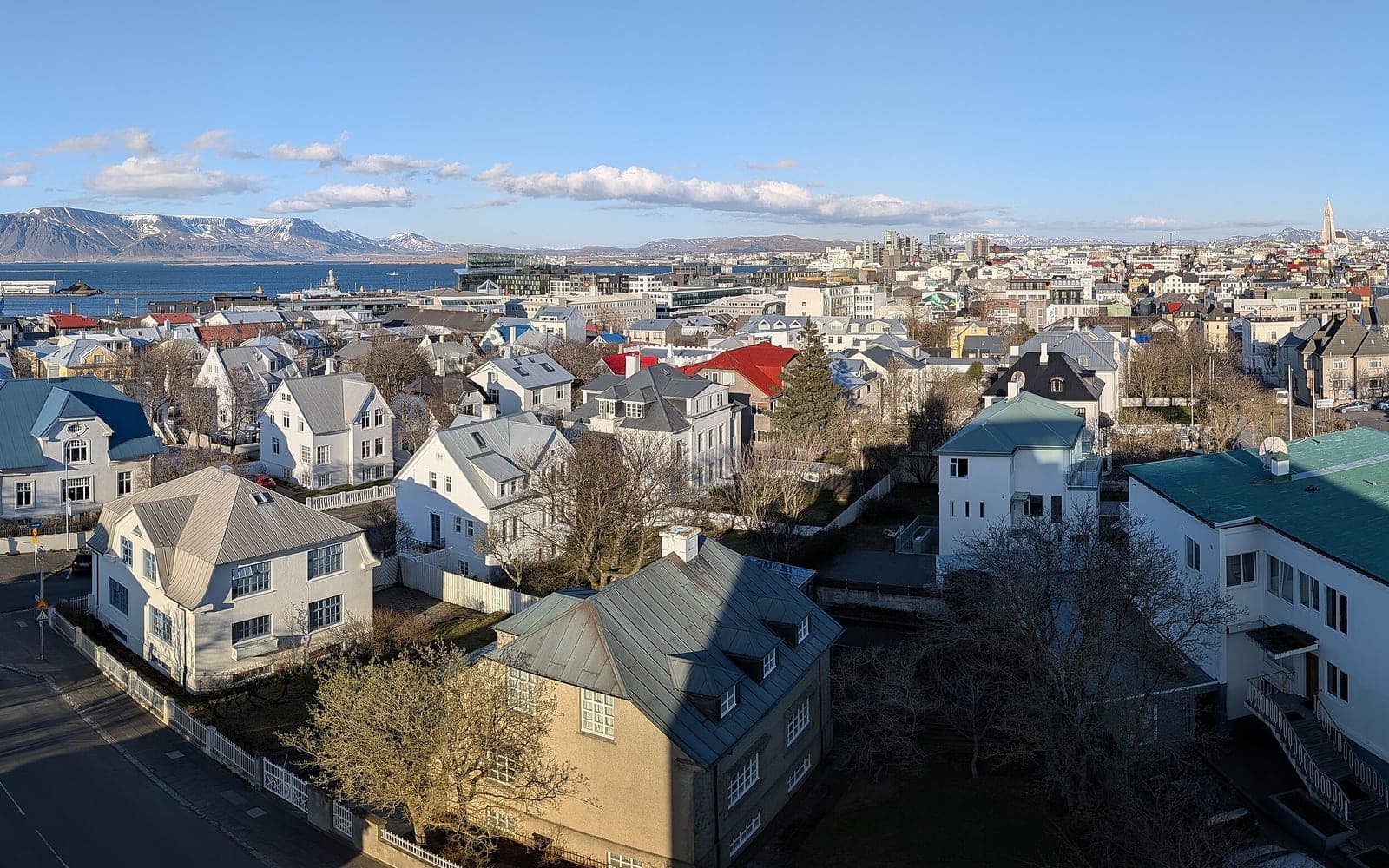
Choose Reykjavík for one or two car-free city days, a short break or a weather buffer—not as the default base for every long day trip.
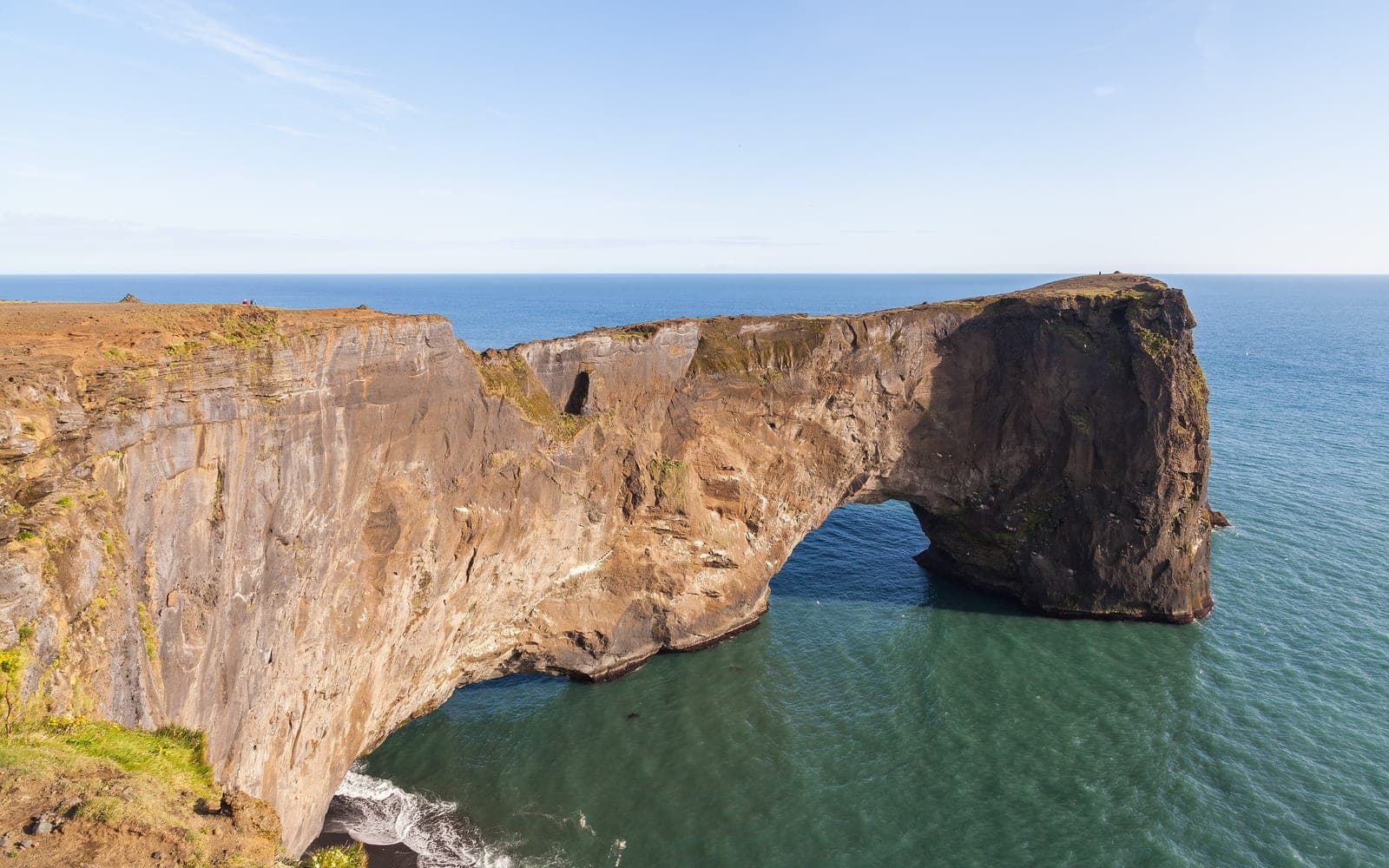
Build a first-trip route around waterfalls, black-sand coast and glacier country, but allow two to four days if Jökulsárlón is part of the plan.
More things to do
See other activities that may suit the same day, season, or part of Iceland.
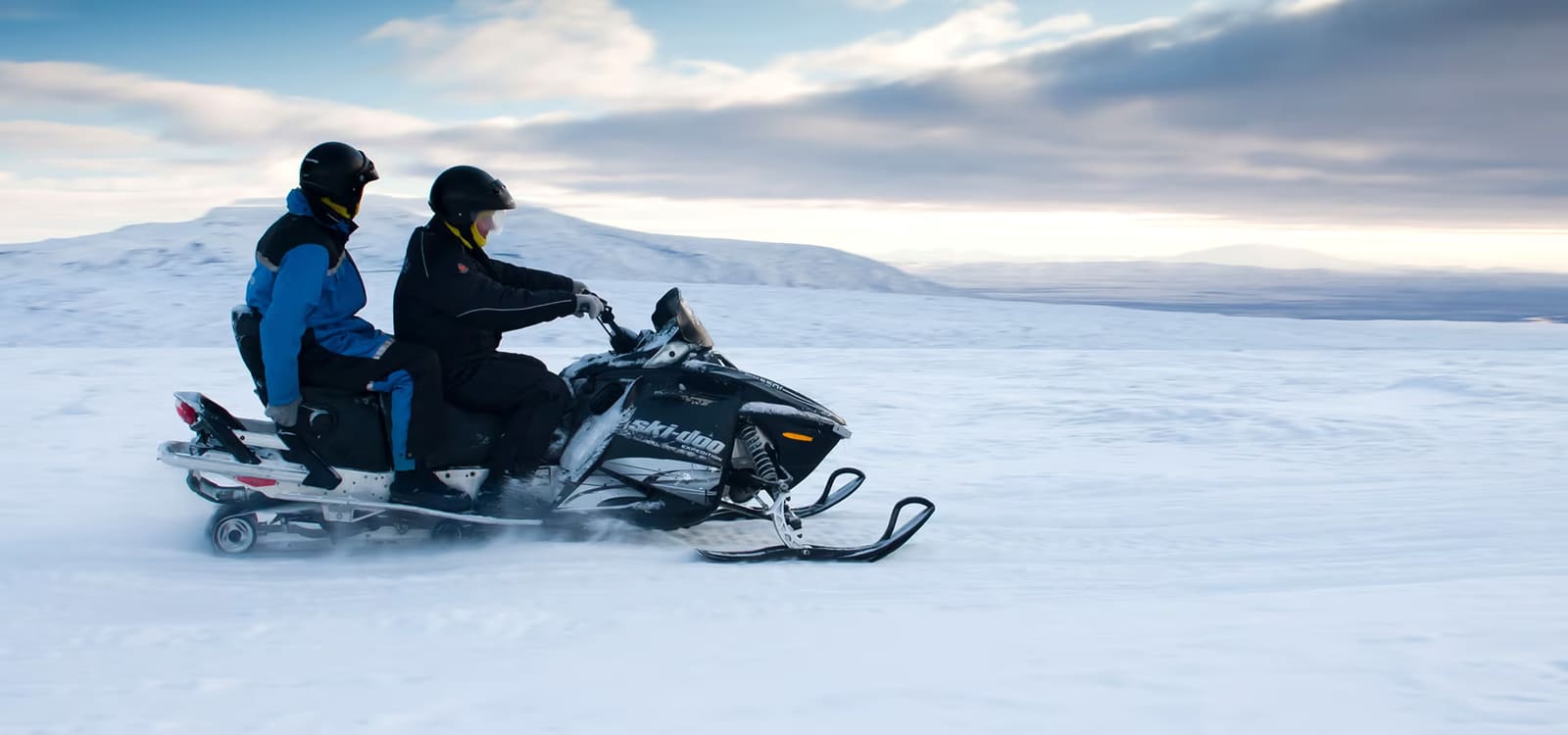
Snowmobiling can put you high on an Icelandic ice cap, but the ride is only one part of the outing. The best choice depends on where you are staying, how you will reach the glacier, and whether you want to drive, share a machine, or travel as a passenger.
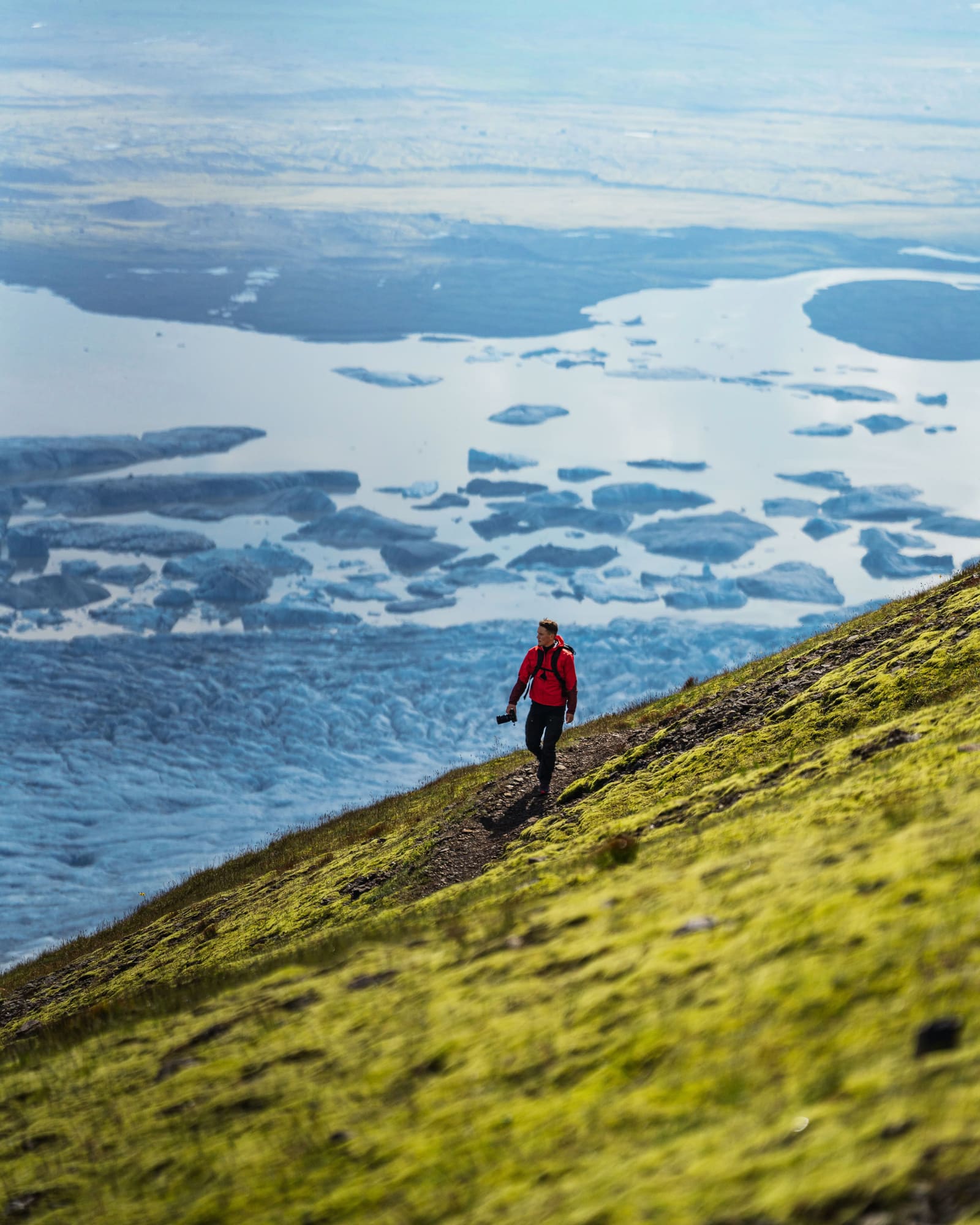
Summer in Iceland gives travelers more daylight, broader access, and more activity choices, but it also rewards restraint. Compare hiking, Highlands, wildlife, boats, glacier options, geothermal bathing, city culture, and flexible scenic stops before turning a bright day into an overloaded one.
Next ATV or buggy decision
The useful next page depends on whether you need city ideas, the Mýrdalsjökull setting, or the rules for driving independently.