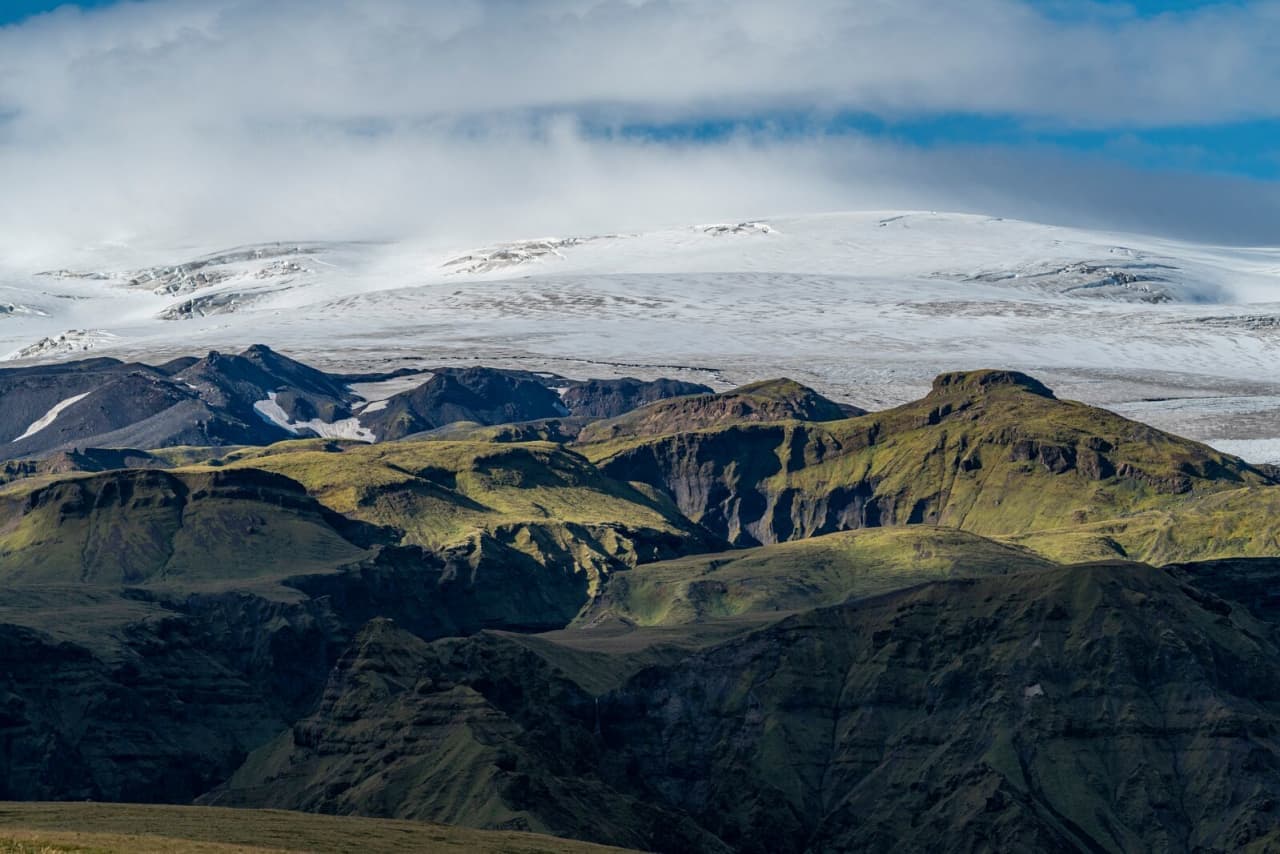
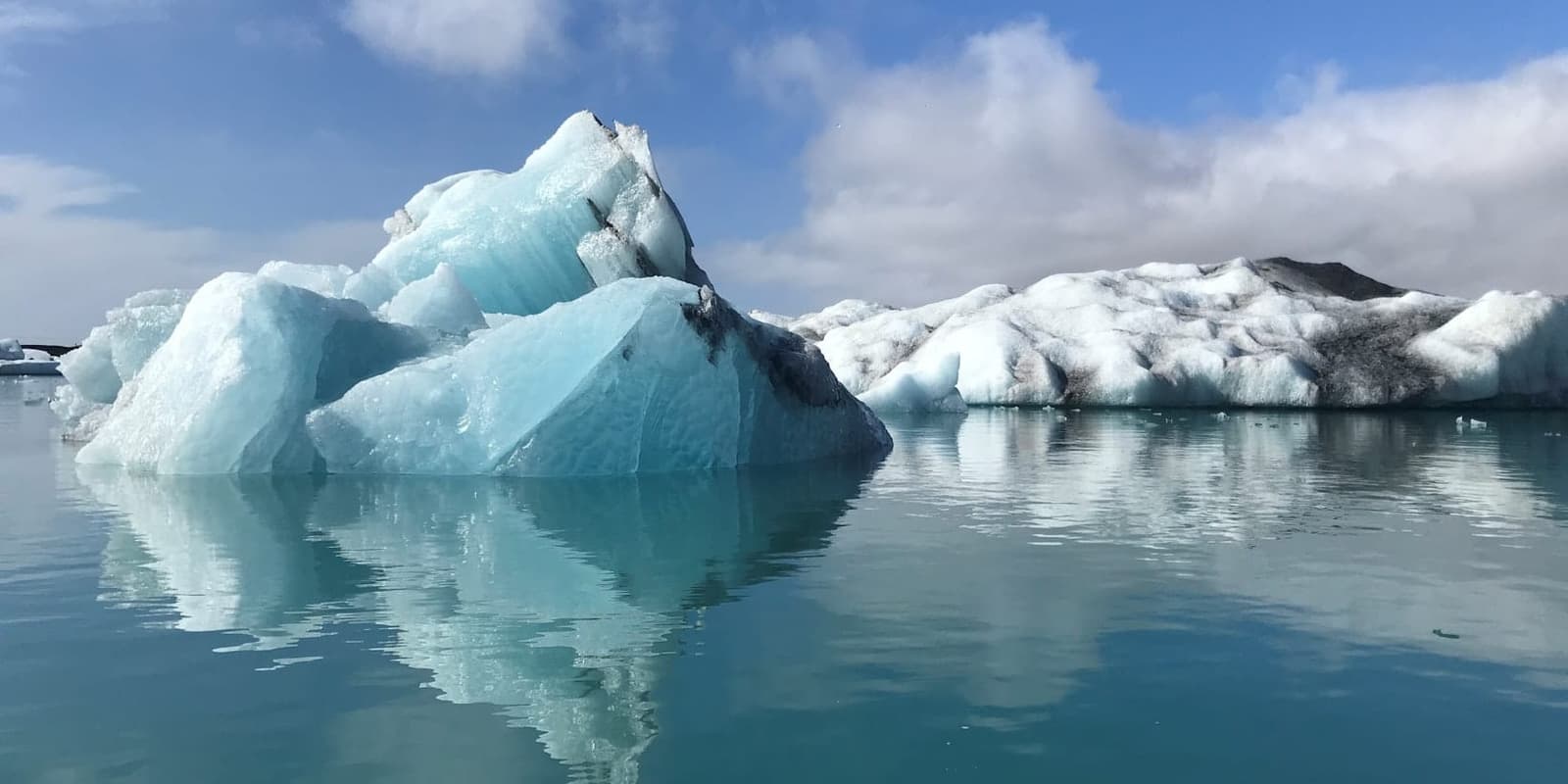
Use this guide to decide whether glacier hiking belongs in your Iceland trip, which South Coast glacier area fits, and what to check before booking.
Usually guided?
Yes — for most visitors, glacier hiking is a guided activity rather than an independent walk.
Main areas
Most travelers compare Sólheimajökull and Skaftafell/Falljökull in South Iceland.
Effort level
Typically moderate, with uneven icy terrain, cold wind exposure, and a steady but not race-like pace.
Gear
Specialist gear is commonly provided by operators, while you usually bring layered outdoor clothing and sturdy hiking footwear.
Experience fit
Usually guided?
Yes — for most visitors, glacier hiking is a guided activity rather than an independent walk.
Main areas
Most travelers compare Sólheimajökull and Skaftafell/Falljökull in South Iceland.
Effort level
Typically moderate, with uneven icy terrain, cold wind exposure, and a steady but not race-like pace.
Gear
Specialist gear is commonly provided by operators, while you usually bring layered outdoor clothing and sturdy hiking footwear.
Trip fit
Best as a half-day adventure stop or a full-day anchor in a South Iceland itinerary.
Is a glacier hike the right adventure for your trip?
Glacier hiking is one of those Iceland experiences that feels much bigger in real life than it does in a booking grid. You are not just walking near ice; you are stepping onto a moving glacier with a guide, wearing traction gear, crossing ridged surfaces, and learning to read a landscape that is always changing.
For many travelers, that makes it a standout choice. It gives you direct contact with one of Iceland’s defining landscapes, feels active without necessarily requiring technical mountaineering experience, and fits naturally into a South Coast trip. It is especially appealing if you want something more hands-on than a roadside stop but less committing than a full expedition-style day.
Choose a glacier hike if you want a guided, physical experience on the ice itself.
Choose it if you like the idea of helmets, crampons, and a short adventure-learning curve.
Choose it if your trip already includes South Iceland and you want one signature activity rather than only viewpoints.
Skip it if you want a casual independent walk, very young-child-friendly pacing, or an all-weather indoor backup plan.
If that guided structure sounds reassuring rather than restrictive, the activity is probably a strong fit. Most travelers do not need prior glacier experience. What matters more is whether you are comfortable outdoors for several hours, able to walk on uneven ground, and willing to follow instructions in a dynamic environment.
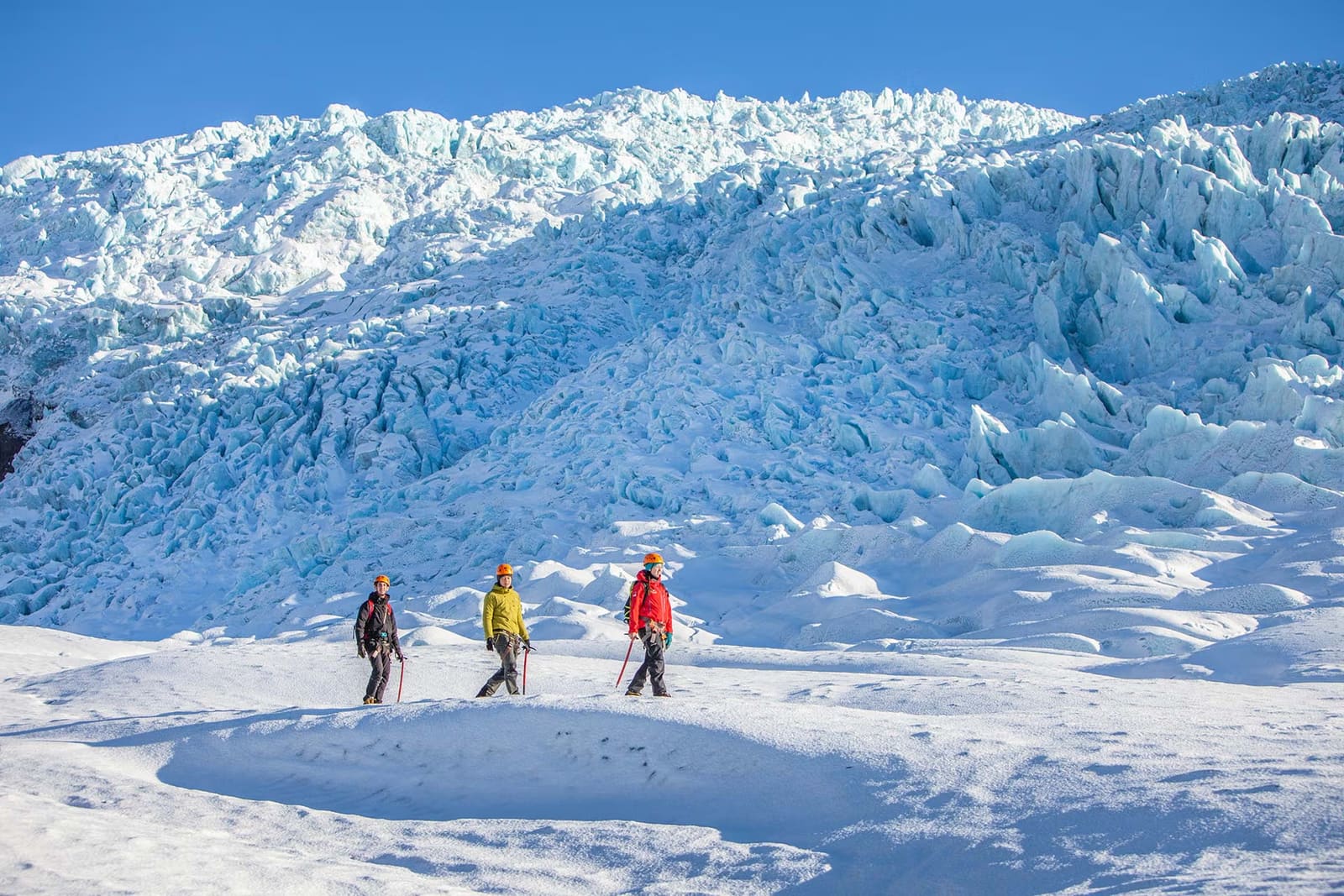
A guided glacier hike on Sólheimajökull shows the kind of hands-on South Coast adventure this section is describing.
Photo guide
Glacier Hiking in photos
1 / 9
A good glacier hike starts with gear fitting and a safety briefing before anyone steps onto the ice.
Worth adding?
When this fits your plan
Best for
Travelers who want to step onto real glacier ice rather than only view it from a lookout
First-time visitors choosing one signature South Coast adventure
Active self-drive travelers deciding how to use a half day or full day
Couples, friends, and solo travelers comfortable walking on uneven terrain
Think twice if
Travelers wanting a fully independent hike with no guide
Anyone uneasy on uneven ground, steps, or slippery surfaces
Choose your glacier-hike style before you choose a brand
The smartest way to compare glacier hikes is by format, not by operator name first. Most travelers are really deciding between an easier introductory walk, a longer on-ice adventure, or a combo day that uses glacier hiking as one part of a bigger outing.
Common glacier-hike formats and who they suit best
Format
Best
What it usually feels like
Watch-outs
Short beginner-friendly glacier walk
First-timers, active families with eligible older children, South Coast travelers with limited time
A guided introduction with gear fitting, an approach walk, and a manageable period on the ice
Still colder, steeper, and more exposed than many people expect
Longer glacier adventure
Travelers who want more time on the ice and a stronger sense of progression
A more immersive day with greater physical commitment and more terrain variety
Can feel tiring if your trip already has long driving days
Combo glacier day
Visitors balancing one glacier activity with other major sights or another structured experience
A hybrid day that combines glacier hiking with nearby sightseeing or another guided element
May trade depth on the glacier for convenience or broader coverage
Short glacier walks are the most approachable entry point. They are often the best choice if you have never worn crampons before and mainly want to experience the thrill of walking on a glacier without turning the day into a major athletic test. They work well for travelers moving along the South Coast who want a high-value half day.
Longer glacier adventures suit people who are choosing glacier hiking as a central activity, not just an add-on. These are better when you want more time to settle into the movement, absorb the scale of the landscape, and feel that you have really been out on the ice rather than sampled it.
Combo days can be excellent for efficient trip design, but they are not automatically the best glacier experience. If your main goal is to understand what glacier hiking feels like, a dedicated glacier walk usually gives a cleaner, less rushed impression than a packed sightseeing product.
A good glacier hike starts with gear fitting and a safety briefing before anyone steps onto the ice.Glacier hikes usually start with gear fitting and a short briefing before anyone steps onto the ice.
Sólheimajökull or Skaftafell? The choice changes the whole feel of the day
Most travelers looking for a glacier hike in Iceland end up comparing two main pathways: Sólheimajökull in the South Coast corridor west of Vík, or the Skaftafell and Falljökull area farther east within the Vatnajökull National Park zone. Both can be excellent, but they fit different trip shapes.
Area: Sólheimajökull; Why travelers choose it: Good South Coast access and strong fit for travelers not going as far east; Trip fit: Works well as a focused activity stop on a classic South Coast drive or guided day; Experience feel: Often feels convenient, direct, and beginner-friendly without losing the drama of being on real ice.
Area: Skaftafell / Falljökull; Why travelers choose it: National-park setting and natural fit for travelers continuing deeper into Southeast Iceland; Trip fit: Best for Ring Road or multi-day South Iceland travelers with time around Skaftafell or Jökulsárlón; Experience feel: Often feels more like part of a bigger landscape day, with a stronger national-park context.
Area: Specialty or private glacier days; Why travelers choose it: Travelers prioritizing depth, flexibility, or a more customized pace; Trip fit: Best when glacier hiking is a headline experience rather than a stop between waterfalls; Experience feel: Can feel more immersive and tailored, but requires clearer planning and stronger commitment.
Sólheimajökull often wins on practicality. If you are already planning South Coast highlights such as Skógafoss, Reynisfjara, or a Vík overnight, it is one of the easiest places to add a guided glacier walk without pushing too far east. That makes it a common choice for first-timers, shorter trips, and people who want one adventure stop amid other classic sights.
Skaftafell and nearby Falljökull tend to make more sense when your route already includes a deeper push through South Iceland toward the glacier-lagoon corridor. The surrounding national-park setting gives the day a broader sense of landscape, and some travelers simply prefer pairing glacier hiking with a stop that already has strong hiking and scenic context.
Neither option is universally better. The best one is the glacier area that fits your overnight plan, your driving tolerance, and how central you want the activity to be in the day.
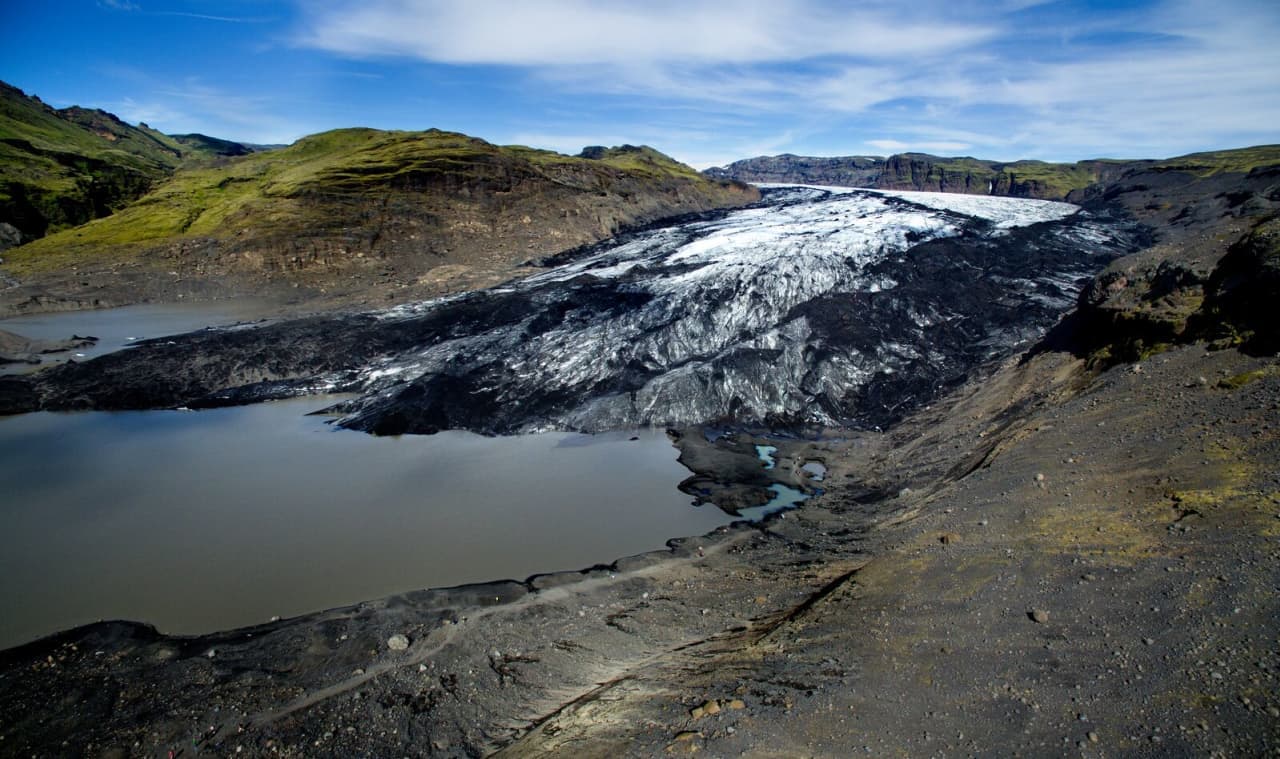
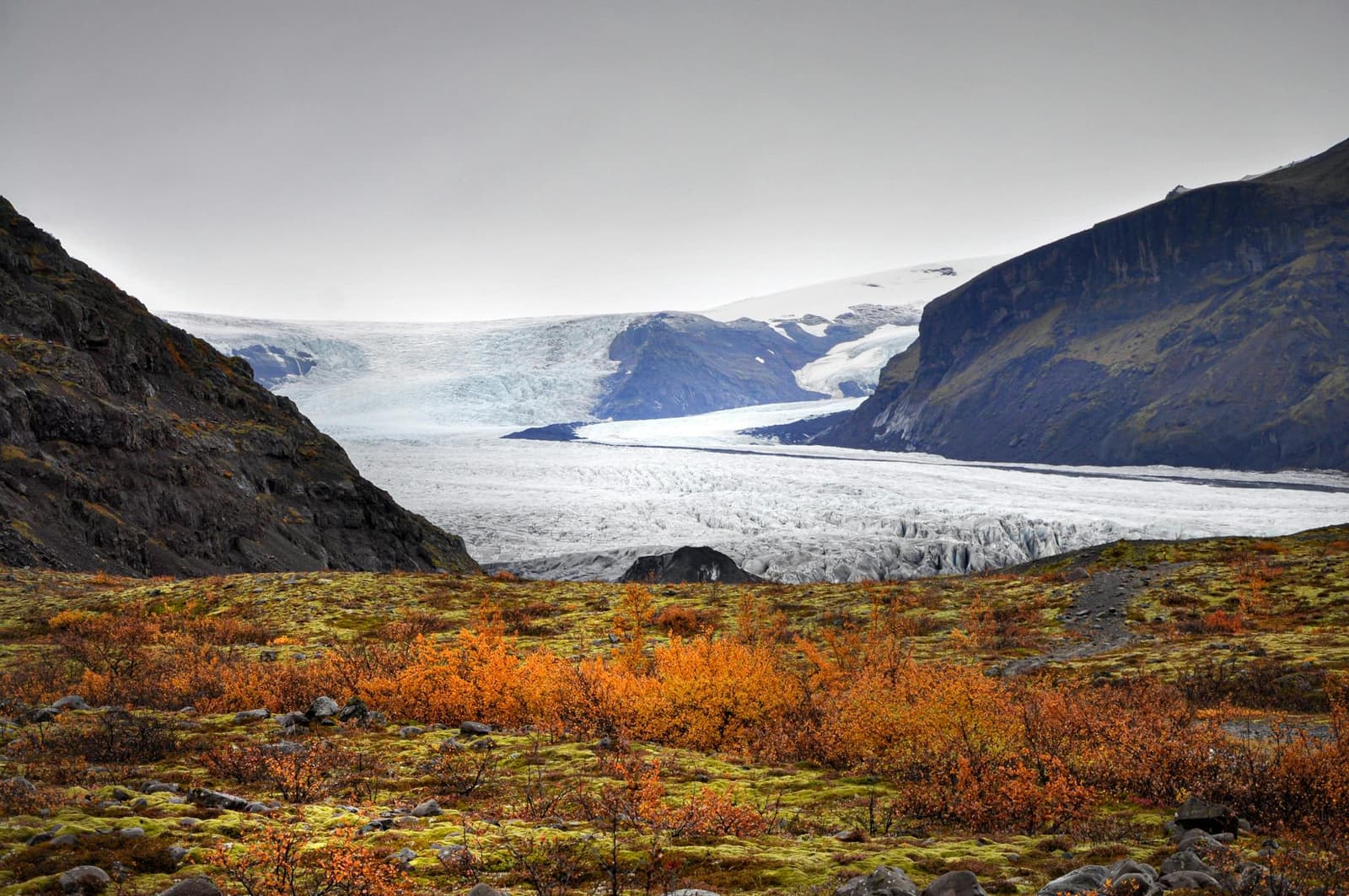
Sólheimajökull is the easier South Coast pick, but it still feels like real glacier terrain underfoot.Skaftafell often feels more like a bigger landscape day, with the glacier embedded in a wider national-park setting.
What a glacier-hike day actually feels like
Many people imagine glacier hiking as either a casual snowy stroll or a highly technical expedition. In reality, most guided glacier walks sit between those extremes. The day usually has structure, instruction, and a clear pace, but it is designed to be accessible to ordinary active travelers rather than only experts.
You usually start with a meet-up, briefing, and gear fitting.
There is commonly an approach segment before you step onto the ice.
Once on the glacier, the pace is steady and deliberate rather than fast.
Stops often mix photo moments, short interpretation, and route adjustments.
Wind, wet conditions, and surface texture make the experience feel more serious than a normal footpath walk.
One of the surprises for first-time visitors is how textured the glacier is. Instead of a flat white field, you may see ash-streaked ice, ridges, melt channels, crevasses, and constantly changing shapes. That is part of what makes the experience memorable: it feels like entering a living landscape rather than visiting a frozen object.
Another surprise is that the challenge usually comes from balance, focus, and exposure rather than from pure endurance. You do not need to be a mountain athlete for many entry-level glacier hikes, but you do need to move carefully, listen well, and stay comfortable outdoors in variable weather.
What often matters more than raw fitness
Confidence
Being comfortable walking on uneven terrain is often more important than speed.
Weather tolerance
Cold wind and moisture can make an otherwise moderate outing feel demanding.
Footwear
Supportive hiking boots help more than casual sneakers when using traction gear.
Pacing
A glacier walk is usually about controlled movement, not covering distance quickly.
Most glacier hikes move at a careful, steady pace, with the guide leading the way across changing ice.
How hard is it really? Difficulty, age limits, and who tends to enjoy it most
Glacier hiking is often beginner-friendly, but that does not mean effortless. Travelers get the best experience when they book with honest expectations about terrain, group pace, and comfort level.
In broad terms, most standard glacier hikes are moderate adventure activities. You may deal with slippery surfaces, small rises and descents, changing footing, and several hours outside. For active travelers, that is usually manageable. For travelers who strongly dislike instability underfoot or become tired quickly in cold wind, the same outing may feel much harder.
Age policies vary by operator and by the exact product. Some departures welcome older children, while others are designed for adults or stronger teens. That means families should not assume that one glacier hike represents all glacier hikes. Look at the actual departure requirements before designing the day around it.
Often a good fit for: active beginners, couples, small friend groups, and adventurous first-time visitors.
Sometimes a fit for: families with older children who are comfortable outdoors and meet the product requirements.
Less ideal for: anyone expecting a casual sightseeing walk, travelers with poor ankle support, or visitors who want fully predictable conditions.
Beginner-friendly does not mean unguided or risk-free: Many glacier hikes are designed for beginners, but the setting is still technical enough that guidance, route choice, and safety equipment matter. Treat 'suitable for beginners' as an accessibility signal, not as proof that the glacier itself is simple.
Glacier hiking is usually approachable for active beginners, but it still relies on real gear, balance, and guidance.
What to wear, what is usually provided, and what not to assume
Packing well makes a bigger difference on a glacier hike than many travelers expect. The goal is not to dress for deep Arctic cold; it is to stay warm enough while moving, protected from wind and moisture, and comfortable inside provided technical gear.
Operators commonly provide the specialist equipment needed for the actual glacier travel, but what is included can vary. Think of your job as arriving ready for an exposed outdoor activity in changeable weather, wearing suitable hiking clothing and sturdy footwear unless the operator clearly states otherwise.
Wear layers you can move in rather than one heavy bulky piece.
Bring water-resistant outer protection if conditions look wet or windy.
Choose gloves, a hat or buff, and warm layers even outside winter.
Use supportive hiking boots that work with traction gear if required by the operator.
Keep your phone or camera accessible but protected from moisture.
Do not assume all providers include the same boots, waterproofs, transport, or extras. Do not assume summer means mild conditions on the ice, either. Glacier surfaces and exposed meeting areas can feel sharply colder and windier than a calm roadside stop nearby.
On glacier hikes, the specialist traction gear matters as much as the clothing layers you bring yourself.
Why guided glacier travel is the norm
This is the part many editorial guides gloss over. Glacier hiking in Iceland is exciting because the landscape is active and changing, but those same qualities are why ordinary visitors should view it as a guided experience.
Crevasses, unstable surfaces, melt patterns, route changes, and weather all affect glacier safety. National safety guidance and protected-area advice consistently point travelers toward experience, proper equipment, and qualified guidance rather than casual self-navigation. That is especially important because a glacier can look visually open while still containing hidden or evolving hazards.
There is an important difference between a land trail with glacier views and actual glacier travel. In places such as Skaftafell, you can appreciate glacier scenery from ordinary hiking routes without stepping onto technical ice terrain. That can be the better choice if you want the landscape but not the guided on-ice challenge.
Good judgment is part of the experience: If what you want is safe access to glacier terrain, book a guided glacier hike. If what you want is simply to see glaciers, consider viewpoint and hiking options near glacier areas instead of trying to turn glacier travel into a do-it-yourself activity.
Guided glacier travel is the norm because the ice is active, shifting, and full of hazards that are hard to read from afar.
When glacier hiking is worth the time on your route
The biggest planning mistake is not choosing the wrong glacier. It is squeezing glacier hiking into the wrong kind of day. This experience is most rewarding when the rest of your schedule gives it enough space to breathe.
A glacier hike works best as either a deliberate half-day stop or one of the main anchors of the day. If you are trying to combine multiple waterfalls, black-sand stops, long driving hours, and a glacier walk in a single rush, the activity can start to feel like one more timed commitment rather than the highlight it should be.
Best as a half-day stop: when you are driving the South Coast and want one major adventure between scenic stops.
Best as a full-day anchor: when glacier hiking is the reason for the day and you want a less hurried pace.
Best from Reykjavík with no car: when you specifically want a guided adventure and accept a long structured day.
Less ideal: when your plan is already overloaded with fixed stops or when you mainly want flexible, weather-light sightseeing.
For self-drive travelers, glacier hiking often makes the most sense once you have an overnight nearby or a realistic driving day built around it. For no-car travelers, guided departures can make the activity possible, but the day may be long. That can still be worth it if glacier hiking is one of the signature experiences you most care about.
If you are already seeing places such as Jökulsárlón, Skaftafell, or roadside glacier viewpoints, a glacier hike is still worth it when you want contact rather than observation. The difference is like seeing mountains from a road versus actually going onto one of the surfaces that defines the landscape.
Glacier conditions and crevasse hazards change over time, supporting the recommendation that ordinary visitors treat glacier travel as a guided activity with current safety awareness.
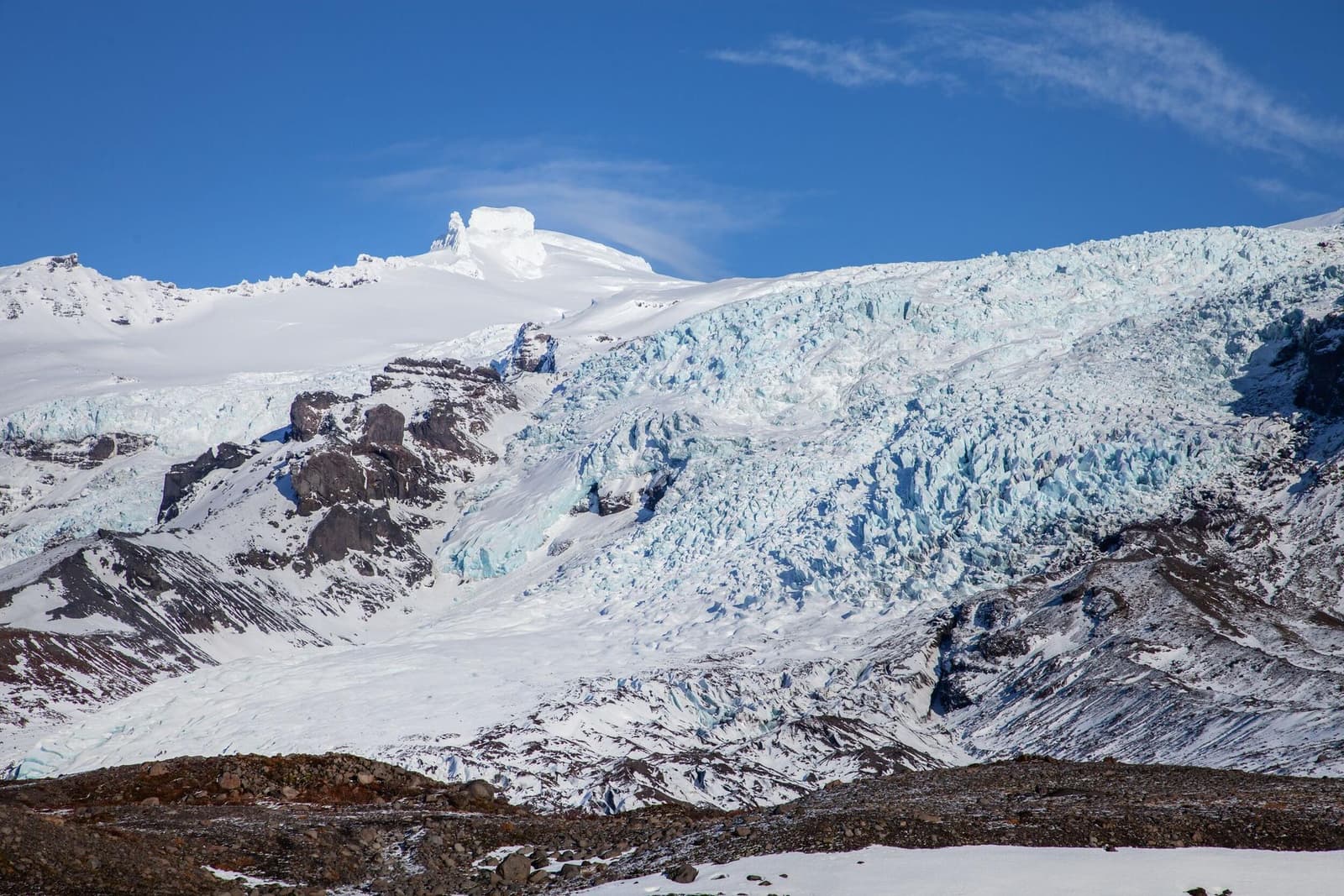
Falljökull is a recognized glacier destination near Skaftafell, and the park advises appropriate safety gear and an experienced guide for glacier walks.
Visitors can experience glacier landscapes near Skaftafell from non-technical visitor trails, supporting the distinction between glacier views and on-glacier hikes.
FAQ
These are the questions travelers most often ask when deciding whether to add glacier hiking to an Iceland trip.
Can beginners do a glacier hike?
Yes, many glacier hikes are designed for beginners, especially shorter guided walks in South Iceland. Beginner-friendly does not mean effortless, though: you still need to be comfortable outdoors, able to walk on uneven ground, and willing to follow technical guidance.
Do you need a guide for glacier hiking?
For most visitors, yes. Glacier terrain changes over time, can hide crevasses and unstable features, and is not comparable to an ordinary marked hiking trail. Guided glacier travel is the normal and safer way to experience the ice itself.
Which glacier hike is better: Sólheimajökull or Skaftafell?
Neither is universally better; the best choice depends on your route. Sólheimajökull often fits classic South Coast days and shorter itineraries more easily, while Skaftafell usually makes more sense if you are already traveling deeper into South Iceland and want the glacier hike to sit within a broader national-park landscape.
What should I wear for a glacier hike?
Wear layered outdoor clothing and sturdy hiking footwear suitable for cold wind, moisture, and uneven footing. Specialist glacier equipment is often provided, but clothing and inclusion details vary by operator, so the safest approach is to arrive dressed for exposed conditions rather than assuming summer weather will feel mild on the ice.
Is glacier hiking in Iceland hard?
For many active travelers, it feels moderately demanding rather than extreme. The challenge usually comes from balance, slippery terrain, weather exposure, and sustained attention instead of speed or athletic performance.
Can children join a glacier hike?
Sometimes, but not all glacier hikes accept children and the minimum age can vary by product. Families should compare the exact departure requirements and be realistic about whether the child is comfortable with cold, gear, uneven terrain, and guided pacing.
Can you do a glacier hike as a day trip from Reykjavík?
Yes, some travelers do, usually on a long guided day that handles transport for you. It can be worthwhile if glacier hiking is a priority experience, but it is usually a bigger and more structured day than doing the activity while already based along the South Coast.
Is glacier hiking worth it if you are already seeing a glacier lagoon or glacier viewpoint?
Yes, if what you want is direct experience rather than scenery alone. A lagoon visit or viewpoint gives you perspective on glacier landscapes, while a glacier hike lets you feel the surface, scale, and movement of the ice in a much more active way.
Keep exploring
Explore the glacier areas behind the activity
Once you know what kind of glacier hike fits your trip, move into the glacier tongues, national-park bases, and South Iceland stops that shape the experience.
Plan the glacier day around the rest of your route
Connect glacier hiking to your South Iceland trip
Use nearby region, itinerary, and practical planning pages to decide whether glacier hiking works best as a Reykjavík-based day, a South Coast overnight activity, or part of a longer Ring Road journey.