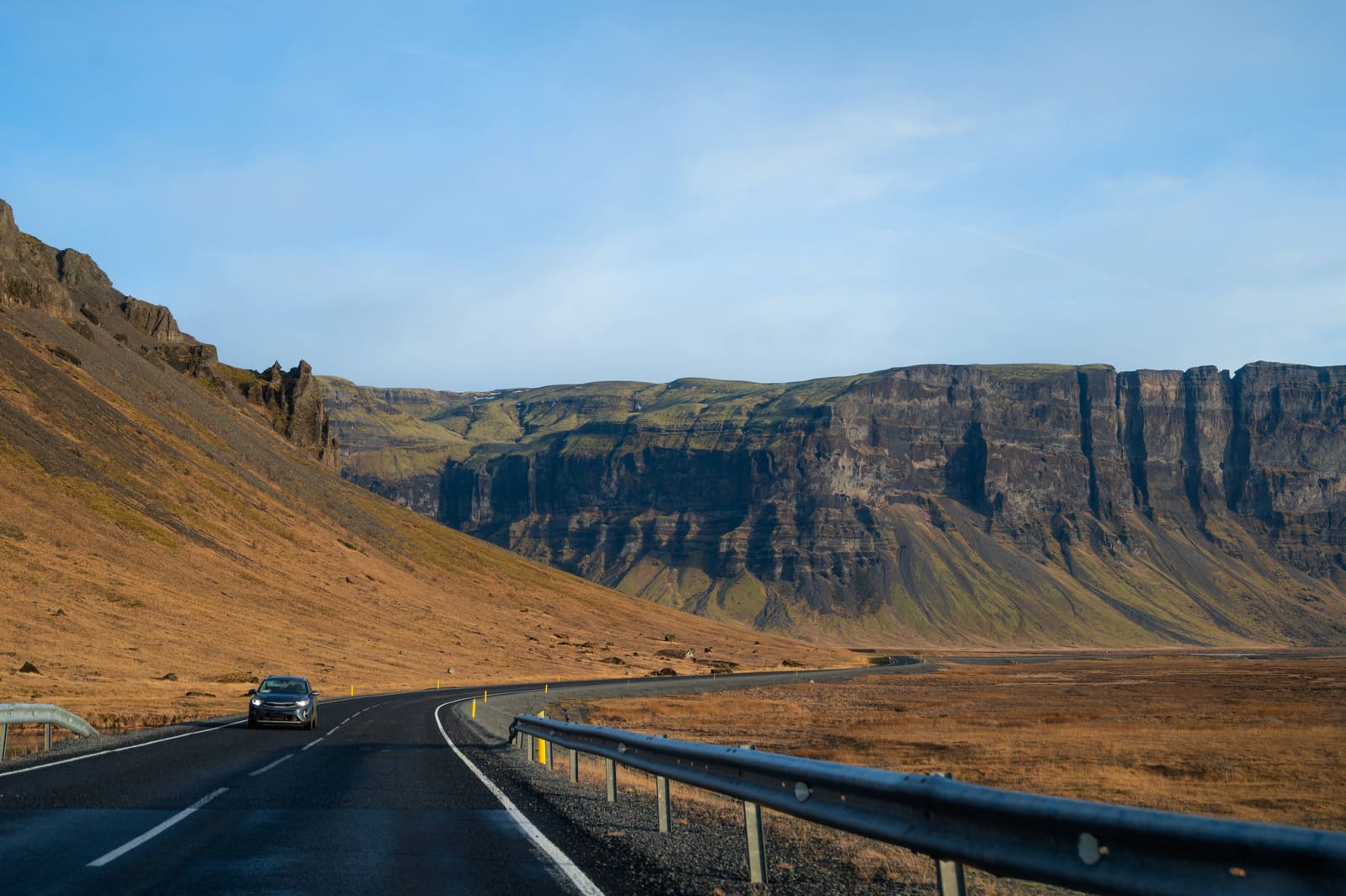
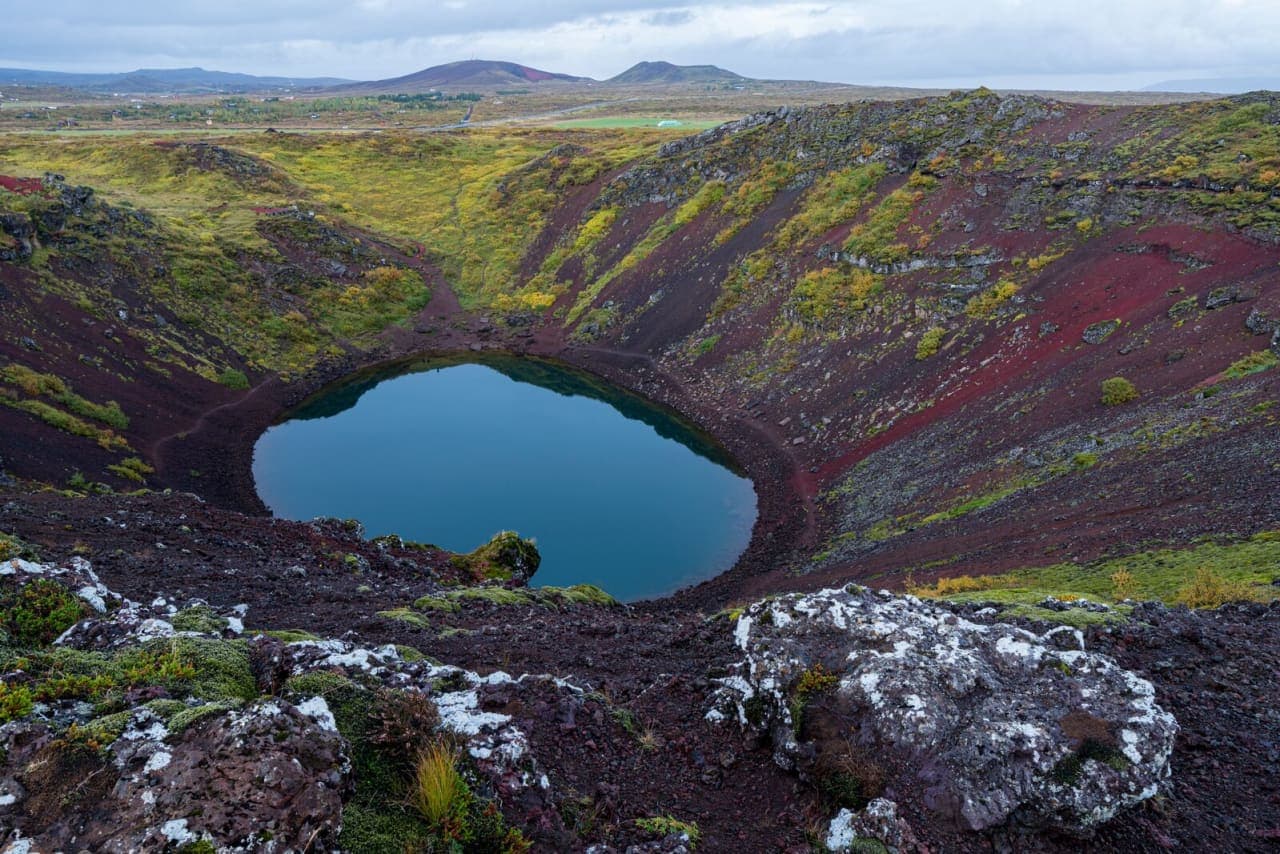
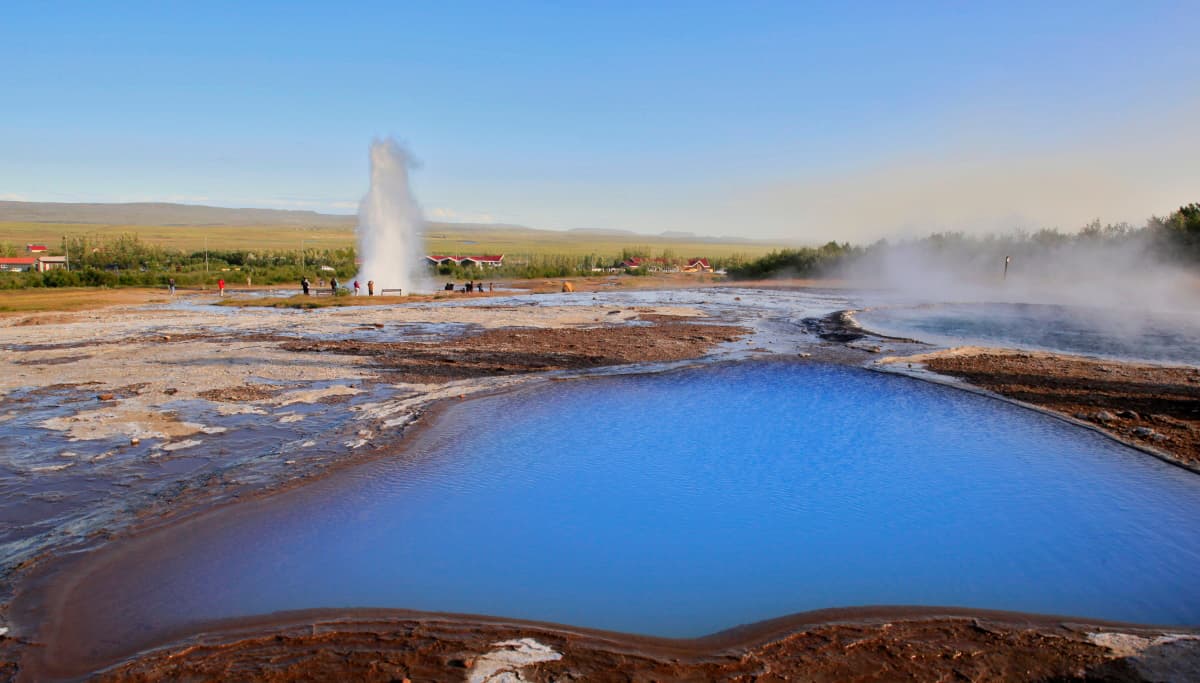
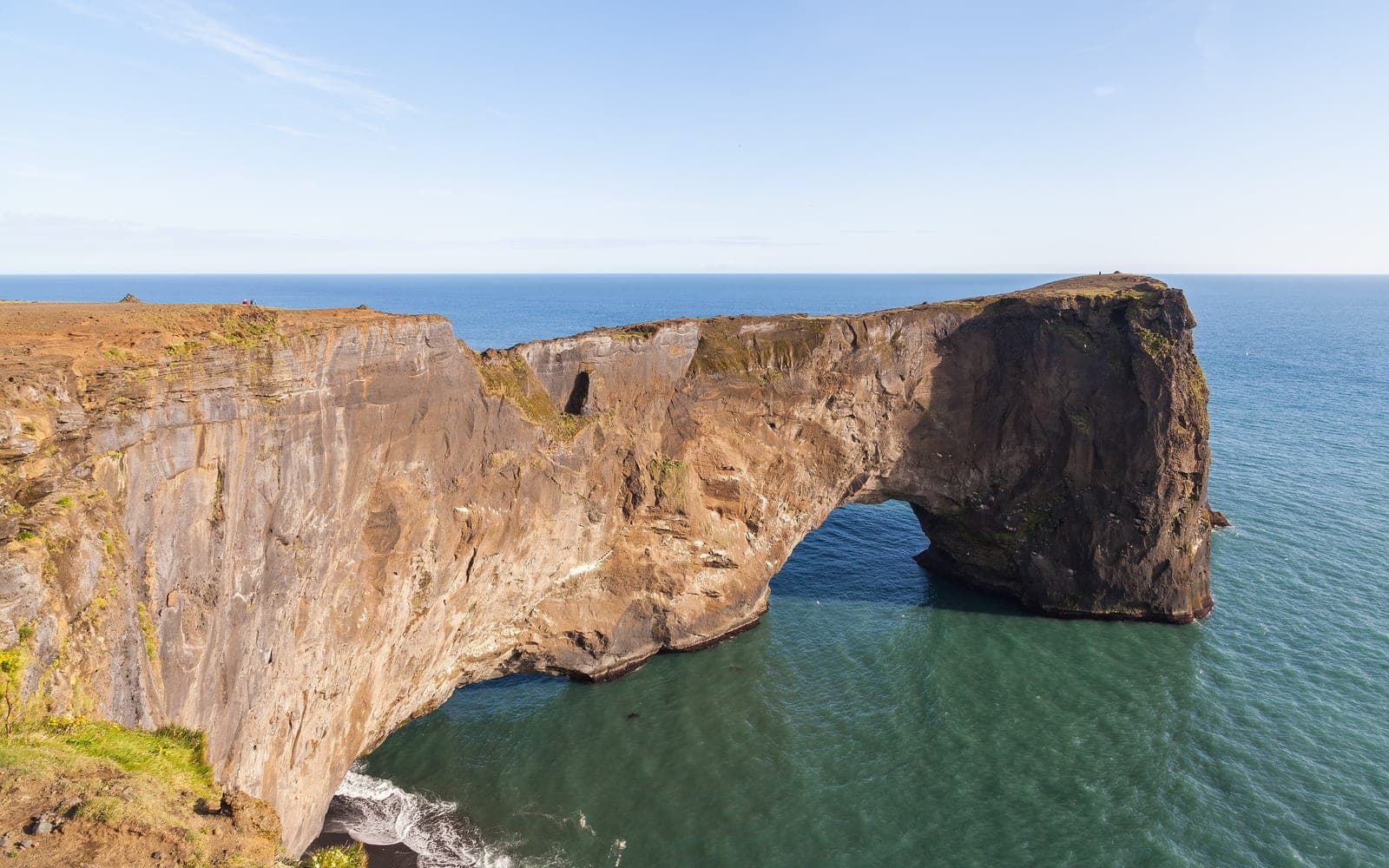
Hengill is a geothermal mountain and volcanic system near Reykjavík and the Golden Circle, worth adding when you want steam, marked trails, and energy-landscape context rather than another quick roadside stop.
Southwest South Iceland, between Reykjavík, Hveragerði, Þingvallavatn, and the Hellisheiði area
Route context
Best used as a flexible southwest add-on before or after Golden Circle and South Iceland stops
Time to allow
About 30-60 minutes for a scenic pause, or 2-4 hours if you choose a marked walking route
Best experience
Clear weather, dry paths, and enough daylight to walk slowly around steam, lava, and viewpoints
In this guide
Is Hengill worth adding near the Golden Circle?
Yes, Hengill is worth adding when you want a geothermal landscape stop near Reykjavík or the Golden Circle and have time for more than a quick pullout. Skip it when your day is already full with classic sights.
Hengill is not one tidy viewpoint. It is a volcanic mountain and geothermal area where steam, lava slopes, marked paths, power-plant context, and rougher weather decisions all sit close together. That makes it more useful for travelers who like a place with layers than for travelers trying to move quickly from one famous stop to the next.
Add Hengill to a flexible southwest day when the route already passes Hveragerði, Hellisheiði, Þingvallavatn, Kerið, or the Golden Circle. Skip it on a tight one-day loop if the choice is between Hengill and properly paced time at Geysir, Gullfoss, or Kerið.
What kind of Hengill visit are you choosing?
Choose the visit style before adding Hengill to the route. The area can work as a short scenic pause, a geothermal walk, an energy-landscape stop, or a longer Hveragerði-side outing.
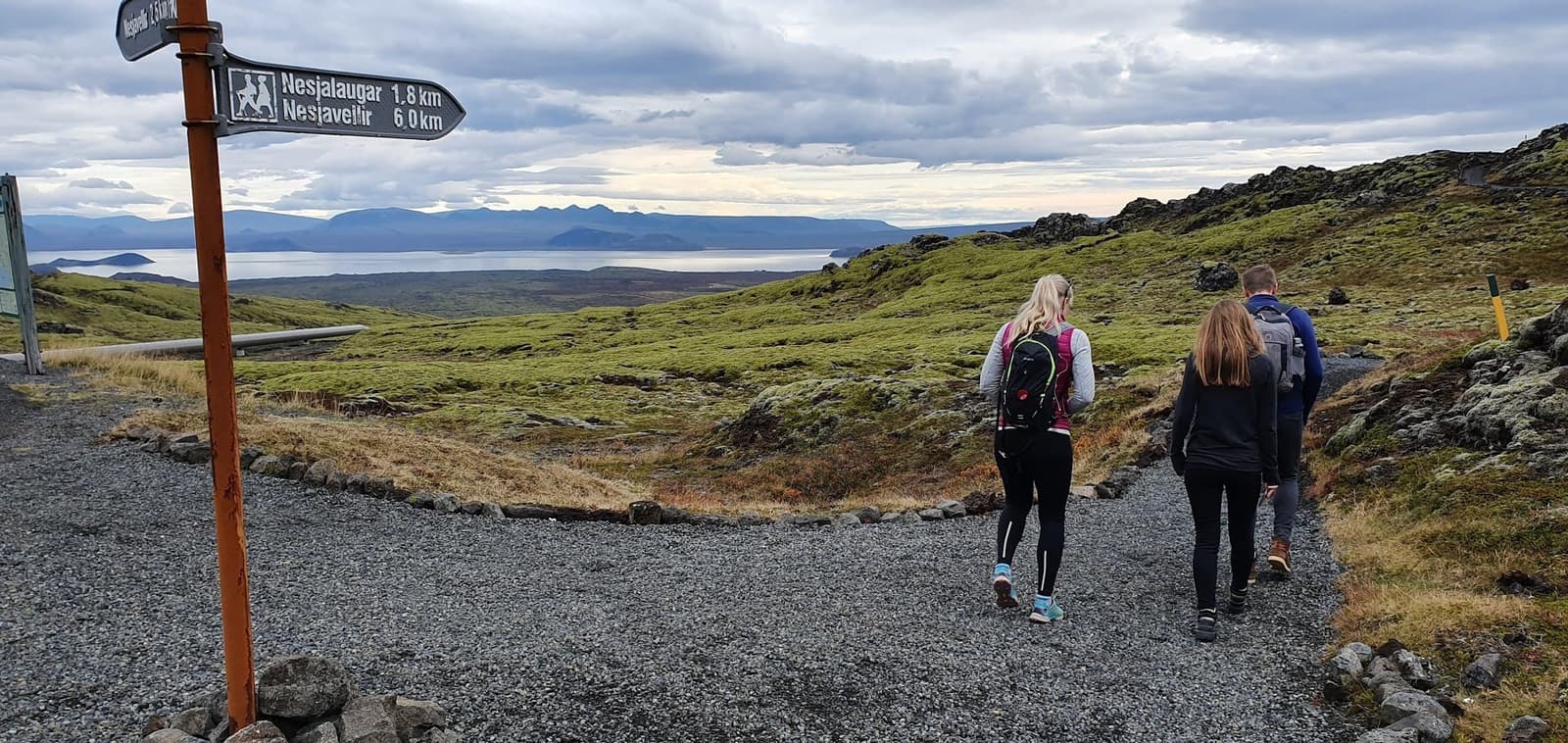
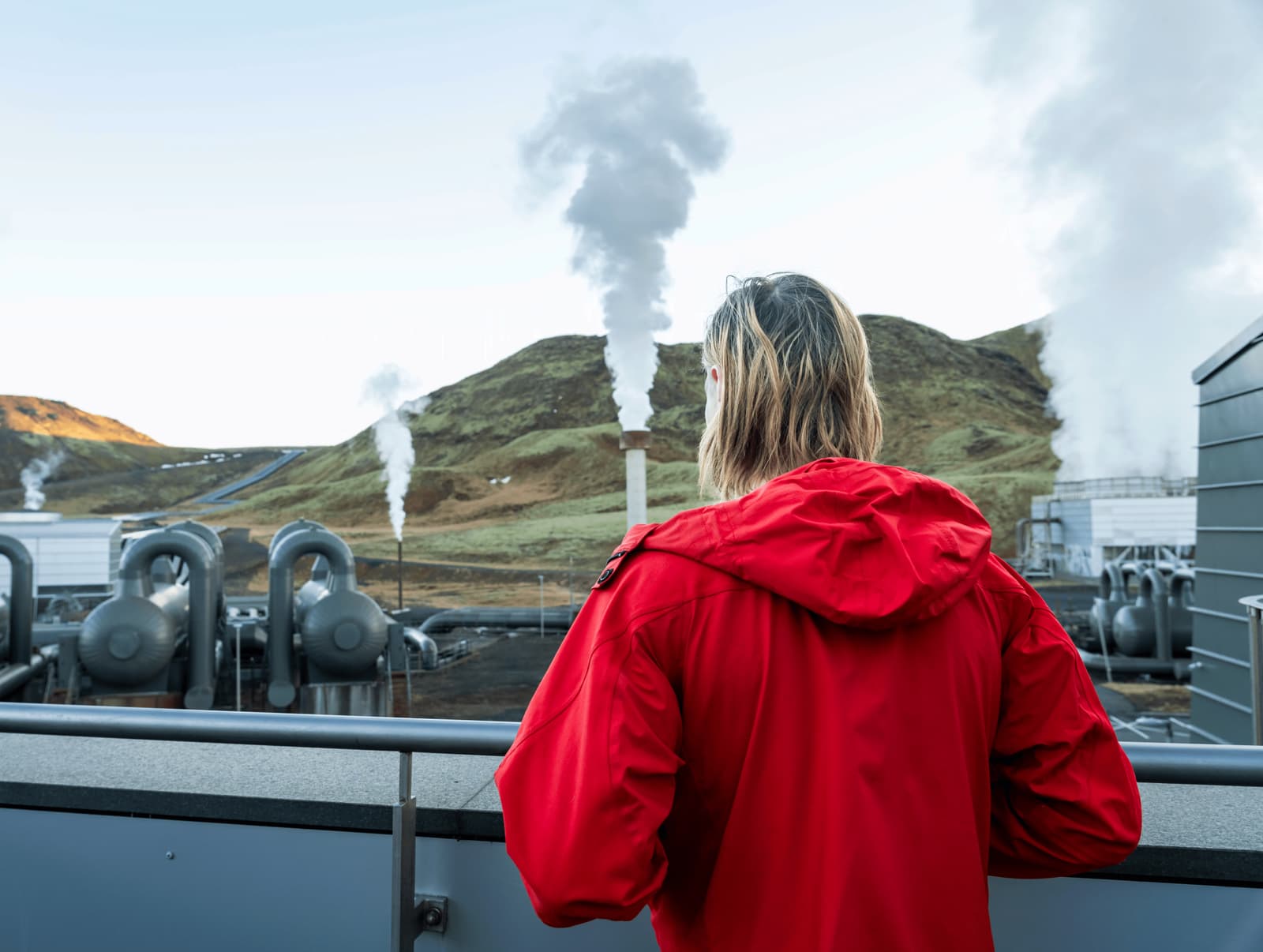
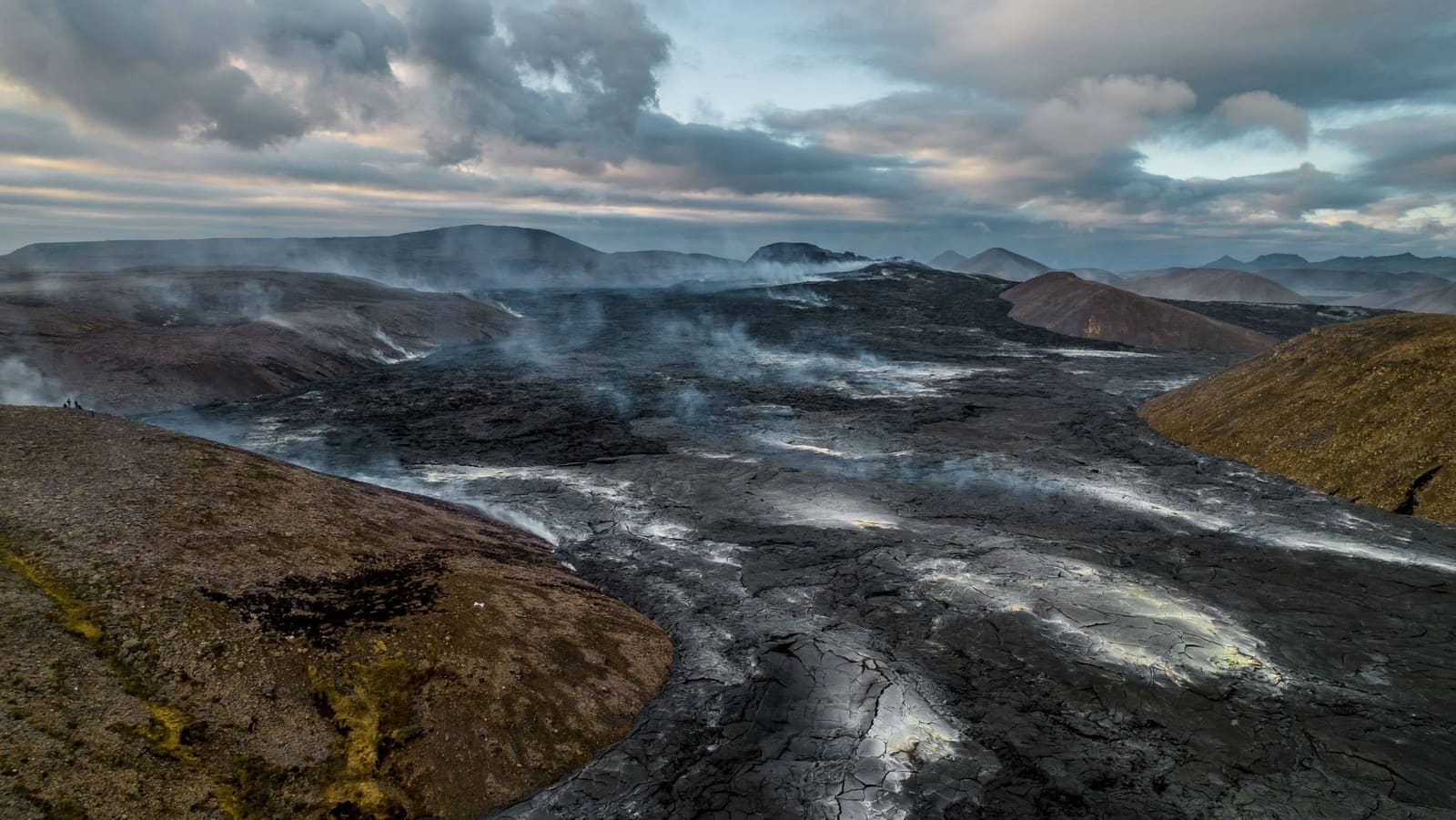
For a short stop, Hengill is about reading the landscape: steam rising from hills, dark lava ground, open mountain slopes, and signs of geothermal power around Hellisheiði and Nesjavellir. For a walking stop, the decision becomes more serious because marked paths, weather, daylight, and footing matter.
Hengill rewards travelers who slow down enough to read the geothermal ground, not only the distant mountain view.
Simple Hengill visit choice
Visit style
Use it when
Planning catch
Short scenic pause
You are passing between Reykjavík, Hveragerði, Þingvallavatn, or the Golden Circle
Do not expect one famous viewpoint that explains the whole area.
Marked geothermal walk
You want steam, lava, views, and a more active southwest stop
Weather, footing, and path choice matter more than map distance.
Energy and geology stop
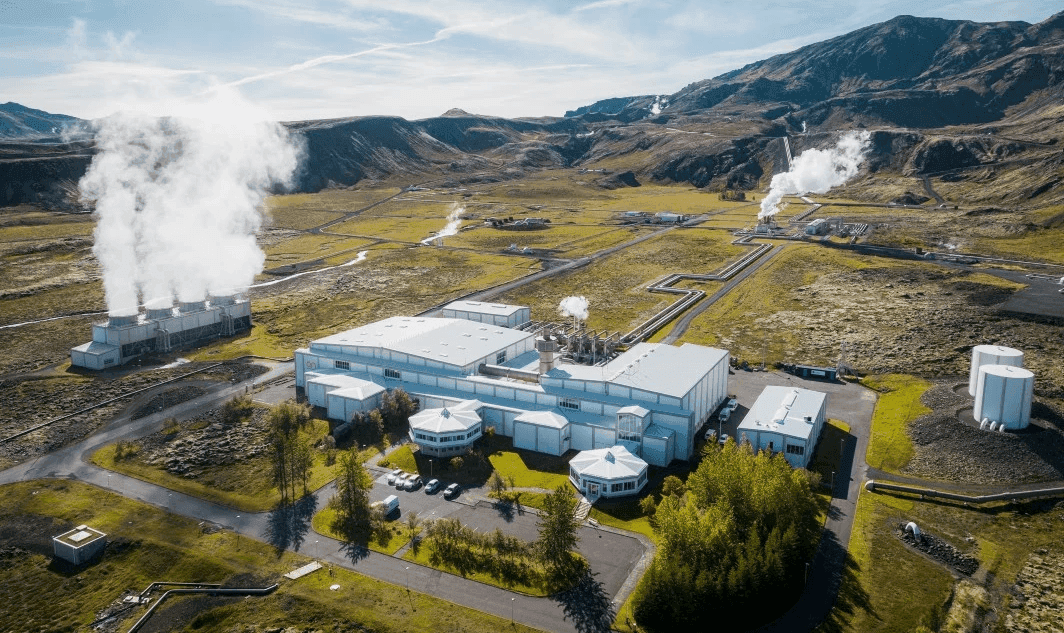
You want to connect the landscape with Hellisheiði or Nesjavellir geothermal power
Check opening/current details for any indoor exhibition or operator visit separately.
Longer Hveragerði-side outing
You have a flexible half day and want the broader hot-spring-valley feel
This can crowd out classic Golden Circle stops if the day is short.
How does Hengill fit between Reykjavík, Hveragerði, and Þingvellir?
Hengill fits best as a southwest connector, not as a separate destination day for most first-time visitors. It makes the most sense when your route already bends through the same geothermal corridor.
The cleanest planning use is between Reykjavík, Hveragerði, Þingvallavatn, and the Golden Circle. If you are already comparing Kerið, Geysir, Gullfoss, and Brúarfoss, Hengill adds a different texture: geothermal steam, hiking terrain, and energy infrastructure rather than another waterfall or crater.
Steam is the first clue that Hengill is part of the living geothermal corridor south of Þingvallavatn.
Do not add Hengill just because it is close to the route on a map. Add it when the day can absorb a slower stop and when geothermal landscapes are more valuable to you than another headline attraction. If you want geothermal roads and power-station landscape with less walking, compare Hengill with Nesjavellir before adding another classic Golden Circle stop. If you only have one classic loop, protect enough time for Geysir, Gullfoss, Kerið, and the drive itself.
Plan Hengill in bands: under an hour for a scenic pause
Plan Hengill in bands: under an hour for a scenic pause, two to four hours for a meaningful walk, and longer only if you deliberately build the day around Hveragerði or geothermal stops.
The mistake is treating Hengill as either tiny or endless. It can be a quick add-on if you only want the landscape context, but the area becomes a real time commitment once you start choosing paths, stopping for photographs, checking signs, or pairing it with a geothermal exhibition or hot-spring-valley walk.
The Hveragerði side of the Hengill system can turn a quick idea into a much longer walking stop.
Use 30-60 minutes if you only want a scenic geothermal pause on a broader driving day.
Use 2-4 hours if you want to follow a marked route and still keep the rest of the day realistic.
Keep a half day open if Hengill, Hveragerði, Reykjadalur-style walking, or an energy stop is the main event.
Facilities and shelters are part of the wider Hengill trail network, but current guidance should still decide the day.
What should you check before walking or driving there?
Check road status, weather, travel alerts, and land-manager guidance before you commit. Hengill is close to Reykjavík, but close does not mean condition-proof.
Orkuveitan and ON describe Hengill as an active volcanic belt and high-temperature geothermal area with marked trails and public access outside operational areas. They also ask visitors to respect fragile ground, follow paths, and take particular care near hot springs, hot streams, boreholes, steam, and possible gas pollution.
Use Umferðin for road conditions, the Icelandic Meteorological Office for forecast and warnings, and SafeTravel for travel-condition alerts. In winter, strong wind, thaw, fresh snow, or poor visibility, make Hengill optional rather than forcing a walk because it looked simple on the route plan.
What nearby places should you compare with Hengill?
Compare Hengill with the stops that solve the same day, not with all of Iceland. In practice, that means Kerið, Geysir, Gullfoss, Brúarfoss, Hveragerði, Þingvellir, and your South Iceland direction.
Choose Kerið if you want a simpler crater stop with a clear visit length. Choose Geysir and Gullfoss if this is your only Golden Circle day and you want the classic geothermal-and-waterfall pairing. Choose Brúarfoss when a waterfall walk fits the day better than a broader geothermal mountain area.
Hengill is the better choice when the trip needs a quieter geothermal layer near Reykjavík or South Iceland. It is weaker when the day already has too many named stops, because the area deserves enough time to feel like a landscape rather than a rushed detour.
The value of Hengill is the wider geothermal mountain setting, not one single framed landmark.
Hengill FAQ
Most Hengill uncertainty comes from scope: whether it is a quick stop, a hike, a geothermal safety issue, or a winter idea.
Is Hengill one specific viewpoint?
No. Hengill is a wider geothermal mountain and volcanic system, so the best visit depends on which access point, walk, or nearby geothermal stop you choose.
Can Hengill fit into a Golden Circle day?
Yes, but only if the day has spare time. If you are already visiting Geysir, Gullfoss, Kerið, and Þingvellir in one loop, keep Hengill optional.
Is Hengill safe to walk around?
It can be safe when you stay on marked paths and current conditions are good. Do not step onto geothermal ground, approach hot streams, or ignore warnings around steam, boreholes, or fragile terrain.
Is Hengill a good winter stop?
Sometimes, but winter makes road, path, wind, ice, and visibility checks more important. Use official conditions and be willing to skip the walk.
Hengill: use current official and operator sources for the final decision
Use current official and operator sources for the final decision. A planned route should stay flexible until road, weather, safety, and access details match your exact day.